PawVerde.com – Adopted pet ownership demands a comprehensive commitment encompassing nutrition, health care, behavioral management, and community support. Responsible pet owners must provide balanced diets tailored to their pet’s species, age, and health conditions, while ensuring routine veterinary care that includes vaccinations, wellness examinations, and preventive treatments. Exercise and mental enrichment play critical roles in preventing behavioral problems common among adopted animals adjusting to new environments. Grooming maintains hygiene and comfort, reducing the risk of skin infections and parasites. Additionally, creating a secure, comfortable living space addresses the animal’s physical and emotional needs. Beyond individual care, responsible owners engage with local animal shelters and support spay/neuter programs to mitigate pet homelessness and promote animal welfare.
Selecting the Right Pet for Your Lifestyle
Choosing an adopted pet requires careful evaluation of compatibility between the pet’s characteristics and the owner’s living conditions and routine. For example, active dog breeds demand high exercise levels and engagement, which may not suit individuals with sedentary lifestyles or limited outdoor space. Conversely, certain cat breeds or small animals may thrive in apartments with less frequent outdoor activity. Veterinary clinics such as Arrow Vet Clinic emphasize the importance of assessing a pet’s temperament, energy level, and health history before adoption to ensure a sustainable match. This selection process reduces the likelihood of post-adoption stress, behavioral issues, and eventual relinquishment, underscoring ethical responsibility in pet adoption programs.
Core Responsibilities of Adopted Pet Owners
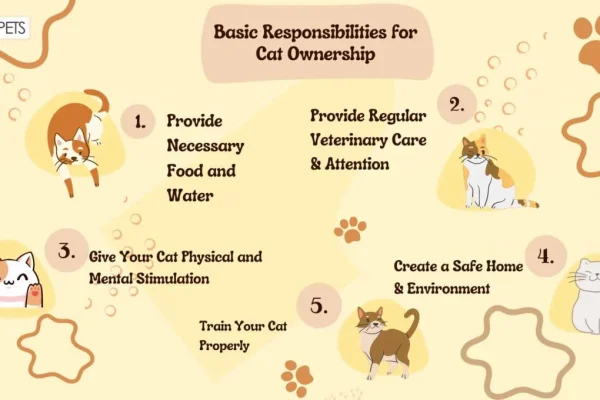
Providing adequate nutrition tailored to the species, life stage, and any pre-existing health conditions is foundational. Nutritional guidelines from experts at Flamingo Pet Clinic recommend diets rich in essential amino acids, fatty acids, vitamins, and minerals, customized to prevent obesity and nutrient deficiencies. Regular veterinary care is indispensable and includes immunizations, flea and tick prevention, dental check-ups, and annual wellness exams. These measures help detect and manage diseases early, ensuring longevity and quality of life.
Exercise and mental enrichment are equally critical. Research from the Danbury Animal Welfare Society identifies that adopted pets often exhibit stress-induced behaviors such as pacing, destructive chewing, or excessive vocalization. Structured daily exercise routines and interactive toys mitigate these issues by stimulating cognitive functions and promoting physical health. Grooming practices—ranging from brushing coats to nail trimming—support skin health and comfort while preventing infections and parasites, which are prevalent concerns in shelter animals transitioning to home environments.
Creating a safe, comfortable living environment involves providing appropriate shelter, bedding, and a consistent routine. animal welfare organizations highlight that a stable environment reduces anxiety and fosters trust, accelerating behavioral adjustment. Adequate space for exercise and quiet zones for rest are essential components, especially for animals rescued from stressful or overcrowded shelters.
Managing Behavioral Challenges After Adoption
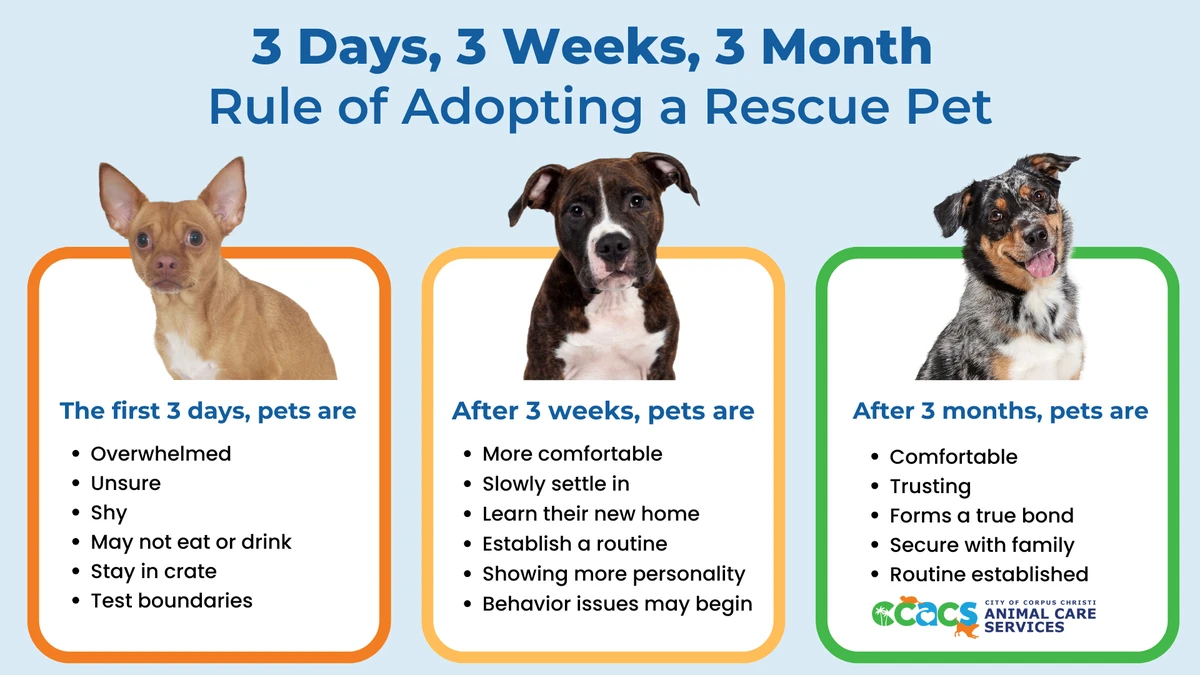
Behavioral issues frequently emerge during the initial months post-adoption due to the pet’s adjustment to a new environment. Common problems include separation anxiety, fearfulness, aggression, and house soiling. A PMC study on post-adoption behavior documents that approximately 40% of newly adopted dogs exhibit at least one behavioral concern within three months. Positive reinforcement training techniques, recommended by pet behavior specialists, have proven more effective than punitive methods in modifying undesirable behaviors. Patience is critical, as some behaviors may persist temporarily while the pet acclimates.
Professional guidance from veterinarians and certified trainers should be sought when behavioral issues escalate or persist. Collaborative approaches involving behavior modification plans tailored to individual pets enhance successful integration and reduce the risk of abandonment due to unmanageable conduct.
Household Integration and Preparing Family Members
Successfully introducing an adopted pet to existing household members and other pets requires strategic planning. Experts advise gradual introductions under controlled settings to prevent territorial aggression and stress. Assigning clear responsibilities among family members for feeding, grooming, and exercising the pet fosters consistent care and strengthens family bonds with the animal.
Educating all household members, including children, on appropriate handling and respect for the pet’s boundaries is essential. This education minimizes accidental injury and behavioral triggers, contributing to a harmonious living environment. Veterinary clinics often provide orientation sessions for new pet owners to facilitate this transition.
Commitment and Ethical Considerations
Adopted pet ownership is a lifelong commitment that extends beyond initial enthusiasm. Responsible owners acknowledge their duty “through good times and bad,” encompassing health crises, behavioral challenges, and aging-related care. Recognizing when rehoming may become necessary is part of ethical ownership; however, it must be approached responsibly by consulting shelters, rescue organizations, or veterinarians to ensure the pet’s welfare.
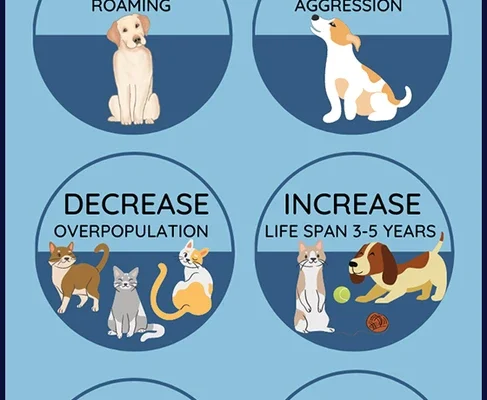
Spay and neuter initiatives not only prevent unwanted litters but also reduce behavioral problems linked to hormonal drives. These programs, supported by animal welfare organizations and veterinary clinics, contribute to community-wide reductions in stray populations and shelter overcrowding.
Supporting Local Animal Welfare Beyond Individual Care
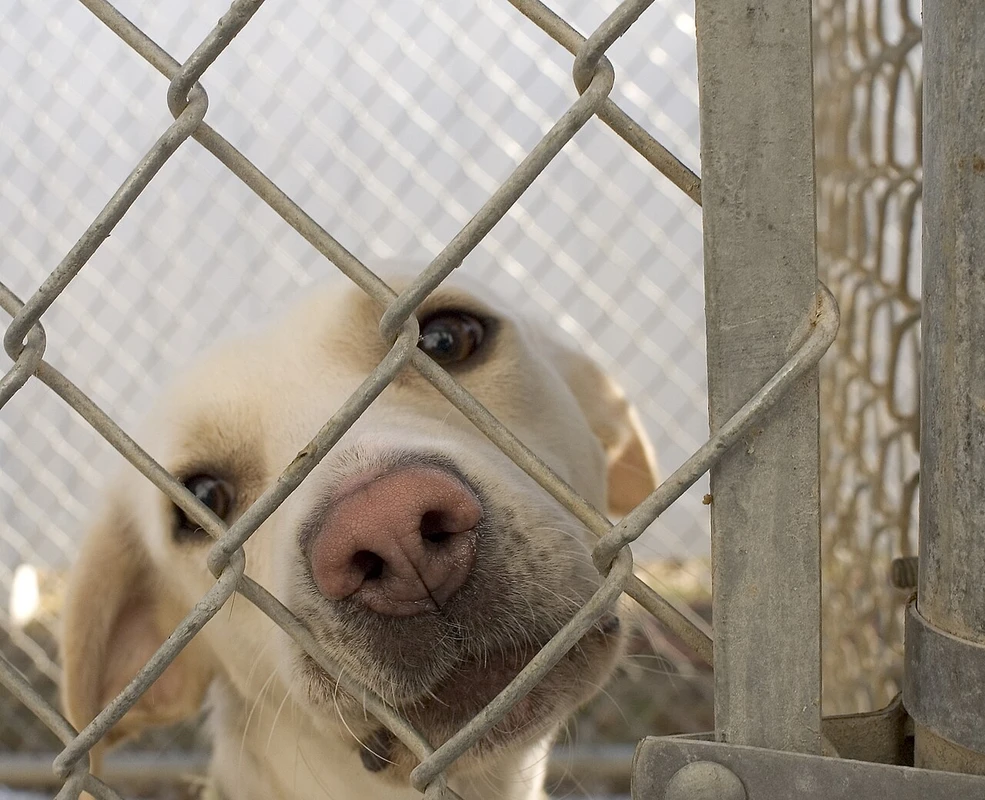
Beyond direct pet care, responsible owners play an active role in supporting local animal shelters and adoption advocacy. Participation in community events, volunteering, and financial donations bolster shelter resources and awareness campaigns. Promoting spay/neuter programs reduces shelter intake and euthanasia rates, addressing root causes of pet homelessness.
Community involvement also includes educating peers about responsible pet ownership and adoption benefits. Animal welfare organizations emphasize that collective action enhances overall animal welfare and promotes a culture of ethical ownership.
| Responsibility | Description | Expert Source |
|---|---|---|
| Balanced Nutrition | Customized diets based on species, age, and health; prevents obesity and nutrient deficiencies | Flamingo Pet Clinic |
| Veterinary Care | Routine vaccinations, wellness checks, preventive treatments for longevity | Arrow Vet Clinic |
| Exercise & Mental Enrichment | Daily physical activity and cognitive stimulation to prevent behavioral problems | Danbury Animal Welfare Society |
| Behavior Management | Positive reinforcement training and professional guidance for post-adoption issues | PMC Post-Adoption Behavior Study |
| Ethical Ownership | Lifelong commitment including spay/neuter and responsible rehoming if necessary | Animal Welfare Organizations |
FAQ
What are the essential health care needs for adopted pets?
Adopted pets require routine veterinary care including vaccinations, parasite prevention, dental health checks, and annual wellness exams. Early health screenings identify potential conditions, ensuring timely treatment and improved life expectancy.
How can I manage behavioral problems in my newly adopted pet?
Behavioral challenges such as anxiety or aggression are common after adoption. Employing positive reinforcement training, maintaining consistent routines, and consulting pet behavior specialists help mitigate these issues effectively.
Why is spaying and neutering important for adopted pets?
Spay and neuter procedures prevent unwanted litters, reduce certain health risks, and decrease behaviors like roaming and aggression. These programs also help control community pet populations and reduce shelter overcrowding.
How should I introduce a new pet to my household?
Introduce new pets gradually in neutral spaces, supervise initial interactions with existing pets, and assign family members clear roles in pet care. Educate all household members on safe handling to promote smooth integration.
What responsibilities do pet owners have beyond daily care?
Owners should support local animal welfare through adoption advocacy, volunteering, and promoting spay/neuter initiatives. Ethical ownership involves lifelong commitment and responsible decision-making concerning the pet’s well-being.
Adopted pet ownership encompasses multifaceted responsibilities that extend beyond basic care. Prospective and current owners benefit from integrating expert veterinary guidance, behavioral management strategies, and community involvement to ensure the physical and emotional welfare of their pets. As societal awareness of animal welfare advances, the role of responsible pet ownership will increasingly emphasize ethical practices and lifelong commitment, fostering healthier pets and stronger human-animal bonds.