
Sustainable Pet Product Lifecycle: Circular Economy Guide
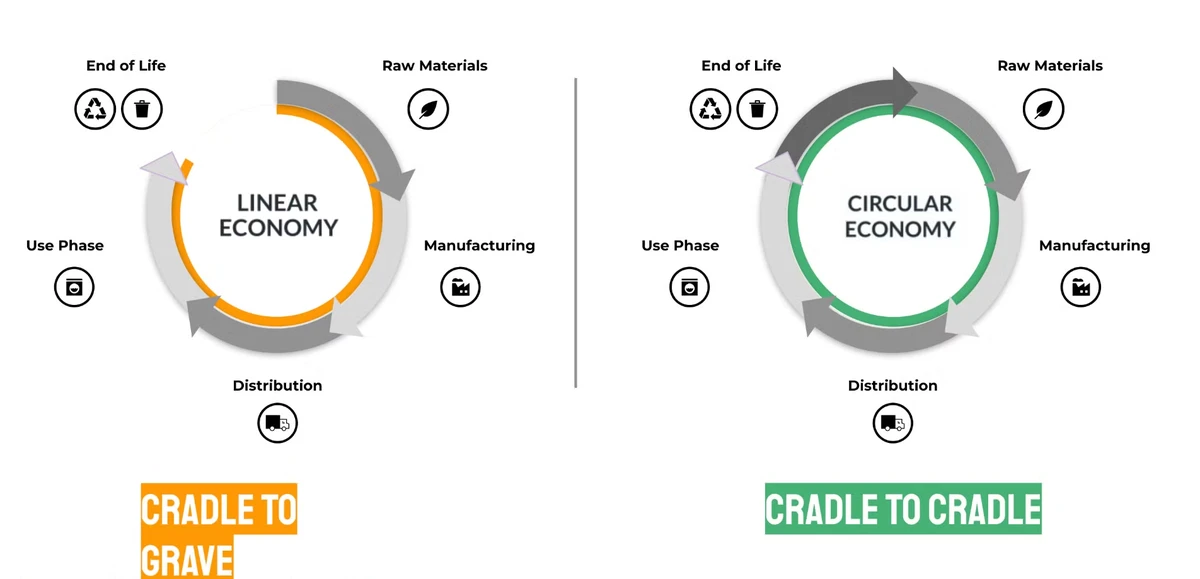
PawVerde.com – A sustainable pet product lifecycle shifts from a ‘take-make-waste’ model to a circular economy where materials like PET are continuously repurposed. This approach minimizes environmental harm by prioritizing product durability, mono-material construction, and closed-loop recycling systems to reduce the 300 million pounds of plastic waste generated annually by the U.S. pet food industry.
The environmental impact is immense. In the U.S., 91% of the 300 million pounds of plastic waste generated annually by the pet food industry ends up in nature, oceans, or disposal areas.
The Sustainability Paradox: Durability vs. Biodegradability
The sustainability paradox in pet products involves balancing a toy’s durability for heavy chewers against its end-of-life biodegradability. While biodegradable materials reduce landfill waste, they may lack the toughness required to prevent microplastic shedding, whereas durable recycled plastics like PET offer longevity but require robust recycling infrastructure to remain truly circular.
Sustainability rewards durability. According to ecofurball.com, if a product breaks easily, it fails the test of what makes a pet product sustainable, regardless of how green it appears. This creates a counterintuitive reality where a “less eco-friendly” material like high-density plastic may actually be more sustainable than a biodegradable alternative if the latter requires replacement every few weeks.
The Carbon Cost of Frequent Replacement
A common failure mode in sustainable pet ownership is the assumption that “natural” always equals “better.” However, the Pet Sustainability Coalition notes that what makes a pet product sustainable is its ability to minimise environmental harm across its entire lifecycle. If a consumer replaces a soft, biodegradable toy every month due to rapid wear, the cumulative carbon footprint of manufacturing, shipping, and disposing of those items often exceeds the footprint of a single, long-lasting recycled plastic toy.
Sustainable products can cost more upfront, but according to ecofurball.com, they often last longer and save money over time. This longevity is a critical component of reducing the total volume of waste entering the ecosystem.
The Microplastic Dilemma in Biodegradable Toys
A hidden risk exists when materials marketed as biodegradable lack the structural integrity to withstand heavy chewing. If these materials fragment, they can lead to the ingestion of microplastics by pets or the leakage of synthetic residues into the soil, complicating the lifecycle benefits they were intended to provide.
Material Safety vs. Circularity: A Decision Matrix
Choosing the right material requires weighing environmental cultivation costs against physical safety. As reported by growthmarketreports.com, the pet toys segment is experiencing rapid growth, driven by consumer concerns over plastic waste and chemical leaching from conventional toys.
| Material | Energy Intensity | Primary Circular Benefit | Main Sustainability Trade-off |
|---|---|---|---|
| PET (Recycled) | Low (70% reduction) | Closed-loop recycling | Requires specific recycling streams |
| Aluminum | High | Infinite recyclability | High initial energy cost |
| Glass | Very High | Non-toxic/Inert | Heavy weight/High breakage risk |
| Hemp | Low | Low water/High durability | Limited material versatility |
| Cotton | Medium | Biodegradable | High water use/Lower durability |
Deciding between fibers requires looking at resource use. While cotton is widely available, hemp often presents a more sustainable profile in terms of resource consumption and long-term toughness.
The PET Advantage in Circular Packaging
PET is a cornerstone of the circular economy because recycling it uses up to 70% less energy than producing virgin PET. Furthermore, recycling PET can save 6 tons of oil resources for every 1 ton processed, making it more environmentally efficient than glass, aluminum, or carton alternatives in many lifecycle assessments.
Husky Injection Molding Systems reports that PET produces lower greenhouse gas emissions, consumes less energy, and generates less waste compared to commonly used alternatives. These efficiency metrics are significant:
- The recycling of PET bottles helps divert 138 million bags of trash from landfills in the United States.
- PET-related water savings account for 4.4 billion litres annually in the U.S.
- These water savings are equivalent to the reduction in emissions from 688,000 gas-powered cars.
Closed-loop ‘bottle-to-bottle’ mechanics
A true circular economy relies on closed-loop “bottle-to-bottle” recycling. This process, as detailed by Aceretech, involves transforming used PET bottles into new, food-grade bottles through a systematic cycle of shredding, washing, and pelletizing. This ensures that the material does not degrade in quality but remains a high-value resource within the supply chain.
Solid State Polymerization (SSP) for food-grade safety
To maintain safety standards, particularly for pet food packaging, manufacturers utilize Solid State Polymerization (SSP). This technical process is essential to ensure that recycled PET (rPET) meets strict standards for food-grade use, stripping away impurities and restoring the polymer’s molecular weight so it is safe for contact with nutrition products.
Closing the Loop: Technical Strategies for Manufacturers
For manufacturers to move beyond simple recycling and toward a truly circular model, specific design choices must be implemented at the production stage. One of the most effective methods is mono-material construction, which uses a single polymer type throughout the entire package. As noted by plastekgroup.com, mono-material designs simplify the recycling process and increase the likelihood that local recycling facilities will accept the packaging.
Effective technical strategies include:
- Implementing Mono-Material Construction to avoid the complexities of separating multi-layer plastics.
- Adopting Closed-loop ‘bottle-to-bottle’ systems to keep high-quality PET in the production cycle.
- Designing for disassembly in durable goods like pet beds or crates.
A significant failure mode in manufacturing occurs when companies use multi-material laminates (such as plastic bonded to foil). While these may provide excellent moisture barriers for pet food, they are notoriously difficult to recycle and often end up in landfills, breaking the circular loop.
Market Dynamics and the Rise of the Eco-Conscious Pet Owner
The economic landscape is shifting rapidly to accommodate these sustainable practices. In 2024, the sustainable pet products market value reached USD 35,045 million. This sector is projected to grow at a CAGR of 7.4% during its forecast period, according to credenceresearch.com.
This growth is fueled by a massive influx of new consumers. Data from dataintelo.com indicates that 3.4 million new pet-owning households were formed across North America and Western Europe in 2024. As these new owners enter the market, there is an increasing demand for products that align with environmental values, driving investment in both compliance and innovation.
Avoiding the Greenwashing Trap
As sustainability becomes a primary marketing driver, the risk of “greenwashing” increases. Consumers must remain vigilant against products that use misleading environmental claims. According to ecofurball.com, sustainability marketing spin is a major pitfall when companies fail to provide verifiable data to back up their “eco-friendly” labels.
Systemic risks include non-compliance with global legislative efforts and a lack of source-level traceability to the waste-picker level.
To accurately judge a product, consumers can look toward Life Cycle Assessments (LCA). As noted by Uekert et al 2022, no LCA is perfect the first time, as reviewing results may require shifting the scope to fully capture all important environmental impacts.
FAQ
How can I ensure my pet’s recycled plastic toys don’t contaminate the recycling stream?
Focus on cleaning food residue and saliva from hard plastics like bowls or heavy-duty toys before disposal to prevent batch contamination. Ensuring materials are free of organic matter helps maintain the integrity of the recycling process.
What is the benefit of mono-material packaging for pet food?
Mono-material construction uses a single polymer type, which simplifies the recycling process and increases the likelihood that local facilities will accept the packaging. This reduces the chance of the material being diverted to a landfill.
Is it better to buy durable plastic or biodegradable pet products?
Durability prevents frequent replacement and waste. For items that cannot be easily recovered, biodegradability is an option, provided the material does not fragment into microplastics.
Top Sustainable Pet Toys Using Recycled Rubber & Organic Cotton
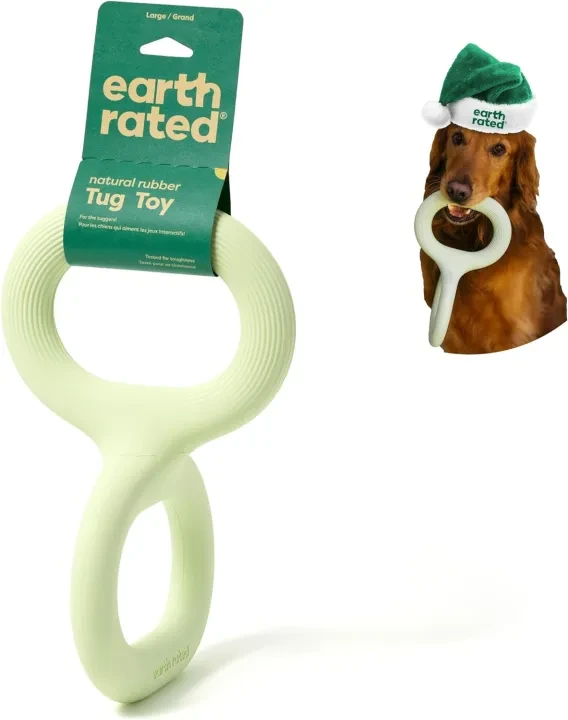
PawVerde.com – sustainable pet toys are increasingly gaining traction among environmentally conscious consumers seeking safe, durable, and eco-friendly options for their pets. Leading pet brands such as West Paw and Tug & Go have pioneered the use of recycled rubber, organic cotton, and biodegradable plastics in their product lines, integrating sustainability with pet safety and long-lasting performance. Certifications like Organic and Fair Trade support their environmental claims and provide transparency to consumers concerned about the ecological footprint of pet products. This article explores the landscape of sustainable pet toys, analyzing materials, brands, certifications, and design innovations that define this growing market.
Materials Used in Sustainable Pet Toys
Sustainable pet toys rely primarily on materials that minimize environmental impact while maintaining durability and pet safety. Recycled rubber is a cornerstone material widely used by brands such as West Paw. This material not only diverts waste from landfills but also offers high resilience against chewing, reducing the frequency of replacements and thus overall consumption. Natural rubber, derived from rubber trees, complements recycled rubber by providing a biodegradable alternative with elastic properties ideal for interactive toys.
Organic cotton is favored for soft toys due to its non-toxic nature and lower pesticide use compared to conventional cotton. When combined with hemp rope, another natural fiber known for its strength and resistance to mold, these materials form durable, eco-conscious options that avoid synthetic chemicals harmful to pets. These fibers are also biodegradable, further reducing disposal impact.
Biodegradable plastics, increasingly developed from plant-based sources like cornstarch or sugarcane, offer alternatives to traditional petroleum-based plastics. Brands like Beco Pets and Puurfect Play incorporate these bioplastics to create toys that break down under industrial composting conditions, reducing persistent plastic pollution. Bamboo fibers, appreciated for rapid renewability and natural antibacterial properties, also appear in pet toy textiles, enhancing sustainability.
Innovations in material sourcing include ocean plastic reclamation, where discarded marine plastics are collected and repurposed into pet products. Cycle Dog exemplifies this approach by transforming ocean-bound plastics into tough dog toys, simultaneously addressing marine pollution and pet product waste. Upcycled textiles, often post-consumer fabrics diverted from landfill, further broaden the material spectrum, supporting circular economy principles within pet care.
Leading Brands Committed to Sustainability
West Paw and Tug & Go stand out for their transparent sustainability initiatives and eco-friendly manufacturing processes. West Paw’s Zogoflex® material, made from non-toxic, recyclable, and durable recycled plastics, is designed to withstand aggressive chewing while being safe for pets. The company operates a zero-waste-to-landfill facility and offsets carbon emissions, emphasizing environmental stewardship alongside product quality.
Tug & Go focuses on natural materials like organic cotton and hemp, combining handcrafted quality with Fair Trade certification to support ethical labor practices. Their product lines emphasize biodegradability and minimal chemical use, appealing to pet owners prioritizing health and sustainability.
The Kind Pet, Beco Pets, Puurfect Play, and Honest Pet Products also contribute varied sustainable offerings. Beco Pets integrates bamboo fibers and recycled plastic bottles into their toys, while Puurfect Play employs organic cotton and natural rubber. Honest Pet Products markets biodegradable and compostable toys, raising consumer awareness about ecological impacts.
Brands such as TuTu’s Green World and Outward Hound extend sustainability beyond toys into pet accessories, incorporating recycled fabrics and sustainable manufacturing standards. Wild One and FunnyFuzzy emphasize design innovation with sustainable materials, blending aesthetics and eco-consciousness, while Cycle Dog combines rugged durability with ocean plastic reclamation.
Many of these brands publish detailed sustainability reports outlining carbon footprint reduction, waste diversion, and supply chain transparency, reinforcing their commitment to environmental responsibility and building consumer trust.
Certifications and Standards Validating Sustainability
Certifications play a pivotal role in assuring consumers of the authenticity and safety of sustainable pet toys. Organic certification, typically issued by entities like the Global Organic Textile Standard (GOTS), verifies that materials such as cotton and hemp are grown without synthetic pesticides or fertilizers, ensuring non-toxicity for pets and lower environmental impact.
Fair Trade certification focuses on ethical labor practices, guaranteeing that workers involved in material harvesting and manufacturing receive fair wages and safe working conditions. This certification aligns with consumers’ ethical concerns about social sustainability alongside environmental stewardship.
Biodegradability standards, often validated through ASTM or ISO testing, confirm that pet toys made from biodegradable plastics or natural fibers degrade within specified timeframes under industrial composting or natural conditions. These certifications help differentiate genuine eco-friendly products from greenwashed alternatives.
Recyclability certifications and third-party verifications of recycled content provide additional assurance regarding the circularity of materials used. Brands like West Paw emphasize the recyclability of their Zogoflex® toys and offer take-back programs to close the product lifecycle loop.
Benefits of Sustainable Pet Toys for Pets and the Planet
Sustainable pet toys contribute significantly to reducing environmental burdens in the pet care industry. By utilizing recycled rubber and upcycled plastics, these products divert waste from landfills and oceans, mitigating plastic pollution. Biodegradable fibers and plastics reduce the persistence of waste in ecosystems, promoting healthier habitats.
For pets, non-toxic materials such as organic cotton and natural rubber minimize exposure to harmful chemicals and synthetic dyes often found in conventional toys. This reduces risks of allergic reactions or ingestion of toxic substances, enhancing pet safety.
Durability is a critical benefit; materials like recycled rubber resist wear and tear better than many traditional plastics, extending product life and lowering replacement frequency. This durability also translates into economic savings for pet owners, balancing upfront costs with long-term value.
Additionally, sustainable pet toys often feature hypoallergenic properties, important for pets with sensitivities. The environmental ethos behind these products fosters consumer awareness about responsible pet ownership and encourages broader adoption of green pet care practices.
Innovative Approaches in Sustainable Pet Toy Design
Beyond materials, innovation in design shapes the sustainable pet toy market. Cycle Dog’s integration of reclaimed ocean plastics into tough, chew-resistant toys exemplifies creative material reuse addressing dual environmental challenges: marine debris and pet product waste.
Some brands incorporate modular design principles, enabling toy parts to be replaced or repaired instead of discarding the entire product. This extends usability and aligns with circular economy models.
Aesthetic appeal merges with eco-consciousness as brands like Wild One and FunnyFuzzy use natural dyes and minimal packaging to reduce environmental impact. Upcycled fabrics sourced from post-consumer textiles are creatively integrated into plush toys or interactive play items, enhancing uniqueness while preventing textile waste.
Manufacturers increasingly employ life cycle assessments (LCA) to optimize product design, minimizing carbon footprints through material selection, transport efficiency, and end-of-life considerations. Such data-driven innovation ensures that sustainability claims are substantiated by measurable environmental benefits.
DIY and At-Home Sustainable Pet Toy Alternatives
For pet owners seeking hands-on involvement, DIY sustainable pet toys offer practical, eco-friendly options using household materials. Repurposing old t-shirts or towels into braided tug toys utilizes natural fibers and diverts textiles from landfill. Cardboard boxes or paper tubes can be transformed into stimulating puzzle toys, encouraging mental engagement without plastic waste.
Safety considerations are paramount; materials should be non-toxic, free from sharp edges or small parts that pose choking hazards. Natural fibers and untreated fabrics are preferred, and any adhesive or dye used must be pet-safe.
Homemade toys afford customization to suit individual pet preferences and play styles while fostering sustainable consumption habits. Resources and tutorials from eco-conscious pet organizations provide guidance on best practices and creative designs.
How to Choose the Right Sustainable Pet Toy

Selecting sustainable pet toys requires balancing material safety, durability, certifications, and pet-specific needs. Consumers should prioritize toys made from certified organic or recycled materials, verified by recognized standards to ensure environmental and health claims.
Durability testing and brand transparency regarding manufacturing processes offer insight into product longevity and ethical sourcing. Matching toy types (chew toys, plush, interactive) to a pet’s size, breed, and play behavior prevents premature destruction and waste.
Evaluating environmental policies and sustainability reports of brands provides additional context about corporate responsibility. Consumers may also consider end-of-life options such as recyclability or take-back programs to maximize sustainability impact.
Ultimately, informed choices contribute to reducing the pet industry’s ecological footprint while maintaining pet well-being and owner satisfaction.
FAQ

What materials are safest and most sustainable for pet toys?
Recycled rubber, organic cotton, natural rubber, hemp rope, biodegradable plastics, and bamboo are among the safest and most sustainable materials. These materials avoid toxic chemicals, are durable, and reduce environmental impact through biodegradability or recyclability.
Which brands are recognized for producing eco-friendly pet toys?
West Paw, Tug & Go, The Kind Pet, Beco Pets, Puurfect Play, and Cycle Dog are notable for their commitment to sustainability, employing recycled and natural materials, ethical manufacturing, and transparency through certifications and sustainability reporting.
How do certifications like Organic and Fair Trade benefit pet toy buyers?
These certifications verify that materials are sourced without harmful chemicals and that labor practices meet ethical standards. They assure consumers of product safety for pets and support environmental and social responsibility throughout the supply chain.
Are biodegradable pet toys safe for aggressive chewers?
Biodegradable toys made from natural rubber or certain bioplastics can be durable but may not withstand extreme chewing as well as recycled rubber toys. Pet owners should assess their pet’s chewing behavior and select appropriate toys to ensure safety and longevity.
Can I make my own sustainable pet toys at home?
Yes, using household materials like old cotton t-shirts, towels, and cardboard, owners can craft safe, engaging toys. It is important to avoid toxic substances, sharp edges, and small parts that could pose hazards. DIY toys promote sustainability and customization.
Sustainable pet toys represent a vital shift in the pet care industry toward reducing environmental impacts and enhancing pet health. By understanding materials, brand commitments, and certifications, consumers can make informed decisions that align with eco-conscious values. The future of pet toys will likely see further innovation in closed-loop manufacturing, upcycled materials, and digital tools to educate consumers, consolidating sustainability as a core criterion in pet product selection.
Pros and Cons of Homemade Pet Toys Explained by Experts
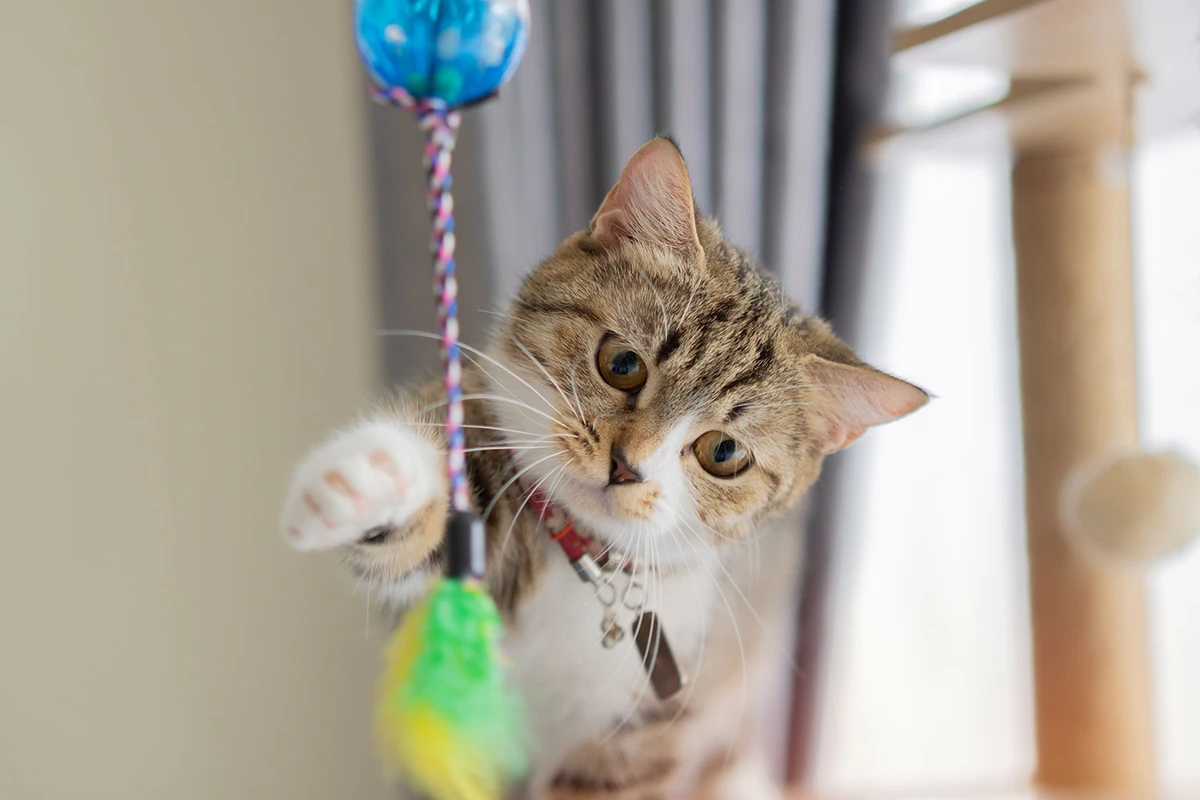
PawVerde.com – Homemade pet toys and store-bought options each present distinct advantages and challenges for pet owners seeking to enrich the lives of their animals in 2026. With growing awareness around pet mental health, safety standards, and environmental sustainability, choosing the right type of pet toy involves balancing cost, durability, safety, and enrichment value tailored to species-specific needs. This analysis explores the comparative benefits and drawbacks of homemade versus commercial pet toys, supported by expert guidance from veterinarians, behavioral specialists, and industry leaders, providing a comprehensive framework for informed decisions.
Pet toys play a critical role in maintaining physical activity and preventing behavioral issues stemming from boredom across species such as dogs, cats, rabbits, guinea pigs, and other small pets. The rising focus on enrichment and sustainability underscores the importance of safe, durable, and eco-conscious materials in toy construction. This article examines how these factors influence pet owners’ choices between DIY and store-bought products, highlighting practical safety considerations and future trends shaping the pet toy market.
Advantages of Homemade Pet Toys
homemade pet toys offer significant cost savings compared to purchasing commercial products. Many pet owners utilize readily available household materials—such as fabric scraps, untreated wood, or recycled paper—to craft toys that cater to their pet’s individual preferences and play styles. This customization extends to size, texture, and complexity, allowing owners to create enrichment tools perfectly suited for species-specific behaviors, from gentle nibbling by rabbits to vigorous chewing in dogs.
Natural, biodegradable materials like organic cotton, hemp twine, or untreated rubber are often favored in DIY creations, reducing environmental impact and exposure to synthetic toxins. Some pet owners incorporate pet fur into toys to stimulate scent recognition and comfort, enhancing mental engagement. Additionally, crafting toys encourages owner-pet bonding through shared activity and observation of play reactions, fostering deeper understanding of pet needs.
Research from exotic veterinarians emphasizes that carefully selected natural materials can reduce risks associated with plastic or chemically treated products. For example, hemp and organic cotton are preferred for their durability and low allergenic potential in small pets. Moreover, homemade toys can be rapidly replaced or modified in response to wear or changing pet behavior, offering adaptability that store-bought toys may lack.
Drawbacks of Homemade Pet Toys
Despite these benefits, homemade toys carry inherent safety risks primarily due to the lack of standardized testing or certification. Improper sizing can lead to choking hazards, especially for smaller pets like guinea pigs or cats. Use of toxic household materials—such as treated fabrics, synthetic dyes, or glues—may introduce harmful chemicals. Owners often underestimate the importance of non-toxic finishes and secure construction, increasing the risk of ingestion of harmful fragments.
Durability is another concern; homemade toys generally lack the robust materials and manufacturing processes applied by pet toy manufacturers who adhere to safety regulations and conduct extensive durability testing. This can result in rapid deterioration, creating sharp edges or small parts that pose injury risks. Behavioral specialists stress the necessity of vigilant supervision when introducing DIY toys, particularly for aggressive chewers or pets prone to destructive behavior.
The absence of eco-certifications such as B Corp, GOTS (Global Organic Textile Standard), or Ecocert on homemade products means owners must independently verify the environmental safety of materials, a step often overlooked. Additionally, some pet owners may lack expertise in identifying suitable materials, inadvertently compromising pet health.
Benefits of Store-Bought Pet Toys
Commercial pet toys typically comply with rigorous safety standards established by regulatory bodies and industry groups, ensuring materials are non-toxic and construction minimizes choking hazards. Manufacturers often utilize certified natural materials or advanced plastics tested for durability and safety, appealing to owners prioritizing longevity and risk mitigation.
The variety of store-bought toys includes interactive options designed to stimulate mental health and prevent boredom, such as puzzle feeders, treat-dispensing toys, and species-specific designs tailored to the play habits of dogs, cats, rabbits, and exotic pets. This range facilitates targeted enrichment, which behavioral specialists recognize as critical for preventing stress-related behaviors.
Recent innovations in sustainable manufacturing have led to increased availability of eco-friendly pet toys made from natural rubber, hemp, or recycled textiles, reducing reliance on plastics and lowering environmental footprints. Some manufacturers hold certifications like B Corp or Ecocert, providing transparency and reassurance to environmentally conscious consumers.
Convenience is a major advantage: store-bought toys require no assembly and are readily replaceable. This suits busy pet owners who may lack the time or skills to create safe DIY toys. Additionally, premium brands often provide guidelines for safe usage and maintenance, further supporting pet safety.
Limitations of Store-Bought Pet Toys
The higher cost of commercial pet toys can be a barrier for budget-conscious owners, particularly when purchasing specialized or interactive products. Overconsumption driven by marketing may lead to excessive toy acquisition, which can overwhelm pets and owners alike, reducing toy rotation effectiveness.
Synthetic materials remain prevalent in some mass-produced toys, raising concerns about chemical exposure and environmental impact. While sustainable options are growing, they may be limited in availability or higher priced. Moreover, standard designs may not perfectly align with an individual pet’s specific preferences or behavioral needs, potentially diminishing engagement.
Some pet behavioral specialists caution that store-bought toys lacking customization may fail to address unique mental stimulation requirements, particularly in exotic or small pets with specialized play behaviors. Furthermore, durability claims can vary, and cheaper toys may degrade quickly, necessitating frequent replacement.
Safety Considerations for Homemade and Store-Bought Toys
Regardless of origin, pet toys must meet critical safety criteria to protect animal health. Avoiding materials with synthetic dyes, sharp edges, or small detachable parts is essential to prevent choking and ingestion hazards. Different species require appropriately sized and constructed toys; for instance, small pets like guinea pigs need toys without loose threads or small components, while dogs require chew-resistant materials.
Regular inspection of toys is crucial to identify wear or damage that could cause injury. Cleaning practices vary depending on material but maintaining hygiene prevents bacterial growth and infection risks. Veterinary experts recommend supervision during initial introduction of any new or DIY toy, closely monitoring for signs of stress or unsafe chewing habits.
Consulting exotic veterinarians or pet behavioral specialists can provide tailored advice on suitable toys, especially for less common pets with unique needs. In cases of ingestion or injury suspected from toys, prompt veterinary evaluation is imperative.
Integrating Homemade and Store-Bought Toys for Optimal Enrichment
A hybrid approach combining homemade and commercial toys can maximize benefits while mitigating drawbacks. Rotating between DIY and store-bought options maintains novelty and mental stimulation, reducing boredom and destructive behavior. Using homemade toys for daily casual play and store-bought toys for long-term enrichment or interactive sessions balances cost and safety.
Selecting eco-friendly materials for both types supports sustainability goals increasingly valued by pet owners in 2026. Tailoring toy choices to pet age, health status, and behavioral tendencies enhances engagement and reduces risk. For example, older pets may prefer softer, easier-to-handle toys, while younger pets benefit from stimulating, durable options.
Incorporating owner observation and feedback into toy selection refines choices over time, fostering a dynamic play environment responsive to evolving pet needs.
Emerging Trends in Pet Toys for 2026 and Beyond
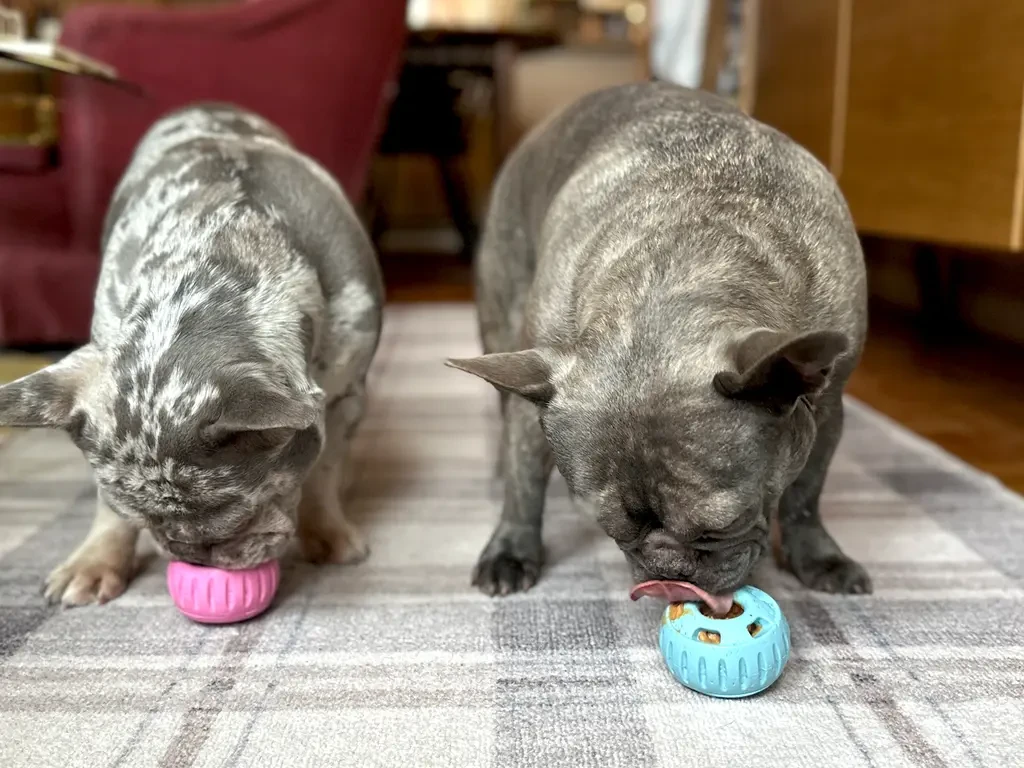
The pet toy industry is witnessing rapid innovation driven by advancements in materials science, animal behavior research, and sustainability imperatives. Mental health enrichment products integrating cognitive challenges and interactive technology are gaining traction, with smart toys capable of adapting to pet responses becoming more accessible.
Growth in sustainable and biodegradable materials, such as natural rubber blends and plant-based textiles, is reshaping production practices, reducing plastic pollution. Pet toy manufacturers increasingly pursue eco-certifications to meet consumer demand for transparency and environmental responsibility.
A burgeoning community of DIY enthusiasts and online marketplaces offers extensive resources for safe homemade pet toy creation, fostering knowledge sharing and innovation. Collaboration between veterinarians, behavioral specialists, and manufacturers is driving development of species-specific, health-focused toys.
These trends suggest that future pet toys will emphasize personalization, safety, and sustainability, aligning with broader pet care priorities.
| Aspect | Homemade Pet Toys | Store-Bought Pet Toys |
|---|---|---|
| Cost | Low; uses household or recycled materials | Higher; depends on brand and features |
| Customization | High; tailored to pet preferences | Limited; standard designs for species |
| Material Safety | Variable; depends on owner knowledge | Generally certified and tested |
| Durability | Lower; prone to wear and damage | Higher; designed for longevity |
| Environmental Impact | Potentially low if natural materials used | Varies; increasing eco-friendly options |
| Mental Enrichment | Moderate; depends on design complexity | High; includes interactive features |
FAQ
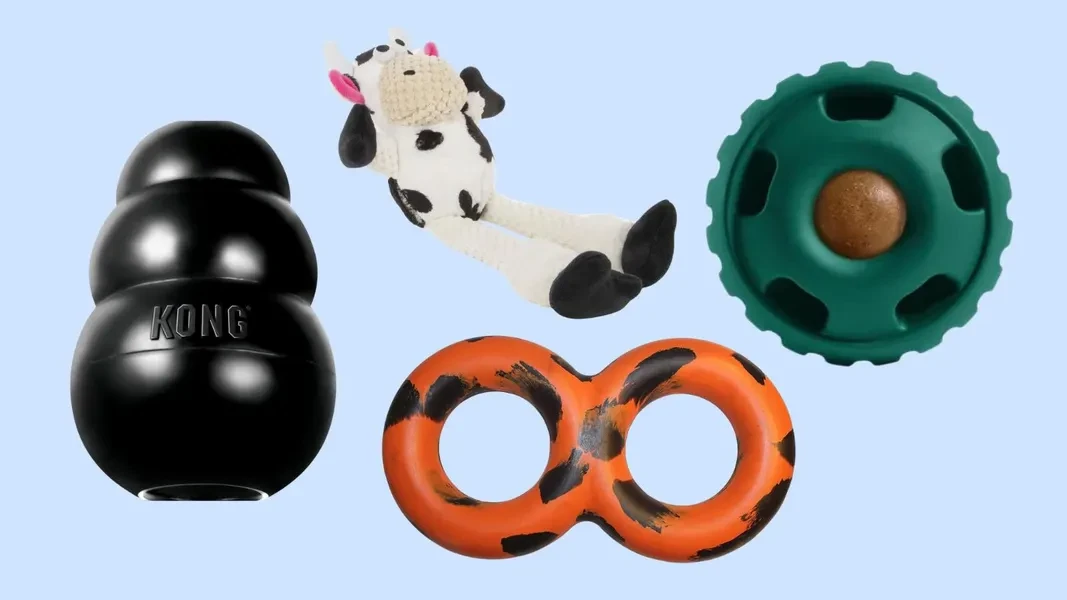
Are homemade pet toys safe for all types of pets?
Safety depends on the materials and construction. Homemade toys can be safe if made with non-toxic, durable materials and sized appropriately for the pet species. However, supervision is essential, especially for pets prone to chewing or ingesting parts.
What materials should be avoided when making pet toys at home?
Avoid synthetic dyes, treated fabrics, small detachable parts, toxic glues, and sharp objects. Natural, untreated materials like organic cotton, hemp, and untreated wood are preferred for safety and sustainability.
How do store-bought toys ensure pet safety?
Store-bought toys typically comply with safety standards, use certified non-toxic materials, and undergo durability testing. Manufacturers often provide guidelines on appropriate use and maintenance to minimize risks.
Can combining homemade and store-bought toys benefit pet enrichment?
Yes, combining both types provides variety, balancing cost-effectiveness with safety and durability. Rotating toys helps maintain pet interest and supports mental stimulation.
What are the latest trends in pet toys for improved mental health?
Interactive and smart toys that adapt to pet behavior, use sustainable materials, and focus on cognitive enrichment are growing trends. Online communities also promote safe DIY toy projects emphasizing mental stimulation.
As pet owners navigate the complexities of toy selection in 2026, integrating expert advice, safety precautions, and sustainability considerations will prove critical. Balancing homemade creativity with the reliability of store-bought products enables a comprehensive enrichment strategy that supports pet wellbeing across diverse species and lifestyles. Future developments promise further innovation, fostering healthier, happier pets through thoughtful play.

Sustainable Pet Toys Guide for Eco-Conscious Owners
PawVerde.com – Sustainable pet toys have emerged as a crucial focus for eco-conscious pet owners seeking to balance pet health, environmental responsibility, and product durability. These toys are primarily crafted from natural or recycled materials such as hemp, organic cotton, and recycled rubber, which offer biodegradability and non-toxicity, reducing the ecological footprint commonly associated with synthetic pet products. The increasing demand for sustainable pet accessories reflects a broader awareness of the environmental impact of pet-related waste and the need for safer, longer-lasting toys that minimize landfill contributions and chemical exposure for pets.
The selection of sustainable pet toys hinges on several factors: the use of eco-friendly materials, adherence to recognized certification standards, durability to reduce frequent replacement, and packaging that aligns with environmental values. Hemp, organic cotton, and recycled rubber serve as foundational materials in this sector, each offering unique benefits. Hemp is renowned for its biodegradability and toughness, making it ideal for tug toys that withstand vigorous chewing. Organic cotton, certified under standards like the Global Organic Textile Standard (GOTS), provides soft, chemical-free fibers suitable for rope toys and plush items. Recycled rubber, exemplified by proprietary materials such as West Paw’s Zogoflex®, combines durability with recyclability, enabling closed-loop programs like Join the Loop that reclaim used toys to minimize waste.
What Defines an Eco-Friendly Pet Toy?
An eco-friendly pet toy is characterized by its sustainable origin, safety for pets, durability, and minimal environmental impact throughout its lifecycle. Sustainable materials must be renewable or recycled, free from synthetic fibers that often involve harmful chemical coatings, and preferably biodegradable to ensure reduced landfill persistence. Hemp fibers naturally resist degradation while maintaining strength, making them preferable over synthetic alternatives that introduce microplastics into the environment. Organic cotton, cultivated without pesticides or synthetic fertilizers and certified by USDA Organic or GOTS, assures pet owners of non-toxic exposure. Meanwhile, recycled rubber products like Zogoflex® are BPA-free and phthalate-free, addressing concerns about chemical leaching and pet health risks.
Packaging also plays a vital role in defining eco-friendly status. Brands committed to sustainability prioritize recyclable or compostable packaging materials certified by entities such as the Forest Stewardship Council (FSC), which ensures that paper and cardboard used come from responsibly managed forests. The integration of these criteria ensures that pet toys contribute less to environmental degradation while promoting pet safety and comfort.
Environmental and Health Benefits of Sustainable Pet Toys
Choosing sustainable pet toys offers measurable benefits across environmental and pet health domains. Environmentally, biodegradable materials like hemp and organic cotton decompose without releasing harmful residues, in stark contrast to synthetic fibers that persist for decades. The use of recycled materials such as ocean plastics and reclaimed rubber reduces raw material extraction and plastic pollution, directly mitigating the carbon footprint of pet products. According to recent studies, plastic waste from pet toys contributes significantly to microplastic contamination, making the shift to sustainable alternatives imperative.
From a pet health perspective, natural fibers reduce the risk of allergic reactions and chemical ingestion linked to synthetic coatings and dyes. Non-toxic certification standards, including USDA Organic and GOTS, provide assurance that toys are free from pesticides, heavy metals, and harmful chemicals. Durable toys also enhance safety by limiting small, breakable parts that pose choking hazards. Economically, investing in durable, multi-purpose toys reduces the frequency of replacements, lowering overall waste generation and consumer costs over time.
Certification Standards Ensuring Sustainability and Safety
Certification frameworks are critical in verifying the authenticity of sustainable claims in pet toys. The USDA Organic label guarantees that materials such as cotton have been grown without synthetic pesticides or genetically modified organisms (GMOs), ensuring chemical safety for pets. The Global Organic Textile Standard (GOTS) extends beyond raw materials, certifying that textile processing—including dyeing and manufacturing—adheres to stringent environmental and social criteria. This includes wastewater treatment and worker safety, making GOTS-certified pet toys a reliable indicator of sustainability.
The Forest Stewardship Council (FSC) certification applies to packaging materials, certifying responsible forest management practices and promoting recycling. Brands that incorporate FSC-certified paper or cardboard packaging demonstrate a commitment to reducing deforestation and supporting biodiversity. These certifications collectively provide pet owners with transparent, trustworthy benchmarks to guide eco-friendly purchasing decisions.
Leading Sustainable Materials and Innovations in Pet Toys
Hemp stands out as a natural fiber with impressive strength and biodegradability, making it a preferred material for tug and chew toys. Its cultivation requires minimal water and no pesticides, further reducing environmental impact. Organic cotton rope toys offer softness and biodegradability, providing gentle chewing experiences beneficial for dental health and mental stimulation. Recycled rubber, notably West Paw’s Zogoflex® material, combines durability with recyclability and chemical safety, being free from BPA, latex, and phthalates.
Innovations in sustainable pet toys increasingly incorporate ocean plastic reclamation, where plastics are collected from marine environments and transformed into durable toys, thus addressing both pollution and resource conservation. Programs like West Paw’s Join the Loop facilitate the recycling of worn toys, promoting circular economy principles. Sisal and coconut fiber cat toys exemplify natural scratching alternatives, providing enrichment while being biodegradable and renewable.
Market Leaders and Recommended Sustainable Pet Toys
West Paw’s Toppl toy exemplifies a durable, multi-purpose design made from Zogoflex® material, combining safety and recyclability. The brand’s Join the Loop program enables customers to return used toys for recycling, reducing landfill waste and encouraging responsible consumption. Organic cotton rope dog toys and plush hemp dog bones offer chemical-free alternatives for gentle chewers and puppies, certified under GOTS or USDA organic standards to ensure sustainability and safety.
For cats, sisal and coconut fiber toys provide natural scratching options, promoting healthy claw maintenance without synthetic materials. These products are often packaged in FSC-certified materials, reflecting the comprehensive sustainability approach embraced by eco-friendly pet brands.
Guidance for Eco-Conscious Pet Toy Shopping
Selecting sustainable pet toys requires vigilance in evaluating materials and brand transparency. Pet owners should scrutinize product descriptions to confirm the absence of synthetic fibers and harmful chemical coatings. Prioritizing durability and multi-functionality—such as toys that serve both enrichment and dental health purposes—helps reduce waste by minimizing replacement frequency. Supporting brands with clear sustainability commitments, certification labels, and eco-friendly packaging ensures alignment with environmental and pet health goals.
Consumers are encouraged to avoid toys made with synthetic fibers or unverified materials that may contain phthalates, BPA, or other endocrine disruptors. Choosing certified products backed by USDA Organic, GOTS, or FSC labels enhances confidence in eco-friendly claims.
DIY Eco-Friendly Pet Toys and Enrichment Approaches
Homemade pet toys provide an effective route to sustainability, combining environmental benefits with personalized pet engagement. Upcycling household items such as old t-shirts, towels, and cardboard can create durable tug toys, puzzle feeders, and scratching surfaces without introducing new materials into the waste stream. These DIY solutions reduce reliance on commercial plastic toys and allow pet owners to tailor toys to their pet’s preferences and chewing habits.
Research indicates that pet engagement improves with varied textures and enrichment types, making DIY toys an excellent complement to purchased sustainable products. Moreover, DIY options empower pet owners to adopt zero-waste principles and foster deeper connections with their pets through hands-on involvement.
Integrating Sustainable Pet Toys into a Holistic Eco-Conscious Routine
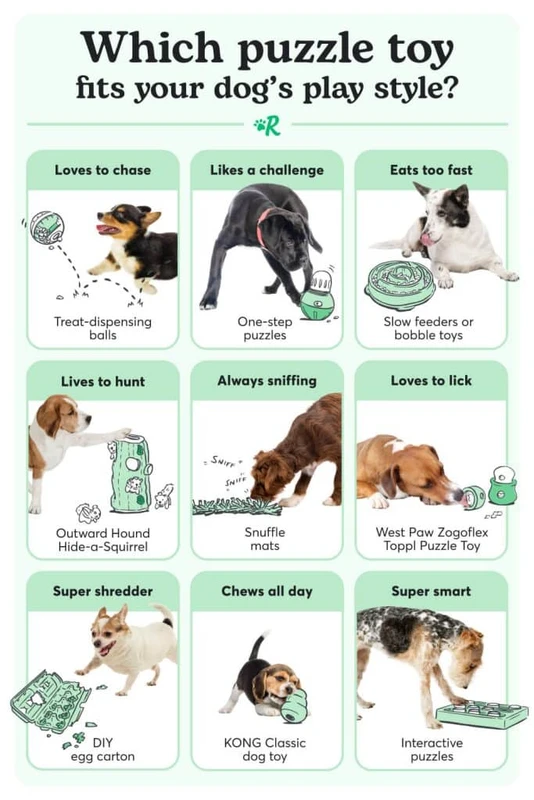
Sustainable pet toys are part of a broader eco-conscious pet care strategy that includes grooming tools, bedding, and accessories made from natural or recycled materials. Choosing biodegradable grooming brushes, organic cotton beds, and recycled packaging for pet supplies contributes to cumulative reductions in environmental impact. Consistent use of certified, durable, and recyclable products enhances the longevity of pet care items and diminishes waste.
Small daily choices, such as opting for eco-friendly toys and accessories, collectively influence the pet industry’s environmental footprint. The growing market for sustainable pet products reflects shifting consumer values and promotes innovation in material science, certification rigor, and recycling infrastructure.
| Material | Key Properties | Common Uses in Pet Toys | Certifications/Programs |
|---|---|---|---|
| Hemp | Biodegradable, durable, pest-resistant, low water use | Tug toys, chew toys | USDA Organic, GOTS |
| Organic Cotton | Soft, chemical-free, biodegradable | Rope toys, plush toys | USDA Organic, GOTS |
| Recycled Rubber (Zogoflex®) | Durable, recyclable, BPA-free, phthalate-free | Chew toys, interactive toys | Join the Loop recycling program |
| Ocean Plastic | Reclaimed, reduces marine pollution, durable | Chew toys, balls | Brand-specific reclamation efforts |
| Sisal and Coconut Fiber | Renewable, biodegradable, natural texture | Cat scratching toys | Often FSC-certified packaging |
FAQ
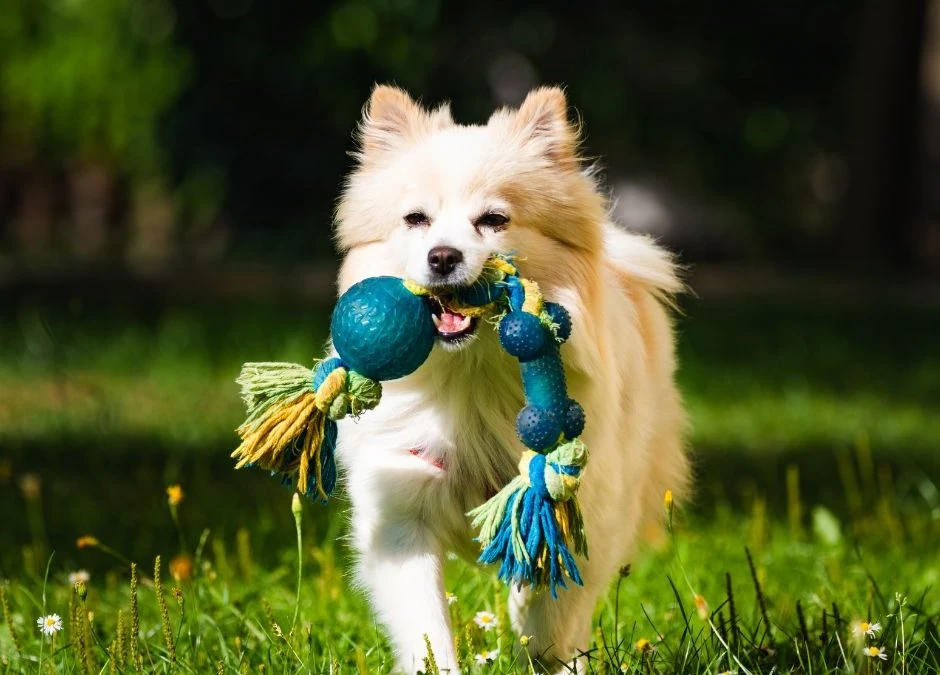
What materials should I avoid in pet toys to ensure sustainability?
Pet owners should avoid synthetic fibers and plastic-based materials that are non-biodegradable and often contain harmful chemical coatings such as phthalates and BPA. These materials contribute to microplastic pollution and pose risks to pet health.
How do certifications like USDA Organic and GOTS affect pet toy safety?
USDA Organic and GOTS certifications verify that materials are grown and processed without harmful pesticides, synthetic chemicals, or genetically modified organisms. These certifications ensure non-toxic, environmentally responsible products that are safer for pets.
Are recycled rubber toys as safe and durable as natural fiber toys?
Yes, recycled rubber toys made from materials like Zogoflex® are designed to be non-toxic, BPA-free, and phthalate-free while offering high durability. Additionally, they support recycling programs that reduce environmental waste, making them a sustainable choice alongside natural fibers.
Can DIY pet toys be as effective and safe as commercial sustainable toys?
DIY pet toys made from clean, natural household items can be safe and engaging if constructed properly without small parts or toxic materials. They provide environmental benefits by reducing waste and can be tailored to a pet’s preferences, but owners should monitor wear and safety closely.
How does buying sustainable pet toys impact the environment long term?
Purchasing sustainable pet toys reduces plastic waste, lowers carbon footprints associated with production, and minimizes landfill contributions. Durable toys decrease replacement frequency, further reducing resource consumption and environmental pollution over time.
Sustainable pet toys crafted from hemp, organic cotton, recycled rubber, and reclaimed ocean plastics represent a vital shift toward environmentally responsible pet care. By selecting certified, durable, and non-toxic toys, eco-conscious pet owners can safeguard pet health, reduce ecological impact, and foster a more sustainable future for the pet industry. Adopting these choices alongside DIY enrichment and sustainable grooming practices enables a comprehensive approach to eco-friendly pet lifestyles that benefits animals and the planet alike.

What Materials Are Used in Sustainable Pet Toys? Key Insights
PawVerde.com – Sustainable pet toys are increasingly crafted from materials such as recycled rubber, hemp, organic cotton, natural rubber, biodegradable plastics, bamboo, and sustainably harvested wood. These materials are selected for their durability, safety, and environmental advantages, addressing key concerns about plastic pollution, chemical toxins, and resource depletion in traditional pet toys. By integrating recycled and renewable resources, eco-friendly pet toy manufacturers contribute to reducing landfill waste and microplastic contamination while offering pet owners safer, longer-lasting options.
Recycled rubber, derived from repurposed tires and industrial scraps, offers significant environmental benefits by diverting waste from landfills. Its toughness and elasticity create durable toys that withstand aggressive chewing, decreasing the frequency of replacements. Hemp fibers, prized for their biodegradability and natural resistance to pests and mold, provide a non-toxic alternative to synthetic fibers. Organic cotton, grown without harmful pesticides or synthetic fertilizers, ensures softness suitable for pets with sensitive gums and promotes the use of natural dyes to avoid chemical exposure. Natural rubber, harvested from rubber trees through sustainable tapping methods, is renewable and biodegradable, offering elasticity and safety superior to many synthetic alternatives. Biodegradable plastics, including polylactic acid (PLA) and polyhydroxyalkanoates (PHA), break down under industrial composting conditions, reducing long-term pollution. Bamboo and sustainably sourced wood, harvested from managed forests, present renewable options that naturally satisfy pets’ chewing instincts without introducing synthetic toxins.
Materials Used in Sustainable Pet Toys
recycled rubber stands out as a durable and eco-conscious choice for pet toys, commonly sourced from post-consumer tires and manufacturing offcuts. This material reduces the demand for virgin rubber and lowers landfill contributions. Its high abrasion resistance and flexibility make it ideal for chew toys, with some manufacturers enhancing safety by avoiding chemical additives commonly found in conventional rubber toys.
Hemp fibers offer biodegradability alongside exceptional toughness, making them resistant to shredding while remaining safe for pets. Hemp cultivation requires minimal water and no pesticides, further supporting environmental sustainability. Hemp pet toys often feature natural, undyed fibers or use low-impact dyes to minimize chemical exposure risks.
Organic cotton is favored for its softness and hypoallergenic properties, particularly beneficial for pets with sensitive skin or mouths. Cultivated without synthetic chemicals, organic cotton reduces soil and water contamination. Pet toy manufacturers often pair organic cotton with natural dyes to eliminate toxins like azo dyes and heavy metals, which can pose health risks.
Natural rubber, sourced from Hevea brasiliensis trees, provides a renewable alternative to synthetic rubber. Sustainable tapping methods allow continuous extraction without harming trees. Toys made from natural rubber exhibit elasticity and resilience, resisting cracking and degradation over time. This material is free from phthalates and BPA, chemicals frequently found in plastic-based toys.
Biodegradable plastics used in pet toys mainly include PLA and PHA, derived from plant-based feedstocks such as corn starch or sugarcane. These materials decompose in industrial composting facilities within months, contrasting with conventional plastics that persist for centuries. However, their breakdown requires controlled conditions, and some concerns remain regarding their mechanical durability compared to traditional plastics.
Bamboo and sustainably harvested wood serve as natural chewable materials that align with circular economy principles. Bamboo grows rapidly and requires minimal pesticides, making it a highly renewable resource. Wooden pet toys are often crafted from FSC-certified sources, ensuring responsible forest management. Their natural textures satisfy pets’ chewing instincts while avoiding synthetic coatings or paints.
Environmental Impact and Circular Economy Benefits
Traditional plastic pet toys contribute substantially to plastic pollution, with many breaking down into microplastics that contaminate soil and waterways. sustainable pet toys made from recycled rubber, natural fibers, and biodegradable plastics mitigate this issue by reducing virgin plastic consumption and limiting microplastic shedding. For example, recycled plastic pet toys decrease landfill waste by repurposing materials that would otherwise persist for hundreds of years.
The carbon footprint of sustainable pet toys is significantly lower due to the use of renewable resources and recycled content. Lifecycle analyses indicate that hemp and organic cotton require less energy and water than synthetic fibers, while natural rubber production sequesters carbon during tree growth. Bamboo’s rapid growth cycle also contributes to carbon capture, further lowering environmental impact.
Several eco-conscious pet brands adopt circular economy practices, including take-back programs where worn toys are returned for recycling or repurposing. Recyclable or compostable packaging complements product sustainability, reducing waste streams associated with pet care products. These initiatives enhance resource efficiency and help close material loops within the pet toy industry.
Safety and Health Considerations in Sustainable Pet Toys
Avoiding harmful chemicals is paramount in sustainable pet toy manufacturing. Many conventional toys contain azo dyes, phthalates, heavy metals, and toxic coatings that pose risks to pet health through ingestion or prolonged exposure. Certified eco-friendly brands adhere to stringent safety standards, such as ASTM F963 and EN71 toy safety regulations, to ensure non-toxic materials and manufacturing processes.
Durability directly influences safety by limiting the risk of ingestion of small toy fragments. Materials like recycled rubber and natural rubber exhibit high resistance to tearing, reducing choking hazards. Hemp and organic cotton toys, while softer, are often tightly woven or reinforced to maintain integrity. Transparent labeling and third-party testing reports provide consumers with assurance regarding toxin-free composition.
Reputable manufacturers disclose sourcing and testing information, fostering trust among eco-conscious consumers. Brands with B Corp certification demonstrate commitment to environmental and social responsibility, further validating product safety and ethical production.
Innovations and Industry Trends in Sustainable Pet Toys
Upcycling has emerged as a notable trend, with pet toy producers repurposing materials such as denim scraps, decommissioned fire hoses, and discarded bicycle tires. These materials combine durability with environmental benefits, extending product lifecycles and diverting waste from landfills. For instance, fire hose toys offer exceptional toughness and water resistance, appealing to heavy chewers.
DIY sustainable pet toys have gained popularity among eco-conscious pet owners, utilizing household items like old t-shirts, fabric scraps, and cardboard. These homemade toys foster circularity and reduce demand for new raw materials, although safety considerations regarding choking and ingestion must be observed.
Industry certifications such as Global Organic Textile Standard (GOTS), Forest Stewardship Council (FSC), and Cradle to Cradle further authenticate sustainable claims. Ethical manufacturing processes emphasize reduced emissions, water conservation, and fair labor practices, aligning with broader sustainability goals.
Consumer Guidance for Selecting Sustainable Pet Toys
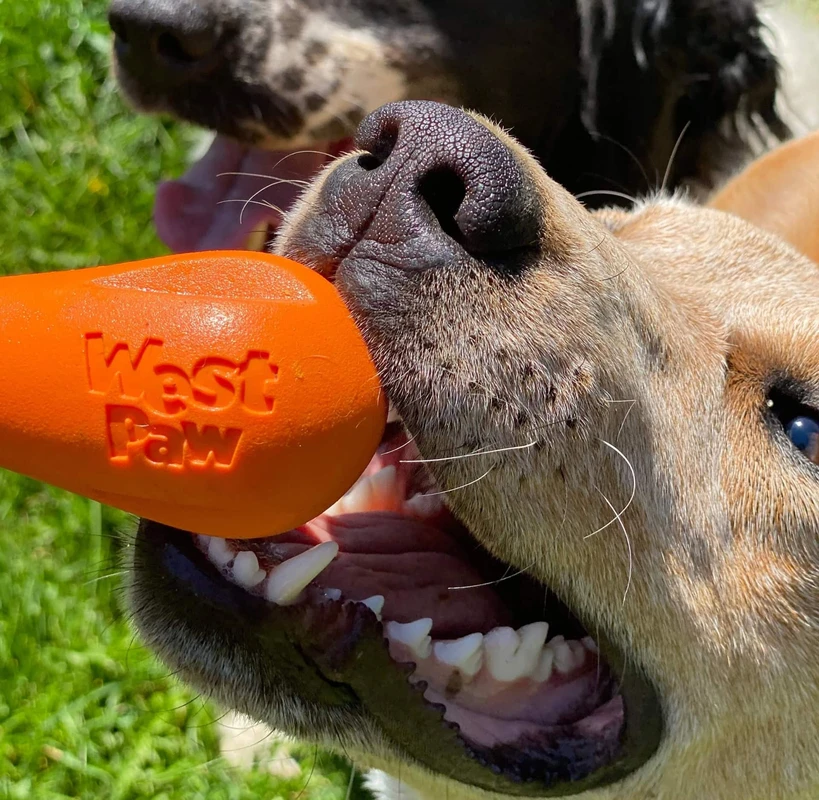
When choosing eco-friendly pet toys, consumers should prioritize materials with clear organic, recycled, or biodegradable certifications. Labels indicating the absence of harmful chemicals and compliance with safety testing standards are vital for pet health assurance. Evaluating brand transparency regarding sourcing, production methods, and third-party testing enhances consumer confidence.
Balancing durability with environmental impact involves selecting toys designed to last, thereby reducing wastefulness. While natural fibers offer biodegradability, their lifespan should match pet activity levels to prevent premature disposal. Recycled rubber and natural rubber combine longevity with eco-friendliness for aggressive chewers.
Consumers are advised to research brand credentials, including B Corp status and adherence to circular economy principles. Opting for products with recyclable or compostable packaging further supports sustainable pet ownership.
| Material | Source | Environmental Benefits | Durability | Safety Considerations |
|---|---|---|---|---|
| Recycled Rubber | Post-consumer tires, industrial scraps | Reduces landfill waste, lowers virgin rubber demand | High abrasion resistance, elastic | Free from chemical additives if certified |
| Hemp Fibers | Industrial hemp plants | Low water/pesticide use, biodegradable | Strong, resistant to mold and pests | Non-toxic, often undyed or naturally dyed |
| Organic Cotton | Certified organic farms | Reduced chemical pollution, biodegradable | Soft, less durable than rubber | Free from synthetic dyes and pesticides |
| Natural Rubber | Rubber tree latex (Hevea brasiliensis) | Renewable, biodegradable, carbon sequestering | Elastic and durable | Phthalate and BPA free |
| Biodegradable Plastics | Plant-based feedstocks (corn, sugarcane) | Compostable in industrial facilities | Lower mechanical durability | Requires controlled breakdown environment |
| Bamboo and Wood | Sustainably harvested forests and plantations | Rapidly renewable, natural carbon sink | Moderate durability, natural chew benefits | No toxic coatings or paints preferred |
FAQ
What are the safest materials for sustainable pet toys?
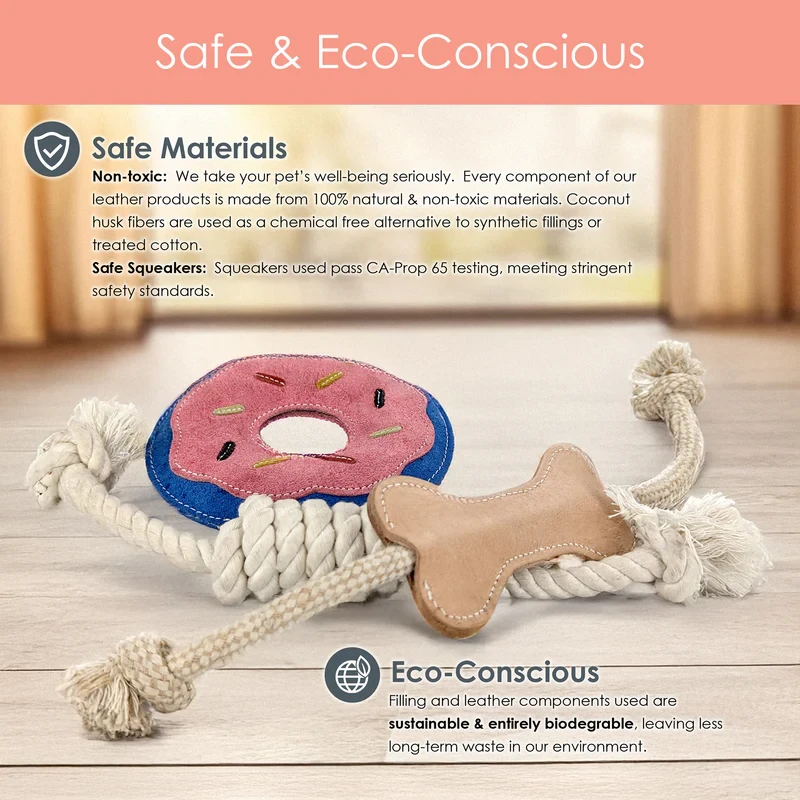
Materials such as organic cotton, hemp fibers, natural rubber, and recycled rubber are considered safe due to their non-toxic properties and compliance with safety standards. Avoid toys with synthetic dyes, phthalates, or toxic coatings to minimize health risks.
How do biodegradable pet toys break down?
biodegradable pet toys made from PLA or PHA plastics decompose under industrial composting conditions, where heat, moisture, and microbial activity break down the material into natural components within months. Home composting or landfill conditions are typically insufficient for full degradation.
Are recycled plastic pet toys durable enough for heavy chewers?
Recycled plastic toys vary in durability depending on the source material and manufacturing quality. While some recycled plastics offer comparable strength to virgin plastics, they may not match the toughness of natural or recycled rubber for aggressive chewers.
How can consumers verify if a pet toy is truly eco-friendly?
Look for certifications like B Corp, GOTS, FSC, and verified third-party testing reports. Transparent brands disclose material sourcing, safety testing, and environmental impact data. Packaging that is recyclable or compostable also indicates eco-conscious practices.
What role does durability play in the sustainability of pet toys?
Durability reduces the frequency of toy replacement, lowering resource consumption and waste generation. Long-lasting toys minimize ingestion hazards from broken pieces and contribute to environmental sustainability by extending product lifespans.
Sustainable pet toys represent a convergence of environmental stewardship and pet health priorities, leveraging innovative materials and manufacturing processes to meet growing eco-conscious consumer demand. As the industry advances, increased adoption of circular economy principles and transparent safety standards will further establish these products as responsible choices for pet owners committed to reducing their ecological footprint.