

Eco-Friendly Pet Accommodations Guide Boosts Sustainable Travel
PawVerde.com – eco-friendly pet accommodations are rapidly becoming a pivotal segment within the travel and hospitality industry, driven by a surge in pet ownership and growing environmental awareness among travelers. The global pet-friendly hotel market alone is projected to expand from $4.1 billion to $4.62 billion, exhibiting a compound annual growth rate (CAGR) of 12.7%. This trend reflects not only increased demand for pet-inclusive lodging but also a rising preference for sustainable, eco-conscious travel options that cater to the specific needs of pets and their owners. Combining sustainable hospitality practices with tailored pet amenities, these accommodations offer an innovative approach to travel that supports environmental stewardship while ensuring animal comfort and safety.
Sustainable pet travel lodging integrates custom pet amenities such as organic, gourmet treats, eco-friendly pet beds, and thoughtfully curated welcome baskets, enhancing the guest experience without compromising environmental values. Leading eco-resorts like Stanford Inn by the Sea and Cavallo Point exemplify this approach by utilizing locally sourced, organic materials in their pet amenities and implementing green hospitality protocols such as energy-efficient operations and waste reduction. Moreover, these accommodations often collaborate with local veterinarians, groomers, and dog-friendly parks, creating a comprehensive ecosystem that supports pet health and well-being throughout the travel journey. This integration not only enhances convenience for pet owners but also fosters community engagement and responsible tourism.
Key Features of Eco-Friendly Pet Accommodations
Eco-friendly pet accommodations distinguish themselves through several defining features that collectively elevate the travel experience for pets and owners alike. Custom pet amenities form the cornerstone of these offerings, including sustainably crafted pet beds made from recycled or organic materials, gourmet treats sourced from local, natural ingredients, and welcome baskets that often contain biodegradable toys and eco-conscious grooming products. These elements reflect a broader commitment to reducing environmental impact while meeting the heightened expectations of today’s pet travelers.
Hospitality providers in this niche also adopt sustainable operational practices such as minimizing single-use plastics, employing renewable energy sources, and using eco-certified cleaning products. For example, San Ysidro Ranch in California incorporates solar power and water-saving technologies, aligning luxury with sustainability. Additionally, these accommodations emphasize seamless integration with local pet services and resources, providing guests with easy access to nearby dog parks, veterinary clinics, and pet-friendly walking trails. This local collaboration not only enhances the guest experience but also supports local economies and promotes sustainable tourism infrastructures.
Leading Platforms and Resources for Booking Eco-Friendly Pet Accommodations
Navigating the expanding market of eco-friendly pet accommodations requires reliable platforms that offer verified listings and user-generated insights. BringFido, PetsWelcome, and GoPetFriendly stand out as leading pet travel platforms, each providing extensive databases of pet-friendly properties worldwide alongside detailed filters for eco-friendly options. BringFido, for instance, is renowned for its comprehensive verification processes and Certificates of Excellence awarded to properties that consistently deliver high-quality, pet-inclusive services with sustainable practices.
These platforms not only facilitate bookings but also serve as hubs for community reviews, where pet owners share firsthand experiences, highlighting amenities such as organic pet treats, eco-conscious cleaning routines, and access to green spaces. The availability of verified reviews bolsters consumer trust and helps travelers make informed decisions aligned with their sustainability goals. Furthermore, many platforms have integrated pet travel apps that assist with logistics, offering features such as locating dog-friendly rest areas, emergency veterinary contacts, and real-time updates on pet travel regulations.
Popular Destinations and Notable Eco-Friendly Pet Resorts
Several destinations have emerged as epicenters for eco-conscious pet travel, combining natural beauty with robust pet-friendly infrastructures. Asheville, North Carolina, and Denver, Colorado, are prominent examples in the United States, offering a wealth of dog-friendly parks, hiking trails, and eco-resorts that prioritize sustainable hospitality. Asheville’s Stanford Inn by the Sea is distinguished for its organic pet treats and green initiatives, while Denver’s Cavallo Point integrates energy-efficient designs with luxury pet services.
Beyond the continental U.S., Mendocino, California, and Austin, Texas, provide vibrant pet-friendly communities with boutique vacation rentals that emphasize eco-conscious practices, such as solar-powered homes and water conservation measures. Internationally, resorts like Ycona Luxury Resort in Zanzibar and Casa Chablé in Mexico have embraced sustainable pet travel trends by offering organic pet menus, waste recycling programs, and partnerships with local veterinarians to ensure pet health in tropical climates. These destinations combine environmental responsibility with high standards of pet care, appealing to discerning travelers who prioritize both luxury and sustainability.
Practical Tips for Planning a Sustainable Pet-Friendly Trip
Planning a sustainable pet-friendly trip requires deliberate preparation to balance pet comfort, health, and environmental considerations. Frequent rest stops every two to three hours are essential for adult dogs to prevent stress and dehydration, particularly in warm climates. Utilizing pet travel apps can streamline this process by pinpointing dog-friendly rest areas and emergency veterinary services en route. Equally important is carrying vaccination documentation and health records, ensuring compliance with destination-specific pet travel regulations and safeguarding against health risks.
When booking accommodations, advance reservations are advisable to secure eco-friendly lodging that meets pet requirements. Travelers should scrutinize pet policies, fees, and leash rules, which vary widely and can impact both budget and experience. Adhering to leash laws and respecting other guests and wildlife is paramount to maintaining ecological balance and community goodwill. Additionally, packing sustainable pet supplies, such as biodegradable waste bags and refillable water containers, contributes to reducing the environmental footprint of pet travel.
Enhancing Guest Experience: Beyond Allowing Pets to Truly Welcoming Them
Leading eco-friendly pet accommodations distinguish themselves by cultivating an environment where pets are not only allowed but genuinely welcomed. Creating comprehensive pet-friendly guidebooks tailored to the local environment helps guests navigate nearby dog parks, veterinarian services, and pet-friendly dining options. Customizing amenities to accommodate various pet sizes and species, including cats and small animals, broadens the appeal and inclusivity of the property.
Some luxury hotels have elevated pet services by offering in-room dining menus for pets, spa treatments such as massages, and personalized welcome kits featuring organic treats and toys. Encouraging guest participation through photo sharing on social media platforms fosters a community of pet travelers who value sustainability and quality care. This approach enhances brand loyalty and positions the property as a thought leader in eco-conscious pet hospitality.
The Future of Sustainable Pet Travel Accommodations
The trajectory of sustainable pet travel accommodations points toward greater integration of eco-conscious hospitality practices, technological innovation, and personalized pet services. Emerging trends include the adoption of smart room controls to optimize energy usage while maintaining pet comfort, the use of blockchain for transparent pet service reviews, and expanding partnerships with local conservation initiatives. Property hosts and managers stand to benefit from investing in this growing market segment by differentiating their offerings through certified green programs and exclusive pet amenities.
Anticipated growth in the pet travel sector will likely drive more comprehensive regulations and standardized sustainability certifications, encouraging wider adoption of environmentally responsible practices. Enhanced guest expectations for transparency and ethical hospitality will pressure accommodations to innovate continually, balancing luxury and sustainability while safeguarding pet welfare.
| Aspect | Eco-Friendly Pet Accommodations | Traditional Pet-Friendly Lodging |
|---|---|---|
| Pet Amenities | Organic treats, custom eco beds, biodegradable toys | Standard pet bowls, generic treats, plastic toys |
| Sustainability Practices | Renewable energy, waste reduction, eco-certified cleaning | Minimal or no sustainability measures |
| Local Integration | Partnerships with vets, groomers, dog parks | Limited local pet service support |
| Guest Experience | Personalized pet menus, spa treatments, welcome kits | Basic pet allowance, few extras |
| Booking Platforms | Verified listings with user reviews (BringFido, PetsWelcome) | General travel sites with limited pet filters |
FAQ
What defines an eco-friendly pet accommodation?
Eco-friendly pet accommodations combine sustainable hospitality practices—such as renewable energy use, waste reduction, and eco-certified products—with pet-specific amenities like organic treats, custom pet beds made from recycled materials, and access to local veterinary and dog-friendly facilities.
Which platforms are best for finding sustainable pet-friendly lodging?
BringFido, PetsWelcome, and GoPetFriendly are leading platforms that offer verified listings and user-generated reviews of eco-conscious pet accommodations, enabling travelers to identify lodging that meets both pet and environmental criteria.
How can I plan a sustainable trip with my pet?
Planning includes scheduling frequent breaks, maintaining hydration, carrying vaccination records, understanding pet fees and policies, respecting leash rules, and packing eco-friendly supplies to minimize the environmental impact during travel.
What are some popular destinations for eco-friendly pet travel?
Asheville, Denver, Mendocino, and Austin in the U.S. are notable for pet-friendly eco-resorts and amenities, while international options include Zanzibar’s Ycona Luxury Resort and Mexico’s Casa Chablé, both integrating sustainability with premium pet services.
What future trends are expected in sustainable pet travel accommodations?
Future trends include smart energy management tailored for pet comfort, blockchain-based review systems for transparency, expanded green certifications, and more personalized pet amenities, all driven by growing market demand and regulatory advances.
The evolving landscape of eco-friendly pet accommodations reflects an intersection of pet welfare, environmental responsibility, and hospitality innovation. As the market expands, travelers and hosts alike are empowered to contribute to sustainable tourism practices, ensuring memorable and responsible journeys for pets and their owners.

How to Minimize Your Carbon Footprint While Traveling
PawVerde.com – Travel contributes significantly to global carbon emissions, with aviation alone responsible for approximately 2.5% of worldwide CO₂ emissions. For instance, a typical U.S. round-trip flight generates about 2 tons of CO₂ per passenger, equating to roughly 10% of the average American’s annual carbon footprint. As climate change concerns intensify, travelers face increasing pressure to adopt sustainable practices that mitigate environmental impact. Minimizing the carbon footprint during travel involves strategic choices across transportation, lodging, food consumption, resource use, and pet care—each area presenting opportunities for measurable emissions reductions.
sustainable travel methods not only reduce greenhouse gas emissions but also promote long-term ecological balance and support local economies. This article delves into actionable strategies grounded in expert data and real-world examples, offering a comprehensive guide for environmentally conscious travelers seeking to lessen their climate impact while on the move.
Choosing Sustainable Transportation
Transportation accounts for a substantial portion of travel-related carbon emissions. Avoiding air travel when feasible significantly reduces your carbon footprint; alternatives such as trains and electric-powered buses emit between 75% to 90% less CO₂ per passenger mile compared to flying. The International Civil Aviation Organization (ICAO) quantifies that nonstop flights consume less fuel per mile due to reduced takeoff and landing cycles, making direct routes preferable when flying is unavoidable.
At travel destinations, public transportation systems powered by renewable energy, such as electric buses and subways, offer low-emission mobility options. For example, cities investing in electric public transit report up to 40% reductions in urban travel emissions. Cycling and walking remain the lowest-impact modes, producing virtually zero emissions while providing health benefits.
Renting electric vehicles (EVs) for local travel further curtails carbon output. Modern EVs emit zero tailpipe emissions, and when charged from renewable sources, their lifecycle emissions drop dramatically. AAA reports a growing network of EV charging stations in metropolitan and rural areas, facilitating longer trips. Planning EV rentals involves mapping charging infrastructure and optimizing routes to maximize range efficiency, ensuring seamless sustainable mobility.
Staying in Eco-Friendly Accommodations
Accommodation choices significantly influence overall travel emissions, with hotels accounting for approximately 21% of tourism’s carbon footprint. Opting for eco-certified lodging, such as LEED-certified hotels, ensures adherence to rigorous sustainability standards encompassing energy efficiency, water conservation, waste reduction, and indoor environmental quality. LEED-certified properties typically incorporate solar panels, advanced HVAC systems, and greywater recycling to minimize resource use.
Hotels adopting beyondGREEN or Sierra Club’s green lodging criteria emphasize plastic reduction initiatives, using biodegradable amenities and eliminating single-use plastics. Direct communication with hotel management about green policies can reveal additional sustainable practices, such as linen reuse programs, energy monitoring, and sourcing renewable energy contracts.
Studies indicate that guests staying in eco-friendly accommodations reduce their lodging emissions by up to 30%, contributing significantly to travel sustainability goals. Moreover, these hotels often support local suppliers, further embedding sustainability within the hospitality supply chain.
Supporting Local and Organic Food Sources
Food consumption during travel presents another critical vector for carbon reduction. Supporting local businesses that prioritize organic farming decreases transportation emissions and fosters regional economic resilience. Organic farming practices enhance soil carbon sequestration and reduce reliance on synthetic fertilizers, which are major contributors to nitrous oxide emissions, a potent greenhouse gas.
Travelers who choose seasonal produce participate in a circular food economy, benefiting biodiversity and reducing the energy intensity of food preservation and transport. The American Pet Products Association notes that pet food, often overlooked, contributes substantially to carbon emissions; similarly, human travel diets high in red meat elevate a trip’s carbon footprint.
Reducing meat consumption while traveling, especially beef, in favor of plant-based options or lower-impact proteins such as turkey or seafood, lowers dietary carbon intensity. Metro Paws and the Pet Sustainability Coalition advocate for sustainable pet diets, which align with broader travel sustainability goals.
Minimizing Resource Use During Travel
Resource conservation during travel extends beyond transportation and accommodation. Travelers can significantly reduce environmental impact through mindful water and energy use. Reusing towels and linens, taking shorter showers, and turning off lights and heating or cooling systems when rooms are unoccupied help conserve hotel resources. A typical hotel guest uses about 50 gallons of water daily; reducing this by even 20% accumulates substantial savings across millions of travelers.
Participation in local recycling programs is vital. Many hotels and tourist destinations have implemented comprehensive waste management systems, separating recyclables and compostables to divert waste from landfills. Carrying reusable water bottles, containers, and utensils reduces single-use plastic waste, which remains a pervasive environmental challenge despite global recycling efforts like those led by Texas Recycling.
Water conservation also involves avoiding bottled water purchases when safe tap water is available, further reducing plastic production emissions. Such behavioral changes, although incremental, compound to meaningfully lower travel’s ecological footprint.
Managing Pet-Related Carbon Footprint on the Road
Pet owners traveling face unique sustainability challenges. The carbon pawprint includes emissions from pet food production, transportation, and waste management. Pet food, particularly beef-based products, generates significant greenhouse gases during production and processing. Selecting less carbon-intensive proteins, such as turkey or seafood, reduces this impact, aligning with recommendations from the Pet Sustainability Coalition.
Using biodegradable waste bags and sustainable pet care products minimizes plastic waste associated with pet travel. Public transportation or carpooling options for pet travel decrease emissions compared to solo car trips. Additionally, choosing eco-friendly accommodations that permit pets avoids the need for additional travel arrangements that increase carbon output.
Organizations like Metro Paws promote awareness of pet travel sustainability, encouraging owners to integrate environmental responsibility into pet care while on the road.
Broader Impact and Collective Responsibility
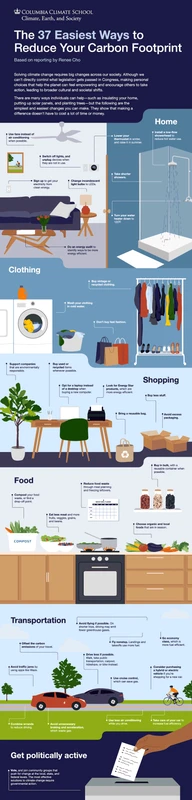
Individual actions in sustainable travel contribute to cumulative environmental benefits and signal demand for greener infrastructure and policies. Travelers opting for low-emission transportation, eco-friendly lodging, and sustainable consumption patterns drive market shifts toward renewable energy adoption and local economic support.
Cities and tourism sectors increasingly recognize the necessity of green certification programs and sustainable urban planning that prioritize walkability, public transit, and waste reduction. The Sierra Club and WeForest initiatives emphasize the role of tourism in conservation and reforestation efforts, linking travel behavior with global climate mitigation.
Collective responsibility among travelers, service providers, and policymakers is essential to embed sustainability within tourism’s future. Increased awareness, education, and transparent reporting on carbon footprints facilitate informed choices and accountability.
Frequently Asked Questions

What are the best alternatives to flying to reduce travel carbon emissions?
Trains and electric buses powered by renewable energy are the most effective alternatives to flying, reducing CO₂ emissions by up to 90% per passenger mile. For shorter distances, biking and walking produce no emissions and improve health.
How do LEED-certified hotels contribute to sustainable travel?
LEED-certified hotels implement energy-efficient systems, water conservation technologies, and waste reduction practices. These measures reduce the environmental impact of lodging by optimizing resource use and supporting renewable energy integration.
Can eating local and organic food while traveling significantly lower my carbon footprint?
Yes. Local food reduces emissions from transportation and storage, while organic farming enhances soil carbon capture and limits synthetic fertilizer use. Eating seasonal produce further lowers energy requirements associated with preservation.
How can I reduce my pet’s carbon footprint during travel?
Feed pets lower-carbon protein diets, use biodegradable waste bags, choose public transport or carpooling for pet travel, and stay at eco-friendly pet accommodations to minimize emissions and waste.
What simple daily habits help minimize resource use when traveling?
Reusing towels and linens, taking shorter showers, turning off unused lights and electronics, using reusable water bottles, and participating in local recycling programs help conserve water, energy, and reduce waste.
—
Travelers aiming to reduce their carbon footprint must adopt a multifaceted approach encompassing transportation, lodging, dietary choices, resource use, and pet care. As infrastructure and technology evolve, future travel can increasingly align with climate goals. Practical next steps include prioritizing journeys via low-emission modes, selecting certified eco-accommodations, supporting organic and local food systems, conserving resources onsite, and integrating sustainable pet travel practices. Collectively, these actions empower travelers to contribute meaningfully to global sustainability efforts while enjoying the benefits of exploration.