
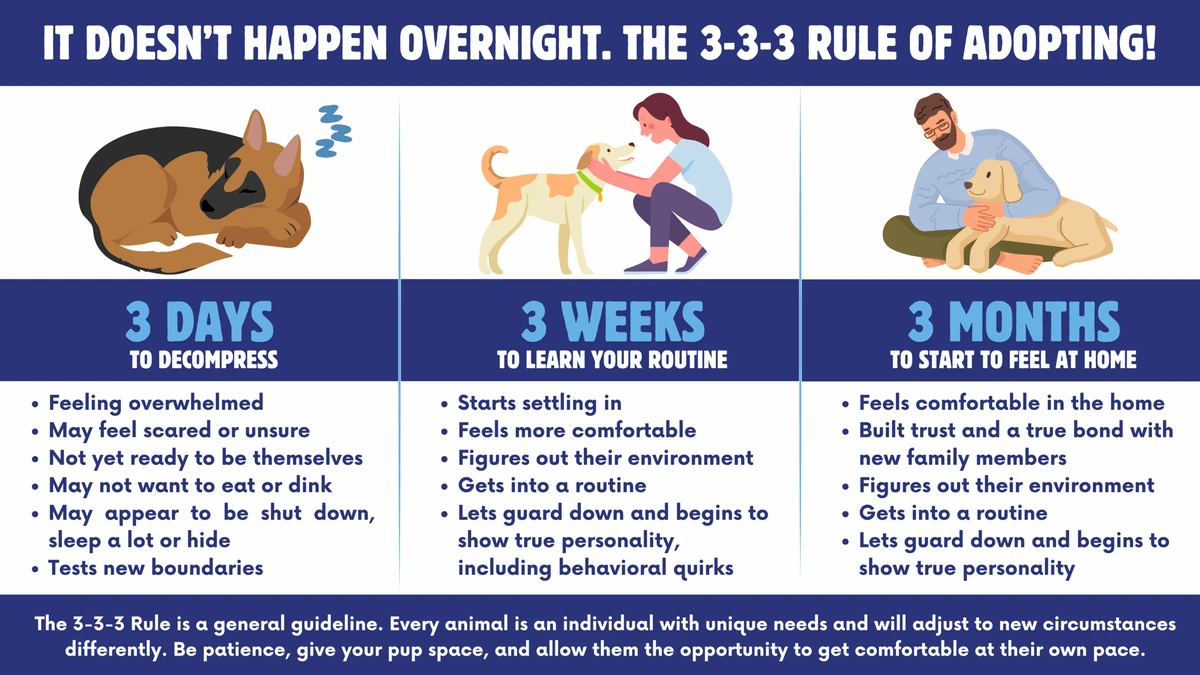
How to Educate Yourself About Pet Adoption Processes Today
PawVerde.com – Understanding the pet adoption process is essential for prospective adopters aiming to provide a loving home while complying with necessary legal and health requirements. This process involves multiple stakeholders, including animal shelters, rescue organizations, foster parents, and adoption counselors, all contributing to a structured approach that ensures pets are matched with suitable families. Key steps encompass researching adoption sources, fulfilling state-mandated documentation, engaging in in-person pet meetings, and preparing one’s home for a new companion. Adoption fees, application procedures, and post-adoption responsibilities further define the journey toward successful pet ownership.
Pet adoption is governed by a framework of legal and health requirements that vary by state but typically mandate valid vaccination records and a Certificate of Veterinary Inspection (CVI) to confirm the animal’s health status. State governments enforce these regulations to prevent disease transmission and ensure the welfare of both adopted pets and the community. Adopters must be prepared to manage transportation logistics, especially when pets are relocated from out-of-state shelters or foster homes, requiring compliance with additional documentation and quarantine rules. Resources such as state animal control websites and national organizations like the ASPCA provide updated information on regional adoption laws, facilitating adherence to these mandates.
Local animal shelters and rescue organizations serve as primary adoption venues, offering direct access to pets in need. Online platforms such as Petfinder and Adopt A Pet™ have revolutionized the search for adoptable animals, aggregating listings from vetted shelters and rescues nationwide. These digital resources enable adopters to filter pets by species, breed, age, and location, streamlining the initial selection process. Trustworthy adoption sources maintain transparency about the animals’ health, behavior, and history, often verified by adoption counselors who guide prospective adopters through the process. Confirming the credibility of these organizations is critical to avoid scams and ensure that adoption supports genuine animal welfare efforts.
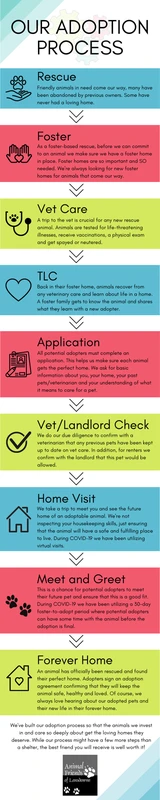
The adoption procedure begins with an assessment of adopter readiness, which includes age verification—most shelters require applicants to be at least 18 years old—and presenting valid identification. Adoption applications vary; some shelters employ detailed forms covering lifestyle, home environment, and pet care experience, while others use conversational counseling to tailor recommendations. In-person meetings are fundamental, allowing adopters to observe pet behavior and compatibility without physical barriers. Foster pet meet-and-greet sessions often necessitate scheduling with foster parents to facilitate interaction in a home-like setting. Upon selection, adopters sign legally binding adoption contracts outlining responsibilities and receive adoption packets containing vaccination certificates, health records, and care guidelines. Adoption fees typically range based on the animal’s age and medical needs; however, many shelters offer fee waivers or reductions to increase accessibility, especially during special adoption events or for senior pets.
Preparing a home for a new pet extends beyond physical arrangements to include evaluating compatibility with the adopter’s lifestyle, household members, and existing animals. Space considerations and daily routines influence the choice of pet species and breed, impacting long-term care and behavior management. Renters face additional legal considerations, as landlords may impose pet restrictions or require deposits; obtaining written permission and reviewing lease agreements are critical steps. Introduction protocols recommend gradual familiarization to minimize stress, employing controlled environments and positive reinforcement techniques. Adoption counselors often provide customized advice to facilitate smooth transitions, emphasizing patience and consistent care.
Post-adoption care encompasses ongoing medical attention, including follow-up vaccinations, microchipping, and licensing per local ordinances. Training and enrichment activities are vital for the pet’s behavioral development and socialization, with many shelters and rescue groups offering or recommending professional pet trainers. Access to community resources—such as support groups, veterinary clinics specializing in adopted animals, and behavioral counseling—strengthens the adopter’s capacity to address challenges. Continued communication with the adoption shelter or organization ensures that adopters receive timely guidance and can report concerns, bolstering animal welfare throughout the pet’s lifetime.
To enhance the adoption experience, shelters and rescue organizations increasingly adopt flexible policies aimed at reducing procedural barriers. Adoption counselors play a pivotal role in client engagement by offering personalized support, clarifying expectations, and addressing concerns promptly. Community involvement initiatives—such as educational workshops and volunteer opportunities—build trust and foster long-term relationships between adopters and animal welfare entities. Streamlining application processes with digital platforms and integrating foster care meet-and-greet practices contribute to higher adoption success rates and improved pet placement outcomes.
| Adoption Step | Key Entities Involved | Typical Requirements | Notes |
|---|---|---|---|
| Research Adoption Sources | Animal shelters, rescue organizations, online platforms (Petfinder, Adopt A Pet™) | Verification of source credibility | Use official websites and shelter profiles |
| Legal & Health Documentation | State governments, veterinarians | Vaccination records, Certificate of Veterinary Inspection, valid ID | May vary by state; out-of-state transport requires additional compliance |
| Application & Counseling | Adoption counselors, shelter staff | Application forms or interviews, age verification | Some shelters use conversational approaches to assess fit |
| Meet & Greet | Foster parents, shelter staff | In-person interaction with pets | Critical for assessing pet compatibility |
| Contract & Fees | Shelters, adoption agencies | Signed adoption contract, payment of fees or fee waiver | Contracts outline adopter responsibilities |
| Home Preparation | Adopter, landlords (if renting) | Pet-proofing, landlord approval | Gradual introduction advised |
| Post-Adoption Care | Veterinarians, trainers, adoption organizations | Vaccinations, training, licensing | Ongoing support recommended |
Educating oneself about the pet adoption process requires a comprehensive understanding of legal obligations, shelter procedures, and responsible pet care. Prospective adopters benefit from consulting reputable organizations such as the Best Friends Animal Society, ASPCA, Humane Society of the United States, and local animal services to access accurate information and support. Adoption counselors serve as vital resources, guiding applicants through the nuances of application submission, contract comprehension, and home preparation. Recognizing the importance of meeting pets in person and fostering transparent communication with foster parents enhances the likelihood of successful matches. By integrating these elements, adopters contribute to a sustainable ecosystem of animal welfare and community engagement.
Frequently Asked Questions
What are the typical legal requirements for adopting a pet?
Legal requirements usually include being at least 18 years old, providing valid photo identification, and submitting vaccination records or health certificates as mandated by state laws. Some states require microchipping and licensing post-adoption. Compliance with these regulations ensures the health and safety of both pets and the community.
How can I find trustworthy adoption sources?
Start by researching local animal shelters and rescue organizations with established reputations. Use verified online platforms like Petfinder and Adopt A Pet™, which aggregate listings from credible shelters. Confirm transparency in pet health disclosures and availability of adoption counseling services before proceeding.
What does the adoption application process involve?
Applications may consist of detailed forms assessing your lifestyle and home environment or conversational interviews conducted by adoption counselors. These processes help shelters determine if you are a suitable match for the pet and inform recommendations based on your capacity to provide proper care.
Can adoption fees be waived or reduced?
Many shelters offer fee waivers or discounts during special events, for senior pets, or to individuals facing financial hardship. It is advisable to inquire directly with the shelter or rescue organization about available programs and eligibility criteria before application.
What should I prepare before bringing a new pet home?
Preparation includes pet-proofing your living space, obtaining landlord approval if renting, and planning introductions with family members and existing pets. Gathering essential supplies—such as food, bedding, and toys—and scheduling initial veterinary appointments are also crucial for a smooth transition.
Understanding these aspects equips potential adopters with the knowledge to navigate the pet adoption process effectively, ensuring a positive outcome for both animals and their new families. Future developments may emphasize further simplification of application methods, expanded community support networks, and enhanced collaboration between shelters and adopters to maximize successful placements.

How to Navigate Pet Adoption Paperwork for a Smooth 2026 Process
PawVerde.com – Navigating pet adoption paperwork in 2026 requires precise preparation, accurate documentation, and adherence to shelter protocols to ensure a smooth and successful adoption experience. Pet adopters must complete detailed applications covering lifestyle and household information, provide valid identification and proof of residence, participate in family and pet meet-and-greets, undergo screening processes including background checks and home visits, and finalize legal contracts while managing adoption fees and deposits. Early pet insurance signup and post-adoption care considerations are integral to responsible pet ownership.
This tutorial offers a comprehensive step-by-step guide to navigating the pet adoption paperwork process, incorporating best practices from animal shelters, rescue organizations, and veterinary experts to empower adopters with authoritative knowledge and practical instructions.
1. Preparing to Apply for Pet Adoption
Before beginning the adoption application, gather all required documentation and information to avoid delays. Identification and proof of residence are universally mandatory across shelters such as ASPCA, LifeLine Animal Center, and county animal services like King County and DeKalb-Fulton County.
Investing time in preparation ensures you can complete the adoption application accurately and expedites the approval process.
2. Completing the Adoption Application
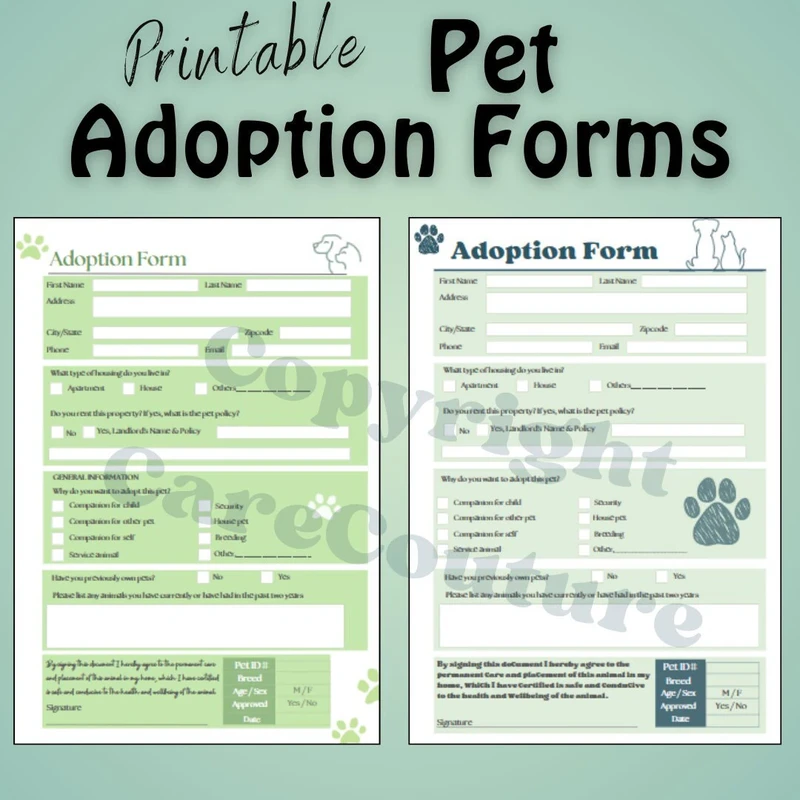
The adoption application serves as a foundational tool for shelters and rescue organizations to assess the suitability of prospective adopters. Applications typically include:
Complete the application truthfully and thoroughly to facilitate a good pet-to-adopter match. Many organizations, including Zoetis Petcare-affiliated clinics and SPCA of Luzerne County, offer secure online forms that auto-save progress. Paper forms remain an option at some shelters.
Applications also help adoption counselors identify pets that best fit your lifestyle and schedule an appropriate meet-and-greet.
3. Screening and Verification Process
After submitting your application, expect a screening process designed to protect animal welfare and ensure adopter readiness.
Transparency and responsiveness during this phase are crucial to securing approval.
4. Family and Pet Meet-and-Greet Requirements
Meeting the pet before adoption is a vital step to ensure compatibility and successful integration into your home.
Scheduling this meeting promptly after application approval expedites the process and sets clear expectations for pet behavior and care needs.
5. Adoption Fees, Deposits, and Documentation
Understanding fee structures and required documentation prevents surprises during finalization.
Shelters like SPCA of Luzerne County and LifeLine Animal Center emphasize transparency by providing detailed receipts and clear refund policies.
6. Finalizing the Adoption
The final step involves legal and logistical formalities.
Completing these steps solidifies ownership and lays the groundwork for a healthy pet-owner relationship.
7. Post-Adoption Paperwork and Care Recommendations
Post-adoption responsibilities include registering your pet and monitoring adjustment.
Adopters who remain proactive with paperwork and pet care create stable environments that reduce return rates.
Troubleshooting Common Issues During Adoption Paperwork
Adopters occasionally encounter challenges that can delay or complicate the process. Common issues include incomplete applications, delayed background checks, and scheduling conflicts for meet-and-greets.
Proactive communication with shelter staff is essential for resolving issues promptly.
Common Mistakes to Avoid in Pet Adoption Paperwork
Awareness of these pitfalls helps adopters navigate the process confidently.
Alternative Adoption Methods
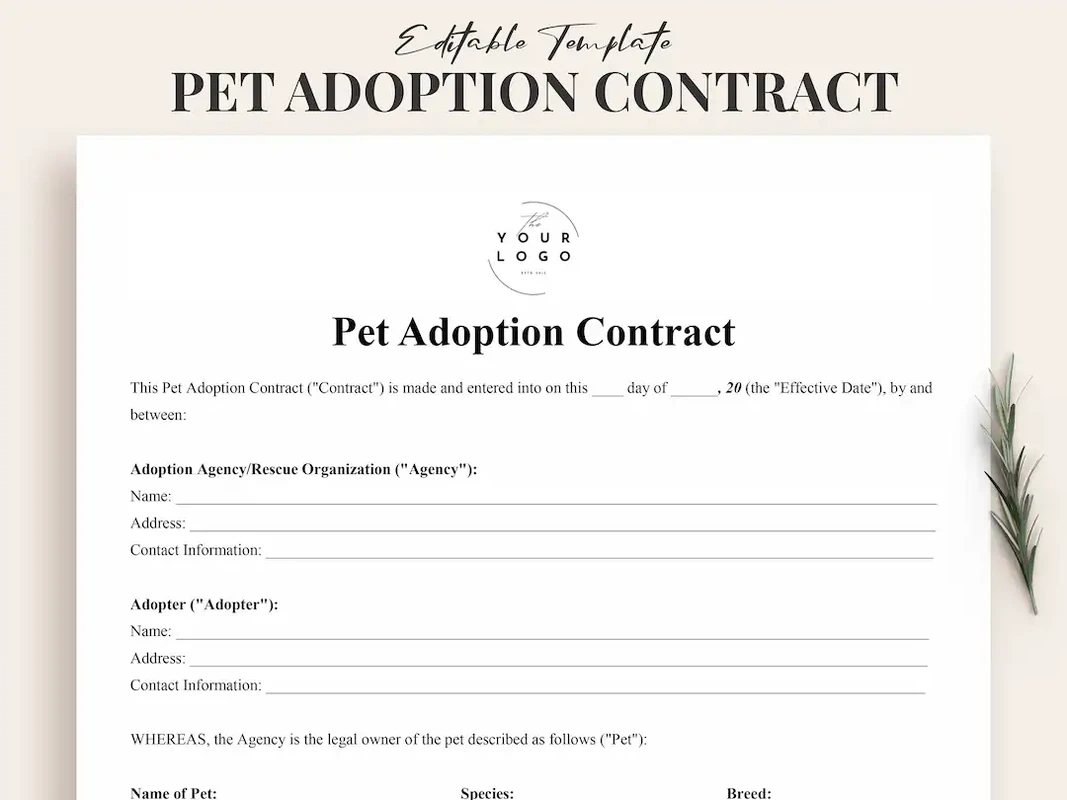
Some shelters and rescue organizations offer alternative adoption pathways to accommodate diverse adopter needs:
These alternatives provide flexibility while maintaining rigorous screening standards.
FAQ
What documents are required to apply for pet adoption?
You typically need a government-issued photo ID and proof of residence, such as a utility bill or lease agreement. Some shelters may request veterinary records for existing pets and personal references.
How long does the pet adoption paperwork process usually take?
The process varies by organization but generally takes 1-3 weeks. This includes application review, background checks, meet-and-greet scheduling, and final contract signing.
Are adoption fees refundable if I change my mind?
Adoption fees are usually non-refundable as they cover medical care and administrative costs. However, refundable spay/neuter deposits may apply if sterilization occurs after adoption.
Can I adopt a pet remotely without visiting the shelter?
Many shelters offer virtual meet-and-greet options and online applications, enabling remote adoption. However, some require in-person visits before finalizing adoption.
Is pet insurance necessary before adopting a pet?
While not mandatory, signing up for pet insurance early is highly recommended to protect against unexpected medical expenses and ensure timely veterinary care.
—
Navigating pet adoption paperwork in 2026 demands attention to detail, thorough preparation, and active engagement with shelter personnel and foster parents. By following this structured guide, prospective adopters can streamline their application process, meet legal and procedural requirements, and establish a solid foundation for a lasting relationship with their new pet. Future adopters should remain informed about evolving shelter policies and leverage virtual adoption tools to enhance accessibility and convenience.