
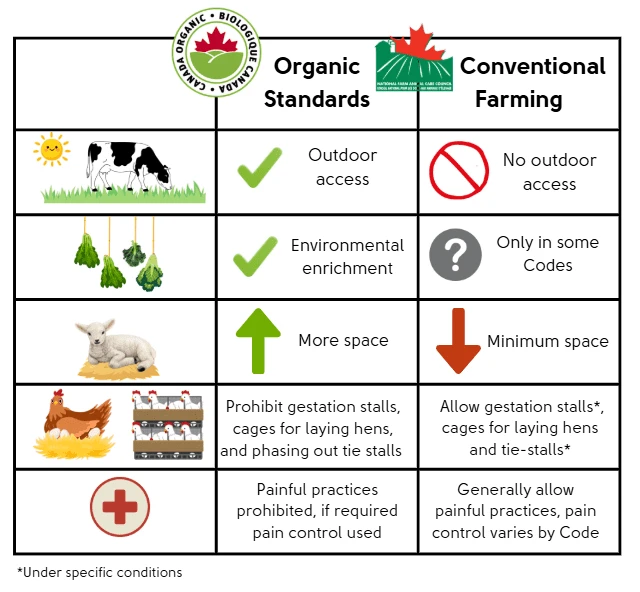
Organic Pet Food vs Conventional: Key Growth Trends & Benefits
PawVerde.com – organic pet food, defined by USDA-certified ingredients free from synthetic pesticides, antibiotics, and growth hormones, is rapidly gaining market share relative to conventional pet food. Rising consumer awareness of pet health, sustainability concerns, and demand for premium nutrition are driving this shift. The organic pet food segment in North America, Europe, and Asia-Pacific is expanding faster than conventional categories, which still dominate overall volume but face growing competition in premium tiers. Organic formulations emphasize clean sourcing of animal proteins such as certified organic chicken, beef, and fish, avoiding synthetic additives and preservatives commonly found in conventional pet foods. This results in improved nutrient bioavailability and digestibility, along with potential benefits for pet immune function and gut health. Despite higher price points and supply chain challenges, organic pet food growth is supported by ecommerce expansion and evolving consumer preferences toward natural, transparent ingredient sourcing.
Market Context and Growth Trends in Organic vs Conventional Pet Food
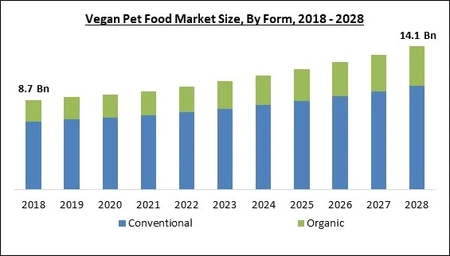
The global pet food market has witnessed a significant transition, with organic pet food registering an accelerated growth rate compared to conventional products. According to recent industry reports from DataInsightsMarket and FutureMarketInsights, the organic pet food segment is growing annually at over 10%, outpacing the conventional sector’s growth rate of approximately 4-6%. This trend is attributed to increasing pet ownership worldwide, especially among younger demographics that prioritize health-conscious and sustainable choices for their animals.
North America continues to lead in organic pet food adoption, fueled by stringent USDA Organic certification standards and a well-established premium pet food market. The Asia-Pacific region is emerging rapidly, driven by rising disposable incomes and expanding online retail platforms offering organic options. Europe maintains steady growth supported by regulatory frameworks and consumer demand for transparency. Despite conventional pet food maintaining the largest market share globally, the premium and super-premium segments are increasingly dominated by organic and natural pet food products, reflecting a shift in consumer priorities toward ingredient quality and health benefits.
Nutritional and Health Comparisons Between Organic and Conventional Pet Food
Organic pet food distinguishes itself from conventional options primarily through the quality and sourcing of its ingredients. Certified organic animal proteins such as chicken, beef, and fish originate from livestock raised without synthetic pesticides, antibiotics, or growth hormones. This contrasts with conventional pet food, which often contains non-organic meat, animal by-products, fillers, and synthetic additives including preservatives and artificial colors.
The superior bioavailability of nutrients in organic pet foods supports enhanced digestibility and nutrient absorption. Veterinary nutritionists observe that pets consuming organic diets may experience improved gut microbiome balance and stronger immune responses. This is partly due to the absence of synthetic additives which, in conventional foods, can disrupt gut flora and contribute to allergic reactions or sensitivities, especially in pets with compromised health or dietary allergies.
Conventional pet foods frequently incorporate growth hormones and antibiotics to promote rapid livestock growth, raising concerns about antibiotic resistance and long-term health effects in companion animals. Additionally, synthetic preservatives used in many conventional formulas, such as BHA and BHT, have been linked to potential carcinogenic risks. Organic pet food avoids these substances by relying on natural preservation methods, thereby reducing exposure to potentially harmful chemicals.
Market Segmentation and Regional Dynamics
The premium pet food segment, encompassing organic and super-premium natural products, is where most market growth is concentrated. Pet owners with higher disposable income are willing to pay a premium for products perceived as healthier and more ethically sourced. This segment accounted for nearly 40% of total pet food revenue in North America last year, according to GMInsights.
Regionally, North America exhibits the highest penetration of organic pet food, supported by extensive USDA Organic certification infrastructure and consumer education campaigns. The Asia-Pacific market is experiencing accelerated growth with a compound annual growth rate (CAGR) exceeding 12%, propelled by urbanization, rising pet ownership, and expanded digital marketplaces facilitating access to organic products. Europe’s market growth is steady, driven by regulatory harmonization through the European Pet Food Federation and consumer demand for labeling transparency.
Emerging markets within Asia-Pacific, including China and India, show significant potential. Here, rising middle-class populations and increasing awareness of pet health issues are prompting manufacturers to introduce organic pet food lines. These markets also grapple with supply chain challenges related to sourcing certified organic ingredients locally, often relying on imports from North America and Europe.
Certification and Regulatory Standards Guiding Organic Pet Food
USDA organic certification is the most recognized standard for organic pet food in North America, requiring that all agricultural ingredients be grown without synthetic pesticides, antibiotics, growth hormones, or genetically modified organisms. Livestock used for protein must be raised under organic conditions with access to pasture and organic feed. This certification ensures strict auditing and traceability throughout the supply chain.
The Association of American Feed Control Officials (AAFCO) sets regulatory standards for pet food labeling and nutritional adequacy but does not certify organic status. Instead, AAFCO standards complement USDA regulations by ensuring pet food formulations meet minimum nutritional requirements tailored to species and life stages.
ingredient transparency is increasingly central to consumer trust. Leading organic pet food manufacturers provide detailed labeling of ingredient sourcing and processing methods, responding to demands for greater information on pet dietary contents. This contrasts with many conventional products, where vague terms such as “meat meal” or “animal by-products” are common.
Consumer Behavior and Purchasing Channels
Pet owners’ growing preference for organic pet food is closely linked to heightened awareness of pet nutrition and health risks associated with synthetic additives in conventional diets. Surveys indicate that over 60% of health-conscious pet owners actively seek organic or natural pet food options, particularly for pets with allergies or sensitive skin.
The rise of online pet food retail has significantly expanded access to organic products. Ecommerce platforms now contribute upwards of 30% of organic pet food sales, offering convenience, subscription services, and detailed product information that aid purchasing decisions. This channel growth has been critical in reaching consumers in less urbanized regions or markets where physical retail options for organic pet food remain limited.
Price sensitivity remains a barrier for some consumers. Organic pet food often commands a 20-40% premium over conventional brands, influenced by higher ingredient costs and certification expenses. However, the expanding middle class in Asia-Pacific and North America’s affluent pet ownership base support sustained demand despite elevated price points.
Challenges and Limitations of Organic Pet Food
While organic pet food offers clear nutritional and ethical advantages, it faces challenges that may limit widespread adoption. The higher production costs associated with certified organic animal proteins and ingredient sourcing result in premium pricing that can restrict affordability for many consumers.
Supply chain complexities also arise due to the limited availability of USDA-certified organic livestock and feedstock. This scarcity can lead to inconsistent supply and fluctuations in product availability, particularly in emerging markets. Manufacturers must often balance organic sourcing with cost and volume demands, occasionally blending certified organic with natural ingredients to maintain price competitiveness.
Nutrient balance is another consideration. Some organic pet foods may lack certain synthetic vitamins or minerals added to conventional formulas for precise nutritional control. This necessitates rigorous formulation and testing to ensure organic products meet AAFCO nutritional profiles and support long-term pet health, especially for animals with specific dietary requirements.
Future Outlook and Industry Implications
Innovation in organic pet food is accelerating, with research focusing on novel protein sources such as insect meal and plant-based alternatives to complement traditional organic animal proteins. Advances in formulation technology aim to enhance nutrient bioavailability and palatability while maintaining organic integrity.
The coexistence of conventional and organic sourcing strategies is expected, with manufacturers leveraging both to address diverse consumer segments. Hybrid products incorporating organic ingredients alongside conventional components may emerge to balance cost and quality.
Market forecasts predict that organic pet food will achieve double-digit growth throughout the decade, driven by sustained consumer demand, regulatory strengthening, and ecommerce expansion. Industry players are investing in supply chain transparency, sustainability initiatives, and veterinary partnerships to fortify the sector’s credibility and appeal.
As pet owners continue prioritizing health and sustainability, organic pet food is poised to redefine premium nutrition standards, compelling conventional manufacturers to elevate ingredient sourcing and product innovation.
FAQ
What are the main health benefits of organic pet food compared to conventional options?
Organic pet food offers improved digestibility and nutrient bioavailability due to high-quality, certified organic ingredients free from synthetic additives, antibiotics, and growth hormones. This can enhance pet immune function, support gut microbiome balance, and reduce allergic reactions associated with conventional pet food preservatives and fillers.
How does USDA organic certification impact pet food quality?
USDA organic certification requires that all agricultural ingredients be produced without synthetic pesticides, antibiotics, or growth hormones and that livestock are raised under organic conditions. This certification ensures ingredient transparency, supply chain traceability, and adherence to strict environmental and animal welfare standards, contributing to higher product quality.
Why is organic pet food more expensive than conventional pet food?
The higher cost of organic pet food stems from expensive certified organic animal proteins, more rigorous ingredient sourcing, certification compliance costs, and smaller supply volumes. These factors increase production expenses, which are reflected in premium retail pricing compared to conventional pet food.
What regional markets show the strongest growth for organic pet food?
North America leads in market penetration due to established certification frameworks and consumer awareness. The Asia-Pacific region is experiencing the fastest growth, supported by rising pet ownership, urbanization, and expanding online retail channels. Europe shows steady growth driven by regulatory harmonization and consumer demand for transparency.
How is online retail influencing organic pet food sales?
Online retail channels have significantly increased the accessibility of organic pet food, particularly in regions with limited physical retail options. Ecommerce platforms offer convenience, subscription services, and detailed product information, fueling consumer adoption and enabling manufacturers to reach wider audiences efficiently.
Organic pet food’s expanding role in the global pet nutrition landscape reflects evolving consumer values emphasizing health, sustainability, and transparency. As the market matures, continued innovation and regulatory advancements will shape product offerings, pricing strategies, and supply chain resilience, driving the sector’s trajectory through 2026 and beyond.

Differences Between Organic and Conventional Pet Food Explained
PawVerde.com – Organic pet food has surged in popularity as pet parents increasingly seek alternatives to conventional options amid rising concerns about ingredient quality and pet health. Unlike conventional pet food, organic varieties adhere to stringent USDA National Organic Program (NOP) standards that prohibit synthetic pesticides, growth hormones, antibiotics, and genetically modified organisms (GMOs). These regulatory distinctions impact ingredient sourcing, nutritional profiles, cost structures, and labeling practices. However, the question remains whether organic pet food provides measurable health benefits over conventional formulations, especially given the premium price. This article explores the key differences between organic and conventional pet food through regulatory frameworks, ingredient analysis, nutritional comparisons, economic factors, and veterinary insights to guide informed purchasing decisions.
Defining Organic and Conventional Pet Food Under Regulatory Standards
organic pet food must comply with the USDA National Organic Program (NOP), which mandates that ingredients come from certified organic farms free from prohibited synthetic pesticides and fertilizers for at least three years. Livestock used in organic pet food production must be raised without antibiotics, growth hormones, or genetically engineered feed. Consequently, organic pet food products featuring the USDA Organic seal contain at least 95% certified organic ingredients, while labels stating “made with organic” ingredients require a minimum of 70% organic content.
In contrast, conventional pet food falls under the regulatory oversight of the Association of American Feed Control Officials (AAFCO) and the Food and Drug Administration (FDA), which govern nutritional adequacy and labeling but do not restrict the use of synthetic pesticides, hormones, or GMOs. Conventional pet foods often include artificial preservatives, fillers, and additives that are not permitted in organic formulations. Furthermore, the term “natural” on pet food labels lacks a standardized regulatory definition, leading to consumer confusion, as natural pet foods may still contain synthetic substances or non-organic ingredients.
Ingredient and Production Differences Between Organic and Conventional Pet Foods
Organic pet food ingredients exclude synthetic pesticides, herbicides, antibiotics, growth hormones, and genetically modified organisms. Animal proteins in organic pet foods originate from livestock raised on certified organic feed without exposure to prohibited substances. Crops used in organic pet food are cultivated with organic farming practices emphasizing soil health and biodiversity. Brands like Tender & True exemplify organic pet foods focusing on transparency and traceable ingredient sourcing.
Conversely, conventional pet food production often involves ingredients grown with synthetic pesticides and genetically modified crops. Conventional animal proteins may derive from livestock treated with antibiotics or growth hormones to promote rapid growth. To maintain cost-effectiveness, conventional formulations sometimes incorporate artificial fillers such as corn gluten meal, wheat middlings, or meat by-products. These ingredients can vary widely in quality, potentially affecting digestibility and nutrient availability.
The sourcing of ingredients also influences overall product transparency. Organic pet food producers are typically required to document supply chains meticulously to maintain USDA certification, offering pet parents greater insight into ingredient origins. Conventional pet foods may have less stringent supply chain oversight, complicating traceability and quality assurance.
Nutritional Comparison: What Studies Reveal About Organic vs Conventional Pet Food
Multiple peer-reviewed studies, including meta-analyses published in journals like the British Journal of Nutrition, have examined nutrient variations between organic and conventional pet foods. Research indicates that organic pet foods tend to contain higher concentrations of omega-3 fatty acids, vitamin E, and carotenoids, nutrients associated with anti-inflammatory and antioxidant benefits. These elevated levels reflect the organic feed and farming practices that enrich nutrient profiles naturally.
However, organic pet foods may contain lower iodine levels compared to conventional options, likely due to the absence of synthetic iodine supplementation common in some conventional formulations. Overall, the differences in macronutrient and micronutrient levels are relatively modest and do not consistently translate into significant health outcomes.
Veterinarian experts, including Dr. Karen Becker, emphasize that nutritional completeness and ingredient digestibility are paramount regardless of organic certification. Ingredient quality, balanced formulation adhering to AAFCO nutrient profiles, and pet-specific dietary needs often outweigh the organic versus conventional distinction in terms of health impact.
Cost and Market Availability of Organic Pet Food
Organic pet food commands a premium price due to labor-intensive production methods, certification costs, and more expensive organic ingredients. Industry analyses reveal organic pet food pricing can be 30-50% higher per pound than comparable conventional products. This price differential reflects the rigorous USDA certification process, which involves frequent inspections, detailed record-keeping, and adherence to organic farming and processing standards.
Market availability for organic pet food has expanded but remains limited compared to conventional options. Mainstream brands offering USDA-certified organic pet food include Tender & True, Castor & Pollux Organix, and Open Farm, while many smaller artisanal brands focus exclusively on organic lines. Conventional pet foods dominate retail shelves with broad distribution and diverse price points, making them more accessible for budget-conscious pet owners.
Economic factors such as household income and perceived value influence purchase decisions. Pet parents weighing cost against perceived health benefits must consider whether the premium price aligns with their pet’s specific health requirements and dietary sensitivities.
Health Implications and Suitability of Organic Versus Conventional Pet Food
Organic pet food may particularly benefit pets with allergies, food sensitivities, or skin conditions due to the absence of synthetic additives, artificial preservatives, and common allergens found in conventional foods. For example, pets with adverse reactions to conventional fillers or genetically modified ingredients may experience improved tolerance with organic diets. Veterinary nutritionists often recommend organic options for pets with compromised immune systems or chronic inflammatory conditions.
On the other hand, conventional pet food remains appropriate for many healthy pets, providing balanced nutrition at an affordable price. Some conventional brands formulate hypoallergenic or limited-ingredient diets designed to address specific health needs, which can be equally effective when properly formulated and quality-controlled.
Veterinarians stress individualized pet assessments to determine the optimal diet. Ingredient transparency, digestibility, and nutrient balance should guide food selection rather than organic status alone. Regular health monitoring and consultation with a veterinary nutritionist can optimize dietary strategies.
Understanding Labeling and Certification for Pet Food
The USDA Organic seal on pet food signifies at least 95% organic ingredients, verified through a rigorous certification process involving farm inspections and supply chain audits. Products labeled “100% organic” are composed entirely of organic ingredients, while “made with organic” claims require a minimum of 70% organic content but do not permit the USDA Organic seal.
Labeling regulations for pet food remain less standardized compared to human food, with regulatory gaps concerning terms like “natural,” “holistic,” or “premium.” The FDA and AAFCO are working toward enhanced guidelines to improve label clarity and protect consumers from misleading claims.
Pet parents can improve ingredient transparency by scrutinizing ingredient lists for recognizable whole foods, absence of synthetic additives, and clear sourcing information. Understanding terms such as “by-products” or “meal” is critical, as these may indicate lower-quality ingredients. Transparency initiatives by some organic pet food brands provide additional assurance through third-party audits and detailed supplier disclosures.
Practical Insights for Choosing Between Organic and Conventional Pet Food

Selecting the appropriate pet food requires balancing factors such as ingredient quality, pet health status, budget, and availability. For pets with documented allergies or sensitivities, organic pet food’s exclusion of synthetic pesticides, hormones, and GMOs may reduce adverse reactions. Owners of pets with skin or digestive issues may observe clinical improvements when switching to organic diets free from artificial fillers.
Conversely, budget constraints or lack of access to organic products may necessitate high-quality conventional pet food choices. Veterinary guidance can help identify conventional options formulated without common allergens or unnecessary additives.
Transparency remains key: reviewing ingredient lists, understanding certification seals, and verifying nutrition adequacy according to AAFCO profiles ensure pets receive balanced diets. Supplementing with omega-3 fatty acids or specific vitamins may be appropriate based on individual pet needs, regardless of organic status.
FAQ

What does the USDA Organic seal on pet food guarantee?
The USDA Organic seal guarantees that the pet food contains at least 95% organic ingredients, produced according to the National Organic Program’s standards, which prohibit synthetic pesticides, antibiotics, growth hormones, and GMOs.
Are organic pet foods always nutritionally superior to conventional options?
No conclusive evidence shows that organic pet foods are universally nutritionally superior. While some nutrients like omega-3 fatty acids may be higher, overall nutrient balance and ingredient quality are more important factors for pet health.
Can pets with allergies benefit from organic pet food?
Yes, pets with allergies or sensitivities may benefit from organic pet food as it excludes synthetic additives, common allergens, and artificial fillers often found in conventional pet foods, potentially reducing adverse reactions.
Why is organic pet food more expensive than conventional pet food?
Organic pet food costs more due to the labor-intensive organic certification process, higher-priced organic ingredients, strict farming practices, and supply chain transparency requirements.
Is “natural” pet food the same as organic?
No, “natural” pet food lacks a standardized regulatory definition and may contain non-organic or synthetic ingredients, while organic pet food must meet strict USDA certification standards.
—
Organic pet food represents a production approach emphasizing ingredient purity, traceability, and avoidance of synthetic substances. However, conventional pet food can provide balanced nutrition and meet diverse pet needs effectively. Pet parents should weigh health requirements, ingredient transparency, and budget when selecting pet food, consulting veterinary professionals to tailor diets. Advances in labeling regulation and nutritional research will continue to clarify distinctions, empowering consumers to make evidence-based decisions in pet nutrition.

Sustainable vs Conventional Pet Furniture: Key Differences Explained
PawVerde.com – Sustainable pet furniture is redefining the pet accessory market by prioritizing eco-friendly materials, ethical manufacturing, and pet health, contrasting sharply with conventional pet furniture made from synthetic, chemically treated components. Unlike traditional pieces that often contain virgin plastics, petroleum-based textiles, and harmful chemical additives such as flame retardants, formaldehyde, and volatile organic compounds (VOCs), sustainable options utilize renewable resources like bamboo, organic cotton, hemp, and recycled plastics. These materials not only reduce environmental impact but also promote better indoor air quality and minimize health risks for pets.
In addition to material differences, sustainable pet furniture emphasizes longevity and circular economy principles, leading to extended product life cycles typically ranging from five to eight years—significantly longer than the average 18 months lifespan of conventional furniture. Brands like Blue Toby exemplify this model by repurposing textile scraps and memory foam offcuts into new products, minimizing waste and reducing resource consumption. This article explores the distinctions between sustainable and conventional pet furniture across materials, manufacturing ethics, durability, health benefits, design trends, and disposal practices, equipping pet owners with the knowledge to make informed, eco-conscious choices.
Materials Comparison: Eco-Friendly vs. Conventional Components
sustainable pet furniture predominantly incorporates renewable and recycled materials, each selected for their reduced environmental footprint and pet safety profile. Bamboo stands out as a fast-growing, biodegradable alternative to conventional wood or plastic frames. Its rapid regeneration cycle—often within three to five years—makes it far more sustainable than hardwoods, which can take decades to mature. Organic cotton and hemp are favored for upholstery and bedding due to their natural resistance to pests and reduced need for pesticides during cultivation, as documented in studies by environmental textile experts.
Recycled plastics, including those derived from ocean plastics, are increasingly utilized in pet beds and accessories, transforming waste into durable products while diverting debris from landfills and marine ecosystems. For instance, American Wood Fibers and Doggy Eco have integrated these materials into their product lines, combining sustainability with robustness. In contrast, conventional pet furniture frequently uses virgin plastics and petroleum-based textiles, which are energy-intensive to produce and contribute significantly to carbon emissions.
These conventional materials are often treated with chemical finishes to enhance durability or aesthetics but can harbor toxic substances. Flame retardants, formaldehyde-based adhesives, and VOC-releasing coatings prevalent in conventional furniture pose risks to indoor air quality and can exacerbate allergies or respiratory issues in pets. A 2023 environmental health report highlighted that VOC levels in homes with synthetic pet furniture were measurably higher compared to those using natural fiber furnishings. This disparity underscores the material-driven environmental and health implications between sustainable and conventional pet furniture.
Manufacturing and Ethical Considerations in Sustainable Pet Furniture
ethical manufacturing practices distinguish sustainable pet furniture by emphasizing transparency, local production, and waste reduction. Blue Toby’s circular manufacturing model exemplifies this approach; their process involves collecting offcuts of textiles and memory foam from other industries, repurposing these materials into new pet beds and accessories. This method not only curtails raw material demand but extends product life cycles through careful design for repairability.
Brands such as Purrniture Cat Furniture and GreenDog incorporate certifications verifying sustainable sourcing and labor conditions. These companies disclose supply chain details, ensuring that workers receive fair wages and work under safe conditions—a stark contrast to some conventional manufacturers where labor abuses and opaque processes are documented concerns.
Conventional pet furniture manufacturing often relies on chemical-intensive treatments to achieve water resistance, stain protection, or fire retardancy, many of which involve hazardous substances like chlorinated flame retardants and formaldehyde resins. These chemicals can off-gas over time, degrading indoor air quality and posing long-term health risks to pets and owners. Furthermore, labor practices in some conventional production hubs lack transparency, raising ethical questions about the human cost of low-priced pet furniture.
The circular economy is gaining traction within the sustainable pet furniture industry. Blue Toby’s model of reclaiming and reprocessing materials not only reduces landfill contributions but also fosters consumer engagement in sustainability by offering repair services and take-back programs. This contrasts with conventional models that typically emphasize disposable, short-lived products.
Durability and Longevity as Sustainability Metrics
Longevity represents a critical metric for sustainability in pet furniture, with durable products reducing the frequency of replacement and the subsequent environmental burden of manufacturing and disposal. Research indicates sustainable pet furniture constructed from bamboo, natural latex, and high-grade recycled plastics can last five to eight years or more under typical use conditions. These materials maintain structural integrity and comfort over time, enabling pet owners to defer purchasing cycles and reduce waste.
Conversely, conventional pet furniture commonly exhibits a lifespan closer to 18 months due to cheaper materials prone to wear, tear, and chemical degradation. For example, petroleum-based foams and low-quality synthetic fabrics degrade faster under pet use, often necessitating premature disposal and replacement.
The extended durability of sustainable pet furniture contributes significantly to waste reduction. Textile waste from pet accessories comprises a growing portion of landfill content, where synthetic fibers can take upwards of 40 to 1,000 years to decompose. By contrast, natural materials such as bamboo and organic cotton biodegrade within months to years if composted appropriately.
From a financial perspective, investing in sustainable pet furniture may entail higher upfront costs but yields long-term savings by reducing replacement frequency. Additionally, many brands provide warranties or repair services, further extending product life and reinforcing sustainability through consumer support.
Health and Comfort Benefits of Sustainable Pet Furniture
Sustainable pet furniture prioritizes pet health by eliminating exposure to harmful chemicals commonly found in conventional products. Flame retardants, formaldehyde, and VOCs found in many traditional pet beds can aggravate respiratory conditions or cause allergic reactions in sensitive animals. Studies led by Linda Brent, PhD, a recognized expert in environmental toxicology, demonstrate that pets exposed to these chemicals face increased risks of chronic illnesses, emphasizing the importance of chemical-free furniture.
eco-friendly pet beds often incorporate orthopedic supports such as natural latex and memory foam made without chemical additives. These materials provide superior pressure relief and spinal alignment, benefiting aging or arthritic pets by reducing joint pain and improving sleep quality. Brands like Sabai utilize natural latex sourced from sustainable rubber plantations, ensuring both environmental responsibility and enhanced comfort.
Hypoallergenic properties of natural textiles like organic cotton and hemp further reduce the likelihood of skin irritation or allergic responses. These fabrics are breathable, moisture-wicking, and resistant to dust mites, contributing to improved indoor air quality and overall pet well-being.
Design and Aesthetics: Modern Sustainable Pet Furniture
Modern sustainable pet furniture overcomes the outdated notion that eco-friendly products lack style or sophistication. Leading brands such as Purrniture Cat Furniture and Weruva have developed sleek, studio-quality designs that integrate seamlessly into contemporary home décor. These products balance functionality with aesthetics, offering clean lines, minimalist profiles, and color options that complement a range of interior styles.
Size and scale considerations reflect current urban living trends, with compact, multi-functional pieces designed for smaller spaces. Sustainable pet furniture often features modular components or dual-purpose designs, such as beds that convert into storage units, optimizing space while maintaining eco-conscious principles.
The stigma around “ugly” pet furniture is further challenged by customization options offered by some sustainable brands, allowing pet owners to select materials and finishes that match personal tastes without compromising environmental values.
Disposal and End-of-Life Management of Pet Furniture
Sustainable pet furniture incorporates end-of-life strategies that minimize environmental impact through donation, repair, or recycling. Many manufacturers encourage customers to return worn items for refurbishment or repurposing, extending the product lifecycle and diverting waste from landfills. Repair kits and modular design facilitate maintenance, allowing minor damages to be fixed instead of discarding entire pieces.
In contrast, conventional pet furniture typically lacks these provisions, with most discarded items ending up in landfills where synthetic textiles persist for centuries. The environmental toll of textile waste is exacerbated by the slow biodegradation of petroleum-based fibers and the leaching of residual chemicals into soil and groundwater.
Some industry initiatives have emerged to address packaging waste associated with pet products. Brands like Doggy Eco have adopted biodegradable or recyclable packaging materials, aligning with broader sustainability goals.
Broader Trends in Sustainable Pet Ownership
Sustainable pet furniture is part of a wider movement toward eco-conscious pet ownership that includes food, grooming, and accessories. Carbon-neutral pet products and green grooming practices reflect growing consumer awareness of the environmental impact of pet care routines. Companies such as Weruva have pioneered sustainably sourced pet food lines, while grooming brands increasingly utilize biodegradable shampoos and energy-efficient tools.
Consumer demand drives industry innovation, with pet owners seeking transparency and accountability in product sourcing and manufacturing. This shift influences market offerings, encouraging more companies to adopt circular economy principles, ethical labor standards, and eco-certifications.
The integration of sustainability into pet ownership extends beyond individual products to encompass lifestyle choices that reduce carbon footprints and support biodiversity, reflecting a holistic approach to environmental stewardship.
FAQ
What materials are typically used in sustainable pet furniture?
Sustainable pet furniture commonly uses bamboo, organic cotton, hemp, natural latex, and recycled plastics. These materials are renewable, biodegradable, or repurposed, reducing environmental impact and avoiding chemical additives found in conventional materials such as virgin plastics and petroleum-based textiles.
How does sustainable pet furniture benefit pet health?
By avoiding harmful chemicals like flame retardants, formaldehyde, and VOCs, sustainable furniture minimizes indoor air pollution and allergic reactions. Additionally, natural orthopedic supports like latex and memory foam improve comfort and joint support, enhancing overall pet well-being.
Why is durability important in sustainable pet furniture?
Durability extends the usable life of pet furniture, reducing the need for frequent replacement. Sustainable products typically last five to eight years compared to 18 months for conventional pieces, thereby decreasing waste, conserving resources, and providing cost savings over time.
Are sustainable pet furniture designs compatible with modern home décor?
Yes, many sustainable pet furniture brands offer sleek, minimalist designs that blend with contemporary interiors. Customization options and modular designs accommodate various space constraints and aesthetic preferences.
What happens to sustainable pet furniture at the end of its life?
Manufacturers often facilitate donation, repair, or recycling of old furniture to prevent landfill waste. Some brands operate take-back programs and design products for easy refurbishment, ensuring materials are reused or responsibly disposed of.
Sustainable pet furniture represents a significant advancement in the pet accessory market by merging environmental responsibility with pet health and design sophistication. The transition from conventional, chemically laden materials to renewable, recycled, and natural components reflects broader shifts toward ethical manufacturing and circular economy principles. As consumer awareness grows, pet owners are empowered to select furniture that not only enhances their pets’ comfort but also contributes meaningfully to sustainability goals. Continued innovation in materials science and manufacturing transparency will likely drive further adoption, setting new standards for durability, safety, and environmental stewardship in the pet industry.

Green Grooming Tools Reduce Waste & Boost Pet Health
PawVerde.com – green grooming tools made from sustainable materials like bamboo and recycled plastics reduce environmental waste and exposure to harmful chemicals, promoting healthier skin and coats in pets while supporting eco-friendly pet care routines. These tools, combined with biodegradable shampoos and energy-efficient grooming equipment, form the backbone of an emerging eco-conscious grooming movement that benefits both pets and the planet.
Traditional pet grooming practices heavily rely on synthetic materials, harsh chemicals, and excessive water usage, contributing to pollution and environmental degradation. Transitioning to green grooming tools and sustainable products mitigates these impacts while enhancing pet health through natural, non-toxic ingredients and materials. Understanding the environmental and health benefits of green grooming tools, as well as practical ways to adopt sustainable grooming habits, is crucial for pet owners and professionals aiming to reduce their ecological footprint.
Environmental Impact of Traditional Pet Grooming
Conventional pet grooming often involves the use of plastic brushes, synthetic combs, and shampoos containing sulfates, parabens, and artificial dyes. These chemicals not only pose risks to pet skin and coat health but also contribute to waterway pollution when washed down drains. Single-use plastic packaging and disposable grooming wipes exacerbate landfill waste, with millions of plastic grooming accessories discarded annually worldwide. Additionally, water-intensive bathing practices increase resource consumption, placing further strain on local water supplies.
Studies show that traditional grooming salons consume up to 100 gallons of water per dog during a single grooming session, significantly impacting water resources in areas facing drought or water scarcity. The heavy energy consumption of conventional grooming tools, such as electric clippers and dryers, also adds to the carbon footprint. Collectively, these factors highlight the urgent need for eco-friendly alternatives that address both environmental and pet health concerns.
Sustainable Materials and Products in Green Grooming
Bamboo brushes and combs have emerged as popular alternatives to plastic grooming tools due to their biodegradability, renewability, and durability. Bamboo grows rapidly without pesticides, making it an environmentally responsible raw material. Brushes with bamboo handles and natural bristles reduce plastic waste, decomposing naturally after disposal. Brands such as Bass Brushes and PawBasic offer bamboo grooming tools designed to maintain effectiveness while minimizing ecological impact.
Biodegradable shampoos and conditioners formulated with natural, chemical-free ingredients avoid harmful sulfates, parabens, and artificial colorants. Earthbath and Burt’s Bees for Pets are leading suppliers of such products, using plant-based surfactants and soothing botanicals that promote skin health without contaminating waterways. These shampoos also support pets with sensitive skin, reducing allergic reactions and dryness often caused by synthetic chemicals.
recycled plastic grooming tools and compostable grooming cloths further extend green grooming options. Tools made from post-consumer recycled plastics reduce the demand for virgin plastic production. Compostable towels and wipes utilize plant-based fibers that break down naturally, lessening landfill contributions. Together, these products form a comprehensive sustainable grooming toolkit that aligns with circular economy principles.
Benefits to Pet Health and Well-being
Switching to natural grooming products significantly lowers pets’ exposure to harmful chemicals and synthetic fragrances, which can cause skin irritation, allergies, and long-term health issues. Natural bristles on bamboo brushes provide gentle massage effects, stimulating blood circulation and promoting healthier skin and coat condition. Veterinary experts emphasize that avoiding harsh chemical residues reduces the risk of dermatitis and other skin disorders.
Clinical research indicates pets groomed with biodegradable shampoos show improved skin barrier function and fewer incidences of dryness compared to those treated with conventional products. Furthermore, eco-friendly grooming practices enhance pet comfort; soft, sustainable materials minimize discomfort during brushing and reduce stress. Regular use of energy-efficient grooming tools with quieter motors also lessens anxiety in noise-sensitive animals, contributing to overall welfare.
Eco-Friendly Grooming Practices
Water conservation is a pillar of sustainable pet grooming. Innovative grooming salons such as Green Collar Grooming and Rainbow Dog Green Grooming have implemented water-efficient bathing stations that recycle and filter water, reducing consumption by up to 50%. At home, pet owners can adopt low-flow showerheads and limit bathing frequency to conserve water without compromising hygiene.
Energy-efficient grooming tools, including rechargeable clippers and dryers with low wattage motors, substantially reduce electricity use. Utilizing natural light and scheduling grooming sessions during off-peak energy hours further cuts carbon emissions. Responsible disposal practices, such as composting pet hair and mulching with fur, convert waste into valuable organic material that enriches soil, closing the loop in sustainable grooming.
Reusable grooming wipes and eco-friendly detergents for cleaning tools complement these efforts. These wipes are made from washable, biodegradable fibers, replacing disposable alternatives. Detergents free from phosphates and synthetic fragrances protect water quality and promote safer handling for groomers.
Green Grooming Salons and Services
Eco-conscious grooming salons are gaining prominence by integrating sustainable materials and operational practices. Green Collar Grooming uses biodegradable shampoos, bamboo brushes, and energy-saving equipment, while Rainbow Dog Green Grooming emphasizes plastic-free packaging and compostable waste management. Mobile services like Wuf Holistic Mobile Dog Grooming focus on water-efficient techniques and natural products, meeting growing demand for environmentally responsible pet care.
Clients benefit from healthier pets, as these salons prioritize non-toxic products and gentle handling. Additionally, pet owners aligned with environmental values find such services reinforce their commitment to sustainability. Identifying green grooming businesses involves checking for certifications, product sourcing transparency, and observable eco-friendly practices.
Economic and Marketing Advantages for Groomers
Pet grooming professionals adopting green tools and sustainable products access a rapidly expanding market segment of eco-conscious consumers. Brands like Kinship and Adogable Pet Services have reported increased client retention and referrals after incorporating natural grooming lines and promoting their environmental commitment.
Marketing strategies highlighting toxin-free grooming, waste reduction, and energy efficiency resonate with modern pet owners prioritizing health and sustainability. Groomers also gain reputational benefits by differentiating themselves through ethical practices, fostering trust and long-term customer loyalty. Cost savings from reduced water and energy use further improve operational efficiency.
Future Trends and Innovations in Eco-Friendly Pet Grooming

The market for sustainable pet grooming tools is expected to grow as technological advancements introduce solar-powered grooming devices and smart energy management systems. Digital booking platforms reduce paper waste and streamline appointment scheduling, supporting greener business operations.
Emerging products include biodegradable grooming tool components, non-plastic packaging innovations, and multi-functional grooming kits designed for minimal environmental impact. Research into plant-based alternatives for synthetic grooming tool parts continues, aiming for full circularity in product life cycles.
Increased collaboration between pet care brands and environmental organizations fosters innovation and consumer education, accelerating adoption of green grooming practices. This trajectory aligns with broader global sustainability goals and evolving consumer preferences toward responsible pet care.
Frequently Asked Questions about Green Grooming Tools

Why are bamboo brushes better than plastic ones for pet grooming?
Bamboo brushes are biodegradable, renewable, and free from the toxic additives often found in plastic tools. They reduce plastic waste, decompose naturally, and provide gentle grooming with natural bristles, benefiting both the environment and pet skin health.
What ingredients should I look for in eco-friendly pet shampoos?
Look for shampoos containing plant-based surfactants, essential oils, and botanical extracts free from sulfates, parabens, artificial dyes, and synthetic fragrances. These ingredients minimize skin irritation and avoid polluting waterways.
How can I reduce water usage during pet grooming at home?
Use low-flow showerheads or pet-specific bathing tools that regulate water flow, bathe pets less frequently but thoroughly, and recycle rinse water when possible. Scheduling grooming during cooler parts of the day can also reduce evaporation losses.
Are eco-friendly grooming salons more expensive than traditional ones?
While some eco-friendly salons may charge premium prices due to sustainable product costs, many offer competitive rates balanced by operational savings from water and energy efficiency. The investment often results in healthier pets and stronger client relationships.
Can composting pet hair really help the environment?
Yes, pet hair is rich in nitrogen and decomposes readily in compost, improving soil quality. Composting reduces landfill waste and supports organic gardening, making it a practical waste reduction strategy in sustainable grooming.
Green grooming tools and practices represent a pivotal shift toward sustainable pet care that safeguards animal health while mitigating environmental harm. Adopting bamboo brushes, biodegradable shampoos, and energy-efficient equipment, alongside responsible water and waste management, delivers tangible benefits for pets, groomers, and the planet. The continued expansion of green grooming salons and innovative product developments herald a promising future for eco-conscious pet grooming worldwide.
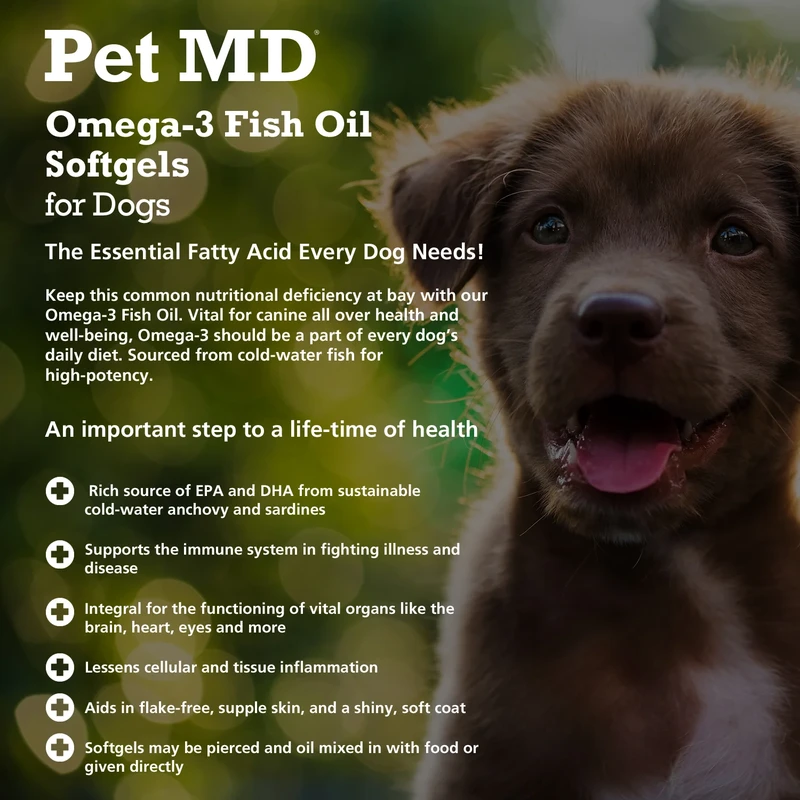
How Omega Fatty Acids Boost Pet Health with EPA & DHA Benefits
PawVerde.com – Omega fatty acids, principally EPA (eicosapentaenoic acid) and DHA (docosahexaenoic acid), have become a focal point in veterinary nutrition due to their extensive benefits in supporting pet health. These essential fatty acids, predominantly found in marine sources like fish oil, play critical roles in maintaining healthy skin, reducing inflammation, and enhancing cognitive and cardiovascular function in dogs and cats. Veterinary experts emphasize that proper supplementation, guided by dosage tailored to each pet’s needs, is vital for maximizing therapeutic outcomes while ensuring safety.
Omega-3 fatty acids, along with omega-6 and omega-9, represent distinct classes of polyunsaturated and monounsaturated fats integral to pet physiology. Omega-3s, especially EPA and DHA, exhibit potent anti-inflammatory properties that mitigate chronic conditions such as arthritis and allergic dermatitis common in companion animals. Meanwhile, omega-6 fatty acids, including linoleic acid and arachidonic acid, are essential for maintaining skin barrier integrity and cellular health. Achieving an optimal omega-3 to omega-6 ratio in a pet’s diet is critical; imbalances can exacerbate inflammatory responses or undermine immune function.
Types of Omega Fatty Acids and Their Roles in Pet Health
Omega fatty acids are categorized mainly into omega-3, omega-6, and omega-9, each contributing differently to pet health. Omega-3 fatty acids, including EPA and DHA, are long-chain polyunsaturated fatty acids derived primarily from marine sources such as fish, krill, and algae. These fatty acids are integral to anti-inflammatory pathways and cognitive function. The shorter-chain alpha-linolenic acid (ALA), a plant-based omega-3, requires conversion to EPA and DHA but does so inefficiently in pets, making marine sources more potent.
omega-6 fatty acids, such as linoleic acid and arachidonic acid, are abundant in many plant oils and animal fats. Linoleic acid is an essential fatty acid that supports skin structure and immune responses, while arachidonic acid is involved in inflammatory and cellular signaling mechanisms. Omega-9 fatty acids, like oleic acid, are non-essential as pets can synthesize them, yet they contribute to cardiovascular health and cellular energy balance.
The physiological significance of essential fatty acids (EFAs) lies in their inability to be synthesized by pets, necessitating dietary inclusion. EFAs influence membrane fluidity, eicosanoid production, and gene expression, underpinning diverse processes from skin hydration to joint lubrication.
Health Benefits of Omega Fatty Acids for Dogs and Cats
The impact of omega fatty acids on pet health encompasses multiple organ systems, with clinical evidence supporting targeted supplementation to address specific conditions.
Skin and Coat Health
Omega-3 and omega-6 fatty acids improve skin barrier function, reduce transepidermal water loss, and enhance coat glossiness. Clinical trials have documented reductions in pruritus and dermatitis severity in dogs and cats receiving EPA and DHA supplementation. Linoleic acid deficiency is linked to dry, flaky skin and poor coat condition, underscoring the necessity of balanced omega intake.
Anti-inflammatory Effects
EPA and DHA modulate inflammatory cytokines and prostaglandin pathways, providing therapeutic benefits in chronic inflammatory diseases such as osteoarthritis, allergic dermatitis, and inflammatory bowel disease. Controlled studies in canine arthritis show improved mobility and reduced joint pain following consistent omega-3 supplementation over several weeks.
Cognitive and Brain Function Support
DHA is a major structural component of neuronal membranes. Supplementation in aging pets has been correlated with enhanced cognitive function, memory retention, and reduced signs of canine cognitive dysfunction syndrome (CDS). Veterinary neurologists advocate omega-3 inclusion as part of neuroprotective dietary strategies.
Cardiovascular and Immune System Enhancement
Omega-3 fatty acids improve endothelial function and reduce arrhythmias, contributing to cardiovascular health in pets predisposed to heart disease. Additionally, they modulate immune cell activity, enhancing resistance against infections without overactivation that leads to autoimmunity.
Joint and Connective Tissue Support
By influencing the synthesis of anti-inflammatory eicosanoids and cytokines, omega-3 fatty acids support joint cartilage integrity and reduce connective tissue degradation. This effect is particularly beneficial in managing degenerative joint disease in senior dogs.
Key Omega Fatty Acids: Sources, Potency, and Bioavailability
Marine-derived omega-3s, especially EPA and DHA, demonstrate superior bioavailability and efficacy in pets compared to plant-based sources. Fish oil from cold-water species (e.g., salmon, sardines, anchovies) is rich in these long-chain fatty acids. Krill oil and algae supplements offer alternative marine sources, with algae being particularly valuable for vegetarian or fish-sensitive animals.
Plant-based omega-3s, largely in the form of ALA found in flaxseed, hemp, and pumpkin seeds, require metabolic conversion to EPA and DHA, a process limited in dogs and cats. Therefore, relying solely on plant sources may not achieve therapeutic omega-3 levels.
Omega-6 fatty acids, predominantly from vegetable oils such as sunflower and safflower oil, provide essential linoleic acid, but excessive omega-6 intake can counteract omega-3 benefits if not balanced properly. Veterinary nutritionists emphasize maintaining an omega-6 to omega-3 ratio around 5:1 or lower for optimal health outcomes.
Incorporating Omega Fatty Acids into Pet Diets
Natural dietary sources of omega fatty acids include fatty fish, eggs enriched with omega-3, and plant oils incorporated into commercial pet foods. Many premium pet food brands now fortify formulas with balanced omega fatty acids to support skin, coat, and joint health.
Supplementation is a common approach to address specific health concerns or deficiencies. Fish oil capsules, liquid oils, omega-enriched treats, and topical applications are available on the market. Veterinary consultation is paramount to determine appropriate dosage based on pet size, health status, and existing diet.
Dosage guidelines vary, but typical recommendations for omega-3 (EPA+DHA) range from 30 to 100 mg/kg body weight per day for dogs, with adjustments for cats due to differing metabolism. Over-supplementation risks include gastrointestinal upset and altered blood clotting, highlighting the necessity of professional oversight.
Safety, Quality, and Considerations for Supplementation
Quality control in omega fatty acid supplements is critical given the risk of contaminants such as heavy metals, PCBs, and oxidation products that can occur in fish oil products. Reputable manufacturers adhere to stringent purification standards and include antioxidants like vitamin E to stabilize oils and preserve efficacy.
Veterinarians recommend choosing supplements tested for purity and potency, with clear labeling of EPA and DHA content. Monitoring pets during supplementation allows timely detection of adverse effects or insufficient response.
Long-term use of omega fatty acids requires periodic evaluation of benefits versus risks. While clinical improvements may manifest after several weeks to months, sustained supplementation is often necessary to maintain health benefits, particularly in chronic conditions.
Recent Research and Clinical Insights on Omega Fatty Acids in Pets
Emerging studies continue to refine understanding of omega fatty acid roles in pet health. Recent randomized controlled trials have confirmed omega-3 supplementation’s efficacy in reducing osteoarthritis symptoms and improving skin barrier function in atopic dermatitis.
However, variability in clinical outcomes is noted, likely influenced by factors such as baseline pet health, supplement bioavailability, and dosage accuracy. Research in veterinary neurology increasingly supports DHA’s role in neuroprotection and cognitive maintenance, though large-scale longitudinal studies remain ongoing.
The integration of omega fatty acids into veterinary protocols underscores a growing consensus on their therapeutic potential, balanced by calls for further research to optimize formulations and dosing regimens tailored to individual pets.
| Omega Fatty Acid | Primary Sources | Key Benefits | Bioavailability | Typical Supplement Form |
|---|---|---|---|---|
| EPA (Eicosapentaenoic Acid) | Fish oil, krill oil, algae | Anti-inflammatory, joint support, immune modulation | High | Capsules, liquid oils |
| DHA (Docosahexaenoic Acid) | Fish oil, krill oil, algae | Brain and cognitive function, cardiovascular health | High | Capsules, liquid oils |
| Linoleic Acid (Omega-6) | Vegetable oils (sunflower, safflower), animal fats | Skin barrier maintenance, cell membrane integrity | Moderate | Dietary inclusion, enriched pet food |
| Alpha-linolenic Acid (ALA) | Flaxseed, hemp, pumpkin seeds | Precursor to EPA/DHA (limited conversion in pets) | Low | Dietary inclusion, plant-based supplements |
FAQ
What are the main benefits of omega fatty acids for pets?
Omega fatty acids, particularly EPA and DHA, support skin and coat health, reduce inflammation, enhance joint mobility, improve cognitive functions, and strengthen cardiovascular and immune systems in dogs and cats.
How do omega-3 and omega-6 fatty acids differ in their effects on pets?
Omega-3 fatty acids primarily provide anti-inflammatory benefits and cognitive support, while omega-6 fatty acids are essential for skin integrity and immune function. Maintaining a balanced ratio between these fatty acids is crucial to avoid excessive inflammation.
Can plant-based omega-3 sources replace fish oil supplements for pets?
Plant-based omega-3s like ALA have limited conversion to EPA and DHA in pets, making fish oil or marine-based supplements more effective for therapeutic outcomes.
Is it safe to give pets omega fatty acid supplements without veterinary guidance?
Veterinary consultation is essential to determine safe and effective dosages, avoid adverse effects, and select high-quality, contaminant-free products tailored to each pet’s health condition.
How long does it take to see health improvements after starting omega fatty acid supplementation?
Clinical benefits typically become apparent after several weeks to months of consistent supplementation, depending on the health issue being addressed and the pet’s overall condition.
Omega fatty acids continue to emerge as a cornerstone of veterinary nutrition, with growing evidence supporting their integration into comprehensive pet health management plans. Future research will further elucidate optimal dosing strategies and novel delivery methods, advancing the personalized care of companion animals.