
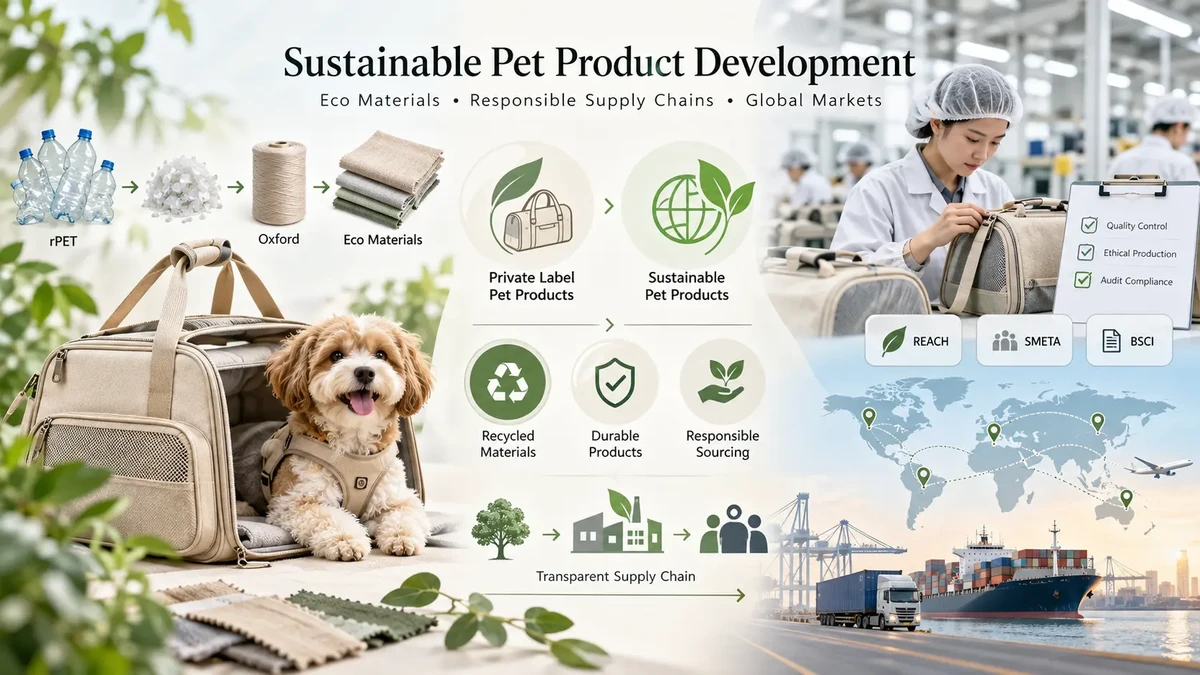
Eco-Friendly Pet Product Development: Material Durability
PawVerde.com – The global eco-friendly pet products market is undergoing a massive industrial shift, valued at $14.8 billion in 2025 and projected to surge to $34.6 billion by 2034. This growth is driven by a 9.9% CAGR and a massive demographic shift, with Millennials and Gen Z accounting for 65% of new pet adoptions globally.
Material Science and Failure Modes: Why Eco-Materials Struggle Under Pet Stress
Eco-friendly pet products often face premature failure due to unique biological stressors. Saliva acidity can accelerate the breakdown of bioplastics, while heavy mastication and claw scratching can compromise the structural integrity of natural fibers like hemp. Successful development requires rigorous chew-testing to ensure material durability matches traditional polymers.
The Saliva-Bioplastic Conflict
Developing hard plastics for pet toys requires more than just switching to bio-based resins. Manufacturers utilizing PCR Injection Molding for Hard Plastics must account for how recycled content reacts to the chemical environment of a pet’s mouth. A critical failure mode involves product integrity/safety when bioplastics degrade prematurely due to constant exposure to saliva.
While Novamont has demonstrated large-scale production of biodegradable polyesters, such as the 100,000 t per year output achieved after their 2018 project, these materials behave differently than traditional petroleum-based polymers. Developers must mitigate the following risks:
- Chemical degradation from enzymatic activity in saliva.
- Structural weakening during high-pressure mastication.
- Micro-cracking caused by repeated thermal shifts from mouth contact.
Structural Integrity in Natural Fibers
Natural fibers offer a sustainable alternative, yet they present unique engineering challenges. Hemp is frequently selected because it naturally repels insects and grows without pesticides. However, a 17 oz. hemp dog bed cover must be engineered to withstand claw scratching without shedding fibers. If the weave is too loose, the material fails; if too tight, it loses its breathable advantage.
The Regulatory Landscape: Moving Beyond Greenwashing to Legal Compliance
The era of slapping a generic green leaf sticker on a TPR dog chew and vaguely labeling it as an “eco-friendly pet toy” is officially dead. Regulators are increasingly targeting deceptive marketing that lacks scientific substantiation.
The EU’s proposed Green Claims Directive will require pre-substantiation of any sustainability claim made in consumer marketing. This shift moves the burden of proof from the consumer to the manufacturer. Industry analysts note that failing to provide verifiable data can lead to massive fines and market exclusion.
Importers must now verify third-party certifications such as GOTS, FSC, or B Corp to avoid legal repercussions. A brand describing itself as green without specific, verifiable certification counts as nothing in the eyes of modern regulators.
Manufacturing Realities: The 18% ‘Green Premium’ and Technical Hurdles
Transitioning to sustainable manufacturing involves significant technical and financial trade-offs. Adopting GRS-certified post-consumer recycled (PCR) materials typically increases unit costs by 12-18%. Furthermore, manufacturers must implement advanced moisture control, such as desiccant drying, to manage the unique flow dynamics and shrinkage rates of PCR resins.
The production of sustainable goods is rarely a direct swap of ingredients. It requires upgrading existing production lines to handle the nuances of recycled materials. For instance, utilizing desiccant drying is essential for managing the moisture sensitivity of RPET textiles and PCR resins during the extrusion process.
| Material Type | Manufacturing Predictability | Environmental Impact | Primary Challenge |
|---|---|---|---|
| Virgin Polymers | High | High Carbon Footprint | Resource Depletion |
| PCR Resins / RPET | Moderate | Reduced Footprint | Moisture & Shrinkage Control |
| Insect-based Proteins | Low | Minimal Land/Water Use | Scaling & Consumer Acceptance |
This comparison illustrates why the “green premium” exists. While virgin polymers offer high predictability in molding, the environmental cost is increasingly unacceptable to the 66% of UK dog and cat food buyers who prefer eco-friendly packaging.
Market Leaders and Emerging Challengers Shaping the $34B Horizon
The race to capture the projected $34.6 billion market by 2034 is being fought by established giants and agile new entrants. Large-scale players like Mars Petcare and Nestlé Purina PetCare are integrating sustainability into massive global supply chains. Meanwhile, brands like Planet Dog have expanded their commitments to include packaging neutrality and third-party supply chain audits as of 2025.
Challenger brands are finding success through niche specialization. Wild One and Earth Rated have built significant consumer loyalty by focusing on design-led sustainable goods. Other emerging entities, including Doggy Do Good, Natural Pet Innovations, and West Paw, are pushing the boundaries of what recycled materials can achieve in terms of both aesthetics and durability.
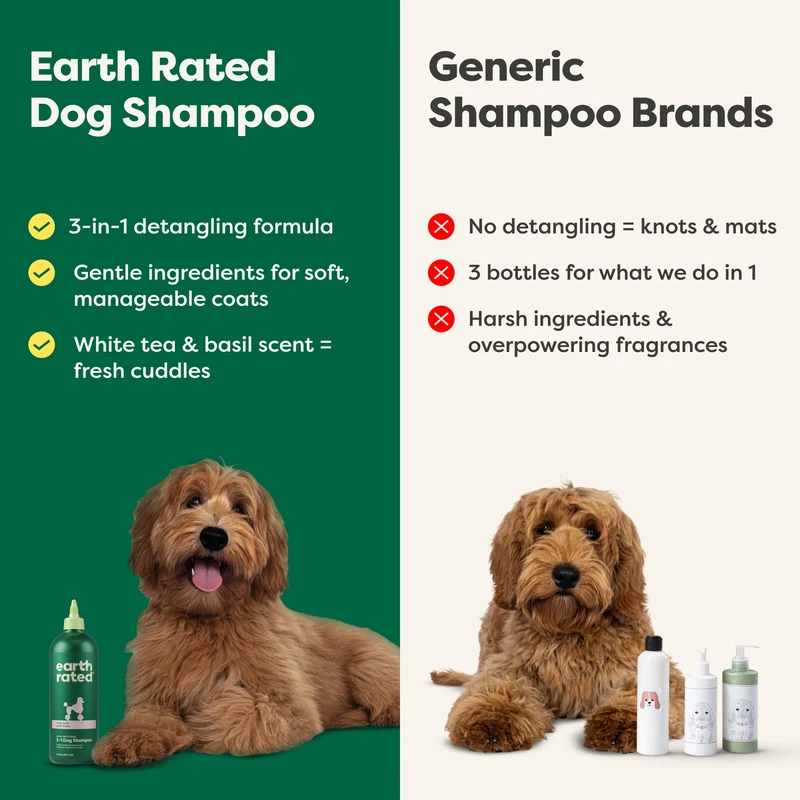
Best Eco-Friendly Conditioners for Curly Haired Dogs
PawVerde.com – To prevent mats and frizz in curly-haired dogs, the focus must shift from shampoo to a specialized leave-in conditioner. For many breeds, moisture retention is the primary challenge for maintaining coat resilience.
Curly hair naturally struggles to retain moisture because oils from the scalp don’t travel easily down tight coils. According to Kurlee Belle, this physiological limitation makes specialized conditioning essential for maintaining coat health.
Safety First: The ‘Natural’ Ingredient Trap for Dogs
Not all ‘natural’ ingredients are safe for dogs. Essential oils are highly concentrated plant substances that must be used with extreme care. Specifically, photosensitive oils applied to skin without dilution before UV exposure can cause severe burns, including second- or third-degree burns in pets.
The danger of photosensitive oils
The American College of Healthcare Sciences notes that
essential oils are highly concentrated plant substances and must be used with care.
This high concentration is precisely why they pose a risk to canine skin. If a pet owner applies a photosensitive oil to the skin—particularly without dilution—before sun or UV exposure, it can result in severe burns, including second- or third-degree burns.
This failure mode is a critical concern for owners seeking “all-natural” solutions. While the global aromatherapy market saw an 8% projected growth between 2017 and 2024, the concentration levels in these products require strict adherence to safety protocols. Practitioners emphasize the importance of understanding chemical properties and using proper dilution techniques to prevent skin integrity issues.
Why canine skin pH requires specific formulations
Canine skin requires specific formulations to maintain its natural barrier. Using products not designed for dogs can lead to irritation or dryness, particularly when managing highly textured curls.
Top Eco-Friendly Conditioners for Curly-Coated Breeds
Selecting a conditioner for curly breeds requires matching the product to the specific texture of the coat. The following brands have been identified for their specialized approaches to curl maintenance.
- CurlyWags: The Specialist for Wavy Coats
Launched on 2025-03-13 in Manhattan, N.Y., this brand offers products specifically tailored to the unique needs of dogs with wavy coats. Their formulations are developed with veterinarians and cosmetic scientists to ensure safety for delicate textures. - Botany & Cosmetics: 100% Natural Moisture
This brand provides 100% natural moisture solutions. Their product lines focus on providing soft, defined curls through high-quality, natural ingredients. - Kurlee Belle: Solving Dryness in Type 3 & 4 Curls
This brand specializes in addressing the intense dryness often found in highly textured curls. Their research focuses specifically on the needs of Type 3 and Type 4 hair patterns. - I.C.O.N. PRODUCTS: Defining Ringlets Without Crunch
Designed to enhance curl definition, this brand focuses on achieving smooth ringlets without the stiffness or “crunch” often associated with heavy styling products.
| Brand | Best For | Key Feature | Eco-Profile |
|---|---|---|---|
| CurlyWags | Wavy coats | Veterinarian developed | Natural ingredients |
| Botany & Cosmetics | Soft, defined curls | 100% natural | Natural focus |
| Kurlee Belle | Type 3 & 4 curls | Intense moisture | Specialized texture care |
| I.C.O.N. PRODUCTS | Ringlet definition | No-crunch finish | Definition focus |
The brands listed above target specific curl textures, ranging from wavy patterns to Type 3 and Type 4 coils.
Matching Product Weight to Your Dog’s Curl Pattern
According to Kurlee Belle, “If your curls still feel dry hours after washing, you’re probably using the wrong leave-in.” Texture plays a massive role in how much moisture a dog’s coat can actually hold.
Lightweight milks for fine curls
For dogs with fine, looser waves, heavy creams can weigh the coat down. Lightweight milks provide enough moisture to prevent frizz without compromising the natural volume of the curl.
Heavy creams for dense, coily textures
Dense, coily textures—often categorized as Type 3 or Type 4—require more significant intervention. These dogs benefit from heavy creams that can penetrate tight coils and provide long-lasting hydration to prevent the breakage associated with extreme dryness.
Matting Prevention Protocol: Application and Brushing
To prevent matting, products like CurlyWags must be applied strategically to reach the skin through thick, textured coats.
Step-by-step conditioning for thick coats
To maximize the effectiveness of products like CurlyWags, follow this protocol:
- Apply conditioner to damp, not soaking wet, hair.
- Work the product from the mid-lengths down to the ends.
- Use a wide-tooth comb or a specialized detangling brush to distribute the cream.
- Ensure the product reaches the base of the hair shaft to prevent matting near the skin.
When to brush vs. when to leave it alone
Brushing should be a part of the conditioning process, not a separate event. Attempting to brush dry, curly hair can lead to breakage and increased frizz. Instead, integrate brushing while the conditioner is still in the coat to ensure smooth, mat-free ringlets.
The Sustainability Audit: Avoiding Greenwashing
Consumers should evaluate the environmental impact of the product lifecycle to distinguish between genuine sustainability and marketing claims.
Evaluating packaging: Refillable vs. Recyclable
Environmental footprints are influenced by packaging materials. Prioritize brands that utilize refillable containers or post-consumer recycled (PCR) plastics rather than single-use options.
Sourcing and Fair Trade verification
Sustainability involves the ethics of ingredient sourcing. Look for brands that provide transparency regarding their supply chains and fair trade practices for natural oils and botanicals.
FAQ
Yes, but with extreme caution. They are highly concentrated and must be diluted. Avoid use before sun exposure to prevent photosensitivity-related burns on the pet’s skin.
Sustainable Pet Care: How to Avoid Greenwashing in 2026
PawVerde.com – Owners are increasingly adopting eco-friendly practices to reduce their pets’ carbon pawprints. According to Caring Hands Animal Hospital, this includes reducing plastic waste, utilizing insect-based proteins, and using biodegradable grooming products to protect local ecosystems.
The global pet industry produces millions of tons of plastic waste, packaging, and carbon emissions every year.
The Greenwashing Audit: How to Verify Sustainable Pet Claims
To avoid greenwashing, look past marketing buzzwords like ‘high meat content’ or ‘cold-pressed’ and verify if a brand is ‘complete and balanced’ according to AAFCO standards. Check for specific ethical certifications and prioritize brands using locally sourced, organic, or insect-based proteins rather than vague ‘natural’ claims.
The Buzzword Trap
Kismet notes that marketing terms such as “high meat content,” “organic,” or “cold-pressed” do not guarantee balanced nutrition. Relying on these terms can lead to a nutritional failure mode where a pet receives adequate calories but lacks essential micronutrients. A common mistake is assuming a “natural” label equates to environmental stewardship, when true sustainability requires looking for specific, verifiable sourcing data.
The AAFCO Gold Standard
Nutritional safety must remain the priority during any dietary shift. Rather than chasing vague adjectives, owners should verify that a product is “complete and balanced” according to AAFCO standards. This ensures the food meets the specific physiological requirements of the animal, preventing long-term health complications caused by nutrient deficiencies.
Sustainability vs. Medical Necessity: A Decision Matrix
Environmental goals must be weighed against clinical needs. While insect-based proteins offer a lower carbon footprint, they may not be suitable for animals with specific medical histories or allergies.
| Criterion | Conventional Approach | Sustainable Approach |
|---|---|---|
| Protein Source | Heavily processed livestock meats | Locally sourced, organic, or insect-based |
| Packaging | Non-recyclable plastics | Recyclable or compostable materials |
| Litter Type | Clay-based (mining waste) | Natural, flushable (wheat or corn) |
Data from Sam’s Cats and Dogs highlights that sustainable pet food can lower carbon emissions by reducing dependence on intensive livestock farming. However, medical necessity must take precedence in specific cases.
When to Prioritize Eco-Proteins
To lower a pet’s carbon footprint, owners can switch to insect-based proteins or locally sourced organic ingredients. These options reduce the land and water usage required by traditional meat production.
When to Prioritize Prescription Diets
Clinical diets for kidney or gastrointestinal issues are non-negotiable. In these instances, the nutritional stability required for the animal’s survival outweighs the environmental benefits of a sustainable alternative.
The Zero-Waste Pet Wellness Roadmap
Implement a zero-waste roadmap by starting with low-effort changes like switching to bamboo brushes and biodegradable poop bags. Advance to higher-impact actions such as sourcing local insect-based proteins, using natural wheat or corn-based litters, and making homemade treats in reusable containers to eliminate single-use packaging.
Tier 1: Low-Effort Swaps
- Switch to bamboo brushes for grooming instead of plastic alternatives.
- Use biodegradable poop bags instead of standard plastic ones.
- Select natural, flushable litters made from wheat or corn to reduce mining waste.
Tier 2: Advanced Waste Management
For a more significant impact, Sam’s Cats and Dogs suggests sourcing brands like Jiminy’s or Open Farm that prioritize sustainable ingredient chains. Additionally, making homemade treats and storing them in reusable, resealable containers avoids the waste associated with single-use packaging and unsustainable ingredients like palm oil.
Managing the Transition: Nutritional Safety and Digestive Health
Switching food too quickly can lead to digestive issues. Bowlers Dog Food reports that sudden changes can cause symptoms such as loose stools, gas, and refusal to eat.
Shortcut: Use the Gradual Dog Food Transition Schedule:
Days 1-2: 75% old food, 25% new food; Days 3-4: 50% old food, 50% new food; Days 5-6: 25% old food, 75% new food; Days 7-10: 100% new food.
Maintaining a strict feeding schedule is also vital. Conbun notes that free-feeding—leaving food out at all times—can mask changes in appetite and encourages overeating, which leads to obesity. Furthermore, treats should not exceed 10% of a pet’s total daily calories to maintain weight stability.
The Science of Biodegradability in Pet Product Materials
Material choice impacts environmental longevity. While some bio-based PET materials use at least 30% renewable resources, they do not degrade naturally like other bioplastics.
Research indicates that 5% of global CO2 and carbon emissions are comprised by producing new plastics. In contrast, materials like PHA can degrade in industrial conditions within 3 months, and may decompose naturally in marine environments in just 1 to 2 years. Currently, only 9% to 16% of all plastics are recycled, making the choice of degradable materials critical.
Environmental Risks: From Topical Treatments to Invasive Species
Pet care routines can impact local wildlife and ecosystems. Specific precautions are necessary to prevent contamination.
- Aquatic Ecosystem Protection: Topical flea treatments are essentially pesticides. These can leach into the water and cause harm to aquatic wildlife if a pet swims shortly after application.
- Preventing Invasive Species: The release or escape of exotic pets is a major cause of the spread of invasive species in the United States.
The Global Landscape of Veterinary Biotechnology
The biotechnology sector is expanding rapidly to address complex animal health needs. Boehringer Ingelheim, which serves 130 markets and employs 54,300 people, continues to expand its pipeline through strategic acquisitions, such as the acquisition of Evax AG. This growth in biotechnology reflects the deep connection between human and animal health.
FAQ
How long should it take to switch my dog’s food?
A gradual transition should take between 7-10 days to prevent digestive issues like loose stools or gas.
Are ‘natural’ pet foods always better for the environment?
Not necessarily; ‘natural’ is a marketing term. True sustainability involves looking for ethically sourced, organic, or insect-based proteins and recyclable packaging.
Can pet flea treatments affect the environment?
Yes, topical flea treatments are essentially pesticides that can leach into water and harm aquatic wildlife if the pet swims shortly after application.
Compostable Dog Poop Bags Review: Durability & Disposal Guide
PawVerde.com – The best compostable dog poop bags are those that balance material durability with verified end-of-life disposal options. While brands like Moonygreen offer home-compostable solutions, many ‘compostable’ bags require industrial facilities (55-60°C) to break down, making PCR (post-consumer recycled) plastic a more practical alternative for most urban pet owners.
compostable bags in a landfill may take nearly as long to degrade as traditional polyethylene bags, potentially releasing methane in the process.
The Real-World Failure Modes: Beyond the ‘Compostable’ Label
Compostable bags often fail in two specific ways: they can become brittle and crack in freezing temperatures or turn gummy in high humidity. Furthermore, if they end up in a landfill rather than a managed composting facility, they may not degrade at all or could release harmful methane gas.
The Temperature Trap: Brittleness vs. Stickiness
Material performance shifts drastically depending on the weather. Emily Bryson, an associate lecturer at Central Queensland University, has noted that even certified home compostable bags don’t always behave as consumers expect. In cold climates, the polymers used in many compostable varieties can lose elasticity, leading to cracks during use. Conversely, in high-humidity environments, these materials may begin to lose structural integrity prematurely, becoming gummy or difficult to tie.
The Landfill Methane Risk
A common misconception is that compostable materials are inherently better for landfills. However, landfills are often inert environments where compostable bags likely won’t degrade. If they do manage to break down under these anaerobic conditions, they can release methane, a potent greenhouse gas, into the atmosphere. Furthermore, most sorting machines and human operators at recycling or composting facilities find it difficult to differentiate between compostable plastics and traditional plastics, which can lead to contamination in recycling streams.
Material Science Cheat Sheet: PLA, PBAT, and Cornstarch
Compostable plastics are designed to look and feel like regular plastics, but their chemical composition is fundamentally different. Remmington Belford has stated that “Compostable plastics are designed to look and feel like regular plastics.” However, the underlying science reveals a complex mix of substances.
Understanding the Polymer Mix
It is a mistake to assume all eco-friendly bags are made of a single plant-based substance. In reality, compostable bags may contain both biobased and fossil-based materials. The specific blend determines how the bag stretches and holds weight. Key components often include:
- PLA (Polylactic Acid): Often derived from cornstarch, providing structure but sometimes lacking flexibility.
- PBAT: A fossil-based polymer that is fully biodegradable, often added to improve the stretch and toughness of the bag.
- Cornstarch blends: Used to increase the bio-based content of the final product.
Why Disintegration $neq$ Compostability
A critical distinction exists between a material falling apart and a material truly composting. As noted by research from Michigan State University, the item must physically fragment, but disintegration alone is not compostability. True compostability is a property of a material-plus-environment system, never of the material alone. For a bag to be considered compostable, it must break down into humus within a specific timeframe without leaving behind microplastics.
Top Rated Compostable & Eco-Friendly Brands
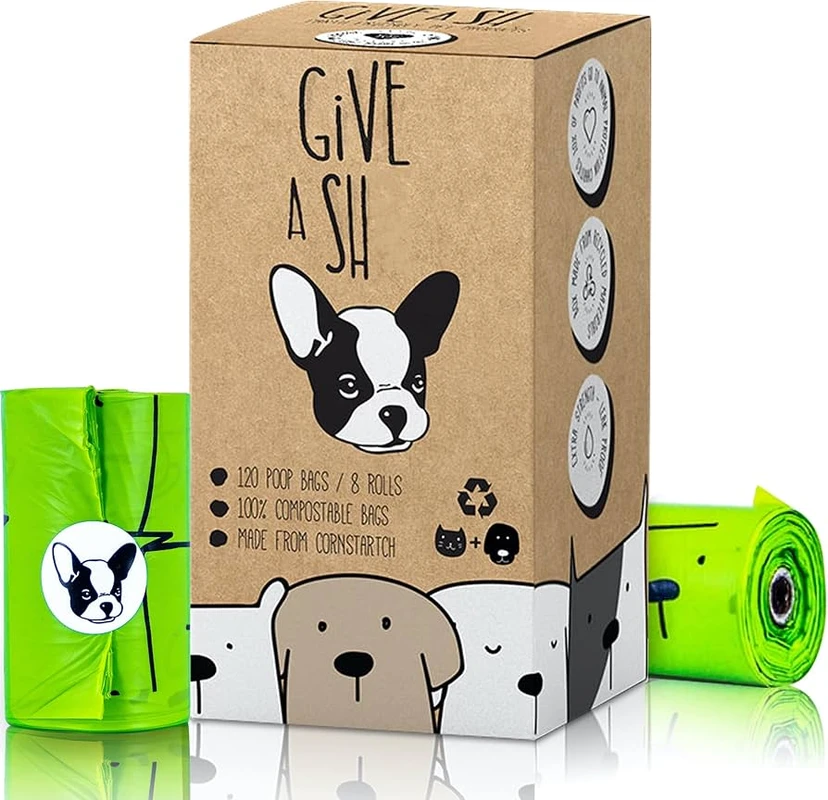
Top eco-friendly brands include Moonygreen for home composting (90-day breakdown), Give A Shit for premium compostable options, and Earth Rated for practical PCR (post-consumer recycled) plastic which uses 88% less energy than virgin plastic.
| Brand | Primary Material | Best Use Case | Key Spec |
|---|---|---|---|
| Moonygreen | Home Compostable | Home Gardeners | 90-day breakdown |
| Give A Shit | Compostable | Premium Eco-conscious | Certified Compostable |
| Earth Rated | PCR Plastic | Urban/Municipal | 65% PCR Content |
| Zola Zola | Compostable | Eco-friendly walking | Compostable |
| PoopShark | Paper | Non-plastic preference | Paper-based |
The table above compares the primary material and ideal use case for leading brands in the pet waste industry.
Home Compostable Winners
For owners with active backyard composting setups, Moonygreen stands out because it is designed for home-composting conditions, achieving breakdown in approximately 90 days. This is a significant advantage over industrial-grade bags that require much harsher conditions to disappear.
The PCR Practicality Choice
For many urban dwellers, PCR (post-consumer recycled) plastic is the more realistic environmental choice. Earth Rated utilizes 65% PCR plastic, a method that delivers environmental benefits during the manufacturing stage. Specifically, PCR plastic uses up to 88% less energy and results in a 70% reduction in emissions compared to producing virgin plastic.
Durability and Performance: The Miso Paste Test
Durability is the most frequent point of failure for eco-friendly bags. A common method used to evaluate this is the Miso paste test, which involves scraping up watered-down miso paste from a surface to check for leakage and structural integrity during a simulated “cleanup.”
Thickness Matters: Microns vs. Mess
The thickness of a bag, measured in microns, directly correlates to its ability to prevent accidents. For example, Bark & Hound bags feature a thickness of 25 microns, providing a sturdier feel. In contrast, Earth Rated bags are thinner at 15 microns, relying on the properties of the PCR material to maintain strength. Using a bag that is too thin significantly increases the risk of a puncture during a walk.
Leak-Proofing Realities
While thicker bags like the 25-micron Bark & Hound models offer more peace of mind, compostable materials can sometimes struggle with the “gummy” texture mentioned earlier. If a bag is too thin and the material begins to degrade due to heat or moisture, the risk of a leak becomes much higher than with traditional polyethylene.
The Disposal Logistics Checklist
Before purchasing a large bulk order of compostable bags, owners must verify how they will actually be discarded. Environmental benefits are lost if the disposal method is incompatible with the material.
- Check Municipal Rules: Most municipal composting programs in the US don’t accept pet waste because it can contain pathogens.
- Verify Temperature Requirements: Many industrial-grade PLA bags require sustained temperatures of 55-60°C to break down effectively.
- Identify Certification: Look for “Home Compostable” labels if you do not have access to industrial facilities.
Total Cost of Ownership: Premium vs. Practical
Switching to premium compostable options often comes with a higher price tag. For instance, using Give A Shit bags can result in an estimated annual cost of approximately $80 per dog. While this is a higher upfront investment compared to standard plastic, the cost must be weighed against the availability of local composting infrastructure and the specific environmental goals of the owner.
FAQ
Can I put compostable poop bags in my home compost bin?
Only if they are specifically certified “Home Compostable.” Brands like Moonygreen are designed for this, typically breaking down in about 90 days, whereas industrial-grade PLA bags require 55-60°C to break down effectively.
Is PCR plastic better than compostable plastic?
For many, yes. PCR (Post-Consumer Recycled) plastic is more practical because municipal composting often rejects pet waste, and PCR uses up to 88% less energy than virgin plastic during the manufacturing process.
What is the difference between biodegradable and compostable?
Compostability is a specific standard requiring material to break down into humus within a set timeframe (e.g., 180 days) without leaving microplastics, whereas “biodegradable” is a broader, less regulated term.

Sustainable Pet Ownership in California: A Green Guide
PawVerde.com – In California, sustainable pet ownership combines responsible adoption from local rescues like One Love Animal Rescue with eco-conscious lifestyle choices. By prioritizing shelter pets, reducing plastic waste through biodegradable products, and implementing water-saving grooming techniques, owners can significantly lower their pet’s environmental footprint while supporting local animal welfare ecosystems.
The global eco-friendly pet products market is projected to reach a staggering $34.6 billion by 2034, with North America holding a 38.4% revenue share in 2025. This economic shift reflects a growing consumer demand for products that align with environmental conservation goals.
The California Green Pet Owner’s Checklist
A California Green Pet Owner’s checklist includes: 1. Adopting from local non-profits; 2. Using biodegradable or plant-based litter (grass/wheat/wood); 3. Implementing low-waste grooming with reusable tools; 4. Choosing sustainable, certified pet products; and 5. Utilizing water-saving bathing methods like handheld showerheads.
Local Rescue Integration
Prioritizing adoption over purchasing from breeders is the foundational step for a sustainable lifestyle. Non-profit organizations such as One Love Animal Rescue & Sanctuary provide a way to support local animal welfare ecosystems. While many assume that all rescues operate identically, a common failure mode occurs when owners overlook the specific mission of a 501(c) non-profit, which focuses on lifesaving rather than commercial transactions. One Love Animal Rescue emphasizes this mission, stating, “Saving the life of one animal may not change the world, but for that one animal, the world will change forever.”
Small-Space Waste Management
For those living in urban California environments, waste management requires specific tools to prevent environmental degradation. Following guidance from resources like goingzerowaste.com, owners should move away from single-use plastics. A counterintuitive reality is that traditional “flushable” pet wipes often contribute to plumbing and environmental issues; instead, focus on biodegradable alternatives. Practitioners recommend the following waste reduction steps:
- Use biodegradable waste bags for outdoor walks.
- Switch to certified compostable waste bags for maximum environmental compatibility.
- Utilize reusable scoopers to reduce the accumulation of plastic hardware.
Navigating the Adoption Landscape in California
The adoption landscape is shifting as private shelters see significant changes in activity. According to data from the Best Friends Animal Society, there was a 6% increase in adoptions for private shelters without government contracts during the period of January–June 2025. This trend is accompanied by a 10% increase in dog adoptions and a 3% increase in cat adoptions within these same private organizations.
In Riverside, California, the Mary S. Roberts Pet Adoption Center has seen specific shifts in animal movement. Data indicates an increase of over 100 pets in transfers during the first half of 2025. This movement is critical for preventing shelter overcrowding. As Executive Director Carrie Ridgway noted regarding the importance of these transfers:
“Our staff takes pride in knowing that by saying ‘yes’ to a transfer, we’re not just helping an animal,” says Executive Director Carrie Ridgway. “We’re also helping our colleagues in shelters that are stretched thin, understaffed, and overwhelmed.”
This collaborative approach ensures that animals are moved to facilities with more available resources, preventing the systemic failure of local animal welfare networks.
Decoding the ‘Greenwashing’ Trap in Pet Nutrition
Pet food packaging often features confusing terminology. This can lead to owners paying higher prices for products that fail to meet strict environmental or safety standards.
The USDA Organic Distinction
To verify a product is truly organic, owners should look for specific regulatory markers. According to the Association of Animal Feed Control Officials (AAFCO), organic pet foods must meet standards set by the U.S. Department of Agriculture (USDA).
The Risks of Unregulated ‘Natural’ Labels
The “natural” label presents a significant regulatory gap. Unlike organic certifications, natural pet foods are unregulated and do not have to adhere to strict standards. This lack of oversight means a “natural” label does not guarantee the absence of synthetic additives or environmentally damaging processing methods. The following table clarifies these distinctions:
| Food Type | Regulation Level | Environmental Impact Profile |
|---|---|---|
| Natural Pet Foods | Unregulated; no strict adherence to specific standards. | Variable; can include high-intensity processing or non-standard ingredients. |
| Organic Pet Foods | Must meet specific standards set by the USDA. | Lower; excludes artificial and GE ingredients, supporting more sustainable farming. |
When shopping, owners should check the product packaging for official USDA seals rather than relying on the word “natural” printed in large fonts. Relying solely on marketing claims without verifying regulatory compliance is a primary cause of consumer error in the pet nutrition sector.
Sustainable Grooming and Hygiene Techniques
Grooming can generate environmental waste through single-use plastics and high water use. DOGMÄ NATURE suggests that preventative care, such as regular brushing, can reduce the need for resource-heavy medical or hygiene interventions later.
Water conservation is essential in drought-prone California. To reduce usage, experts suggest using a bucket or a handheld showerhead instead of running a standard tap continuously. This simple change can save gallons of water per bath. Additionally, owners should consider the following:
- Avoid the reliance on disposable wipes and chemical sprays.
- Replace disposable food and water bowls with stainless steel or ceramic alternatives to reduce plastic waste.
- Clean and maintain high-quality grooming brushes rather than replacing them frequently.
DOGMÄ NATURE and other eco-responsible companies emphasize that preventative care—such as regular brushing and weight management—reduces the need for intensive, resource-heavy medical interventions later in a pet’s life.
Urban Eco-Pet Parenting: Managing Waste in Small Spaces
Cat owners in urban California can reduce their environmental footprint by switching to plant-based litter. Options made from grass, wheat, or wood are compostable alternatives to traditional clay-based litters.
Effective waste management in small spaces requires specific disposal methods to avoid environmental contamination.
To maintain a low-waste household, implement these specific waste reduction protocols:
- Transition to certified compostable waste bags.
- Utilize reusable scoopers to eliminate the need for single-use plastic utensils.
- Look for veterinary clinics that utilize digital records instead of paper to reduce administrative waste.
The Economic Reality of Eco-Friendly Pet Care
In the United States, the average annual consumer spending per pet is approximately $730. While the global eco-friendly pet products market is growing toward a $34.6 billion projection by 2034, costs vary by product type.
| Care Category | Cost Trend | Economic Driver |
|---|---|---|
| Sustainable Nutrition | Higher | Quality of organic/natural ingredients and regulatory compliance. |
| Eco-Friendly Hardware | Variable | Initial higher cost for stainless steel/ceramic vs. cheap plastics. |
| Standard Pet Care | Lower | High use of single-use plastics and unregulated products. |
While the upfront cost of sustainable items may be higher, owners should consider the long-term value. For instance, investing in durable, reusable grooming tools or stainless steel bowls reduces the frequency of replacement, eventually lowering the total cost of ownership compared to a cycle of purchasing disposable plastic goods.
FAQ
How can I tell if pet food is truly organic?
Organic pet foods must meet specific standards set by the U.S. Department of Agriculture (USDA) to carry the official organic label. Always look for the USDA Organic seal on the packaging rather than relying on the term “natural,” which is unregulated.
What is the most eco-friendly way to bathe my pet?
To conserve water, avoid running the tap continuously. Instead, use a bucket or a handheld showerhead during the bathing process. This simple change can save significant amounts of water per bath, making it a highly effective practice for California pet owners.
Are sustainable pet products worth the extra cost?
While sustainable products are often pricier due to higher ingredient quality and durable materials, they reduce long-term waste. Furthermore, they support a growing market projected to reach $34.6 billion by 2034, reflecting a global shift toward responsible consumption.
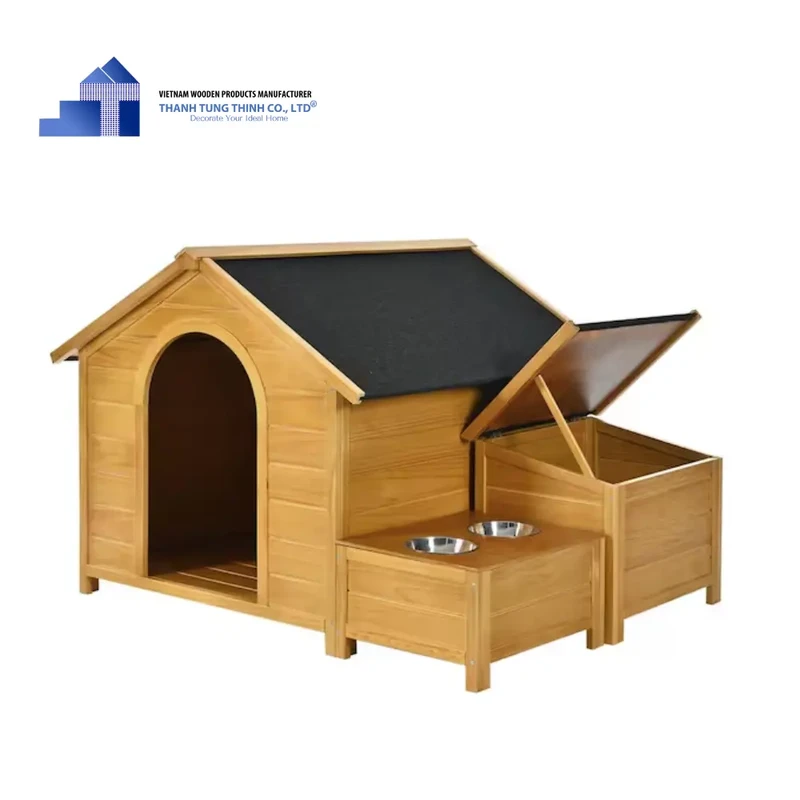
Eco-Friendly Pet Home Design: Sustainable Living Guide
PawVerde.com – Eco-friendly pet home design focuses on creating living spaces using durable, responsibly sourced, and circular materials that minimize environmental impact. This approach prioritizes non-toxic textiles, upcycled bedding, and energy-efficient technology to ensure that a pet’s comfort does not come at the cost of the planet’s future. The online eco-pet product market is projected to reach a massive $7.18 billion in revenue by 2025, with online stores accounting for 42.7% of global eco-pet revenues.
The Circular Pet Home Lifecycle: Beyond Just ‘Green’ Labels
A circular pet home lifecycle involves selecting products that are not only sustainably produced but also designed for end-of-life recovery. This means prioritizing items that are either fully compostable, such as plant-based litters, or infinitely recyclable, like West Paw toys that can be returned to be ground up and recreated.
True sustainability requires moving past the “buy and discard” model. As ecofurball.com notes, “Eco-friendly doesn’t just mean biodegradable. It also means durable, reusable, and responsibly sourced.” If a product is biodegradable but breaks after two weeks of heavy chewing, it fails the circularity test by creating frequent replacement waste.
Upcycling existing textiles
One effective method to reduce landfill contributions is upcycling. For example, the Molly Mutt concept demonstrates how to create high-quality pet bedding by using a 100% cotton duvet cover and stuffing it with old, unwanted pillows, towels, or clothes. This method keeps textiles out of the waste stream while providing a customized, soft environment for pets.
Closing the loop with manufacturer take-back programs
A common failure mode in eco-conscious shopping is purchasing “green” products that eventually become non-recyclable waste. To avoid this, consumers should look for manufacturers that manage the entire lifecycle of their goods. West Paw, a Certified B Corp, facilitates this by offering toys that can be returned to the manufacturer to be sanitized, ground up, and recreated into new products. This ensures that the material remains in a closed loop rather than entering a landfill.
- Prioritize products with take-back instructions in the packaging.
- Select items made from mono-materials (single types of plastic or fabric) to simplify recycling.
- Avoid “hybrid” materials that bond different substances together, as these are often impossible to separate for recycling.
Sustainable Smart-Pet Integration: Low-Energy IoT and Biophilia
Integrating technology into a pet’s habitat requires a balance between convenience and energy consumption. While smart feeders and automated water fountains offer precision, they contribute to the growing issue of e-waste if not selected carefully.
Smart technology from a bio-friendly perspective mimics the functions of nature or promotes natural processes, contributing to improving the quality of the environment and preserving the indigenous ecosystem. This means choosing devices that support natural rhythms rather than disrupting them with constant, high-energy signals.
Mitigating anxiety through biophilic design
Biophilic design—the practice of incorporating natural elements into indoor spaces—can significantly reduce pet stress. Environments that lack natural elements can negatively impact well-being. For instance, biophilia can mitigate health issues caused by a lack of nature, which in humans can manifest as fatigue or hypertension, and similarly, helps pets feel more secure in their domestic territory.
Energy-efficient lighting for pet habitats
Lighting plays a critical role in maintaining a pet’s circadian rhythm. When selecting lighting for pet enclosures or indoor habitats, efficiency is paramount. Switching from fluorescent lights to LED bulbs can result in a 90% energy reduction. This transition not only lowers the carbon footprint of the home but also provides a more stable, flicker-free light source that is easier on sensitive animal eyes.
Shortcut: To find energy-efficient lighting options on major retail sites, use the “Filter” menu > “Technical Specifications” > “Bulb Type” and select “LED”.
Material Durability vs. Toxicity: A Technical Comparison
When designing pet homes, the best materials balance durability with chemical safety. While recycled polyester offers high stain resistance and durability similar to virgin polyester, users must avoid plastics that leach BPA and ensure small animal bedding avoids cedar or pine phenols which cause respiratory and liver issues.
Selecting the wrong material can lead to immediate health risks. For example, Millamore warns that using cedar or pine shavings for small animal bedding is a significant mistake because these materials contain phenols. These chemicals can cause serious respiratory problems and liver damage in small animals. Furthermore, using abrasive bedding like corn cob can lead to skin irritation.
| Material/Product Type | Environmental Impact | Pet Safety/Durability | Best Use Case |
|---|---|---|---|
| Recycled Polyester | Low (Reduces virgin plastic use) | High (Stain resistant & durable) | High-traffic pet furniture |
| Traditional Plastics | High (Non-biodegradable; leaches BPA) | Moderate (Durability vs toxicity risk) | Avoid for food/water contact |
| Aspen Bedding | Low (Natural & compostable) | High (Safe for respiratory health) | Small animal habitats |
| LED Lighting | Low (90% energy reduction) | High (Stable light output) | Indoor pet habitats |
| Silica Gel Litter | High (Mining intensive; non-compostable) | Moderate | Avoid for eco-conscious homes |
The table above illustrates the trade-offs between traditional materials and sustainable alternatives. While traditional plastics may be cheap, their long-term environmental and health costs are significant.
Textiles for high-traffic pet areas
For furniture that undergoes constant contact with claws and fur, Slashop suggests prioritizing sustainable, pet-resistant materials. recycled polyester is a standout option here; it offers the same performance benefits as virgin polyester—such as stain resistance and easy cleaning—but with a significantly reduced carbon footprint. When selecting textiles, look for tightly woven fabrics like bamboo or eucalyptus that are easier to maintain.
Safe bedding for small animals
Small animal owners must be particularly vigilant regarding bedding toxicity. Beyond the dangers of cedar and pine, avoid silica gel (crystal) cat litters, as these are often procured through mining processes with detrimental environmental effects and are not biodegradable. Instead, opt for plant-based litters or natural aspen bedding to ensure a safe, compostable environment.
Navigating the Online Marketplace: Avoiding Greenwashing
As the demand for eco-friendly pet products grows, so does the prevalence of deceptive marketing. Many products on massive platforms like Amazon or Chewy may use vague terms like “natural” or “green” without providing verifiable evidence of their sustainability claims.
Greenwashing occurs when products are labeled as eco-friendly but actually contain toxic dyes or are composed of mixed plastics that cannot be recycled. To avoid this, consumers should look for specific, third-party certifications such as B Corp, OEKO-TEX, or FSC. For instance, Hevea is a B Corp Certified brand that uses natural rubber for its products, providing a verifiable standard of social and environmental performance.
Identifying true B Corp certifications
A B Corp certification is one of the most reliable indicators of a company’s commitment to sustainability. Brands like West Paw and Hevea have undergone rigorous assessments to prove their impact. When browsing online, check the “About Us” or “Sustainability” sections of a brand’s website to verify these credentials.
The hidden waste of online shipping
Even if a product is sustainable, the way it reaches your door matters. The massive scale of online shopping can lead to excessive packaging waste. Look for direct-to-consumer brands like Beco Pets that may offer more streamlined, plastic-free, or carbon-neutral shipping options compared to traditional big-box retailers.
The Economic Reality: The ‘Green Premium’ vs. Long-term Value
There is a common misconception that eco-friendly design is always more expensive. While some products may have a higher upfront cost—often called the “green premium”—the long-term value often outweighs the initial investment.
Current data shows that 54% of buyers in developed markets prioritize eco-conscious products. This shift is driving an 11.8% CAGR for the online eco-pet market. This growth suggests that sustainable options are becoming more accessible and mainstream.
Cost-per-use analysis of durable goods
When evaluating a purchase, consider the cost-per-use. A cheap, non-durable pet bed might need replacing every six months due to wear or staining. In contrast, a high-quality, recycled polyester bed from a brand like Slashop is designed for durability. Over two years, the more expensive, durable bed often costs less than buying multiple low-quality replacements.
The value of refurbished commercial-grade furniture
One of the most effective ways to achieve net-zero is through the use of refurbished, recycled, or “pre-loved” furniture. Companies like Saxen specialize in supplying refurbished commercial-grade furniture. Integrating refurbished pieces into a pet-centric home design is a highly sustainable strategy that provides professional-grade durability at a fraction of the cost of new, high-end furniture.
FAQ
Is recycled polyester as good as regular polyester for pet furniture?
Yes, recycled polyester offers the same performance benefits as virgin polyester, including stain resistance, durability, and easy cleaning, but with a significantly lower carbon footprint, making it an ideal choice for pet-resistant home textiles.
Why should I avoid cedar or pine bedding for small pets?
Cedar and pine shavings contain phenols that can cause serious respiratory problems and liver damage in small animals. For a safer alternative, use natural aspen bedding, which is non-toxic and compostable.
How can I tell if a pet product is actually eco-friendly?
Look for third-party certifications like B Corp, OEKO-TEX, or FSC. Be wary of “greenwashing” where products are labeled eco-friendly but contain toxic dyes or mixed plastics that are difficult to recycle.
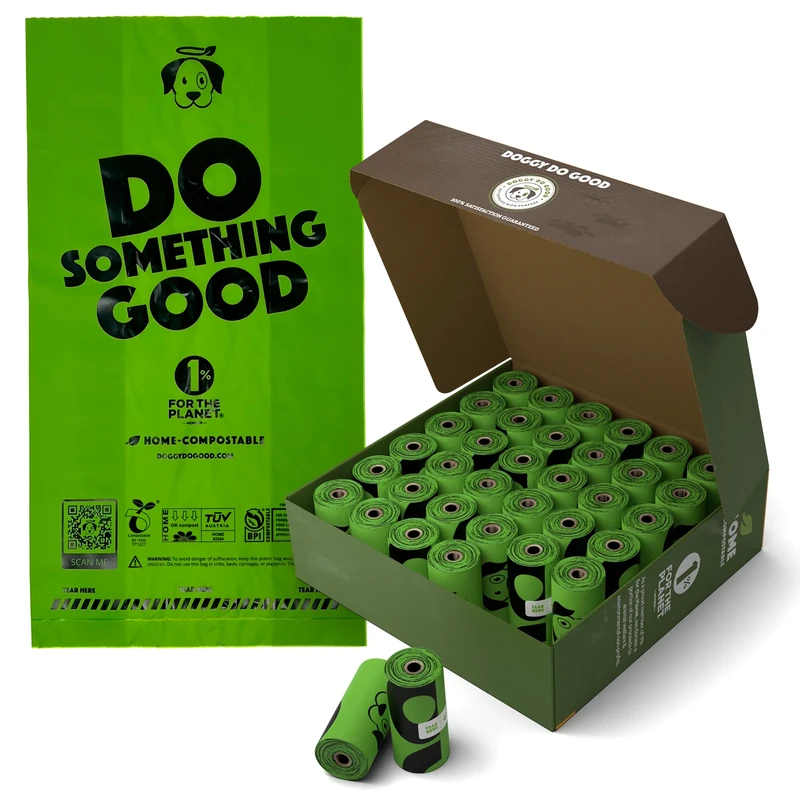
Compostable Pet Waste Bags: A Guide for New Pet Owners
PawVerde.com – compostable pet waste bags are designed to decompose into non-toxic components like water, CO2, and organic matter. Unlike standard plastics that persist for 200 years, certified compostable bags require specific microorganisms, heat, and humidity to break down effectively, ideally within 90 to 180 days in a controlled environment.
The New Adopter’s Survival Guide: Reliability vs. Sustainability
Standard plastic bags can take up to 200 years to degrade, whereas certified compostables are engineered to return nutrients to the soil. For new pet owners, this transition involves balancing environmental goals with the physical realities of managing a new animal’s waste.
Managing high-frequency waste during puppyhood
Puppyhood often necessitates a high volume of waste disposal due to frequent bathroom breaks. While compostable options are superior for the planet, they present specific operational challenges that new owners must anticipate:
- Material Sensitivity: Compostable bin liners may break during use or composting, which can lead to messy accidents if not handled with care.
- Disposal Misalignment: Compostable bags are not a substitute for proper waste management if they end up in landfills.
- Volume Requirements: The increased frequency of waste during training periods means rolls may deplete faster than expected.
The ‘Backup Plan’: Preventing mid-walk leaks
A common failure mode for new adopters is the sudden tear of a bag during a walk. To mitigate this, practitioners recommend carrying a secondary, non-compostable backup or a heavy-duty reusable container. This prevents the “mid-walk leak” scenario where a bag fails due to its organic composition or improper handling. Relying solely on a single thin compostable roll during the high-intensity training phase of a new pet can result in hygiene issues if a bag ruptures.
How to Prevent Premature Degradation: The Storage Stress Test
To prevent compostable bags from degrading prematurely, store them in a cool, dry place away from direct sunlight and high humidity. Avoid leaving rolls in hot car interiors or damp garages, as the microorganisms and moisture required for decomposition can trigger early breakdown, causing the bags to stick or tear before use.
Compostable products require microorganisms, humidity, and heat to yield a finished compost product. If these environmental triggers are present in your storage area, the chemical structure of the bag begins to weaken before it ever touches pet waste. For example, leaving a roll in a vehicle where temperatures exceed 30°C (86°F) can accelerate the breakdown of starch-based polymers. This leads to a specific failure mode where bags become brittle or fuse together into a single, unusable mass.
Compostable vs. Biodegradable: Decoding the Greenwashing
The key difference is that while all compostables are biodegradable, not all biodegradables are compostable. Compostable products are engineered to decompose completely into non-toxic biomass, whereas biodegradable plastics may leave behind harmful microplastic residues that contribute to long-term environmental pollution.
The term “biodegradable” is frequently used in marketing to imply environmental safety, but the Zero Waste International Alliance (ZWIA) and other industry analysts note that this term can be misleading. As the Biodegradable Products Institute (BPI) states:
“While everything that is compostable is technically biodegradable, the reverse isn’t true.”
This distinction is critical for new owners who want to ensure their waste management truly supports a circular economy.
The Microplastic Risk
Many “biodegradable” pet products pose a significant environmental risk because they typically break down into smaller plastic particles. These microplastics do not disappear; they simply become too small to see, continuing to contribute to long-term environmental pollution. In contrast, true compostables are designed to decompose completely into water, CO2, and biomass, leaving no synthetic residue behind.
Manufacturing Footprint Comparison
The production process differs significantly between these materials. Data shows that compostable products use less water, require less energy, and generate fewer greenhouse gas emissions during manufacturing compared to their traditional plastic or standard biodegradable counterparts.
| Feature | Biodegradable Bags | Compostable Bags |
|---|---|---|
| Decomposition Quality | Breaks into smaller plastic particles | Converts to water, CO2, and biomass |
| Residue Risk | High (Microplastics) | Minimal to None |
| Manufacturing Impact | Varies; often high energy/water | Lower water and energy usage |
| Certification Necessity | Often uncertified | Requires BPI or EN 13432 |
This data confirms that selecting certified compostable options provides a more definitive reduction in environmental impact than choosing items labeled only as “biodegradable.”
Navigating Certifications: BPI, OK Compost, and Beyond
New adopters must look for specific regulatory markers to avoid “greenwashing,” where products are designed to appear eco-friendly but are actually made of standard plastic. Without these markers, a bag may simply be a conventional plastic bag with a misleading label.
Reliable certification bodies provide necessary verification that a product will break down in its intended environment. Key standards include:
- BPI (Biodegradable Products Institute): A leading certification body in North America that ensures products meet strict composting standards.
- OK Compost Home: A certification scheme specifically for products that can be safely processed in home composting systems.
- ASTM D6400 and EN 13432: These are the technical industrial standards that define the requirements for compostability in various global markets.
The Pathogen Protocol: Can You Actually Compost Pet Waste?
While using compostable bags is a step toward sustainability, the actual disposal of the waste is a matter of public health. It is a common misconception that because the bag is compostable, the contents are safe for a garden.
Why home piles are risky
The US environmental protection Agency (EPA) provides composting guidance that highlights the risks of using pet waste in residential settings. Home compost piles often fail to reach the high, sustained temperatures required to neutralize harmful bacteria and parasites found in animal feces. If these pathogens survive the composting process, they can contaminate soil and food crops.
Safe disposal alternatives
Instead of home piles, new owners should utilize dedicated pet waste digesters or municipal industrial composting programs. A pet waste digester is a device installed in the yard that uses natural enzymes and microbes to break down waste safely. Alternatively, ensuring your compostable bags are sent to a facility that handles organic waste prevents the methane emissions that occur when compostables are trapped in oxygen-poor landfills.
The True Cost of Green: A Budgeting Guide for New Owners
Sustainability often requires a higher upfront investment. For a new pet owner managing a monthly budget, understanding the price delta is essential for long-term planning.
When comparing costs, it is helpful to look at bulk purchasing. For example, industry data shows that a case of 1,000 compostable cups can be 2–3 times more expensive than standard disposable cups. A similar price scaling often applies to pet waste bags. To manage this, consider the following:
- Bulk Buying: Purchasing large cases of certified compostable bags reduces the cost per unit compared to small, individual rolls.
- Subscription Models: Many eco-friendly brands offer subscription discounts that can offset the premium price of compostable materials.
- Hybrid Approach: Using high-quality, reusable waste containers for certain walks can reduce the total number of single-use bags required per month.
FAQ
Is it safe to put dog poop in my home compost bin?
No, pet waste should generally not be added to home compost systems because it can contain pathogens that are not neutralized in lower-temperature home piles. Always check with your local waste management guidelines before attempting to compost organic pet waste.
What happens if I throw compostable bags in the regular trash?
If they end up in a landfill instead of a composting facility, they may release methane, a harmful greenhouse gas, rather than breaking down safely. To maximize environmental benefits, ensure these bags reach a facility equipped to handle compostable organics.
How can I tell if a bag is truly compostable?
Look for official certifications like BPI or OK Compost, and check for compliance with standards such as ASTM D6400 or EN 13432. Avoid products that use vague terms like “eco-friendly” without providing specific certification details or standard numbers.
Recycled Materials for Pet Toys: A Guide to Eco-Friendly Safety
PawVerde.com – recycled pet toys utilize post-consumer waste—like ocean plastics, bicycle inner tubes, or recycled PET bottles—to create durable enrichment tools. While they significantly reduce carbon pawprints, choosing them requires verifying non-toxic certifications to avoid chemical leaching from phthalates or BPA, especially in heavy chewers.
Market shifts are accelerating as 67% of millennial and Gen Z pet owners in North America and Western Europe actively seek eco-certified or sustainably packaged products.
The Greenwashing Detection Guide: Verifying Recycled Claims
To avoid greenwashing, look for specific third-party certifications like the Global Recycled Standard (GRS) or OEKO-TEX. Avoid brands that claim to be ‘eco-friendly’ without specifying the exact percentage of recycled content or the source of the material (e.g., post-consumer vs. post-industrial waste).
Deceptive labeling occurs when “eco-friendly” products are blended with virgin polymers or toxic dyes. For example, a brand might claim a toy is “made with recycled materials” while providing no specific percentage of actual waste content.
Red Flags in Product Labeling
- Vague Terminology: Using terms like “earth-friendly” or “natural” without providing a breakdown of material composition.
- Lack of Percentage Data: Failing to state whether a product contains 10%, 50%, or 100% recycled content.
- Undefined Sources: Not distinguishing between post-consumer waste (items used by consumers and then recycled) and post-industrial waste (factory scraps).
Certifications to Trust
Reliable manufacturers provide documentation that transcends marketing slogans. When browsing an online shop, users should check the “Product Details” or “Sustainability” tab—often found via Product Page > Specifications > Certifications—to verify third-party validation. Ecoternatives, for example, offers 100% recycled dog plush toys, providing a clear benchmark for total material repurposing. A single 100% recycled plush toy is priced at 11.35 USD, demonstrating that high-recycled content can remain accessible.
Material Durability Matrix: Comparing Recycled Textures
Selecting the correct material requires balancing environmental impact against the specific chewing habits of a pet. A mismatch can lead to rapid degradation or, more dangerously, the ingestion of shredded fragments.
| Material Type | Chew Strength | Environmental Benefit | Cleaning Ease |
|---|---|---|---|
| Hemp | High | Very High (Renewable) | Moderate (Machine Wash) |
| Cotton | Moderate | High (Biodegradable) | Easy (Machine Wash) |
| Natural Rubber | Very High | High (Renewable) | Easy (Hand Wash) |
| TPR (Synthetic) | High | Moderate (Recyclable) | Easy (Wipe Clean) |
Material selection determines both the toy’s lifespan and its ecological footprint. While manufacturers like West Paw utilize Zogoflex® and recycled fiber stuffing to achieve 90-100% recycled content, natural fibers often provide a different structural advantage.
Natural Fibers vs. Synthetics
Hemp dog toys tend to last longer, resist fraying better, and create fewer long-term waste issues than cotton alternatives. While cotton is highly biodegradable, its tendency to fray under heavy tension can lead to faster disposal cycles. For owners prioritizing longevity, hemp offers a structural advantage that reduces the frequency of replacement.
Rubber Alternatives for Heavy Chewers
natural rubber is more eco-friendly than synthetic counterparts. Thermoplastic Rubber (TPR) is a synthetic alternative that offers a similar feel for moderate chewers but lacks the renewable origin of natural latex. For pets with extreme jaw pressure, natural rubber remains the preferred choice for durability.
Microplastic Safety and Chemical Risks
Recycled plastic toys can expose pets to microplastics and chemicals like phthalates or BPA. To minimize risk, prioritize silicone over plastic for durability and less leaching, or choose non-synthetic recycled materials like hemp and wool which are gentler on a pet’s mouth and stomach.
Recent independent research published in the Pets vs. Plastics report by EarthDay.org explores how plastic toys—even recycled ones—can expose pets to harmful chemicals like phthalates and BPA, as well as microplastics. This risk is heightened in toys that undergo significant mechanical wear during play.
To mitigate these risks, consider the biological impact of material choice. As EcoFurball notes:
Recycled doesn’t always mean synthetic. You can find recycled cotton, wool, or hemp toys, which tend to be gentler on your pet’s mouth and stomach.
This highlights a critical distinction: recycling a natural fiber is fundamentally different from recycling a polymer. Silicone serves as a safer alternative to many plastics because it is more durable and less prone to degradation and leaching.
Commercial Leaders in Circular Manufacturing
Industry leaders are currently scaling the use of second- and third-generation recycled polymers to create high-performance pet products.
The Rise of Post-Consumer Plastics
Companies are increasingly moving away from virgin plastics to meet sustainability goals. Petmate, for instance, has incorporated recycled ocean plastics and post-industrial waste into its manufacturing lines. Similarly, Betty & Butch utilizes recycled PET fabric and stuffing, repurposing 4 to 7 plastic bottles for their Sea Turtle Puppy Toy, while their dog beds can utilize up to 52 bottles.
Closed-Loop Manufacturing Examples
Moderna has demonstrated a significant commitment to this transition. Their data shows a steady increase in the use of recycled content: from 5.4% in 2020 to 10% in 2021, reaching 20% in 2022. Currently, Moderna’s annual raw material volume from recycled materials stands at 38%. West Paw also leads the sector by manufacturing Zogoflex® toys and utilizing recycled fiber stuffing, proving that 90-100% recycled content can be achieved without compromising the structural integrity required for performance-grade chew toys.
DIY Sustainability: Upcycling Household Waste
Customizing toys from existing household items provides a cost-effective way to prevent functional materials from entering landfills.
Fabric Upcycling
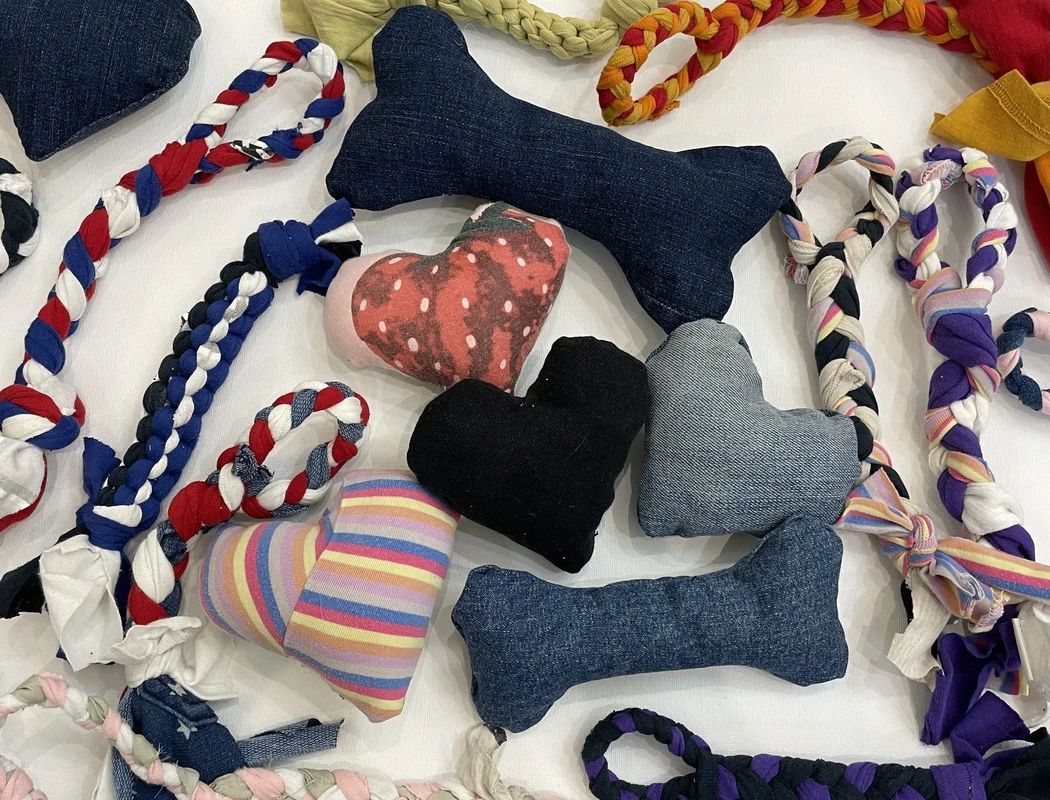
One of the simplest methods is the Braided T-Shirt Rope Toy. To make this, cut old t-shirts into 2-inch strips, tie a knot at one end, braid the strips tightly, and tie another knot at the opposite end to secure the structure.
Edible and Puzzle Alternatives
- Sweet Potato Chew Toy: Wash and peel a sweet potato, slice it into 0.5-inch sections, remove the centers with a cookie cutter, and bake at 250 degrees for 2.5 hours.
- PVC Pipe Treat Puzzle: Drill 8-10 holes in a PVC pipe, ensuring there are at least 5 holes per inch, to allow treats to roll out during play.
Safety is paramount during DIY projects. For instance, using plastic bottles carries the risk of the pet ingesting sharp fragments if the material cracks during use.
The Lifecycle Audit: From Ocean Plastic to Landfill
Sustainability requires evaluating the end-of-life potential for every product purchased.
When a toy from a brand like Petmate—which uses recycled ocean plastics—eventually reaches the end of its functional life, its ability to be repurposed depends on its material purity. If a toy is a “mono-material” (made of only one substance), it is much easier to reintegrate into the circular economy. However, most consumer toys are blends, which complicates the recycling process and often results in the product being sent to a landfill regardless of its origin.
FAQ
Are recycled plastic toys safe for heavy chewers?
Reputable brands can manufacture safe options using tested, non-toxic materials. However, owners must monitor for microplastic shedding and chemical leaching from phthalates or BPA as the toy wears down.
How many plastic bottles are saved by buying recycled toys?
The impact varies by product. For example, the Betty & Butch Sea Turtle Puppy Toy repurposes 4 to 7 plastic bottles, whereas their larger dog beds can utilize up to 52 bottles to create the necessary stuffing and fabric.
Can I recycle a pet toy once it is destroyed?
Recyclability depends on the material. Composite items, such as those combining recycled fabric with plastic stuffing, are often difficult to process, whereas mono-materials are better suited for recycling programs.
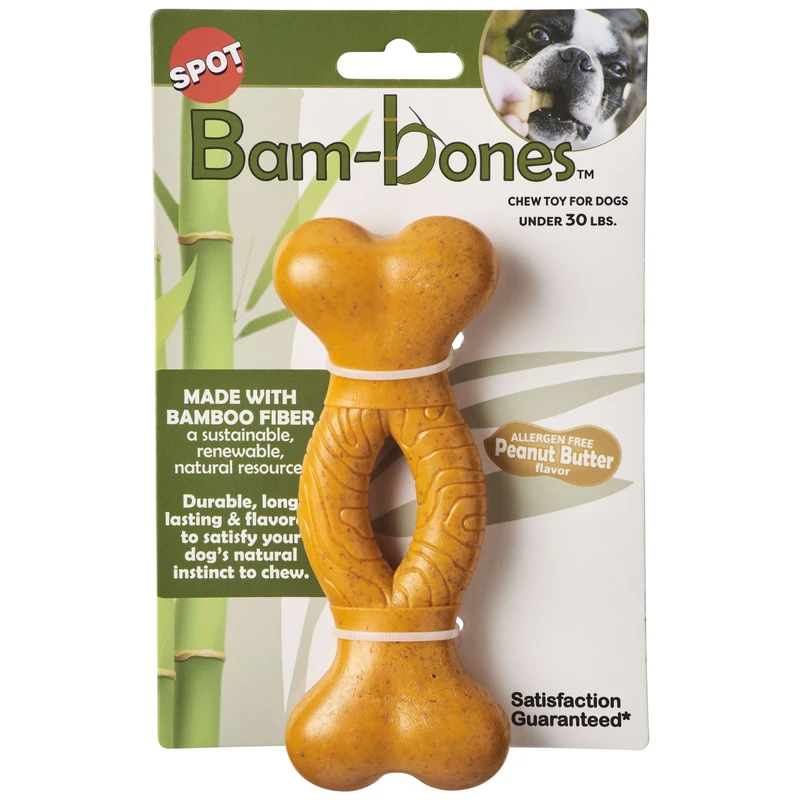
Sustainable Bamboo Pet Toys: How to Avoid Greenwashing
PawVerde.com – Sustainable bamboo pet toys offer a highly renewable, biodegradable alternative to plastic, providing natural antibacterial properties and dental health benefits. However, the best choice depends on whether you are buying solid bamboo or bamboo-fiber composites, as the latter may contain non-biodegradable binders that negate the eco-friendly benefits.
Bamboo can grow up to 91 centimeters in a single day, making it one of the fastest-growing renewable resources on Earth, according to agood company.
The Material Integrity Guide: Solid Bamboo vs. Bamboo Composites
To ensure true sustainability, distinguish between solid bamboo (fully biodegradable) and bamboo-fiber composites. While bamboo fiber is renewable, many composites use synthetic binders or resins that prevent the toy from being compostable. Always check labels for ‘100% natural’ or ‘BPA-free’ to avoid bamboo-reinforced plastics that contribute to landfill waste.
PetAssure notes that consumers should review product labels specifically for material types to avoid “greenwashing.” A common failure mode occurs when a product is marketed as “bamboo” but is actually a bamboo-plastic composite. These hybrid materials often use synthetic resins that make the item impossible to compost, effectively turning a sustainable choice into a long-term landfill resident.
Identifying ‘Fake’ Bamboo-Plastic Composites
EcoFurball reports that low-quality bamboo products, such as bowls, can sometimes contain harmful binders that compromise safety. When shopping, practitioners recommend looking for specific certifications. If a product label does not explicitly state “100% natural” or “BPA-free,” it may contain the very synthetic additives that negate the environmental benefits of the bamboo fiber itself.
The Role of PF Adhesive in Bamboo Fiber Manufacturing
The industrial production of bamboo composites involves complex chemical processes. According to manufacturing data, bamboo fiber mats are often steeped in a PF adhesive solution with a 10% solid content for 3 minutes. This is followed by drying to a 9% moisture level and hot pressing at 20 MPa of pressure at temperatures ranging from 150-200 °C. While this creates a durable product, the presence of these adhesives is what prevents the material from being truly biodegradable.
Splinter & Safety Risk Matrix for Different Chewers
Safety profiles vary significantly based on how the bamboo is processed. While agood company states that “Bamboo has no grain, which means it can be easily cut and shaped without the risk of splitting or cracking,” this advantage primarily applies to high-quality, solid bamboo. Low-quality bamboo can still crack, according to EcoFurball, potentially creating sharp edges.
| Chewer Type | Recommended Material | Risk Level | Safety Note |
|---|---|---|---|
| Light Chewer | Solid Bamboo | Low | Minimal risk of structural failure. |
| Aggressive Chewer | Hardened Bamboo/Nylon Hybrid | Medium | Watch for wear and tear that affects efficacy, as noted by Mars Build. |
| Teething Puppy | Soft Bamboo Fiber | Medium | Monitor for small pieces of resin-bound fiber. |
| Power Chewer | Traditional Rubber | Low | Bamboo may crack under extreme pressure if low-quality. |
Mars Build indicates that ongoing wear and tear can eventually affect the efficacy and safety of the material. Periodic replacement is necessary to prevent structural issues like splintering.
Why Bamboo Wins: Environmental and Health Benefits
Bamboo provides a biological advantage that traditional plastics cannot match. Ever Bamboo reports that bamboo actually absorbs twice as much carbon dioxide as trees, making it a superior carbon sink. This rapid growth cycle, often reaching full size in under 4 months, allows for frequent harvesting without destroying ecosystems.
The Carbon Sink Advantage
Magic Bambu notes that bamboo plants can thrive in a variety of climates without the need for pesticides or chemical fertilizers. This minimizes chemical dependency and helps preserve local soil and water health.
Natural Antibacterial and Hypoallergenic Properties
Beyond the planet, bamboo offers direct health benefits to pets. Mars Build states that “Bamboo is known for its antibacterial properties, which can reduce the risk of infections.” Furthermore, the material is naturally hypoallergenic, providing a safer alternative to synthetic materials for pets with sensitive skin. PetAssure adds that bamboo chew toys can specifically help clean and strengthen a pet’s teeth and gums through the natural texture of the plant.
Top Sustainable Manufacturers to Watch
Select brands that demonstrate commitment to eco-friendly standards, such as VEKEN, a prominent sustainable dog toy manufacturer.
- VEKEN: Recognized as a prominent sustainable dog toy manufacturer.
- BetterBone: Distinguishes itself by using food-grade ingredients and maintaining carbon-neutral production processes.
- Petique: A leader in the green revolution, focusing on highly sustainable pet product lifecycles.
While prices vary, even specialized sustainable items remain accessible. For example, KwikPets lists various pet products, such as the JW Pet Good Cuz Dog Toy Assorted Medium at $8.38, or the Petsport USA Giant Tuff Ball Dog Toy at $6.57, allowing consumers to balance budget with environmental goals.
The Deep-Clean Protocol: Maintaining Bamboo Integrity
Natural organic materials like bamboo react differently to moisture than plastic or silicone. To maintain structural integrity, users should follow specific hygiene steps.
Shortcut: Use hot, soapy water for cleaning and dry the item immediately to prevent moisture absorption.
To sanitize, use hot, soapy water after each use and ensure the item is thoroughly dried. You may periodically use a diluted vinegar solution for surface sanitization, but avoid harsh chemical cleaners that can penetrate the plant fibers.
Warning: Never soak bamboo items in water for extended periods. As documented by bamboowood.art, soaking can cause significant swelling and warping, which can permanently ruin the toy’s shape and safety.
Lifecycle Reality Check: Is it Truly Carbon Neutral?
The true environmental value of bamboo is found in its ability to mitigate emissions. Research published in ScienceDirect analyzed 60 bamboo products from cradle to grave, finding a carbon footprint range of -0.55 to 4.02 kg CO 2 e/kg. While the production process does require energy, the net benefit is substantial.
Data shows that between 2007 and 2022, bamboo products mitigated 280 Mt. CO 2 e emissions by serving as substitutes for carbon-intensive materials like plastic and steel. In fact, the ratio of climate benefits to operational emissions stands at 3.9 times. This suggests that while the manufacturing “hotspots” exist, the massive carbon sequestration capacity of the plant ensures a net-positive environmental impact.
FAQ
Are bamboo pet toys safe for teething puppies?
To minimize splintering risks, prioritize solid bamboo over composites to prevent puppies from ingesting small pieces of resin-bound fiber.
How can I tell if a bamboo toy is actually compostable?
To confirm compostability, check for the absence of metal squeakers, synthetic dyes, and non-organic glues. A truly compostable toy should be 100% natural bamboo without the chemical binders found in bamboo-fiber composites.
Can I put bamboo pet bowls in the dishwasher?
Avoid dishwasher cycles and soaking, as these can cause the bamboo to swell, warp, or crack. Instead, hand-wash items with hot, soapy water and dry them immediately.
Sustainable Pet Travel: Essential Eco-Friendly Tips
PawVerde.com – Sustainable pet travel requires a dual focus on animal safety and environmental impact. To travel responsibly, owners should prioritize compostable waste bags over biodegradable ones, utilize recycled materials like RPET for gear, and ensure strict adherence to vehicle safety to prevent fatal heatstroke within just 15 minutes.
A single dog can generate 270 non-biodegradable waste bags annually using conventional plastic.
The Sustainable Gear Checklist: Beyond Just Waste Bags
A sustainable pet travel kit should prioritize high-durability, low-impact materials. Key items include gear made from RPET (recycled PET bottles), hemp leashes, and bamboo accessories. For feeding, use collapsible silicone bowls and reusable containers to avoid the single-use plastic waste common in travel-sized pet food pouches.
The Rise of RPET in Travel Gear
Modern pet equipment is shifting toward circular economy models to reduce landfill contributions. CarbonLITE Industries specializes in the recycling of PET bottles, providing the raw material necessary for sustainable textile production. This process allows manufacturers like Nomipets to transform plastic waste into high-performance travel gear, including harnesses and leashes. While Nomipets maintains a Minimum Order Quantity (MOQ) of 20-50 sets for B2B transactions, the availability of RPET for consumer-grade goods is expanding rapidly.
One common failure mode in eco-friendly gear is the sacrifice of durability for sustainability. However, RPET is specifically engineered to withstand the rigors of outdoor travel. A counterintuitive reality is that recycled polyester can often outperform virgin plastic in tensile strength, making it a reliable choice for high-stress items like leashes.
Zero-Waste Feeding Strategies
Reducing the environmental footprint of pet nutrition during transit requires moving away from convenience-based packaging. Instead of relying on single-use plastic food pouches, travelers can utilize the following:
- Reusable airtight containers for bulk dry food.
- Collapsible silicone bowls to reduce luggage volume and eliminate plastic waste.
- Bamboo-based accessories for lightweight, biodegradable utility.
When selecting gear, check for specific material certifications to ensure you are not inadvertently purchasing products that will fail during high-intensity use. For instance, ensuring a leash has a high micron-thickness rating prevents the tearing common in lower-quality eco-alternatives.
Navigating the Compostable Bag Paradox
The distinction between “biodegradable” and “compostable” is often blurred by marketing, but the environmental implications are significant. While many products claim to be eco-friendly, they may actually contribute to long-term ecological damage through microplastic accumulation.
Why ‘Biodegradable’ Can Be a Greenwashing Trap
A significant risk in the pet industry is the prevalence of oxo-degradable or EPI-technology bags. According to information from Beco Pets and Pawtria, these bags are often just conventional plastics with additives that cause them to fragment into microplastics more quickly. This does not eliminate the plastic; it simply makes it invisible to the naked eye while leaving toxins in the soil. Pawtria emphasizes that true compostable bags contain absolutely no plastics and do not break down into these harmful particles.
Furthermore, Anipro notes that while biodegradable options exist, they often lack the structural integrity required for heavy-duty use. For effective waste management, bags should meet specific thickness thresholds: 15 microns to prevent easy tearing, and 20 microns for handling large or soft waste without leaking.
Technical Standards: EN13432 vs. ASTM D6400
To avoid greenwashing, owners must look for verified certification marks such as those provided by TÜV AUSTRIA. These certifications ensure that a product will actually break down in a controlled environment. The following table compares the primary waste management options available to pet owners:
| Bag Type | Environmental Impact | Degradation Timeline | Key Risk |
|---|---|---|---|
| Compostable | Low (No microplastics) | 3-12 months | Requires specific composting infrastructure |
| Biodegradable | Moderate to High | Variable | May leave microplastics and toxins |
| Conventional Plastic | High | Hundreds of years | Permanent environmental pollution |
Pooch Paper offers an alternative in the form of paper waste sheets, with 50 small sheets priced at $13 and 50 large sheets at $13.50. While paper breaks down faster than plastic, it must still be managed according to local disposal regulations.
Critical Safety Protocols for Road Travel
Safe pet travel demands constant vigilance regarding temperature and restraint. Pets must always be restrained during car transit to prevent injury. Most importantly, never leave a pet alone in a vehicle; on a hot day, fatal heatstroke can occur in as little as 15 minutes, even with windows cracked.
The American Kennel Club emphasizes that restraint is not optional. Pets riding loose in a vehicle are at extreme risk during sudden stops or collisions. Bernal highlights the extreme speed of thermal injury in animals:
“On a hot summer’s day, it can take just 15 minutes for a dog to suffer from potentially fatal heat stroke in a hot car, as they can overheat very quickly and struggle to cool themselves down, even when a window has been left open or water has been left in the car.”
Safety also involves psychological preparation. Brandi Hunter Munden, VP of PR and communications at the American Kennel Club, notes that sudden changes in environment can cause significant stress:
“they may throw a full-fledged tantrum because they don’t understand that the crate is a safe space”
. This highlights the necessity of gradual acclimation rather than using a crate for the first time on the day of departure.
Logistics and Compliance: Preparing for the Journey
Successful travel requires strict adherence to administrative and health protocols to avoid delays at borders or veterinary checkpoints. The American Veterinary Medical Association provides guidelines for ensuring all medical requirements are met before departure.
Health Certificate Validity
When traveling, especially for military moves or interstate transit, documentation is paramount. According to data from navyfederal.org, health certificates often have a strict validity period, sometimes as short as 10-30 days. Failure to verify these dates can result in being denied boarding or entry into new territories. Additionally, for small pets traveling in a cabin, there is often a weight threshold, such as 20 pounds (about $27), that must be strictly observed.
Crate Acclimation Techniques
To prevent travel anxiety, owners should utilize the Crate Acclimation technique. This involves a gradual introduction process:
- Introduce the crate in the home environment weeks before travel.
- Use positive reinforcement by feeding meals inside the crate.
- Allow the pet to sleep in the crate to establish it as a “safe space.”
As Walther observes, maintaining continuity is key:
“The familiar smells from the items will help your pet feel secure both on the road and at your destination.”
Using familiar blankets or toys can mitigate the stress of new environments.
Waste Disposal: Urban vs. Wilderness Ethics
The method of waste disposal must change depending on whether you are in a municipal area or a natural ecosystem. Improper disposal in either setting carries significant ecological risks.
In urban environments, the primary concern is infrastructure. While compostable bags are ideal, they should only be disposed of in facilities capable of processing them. As noted by smartbark.co.uk, it is not permitted to flush dog feces down the toilet because water treatment processes are often unable to eradicate the high levels of bacteria found in dog waste. This can lead to contamination of local water supplies.
When hiking or in wilderness areas, if you lack proper waste bags, emergency alternatives can be used. According to woofpanion.com, large fallen leaves, newspapers, or even junk mail can serve as temporary, biodegradable substitutes. However, the most sustainable practice remains carrying out all waste in a sealed, high-integrity bag to prevent any contact with the local environment.
FAQ
Is it okay to flush dog poop down the toilet?
No, it is not permitted because water treatment processes cannot eradicate the high levels of bacteria found in dog waste, which can lead to environmental contamination.
How long do compostable poop bags take to break down?
A realistic timeframe for the complete degradation of certified compostable bags is between 3 and 12 months, depending on the composting environment.
What is the difference between compostable and biodegradable bags?
Compostable bags are preferred because they contain no plastics and do not break down into harmful microplastics, unlike many biodegradable or oxo-degradable options that leave residues in the soil.
Conversions use a rate of 1 GBP = $1.33 as of July 26, 2026; rates may change.