
Breeder vs. Shelter Adoption: How to Choose Your Pet
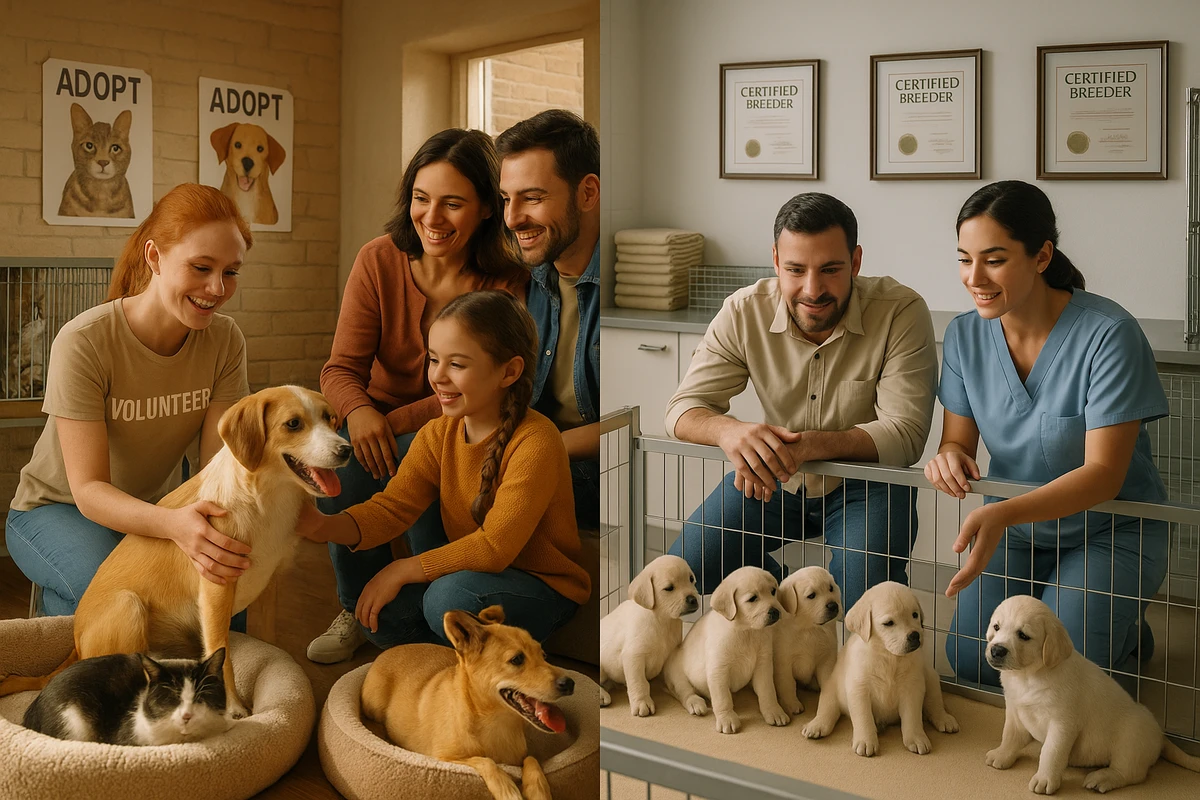
PawVerde.com – The choice between breeder and shelter is not a binary of ‘good vs. bad,’ but a balance of urgency and predictability. While adoption addresses the crisis of 6.5 million animals entering U.S. shelters annually, ethical breeding provides the long-term genetic stability and trait predictability required for specific lifestyle needs.
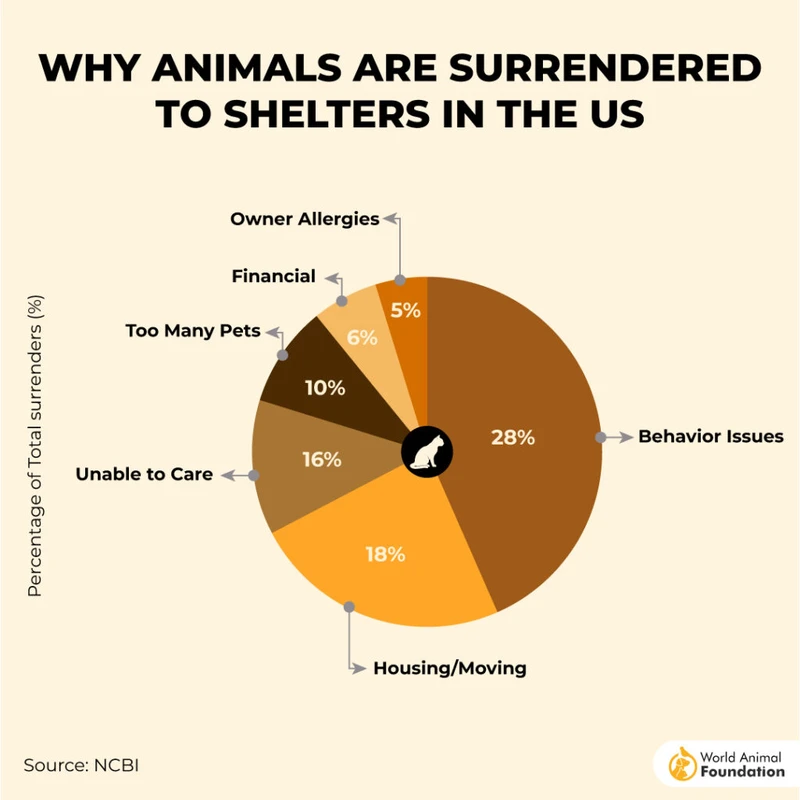
6.5 million companion animals enter U.S. animal shelters annually, contributing to a cycle where approximately 700,000 animals are euthanized each year due to overcrowding.
Beyond the Binary: A Decision Matrix for New Owners
To choose between a breeder and a shelter, evaluate your constraints. Prioritize adoption to help mitigate the 700,000 animals euthanized annually in overcrowded shelters. Alternatively, choose an ethical breeder if you require high predictability in size, coat, or temperament.
Deciding how to acquire a pet requires analyzing specific lifestyle variables rather than following emotional impulses alone. While 47% of people in a 2016 study by Bir, Widmar and Croney reported they adopted because “it was the right thing to do,” other owners prioritize different metrics.
The Budget-First Path
Barkio notes that adopting a dog from a shelter is a compassionate, cost-effective, and ethical way to bring a new pet into your life. Financial constraints often dictate the acquisition method, as shelter fees are significantly lower than the thousands of dollars typically required for a puppy from a commercial source.
The Predictability-First Path
For owners who cannot afford the “trial and error” of a mixed-breed’s temperament, Barkio reports that buying from a breeder offers predictability in traits and health. This is particularly relevant for those who require a specific size or energy level to match their living situation.
The Allergy and Lifestyle Constraint
Research from Bir, Widmar and Croney indicates that 33% of owners express a preference for a specific breed or type of dog. This preference often stems from physiological needs, such as hypoallergenic coats, or specific behavioral requirements that a shelter’s mixed-breed population may not meet.
| Criterion | Shelter/Rescue Adoption | Ethical Breeder |
|---|---|---|
| Cost | Typically much lower | Can cost thousands of dollars |
| Predictability | Low (often mixed breeds) | High (known genetics/traits) |
| Ethical Impact | Reduces euthanasia/demand | Supports genetic sustainability |
| Behavioral Certainty | Variable/Unknown history | High (based on parentage) |
Owners must decide between immediate social impact and long-term biological certainty. This choice is shaped by whether one prioritizes reducing the 6.5 million annual shelter intakes or securing specific genetic traits.
Vetting the Source: Red Flags vs. Green Flags
The most critical step is identifying the difference between a responsible provider and an exploitative one. Failing to vet a source can result in the accidental support of puppy mills that prioritize profit over animal welfare.
How to Spot a Puppy Mill
Luckydog Animal Rescue warns that puppy mills prioritize profit over animal welfare. These facilities often keep dogs in inhumane, overcrowded, and unsanitary conditions, frequently separating puppies from their mothers too early to maximize turnover. If a seller cannot show you where the animals live or refuses to let you meet the mother, it is a major failure mode.
The Ethical Breeder’s Checklist
Ethical breeding involves more than just producing puppies; it requires a commitment to the entire lifecycle of the animal. According to Paws and Reflect, ethical breeding involves thoughtful pairing and rehoming contracts. A legitimate breeder should provide:
- Comprehensive health and temperament evaluations.
- Detailed genetic history of the parents.
- A signed contract that includes a requirement to return the dog to them if the owner can no longer care for it.
Evaluating Shelter Intake and Rehoming Ratios
Humane Animal Partners suggests that adopting helps combat unethical breeding practices like backyard breeders. When evaluating a rescue, look for transparency regarding their ability to provide permanent homes and their management of intake numbers.
The Shelter Crisis and the Ethics of Euthanasia
The ethical weight of adoption is driven by the sheer scale of the animal homelessness crisis in the United States. Data from The Ohio State University shows that 3.3 million dogs enter U.S. shelters annually.
The consequence of this massive influx is a tragic reality of resource scarcity. Luckydog Animal Rescue reports that 700,000 animals are euthanized each year due to overcrowded shelters. This creates a moral imperative for many; as Bir, Widmar and Croney documented, nearly half of adopters (47%) chose their method specifically because they felt it was the right thing to do to prevent such outcomes.
The Genetic Dilemma: Breed Labels and Misidentification
The Ohio State University notes that shelter dogs are often mislabeled compared to the results of actual genetic analysis. Because many shelter dogs are multi-breed mixes, visual perception often fails to identify the true genetic makeup of the animal.
The Ohio State University has documented that shelter dogs are often mislabeled compared to the results of actual genetic analysis. This is a significant pitfall for owners who may be seeking a specific temperament or hypoallergenic trait only to find the dog’s biology is entirely different.
Warning: Relying on visual “breed” labels can lead to unexpected medical costs or behavioral challenges if the dog’s true genetic makeup is unknown.
This misidentification has broader social implications. The Ohio State University notes that breed labels can negatively impact adoption decisions because of certain stereotypes and existing legislation. Furthermore, Bir, Widmar and Croney found that one-third of owners believe dogs from shelters often have behavior problems—a perception that may be exacerbated by the lack of predictable genetic history in these animals.
The Middle Ground: Breed-Specific Rescues and Sustainability
Owners can navigate the choice between commercial breeders and municipal shelters by exploring specialized options. These alternatives attempt to balance the need for specific traits with the goal of adoption.
Bridging the Gap with Breed-Specific Rescues
Breed-specific rescues cater to the 33% of owners who express a preference for a specific breed or type of dog. This allows for the acquisition of dogs with known characteristics while still addressing the urgency of animal placement.
The Sustainability Argument: Why Breeding Still Matters
While adoption is a vital tool for crisis management, the long-term health of the canine species relies on controlled, ethical reproduction. As stated by the Paws and Reflect Blog,
“Ethical breeding is not a spigot which can simply be turned off today and turned back on when there are zero homeless animals.”
Adoption addresses the immediate urgency of the 700,000 animals at risk of euthanasia, but ethical breeding sets the standard for future sustainability by ensuring that new generations of dogs are born with health, temperament, and genetic stability as their primary objectives.
FAQ
Is it more ethical to adopt or buy from a breeder?
Adoption is widely considered more compassionate due to the high number of animals in shelters (6.5 million annually), but ethical breeding is necessary for long-term species health and predictability.
How can I tell if a breeder is ethical?
Look for health and temperament evaluations, rehoming contracts, and transparency regarding genetic history, rather than just “health checks.” Ethical breeders should also allow you to see the living conditions of the animals.
Are shelter dogs more prone to behavior problems?
While one-third of owners believe this, many issues stem from breed mislabeling and the lack of predictable genetic history in mixed-breed shelter dogs, rather than an inherent flaw in shelter animals.
Benefits of Adopting from Local Shelters Drive U.S. Growth
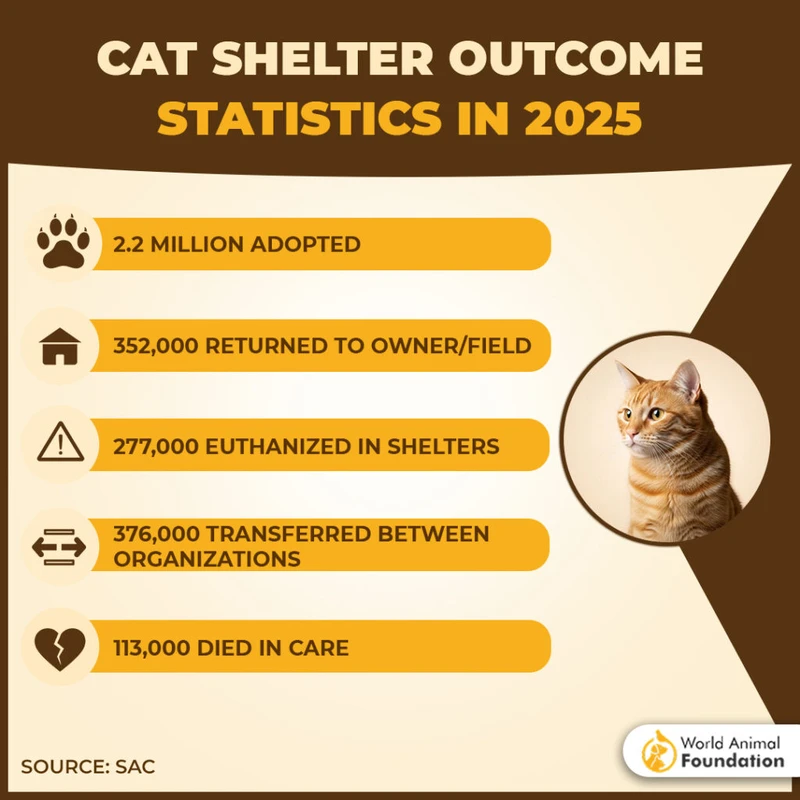
PawVerde.com – Local animal shelters in the United States are experiencing significant market growth, with the U.S. Animal Shelters industry projected to reach $5.3 billion in 2026. Recent data indicates that nearly 4.7 million pets—comprising 2.4 million dogs and 2.3 million cats—entered shelters in 2025, reflecting the scale of animal welfare operations nationwide. This influx underscores ongoing challenges such as shelter overcrowding, yet adoption rates have shown positive momentum, with private shelters reporting a 4.9% increase in adoptions last year. These dynamics position pet adoption as a critical ecosystem affecting community welfare, financial frameworks, and animal health standards.
Adoption from local shelters delivers multifaceted economic benefits, alleviating shelter overcrowding and reducing associated operational costs. adoption fees, which average between $75 and $150 depending on the region and shelter, typically encompass essential veterinary services including vaccinations, spaying/neutering, and microchipping. This bundled healthcare reduces long-term expenses for adopters compared to the initial and ongoing costs of purchasing from breeders, where prices for dogs and cats often exceed $1,000 without guaranteed health coverage. The financial structure of shelter adoption thus represents cost-effective access to companion animals while simultaneously mitigating the fiscal strain on shelter infrastructure.
Saving Lives and Reducing Overcrowding: The Community Impact of Adoption
Shelter overcrowding remains a persistent challenge, with facilities frequently operating at or beyond capacity. According to recent shelter intake and outcome data, approximately 20% of animals entering shelters in 2025 were at risk of euthanasia due to space constraints and resource limitations. Adoption acts as a primary mechanism to reduce overcrowding, enabling shelters to increase live release rates and accommodate more incoming animals. For instance, the Lafayette County Animal Shelter reported a 15% reduction in overcrowding after implementing targeted community adoption drives and foster programs.
Operationally, reducing overcrowding lowers per-animal costs related to food, medical care, and staffing. Shelter staff and volunteers, who constitute a substantial portion of the workforce, benefit from decreased workload intensity, improving overall service quality. The community impact extends beyond immediate shelter conditions; reduced euthanasia rates and healthier shelter environments foster stronger public trust and increase volunteer engagement. animal welfare organizations such as the ASPCA and Maddie’s Fund have emphasized adoption as a strategic priority to support sustainable shelter operations while enhancing animal welfare outcomes.
Financial Advantages of Adopting from Local Shelters
Adoption fees vary but generally remain significantly lower than purchasing pets from breeders or pet stores. The following table compares typical costs associated with adoption versus breeder acquisition, highlighting included veterinary services:
| Cost Component | Shelter Adoption | Breeder Purchase |
|---|---|---|
| Average Fee | $75–$150 (varies by region) | $800–$2,000+ |
| Vaccinations | Included | Often additional, $50–$200 |
| Spaying/Neutering | Included | Additional $200–$500 |
| Microchipping | Included | Additional $25–$50 |
| Initial Veterinary Exam | Included or discounted | Varies, often additional |
Shelters also provide behavioral assessments and basic training for many animals, reducing the need for costly post-adoption interventions. This comprehensive care package supports adopters in minimizing upfront and ongoing expenses. Furthermore, adoption fees contribute directly to shelter funding, sustaining operational viability and community programs. As highlighted by animal welfare professionals like Dr. Cindy Wasserman, DVM, JD, these financial efficiencies support both adopters and shelters, enabling a virtuous cycle of care and resource allocation.
Health and Behavioral Benefits of Shelter Pets
Shelter pets typically receive standardized veterinary care adhering to industry protocols. This includes vaccinations against common infectious diseases, spaying or neutering, and microchipping to facilitate reunification if a pet becomes lost. The importance of microchipping has grown with technological advancements and increased public awareness; shelters report reunification rates of up to 70% for microchipped animals compared to under 20% for non-microchipped pets.
Behavioral assessments conducted by shelter staff identify temperament, socialization level, and training needs. Facilities like the Oxford Animal Resource Center employ certified trainers to provide basic obedience and socialization, enhancing adoption outcomes. Shelter pets often have documented behavior profiles, reducing uncertainty for adopters and lowering the rate of returns or rehoming. This contrasts with pets from informal sources, where unknown health or behavioral issues can incur unforeseen financial and emotional costs.
Emotional and Physical Benefits to Adopters
The emotional benefits of adopting shelter pets are well-documented, with numerous studies associating pet ownership with reduced stress, lower blood pressure, and improved mental health. Adopters often report increased feelings of companionship and purpose, particularly in demographic segments such as college students. For example, students at universities near the Sioux Falls Area Humane Society have participated in shelter pet adoption programs, noting improvements in anxiety and depression symptoms.
Personal testimonials reinforce these findings. A student adopter described how fostering and eventually adopting a rescue dog alleviated feelings of loneliness and enhanced daily motivation. Shelter staff and volunteers witness the positive psychological transformations in adopters, which align with broader research linking pet ownership to enhanced emotional resilience. These benefits extend to physical health, encouraging regular exercise through dog walking and promoting active lifestyles.
Community and Ethical Benefits Beyond Adoption
Adoption supports ethical animal welfare practices by directly reducing euthanasia and combatting the illegal pet trade. Financially, adoption fees and donations fund shelter operations, community outreach, and educational programs promoting responsible pet ownership. The no-kill shelter movement, which aims to save at least 90% of shelter animals, has gained traction, with many shelters adopting policies that prioritize adoption and foster care over euthanasia.
Foster programs, which temporarily house animals in private homes, have demonstrated increased adoption success rates and improved animal well-being. These programs alleviate shelter overcrowding and provide socialization opportunities for animals, helping them transition more effectively into permanent homes. Animal welfare organizations such as Pets Alive and the Animal Human Society actively promote foster care, highlighting its role in community engagement and shelter sustainability.
Trends and Statistics Shaping Adoption in 2026
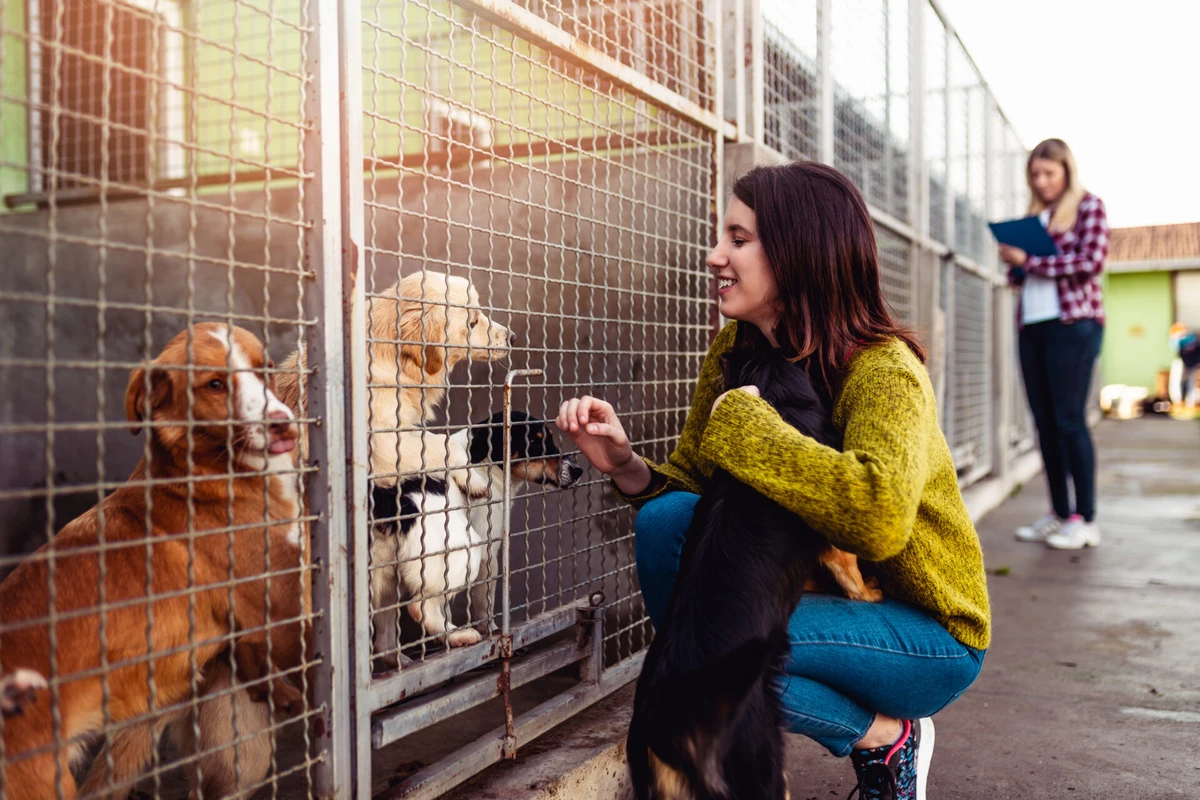
The U.S. Animal Shelters industry’s projected $5.3 billion market size in 2026 reflects continued expansion driven by rising adoption rates and increased funding. Private shelters reported a 4.9% increase in adoptions in 2025, signaling growing public support. Additionally, technology integration—such as online adoption platforms, digital microchipping registries, and virtual counseling—has enhanced accessibility and streamlined adoption processes.
Live release rates have improved nationally, with many shelters achieving rates above 85%, attributed to adoption campaigns, foster care, and medical intervention programs. The no-kill movement’s influence is evident, with over 70% of shelters reporting policies aligned with no-kill principles as of recent data. Shelter funding dynamics reveal diversification, including grants from foundations like Maddie’s Fund and corporate partnerships, which provide critical financial support beyond traditional donation streams.
| Metric | 2025 Data | 2026 Projections |
|---|---|---|
| Pets Entering Shelters (millions) | 4.7 (2.4 dogs, 2.3 cats) | Stable at ~4.7 million |
| Private Shelter Adoption Increase | 4.9% | 5.2% |
| Live Release Rate | 85% | 87% |
| No-Kill Shelter Adoption | 70% of shelters | 75% of shelters |
| Average Adoption Fee | $100 | $105 |
| Industry Market Size | $5.1 billion | $5.3 billion |
These trends underscore the financial and operational momentum behind shelter adoption, reinforcing its role as a sustainable solution to animal welfare challenges.
Adoption from local shelters in 2026 represents a financially prudent, ethically sound, and community-enhancing choice. It leverages veterinary care efficiencies, supports shelter sustainability, and delivers measurable emotional and physical benefits to adopters. As the industry evolves, continued investment in shelter funding, foster programs, and technology-driven adoption processes will be critical to maximizing these outcomes. Prospective adopters and policymakers alike should consider these dynamics to promote responsible pet ownership and strengthen the animal welfare ecosystem.
Best Fostering Practices for Pets Boost Adoption Rates in 2026
PawVerde.com – Fostering pets has become an increasingly critical component of animal welfare strategies in 2026, with foster-based rescue organizations playing a pivotal role in alleviating shelter overcrowding and improving adoption outcomes. Data from Shelter Animals Count and Foster Forward Challenge reveal that rescues leveraging foster care outperform traditional shelters in save rates by over 15%, reflecting a nationwide shift toward community-supported, temporary pet care. This evolution demands adoption programs and animal welfare agencies to adopt innovative practices such as open adoption policies, dedicated adjustment spaces for foster pets, and comprehensive training for staff and volunteers. Leading organizations including the Best Friends Network, American Pets Alive!, and Humane World for Animals emphasize these strategies as foundational to successful fostering.
Open adoption policies have emerged as a transformative approach in reducing traditional barriers that previously hindered adoption rates. By eliminating landlord verifications and vet record checks, shelters and rescues enable faster, more accessible placements. Pre-adoption during stray hold periods also expedites the process, allowing potential adopters earlier engagement with pets. The American Pets Alive! network reports that facilities implementing open adoption have seen adoption rates increase by up to 20% within the first six months of adoption policy revision. Additionally, volunteer engagement surges when adoption criteria become more inclusive, as foster families feel their contributions lead directly to successful placements without bureaucratic impediments.
Open Adoption Policies: Reducing Barriers
open adoption policies prioritize flexibility and accessibility, allowing potential adopters to focus on pet compatibility rather than exhaustive background checks. This approach addresses common adoption barriers such as landlord restrictions and veterinarian record submissions, which often disproportionately affect renters or low-income families. Organizations adopting these policies report significant decreases in adoption timeframes, with some shelters reducing average adoption processing from weeks to just days.
Moreover, open adoption encourages pre-adoption placements during mandatory stray holding periods, enabling prospective adopters to bond with pets earlier. This method also fosters transparency by involving adopters in the fostering phase, thus increasing retention and reducing returns. The Best Friends Network highlights that shelters practicing open adoption see a measurable rise in volunteer and foster recruitment, as community members feel more empowered to participate in the adoption process without administrative roadblocks.
Creating Dedicated Spaces for Foster Pets
Providing foster pets with dedicated spaces for adjustment is a best practice gaining traction across leading shelter organizations. Separate rooms or designated areas allow foster pets to decompress, acclimate to new surroundings, and reduce stress-induced behaviors. The Fairfax Animal Humane Society (FAHS) recently implemented a protocol requiring initial isolation for foster pets, which resulted in a 30% reduction in behavioral incidents within the first week of fostering.
Gradual introductions between foster pets and resident animals are critical during this adjustment period. Guidelines recommend controlled, supervised meetings with barriers to prevent direct contact until both animals demonstrate calm behavior. Mealtime and sleeping arrangements should also be managed separately initially to prevent resource guarding or anxiety. Pawlytics data underscores that shelters enforcing these protocols experience fewer foster failures and higher adoption success rates, confirming the importance of structured environments for foster pets.
Staff and Volunteer Training for Effective Foster Care
Comprehensive training programs for shelter staff and foster volunteers are essential to the success of foster-based rescue models. Training modules now routinely cover customer service, cultural competency, and specialized handling of pets with behavioral challenges. Humane World for Animals emphasizes that cultural competency training helps staff and volunteers engage effectively with diverse adopter populations, thereby broadening the reach of adoption programs.
Behavioral fostering requires targeted education on recognizing and managing anxiety, aggression, and socialization deficits in foster pets. Ongoing mentorship programs provide fosters with real-time support, improving confidence and retention rates. Maddie’s Fund findings indicate that shelters investing in continuous training and support see a 25% increase in foster volunteer retention over one year, demonstrating the tangible benefits of professional development in foster care.
Piloting New Fostering Practices and Incentives
The Foster Forward Challenge has catalyzed innovation by incentivizing shelters to pilot new foster care models, with grants awarded for programs that increase foster recruitment and retention. Recent pilots include virtual foster onboarding, foster peer networks, and incentive programs offering stipends or pet supplies. These initiatives have shown promising outcomes; for instance, virtual onboarding reduced foster application processing times by 40%, while peer networks enhanced foster satisfaction and communication.
Organizations utilizing pilot programs report improved foster capacity, enabling shelters to serve more pets with fewer resources. The Best Friends Network notes that such innovations also engage younger volunteers accustomed to digital interactions, expanding the demographic profile of foster families. These pilot programs embody a proactive approach to evolving shelter needs and foster care challenges.
Behavioral Fostering: Specialized Care and Marketing
Fostering pets with behavioral challenges remains one of the most demanding yet impactful areas of foster care. Behavioral fostering includes animals with histories of trauma, anxiety, or aggression that require tailored care protocols. Training programs equip fosters with techniques such as desensitization, positive reinforcement, and environmental enrichment to facilitate rehabilitation.
Public recognition of behavioral fosters—through awards, social media highlights, and community events—increases foster participation by acknowledging the specialized skill and commitment required. Shelter Animals Count data shows that rescues with behavioral foster programs have higher adoption rates for challenging animals and report fewer returns. This specialized care also reduces shelter stays, mitigating stress and risk of euthanasia.
Legal and Health Requirements in Fostering
Strict adherence to vaccination verification and health protocols is mandatory to safeguard both foster and resident pets. Vaccination status must be documented before placement, consistent with local and national animal welfare guidelines. Proper cleaning, sanitization, and quarantine practices are vital, especially when fostering cats or dogs susceptible to contagious diseases.
Liability considerations include clear foster agreements detailing responsibilities and emergency protocols. Organizations like Humane World for Animals provide templates aligning with regional regulations to minimize legal risks. These measures protect animal welfare, foster families, and shelter organizations alike, ensuring sustainable and safe foster programs.
Data-Driven Outcomes and Trends in Foster-Based Rescues
National data from Shelter Animals Count and the Foster Forward Challenge demonstrate that foster-based rescues achieve superior outcomes compared to traditional shelters. Foster programs report approximately 85-90% save rates, contrasted with 60-70% in conventional shelter models. The reduction in euthanasia correlates with increased foster placements, which provide individualized care and facilitate successful adoption matches.
Comparative analysis reveals that foster-based rescues also shorten average length of stay by 30%, allowing shelters to cycle through more animals and reduce overcrowding. These data-driven insights underscore the effectiveness of fostering as a humane and efficient shelter alternative, guiding policy and funding decisions.
| Metric | Foster-Based Rescues | Traditional Shelters |
|---|---|---|
| Save Rate (%) | 85-90 | 60-70 |
| Average Length of Stay (Days) | 20-25 | 35-40 |
| Adoption Rate Increase After Open Policies (%) | +20 | +5-10 |
| Foster Volunteer Retention (%) | 75-80 | 50-60 |
| Euthanasia Rate (%) | 5-10 | 25-30 |
The data highlights the multifaceted benefits of fostering, from reducing euthanasia to improving foster volunteer retention and accelerating adoption processes.
Forward-Looking Strategies and Practical Next Steps

Animal welfare agencies and foster families must leverage these best practices to meet the growing demand for humane, efficient pet care in 2026. Emphasizing open adoption policies, investing in dedicated adjustment spaces, and aligning staff and volunteer training with cultural competency and behavioral care are proven strategies to enhance foster success. Organizations should actively participate in pilot programs like the Foster Forward Challenge to innovate and expand foster capacity.
Prospective foster volunteers are encouraged to seek training opportunities and engage with mentorship networks to build confidence in behavioral fostering. Clear communication of legal and health requirements ensures safe environments for all animals involved. Continuous data collection and analysis will remain essential to refining foster models and improving adoption outcomes.
By integrating these evidence-based methods, animal welfare organizations can strengthen community engagement, reduce shelter burdens, and ultimately save more lives.
FAQ
What are the most effective practices for introducing foster pets to resident animals?
Effective introductions involve gradual, supervised meetings using barriers such as baby gates to prevent direct contact initially. Separate feeding and sleeping areas reduce competition and stress. Monitoring body language and allowing incremental interaction over several days helps foster pets adjust safely.
How do open adoption policies impact foster pet placements?
Open adoption policies remove traditional barriers like landlord and vet checks, accelerating adoption timelines and increasing accessibility. This results in higher adoption rates and greater volunteer engagement, as fosters see more successful outcomes from their efforts.
What training do foster volunteers typically receive in 2026?
Training includes customer service, cultural competency, behavioral management of pets, and emergency protocols. Ongoing mentorship supports fosters in managing challenges such as anxiety or aggression in pets, improving retention and care quality.
Are there legal requirements for vaccinations in foster care?
Yes, vaccination verification is mandatory before placing pets in foster homes, following local and national guidelines. Proper medical care, quarantine, and sanitation protocols are required to prevent disease transmission and protect all animals involved.
How do foster-based rescues compare to traditional shelters in adoption success?
Foster-based rescues achieve higher save rates (85-90%), shorter length of stays, and reduced euthanasia compared to traditional shelters. The individualized care and socialization provided in foster homes increase successful adoption outcomes significantly.
—
Fostering pets in 2026 relies on integrating proven best practices, innovative pilot programs, and continuous data analysis to improve animal welfare outcomes. Organizations and volunteers committed to these strategies will strengthen the foster care ecosystem, delivering measurable benefits to pets and communities alike.

Foster-to-Adopt Programs Boost Pet Adoption Success Rates
PawVerde.com – Foster-to-adopt programs have become pivotal in increasing permanent pet adoptions by enabling prospective caregivers to foster animals with medical or behavioral challenges while receiving comprehensive support from animal shelters. These initiatives not only address shelter overcrowding but also foster deep emotional bonds between animals and foster parents, often resulting in adoption. Data from organizations such as the ASPCA, Best Friends Animal Society, and Pedigree Foundation demonstrate that these programs improve outcomes for hard-to-place pets by combining medical care, behavioral training, and ongoing foster support.
Foster parents frequently transition to adoption due to the strong attachments formed during care, especially when managing pets with special needs. Shelters supply foster families with necessary resources including medical treatments, behavioral guidance, and supplies, alongside regular check-ins from veterinary and foster support teams. This collaborative model enhances the transition from shelter to home, particularly for senior animals or those requiring intensive care, thereby increasing successful adoption rates and reducing shelter stays.
Emotional Bonds and the Foster Fail Phenomenon
The term “foster fail,” paradoxically a positive outcome, describes foster parents who choose to adopt their foster pets after forming profound emotional connections. This phenomenon reflects the transformative impact fostering can have on both pets and caregivers. Foster parents often recount how consistent, personalized care during the trial period reveals the pet’s personality and compatibility, making adoption a natural progression.
For example, foster families within the Animal Humane Society report that nearly 40% of their foster placements culminate in adoption by the foster parent. This emotional bond is further reinforced in cases involving special needs pets, where foster caregivers witness firsthand the pet’s recovery and growth. Shelters emphasize training programs that prepare fosters for behavioral challenges, enhancing caregiver confidence and attachment. Foster fail cases underscore the dual benefit: pets gain permanent homes while fostering families experience fulfilling companionship.
Case Studies of Successful Foster Adoptions
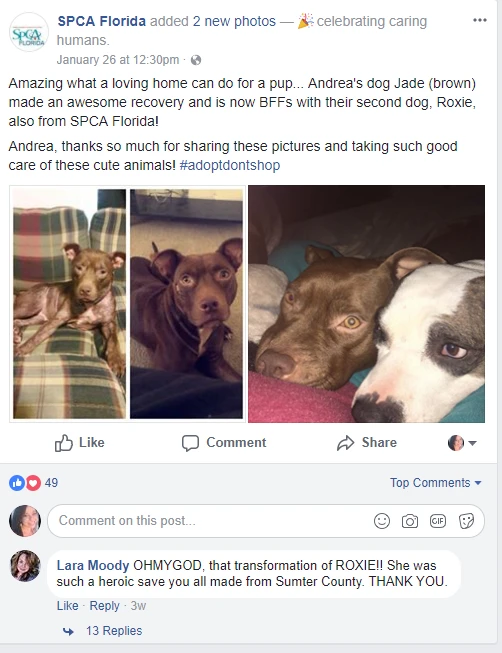
Several documented foster-to-adopt success stories illustrate the efficacy of these programs:
These cases highlight how foster programs address medical and behavioral complexities, providing individualized care that enhances adoptability.
Shelter Support Systems and Foster Care Best Practices
Effective foster programs rely on comprehensive shelter support systems that provide medical care, supplies, and education tailored to foster needs. animal shelters such as Best Friends Animal Society emphasize structured foster training, covering topics like administering medications, recognizing behavioral cues, and managing emergency situations.
Regular check-ins from shelter veterinary professionals and foster support teams ensure continuity of care and address challenges promptly. Shelters supply foster families with necessary equipment including leashes, crates, and specialized diets, reducing financial burdens and increasing foster retention. Emergency support hotlines are often available to guide fosters through unexpected health or behavior issues, reinforcing caregiver confidence.
Behavioral training for foster pets is integral, with shelters collaborating with trainers to develop customized plans. This approach is particularly critical for pets with anxiety, aggression, or socialization deficits. Best practices also include detailed record-keeping of medical histories and behavior assessments shared between shelters and foster families, facilitating informed adoption decisions.
Collaborative Adoption Initiatives and Funding Impact
Regional networks such as the Pedigree Foundation’s foster recruitment campaigns and Grapevine Animal Services’ collaborative adoption initiatives have significantly improved foster placement efficiency. These networks enable resource sharing, joint events, and centralized foster databases, which streamline matching foster families with pets based on medical and behavioral needs.
Grants and funding play a crucial role in sustaining and expanding foster programs. For example, the Pedigree Foundation allocates funds specifically for behavior-focused foster programs that include training and enrichment activities. Such funding supports adoption campaign marketing, increasing public awareness and engagement.
Financial backing also facilitates shelter veterinary care, reducing the cost barriers for foster families handling pets with complex medical conditions. This funding ecosystem contributes to lowering shelter population stress levels and accelerates the path to permanent homes.
Broader Impacts of Fostering on Animal Welfare Communities

Beyond individual adoptions, fostering serves as a catalyst for community engagement in animal welfare. Foster programs encourage social connection among volunteers, creating networks that support knowledge sharing and emotional encouragement. The social benefits extend to foster families, who often report improved well-being and satisfaction through caregiving roles.
Community outreach through foster programs raises awareness about shelter animals’ needs, thereby attracting new volunteers and donors. Programs that incorporate educational workshops and foster training sessions help demystify pet care challenges, broadening the base of potential foster caregivers.
Increasing foster recruitment is essential for addressing shelter overpopulation and improving animal welfare outcomes. Shelters employing strategic foster outreach have noted measurable increases in adoption rates and reductions in euthanasia statistics, underscoring fostering’s systemic benefits.
FAQ
What is a foster-to-adopt program?
A foster-to-adopt program allows individuals to temporarily care for a shelter pet with the option to adopt after a trial period. These programs provide medical and behavioral support to foster families and help pets transition smoothly from shelter environments to permanent homes.
How do shelters support foster families?
Shelters offer foster families supplies, veterinary care, training on medical and behavioral needs, and regular check-ins. Emergency support and educational resources help foster caregivers manage pets’ challenges effectively.
What types of pets benefit most from foster care?
Senior pets, animals with medical conditions, behavioral challenges, or those requiring socialization benefit significantly from foster care, as they receive personalized attention not always possible in shelter settings.
Why do foster parents often adopt their foster pets?
Foster parents develop strong emotional bonds during caregiving, especially when witnessing a pet’s recovery or behavioral progress. This connection often motivates them to provide permanent homes for their foster animals.
How does funding impact foster programs?
Funding supports medical care, behavioral training, foster recruitment, and adoption campaigns. It reduces financial burdens on shelters and foster families, improving program sustainability and adoption success rates.
Foster-to-adopt programs represent a transformative approach in animal welfare, combining medical care, behavioral support, and emotional bonding to increase permanent adoptions. Their success relies on extensive shelter support systems, collaborative networks, and sustained funding. As these programs evolve, they continue to enhance the lives of shelter pets and foster families alike, offering scalable solutions to challenges faced by animal shelters globally.

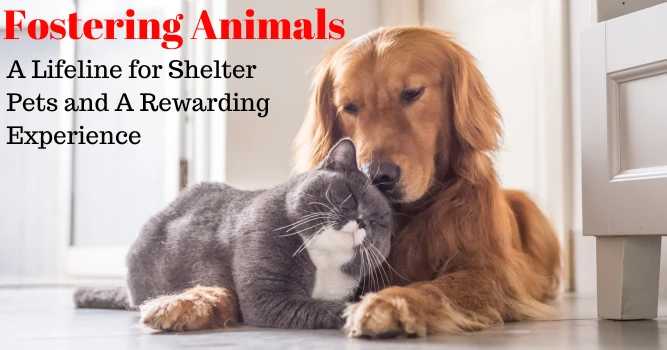
How Fostering Pets Boosts Adoption Rates and Reduces Shelter Strain
PawVerde.com – Fostering pets delivers crucial temporary care that enhances animals’ adoption chances by up to 1,400%, according to Best Friends Animal Society, while simultaneously alleviating shelter overcrowding and euthanasia rates. For foster caregivers, the experience offers profound emotional satisfaction, companionship, and a sense of purpose, though it also involves challenges such as grief and stress. This dual impact on both animals and humans has positioned fostering as a vital component of contemporary animal welfare strategies, supported by extensive research and the concerted efforts of rescue organizations like Humane World, LifeLine Animal Project, PAWS, and MEHS.
Pet fostering programs accommodate diverse caregiving models, from emergency short-term placements to long-term care, adapting to foster caregivers’ lifestyles and shelter needs. This flexibility allows for tailored intervention in animal rehabilitation and shelter capacity management while providing foster caregivers with structured support including training and ongoing assistance. The following analysis delves into the multifaceted impacts of fostering, integrating empirical data, caregiver experiences, and organizational insights to present a comprehensive overview of fostering’s role in advancing animal welfare and human wellbeing.
Impact of Fostering on Animals: Behavioral Development and Adoption Outcomes
Fostering significantly enhances the behavioral and social development of shelter animals. Peer-reviewed studies published by the National Institutes of Health demonstrate that animals placed in foster homes develop improved social skills and confidence compared to those confined solely to shelter environments. This behavioral enrichment directly correlates with higher live release rates, as fostered pets exhibit reduced anxiety and better adaptability when transitioning to adoptive families.
Animal welfare organizations report that fostered pets show marked decreases in stress-related behaviors such as excessive barking, aggression, and withdrawal. Shelter Animals Count data reveal that fostering reduces shelter overcrowding, enabling shelters to allocate resources more effectively and focus on long-term rehabilitation efforts. Best Friends Animal Society quantifies the impact on adoption likelihood, estimating a 500% to 1,400% increase for fostered animals compared to those housed exclusively in shelters.
The reduction in euthanasia rates is a critical outcome linked to fostering. By providing temporary homes, foster caregivers decrease the number of animals at risk due to space limitations or behavioral issues. This alleviation of shelter capacity pressures is particularly evident in organizations like MEHS and PAWS, which report that fostering programs have been instrumental in preventing euthanasia during peak intake periods.
Emotional and Psychological Effects on Foster Caregivers
Foster caregivers experience a complex emotional landscape shaped by companionship, responsibility, and occasional grief. Research conducted by Humane World indicates that 78% of foster caregivers report grief when their foster pets are adopted, yet they overwhelmingly affirm the joy and fulfillment derived from making a tangible difference in an animal’s life. This emotional duality underscores fostering as a deeply rewarding but sometimes taxing volunteer activity.
The LifeLine Animal Project’s studies show that interaction with foster pets significantly reduces stress, anxiety, and depression symptoms in caregivers, aligning with broader research on human-animal bonds. Foster caregiving promotes empathy development, especially in families with children, by exposing them to the realities of animal welfare and nurturing responsibility.
Despite these benefits, fostering also involves challenges such as caregiver stress and burnout. However, a Humane World survey indicates generally low levels of burnout among foster caregivers, attributed to robust organizational support and flexible fostering arrangements. Notably, fostering can induce stress on existing household pets and occasional property damage, which organizations like HLCR and PDSA address through targeted training and matching processes.
Organizational Support Structures for Foster Caregivers
Shelter and rescue organizations play a pivotal role in sustaining fostering programs by providing comprehensive support to foster caregivers. Training modules cover animal behavior, health monitoring, and emergency response, equipping caregivers with the skills necessary for effective pet care. Matching processes consider caregiver experience, household dynamics, and pet needs to optimize placement success and minimize conflict.
Ongoing assistance includes veterinary care coordination, behavioral consultation, and peer support networks. MEHS and PAWS emphasize flexible fostering models, allowing caregivers to choose between short-term emergency care and extended placements, accommodating diverse personal circumstances. Humane World and HLCR have developed digital platforms facilitating communication between caregivers and shelter staff, ensuring timely information exchange and emotional support.
These support mechanisms contribute to reduced caregiver stress and improved animal outcomes, fostering sustainable engagement. Rescue organizations also track fostering data to evaluate program efficacy, adapting strategies based on adoption rates, caregiver feedback, and animal health indicators.
Broader Community and Family Dynamics Influenced by Fostering
Fostering impacts household dynamics, often enriching family life by introducing new routines and responsibilities centered on animal care. Foster caregivers report increased empathy and social awareness in children, as documented by HLCR, highlighting fostering as an educational tool. However, the presence of foster pets can also create stress for resident animals, necessitating gradual introductions and behavior management strategies.
At the community level, fostering promotes volunteerism and awareness of animal welfare issues. Organizations like Best Friends Animal Society and Pedigree Foundation advocate fostering as a gateway to broader community engagement, encouraging foster caregivers to participate in outreach and advocacy. This engagement augments shelter visibility and fundraising efforts, reinforcing the human-animal bond within local contexts.
Scientific Research and Statistical Evidence on Fostering Impact
A growing body of scientific literature substantiates the benefits of fostering for both animals and humans. NIH/PMC publications document that foster pets exhibit behavioral improvements that enhance adoption success rates, corroborated by Shelter Animals Count statistics reflecting adoption increases of up to 1,400%. Mental health researchers associate fostering with reductions in caregiver anxiety and depression, supported by findings from LifeLine Animal Project.
Statistical analyses from HLCR reveal that while grief is common among caregivers post-adoption, it does not diminish overall satisfaction or willingness to foster again. Humane World’s research further indicates that structured fostering programs with training and support reduce caregiver burnout, maintaining high retention rates critical for program sustainability.
The following table summarizes key data points on fostering impacts:
| Impact Area | Key Data | Source |
|---|---|---|
| Adoption Rate Increase | 500-1,400% higher for fostered pets | Best Friends Animal Society |
| Caregiver Grief Reported | 78% experience grief post-adoption | HLCR |
| Caregiver Stress & Burnout | Generally low with organizational support | Humane World |
| Mental Health Benefits | Reduced anxiety, depression, and stress | LifeLine Animal Project |
| Behavioral Improvement in Pets | Increased social skills, confidence | NIH/PMC studies |
| Reduction in Euthanasia | Significant shelter capacity relief | MEHS, PAWS data |
Balancing Benefits and Challenges: A Nuanced Perspective on Fostering
While fostering yields substantial benefits, acknowledging its challenges is essential for realistic expectations. Emotional attachment can complicate the transition when foster pets are adopted, leading to grief and a sense of loss. Caregiver stress may arise from managing behavioral issues or integrating foster pets with resident animals. Property damage, although infrequent, is another factor caregivers must consider.
However, organizations mitigate these challenges through training, support networks, and clear communication. Flexible fostering options allow caregivers to set boundaries that align with their capacities. This balance fosters sustainable caregiving, preserving the mental health of caregivers while maximizing benefits for animals.
Fostering’s role extends beyond animal welfare to encompass psychological wellbeing for humans, community cohesion, and educational opportunities. Its integration into shelter strategies reflects evolving paradigms in humane animal management and volunteer engagement.
FAQ
What are the primary benefits of fostering pets for animals?
Fostering improves animals’ socialization, reduces stress-related behaviors, and significantly increases their chances of adoption—by as much as 1,400%—while also alleviating shelter overcrowding and lowering euthanasia rates.
How does fostering impact the mental health of foster caregivers?
Foster caregivers often experience emotional satisfaction, reduced anxiety, and companionship benefits. However, they may also face grief when pets are adopted and occasional stress, which is generally manageable with organizational support and training.
What types of fostering programs exist?
Fostering can be short-term emergency care, long-term placements, or specialized fostering for animals with behavioral or medical needs. Programs are designed to be flexible, accommodating foster caregivers’ availability and shelter demands.
How do animal shelters support foster caregivers?
Shelters provide training, behavioral guidance, veterinary care coordination, and emotional support. They also implement matching systems to align foster pets with caregiver capacities, enhancing success and reducing burnout.
Can fostering affect existing pets in the household?
Yes, introducing foster pets can influence the behavior and stress levels of resident animals. Shelters advise gradual introductions and provide resources to manage interactions, minimizing conflicts and promoting harmonious cohabitation.
Fostering pets represents a symbiotic relationship that advances animal welfare and enriches human lives. Its continued evolution, supported by research and organizational innovation, promises to further integrate fostering as a cornerstone of humane sheltering and community engagement. Prospective foster caregivers are encouraged to consider the experience as both a compassionate act and an opportunity for personal growth, supported by the growing infrastructure of training and resources that enhance positive outcomes for all involved.