
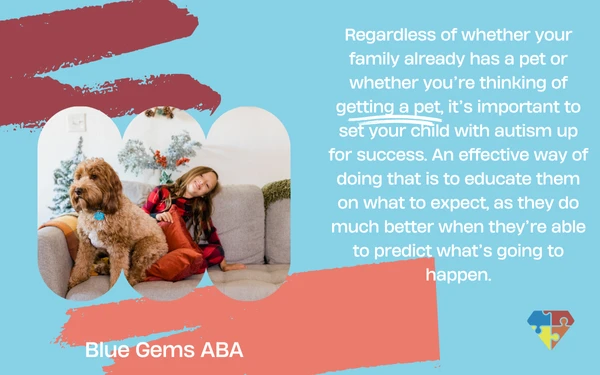
How Pet Care Responsibilities Teach Children Life Skills
PawVerde.com – Teaching children responsibility through pet care requires a structured approach that integrates age-appropriate tasks, adult supervision, and practical learning tools. Assigning children specific pet care duties such as feeding, grooming, and habitat cleaning, combined with guidance from parents or educators, fosters critical life skills including empathy, patience, and decision-making. This tutorial provides step-by-step instructions to involve children safely and effectively in pet care, highlighting developmental benefits and practical strategies grounded in expert research.
Children’s engagement with pet care creates opportunities for emotional bonding and nurtures responsibility, making it essential to tailor activities to their cognitive and physical abilities. Incorporating routine management tools and supervised learning ensures children develop consistency and accountability while understanding animal welfare.
1. Preparing to Teach Pet Care Responsibility
Before assigning tasks, it is vital to prepare both the child and the environment to support safe and effective learning. Begin by selecting appropriate pets and care tasks aligned with the child’s age and maturity. Consultation with professionals such as veterinarians or animal behaviorists can help identify suitable responsibilities and safety considerations.
This preparation phase sets a foundation for consistent, safe, and educational pet care involvement.
2. Assigning Age-Appropriate Pet Care Tasks
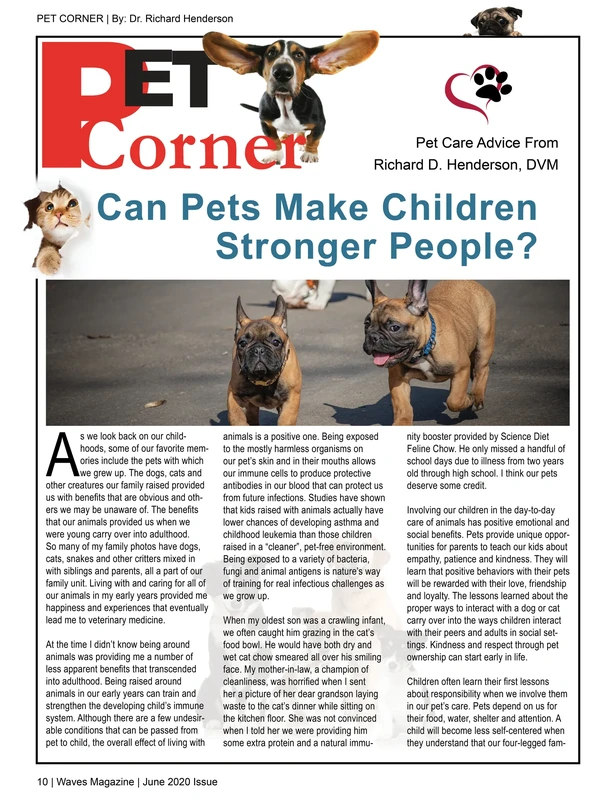
Tailoring pet care responsibilities to a child’s developmental stage maximizes learning and minimizes risks. According to child development experts like Gail F. Melson, Ph.D. from Purdue University, starting with simple tasks builds confidence and gradually introduces more complex duties.
Preschool Children (3-5 Years)
Focus on supervised, simple tasks that promote gentle interaction and basic responsibility.
Early School Age (6-10 Years)
Children can take on more independent roles with some oversight.
Older Children (10+ Years)
Older children can manage complex tasks with minimal supervision and participate in pet health management.
This graduated task assignment ensures children develop skills progressively while respecting their capabilities.
3. Step-by-Step Guide to Core Pet Care Tasks for Children
Providing clear instructions for each pet care task helps children learn through doing, reinforcing responsibility and routine.
Feeding and Watering Pets
Consistency and timing are crucial for pet health and teach children about routine management.
Time Estimate: 10-15 minutes per feeding session.
Grooming Pets
Grooming activities teach patience, cleanliness, and empathy.
Time Estimate: 15-30 minutes depending on pet and grooming needs.
Cleaning Habitats and Waste
Managing less pleasant tasks builds responsibility and respect for the environment.
Time Estimate: 20-40 minutes depending on habitat size.
Training and Play
Training fosters communication skills and cooperation.
Time Estimate: 5-15 minutes per session.
Health Care Involvement
Introducing children to pet health care promotes wellness awareness.
Time Estimate: Variable; vet visits typically require adult coordination.
Budgeting for Pet Expenses
Involving children in budgeting enhances financial literacy and prioritization.
Time Estimate: 30-45 minutes monthly.
4. Ensuring Safety and Effective Supervision
Teaching pet care responsibility necessitates vigilant safety protocols to protect children and pets alike.
By maintaining structured supervision, adults help children learn responsibly while minimizing risks.
5. Enhancing Emotional and Social Development Through Pet Care
Pet care offers a unique avenue for developing empathy, compassion, and patience in children.
These social-emotional benefits contribute to holistic child development and prepare children for responsible adulthood.
6. Tools and Activities to Support Learning and Engagement
Utilizing visual aids and experiential activities enhances children’s understanding and motivation in pet care.
These tools make pet care education interactive and accessible across age groups.
7. Common Challenges and Troubleshooting in Teaching Pet Care
Anticipating obstacles ensures sustained engagement and effective learning.
Addressing these issues promptly supports continuous development of responsibility.
FAQ
How can I ensure my child is safe while caring for pets?
Supervise all interactions, teach gentle handling, enforce hygiene practices like hand washing, and educate about pet body language to prevent bites or scratches.
What are the best pets for teaching young children responsibility?
Small, low-maintenance pets such as fish, hamsters, or classroom pets are suitable for younger children, while older children can manage dogs or cats with adult guidance.
How do I encourage my child to stay consistent with pet care routines?
Use visual schedules, pet care charts, and set regular reminders. Positive reinforcement through praise and small rewards helps maintain motivation.
Can involving children in pet budgeting really teach financial skills?
Yes, managing pet-related expenses introduces children to budgeting, prioritization, and decision-making, which are transferable financial skills.
What should I do if my child is afraid of pets but wants to learn responsibility?
Start with observing pets from a distance, engage in indirect care tasks like preparing food, and gradually build confidence through supervised interaction.
—
Teaching children responsibility through pet care is a multifaceted process that combines practical tasks, safety education, and emotional development. By assigning age-appropriate duties and providing consistent supervision, adults can guide children to develop empathy, routine management, and decision-making skills. Integrating learning tools and addressing challenges proactively ensures this experience contributes to a child’s growth into a responsible and compassionate individual. Continued involvement and adaptation of tasks as children mature will reinforce these foundational life skills well into adulthood.
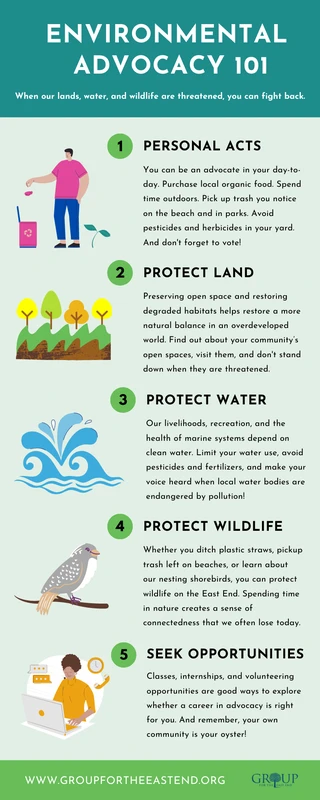
Pet Advocacy vs Environmental Groups: Balancing Animal Welfare & Conservation
PawVerde.com – Pet advocacy groups and environmental organizations share a fundamental commitment to reducing human-caused harm to wildlife, yet their missions and methods diverge markedly. Pet advocacy centers on the welfare of individual animals, emphasizing protection from suffering and cruelty, often advocating for non-lethal interventions. In contrast, environmental organizations prioritize the conservation of biodiversity and ecosystem integrity, frequently supporting measures like invasive species eradication to maintain ecological balance. These differing priorities have led to conflicts, particularly surrounding invasive species management, but recent developments reveal growing collaboration aimed at integrating animal welfare with ecological conservation.
Pet advocacy groups emerged from concerns about the treatment of companion and captive animals, expanding their remit to include wild animals affected by human activities. Their core mission focuses on preventing suffering and promoting the rights of individual animals, regardless of species. This focus leads to opposition against practices such as culling invasive species, which they argue causes unnecessary harm. Environmental organizations, including conservation biologists and wildlife protection agencies, operate with a systemic perspective. They seek to preserve species diversity, ecosystem functions, and natural habitats, often endorsing rigorous management of species deemed invasive or harmful to native wildlife. Both groups agree on minimizing human impacts but differ sharply in their ethical frameworks and operational tactics.
The divergence between these entities becomes apparent in managing invasive species—a pressing issue in global conservation. Environmental scientists highlight invasive species as one of the leading threats to native biodiversity, often requiring lethal control methods to restore ecological balance. For instance, island ecosystems devastated by invasive rodents have seen recovery following eradication campaigns supported by conservation groups. Conversely, pet advocacy and animal welfare organizations frequently oppose these measures, citing the suffering inflicted on individual invasive animals. They promote non-lethal alternatives such as fertility control, translocation, or habitat modification. This conflict exemplifies the broader tension between animal welfare ethics, which prioritize individual lives, and conservation biology’s emphasis on population and ecosystem health.
Conflicts also arise in the context of hunting and wildlife management. Many environmental organizations recognize regulated hunting as a tool for population control and habitat management, especially where human-wildlife conflict escalates. Hunting communities often collaborate with conservationists to maintain sustainable populations and fund conservation through licensing fees. However, animal rights activists challenge hunting on ethical grounds, arguing it causes unnecessary suffering and undermines intrinsic animal value. These disputes reflect underlying philosophical differences but have also led to nuanced dialogues. Some conservation projects now seek to incorporate welfare standards within hunting regulations, aiming to reduce animal suffering while achieving ecological goals.
Several case studies illustrate both conflict and cooperation between pet advocacy and environmental groups. In New Zealand, eradication of invasive possums and rats on offshore islands sparked protests from animal welfare advocates, but collaborative frameworks emerged to improve transparency and explore humane methods. Similarly, in the United States, partnerships between conservation biologists and animal welfare organizations have developed protocols for trapping and relocating beavers rather than lethal removal, balancing ecosystem restoration with animal welfare concerns. These examples demonstrate the potential for pragmatic solutions when groups engage constructively, sharing expertise and prioritizing both ethical and ecological outcomes.
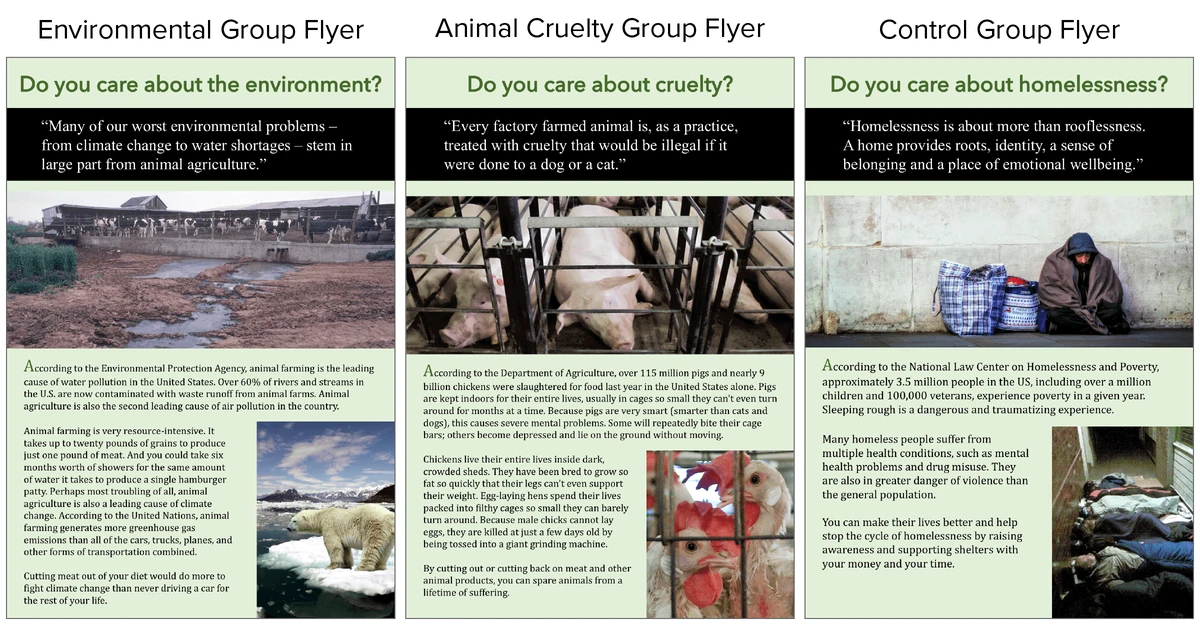
Human activities, particularly animal agriculture, represent a shared concern that bridges some divides between advocacy and conservation entities. Intensive farming practices contribute to habitat loss, pollution, and greenhouse gas emissions, all of which imperil wildlife and ecosystems. Both environmental organizations and animal welfare advocates call for reforms to reduce the ecological footprint of agriculture. While conservationists emphasize landscape preservation and biodiversity corridors, welfare groups focus on the humane treatment of farmed animals and reducing animal suffering. This convergence opens avenues for cross-sector collaboration promoting sustainable agriculture that benefits both ecosystems and animal welfare.
Animal testing remains a contentious issue that simultaneously unites and divides these groups. Pet advocacy and animal rights organizations vigorously oppose animal experimentation on ethical grounds, campaigning for alternatives and stricter regulations. Environmental groups may support limited testing when it advances conservation science or protects endangered species, reflecting a utilitarian approach that weighs individual suffering against species survival. This debate underscores the complex ethical terrain where welfare and conservation goals intersect and sometimes conflict, highlighting the need for transparent, science-based policies that address both concerns.
Emerging trends suggest a growing integration of welfare ethics into conservation science, fostering interdisciplinary approaches that acknowledge the validity of both perspectives. Concepts like compassionate conservation advocate for protecting individual animals within broader ecological frameworks, challenging traditional conservation paradigms that prioritize species and habitats over individuals. Policymakers and practitioners increasingly recognize that balancing these objectives requires stakeholder engagement, transparent decision-making, and adaptive management strategies that accommodate ethical diversity and ecological realities. These developments point toward a future where pet advocacy groups and environmental organizations work collaboratively to design humane and effective conservation interventions.
The policy implications of integrating welfare and conservation are significant. Governments and regulatory bodies face pressure to reconcile competing interests through legislation that supports both biodiversity protection and animal welfare standards. Funding agencies and conservation programs are adopting criteria that assess ethical impacts alongside ecological effectiveness. Invasive species management plans now often include welfare assessments as part of their protocols. This shift demands ongoing dialogue among scientists, advocates, land managers, and affected communities to create inclusive frameworks that reflect evolving societal values about animals and nature.
Introduction to Pet Advocacy and Environmental Organizations
pet advocacy groups primarily focus on the welfare of individual animals, including pets, wildlife, and captive animals. Their efforts center on preventing cruelty, reducing suffering, and promoting humane treatment across various contexts. These organizations often engage in rescue operations, legal advocacy, public education, and policy lobbying to enforce animal protection laws. In contrast, environmental organizations encompass a broader scope, aiming to conserve biodiversity, maintain ecosystem functions, and mitigate environmental degradation caused by human activities. Their strategies include habitat preservation, species recovery programs, pollution control, and sustainable resource management. Despite differing emphases, both groups share the objective of minimizing harm to animals and natural systems.
Divergent Priorities and Approaches
Pet advocacy groups prioritize individual animal welfare, advocating for rights and protections that consider animals as sentient beings deserving ethical treatment. This focus often leads to opposition against lethal methods used in wildlife management, particularly in controlling invasive species. Instead, they promote alternatives such as sterilization, relocation, or exclusion techniques to minimize suffering. Environmental organizations, conversely, prioritize ecological integrity, supporting interventions that may involve lethal control to preserve native species and habitats. For example, in Australia, conservationists have implemented large-scale culling of invasive feral cats to protect endangered marsupials, a practice opposed by animal welfare advocates. These differing approaches reflect foundational ethical distinctions: welfare ethics emphasize the individual, while conservation ethics emphasize species and ecosystems.
Case Studies Highlighting Conflicts and Cooperation
The management of invasive species presents one of the most visible arenas of conflict and collaboration between pet advocacy and environmental groups. In New Zealand, efforts to eradicate invasive possums and rodents have been crucial to restoring native bird populations, yet these campaigns have drawn criticism for animal cruelty. Negotiations led to the adoption of more humane trapping devices and increased monitoring to reduce unnecessary suffering. Similarly, programs in the United States aimed at controlling beaver populations through relocation rather than lethal means illustrate the potential for consensus-driven solutions. Hunting practices also reveal complex dynamics; wildlife agencies incorporate animal welfare considerations into hunting regulations to mitigate suffering while maintaining population control, reflecting a middle ground between conservation and welfare priorities.
Impact of Human Activities on Wildlife: A Shared Concern
Animal agriculture significantly impacts wildlife through habitat destruction, water pollution, and greenhouse gas emissions, contributing to biodiversity loss and climate change. Both pet advocacy and environmental organizations recognize these threats, advocating for reform. Environmental groups promote agroecological practices and habitat connectivity to protect species, while animal welfare groups emphasize humane farming practices and reduced reliance on intensive animal agriculture. The intersection of these concerns fosters potential collaboration in campaigns promoting plant-based diets, sustainable agriculture, and ethical consumerism. Additionally, animal testing controversies highlight divergent views, with welfare advocates demanding cessation of animal experiments and some conservationists supporting their controlled use to advance species protection research.
Future Directions: Bridging Gaps Between Advocacy and Conservation
The future of wildlife and ecosystem protection increasingly depends on integrating animal welfare ethics with conservation science. Emerging frameworks like compassionate conservation seek to harmonize these objectives by emphasizing non-lethal management, consideration of individual animal interests, and ecosystem health. Policymakers are beginning to incorporate welfare assessments into conservation planning, reflecting growing societal concern for ethical treatment across all species. Stakeholder engagement involving pet advocacy groups, environmental organizations, hunting communities, and agricultural sectors is vital for developing balanced policies. Adaptive management strategies that monitor ecological and welfare outcomes provide a pathway to pragmatic, ethically informed conservation practices.
| Aspect | Pet Advocacy Groups | Environmental Organizations |
|---|---|---|
| Primary Focus | Individual animal welfare and rights | Biodiversity and ecosystem conservation |
| Ethical Framework | Animal welfare ethics prioritizing sentient individuals | Conservation ethics prioritizing species and habitats |
| Typical Methods | Non-lethal interventions, rescue, advocacy | Lethal control, habitat restoration, species management |
| View on Invasive Species | Oppose lethal eradication; promote humane alternatives | Support eradication to protect native biodiversity |
| Stance on Hunting | Generally oppose due to animal suffering concerns | Support regulated hunting for population and habitat management |
| Shared Concerns | Reducing human-caused harm, promoting ethical treatment | Minimizing human impacts, restoring natural balance |
FAQ
How do pet advocacy groups and environmental organizations differ in their goals?
Pet advocacy groups focus on promoting the welfare and rights of individual animals, aiming to reduce suffering and prevent cruelty. Environmental organizations prioritize conserving biodiversity and ecosystem health, often supporting population-level interventions that may involve lethal control of invasive species.
Why do pet advocacy groups oppose invasive species eradication?
Pet advocacy groups oppose invasive species eradication primarily because it involves killing individual animals, which they view as causing unnecessary suffering. They advocate for humane, non-lethal alternatives such as sterilization or relocation to manage invasive populations.
Can pet advocacy groups and environmental organizations collaborate effectively?
Yes, collaboration is increasingly possible through frameworks that integrate animal welfare ethics with conservation goals. Examples include using humane trapping methods, relocation programs, and joint policy development to balance ethical concerns with ecological effectiveness.
What role do hunting communities play in conservation efforts?
Hunting communities often collaborate with environmental organizations by participating in regulated hunting programs that manage wildlife populations and generate funding for conservation. However, their role is contested by animal rights advocates concerned about animal suffering.
How do human activities like animal agriculture impact wildlife conservation and welfare?
Animal agriculture contributes to habitat loss, pollution, and greenhouse gas emissions, negatively affecting wildlife and ecosystems. Both pet advocacy and environmental groups advocate for reforms promoting sustainable farming practices and reducing animal suffering to mitigate these impacts.
The evolving relationship between pet advocacy groups and environmental organizations highlights the complexity of balancing individual animal welfare with broader ecological conservation. Continued dialogue, research, and policy innovation are essential to reconcile ethical and scientific perspectives, ensuring effective and humane strategies for protecting wildlife and ecosystems in the face of increasing human pressures.
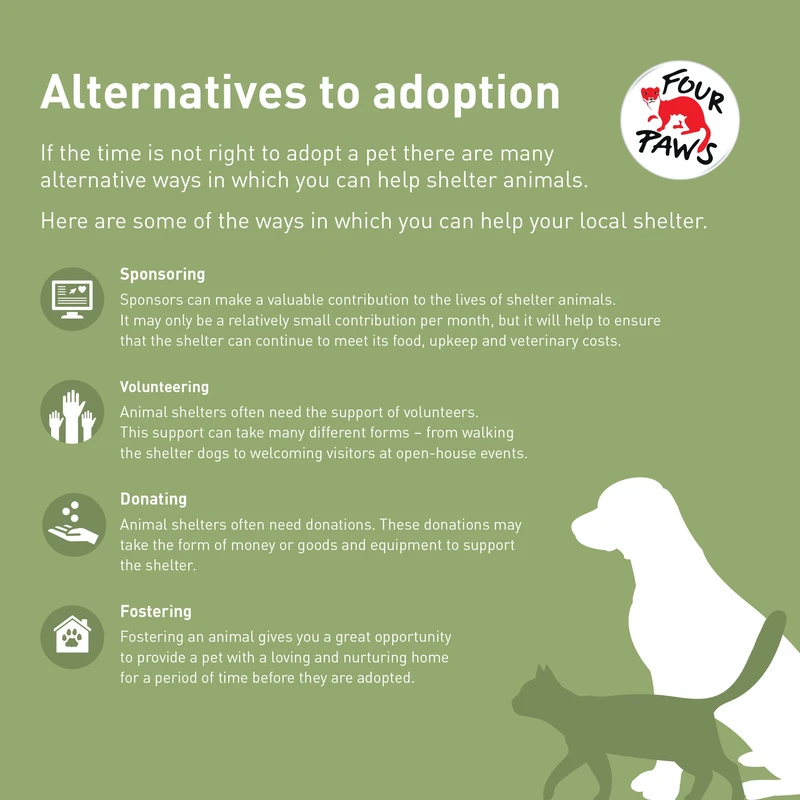
Difference Between Fostering and Adopting Pets Explained
PawVerde.com – Providing temporary care to pets waiting for permanent homes, fostering plays a vital role in animal welfare by helping animals adjust to family environments and relieving shelter overcrowding. In contrast, adopting a pet entails a lifelong commitment where the adopter assumes full legal ownership and responsibility for the animal’s well-being. foster-to-adopt programs have emerged as a transitional solution, allowing prospective owners to trial a pet before finalizing permanent adoption, enhancing compatibility and reducing return rates. This article examines the distinctions between fostering and adopting pets, clarifies the responsibilities involved, and explores the impact of these roles on animal shelters and rescue organizations.
Core Differences Between Fostering and Adopting Pets
Fostering involves providing temporary shelter and care for animals, often ranging from a few days to over a year, depending on the pet’s readiness for adoption. animal shelters and rescues rely on foster caregivers to provide safe environments, socialization, and medical monitoring during this interim period. Legally, foster caregivers do not hold ownership; the shelter or rescue organization maintains custody and oversees the pet’s health and placement decisions. This temporary status allows shelters to alleviate overcrowding and better allocate resources for incoming animals.
Adoption, by contrast, transfers full legal ownership and lifelong responsibility to the adopter. This permanent commitment includes providing food, shelter, veterinary care, training, and emotional support for the duration of the pet’s life. Adopters undergo application and screening processes conducted by animal welfare organizations to ensure suitability and preparedness for this long-term responsibility. adoption fees often cover medical care such as vaccinations, spaying/neutering, and microchipping.
Fostering can be seen as a flexible, short-term role, whereas adoption requires a stable, enduring arrangement. The legal and emotional distinctions are significant: fosters serve as temporary caregivers facilitating transition, while adopters become the pet’s definitive guardians.
The Role and Responsibilities of a Foster Caregiver
Foster caregivers provide more than just shelter; they create nurturing environments tailored to each animal’s needs. Responsibilities include daily feeding, cleaning, socialization, and transportation to veterinary appointments. Fosters often manage medical regimens such as administering medications or overseeing recovery from surgery, working closely with shelter veterinarians or rescue medical teams.
Behavioral management is a critical aspect, with fosters helping pets overcome anxiety, fear, or socialization deficits resulting from shelter confinement or previous trauma. animal welfare organizations like BC SPCA and Kitten Around Cat Rescue provide training and resources to foster families, enabling them to identify and address behavioral issues early.
Fostering types vary: standard fostering involves caring for healthy animals awaiting adoption; hospice fostering provides end-of-life care to terminally ill pets in a compassionate home setting; emergency boarding supports animals displaced by natural disasters or urgent shelter overflow. Each requires specific skills and emotional preparedness, highlighting fostering’s diverse demands.
Communication with shelters is essential for reporting progress, updating medical status, and coordinating adoption events. Foster caregivers also contribute to intake assessments by offering firsthand observations that inform placement decisions.
Adoption as a Lifelong Commitment and Process
Adoption represents a permanent legal and emotional bond between the pet and the owner. The process typically involves submitting an application, undergoing interviews or home inspections, and paying adoption fees that fund shelter operations and veterinary care. Organizations like LA Animal Services emphasize matching pets with suitable homes to reduce return rates and enhance animal welfare.
Adopting an adult pet requires understanding potential behavioral needs and training challenges. Many animals from shelters may have experienced trauma, requiring patience and professional support. Adopters often engage in obedience training, socialization programs, or veterinary behaviorist consultations to establish lasting bonds.
Legal responsibilities extend beyond daily care to include licensing, microchipping, and compliance with local animal control regulations. The permanence of adoption necessitates thorough consideration of lifestyle compatibility, financial capability, and long-term plans.
Foster-to-Adopt Programs: Bridging Temporary and Permanent Care
Foster-to-adopt programs have gained popularity as transitional models combining fostering’s flexibility with adoption’s permanency. These initiatives allow potential adopters to foster a pet for a trial period, typically ranging from weeks to several months, before deciding on permanent adoption. This approach alleviates uncertainties for first-time pet owners and families with existing pets by assessing compatibility in a controlled environment.
Shelters implementing foster-to-adopt programs, such as Best Friends Animal Society, report increased adoption success rates and reduced return incidences. Medical care and supplies during the trial period are usually provided by the shelter, minimizing financial burdens on fosters. Foster-to-adopt arrangements require clear communication regarding responsibilities and contingencies should adoption not proceed.
This model supports animal welfare by providing personalized transition periods, enhancing socialization and easing the pet’s integration into permanent homes.
Benefits of Fostering for Animals and Shelters
Fostering significantly benefits shelter animals by providing individualized care tailored to each pet’s physical and emotional needs. Time spent in foster homes improves socialization, reduces stress-induced behaviors, and prepares animals for adoption environments. Studies from animal welfare organizations indicate that fostered pets have higher adoption rates and better post-adoption adjustment compared to those remaining solely in shelters.
Shelters benefit operationally by reducing overcrowding, enabling them to accept more animals and allocate resources more effectively. Lower shelter populations decrease the risk of euthanasia associated with capacity constraints.
community engagement through fostering fosters empathy and awareness about animal welfare. Foster families often become advocates, assisting in fundraising, education, and volunteer recruitment. Emotional rewards include the fulfillment of directly impacting an animal’s life and contributing to broader rescue efforts.
Considerations for Potential Fosters and Adopters
Prospective fosters and adopters must evaluate their capacity for pet care, including time, finances, and lifestyle compatibility. Fostering demands flexibility and willingness to manage temporary caregiving, while adoption requires preparedness for a lifelong commitment with associated responsibilities.
Introducing foster pets into homes with existing animals requires careful planning to ensure safety and harmony. Shelters often provide guidelines and support for gradual introductions and behavioral management.
Rescue organizations and shelters offer resources such as training workshops, veterinary assistance, and 24/7 support to foster families and adopters. Understanding these supports can alleviate concerns and enhance caregiving success.
Potential foster applicants must complete screening processes to verify suitability, including home visits and reference checks, ensuring the pet’s safety and welfare.
Practical Insights and Case Studies from Foster Families
Experienced foster families emphasize the emotional complexity of temporary caregiving, balancing attachment with the knowledge that pets will eventually move to permanent homes. Hospice fostering, in particular, demands resilience and compassion, providing comfort to terminally ill animals in their final days.
Case studies from Kitten Around Cat Rescue illustrate successful foster-to-adopt transitions where foster caregivers become permanent adopters after trial periods. These stories highlight the mutual benefits: pets find stable homes, and fosters deepen their commitment through firsthand experience.
Such insights underscore the importance of clear expectations and open communication between fosters and shelters to navigate challenges effectively.
Support and Resources Provided by Animal Shelters and Rescues
Leading animal welfare organizations provide comprehensive support to foster and adoptive families, including medical supplies, food, training materials, and behavioral consultation. For example, BC SPCA offers subsidized veterinary care and emergency support to foster caregivers.
Training programs address pet behavior, health care, and emergency procedures, enhancing foster families’ ability to manage diverse animal needs. Some rescues maintain online communities and communication platforms for peer support and knowledge sharing.
Emergency foster programs activate during crises, providing rapid deployment of trained caregivers to accommodate displaced animals. These organized efforts require collaboration between shelters, volunteers, and veterinary professionals.
Future Trends in Pet Fostering and Adoption
Emerging trends in animal welfare emphasize technology integration, such as adoption apps and virtual meet-and-greets, facilitating faster placement and broader outreach. Data analytics help shelters optimize foster-to-adopt matches and monitor animal welfare indicators.
Increased recognition of hospice fostering addresses gaps in end-of-life care, focusing on dignity and quality of life for senior and terminal pets. Expansion of foster networks and community partnerships aims to reduce shelter reliance and enhance individualized care.
Sustainable adoption practices increasingly focus on education and support to ensure long-term success, minimizing returns and promoting responsible pet ownership.
—
Frequently Asked Questions

What is the main difference between fostering and adopting a pet?
Fostering provides temporary care and shelter to animals awaiting permanent homes, without transferring legal ownership, while adopting is a lifelong commitment where the adopter assumes full responsibility and legal rights over the pet.
How long does fostering typically last?
Fostering durations vary widely, from a few days in emergency situations to several months or over a year, depending on the animal’s health, behavior, and shelter placement timelines.
Can I adopt a pet I am fostering?
Many shelters offer foster-to-adopt programs that allow caregivers to trial living with a pet before deciding on permanent adoption. This helps ensure compatibility and reduces return rates.
What support do shelters provide to foster families?
Shelters often supply food, medical care, training resources, and ongoing support to foster caregivers. Some organizations also offer financial assistance for veterinary expenses.
Are there special considerations when adopting senior or hospice pets?
Adopting senior or hospice pets requires awareness of their medical needs, potential behavioral changes, and commitment to providing comfort and specialized care, often supported by foster programs focused on end-of-life care.
—
Adopting or fostering pets represents complementary pathways within animal welfare, each with unique responsibilities and benefits. Potential caregivers should assess their readiness, seek support from credible rescue organizations, and consider foster-to-adopt options to make informed decisions that promote animal well-being and shelter sustainability. As fostering networks and adoption programs evolve, they continue to enhance outcomes for pets and communities alike.

How to Support Foster Animals Effectively: Expert Guide
PawVerde.com – Fostering animals plays a critical role in animal welfare by providing temporary homes that help reduce shelter overcrowding and improve adoption outcomes. Effective support for foster animals hinges on comprehensive caregiver training, clear communication, access to medical and behavioral resources, and strategic collaboration between animal shelters, rescue organizations, and foster families. This tutorial offers detailed, step-by-step guidance to individuals and organizations seeking to optimize foster care practices, improve animal well-being, and enhance adoption success.
Understanding the responsibilities and best practices involved will empower foster caregivers to manage medical protocols, socialization, and behavioral challenges with confidence. Animal welfare groups such as the ASPCA, Best Friends Animal Society, Humane World, and local Animal Care Services (ACS) provide frameworks that this tutorial integrates, ensuring recommendations align with established standards.
1. Establishing a Strong Foster Program Foundation
To support foster animals effectively, organizations must create a robust program foundation that prepares caregivers for the multifaceted demands of fostering. The following steps outline essential components:
1.1 Comprehensive Training for Foster Caregivers
1.2 Creating Clear Foster Agreements and Care Handbooks
1.3 Setting Expectations and Policies
Thorough preparation at this stage reduces misunderstandings and improves caregiver retention, ultimately benefiting foster animals through consistent, reliable care.
2. Medical and Behavioral Care Protocols for Foster Animals
Foster animals require vigilant medical oversight and behavioral support to ensure healthy development and successful socialization.
2.1 Access to Veterinary Care and Medication Management
2.2 Intake Procedures and Illness Prevention
2.3 Behavioral Support Strategies
Balancing medical care with behavioral interventions ensures foster animals are physically healthy and emotionally prepared for adoption.
3. Communication and Ongoing Support for Foster Caregivers
Sustained communication fosters a supportive environment that enhances caregiver satisfaction and animal outcomes.
3.1 Regular Check-Ins and Personalized Updates
3.2 Engagement via Multiple Channels
3.3 Providing Emotional Support
Consistent communication builds trust, reduces caregiver burnout, and encourages long-term participation in foster programs.
4. Preparing the Foster Home Environment
A safe, comfortable environment tailored to the needs of foster animals is essential for their well-being and socialization.
4.1 Safety Measures and Quarantine
4.2 Creating a ‘Kitten/Puppy-Proofed’ Space
4.3 Socialization Practices
A well-prepared home environment accelerates behavioral development and eases the transition to permanent adoption.
5. Daily Care and Socialization Routines
Consistent daily routines help foster animals thrive physically and emotionally during their stay.
5.1 Feeding and Activity Schedules
5.2 Health Monitoring
5.3 House Training and Behavioral Reinforcement
Structured care routines promote stability and prepare foster animals for successful integration into permanent homes.
6. Promoting Foster Animal Adoption
Foster families play a pivotal role in marketing animals for adoption by sharing insights and personalizing outreach efforts.
6.1 Collaboration with Foster Coordinators
6.2 Sharing Quality Photos and Stories
6.3 community engagement and Social Media Outreach
Effective promotion accelerates placement, reducing shelter stays and fostering positive adoption experiences.
7. Retaining and Valuing Foster Caregivers
Maintaining a motivated, committed foster base requires recognition and responsive program management.
7.1 Celebrating Successes
7.2 Soliciting and Acting on Feedback
7.3 Encouraging Breaks and Volunteer Rotation
Valuing foster caregivers enhances program sustainability and benefits animal welfare outcomes.
8. Troubleshooting Common Foster Care Challenges
Despite best efforts, foster caregivers may encounter difficulties that require strategic resolution.
8.1 Managing Illness Outbreaks
8.2 Behavioral Issues
8.3 Caregiver Burnout
Addressing these challenges proactively supports foster animal well-being and caregiver retention.
9. Alternative Approaches and Innovative Practices
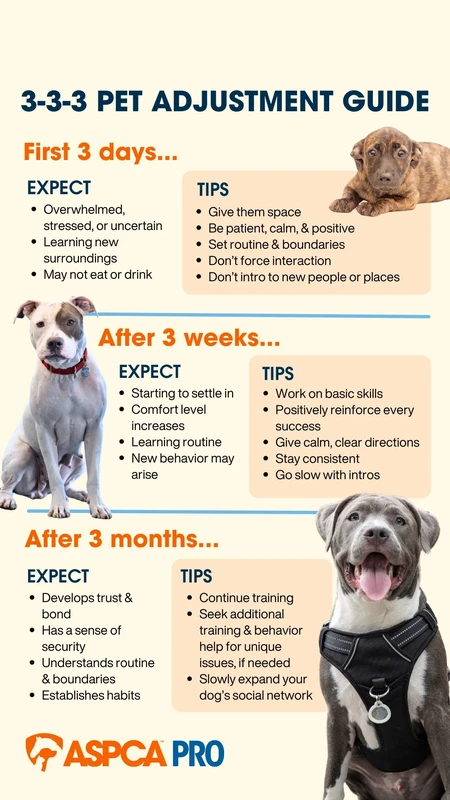
Emerging methods and technological tools offer additional avenues to enhance foster animal support.
9.1 Virtual Fostering and Remote Training
9.2 Foster-to-Adopt Programs
9.3 Fostering Supplies Delivery Services
Integrating innovative solutions can improve accessibility and quality of foster care.
FAQ
How do I become a foster caregiver for animals?
To become a foster caregiver, contact local animal shelters or rescue organizations to inquire about their foster programs. You will typically undergo an application process, attend training sessions, and sign a foster agreement outlining responsibilities and policies.
What medical care do foster animals require?
Foster animals need routine veterinary care including vaccinations, deworming, spaying/neutering, and treatment for any illnesses or injuries. Caregivers should monitor daily health indicators and coordinate with veterinary staff for timely interventions.
How can I socialize a shy or fearful foster animal?
Socialization involves gradual exposure to new people, environments, and stimuli using positive reinforcement techniques. Consistent gentle handling, play sessions, and patience help build confidence and reduce fear responses.
What supplies are essential for fostering animals?
Essential supplies include food and water bowls, species-appropriate food, bedding, toys, litter boxes (for cats), cleaning supplies, and any prescribed medications. Shelters often provide starter kits or reimburse expenses.
How can foster caregivers manage multiple animals safely?
To prevent disease transmission and stress, keep foster animals separated from resident pets initially, use dedicated supplies, and implement strict hygiene protocols. Monitor interactions closely and consult shelter staff for guidance on introductions.
—
Effective support for foster animals requires structured training, access to veterinary and behavioral resources, clear communication channels, and a safe, enriching home environment. By fostering collaboration between shelters, rescue organizations, and foster families, animal welfare programs can increase foster retention, reduce shelter overcrowding, and improve adoption rates. Individuals and organizations committed to these best practices will contribute significantly to the health and happiness of foster animals and the overall success of foster care initiatives.

How to Promote Pet Conservation Initiatives in Your Community
PawVerde.com – Community-driven pet conservation initiatives are essential to addressing the multifaceted challenges of animal welfare, pet overpopulation, and humane coexistence with local wildlife. Effective promotion of these initiatives requires a coordinated approach involving educational outreach, policy advocacy, strategic partnerships, and sustainable funding mechanisms. By mobilizing local animal shelters, veterinary services, lawmakers, businesses, and pet owners, communities can implement evidence-based strategies to enhance animal well-being and foster long-term stewardship.
The rise of Trap-Neuter-Return (TNR) programs has demonstrated measurable success in controlling feral cat populations, while community events such as adoption fairs and spay/neuter clinics have increased public participation in responsible pet ownership. Moreover, collaboration with animal advocacy groups and social service providers enhances resource accessibility for vulnerable pet owners, addressing abandonment and neglect. Legislative engagement further strengthens animal welfare frameworks by promoting humane policies and wildlife conflict resolution. The integration of storytelling and media outreach amplifies community awareness, motivating sustained involvement in conservation efforts.
Organizing Community Events to Raise Awareness
Community events serve as pivotal platforms for educating the public, generating support, and fostering active participation in pet conservation. Adoption fairs remain among the most effective events, facilitating direct connections between prospective pet owners and animals in shelters. These events not only increase adoption rates but also provide opportunities to disseminate information on responsible pet care, vaccination, and spay/neuter benefits. Donation drives, including food and supply collections, supplement shelter resources, enabling better care for animals awaiting adoption.
Workshops and seminars targeting pet owners and the broader community enhance knowledge on nutrition, behavior, and veterinary care. These educational formats often partner with local veterinary clinics and animal welfare organizations such as PAWS and Alley Cat Allies, ensuring expert guidance and credibility. Public rallies and awareness campaigns organized in collaboration with animal advocacy groups leverage media coverage, expanding outreach beyond immediate community members. Importantly, engaging children through school programs and youth organizations fosters early awareness and lifelong commitment to animal welfare.
Local media involvement is crucial in amplifying event impact. Press releases, interviews with veterinarians and shelter directors, and social media campaigns increase visibility and encourage broader participation. Events that incorporate interactive elements—such as pet training demonstrations, humane education activities, and volunteer sign-ups—further enhance community engagement by providing hands-on experiences. The measurable outcomes of these events include increased adoption rates, higher spay/neuter clinic attendance, and expanded volunteer networks, all contributing to sustainable pet conservation.
Promoting Responsible Pet Ownership Through Education
Effective pet conservation hinges on informed pet owners who practice responsible care, including appropriate nutrition, training, and preventive veterinary care. Educational initiatives focus on disseminating guidelines for balanced diets, behavioral training techniques, and regular health check-ups, which collectively reduce abandonment and neglect. Community outreach programs often distribute materials on the importance of spay/neuter procedures, highlighting their role in controlling pet overpopulation and reducing shelter intake.
Local animal shelters and veterinary services collaborate to provide low-cost or subsidized spay/neuter clinics, targeting underserved populations where pet abandonment is more prevalent. These programs are frequently supported by grant organizations such as Maddie’s Fund, which allocate resources to expand accessibility. Responsible breeding education also forms a key component, discouraging unregulated breeding that contributes to overpopulation and genetic health issues.
Resources for pet owners extend beyond veterinary care, encompassing behavioral training support and access to pet food banks. Social service providers increasingly integrate pet support into their offerings, recognizing the role of pets in family well-being. Such comprehensive support frameworks reduce the likelihood of pet relinquishment and improve overall community animal health. Data from multiple municipalities indicate that areas with robust responsible pet ownership education report lower shelter intake rates and improved animal health outcomes.
Advocacy and Policy Engagement for Animal Welfare
Policy advocacy remains a cornerstone of sustainable pet conservation, with local lawmakers playing a critical role in enacting animal-friendly ordinances. Community groups and animal advocacy organizations engage in lobbying efforts to promote legislation that mandates spay/neuter requirements, regulates breeding, and enforces cruelty prevention. Humane wildlife conflict resolution policies are increasingly prioritized, balancing ecosystem health with animal welfare concerns.
Effective advocacy involves educating elected officials about scientific research and community needs, supported by data from successful initiatives such as Trap-Neuter-Return programs. These programs have been recognized by organizations like Petco Love for reducing feral cat populations without resorting to euthanasia, thereby aligning with ethical standards and public sentiment. Advocacy also targets enhancements in animal healthcare access, encouraging funding for veterinary clinics and mobile health units serving low-income neighborhoods.
Understanding and influencing local animal welfare policies require strategic coalition-building among shelters, advocacy groups, veterinary professionals, and concerned citizens. This collaborative approach strengthens the credibility of advocacy campaigns and increases the likelihood of legislative success. Additionally, policy engagement includes outreach to law enforcement and judiciary to ensure effective enforcement of animal protection laws. Recent case studies demonstrate that communities with active policy advocacy experience measurable improvements in animal welfare indicators, including reduced cruelty cases and higher compliance with pet licensing.
Building Strategic Partnerships for Comprehensive Impact
Partnerships between animal welfare organizations, local businesses, veterinary clinics, and social service providers multiply the resources and reach of pet conservation initiatives. Pet stores and veterinary services often contribute through sponsorships, discounted services, and hosting educational events. These collaborations create mutually beneficial relationships, enhancing community goodwill and expanding clientele for businesses.
Social service providers increasingly recognize the importance of integrating pet support into broader community services, addressing issues such as homelessness and family crises without neglecting pets. Partnerships with these agencies facilitate access to resources like temporary pet fostering and emergency veterinary care, reducing abandonment during times of social instability. Educational institutions contribute through research collaborations and volunteer programs, providing data-driven insights and manpower for conservation projects.
Grant organizations, including Maddie’s Fund and local foundations, often require evidence of collaborative frameworks to award funding. Demonstrating a network of partnerships enhances grant applications, ensuring financial sustainability. Community coalitions that include animal shelters, advocacy groups, and businesses have reported increased fundraising success and program scalability. These strategic alliances also foster innovation in program delivery, such as mobile clinics and community-based TNR initiatives.
Fundraising and Grant Opportunities to Sustain Initiatives
Securing funding is critical for the longevity of pet conservation initiatives. Communities employ diverse fundraising strategies, including gala events, charity walks, and online crowdfunding campaigns. These events raise both financial resources and public awareness, often incorporating storytelling elements that highlight individual animal rescue stories to inspire donations.
Grant opportunities from foundations focused on animal welfare provide substantial support for program development and expansion. Maddie’s Fund, for example, offers grants targeting spay/neuter programs, community education, and shelter improvements. Successful grant applications typically include detailed project plans, measurable outcomes, and evidence of community partnerships. Employer matching gifts and corporate sponsorships further augment fundraising capacity, incentivizing employee participation and broadening donor bases.
Online platforms facilitate ongoing micro-donations and recurring giving, enabling community members to contribute consistently. Transparent financial reporting and impact communication build donor trust, encouraging continued support. Fundraising efforts also include in-kind contributions such as pet food, medical supplies, and volunteer time, which significantly reduce operational costs.
Utilizing Storytelling and Communication for Advocacy
Storytelling is a powerful tool to humanize pet conservation issues and motivate community action. Ethical storytelling practices prioritize accuracy, respect for animal dignity, and avoidance of sensationalism. Highlighting individual animal rescue and rehabilitation stories with clear calls-to-action—such as volunteering, donating, or adopting—engages audiences emotionally and pragmatically.
Public messaging leverages traditional media, social media channels, and community newsletters to maximize reach. Visual content, including photos and videos, enhances message retention and sharing potential. Collaborations with local media outlets facilitate regular coverage of events, policy developments, and success stories, maintaining community interest and involvement.
Moreover, storytelling supports advocacy by illustrating the real-world impact of policies and programs, thereby influencing public opinion and policymaker support. Data-driven narratives that combine personal stories with statistical evidence enhance credibility and promote informed decision-making. Consistent communication ensures that pet conservation remains a visible priority within community discourse.
Case Studies and Best Practices in Community Pet Conservation
Trap-Neuter-Return programs exemplify successful community-driven initiatives. Cities implementing TNR have reported up to 60% reductions in feral cat populations over several years, as documented by Alley Cat Allies. These programs reduce shelter intake and euthanasia rates while improving community attitudes toward feral cats.
Collaborations between animal shelters and veterinary services have improved healthcare access for pets in underserved areas. For instance, mobile veterinary clinics operating in partnership with local universities have increased vaccination and spay/neuter rates by 30% in targeted neighborhoods, demonstrating the efficacy of integrated service delivery.
Policy advocacy efforts in several municipalities have resulted in the passage of animal welfare ordinances mandating pet licensing, leash laws, and breeder regulations. These legal frameworks have led to measurable decreases in animal cruelty complaints and improved compliance with responsible pet ownership practices.
| Initiative | Key Partners | Outcomes | Impact Metrics |
|---|---|---|---|
| Trap-Neuter-Return Program | Alley Cat Allies, Local Shelters | Population control of feral cats | 60% feral cat reduction over 5 years |
| Mobile Veterinary Clinics | Universities, Vet Clinics | Increased healthcare access | 30% rise in vaccinations/spay-neuter |
| Animal Welfare Ordinances | Animal Advocacy Groups, Lawmakers | Improved legal protections | 25% decrease in cruelty complaints |
FAQ
How do community events contribute to pet conservation?
Community events like adoption fairs and workshops educate the public, increase adoption rates, generate donations, and build volunteer networks, all of which strengthen local pet conservation efforts.
What role do spay/neuter programs play in pet population control?
Spay/neuter programs reduce unwanted litters, decrease shelter intake, and lower euthanasia rates, making them essential for sustainable pet population management.
How can local businesses support community pet conservation initiatives?
Businesses can provide sponsorships, host educational events, offer discounted services, and collaborate with animal welfare groups to enhance resource availability and public engagement.
What are effective strategies for advocating animal-friendly policies?
Strategies include coalition-building among stakeholders, presenting evidence-based research to lawmakers, engaging the public through media, and ensuring enforcement of existing laws.
How can storytelling enhance community involvement in pet conservation?
Storytelling humanizes animal welfare issues, inspires empathy, and motivates actions such as volunteering, donating, and adopting, thereby increasing community participation.
Promoting pet conservation in communities requires a multi-dimensional approach that combines education, advocacy, partnerships, and transparent communication. By integrating these strategies, communities can achieve measurable improvements in animal welfare and foster enduring stewardship. Future efforts should focus on expanding access to veterinary services, enhancing policy frameworks, and leveraging technology to broaden engagement and resource distribution.