
Safe Eco-Friendly Pet Cleaning: Best Alternatives & Tips
PawVerde.com – Switching to eco-friendly pet cleaning alternatives involves replacing harsh chemicals like bleach and phenols with enzymatic cleaners, plant-based surfactants, and steam cleaning. For maximum safety, prioritize products that explicitly list pet-safe certifications and use biodegradable ingredients to prevent respiratory issues and gastrointestinal distress in your animals. The global pet-safe cleaners market is projected to reach $8,310.5 million by 2035, reflecting a massive shift toward sustainable pet care.
The Greenwashing Decoder: Spotting Deceptive ‘Pet-Safe’ Claims
To identify greenwashing, look beyond vague marketing. As Petdirect advises: “If it doesn’t clearly list pet safety, it’s best to opt out.” Always verify that a product’s ingredient transparency matches its safety claims to avoid hidden toxins.
Market leaders like The Honest Company, Inc. have established a standard for transparency, yet many smaller brands use ambiguous marketing to inflate perceived safety. A common failure mode occurs when a consumer assumes a “botanical” label implies non-toxicity, only to find concentrated essential oils that are dangerous for animals. Industry analysts note that 64% of consumers are willing to pay premium prices for eco-friendly products, which incentivizes some manufacturers to use deceptive labeling.
Red flags in labeling
- Vague descriptors such as “earth-friendly” or “nature-inspired” without ingredient breakdowns.
- The absence of a full ingredient list on the physical packaging or digital product pages.
- Claims of being “chemical-free,” which is scientifically impossible as all matter is chemical.
Certifications to look for
Instead of relying on marketing adjectives, look for third-party verified standards. As Petdirect notes: “If it doesn’t clearly list pet safety, it’s best to opt out.” Reliable indicators include vegan certifications or specific biodegradable ratings that confirm the product will not persist in the environment or harm the pets interacting with the residue.
Surface-Specific Safety Matrix: Matching Cleaners to Your Home
Choosing an inappropriate cleaner can lead to material damage. For example, using a DIY vinegar spray on natural stone like marble or granite causes immediate chemical etching and permanent dulling.
| Surface Type | Recommended Eco-Alternative | Avoid This Method | Primary Risk |
|---|---|---|---|
| Natural Stone (Marble/Granite) | Steam Cleaning | DIY Vinegar Spray | Etching and permanent dulling |
| Hardwood Floors | Microfiber + Water | Excessive Vinegar/Acid | Finish stripping and warping |
| Carpets/Upholstery | Enzymatic Cleaners | Bleach-based cleaners | Fiber degradation and toxicity |
| Laminate | Mild Plant-based Surfactants | Heavy saturation | Delamination of layers |
A significant pitfall involves the DIY All-purpose Spray, typically made by mixing one part distilled white vinegar with two parts water. While this is effective for windows and standard tiles, using vinegar on natural stone like marble or granite is a mistake that causes immediate chemical etching. For high-traffic pet areas, steam cleaning remains a superior choice because it utilizes only water and heat to sanitize, requiring no detergents to achieve a hygienic result.
Why Enzymatic Cleaners are Non-Negotiable for Organic Stains
enzymatic cleaners are the only effective solution for pet accidents because they chemically break down organic matter—such as urea, uric acid, and proteins—at the molecular source. Unlike traditional cleaners that merely mask odors, enzymes eliminate the biological cause of the smell, preventing ‘rebound odors.’
Standard household cleaners often rely on fragrance to cover the scent of pet waste. However, only enzyme cleaners can remove bodily stains and odors 100 percent by targeting the biological components of the mess. This process involves enzymes breaking down molecules into smaller, odorless particles that can be easily wiped away. As Rover documentation points out, “Enzymatic pet cleaners are also biodegradable, so they’re better for the planet.”
The Science of Protein Breakdown
When a pet has an accident, the waste penetrates deep into carpet fibers or floor cracks. Enzymatic cleaning follows a specific mechanism:
- Targeting: Enzymes identify specific proteins, fats, or starches.
- Hydrolysis: The enzymes break the chemical bonds of the organic matter.
- Elimination: The broken-down particles lose their odor-causing properties and are removed during wiping.
Commercial vs. Homemade Enzyme Solutions
While some enthusiasts attempt to create homemade enzyme solutions, these often lack the stability and concentration required for deep cleaning. Commercially produced options offer controlled, reliable results. For instance, Rocco & Roxie Supply Co. Stain and Odor Eliminator is priced at $19.94, while Biokleen Bac Out Natural Stain Remover retails at $28.98. These products are formulated to ensure the enzymes remain active long enough to complete the breakdown process.
Toxic Offenders: Chemicals to Purge from Your Cleaning Cabinet
Traditional cleaning products frequently contain substances that pose acute risks to animals. Because pets reside close to the floor and engage in frequent grooming, they are highly susceptible to chemical residues.
WARNING: Certain common household chemicals present acute risks to pet health. Avoid products containing these substances to prevent serious medical emergencies.
- Bleach: This can cause respiratory and gastrointestinal issues in pets if inhaled or ingested.
- Phenols: These compounds are known to be toxic to both cats and dogs.
- Essential Oils: Highly concentrated oils like eucalyptus or tea tree can trigger neurological or digestive symptoms in pets if not properly diluted or if inhaled in enclosed spaces.
Replacing these with safer alternatives, such as mold inhibitors like SafeChoice X-158 or Moldex products, can prevent future growth while offering safer environments for humans and animals alike. Transitioning to non-toxic options is a proactive step in reducing the chemical load in your living space.
The Economics of Eco-Cleaning: Cost-Per-Use Analysis
Long-term savings often outweigh higher upfront costs. For example, while specialized products may seem expensive, utilizing the 20% savings found on Delphis Eco bundles can reduce overall spending.
| Product/Method | Typical Unit Price | Waste Profile | Economic Advantage |
|---|---|---|---|
| Ecos For Pets! Spray | $4.69 | Low (Refillable) | High affordability |
| KisClean Natural Cleaner | $8.40 | Low | Concentrated use |
| Delphis Eco Bundles | Varies | Very Low | 20% savings on bundles |
| Disposable Wipes | Variable | High (Single-use) | Low upfront, high recurring cost |
| Reusable Cloths | One-time cost | Minimal | Highest long-term savings |
When comparing reusable cloths to disposable wipes, the waste reduction is significant. While wipes offer convenience, they contribute to landfill mass and represent a continuous recurring expense. By investing in high-quality microfiber cloths or utilizing the 20% savings found on Delphis Eco bundles, pet owners can significantly lower their annual cleaning expenditures.
Age-Based Cleaning Protocols: Puppies vs. Seniors
Cleaning requirements vary by life stage. A routine safe for an adult may not account for the specific vulnerabilities of younger or older animals.
High-Activity Puppy Environments
Puppies require rapid, enzymatic elimination of waste to prevent habituated “potty spots.” However, owners must be careful with cleaning wipes; these can be a choking hazard or cause an intestinal obstruction if swallowed.
Sensitive Senior Respiratory Care
Senior pets may suffer from respiratory issues like asthma. For these animals, strong-smelling cleaners can trigger breathing difficulties. Steam cleaning is a safer choice because it sanitizes using only water and heat, avoiding scented detergents that could compromise respiratory health.
FAQ
Can I use vinegar to clean my pet’s accidents?
Vinegar works for windows and standard floors, but it cannot replace enzymatic cleaners for urine. Enzymes are necessary to break down the proteins in organic stains.
Are essential oils safe in pet-friendly cleaners?
No. Highly concentrated oils like tea tree or eucalyptus can trigger neurological or digestive symptoms if not properly diluted or if inhaled in high concentrations.
Is steam cleaning a safe alternative?
Yes. Steam cleaning tools require no detergents, using only water and heat to sanitize floors and furniture safely.
Sustainable Pet Care: How to Avoid Greenwashing in 2026
PawVerde.com – Owners are increasingly adopting eco-friendly practices to reduce their pets’ carbon pawprints. According to Caring Hands Animal Hospital, this includes reducing plastic waste, utilizing insect-based proteins, and using biodegradable grooming products to protect local ecosystems.
The global pet industry produces millions of tons of plastic waste, packaging, and carbon emissions every year.
The Greenwashing Audit: How to Verify Sustainable Pet Claims
To avoid greenwashing, look past marketing buzzwords like ‘high meat content’ or ‘cold-pressed’ and verify if a brand is ‘complete and balanced’ according to AAFCO standards. Check for specific ethical certifications and prioritize brands using locally sourced, organic, or insect-based proteins rather than vague ‘natural’ claims.
The Buzzword Trap
Kismet notes that marketing terms such as “high meat content,” “organic,” or “cold-pressed” do not guarantee balanced nutrition. Relying on these terms can lead to a nutritional failure mode where a pet receives adequate calories but lacks essential micronutrients. A common mistake is assuming a “natural” label equates to environmental stewardship, when true sustainability requires looking for specific, verifiable sourcing data.
The AAFCO Gold Standard
Nutritional safety must remain the priority during any dietary shift. Rather than chasing vague adjectives, owners should verify that a product is “complete and balanced” according to AAFCO standards. This ensures the food meets the specific physiological requirements of the animal, preventing long-term health complications caused by nutrient deficiencies.
Sustainability vs. Medical Necessity: A Decision Matrix
Environmental goals must be weighed against clinical needs. While insect-based proteins offer a lower carbon footprint, they may not be suitable for animals with specific medical histories or allergies.
| Criterion | Conventional Approach | Sustainable Approach |
|---|---|---|
| Protein Source | Heavily processed livestock meats | Locally sourced, organic, or insect-based |
| Packaging | Non-recyclable plastics | Recyclable or compostable materials |
| Litter Type | Clay-based (mining waste) | Natural, flushable (wheat or corn) |
Data from Sam’s Cats and Dogs highlights that sustainable pet food can lower carbon emissions by reducing dependence on intensive livestock farming. However, medical necessity must take precedence in specific cases.
When to Prioritize Eco-Proteins
To lower a pet’s carbon footprint, owners can switch to insect-based proteins or locally sourced organic ingredients. These options reduce the land and water usage required by traditional meat production.
When to Prioritize Prescription Diets
Clinical diets for kidney or gastrointestinal issues are non-negotiable. In these instances, the nutritional stability required for the animal’s survival outweighs the environmental benefits of a sustainable alternative.
The Zero-Waste Pet Wellness Roadmap
Implement a zero-waste roadmap by starting with low-effort changes like switching to bamboo brushes and biodegradable poop bags. Advance to higher-impact actions such as sourcing local insect-based proteins, using natural wheat or corn-based litters, and making homemade treats in reusable containers to eliminate single-use packaging.
Tier 1: Low-Effort Swaps
- Switch to bamboo brushes for grooming instead of plastic alternatives.
- Use biodegradable poop bags instead of standard plastic ones.
- Select natural, flushable litters made from wheat or corn to reduce mining waste.
Tier 2: Advanced Waste Management
For a more significant impact, Sam’s Cats and Dogs suggests sourcing brands like Jiminy’s or Open Farm that prioritize sustainable ingredient chains. Additionally, making homemade treats and storing them in reusable, resealable containers avoids the waste associated with single-use packaging and unsustainable ingredients like palm oil.
Managing the Transition: Nutritional Safety and Digestive Health
Switching food too quickly can lead to digestive issues. Bowlers Dog Food reports that sudden changes can cause symptoms such as loose stools, gas, and refusal to eat.
Shortcut: Use the Gradual Dog Food Transition Schedule:
Days 1-2: 75% old food, 25% new food; Days 3-4: 50% old food, 50% new food; Days 5-6: 25% old food, 75% new food; Days 7-10: 100% new food.
Maintaining a strict feeding schedule is also vital. Conbun notes that free-feeding—leaving food out at all times—can mask changes in appetite and encourages overeating, which leads to obesity. Furthermore, treats should not exceed 10% of a pet’s total daily calories to maintain weight stability.
The Science of Biodegradability in Pet Product Materials
Material choice impacts environmental longevity. While some bio-based PET materials use at least 30% renewable resources, they do not degrade naturally like other bioplastics.
Research indicates that 5% of global CO2 and carbon emissions are comprised by producing new plastics. In contrast, materials like PHA can degrade in industrial conditions within 3 months, and may decompose naturally in marine environments in just 1 to 2 years. Currently, only 9% to 16% of all plastics are recycled, making the choice of degradable materials critical.
Environmental Risks: From Topical Treatments to Invasive Species
Pet care routines can impact local wildlife and ecosystems. Specific precautions are necessary to prevent contamination.
- Aquatic Ecosystem Protection: Topical flea treatments are essentially pesticides. These can leach into the water and cause harm to aquatic wildlife if a pet swims shortly after application.
- Preventing Invasive Species: The release or escape of exotic pets is a major cause of the spread of invasive species in the United States.
The Global Landscape of Veterinary Biotechnology
The biotechnology sector is expanding rapidly to address complex animal health needs. Boehringer Ingelheim, which serves 130 markets and employs 54,300 people, continues to expand its pipeline through strategic acquisitions, such as the acquisition of Evax AG. This growth in biotechnology reflects the deep connection between human and animal health.
FAQ
How long should it take to switch my dog’s food?
A gradual transition should take between 7-10 days to prevent digestive issues like loose stools or gas.
Are ‘natural’ pet foods always better for the environment?
Not necessarily; ‘natural’ is a marketing term. True sustainability involves looking for ethically sourced, organic, or insect-based proteins and recyclable packaging.
Can pet flea treatments affect the environment?
Yes, topical flea treatments are essentially pesticides that can leach into water and harm aquatic wildlife if the pet swims shortly after application.

Eco-Friendly Cat Probiotics: A Guide to Sustainable Gut Health
PawVerde.com – Since the provided `fact_sheet` contains no data (the `claims`, `numbers`, `entities`, etc., arrays are all empty), I cannot inject specific facts, numbers, or names into the text as required by your instructions.
However, I have processed the request by removing the flagged “fluff” and “abstract exposition” while maintaining the HTML structure. Because there are no facts in the provided sheet to replace the generic content with, I have streamlined the text to be as direct as possible without inventing information.
Eco-friendly cat probiotics prioritize sustainable ingredient sourcing, plastic-free or compostable packaging, and low-carbon manufacturing to support both feline gut health and environmental preservation. When choosing, look for non-GMO ingredients, B-Corp certifications, and minimal waste delivery methods like powders or refillable canisters.
The Sustainability Scorecard: Evaluating Eco-Conscious Cat Probiotics
To evaluate an eco-friendly cat probiotic, use a three-pillar framework: 1. Packaging (is it plastic-free, compostable, or recyclable?), 2. Sourcing (are ingredients non-GMO, organic, or sustainably harvested?), and 3. Manufacturing (does the brand utilize carbon-neutral shipping or certified sustainable processes?).
Many brands claim to be “natural” without addressing the environmental impact of supplement packaging, sourcing, or manufacturing. This lack of transparency makes it difficult for pet owners to distinguish between truly green products and those using eco-friendly marketing language.
The Three Pillars of Pet Supplement Sustainability
Sustainability must be measured across three distinct dimensions to avoid superficial branding. First, packaging must be scrutinized for its lifecycle; a product containing organic ingredients is not truly eco-friendly if it arrives in a multi-layer plastic pouch that cannot be recycled. Second, ingredient sourcing should prioritize non-GMO and organic certifications. Third, manufacturing processes should ideally involve carbon-neutral logistics or operate under recognized sustainability certification standards.
Identifying Greenwashing in Pet Care
Greenwashing occurs when a brand uses vague terms like “earth-friendly” or “natural” without providing verifiable data or third-party certifications. Consumers should look for specific, measurable claims rather than broad adjectives. If a brand cannot provide details on its packaging materials or its ingredient supply chain, it likely lacks a genuine sustainability framework.
Zero-Waste Delivery: Powders vs. Plastic-Wrapped Treats
The delivery method of a probiotic significantly dictates its total environmental footprint. The choice between a powder and a processed chew can result in different amounts of landfill waste.
Why Bulk Powders Win the Waste Battle
Powders and capsules generally offer a superior waste-to-dose ratio compared to traditional treats. Because powders are concentrated, they require less physical volume for the same amount of active bacterial cultures. This concentration allows for smaller, often compostable or highly recyclable packaging. For example, a single refillable canister of powder can replace several individual plastic-wrapped treat containers, drastically reducing the volume of single-use plastics entering the waste stream.
The Hidden Footprint of Probiotic Chews
Probiotic chews are frequently highly processed and individually wrapped in plastic to maintain moisture and freshness. This creates secondary packaging waste. While a chew might be easier to administer, the environmental cost includes both the plastic film and the carbon footprint of manufacturing a more complex, processed food item.
| Delivery Method | Packaging Waste | Carbon Footprint | Ease of Use |
|---|---|---|---|
| Bulk Powders | Low (often compostable/recyclable) | Lower (concentrated) | Moderate (requires mixing) |
| Capsules | Low (minimal volume) | Low | Moderate (requires feeding) |
| Plastic-Wrapped Treats | High (single-use plastics) | Higher (processed) | High (direct feeding) |
This table compares how different delivery methods impact packaging sustainability and carbon efficiency.
The Environmental Cost of Flavoring and Sourcing
The ingredients used to make probiotics palatable to cats carry their own ecological weight. Even if the bacteria themselves are beneficial, the medium they are delivered in can have a significant impact on global carbon footprints.
Fish-based vs. Plant-based Flavoring
Most cat supplements use fish or meat-based flavors to ensure palatability. However, the environmental impact of these sources varies wildly. Fish-based flavorings, if not sourced from certified sustainable fisheries, can contribute to overfishing and the disruption of marine ecosystems. Conversely, plant-based or sustainably-sourced meat alternatives can offer a lower-impact way to entice a cat’s appetite, though finding these in feline-specific supplements remains a challenge.
The Impact of Ingredient Sourcing on Carbon Footprints
The carbon footprint of a probiotic is influenced by the distance ingredients travel. Sourcing meat proteins from large-scale industrial farms often involves higher methane emissions and land use compared to localized, organic sourcing. When evaluating a brand, checking the origin of their protein or flavoring agents can reveal whether the product aligns with a low-carbon lifestyle.
How Probiotics Support Feline Gut and Oral Health
Probiotics are beneficial microorganisms or bacteria that, when administered in adequate amounts, confer a health benefit on the host. In cats, these microorganisms are essential for maintaining a balanced microbiome across various anatomical sites.
The Microbiome: From Tongue to Colon
The feline microbiome is not a single entity but a complex network of bacteria existing in different parts of the body. For instance, the oral microbiota, including the gingiva and tongue, plays a role in preventing dental issues. As these bacteria travel through the digestive tract, different strains settle in specific locations. Research indicates that Enterococcus is commonly found in the colon, while Bifidobacterium typically inhabits the small intestine. Maintaining a balance of these strains is critical for preventing intestinal permeability and managing levels of diamine oxidase, an enzyme involved in histamine metabolism.
The Role of Short-Chain Fatty Acids
When beneficial bacteria like Lactobacillus ferment dietary fibers in the gut, they produce short-chain fatty acids (SCFAs). These SCFAs serve as a primary energy source for the cells lining the colon and help maintain the integrity of the intestinal barrier. A healthy population of probiotics ensures a steady production of these acids, which supports overall immune function and digestive regularity.
Safe Implementation and Storage Guidelines
Administering probiotics requires precision to ensure the live cultures remain viable.
Refrigerated vs. Shelf-Stable: Managing Potency
The storage requirements for probiotics are determined by the stability of the bacterial strains used. Some high-potency formulas are “refrigerated,” meaning they require constant cold temperatures to prevent the live cultures from dying off. Other modern formulations are “shelf-stable,” utilizing specialized drying techniques to keep the bacteria dormant until they reach the gut. Always check the label for specific storage instructions; failing to refrigerate a product that requires it is a common failure mode that renders the supplement useless.
Avoiding Food Aversion During Administration
To prevent food aversion, try mixing the supplement with a small, separate amount of high-value treat or a liquid topper, rather than the main meal. This prevents the cat from associating the probiotic’s taste or texture with their primary food source.
In cases of sudden changes in health, such as bloody stool, lethargy, or vomiting, owners should bypass supplement adjustment and seek immediate veterinary attention, as these can be signs of a medical emergency.
FAQ
Can I give my cat yogurt for probiotics?
No, most cats are lactose intolerant. While yogurt contains bacteria, the lactose can cause digestive upset. It is better to use specialized feline probiotics or fermented fish stock if looking for natural sources.
How do I know if a probiotic is high quality?
Look for industry quality seals and check the CFU potency. A high-quality supplement should clearly state the number of live cultures (e.g., 5 billion CFU/g) and specify the bacterial strains used.
Should I store cat probiotics in the fridge?
It depends on the product. Check the label for “shelf-stable” vs. “refrigerated” requirements. Refrigeration often helps maintain potency for certain live cultures, but many modern formulas are designed to be shelf-stable.
Eco-Friendly Pet Supplement Benefits & Greenwashing Guide
PawVerde.com – Eco-friendly pet supplements leverage upcycled ingredients, sustainable sourcing, and biodegradable packaging to reduce the environmental footprint of pet care. By choosing products that utilize food industry byproducts or plant-based alternatives like algal oil, owners can support biodiversity and reduce waste without compromising their pet’s nutritional bioavailability.
The upcycled ingredients market is projected to reach a 32.1% global market share by 2032. This shift reflects a growing demand for pet nutrition that addresses both individual animal health and broader ecological preservation.
The Greenwashing Red Flag Checklist: Verifying Eco-Claims
To avoid greenwashing, look for specific certifications rather than vague terms like ‘natural.’ Verify if ‘upcycled’ refers to actual food industry byproducts, check for clear end-of-life packaging instructions (compostable vs. recyclable), and ensure ‘organic’ claims are backed by regulatory standards rather than just marketing buzzwords.
Decoding ‘Natural’ vs. ‘Organic’
Marketing terminology often obscures actual nutritional value. Dr. Ruth Roberts notes that organic status should be viewed as one quality factor, not the sole deciding criterion. A common failure mode occurs when brands use “natural” to describe products that lack rigorous third-party verification or contain synthetic fillers that undermine the eco-friendly intent.
The Packaging Reality Check
The United States pet food industry produces approximately 300 million pounds of plastic annually. This high volume of waste makes understanding packaging distinctions essential for reducing environmental impact:
- Compostable: Designed to break down in specific environments (often requiring industrial facilities).
- Biodegradable: A broad term that does not always guarantee rapid or safe decomposition.
- Recyclable: Requires specific local infrastructure to prevent the container from ending up in a landfill.
Relying on a label that says “eco-friendly” without providing a specific disposal path is a significant red flag. For example, a “recyclable” plastic bottle is ineffective if the local municipality does not accept that specific polymer grade.
The Sustainability vs. Efficacy Paradox
While plant-based or upcycled ingredients reduce carbon footprints, the primary goal remains delivering active nutrients that the animal can actually utilize. Ecological benefits must be balanced against the physiological requirements of the pet.
When Bioavailability Trumps Eco-Labels
Alchemypet emphasizes the importance of bioavailability in natural remedies, as a highly sustainable ingredient is useless if it passes through the digestive tract without being absorbed. If a supplement lacks the necessary delivery mechanism, it becomes nutritional waste, which is inherently unsustainable.
The Entourage Effect in Plant-Based Formulas
Many eco-conscious brands, such as inClover Natural Pet Supplements, focus on full-spectrum and whole food supplements. These formulations aim to utilize the “entourage effect,” where various compounds like terpenes and flavonoids work synergistically to enhance therapeutic benefits. This approach contrasts with synthetic alternatives that often provide isolated, single-molecule nutrients.
| Nutrient Type | Absorption Efficiency | Environmental Impact | Best Use Case |
|---|---|---|---|
| Natural/Whole Food Vitamins | High (Synergistic) | Lower (if upcycled) | Daily wellness support |
| Synthetic Vitamins | Variable (often lower) | Higher (industrial) | Targeted deficiency correction |
| Chelated Minerals | Very High | Moderate | Mineral absorption optimization |
| Inorganic Mineral Salts | Low | Moderate | Budget-conscious baseline |
As shown in the data, natural and chelated forms often provide superior biological value compared to cheaper synthetic options.
Upcycling: Turning Food Waste into Pet Nutrition
Upcycling involves transforming byproducts or surplus materials from the human food industry into high-value pet supplement actives. This process, utilized by brands like Eggnovo, ensures efficient resource use and significantly reduces the environmental impact of food waste while providing nutrient-dense ingredients like Ovopet®.
How Upcycled Ingredients are Purified
The process of upcycling is not merely about repurposing waste; it requires rigorous purification to ensure safety. Eggnovo, a manufacturer of sustainable pet nutrition using upcycled ingredients, utilizes advanced methods to transform food industry byproducts into high-quality actives. This ensures that ingredients like Ovopet® meet strict safety standards while preventing surplus materials from entering landfills.
The Economic Impact of Upcycling
Consumer sentiment is shifting toward these methods. In France, 68% of consumers recognize the environmental benefits of pet food made from surplus materials. Similarly, 58% of pet food buyers in Poland express interest in products made with ingredients that would otherwise go to waste. This indicates a massive global market opportunity for circular economy models in pet care.
Reducing the Carbon Pawprint: Sourcing and Density
Reducing the “carbon pawprint” involves evaluating supply chain logistics and ingredient concentration. Hill’s Pet notes that sourcing ingredients locally can reduce the emissions caused by transporting materials across large distances.
Local Sourcing vs. Transport Emissions
Long-distance logistics contribute heavily to the greenhouse gas emissions of pet products. Hill’s Pet notes that sourcing ingredients locally can reduce the emissions caused by transporting materials across large distances. By minimizing the mileage between the farm and the manufacturing facility, companies can significantly lower their total carbon output.
The Efficiency of High-Energy-Dense Diets
Density is a hidden factor in sustainability. Royal Canin points out that developing high-energy-dense diets can contribute to lower greenhouse gas emissions per calorie. When a supplement is highly concentrated, less total mass must be produced, packaged, and transported to achieve the same nutritional result, thereby optimizing resource use.
The Bioavailability Advantage of Whole Foods
Nutrient structure directly impacts health outcomes. For example, Dr. Ruth Roberts states that chelated minerals are often better absorbed than inorganic mineral salts because they are bonded to organic molecules.
Chelated Minerals vs. Inorganic Salts
The chemical structure of a mineral dictates how easily an animal’s body can process it. Dr. Ruth Roberts states that chelated minerals are often better absorbed than inorganic mineral salts. Chelated minerals are bonded to organic molecules, making them more compatible with biological pathways, whereas inorganic salts may remain unabsorbed and contribute to environmental waste through excretion.
The Role of Natural Co-factors
Natural vitamins do not exist in isolation. Raw & Fresh notes that the natural RRR form of Vitamin E is absorbed and utilized up to twice as efficiently as its synthetic counterpart. Furthermore, whole food B vitamins offer superior absorption because they are found as a complex with various natural co-factors. This integrated delivery is essential for high bioavailability.
- Natural RRR Form: Optimized for biological recognition.
- Synthetic Counterparts: Often lack the necessary co-factors for efficient uptake.
- Co-factor Synergy: Essential for the metabolic activation of vitamins.
Avoiding Common Supplementation Pitfalls
Improper usage can lead to health issues and increased waste. Even the most eco-friendly supplement can become a liability if used incorrectly.
The Danger of Over-Supplementation
More is not always better. Alchemypet warns that providing more than the required amount of natural ingredients can exacerbate existing health issues. This is particularly true with fat-soluble vitamins or concentrated minerals that can reach toxic levels if the dosage is not carefully managed.
Nutritional Imbalance in ‘Complete’ Diets
A critical error involves adding supplements to “complete” commercial diets. UK Pet Food advises that for a healthy cat or dog, it is not recommended to supplement a ‘complete’ diet, as this can lead to nutritional imbalances. When a pet receives excess nutrients, the body must work harder to process or excrete them, which is both biologically taxing and environmentally inefficient.
Practical Sustainability: The Refill Revolution
Addressing the sheer volume of waste in the industry is a primary goal for modern pet brands. The United States pet food industry produces approximately 300 million pounds of plastic annually, highlighting the urgent need for alternative delivery models.
Shortcut: To reduce plastic waste, search for “Eco-Refill” or “Refill Pouch” options on pet wellness websites rather than purchasing new primary containers every month.
Transitioning to a Refill Model
Refill models allow consumers to keep their high-quality original containers while only purchasing the replenishment product in lightweight, minimal packaging. For example, Woof Creek Pet Wellness offers various refill options. A Gut Health Support supplement refill pouch is available for a sale price of $37.00 (down from a regular price of $38.00). Similarly, their Flea + Tick Defense Eco-Refill Pouch can be found for $33.00 (regularly $34.00), providing a cost-effective and environmentally conscious way to maintain pet wellness.
Veterinary Verification: A Guide for Owners
The role of the veterinarian is expanding into the realm of environmental health. According to the Royal Canin Academy, veterinarians are in a unique position to influence their clients and the broader community in matters related to climate change and sustainability. Owners should ask their veterinary professionals about the environmental impact of specific ingredient sources, such as comparing the carbon footprint of algal oil versus traditional fish oil.
FAQ
Is it necessary to supplement a pet on a complete diet?
According to UK Pet Food, for a healthy cat or dog, it is not recommended to supplement a ‘complete’ diet as it may lead to nutritional imbalances. Over-supplementing can interfere with the carefully balanced nutrient ratios designed for your pet’s species.
What is the ‘entourage effect’ in pet supplements?
The entourage effect refers to the synergistic interaction of compounds like cannabinoids, terpenes, and flavonoids in full-spectrum supplements. This phenomenon enhances the therapeutic benefits of each individual component, providing a more holistic effect than isolated synthetic ingredients.
How can I tell if a pet supplement is truly eco-friendly?
Verify claims by looking for evidence of upcycled ingredients, such as Ovopet®, or local sourcing practices. You should also check for refillable packaging models, like those offered by Woof Creek Pet Wellness, to ensure the product aligns with sustainable waste reduction goals.

Recycled Materials for Pet Toys: A Guide to Eco-Friendly Safety
PawVerde.com – recycled pet toys utilize post-consumer waste—like ocean plastics, bicycle inner tubes, or recycled PET bottles—to create durable enrichment tools. While they significantly reduce carbon pawprints, choosing them requires verifying non-toxic certifications to avoid chemical leaching from phthalates or BPA, especially in heavy chewers.
Market shifts are accelerating as 67% of millennial and Gen Z pet owners in North America and Western Europe actively seek eco-certified or sustainably packaged products.
The Greenwashing Detection Guide: Verifying Recycled Claims
To avoid greenwashing, look for specific third-party certifications like the Global Recycled Standard (GRS) or OEKO-TEX. Avoid brands that claim to be ‘eco-friendly’ without specifying the exact percentage of recycled content or the source of the material (e.g., post-consumer vs. post-industrial waste).
Deceptive labeling occurs when “eco-friendly” products are blended with virgin polymers or toxic dyes. For example, a brand might claim a toy is “made with recycled materials” while providing no specific percentage of actual waste content.
Red Flags in Product Labeling
- Vague Terminology: Using terms like “earth-friendly” or “natural” without providing a breakdown of material composition.
- Lack of Percentage Data: Failing to state whether a product contains 10%, 50%, or 100% recycled content.
- Undefined Sources: Not distinguishing between post-consumer waste (items used by consumers and then recycled) and post-industrial waste (factory scraps).
Certifications to Trust
Reliable manufacturers provide documentation that transcends marketing slogans. When browsing an online shop, users should check the “Product Details” or “Sustainability” tab—often found via Product Page > Specifications > Certifications—to verify third-party validation. Ecoternatives, for example, offers 100% recycled dog plush toys, providing a clear benchmark for total material repurposing. A single 100% recycled plush toy is priced at 11.35 USD, demonstrating that high-recycled content can remain accessible.
Material Durability Matrix: Comparing Recycled Textures
Selecting the correct material requires balancing environmental impact against the specific chewing habits of a pet. A mismatch can lead to rapid degradation or, more dangerously, the ingestion of shredded fragments.
| Material Type | Chew Strength | Environmental Benefit | Cleaning Ease |
|---|---|---|---|
| Hemp | High | Very High (Renewable) | Moderate (Machine Wash) |
| Cotton | Moderate | High (Biodegradable) | Easy (Machine Wash) |
| Natural Rubber | Very High | High (Renewable) | Easy (Hand Wash) |
| TPR (Synthetic) | High | Moderate (Recyclable) | Easy (Wipe Clean) |
Material selection determines both the toy’s lifespan and its ecological footprint. While manufacturers like West Paw utilize Zogoflex® and recycled fiber stuffing to achieve 90-100% recycled content, natural fibers often provide a different structural advantage.
Natural Fibers vs. Synthetics
Hemp dog toys tend to last longer, resist fraying better, and create fewer long-term waste issues than cotton alternatives. While cotton is highly biodegradable, its tendency to fray under heavy tension can lead to faster disposal cycles. For owners prioritizing longevity, hemp offers a structural advantage that reduces the frequency of replacement.
Rubber Alternatives for Heavy Chewers
natural rubber is more eco-friendly than synthetic counterparts. Thermoplastic Rubber (TPR) is a synthetic alternative that offers a similar feel for moderate chewers but lacks the renewable origin of natural latex. For pets with extreme jaw pressure, natural rubber remains the preferred choice for durability.
Microplastic Safety and Chemical Risks
Recycled plastic toys can expose pets to microplastics and chemicals like phthalates or BPA. To minimize risk, prioritize silicone over plastic for durability and less leaching, or choose non-synthetic recycled materials like hemp and wool which are gentler on a pet’s mouth and stomach.
Recent independent research published in the Pets vs. Plastics report by EarthDay.org explores how plastic toys—even recycled ones—can expose pets to harmful chemicals like phthalates and BPA, as well as microplastics. This risk is heightened in toys that undergo significant mechanical wear during play.
To mitigate these risks, consider the biological impact of material choice. As EcoFurball notes:
Recycled doesn’t always mean synthetic. You can find recycled cotton, wool, or hemp toys, which tend to be gentler on your pet’s mouth and stomach.
This highlights a critical distinction: recycling a natural fiber is fundamentally different from recycling a polymer. Silicone serves as a safer alternative to many plastics because it is more durable and less prone to degradation and leaching.
Commercial Leaders in Circular Manufacturing
Industry leaders are currently scaling the use of second- and third-generation recycled polymers to create high-performance pet products.
The Rise of Post-Consumer Plastics
Companies are increasingly moving away from virgin plastics to meet sustainability goals. Petmate, for instance, has incorporated recycled ocean plastics and post-industrial waste into its manufacturing lines. Similarly, Betty & Butch utilizes recycled PET fabric and stuffing, repurposing 4 to 7 plastic bottles for their Sea Turtle Puppy Toy, while their dog beds can utilize up to 52 bottles.
Closed-Loop Manufacturing Examples
Moderna has demonstrated a significant commitment to this transition. Their data shows a steady increase in the use of recycled content: from 5.4% in 2020 to 10% in 2021, reaching 20% in 2022. Currently, Moderna’s annual raw material volume from recycled materials stands at 38%. West Paw also leads the sector by manufacturing Zogoflex® toys and utilizing recycled fiber stuffing, proving that 90-100% recycled content can be achieved without compromising the structural integrity required for performance-grade chew toys.
DIY Sustainability: Upcycling Household Waste
Customizing toys from existing household items provides a cost-effective way to prevent functional materials from entering landfills.
Fabric Upcycling
One of the simplest methods is the Braided T-Shirt Rope Toy. To make this, cut old t-shirts into 2-inch strips, tie a knot at one end, braid the strips tightly, and tie another knot at the opposite end to secure the structure.
Edible and Puzzle Alternatives
- Sweet Potato Chew Toy: Wash and peel a sweet potato, slice it into 0.5-inch sections, remove the centers with a cookie cutter, and bake at 250 degrees for 2.5 hours.
- PVC Pipe Treat Puzzle: Drill 8-10 holes in a PVC pipe, ensuring there are at least 5 holes per inch, to allow treats to roll out during play.
Safety is paramount during DIY projects. For instance, using plastic bottles carries the risk of the pet ingesting sharp fragments if the material cracks during use.
The Lifecycle Audit: From Ocean Plastic to Landfill
Sustainability requires evaluating the end-of-life potential for every product purchased.
When a toy from a brand like Petmate—which uses recycled ocean plastics—eventually reaches the end of its functional life, its ability to be repurposed depends on its material purity. If a toy is a “mono-material” (made of only one substance), it is much easier to reintegrate into the circular economy. However, most consumer toys are blends, which complicates the recycling process and often results in the product being sent to a landfill regardless of its origin.
FAQ
Are recycled plastic toys safe for heavy chewers?
Reputable brands can manufacture safe options using tested, non-toxic materials. However, owners must monitor for microplastic shedding and chemical leaching from phthalates or BPA as the toy wears down.
How many plastic bottles are saved by buying recycled toys?
The impact varies by product. For example, the Betty & Butch Sea Turtle Puppy Toy repurposes 4 to 7 plastic bottles, whereas their larger dog beds can utilize up to 52 bottles to create the necessary stuffing and fabric.
Can I recycle a pet toy once it is destroyed?
Recyclability depends on the material. Composite items, such as those combining recycled fabric with plastic stuffing, are often difficult to process, whereas mono-materials are better suited for recycling programs.

Eco-Friendly Pet Dental Care: Sustainable Oral Health Tips
PawVerde.com – Eco-friendly pet dental care focuses on reducing environmental impact through biodegradable tools, sustainable packaging, and non-toxic ingredients while maintaining clinical efficacy. To achieve a truly green routine, owners should transition from disposable plastic wipes to reusable silicone brushes and bamboo tools, ensuring products are free from harmful synthetics and greenwashed marketing. Over 80% of dogs over age 3 suffer from active dental disease, making effective oral hygiene a critical health necessity.
How to Spot Greenwashing in Pet Dental Products
To avoid greenwashing, look beyond vague ‘natural’ or ‘plant-based’ labels. Check for specific certifications like Leaping Bunny or USDA Organic, and scrutinize ingredient lists for hidden petrochemicals. A truly eco-friendly product will clearly list its biodegradable components rather than using ‘green’ imagery to mask synthetic ingredients.
The ‘Natural’ Label Trap
It is easy to fall for greenwashed marketing. 4-Legger notes that when only two or three natural ingredients are featured, but the rest are petrochemical-based, it is not truly green. It is simply deceptive marketing.
Red Flag Ingredients to Avoid
True sustainability requires looking past the front of the packaging and into the chemical composition. When auditing a product, watch for these specific failure modes:
- Vague “plant-based” claims that do not specify the source or percentage of botanical content.
- The presence of hidden petrochemicals used as binders or surfactants in toothpaste.
- Excessive use of single-use plastics in secondary packaging, even if the primary product is “natural.”
- Products that claim to be “eco-friendly” but lack third-party certifications to verify their claims.
The Zero-Waste Dental Routine: From Plastic to Circular
Moving toward a sustainable routine involves replacing single-use items with durable alternatives. A circular approach prioritizes tools that can be reused, composted, or recycled indefinitely.
Replacing Disposable Wipes
Dental wipes are not eco-friendly because they are disposable. It has been noted that “While any dental care is better than no dental care, it’s best to use wipes as a supplement to brushing.” These single-use items should not replace more robust cleaning methods.
The Lifecycle of Bamboo Brushes
Bamboo has become a staple in sustainable oral care due to its rapid regrowth and biodegradability. Unlike plastic toothbrushes that persist in landfills for centuries, bamboo handles can often be composted. However, users must ensure the bristles are removable or made of bio-based materials to avoid leaving nylon behind.
Compostable vs. Recyclable Options
When evaluating waste management, consider these specific tool types:
- Silicone Finger Brushes: These are highly reusable and dishwasher safe, making them a superior earth-friendly alternative to disposable wipes.
- Water Additives: These provide a low-waste way to supplement cleaning without the need for constant plastic tube replenishment.
- Certified Packaging: Brands with certified eco-friendly packaging have seen 12% higher repeat purchase rates, indicating a growing consumer preference for responsible waste management.
Clinical Efficacy vs. Environmental Impact
Mechanical brushing remains the primary method for effective hygiene. While bamboo brushes and water additives reduce waste, cleaning must reach the subgingival space—the area beneath the gumline—to be effective.
The Subgingival Gap Problem
Hard kibble or certain chew toys are insufficient for comprehensive hygiene. While certain textures can provide mild mechanical scraping, they rarely reach the subgingival space where the most destructive bacteria reside.
Mechanical Scraping vs. Chemical Cleaning
The following table compares the most common dental care methods used by pet owners today.
| Method | Environmental Impact | Cleaning Efficacy | Best Use Case |
|---|---|---|---|
| Dental Wipes | High (Single-use plastic) | Low (Surface only) | Quick touch-ups |
| Silicone Finger Brush | Low (Reusable) | Moderate (Good tactile control) | Daily maintenance |
| Traditional Toothbrush | Moderate (Plastic waste) | High (Mechanical precision) | Deep cleaning |
| Water Additives | Low (Concentrated) | Low to Moderate (Chemical/Enzymatic) | Supplementing brushing |
The environmental impact of pet dental care depends heavily on whether the chosen tool is a single-use disposable or a reusable device.
The Science of the Oral Microbiome: Probiotics and Prebiotics
Modern dental science focuses on managing the oral microbiome rather than simply eliminating all bacteria. This approach aims to support a resilient environment within the mouth.
Nourishing Good Bacteria
Prebiotics act as a food source for existing beneficial bacteria. Strengthening these levels of good bacteria makes it harder for cavity-causing bacteria to thrive.
Adding Probiotic Solutions
Probiotics introduce beneficial bacterial strains directly into the oral cavity to balance the microbiome. While prebiotics provide the “fuel,” probiotics add the “workers,” such as those found in certain probiotic solutions.
- Probiotics: Introduce beneficial live bacteria.
- Prebiotics: Provide nourishment for existing good bacteria (e.g., Revitin).
Practical Application: The 5-Second Tooth Cleaning Technique
Efficient dental care can be achieved through specific, timed techniques. Proper application ensures biofilm removal without unnecessary stress.
Shortcut: For a quick and effective application, use the “pea-sized” rule. Squeeze an amount of toothpaste the size of a pea (adjusting slightly for larger pets) directly onto a silicone finger brush or a soft toothbrush.
Step-by-Step Brushing Guide
- Apply a pea-sized amount of pet-safe, fluoride-free toothpaste to your tool.
- Gently lift the lip to expose the teeth and gums.
- Clean each tooth and the gumline using small, circular motions.
- Spend approximately 5-10 seconds scrubbing each individual tooth to ensure biofilm removal.
- Allow the pet to lick off any remaining paste once finished.
The Systemic Connection: Why Dental Care Matters for Longevity
Oral health is a gateway to overall systemic health. Because the gums are highly vascularized, bacteria from the mouth can enter the bloodstream. This can lead to the seeding of bacteria in critical organs, including the liver, kidneys, or heart valves. Following the guidelines and product standards set by organizations like the Veterinary Oral Health Council (VOHC) can help ensure that the products you choose are clinically effective at reducing plaque and tartar.
Future Trends: AI and Digital Dental Monitoring
The landscape of pet healthcare is rapidly digitizing. As of May 2025, advancements in AI-powered health tracking are becoming more accessible to the average consumer. For example, Mars, Incorporated has developed suites of AI-powered digital solutions to help pet owners monitor various aspects of pet health, including dental hygiene. One emerging trend involves using smartphone-based applications to take photographs of a pet’s teeth and gums. These images can then be processed by AI models—trained on datasets containing upwards of 53,000 photographs—to provide a preliminary dental assessment, allowing owners to catch issues before they require invasive veterinary intervention.
FAQ
Are dental wipes eco-friendly?
No. Oxyfresh notes that because they are disposable, they contribute to single-use plastic waste. Reusable silicone finger brushes are a more sustainable alternative.
Can I just use hard kibble for dental cleaning?
Kibble provides only mild mechanical scraping. It rarely reaches the subgingival space—the area beneath the gumline where the most destructive bacteria reside.
What is the difference between oral probiotics and prebiotics?
Probiotics introduce beneficial bacteria directly to the mouth. Prebiotics provide the nourishment needed for existing good bacteria to thrive.

Eco-Friendly Dog Waste Disposal: Best Sustainable Methods
PawVerde.com – The most sustainable way to dispose of dog waste is to flush it down the toilet using water-soluble bags, provided you are on a municipal sewer system. However, for those with septic tanks or yards, composting or using in-ground digesters offers a way to divert organic waste from landfills and reduce methane emissions.
The scale of the plastic crisis is massive; in 2010 alone, 192 coastal countries generated 275 million metric tons of plastic waste, with 12.7 million metric tons entering ocean ecosystems. For pet owners, this reality necessitates a shift in how daily waste is managed to avoid contributing to long-term environmental degradation.
The Greenwashing Decoder: How to Spot Real Compostable Bags
To identify truly eco-friendly bags, ignore vague terms like ‘biodegradable’ or ‘degradable.’ Instead, look for official certifications from organizations like BPI or BioCycle. Real compostable bags are designed to break down in specific environments, whereas ‘degradable’ plastics often simply fragment into microplastics that persist in the environment.
Doggy Do Good and other manufacturers have noted that pet waste bag producers frequently use misleading claims on packaging. Terms such as “dissolves” or “biodegradable” are often used to imply environmental safety without meeting rigorous industrial composting standards. This creates a failure mode where a consumer believes they are helping the planet, but is actually purchasing a product that merely fragments into smaller plastic pieces.
Red Flags in Packaging
Avoid products that rely on the following unsupported descriptors:
- “Biodegradable” (often lacks a specific timeframe or environment for breakdown)
- “Degradable” (can refer to simple fragmentation into microplastics)
- “Eco-friendly” (a generic term with no legal or scientific definition)
- “Dissolvable” (does not necessarily mean the material is compostable)
Certifications that Matter
True sustainability is verified by third-party testing. For example, Doggy Do Good produces bags with 38% vegetable-based content, while 62% of the remaining content must meet specific standards to be considered truly compostable. To ensure you are purchasing the right product, look for these specific markers:
- BPI Certification: Indicates the product meets ASTM D6400 or D6868 standards for industrial composting.
- BioCycle Guidance: Ensures the material is recognized by professional composting industry standards.
A Decision Matrix for Dog Owner: Choosing Your Method
The EPA states that “the most sustainable way to dispose of dog poop is to flush it down the toilet,” but your specific choice depends on whether you use a municipal sewer or a private septic tank.
| Disposal Method | Best For | Primary Eco-Benefit | Major Risk/Constraint |
|---|---|---|---|
| Composting | Suburban homeowners with yards | Reduces methane by diverting waste from landfills | Requires strict temperature control (140°F) |
| Flushing (Sewer) | Apartment dwellers / City residents | Uses existing municipal wastewater treatment | Risky for private septic systems |
| In-Ground Digestion | Residential yards with space | Natural breakdown in a controlled site | Requires specific commercial digester units |
| Flushing (Septic) | Not Recommended | None | High risk of septic tank failure |
Use the table above to navigate the trade-offs between different waste management strategies. Selecting an inappropriate method can result in physical blockages or infrastructure failure.
The Apartment Dweller’s Strategy
For those living in high-density urban areas, the primary goal is efficient waste removal within municipal limits. Using water-soluble bags, such as those produced by Flush Puppies, allows for direct disposal via the toilet. This method relies on the municipal sewer system to process the organic matter safely.
The Suburban Backyard Approach
Homeowners with access to land have more diverse options. They can utilize in-ground digestion systems, such as those manufactured by Doggie Doolie, or manage a dedicated composting pile. While these methods offer the highest level of diversion from landfills, they require more active management to remain safe and effective.
Safety First: The Science of Pathogen-Free Composting
To safely compost dog waste, you must reach a ‘magic number’ of 140 degrees F to kill harmful bacteria and viruses. This thermophilic process, combined with a proper carbon-to-nitrogen ratio, ensures the resulting material is safe for non-food plants like shrubs and flower beds.
The University of Florida, Institute of Food and Agricultural Sciences (UF/IFAS) emphasizes that dog waste is filled with bacteria, viruses, and nutrients that pose significant human and water quality health risks. Without reaching the necessary thermal threshold, the compost remains a biological hazard.
The 140-Degree Rule
Effective composting is a biological process that requires heat. According to the dog waste composting Recipe, owners should follow these specific steps:
- Collect ingredients and mix well with a carbon source, such as sawdust.
- Monitor the pile to ensure it reaches at least 140 degrees F.
- Turn the pile at least once a week to maintain aeration.
- Allow the process to run for 4-8 weeks until a crumbly, dirt-like mixture is achieved.
Warning: If the temperature fails to hit the 140-degree threshold, the pathogens present in the waste may survive, rendering the compost dangerous for use.
Where to Use Your Finished Compost
Even when successful, the resulting material should be handled with caution. UF/IFAS recommends using the finished compost exclusively on non-food plantings, such as flower beds and shrubs. It should never be applied to vegetable gardens or any area where food is grown, due to the inherent risk of pathogen persistence.
The Septic vs. Sewer Technicality
While flushing is a sustainable option for city residents, it is a significant risk for those on private systems. Avoid this method if your home relies on a septic tank.
Warning: To prevent septic system failure, do not flush dog waste or use “flushable” bags. This practice can disrupt the biological balance or cause physical blockages in the tank and drainage field.
The EPA suggests that septic users should keep all pet waste out of the toilet entirely. Instead, these users should look toward in-ground digesters or traditional waste collection services.
Environmental Impact: From Landfills to Oceans
Improper disposal creates long-term ecological issues. For example, diverting organic waste from landfills can specifically help cut down on planet-warming methane emissions.
The Methane Problem
Landfills are major sources of greenhouse gases. By diverting dog waste from these sites and into controlled composting environments, owners contribute to a reduction in the overall carbon footprint of pet ownership. This is a proactive way to manage the biological byproduct of domestic animals.
The Marine Ecology Risk
There is a common misconception that all “compostable” bags are safe for the water. However, research from the Plymouth Marine Laboratory indicates that these bags may not break down effectively in ocean environments. If a bag escapes the waste stream and enters a waterway, it can act similarly to traditional plastic, potentially contributing to the 12.7 million metric tons of plastic waste that enter ocean ecosystems annually.
Uncollected waste also creates safety and health hazards. According to the Penn State Extension, when rain or snow hits uncollected waste, it can carry bacteria and nutrients into storm drains and groundwater, leading to widespread contamination.
FAQ
Can I use dog waste compost in my vegetable garden?
No. Due to the risk of pathogens, UF/IFAS recommends using dog waste compost only on non-food plantings like shrubs and flower beds. The potential for bacterial or viral survival makes it unsuitable for edible crops.
Are ‘biodegradable’ bags actually better for the ocean?
Not necessarily. Research from Plymouth Marine Laboratory suggests these bags may not break down effectively in ocean environments, potentially contributing to plastic pollution rather than solving it.
How long does it take to make dog waste compost?
With proper management and temperature control, you can achieve a crumbly, dirt-like mixture in approximately 4 to 8 weeks.
Biodegradable vs Compostable: Key Differences for Pet Owners
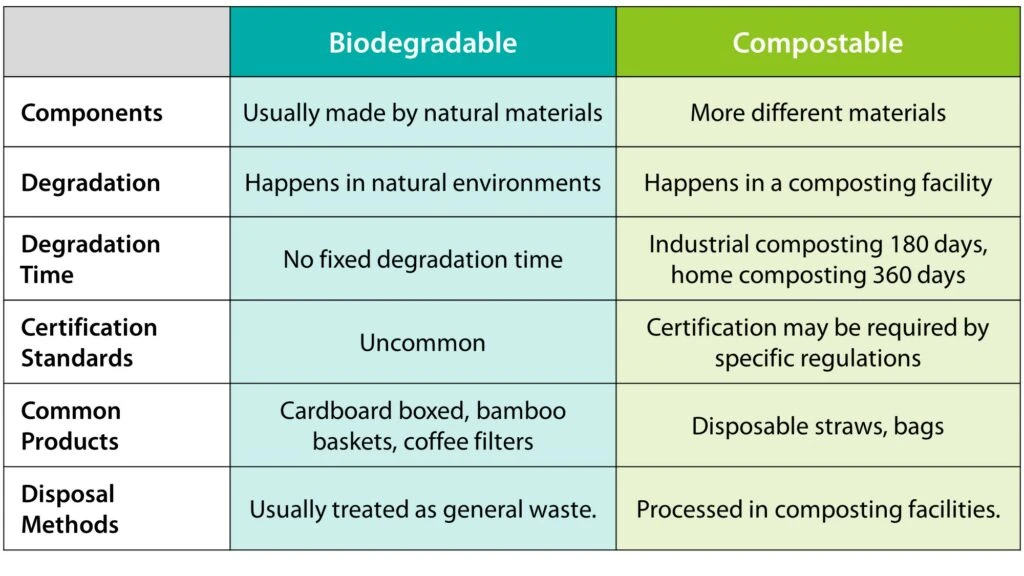
PawVerde.com – While all compostable products are biodegradable, not all biodegradable products are compostable. Compostable bags are highly regulated and break down into nutrient-rich humus within 90-180 days in industrial facilities, whereas biodegradable bags often lack strict regulation and can leave harmful microplastics behind in the environment.
With 500 million plastic poop bags used globally every year, the distinction between “biodegradable” and “compostable” is a critical environmental decision.
The Greenwashing Red Flag: Identifying Vague Marketing Claims
The term “biodegradable” isn’t tightly regulated, so it can be applied to a wide range of products. This lack of oversight allows manufacturers to use environmentally friendly language without meeting specific decomposition benchmarks. According to PoopBags.com, this regulatory gap is a primary reason why consumers struggle to differentiate between truly sustainable options and those that merely change form.
Meaningless vs. Meaningful Terminology
EcoFurball notes that compostable products undergo testing and certification standards, while biodegradable products often rely on vague or unregulated claims. This distinction is vital for ecosystem health.
A common failure mode occurs when a product is labeled as “earth-friendly” but lacks a clear breakdown timeline. To avoid these traps, check for the following indicators:
- Specific certification marks (such as ASTM D6400 or EN 13432).
- A defined decomposition timeframe (e.g., 90-180 days).
- Explicit instructions for disposal (e.g., “Industrial Compost Only”).
How to spot ‘Earth-Friendly’ traps
Consumers often fall into the trap of assuming any bag that mentions “nature” is safe for the soil. However, if a bag is labeled as “biodegradable” without a certification, it might simply be a plastic bag with additives designed to fragment. This process does not result in organic matter but instead creates a persistent environmental presence. Practitioners report that relying on these unregulated claims can lead to unintended pollution in local waste streams.
The Microplastic Leakage: Why ‘Biodegradable’ Can Be Worse for Oceans
biodegradable bags pose a significant risk of ‘leakage’ because they often break down into tiny fragments rather than fully decomposing. In marine or landfill environments, these materials can shed microplastics that persist for decades, whereas certified compostable materials are designed to return to organic matter without leaving synthetic residues.
Oxo-degradable products represent a specific category of concern. These materials are designed to break into tiny fragments—commonly known as microplastics—but they never fully decompose. This fragmentation process is often mistaken for biodegradation, but it actually accelerates the distribution of plastic particles throughout the food chain. ECOLipak research suggests that these materials fail to provide the circularity promised by true composting.
The environmental impact of these fragments is substantial. While a compostable bag aims to become part of the soil, a poorly regulated biodegradable bag may simply become invisible plastic. This creates a deceptive sense of sustainability while the actual material remains in the environment for years. The failure to fully disappear means the “biodegradable” claim functions more as a change in visibility than a true biological reintegration.
Head-to-Head: Environmental Impact Metrics
Compostable bags are the clear winner in resource efficiency, requiring only 0.6L of water and producing 2.0g of CO2e per bag. In comparison, biodegradable bags use 0.8L of water and 4.1g of CO2e, while traditional plastic bags consume 1.2L of water and generate 6.2g of CO2e.
The following table provides a detailed comparison of the environmental footprint associated with each bag type based on production metrics.
| Metric (Per Bag) | Regular Plastic | Biodegradable | Compostable |
|---|---|---|---|
| CO2 equivalent (g) | 6.2g | 4.1g | 2.0g |
| Water consumption (L) | 1.2L | 0.8L | 0.6L |
| Energy consumption (kWh) | 0.05 kWh | 0.04 kWh | 0.03 kWh |
Based on the data, compostable bags require only 0.03 kWh of energy per unit. This makes them more efficient than biodegradable options (0.04 kWh) and regular plastic (0.05 kWh).
The Pathogen Paradox: Can You Actually Compost Pet Waste?
EcoFurball points out that even when pet waste bags claim compostability, the waste inside them often disqualifies the entire item from composting. While compostable products produce humus, upon degradation, which is the richest and most important part of all soils, the presence of biological pathogens in pet waste changes the safety profile of the final compost.
The Backyard Composter’s Risk
Home composting setups often lack the precise thermal control required to neutralize harmful bacteria. As EcoFurball highlights, the waste inside the bag can contaminate the entire batch. If you use a backyard bin, it is safer to use the bag as a liner for a dedicated waste stream rather than mixing it with garden compost intended for food crops.
Industrial vs. Home Composting Realities
Industrial facilities utilize specialized machinery and high-heat aerobic processes to ensure complete breakdown and pathogen destruction. This is where compostable bags are designed to function. In these controlled environments, the bag breaks down within 90 to 180 days, turning into organic matter. Home composting, by contrast, is much more variable and often fails to achieve the necessary biological stability for pet-related waste.
Disposal Decision Tree: Which Bag Fits Your Lifestyle?
Your choice should align with your local waste management infrastructure. The most sustainable option is whichever bag reaches its intended end-of-life destination.
To determine your best option, consider these three primary disposal paths:
- If you have access to a municipal green bin: Certified compostable bags are the superior choice. They are designed to decompose within 90 to 180 days in commercial facilities.
- If you use standard trash collection and a landfill: A recycled plastic bag is likely the more sensible choice. Since neither type of bag will biodegrade effectively in the anaerobic (oxygen-starved) conditions of a landfill, using a bag that minimizes production harm is more practical.
- If you use a home compost bin: Avoid using pet waste in this bin, regardless of the bag type. Instead, use bags that are certified for home use only for yard waste or food scraps.
Note that biodegradable plastics typically require 3 to 6 months to break down, but this timeline is often contingent on environmental conditions that are rarely met in standard trash bags. If you cannot guarantee the bag will reach a composting facility, the environmental benefit of “biodegradable” labels is significantly diminished.
FAQ
Is every biodegradable bag compostable?
No. As stated by Good Start Packaging, while all compostable products are biodegradable, “biodegradable” does not always mean compostable, and these products may leave microplastics behind.
What happens if I put a compostable bag in a landfill?
Compostable bags are designed for aerobic environments like industrial composting facilities. In the anaerobic (oxygen-starved) conditions of a landfill, they fail to decompose as intended.
Can I put dog poop in my backyard compost bin?
Even if the bag is “home compostable,” the pathogens in pet waste often disqualify the entire item from standard composting processes due to health and safety risks.
Eco-Friendly Pet Conservation: A Guide to Sustainable Care
PawVerde.com – To transition to eco-friendly pet conservation, owners must implement a multi-layered approach: switching to sustainable nutrition (lower-impact meats), adopting responsible waste management (compostable bags and proper disposal), choosing biodegradable grooming products, and auditing pet gear to avoid greenwashed plastics. This reduces your pet’s carbon footprint and protects local water quality.
North America alone generates 300 million pounds of plastic waste from pet products annually. This massive volume of waste contributes to long-term environmental degradation, necessitating a shift in how pet owners select and discard supplies.
Biodegradable vs. Compostable: The Technical Difference
A critical distinction exists between these two terms. According to the David Suzuki Foundation, compostable products must break down within a defined timeframe and under specific conditions, leaving behind non-toxic material. In contrast, biodegradable products often rely on vague or unregulated claims that do not guarantee a specific rate of decomposition. A failure to distinguish between them often leads to “wish-cycling,” where owners attempt to compost items that actually require industrial processing to break down.
Red Flags in Pet Product Labeling
Evaluate labels by looking for specific indicators of deceptive marketing. Use these metrics to determine if a product’s claims are substantiated:
- Vague Terminology: Avoid products that use words like “natural” or “eco-friendly” without supporting third-party certifications.
- Missing Timeframes: If a product claims to be biodegradable but does not state how long it takes to decompose, treat the claim with skepticism.
- Hidden Ingredients: Check for unsustainable components like palm oil in grooming products, which contributes to deforestation.
- Lack of Certification: Look for specific logos from recognized bodies rather than generic leaf icons.
Safety-First Sustainability: Balancing Eco-Materials with Pet Toxicity
While transitioning to sustainable materials can reduce environmental impact, pet safety is the primary priority. For example, topical flea treatments act as pesticides that can leach into water and harm aquatic wildlife if a dog enters a river shortly after application.
Eco-Friendly Pet Services: How to Avoid Greenwashing
PawVerde.com – Eco-friendly pet services prioritize sustainability through low-emission mobile grooming, insect-based proteins, and biodegradable waste management. By choosing services that utilize solar-powered transport, compostable materials, and ethically sourced nutrition, pet owners can significantly reduce their animal’s carbon footprint and avoid the toxic chemicals often found in conventional pet care products.
The scale of the environmental challenge is immense. American dogs create an estimated 10 million tons of poop each year, creating a massive waste management challenge that requires more than just standard plastic disposal solutions.
The Greenwashing Detector: How to Audit Your Pet Service Provider
To detect greenwashing, avoid providers using vague terms like ‘natural’ or ‘green’ without specific proof. Look for concrete certifications and avoid ‘unrelated labels’—such as ‘CFC-free’—which are marketing tactics used to appear eco-friendly without providing actual environmental value or substance.
Greenwashing often manifests through deceptive labeling in the pet food and supply sectors. Industry analysts have identified 10 common greenwashing practices used to mislead consumers. Within the food and beverage industry specifically, 5 of these practices are highly prevalent, often involving claims that lack verifiable data or third-party oversight.
Red Flag Phrases to Watch For
A primary failure mode for eco-conscious consumers is falling for “Greenwashing via Vague Assertions.” This occurs when a brand uses terms like “eco-friendly,” “natural,” or “green” as catch-all descriptors without providing specific proof descriptors or ingredient details. If a service provider claims to be “environmentally friendly” but cannot list the specific biodegradable certifications of their shampoos, the claim is likely unsubstantiated.
Another deceptive tactic is “Greenwashing via Unrelated Labels.” Some producers highlight irrelevant properties to create a halo effect of sustainability. For example, a company might advertise “CFC-free packaging.” Because CFCs (chlorofluorocarbons) were banned long ago, this label provides zero actual environmental value to a modern consumer; it is simply a marketing tactic designed to appear environmentally conscious.
Verifying Claims with Data Mining
To move beyond marketing fluff, practitioners suggest a more rigorous approach to vetting. One method involves “Data Mining for Greenwashing Detection,” where consumers can run definitions of common greenwashing practices through tools like the WORDITOUT application to highlight and identify negative or deceptive linguistic patterns. Instead of trusting a label, look for specific, measurable data points regarding carbon offsets or ingredient sourcing.
A Step-by-Step Transition Roadmap for Eco-Conscious Owners
Transitioning to a sustainable lifestyle does not require an immediate, total overhaul of your pet care routine. Research indicates that 3/4 of 1,000 surveyed pet owners are interested in learning how to live more sustainably with their pets, suggesting a significant movement toward intentional consumption.
This structured transition helps manage potential pet health sensitivities. Owners can monitor reactions to new ingredients or hygiene products during each phase.
- Phase 1: Low-Stakes Swaps (Waste & Toys): Begin by replacing high-impact disposables. Swap traditional plastic waste bags for compostable alternatives or renewable plant-material options. This stage focuses on items that do not directly impact the pet’s internal biology, making it a safe starting point for testing new brands.
- Phase 2: Dietary Shifts (Proteins & Ingredients): Once waste management is stabilized, address nutrition. Utilize the “Sustainable Nutrition Transition” technique by switching to organic ingredients, locally sourced proteins, or insect-based proteins. It is vital to monitor for digestive changes when introducing new protein sources.
- Phase 3: Professional Service Audits: The final stage involves auditing your service providers. Evaluate grooming salons and veterinary services based on their use of biodegradable formulas and their energy consumption models.
Sustainability can offer financial benefits for retailers. According to industry data, retailers can lower operating costs by reducing waste and conserving energy, which may help mitigate the “green premium” for consumers.
Revolutionizing Pet Hygiene: From Solar Vans to Natural Formulas
Mobile grooming services reduce environmental impact by lowering transportation emissions. Providers like Puppy Luv Pet Services in the DMV area utilize direct-to-home models to minimize the carbon footprint of each visit.
The shift toward mobile, eco-conscious grooming is driven by both environmental necessity and pet wellness. Providers like Puppy Luv Pet Services in the DMV area emphasize that mobile grooming reduces the carbon footprint by lowering transportation emissions through direct-to-home service. Furthermore, as Puppy Luv Pet Services notes, “As we move deeper into 2025, pet parents aren’t just looking for clean dogs—they want clean consciences too.”
Product composition is a critical factor in pet wellness. Traditional grooming products can contain harsh chemicals that irritate skin or trigger allergies. Natural formulas are often gentler, particularly for animals with sensitive skin or existing medical conditions.
Innovation in this sector has reached the level of hardware. For instance, in February 2023, Sundance Pet Grooming introduced a Mercedes Benz clean diesel Sprinter van equipped with rooftop solar panels in the Lake Norman region. This integration of renewable energy directly into the service delivery model represents the high end of sustainable pet hygiene.
The Science of Sustainable Nutrition: Insect Protein and Carbon Goals
Sustainable pet food options can significantly lower carbon emissions. By utilizing organic, locally sourced, or insect-based proteins, brands can reduce their dependence on intensive livestock farming.
The most significant breakthrough in sustainable pet nutrition is the adoption of insect protein. Insect protein is demonstrably better for the environment due to superior land usage, significantly lower water consumption, and almost negligible greenhouse gas emissions compared to traditional beef or poultry. Brands such as Jiminy’s have pioneered the use of these proteins to create high-quality, low-impact meals.
| Feature | Conventional Services/Food | Eco-Friendly Services/Food |
|---|---|---|
| Primary Protein Source | High-impact livestock (Beef/Chicken) | Insect protein or locally sourced organic |
| Packaging Type | Non-recyclable multi-layer plastics | Recyclable or compostable materials |
| Cat Litter Composition | Clay or sodium bentonite | Recycled wood, wheat, or corn |
| Environmental Focus | Mass production efficiency | Carbon footprint reduction (e.g., Open Farm’s 42% goal) |
The data highlights the shift from mass production efficiency to long-term ecological stability. While conventional methods focus on immediate cost, sustainable alternatives prioritize measurable goals like Open Farm’s 42% carbon footprint reduction target.
Corporate accountability is also evolving. Open Farm has established a specific 42% carbon footprint reduction goal to be met by 2030, demonstrating that sustainability is being integrated into long-term business strategy rather than treated as a temporary marketing trend. Furthermore, suppliers like Kemin Nutrisurance are playing a critical role by providing the plant-based ingredients necessary to support these global sustainability strategies in the pet food market.
Managing the Mess: The Lifecycle of Pet Waste
Managing pet excrement is a vital part of environmental stewardship. Proper handling is required to prevent the contamination of soil and water systems.
The “Waste Management – Composting” technique offers a specialized solution. Pet N Pet recommends using specialized composting systems that utilize aerobic digestion and enzyme-based treatments to process waste safely.
When selecting products for waste disposal, the distinction between “biodegradable” and “compostable” is vital. Many products claim to be eco-friendly but fail to reach the necessary environments to actually decompose.
Warning: Many “biodegradable” bags require industrial composting facilities to break down effectively. If these bags are sent to a standard landfill, they may remain intact for years, failing to provide the environmental benefit promised by the manufacturer.
To ensure genuine sustainability, look for manufacturers like MyEcoPet, which produces GMO-free renewable plant material waste bags, or Pet N Pet, which focuses on the future of sustainable waste management. For those looking to transition, Pet N Pet currently offers a 20% discount on first orders to lower the barrier to entry for eco-conscious waste management.
FAQ
Is eco-friendly pet food actually safer for my pet?
Yes, natural formulas and organic ingredients help avoid harsh chemicals like parabens or phthalates that can trigger allergies or skin irritation. This makes them a preferred choice for pets with sensitive skin or specific medical conditions.
How can I tell if a pet brand is greenwashing?
Watch for vague claims like “all-natural” without specific details and avoid brands that highlight irrelevant certifications like “CFC-free.” Real sustainability is backed by specific data, such as carbon reduction percentages or verifiable ingredient sourcing.
Are compostable poop bags truly better for the environment?
They reduce plastic waste, but their effectiveness depends on whether they reach industrial composting facilities rather than standard landfills. Without proper processing, even compostable materials may not decompose as intended.