
How to Educate Yourself About Pet Adoption Processes Today
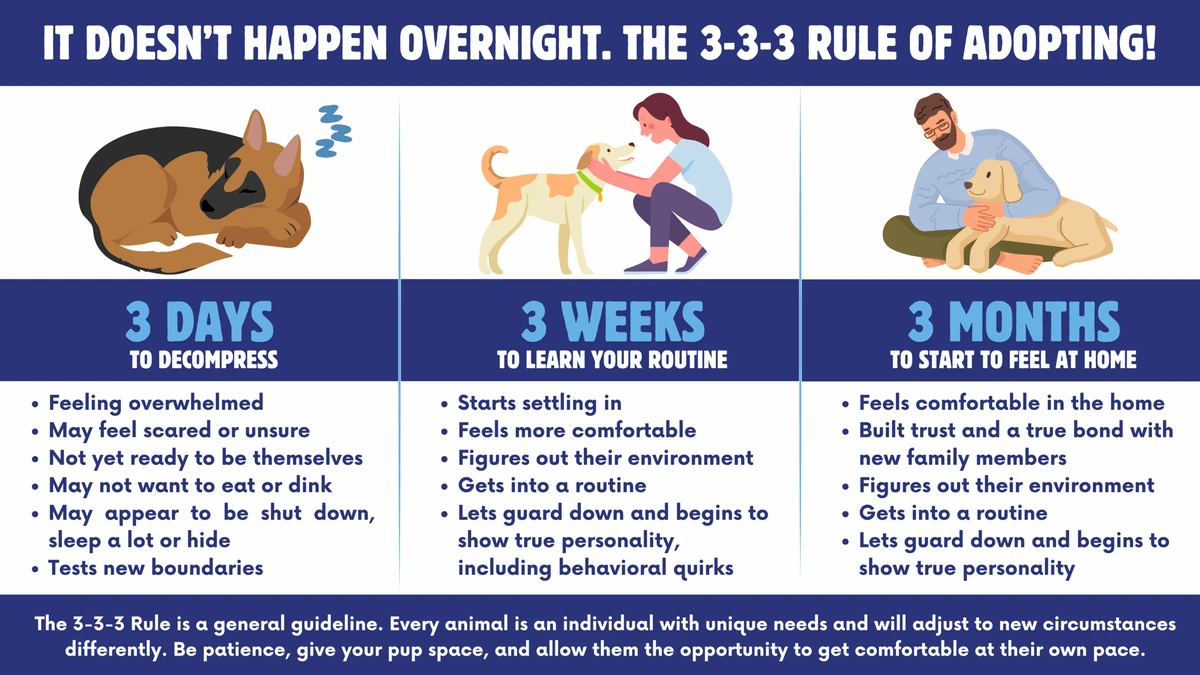
PawVerde.com – Understanding the pet adoption process is essential for prospective adopters aiming to provide a loving home while complying with necessary legal and health requirements. This process involves multiple stakeholders, including animal shelters, rescue organizations, foster parents, and adoption counselors, all contributing to a structured approach that ensures pets are matched with suitable families. Key steps encompass researching adoption sources, fulfilling state-mandated documentation, engaging in in-person pet meetings, and preparing one’s home for a new companion. Adoption fees, application procedures, and post-adoption responsibilities further define the journey toward successful pet ownership.
Pet adoption is governed by a framework of legal and health requirements that vary by state but typically mandate valid vaccination records and a Certificate of Veterinary Inspection (CVI) to confirm the animal’s health status. State governments enforce these regulations to prevent disease transmission and ensure the welfare of both adopted pets and the community. Adopters must be prepared to manage transportation logistics, especially when pets are relocated from out-of-state shelters or foster homes, requiring compliance with additional documentation and quarantine rules. Resources such as state animal control websites and national organizations like the ASPCA provide updated information on regional adoption laws, facilitating adherence to these mandates.
Local animal shelters and rescue organizations serve as primary adoption venues, offering direct access to pets in need. Online platforms such as Petfinder and Adopt A Pet™ have revolutionized the search for adoptable animals, aggregating listings from vetted shelters and rescues nationwide. These digital resources enable adopters to filter pets by species, breed, age, and location, streamlining the initial selection process. Trustworthy adoption sources maintain transparency about the animals’ health, behavior, and history, often verified by adoption counselors who guide prospective adopters through the process. Confirming the credibility of these organizations is critical to avoid scams and ensure that adoption supports genuine animal welfare efforts.
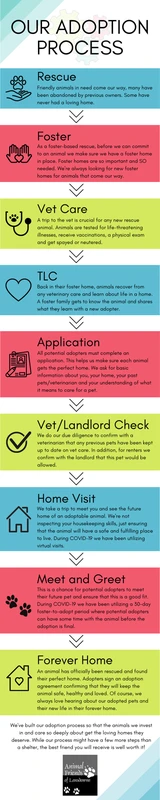
The adoption procedure begins with an assessment of adopter readiness, which includes age verification—most shelters require applicants to be at least 18 years old—and presenting valid identification. Adoption applications vary; some shelters employ detailed forms covering lifestyle, home environment, and pet care experience, while others use conversational counseling to tailor recommendations. In-person meetings are fundamental, allowing adopters to observe pet behavior and compatibility without physical barriers. Foster pet meet-and-greet sessions often necessitate scheduling with foster parents to facilitate interaction in a home-like setting. Upon selection, adopters sign legally binding adoption contracts outlining responsibilities and receive adoption packets containing vaccination certificates, health records, and care guidelines. Adoption fees typically range based on the animal’s age and medical needs; however, many shelters offer fee waivers or reductions to increase accessibility, especially during special adoption events or for senior pets.
Preparing a home for a new pet extends beyond physical arrangements to include evaluating compatibility with the adopter’s lifestyle, household members, and existing animals. Space considerations and daily routines influence the choice of pet species and breed, impacting long-term care and behavior management. Renters face additional legal considerations, as landlords may impose pet restrictions or require deposits; obtaining written permission and reviewing lease agreements are critical steps. Introduction protocols recommend gradual familiarization to minimize stress, employing controlled environments and positive reinforcement techniques. Adoption counselors often provide customized advice to facilitate smooth transitions, emphasizing patience and consistent care.
Post-adoption care encompasses ongoing medical attention, including follow-up vaccinations, microchipping, and licensing per local ordinances. Training and enrichment activities are vital for the pet’s behavioral development and socialization, with many shelters and rescue groups offering or recommending professional pet trainers. Access to community resources—such as support groups, veterinary clinics specializing in adopted animals, and behavioral counseling—strengthens the adopter’s capacity to address challenges. Continued communication with the adoption shelter or organization ensures that adopters receive timely guidance and can report concerns, bolstering animal welfare throughout the pet’s lifetime.
To enhance the adoption experience, shelters and rescue organizations increasingly adopt flexible policies aimed at reducing procedural barriers. Adoption counselors play a pivotal role in client engagement by offering personalized support, clarifying expectations, and addressing concerns promptly. Community involvement initiatives—such as educational workshops and volunteer opportunities—build trust and foster long-term relationships between adopters and animal welfare entities. Streamlining application processes with digital platforms and integrating foster care meet-and-greet practices contribute to higher adoption success rates and improved pet placement outcomes.
| Adoption Step | Key Entities Involved | Typical Requirements | Notes |
|---|---|---|---|
| Research Adoption Sources | Animal shelters, rescue organizations, online platforms (Petfinder, Adopt A Pet™) | Verification of source credibility | Use official websites and shelter profiles |
| Legal & Health Documentation | State governments, veterinarians | Vaccination records, Certificate of Veterinary Inspection, valid ID | May vary by state; out-of-state transport requires additional compliance |
| Application & Counseling | Adoption counselors, shelter staff | Application forms or interviews, age verification | Some shelters use conversational approaches to assess fit |
| Meet & Greet | Foster parents, shelter staff | In-person interaction with pets | Critical for assessing pet compatibility |
| Contract & Fees | Shelters, adoption agencies | Signed adoption contract, payment of fees or fee waiver | Contracts outline adopter responsibilities |
| Home Preparation | Adopter, landlords (if renting) | Pet-proofing, landlord approval | Gradual introduction advised |
| Post-Adoption Care | Veterinarians, trainers, adoption organizations | Vaccinations, training, licensing | Ongoing support recommended |
Educating oneself about the pet adoption process requires a comprehensive understanding of legal obligations, shelter procedures, and responsible pet care. Prospective adopters benefit from consulting reputable organizations such as the Best Friends Animal Society, ASPCA, Humane Society of the United States, and local animal services to access accurate information and support. Adoption counselors serve as vital resources, guiding applicants through the nuances of application submission, contract comprehension, and home preparation. Recognizing the importance of meeting pets in person and fostering transparent communication with foster parents enhances the likelihood of successful matches. By integrating these elements, adopters contribute to a sustainable ecosystem of animal welfare and community engagement.
Frequently Asked Questions
What are the typical legal requirements for adopting a pet?
Legal requirements usually include being at least 18 years old, providing valid photo identification, and submitting vaccination records or health certificates as mandated by state laws. Some states require microchipping and licensing post-adoption. Compliance with these regulations ensures the health and safety of both pets and the community.
How can I find trustworthy adoption sources?
Start by researching local animal shelters and rescue organizations with established reputations. Use verified online platforms like Petfinder and Adopt A Pet™, which aggregate listings from credible shelters. Confirm transparency in pet health disclosures and availability of adoption counseling services before proceeding.
What does the adoption application process involve?
Applications may consist of detailed forms assessing your lifestyle and home environment or conversational interviews conducted by adoption counselors. These processes help shelters determine if you are a suitable match for the pet and inform recommendations based on your capacity to provide proper care.
Can adoption fees be waived or reduced?
Many shelters offer fee waivers or discounts during special events, for senior pets, or to individuals facing financial hardship. It is advisable to inquire directly with the shelter or rescue organization about available programs and eligibility criteria before application.
What should I prepare before bringing a new pet home?
Preparation includes pet-proofing your living space, obtaining landlord approval if renting, and planning introductions with family members and existing pets. Gathering essential supplies—such as food, bedding, and toys—and scheduling initial veterinary appointments are also crucial for a smooth transition.
Understanding these aspects equips potential adopters with the knowledge to navigate the pet adoption process effectively, ensuring a positive outcome for both animals and their new families. Future developments may emphasize further simplification of application methods, expanded community support networks, and enhanced collaboration between shelters and adopters to maximize successful placements.
Difference Between Fostering and Adopting Pets Explained
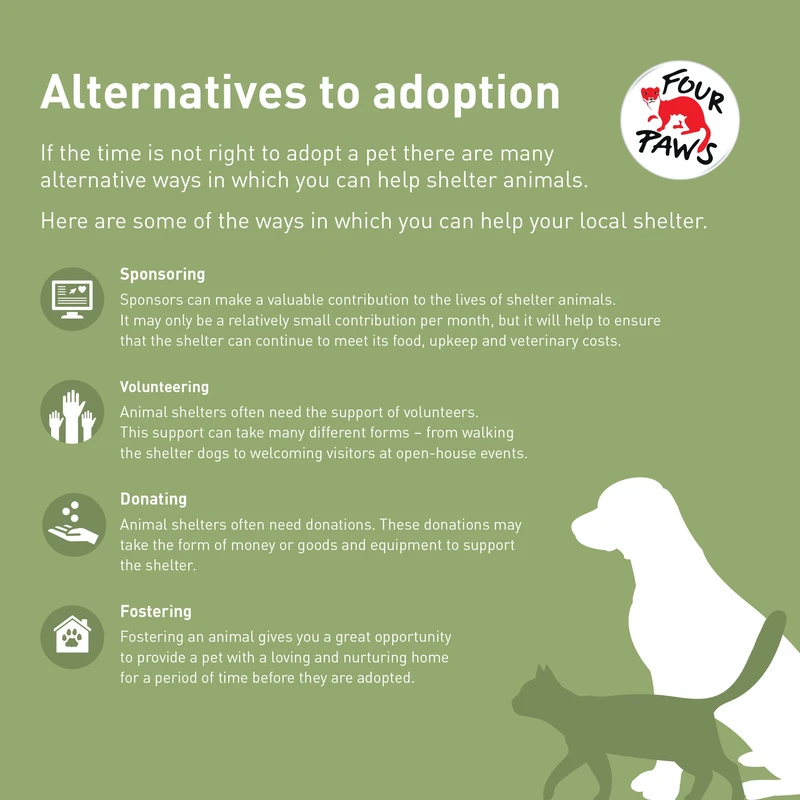
PawVerde.com – Providing temporary care to pets waiting for permanent homes, fostering plays a vital role in animal welfare by helping animals adjust to family environments and relieving shelter overcrowding. In contrast, adopting a pet entails a lifelong commitment where the adopter assumes full legal ownership and responsibility for the animal’s well-being. foster-to-adopt programs have emerged as a transitional solution, allowing prospective owners to trial a pet before finalizing permanent adoption, enhancing compatibility and reducing return rates. This article examines the distinctions between fostering and adopting pets, clarifies the responsibilities involved, and explores the impact of these roles on animal shelters and rescue organizations.
Core Differences Between Fostering and Adopting Pets
Fostering involves providing temporary shelter and care for animals, often ranging from a few days to over a year, depending on the pet’s readiness for adoption. animal shelters and rescues rely on foster caregivers to provide safe environments, socialization, and medical monitoring during this interim period. Legally, foster caregivers do not hold ownership; the shelter or rescue organization maintains custody and oversees the pet’s health and placement decisions. This temporary status allows shelters to alleviate overcrowding and better allocate resources for incoming animals.
Adoption, by contrast, transfers full legal ownership and lifelong responsibility to the adopter. This permanent commitment includes providing food, shelter, veterinary care, training, and emotional support for the duration of the pet’s life. Adopters undergo application and screening processes conducted by animal welfare organizations to ensure suitability and preparedness for this long-term responsibility. adoption fees often cover medical care such as vaccinations, spaying/neutering, and microchipping.
Fostering can be seen as a flexible, short-term role, whereas adoption requires a stable, enduring arrangement. The legal and emotional distinctions are significant: fosters serve as temporary caregivers facilitating transition, while adopters become the pet’s definitive guardians.
The Role and Responsibilities of a Foster Caregiver
Foster caregivers provide more than just shelter; they create nurturing environments tailored to each animal’s needs. Responsibilities include daily feeding, cleaning, socialization, and transportation to veterinary appointments. Fosters often manage medical regimens such as administering medications or overseeing recovery from surgery, working closely with shelter veterinarians or rescue medical teams.
Behavioral management is a critical aspect, with fosters helping pets overcome anxiety, fear, or socialization deficits resulting from shelter confinement or previous trauma. animal welfare organizations like BC SPCA and Kitten Around Cat Rescue provide training and resources to foster families, enabling them to identify and address behavioral issues early.
Fostering types vary: standard fostering involves caring for healthy animals awaiting adoption; hospice fostering provides end-of-life care to terminally ill pets in a compassionate home setting; emergency boarding supports animals displaced by natural disasters or urgent shelter overflow. Each requires specific skills and emotional preparedness, highlighting fostering’s diverse demands.
Communication with shelters is essential for reporting progress, updating medical status, and coordinating adoption events. Foster caregivers also contribute to intake assessments by offering firsthand observations that inform placement decisions.
Adoption as a Lifelong Commitment and Process
Adoption represents a permanent legal and emotional bond between the pet and the owner. The process typically involves submitting an application, undergoing interviews or home inspections, and paying adoption fees that fund shelter operations and veterinary care. Organizations like LA Animal Services emphasize matching pets with suitable homes to reduce return rates and enhance animal welfare.
Adopting an adult pet requires understanding potential behavioral needs and training challenges. Many animals from shelters may have experienced trauma, requiring patience and professional support. Adopters often engage in obedience training, socialization programs, or veterinary behaviorist consultations to establish lasting bonds.
Legal responsibilities extend beyond daily care to include licensing, microchipping, and compliance with local animal control regulations. The permanence of adoption necessitates thorough consideration of lifestyle compatibility, financial capability, and long-term plans.
Foster-to-Adopt Programs: Bridging Temporary and Permanent Care
Foster-to-adopt programs have gained popularity as transitional models combining fostering’s flexibility with adoption’s permanency. These initiatives allow potential adopters to foster a pet for a trial period, typically ranging from weeks to several months, before deciding on permanent adoption. This approach alleviates uncertainties for first-time pet owners and families with existing pets by assessing compatibility in a controlled environment.
Shelters implementing foster-to-adopt programs, such as Best Friends Animal Society, report increased adoption success rates and reduced return incidences. Medical care and supplies during the trial period are usually provided by the shelter, minimizing financial burdens on fosters. Foster-to-adopt arrangements require clear communication regarding responsibilities and contingencies should adoption not proceed.
This model supports animal welfare by providing personalized transition periods, enhancing socialization and easing the pet’s integration into permanent homes.
Benefits of Fostering for Animals and Shelters
Fostering significantly benefits shelter animals by providing individualized care tailored to each pet’s physical and emotional needs. Time spent in foster homes improves socialization, reduces stress-induced behaviors, and prepares animals for adoption environments. Studies from animal welfare organizations indicate that fostered pets have higher adoption rates and better post-adoption adjustment compared to those remaining solely in shelters.
Shelters benefit operationally by reducing overcrowding, enabling them to accept more animals and allocate resources more effectively. Lower shelter populations decrease the risk of euthanasia associated with capacity constraints.
community engagement through fostering fosters empathy and awareness about animal welfare. Foster families often become advocates, assisting in fundraising, education, and volunteer recruitment. Emotional rewards include the fulfillment of directly impacting an animal’s life and contributing to broader rescue efforts.
Considerations for Potential Fosters and Adopters
Prospective fosters and adopters must evaluate their capacity for pet care, including time, finances, and lifestyle compatibility. Fostering demands flexibility and willingness to manage temporary caregiving, while adoption requires preparedness for a lifelong commitment with associated responsibilities.
Introducing foster pets into homes with existing animals requires careful planning to ensure safety and harmony. Shelters often provide guidelines and support for gradual introductions and behavioral management.
Rescue organizations and shelters offer resources such as training workshops, veterinary assistance, and 24/7 support to foster families and adopters. Understanding these supports can alleviate concerns and enhance caregiving success.
Potential foster applicants must complete screening processes to verify suitability, including home visits and reference checks, ensuring the pet’s safety and welfare.
Practical Insights and Case Studies from Foster Families
Experienced foster families emphasize the emotional complexity of temporary caregiving, balancing attachment with the knowledge that pets will eventually move to permanent homes. Hospice fostering, in particular, demands resilience and compassion, providing comfort to terminally ill animals in their final days.
Case studies from Kitten Around Cat Rescue illustrate successful foster-to-adopt transitions where foster caregivers become permanent adopters after trial periods. These stories highlight the mutual benefits: pets find stable homes, and fosters deepen their commitment through firsthand experience.
Such insights underscore the importance of clear expectations and open communication between fosters and shelters to navigate challenges effectively.
Support and Resources Provided by Animal Shelters and Rescues
Leading animal welfare organizations provide comprehensive support to foster and adoptive families, including medical supplies, food, training materials, and behavioral consultation. For example, BC SPCA offers subsidized veterinary care and emergency support to foster caregivers.
Training programs address pet behavior, health care, and emergency procedures, enhancing foster families’ ability to manage diverse animal needs. Some rescues maintain online communities and communication platforms for peer support and knowledge sharing.
Emergency foster programs activate during crises, providing rapid deployment of trained caregivers to accommodate displaced animals. These organized efforts require collaboration between shelters, volunteers, and veterinary professionals.
Future Trends in Pet Fostering and Adoption
Emerging trends in animal welfare emphasize technology integration, such as adoption apps and virtual meet-and-greets, facilitating faster placement and broader outreach. Data analytics help shelters optimize foster-to-adopt matches and monitor animal welfare indicators.
Increased recognition of hospice fostering addresses gaps in end-of-life care, focusing on dignity and quality of life for senior and terminal pets. Expansion of foster networks and community partnerships aims to reduce shelter reliance and enhance individualized care.
Sustainable adoption practices increasingly focus on education and support to ensure long-term success, minimizing returns and promoting responsible pet ownership.
—
Frequently Asked Questions

What is the main difference between fostering and adopting a pet?
Fostering provides temporary care and shelter to animals awaiting permanent homes, without transferring legal ownership, while adopting is a lifelong commitment where the adopter assumes full responsibility and legal rights over the pet.
How long does fostering typically last?
Fostering durations vary widely, from a few days in emergency situations to several months or over a year, depending on the animal’s health, behavior, and shelter placement timelines.
Can I adopt a pet I am fostering?
Many shelters offer foster-to-adopt programs that allow caregivers to trial living with a pet before deciding on permanent adoption. This helps ensure compatibility and reduces return rates.
What support do shelters provide to foster families?
Shelters often supply food, medical care, training resources, and ongoing support to foster caregivers. Some organizations also offer financial assistance for veterinary expenses.
Are there special considerations when adopting senior or hospice pets?
Adopting senior or hospice pets requires awareness of their medical needs, potential behavioral changes, and commitment to providing comfort and specialized care, often supported by foster programs focused on end-of-life care.
—
Adopting or fostering pets represents complementary pathways within animal welfare, each with unique responsibilities and benefits. Potential caregivers should assess their readiness, seek support from credible rescue organizations, and consider foster-to-adopt options to make informed decisions that promote animal well-being and shelter sustainability. As fostering networks and adoption programs evolve, they continue to enhance outcomes for pets and communities alike.

Best Practices for Fostering Pets Explained by Experts
PawVerde.com – Fostering pets serves as a critical bridge between animal shelters and permanent adoption, providing temporary care, socialization, and basic training to improve animals’ chances of finding forever homes. This practice not only supports animal welfare organizations such as Best Friends Animal Society, Muttville, and Dallas Animal Services but also alleviates overcrowding in shelters. Effective pet fostering requires structured programs, trained caregivers, and clear communication channels, ensuring foster pets receive proper medical attention, behavioral support, and socialization to thrive in adoptive environments.
The success of fostering programs hinges on a comprehensive approach that includes promoting foster opportunities, preparing caregivers, managing pet introductions, training animals, and addressing both medical and emotional needs. This article details best practices for fostering pets, drawing on expert insights and organizational guidelines to equip prospective foster parents with actionable strategies for enhancing animal welfare and adoption outcomes.
Promoting Foster Programs to Expand Caregiver Networks
animal shelters and rescue organizations increase foster participation through targeted local outreach and digital engagement. Distributing flyers and postcards at veterinary clinics, pet stores, and community centers connects with potential fosters in trusted environments. Personalized mailings encourage repeat engagement by highlighting foster success stories and outlining clear benefits of temporary pet care.
Social media platforms such as Facebook and Instagram play a pivotal role in fostering program marketing. Organizations use storytelling techniques to showcase foster pets’ transformations, creating emotional resonance that motivates volunteer recruitment. Posting videos of foster pet socialization and adoption testimonials fosters community interest and trust. Hosting informational events and meet-and-greets, either virtually or in person, provides hands-on opportunities for prospective caregivers to learn about responsibilities and meet shelter staff.
Data from Dallas Animal Services indicates that shelters leveraging multi-channel outreach experience a 30% increase in foster applications, underscoring the effectiveness of integrated promotion strategies.
Preparing Foster Caregivers Through Training and Support
Comprehensive orientation sessions are essential to equip foster parents with knowledge on animal behavior, medical care basics, and program expectations. Best Friends Animal Society emphasizes the importance of structured training that covers pet introductions, socialization techniques, and emergency protocols. New fosters receive welcome kits containing resource guides, contact lists for veterinary clinics, and behavioral support materials.
Clear communication about foster responsibilities—such as feeding schedules, medication administration, and handling behavioral challenges—reduces caregiver uncertainty and turnover. Ongoing mentorship programs, pairing new fosters with experienced volunteers or shelter staff, provide emotional support and practical advice. Muttville’s Director of Operations highlights that mentorship lowers burnout rates by 25%, improving retention in foster networks.
Shelters also facilitate regular check-ins and feedback loops, enabling foster parents to report concerns and receive timely assistance. This transparent approach builds trust and enhances program sustainability.
Managing Foster Pet Introductions and Socialization
Gradual and controlled introductions between foster pets and resident animals are critical to minimizing stress and promoting positive interactions. Shelter guidelines recommend initial meetings in neutral, enclosed spaces with both animals on leashes to maintain control. Using treats and calm verbal cues during introductions encourages cooperative behavior. For dog-to-cat introductions, shelter staff advise slow exposure over several sessions to allow adjustment.
Socialization extends beyond inter-pet interactions to include acclimating foster animals to humans and varied environments. Foster caregivers implement techniques such as gentle handling, exposure to household noises, and supervised outdoor walks to reduce anxiety and build confidence. Dallas Animal Services notes that foster pets receiving consistent socialization demonstrate 40% higher adoption rates compared to unsocialized shelter counterparts.
Training foster pets on basic commands and housebreaking also enhances their adoptability. Positive reinforcement methods, including clicker training and reward-based systems, encourage desirable behaviors while strengthening the foster pet-caregiver bond.
Training Foster Pets for Adoption Readiness
Fostering programs focus on preparing animals to transition smoothly into permanent homes by addressing behavioral and environmental adaptation. Housebreaking remains a priority, with foster parents maintaining consistent schedules and using crate training to reinforce routines. Basic obedience training covers commands such as sit, stay, and come, facilitating better control and safety in adoptive homes.
Introducing foster pets to new environments, such as car rides or other households, helps build resilience and adaptability. Best Friends Animal Society recommends gradually increasing exposure to different stimuli, paired with positive reinforcement, to prevent fear responses. Foster caregivers document behavioral progress and challenges, providing shelter staff with detailed assessments to guide adoption matches.
Behavioral support extends to managing separation anxiety and fearfulness, common issues in shelter animals. Volunteers and shelter staff collaborate to develop customized socialization plans, incorporating tools like calming pheromone diffusers and enrichment toys, to improve mental well-being.
Medical Care and Emergency Protocols in Foster Programs
Routine medical care is a foundational aspect of fostering, requiring coordination between foster caregivers, veterinary clinics, and shelters. Foster parents administer vaccinations, parasite prevention, and monitor for signs of illness in pets under their care. Rescue organizations establish clear protocols for reporting symptoms and accessing emergency veterinary services.
Special needs animals, including those recovering from surgery or chronic conditions, require tailored care plans. Foster caregivers receive specific training on medication schedules, dietary restrictions, and mobility assistance. Dallas Animal Services provides telehealth consultations to support fosters managing complex cases, ensuring timely intervention.
Documentation of medical treatments and behavioral observations is maintained meticulously, enabling shelters to track health trends and prepare accurate adoption disclosures. This transparency reinforces trust between shelters, fosters, and adopters.
Emotional Aspects and Caregiver Well-being in Fostering
The emotional journey of fostering involves forming attachments to animals while preparing for eventual separation. Foster caregivers often experience grief and stress upon returning pets to shelters or new owners. Best Friends Animal Society advises fostering individuals to develop coping strategies, such as journaling and peer support groups, to manage attachment challenges.
Burnout prevention is critical to sustaining foster engagement. Organizations recommend setting realistic expectations about time commitments and emotional investment. Providing ongoing recognition and celebrating foster successes contribute to caregiver motivation. Muttville reports that integrating wellness check-ins and resilience training into foster programs reduces turnover by 18%.
Despite challenges, fostering yields profound rewards. Caregivers witness tangible improvements in pet behavior and health, contributing directly to animal welfare. The reciprocal bond formed enhances human mental health and community connectedness.
Enhancing Adoption Success Through Foster Care Contributions
Foster caregivers play a vital role in marketing adoptable pets by sharing high-quality photos, videos, and personal stories on social media and during public outings. These authentic portrayals humanize shelter animals, increasing public interest and adoption inquiries. Rescue organizations often provide training on crafting engaging adoption profiles that highlight each foster pet’s personality and progress.
Fosters also assist shelter staff in behavioral assessments, providing insights into temperament and compatibility with different household types. This data informs tailored adoption placements, improving long-term retention rates. Best Friends Animal Society statistics reveal that foster pets are adopted 50% faster than those remaining solely in shelters.
Community engagement through foster events and volunteer involvement amplifies program reach. Animal care organizations encourage fosters to participate in educational workshops and advocacy initiatives, further integrating fostering into broader animal welfare efforts.
| Aspect | Best Practices | Impact/Outcome |
|---|---|---|
| Foster Program Promotion | Multi-channel outreach, social media storytelling, community events | 30% increase in foster applications (Dallas Animal Services) |
| Caregiver Preparation | Orientation, mentorship, resource kits, clear communication | 25% reduction in caregiver burnout (Muttville) |
| Pet Socialization | Gradual pet introductions, leash control, exposure to environments | 40% higher adoption rates for socialized pets |
| Medical Care Coordination | Routine vet visits, emergency protocols, telehealth support | Improved health outcomes, timely intervention |
| Emotional Support | Burnout prevention, peer support, resilience training | 18% decrease in foster turnover (Muttville) |
FAQ
What are the essential steps to prepare for fostering a pet?
Preparing for fostering includes attending comprehensive orientation sessions, understanding medical and behavioral needs, setting up a safe home environment, and establishing clear communication with the shelter or rescue organization. Access to resource guides and ongoing mentorship also supports successful fostering.
How can foster caregivers help socialize pets effectively?
Foster caregivers should introduce pets gradually to other animals and humans, use leash control during initial meetings, and expose foster animals to varied environments to reduce anxiety. Positive reinforcement and consistent routines contribute to improved social behaviors.
What medical responsibilities do foster parents have?
Foster parents manage routine vaccinations, parasite control, medication administration, and monitor pets for signs of illness. They coordinate with veterinary clinics and shelters for emergency care and maintain detailed health records for each foster animal.
How do foster programs address caregiver burnout?
Burnout is mitigated through realistic expectations, emotional support groups, recognition of foster efforts, and access to mentorship. Regular wellness check-ins and resilience training help maintain caregiver well-being.
What role do foster pets play in adoption success?
Foster pets benefit from personalized socialization and training, enhancing their behavior and confidence. Foster caregivers provide detailed behavioral assessments and create engaging adoption profiles, which increase adoptability and reduce shelter overcrowding.
Fostering pets remains a cornerstone of effective animal welfare strategies, bridging gaps between shelter intake and permanent adoption. As fostering programs evolve, integrating advanced caregiver training, medical support, and emotional well-being resources will be pivotal in sustaining these networks. Future developments may include AI-driven behavior monitoring and expanded telehealth veterinary services, further empowering foster caregivers to enhance pet welfare and adoption outcomes.

Pet Adoption Resources in 2026: Shelters, Fees & Legal Rules
PawVerde.com – Pet adoption in 2026 encompasses a multifaceted network of local shelters, foster care programs, national online platforms, and community initiatives designed to facilitate the placement of vaccinated, spayed/neutered, and microchipped pets into permanent homes. Adoption fees generally cover essential veterinary services, including vaccinations and microchip registration, aligning with legal mandates for pet licensing and health standards. This comprehensive framework ensures that prospective adopters have access to well-supported resources for selecting pets while contributing to broader animal welfare goals.
Local animal shelters and adoption centers remain foundational to the pet adoption ecosystem. Agencies like LA Animal Services, Pinellas County Animal Services, and Tulsa Animal Services provide critical infrastructure where adoptable pets receive medical care such as core vaccinations, spay/neuter surgery, and microchipping before adoption. Adoption fees typically range between $75 and $200, with variations depending on the animal’s age, breed, and medical history. These fees usually include licensing costs required by local governments, ensuring compliance with municipal regulations. For example, Pinellas County Animal Services requires all adopted dogs and cats to be licensed within 30 days, with licensing fees bundled into the overall adoption cost. Legal requirements also mandate that shelters verify adopter eligibility, often requiring home visits or interviews to confirm preparedness for pet ownership, particularly for animals with special needs.
Foster care programs serve as a vital intermediary solution for pets awaiting permanent placement. Foster homes provide temporary environments that promote healthier socialization and reduce stress compared to shelter confinement. Organizations such as the ASPCA and Best Friends Animal Society actively maintain foster networks, enabling pets to receive individualized care, behavioral training, and medical monitoring. Foster caregivers often receive training to manage common health issues and behavioral challenges, enhancing adoptability. These programs alleviate shelter overcrowding and reduce euthanasia rates, with data from KC Pet Project indicating a 20% increase in successful adoptions attributed to foster care placements over the past two years. Access to foster pets is typically coordinated through shelter databases or rescue groups, with many online platforms now featuring filters to view foster animals available for adoption.
National and regional online platforms have expanded the accessibility of pet adoption across geographic boundaries. Services like Petfinder® and Adopt A Pet™ aggregate listings from thousands of shelters and rescues nationwide, offering searchable databases with filters for species, size, age, temperament, and medical needs. These platforms integrate advanced algorithms to match prospective adopters with suitable pets, improving placement success rates. For instance, Petfinder® reports that its database hosts over 300,000 adoptable pets at any given time, with approximately 60,000 adoptions facilitated monthly through its interface. Online applications streamline the adoption process, allowing users to submit paperwork remotely and schedule in-person visits or virtual meet-and-greets. The integration of microchip registration and veterinary records on these platforms enhances transparency and trust, contributing to informed decision-making by adopters.
Community engagement and adoption events play a strategic role in bridging pets with potential adopters. Shelters and rescue organizations frequently host adoption fairs, open houses, and promotional events that showcase available animals in accessible public venues. For example, Pet Alliance Orlando organizes seasonal adoption festivals attracting thousands of attendees, while KC Pet Project’s annual gala fundraiser supports shelter operations and new facility construction. Volunteer involvement is integral, with opportunities ranging from animal care and socialization to event coordination and administrative support. Local governments often collaborate with community foundations to fund shelter expansions, such as the recent construction of a new Maricopa County Animal Services facility equipped with enhanced veterinary suites and quarantine areas. These initiatives foster public awareness, increase adoption rates, and build sustained support networks for animal welfare.
Veterinary and health services included in adoption fees ensure that animals transition to new homes with baseline medical protection. Standard care packages often cover rabies and distemper vaccinations, flea and tick prevention, spay/neuter surgeries, and microchip implantation. Some shelters, such as Tulsa Animal Services, have partnered with local emergency responders like the Tulsa Fire Department to implement microchip scanning programs aimed at lost pet reunification. Post-adoption veterinary care options are frequently available through shelter-affiliated clinics offering discounted services for adopters, reducing barriers to ongoing animal health maintenance. Data from SPCA Tampa Bay indicates that shelters incorporating comprehensive veterinary care into their adoption packages report higher satisfaction rates among adopters and lower return rates within the first year.
Adoption promotions and incentives have become increasingly prevalent as shelters seek to expedite placements and reduce shelter populations. Many organizations offer reduced or waived fees during designated events targeting specific groups, such as senior pets or animals with longer shelter stays. Bundled benefits frequently include starter kits containing pet food, toys, collars, and first-year licenses. Promotions not only incentivize adoption but also address financial concerns of new pet owners, improving retention and care quality. For example, LA Animal Services’ monthly “Adopt-a-thon” events have successfully increased adoption volume by 15% during promotional periods. These campaigns often coincide with national awareness months or holiday seasons, leveraging public sentiment to further shelter outreach.
| Organization | Adoption Fee Range | Included Veterinary Services | Unique Features | Community Initiatives |
|---|---|---|---|---|
| LA Animal Services | $85 – $150 | Vaccinations, spay/neuter, microchipping | Monthly Adopt-a-thon events | Volunteer programs, pet licensing assistance |
| Pinellas County Animal Services | $75 – $175 | Vaccinations, spay/neuter, licensing | Mandatory pet licensing | Community outreach, foster care network |
| Tulsa Animal Services | $90 – $200 | Vaccinations, spay/neuter, microchip | Partnership with Tulsa Fire Department for microchip scanning | Volunteer engagement, lost pet reunification programs |
| Pet Alliance Orlando | $100 – $180 | Vaccinations, spay/neuter, microchipping | Seasonal adoption festivals | Facility expansion funded by community donations |
| KC Pet Project | $75 – $150 | Vaccinations, spay/neuter, microchip | Foster care emphasis, annual gala fundraiser | Shelter expansion, volunteer training programs |
The above table highlights a selection of prominent adoption centers and their key features in 2026, illustrating the integration of veterinary services, community involvement, and innovative programs designed to improve adoption outcomes.
Pet adoption resources in 2026 reflect a dynamic, interconnected system balancing medical care, legal compliance, and community engagement. Prospective adopters benefit from streamlined access to healthy, licensed pets through local shelters, foster networks, and digital platforms that facilitate informed decision-making. Meanwhile, shelters continue to evolve, investing in infrastructure improvements and outreach efforts to meet rising demand and promote animal welfare.
Frequently Asked Questions
What veterinary services are typically included in pet adoption fees?
Most adoption fees cover core vaccinations (such as rabies and distemper), spay/neuter surgery, microchipping, and initial parasite prevention. Some shelters also include licensing fees and provide discounted post-adoption veterinary care to support ongoing pet health.
How can I find foster pets available for adoption?
Foster pets are often listed on shelter websites and national platforms like Petfinder® and Adopt A Pet™ with filters to search for foster animals. Contacting local shelters or rescue groups directly can provide information on available foster pets and the fostering process.
Are adoption fees negotiable or waived during certain events?
Yes, many shelters offer reduced or waived adoption fees during special promotions, adoption fairs, and awareness months. These events aim to encourage adoption of senior pets, long-term shelter residents, or animals with special needs.
What legal requirements must be met to adopt a pet?
Adopters typically must complete an application, provide identification, and sometimes undergo a home visit or interview. Pets are required to be licensed and altered (spayed/neutered) before adoption in most jurisdictions to comply with animal welfare laws.
How do online pet adoption platforms improve the adoption process?
Online platforms aggregate listings from shelters nationwide, allowing users to filter by breed, size, age, and medical needs. They facilitate remote applications, provide detailed pet profiles with veterinary records, and often partner with shelters to streamline scheduling for meet-and-greets or adoptions.
Pet adoption in 2026 increasingly leverages technology, community resources, and comprehensive veterinary care to connect pets with suitable homes efficiently. As shelters innovate and collaborate with local governments and nonprofits, the path to pet ownership becomes more accessible and supported, benefiting animals and adopters alike.

How to Promote Pet Conservation Initiatives in Your Community
PawVerde.com – Community-driven pet conservation initiatives are essential to addressing the multifaceted challenges of animal welfare, pet overpopulation, and humane coexistence with local wildlife. Effective promotion of these initiatives requires a coordinated approach involving educational outreach, policy advocacy, strategic partnerships, and sustainable funding mechanisms. By mobilizing local animal shelters, veterinary services, lawmakers, businesses, and pet owners, communities can implement evidence-based strategies to enhance animal well-being and foster long-term stewardship.
The rise of Trap-Neuter-Return (TNR) programs has demonstrated measurable success in controlling feral cat populations, while community events such as adoption fairs and spay/neuter clinics have increased public participation in responsible pet ownership. Moreover, collaboration with animal advocacy groups and social service providers enhances resource accessibility for vulnerable pet owners, addressing abandonment and neglect. Legislative engagement further strengthens animal welfare frameworks by promoting humane policies and wildlife conflict resolution. The integration of storytelling and media outreach amplifies community awareness, motivating sustained involvement in conservation efforts.
Organizing Community Events to Raise Awareness
Community events serve as pivotal platforms for educating the public, generating support, and fostering active participation in pet conservation. Adoption fairs remain among the most effective events, facilitating direct connections between prospective pet owners and animals in shelters. These events not only increase adoption rates but also provide opportunities to disseminate information on responsible pet care, vaccination, and spay/neuter benefits. Donation drives, including food and supply collections, supplement shelter resources, enabling better care for animals awaiting adoption.
Workshops and seminars targeting pet owners and the broader community enhance knowledge on nutrition, behavior, and veterinary care. These educational formats often partner with local veterinary clinics and animal welfare organizations such as PAWS and Alley Cat Allies, ensuring expert guidance and credibility. Public rallies and awareness campaigns organized in collaboration with animal advocacy groups leverage media coverage, expanding outreach beyond immediate community members. Importantly, engaging children through school programs and youth organizations fosters early awareness and lifelong commitment to animal welfare.
Local media involvement is crucial in amplifying event impact. Press releases, interviews with veterinarians and shelter directors, and social media campaigns increase visibility and encourage broader participation. Events that incorporate interactive elements—such as pet training demonstrations, humane education activities, and volunteer sign-ups—further enhance community engagement by providing hands-on experiences. The measurable outcomes of these events include increased adoption rates, higher spay/neuter clinic attendance, and expanded volunteer networks, all contributing to sustainable pet conservation.
Promoting Responsible Pet Ownership Through Education
Effective pet conservation hinges on informed pet owners who practice responsible care, including appropriate nutrition, training, and preventive veterinary care. Educational initiatives focus on disseminating guidelines for balanced diets, behavioral training techniques, and regular health check-ups, which collectively reduce abandonment and neglect. Community outreach programs often distribute materials on the importance of spay/neuter procedures, highlighting their role in controlling pet overpopulation and reducing shelter intake.
Local animal shelters and veterinary services collaborate to provide low-cost or subsidized spay/neuter clinics, targeting underserved populations where pet abandonment is more prevalent. These programs are frequently supported by grant organizations such as Maddie’s Fund, which allocate resources to expand accessibility. Responsible breeding education also forms a key component, discouraging unregulated breeding that contributes to overpopulation and genetic health issues.
Resources for pet owners extend beyond veterinary care, encompassing behavioral training support and access to pet food banks. Social service providers increasingly integrate pet support into their offerings, recognizing the role of pets in family well-being. Such comprehensive support frameworks reduce the likelihood of pet relinquishment and improve overall community animal health. Data from multiple municipalities indicate that areas with robust responsible pet ownership education report lower shelter intake rates and improved animal health outcomes.
Advocacy and Policy Engagement for Animal Welfare
Policy advocacy remains a cornerstone of sustainable pet conservation, with local lawmakers playing a critical role in enacting animal-friendly ordinances. Community groups and animal advocacy organizations engage in lobbying efforts to promote legislation that mandates spay/neuter requirements, regulates breeding, and enforces cruelty prevention. Humane wildlife conflict resolution policies are increasingly prioritized, balancing ecosystem health with animal welfare concerns.
Effective advocacy involves educating elected officials about scientific research and community needs, supported by data from successful initiatives such as Trap-Neuter-Return programs. These programs have been recognized by organizations like Petco Love for reducing feral cat populations without resorting to euthanasia, thereby aligning with ethical standards and public sentiment. Advocacy also targets enhancements in animal healthcare access, encouraging funding for veterinary clinics and mobile health units serving low-income neighborhoods.
Understanding and influencing local animal welfare policies require strategic coalition-building among shelters, advocacy groups, veterinary professionals, and concerned citizens. This collaborative approach strengthens the credibility of advocacy campaigns and increases the likelihood of legislative success. Additionally, policy engagement includes outreach to law enforcement and judiciary to ensure effective enforcement of animal protection laws. Recent case studies demonstrate that communities with active policy advocacy experience measurable improvements in animal welfare indicators, including reduced cruelty cases and higher compliance with pet licensing.
Building Strategic Partnerships for Comprehensive Impact
Partnerships between animal welfare organizations, local businesses, veterinary clinics, and social service providers multiply the resources and reach of pet conservation initiatives. Pet stores and veterinary services often contribute through sponsorships, discounted services, and hosting educational events. These collaborations create mutually beneficial relationships, enhancing community goodwill and expanding clientele for businesses.
Social service providers increasingly recognize the importance of integrating pet support into broader community services, addressing issues such as homelessness and family crises without neglecting pets. Partnerships with these agencies facilitate access to resources like temporary pet fostering and emergency veterinary care, reducing abandonment during times of social instability. Educational institutions contribute through research collaborations and volunteer programs, providing data-driven insights and manpower for conservation projects.
Grant organizations, including Maddie’s Fund and local foundations, often require evidence of collaborative frameworks to award funding. Demonstrating a network of partnerships enhances grant applications, ensuring financial sustainability. Community coalitions that include animal shelters, advocacy groups, and businesses have reported increased fundraising success and program scalability. These strategic alliances also foster innovation in program delivery, such as mobile clinics and community-based TNR initiatives.
Fundraising and Grant Opportunities to Sustain Initiatives
Securing funding is critical for the longevity of pet conservation initiatives. Communities employ diverse fundraising strategies, including gala events, charity walks, and online crowdfunding campaigns. These events raise both financial resources and public awareness, often incorporating storytelling elements that highlight individual animal rescue stories to inspire donations.
Grant opportunities from foundations focused on animal welfare provide substantial support for program development and expansion. Maddie’s Fund, for example, offers grants targeting spay/neuter programs, community education, and shelter improvements. Successful grant applications typically include detailed project plans, measurable outcomes, and evidence of community partnerships. Employer matching gifts and corporate sponsorships further augment fundraising capacity, incentivizing employee participation and broadening donor bases.
Online platforms facilitate ongoing micro-donations and recurring giving, enabling community members to contribute consistently. Transparent financial reporting and impact communication build donor trust, encouraging continued support. Fundraising efforts also include in-kind contributions such as pet food, medical supplies, and volunteer time, which significantly reduce operational costs.
Utilizing Storytelling and Communication for Advocacy
Storytelling is a powerful tool to humanize pet conservation issues and motivate community action. Ethical storytelling practices prioritize accuracy, respect for animal dignity, and avoidance of sensationalism. Highlighting individual animal rescue and rehabilitation stories with clear calls-to-action—such as volunteering, donating, or adopting—engages audiences emotionally and pragmatically.
Public messaging leverages traditional media, social media channels, and community newsletters to maximize reach. Visual content, including photos and videos, enhances message retention and sharing potential. Collaborations with local media outlets facilitate regular coverage of events, policy developments, and success stories, maintaining community interest and involvement.
Moreover, storytelling supports advocacy by illustrating the real-world impact of policies and programs, thereby influencing public opinion and policymaker support. Data-driven narratives that combine personal stories with statistical evidence enhance credibility and promote informed decision-making. Consistent communication ensures that pet conservation remains a visible priority within community discourse.
Case Studies and Best Practices in Community Pet Conservation
Trap-Neuter-Return programs exemplify successful community-driven initiatives. Cities implementing TNR have reported up to 60% reductions in feral cat populations over several years, as documented by Alley Cat Allies. These programs reduce shelter intake and euthanasia rates while improving community attitudes toward feral cats.
Collaborations between animal shelters and veterinary services have improved healthcare access for pets in underserved areas. For instance, mobile veterinary clinics operating in partnership with local universities have increased vaccination and spay/neuter rates by 30% in targeted neighborhoods, demonstrating the efficacy of integrated service delivery.
Policy advocacy efforts in several municipalities have resulted in the passage of animal welfare ordinances mandating pet licensing, leash laws, and breeder regulations. These legal frameworks have led to measurable decreases in animal cruelty complaints and improved compliance with responsible pet ownership practices.
| Initiative | Key Partners | Outcomes | Impact Metrics |
|---|---|---|---|
| Trap-Neuter-Return Program | Alley Cat Allies, Local Shelters | Population control of feral cats | 60% feral cat reduction over 5 years |
| Mobile Veterinary Clinics | Universities, Vet Clinics | Increased healthcare access | 30% rise in vaccinations/spay-neuter |
| Animal Welfare Ordinances | Animal Advocacy Groups, Lawmakers | Improved legal protections | 25% decrease in cruelty complaints |
FAQ
How do community events contribute to pet conservation?
Community events like adoption fairs and workshops educate the public, increase adoption rates, generate donations, and build volunteer networks, all of which strengthen local pet conservation efforts.
What role do spay/neuter programs play in pet population control?
Spay/neuter programs reduce unwanted litters, decrease shelter intake, and lower euthanasia rates, making them essential for sustainable pet population management.
How can local businesses support community pet conservation initiatives?
Businesses can provide sponsorships, host educational events, offer discounted services, and collaborate with animal welfare groups to enhance resource availability and public engagement.
What are effective strategies for advocating animal-friendly policies?
Strategies include coalition-building among stakeholders, presenting evidence-based research to lawmakers, engaging the public through media, and ensuring enforcement of existing laws.
How can storytelling enhance community involvement in pet conservation?
Storytelling humanizes animal welfare issues, inspires empathy, and motivates actions such as volunteering, donating, and adopting, thereby increasing community participation.
Promoting pet conservation in communities requires a multi-dimensional approach that combines education, advocacy, partnerships, and transparent communication. By integrating these strategies, communities can achieve measurable improvements in animal welfare and foster enduring stewardship. Future efforts should focus on expanding access to veterinary services, enhancing policy frameworks, and leveraging technology to broaden engagement and resource distribution.