

How to Read Pet Supplement Labels for Safe, Effective Choices
PawVerde.com – Pet owners increasingly turn to supplements to enhance their pets’ health, but the complexity of pet supplement labels demands careful scrutiny to ensure safety, efficacy, and regulatory compliance. Evaluating these labels requires understanding legal requirements, ingredient transparency, third-party certifications, and the risks of artificial additives or unsubstantiated claims. This article dissects critical elements of pet supplement labels, offering pet owners and veterinarians a detailed framework for informed selection grounded in current regulatory frameworks and nutritional science.
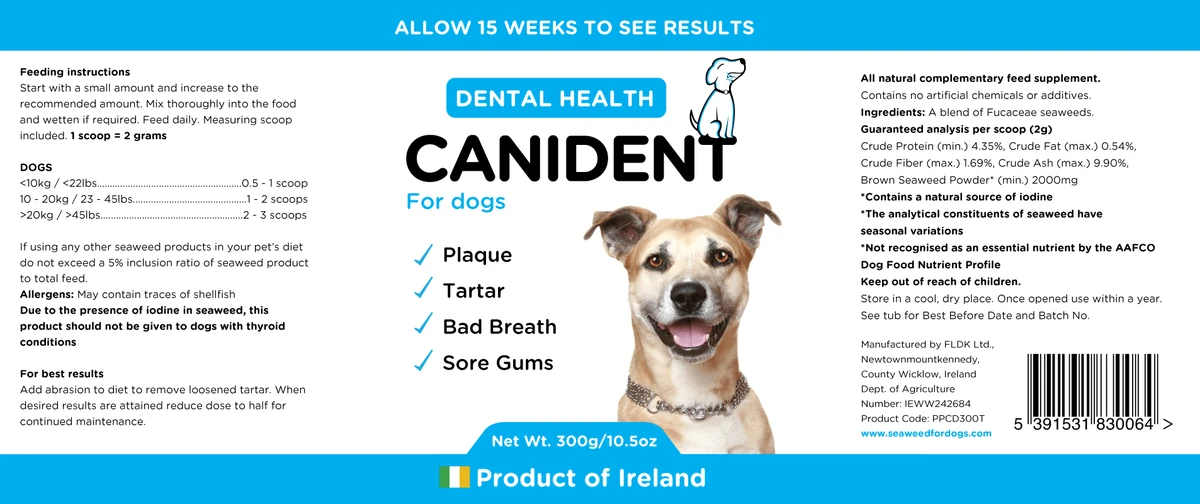
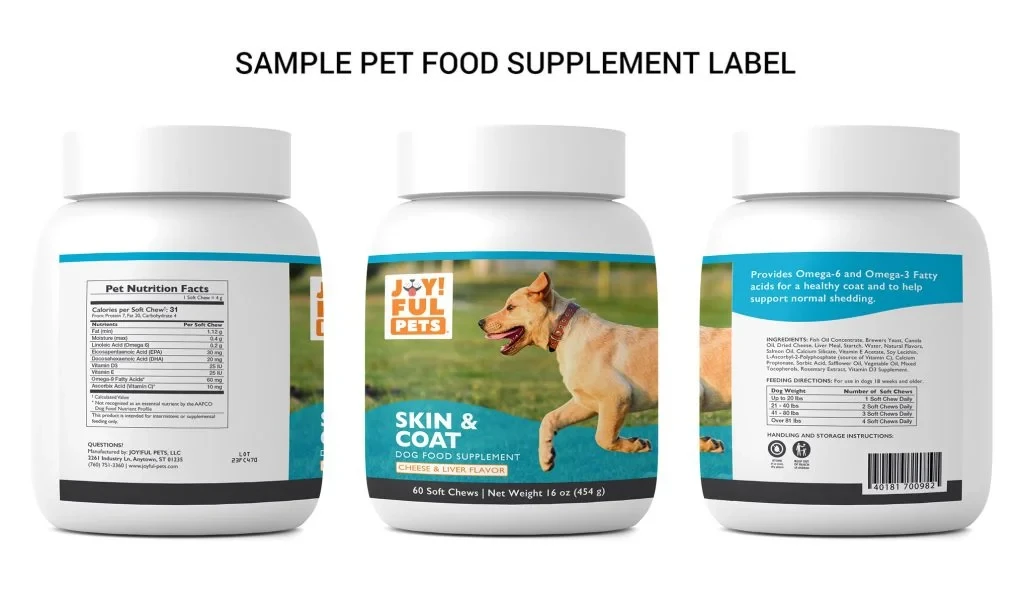
Pet supplement labels must provide clear ingredient listings in descending order by weight, net product weight, and manufacturer contact information, reflecting FDA and AAFCO regulations. These labels cannot legally claim to treat, cure, or prevent diseases without FDA drug approval, a restriction that protects consumers from misleading marketing. Instead, labels should focus on guaranteed analysis and nutrient content, aligned with NASC’s voluntary certification standards, which enhance credibility through third-party testing. Understanding these legal boundaries is essential for pet owners seeking safe, effective supplements.
Legal and Regulatory Labeling Requirements for Pet Supplements
The FDA regulates pet supplements under the broader category of animal dietary supplements, with labeling standards designed to ensure transparency and consumer protection. Ingredient lists must use approved common or usual names and present components in descending order by weight, facilitating assessment of a product’s primary constituents. Net weight declarations enable dosage accuracy, while manufacturer or distributor contact information is mandatory for consumer inquiries and traceability.
Unlike drugs, pet supplements are prohibited from making claims to treat or prevent diseases. Any such claims require the product to undergo FDA drug approval, a rigorous process that most supplements do not meet. Instead, disclaimers acknowledging the product’s status as a supplement rather than a medication are required. The Association of American Feed Control Officials (AAFCO) also provides guidance on labeling to promote consistency across states, although enforcement varies regionally.
Key Label Components to Evaluate
Pet owners should scrutinize the ingredient list for transparency and bioavailability. Ingredients listed by their common names, such as “glucosamine hydrochloride” or “fish oil (source of omega-3 fatty acids),” provide clarity on what the product contains and its potential nutritional value. Proprietary blends, which aggregate ingredients without specifying individual amounts, obscure dosage information and complicate safety assessments.
Guaranteed Analysis sections reveal minimum or maximum nutrient levels, such as crude protein, fat, fiber, and moisture, alongside specific vitamins and minerals. This data helps gauge whether a supplement can meet a pet’s dietary requirements. Feeding directions and dosage instructions must be precise and tailored to pet size and health status to avoid under- or overdosing, which can cause adverse effects.
Third-party testing certifications from organizations such as the National Animal Supplement Council (NASC), ConsumerLab, or NSF International provide an added layer of quality assurance. NASC-certified products undergo audits focusing on manufacturing practices, ingredient verification, and label accuracy. ConsumerLab and NSF test for purity, potency, and contaminants, offering independent validation that manufacturers’ claims are credible.
Ingredients to Seek in Pet Supplements
Functional ingredients with scientifically substantiated benefits should be prioritized. Glucosamine and chondroitin are widely recognized for joint health, supporting cartilage repair and reducing inflammation in conditions like osteoarthritis. Omega-3 fatty acids from fish oil play a crucial role in cardiovascular, cognitive, and skin health, with EPA and DHA being particularly bioavailable forms.
Trace minerals such as zinc and selenium, along with antioxidant vitamins like vitamin E, contribute to immune function and cellular protection. Whole food ingredients, including fruits, vegetables, and whole grains, provide additional fiber, phytonutrients, and natural antioxidants, enhancing overall nutrition and palatability.
Conversely, pet owners should avoid supplements containing artificial colors, flavors, preservatives, or harmful sweeteners like xylitol, which is toxic to dogs. Non-GRAS (Generally Recognized As Safe) substances or unspecified proprietary blends pose risks due to unknown ingredient quality and dosage, potentially leading to adverse reactions or ineffective supplementation.
Common Labeling Pitfalls and How to Avoid Them
Vague ingredient names such as “meat meal” or “animal digest” lack specificity about source and quality, making it difficult to assess nutritional value or allergen risks. Labels that feature unsubstantiated health claims like “heals gut inflammation” or “cures arthritis” without scientific backing and FDA approval are misleading and illegal.
Missing mandatory fields, including net weight or manufacturer contact information, undermine transparency and consumer confidence. Proprietary blends that do not disclose ingredient quantities prevent accurate risk-benefit evaluations, especially when multiple active components interact.
Poor label design, such as small fonts, cluttered layouts, or inconsistent terminology, hinders readability and may conceal important information. Pet owners should seek products with clear, legible labels that facilitate informed decision-making.
Role of Veterinarians in Supplement Selection
Veterinary professionals play a critical role in guiding supplement choices tailored to individual pet needs. They evaluate the pet’s health status, existing diet, and potential interactions with medications before recommending supplements. Therapeutic diets and veterinary-prescribed supplements often have more stringent formulations and controlled dosages, ensuring both safety and efficacy.
Veterinarians also help interpret complex label information, identifying credible products and warning against harmful additives or exaggerated claims. Their recommendations are grounded in clinical evidence, regulatory compliance, and nutritional science, reducing trial-and-error risks for pet owners.
Third-Party Testing and Quality Assurance
Independent laboratory testing verifies that pet supplements meet label claims for ingredient identity, potency, and purity. Such testing detects contaminants like heavy metals, pesticides, or microbial pathogens that compromise safety. Certifications from NASC, ConsumerLab, and NSF International signify adherence to Good Manufacturing Practices (GMP), ingredient traceability, and batch consistency.
Labels displaying third-party seals allow pet owners to distinguish reputable products in a crowded marketplace. Transparency about testing protocols and results further builds consumer trust, supporting both regulatory compliance and ethical marketing.
| Certification Body | Focus Area | Key Benefits for Pet Owners |
|---|---|---|
| NASC | Manufacturing audits, ingredient verification, label accuracy | Ensures product quality and regulatory compliance |
| ConsumerLab | Independent ingredient testing, potency, contaminants | Confirms purity and actual ingredient content |
| NSF International | GMP certification, ingredient safety, contaminant screening | Guarantees manufacturing standards and product safety |
Forward-Looking Insights on Pet Supplement Labeling
As pet nutrition science advances and consumer demand grows for transparency, regulatory agencies and industry groups are expected to tighten labeling standards. Emerging frameworks may mandate digital traceability, ingredient source disclosures, and more rigorous claims substantiation. Integration of blockchain technology for supply chain verification is under exploration, promising enhanced trust and accountability.
Artificial intelligence tools are increasingly used to scan and verify label compliance, helping retailers and consumers identify high-quality products rapidly. Pet owners should stay informed about evolving regulations, emerging ingredient research, and veterinary recommendations to adapt supplementation practices accordingly.
FAQ
What are the most important elements to check on a pet supplement label?
Look for a complete and transparent ingredient list in descending order by weight, net product weight, manufacturer contact information, feeding directions with dosage instructions, third-party testing certifications such as NASC, and avoid unapproved disease treatment claims.
Can pet supplements legally claim to cure or prevent diseases?
No. Supplements cannot make claims to treat, cure, or prevent diseases without FDA approval as drugs. Such claims are illegal and indicate a product is misbranded.
Why is third-party testing important for pet supplements?
Third-party testing by independent organizations verifies ingredient identity, potency, and purity, ensuring the product matches label claims and is free from harmful contaminants, thereby enhancing safety and efficacy.
What ingredients should pet owners avoid in supplements?
Avoid artificial additives such as colors, flavors, preservatives, harmful sweeteners like xylitol, non-GRAS substances, and unspecified proprietary blends that obscure ingredient doses and quality.
How can veterinarians assist in choosing pet supplements?
Veterinarians assess the pet’s health, diet, and medications to recommend appropriate supplements, interpret label information, and prevent adverse interactions, ensuring safe and effective supplementation tailored to the pet’s needs.
—
Pet supplement labels convey critical information that can safeguard pets from ineffective or unsafe products. By understanding regulatory requirements, ingredient transparency, third-party certifications, and the risks of artificial additives, pet owners can make confident, informed choices. Partnering with veterinarians further elevates supplement safety and efficacy, supporting optimal pet health outcomes in an increasingly complex market.

Benefits of Organic Pet Food for Dogs Explained Clearly
PawVerde.com – Organic pet food for dogs has steadily gained traction among pet owners seeking to enhance their pets’ health by eliminating exposure to synthetic pesticides, artificial additives, hormones, and antibiotics common in conventional pet foods. Certified organic dog food offers nutrient-dense formulations designed to improve immune function, reduce allergy risks, and support skin and coat health. This article examines the multifaceted benefits of organic dog food, regulatory standards ensuring quality, comparison with alternative diets, and practical guidance for pet owners considering organic nutrition for their dogs.
Organic certification ensures dog food ingredients are cultivated without synthetic pesticides, genetically modified organisms (GMOs), or chemical fertilizers, aligning with USDA organic standards. These regulations differentiate organic dog food from products labeled as “natural,” which may lack strict oversight on chemical use or ingredient sourcing. Additionally, organic pet foods must satisfy the Association of American Feed Control Officials (AAFCO) nutritional profiles to guarantee balanced diets meeting canine health requirements. This dual compliance ensures organic dog foods provide complete, safe, and nutrient-rich options for dogs.
Nutritional advantages of organic dog food stem from the absence of harmful synthetic chemicals and the inclusion of higher concentrations of antioxidants, vitamins, and essential fatty acids such as omega-3s. Research indicates organic ingredients often contain elevated levels of vitamin E, polyphenols, and carotenoids, which contribute to enhanced antioxidant protection and immune system support in dogs. Organic diets also typically promote better digestion through improved nutrient bioavailability and the inclusion of probiotics, which foster a healthy gut microbiome critical for immune resilience and nutrient absorption.
Dogs with food allergies or sensitivities frequently experience relief when transitioned to organic dog food. Eliminating common allergens like corn, soy, and gluten, which are prevalent in non-organic pet foods and often treated with chemical pesticides, reduces exposure to irritants that exacerbate skin conditions and digestive disturbances. Case studies from veterinary clinics have documented reductions in pruritus (itchiness), dermatitis, and gastrointestinal upset after switching to certified organic diets. Moreover, organic dog food’s holistic approach—combining nutrient-dense whole foods with the avoidance of artificial additives—supports healthier skin and shinier coats, particularly in allergy-prone breeds.
Organic dog treats represent a growing segment catering to dogs with sensitivities or owners seeking chemical-free snack options. Brands such as Grandma Lucy’s, Plato, and Castor & Pollux offer USDA-certified organic treats formulated with ingredients like organic oats, flaxseed, and free-range chicken. These treats exclude preservatives, artificial flavors, and synthetic dyes, reducing the risk of allergic reactions and digestive upset. Their nutrient profiles complement organic main meals by providing additional antioxidants, fiber, and essential fatty acids in controlled portions.
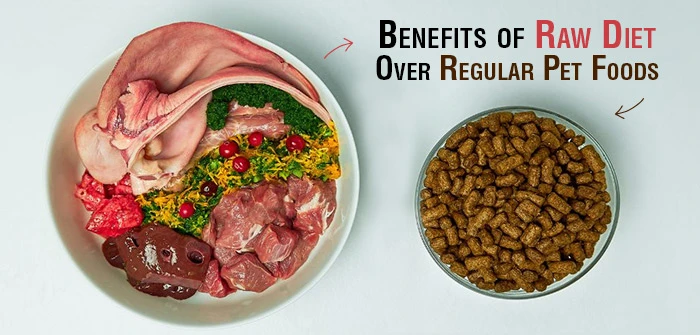
When comparing organic dog food to homemade, raw, and natural diets, several factors emerge regarding nutrient completeness, safety, and ease of feeding. Homemade diets allow customization but often lack balanced nutrient composition without veterinary guidance, risking deficiencies or excesses. Raw diets may improve palatability and preserve nutrient integrity but carry concerns about pathogen contamination and inconsistent ingredient quality. Natural dog food, while often free from artificial colors or flavors, does not guarantee pesticide-free or hormone-free sourcing. Organic dog food offers a regulated, nutritionally complete alternative that combines chemical-free ingredients with adherence to AAFCO standards, ensuring dog health and safety.
Sustainability and ethical farming practices underpin the production of organic pet food. Organic agriculture avoids synthetic agrochemicals, promotes soil health, and encourages biodiversity, resulting in lower environmental impact. animal welfare standards in organic farming require humane treatment, reducing the use of antibiotics and hormones. These practices align with growing consumer demand for environmentally responsible pet products and contribute to a holistic approach to pet health that encompasses ecological stewardship.
Transitioning a dog to organic food requires a gradual approach to avoid digestive upset. Veterinary guidance is essential to tailor the diet to individual health needs, monitor potential allergies, and ensure nutritional adequacy. Pet owners should select certified organic products with clear labeling, verifying USDA organic seals and AAFCO compliance. Monitoring the dog’s response, including energy levels, coat condition, and gastrointestinal health, informs necessary adjustments.
What Defines Organic Dog Food?
USDA Organic certification mandates that all agricultural ingredients in pet food must be grown without synthetic pesticides, herbicides, or genetically engineered organisms. organic dog food also prohibits the use of artificial preservatives, colors, and flavors, relying instead on natural preservation methods. The distinction between “organic” and “natural” dog food is critical: while natural pet foods avoid artificial ingredients, they may still contain conventionally farmed crops treated with chemicals. Organic certification ensures a higher standard of ingredient purity and environmental responsibility.
AAFCO nutrient profiles establish minimum and maximum nutrient levels necessary for balanced canine diets, covering protein, fat, vitamins, minerals, and essential fatty acids. Certified organic dog foods must meet these profiles to label their products as complete and balanced, ensuring dogs receive all essential nutrients. This regulatory framework provides assurance to pet owners that organic dog food is not only chemical-free but also nutritionally adequate.
Nutritional Benefits of Organic Dog Food
Organic dog food eliminates synthetic pesticides and antibiotics, substances linked to disruptions in canine gut microbiomes and potential antibiotic resistance. The absence of synthetic hormones prevents interference with natural endocrine functions, which can impact metabolism and immune responses. Organic ingredients tend to have higher concentrations of antioxidants such as vitamin E and beta-carotene, which protect cells from oxidative stress and support the immune system.
Omega-3 fatty acids, often derived from organic flaxseed or fish oils, are integral to organic diets, fostering anti-inflammatory effects and maintaining skin barrier integrity. Enhanced nutrient bioavailability in organic dog food improves digestion and nutrient absorption, which is critical for older dogs or those with compromised gastrointestinal function. Probiotics included in some organic formulations further promote gut health by balancing intestinal flora and enhancing immune defenses.
Health Improvements Linked to Organic Diets
Veterinary observations confirm that dogs consuming organic diets frequently exhibit fewer skin irritations, reduced allergy flare-ups, and improved digestion. Allergies in dogs commonly manifest as itching, redness, and recurrent ear infections. Organic diets’ exclusion of synthetic pesticides and artificial additives reduces the antigenic load on the immune system, decreasing hypersensitivity reactions.
Shinier coats and healthier skin result from the inclusion of essential fatty acids and antioxidants in organic dog food. Fatty acids support the synthesis of ceramides and other lipids vital to skin barrier function. Case reports highlight dogs with atopic dermatitis showing marked improvements after transitioning to organic diets, with decreased reliance on corticosteroids or antihistamines.
Dogs with food sensitivities benefit from organic dog food’s limited ingredient formulations, which avoid common allergens such as corn, soy, and gluten. By focusing on high-quality, minimally processed proteins and organic grains, these diets reduce the likelihood of adverse reactions and improve overall tolerance.
Organic Dog Treats: Quality and Allergy-Friendly Options
USDA organic dog treats from brands like Grandma Lucy’s, Plato, and Castor & Pollux use certified organic ingredients, ensuring treats are free from chemical residues, artificial preservatives, and synthetic flavors. Ingredients such as organic oats provide dietary fiber and help regulate digestion, while flaxseed delivers omega-3 fatty acids that support skin and coat health. Organic chicken offers a high-quality protein source with lower risk of contamination from hormones or antibiotics.
These treats serve as allergy-friendly supplements to organic diets, offering snacks that minimize the risk of triggering food sensitivities or gastrointestinal upset. They also align with holistic feeding principles by contributing to balanced nutrition and avoiding synthetic additives common in conventional treats.
Comparison with Other Diet Types
Homemade dog food allows pet owners to control ingredients and avoid processed additives; however, without veterinary nutritionist involvement, these diets risk nutrient imbalances and deficiencies. Raw diets emphasize unprocessed meat and vegetables but raise concerns over bacterial contamination and inconsistent nutrient profiles, which may jeopardize canine health.
Natural dog food avoids artificial colors and flavors but does not guarantee the exclusion of pesticides or GMOs. Organic dog food offers a unique benefit by combining chemical-free certification with nutritional completeness verified by AAFCO standards. This regulated framework contrasts with the varying quality and safety profiles of homemade, raw, or natural diets.
Nutrient bioavailability and microbiome impacts differ across diet types. Organic dog food’s emphasis on antioxidants, probiotics, and omega-3 fatty acids supports a balanced gut microbiome and robust immune function more consistently than homemade or raw diets lacking supplementation. Veterinary oversight is crucial when switching diets to prevent digestive disturbances and ensure nutritional adequacy.
Sustainability and Ethical Considerations
Organic pet food production employs farming methods that promote soil health, reduce chemical runoff, and enhance biodiversity. The avoidance of synthetic pesticides and fertilizers fosters ecosystems less prone to contamination and degradation. Organic animal husbandry upholds higher welfare standards, minimizing antibiotic and hormone use, which benefits animal health and reduces resistance risks.
Environmental benefits include lower greenhouse gas emissions and improved water conservation compared to conventional farming. These sustainability factors resonate with environmentally conscious consumers seeking pet food options aligned with broader ecological values.
Practical Guidance for Pet Owners
Transitioning dogs to organic diets should occur gradually over 7 to 10 days to prevent gastrointestinal upset, beginning with a small proportion of organic food mixed with the current diet and progressively increasing the ratio. Monitoring the dog’s stool quality, energy levels, and skin condition helps identify any adverse reactions or improvements.
Pet owners should prioritize products bearing USDA organic certification and verify compliance with AAFCO nutritional standards for complete and balanced diets. Reading ingredient labels carefully ensures avoidance of unwanted allergens or additives. Consulting with a veterinarian or veterinary nutritionist is essential, especially for dogs with preexisting health conditions or known food sensitivities, to customize dietary plans and monitor progress.
FAQ
What are the main benefits of feeding dogs organic pet food?
Organic pet food provides nutrient-rich ingredients free from synthetic pesticides, hormones, antibiotics, and artificial additives. This enhances immune function, supports skin and coat health, reduces allergy risks, and promotes overall well-being.
How does organic dog food help with allergies and food sensitivities?
By eliminating common allergens such as corn, soy, and gluten, and avoiding chemical residues, organic dog food reduces immune system irritants that trigger allergic reactions, leading to fewer skin irritations and digestive issues.
Is organic dog food nutritionally complete compared to homemade or raw diets?
Certified organic dog foods must meet AAFCO nutritional profiles, ensuring balanced nutrient levels. Homemade or raw diets may lack essential nutrients without veterinary guidance, making organic commercial foods a safer, regulated option.
Are organic dog treats better for dogs with sensitivities?
Yes, USDA-certified organic dog treats contain no synthetic preservatives or artificial flavors, using limited ingredients like organic oats and flaxseed, which are less likely to provoke allergies or digestive upset.
What should pet owners consider when switching to organic dog food?
Gradual diet transition is key to avoid digestive upset. Owners should choose certified products, read labels carefully, and consult veterinarians to tailor the diet to their dog’s specific health needs and monitor improvements.
—
Organic dog food represents a scientifically backed, regulated approach to canine nutrition that emphasizes health benefits through chemical-free, nutrient-rich ingredients. Its role in managing allergies, supporting skin and coat vitality, and enhancing immune function makes it a compelling choice for pet owners prioritizing holistic health. Sustainability and ethical farming further bolster its appeal, positioning organic dog food as a forward-thinking option in pet nutrition. Continued research and veterinary collaboration will refine best practices, ensuring optimal outcomes for dogs transitioning to organic diets.