

Best Compostable Dog Poop Bags: Home vs. Industrial Guide
PawVerde.com – The best compostable dog poop bags are those certified for ‘Home Compostability’ (such as TÜV Austria OK compost HOME), as most industrial-grade compostable bags require 55-60°C temperatures to break down—heat levels rarely achieved in backyard bins. For urban owners, high-quality PCR (post-consumer recycled) bags often offer a more reliable environmental middle ground.
A single Earth Rated bag can help divert up to 5 million pounds of landfill-bound plastic every year through its use of post-consumer recycled materials.
A common misconception among pet owners is that any bag labeled “compostable” can be tossed into a garden compost heap. This is a significant error. Bags meeting the ASTM D6400 standard are engineered to undergo complete biodegradation within 180 days, but they strictly require the sustained high-heat conditions of a professional facility. Without these specific thermal triggers, the material may persist for years without breaking down.
Residential compost piles rarely maintain the consistent 55-60°C temperatures necessary for industrial-grade bioplastics. If you use ASTM D6400 bags in a backyard bin, you face a specific failure mode: the bag remains intact, essentially acting as a plastic liner that prevents organic matter from decomposing. For true residential success, look for the TÜV Austria OK compost HOME certification, which ensures the bag will fully biodegrade within 12 months in lower-temperature environments.
Compare these leading brands to find a balance between material composition and environmental impact. Options range from 100% home compostable certifications to high-content PCR plastics.
| Brand | Primary Material | Certification Type | Est. Cost per Bag |
|---|---|---|---|
| Give A Shit | Plant-based | 100% Home Compostable | Premium |
| Earth Rated | 65% PCR Plastic | Recycled Content | Mid-range |
| Pet N Pet | Plant-based Blend | 38% Minimum Plant Content | Mid-range |
| Cool Poo Bags | Compostable Blend | Compostable | 12 cents a bag |
This selection includes brands like Give A Shit, which offers 100% home compostability, and Earth Rated, which utilizes 65% post-consumer recycled plastic.
Give A Shit stands out for users who want to ensure their waste returns to the earth via backyard bins. These bags carry a 100% certification for home compostability, meaning they do not rely on the high-heat infrastructure of municipal plants. They are the premier choice for the zero-waste enthusiast.
For owners who need reliability in large quantities, Earth Rated offers a highly effective alternative to traditional plastics. Rather than relying solely on bioplastics, they utilize 65% certified post-consumer recycled (PCR) plastic. This approach uses up to 88% less energy and cuts emissions by up to 70% compared to virgin plastic. A standard 270 pack provides significant value for daily walkers.
Budget-conscious owners can find a reliable middle ground with Cool Poo Bags. At approximately 12 cents a bag, they provide an accessible entry point for those transitioning away from standard plastic. They offer a balance of eco-friendly materials without the high premium often found in the boutique compostable market.
PET N PET provides a specialized option for those seeking a plant-heavy composition. These bags feature a minimum of 38% plant-based content, offering a hybrid approach to waste management. They serve as a functional bridge for owners who want to reduce fossil-fuel reliance while maintaining bag integrity.
Micron thickness determines how a bag handles physical stress. For example, Earth Rated PCR bags typically measure 15 microns, while their compostable line reaches 18 microns.
| Thickness (Microns) | Typical Performance | Best Use Case |
|---|---|---|
| 12 microns | High risk of tearing | Dry, smooth surfaces only |
| 15 microns | Standard PCR thickness | General urban sidewalks |
| 18 microns | High durability | Earth Rated compostable line |
| 20 microns | Heavy-duty | Rough or jagged terrain |
The thickness of a bag directly impacts its performance on various surfaces. While some plant-based bags average only 12 microns, thicker options like the 18-micron Earth Rated compostable line offer increased resilience.
When walking on concrete or asphalt, the friction of the bag against the ground can cause micro-tears. A poop bag that won’t leak, break, or disintegrate is a primary defense against this minor but thoroughly gross catastrophe, according to experts. If a bag is too thin, a simple scrape against a curb can result in a catastrophic failure.
Some plant-based bags average only 12 microns in thickness. While this is environmentally efficient, it makes them highly prone to tearing when encountering gravel or jagged pavement. For owners who frequent parks with unpaved trails, opting for a bag in the 18 to 20 micron range is a necessary precaution to avoid mid-walk messes.
Moisture is the enemy of many compostable materials. In their testing, Wirecutter utilized miso paste tests to evaluate how bags handle liquid and heavy loads. These tests reveal that certain plant-based materials can lose structural integrity when exposed to high moisture levels, a common occurrence with fresh pet waste.
Warning: Paper-based bags may break down in as little as 2-4 weeks in home compost. Use them only in dry environments to prevent disintegration before disposal.
Even if you purchase the highest-quality compostable bags, you may encounter a roadblock at the curb. Many owners assume “compostable” means “ready for the green bin,” but this is often incorrect.
- Check Municipal Guidelines: Most US municipal programs exclude pet waste because it can contain pathogens as well as the residues from antiparasitic medications.
- Avoid Contamination: Even if your bag is compostable, adding pet waste to a municipal stream can contaminate the final compost product intended for agriculture.
- Use Dedicated Bins: If your city rejects pet waste, the most responsible route is a dedicated pet waste composting system or a landfill-bound disposal that utilizes PCR-heavy bags to minimize the carbon footprint.
Mel Plaut, Wirecutter’s senior staff writer of pets coverage, notes that most municipal composting programs in the US don’t accept pet waste because it can contain pathogens and residues from antiparasitic medications. This means your eco-friendly choice must still align with local waste management infrastructure to be truly effective.
Generally, no. ‘Biodegradable’ is often an unregulated term that can lead to microplastic shedding. ‘Compostable’ implies a specific standard of complete decomposition within a set timeframe.

Eco-Friendly Dog Waste Disposal: Best Sustainable Methods
PawVerde.com – The most sustainable way to dispose of dog waste is to flush it down the toilet using water-soluble bags, provided you are on a municipal sewer system. However, for those with septic tanks or yards, composting or using in-ground digesters offers a way to divert organic waste from landfills and reduce methane emissions.
The scale of the plastic crisis is massive; in 2010 alone, 192 coastal countries generated 275 million metric tons of plastic waste, with 12.7 million metric tons entering ocean ecosystems. For pet owners, this reality necessitates a shift in how daily waste is managed to avoid contributing to long-term environmental degradation.
The Greenwashing Decoder: How to Spot Real Compostable Bags
To identify truly eco-friendly bags, ignore vague terms like ‘biodegradable’ or ‘degradable.’ Instead, look for official certifications from organizations like BPI or BioCycle. Real compostable bags are designed to break down in specific environments, whereas ‘degradable’ plastics often simply fragment into microplastics that persist in the environment.
Doggy Do Good and other manufacturers have noted that pet waste bag producers frequently use misleading claims on packaging. Terms such as “dissolves” or “biodegradable” are often used to imply environmental safety without meeting rigorous industrial composting standards. This creates a failure mode where a consumer believes they are helping the planet, but is actually purchasing a product that merely fragments into smaller plastic pieces.
Red Flags in Packaging
Avoid products that rely on the following unsupported descriptors:
- “Biodegradable” (often lacks a specific timeframe or environment for breakdown)
- “Degradable” (can refer to simple fragmentation into microplastics)
- “Eco-friendly” (a generic term with no legal or scientific definition)
- “Dissolvable” (does not necessarily mean the material is compostable)
Certifications that Matter
True sustainability is verified by third-party testing. For example, Doggy Do Good produces bags with 38% vegetable-based content, while 62% of the remaining content must meet specific standards to be considered truly compostable. To ensure you are purchasing the right product, look for these specific markers:
- BPI Certification: Indicates the product meets ASTM D6400 or D6868 standards for industrial composting.
- BioCycle Guidance: Ensures the material is recognized by professional composting industry standards.
A Decision Matrix for Dog Owner: Choosing Your Method
The EPA states that “the most sustainable way to dispose of dog poop is to flush it down the toilet,” but your specific choice depends on whether you use a municipal sewer or a private septic tank.
| Disposal Method | Best For | Primary Eco-Benefit | Major Risk/Constraint |
|---|---|---|---|
| Composting | Suburban homeowners with yards | Reduces methane by diverting waste from landfills | Requires strict temperature control (140°F) |
| Flushing (Sewer) | Apartment dwellers / City residents | Uses existing municipal wastewater treatment | Risky for private septic systems |
| In-Ground Digestion | Residential yards with space | Natural breakdown in a controlled site | Requires specific commercial digester units |
| Flushing (Septic) | Not Recommended | None | High risk of septic tank failure |
Use the table above to navigate the trade-offs between different waste management strategies. Selecting an inappropriate method can result in physical blockages or infrastructure failure.
The Apartment Dweller’s Strategy
For those living in high-density urban areas, the primary goal is efficient waste removal within municipal limits. Using water-soluble bags, such as those produced by Flush Puppies, allows for direct disposal via the toilet. This method relies on the municipal sewer system to process the organic matter safely.
The Suburban Backyard Approach
Homeowners with access to land have more diverse options. They can utilize in-ground digestion systems, such as those manufactured by Doggie Doolie, or manage a dedicated composting pile. While these methods offer the highest level of diversion from landfills, they require more active management to remain safe and effective.
Safety First: The Science of Pathogen-Free Composting
To safely compost dog waste, you must reach a ‘magic number’ of 140 degrees F to kill harmful bacteria and viruses. This thermophilic process, combined with a proper carbon-to-nitrogen ratio, ensures the resulting material is safe for non-food plants like shrubs and flower beds.
The University of Florida, Institute of Food and Agricultural Sciences (UF/IFAS) emphasizes that dog waste is filled with bacteria, viruses, and nutrients that pose significant human and water quality health risks. Without reaching the necessary thermal threshold, the compost remains a biological hazard.
The 140-Degree Rule
Effective composting is a biological process that requires heat. According to the dog waste composting Recipe, owners should follow these specific steps:
- Collect ingredients and mix well with a carbon source, such as sawdust.
- Monitor the pile to ensure it reaches at least 140 degrees F.
- Turn the pile at least once a week to maintain aeration.
- Allow the process to run for 4-8 weeks until a crumbly, dirt-like mixture is achieved.
Warning: If the temperature fails to hit the 140-degree threshold, the pathogens present in the waste may survive, rendering the compost dangerous for use.
Where to Use Your Finished Compost
Even when successful, the resulting material should be handled with caution. UF/IFAS recommends using the finished compost exclusively on non-food plantings, such as flower beds and shrubs. It should never be applied to vegetable gardens or any area where food is grown, due to the inherent risk of pathogen persistence.
The Septic vs. Sewer Technicality
While flushing is a sustainable option for city residents, it is a significant risk for those on private systems. Avoid this method if your home relies on a septic tank.
Warning: To prevent septic system failure, do not flush dog waste or use “flushable” bags. This practice can disrupt the biological balance or cause physical blockages in the tank and drainage field.
The EPA suggests that septic users should keep all pet waste out of the toilet entirely. Instead, these users should look toward in-ground digesters or traditional waste collection services.
Environmental Impact: From Landfills to Oceans
Improper disposal creates long-term ecological issues. For example, diverting organic waste from landfills can specifically help cut down on planet-warming methane emissions.
The Methane Problem
Landfills are major sources of greenhouse gases. By diverting dog waste from these sites and into controlled composting environments, owners contribute to a reduction in the overall carbon footprint of pet ownership. This is a proactive way to manage the biological byproduct of domestic animals.
The Marine Ecology Risk
There is a common misconception that all “compostable” bags are safe for the water. However, research from the Plymouth Marine Laboratory indicates that these bags may not break down effectively in ocean environments. If a bag escapes the waste stream and enters a waterway, it can act similarly to traditional plastic, potentially contributing to the 12.7 million metric tons of plastic waste that enter ocean ecosystems annually.
Uncollected waste also creates safety and health hazards. According to the Penn State Extension, when rain or snow hits uncollected waste, it can carry bacteria and nutrients into storm drains and groundwater, leading to widespread contamination.
FAQ
Can I use dog waste compost in my vegetable garden?
No. Due to the risk of pathogens, UF/IFAS recommends using dog waste compost only on non-food plantings like shrubs and flower beds. The potential for bacterial or viral survival makes it unsuitable for edible crops.
Are ‘biodegradable’ bags actually better for the ocean?
Not necessarily. Research from Plymouth Marine Laboratory suggests these bags may not break down effectively in ocean environments, potentially contributing to plastic pollution rather than solving it.
How long does it take to make dog waste compost?
With proper management and temperature control, you can achieve a crumbly, dirt-like mixture in approximately 4 to 8 weeks.
Biodegradable vs Compostable: Key Differences for Pet Owners
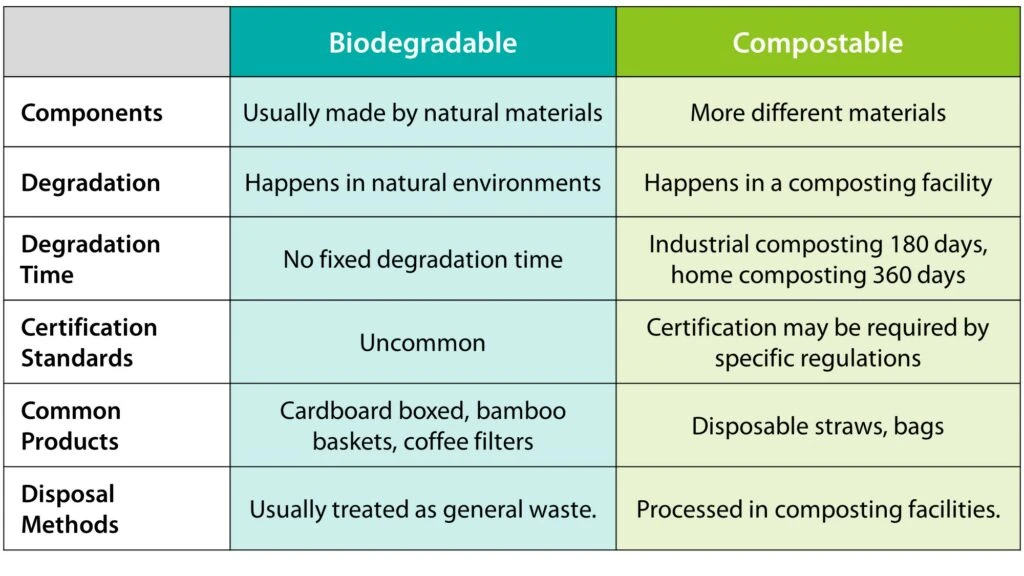
PawVerde.com – While all compostable products are biodegradable, not all biodegradable products are compostable. Compostable bags are highly regulated and break down into nutrient-rich humus within 90-180 days in industrial facilities, whereas biodegradable bags often lack strict regulation and can leave harmful microplastics behind in the environment.
With 500 million plastic poop bags used globally every year, the distinction between “biodegradable” and “compostable” is a critical environmental decision.
The Greenwashing Red Flag: Identifying Vague Marketing Claims
The term “biodegradable” isn’t tightly regulated, so it can be applied to a wide range of products. This lack of oversight allows manufacturers to use environmentally friendly language without meeting specific decomposition benchmarks. According to PoopBags.com, this regulatory gap is a primary reason why consumers struggle to differentiate between truly sustainable options and those that merely change form.
Meaningless vs. Meaningful Terminology
EcoFurball notes that compostable products undergo testing and certification standards, while biodegradable products often rely on vague or unregulated claims. This distinction is vital for ecosystem health.
A common failure mode occurs when a product is labeled as “earth-friendly” but lacks a clear breakdown timeline. To avoid these traps, check for the following indicators:
- Specific certification marks (such as ASTM D6400 or EN 13432).
- A defined decomposition timeframe (e.g., 90-180 days).
- Explicit instructions for disposal (e.g., “Industrial Compost Only”).
How to spot ‘Earth-Friendly’ traps
Consumers often fall into the trap of assuming any bag that mentions “nature” is safe for the soil. However, if a bag is labeled as “biodegradable” without a certification, it might simply be a plastic bag with additives designed to fragment. This process does not result in organic matter but instead creates a persistent environmental presence. Practitioners report that relying on these unregulated claims can lead to unintended pollution in local waste streams.
The Microplastic Leakage: Why ‘Biodegradable’ Can Be Worse for Oceans
biodegradable bags pose a significant risk of ‘leakage’ because they often break down into tiny fragments rather than fully decomposing. In marine or landfill environments, these materials can shed microplastics that persist for decades, whereas certified compostable materials are designed to return to organic matter without leaving synthetic residues.
Oxo-degradable products represent a specific category of concern. These materials are designed to break into tiny fragments—commonly known as microplastics—but they never fully decompose. This fragmentation process is often mistaken for biodegradation, but it actually accelerates the distribution of plastic particles throughout the food chain. ECOLipak research suggests that these materials fail to provide the circularity promised by true composting.
The environmental impact of these fragments is substantial. While a compostable bag aims to become part of the soil, a poorly regulated biodegradable bag may simply become invisible plastic. This creates a deceptive sense of sustainability while the actual material remains in the environment for years. The failure to fully disappear means the “biodegradable” claim functions more as a change in visibility than a true biological reintegration.
Head-to-Head: Environmental Impact Metrics
Compostable bags are the clear winner in resource efficiency, requiring only 0.6L of water and producing 2.0g of CO2e per bag. In comparison, biodegradable bags use 0.8L of water and 4.1g of CO2e, while traditional plastic bags consume 1.2L of water and generate 6.2g of CO2e.
The following table provides a detailed comparison of the environmental footprint associated with each bag type based on production metrics.
| Metric (Per Bag) | Regular Plastic | Biodegradable | Compostable |
|---|---|---|---|
| CO2 equivalent (g) | 6.2g | 4.1g | 2.0g |
| Water consumption (L) | 1.2L | 0.8L | 0.6L |
| Energy consumption (kWh) | 0.05 kWh | 0.04 kWh | 0.03 kWh |
Based on the data, compostable bags require only 0.03 kWh of energy per unit. This makes them more efficient than biodegradable options (0.04 kWh) and regular plastic (0.05 kWh).
The Pathogen Paradox: Can You Actually Compost Pet Waste?
EcoFurball points out that even when pet waste bags claim compostability, the waste inside them often disqualifies the entire item from composting. While compostable products produce humus, upon degradation, which is the richest and most important part of all soils, the presence of biological pathogens in pet waste changes the safety profile of the final compost.
The Backyard Composter’s Risk
Home composting setups often lack the precise thermal control required to neutralize harmful bacteria. As EcoFurball highlights, the waste inside the bag can contaminate the entire batch. If you use a backyard bin, it is safer to use the bag as a liner for a dedicated waste stream rather than mixing it with garden compost intended for food crops.
Industrial vs. Home Composting Realities
Industrial facilities utilize specialized machinery and high-heat aerobic processes to ensure complete breakdown and pathogen destruction. This is where compostable bags are designed to function. In these controlled environments, the bag breaks down within 90 to 180 days, turning into organic matter. Home composting, by contrast, is much more variable and often fails to achieve the necessary biological stability for pet-related waste.
Disposal Decision Tree: Which Bag Fits Your Lifestyle?
Your choice should align with your local waste management infrastructure. The most sustainable option is whichever bag reaches its intended end-of-life destination.
To determine your best option, consider these three primary disposal paths:
- If you have access to a municipal green bin: Certified compostable bags are the superior choice. They are designed to decompose within 90 to 180 days in commercial facilities.
- If you use standard trash collection and a landfill: A recycled plastic bag is likely the more sensible choice. Since neither type of bag will biodegrade effectively in the anaerobic (oxygen-starved) conditions of a landfill, using a bag that minimizes production harm is more practical.
- If you use a home compost bin: Avoid using pet waste in this bin, regardless of the bag type. Instead, use bags that are certified for home use only for yard waste or food scraps.
Note that biodegradable plastics typically require 3 to 6 months to break down, but this timeline is often contingent on environmental conditions that are rarely met in standard trash bags. If you cannot guarantee the bag will reach a composting facility, the environmental benefit of “biodegradable” labels is significantly diminished.
FAQ
Is every biodegradable bag compostable?
No. As stated by Good Start Packaging, while all compostable products are biodegradable, “biodegradable” does not always mean compostable, and these products may leave microplastics behind.
What happens if I put a compostable bag in a landfill?
Compostable bags are designed for aerobic environments like industrial composting facilities. In the anaerobic (oxygen-starved) conditions of a landfill, they fail to decompose as intended.
Can I put dog poop in my backyard compost bin?
Even if the bag is “home compostable,” the pathogens in pet waste often disqualify the entire item from standard composting processes due to health and safety risks.
Eco-Friendly Pet Conservation: A Guide to Sustainable Care
PawVerde.com – To transition to eco-friendly pet conservation, owners must implement a multi-layered approach: switching to sustainable nutrition (lower-impact meats), adopting responsible waste management (compostable bags and proper disposal), choosing biodegradable grooming products, and auditing pet gear to avoid greenwashed plastics. This reduces your pet’s carbon footprint and protects local water quality.
North America alone generates 300 million pounds of plastic waste from pet products annually. This massive volume of waste contributes to long-term environmental degradation, necessitating a shift in how pet owners select and discard supplies.
Biodegradable vs. Compostable: The Technical Difference
A critical distinction exists between these two terms. According to the David Suzuki Foundation, compostable products must break down within a defined timeframe and under specific conditions, leaving behind non-toxic material. In contrast, biodegradable products often rely on vague or unregulated claims that do not guarantee a specific rate of decomposition. A failure to distinguish between them often leads to “wish-cycling,” where owners attempt to compost items that actually require industrial processing to break down.
Red Flags in Pet Product Labeling
Evaluate labels by looking for specific indicators of deceptive marketing. Use these metrics to determine if a product’s claims are substantiated:
- Vague Terminology: Avoid products that use words like “natural” or “eco-friendly” without supporting third-party certifications.
- Missing Timeframes: If a product claims to be biodegradable but does not state how long it takes to decompose, treat the claim with skepticism.
- Hidden Ingredients: Check for unsustainable components like palm oil in grooming products, which contributes to deforestation.
- Lack of Certification: Look for specific logos from recognized bodies rather than generic leaf icons.
Safety-First Sustainability: Balancing Eco-Materials with Pet Toxicity
While transitioning to sustainable materials can reduce environmental impact, pet safety is the primary priority. For example, topical flea treatments act as pesticides that can leach into water and harm aquatic wildlife if a dog enters a river shortly after application.
Eco-Friendly Pet Services: How to Avoid Greenwashing
PawVerde.com – Eco-friendly pet services prioritize sustainability through low-emission mobile grooming, insect-based proteins, and biodegradable waste management. By choosing services that utilize solar-powered transport, compostable materials, and ethically sourced nutrition, pet owners can significantly reduce their animal’s carbon footprint and avoid the toxic chemicals often found in conventional pet care products.
The scale of the environmental challenge is immense. American dogs create an estimated 10 million tons of poop each year, creating a massive waste management challenge that requires more than just standard plastic disposal solutions.
The Greenwashing Detector: How to Audit Your Pet Service Provider
To detect greenwashing, avoid providers using vague terms like ‘natural’ or ‘green’ without specific proof. Look for concrete certifications and avoid ‘unrelated labels’—such as ‘CFC-free’—which are marketing tactics used to appear eco-friendly without providing actual environmental value or substance.
Greenwashing often manifests through deceptive labeling in the pet food and supply sectors. Industry analysts have identified 10 common greenwashing practices used to mislead consumers. Within the food and beverage industry specifically, 5 of these practices are highly prevalent, often involving claims that lack verifiable data or third-party oversight.
Red Flag Phrases to Watch For
A primary failure mode for eco-conscious consumers is falling for “Greenwashing via Vague Assertions.” This occurs when a brand uses terms like “eco-friendly,” “natural,” or “green” as catch-all descriptors without providing specific proof descriptors or ingredient details. If a service provider claims to be “environmentally friendly” but cannot list the specific biodegradable certifications of their shampoos, the claim is likely unsubstantiated.
Another deceptive tactic is “Greenwashing via Unrelated Labels.” Some producers highlight irrelevant properties to create a halo effect of sustainability. For example, a company might advertise “CFC-free packaging.” Because CFCs (chlorofluorocarbons) were banned long ago, this label provides zero actual environmental value to a modern consumer; it is simply a marketing tactic designed to appear environmentally conscious.
Verifying Claims with Data Mining
To move beyond marketing fluff, practitioners suggest a more rigorous approach to vetting. One method involves “Data Mining for Greenwashing Detection,” where consumers can run definitions of common greenwashing practices through tools like the WORDITOUT application to highlight and identify negative or deceptive linguistic patterns. Instead of trusting a label, look for specific, measurable data points regarding carbon offsets or ingredient sourcing.
A Step-by-Step Transition Roadmap for Eco-Conscious Owners
Transitioning to a sustainable lifestyle does not require an immediate, total overhaul of your pet care routine. Research indicates that 3/4 of 1,000 surveyed pet owners are interested in learning how to live more sustainably with their pets, suggesting a significant movement toward intentional consumption.
This structured transition helps manage potential pet health sensitivities. Owners can monitor reactions to new ingredients or hygiene products during each phase.
- Phase 1: Low-Stakes Swaps (Waste & Toys): Begin by replacing high-impact disposables. Swap traditional plastic waste bags for compostable alternatives or renewable plant-material options. This stage focuses on items that do not directly impact the pet’s internal biology, making it a safe starting point for testing new brands.
- Phase 2: Dietary Shifts (Proteins & Ingredients): Once waste management is stabilized, address nutrition. Utilize the “Sustainable Nutrition Transition” technique by switching to organic ingredients, locally sourced proteins, or insect-based proteins. It is vital to monitor for digestive changes when introducing new protein sources.
- Phase 3: Professional Service Audits: The final stage involves auditing your service providers. Evaluate grooming salons and veterinary services based on their use of biodegradable formulas and their energy consumption models.
Sustainability can offer financial benefits for retailers. According to industry data, retailers can lower operating costs by reducing waste and conserving energy, which may help mitigate the “green premium” for consumers.
Revolutionizing Pet Hygiene: From Solar Vans to Natural Formulas
Mobile grooming services reduce environmental impact by lowering transportation emissions. Providers like Puppy Luv Pet Services in the DMV area utilize direct-to-home models to minimize the carbon footprint of each visit.
The shift toward mobile, eco-conscious grooming is driven by both environmental necessity and pet wellness. Providers like Puppy Luv Pet Services in the DMV area emphasize that mobile grooming reduces the carbon footprint by lowering transportation emissions through direct-to-home service. Furthermore, as Puppy Luv Pet Services notes, “As we move deeper into 2025, pet parents aren’t just looking for clean dogs—they want clean consciences too.”
Product composition is a critical factor in pet wellness. Traditional grooming products can contain harsh chemicals that irritate skin or trigger allergies. Natural formulas are often gentler, particularly for animals with sensitive skin or existing medical conditions.
Innovation in this sector has reached the level of hardware. For instance, in February 2023, Sundance Pet Grooming introduced a Mercedes Benz clean diesel Sprinter van equipped with rooftop solar panels in the Lake Norman region. This integration of renewable energy directly into the service delivery model represents the high end of sustainable pet hygiene.
The Science of Sustainable Nutrition: Insect Protein and Carbon Goals
Sustainable pet food options can significantly lower carbon emissions. By utilizing organic, locally sourced, or insect-based proteins, brands can reduce their dependence on intensive livestock farming.
The most significant breakthrough in sustainable pet nutrition is the adoption of insect protein. Insect protein is demonstrably better for the environment due to superior land usage, significantly lower water consumption, and almost negligible greenhouse gas emissions compared to traditional beef or poultry. Brands such as Jiminy’s have pioneered the use of these proteins to create high-quality, low-impact meals.
| Feature | Conventional Services/Food | Eco-Friendly Services/Food |
|---|---|---|
| Primary Protein Source | High-impact livestock (Beef/Chicken) | Insect protein or locally sourced organic |
| Packaging Type | Non-recyclable multi-layer plastics | Recyclable or compostable materials |
| Cat Litter Composition | Clay or sodium bentonite | Recycled wood, wheat, or corn |
| Environmental Focus | Mass production efficiency | Carbon footprint reduction (e.g., Open Farm’s 42% goal) |
The data highlights the shift from mass production efficiency to long-term ecological stability. While conventional methods focus on immediate cost, sustainable alternatives prioritize measurable goals like Open Farm’s 42% carbon footprint reduction target.
Corporate accountability is also evolving. Open Farm has established a specific 42% carbon footprint reduction goal to be met by 2030, demonstrating that sustainability is being integrated into long-term business strategy rather than treated as a temporary marketing trend. Furthermore, suppliers like Kemin Nutrisurance are playing a critical role by providing the plant-based ingredients necessary to support these global sustainability strategies in the pet food market.
Managing the Mess: The Lifecycle of Pet Waste
Managing pet excrement is a vital part of environmental stewardship. Proper handling is required to prevent the contamination of soil and water systems.
The “Waste Management – Composting” technique offers a specialized solution. Pet N Pet recommends using specialized composting systems that utilize aerobic digestion and enzyme-based treatments to process waste safely.
When selecting products for waste disposal, the distinction between “biodegradable” and “compostable” is vital. Many products claim to be eco-friendly but fail to reach the necessary environments to actually decompose.
Warning: Many “biodegradable” bags require industrial composting facilities to break down effectively. If these bags are sent to a standard landfill, they may remain intact for years, failing to provide the environmental benefit promised by the manufacturer.
To ensure genuine sustainability, look for manufacturers like MyEcoPet, which produces GMO-free renewable plant material waste bags, or Pet N Pet, which focuses on the future of sustainable waste management. For those looking to transition, Pet N Pet currently offers a 20% discount on first orders to lower the barrier to entry for eco-conscious waste management.
FAQ
Is eco-friendly pet food actually safer for my pet?
Yes, natural formulas and organic ingredients help avoid harsh chemicals like parabens or phthalates that can trigger allergies or skin irritation. This makes them a preferred choice for pets with sensitive skin or specific medical conditions.
How can I tell if a pet brand is greenwashing?
Watch for vague claims like “all-natural” without specific details and avoid brands that highlight irrelevant certifications like “CFC-free.” Real sustainability is backed by specific data, such as carbon reduction percentages or verifiable ingredient sourcing.
Are compostable poop bags truly better for the environment?
They reduce plastic waste, but their effectiveness depends on whether they reach industrial composting facilities rather than standard landfills. Without proper processing, even compostable materials may not decompose as intended.
How to Make DIY Eco-Friendly Cat Litter: A Simple Guide
PawVerde.com – To make DIY eco-friendly cat litter, combine absorbent organic materials like kiln-dried pine pellets, shredded paper, or ground wheat with natural odor neutralizers like baking soda. For best results, use a sifting method to manage moisture and ensure a gradual transition for your cat to prevent box aversion.
Since the 1940s, clay-based litter has dominated the market, but switching to compostable or biodegradable natural litters can significantly lower your pet’s environmental footprint.
The DIY Litter Formula Matrix: Choosing Your Base
Select your DIY base based on your priority: Use kiln-dried pine pellets for the ‘Budget King’ option, ground wheat or corn for ‘Odor Destruction’ (with careful moisture monitoring), and shredded paper or soft fibers for ‘Sensitive Paws’ to minimize dust and irritation.
Choosing a base involves comparing absorption to maintenance. While many commercial litters are almost entirely sodium bentonite clay, DIY options use different materials to manage waste.
Corn-based litter clumps well, making it a strong contender for those used to traditional clumping varieties. However, grain-based mixes require environmental monitoring because wheat products can mold in humid conditions.
| Base Material | Primary Benefit | Clumping Ability | Risk Factor |
|---|---|---|---|
| Pine Pellets | High affordability | Low (Non-clumping) | Requires sifting |
| Wheat/Corn | Strong clumping | High | Mold/Pests |
| Shredded Paper | Low dust/Gentle | Very Low | Poor odor control |
| Sand/Wood Shavings | Natural availability | Minimal | High mess potential |
Select a material that matches your maintenance capacity, as no single DIY option covers all needs.
Step-by-Step: Batch Production of Natural Litter
To maintain a consistent batch, follow these steps for preparing a month’s supply of litter.
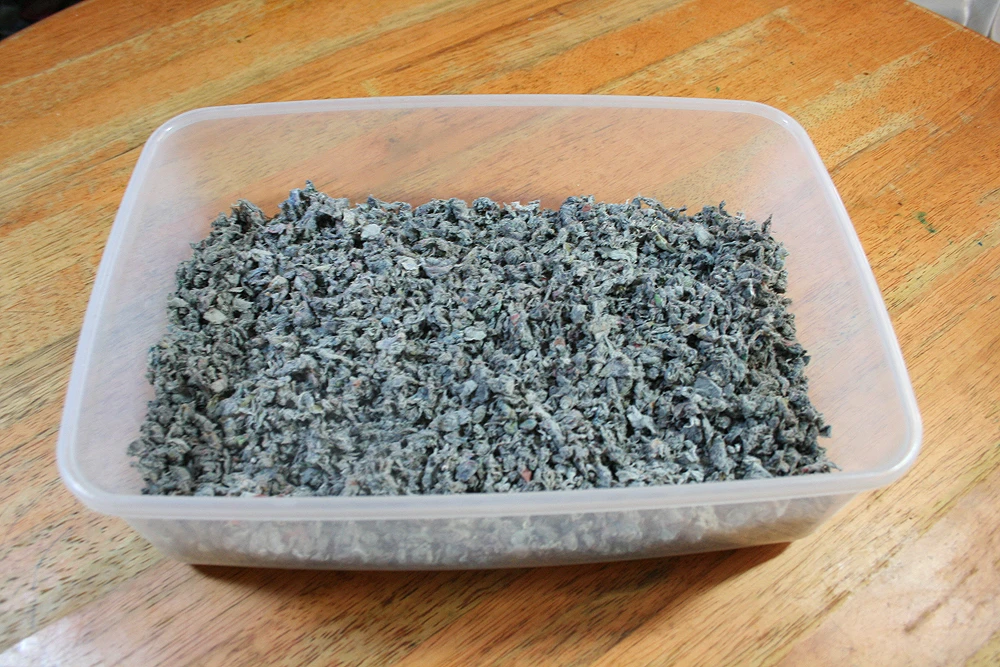
- Preparing your raw materials: Gather your chosen base, such as 40lbs of pine pellets or finely ground wheat. If using wood, ensure it is kiln-dried to avoid releasing harmful oils.
- Mixing in natural odor neutralizers: Once your base is measured, add a natural neutralizing agent. A highly effective method involves sprinkling baking soda into the litter box after scooping to neutralize any odor. You may also incorporate natural additives like diatomaceous earth or dried herbs such as lemongrass, lavender, or mint to enhance the scent profile.
- Storage for freshness and pest prevention: Store your bulk DIY mixture in an airtight container. This is critical for grain-based litters to prevent moisture absorption from the air and to keep pests away.
To avoid uneven treatment, sprinkle baking soda into the box after scooping, a method that works great for natural odor neutralization.
Engineering the Clump: Why DIY Often Fails
One of the most significant hurdles in DIY litter production is the lack of engineered clumping. Commercial clumping litters are designed to swell up to 12 times their original size when exposed to water, creating a solid mass that is easy to remove. DIY litters made from shredded newspaper, wood shavings, or sand rarely match commercial eco-litters for odor control because they lack this rapid-expansion mechanism.
Without rapid encapsulation, moisture can seep through the bottom of the litter layer. This can lead to hygiene issues as the liquid sits in the box.
Safety Audit: Materials to Avoid
Prioritize kiln-dried products to ensure safety. Raw softwoods can release natural oils that are harmful to cats if inhaled or ingested.
Grain-based litters introduce specific biological risks. Wheat products can mold in humid conditions, and corn litter can attract pests if not stored in airtight environments.
To prevent box aversion, experts recommend a gradual transition that can take up to 12 weeks.
Shortcut: To manage pine pellets effectively, use a sifting litter box so damp shavings fall into a bottom tray, leaving fresh pellets on top.
If you introduce a completely new texture or scent overnight, your cat may reject the box entirely. Start by mixing 25% of the new DIY litter with 75% of the old litter, gradually increasing the ratio over several weeks. Additionally, avoid using an excessive amount of litter; doing so often results in cats scratching and kicking litter outside the box, creating a mess that is difficult to contain.
While DIY approaches aim to save money, costs vary based on maintenance needs and equipment.
| Metric | DIY Pine Pellets | Commercial Eco-Brand |
|---|---|---|
| Upfront Cost (approx.) | $8 per 40lbs | Variable (Higher) |
| Duration (2 cats) | 5-8 weeks | Varies by brand |
| Maintenance Effort | High (Sifting required) | Low (Standard scoop) |
The $8 price point for 40lbs of pine pellets makes it a highly competitive option for budget-conscious households, provided you have the tools to manage the non-clumping nature of the material.
Use a gradual transition over 12 weeks, slowly mixing the new DIY material with their old, familiar litter to prevent box aversion. This allows the cat to adjust to the new scent and texture without feeling the need to seek alternative bathroom locations.
Tags: biodegradable pet supplies, composting cat litter, DIY cat litter, eco-friendly pet care, natural odor neutralizers, pet waste management, pine pellet litter, sustainable cat litter recipes
How to Minimize Your Pet’s Carbon Footprint: 4 Key Steps
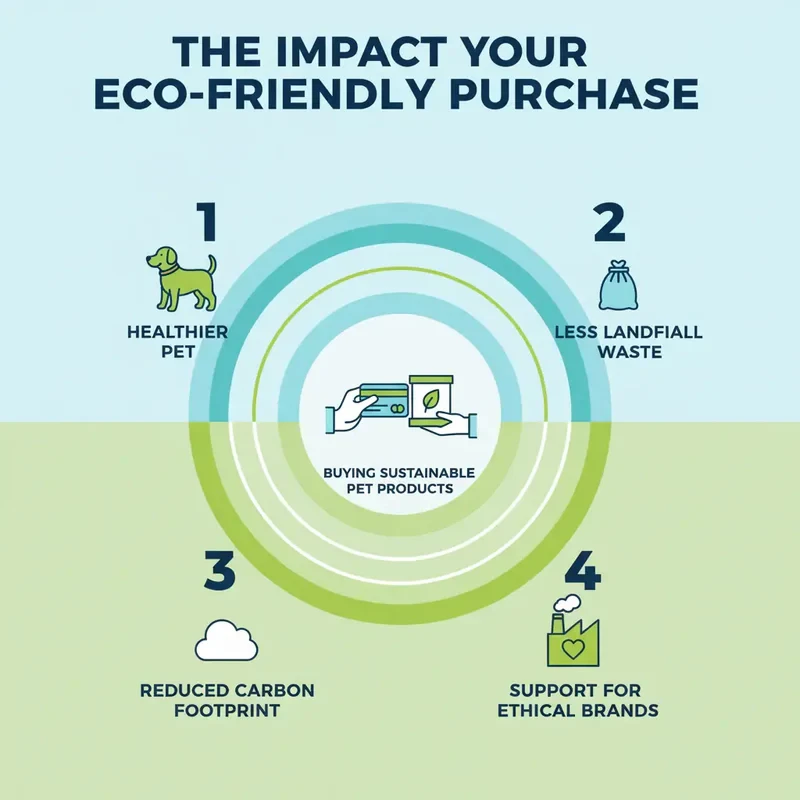
PawVerde.com – Minimizing your pet’s carbon footprint requires a multi-pronged approach: transitioning to lower-impact proteins (like fish or insect-based diets), choosing durable gear over disposable items, and managing waste through compostable materials. Addressing these key areas can significantly reduce the 64 million tons of CO2 emissions generated annually by pet meat consumption in the US.
If America’s 163 million dogs and cats were a separate country, they would rank fifth in global meat consumption, according to Gregory Okin. This massive scale of consumption drives a significant portion of the environmental impact associated with pet ownership.
The Pet Sustainability Audit: Assessing Your ‘Pawprint’
To audit your pet’s carbon footprint, evaluate four key pillars: Diet (protein source and portion control), Waste (litter type and bag biodegradability), Gear (durability vs. disposability), and Medical/Maintenance (grooming water use and dental care). Scoring these areas helps identify whether your impact stems from high-emission meats or high-waste lifestyle habits.
A thorough audit prevents the failure mode of “performative sustainability,” where an owner buys expensive organic toys while maintaining a diet heavy in high-emission red meats. For a large dog, the emissions can reach as high as 2,500 kg of CO2e, whereas an average-sized dog generates approximately 770 kg of CO2e. Understanding these baseline numbers is the first step toward meaningful reduction.
The Four Pillars of Pet Impact
- Diet: Analyzing the protein source (beef vs. fish vs. insect) and checking for overfeeding, which increases both cost and emissions.
- Waste: Evaluating the carbon intensity of litter types and the biodegradability of waste bags.
- Gear: Assessing the lifecycle of products, specifically whether a “biodegradable” item lasts long enough to outperform a durable one.
- Maintenance: Measuring resource use during grooming and the frequency of veterinary interventions.
Dietary Shifts: From Red Meat to Sustainable Proteins
The most effective way to reduce pet emissions is switching from red meat to fish or insect-based proteins. Producing 1kg of red meat generates 50-750kg of CO2, whereas catching 1kg of fish produces only 1-5kg. Additionally, plant-based diets can reduce pet allergies while lowering the environmental load.
Research from the Institute for Marine and Antarctic Studies at the University of Tasmania highlights the stark contrast between terrestrial livestock and marine protein sources. While beef and lamb are highly carbon-intensive, shifting toward marine-based proteins or alternative sources like those developed by Wild Earth can drastically lower a pet’s individual footprint.
| Protein Source | CO2e per kg (approx) | Sustainability Rank |
|---|---|---|
| Red Meat (Beef/Lamb) | 50 – 750 kg | Low |
| Fish | 1 – 5 kg | High |
| Insects | Minimal | Very High |
The protein data shows that while producing a kilogram of red meat can release up to 750 kg of CO2, catching a kilogram of fish emits as little as 1 kg. This disparity makes protein selection a primary lever for reducing emissions.
The Protein Hierarchy
Owners should prioritize proteins with the lowest lifecycle emissions. Insect-based pet food is a rapidly growing sector because the overall carbon footprint is much smaller than that of traditional livestock. Furthermore, utilizing by-products from the human food chain can prevent the disposal of healthy ingredients, making the entire food system more efficient.
The Overfeeding Trap
A common misconception is that more food equals a healthier pet. In reality, many pets are overfed, which is not only unhealthy for the animal but also increases food waste, costs, and total emissions. Precise portion control is a direct way to minimize the environmental load without changing the specific brand of food used.
Decoding the Greenwashing Trap in Pet Supplies
Marketing often highlights “organic cotton” because studies show it is less water- and energy-intensive than conventional cotton. However, a single product choice does not guarantee total sustainability.
Warning: Avoid the trap of prioritizing “biodegradable” labels on high-use items. A durable product, such as a high-quality rubber toy, used for several years may be significantly more sustainable than multiple biodegradable replacements that break down too quickly and require frequent repurchasing.
The European Commission has worked on initiatives like “Building the Single Market for Green Products” to address these complexities, but consumers must remain vigilant. The goal should be longevity; a product that stays out of a landfill for five years is often better than a “green” product that ends up there in five months.
Waste Management: The Hidden Cost of Litter and Poop Bags
Cat owners face a significant choice in waste materials. Silica-gel-based litter has an exceptionally high carbon footprint because manufacturing just one ton of silica gel requires approximately 5 tons of coal.
Warning: Silica-gel litter can exert ten times the carbon dioxide pressure of other litter types. Switching to more natural alternatives is a high-impact change for cat owners.
Reducing environmental impact also involves managing dog waste. Moving toward compostable options helps mitigate the long-term presence of single-use plastics in the environment.
Home and Grooming: Protecting Resources and Longevity
Pet maintenance directly affects household resource use. For example, failing to manage dog nails can lead to the need for refinishing hardwood floors every 3 to 5 years, a process that can cost upwards of $4,500.
To minimize the impact of grooming, consider these methods:
- Water Conservation during Grooming: Install a pet shower sprayer with a shut-off nozzle to prevent continuous water flow.
- Alternative Bathing: Use animal-safe dry shampoos to reduce water usage between full baths.
- Outdoor Bathing: If appropriate, bathe pets in lawn areas that already require watering to combine resource uses.
The Medical and Socialization Paradox
Effective pet care requires balancing environmental concerns with essential health needs. Veterinary professionals emphasize that certain preventative measures are non-negotiable for long-term animal wellness.
Warning: Do not skip essential veterinary care in the name of sustainability. For example, dental health is critical; Dr. Osborne notes that “chewing bones does not keep your pet’s teeth clean. There are different products that they cleverly market as chews, but they don’t work.” Neglecting professional dental cleanings, which may be needed 1 to 2 times per year, can lead to more intensive medical issues later.
Socialization is another area where timing is critical for the pet’s well-being. Experts suggest that the window for effective socialization is between 3 and 12 weeks of age. While the medical and social needs of a pet are paramount, being an informed owner means understanding how to manage these needs with the least possible environmental friction.
FAQ
Is plant-based pet food safe?
Plant-based foods, such as those using yeast and chickpeas, can be highly successful in reducing pet allergies and lowering environmental impact, though owners should consult a vet for nutritional balance.
Why is silica-gel litter bad for the environment?
Silica-gel-based litter has a high carbon footprint because manufacturing just one ton of silica gel requires approximately five tons of coal.
Should I buy biodegradable toys?
Durability is a key factor in sustainability. A high-quality rubber toy used for several years often prevents more waste than frequent replacements of biodegradable items that break down too quickly.
Eco-Friendly Pet Litter Disposal Pros and Cons Explained
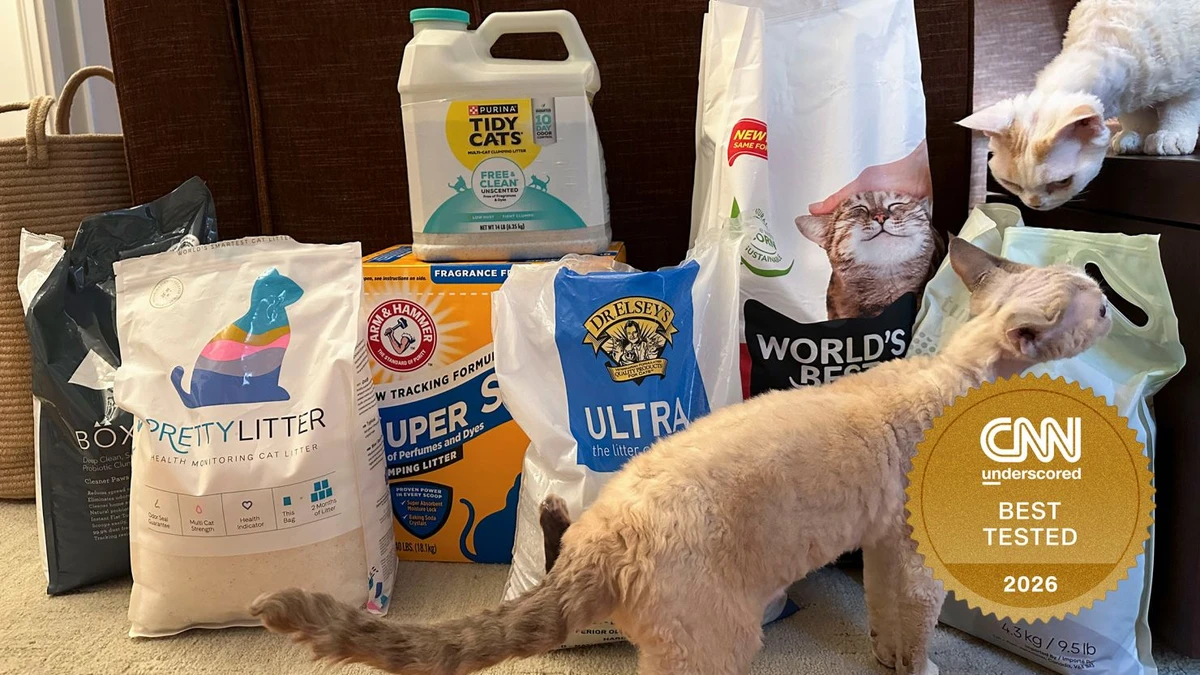
PawVerde.com – eco-friendly cat litter options in 2026 present a significant shift in managing pet waste, addressing growing environmental concerns tied to traditional clay litters. The UK alone produces an estimated 500,000 tonnes of pet litter annually, predominantly composed of sodium bentonite clay, which imposes considerable environmental costs through mining and landfill accumulation, according to recent DEFRA assessments. As awareness of sustainability rises, pet owners and local councils increasingly explore biodegradable and plant-based litter alternatives that promise substantial reductions in landfill waste and carbon footprints. Alongside litter material innovations, litter box designs—ranging from disposable to reusable models—also factor into the overall environmental and practical impacts of pet waste management.
Traditional clay litter remains widely used due to its clumping efficiency and odor control, yet its environmental footprint is under scrutiny. Sodium bentonite mining disrupts ecosystems and consumes considerable water and energy resources. Once used, clay litter’s non-biodegradable nature means it typically ends up in landfills, where it contributes to long-term waste accumulation without decomposition. DEFRA’s recent environmental analysis reveals that clay litter contributes disproportionately to pet waste’s carbon footprint, exacerbated by transportation and disposal logistics.
In contrast, eco-friendly litters such as tofu, wood pellet, and other plant-based varieties offer renewable, biodegradable alternatives. Tofu litter, derived from soybean byproducts, is water-soluble and compostable under appropriate conditions, reducing landfill waste by up to 70% compared to clay. Wood pellet litter, produced from reclaimed wood, provides a dust-free, odor-absorbing substrate with rapid biodegradability, suitable for community composting schemes where permitted. Other plant-based litters, including corn, wheat, and grass seed derivatives, offer natural odor control and clumping properties but require careful management to mitigate mold growth under humid conditions. Veterinary experts caution that while plant-based litters are generally safe, owners should observe cats for any allergic reactions or respiratory sensitivities, especially with dusty or fragranced options.
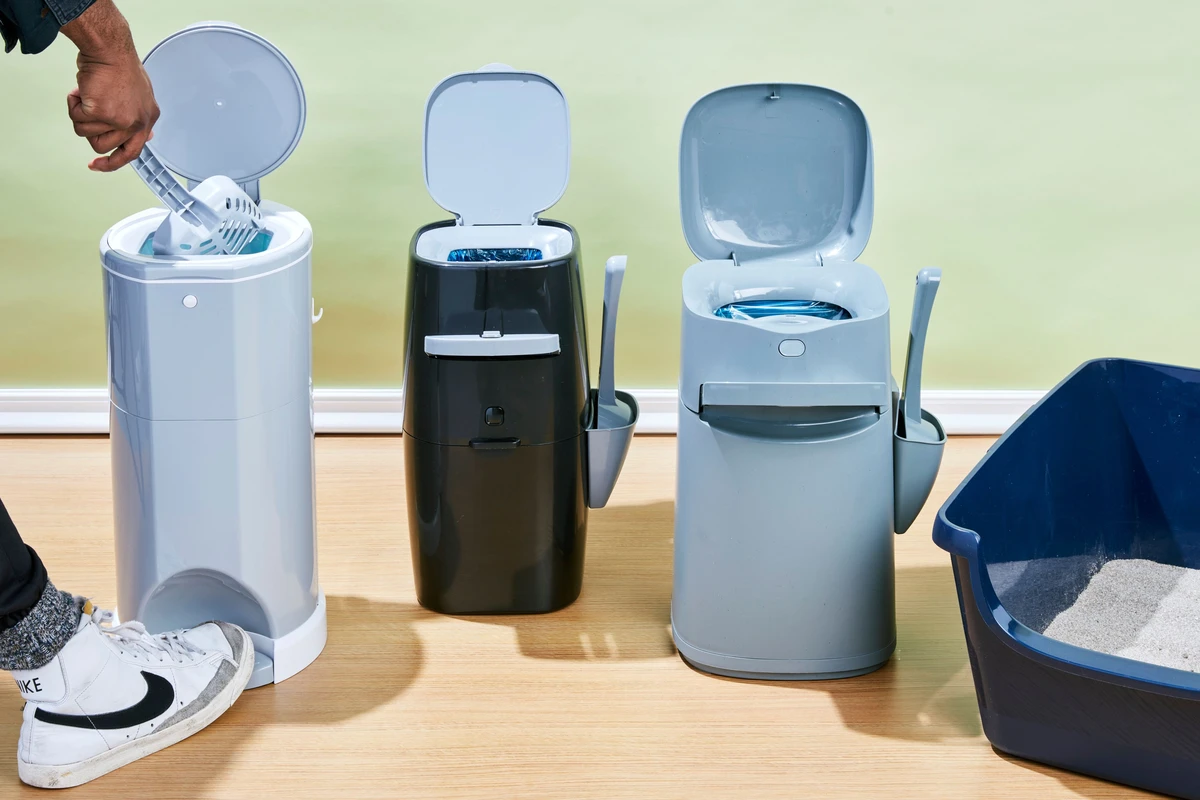
The choice between disposable and reusable litter boxes further influences sustainability and pet hygiene. Disposable litter boxes offer convenience and improved sanitation but generate increased plastic and material waste that challenges waste management systems. Reusable boxes, typically composed of durable plastics or biodegradable composites, reduce waste volume over time but demand consistent, thorough cleaning to prevent odor buildup and bacterial growth. Multi-cat households and traveling pet owners must weigh these factors alongside cat behavior preferences, as some cats show resistance to frequent litter changes or new litter types, impacting acceptance and health.
Local composting regulations and green waste management policies shape practical disposal options for biodegradable litters. While many councils encourage composting of plant-based pet waste, restrictions often apply due to pathogen concerns and contamination risks. Pet owners must verify compliance with municipal guidelines and consider specialized pet waste composters or community programs designed for safe organic waste processing. Odor control remains a critical concern across all litter types; innovations in self-cleaning litter boxes, incorporating antimicrobial surfaces and automated scooping mechanisms, aim to alleviate maintenance burdens while minimizing environmental impact.
Looking ahead, the pet care industry is investing in zero-waste strategies and circular economy models, including biodegradable litter packaging, litter box recycling initiatives, and advanced formulations that enhance biodegradability without sacrificing performance. Manufacturers like PetSafe and BoxieCat lead efforts to balance pet health, convenience, and sustainability, integrating expert insights from animal behaviorists and environmental scientists. As consumer demand for eco-friendly pet products grows, collaboration between regulators, manufacturers, and pet owners will be pivotal in advancing sustainable pet litter disposal practices.
Environmental Impact of Traditional vs Eco-Friendly Cat Litters
Traditional clay cat litter, primarily composed of sodium bentonite, constitutes the majority of pet litter used worldwide due to its excellent clumping and odor control properties. However, the environmental footprint of clay litter is considerable. Mining sodium bentonite involves open-pit extraction methods that degrade landscapes and contribute to soil erosion. This process consumes significant water and energy resources, intensifying the carbon footprint associated with litter production. DEFRA’s data from 2025 highlights that disposed clay litter comprises a substantial portion of landfill mass in the UK, with slow degradation rates leading to persistent environmental burdens.
In contrast, eco-friendly litters utilize renewable plant-based materials that biodegrade more efficiently. Tofu litter, made from compressed soybean residue, dissolves in water, enabling flushing in small quantities where local wastewater systems allow. Wood pellet litter, sourced from reclaimed forestry byproducts, offers a renewable, dust-free alternative that composts readily under aerobic conditions. Other plant-based litters, including corn, wheat, and paper-based products, leverage natural absorbent properties to control moisture and odors, although their compostability depends on local regulations.
A comparative analysis of litter waste reveals that switching to plant-based litters can reduce landfill contributions by up to 70%. Furthermore, life cycle assessments indicate that plant-based litters produce 40-60% lower carbon emissions across production, transportation, and disposal stages compared to clay litters. These environmental benefits, however, are moderated by factors such as transportation distances and the energy inputs for processing plant materials into litter granules.
Types of Eco-Friendly Cat Litters and Their Disposal Characteristics
Tofu and soybean-based litters have gained traction for their biodegradability and low dust production. Their water solubility allows for flushing small amounts, though experts advise caution to prevent plumbing blockages and recommend local council approval. These litters compost effectively in controlled environments, breaking down into nutrient-rich material usable in non-edible gardening applications.
Wood pellet litters are favored for their renewable sourcing and excellent odor control through natural lignin content. They absorb moisture by swelling and disintegrate into compostable material. PetSafe’s latest wood pellet litter offers a balance of affordability and sustainability, outperforming clay in dust emission tests and reducing respiratory risks for sensitive cats.
Plant-based litters derived from corn, wheat, and grass seed incorporate natural enzymes that inhibit bacterial growth and odor formation. However, these litters are susceptible to mold development if stored improperly or exposed to excessive humidity. Veterinary advisories note that some cats may experience allergic reactions to certain plant proteins or additives, necessitating gradual introduction and observation.
Biodegradable litters must comply with local composting regulations, which vary widely. DEFRA emphasizes the importance of separating pet waste from food compost streams to mitigate zoonotic disease risks. Community composting programs increasingly accept biodegradable litter under strict guidelines, incentivizing pet owners to adopt sustainable disposal methods.
Reusable vs Disposable Litter Boxes: Pros and Cons
Disposable litter boxes appeal to pet owners prioritizing convenience and hygiene. Pre-filled with litter and designed for single or limited use, they minimize cleaning efforts and odor retention. However, their single-use nature generates substantial plastic and material waste, challenging waste reduction goals. Most disposable boxes are non-biodegradable, exacerbating landfill pressures.
Reusable litter boxes, constructed from durable plastic or biodegradable composites, represent a sustainable alternative by reducing waste generation. Frequent cleaning is essential to maintain hygiene, with recommended use of enzyme-based cleaners to prevent odor and bacterial accumulation. Reusable boxes offer cost savings over time and adaptability for multi-cat households, where larger capacity and customizable litter depth enhance user experience.
For travel and temporary accommodation, disposable boxes provide portability and ease of disposal, but reusable boxes with secure lids and lightweight designs increasingly meet traveler needs without compromising sustainability.
Practical Considerations for Pet Owners
Pet owners must navigate local composting regulations, which influence viable disposal options for biodegradable litters. Many UK councils provide green waste bins but exclude pet waste due to contamination concerns. Specialized pet waste composting facilities or home composters with pathogen-mitigating processes can accommodate biodegradable litter, though accessibility varies regionally.
Odor control remains a primary concern influencing litter and box choices. Eco-friendly litters often incorporate natural odor neutralizers but may require more frequent changing than clay litters. Dust reduction is critical for cat respiratory health; plant-based litters generally emit less dust, benefiting cats with asthma or allergies.
Cat acceptance of new litter types varies, influenced by factors including texture, scent, and litter box cleanliness. Expert advice recommends gradual litter transitions to minimize stress and behavioral issues such as inappropriate elimination.
Cost implications balance upfront litter prices against long-term waste disposal savings. While eco-friendly litters may carry higher per-unit costs, reduced landfill fees and environmental benefits contribute to overall value. Reusable litter boxes demand labor for cleaning but reduce recurring purchases and waste.
Future Trends and Innovations in Pet Litter Disposal
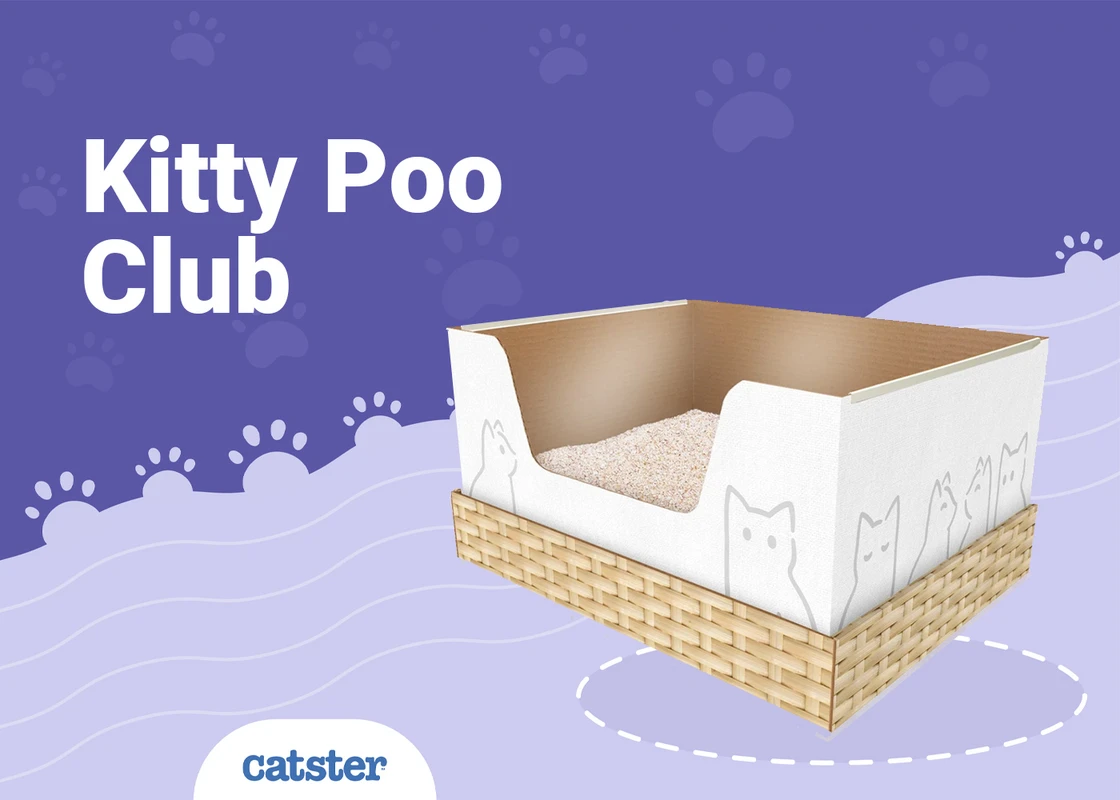
Technological advancements are reshaping pet litter management. Self-cleaning litter boxes integrated with sensors and automated scooping mechanisms reduce maintenance time and improve hygiene, potentially extending litter lifespan and minimizing waste. Emerging products emphasize zero-waste designs, using fully biodegradable components and refillable litter cartridges aligned with circular economy principles.
Industry leaders commit to sustainable pet care by incorporating recycled materials in packaging and collaborating with environmental organizations to establish litter recycling programs. Research into novel biodegradable polymers and enzyme-enhanced litters aims to optimize odor control while accelerating decomposition.
Regulatory frameworks continue evolving, with DEFRA and local councils promoting responsible disposal methods and incentivizing composting infrastructure expansion. Pet owners and manufacturers alike face increasing pressure to align practices with global sustainability goals, balancing convenience, pet health, and ecological stewardship.
Frequently Asked Questions
What are the environmental benefits of switching from clay to plant-based cat litter?
Plant-based cat litters reduce landfill waste by up to 70% and lower carbon emissions by 40-60%, as they are biodegradable and sourced from renewable materials. They support composting and reduce dependence on environmentally damaging sodium bentonite mining associated with clay litters.
Can biodegradable cat litter be composted at home?
Home composting of biodegradable cat litter is possible but depends on local regulations and the composting system’s ability to reach temperatures that neutralize pathogens. Many municipalities restrict pet waste in residential composts, recommending specialized composters or municipal schemes instead.
Are reusable litter boxes more sustainable than disposable ones?
Yes, reusable litter boxes reduce waste volume significantly by eliminating single-use plastics and materials. While they require regular cleaning, they offer long-term environmental and economic benefits compared to disposable options.
How do eco-friendly litters affect cat health and behavior?
Eco-friendly litters tend to produce less dust and fewer chemical irritants, potentially benefiting cats with allergies or respiratory issues. However, some cats may be hesitant to accept new litter textures or scents, so gradual introduction and monitoring for adverse reactions are advisable.
What innovations are expected in pet litter disposal by 2026?
Innovations include self-cleaning litter boxes with automated waste removal, zero-waste biodegradable litter formulations, and expanded circular economy initiatives such as litter recycling and composting infrastructure integration. Manufacturers also focus on sustainable packaging and enhanced odor control technologies.
—
The evolving landscape of pet litter disposal in 2026 highlights a clear trajectory toward sustainability, balancing environmental imperatives with practical pet care needs. Pet owners informed by regulatory guidance, expert recommendations, and emerging product innovations can make choices that reduce ecological impacts while ensuring feline health and household convenience. Continued collaboration among stakeholders and advances in composting infrastructure are essential to mainstreaming eco-friendly pet litter solutions.

How to Lead Pet Clean-Up Events: Step-by-Step Guide
PawVerde.com – Organizing and leading a pet clean-up event requires meticulous planning, volunteer coordination, and effective promotion to ensure successful pet waste collection and disposal. Pet waste presents significant environmental and health hazards, contaminating water sources and spreading pathogens harmful to humans and animals. A well-executed event not only mitigates these risks but also fosters community involvement and environmental stewardship. This tutorial provides a detailed, step-by-step guide on how to plan, promote, and manage pet clean-up events that engage local communities, adhere to safety standards, and maximize environmental impact.
1. Planning Your Pet Clean-Up Event
Successful pet clean-up events begin with clear objectives and logistical planning. Define your event’s purpose—whether it is raising awareness about pet waste management, reducing environmental contamination, or improving local park conditions. Establish measurable goals such as the number of volunteers recruited, amount of waste collected, or areas covered.
Identify locations with high pet activity, such as parks, trails, or neighborhoods with dense dog populations. Collaborate with local authorities or land managers, such as municipal parks departments or organizations like Barnstable Land Trust (BLT), to secure necessary permissions and align with existing environmental regulations. Early engagement with local government ensures compliance with waste disposal mandates and access to disposal facilities.
Develop a timeline that includes pre-event preparation, the event day, and post-event activities. Allocate dates to accommodate volunteer availability and seasonal considerations—avoid extreme weather that could hinder participation or safety.
2. Recruiting and Managing Volunteers
Volunteer mobilization is critical for event success. Utilize social media platforms, local community groups, pet clubs, and environmental organizations to announce the event and attract participants. Craft compelling messages emphasizing community impact and environmental benefits to motivate involvement.
Assign clear roles to volunteers, such as team leaders, waste collectors, safety monitors, and logistics coordinators. Team leaders can oversee small groups, facilitating communication and ensuring task completion. Provide a detailed briefing before the event to outline responsibilities, safety protocols, and proper waste handling procedures.
Conduct training sessions, either virtually or onsite, to demonstrate the correct use of cleanup tools, waste disposal methods, and hygiene practices. Emphasize the importance of wearing gloves, using grabbers, and avoiding direct contact with pet waste to reduce health risks. Prepare volunteer handbooks or digital guides summarizing key points.
3. Organizing Logistics and Supplies
Supply management ensures smooth operations during the cleanup. Procure sufficient pet waste disposal bags, disposable gloves, litter pickers or grabbers, and hand sanitizers. Consider eco-friendly waste bags to align with sustainable waste management practices.
Set up clearly marked waste collection points where volunteers can deposit filled bags. Coordinate with local waste management services to arrange timely pickup or provide instructions for proper disposal in designated trash bins. If possible, partner with businesses like Number 2 Club, which specialize in pet waste cleanup, to leverage their expertise and resources.
Prepare safety kits containing first aid supplies, water, and communication devices. Designate safety officers to monitor volunteer health and respond to emergencies. Establish protocols for dealing with hazards such as sharp objects, aggressive animals, or adverse weather.
4. Promoting the Event Using Local SEO and Community Channels
Maximize community participation through strategic promotion leveraging local SEO and traditional outreach. Create event pages optimized with keywords such as “pet waste cleanup,” “community cleanup event,” and the location name to improve visibility on search engines. Utilize Google Business Profile to list the event and attract local participants.
Distribute flyers in pet stores, veterinary clinics, community centers, and parks. Use social media campaigns with targeted ads and hashtag strategies to reach pet owners and environmental advocates. Encourage partners like local animal shelters and environmental groups to share event details on their platforms, expanding reach.
Engage local media outlets—radio stations, newspapers, and online community forums—to announce the event and its environmental significance. Use newsletters and email marketing to remind registered volunteers and keep the community informed.
5. Executing the Pet Clean-Up Event
On the event day, arrive early to set up registration tables, supply stations, and waste collection points. Conduct a volunteer check-in to distribute supplies and provide a final safety briefing. Emphasize adherence to safety protocols and environmental guidelines.
Assign teams to specific zones with clear boundaries to ensure thorough coverage and avoid duplication. Facilitate ongoing communication using radios or messaging apps to address issues promptly. Encourage volunteers to report hazards or unsafe conditions immediately.
Monitor waste collection to verify proper bagging and disposal. Collect data on waste volume and participant numbers for reporting purposes. Maintain volunteer morale through positive reinforcement, hydration breaks, and quick problem resolution.
6. Post-Event Waste Disposal and Reporting
Ensure all collected waste is disposed of according to local regulations, either through municipal waste services or designated landfill sites. Avoid improper disposal methods that can lead to environmental contamination.
Thank volunteers and sponsors promptly through personalized messages or public acknowledgments. Share event outcomes, including the amount of waste collected and environmental impact data, via social media and community newsletters to reinforce transparency and encourage future participation.
Conduct a debrief meeting with organizers and key volunteers to evaluate event strengths and areas for improvement. Document lessons learned and update planning materials for subsequent cleanups.
7. Troubleshooting Common Issues During Pet Clean-Up Events
Managing pet clean-up events involves anticipating and resolving common challenges:
8. Alternative Methods and Enhancements for Pet Waste Management
Beyond organized cleanups, consider integrating the following approaches:
Frequently Asked Questions

What safety equipment is essential for pet clean-up volunteers?
Volunteers should use disposable gloves, waste grabbers or pickers, hand sanitizers, and wear weather-appropriate clothing. First aid kits should be accessible on-site, and volunteers must avoid direct contact with pet waste to minimize health risks.
How can I effectively promote a pet clean-up event to attract local participants?
Use local SEO techniques by optimizing event listings with targeted keywords and location tags. Leverage social media channels, partner with local businesses and organizations, distribute flyers in community hubs, and engage local media outlets for broader reach.
What are the best practices for disposing of collected pet waste?
Collected waste should be sealed in bags and disposed of in regular trash bins or according to municipal waste guidelines. Flushing waste may be acceptable in some regions but check local regulations. Avoid leaving waste in open areas to prevent environmental contamination.
How do I handle volunteer training for an effective pet clean-up event?
Provide clear instructions on safety protocols, proper use of cleanup tools, and waste disposal procedures through in-person briefings, printed guides, or instructional videos. Reinforce hygiene practices and emergency response plans.
Can pet clean-up events be combined with other environmental initiatives?
Yes, integrating pet waste cleanup with larger community environmental projects, such as park restoration or invasive species removal, can increase volunteer engagement and amplify ecological benefits.
—
Leading a successful pet clean-up event demands organized planning, strategic volunteer coordination, and effective promotion rooted in local SEO practices. By following these detailed steps, organizers can ensure environmental health benefits, community engagement, and sustainable pet waste management. Future initiatives may expand through technological integration and ongoing education to build long-lasting community stewardship.

How Pets Drive Environmental Advocacy and Sustainability Efforts
PawVerde.com – Pets increasingly influence environmental advocacy through their direct and indirect impacts on ecosystems, resource consumption, and conservation efforts. As the global pet population grows, so does the ecological footprint of pet food production, waste generation, and daily care practices. Simultaneously, innovative approaches in sustainable pet ownership and the specialized role of conservation detection dogs bolster biodiversity protection and environmental monitoring. Understanding how pets intersect with sustainability requires examining their resource demands, the environmental ramifications of livestock linked to pet food supply chains, and emerging practices that mitigate negative effects while promoting ecological stewardship.
Environmental Impact of Pets
The pet food industry significantly contributes to resource consumption and greenhouse gas emissions, with meat-based diets for dogs and cats accounting for a notable share of environmental burdens. Research estimates that pet food production generates approximately 1.1 to 1.7 million tonnes of greenhouse gases annually, largely due to the reliance on animal protein sources. Overfeeding pets exacerbates this footprint by increasing demand for raw materials and waste output. Typical household pets require substantial water, land, and energy inputs, indirectly influencing agricultural emissions, deforestation, and biodiversity loss.
Waste management presents additional challenges. Non-biodegradable pet waste bags contribute to plastic pollution, while pet feces improperly disposed of can contaminate waterways with pathogens and nutrients that disrupt aquatic ecosystems. Studies quantify that pet waste accounts for a significant fraction of urban nitrogen and phosphorus pollution, intensifying eutrophication risks. Carbon footprints for common pets vary widely; for example, an average dog’s annual emissions may reach the equivalent of 400 to 800 kilograms of CO2, depending on diet and care routines.
Sustainable Pet Ownership Practices
Mitigating environmental impacts begins with responsible feeding strategies. Transitioning to lower-meat or plant-based pet diets where nutritionally feasible reduces reliance on high-emission livestock products. Portion control prevents resource waste and obesity-related health issues. Sustainable pet food brands increasingly utilize insect protein, by-products, and regenerative agriculture ingredients to lower carbon and water footprints.
Eco-friendly pet products further diminish environmental strain. Biodegradable waste bags derived from plant materials dissolve more rapidly in landfills and reduce microplastic accumulation. Organic grooming supplies minimize chemical runoff into waterways and avoid synthetic additives harmful to aquatic life. Water conservation in pet care is enhanced through low-flow bathing systems and mindful cleaning practices.
Pet care services embracing green principles apply water-efficient equipment, use non-toxic cleaning agents, and implement waste recycling programs. Such practices collectively reduce chemical runoff, energy consumption, and landfill contributions, aligning pet ownership with broader environmental goals.
Conservation Detection Dogs in Environmental Advocacy
Conservation detection dogs represent an innovative intersection of pet roles and environmental stewardship. Trained to locate specific wildlife species, invasive plants, or hazardous contaminants by scent, these dogs provide invaluable data for biodiversity monitoring and habitat protection. Their heightened olfactory capabilities enable detection of elusive or cryptic species, facilitating more accurate population assessments and early intervention in ecosystem threats.
Case studies illustrate conservation detection dogs’ success in identifying rare amphibians in wetlands, detecting invasive insects threatening crops, and locating toxic pollutants such as heavy metals or pesticides. Training programs emphasize positive reinforcement and species-specific scent imprinting, ensuring dogs remain motivated and effective in field conditions. Organizations like K9 Conservationists have documented improved survey efficiency and reduced human disturbance thanks to canine involvement.
The integration of conservation detection dogs into environmental projects exemplifies how companion animals extend their impact beyond households into global sustainability initiatives, bridging pet care and conservation science.
Animal Health and Sustainability in Livestock
Animal health directly influences environmental sustainability in livestock farming, a critical component of the pet food supply chain. Healthier animals convert feed more efficiently, reducing methane emissions per unit of product and lowering overall resource use. Innovations in veterinary vaccines against diseases such as bovine respiratory infections and parasitic infestations enhance productivity and animal welfare simultaneously.
Feed supplements designed to decrease enteric methane production have shown promising results in trials. For instance, additives like 3-nitrooxypropanol (3-NOP) inhibit methanogenesis in ruminants, potentially cutting emissions by up to 30%. Sustainable livestock management practices, including rotational grazing and integrated crop-livestock systems, support soil health and carbon sequestration, mitigating agriculture’s environmental footprint.
The World Bank’s climate-smart livestock projects focus on these innovations, promoting renewable energy usage, improved animal genetics, and waste-to-energy technologies to optimize emissions reduction. Such initiatives underscore the interconnectedness of animal health, environmental performance, and food security.
Industry and Global Initiatives
The global pet food and care industry is progressively adopting sustainable manufacturing and supply chain practices. Major corporations invest in sourcing certified sustainable ingredients, reducing packaging waste, and minimizing energy consumption in production facilities. The rise of eco-labeled pet products reflects consumer demand for transparency and environmental responsibility.
International organizations collaborate on frameworks that emphasize animal welfare as a component of sustainability. Improved welfare standards correlate with resource efficiency, as stress and illness increase feed conversion inefficiencies and emissions. Policies incentivize adoption of biodegradable materials, renewable energy, and circular economy principles within the pet product sector.
Global entities like the World Bank facilitate knowledge transfer and financial support for climate-smart livestock systems, integrating sustainability into agricultural development plans. These coordinated efforts aim to balance economic growth, environmental protection, and social welfare in animal-related industries.
Future Directions and Implications
Emerging trends indicate a growing convergence of pet ownership, conservation science, and sustainable agriculture. Advancements in alternative protein sources, such as cultured meat and insect-based pet foods, promise to further reduce environmental impacts. Enhanced training methodologies for detection dogs and broader deployment in ecological monitoring could amplify conservation outcomes.
Pet owners’ increasing environmental awareness is driving demand for green pet care services and products, pressuring industries to innovate responsibly. Policymakers face opportunities to support sustainable pet ownership through regulations incentivizing eco-friendly practices and funding research on environmental impacts.
The integration of animal welfare, health, and sustainability presents a holistic framework for reducing the ecological footprint of pets and livestock alike. Collaborative efforts among pet owners, researchers, industry stakeholders, and global organizations will be essential to achieving meaningful progress in environmental advocacy through responsible pet care.
| Aspect | Environmental Challenge | Sustainable Solutions |
|---|---|---|
| Pet Food Production | High greenhouse gas emissions, resource-intensive animal protein use | Lower-meat diets, insect protein, regenerative agriculture sourcing |
| Pet Waste Management | Plastic pollution, nutrient runoff, pathogen contamination | Biodegradable waste bags, composting, responsible disposal |
| Livestock Farming | Methane emissions, inefficient feed conversion, disease impacts | Vaccines, methane inhibitors, rotational grazing, renewable energy |
| Pet Care Services | Water use, chemical runoff, energy consumption | Water-efficient equipment, organic products, waste recycling |
| Conservation Detection Dogs | Limited biodiversity data, invasive species, pollutant detection | Specialized training, field deployment, biodiversity monitoring |
FAQ
How do pets contribute to environmental sustainability?
Pets contribute through responsible feeding practices, use of eco-friendly products, and participation in conservation efforts such as detection dogs aiding biodiversity monitoring.
What is the environmental impact of pet food?
Pet food, especially meat-based diets, accounts for significant greenhouse gas emissions and resource consumption, with overfeeding exacerbating these effects.
What role do conservation detection dogs play in environmental advocacy?
conservation detection dogs locate wildlife, invasive species, and environmental contaminants, providing critical data for biodiversity protection and ecosystem health.
How does animal health in livestock farming affect sustainability?
Improved animal health enhances feed efficiency and productivity, reducing methane emissions and resource use, thereby lowering the environmental footprint of livestock.
What are some sustainable pet ownership practices?
Feeding appropriate portions, choosing lower-impact diets, using biodegradable waste bags, selecting organic grooming products, and supporting green pet care services reduce ecological impacts.