

Sustainable Pet Care: How to Avoid Greenwashing in 2026
PawVerde.com – Owners are increasingly adopting eco-friendly practices to reduce their pets’ carbon pawprints. According to Caring Hands Animal Hospital, this includes reducing plastic waste, utilizing insect-based proteins, and using biodegradable grooming products to protect local ecosystems.
The global pet industry produces millions of tons of plastic waste, packaging, and carbon emissions every year.
The Greenwashing Audit: How to Verify Sustainable Pet Claims
To avoid greenwashing, look past marketing buzzwords like ‘high meat content’ or ‘cold-pressed’ and verify if a brand is ‘complete and balanced’ according to AAFCO standards. Check for specific ethical certifications and prioritize brands using locally sourced, organic, or insect-based proteins rather than vague ‘natural’ claims.
The Buzzword Trap
Kismet notes that marketing terms such as “high meat content,” “organic,” or “cold-pressed” do not guarantee balanced nutrition. Relying on these terms can lead to a nutritional failure mode where a pet receives adequate calories but lacks essential micronutrients. A common mistake is assuming a “natural” label equates to environmental stewardship, when true sustainability requires looking for specific, verifiable sourcing data.
The AAFCO Gold Standard
Nutritional safety must remain the priority during any dietary shift. Rather than chasing vague adjectives, owners should verify that a product is “complete and balanced” according to AAFCO standards. This ensures the food meets the specific physiological requirements of the animal, preventing long-term health complications caused by nutrient deficiencies.
Sustainability vs. Medical Necessity: A Decision Matrix
Environmental goals must be weighed against clinical needs. While insect-based proteins offer a lower carbon footprint, they may not be suitable for animals with specific medical histories or allergies.
| Criterion | Conventional Approach | Sustainable Approach |
|---|---|---|
| Protein Source | Heavily processed livestock meats | Locally sourced, organic, or insect-based |
| Packaging | Non-recyclable plastics | Recyclable or compostable materials |
| Litter Type | Clay-based (mining waste) | Natural, flushable (wheat or corn) |
Data from Sam’s Cats and Dogs highlights that sustainable pet food can lower carbon emissions by reducing dependence on intensive livestock farming. However, medical necessity must take precedence in specific cases.
When to Prioritize Eco-Proteins
To lower a pet’s carbon footprint, owners can switch to insect-based proteins or locally sourced organic ingredients. These options reduce the land and water usage required by traditional meat production.
When to Prioritize Prescription Diets
Clinical diets for kidney or gastrointestinal issues are non-negotiable. In these instances, the nutritional stability required for the animal’s survival outweighs the environmental benefits of a sustainable alternative.
The Zero-Waste Pet Wellness Roadmap
Implement a zero-waste roadmap by starting with low-effort changes like switching to bamboo brushes and biodegradable poop bags. Advance to higher-impact actions such as sourcing local insect-based proteins, using natural wheat or corn-based litters, and making homemade treats in reusable containers to eliminate single-use packaging.
Tier 1: Low-Effort Swaps
- Switch to bamboo brushes for grooming instead of plastic alternatives.
- Use biodegradable poop bags instead of standard plastic ones.
- Select natural, flushable litters made from wheat or corn to reduce mining waste.
Tier 2: Advanced Waste Management
For a more significant impact, Sam’s Cats and Dogs suggests sourcing brands like Jiminy’s or Open Farm that prioritize sustainable ingredient chains. Additionally, making homemade treats and storing them in reusable, resealable containers avoids the waste associated with single-use packaging and unsustainable ingredients like palm oil.
Managing the Transition: Nutritional Safety and Digestive Health
Switching food too quickly can lead to digestive issues. Bowlers Dog Food reports that sudden changes can cause symptoms such as loose stools, gas, and refusal to eat.
Shortcut: Use the Gradual Dog Food Transition Schedule:
Days 1-2: 75% old food, 25% new food; Days 3-4: 50% old food, 50% new food; Days 5-6: 25% old food, 75% new food; Days 7-10: 100% new food.
Maintaining a strict feeding schedule is also vital. Conbun notes that free-feeding—leaving food out at all times—can mask changes in appetite and encourages overeating, which leads to obesity. Furthermore, treats should not exceed 10% of a pet’s total daily calories to maintain weight stability.
The Science of Biodegradability in Pet Product Materials
Material choice impacts environmental longevity. While some bio-based PET materials use at least 30% renewable resources, they do not degrade naturally like other bioplastics.
Research indicates that 5% of global CO2 and carbon emissions are comprised by producing new plastics. In contrast, materials like PHA can degrade in industrial conditions within 3 months, and may decompose naturally in marine environments in just 1 to 2 years. Currently, only 9% to 16% of all plastics are recycled, making the choice of degradable materials critical.
Environmental Risks: From Topical Treatments to Invasive Species
Pet care routines can impact local wildlife and ecosystems. Specific precautions are necessary to prevent contamination.
- Aquatic Ecosystem Protection: Topical flea treatments are essentially pesticides. These can leach into the water and cause harm to aquatic wildlife if a pet swims shortly after application.
- Preventing Invasive Species: The release or escape of exotic pets is a major cause of the spread of invasive species in the United States.
The Global Landscape of Veterinary Biotechnology
The biotechnology sector is expanding rapidly to address complex animal health needs. Boehringer Ingelheim, which serves 130 markets and employs 54,300 people, continues to expand its pipeline through strategic acquisitions, such as the acquisition of Evax AG. This growth in biotechnology reflects the deep connection between human and animal health.
FAQ
How long should it take to switch my dog’s food?
A gradual transition should take between 7-10 days to prevent digestive issues like loose stools or gas.
Are ‘natural’ pet foods always better for the environment?
Not necessarily; ‘natural’ is a marketing term. True sustainability involves looking for ethically sourced, organic, or insect-based proteins and recyclable packaging.
Can pet flea treatments affect the environment?
Yes, topical flea treatments are essentially pesticides that can leach into water and harm aquatic wildlife if the pet swims shortly after application.

Eco-Friendly Pet Stain Removers Use Enzymes to Clean Safely
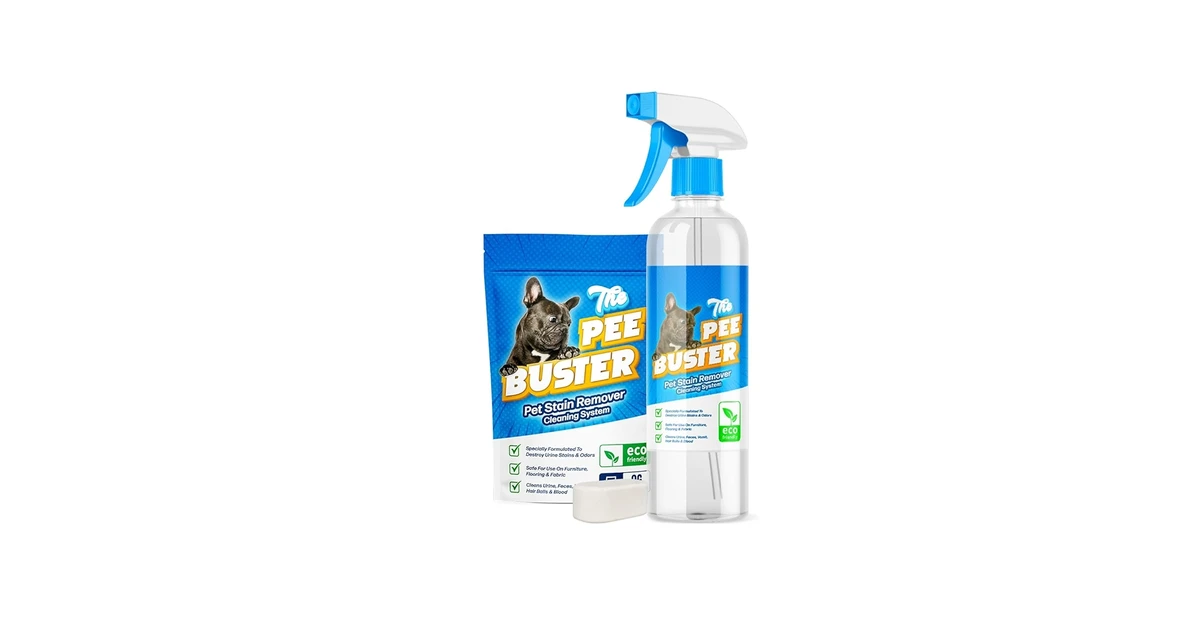
PawVerde.com – Pet owners increasingly demand effective, eco-conscious solutions for managing stains and odors caused by pets. In 2026, the market for eco-friendly pet stain removers reflects substantial growth fueled by advances in enzyme and probiotic cleaning technologies, natural ingredient formulations, and consumer preference for safe, sustainable products. Brands like Hepper Spray, Stain-eez, and Only Natural Pet exemplify this shift, offering biodegradable, pet-safe stain removers that work effectively on multiple surfaces including carpets, upholstery, and hard floors. These products leverage organic enzyme blends and probiotic formulas that break down organic stains at their source, eliminating odors without resorting to harsh chemicals such as bleach or ammonia.
The availability of subscription services further enhances user convenience and environmental sustainability, ensuring timely delivery and reduced packaging waste. Verified user feedback highlights these removers’ efficacy and ease of use, while expert endorsements from pet care and lifestyle authorities reinforce their credibility. This article provides a detailed examination of the science behind eco-friendly pet stain removers, evaluates leading products and brands, explores purchasing options, and assesses environmental and health benefits, offering guidance for consumers seeking safe, effective, and green pet stain solutions online in 2026.
Enzyme and Probiotic Technology: The Science Behind Eco-Friendly Pet Stain Removers
eco-friendly pet stain removers employ organic enzyme blends and probiotic cultures to degrade organic matter responsible for stains and odors. Enzymes such as proteases, amylases, and lipases catalyze the breakdown of proteins, starches, and fats found in pet urine, feces, vomit, and dander residues. Probiotics complement this by introducing beneficial microorganisms that outcompete odor-causing bacteria, ensuring longer-lasting freshness. This bio-enzymatic approach contrasts sharply with traditional chemical stain removers, which often rely on harsh solvents or oxidizers that temporarily mask odors but do not eliminate the source.
Unlike conventional products containing volatile organic compounds (VOCs), chlorine, or synthetic fragrances, enzyme-based removers are biodegradable and non-toxic, significantly reducing environmental impact and health risks. Additionally, these formulas tend to be safe for sensitive individuals and pets, minimizing allergic reactions or respiratory irritation. Multi-surface compatibility is another advantage, allowing use on carpets, upholstery, hardwood, tile, and fabrics without damaging fibers or finishes. This technology’s efficacy is supported by third-party laboratory testing, often cited in product certifications such as EPA Safer Choice and cruelty-free endorsements.
Leading Eco-Friendly Pet Stain Remover Brands and Their Product Profiles
Several brands have emerged as leaders in the eco-friendly pet stain remover space, distinguished by their commitment to natural ingredients, transparency, and proven performance.
Hepper Spray offers a USA-made enzymatic cleaner that boasts a 100% satisfaction guarantee. Its formula is free from synthetic dyes, parabens, and harmful chemicals, utilizing potent enzymes to break down organic stains and odors effectively. Customers praise its mild scent and quick drying time, as well as its versatility on various surfaces. Hepper also emphasizes sustainability by using recyclable packaging and offering subscription options for regular replenishment.
Stain-eez features a bio-enzymatic formula enhanced with probiotic technology, designed for multi-surface application including carpets and upholstery. Stain-eez’s proprietary blend accelerates stain degradation while neutralizing odors, making it suitable for multi-pet households. The product is certified cruelty-free and contains no phosphates or ammonia, aligning with environmentally responsible manufacturing practices.
Only Natural Pet Stain & Odor Remover incorporates organic enzyme blends combined with natural surfactants derived from plant sources. Its biodegradable ingredients ensure pet and child safety while delivering robust stain removal power. This brand highlights ingredient transparency and sources raw materials from sustainable suppliers. User reports indicate effectiveness on older, set-in stains and odor neutralization without overpowering fragrances.
Additional reputable brands include Resolve Pet Expert, featuring enzyme and probiotic formulas tailored for high-traffic areas; Biokleen, known for its plant-based surfactants and eco-certifications; Whip-It Cleaner, which offers concentrated biodegradable solutions; Grove Collaborative, a subscription-based platform that curates green pet cleaning products; and Jeffers Pet, specializing in pet-safe cleaning supplies that comply with veterinary recommendations.
Online Purchasing and Subscription Services: Enhancing Access and Convenience
The shift to online retail platforms has expanded consumer access to eco-friendly pet stain removers, with secure e-commerce sites offering detailed product information, user reviews, and transparent ingredient lists. Most leading brands maintain official websites optimized for mobile and desktop purchasing, ensuring seamless checkout and customer support. Subscription models have become increasingly popular, allowing pet owners to schedule deliveries at regular intervals, reducing the risk of running out and minimizing packaging waste.
Subscription services often provide cost savings compared to one-time purchases, with discounts ranging from 10% to 20% depending on frequency and quantity. For example, Hepper Spray’s subscription includes flexible delivery schedules and free shipping on select plans, while Grove Collaborative bundles multiple pet cleaning products into eco-friendly kits. Consumers can subscribe via brand sites or third-party platforms specializing in green home care products.
Price points for eco-friendly pet stain removers typically range from $12 to $30 per 16-32 ounce bottle, with concentrated formulas offering better value due to dilution options. Comparing cost-effectiveness involves analyzing active ingredient potency, ease of application, and coverage area per bottle. Some products include refill pouches or concentrated refills to enhance sustainability and reduce plastic waste.
Environmental and Health Benefits of Eco-Friendly Pet Stain Removers
Biodegradability is a cornerstone of green pet stain removers, ensuring that ingredients break down rapidly without persisting in waterways or soil. This reduces ecological harm compared to conventional cleaners laden with synthetic chemicals. Many products avoid phosphates, chlorine, and artificial dyes, which can contribute to water pollution and harm aquatic life. Brands also focus on sustainable ingredient sourcing, favoring renewable plant-based materials and organic farming practices.
From a health perspective, these removers minimize exposure to toxic substances for both pets and humans. They are typically free from respiratory irritants and carcinogenic compounds, making them suitable for households with children, elderly members, or allergy sufferers. The absence of synthetic fragrances reduces the risk of chemical sensitivities, while surface-safe formulations prevent damage to flooring and upholstery fibers.
Packaging innovations further reduce environmental footprints. Several brands utilize post-consumer recycled plastics, biodegradable labels, and minimalistic designs to limit waste. Subscription models contribute by optimizing delivery routes and decreasing the frequency of individual shipments. Collectively, these measures represent a comprehensive approach to sustainable pet stain management.
User Experience and Expert Recommendations
Verified consumer reviews consistently emphasize the effectiveness of enzyme-based stain removers in tackling both fresh and aged pet stains. Users report that products like Hepper Spray and Stain-eez outperform traditional chemical cleaners in odor elimination, particularly in multi-pet environments. Ease of use is a common highlight, with many formulations requiring simple spray-and-blot applications and rapid drying times.
Scent profiles are generally mild and naturally derived, avoiding overpowering artificial fragrances. Some users note that while enzyme cleaners excel on organic stains, very stubborn or synthetic dye-based stains may require repeat treatments or complementary cleaning methods. pet safety is strongly affirmed across reviews, with no reports of adverse reactions or toxicity.
Expert endorsements from reputable outlets such as Dogster and Good Housekeeping confirm these products’ efficacy and safety credentials. They recommend selecting cleaners with enzyme and probiotic formulas certified by third parties, and encourage consumers to consider subscription services for both convenience and environmental impact reduction. However, experts advise caution for households with extremely sensitive pets, recommending patch tests before widespread application.
FAQ: Eco-Friendly Pet Stain Removers in 2026
What makes enzyme-based pet stain removers more effective than traditional cleaners?
Enzyme-based removers use natural enzymes to break down the organic compounds causing stains and odors at a molecular level, providing permanent removal rather than masking. Probiotics further inhibit odor-causing bacteria, resulting in longer-lasting freshness.
Are eco-friendly pet stain removers safe for all types of pets?
Most eco-friendly removers are formulated to be non-toxic and safe for common household pets including dogs, cats, and small mammals. However, pet sensitivity can vary, so a patch test and monitoring are recommended, especially for exotic or highly sensitive animals.
Can these removers be used on all household surfaces?
Leading eco-friendly products are designed for multi-surface use, including carpets, upholstery, hardwood floors, tiles, and fabrics. It’s essential to follow manufacturer instructions and test in inconspicuous areas to prevent damage.
How do subscription services benefit pet owners environmentally and financially?
Subscriptions ensure regular supply, reducing last-minute purchases and wasted packaging. They often include discounts, free shipping, and eco-friendly packaging options, contributing to both cost savings and reduced environmental impact.
Do eco-friendly pet stain removers have certifications to verify their safety and sustainability?
Yes, many products carry certifications such as EPA Safer Choice, cruelty-free logos, and organic ingredient endorsements, which validate their environmental and health safety standards.
—
As consumer awareness of environmental and health implications grows, 2026’s eco-friendly pet stain removers represent a significant advancement in pet care. Their natural enzyme and probiotic technologies provide superior stain and odor removal while minimizing ecological footprints. Coupled with convenient online purchasing and subscription models, these products offer an optimal balance of efficacy, safety, and sustainability. Pet owners are encouraged to evaluate ingredient transparency, product certifications, and user feedback to select the most suitable eco-friendly stain remover for their household needs, fostering a cleaner, greener environment for pets and families alike.

Buy Biodegradable Pet Waste Bags Online with Eco-Friendly Brands
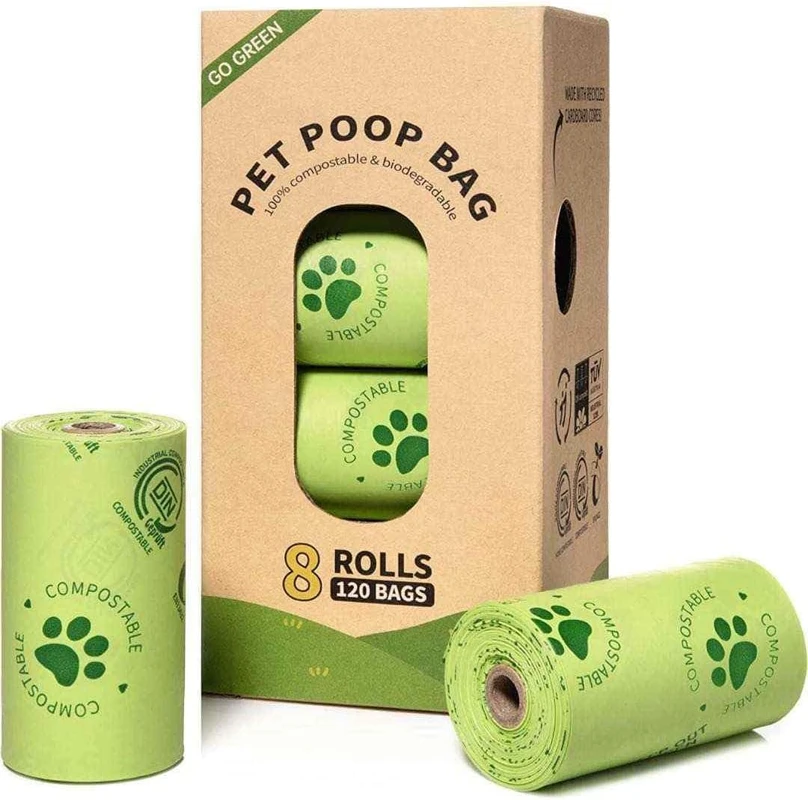
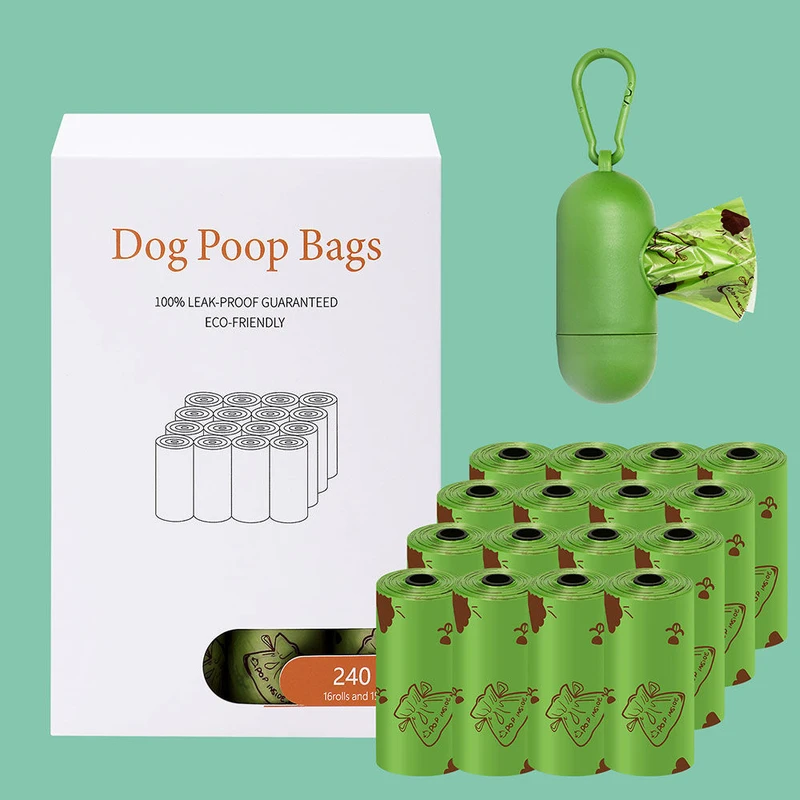
PawVerde.com – biodegradable pet waste bags have become essential tools for environmentally responsible dog owners seeking effective waste disposal solutions. These bags, primarily composed of plant-based materials such as cornstarch and certified biobased polymers, deliver durability and leak-proof performance while significantly reducing plastic pollution. Leading brands like PET N PET and Eco Poop Bags offer products designed to fully break down within 90 days under composting conditions. Available widely online, these biodegradable dog poop bags cater to growing consumer demand for sustainable pet care options in 2026.
The evolution of pet waste bags now emphasizes eco-friendly materials combined with practical features such as thickness exceeding traditional plastic bags by over 20%, and packaging innovations facilitating ease of use with dog poop bag dispensers. Environmental certifications like USDA biobased labeling and third-party compostability testing provide transparency and assurance regarding product claims. This article examines the top biodegradable pet waste bag brands and product features, material compositions, environmental impacts, practical buying considerations, and the future outlook for sustainable pet waste disposal.
Leading Brands and Product Options in Biodegradable Pet Waste Bags
PET N PET stands out with its extensive product offerings that balance high-count packaging and plant-based composition. Their dog waste bags often come in boxes containing 360 to 1080 bags, supporting long-term use for active dog owners. These bags feature increased thickness for puncture resistance, with many products blending cornstarch materials and biobased polymers to ensure compostability while maintaining durability. PET N PET’s packaging typically includes rolls with perforated edges and cardboard cores compatible with standard dog poop bag dispensers.
ZPAW focuses on corn starch-derived biodegradable bags, emphasizing coreless rolls that reduce packaging waste. These bags are marketed as fully compostable in both home and industrial settings, breaking down without leaving microplastic residues. Customers frequently note their ease of tearing at perforations and reliable leak-proof performance, reflecting rigorous product testing by the brand.
Eco Poop Bags offers a home compostable product line that meets ASTM D6400 standards, guaranteeing disintegration within 90 days in compost environments. Their bags are unscented, thick, and designed for both single and multi-dog households. Eco Poop Bags also supply dog waste dispensers designed to integrate seamlessly with their packaging, enhancing user convenience.
Earth Rated incorporates 65% post-consumer recycled plastic in their biodegradable dog poop bags, combining sustainability with robustness. These bags are notably thick and leak-proof, addressing common user concerns about bag integrity during use. Earth Rated’s packaging features eco-friendly materials, including cardboard cores and recyclable box designs, aligning with their environmental mission.
The Good Fill distinguishes itself by providing USDA certified biobased bags that meet strict environmental criteria. Their bags contain plant-based polymers sourced from renewable resources and are packaged using sustainable materials. The Good Fill emphasizes transparency in material sourcing and environmental impact, appealing to consumers prioritizing verified sustainability credentials.
Material Composition and Environmental Impact of Biodegradable Pet Waste Bags
Biodegradable pet waste bags predominantly utilize cornstarch and biobased polymers derived from renewable plant sources. Cornstarch offers a natural polymer base that decomposes efficiently in composting environments. Biobased polymers, often certified by USDA biobased standards, ensure that a significant percentage of the bag’s mass originates from renewable biomass rather than fossil fuels.
Oxo-biodegradable plastics, which contain additives that facilitate oxidation and fragmentation under specific conditions, remain controversial. While they degrade faster than conventional plastics, they may not fully mineralize into harmless compounds and can leave microplastic residues. This contrasts with compostable plastics certified to break down entirely into water, carbon dioxide, and biomass, meeting ASTM or EN compostability standards.
Post-consumer recycled plastic blends, as used by brands like Earth Rated, contribute to circular economy principles by repurposing existing plastic waste. These blends increase the eco-friendliness of pet waste bags by reducing virgin plastic consumption, although they may not be compostable. The environmental impact of these bags depends heavily on proper disposal methods and local waste processing infrastructure.
Composting conditions vary significantly. Industrial composting facilities maintain high temperatures (above 55°C) and controlled humidity, enabling rapid breakdown of certified compostable bags within 90 days. Home composting offers lower temperatures and longer timescales, with some bags specifically designed to degrade in this environment. Consumers must verify product certifications to ensure compatibility with their local composting options.
Practical Considerations for Buyers of Biodegradable Dog Poop Bags
Thickness and leak-proof performance are critical factors for consumer satisfaction. Independent product tests show that leading biodegradable bags often exceed the thickness of conventional plastic bags by 20-30%, ensuring resistance to punctures and leaks during typical dog waste collection. Many brands incorporate multi-layer film technology to balance strength and biodegradability.
Packaging formats vary between rolls and boxed counts. Rolls are favored for their dispenser compatibility; perforated edges allow easy bag separation, and cardboard cores fit most standard dog waste dispensers. Boxed sets containing hundreds of bags provide value and reduce packaging waste compared to individually wrapped bags. Consumers should assess their usage frequency to select appropriate pack sizes and formats.
Scented versus unscented options remain a personal preference. Most biodegradable pet waste bags are unscented to avoid potential chemical additives that could compromise biodegradability or trigger pet sensitivities. Some brands offer lightly scented variants with natural fragrances, but these are less common due to environmental considerations.
Pricing for biodegradable dog poop bags typically ranges from $0.02 to $0.05 per bag depending on brand, material composition, pack size, and certifications. Bulk purchases from brands like PET N PET and Earth Rated often deliver better value per unit. Buyers should weigh cost against durability, compostability certification, and environmental impact to make informed decisions.
Where to Buy Biodegradable Pet Waste Bags Online in 2026
Amazon remains the dominant online marketplace for biodegradable pet waste bags, offering a wide selection from all major brands. Consumers benefit from user reviews, detailed product descriptions, and competitive pricing. Amazon’s subscription services provide convenience for repeat buyers, ensuring steady supply with scheduled deliveries.
Brand websites such as PET N PET and Eco Poop Bags present direct-to-consumer options with exclusive product bundles and access to customer support. These sites often provide detailed information on material sourcing, certifications, and product testing, enhancing buyer confidence.
Price ranges on online platforms vary from approximately $15 for 300-bag packs to over $50 for large-count boxes exceeding 1000 bags. Shipping costs and delivery times fluctuate based on location and retailer policies. Some brands offer free shipping promotions or discounted rates for subscription orders, improving overall affordability.
Future Trends in Biodegradable Pet Waste Disposal
Material science innovations are driving the development of new biopolymers with enhanced compostability and mechanical strength. Research into algae-based polymers and advanced plant fiber composites aims to reduce reliance on cornstarch, which competes with food crops. These next-generation materials promise faster degradation rates and improved environmental footprints.
Consumer demand for sustainable pet products continues to grow, pressuring manufacturers to improve transparency and adopt circular economy principles. Increasing awareness of microplastic pollution and climate impacts influences purchasing decisions, encouraging brands to obtain recognized certifications and provide verifiable lifecycle assessments.
Regulatory environments may tighten, with potential bans on oxo-biodegradable plastics and mandates for compostable labeling. Governments and environmental agencies are expected to establish clearer standards for biodegradable pet waste bags, fostering innovation and consumer protection. Pet owners should anticipate evolving product landscapes shaped by legislation and sustainability trends.
FAQ
What materials are biodegradable pet waste bags made from?
Biodegradable pet waste bags are primarily made from plant-based materials such as cornstarch and biobased polymers. Some brands incorporate post-consumer recycled plastics, while others use fully compostable materials certified by standards like ASTM D6400 and USDA biobased certification.
How long do biodegradable dog poop bags take to break down?
Under proper composting conditions, biodegradable dog poop bags typically break down within 90 days. Industrial composting facilities achieve faster degradation due to high temperatures and humidity, whereas home composting may take longer depending on environmental factors.
Are oxo-biodegradable bags environmentally safe?
Oxo-biodegradable bags degrade faster than conventional plastics but can leave microplastic residues and do not fully mineralize. This raises environmental concerns compared to compostable bags, which break down completely into harmless compounds under certified composting conditions.
Can biodegradable pet waste bags be used with standard dog poop bag dispensers?
Yes, most biodegradable pet waste bags are designed to fit standard dog waste dispensers. Packaging formats, such as perforated rolls with cardboard cores, ensure compatibility with common dispenser models.
Where is the best place to buy biodegradable pet waste bags online?
Amazon offers a broad selection of biodegradable pet waste bags from leading brands with user reviews and competitive pricing. Brand websites like PET N PET and Eco Poop Bags also provide direct purchasing options, often with exclusive bundles and detailed product information.
—
As the pet care market evolves, biodegradable pet waste bags reflect a convergence of environmental consciousness and user-centric design. Pet owners in 2026 can access durable, leak-proof, and certified compostable products that fit seamlessly into sustainable lifestyles. Continued innovation and expanding regulatory frameworks are set to enhance product performance and environmental outcomes, making eco-friendly pet waste disposal not only feasible but increasingly mainstream.
Are Eco-Friendly Pet Cleaning Products Worth It in 2026?
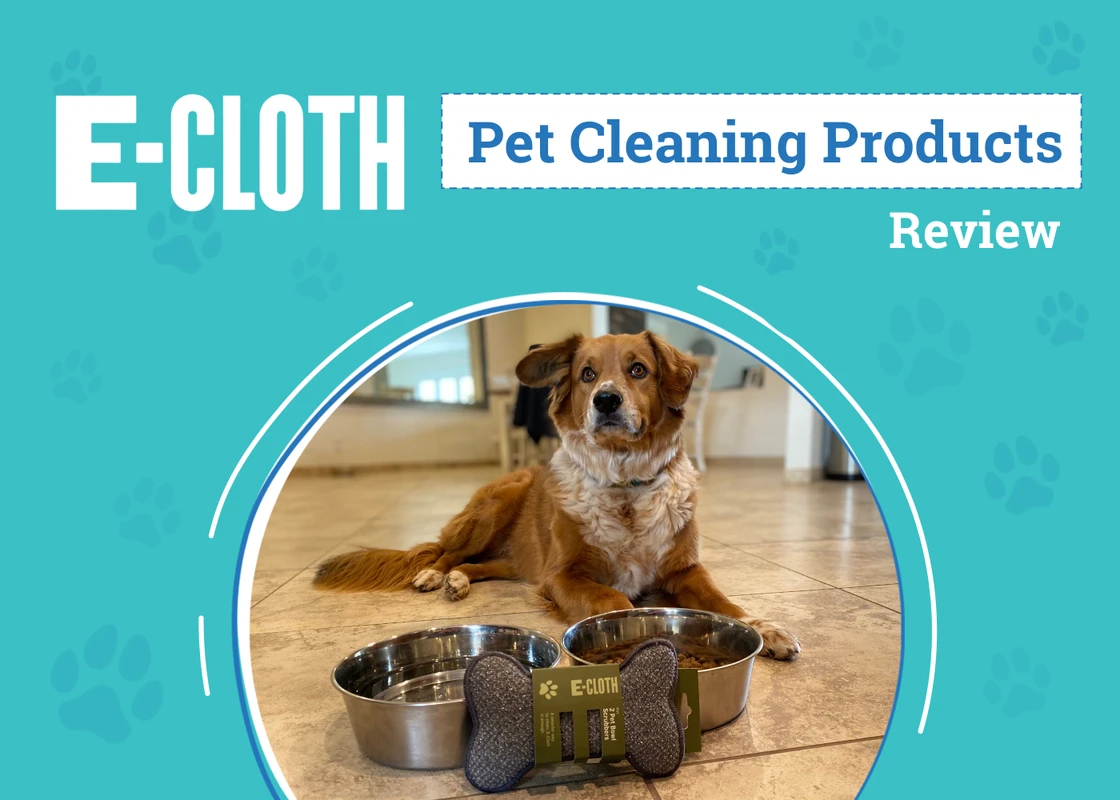
PawVerde.com – Eco-friendly pet cleaning products have become a crucial consideration for pet owners and veterinary professionals amid rising awareness of pet health and environmental sustainability. By avoiding toxic chemicals common in conventional cleaners, these products reduce respiratory and poisoning risks for pets such as cats and dogs, while also supporting biodegradability and reduced ecosystem contamination. As the pet cleaning market is projected to grow at a compound annual growth rate (CAGR) of 7.3% through the next decade, driven by pet humanization and wellness trends, understanding the balance of safety, efficacy, and environmental impact in these products is essential for informed purchasing decisions in 2026.
Despite marketing claims, not all products labeled “natural” guarantee safety for pets. Ingredients like tea tree oil and d-limonene, often found in supposedly green cleaners, have documented toxicity cases requiring veterinary intervention. In contrast, formulations based on Castile soap or vinegar offer proven, safer alternatives. Sustainable packaging innovations and smart cleaning devices further influence market dynamics, yet regulatory oversight and consumer education remain critical to navigating product choices. This article examines the health implications, environmental benefits, market trends, and practical guidance for selecting and using eco-friendly pet cleaning products responsibly.
Health and Safety Considerations for Pets
Conventional pet cleaning agents frequently contain chemical compounds such as ammonia, chlorine, and artificial fragrances that pose significant health risks to pets. Exposure to these substances can trigger respiratory distress, skin irritation, and systemic toxicity, particularly in sensitive species like cats and small dogs. Veterinary reports highlight cases where pets have suffered acute poisoning after contact with cleaning products containing essential oils or solvents deemed “natural” but hazardous in concentrated forms.
Tea tree oil serves as a notable example. While popular in natural cleaning due to its antimicrobial properties, veterinary toxicology data reveal that ingestion or dermal exposure can lead to neurological symptoms, lethargy, and even liver damage in pets. Similarly, d-limonene, a citrus-derived solvent frequently included for its degreasing action, has been linked to dermatitis and respiratory issues. These findings underscore that “natural” does not equate to “non-toxic.” Veterinary experts like Dr. Branson Ritchie emphasize the necessity for pet owners to scrutinize ingredient lists rather than relying on marketing labels.
Additionally, respiratory health concerns extend beyond ingestion or contact. Volatile organic compounds (VOCs) released by certain chemical cleaners can exacerbate asthma-like symptoms in pets, reducing indoor air quality. Eco-friendly products with low VOC emissions improve air environments, reducing chronic respiratory stress for animals and their human families. The American Society for Prevention of Cruelty to Animals (ASPCA) advocates for increased awareness of these risks, encouraging the use of pet-safe alternatives wherever possible.
Environmental Benefits of Eco-Friendly Pet Cleaners
The environmental footprint of pet cleaning products encompasses chemical runoff, plastic waste, and indoor air contamination. Biodegradable ingredients such as plant-based surfactants and Castile soap reduce the persistence of harmful residues in water bodies, mitigating ecological damage. Unlike synthetic detergents, these biodegradable formulas break down rapidly, lowering the risk of bioaccumulation in aquatic ecosystems.
Sustainable packaging advances have responded to growing regulatory pressures targeting microplastic pollution and single-use plastics. Many brands are adopting refillable containers, compostable wraps, and B Corp-certified packaging standards to align with environmental mandates. These innovations not only reduce landfill contributions but also enhance consumer trust by demonstrating corporate responsibility.
Indoor air quality improvements are another key environmental benefit. Products free from harsh VOCs and synthetic fragrances contribute to healthier home atmospheres, which is particularly relevant for multi-pet households where airborne allergens and irritants compound respiratory challenges. Recent market innovations also include smart cleaning devices optimized for low chemical usage, further reducing environmental impact while maintaining efficacy.
Market Dynamics and Growth Trends
The global pet cleaning products market is forecasted to reach approximately $26.8 billion by 2034, expanding at a CAGR of 7.3% from 2026 onward. This growth is propelled by increased pet ownership, especially in urban areas, and a shift towards pet humanization, where owners prioritize wellness and hygiene akin to human care standards. Consumer preferences are evolving towards organic and non-toxic formulations, driving innovation in product development.
Subscription services offering eco-friendly pet cleaning supplies have gained traction, providing convenience and consistent access to vetted products. Smart pet cleaning devices equipped with sensors and app integrations represent another growth vector, combining technology with sustainability. However, challenges persist regarding regulatory harmonization across regions, as environmental regulators worldwide update standards to address ingredient transparency and labeling accuracy.
Competitive pressures stimulate brands to pursue certifications like B Corp and USDA Organic, which serve as trust signals in a crowded marketplace. Yet consumer education remains a bottleneck; many pet owners struggle to differentiate between genuinely safe products and those engaging in greenwashing. Industry stakeholders emphasize the need for clearer regulatory guidelines and enhanced outreach to bridge this knowledge gap.
Choosing the Right Eco-Friendly Pet Cleaning Products
Selecting safe and effective eco-friendly pet cleaning products in 2026 requires informed scrutiny of active ingredients and certification claims. Ingredients such as Castile soap—a vegetable oil-based, biodegradable surfactant—offer effective cleaning with minimal toxicity. Vinegar-based cleaners provide natural antiseptic properties without harmful residues. Conversely, pet owners should avoid products containing tea tree oil, d-limonene, phenols, and synthetic fragrances due to their documented adverse effects.
Transparency in ingredient labeling is paramount. Products that clearly list all active substances and are certified by recognized eco-labels (e.g., B Corp, EPA Safer Choice) provide greater assurance of safety and environmental compliance. While “natural” or “plant-based” descriptions are common marketing terms, they lack regulatory consistency and do not guarantee pet safety.
Recommended cleaning practices include using steam cleaning for floors and pet bedding to minimize chemical exposure. If essential oils are employed, caution is advised as many oils can cause allergic reactions or toxicity. Consulting with veterinary professionals before introducing new cleaning products into pet environments can prevent adverse outcomes.
Practical Advice for Pet Owners
Integrating eco-friendly cleaning into daily pet care routines involves more than product selection. Regular vacuuming with HEPA filters, using reusable microfiber cloths, and maintaining good ventilation reduce allergens and chemical residues indoors. Avoiding overuse of any cleaner, even natural ones, limits pets’ exposure to potentially irritating substances.
Avoiding greenwashing requires pet owners to actively research brands and products. Social media platforms like TikTok and Instagram feature user reviews and expert discussions that can help identify reputable options. Subscription services from trusted brands such as Only Natural Pet offer curated eco-friendly selections, reducing the risk of inadvertently purchasing harmful products.
sustainable pet care practices extend to waste management, including composting biodegradable wipes and minimizing plastic packaging disposal. These habits contribute to broader environmental goals while fostering healthier living spaces for pets and their owners.
Looking Ahead: The Future of Eco-Friendly Pet Cleaning Products
Continued innovation in green chemistry promises safer, more effective formulations for pet cleaning products. Regulatory frameworks are anticipated to strengthen ingredient transparency, enforce stricter safety evaluations, and standardize eco-label certifications globally. Advances in smart cleaning technologies will further reduce chemical usage and environmental impact.
As consumer demand for sustainable pet care grows, brands that prioritize safety, efficacy, and environmental stewardship are likely to lead market expansion. Pet owners equipped with better education and access to reliable information will drive more informed purchasing decisions, enhancing pet wellness and ecosystem protection concurrently.
The trajectory for eco-friendly pet cleaning products in 2026 and beyond is positive, combining health benefits, environmental gains, and technological progress. However, vigilance remains essential to distinguish genuinely safe products from misleading claims, ensuring pets and their environments are safeguarded effectively.
FAQ
Are eco-friendly pet cleaning products safer for my pets than conventional cleaners?
Eco-friendly pet cleaning products generally reduce exposure to toxic chemicals found in conventional cleaners, lowering risks of poisoning and respiratory issues. However, safety depends on the specific ingredients; some natural substances like tea tree oil can still be harmful. Pet owners should carefully review ingredient lists and consult veterinary advice.
What ingredients should I avoid in pet cleaning products?
Avoid ingredients such as tea tree oil, d-limonene, phenols, synthetic fragrances, and ammonia, as these have been linked to toxicity or allergic reactions in pets. Opt for safer alternatives like Castile soap, vinegar-based cleaners, and plant-based surfactants.
How do eco-friendly pet cleaning products benefit the environment?
These products use biodegradable ingredients that break down quickly, minimizing water pollution and ecosystem damage. Sustainable packaging reduces plastic waste, and low-VOC formulations improve indoor air quality, collectively lowering environmental impact compared to conventional cleaners.
Is sustainable packaging common among pet cleaning brands?
An increasing number of brands incorporate sustainable packaging such as refillable containers, compostable materials, and B Corp-certified designs. This trend responds to regulatory pressures and consumer demand for environmental responsibility.
How can I avoid greenwashing when purchasing eco-friendly pet cleaners?
Look for full ingredient disclosure, third-party certifications, and positive veterinary endorsements. Research brand reputations via trusted social media channels and avoid products relying solely on vague marketing terms like “natural” without substantiation. Subscribing to curated services from reputable companies can also reduce risk.
—
The evolving landscape of eco-friendly pet cleaning products in 2026 presents promising opportunities for pet owners to safeguard animal health and contribute to environmental sustainability. By emphasizing ingredient transparency, adhering to best practices, and staying informed on regulatory and market developments, consumers can optimize pet hygiene while supporting greener, safer living environments.

Top Brands to Buy Sustainable Pet-Friendly Furniture Online
PawVerde.com – Consumers seeking sustainable, pet-friendly furniture in 2026 prioritize brands that combine environmental responsibility with durable, practical design tailored to pet households. Leading manufacturers such as Joybird, West Elm, and Sabai dominate the online marketplace with offerings that feature GREENGUARD Gold certified materials, low-VOC emissions, and washable or reversible covers engineered to withstand scratching, shedding, and spills. These products incorporate sustainable wood sourcing, recycled textiles, and performance fabrics, providing both eco-consciousness and resilience without sacrificing style or comfort.
The furniture industry’s shift toward modular, customizable designs further empowers pet owners to adapt their living spaces with ease while maintaining furniture longevity. Financing options like Affirm and customer-centric policies including warranties and free returns reinforce purchasing confidence. Specialized pet furniture brands such as KBSPETS and Mau Pets complement mainstream selections by focusing on Climate Neutral certification and supporting environmental causes, highlighting the growing intersection of sustainability and pet welfare. Below is an in-depth examination of the top brands, certifications, materials, and consumer considerations shaping the sustainable pet-friendly furniture market in 2026.
Key Brands Offering Sustainable Pet-Friendly Furniture Online
Joybird stands out by delivering handcrafted furniture that meets GREENGUARD Gold certification standards, ensuring low levels of volatile organic compounds (VOCs) to improve indoor air quality. Their extensive customization options include over 100 fabric choices, many of which are performance fabrics designed to resist pet damage such as clawing and shedding. Joybird’s financing partnerships with Affirm allow consumers to split purchases into manageable payments, and they provide robust warranty coverage alongside free shipping and return policies to facilitate risk-free online shopping.
West Elm integrates sustainability with contemporary design, sourcing FSC-certified wood and using low-VOC finishes that align with environmentally responsible manufacturing. Their pet-friendly sofas incorporate reversible and washable cushion covers made from tightly woven textiles and performance fabrics that repel stains and resist wear from pets. West Elm also emphasizes transparency through third-party certifications and offers dedicated customer support for maintenance advice, enhancing trust in their eco-conscious approach.
Sabai specializes in modular furniture systems that feature custom slipcovers made from sustainable, pet-proof fabrics. Their removable, machine-washable dog bed covers reflect a practical design focus on pet households, ensuring ease of cleaning and durability. Sabai’s commitment to using recycled materials and low-impact dyes complements their modular sofa designs that can be reconfigured or expanded, catering to evolving living spaces and pet needs. Their direct-to-consumer online model reduces carbon footprint by eliminating middlemen, making Sabai a notable choice for eco-minded buyers.
KBSPETS and Mau Pets represent a niche sector dedicated exclusively to sustainable pet furniture certified Climate Neutral. Both brands incorporate plastic-PFA-free materials and plant trees with each purchase, combining environmental stewardship with pet comfort. Mau Pets, for example, uses natural latex foam and recycled textiles in pet beds and loungers, maintaining a balance between sustainability and durability. These companies also support animal welfare initiatives, reinforcing the ethical dimension of sustainable pet furniture.
Room & Board offers one of the most extensive selections of pet-friendly performance fabrics, exceeding 150 options designed to withstand claws, spills, and shedding. Their furniture incorporates FSC-certified hardwood frames and low-VOC finishes, aligning with rigorous environmental standards. Room & Board’s product warranties often extend beyond standard industry offerings, reflecting confidence in fabric resilience and construction quality. Their online platform includes detailed fabric performance descriptions and maintenance tips, aiding consumers in making informed decisions for pet households.
Additional brands such as Poly & Bark and Guynn Furniture contribute regionally and nationally with handcrafted furniture lines focusing on sustainable wood sourcing and pet-safe fabrics. These providers emphasize personalized service and incorporate Bcorp certification to validate their social and environmental commitments, broadening consumer choices in sustainable pet furniture.
Sustainability Certifications and What They Mean
GREENGUARD Gold certification remains the benchmark for indoor air quality assurance in furniture manufacturing. Products bearing this certification emit low VOCs, minimizing exposure to harmful chemicals commonly found in synthetic textiles and finishes. This certification is particularly relevant for pet owners concerned about respiratory health for themselves and their animals.
The Forest Stewardship Council (FSC) certification guarantees that wood used in furniture production originates from responsibly managed forests that promote biodiversity and reduce deforestation. Brands like West Elm and Room & Board prominently display FSC certification, which assures buyers of sustainable wood sourcing.
Climate Neutral certification reflects a company’s commitment to measuring, reducing, and offsetting its carbon footprint. Pet furniture brands KBSPETS and Mau Pets use this certification to highlight their environmental responsibility, encompassing manufacturing, shipping, and packaging emissions.
Bcorp certification applies to companies meeting high standards of social and environmental performance, transparency, and accountability. Brands such as Guynn Furniture leverage this certification to demonstrate commitment beyond environmental stewardship, including ethical labor practices and community engagement.
Together, these certifications provide a transparent framework enabling consumers to assess the environmental and social impact of their furniture purchases, encouraging informed decisions that align with sustainability goals.
Features of Pet-Friendly Furniture for Durability and Maintenance
Performance fabrics dominate pet-friendly furniture, combining tightly woven textiles with stain resistance and enhanced durability. Materials such as microfiber, Crypton, and vegan leather are engineered to repel liquids and prevent claw snags, extending furniture lifespan in pet households. Natural latex cushions offer hypoallergenic properties and resilience, supporting comfort without chemical additives.
Removable, washable, and reversible covers have become industry standards, allowing consumers to maintain cleanliness and refresh furniture appearance easily. Slipcovers provide an additional protective layer against pet hair, dirt, and stains, often available in sustainable fabrics that balance durability with environmental responsibility.
Modular and customizable furniture designs reflect consumer demand for adaptability. Brands like Sabai enable reconfiguration of sofas and chairs to fit changing spaces or accommodate multiple pets. Customization extends to fabric choice, cushion density, and frame finishes, allowing personalization aligned with aesthetics and practical needs.
Comprehensive warranty and return policies underpin consumer confidence in pet-friendly furniture investments. Many top brands offer warranties covering fabric wear and structural integrity for several years, supplemented by satisfaction guarantees and free return shipping. These policies ensure accountability and facilitate seamless online purchasing experiences.
Shopping Experience and Online Advantages
Online platforms for sustainable pet-friendly furniture increasingly offer free design consultations and expert advice to replicate in-store personalized service. Joybird, for example, provides live chat and video consultations to guide fabric selection and configuration tailored to pet durability requirements.
Financing options through services like Affirm enable buyers to spread costs over time without high-interest rates, making premium sustainable furniture accessible. Transparent pricing and detailed product descriptions, including certifications and fabric performance data, empower consumers to evaluate value accurately.
Shipping and return policies reflect a commitment to customer satisfaction and environmental considerations. Many brands have implemented carbon-neutral shipping and offer hassle-free returns, minimizing the environmental impact associated with logistics while ensuring risk-free purchases.
Customer support extends beyond sales, with instructional content on fabric care, stain removal, and pet damage prevention. This ongoing engagement demonstrates expertise and builds trust, critical factors in the growing online furniture market.
Environmental and Social Impact Considerations
The integration of recycled materials, such as recycled polyester and repurposed wood, reduces reliance on virgin resources and minimizes landfill waste. Brands like Sabai and Mau Pets incorporate recycled textiles and plastic-PFA-free components, enhancing sustainability profiles without compromising durability.
Initiatives like tree planting linked to sales, practiced by Mau Pets, create tangible environmental benefits that resonate with eco-conscious consumers. These programs often support reforestation and biodiversity, offsetting carbon emissions from manufacturing and shipping.
Long-lasting, well-constructed furniture reduces turnover and waste generation, a critical factor given the environmental impact of furniture disposal. Sustainable pet-friendly designs prioritize durability and repairability, encouraging a circular economy approach.
Social responsibility, including ethical sourcing and labor practices, complements environmental efforts. Bcorp-certified companies emphasize fair wages and safe working conditions, ensuring that furniture production benefits workers and communities alongside ecological goals.
Forward-Looking Trends and Consumer Guidance

The convergence of sustainability and pet-friendly design will continue to evolve with technological advancements in fabric treatments that enhance water and scratch resistance without toxic chemicals. Innovations in natural fiber blends and biodegradable performance fabrics are expected to gain traction, reducing environmental footprints further.
Customization and modularity will expand, supported by online visualization tools and augmented reality, enabling consumers to tailor furniture precisely to pet needs and spatial constraints. Integration of smart textiles capable of monitoring wear or cleanliness may emerge, offering proactive maintenance solutions.
Consumers should prioritize brands with transparent certifications such as GREENGUARD Gold, FSC, and Climate Neutral to ensure environmental integrity. Evaluating warranty terms, fabric technology, and return policies is essential to secure furniture that withstands pet wear while aligning with sustainability values.
Supporting companies that contribute to environmental causes or animal welfare enhances the positive impact of sustainable furniture purchases, reinforcing ethical consumption in the pet product market.
Frequently Asked Questions

What certifications should I look for when buying sustainable pet-friendly furniture?
Look for GREENGUARD Gold certification for low VOC emissions, FSC certification to ensure responsibly sourced wood, and Climate Neutral certification indicating carbon footprint reduction. Bcorp certification also signals a company’s broader social and environmental responsibility.
Are washable and reversible covers effective for protecting furniture from pets?
Yes, washable and reversible covers made from tightly woven performance fabrics provide excellent protection against pet hair, scratches, and spills. They also facilitate easy maintenance and prolong furniture lifespan.
Which materials are best for pet-resistant furniture fabrics?
Performance fabrics such as microfiber, Crypton, vegan leather, and natural latex cushions offer superior resistance to pet damage. These materials resist stains, odors, and clawing while maintaining comfort and breathability.
Can I customize sustainable furniture to fit my pet’s needs?
Many brands like Joybird and Sabai offer customizable and modular furniture designs, allowing adjustments in size, fabric, and configuration to suit pet behavior and living spaces.
Do sustainable pet furniture brands offer financing and return options?
Yes, leading brands provide financing through platforms like Affirm and have customer-friendly return policies, often including free shipping and satisfaction guarantees to ease online purchases.
—
In 2026, the online market for sustainable, pet-friendly furniture offers consumers a diverse range of certified, durable, and customizable options from reputable brands. Prioritizing products with verified eco-certifications and pet-resilient features ensures furniture investments that align with environmental values and practical needs. Advances in fabric technology and modular design promise continued innovation, enabling pet owners to furnish their homes sustainably without compromising on style or functionality.

Where to Find Local Pet Adoption Events 2026 Nationwide
PawVerde.com – Local pet adoption events in 2026 are intensifying community engagement nationwide, with key organizations such as Curtis Lumber, PetSmart Charities, 4 Paws 4 Life, and PAWS Chicago spearheading extensive adoption drives. Curtis Lumber’s PetAPalooza in Ballston Spa, NY, scheduled for June 20, offers comprehensive pet services alongside adoption opportunities. PetSmart Charities will conduct National Adoption Week from July 20 to 26, aiming to facilitate thousands of adoptions. Colorado’s 4 Paws 4 Life holds adoption events on May 16 and 22, while PAWS Chicago’s May 31 Angels with Tails Gold Coast event and Cubs Adoption Day provide multiple adoption access points. In addition, widespread adoption events occur throughout spring and early summer at PetSmart and Petco stores, with fee waivers and community support initiatives enhancing accessibility.
National and Regional Adoption Events Drive Pet Placements
Curtis Lumber’s annual PetAPalooza in Ballston Spa has expanded its community engagement in 2026, combining pet adoption with discounted pet supplies and free pet wellness screenings. This event, slated for June 20, draws local families and animal lovers, supported by partnering organizations including the Bissell Pet Foundation and local rescue groups. Curtis Lumber reports that previous PetAPalooza events have resulted in over 300 pet adoptions regionally, and this year’s event includes added vaccination clinics and foster orientation sessions.
PetSmart Charities continues to dominate national adoption efforts with its Adopt Joy campaign, culminating in National Adoption Week from July 20 to 26. Since its inception, the campaign has facilitated more than 11 million pet adoptions nationwide. In 2026, over 1,500 PetSmart stores will host adoption events featuring dogs, cats, and small pets from local shelters and rescues. National Adoption Week promotes adoption fee waivers on select days, increasing accessibility for families across diverse communities.
Colorado-based 4 Paws 4 Life schedules two major adoption events in May—on the 16th and 22nd—collaborating closely with PetSmart and Petco locations in Denver and Boulder. These events focus on pairing prospective adopters with animals rescued from high-kill shelters, providing pre-adoption counseling and post-adoption support. This year, 4 Paws 4 Life has expanded foster orientation programs and vaccination clinics to coincide with these adoption days, ensuring healthier transitions for adoptable pets.
PAWS Chicago’s adoption calendar features multiple high-profile events in May. The Angels with Tails Gold Coast adoption event on May 31 attracts hundreds of potential pet owners and includes partnerships with Chicago Cubs players, who advocate for pet adoption during Cubs Adoption Day events at Wrigley Field. PAWS Chicago emphasizes community outreach through these events, linking adopters to ongoing support services such as behavioral training and veterinary care.
Local Store Events and Community Adoption Hubs Expand Reach
PetSmart and Petco maintain robust schedules of local adoption events across multiple states including Virginia, Maryland, Colorado, and California throughout May and June. These events typically feature meet-and-greet sessions with adoptable cats and dogs, adoption fee discounts, and educational workshops on pet care. Both chains integrate community shelter partnerships to bring a wide variety of pets to retail locations, enhancing visibility and adoption rates.
Lucky Dog Animal Rescue, a notable participant in regional adoption efforts, hosts off-site adoption days in collaboration with community centers and local businesses. Their events emphasize socialization opportunities for pets and personalized matching processes. Lucky Dog’s recent event series in Northern California yielded a 25% increase in adoptions compared to the previous year, attributed to targeted outreach and community engagement strategies.
Silicon Valley’s Pup Plaza serves as a community hub combining adoption events with pet care classes and wellness clinics. In 2026, Pup Plaza has expanded its event calendar to include weekly adoption fairs, supported by local nonprofit rescues and pet supply vendors. The venue also offers foster orientation sessions and microchip clinics to streamline the adoption and pet care process.
Adoption Fee Waivers and Complementary Support Programs Enhance Accessibility
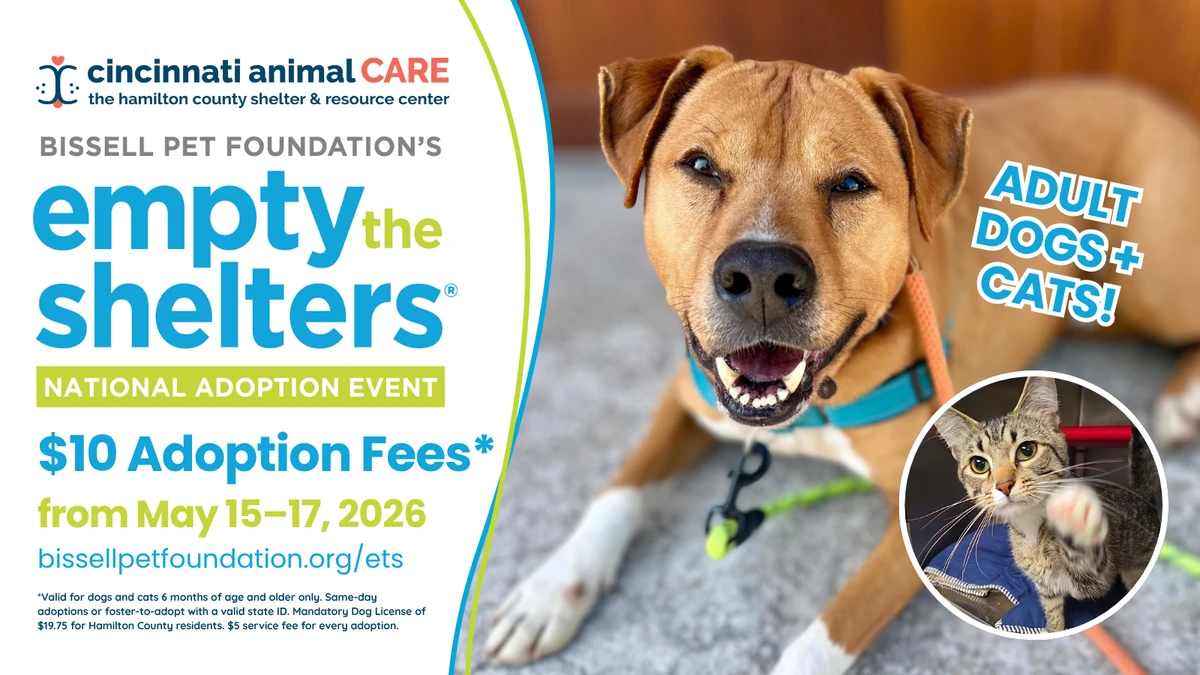
LA Animal Services is implementing a month-long adoption fee waiver throughout May 2026 in honor of National Pet Month. This initiative aims to increase pet placements from city shelters, which have seen a 15% uptick in shelter intake compared to last year. The waiver program is accompanied by free vaccination clinics and behavioral counseling sessions available at shelter locations, reducing barriers for first-time adopters.
The Humane Society of Northeast Iowa and Solano SPCA are offering simplified adoption forms and personalized matching services this season, streamlining the adoption process while ensuring compatibility between pets and adopters. These programs have documented higher retention rates for adopted animals, attributed to thorough pre-adoption counseling.
Several organizations, including Bissell Pet Foundation and 4 Paws 4 Life, are coordinating foster orientation programs alongside adoption events, training community members to provide temporary care and socialization for pets awaiting permanent homes. These initiatives have improved adoption outcomes by preparing animals for home environments and alleviating shelter overcrowding.
Guidance for Prospective Adopters: Participation and Preparation
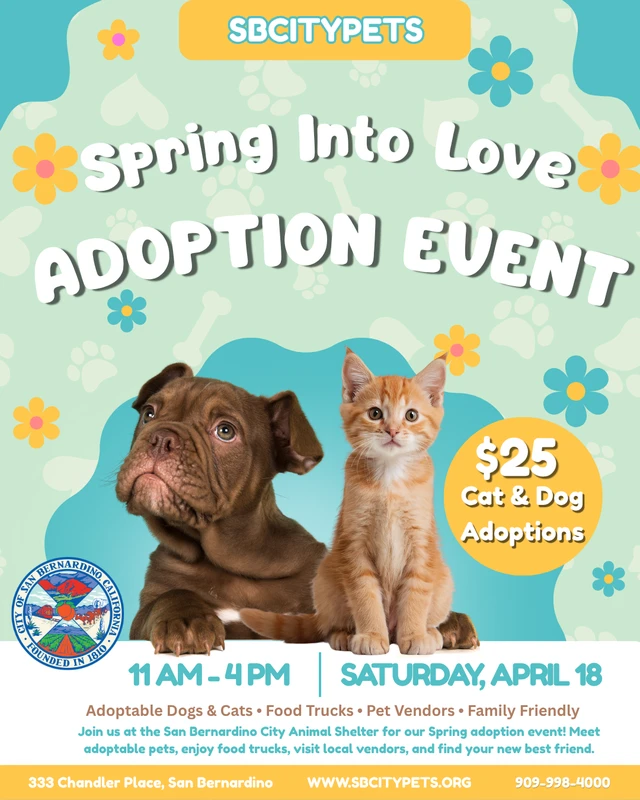
Prospective adopters seeking to attend local pet adoption events in 2026 are advised to verify event details through official organizational websites and social media channels, as schedules can be subject to change. Popular events such as Curtis Lumber’s PetAPalooza and PetSmart Charities’ National Adoption Week often require early appointment bookings due to high demand.
Preparation for adoption includes reviewing pet care resources provided by hosting organizations, many of which offer counseling on pet needs, lifestyle compatibility, and post-adoption support. Vaccination clinics and foster orientation programs frequently coincide with adoption events, enhancing the readiness of both animals and adopters.
Community pet adoption events in 2026 continue to integrate educational components, emphasizing responsible ownership and promoting long-term animal welfare. These efforts aim to reduce return rates and foster sustainable adoptions nationwide.
The ongoing collaboration among national chains, local rescues, and animal welfare organizations ensures that pet adoption remains accessible, supported, and responsive to community needs throughout the year. With multiple events scheduled across regions and fee waiver programs in place, 2026 presents ample opportunities for individuals and families to adopt pets from reputable sources, contributing to broader animal welfare goals.

Top Eco-Friendly Cleaning Products for Pet Owners in 2026
PawVerde.com – eco-friendly cleaning products designed specifically for households with pets have surged in relevance due to growing awareness of pet health risks linked to conventional cleaners. In 2026, the market offers a range of safe, biodegradable, and effective products that combine enzymatic action, plant-based ingredients, and sustainable packaging. Leading options such as Biokleen Bac-Out Enzyme Stain & Odor Remover and Puracy Multi-Surface Cleaner exemplify this trend by delivering potent cleaning power without toxic chemicals or harmful essential oils, ensuring pet safety and environmental sustainability.
Pet owners face unique challenges in maintaining hygiene without exposing animals to hazardous substances. Many traditional cleaning agents contain ingredients like chlorine, ammonia, and synthetic fragrances, which can cause respiratory issues, skin irritations, or even toxicity in pets. Additionally, certain essential oils—including tea tree, eucalyptus, and citrus oils—commonly found in natural products pose significant health risks to cats and dogs, even at low concentrations. Recognizing these dangers, eco-conscious consumers increasingly demand products verified by certifications such as EPA registration, cruelty-free testing, and biodegradable claims.
Criteria for Selecting Eco-Friendly Cleaning Products Suitable for Pets
Choosing cleaning products safe for pets requires careful evaluation of formulas and packaging. Non-toxic and biodegradable ingredients must predominate, avoiding harsh chemicals like phenols, chlorine, and synthetic dyes. Enzymatic cleaners have gained prominence for their ability to break down organic stains and odors through natural biological processes, reducing the need for aggressive chemicals.
A critical factor is the exclusion of toxic essential oils. Tea tree oil, for instance, contains terpenes that can cause neurological symptoms in pets, while citrus oils may induce gastrointestinal upset or liver toxicity. Products must explicitly state the absence of these components or use pet-safe natural fragrances, such as lemongrass or green tea extracts.
Certifications from credible bodies bolster consumer trust. EPA-registered disinfectants like Force of Nature ensure antimicrobial efficacy while meeting strict safety standards. Cruelty-free and third-party biodegradable certifications also verify ethical manufacturing and environmental responsibility.
sustainable packaging enhances the overall eco-friendliness by minimizing plastic waste. Brands utilizing reusable or recyclable bottles, biodegradable labels, and minimal packaging materials align with consumer expectations for environmental stewardship.
Top Eco-Friendly Cleaning Products for Pet Owners in 2026
The following products exemplify the cutting edge in pet-safe, eco-friendly cleaning solutions, addressing various household needs from stain removal to disinfection.
Biokleen Bac-Out Enzyme Stain & Odor Remover
Biokleen Bac-Out utilizes a potent enzymatic formula derived from natural plant extracts to target protein-based stains and odors caused by pet accidents. Its lime scent is derived from natural sources, avoiding synthetic fragrances. The product is fully biodegradable, phosphate-free, and contains no chlorine or harsh chemicals, making it safe for carpets, upholstery, and fabric surfaces frequented by pets. Independent lab tests confirm its efficacy in breaking down organic matter within minutes.
Puracy Multi-Surface Cleaner
Developed by doctors, Puracy’s multi-surface cleaner harnesses plant-based surfactants and enzymes to clean a wide variety of household surfaces without leaving harmful residues. Its green tea and lime scent is naturally derived, and the formulation excludes toxic essential oils such as tea tree or citrus. The reusable bottle system reduces plastic waste, contributing to sustainable consumption. Puracy is also cruelty-free and biodegradable, with effectiveness validated by consumer reviews highlighting its stain removal and deodorizing capabilities in pet environments.
Seventh Generation Laundry Detergent
Seventh Generation’s plant-based laundry detergent is formulated without dyes or artificial fragrances, minimizing allergic reactions in pets sensitive to detergents. It effectively removes pet stains and odors, including urine and dander, through botanical cleaning agents and enzymes. The detergent’s packaging emphasizes recycled materials, and it carries certifications from the EPA Safer Choice program, ensuring compliance with strict environmental and safety standards.
Bio-Home Pet Safe Floor and Multi-Purpose Cleaners
Bio-Home offers lemongrass and green tea scented cleaners that are gentle enough for pet paws, fully biodegradable, and free from toxic essential oils. Their formulations avoid synthetic chemicals and prioritize natural, plant-derived ingredients. These cleaners are praised for use on hardwood, tile, and laminate flooring, maintaining cleanliness while protecting pets from chemical exposure.
F10 Super Concentrate Veterinary Disinfectant
F10 is a veterinary-grade disinfectant widely used in animal hospitals. It boasts broad-spectrum antimicrobial efficacy without alcohol or aldehydes, making it non-toxic and safe for use in pet environments. The concentrate is diluted before use and has rapid action against bacteria, viruses, and fungi. Its safety profile is supported by veterinary toxicology studies, confirming zero adverse effects on animals and humans when used as directed.
Method Cleaning Spray
Method’s plant-based cleaning spray is biodegradable and formulated without harsh chemicals or synthetic fragrances. It is certified cat-safe and offers a variety of natural scents, avoiding essential oils known to be toxic to pets. The product’s ingredients include naturally derived surfactants and solvents that effectively remove dirt and grime from multiple surfaces.
Force of Nature Disinfectant
Force of Nature is EPA-registered and kills 99.9% of germs using an active solution generated from water, salt, and vinegar via electrolysis. This technology produces hypochlorous acid, a disinfectant naturally produced by white blood cells, ensuring safety for pets and humans alike. The product avoids synthetic chemicals and toxic fragrances, making it ideal for households with sensitive animals.
Understanding Harmful Ingredients to Avoid in Pet Environments
Pet owners must recognize specific substances that pose health risks when selecting cleaning products. Essential oils such as tea tree, eucalyptus, peppermint, pine, wintergreen, and citrus oils contain compounds that can cause symptoms ranging from skin irritation and respiratory distress to neurological impairment and liver damage in cats and dogs.
Synthetic fragrances, often undisclosed in ingredient labels, can include phthalates and other irritants responsible for allergic reactions and toxicity. Harsh chemicals like ammonia, bleach, and phenols, though effective disinfectants, are linked to respiratory issues and poisoning in pets. Even small residual amounts after cleaning can accumulate in carpets and surfaces, presenting chronic exposure risks.
A study published in veterinary toxicology journals highlights that cats are especially vulnerable due to their unique liver metabolism, which inefficiently processes many plant-based toxins. Dogs, while somewhat more resilient, still exhibit adverse effects from exposure to these substances.
Additional Eco-Friendly Cleaning Practices for Pet Households
Beyond product selection, adopting sustainable cleaning habits enhances safety and environmental impact. Enzymatic cleaners remain the preferred option for organic stains such as urine, feces, and vomit because they biologically break down proteins and organic matter, neutralizing odors effectively without harsh chemicals.
Vinegar-based cleaners serve as an inexpensive, non-toxic option for routine surface cleaning. Diluted vinegar solutions can disinfect and deodorize without leaving harmful residues, but they are less effective against certain pathogens compared to EPA-registered disinfectants.
Using reusable microfiber cloths and compostable wipes minimizes waste generation from disposable cleaning materials. These practices reduce plastic pollution and limit microplastic contamination associated with synthetic sponges and wipes.
Environmental and Health Impacts of Eco-Friendly Pet Cleaning Products
Eco-friendly pet-safe cleaning solutions contribute significantly to reducing chemical exposure risks for both animals and humans within the home. By eliminating toxic ingredients, they lower incidences of respiratory problems, skin allergies, and poisoning in pets.
Environmentally, biodegradable formulas degrade rapidly in wastewater treatment systems, curbing pollution and aquatic toxicity. Sustainable packaging reduces plastic waste and carbon footprint, aligning with global efforts to mitigate environmental degradation.
The adoption of these products supports pet health by maintaining cleaner, safer living spaces without compromising hygiene. This balance improves overall home wellness, reduces vet visits linked to toxin exposure, and fosters responsible consumer behavior aligned with ecological preservation.
| Product | Key Features | Pet Safety | Biodegradability | Packaging |
|---|---|---|---|---|
| Biokleen Bac-Out | Enzymatic stain and odor remover, lime scent | Non-toxic, no harsh chemicals | Biodegradable | Standard plastic bottle |
| Puracy Multi-Surface Cleaner | Plant-based, doctor-developed, green tea and lime scent | Safe, excludes toxic essential oils | Biodegradable | Reusable bottles |
| Seventh Generation Laundry Detergent | Plant-based, dye-free, fragrance-free | Safe for pets, effective on stains | Biodegradable | Recycled materials |
| Bio-Home Floor Cleaner | Lemongrass and green tea scent, gentle on paws | Non-toxic, pet-safe | Biodegradable | Eco-friendly packaging |
| F10 Super Concentrate | Veterinary disinfectant, non-alcoholic | Non-toxic, safe for pets | Biodegradable | Concentrate, dilute before use |
| Method Cleaning Spray | Plant-based, cat-safe, multiple scents | Non-toxic, excludes harmful oils | Biodegradable | Recyclable bottles |
| Force of Nature Disinfectant | EPA-registered, kills 99.9% germs | Safe ingredients, pet-friendly | Biodegradable | Reusable bottles |
FAQ
What makes enzymatic cleaners effective for pet stain removal?
Enzymatic cleaners contain natural enzymes that break down proteins, fats, and organic compounds found in pet stains and odors. This biological action neutralizes the source of the stain, preventing re-soiling and eliminating odors without harsh chemicals, making them safe and efficient for use around pets.
Are all essential oils harmful to pets?
Not all essential oils are equally harmful, but several common ones—including tea tree, eucalyptus, pine, peppermint, and citrus oils—are toxic to cats and dogs. These oils can cause symptoms such as vomiting, lethargy, seizures, and liver damage. Pet-safe products avoid these oils or use safe alternatives like lemongrass or green tea extracts.
How do EPA-registered disinfectants ensure pet safety?
EPA registration requires disinfectants to meet strict efficacy and safety standards. Many EPA-registered products designed for pet environments use non-toxic active ingredients and avoid harsh chemicals like bleach or ammonia, ensuring effective germ control without risking pet health.
Can vinegar-based cleaners be used safely around pets?
Diluted vinegar solutions are generally safe for routine cleaning as they are non-toxic and biodegradable. However, vinegar is acidic and should be used carefully on sensitive surfaces or where pets have wounds. For disinfection, EPA-registered products are recommended.
What role does sustainable packaging play in eco-friendly pet cleaning products?
Sustainable packaging reduces plastic waste and environmental impact through reusable, recyclable, or biodegradable materials. It complements biodegradable formulas by minimizing the overall ecological footprint of cleaning products, supporting circular economy principles and reducing pollution.
The evolution of pet-safe cleaning products in 2026 highlights a balanced approach that prioritizes pet health, environmental responsibility, and cleaning efficacy. Ongoing innovations in enzymatic formulations, sustainable packaging, and non-toxic disinfectants promise to further enhance the safety and sustainability of household cleaning practices. Pet owners are encouraged to adopt these products and practices as integral components of conscientious pet care and environmental stewardship.

How Fostering Pets Near Me Helps Shelters in 2026
PawVerde.com – Fostering pets near you in 2026 involves providing temporary, compassionate care for shelter animals awaiting adoption. This practice plays a critical role in alleviating overcrowded shelters, reducing stress for vulnerable animals, and enhancing their chances of finding permanent homes. Across the United States and Canada, reputable organizations such as LA Animal Services, the Humane Society of Charlotte, Lifeline animal welfare Society, BARC Houston, the Louisiana SPCA, and North Shore Animal League America continue to expand fostering programs, offering comprehensive support including supplies, training, and medical care guidance to foster families. These programs accommodate a wide range of animals, from dogs and cats to rabbits and fragile neonatal pets, all of which require tailored care protocols to ensure their wellbeing.
Foster families not only supplement shelter resources but also provide crucial socialization and individualized attention that shelters often cannot due to high animal populations. This dynamic partnership between animal welfare organizations and community volunteers has proven instrumental in managing shelter populations efficiently, improving animal health outcomes, and increasing adoption rates. In 2026, fostering remains an accessible pathway for animal lovers to make a meaningful impact locally and nationally, supported by evolving shelter protocols, community engagement, and enhanced foster caregiver education.
How to Find and Join a Foster Program Near You
Locating a foster program in your region begins with identifying local animal shelters and rescue organizations that offer structured fostering opportunities. Major entities such as LA Animal Services and the Humane Society of Charlotte maintain active foster recruitment and provide detailed online portals where prospective foster families can submit applications. These programs typically require applicants to attend an orientation session, which covers fostering protocols, animal handling best practices, and health monitoring guidelines. For example, BARC Houston’s foster program includes a mandatory virtual orientation to ensure volunteers understand emergency procedures and the specific needs of the animals they will care for.
The application process usually involves a background check, home environment assessment, and completion of a foster agreement outlining responsibilities. Many shelters encourage direct visits to their facilities to meet with staff and discuss fostering options in person. Community-based organizations like Sophie’s Dog Adoption and Lifeline Animal Welfare Society also offer seasonal foster drives and informational events to onboard new volunteers. As fostering programs adapt to increasing demand, some shelters have introduced streamlined digital applications and foster matching systems that align animal needs with foster family capabilities more efficiently.
Responsibilities and Best Practices of Foster Caregivers
Foster caregivers serve as temporary guardians, providing daily care that encompasses nutrition, exercise, socialization, and medical compliance. Maintaining consistent feeding schedules with appropriate diets is essential, especially for young or immunocompromised animals. Socialization efforts include gradual exposure to household environments and resident pets, with many shelters recommending an initial quarantine period to minimize disease transmission risks. For instance, the Louisiana SPCA advises keeping foster pets separated in a designated room for the first 7-10 days while monitoring for signs of illness.
Health monitoring requires foster families to administer prescribed medications, observe behavioral changes, and attend regular veterinary checkups facilitated by the shelter. Emergency fostering, often activated during natural disasters or shelter overcrowding spikes, demands heightened vigilance and flexibility from caregivers, including readiness for rapid intake and communication with shelter staff. Best practices also emphasize maintaining a clean and sanitized environment to prevent disease spread, using separate bedding and toys, and adhering strictly to vaccination and parasite control protocols.
Types of Animals Typically Fostered
Foster programs accommodate a diverse range of animals, including dogs, cats, rabbits, and neonatal or fragile young animals requiring intensive care. Dogs and cats constitute the majority of fostered pets, varying from puppies and kittens to senior animals needing convalescent care. Rabbits and small mammals, often overlooked, receive specialized fostering to support rehabilitation and socialization before adoption. Special needs animals—those with chronic illnesses, behavioral challenges, or recovering from surgery—require foster families with specific training or experience. North Shore Animal League America’s foster network includes protocols for immunocompromised animals, involving strict isolation and enhanced hygiene.
Some programs also focus on emergency fostering, which addresses sudden influxes of animals during crises such as floods or fires. These scenarios necessitate rapid deployment of foster homes capable of providing temporary sanctuary, sometimes for extended periods. Foster families willing to care for such animals often receive additional support, including veterinary consultations and behavioral assistance.
Support and Resources Provided by Shelters
Shelters and animal welfare organizations typically supply foster families with essential resources, including food, medical supplies, and training materials. For example, LA Animal Services provides starter kits containing leashes, collars, crates, and feeding bowls, reducing upfront costs for volunteers. Medical care coverage often includes vaccinations, flea and tick prevention, spay/neuter surgeries, and emergency veterinary services managed or reimbursed by the shelter. Training manuals and online webinars are standard, offering foster parents guidance on animal behavior management, health monitoring, and integration strategies.
Community partnerships and sponsorship programs further bolster foster initiatives. Business collaborations with pet supply companies and veterinary clinics often result in donations or discounted services, easing the financial burden on foster families. Nonprofit organizations like Sophie’s Dog Adoption facilitate foster parent networks where volunteers share experiences, advice, and emotional support. These networks contribute to sustained engagement and higher retention rates among foster caregivers.
Impact of Fostering on Animal Adoption and Community
Fostering significantly increases adoption rates by providing animals with the socialization and individualized care that make them more appealing to potential adopters. Research from BARC Houston indicates that fostered pets are 60% more likely to be adopted within three months compared to those remaining exclusively in shelters. Emotional benefits extend to foster families, who often form strong bonds with animals and experience fulfillment from contributing to animal welfare. These positive experiences fuel advocacy efforts and encourage community involvement.
Programs like the Humane Society of Charlotte’s foster spotlight campaigns highlight success stories, raising public awareness about the importance of fostering and inspiring new volunteers. Foster programs also relieve shelter overcrowding, improving overall animal welfare by reducing stress-related illnesses and behavioral issues common in high-density shelter environments. This positive feedback loop supports healthier shelter populations and more successful adoptions, benefiting communities on a broader scale.
How to Maintain a Healthy Foster Environment
Creating a safe and healthy environment for foster pets involves rigorous hygiene practices, thoughtful integration with existing pets, and preparing animals for the transition to adoptive homes. Initial separation of foster animals from resident pets reduces the risk of disease transmission and behavioral conflicts. Over time, gradual introductions under controlled conditions promote socialization and adjustment. The Louisiana SPCA recommends using scent swapping and supervised interactions to ease this process.
Maintaining cleanliness in the foster area includes daily sanitation of bedding, toys, and feeding areas with pet-safe disinfectants. Regular handwashing and use of gloves during medication administration further prevent cross-contamination. Foster caregivers are advised to monitor foster pets closely for signs of illness, such as lethargy, appetite loss, or respiratory symptoms, and report concerns promptly to shelter veterinarians.
Preparing for adoption involves behavioral training, social exposure, and ensuring medical records are up to date. Foster families often collaborate with shelter staff to facilitate meet-and-greet sessions with potential adopters, offering firsthand insights into the animal’s temperament and care needs.
FAQ
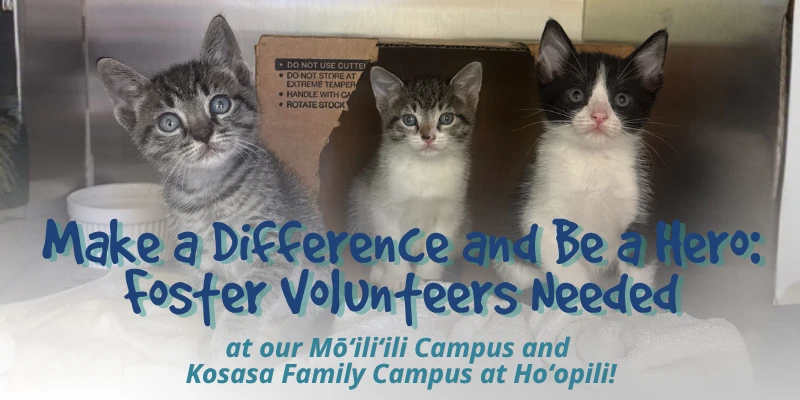
How do I find foster pet programs near me?
Start by contacting local animal shelters, humane societies, and rescue organizations. Many provide online applications and host foster orientation sessions. Websites of major organizations like LA Animal Services and North Shore Animal League America offer searchable listings of foster opportunities.
What are the basic requirements to become a foster pet caregiver?
Requirements typically include being over 18 years old, having a safe and clean home environment, completing an application and orientation, and agreeing to follow shelter protocols. Some programs may conduct home visits and expect ongoing communication with shelter staff.
What types of animals can I foster?
Foster programs accommodate a variety of animals including dogs, cats, rabbits, and special needs or neonatal animals. Some shelters offer specialized fostering for immunocompromised or injured pets requiring extra care.
Do shelters provide supplies and medical care for foster pets?
Yes, most shelters supply food, medical treatments, vaccinations, and necessary equipment. Foster families are usually reimbursed or provided with these resources at no cost.
How does fostering benefit animals and shelters?
Fostering reduces shelter overcrowding, decreases animal stress, improves socialization, and increases adoption rates. It also allows shelters to allocate resources more effectively and enhances community engagement in animal welfare.
Fostering pets in 2026 continues to evolve as an essential component of animal welfare strategies. Prospective foster families are encouraged to connect with local shelters to contribute meaningfully to shelter population management and animal wellbeing. Expanding foster networks combined with growing community support ensures that more animals receive compassionate, temporary homes, paving the way for successful adoptions and healthier shelter environments nationwide.

Affordable Spay & Neuter Vouchers for Adopted Pets in 2026
PawVerde.com – San Bernardino County, Los Angeles, Orange County, and Sacramento are among the leading U.S. regions offering extensive discount spay and neuter services for adopted pets in 2026, with voucher programs and mobile clinics reducing financial barriers for low-income residents, seniors, veterans, and other eligible pet owners. San Bernardino County allocates approximately $180,000 annually to fund spay/neuter vouchers, providing up to $200 for dogs and $100 for cats, while Los Angeles extends free or discounted sterilizations to qualified city residents through both fixed and mobile clinic operations.
San Bernardino County Animal Care administers one of the largest voucher programs in California, distributing funds that cover substantial portions of surgical costs. Eligible pet owners can apply for vouchers redeemable at participating local veterinary clinics and animal hospitals. The program prioritizes low-income households, including seniors, veterans, and college students, with proof of income or status required at application. Vouchers cover standard spay/neuter surgeries, though additional fees may apply for pets with special medical conditions such as cryptorchidism or for animals in heat or pregnant at the time of surgery. Vaccination is mandatory prior to surgery, and older pets often require pre-operative bloodwork, which may incur extra charges beyond the voucher’s coverage.
In Los Angeles, the Department of Animal Services operates a hybrid model combining in-clinic and mobile spay/neuter services, targeting city residents with low income or in need of financial assistance. The city’s program offers free sterilization surgeries at designated clinics and via mobile units that serve underserved neighborhoods. Residents must meet eligibility criteria related to income or enrollment in assistance programs like Supplemental Nutrition Assistance Program (SNAP) or energy assistance programs such as CARE (California Alternate Rates for Energy). The mobile clinics operate by appointment only and focus on reducing wait times and travel barriers for pet owners in densely populated or transport-limited areas. Post-operative care, including pain management and follow-up checks, is included in the service package at no additional cost.
Orange County Animal Allies continues to offer low-cost spay/neuter vouchers capped at two per household annually, though these are not available for pets adopted from shelters or rescues to encourage direct shelter sterilization compliance. The voucher program covers a portion of surgical fees, with typical discounts ranging from $50 to $150 depending on the size and species of the pet. The county collaborates with local veterinary partners to maintain competitive pricing, but demand often exceeds supply, resulting in waitlists and appointment backlogs. Orange County also complements its voucher system with Trap-Neuter-Return (TNR) initiatives targeting community cats, including trap rentals at $70–$75 per unit and subsidized sterilization fees through affiliated clinics.
Sacramento SPCA provides a tiered discount model that factors in breed, age, and owner status. For example, Pit Bulls, Shepherds, and Huskies receive up to 25% off standard spay/neuter fees, with additional discounts for seniors, veterans, and income-qualified residents. The nonprofit organization has integrated its voucher issuance with community outreach events and collaborates closely with regional rescue groups to maximize sterilization rates. Sacramento’s program also supports mobile clinic events that rotate through underserved zip codes, scheduling appointments through an online portal designed to streamline access and reduce no-show rates.
Beyond voucher and discount programs, many regions in 2026 continue to emphasize community cat sterilization to combat overpopulation. Trap-Neuter-Return programs remain a cornerstone of these efforts, with agencies such as Second Chance Animals and Pet Friendly Services in Indiana offering trap rentals and low-cost surgeries specifically for feral and free-roaming cats. Indiana’s SNAP program sets surgery fees as low as $50 for eligible pet owners, including trap rental and return assistance. These programs often require coordination with local animal control to ensure humane trapping and post-operative monitoring.
Veterinary procedural fees vary widely by region and clinic but generally include a base surgery cost plus potential add-ons for vaccinations, antibiotics, pain medications, and follow-up care. Clinics affiliated with these programs typically absorb the cost of post-operative care to ensure pet safety and compliance with best medical practices. However, pet owners should expect additional charges if their pets present complications such as pregnancy, heat cycle, or cryptorchidism that complicate surgical procedures.
Accessing these spay/neuter services typically involves direct application through county animal care websites, nonprofit organizations, or affiliated veterinary clinics. Most programs operate on a first-come, first-served basis, with household limits enforced to ensure broad community benefit. Appointment scheduling is often required, especially for mobile clinics, which serve designated neighborhoods on a rotating schedule. Walk-in events are rare and usually reserved for special community outreach days.
The benefits of these discount spay/neuter initiatives extend beyond individual pet health, including significant contributions to reducing pet overpopulation and shelter intake rates. Sterilization decreases risks of certain cancers, infections, and behavioral problems in pets, leading to longer, healthier lives. Financially, these programs alleviate the burden on low-income pet owners, preventing surrender of animals due to surgical cost barriers. Community-wide, they support humane animal control and reduce nuisance behaviors associated with intact pets, such as roaming and unwanted litters.
As spay/neuter voucher programs and mobile clinics continue expanding in 2026, pet owners are encouraged to engage with local animal services early to secure appointments and verify eligibility. Integrating these services with community outreach and public assistance programs ensures broader access and enhances responsible pet ownership across diverse demographic groups. The strategic combination of fixed clinics, mobile units, and TNR initiatives reflects an adaptive approach to animal welfare that balances medical necessity, economic accessibility, and population control.

Local Fostering Networks Provide Key Resources Supporting 328K+ Youth
PawVerde.com – Local fostering networks in 2026 serve an estimated 328,947 children in care, providing vital support through coordinated programs that combine material aid, financial grants, educational services, and community engagement. Leading organizations such as The Foster Network and CASA Cares deliver clothing, furniture, scholarships, and personal development grants, while educational initiatives like the Foster Youth Services Coordinating Program (FYSCP) and Colorado Lab’s Fostering Opportunities emphasize evidence-based approaches to improving foster youth outcomes. These interconnected networks underscore a nationwide commitment to holistic foster care support.
Key Local Fostering Networks and Their Comprehensive Resources
The Foster Network stands out for its expansive material support offerings, including a dedicated clothing and furniture donation program known as The Closet. This initiative supplies foster families with essential household items and apparel, alleviating financial burdens on caregivers. Beyond material aid, The Foster Network administers scholarship programs aimed at empowering foster youth to pursue higher education, alongside seasonal campaigns such as “Give Joy This Christmas” that mobilize community donations for foster children during the holidays. Regular support group meetings hosted by the organization foster peer connections among foster families and youth, promoting emotional resilience and shared learning.
CASA Cares complements these efforts by providing grants of up to $500 per child, targeting expenses related to personal development such as extracurricular activities, educational tools, and therapy sessions. These grants are designed to address individual needs swiftly and flexibly, enhancing the child’s growth opportunities outside conventional funding streams. Meanwhile, Kids at Risk Action (KARA) offers a suite of free and discounted resources, alongside advocacy services, to reduce systemic barriers faced by foster families. Their focus on policy engagement and direct assistance complements the grassroots efforts of local networks.
The National Foster Care Awareness Month Toolkit, widely adopted by schools and community organizations, encourages cross-sector collaboration to raise awareness and embed foster care support within educational settings. This toolkit provides practical strategies for educators and community partners to foster inclusive environments for foster youth, enhancing social integration and academic support.
Financial and Material Assistance Programs Enhancing Foster Family Stability
The Foster Network’s donation programs address critical gaps in foster family resources by distributing gently used and new clothing, furniture, and household necessities. This initiative is particularly impactful in regions where foster families face difficulty accessing affordable material goods. Eligibility criteria for these programs typically require verification of foster care status through child welfare agencies, ensuring resources reach intended recipients efficiently.
CASA Cares’ grant program operates through nominated advocates who submit requests on behalf of foster children, streamlining access to funds for urgent personal needs. These grants have supported expenses ranging from musical instrument purchases to specialized tutoring, underscoring the program’s flexibility. Additionally, initiatives like “Charlotte’s Dream” focus on fulfilling individualized wishes of foster children, further personalizing support beyond basic needs.
Financial assistance programs across networks emphasize transparency and accountability, often incorporating reporting requirements to monitor the impact of funds on child development. This approach ensures resources contribute effectively to foster children’s overall well-being.
Evidence-Based Educational Support Through Coordinated Programs
The Foster Youth Services Coordinating Program (FYSCP), implemented through partnerships with school districts and child welfare agencies, exemplifies cross-system collaboration aimed at educational stability and success for foster youth. By coordinating enrollment, attendance monitoring, and individualized academic planning, FYSCP addresses common educational disruptions experienced by foster children.
Colorado Lab’s Fostering Opportunities program employs evidence-backed interventions that have demonstrated measurable improvements in foster youth academic outcomes, including increased graduation rates and standardized test scores. The program integrates tutoring, mentoring, and family engagement strategies, supported by rigorous data collection to refine methodologies continually. Its success has prompted interest in replication across other states seeking to improve foster care education systems.
Such educational initiatives also prioritize trauma-informed approaches, recognizing the unique challenges foster youth face in learning environments. Training for educators and foster parents on trauma-responsive techniques is often included to create supportive school climates.
Community and Support Group Networks Bolstering Foster Family Resilience
Local organizations affiliated with The Foster Network, KARA, and CASA Cares frequently coordinate support group meetings that provide emotional and informational assistance to foster parents and youth. These gatherings facilitate peer-to-peer exchange, reduce isolation, and disseminate best practices for navigating the foster care system. Strength-based language and empowerment frameworks guide these sessions, fostering positive identity formation among foster youth.
Community partners—including kinship care providers, social workers, and faith-based groups—play a pivotal role in sustaining these networks. Many partner agencies contribute resources, volunteer hours, and advocacy efforts to expand the reach and effectiveness of foster care programs. Platforms for submitting “wishes” or grant requests enable community members to participate actively in meeting foster children’s specific needs, reinforcing a collaborative culture.
Outreach efforts emphasize inclusivity and diversity, recognizing the varied cultural backgrounds and experiences within the foster care population. This community-centric strategy aims to build sustainable support ecosystems that adapt to evolving foster care demographics.
Comparative Analysis of Program Accessibility and Measurable Impact
Geographically, The Foster Network maintains broad coverage, with localized chapters enabling tailored resource distribution and community engagement. CASA Cares operates primarily through court-appointed special advocates, limiting its accessibility to children with active CASA representation but ensuring focused support. KARA’s advocacy and resource discounts often concentrate in urban centers but maintain online platforms to extend reach.
Integration of educational, financial, and material assistance varies by program. The Foster Network’s multifaceted approach combines these elements, while FYSCP and Colorado Lab’s programs specialize in educational outcomes. This division of focus allows complementary strengths but necessitates strong inter-agency communication to prevent service fragmentation.
Ongoing evaluations highlight positive outcomes: The Foster Network reports increased foster family retention linked to its support services, CASA Cares documents enhanced child well-being through grant-funded activities, and FYSCP demonstrates statistically significant improvements in foster youth academic performance. These measurable results inform continuous program refinement and justify sustained funding.
| Program | Primary Support Type | Target Population | Geographic Reach | Notable Outcomes |
|---|---|---|---|---|
| The Foster Network | Clothing, furniture, scholarships, support groups | Foster families and youth | National with local chapters | Improved resource access and family retention |
| CASA Cares | Personal development grants ($500 max) | Foster children with CASA advocates | National | Enhanced child well-being and development |
| Kids at Risk Action (KARA) | Free/discounted resources, advocacy | Foster families | Urban centers, online | Reduced systemic barriers |
| Foster Youth Services Coordinating Program | Educational coordination and support | Foster youth in school systems | Statewide (varies) | Higher graduation rates and attendance |
| Colorado Lab’s Fostering Opportunities | Evidence-based educational interventions | Foster youth | Colorado and replication sites | Academic performance improvements |
The Future Trajectory of Fostering Networks and Resource Collaboration
Sustained partnerships among foster care organizations, educational institutions, and community stakeholders remain critical to expanding and refining support for foster youth and families. Emerging trends emphasize data-driven program evaluation and culturally responsive services to better meet diverse needs. Advocacy efforts continue to push for increased funding and policy reforms that streamline access to resources and reduce systemic obstacles.
Community engagement initiatives aim to broaden volunteer bases and donor participation, leveraging awareness campaigns such as National Foster Care Awareness Month to galvanize public support. The integration of digital platforms for resource coordination and grant applications is also accelerating, enhancing transparency and efficiency.
As the foster care population stabilizes near 329,000 nationwide, the combined efforts of local fostering networks and evidence-based programs provide a robust framework for improving foster children’s material well-being, educational success, and emotional resilience. Ongoing collaboration and innovation will be essential in addressing persistent challenges and ensuring foster youth thrive within supportive communities.