

How to Promote Green Pet Fostering: Sustainable Guide
PawVerde.com – To promote green pet fostering, you must combine high-impact digital storytelling with low-impact sustainable practices. This involves using the ’10-10-10′ hashtag strategy to increase visibility while implementing zero-cost eco-friendly habits, such as DIY toy creation and water-saving laundry routines, to ensure your fostering journey is as environmentally conscious as it is effective. Implementing sustainable pet care can actually boost interest by up to 30% in pet-related services.
The Low-Cost Green Fostering Toolkit
A low-cost green fostering toolkit focuses on repurposing existing household items to reduce waste and expense. Key components include creating DIY rope toys from old t-shirts, using stainless steel bowls to prevent bacterial buildup, and implementing water-saving laundry habits, such as running only full loads of pet bedding to save up to 3,400 gallons of water annually.
Sustainable pet care is achievable without increasing overall spending. According to eco-friendly pet care resources, zero-cost or low-cost changes—including home grooming, DIY treats, and repurposed fabric toys—collectively reduce both environmental impact and household expenses.
Zero-Cost Enrichment
Providing mental stimulation for a foster pet does not require a trip to a retail store. You can create engaging enrichment tools in as little as 15 minutes using items destined for the bin. For example, cutting old t-shirts or towels into long strips and braiding them creates durable rope toys that many dogs prefer over store-bought plastic alternatives.
Sustainable Sanitation
Hygiene is a critical component of fostering, yet it often generates significant waste. One of the most impactful changes involves how you manage laundry. By ensuring you only run washing machines with full loads of pet bedding and towels, you can save up to 3,400 gallons of water per year. Furthermore, switching from plastic to stainless steel bowls provides a more hygienic solution. While plastic can develop scratches and crevices where bacteria accumulate, stainless steel is non-porous and easy to sanitize.
Shortcut: To maximize hygiene, always inspect stainless steel bowls for any structural damage and wash them in high-temperature cycles to ensure all pathogens are neutralized.
Mastering the 10-10-10 Hashtag Strategy
Social media is the primary engine for pet adoption, yet many fosters struggle with visibility. On certain platforms, organic posts reaching an audience can be as low as 2%. To bypass this limitation, you must move beyond generic tags and implement a structured approach to discoverability.
The 10-10-10 hashtag distribution rule provides a balanced framework to capture different segments of search traffic. Instead of using 30 identical tags, divide your efforts into three distinct groups:
- 10 Long-tail hashtags: These are broader, high-volume terms like #kittensofinstagram.
- 10 Medium-reach hashtags: These target specific communities, such as #fosterkittens.
- 10 Specific hashtags: These describe the unique traits of the animal, such as #tortitude.
Avoid “tag stuffing” by posting dozens of irrelevant tags, which can trigger spam filters. Instead, prioritize engagement. As noted in social media guides, the more you engage with your followers, the more likely the platform will show your organic posts in their feeds.
Eco-Storytelling: Marketing the Sustainable Pet
Effective marketing connects a pet’s personality with a narrative of stewardship. By highlighting eco-friendly habits, you appeal to a growing demographic of consumers interested in sustainable lifestyles.
The ‘Foster Diary’ Method
One of the most effective ways to build an audience is through consistent, episodic content. Foster With Aly, a social media professional and kitten foster volunteer, uses a method that prioritizes daily connection. As she describes her process:
“My way is to keep my foster journey like a diary. I write out the highlights of my kitten’s day and upload them with videos daily.”
This “Foster Diary” method, utilized by social media professionals, builds an emotional connection. Sharing daily video highlights creates a consistent narrative that encourages followers to share your posts when the pet is ready for adoption.
Visual Contrast and Human Connection
The quality of your imagery dictates the first impression. Muddy Paws Rescue emphasizes that human interaction shots are highly engaging for pet marketing. Rather than just photographing a pet sitting alone in a kennel, include shots of hands petting the animal or a person interacting during play. This helps potential adopters visualize the pet in their own lives. Additionally, use visual contrast to make the pet “pop”—for instance, placing a dark-furred dog against a light-colored wall or using bright window light to highlight their eyes.
Implementing a Gradual Sustainability Framework
To avoid the pitfall of unsustainable short-term enthusiasm, adopt a phased approach. Adding only one new sustainable pet care practice each month prevents the burnout that occurs when too much change is attempted at once.
In month one, you might focus solely on switching to stainless steel feeding ware. In month two, you could transition to DIY toy creation. This gentle progression builds genuine, lasting habits rather than a sudden surge of effort that is impossible to maintain long-term.
Technical Execution: Boosting Your Reach
If organic reach is challenging, use platform-specific tools to bridge the gap. Targeted boosting can ensure high-priority pets or specific adoption events receive the necessary visibility.
For those using Facebook, follow this specific path to increase visibility for an adoption event:
- Navigate to your Facebook page.
- Click ‘Promote’.
- Select ‘Boost an event’.
Once you have initiated a boost, refine your visuals using this menu path: Go to Edit options > Choose image / Choose video > Upload new > Crop image. High-quality video clips from your “Foster Diary” combined with precise cropping can maximize your promotional results.
Comparing Sustainable Fostering Essentials
Use the following data to prioritize your transition to eco-friendly pet care items.
| Item Category | Traditional Option | Green Alternative | Primary Benefit |
|---|---|---|---|
| Feeding | Plastic bowls | Stainless steel bowls | Higher hygiene; non-porous |
| Enrichment | Store-bought toys | DIY rope toys | Zero waste; cost-effective |
| Laundry | Frequent small loads | Full loads only | Saves up to 3,400 gallons/year |
| Marketing | Generic posts | 10-10-10 Strategy | Higher organic reach |
Transitioning to stainless steel feeding ware and DIY enrichment offers significant advantages. These choices improve hygiene and reduce waste compared to traditional plastic and store-bought alternatives.
FAQ
How can I make green fostering affordable?
Focus on zero-cost changes like DIY rope toys from old textiles and ensuring laundry is only run with full loads to save water and money. Sustainable pet care is achievable without increasing overall spending by prioritizing repurposing over purchasing new products.
Why is my social media reach so low?
Organic reach can be as low as 2%. To combat this, use the 10-10-10 hashtag rule and actively engage with followers to signal the algorithm. High engagement tells the platform that your content is valuable, increasing the likelihood of organic distribution.
Is stainless steel really better for pets?
Yes, stainless steel is non-porous and does not harbor bacteria in scratches like plastic bowls do, making it more hygienic and durable. This reduces the risk of bacterial accumulation that occurs in the crevices of worn plastic containers.

How to Choose Eco-Friendly Pet Toys for Health & Sustainability
PawVerde.com – Choosing eco-friendly pet toys that prioritize your pet’s health while minimizing environmental impact requires understanding sustainable materials, certifications, and brand practices. This tutorial provides detailed, step-by-step guidance for selecting, maintaining, and even creating eco-friendly toys for dogs and cats, ensuring responsible consumer choices aligned with current sustainability standards.
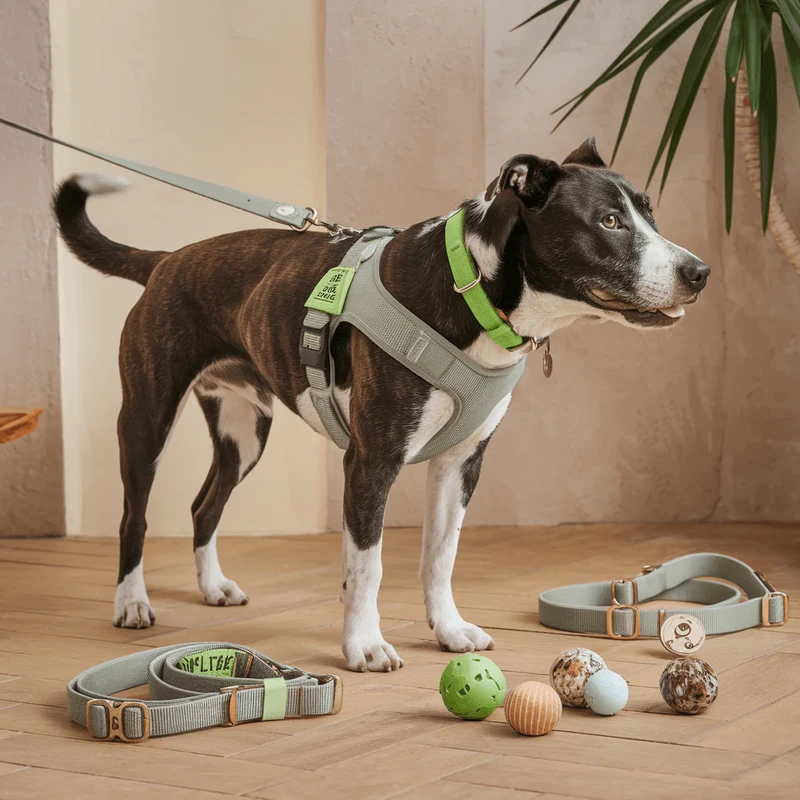
Eco-friendly pet toys utilize organic cotton, recycled polyester, bamboo, natural rubber, hemp, and wool—materials known for biodegradability, low toxicity, and circular economy compatibility. Trusted certifications such as USDA Organic and other eco-labels verify product claims, while minimal and recyclable packaging further reduces waste. Sustainable brands like West Paw, Simply Fido, ModernBeast, and The Kind Pet lead in transparent, low-impact manufacturing and circular reuse of materials. Beyond purchasing, making DIY toys from recycled household items offers economical and eco-conscious alternatives.
This guide will help you identify safe and sustainable pet toys, detail material benefits, introduce reputable brands, explain DIY options, and provide maintenance tips to extend toy lifespan. By following these steps, you reduce your pet’s carbon paw print and support sustainable pet product economies.
Key Criteria for Selecting Eco-Friendly Pet Toys
Selecting safe, sustainable pet toys begins with evaluating materials, certifications, and packaging. Follow these criteria to ensure your choices align with environmental and pet health priorities.
- Prefer toys made from organic cotton, hemp, bamboo, natural rubber, recycled polyester, and wool. These materials are biodegradable or recyclable and avoid synthetic fibers linked to environmental harm.
- Organic cotton and hemp are pesticide-free, reducing chemical exposure for pets and ecosystems.
- Bamboo and sustainably harvested wood provide durable, renewable chew toys that support dental health.
- Recycled polyester, such as IntelliLoft® stuffing made from plastic bottles, diverts plastic waste from landfills.
- Avoid toys with chemical coatings, synthetic dyes, or plasticizers that may harm pets or the environment.
- Certifications like USDA Organic confirm that materials meet stringent organic farming and processing standards.
- Additional eco-certifications to watch for include Global Organic Textile Standard (GOTS), Oeko-Tex Standard 100 (for non-toxic textiles), and FSC (Forest Stewardship Council) certification for wood products.
- Brands providing transparent information on sourcing, manufacturing, and packaging improve trustworthiness.
- Sustainable pet toy packaging avoids plastic wrapping and uses recyclable or compostable materials such as recycled cardboard or paper.
- Minimalist packaging reduces waste volume and environmental footprint during transportation.
- Brands committed to zero-waste packaging often highlight this in product descriptions.
- Steer clear of toys containing PVC, BPA, phthalates, or non-food-grade plastics. These substances can leach toxins affecting pet health.
- Non-toxic, natural dyes derived from plants or minerals are preferable to synthetic chemical dyes.
Popular Sustainable Materials and Their Benefits
Understanding the properties of common eco-friendly materials helps you make informed choices aligned with sustainability and pet safety.
- IntelliLoft® is a proprietary recycled polyester insulation made from post-consumer plastic bottles.
- Using this stuffing diverts plastic waste from landfills and reduces virgin polyester production energy use by approximately 70%.
- Toys stuffed with IntelliLoft® maintain softness and durability while supporting circular economy principles.
- Bamboo grows rapidly without pesticides or herbicides, making it a highly renewable resource.
- Wood toys crafted from FSC-certified forests ensure responsible forestry practices.
- Both materials provide natural textures beneficial for chewing and dental hygiene.
- They biodegrade at end-of-life, unlike plastic alternatives.
- Organic cotton avoids synthetic pesticides and fertilizers, reducing soil and water contamination.
- Hemp is a highly sustainable crop requiring minimal water and replenishing soil nutrients.
- Both fibers biodegrade naturally and are gentle on sensitive pet skin.
- Wool used in pet toys often comes from offcuts or recycled sources, reducing waste.
- Naturally fire-resistant and moisture-wicking, wool toys provide durability and comfort.
- Wool biodegrades readily and requires no chemical treatments when certified organic.
Trusted Eco-Friendly Pet Toy Brands and Their Sustainable Practices
Choosing reputable brands ensures your pet toys meet eco-friendly and safety standards. Below are examples of leading sustainable pet toy manufacturers.
- Uses recycled materials such as plastic bottles and post-industrial scraps.
- Implements circular economy by accepting used toys back for recycling into new products.
- Manufactures in the USA with strict non-toxic standards and minimal waste policies.
- Focuses on low-impact dyeing processes using natural cotton and recycled polyester blends.
- Supports sustainable packaging and transparent ingredient disclosure.
- Offers a range of toys certified free from harmful chemicals.
- Operates a zero-waste manufacturing process, repurposing discards into new toys.
- Functions as a nonprofit, donating proceeds to animal welfare organizations.
- Emphasizes sustainable sourcing and community impact.
- Committed to plastic-free, zero waste toy packaging.
- Uses carbon-neutral shipping methods to reduce environmental impact.
- Selects sustainable fibers and supports fair labor practices.
DIY Eco-Friendly Pet Toys: Step-by-Step Instructions
Making your own pet toys from recycled or natural materials reduces waste and allows customization to your pet’s preferences. Follow these step-by-step tutorials for simple, sustainable DIY toys.
_Materials:_ Strips of durable cotton fabric or old T-shirts; scissors
_Steps:_
1. Cut fabric into 1-inch wide strips, approximately 12-18 inches long.
2. Gather three strips and knot one end tightly.
3. Braid strips together firmly to create a sturdy rope.
4. Tie a knot at the opposite end to secure the braid.
5. Trim excess fabric for a clean finish.
_Time:_ 15-20 minutes
_Materials:_ Clean PVC pipe (3-4 inches diameter), end caps, drill, pet-safe paint (optional)
_Steps:_
1. Drill several holes sized for treats to fall through but not all at once.
2. Cap one end securely, leaving the other open for treats.
3. Paint with non-toxic paint if desired; allow to dry completely.
4. Insert treats and close the pipe.
5. Supervise pet during play.
_Time:_ 30-40 minutes plus drying
_Materials:_ Empty plastic water bottle, old sock
_Steps:_
1. Remove cap and plastic ring from the bottle.
2. Insert bottle into sock, leaving the bottle base near the sock opening.
3. Tie a secure knot at the sock opening.
4. Supervise pet during play to avoid ingestion of plastic pieces.
_Time:_ 5 minutes
_Materials:_ Clean cardboard boxes, scissors, non-toxic markers or paint
_Steps:_
1. Cut holes and flaps in boxes to create tunnels and hiding spots.
2. Decorate with pet-safe colors if desired.
3. Stack or arrange boxes to form a play structure.
_Time:_ 30 minutes
DIY toys provide environmental benefits by reusing materials and avoiding new resource consumption. Always monitor for wear and replace when damaged to prevent hazards.
Caring for and Maintaining Eco-Friendly Pet Toys
Proper cleaning and maintenance extend the life of sustainable toys, reducing waste and ensuring pet safety.
- Wash organic cotton, hemp, or wool toys in cold water with pet-safe detergent to avoid chemical residues.
- Spot clean bamboo and wood toys with mild soap and water; avoid soaking to prevent warping.
- Machine wash recycled polyester toys on gentle cycles, air drying to maintain stuffing integrity.
- Regularly inspect toys for wear, tears, or loose parts to prevent choking hazards.
- Avoid harsh chemical cleaners or bleach that can leave toxic residues.
- Use natural disinfectants like diluted vinegar for odor control without compromising safety.
- Dry toys thoroughly before returning them to pets to prevent mold growth.
- Rotate toys to prevent overuse of a single item.
- Repair minor damage promptly using pet-safe threads or glue.
- Recycle or donate toys that are still usable but no longer suitable for your pet.
Environmental and Health Impacts of Choosing Eco-Friendly Pet Toys
Selecting sustainable pet toys contributes positively to environmental and animal welfare goals.
Eco-friendly materials require less energy and water in production and reduce landfill waste, lowering carbon emissions linked to pet product manufacturing.
Brands implementing take-back or recycling programs keep materials in use longer, minimizing resource extraction and pollution.
Non-toxic, natural materials reduce exposure to harmful chemicals linked to allergies, skin irritations, and ingestion risks.
Demand for sustainable pet products is growing, encouraging industry-wide improvements in material sourcing and ethical manufacturing.
These impacts illustrate the broader benefits of eco-conscious pet toy purchasing decisions beyond individual pet care.
Troubleshooting Common Issues with Eco-Friendly Pet Toys
- Ensure toys are appropriate for your pet’s size and chewing strength.
- Consider tougher natural materials like hemp or rubber for heavy chewers.
- Check for organic certifications to avoid pesticide residues.
- Introduce new toys gradually and monitor for skin irritation or behavioral changes.
- Search for brands with transparent sourcing and manufacturing details.
- Contact customer service to verify certifications and materials.
- Avoid small detachable parts that pets could swallow.
- Use only clean, non-toxic materials and supervise playtime.
Common Mistakes to Avoid When Choosing Eco-Friendly Pet Toys
Always verify material sources and certifications rather than assuming a product is sustainable based on marketing claims.
Eco-friendly toys with excessive plastic packaging negate environmental benefits.
A sustainable toy must also be safe and suitable for your pet’s size, chewing habits, and play style.
Failing to clean and inspect toys regularly reduces lifespan and can pose health risks.
Alternative Methods for Sustainable Pet Play
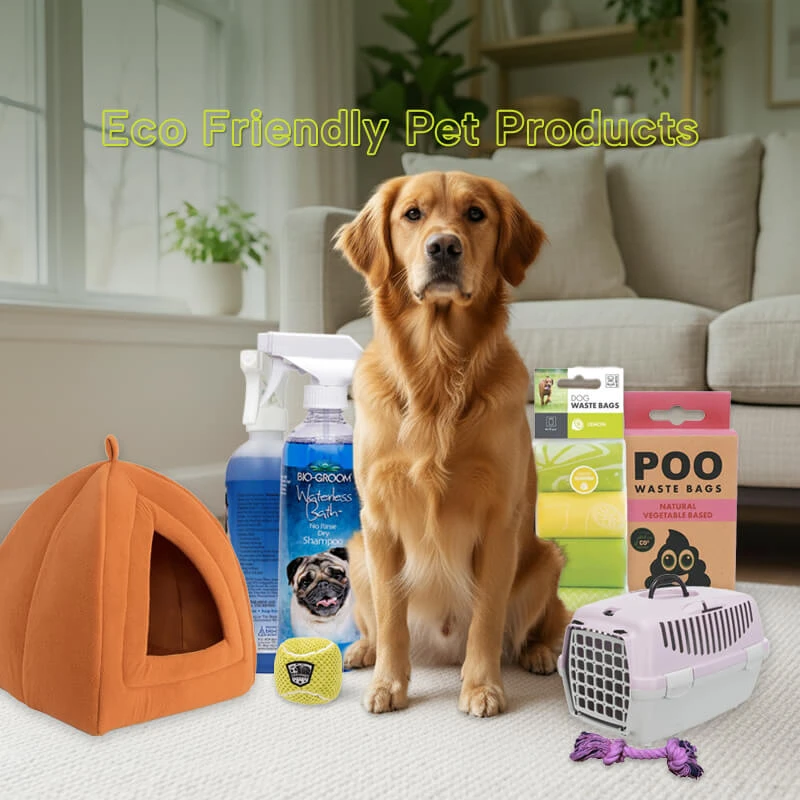
Complement sustainable toys with grooming items made from natural fibers and biodegradable ingredients.
Integrate a holistic eco-conscious pet care approach by selecting organic or sustainably sourced pet foods.
Some brands offer eco-friendly pet toy subscription boxes that rotate toys made from recycled or natural materials.
These alternatives enhance overall pet health and environmental responsibility.
FAQ
What materials should I avoid when buying pet toys?
Avoid PVC, BPA, phthalates, synthetic fibers, and toys with chemical coatings or toxic dyes, as these can harm your pet and the environment.
How do I verify if a pet toy is truly eco-friendly?
Look for certifications like USDA Organic, GOTS, FSC, and transparent brand information on sourcing and manufacturing. Minimal, recyclable packaging is also an indicator.
Can I safely make my own eco-friendly pet toys at home?
Yes, using clean, non-toxic materials such as old cotton fabrics, cardboard, and untreated wood. Always supervise your pet to avoid choking hazards.
How often should I clean and replace eco-friendly pet toys?
Clean toys regularly according to material guidelines, and replace them when signs of damage or wear appear to maintain safety.
Are bamboo and wood toys safe for aggressive chewers?
They can be suitable for moderate chewers, but very aggressive chewers may break pieces off, posing risks. Choose tougher materials like natural rubber for heavy chewers.
—
Adopting eco-friendly pet toys requires attention to materials, certifications, and brand ethics. By applying the steps and knowledge in this tutorial, pet owners can ensure safer playtime for their animals while actively contributing to environmental sustainability. Continuing to support circular economy initiatives and embracing DIY alternatives further enhance responsible pet care in 2026 and beyond.

How to Make Safe Pet Toys from Recycled Materials Easily
PawVerde.com – Creating safe and engaging pet toys from recycled materials allows pet owners to provide enrichment while supporting sustainable living. Using common household waste such as old T-shirts, cardboard, and plastic bottles, you can craft durable, eco-friendly toys tailored to dogs and cats. Prioritizing pet safety and interaction, these DIY projects reduce landfill waste and offer cost-effective alternatives to commercial products.
Safe materials for homemade pet toys include sturdy cardboard boxes, egg cartons, and paper rolls; fabric items like worn T-shirts, denim jeans, and socks; and plastic bottles used with protective coverings. Natural fibers such as hemp and jute also provide durable, non-toxic options. Avoid small parts that can detach or materials treated with chemicals, following FDA guidelines to prevent hazards.
Safe Recycled Materials for Pet Toys
Choosing appropriate materials is critical for pet toy safety and longevity. Cardboard and paper products are versatile; corrugated boxes withstand biting while egg cartons create interactive treat puzzles. Toilet paper rolls offer a lightweight base for stuffing treats, fostering mental stimulation.
Old clothing provides fabric suitable for braided tug toys or chew-resistant playthings. Cotton T-shirts and sweatshirts are easy to cut and braid, while denim jeans supply tougher fibers ideal for heavy chewers. Socks become soft crinkle balls or catnip pouches, engaging cats in batting or sniffing activities.
Plastic bottles can be repurposed into treat dispensers or crinkle toys but require a fabric sleeve to prevent sharp edges and ingestion risks. Natural fibers like hemp and jute offer eco-friendly durability for ropes or shreddable toys, appealing to pets’ instinctual behaviors.
Step-by-Step DIY Pet Toy Projects
Practical crafting steps help pet owners create enriching toys tailored to their pets’ preferences and safety.
1. Egg Carton Treasure Hunt
This project uses recycled egg cartons to encourage foraging behavior in dogs and cats.
Steps:
Time: 10 minutes prep; variable playtime.
2. Braided T-shirt Tug Toy
This durable tug toy engages dogs in interactive play using recycled fabric.
Steps:
Time: 15 minutes.
3. No-Sew Denim Chew Toy
Ideal for heavy chewers, denim fabric offers toughness without sewing.
Steps:
Time: 20 minutes.
4. Treat Tube Puzzle
Encourages cognitive engagement by hiding food in a recyclable tube.
Steps:
Time: 5 minutes.
5. Crinkle Ball
A soft, noisy toy for cats and small dogs made from paper and socks.
Steps:
Time: 10 minutes.
6. Sock Ball with Catnip
A stimulating cat toy combining scent and texture.
Steps:
Time: 5 minutes.
Material Safety and Supervision Tips
Ensuring pet safety requires avoiding small detachable parts, toxic dyes, or sharp edges. Cardboard and fabric should be free from staples or plastic coatings. Plastic bottles must be encased in fabric sleeves to minimize risk of cuts or ingestion.
Supervise pets during play, especially with homemade toys, to prevent swallowing of fibers or choking on small pieces. Regularly inspect toys for wear and discard damaged items.
The FDA advises against toys containing toxic substances like lead paint or treated foam. Always use natural, untreated materials and consult veterinary resources for updated safety guidelines.
Benefits of DIY Recycled Pet Toys
Upcycling household waste into pet toys reduces landfill accumulation and environmental impact. Compared to commercial products, these DIY crafts save money while providing mental and physical stimulation that supports natural pet behaviors.
Crafting toys at home allows customization based on pet size, chewing strength, and play preferences. Interactive puzzles and tug toys promote exercise and cognitive engagement, improving overall pet wellbeing.
Creative Variations and Advanced Ideas
Enhance basic projects with creative twists to increase durability and interest. Combining natural rubber balls inside socks creates multi-textured toys appealing to dogs and cats. Fabric scraps woven into shreddable bird toys satisfy avian chewing instincts.
Incorporate puzzle elements like hidden compartments or adjustable openings to raise cognitive challenges. Use natural fibers braided with recycled fabric strips for colorful, strong ropes. These variations expand enrichment opportunities and prolong toy lifespan.
Troubleshooting Common Issues
If toys quickly fall apart, consider using sturdier fabrics like denim or natural fiber ropes. Replace fragile cardboard items with thicker corrugated boxes. For pets that ingest fabric, limit toy size and supervision time.
Chewing that damages toys rapidly indicates strong chewers may require no-sew denim or rubber-based toys. If pets show no interest, add scent attractants like catnip or food treats. Always prioritize safety over durability.
Common Mistakes to Avoid
Avoid using synthetic fabrics treated with dyes or chemicals, which may be toxic. Do not include small buttons, beads, or glued pieces that can detach. Failing to supervise can result in choking or ingestion hazards.
Improperly secured fabric ends can unravel, increasing risk of ingestion. Always knot firmly or sew edges where appropriate. Do not reuse plastics with sharp edges, and ensure all materials are clean and dry before crafting.
Alternative Methods for Pet Toy Creation
No-sew methods using fabric strips reduce complexity and sewing skill requirements. Macramé knotting techniques using hemp or jute fibers create durable, decorative toys. Recycled rubber tires, cut into safe shapes, provide chew-resistant options.
3D printing with recycled plastics is an emerging method for complex puzzle toys, though requires access to equipment. Combining multiple recycled elements enhances toy functionality and uniqueness.
FAQ
What recycled materials are safest for making pet toys?
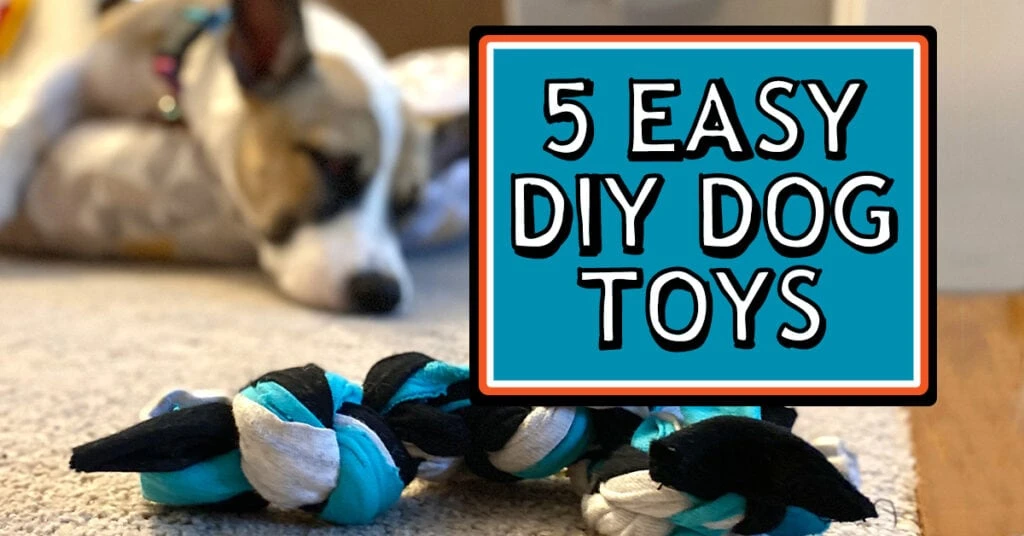
Safe materials include untreated cardboard, cotton fabrics like old T-shirts and denim, natural fibers such as hemp and jute, and plastic bottles covered with fabric sleeves to avoid sharp edges. Avoid small parts and toxic substances.
How can I ensure the homemade pet toys are safe?
Always supervise play, inspect toys regularly for damage, avoid small detachable parts, and use non-toxic, untreated materials. Follow FDA guidance on hazardous items and discard toys at the first sign of wear.
Can I make toys that suit heavy chewers from recycled materials?
Yes, denim jeans and natural fiber ropes are durable options for heavy chewers. Incorporating rubber balls wrapped in fabric also increases longevity. Avoid easily torn fabrics like thin cotton for aggressive chewers.
Are there benefits to using recycled pet toys over commercial options?
Recycled toys reduce environmental waste and costs while allowing customized enrichment tailored to your pet’s needs. They promote mental stimulation and physical activity through interactive designs that support natural behaviors.
How do I prevent my pet from swallowing fabric fibers from homemade toys?
Choose tightly braided or woven fabrics, knot ends securely, and supervise play sessions closely. Remove toys if fraying occurs and replace with sturdier alternatives. Avoid loose threads and small fabric pieces.
—
Adopting these DIY techniques empowers pet owners to create sustainable, safe enrichment tools while reducing environmental impact. By selecting suitable recycled materials and crafting thoughtfully, you enhance your pet’s wellbeing through interactive play and mental stimulation. Continuous supervision and adherence to safety guidelines ensure that homemade toys remain a positive addition to your pet’s daily routine.