
Sustainable Pet Food: How to Identify Real Eco-Friendly Brands
PawVerde.com – Sustainable pet food focuses on three pillars: ethically sourced ingredients (like MSC-certified seafood or insect protein), regenerative agriculture, and low-impact packaging. While the market is growing—with a 57% increase in MSC-certified products in the UK—consumers must distinguish between genuine certifications and vague ‘greenwashing’ marketing terms.
The UK has seen a 57% growth in pet food products containing MSC-certified sustainable seafood over the last five years. This shift reflects a growing awareness among pet owners regarding the environmental footprint of their animals’ diets.
The Sustainability Scorecard: How to Grade Your Pet Food
To grade pet food sustainability, evaluate three criteria: 1) Certifications (look for MSC for seafood or Land to Market for regenerative farming); 2) Ingredient Source (prioritize insect protein or regenerative agriculture); and 3) Packaging (prefer mono-material construction over multilayer plastics). Avoid brands using unverified terms like ‘natural’ or ‘eco-friendly’ without third-party proof.
Evaluating a product requires looking beyond the front of the bag. Industry specialists at the Pet Sustainability Coalition (PSC) emphasize that many brands use deceptive marketing to imply environmental stewardship without actual proof. A common failure mode occurs when a brand highlights a single “green” ingredient while ignoring the massive carbon footprint of its primary protein source or its non-recyclable packaging.
The Red Flag Directory: Terms to Avoid
Consumers should remain skeptical of labels that lack standardized definitions. According to the pet sustainability Coalition (PSC), the following terms are often used as greenwashing tactics:
- “Eco-friendly”
- “Green”
- “Natural”
- “Environmentally conscious”
These terms are intentionally vague. Without a third-party verification process, such as an audit by the PSC or a specific certification, these claims do not provide actionable data for the consumer. To verify a claim, one should look for the specific accreditation details often found in the fine print or via a brand’s transparency report.
The Green Flag Directory: Certifications to Trust
Reliable sustainability is backed by rigorous, third-party oversight. When reviewing pet food, prioritize these specific markers of integrity:
- Marine Stewardship Council (MSC): Verifies that seafood ingredients are sourced from healthy, well-managed fisheries.
- Land to Market: Provides verification for regenerative farming practices that actively improve soil health.
- PSC Accreditation: Indicates that a company has met specific sustainability standards set by the Pet Sustainability Coalition.
While 77 members have achieved accreditation, many brands still rely on unverified claims. Always check for the actual logo and the certifying body’s name.
Ingredient Deep-Dive: Insect Protein vs. Regenerative Sourcing
The debate over sustainable protein often centers on the trade-off between novel sources like insects and traditional livestock managed through regenerative methods. While insect protein is frequently marketed as the ultimate solution for low-impact feeding, regenerative agriculture attempts to fix the existing livestock system by focusing on the health of the ecosystem.
Insect protein has emerged as a significant disruptor. As of 2023, there are 43 brands active globally that utilize insect-based ingredients. This sector is projected to see a massive scale-up, with an expected global volume of 500,000 MT of insect ingredients incorporated into feed and pet food by 2030. This scaling is driven by the high nutrient density of these proteins.
| Protein Source | Sustainability Driver | Key Benefit | Potential Drawback |
|---|---|---|---|
| Insect Protein | Low land/water use | 40% to 60%+ protein content | Limited long-term availability |
| Regenerative Beef/Grain | Soil carbon sequestration | Improves ecosystem health | Difficult to scale globally |
| MSC-Certified Seafood | Fishery management | Lower carbon than land meat | Risk of overfishing if unmonitored |
The table above illustrates the diverse approaches to sustainable protein. It is a common misconception that insect protein is “weak” protein; in reality, insect materials provide 40% to more than 60% protein on a dry matter basis, which meets standard nutritional requirements for most pets.
The Rise of Insect Protein (43+ Global Brands)
The shift toward insect-based diets is not merely a trend but a response to resource scarcity. Large-scale players like Mars pet nutrition are observing the industry’s movement toward diverse protein streams. Insect protein serves as a tool for lowering the carbon footprint of pet food while maintaining high palatability for dogs and cats.
Regenerative Agriculture and Soil Health
Regenerative agriculture focuses on the “foundation” of the food chain. Adam Hardie, climate and sustainable sourcing lead at Mars Pet Nutrition North America, notes: “It all starts with healthy soil. Soil is the foundation for growing high-quality ingredients for pet food.” This method involves minimal tilling and diverse crop rotations to sequester carbon.
However, a critical counterintuitive reality exists: research has indicated that regenerative agriculture practices alone cannot keep up with the massive scale of industrialized animal farming to fully offset all industry emissions. While essential, it is one part of a much larger systemic challenge.
Navigating the Packaging Paradox
The United States pet food industry produces approximately 300 million pounds of plastic every year. This massive volume of waste creates a paradox: a brand may use highly sustainable, organic ingredients, but if that food is delivered in a non-recyclable, multilayered plastic bag, the net environmental benefit is significantly diminished.
Why Mono-Material Wins Over Multilayer
Traditional pet food bags often use multilayered construction—combining different types of plastics and foils to keep food fresh. While effective for shelf life, these materials are nearly impossible to recycle. Mono-material construction solves this issue by using a single polymer type, such as polyethylene, throughout the entire package. This design simplifies the recycling process and increases the likelihood that local recycling facilities will accept the packaging.
The Reality of Compostable vs. Recyclable
For many owners, the choice between “recyclable” and “compostable” is confusing. In 2024, 56% of United States owners indicated a willingness to switch brands specifically for sustainable packaging. Companies have responded to this demand by launching recyclable packaging and upgrading their organic recipes as of October 2024. The goal is to move toward a circular economy where the packaging is as carefully managed as the ingredients inside.
Brand Spotlight: Real-World Sustainability Leaders
Identifying leaders in the space requires looking at how companies integrate sustainability into their core business model rather than treating it as a marketing add-on. Current market trends show that 27% of pet parents are actively seeking out these specific innovations.
Retail Accessibility (Aldi & Woofs)
Sustainability is becoming more accessible through mainstream retail. For example, Aldi has entered the space by offering products like Cornish sardines pet food, providing a more sustainable seafood option at a lower price point. Similarly, brands like Woofs have introduced products such as golden red fish, making specialized diets more available to the general public.
DTC and B-Corp Pioneers (Open Farm)
Direct-to-consumer (DTC) brands often lead the way in radical transparency. Open Farm Pet Food Company Inc. is a notable example, having achieved B Corp certification as of July 2024. They utilize regenerative agriculture and have implemented plastic-neutral packaging initiatives to address the waste crisis directly. Unlike massive conglomerates, these pioneers often build their entire supply chain around specific environmental metrics.
While large manufacturers are also making moves—such as their USD 30 million regenerative agriculture initiative for organic grain sourcing launched in April 2024—the scale of these operations means their impact is often spread across a much wider, more complex supply chain.
The Transition Protocol: Moving to Novel Proteins
Switching a pet to a sustainable alternative, such as insect protein, requires a methodical approach to avoid gastrointestinal distress. While insect meals are highly nutritious, the sudden change in protein structure can affect a pet’s digestion.
Shortcut: To prevent digestive upset, always use the “7-Day Gradual Mix” method. Start with 25% novel protein and 75% old food, increasing the ratio by 25% every two days until the transition is complete.
The primary concern for many owners during this transition is palatability. Fortunately, research into insect protein suggests that it maintains high palatability levels, making it an easier switch for picky eaters than many plant-based alternatives. By monitoring stool consistency and energy levels during the first 14 days, owners can ensure the new, eco-friendly diet is being well-received by their pet’s unique biology.
FAQ
Is insect-based pet food as nutritious as meat?
Insect materials provide 40% to over 60% protein on a dry matter basis. This meets standard nutritional requirements for pets while offering a significantly lower carbon footprint than traditional livestock proteins.
What is the difference between ‘eco-friendly’ and ‘certified sustainable’?
‘Eco-friendly’ is often a vague greenwashing term that lacks legal standard definitions. ‘Certified sustainable’ relies on third-party bodies like the MSC or PSC to verify specific environmental claims through rigorous auditing.
Why is mono-material packaging better for the environment?
Mono-material construction uses a single polymer type, making it significantly easier for local recycling facilities to process compared to complex multilayered plastics, which are typically destined for landfills.
Regenerative Agriculture in Pet Nutrition: Trends & Truths
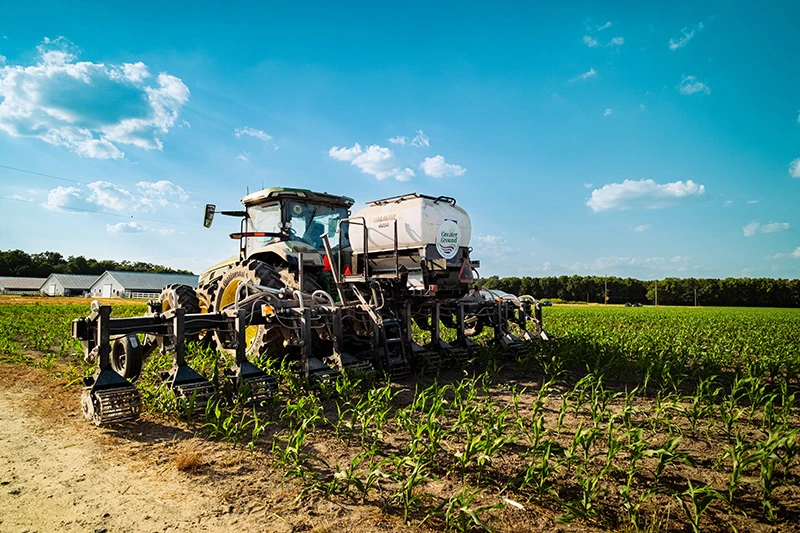
PawVerde.com – Major pet food manufacturers are shifting toward regenerative agriculture to secure supply chains and improve ingredient nutrient density. By prioritizing soil health through practices like cover cropping and reduced tillage, brands like Mars and Purina aim to sequester carbon and meet growing consumer demand for sustainable, high-quality pet nutrition. Mars Pet Nutrition North America has already committed $5 million through 2027 to assist with regenerative farming adoption.
Beyond ‘Sustainable’: Navigating the Regenerative Certification Maze
To distinguish genuine regenerative pet food from greenwashing, look for specific certifications like Regenerative Organic Certified (ROC) rather than vague “sustainable” claims. Legitimate regenerative agriculture focuses on five key pillars: soil health, carbon sequestration, water management, minimizing chemical inputs, and enhancing biodiversity, often verified by third-party measurement partners.
Greenwashing vs. High-Resolution Trust
Verifying environmental claims is a significant challenge for the pet food industry. While many brands use “sustainable” as a marketing label, specialized measurement partners like Regrow and Scoular are working to provide high-resolution data that tracks actual ecological improvements. This data-driven approach provides verifiable proof of carbon sequestration and soil health improvements.
The Role of Third-Party Verification
True regenerative practices require rigorous auditing to ensure they meet strict environmental standards. The industry is seeing a shift toward frameworks that prioritize:
- Soil health and organic matter accumulation
- Carbon sequestration monitoring
- Water management efficiency
- Minimization of synthetic chemical inputs
- Biodiversity enhancement
The Nutrient Density Argument: Soil Health and Ingredient Bioavailability
Regenerative agriculture aims to enhance nutrient density by restoring soil microbial life. Techniques such as diverse crop rotations and integrated livestock grazing can help revive the natural environment, improve biodiversity, and enhance the nutrient density of food, according to Anne Malleau, vice president of Agriculture and animal welfare Programs at Open Farm.
Adam Hardie, climate and sustainable sourcing lead at Mars Pet Nutrition North America, states, “It all starts with healthy soil. Soil is the foundation for growing high-quality ingredients for pet food.” This focus on the soil microbiome is intended to create a direct link between land management and the nutritional profile of the final pet product. Anne Malleau, vice president of Agriculture and Animal Welfare Programs at Open Farm, notes that by focusing on practices that restore ecological function, regenerative farming can help revive the natural environment, improve biodiversity and enhance the nutrient density of food.
This approach addresses the counterintuitive reality that higher yields in conventional farming do not necessarily equate to higher nutrient content. Instead, the focus shifts toward the quality of the soil’s biological activity. For brands like Loyal Saints, this means ensuring that the ingredients used in premium nutrition are grown in ways that support both the planet and the pet’s metabolic needs.
Industry Giants and the Race for Supply Chain Resilience
Major players in the pet nutrition sector are increasingly viewing regenerative agriculture as a tool for long-term supply chain stability. By investing in the land where their ingredients originate, these companies aim to mitigate the risks associated with soil degradation and climate volatility.
Purina has set a specific target to source 50% of its cereals and vegetable proteins from regenerative agriculture by 2030. This move is part of a broader industry trend where large-scale manufacturers are partnering with agribusiness leaders to scale these practices.
| Manufacturer | Strategic Focus | Key Partner/Context |
|---|---|---|
| Mars Pet Nutrition North America | Regenerative adoption funding | $5 million through 2027 |
| Purina | Cereal and vegetable protein sourcing | 50% target by 2030 |
| Open Farm | Regenerative certification focus | Direct sourcing models |
| Canidae | Sustainable ingredient sourcing | Regenerative transitions |
The transition involves complex partnerships across the supply chain. Agribusinesses such as ADM, The Andersons, Riceland Foods, Healthy Food Ingredients, and Anchor Ingredients play critical roles in managing the logistics and verification of these new ingredient streams. These collaborations are essential to move regenerative ingredients from the farm to the manufacturing facility at scale.
The Economic Reality: Price vs. Nutritional ROI
The market for regenerative pet food is experiencing rapid expansion. The market size was valued at 349.3 million USD in 2024 and is projected to reach 3,451.1 million USD by 2034, representing a compound annual growth rate (CAGR) of 25.7% during the forecast period.
Despite this growth, consumers face a significant price premium. The higher cost of regenerative pet food is driven by several economic factors:
- The high cost of transitioning from conventional to regenerative farming.
- Lower initial crop yields during the first years of soil restoration.
- The complexity and expense of third-party verification and auditing.
For many pet owners, the decision involves weighing the higher upfront cost against the potential nutritional ROI. While the premium is notable, proponents argue that the long-term benefits—including improved ingredient bioavailability and greater supply chain resilience—justify the investment in high-quality pet nutrition.
Transition Risks and the Cost of Conventional Farming
Conventional farming models, while highly productive, carry inherent risks that regenerative agriculture seeks to mitigate. Decades of intensive tillage and the heavy use of synthetic inputs have led to significant soil health reduction and nutrient depletion.
The scale of industrial protein production has grown dramatically, which places immense pressure on land and resources. For example, between 1980 and 2018, there was a 128.05% increase in broiler production and a 44.03% increase in turkey production. This rapid expansion has often occurred alongside declining soil organic matter, creating a cycle of dependency on synthetic fertilizers to maintain yields.
Warning: Relying on conventional intensive farming increases vulnerability to supply chain disruptions. Dependency on foreign vitamin imports and port disruptions can create significant instability in the pet food market. Furthermore, the reduction in soil health can lead to a direct decrease in the natural nutrient density of staple ingredients.
The shift toward regenerative practices aims to replace this dependency with a self-sustaining biological system. This transition is a critical component for companies aiming for net-zero emissions by 2050.
FAQ
How does regenerative agriculture affect my pet’s food?
Regenerative farming can help revive the natural environment, improve biodiversity, and enhance the nutrient density of food.
Why is regenerative pet food more expensive?
The premium is driven by higher costs of transition, lower yields during the initial years, and the complex verification required to prove regenerative practices.
What is the difference between ”sustainable’ and ”regenerative’?
While sustainability aims to maintain current levels, regenerative agriculture actively works to restore and improve soil health, biodiversity, and carbon sequestration.
Sustainable Pet Food Packaging: Market Trends & Growth
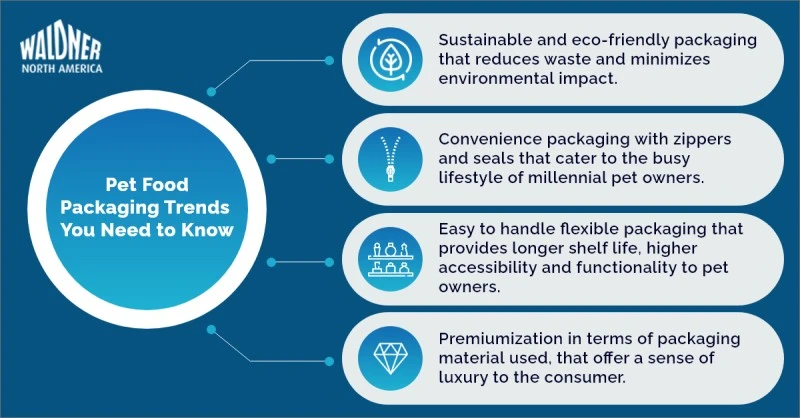
PawVerde.com – The global pet food paper-based packaging market is undergoing a massive shift, projected to grow from $4.65 billion in 2025 to $7.43 billion by 2034. This acceleration is driven by a 132% surge in direct-to-consumer subscription services and a growing consumer demand for eco-friendly materials.
The Decision Matrix: Matching Product Formats to Sustainable Materials
Selecting the right packaging depends on the food type: high-fat kibble requires high-barrier mono-materials (PE/PP) to prevent spoilage, while treats with shorter shelf lives are ideal candidates for compostable transitions. Wet foods benefit most from infinitely recyclable aluminum or steel cans.
Dry Kibble vs. Wet Pâté Requirements
Product safety remains the primary constraint in material selection. While sustainable packaging often compromises barrier properties compared to conventional plastics, manufacturers must prevent moisture ingress that leads to microbial growth. High-fat kibble requires rigorous protection to avoid rancidity. Consequently, aluminum and steel cans are currently among the most sustainable packaging formats in the category from a lifecycle perspective, as both are infinitely recyclable with well-established collection infrastructure.
The Treat Segment Opportunity
Treat and snack packaging has the most flexibility for compostable material transitions. This flexibility exists because treat shelf life requirements are typically shorter than primary meal components. Industry analysts note that while compostable options are growing, they may not be the most sustainable choice for all eCommerce brands if reliable composting infrastructure is absent. In contrast, recyclable packaging made with high post-consumer waste often offers a clearer and more reliable sustainability benefit when it performs better across lifecycle metrics.
Critical Failure Modes: When Sustainable Packaging Risks Product Safety
Transitioning to eco-friendly materials introduces specific technical risks that can impact both product integrity and corporate profitability. Insufficient packaging protection can lead to critical failures in food stability.
One primary failure mode involves compromised barrier properties. When sustainable materials fail to block moisture or oxygen, the resulting rise in water activity can trigger microbial growth. Furthermore, over-packaging—the practice of choosing packaging with unnecessarily low water vapor transmission rates (WVTR)—is an expensive error that can erode profits. Manufacturers must balance environmental goals with the necessity of maintaining a 12 to 24 month shelf life for dry kibble to prevent mass product recalls.
The Rise of Mono-Materials and Advanced Barrier Science
To replace traditional multi-layer laminates, manufacturers are adopting mono-material all-PE or all-PP structures. These use EVOH-free barrier technology to maintain oxygen transmission rates below 2, ensuring a 12 to 24 month shelf life for dry kibble while remaining fully recyclable.
Nanocomposite and Active Packaging Innovations
The industry is increasingly moving toward mono-material all-PE or all-PP bags with post-consumer resin (PCR) content. These advanced structures are now commercially available and aim to solve the historical trade-off between recyclability and protection. Innovation in material science is driving several key developments:
- Nanocomposite films: Incorporating nanofillers like nanoclay, cellulose nanocrystals, or chitosan nanoparticles to enhance barrier, mechanical, and antimicrobial properties.
- Active Packaging: Using oxygen scavengers or moisture absorbers to interact with the food’s internal environment to extend shelf life.
- Intelligent Packaging: Utilizing time-temperature indicators or freshness indicators to monitor product condition in real-time.
These technologies allow for higher levels of recycled content, such as 90% post-consumer content in recycled HDPE, without sacrificing the structural integrity required for heavy kibble bags.
Market Dynamics: DTC Subscriptions and Consumer Willingness to Pay
The landscape of pet food retail is shifting toward digital channels, which presents unique packaging requirements. Online sales currently capture 48% of the total pet food market volume as of 2025.
Consumer sentiment is heavily weighted toward environmental responsibility. According to McKinsey & Co., “most consumers are highly concerned about packaging sustainability and are willing to pay more for sustainable packaging.” This is reflected in the fact that one in three consumers globally is willing to pay more for these eco-friendly solutions. Furthermore, 67% of premium pet food buyers actively prefer eco-friendly packaging, a significant increase from 52% in 2022.
The Subscription Box Logistics Challenge
The rise of direct-to-consumer (DTC) subscription services has introduced a 132% growth in customer bases between 2022 and 2025. This rapid expansion, seen in brands like Ollie, The Farmer’s Dog, and Sundays, creates a high-frequency shipping environment. Packaging for these services must withstand the rigors of the “last mile” while remaining lightweight to manage logistics costs. For these brands, the packaging must be durable enough for repeated transit but sustainable enough to satisfy the 78% of consumers who consider living a healthy and sustainable lifestyle to be important.
Industry Leaders and Global Manufacturing Shifts
Major global manufacturers are aggressively expanding their sustainable flexible and rigid packaging portfolios to meet these evolving demands.
| Manufacturer | Specialization | Key Sustainable Focus |
|---|---|---|
| Amcor | Flexible Packaging | Recyclable mono-material structures |
| Tetra Pak | Carton Formats | Sustainable liquid and wet food cartons |
| Sonoco Asia | Rigid Containers | Eco-friendly solutions in emerging markets |
| ProAmpac LLC | Flexible Packaging | Sustainable flexible packaging capabilities |
| Huhtamaki Oyj | Flexible Packaging | Sustainable flexible packaging expansion |
These industry leaders are focused on transitioning from complex multi-layer laminates to high-performance, single-polymer structures that fit into existing recycling streams.

Sustainable Pet Food for Travel: Weight & Eco-Friendly Tips
PawVerde.com – Sustainable pet food for travel focuses on minimizing environmental impact through ethically sourced ingredients—like insect proteins or vegetable-based options—and utilizing lightweight, shelf-stable formats like freeze-dried or air-dried foods. This approach reduces carbon footprints, optimizes packing weight, and ensures compliance with international customs regulations.
Pet meat consumption releases significant amounts of carbon dioxide annually.
The Sustainable Travel Food Math: Weight vs. Volume Optimization
To optimize travel weight, choose freeze-dried food for maximum weight reduction (2-5% moisture) or air-dried food (10-15% moisture) for a balance of weight and convenience. While freeze-dried is lighter, remember to factor in the additional weight of 2-4 parts warm water required for rehydration per part of food.
Weight management in a backpack requires accounting for hydration needs. If you carry 500g of freeze-dried food, you must also account for the 1000g to 2000g of water required for rehydration.
Calculating Rehydration Ratios
When using freeze-dried formats, the math changes based on the specific product’s moisture content. Most high-quality freeze-dried options sit at a 2-5% moisture level. To prepare a meal, practitioners follow a specific ratio: 1 part food to 2-4 parts warm water. This means your “dry weight” is deceptive; the actual weight of the meal at the moment of consumption is significantly higher.
Kibble vs. Dehydrated: The Backpack Efficiency Test
Choosing between kibble and dehydrated options requires weighing mass against volume. Consider these factors for your next trip:
- Freeze-Dried: Offers the lowest mass but requires a water source and a vessel for rehydration.
- Air-Dried: Provides a middle ground with 10-15% moisture, requiring no extra water but weighing more than freeze-dried.
- Standard Kibble: Highest volume and weight per calorie, often leading to more frequent trips to the supply store.
Customs & Compliance: Navigating International Borders Sustainably
Traveling with pet food across borders requires strict adherence to local veterinary laws to avoid the seizure of supplies. Many travelers mistakenly assume that “natural” or “organic” labels grant them passage, but customs officials prioritize biosecurity over ingredient ethics.
When entering the European Union, travelers face specific limitations. A common rule is that you are generally limited to a maximum of 2 kg of pet food. Furthermore, meat-based products often require specific veterinary sign-off to be permitted. Failure to present the correct documentation can result in the immediate disposal of your food, creating unnecessary waste.
The EU Meat Restriction Rule
The 2 kg limit is a critical threshold for those traveling into the EU. Beyond this weight, or when carrying certain meat types, the risk of inspection and seizure increases. It is often more sustainable to purchase food locally upon arrival rather than risking the environmental and financial cost of confiscated goods.
Using Insect-Based Proteins to Avoid Seizure
Insect-based proteins can lower carbon emissions and may offer a smoother path through certain customs checkpoints. According to Caring Hands Vet, these options lower carbon emissions and reduce dependence on intensive livestock farming.
Air-Dried vs. Freeze-Dried: Choosing the Right Format for Your Climate
Freeze-dried food is exceptionally lightweight and shelf-stable, rehydrating in minutes for easy feeding on hikes or while traveling, according to jackspremium.com. Air-dried food provides a convenient, ready-to-eat alternative with 10-15% moisture content.
Climate dictates the best choice for food stability. In high-altitude or cold environments, the sublimation process used in freeze-drying is highly effective. However, in humid or tropical climates, the packaging integrity becomes the most important factor in preventing spoilage.
| Feature | Freeze-Dried | Air-Dried |
|---|---|---|
| Moisture Content | 2-5% | 10-15% |
| Rehydration Needed | Yes (1:2-4 ratio) | No (Ready to eat) |
| Nutrient Retention | Very High (Sublimation) | High (Low heat) |
| Travel Convenience | Best for weight-critical hiking | Best for road trips/humidity |
| Digestive Stability | Variable | High (Steady digestion) |
The functional differences between these formats impact travel logistics. While freeze-dried food is lighter, air-dried food offers a level of convenience that can be vital during long car journeys or when water access is limited.
The Temperature & Stability Matrix
In extreme heat, air-dried food—which contains 10-15% moisture—may be more susceptible to spoilage if the seal is broken. Conversely, freeze-dried food is exceptionally lightweight and shelf-stable, but its lack of moisture means it must be rehydrated to be palatable. According to jackspremium.com, freeze-dried pet food is lightweight and shelf-stable, rehydrating in minutes for easy feeding at home, on hikes, or when traveling.
Nutrient Retention via Sublimation
The process of Freeze-Drying (Sublimation) involves freezing materials to form ice crystals and then applying low pressure in a vacuum chamber to let the ice sublimate into vapour. This method, as noted by Muenster Pet, preserves most of the original vitamins, minerals, and flavors far better than traditional processing. This makes it an ideal choice for maintaining a pet’s health during long-duration travel where fresh food is unavailable.
Reducing the Carbon Footprint of Your Pet’s Diet
Protein selection significantly impacts ecological footprints. For example, beef produces 13 times more greenhouse gases over its life cycle than vegetable proteins, according to Green America.
The Protein Impact: Beef vs. Lamb vs. Veg
Evaluate your pet’s diet based on these environmental benchmarks:
- Vegetable Proteins: Lowest carbon footprint.
- Insect Proteins: High sustainability.
- Poultry: Produces four to five times as many greenhouse gases as vegetable proteins.
- Beef and Lamb: Lamb has a 50% higher carbon footprint than vegetable proteins.
The Role of Insect-Based Alternatives
Insect-based proteins serve as a high-quality alternative. Caring Hands Vet notes that these options can lower carbon emissions and reduce dependence on intensive livestock farming.
Leave No Trace: Managing Food Waste and Packaging in the Wild
sustainable travel includes responsible waste management. Using a separate compost system for pet waste can reduce its volume by at least 50 percent, according to Green America.
Shortcut: For zero-waste packing, use reusable tubs or cloth packaging for treats and food, and always bring refillable water bottles and collapsible bowls.
Zero-Waste Packing Protocols
Minimize single-use plastics by adopting these methods:
- Transferring food into reusable tubs.
- Using cloth packaging for dry treats.
- Utilizing compostable poop bags for waste management.
Safe Composting for Pet Waste
In remote areas, the best practice is to pack out all waste. If you have access to a dedicated composting system, it can reduce waste volume by at least 50 percent.
The Stress-Diet Transition: Preventing Travel-Induced Digestive Issues
Sudden dietary shifts are a primary cause of gastrointestinal distress during travel. When a pet is already dealing with the stress of new environments, a sudden shift in food type or format can lead to issues.
To prevent diarrhea or gas, implement a structured transition. Use a gradual schedule to introduce new sustainable foods before your departure.
The 7-Day Transition Rule
A successful transition requires patience. Do not switch from kibble to freeze-dried food the morning of your trip. Instead, follow a gradual schedule:
- Days 1-2: a portion of old food mixed with a portion of new sustainable food.
- Days 3-4: an equal mix of old food and new sustainable food.
- Days 5-6: a portion of old food mixed with a larger portion of new sustainable food.
- Day 7: 100% new sustainable food.
Monitoring Stool Consistency on the Road
Monitor bowel movements closely once on the road. Muenster Pet notes that air-dried food can provide a relief for sensitive stomachs because digestion often feels slower and steadier.
FAQ
How much pet food can I bring into the EU?
When traveling into the EU, you are generally limited to a maximum of 2 kg of pet food, and you must ensure it complies with specific veterinary sign-off requirements for meat-based products to avoid seizure at the border.
Is freeze-dried food better for hiking?
Yes, freeze-dried food is exceptionally lightweight and shelf-stable, making it ideal for hiking. However, you must carry extra water to rehydrate it at a ratio of 1 part food to 2-4 parts water.
Can I switch my dog to a vegetarian diet for travel?
While dogs can eat vegetarian diets, it is critical to do so under veterinary supervision to prevent nutritional deficiencies, especially when the pet is already under the stress of travel.

Sustainable Pet Food: How to Audit Brands and Avoid Greenwashing
PawVerde.com – The pet food industry is transitioning toward sustainability by utilizing high-quality ingredients from the human food chain. By upcycling co-products and optimizing logistics through carbon-conscious shipping—which improves delivery routes and trailer capacities—manufacturers aim to reduce the sector’s environmental footprint.
The United States pet food industry produces 300 million pounds of plastic every year. This volume of waste presents a significant challenge for pet owners attempting to align their purchasing habits with environmental conservation goals.
How to Audit a Brand: The Sustainability Scorecard
To audit a pet food brand’s sustainability, evaluate three pillars: Ingredient Sourcing (look for upcycled co-products or MSC-certified fish), Packaging (check for 100% recyclable or compostable claims), and Certifications (verify ISO or GMP+ standards). Avoid brands using vague ‘green’ terms without third-party substantiation to prevent greenwashing.
Identifying Greenwashing Red Flags
Greenwashing occurs when companies use terms like “green” or “eco-friendly” as marketing tools without providing third-party definitions or demonstrating a genuine commitment to the environment. Industry analysts note that misleading sustainability claims in advertising often target consumers through specific PPC ads that use the word “sustainable” without any accompanying substantiation. This failure mode makes it difficult for pet parents to distinguish between actual ecological progress and mere branding exercises.
To avoid being misled, pet owners should prioritize transparency. While 35% of pet owners have chosen more eco-friendly pet products, many still struggle to identify authentic claims. Instead of relying on adjectives, look for verifiable data regarding supply chain management and carbon reduction metrics.
Reliable sustainability is often backed by rigorous industrial standards. When auditing a brand, check for the following certifications to ensure they meet international quality and environmental management benchmarks:
- ISO 9001:2015: This standard focuses on quality management systems.
- ISO 14001:2015: This standard specifies requirements for an effective environmental management system.
- GMP+ certifications: These are essential for ensuring safety and quality in the feed supply chain.
A “natural” label does not guarantee environmental safety. A brand may use natural ingredients while maintaining inefficient production processes. True sustainability requires a holistic view that includes verified management standards to ensure long-term resource availability.
The Upcycling Revolution: Turning Food Waste into Pet Nutrition
Using by-products from the human food chain prevents the disposal of healthy ingredients that would otherwise contribute to landfill waste. This process, known as upcycling food co-products, transforms leftovers from human food production—such as cheese, bacon fat, or yeast—into nutritious, high-quality ingredients for animal consumption.
From Cheese and Bacon Fat to Palatants
Upcycling represents a shift toward a circular economy within the pet nutrition sector. Rather than treating non-human-grade components as waste, manufacturers utilize them as functional ingredients. For example, fats derived from the cheese or meat industries can be processed into highly palatable ingredients that enhance the flavor profile of kibble. This method ensures that all protein sources of the fish or meat are used, which is an environmentally and socially responsible practice that avoids competing with the human food supply.
The Role of Ingredient Suppliers like MBP Solutions
Specialized suppliers play a critical role in making upcycling commercially viable at scale. MBP Solutions, for instance, sources 100% of its ingredients from the food industry to ensure they are high-quality and sustainable. Other organizations, such as Green Field Solutions (GFS) and IIC, provide the necessary infrastructure to convert food production co-products into standardized pet food ingredients. By working with these specialized suppliers, pet food manufacturers can meet their sustainability goals while maintaining strict nutritional consistency.
Protein Alternatives: Comparing Carbon Footprints
Life-cycle analysis indicates that plant-origin ingredients tend to have a lower carbon footprint than animal-origin proteins. Emerging alternatives like algae protein are highly efficient, growing ten times faster than terrestrial plants and absorbing CO2, while insect proteins provide a high-density nutritional profile with minimal land use requirements.
| Protein Source | Carbon Footprint | Growth/Resource Speed | Sustainability Note |
|---|---|---|---|
| Plant-origin | Lower | Variable | Highly efficient land use |
| Animal-origin | Higher | Slower | Requires significant land/water |
| Algae-based | Low (Absorbs CO2) | 10x faster than terrestrial plants | High sustainability potential |
The data shows the environmental efficiency of different protein sources. While animal-origin proteins remain common, the transition toward plant and algae-based options is driven by the need to reduce total emissions.
The Efficiency of Algae and Insects
Algae protein stands out due to its unique biological advantages. It has almost double the protein content of beef and possesses the ability to absorb CO2 during its growth cycle. This makes it a highly efficient alternative to traditional livestock. Similarly, insect proteins offer a high-density nutritional profile while requiring minimal land and water compared to cattle or poultry production.
The Plant-Based vs. Animal-Based Trade-off
Life-cycle analysis indicates that plant-origin ingredients tend to have a lower carbon footprint than animal-origin ingredients. However, consumers must balance these benefits against nutritional requirements. While plant proteins reduce land-use pressure, ensuring a complete amino acid profile is essential for pet health. This trade-off is the central challenge for manufacturers developing the next generation of eco-friendly kibble.
The Packaging Reality Check: Beyond the ‘Eco-Friendly’ Label
The pet food industry faces immense pressure to reduce its reliance on single-use plastics. While many brands promote “eco-friendly” packaging, the actual environmental impact depends heavily on local infrastructure and the specific materials used.
| Manufacturer/Brand | Sustainability Metric |
|---|---|
| Nestlé Purina PetCare | 80% of current packaging by weight is recyclable |
| Earthborn Holistic | 40% plant-based content in PlantBag |
The data shows that while progress is being made, the industry is still in a transitional phase. Major players like Nestlé Purina PetCare and Mars Petcare are actively working on material science to improve recyclability.
Recyclability vs. Compostability
Consumers must distinguish between different end-of-life treatments. For biodegradable Paper/PLA and PLA boxes, composting stands out as the most eco-friendly alternative. However, many “compostable” plastics require industrial composting facilities to break down; if they end up in a standard landfill, they may not degrade as intended. Conversely, for plastic-based bags, consumers must verify if their local municipality supports specific recycling streams for multi-layer materials.
Warning: Beware of “eco-friendly” plastic bowls or toys that lack durability. When these products crack or degrade quickly, they immediately become non-recyclable waste, negating their initial environmental benefits.
The 2025 Goal for Reusable Packaging
Industry leaders are setting firm deadlines to move away from traditional waste models. Nestlé Purina PetCare, for example, has set a goal to reach 100% reusable or recyclable packaging by 2025. This target forces a shift in how packaging is designed, moving away from complex multi-layer laminates that are nearly impossible to process in standard recycling centers.
Economic and Environmental Impact: The Big Picture
Sustainability in the pet food sector is not just an environmental necessity but an economic opportunity. Over the last decade, there has been a 14% reduction in CO2 emissions within the industry, a change that is equivalent to sequestering 20,991 acres of forest.
The Cost-Benefit of Sustainable Sourcing
Sustainable ingredients like upcycled by-products can cost less per pound than standard meat cuts. This allows manufacturers to offer highly nutritious meat and protein ingredients at a lower price point than traditional premium cuts, potentially making eco-friendly options more affordable for the average consumer.
Measuring Success via Carbon Sequestration
The success of these initiatives is measured through complex metrics, including total carbon reduction and land preservation. Interestingly, while pet food waste is less than 1% of total consumer food waste, the environmental footprint of the production stage remains high. By optimizing logistics—such as through carbon-conscious shipping that optimizes delivery routes and trailer capacities—companies can continue to lower their overall impact. As National Geographic defines sustainability, it is “the practice of using natural resources responsibly today, so they are available for future generations tomorrow.”
FAQ
Is sustainable pet food more expensive?
Not necessarily; sustainable ingredients like upcycled by-products can cost less per pound than standard meat cuts, potentially making eco-friendly options more affordable for many pet owners.
How can I tell if a brand is greenwashing?
Watch for vague marketing terms like “natural” or “eco-friendly” without specific third-party certifications or detailed ingredient sourcing data to back them up. Look for ISO or GMP+ standards instead.
What is the most eco-friendly way to dispose of pet food bags?
For biodegradable Paper/PLA boxes, composting is the best option. For plastic-based bags, check if your local municipality supports specific recycling streams for multi-layer materials to ensure they are processed correctly.

Where to Buy Organic Dog Food in 2026: Top Brands & Deals
PawVerde.com – Organic dog food purchasing in 2026 centers around transparency, sustainability, and diverse delivery methods that meet evolving consumer demands for quality and convenience. Key brands such as The Honest Kitchen and Open Farm distinguish themselves through human-grade ingredients, animal welfare certifications, and ingredient sourcing transparency, with reported health benefits like improved digestion and energy in dogs. Retail giants like Chewy offer extensive selections of natural dog food with subscription discounts reaching 35%, while local specialty stores such as The Modern Paws in Tampa provide expert guidance and exclusive promotions. Subscription services like Maev cater to fresh and raw diet preferences, delivering flash-frozen meals designed for optimal canine nutrition.
Leading Organic Dog Food Brands and Their Unique Selling Points
The Honest Kitchen remains a frontrunner in the organic dog food sector by offering human-grade meals prepared with free-range chicken and organic quinoa. Their products are shelf-stable and emphasize ingredient transparency, with consumer reports indicating approximately 80% of dogs experience improved digestion after switching. This brand supports subscription savings, enabling buyers to reduce costs while maintaining consistent access to high-quality meals.
Open Farm focuses heavily on sustainable sourcing, utilizing 100% animal welfare-certified beef and wild-caught salmon as core protein sources. Their inclusion of superfoods such as turmeric and kale targets enhanced canine health, providing antioxidants and anti-inflammatory benefits. This brand’s commitment to ethical farming practices and sustainability certifications distinguishes it within a crowded market.
Other notable brands include Stella & Chewy’s, known for freeze-dried raw diets that preserve nutrient integrity; Orijen, which emphasizes biologically appropriate, protein-rich kibble; and Steve’s Real Food, offering fresh, ready-to-serve meals with a strong focus on ingredient traceability. These brands collectively cover a spectrum of pet dietary preferences, from raw and fresh to cooked and freeze-dried options, addressing nutritional needs across different dog breeds and life stages.
Purchasing Channels for Organic Dog Food
Online retail platforms dominate organic dog food sales in 2026, with Chewy leading by offering a comprehensive selection of natural and organic brands. Chewy’s customer review system provides prospective buyers with insights into product efficacy and palatability, while subscription options confer savings of up to 35%, enhancing affordability without compromising quality. Only Natural Pet also competes in this space, emphasizing small-batch and limited ingredient formulas for sensitive dogs, often accompanied by shipping promotions and loyalty rewards.
Local specialty pet stores like The Modern Paws in Tampa complement digital channels by offering personalized service and expert staff consultation. Customers report value in in-person visits for breed-specific recommendations and troubleshooting dietary transitions. The Modern Paws frequently runs promotions on organic dog food brands, providing seasonal discounts and trial-size packages to encourage consumer experimentation with new products.
Subscription services such as Maev specialize in fresh and raw diets, providing flash-frozen meals delivered directly to consumers’ doors. Maev’s pricing averages around $3 per serving, which aligns with premium market expectations while offering customization options for portion size and protein variety. This model appeals to pet owners prioritizing freshness and nutrient preservation and seeking alternatives to traditional kibble.
Types of Organic Dog Food Available in 2026
The organic dog food market in 2026 features several product types designed to meet varied dietary preferences and health requirements. Dry kibble remains popular for convenience and shelf stability, with brands incorporating grain-free recipes and human-grade ingredients to enhance nutritional profiles. Freeze-dried options, such as those by Stella & Chewy’s, offer concentrated nutrients and long shelf life without preservatives, appealing to owners seeking raw diet benefits without refrigeration.
Fresh dog food and raw diets are increasingly delivered through subscription services, preserving nutrient integrity via flash-freezing methods. These diets often emphasize whole-food ingredients and superfoods to support digestion, immune function, and coat health. Cook-at-home meal kits are emerging, providing measured organic ingredients with preparation instructions, allowing owners to tailor diets under veterinary guidance.
Nutritional suitability varies by breed, age, and health status, with many brands offering formulations targeted at puppies, adult dogs, and seniors. Protein sources include free-range chicken, wild-caught fish, and sustainable beef, often supplemented with organic vegetables and fruits to provide fiber and antioxidants. Transparency in ingredient sourcing and nutritional analysis is a hallmark of reputable brands, aiding consumers in making informed choices.
Consumer Experiences and Health Benefits
Pet owner testimonials consistently highlight improvements in digestion, energy levels, and allergy reduction after switching to organic dog food brands such as The Honest Kitchen and Petaluma. Reports indicate that over 70% of consumers observed better stool consistency and increased vitality in their pets within weeks of diet transition. Veterinary endorsements support these findings, emphasizing the role of high-quality proteins and absence of artificial additives in promoting canine health.
FDA regulations continue to influence pet food safety practices, with brands like Petaluma providing detailed compliance statements and ingredient transparency reports. This regulatory oversight enhances consumer trust in organic dog food products. Balanced perspectives acknowledge that while raw diets offer benefits, they require careful handling to avoid bacterial contamination, underscoring the importance of consulting with veterinarians before dietary changes.
Promotions, Discounts, and How to Save on Organic Dog Food
Subscription discounts remain a primary method for consumers to lower costs on premium organic dog food, with platforms like Chewy offering up to 35% off for scheduled deliveries. Seasonal sales at local stores such as The Modern Paws provide additional opportunities for savings, particularly on new product launches and trial packs. Coupon codes, including Open Farm’s “NEWPET,” are actively promoted via brand newsletters and social media channels, enabling first-time buyers to access introductory pricing.
Loyalty programs and referral incentives also contribute to cost efficiency, with several brands rewarding repeat customers through points redeemable against future purchases. Bulk buying options, especially for freeze-dried and dry kibble varieties, further reduce per-serving expenses without compromising freshness or quality.
Making an Informed Choice for Organic Dog Food Purchase in 2026
Selecting the appropriate organic dog food involves balancing budget constraints, specific dietary needs, and ethical considerations regarding ingredient sourcing and animal welfare. Consumers are advised to prioritize brands with transparent supply chains and certifications that validate sustainability claims. Consultation with veterinarians remains essential to tailor diets to individual pet health profiles, particularly when considering raw or fresh meal plans.
The evolving market landscape, characterized by diverse purchasing platforms and product types, empowers pet owners to customize feeding regimens with greater precision. Continued innovation in subscription models and local retail offerings promises enhanced accessibility and cost-effectiveness for organic dog food buyers.
FAQ

Where can I buy organic dog food reliably in 2026?
Organic dog food is widely available through online retailers like Chewy and Only Natural Pet, local specialty stores such as The Modern Paws in Tampa, and subscription services including Maev. These channels offer verified products from reputable brands emphasizing sustainability and ingredient transparency.
What are the benefits of subscription-based organic dog food services?
Subscription services provide convenience, cost savings of up to 35%, and access to fresh or raw diets delivered directly to the consumer. They often allow customization of meal plans based on dog size, dietary restrictions, and preferences, ensuring consistent nutrition.
How do organic dog food brands ensure ingredient quality and safety?
Leading brands maintain stringent sourcing standards, use animal welfare-certified proteins, and provide detailed ingredient transparency. Compliance with FDA regulations and third-party certifications further enhance product safety and consumer confidence.
Are raw and freeze-dried diets better than traditional kibble?
Raw and freeze-dried diets preserve more nutrients and often exclude artificial additives, which can benefit digestion and energy. However, they require careful handling to prevent contamination. Kibble remains convenient and nutritionally balanced when sourced from reputable organic brands.
How can I save money when buying organic dog food?
Utilize subscription discounts, seasonal promotions at local pet stores, and brand coupon codes like Open Farm’s “NEWPET.” Loyalty programs and bulk purchasing options also reduce overall costs while maintaining product quality.
—
As consumer awareness around pet nutrition and sustainability grows, the organic dog food market in 2026 offers a spectrum of reputable brands and purchasing platforms. Pet owners can leverage subscription savings, expert local advice, and diverse product types to optimize their dog’s health while supporting ethical and transparent food systems. Ongoing research and veterinary collaboration will remain critical in adapting to emerging trends and ensuring optimal canine nutrition.
Eco-Friendly Dog Food Review 2026: Top Brands & Benefits
PawVerde.com – eco-friendly dog food in 2026 reflects a confluence of rigorous nutritional science, sustainable sourcing practices, and consumer demand for transparency and environmental responsibility. Leading brands such as Viva Raw, Open Farm, and PawCo exemplify this trend by offering vet-formulated, USDA-inspected recipes that prioritize organic, non-GMO ingredients and ethical animal welfare standards. These companies deliver fresh or dry meals via subscription models, providing convenience alongside measurable health benefits like improved digestion and allergy relief. The integration of certifications from bodies such as the Clean Label Project, LeafScore, and B Corp further reinforces trust and accountability in this evolving market.
Sustainably sourced ingredients form the backbone of the modern eco-friendly dog food landscape. Brands like Open Farm emphasize transparent supply chains with USDA-inspected meat and plant-based proteins cultivated on certified organic farms. Many products exclude growth hormones, glyphosate, and other harmful additives, aligning with the Clean Label Project’s non-toxic criteria. Subscription delivery services dominate, enabling pet owners to customize meal plans and ensure freshness while reducing packaging waste through innovative, recyclable materials. This shift underscores the dual focus on pet health—through nutrient-dense, digestible formulas—and environmental stewardship, including carbon footprint reduction and animal welfare improvements.
Key Criteria Defining Eco-Friendly Dog Food in 2026
The foremost criterion for eco-friendly dog food is the sourcing of organic and sustainably produced ingredients. Certified Organic and Non-GMO labels are crucial markers of ingredient integrity, often validated through USDA inspection or equivalent third-party audits. Many brands emphasize pasture-raised meats, sustainably harvested plant proteins, and superfoods such as kale and blueberries to enhance antioxidant content. This approach minimizes reliance on conventionally farmed ingredients associated with higher pesticide use and environmental degradation.
Ethical animal welfare standards are increasingly stringent. Companies like Petaluma, holding B Corp certification and recognized by LeafScore, offset 100% of their greenhouse gas emissions and partner with farms adhering to humane livestock practices. This transparency extends to ingredient traceability, ensuring that animal products derive from farms that avoid confinement and support biodiversity.
The absence of harmful chemicals and artificial additives marks another defining feature. The Clean Label Project’s testing regime targets heavy metals, pesticides, and industrial toxins, setting a high bar for product safety. Brands such as Mamavation and Benevo publicly disclose these test results, fostering consumer confidence.
Nutritional completeness, guided by board-certified animal nutritionists, guarantees balanced macronutrients and essential amino acids, particularly in plant-based or vegan formulas like those from PawCo and Gather Dog Food. These formulations address common concerns such as amino acid bioavailability and digestibility, often enhanced by gentle cooking methods that preserve nutrient integrity.
Sustainability extends beyond ingredients to packaging and delivery. Subscription models facilitate portion control and freshness, reducing food waste. Packaging innovations include compostable bags and minimal plastic use, as seen with companies like Spot & Tango and Doghouse Nordic. These efforts align with broader environmental goals targeting waste reduction and resource conservation.
Profiles of Leading Eco-Friendly Dog Food Brands
Viva Raw distinguishes itself by offering vet-developed, USDA-inspected fresh meals delivered via subscription. Its recipes exclude fillers and artificial preservatives, focusing on nutrient-rich, digestible ingredients that support allergy relief and digestive health. User testimonials highlight improvements in pets’ coat condition and energy levels after transitioning to Viva Raw.
Open Farm combines sustainably sourced fresh and dry foods with superfood blends designed for weight management and cardiovascular support. Its transparent supply chain includes non-GMO vegetables and pasture-raised meats, with all products free from antibiotics and added hormones. Open Farm’s commitment to environmental impact is reflected in its collaboration with 1% For the Planet, contributing a percentage of profits to conservation initiatives.
PawCo offers premium plant-based fresh meals crafted by board-certified animal nutritionists. Its formulas provide complete essential amino acids, ensuring nutritional adequacy for dogs on vegan diets. The brand emphasizes allergen-friendly ingredients and avoids common irritants, making it popular among owners of allergy-prone pets.
Petaluma stands out as a Certified B Corp recognized for its carbon offset initiatives and LeafScore-rated dry kibble. This brand prioritizes environmental impact reductions through local ingredient sourcing and 100% greenhouse gas emission offsets. Petaluma’s dry food recipes incorporate organic grains and vegetables, balancing taste and health with ethical production.
Gather Dog Food specializes in certified organic, vegan dry food formulated to supply all essential nutrients. Its commitment to sustainability extends to ingredient traceability and non-toxic testing, addressing concerns about heavy metals and pesticide residues. Gather’s products appeal to owners seeking plant-based, allergen-sensitive options without compromising nutrient density.
Additional brands contributing to the eco-friendly niche include Mamavation, noted for rigorous non-toxic testing aligned with the Clean Label Project; Doghouse Nordic, which offers Swedish organic dog food options emphasizing natural ingredients and minimal processing; and The Farmer’s Dog, providing customized fresh meals tailored to individual pet health profiles and dietary needs.
Nutritional and Health Benefits of Sustainable Dog Food
Fresh and organic dog foods exhibit improved digestibility compared to conventional kibble, with studies indicating up to 50% greater nutrient absorption. Gentle cooking processes preserve vitamins, minerals, and enzymes that often degrade under high-heat extrusion methods typical of dry foods. This enhanced bioavailability supports optimal digestion and nutrient uptake, reducing gastrointestinal distress.
Eliminating fillers, artificial dyes, and preservatives reduces allergenic potential. Many eco-friendly formulas avoid common allergens such as corn, soy, and gluten, contributing to decreased incidence of skin irritations and food sensitivities. Pet owners report fewer episodes of itching, inflammation, and digestive upset after switching to these diets.
The inclusion of superfoods and balanced amino acid profiles enhances skin and coat health, immune function, and vitality. Ingredients rich in omega fatty acids, antioxidants, and fiber contribute to overall well-being. Plant-based proteins are carefully combined to provide all nine essential amino acids, a critical factor in vegan formulations to maintain muscle mass and metabolic function.
Veterinary nutritionists emphasize monitoring and supplementing micronutrients such as vitamin B12 and taurine in plant-based diets, ensuring comprehensive nutritional coverage. Brands like PawCo and Gather Dog Food collaborate closely with experts to refine their recipes accordingly.
Environmental and Ethical Impact of Eco-Friendly Dog Food
Certifications such as B Corp, USDA Organic, and Clean Label Project testing serve as benchmarks for environmental responsibility. Petaluma’s carbon offset program exemplifies industry leadership, achieving net-zero emissions through investments in renewable energy and reforestation.
Sourcing meat from farms that enforce humane animal welfare practices reduces ecological degradation and supports biodiversity. Open Farm’s partnerships with pasture-raised livestock producers minimize land overuse and chemical inputs, aligning with sustainable agriculture principles.
Packaging innovations address the significant waste footprint associated with pet food. Subscription services enable precise portioning, reducing spoilage and excess consumption. Brands increasingly adopt compostable or recyclable materials, contributing to circular economy efforts.
Animal welfare improvements extend beyond sourcing to include transparency and traceability, allowing consumers to verify ethical claims. This accountability fosters greater industry-wide adoption of best practices and builds consumer trust.
Practical Considerations When Purchasing Eco-Friendly Dog Food
Cost remains a significant factor, with eco-friendly brands generally positioned at a premium price point due to ingredient quality and certification costs. However, many subscription services offer flexible plans and introductory trials to ease consumer commitment. For example, Viva Raw and The Farmer’s Dog provide sample portions and adjustable delivery schedules.
Value propositions emphasize health improvements that may reduce veterinary expenses related to allergies, digestive issues, and chronic conditions. Nutrient-dense diets potentially extend lifespan and quality of life, offering long-term economic benefits.
Consultation with veterinarians is advisable when transitioning to new diets, particularly for pets with pre-existing health conditions or those on plant-based formulations requiring supplementation. Board-certified nutritionists affiliated with brands provide guidance on appropriate feeding protocols and nutrient balance.
Subscription delivery services enhance convenience and allow owners to test multiple formulas, adjusting based on pet response. This model supports continuous optimization of diet and health outcomes.
FAQ
What makes dog food eco-friendly in 2026?
Eco-friendly dog food in 2026 is characterized by organic, sustainably sourced ingredients, ethical animal welfare standards, absence of harmful additives, and environmentally conscious packaging. Certifications such as USDA Organic, B Corp, and Clean Label Project validate these attributes.
Are plant-based dog foods nutritionally complete?
When formulated by board-certified animal nutritionists, plant-based dog foods can provide complete essential amino acids and nutrients. Brands like PawCo ensure bioavailability and supplement micronutrients critical for canine health.
How does fresh dog food compare to dry kibble in digestibility?
Fresh dog food is generally up to 50% more digestible than traditional kibble due to lower heat processing, preserving enzymes and vitamins. This leads to better nutrient absorption and fewer digestive issues.
Can subscription dog food services reduce environmental impact?
Yes, subscription services reduce food waste through precise portioning and enable packaging innovations like compostable materials. They also support sustainable sourcing by facilitating consistent demand for eco-friendly products.
What certifications should I look for in sustainable dog food?
Key certifications include USDA Organic, B Corp for social and environmental performance, Clean Label Project for toxin testing, LeafScore for ingredient quality, and AAFCO standards for nutritional adequacy.
The eco-friendly dog food sector in 2026 offers a sophisticated blend of science-backed nutrition, sustainability, and ethical production. Consumers prioritizing pet health and environmental responsibility will find leading brands like Viva Raw, Open Farm, and Petaluma delivering transparent, high-quality options. Moving forward, advances in ingredient traceability, packaging innovation, and veterinary collaboration promise continual improvements in this dynamic market, empowering owners to make informed, impactful choices for their pets and the planet.
Organic Pet Food vs Conventional: Key Growth Trends & Benefits
PawVerde.com – organic pet food, defined by USDA-certified ingredients free from synthetic pesticides, antibiotics, and growth hormones, is rapidly gaining market share relative to conventional pet food. Rising consumer awareness of pet health, sustainability concerns, and demand for premium nutrition are driving this shift. The organic pet food segment in North America, Europe, and Asia-Pacific is expanding faster than conventional categories, which still dominate overall volume but face growing competition in premium tiers. Organic formulations emphasize clean sourcing of animal proteins such as certified organic chicken, beef, and fish, avoiding synthetic additives and preservatives commonly found in conventional pet foods. This results in improved nutrient bioavailability and digestibility, along with potential benefits for pet immune function and gut health. Despite higher price points and supply chain challenges, organic pet food growth is supported by ecommerce expansion and evolving consumer preferences toward natural, transparent ingredient sourcing.
Market Context and Growth Trends in Organic vs Conventional Pet Food
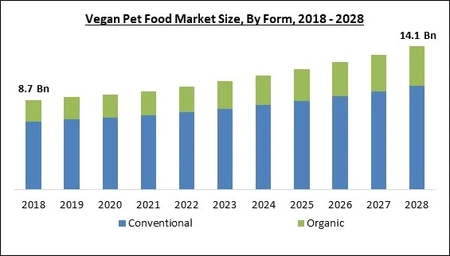
The global pet food market has witnessed a significant transition, with organic pet food registering an accelerated growth rate compared to conventional products. According to recent industry reports from DataInsightsMarket and FutureMarketInsights, the organic pet food segment is growing annually at over 10%, outpacing the conventional sector’s growth rate of approximately 4-6%. This trend is attributed to increasing pet ownership worldwide, especially among younger demographics that prioritize health-conscious and sustainable choices for their animals.
North America continues to lead in organic pet food adoption, fueled by stringent USDA Organic certification standards and a well-established premium pet food market. The Asia-Pacific region is emerging rapidly, driven by rising disposable incomes and expanding online retail platforms offering organic options. Europe maintains steady growth supported by regulatory frameworks and consumer demand for transparency. Despite conventional pet food maintaining the largest market share globally, the premium and super-premium segments are increasingly dominated by organic and natural pet food products, reflecting a shift in consumer priorities toward ingredient quality and health benefits.
Nutritional and Health Comparisons Between Organic and Conventional Pet Food
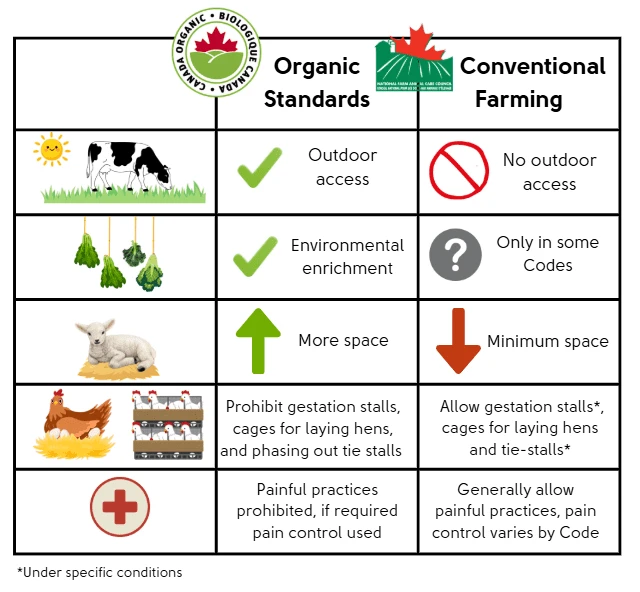
Organic pet food distinguishes itself from conventional options primarily through the quality and sourcing of its ingredients. Certified organic animal proteins such as chicken, beef, and fish originate from livestock raised without synthetic pesticides, antibiotics, or growth hormones. This contrasts with conventional pet food, which often contains non-organic meat, animal by-products, fillers, and synthetic additives including preservatives and artificial colors.
The superior bioavailability of nutrients in organic pet foods supports enhanced digestibility and nutrient absorption. Veterinary nutritionists observe that pets consuming organic diets may experience improved gut microbiome balance and stronger immune responses. This is partly due to the absence of synthetic additives which, in conventional foods, can disrupt gut flora and contribute to allergic reactions or sensitivities, especially in pets with compromised health or dietary allergies.
Conventional pet foods frequently incorporate growth hormones and antibiotics to promote rapid livestock growth, raising concerns about antibiotic resistance and long-term health effects in companion animals. Additionally, synthetic preservatives used in many conventional formulas, such as BHA and BHT, have been linked to potential carcinogenic risks. Organic pet food avoids these substances by relying on natural preservation methods, thereby reducing exposure to potentially harmful chemicals.
Market Segmentation and Regional Dynamics
The premium pet food segment, encompassing organic and super-premium natural products, is where most market growth is concentrated. Pet owners with higher disposable income are willing to pay a premium for products perceived as healthier and more ethically sourced. This segment accounted for nearly 40% of total pet food revenue in North America last year, according to GMInsights.
Regionally, North America exhibits the highest penetration of organic pet food, supported by extensive USDA Organic certification infrastructure and consumer education campaigns. The Asia-Pacific market is experiencing accelerated growth with a compound annual growth rate (CAGR) exceeding 12%, propelled by urbanization, rising pet ownership, and expanded digital marketplaces facilitating access to organic products. Europe’s market growth is steady, driven by regulatory harmonization through the European Pet Food Federation and consumer demand for labeling transparency.
Emerging markets within Asia-Pacific, including China and India, show significant potential. Here, rising middle-class populations and increasing awareness of pet health issues are prompting manufacturers to introduce organic pet food lines. These markets also grapple with supply chain challenges related to sourcing certified organic ingredients locally, often relying on imports from North America and Europe.
Certification and Regulatory Standards Guiding Organic Pet Food
USDA organic certification is the most recognized standard for organic pet food in North America, requiring that all agricultural ingredients be grown without synthetic pesticides, antibiotics, growth hormones, or genetically modified organisms. Livestock used for protein must be raised under organic conditions with access to pasture and organic feed. This certification ensures strict auditing and traceability throughout the supply chain.
The Association of American Feed Control Officials (AAFCO) sets regulatory standards for pet food labeling and nutritional adequacy but does not certify organic status. Instead, AAFCO standards complement USDA regulations by ensuring pet food formulations meet minimum nutritional requirements tailored to species and life stages.
ingredient transparency is increasingly central to consumer trust. Leading organic pet food manufacturers provide detailed labeling of ingredient sourcing and processing methods, responding to demands for greater information on pet dietary contents. This contrasts with many conventional products, where vague terms such as “meat meal” or “animal by-products” are common.
Consumer Behavior and Purchasing Channels
Pet owners’ growing preference for organic pet food is closely linked to heightened awareness of pet nutrition and health risks associated with synthetic additives in conventional diets. Surveys indicate that over 60% of health-conscious pet owners actively seek organic or natural pet food options, particularly for pets with allergies or sensitive skin.
The rise of online pet food retail has significantly expanded access to organic products. Ecommerce platforms now contribute upwards of 30% of organic pet food sales, offering convenience, subscription services, and detailed product information that aid purchasing decisions. This channel growth has been critical in reaching consumers in less urbanized regions or markets where physical retail options for organic pet food remain limited.
Price sensitivity remains a barrier for some consumers. Organic pet food often commands a 20-40% premium over conventional brands, influenced by higher ingredient costs and certification expenses. However, the expanding middle class in Asia-Pacific and North America’s affluent pet ownership base support sustained demand despite elevated price points.
Challenges and Limitations of Organic Pet Food
While organic pet food offers clear nutritional and ethical advantages, it faces challenges that may limit widespread adoption. The higher production costs associated with certified organic animal proteins and ingredient sourcing result in premium pricing that can restrict affordability for many consumers.
Supply chain complexities also arise due to the limited availability of USDA-certified organic livestock and feedstock. This scarcity can lead to inconsistent supply and fluctuations in product availability, particularly in emerging markets. Manufacturers must often balance organic sourcing with cost and volume demands, occasionally blending certified organic with natural ingredients to maintain price competitiveness.
Nutrient balance is another consideration. Some organic pet foods may lack certain synthetic vitamins or minerals added to conventional formulas for precise nutritional control. This necessitates rigorous formulation and testing to ensure organic products meet AAFCO nutritional profiles and support long-term pet health, especially for animals with specific dietary requirements.
Future Outlook and Industry Implications
Innovation in organic pet food is accelerating, with research focusing on novel protein sources such as insect meal and plant-based alternatives to complement traditional organic animal proteins. Advances in formulation technology aim to enhance nutrient bioavailability and palatability while maintaining organic integrity.
The coexistence of conventional and organic sourcing strategies is expected, with manufacturers leveraging both to address diverse consumer segments. Hybrid products incorporating organic ingredients alongside conventional components may emerge to balance cost and quality.
Market forecasts predict that organic pet food will achieve double-digit growth throughout the decade, driven by sustained consumer demand, regulatory strengthening, and ecommerce expansion. Industry players are investing in supply chain transparency, sustainability initiatives, and veterinary partnerships to fortify the sector’s credibility and appeal.
As pet owners continue prioritizing health and sustainability, organic pet food is poised to redefine premium nutrition standards, compelling conventional manufacturers to elevate ingredient sourcing and product innovation.
FAQ
What are the main health benefits of organic pet food compared to conventional options?
Organic pet food offers improved digestibility and nutrient bioavailability due to high-quality, certified organic ingredients free from synthetic additives, antibiotics, and growth hormones. This can enhance pet immune function, support gut microbiome balance, and reduce allergic reactions associated with conventional pet food preservatives and fillers.
How does USDA organic certification impact pet food quality?
USDA organic certification requires that all agricultural ingredients be produced without synthetic pesticides, antibiotics, or growth hormones and that livestock are raised under organic conditions. This certification ensures ingredient transparency, supply chain traceability, and adherence to strict environmental and animal welfare standards, contributing to higher product quality.
Why is organic pet food more expensive than conventional pet food?
The higher cost of organic pet food stems from expensive certified organic animal proteins, more rigorous ingredient sourcing, certification compliance costs, and smaller supply volumes. These factors increase production expenses, which are reflected in premium retail pricing compared to conventional pet food.
What regional markets show the strongest growth for organic pet food?
North America leads in market penetration due to established certification frameworks and consumer awareness. The Asia-Pacific region is experiencing the fastest growth, supported by rising pet ownership, urbanization, and expanding online retail channels. Europe shows steady growth driven by regulatory harmonization and consumer demand for transparency.
How is online retail influencing organic pet food sales?
Online retail channels have significantly increased the accessibility of organic pet food, particularly in regions with limited physical retail options. Ecommerce platforms offer convenience, subscription services, and detailed product information, fueling consumer adoption and enabling manufacturers to reach wider audiences efficiently.
Organic pet food’s expanding role in the global pet nutrition landscape reflects evolving consumer values emphasizing health, sustainability, and transparency. As the market matures, continued innovation and regulatory advancements will shape product offerings, pricing strategies, and supply chain resilience, driving the sector’s trajectory through 2026 and beyond.
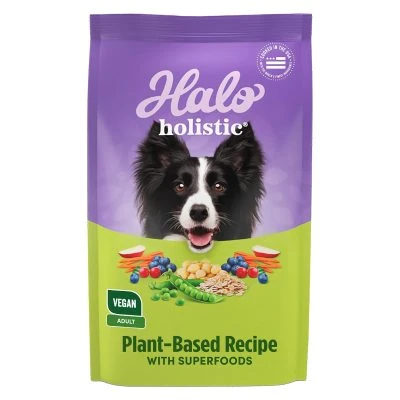
Vegan Dog Food vs Meat: Nutrition & Sustainability in 2026
PawVerde.com – Vegan dog food in 2026 can deliver nutrition comparable to traditional natural meat-based diets when formulated according to AAFCO standards and supplemented with essential amino acids and vitamins. Leading brands such as V-Dog, Wild Earth, and Petaluma now offer options that meet or exceed these nutritional benchmarks, often overseen by board-certified veterinary nutritionists. These diets present significant sustainability advantages, reducing the ecological paw print by more than 90% relative to beef-based protein sources. However, pet owners must carefully evaluate ingredients, particularly for iodine, B vitamins, and taurine supplementation, to ensure a balanced diet tailored to their dog’s specific health needs.
Nutritional adequacy remains a primary consideration as vegan formulations rely heavily on plant proteins—peas, lentils, chickpeas, and soy—augmented with synthetic vitamins and functional additives such as turmeric and probiotics to support canine health. Clinical studies published in Heliyon and PLoS One confirm that while most vegan dog foods meet overall protein and vitamin D requirements, some gaps in micronutrients persist without targeted supplementation. This underscores the critical role of veterinary nutritionists in designing and vetting these diets to promote optimal digestion, immune function, and coat condition. Owners of allergy-prone or sensitive-skinned dogs report improved symptoms on vegan diets enriched with prebiotics and probiotics that enhance gut-brain axis health.
Introduction to the 2026 Landscape of Dog Food
Demand for vegan dog food has surged in recent years, propelled by growing awareness of environmental sustainability and ethical considerations in pet nutrition. Several market leaders—V-Dog, Wild Earth, Petaluma, PawCo, and Bramble—have pioneered plant-based formulations designed to rival natural meat in both nutrition and palatability. Advances in protein technology, including fermentation-derived fungi proteins and cultivated meat alternatives, have expanded ingredient options, enabling more nutrient-dense and digestible recipes.
Natural meat-based dog foods continue to dominate the market but face increasing scrutiny for their environmental footprint and sourcing ethics. Brands like Natural Balance maintain strong market presence by emphasizing high-quality animal proteins and transparent sourcing. This landscape reflects a broader shift towards sustainable pet food solutions that balance canine nutritional needs with ecological responsibility.
Nutritional Comparison: Vegan Dog Food vs Natural Meat-Based Options
The Association of American Feed Control Officials (AAFCO) remains the gold standard for canine nutritional adequacy, requiring balanced macronutrients and micronutrients for a “complete and balanced” diet label. Vegan dog foods in 2026 routinely meet these requirements by combining diverse plant protein sources to achieve balanced amino acid profiles, notably supplementing limiting amino acids such as taurine and L-carnitine.
Plant proteins such as peas, lentils, chickpeas, and soy provide the bulk of protein in vegan formulas but naturally lack certain essential amino acids present in animal proteins. To address this, manufacturers incorporate synthetic amino acids and vitamin premixes, including B vitamins (B12, riboflavin) and iodine, which tend to be lower in plant-based diets. Vitamin D requirements are typically satisfied through supplementation, with all tested brands meeting or exceeding minimum thresholds.
Veterinary nutritionists like Dr. Mahsa Vazin emphasize the importance of careful formulation and label scrutiny, especially for dogs with specific health conditions or life stages. Gradual diet transitions and periodic health assessments ensure that the nutritional needs of individual dogs are met without compromising well-being.
Health Outcomes and Scientific Evidence
Recent peer-reviewed studies reinforce that vegan diets, when properly formulated, support overall canine health comparable to meat-based diets. Research published in journals such as PLoS One highlights that dogs on vegan diets maintain stable weight, normal blood profiles, and healthy coat conditions over long-term feeding trials.
allergy management is a notable area of benefit, with vegan dog foods reducing exposure to common animal protein allergens. Owners report improvements in skin sensitivity and reduced incidence of gastrointestinal upset. The inclusion of prebiotics and probiotics in many vegan formulations supports gut-brain axis health, enhancing digestion and immune function.
Veterinary nutritionists confirm that the addition of functional ingredients like turmeric and ashwagandha provides antioxidant and anti-inflammatory benefits, contributing to improved joint health and stress resilience. Owner feedback consistently indicates favorable stool quality and vitality in dogs transitioned to high-quality vegan diets under veterinary supervision.
Sustainability and Environmental Impact
Environmental analyses reveal stark contrasts between plant-based and meat-based dog foods. Lifecycle assessments show that plant-based diets reduce land use, water consumption, and greenhouse gas emissions by over 90% compared to diets relying on beef or other red meats. This reduction translates into a significantly smaller ecological paw print for vegan dog food.
Innovations in sustainable protein sources have accelerated, with companies incorporating fungi-derived proteins, cultivated meat, and insect proteins to diversify supply chains and lower environmental impact. Leading brands implement eco-friendly packaging and production methods, including recyclable materials and renewable energy use, further enhancing sustainability credentials.
These advancements align with consumer demand for responsible pet food choices, positioning vegan dog food as a viable option for environmentally conscious pet owners.
Popular Vegan Dog Food Brands and Product Types in 2026
The vegan dog food market in 2026 features diverse brands and product formats tailored to various canine preferences and needs. V-Dog and Wild Earth lead with dry kibble options formulated to meet complete nutrition standards, while Petaluma and Bramble offer both kibble and canned varieties enriched with functional additives.
PawCo and Gather provide niche products such as dehydrated mixers and fresh vegan meals, appealing to owners seeking minimally processed options. Price points vary widely, with dry kibble ranging from moderate to premium tiers depending on ingredient quality and brand positioning. Cost analyses indicate that vegan diets can be economically competitive with natural meat-based options when factoring in portion size and dog activity level.
These brands prioritize ingredient transparency, with detailed labeling and third-party nutritional validation, reflecting a commitment to consumer trust and diet efficacy.
Consumer Guidance and Choosing the Right Diet
Transitioning a dog to a vegan diet requires a deliberate approach to avoid nutritional imbalances and digestive upset. Veterinary consultation is essential to tailor the diet to the dog’s age, breed, health status, and activity. Gradual introduction over several weeks allows the canine digestive system to adapt and helps monitor tolerance.
Owners should verify that selected products carry AAFCO “complete and balanced” certification and review ingredient lists for critical nutrients such as taurine, L-carnitine, iodine, and B vitamins. Regular veterinary check-ups, including blood work and physical assessments, ensure ongoing nutritional adequacy and health.
Transparency from manufacturers regarding sourcing, formulation processes, and third-party testing is a key factor in selecting trustworthy vegan dog food brands.
FAQ
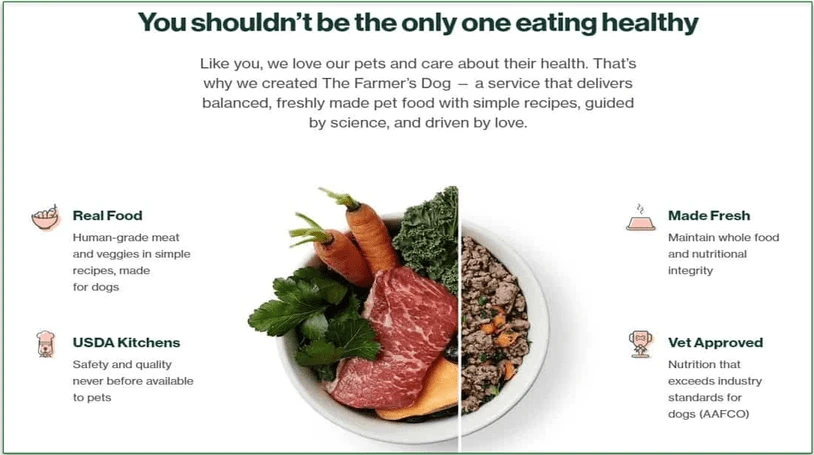
Is vegan dog food nutritionally complete compared to meat-based options?
When formulated according to AAFCO standards and supplemented with essential amino acids and vitamins, vegan dog food can provide complete and balanced nutrition comparable to meat-based diets. Veterinary oversight ensures specific nutrient requirements are met.
Can vegan diets help dogs with allergies or sensitive skin?
Yes, vegan dog foods often reduce exposure to common animal protein allergens and include functional ingredients like prebiotics and probiotics that support skin and gut health, benefiting dogs with allergies or sensitivities.
How does the environmental impact of vegan dog food compare to meat-based food?
Plant-based dog food typically reduces land use, water consumption, and greenhouse gas emissions by over 90% relative to beef-based diets, representing a substantially smaller ecological footprint.
Are there any micronutrients to watch for in vegan dog food?
Iodine, B vitamins (especially B12), taurine, and L-carnitine may be lower in vegan diets and require supplementation. Checking product labels and consulting veterinary nutritionists is recommended to ensure balance.
What are the best brands offering nutritionally balanced vegan dog food in 2026?
Leading brands include V-Dog, Wild Earth, Petaluma, PawCo, Bramble, and Gather, all of which offer products meeting AAFCO standards and often incorporate functional health additives for optimized canine nutrition.
Vegan dog food has matured into a viable, nutritionally sound alternative to natural meat-based diets in 2026, combining scientific formulation, expert oversight, and sustainability. As the market evolves, ongoing research and innovation will continue refining these diets to meet diverse canine needs and contribute to ecological stewardship. Pet owners are encouraged to engage veterinary professionals when considering diet transitions and to prioritize products with transparent, evidence-backed nutrition profiles.
Top Eco-Friendly Pet Food Brands Delivering Sustainable Nutrition
PawVerde.com – The pet food industry in 2026 exhibits a marked shift towards sustainability, driven by increasing consumer demand for eco-friendly and health-conscious nutrition options for pets. Leading brands like Tender & True, The Honest Kitchen, Wild Earth, and freeze-dried specialists Primal Pet Foods and Stella & Chewy’s have pioneered the integration of USDA-certified organic, non-GMO ingredients and humanely raised meats into their formulations. These companies combine rigorous ingredient sourcing with sustainable manufacturing practices, setting new benchmarks for environmentally responsible pet nutrition.
Tender & True remains at the forefront as the first USDA-certified organic pet food producer in the United States, emphasizing non-GMO ingredients sourced from humanely raised livestock and organic fruits and vegetables. Their product lines consistently meet strict USDA organic standards, verified through third-party audits, ensuring ingredient transparency and traceability. This commitment extends to their packaging, which utilizes fully recyclable materials aligned with circular economy principles.
The Honest Kitchen focuses on grain-free, protein-rich recipes designed for dogs with food sensitivities, sourcing sustainably farmed produce and ethically raised animal proteins. Their dehydrated food formulas reduce water consumption during production while maintaining nutrient density. Independent evaluations by pet nutrition experts and real-world testing by The Good Trade’s editorial pets confirm the digestibility and palatability of these offerings, reinforcing their reputation among veterinarians specializing in allergy management.
Wild Earth distinguishes itself by providing innovative vegan dog food options that align with environmental sustainability goals. Their formulations rely on fermentation-derived proteins and organic plant-based ingredients, certified non-GMO and free from artificial additives. Clinical trials have demonstrated that Wild Earth’s vegan diets support healthy canine microbiomes and meet AAFCO nutritional adequacy standards. This brand’s approach addresses both ecological impact—significantly reducing greenhouse gas emissions compared to traditional meat-based diets—and the growing market segment seeking plant-based pet nutrition.
Among freeze-dried raw food brands, Primal Pet Foods, Stella & Chewy’s, and Vital Essentials have advanced the use of organic, humanely sourced meats combined with organic fruits and vegetables. These manufacturers apply freeze-drying techniques that preserve nutrient integrity and reduce spoilage, thus minimizing food waste. Primal Pet Foods, for instance, sources certified organic ingredients and holds USDA organic certification for select lines, emphasizing animal welfare and traceability in their supply chains. Stella & Chewy’s incorporates sustainably fished seafood and human-grade meats, adhering to strict sourcing standards verified by third-party auditors. These products appeal to pet owners seeking raw nutrition with environmental and ethical assurances.
The industry’s momentum towards sustainability is further propelled by collaborative initiatives. The Pet Sustainability Coalition (PSC), designated as the official sustainability partner of Petfood Forum 2026, plays a pivotal role in convening stakeholders to develop best practices and foster innovation. PSC’s data-driven programs promote the adoption of circular economy models, resource-efficient manufacturing, and supply chain transparency. Mars Petcare, a major global player, has announced enhanced commitments to sustainable fish sourcing, targeting 100% certified sustainable fisheries for its aquatic pet food ingredients within the next three years. Additionally, Mars is investing in the development of therapeutic diets that incorporate sustainably sourced ingredients with measurable health benefits, positioning sustainability as integral to pet health innovation.
Circular economy principles are increasingly embedded in pet food production and packaging. Shameless Pets utilizes food waste streams from human food production to create nutritionally balanced dog treats, effectively diverting organic waste from landfills. Blue Toby Sustainable Pet Products has introduced packaging solutions made from 100% recycled materials, designed to be both biodegradable and compostable. These efforts contribute to reducing the environmental footprint of pet food products and align with broader industry targets for waste reduction and resource efficiency.
Consumers benefit from these sustainable pet food options not only through improved ingredient quality but also via enhanced health outcomes. Studies published in veterinary nutrition journals highlight that diets featuring organic, non-GMO ingredients and humanely raised meats can reduce exposure to pesticides and antibiotics, contributing to better digestive health and immune function in dogs. However, price points for these eco-friendly brands remain higher than conventional pet foods, reflecting the costs of organic certification, sustainable sourcing, and ethical manufacturing. Accessibility is gradually improving as retail distribution expands beyond specialty outlets into mainstream pet stores and e-commerce platforms, supported by transparent labeling and verified certifications that build consumer trust.
Certifications such as USDA Organic, Non-GMO Project Verified, and third-party animal welfare audits serve as critical differentiators in this competitive market. Brands adhering to these standards provide verifiable assurances about ingredient provenance and production ethics, addressing growing consumer concern about ingredient transparency and social responsibility. Pet nutritionists and veterinarians increasingly recommend these certified products, particularly for pets with sensitivities or owners prioritizing environmental impact.
Looking ahead, the pet food sector anticipates significant advancements in sustainable formulations and packaging innovations. Emerging research into alternative protein sources, including cultured meat and insect-based ingredients, promises to diversify sustainable options while maintaining nutritional adequacy. Packaging developments focus on reducing plastic use and enhancing biodegradability, supported by legislative incentives and consumer preference shifts. Industry collaborations among manufacturers, certification bodies, and sustainability coalitions are expected to intensify, fostering shared standards and accelerating the adoption of circular economy practices.
The market influence of environmentally conscious pet owners continues to grow, driving product development that balances pet health with ecological stewardship. This evolving dynamic positions sustainability not as a niche segment but as a core principle shaping pet food innovation and consumer choice in 2026 and beyond.