

Top Sustainable Pet Products Companies & Greenwashing Guide
PawVerde.com – The sustainable pet products market is projected to reach $34.6 billion by 2034, driven by a shift toward plant-based proteins, recycled materials, and circular business models. Top brands lead the way by reducing carbon footprints and implementing product recycling programs to minimize environmental impact.
The global eco-friendly pet products market is valued at $14.8 billion in 2025 and is expected to more than double to $34.6 billion by 2034.
The Greenwashing Audit: How to Spot Fake Sustainability Claims
To avoid greenwashing, look beyond vague terms like ‘natural’ or ‘eco-friendly.’ Verify third-party certifications such as GRS (Global Recycled Standard) or FSC (Forest Stewardship Council), check for specific material percentages, and investigate if the brand provides transparent data on their manufacturing locations and supply chain ethics.
Red Flags in Pet Marketing
Marketing-led materials often rely on ambiguity to deceive consumers. A common failure mode occurs when a brand uses a “natural” label on a product that contains high concentrations of synthetic additives or non-biodegradable components. Industry analysts note that true sustainability requires specific data rather than broad adjectives.
Watch for these specific indicators of deceptive claims:
- Vague terminology like “earth-friendly” or “green” without supporting documentation.
- The absence of specific material percentages (e.g., claiming “recycled” without stating if it is 10% or 100%).
- Hidden trade-offs, such as using organic cotton but packaging it in non-recyclable multi-layer plastics.
Counterintuitively, some brands may claim to be “Biobased” to capitalize on a trend that has seen 436% growth, yet they may fail to disclose the actual source of those biological materials. Always check the product’s technical specifications or the “Sustainability” tab in a brand’s website menu path, typically found under About Us > Sustainability > Impact Report.
The Certification Checklist
Authentic brands move past marketing and toward verifiable standards. While many brands claim to be “Plastic Free”—a category seeing 372% growth—consumers should verify these claims through third-party audits. A legitimate brand will often provide a breakdown of their supply chain ethics and manufacturing locations.
The Cost-Per-Use Math: Why Premium Sustainable Products Save Money
Longevity serves as a primary driver of environmental and financial value. According to ecofurball.com, a product that lasts twice as long prevents the need for replacement. This single factor reduces resource extraction, packaging waste, and transport emissions.
| Product Category | Standard Disposable Model | Premium Sustainable Model | Primary Economic Benefit |
|---|---|---|---|
| Pet Toys | High replacement frequency; low unit cost. | High durability; higher initial cost. | Reduced replacement frequency. |
| Pet Food Packaging | Single-use plastics; high waste cost. | Sustainable/Recyclable; higher cost. | Lower environmental mitigation costs. |
| Pet Accessories | Seasonal/Trend-based; high turnover. | Timeless/Durable; high investment. | Lower “cost-per-month” of use. |
Data indicates a 22% increase in sales of products with sustainable packaging over the past three years, suggesting that consumers are increasingly recognizing this value proposition. Investing in quality over quantity mitigates the risk of “disposable culture” in pet ownership.
Top Sustainable Pet Food and Treat Brands
Leading sustainable pet food brands focus on low-impact proteins and ethical sourcing. Bright Planet Pet offers plant-based treats that reduce carbon emissions by 90%, while Jiminy’s utilizes insect protein to minimize land and water usage. Open Farm and Freshpet are also industry leaders in ethical ingredient sourcing.
Plant-Based and Insect Protein Innovators
The transition toward alternative proteins is one of the most impactful shifts in the industry. Insect protein is a highly sustainable protein source because it requires significantly less land and water to produce than an equivalent amount of traditional meat, while emitting almost no greenhouse gases.
- Bright Planet Pet: A leader in plant-based nutrition, achieving a 90% reduction in carbon emissions and a 68% reduction in water use compared to meat-based treats. Since 2021, they have also planted 50,000 trees in partnership with Eden Reforestation Projects.
- Jiminy’s: Specializes in insect protein, leveraging the high efficiency of insect farming to lower the environmental footprint of pet diets.
- Chippin: Focuses on resource conservation, with their production process saving 300 gallons of water per bag of treats compared to generic dog treats.
Ethical Sourcing and Fresh Food Leaders
Beyond protein type, the method of ingredient procurement defines a brand’s true impact. Brands like Open Farm prioritize transparency in their supply chains, ensuring that ingredients are sourced ethically. Freshpet focuses on fresh food delivery, which often involves different packaging considerations to maintain nutritional integrity while aiming for sustainability.
Best Sustainable Toys and Accessories
Sustainable pet accessories prioritize materials that regenerate, recycle, or biodegrade without releasing harmful residues. According to ecofurball.com, this approach encompasses everything from the toys pets chew to the beds they sleep on.
Recycled and Upcycled Toy Brands
Using post-consumer waste to create new products is a cornerstone of the circular economy. This technique reduces the demand for virgin plastics and keeps waste out of landfills.
- Spunky Pup: A standout in the upcycling space, having pulled 2,000,000 bottles from the environment through their Clean Earth line.
- West Paw: Implements circular economy programs, allowing for product recycling and reuse to minimize environmental impact.
- Beco Pets: Focuses on utilizing recycled materials to create durable, eco-friendly playthings.
- Cycle Dog: Specializes in sustainable toy manufacturing to reduce carbon emissions from production.
Sustainable Lifestyle and Home Goods
Sustainability extends to the items that integrate into the human home environment. Brands are now offering luxury and lifestyle goods that do not compromise on aesthetics or ecological responsibility.
- Wild One: A lifestyle brand focusing on sustainable pet supplies that blend functionality with eco-conscious design.
- Noggins & Binkles: Provides luxury sustainable pet accessories for owners seeking high-end, low-impact products.
- Whom: Focuses on sustainable pet home goods, ensuring that pet products integrate seamlessly into a sustainable household.
- Doggie Apparel: Offers sustainable clothing and accessories, reducing the textile waste common in the pet industry.
| Brand Name | Primary Sustainability Method | Key Environmental Impact |
|---|---|---|
| Bright Planet Pet | Plant-based proteins | 90% reduction in carbon emissions |
| Jiminy’s | Insect protein sourcing | Minimal land and water usage |
| Spunky Pup | Upcycling/Repurposing | 2,000,000 bottles removed from environment |
| West Paw | Circular Economy Programs | Reduced manufacturing waste |
| Chippin | Resource-efficient ingredients | 300 gallons of water saved per bag |
Critical Safety Warning: The Recycled Plastic Paradox
While using recycled materials is environmentally beneficial, it introduces specific biological and chemical risks. Research indicates that recycled pet toys can expose pets to harmful chemicals like phthalates, BPA, and microplastics.
Recycled pet toys can expose pets to harmful chemicals like phthalates, BPA, and microplastics. Always inspect toys for structural integrity and ensure the manufacturer uses non-toxic, food-grade dyes. If a toy shows signs of fraying or seams opening, remove it from your pet immediately to prevent ingestion of internal materials.
The primary failure mode for recycled toys involves “Toy Integrity.” When seams open or internal filling becomes accessible, the pet may ingest fragments of the recycled material. Furthermore, the safety of recycled plastics depends heavily on the purity of the source material; low-quality recycling processes may fail to strip out legacy additives from the original plastic products.
FAQ
Is insect protein actually better for the environment?
Yes, insect protein is a highly sustainable protein source because it requires significantly less land and water to produce than an equivalent amount of traditional meat while emitting almost no greenhouse gases.
What should I look for in a sustainable pet toy?
Prioritize durability to prevent waste, look for certified recycled materials, and ensure the brand uses non-toxic, food-grade dyes to avoid chemical exposure during play or chewing.
Are plant-based pet treats as nutritious as meat?
Many modern plant-based treats, like those from Bright Planet Pet, are formulated to provide balanced nutrition while drastically reducing carbon and water footprints compared to conventional meat-based options.
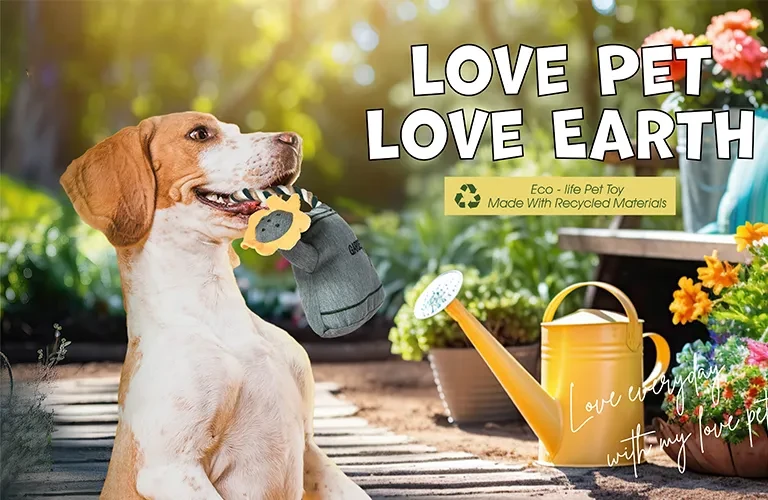
How to Audit Eco-Friendly Pet Supplies & Avoid Greenwashing
PawVerde.com – eco-friendly pet supplies focus on reducing the environmental footprint of pet ownership through sustainable materials like bamboo and natural rubber, ethically sourced nutrition, and waste reduction. While the global market is projected to reach $34.6 billion by 2034, true sustainability requires looking beyond labels to avoid greenwashing and ensure product end-of-life circularity.
Consumer expectations are shifting rapidly. According to Faunalytics, 84% of companion animal guardians now hold companies responsible for addressing climate change.
The Greenwashing Decoder: How to Audit Your Pet Product Labels
To audit a pet product, look for specific certifications rather than vague buzzwords. Avoid products claiming to be ”recyclable’ if they use multi-layer films, and be wary of ‘eco-friendly’ waste bags that lack industrial compostability proof. Always check if the brand provides transparent sourcing data to back up their environmental assertions.
The pet care industry faces significant scrutiny regarding deceptive marketing. Reports from Doglyness highlight widespread greenwashing in the pet care sector, where brands often use misleading imagery to imply sustainability. This skepticism is shared by a large portion of the population; Woola notes that 52% of people globally have encountered false or misleading information regarding a brand’s sustainability actions. In Europe, data indicates that 42% of green claims were found to be exaggerated, false, or deceptive in 2021.
Red Flags: Vague Buzzwords vs. Certifications
When auditing a product, distinguish between marketing fluff and verifiable standards. The following list identifies common pitfalls for pet owners:
The Multi-Layer Film Trap
A critical misconception involves the ease of recycling pet food packaging. Many bags utilize a combination of plastic and foil to maintain freshness. However, these composite materials are rarely accepted by municipal recycling streams. This creates a significant volume of non-recyclable waste, despite the “recyclable” label appearing on the back of the bag.
The Lifecycle Audit: Biodegradable vs. Compostable vs. Recyclable
Understanding the end-of-life stage of pet products is essential to prevent unintended environmental harm. While “biodegradable” sounds inherently positive, the term is often used loosely in the pet industry.
The reality of waste management is that many “biodegradable” products fail to break down effectively in standard landfills. Without specific oxygen and microbial conditions, these items may sit for decades. Furthermore, Clarkston Consulting reports that incorrect labeling has already led to significant legal consequences, noting $1.7 million in filings involving incorrect labeling of pet waste bags as “eco-friendly” in early 2021.
To ensure a product truly follows a circular lifecycle, verify if the packaging is certified for industrial composting. This distinction is vital for reducing the volume of pet-related waste that ends up in landfills, where it can contribute to greenhouse gas emissions.
Material Safety & Toxicity Matrix for Eco-Materials
When choosing eco-materials, balance sustainability with pet safety. Bamboo is a highly sustainable carbon absorber, but ensure it is processed without toxic glues. Natural rubber is excellent for durability without deforestation, while hemp and organic cotton offer low-impact alternatives for bedding and toys that minimize skin irritation.
Sustainability must never compromise the biological safety of the animal. For example, the Best Friends Animal Society warns that eco-friendly cat litters should avoid containing clay or sodium bentonite, as these ingredients can potentially sicken or poison pets. Instead, look for plant-based alternatives that offer safety and performance.
| Material | Sustainability Benefit | Pet Safety Consideration | Best Use Case |
|---|---|---|---|
| Bamboo | High CO2 absorption; prevents deforestation | Check for non-toxic resins/glues | Bedding, toys, and bowls |
| Natural Rubber | No deforestation in production | Ensure no synthetic additives | Durable chew toys |
| Hemp | Low water usage; high durability | Generally hypoallergenic | Bedding and rope toys |
| Recycled Plastic | Reduces landfill volume | Check for microplastic shedding | Heavy-duty crates or bowls |
The selection of materials often involves a trade-off between durability and impact. For instance, Clarkston Consulting notes that natural rubber is highly sustainable because production relies on rubber tree sap rather than deforestation. However, for bedding, organic cotton or hemp remains the gold standard for minimizing skin irritation in sensitive animals.
A Tiered Roadmap for a Budget-Friendly Eco-Transition
Transitioning to a sustainable pet lifestyle does not require an immediate, total overhaul. Caring Hands Vet suggests that sustainability is about progress, not perfection. Consumers can approach the change through a tiered strategy to manage costs effectively.
Faunalytics research indicates that 62% of companion animal guardians bought an environmentally friendly product in the past month. Sustainability becomes a decisive factor for consumers once their price expectations are met.
By following this roadmap, owners can avoid the “all-or-nothing” trap. Even small changes, like choosing products from vetted brands on EarthHero or Green Pet, contribute to a larger shift in the industry.
The Hidden Cost of Microplastics and Shipping
Even when products are made from sustainable materials, the logistics and maintenance of those products can introduce new environmental costs.
One significant concern is the shedding of microplastics from synthetic or recycled polyester pet bedding. When these items are washed, they release tiny plastic fibers into the water system. To mitigate this, owners can use specialized washing bags designed to catch microfibers. Additionally, consider the carbon footprint of the delivery itself. For example, EarthHero offers free carbon-neutral shipping on orders over $75. This is a crucial consideration because a “sustainable” product shipped halfway across the world may have a higher carbon footprint than a conventional product manufactured locally.
The manufacturing of plastic packaging also carries a heavy environmental weight. As noted by Doglyness, the process of creating plastic packaging is devastating to the environment, regardless of how “recyclable” the final product claims to be.
FAQ
Is bamboo safe for dogs and cats?
Bamboo is a highly sustainable resource that acts as a carbon absorber. To ensure safety, verify that products are processed without toxic resins or glues.
How can I tell if pet waste bags are actually eco-friendly?
Avoid bags that only claim to be ‘biodegradable.’ Look for certified compostable labels and check if they meet state regulations to avoid the $1.7 million greenwashing trend in waste bags.
Can I make my own eco-friendly pet toys?
Yes, you can upcycle old t-shirts, towels, or cardboard boxes into enrichment items. Using old socks with water bottles is a simple, zero-waste way to create a puzzle toy.
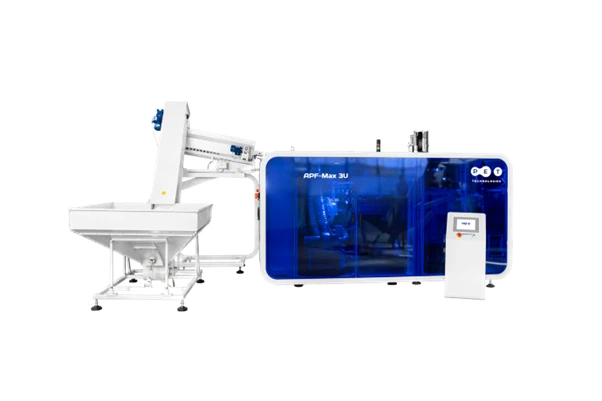
Eco-Friendly Pet Tech: Sustainability vs. E-Waste Paradox
PawVerde.com – The global eco-friendly pet products market is surging toward a projected $34.6 billion valuation by 2034, driven by a 9.9% CAGR. As consumers pivot toward sustainability, the industry is seeing a massive shift from traditional clay and plastic toward smart, automated, and biodegradable solutions. The global eco-friendly pet products market is expected to reach $34.6 billion by 2034, growing from $14.8 billion in 2025.
The E-Waste Paradox: Weighing Smart Tech Benefits Against Electronic Waste
The ‘Energy-to-Sustainability Paradox’ in pet tech involves weighing the environmental benefits of waste reduction (e.g., 30% less litter via sifting) against the carbon footprint of manufacturing and the growing problem of e-waste from sensors and circuit boards.
E-waste currently represents the fastest-growing solid-waste stream in the world. While automated devices offer efficiency, they introduce complex disposal challenges. For instance, in the United States, only 25% of electronic waste is recycled. This creates a potential failure mode where the environmental cost of discarded sensors and circuit boards outweighs the benefits of the technology itself.
Innovative sifting systems can provide a 30% waste reduction, yet manufacturing these high-tech units requires significant resource extraction. Users should manage personal data security before reselling any electronic device. High-power modes should be avoided to optimize efficiency.
Market Momentum: The Rise of the $34B Sustainable Pet Economy
The economic trajectory for sustainable pet care is accelerating. The global eco-friendly pet products market value stood at 14.8 billion USD in 2025, and it is projected to reach 34.6 billion USD by 2034. This growth is fueled by a 9.9% CAGR across the sector. DataIntelo reports that the convergence of pet humanization, sustainability consciousness, and rapid innovation in biodegradable and recycled materials is reshaping the entire pet care value chain.
Online channels are driving this expansion, showing an 18% annual growth rate. Within this market, the Dogs segment maintains a significant presence, accounting for a 52.7% revenue share in 2025. In urban tier-one and tier-two cities in China, the premium sustainable segment is seeing a 15% CAGR, indicating a global shift toward high-end, environmentally conscious pet ownership.
Automated Hygiene: How Smart Litter Systems Reduce Waste
Smart litter boxes reduce environmental impact by using sifting mechanisms to separate waste from clean litter, minimizing replacement frequency. Technologies like CatGenie’s flushing system or Litter-Robot’s sensor-based cleaning optimize litter usage and reduce the volume of waste sent to landfills.
Automated systems offer a significant advantage in resource management. By utilizing sifting, these devices ensure that only actual waste is removed, preventing the premature disposal of large quantities of clean substrate. For example, the Litter-Robot utilizes a sensor-based cleaning method to maintain hygiene. Users can monitor litter levels and cleaning cycles through the dedicated Mobile app to ensure optimal performance.
| Technology Type | Sustainability Mechanism | Key Benefit |
|---|---|---|
| CatGenie | Flushing Waste | Uses permanent, washable granules |
| Litter-Robot | Sensor-based cleaning | Optimizes litter usage via sifting |
| PetKit | IoT integration | Remote monitoring and usage analytics |
| Biodegradable Substrate | Compostable materials | Reduces landfill burden |
| Clay Substrate | Traditional disposal | High landfill volume |
The table above compares how different technologies approach waste management and sustainability.
The following brands are leading different segments of the automated and sustainable hygiene market:
- Litter-Robot: High-end, sensor-based automatic litter boxes.
- CatGenie: Fully automated, washable, and eco-friendly solutions.
- PetSafe: A manufacturer of automated and semi-automatic self cleaning units.
- PetKit: Technology-driven integration of IoT features and app control.
- VEKEN Pet Supply: Automated litter boxes utilizing textile innovation.
The Sifting Advantage
Sifting litter boxes separate waste from clean litter to minimize how often users need to replace them. This process is essential for maintaining hygiene while reducing the total volume of waste sent to landfills. According to Furrbby, “Switching to eco-friendly sifting litter boxes can significantly reduce environmental waste while improving your cat’s health and hygiene.”
IoT and Remote Monitoring
Internet-connected litter boxes allow for remote monitoring, usage analytics, and maintenance alerts via smartphone apps. This technology enhances convenience and enables data-driven pet care management. For instance, users can check cleaning status and odor levels remotely through an app, ensuring the device operates efficiently without constant manual intervention.
Beyond the Litter Box: Sustainable Materials and Protein Innovation
Sustainability in the pet industry extends to nutrition. Ingredient innovation includes insect-based proteins, particularly black soldier fly larvae, which dramatically reduce land, water, and carbon footprints compared to traditional livestock. This shift is part of a broader movement toward sustainable sourcing to reduce the environmental impact of the human and animal food supply chains.
Material science is also transforming pet accessories. Companies are increasingly commercializing products made from recycled ocean plastics and other sustainable materials. Brands such as Earth Rated, West Paw, Wild One, and Planet Dog are active in the premium sustainable pet product segment, addressing the growing consumer demand for durable, environmentally responsible goods.
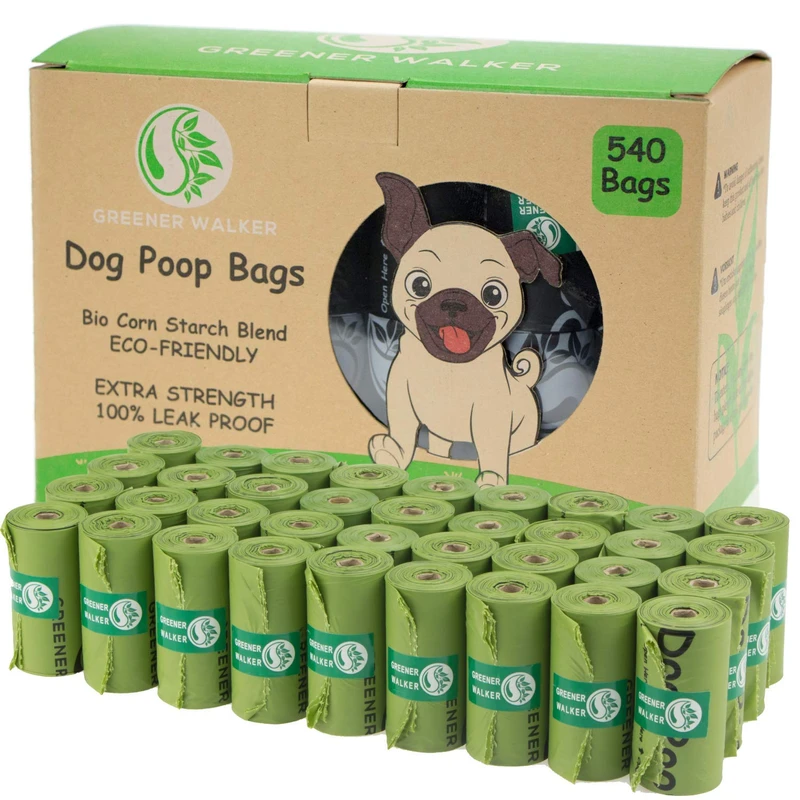
Eco-Friendly Dog Waste Bags: How to Choose the Right Type
PawVerde.com – Eco-friendly dog waste bags are sustainable alternatives to traditional plastic, primarily made from plant-based materials like cornstarch, PLA, and PBAT. They are designed to decompose into non-toxic compounds, significantly reducing the 415 billion bags used annually that would otherwise take up to 500 years to break down in landfills.
According to the Poop Bags Guide, a single-use plastic poop bag can outlive you, your dog, and many generations to come.
The Disposal Decision Tree: Choosing the Right Bag for Your Infrastructure
To choose the right bag, match the product to your local waste system: use ‘Home Compostable’ certified bags for backyard bins, ‘Industrial Compostable’ (EN13432) for municipal green bins, and ‘Landfill-friendly’ bags (using additives like Plasgreen) if you only have access to standard trash disposal.
Effective disposal requires matching the material to the environment. Most compostable bags require specific conditions to break down efficiently: high temperatures, plenty of oxygen, and microbial activity. Without these specific environmental triggers, a bag intended for the earth may simply sit unchanged for years.
Backyard Composting: The Home Setup
Only a small fraction of users actually compost at home. Data indicates that only 5% of owners use compostable poo bags in a backyard setting, while only 10% of people can effectively manage home composting. If you do manage a backyard pile, you must ensure it reaches the necessary thermal levels to process plant-based polymers.
Municipal Green Bins: Industrial Standards
Most “compostable” labels refer to industrial-grade processing. These facilities utilize controlled heat and aeration to ensure bags turn into humus. If your city provides a green bin service, look for bags specifically designed for these high-heat environments.
The Trash Reality: Landfill-Friendly Alternatives
A common misconception is that all eco-friendly bags are suitable for the trash. In reality, if you throw a compostable bag into regular trash, it will end up trapped in a landfill where those ideal conditions are absent. For those without access to composting, specialized options like those from Doggy Do Good® use organic additives like Plasgreen to attract microbes, allowing the plastic to be consumed much faster than conventional bags—potentially decomposing in 5 years rather than 500 years.
- Backyard Bin: Requires “Home Compostable” certification.
- Municipal Green Bin: Requires “Industrial Compostable” certification.
- Standard Trash: Requires “Landfill-friendly” technology.
The Certification Decoder: What EN13432 and Other Labels Actually Mean
Certification is the only way to verify that a product will not leave behind microplastics or toxic chemical residues. The EN13432 standard is a critical benchmark in the industry. According to Torise Biomaterials, this certification helps ensure the product will break down safely without leaving harmful residues in the soil.
The “biodegradable” label often lacks the strict requirements of the EN13432 standard. While EN13432 mandates the production of non-toxic humus, generic biodegradable claims may result in the material fragmenting into smaller particles. Without these specific standards, a bag might technically “disappear” from sight while actually polluting the ecosystem with microplastics.
Material Integrity: PBAT, Cornstarch, and PLA Breakdown
Most eco-friendly bags rely on a blend of materials: typically 60-80% PBAT for flexibility, 15-30% cornstarch for structure, and 5-10% PLA. This specific ratio ensures the bag is strong enough for use while remaining capable of decomposing into non-toxic humus.
The bag’s performance relies on its 60-80% PBAT content for elasticity and 15-30% cornstarch for rigidity. If the cornstarch content is too high, the bag becomes brittle and prone to tearing. Conversely, insufficient PBAT makes the bag lose the stretch required to hold waste securely.
| Material Component | Typical Percentage | Primary Function |
|---|---|---|
| PBAT | 60-80% | Flexibility and strength |
| Cornstarch | 15-30% | Structural rigidity |
| PLA | 5-10% | Shape retention and barrier |
This material blend allows the bag to function like a traditional plastic bag during use but behave like organic matter during disposal. The breakdown process is a chemical transition where the plant-based polymers are metabolized by microorganisms.
The Role of PBAT in Bag Strength
Polybutylene Adipate Terephthalate (PBAT) provides the “stretch” that prevents a bag from snapping under the weight of pet waste. It acts as the primary carrier for the other organic materials, ensuring the bag remains intact even in varying weather conditions.
Cornstarch and PLA: The Plant-Based Foundation
As Pet Impact notes, “The plants have been polymerised (i.e. chemically changed) to become plastic, and in many cases the final product is functionally and chemically the same as plastic.” Cornstarch provides the bulk, while polylactic acid (PLA) helps the bag maintain its form, preventing it from becoming a shapeless mass before it is even used.
The Buyer’s Troubleshooting Guide: Avoiding Premature Degradation
Plant-based polymers are more sensitive to environmental factors than petroleum-based plastics. Improper storage can trigger the decomposition process before the bag is even used.
High-heat or high-moisture environments are primary causes of failure. For example, leaving a roll of bags in a hot car trunk during summer months can trigger the breakdown of the polymers, leading to bags that are thin or sticky. Similarly, storing bags in a damp garage can introduce enough moisture to initiate degradation prematurely.
Warning: To maintain integrity, store bags in a cool, dry place. Avoid direct sunlight or containers that trap moisture, as these conditions can compromise the bag’s structure before use.
Contamination Alert: The High Cost of ‘Wish-Cycling’
A critical error made by many environmentally conscious pet owners is “wish-cycling”—the act of placing compostable bags into standard plastic recycling bins in the hope that they will be recycled. This is a mistake that can compromise entire recycling streams. Because compostable bags are designed to break down, they act as contaminants in a plastic recycling facility, potentially ruining batches of high-quality recycled polyethylene.
Furthermore, while many consumers believe compostable bags prevent plastic from ending up in landfills, Pet Impact points out that this depends entirely on the end-user’s behavior and available disposal routes. If a bag is labeled compostable but the user lacks access to an industrial composting facility, the bag ends up in a landfill where it may not decompose as intended. The environmental benefit is only realized when the disposal route matches the material’s certification.
Market Leaders and Product Profiles
The global market for compostable and biodegradable dog poop bags is expanding rapidly. Valued at $1.8 billion in 2025, the market is projected to reach $3.9 billion by 2034, growing at a compound annual growth rate (CAGR) of 8.9% between 2026 and 2034. This growth is driven by a global dog population that surpassed 470 million in 2025.
| Brand | Primary Focus | Notable Feature |
|---|---|---|
| Doggy Do Good® | Landfill-friendly | Uses Plasgreen technology |
| Earth Rated | Compostable | Widely available consumer brand |
| OrangeBio | Compostable | Specialized pet waste solutions |
| Unni Pet Waste Bags | Compostable | Plant-based material focus |
The market is divided between brands focusing on high-performance composting and those addressing the reality of landfill disposal.
Specialized Compostable Brands
Companies like Greener Walker, Unni pet waste bags, Zola Zola, and Moonygreen focus heavily on the compostable segment. These products are ideal for owners who have access to municipal green bins or managed home compost systems. Brands like OrangeBio also provide specialized solutions for those seeking strict adherence to plant-based material standards.
The Landfill-Friendly Niche
Recognizing that many owners only have access to standard trash disposal, brands like Doggy Do Good® have carved out a niche. Their products are designed to decompose much faster in a landfill environment than traditional plastic, offering a middle ground for those who cannot access specialized composting infrastructure.
FAQ
Can I put compostable poop bags in my regular recycling bin?
No. Compostable bags act as contaminants in plastic recycling streams. To prevent ruining the recycling process for other plastics, send them to organic waste/green bins or trash, depending on their specific certification.
Why won’t my compostable bag break down in my backyard bin?
Backyard piles often lack the necessary industrial conditions: high temperatures, high oxygen, and specific microbial activity. Without these environmental triggers, the decomposition process will be significantly delayed or may not happen at all.
Are scented eco-friendly bags safe for soil?
While many are plant-based, users should check for EN13432 certification to ensure chemical additives or scents do not leave harmful residues in the resulting humus. This certification guarantees that the final decomposed material is safe for use in gardens.

Eco-Friendly Pet Toy Manufacturing: Materials & Greenwashing
PawVerde.com – Eco-friendly pet toy manufacturing focuses on utilizing natural, biodegradable, or recycled materials like natural rubber, hemp, and organic cotton to reduce environmental impact. True sustainability in this sector requires a balance of non-toxic material safety, high durability to prevent frequent replacement, and circular manufacturing processes like recycling programs.
The production model diverts 7 Up bottles from landfills for every pound of high-loft fiber produced. This approach highlights how manufacturing can transition from a linear “take-make-waste” model to a circular system.
The Greenwashing Red Flag Checklist for Pet Parents
To spot greenwashing, avoid brands using vague terms like ‘eco-plastic’ or ‘green polymer’ without certification. Check if ‘plant-based’ products are actually biodegradable or just mixed with conventional plastics. Always verify if ‘ecycled’ claims are backed by specific programs, such as West Paw’s Join the Loop® system.
A 2024-05-27 MirrorMePR article on spotting sustainable pet brands warns that marketing often outpaces actual ecological performance. Consumers frequently encounter products labeled as “green” that still rely on toxic dyes or non-recyclable composites. This creates a significant failure mode where a pet owner believes they are reducing their carbon footprint while actually increasing microplastic exposure.
Decoding ‘Plant-Based’ vs. Bio-plastic
A common misconception is that “plant-based” automatically implies “biodegradable.” While some manufacturers use plant-derived polymers, they may be blended with conventional plastics to maintain structural integrity, which can prevent effective recycling.
The Danger of Mixed-Material Labels
EcoFurball warns that sustainability fails if a product is impossible to disassemble. When a toy combines natural hemp with synthetic polyester threads, it cannot be composted or recycled. This creates a paradox where the “natural” component is rendered useless by the “synthetic” reinforcement.
| Material Type | Sustainability Profile | Durability Factor | Key Example |
|---|---|---|---|
| Natural Rubber | High (Biodegradable) | High (Resists Cracking) | Kong Classic |
| Hemp | High (Natural/No Pesticides) | High (Resists Fraying) | The Good Dog Company |
| Recycled Plastic (TPR) | Medium (Recycled Content) | Medium (Synthetic) | West Paw |
| Organic Cotton | High (Biodegradable) | Low (High Fraying) | Lil’ Archies |
Material selection impacts a toy’s lifecycle, as seen in the varying chemical compositions and physical resilience of the options listed above.
Material Science: Natural Rubber vs. Synthetic Alternatives
natural rubber is a popular choice because it is non-toxic, biodegradable, and resists cracking better than synthetic TPR. While Thermoplastic Rubber (TPR) is widely used, it is a synthetic material that lacks the same level of environmental friendliness as natural rubber.
Newtop identifies that natural rubber is safe, non-toxic, and biodegradable, making it a preferred choice for heavy chewers. Unlike synthetic alternatives, natural rubber resists cracking and does not shed harmful bits during intense play. This physical resilience prevents the ingestion of microplastic fragments by the pet.
Why Natural Rubber Resists Cracking
Synthetic materials often rely on chemical additives to achieve flexibility. Over time, these additives can leach or cause the material to become brittle. Natural rubber, as noted by Newtop, maintains a more consistent molecular structure, which reduces the risk of sudden structural failure during play.
The TPR Sustainability Gap
Thermoplastic Rubber (TPR) remains a dominant material in the industry due to its low cost and ease of molding. However, it is a synthetic material that lacks the same level of environmental friendliness as natural rubber. While it can be recycled, it does not offer the same end-of-life biodegradability.
Durability vs. Degradation: The Sustainability Paradox
Sustainability rewards durability. EcoFurball states that if a product breaks easily, it fails the test of what makes a pet product sustainable, regardless of how green it appears.
A major pitfall in eco-friendly toy production is the trade-off between environmental impact and longevity. If a consumer replaces a “green” hemp rope every two weeks due to fraying, the total carbon footprint of those replacements exceeds that of a single, long-lasting synthetic toy. This creates a counterintuitive result where the most “eco-friendly” choice is actually the one that lasts the longest, even if it is not 100% natural.
The Cost of Low-Durability ‘Green’ Toys
Low-durability toys lead to increased landfill waste, even if the material is organic. When a toy loses its structural integrity, it becomes a choking hazard. This failure mode is particularly common in plush toys made with 100% organic cotton stuffing if the outer shell is not sufficiently reinforced.
Saliva and Moisture: How Natural Fibers Degrade
natural fibers like hemp and cotton are highly absorbent. While this provides a satisfying texture for many dogs, constant exposure to saliva and moisture can accelerate the breakdown of the fibers. This degradation is a natural process, but it requires owners to monitor toys closely for fraying.
Circular Manufacturing and End-of-Life Strategies
Modern manufacturers are moving away from linear production toward circular models. This involves designing products that can be returned, remolded, or composted at the end of their life.
The West Paw Join the Loop® program is a primary example of this strategy. Consumers send in or drop off chewed up, loved-to-near-death dog toys to be washed, chipped into little bits, and remolded into new products. This process achieves 100% recyclability for West Paw products through this dedicated system.
How the Join the Loop® Program Works
The mechanism follows a specific cycle:
- Collection: Used toys are gathered via the Join the Loop® program.
- Processing: Toys are cleaned and chipped into small granules.
- Remolding: The granules are used as raw material for new products.
Localizing the Supply Chain
Reducing the distance between manufacturing and the consumer is another way to lower the carbon footprint. Blue Toby sustainable pet products operates within a 100-mile manufacturing and shipping radius. This localization minimizes the emissions associated with long-haul logistics and supports local economies.
Leading Manufacturers in the Sustainable Pet Space
Several companies have established themselves as leaders by prioritizing material integrity and circularity. These brands focus on specific niches, from recycled plastics to natural rubber.
West Paw has been a significant player in the space since its founding in 1996 in Montana. Their focus on plastic-free, chemical-free designs has set a standard for the industry. Similarly, brands like Cycle Dog and Planet Dog specialize in utilizing recycled materials to give waste a second life.
| Brand | Specialization | Sustainability Focus |
|---|---|---|
| West Paw | Recycled Gear | Join the Loop® Program |
| Kong | Natural Rubber | Non-toxic durability |
| BetterBone | Chew Toys | Carbon-neutral production |
| Lil’ Archies | Accessories | Organic cotton & recycled fiber |
| ModernBeast | Circular Economy | Waste diversion & animal welfare |
Choosing between these brands often depends on whether the pet requires high-durability rubber or soft, organic textures.
Consumer Guide: Choosing the Right Eco-Toy
When selecting a toy, prioritize materials like hemp for durability and natural rubber for safety. For soft toys, look for 100% organic cotton stuffing. Always check for specific recycling programs to ensure the toy does not end up in a landfill after its use.
FAQ
Is hemp better than cotton for dog toys?
Yes, hemp fibers generally last longer and resist fraying better than cotton. Additionally, VEKEN notes that hemp naturally repels insects and grows without pesticides, making it a smart choice for dog toys.
How can I tell if a pet toy is truly non-toxic?
Look for food-grade certifications and materials like natural rubber or BPA-free plastics. Avoid toys that smell strongly of chemicals or use non-food-grade synthetic dyes.
What should I do with a worn-out eco-friendly toy?
Check if the brand has a take-back program like West Paw’s Join the Loop®. If not, natural rubber and hemp may be compostable, but you must check for synthetic blends first to avoid contamination.
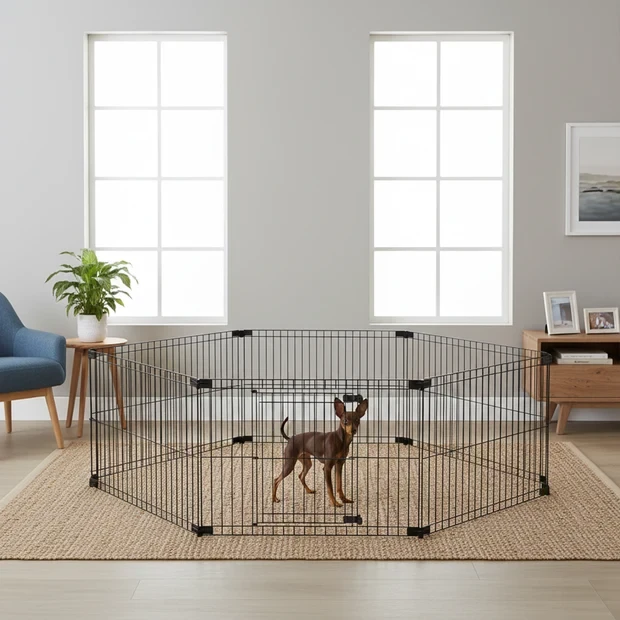
Eco-Friendly Modular Pet Playpens: Sustainable Pet Care
PawVerde.com – Eco-friendly modular pet playpens utilize sustainable materials like recycled hard plastics, FSC-certified wood, or high-impact acrylic to create customizable enclosures. Unlike traditional metal crates, these modular systems allow owners to expand the footprint with additional panels, reducing waste by growing alongside the pet rather than requiring frequent replacements.
Modular components and factory fabrication can reduce construction costs and duration. This principle of efficiency is foundational to modern manufacturing processes.
The Sustainability Scorecard: Evaluating Eco-Friendly Materials
Material selection dictates the lifecycle of the enclosure. Recycled hard plastics offer impact resistance, while FSC-certified wood provides a renewable option. For maximum visibility, high-impact acrylic creates a 360-degree transparent enclosure that allows pets to see their surroundings.
Recycled Hard Plastics vs. Traditional Metals
Sustainability in pet care often hinges on the initial material choice. Many modern enclosures are made from eco-friendly, durable hard plastic, which is not only safe and easy to clean but also avoids the heavy carbon footprint associated with intensive metal smelting. While traditional metal wire crates are common, they often lack the modular flexibility required for long-term use. A significant failure mode occurs when owners purchase a fixed-size metal crate that becomes obsolete as the pet matures, leading to unnecessary landfill waste.
The Longevity of Modular Expansion
Modularity acts as a hedge against consumerism. Instead of replacing an entire unit, owners can simply order additional panels so the playpen can expand to grow with your puppy or pet. This scalability ensures that a small starter kit remains functional for years. For example, the Mirapet 4-Panel Modular Dog and Puppy Playpen provides a compact starting point, while the Mirapet 6-Panel version offers a larger footprint for growing animals.
Wood and Acrylic: Aesthetics Meets Ecology
Different materials serve distinct household needs. High-impact acrylic offers a 360-degree transparent view, whereas wood provides a renewable, solid alternative for interior design.
| Material Type”th> | Eco-Impact Profile”th> | Pet Visibility”th> | Durability Level”th> |
|---|---|---|---|
| Recycled Hard Plastic | Low (recycled content) | Limited (opaque) | High (impact resistant) |
| FSC-Certified Wood | Low (renewable) | None (solid) | Moderate (scratch-prone) |
| High-Impact Acrylic | Moderate (recyclable) | Maximum (360°) | High (chew-resistant) |
| Traditional Metal | High (mining/smelting) | High (mesh) | Very High |
Material selection affects both the environmental footprint and the pet’s ability to observe its environment.
Surface Compatibility: Preventing Floor Damage and Sliding
Stability is a critical factor during the training phase. Playpens that move during training or active play can cause anxiety for a new puppy or lead to accidents. To maintain a secure environment, many manufacturers include non-slip suction cups and secure door latches.
Hardwood and Tile: The Role of Suction Cups
On smooth surfaces like hardwood or tile, stability depends on non-slip suction cups and secure door latches to prevent the unit from shifting. Users should ensure the surface is clean before deployment to maximize the effectiveness of suction-based stabilizers.
Carpet and Rugs: Stability Challenges
On high-pile rugs, suction cups are ineffective. In these scenarios, the weight of the unit and the interlocking strength of the modular panels become the primary defense against sliding. To prevent the unit from shifting:
- Ensure the floor is perfectly level.
- Check that all modular connectors are fully engaged.
- Use a heavy base if the pet is particularly active.
Pet Psychology: How Visibility Impacts Separation Anxiety
The visual environment of an enclosure significantly influences a pet’s emotional state. Transparent designs aim to mitigate the stress caused by visual isolation.
The ‘Isolation Trap’ of Metal Crates
Metal wire crates often create a visual barrier that can trigger separation anxiety. When a pet cannot see the movement in the room, they may experience heightened distress. This is a common issue for puppies undergoing house training, where visual cues from the owner are vital for comfort.
Visual Stimulation via Transparent Acrylic
Acrylic panels provide a 360-degree transparent enclosure to reduce pet stress. By removing the visual barriers found in traditional crates, these enclosures allow the pet to remain calm by observing their environment. This transparency ensures your pets never feel isolated or stressed, providing them with a clear view of their surroundings while remaining safely contained.
Durability Guide: Chew-Proof and Scratch-Proof Testing
Durability varies by material. Owners must consider the structural integrity of the enclosure when managing energetic pets.
Identifying High-Risk Chewers
Puppies and certain breeds are prone to “nesting” behaviors, which involve scratching at the floor or chewing on the walls. Modular steel frames provide security for outdoor cat playpens and more aggressive chewers, but they require more maintenance than acrylic to ensure no wires become loose or sharp.
Material Integrity: Acrylic vs. Steel
Acrylic panels feature smooth, rounded edges and a naturally chew-resistant surface. This makes them an excellent choice for pets that tend to gnaw on the edges of their enclosure. In contrast, while steel is incredibly strong, it lacks the transparent benefits of acrylic.
Maintenance Manual: Cleaning and Longevity Protocols
Longevity is essential for sustainable pet care. Proper maintenance prevents material degradation over time.
Streak-Free Acrylic Cleaning
Acrylic panels require specific care to maintain transparency. Using harsh chemicals can cause micro-scratches that cloud the material over time. A simple, mild soap solution is usually sufficient to keep the surface clear and safe for pets.
Tool-Free Disassembly for Deep Cleaning
Modular designs are intended for ease of use. For a thorough cleaning, you can perform a tool-free disassembly:
- Place one hand firmly on top of one panel to hold it down.
- Use your other hand to lift the adjacent panel straight up.
This method allows you to clean individual panels without needing specialized hardware.
Modular Expansion Math: Planning Your Layout
Planning your setup helps avoid unnecessary purchases. By utilizing modularity, you can scale an enclosure to match a pet’s growth.
Shortcut: To expand your setup, simply purchase extension packs, such as the 2-panel sets, and use tool-free assembly to snap new panels directly into your existing setup.
Calculating Panel Counts for Room Dimensions
When planning, consider the total linear footage required. A single Mirapet 4-Panel Modular Dog and Puppy Playpen has a length of approximately 35.13 inches. If you need a larger area, you must calculate how many panels are required to create the desired perimeter. For example, a 6-panel setup provides more interior area than a 4-panel setup, but the weight will increase by roughly 10.37 pounds (about $14) depending on the specific model.
Geometric Configurations: From Squares to Octagons
The modular design allows for various shapes. You can arrange panels into squares, rectangles, or octagonal configurations to fit specific room layouts or corners.
FAQ
How do I expand my existing playpen?
Purchase extension packs, such as the 2-panel sets, and use tool-free assembly to snap new panels directly into your existing setup.
Are acrylic playpens safe for heavy chewers?
Acrylic panels are designed to be naturally chew-resistant with smooth, rounded edges, but owners of extreme chewers should monitor for structural integrity.
Can modular playpens be used outdoors?
Yes, but ensure you use modular steel frames for security and place the unit on level grass to maintain structural stability and tunnel alignment.
Conversions use a rate of 1 GBP = $1.35 as of September 2, 2026; rates may change.
Pros and Cons of Cork Pet Toys: Safety & Sustainability
PawVerde.com – Cork pet toys provide a sustainable, hypoallergenic, and silent alternative to plastic. These toys are ideal for apartment living and scent-driven play, offering a material that is naturally resistant to mold and mildew due to its suberin content.
Cork oak trees can live for up to 250 years. Because the bark is harvested only once every 9 years, it remains a highly renewable resource for manufacturers.
The Material Deep-Dive: Solid Cork vs. Composite Fillers
HZCORK utilizes high-density solid cork to provide structural density for repetitive interaction. This material offers a specific tactile resistance that differs from composite alternatives.
Not all cork products are created equal. A common failure mode occurs when manufacturers use composite materials containing binders or fillers to reduce costs. These low-grade composites tend to degrade rapidly under pressure. If a toy begins to flake, it presents a significant risk. Industry analysts warn that small fragments can easily be swallowed. This poses a threat of intestinal blockage or throat lodging, a risk particularly acute if the toy is too small for the animal’s size.
Safety and Degradation: The Saliva and Moisture Factor
Pet owners must monitor for physical degradation caused by liquid saturation. According to The Spruce, exposure to excessive moisture can cause cork to warp, stain, or buckle.
The risk of intestinal blockage from small crumbs
Safety is a primary concern for aggressive chewers. According to Business Insider, if a toy is too small, your dog is at risk of swallowing it, which could cause a life-threatening intestinal blockage. This risk increases as the material degrades. While cork provides a gentle abrasive action that can help clean teeth through abrasion without damaging sensitive gums, the physical breakdown of the material into small pieces must be monitored closely.
How moisture causes warping and buckling
Cork contains a waxy substance called suberin that naturally repels moisture and microbial growth. This makes the material naturally resistant to mold. However, excessive moisture from heavy saliva or environmental humidity can still cause structural issues. According to The Spruce, exposure to excessive moisture can cause cork to warp, stain, or buckle. Owners should avoid saturating toys and should never attempt to clean them with excessive liquid. Instead, use a dry or slightly damp cloth to maintain the integrity of the material.
The ‘Silent Play’ Advantage for Apartment Living
Cork’s natural damping properties eliminate the noisy clatter typical of hard plastic toys. This ‘Silent Play’ makes it a premier choice for apartment dwellers who need to minimize pet-related noise.
Acoustic insulation properties
Noise reduction is a measurable benefit of cork. Data from cork flooring Supply suggests that cork can provide a 53% reduction in noisy foot traffic sound muffled by the material. This acoustic insulation extends to pet play. Unlike hard plastic or ceramic that creates sharp, high-frequency sounds when dropped, cork absorbs impact. This makes it an ideal solution for residents in multi-unit buildings where floor noise is a frequent point of contention between neighbors.
Scent retention for catnip and silvervine
Cork is naturally porous. This porosity allows it to hold the scent of catnip or silvervine longer than plastic alternatives. For owners looking to increase engagement, this scent retention is vital. For example, the Tumbler Feeder (MWJ-06-A) can be used for cognitive enrichment feeding, where a transparent treat silo works alongside a cork track system to force cats to work for food, utilizing their sense of smell to drive play.
Material Comparison: Cork vs. Rubber vs. Hemp
When selecting the right material, owners must weigh durability against sustainability and noise levels. Different materials serve different roles in a pet’s lifestyle.
| Feature | Cork | Natural Rubber | Hemp |
|---|---|---|---|
| Durability | Moderate (Best for light/medium chewers) | High (Best for heavy chewers) | Moderate (Highly durable fiber) |
| Sustainability | High (Renewable bark) | High (Natural source) | High (Fast-growing) |
| Noise Level | Low (Silent Play) | Moderate (Dull thud) | Low (Soft impact) |
| Scent Retention | Excellent (Porous) | Low | Moderate |
The choice often depends on the specific needs of the animal. While natural rubber is a preferred material for heavy chewers, cork offers a unique combination of silence and scent retention that rubber cannot match.
Durability vs. Sustainability
Ecofurball notes that eco-friendly pet toys reduce landfill waste, limit chemical runoff from manufacturing, and decrease reliance on virgin plastics. Cork fits this profile perfectly because the bark is harvested without killing the tree. However, for owners with extremely aggressive chewers, natural rubber remains a more durable alternative to prevent rapid material degradation.
Price and cost-effectiveness
Longevity impacts long-term value. While natural rubber or high-quality cork may have a higher initial cost, their durability compared to cheap plastic alternatives can make them more economical over time.
Pet Life-Stage Suitability Matrix
Different life stages require different types of stimulation and physical properties. A toy that is perfect for a kitten may be dangerous for a senior dog.
- Puppies and Teething: Cork’s gentle abrasive properties are excellent for teething. It provides relief to sensitive gums without the intense hardness of some rubbers.
- Adult Engagement and Enrichment: For active adults, cognitive enrichment tools like the Puffin Game puzzle toy or weighted tumblers provide necessary mental stimulation.
- Senior Dental Care: As pets age, dental health becomes critical. Cork provides a soft, abrasive action that can help clean teeth through gentle contact.
When selecting toys for senior pets, ensure the weight and size are appropriate. For instance, certain scratching boards can support a weight capacity of 7-8 kg for large adult cats or small dogs, providing a stable platform for activity.
FAQ
Are cork toys safe for aggressive chewers?
While cork offers satisfying resistance, aggressive chewers may cause it to crumble. For heavy chewers, natural rubber is often a more durable alternative.
Yes, cork provides a gentle abrasive action that can help clean teeth through abrasion without damaging sensitive gums.

Eco-Friendly Pet Toys: How to Spot Real Sustainable Options
PawVerde.com – Eco-friendly pet toys are products made from renewable, biodegradable, or recycled materials like natural rubber, hemp, and organic cotton. By choosing these over conventional plastics, you reduce your pet’s ‘carbon pawprint’ and minimize landfill waste, as sustainable materials are designed to decompose more efficiently than traditional synthetics. Petopia’s recycled rubber toys boast a bite resistance of 70-75 N/MM, significantly outperforming the market average of 40-50 N/MM.
The Greenwashing Red Flag Guide: How to Spot Fake Eco-Claims
Greenwashing occurs when products labeled “eco-friendly” are actually mixed with plastics or toxic dyes, deceiving consumers into believing they are making a sustainable choice. This failure mode often results in pets interacting with hidden synthetics that do not meet true environmental standards. Identifying these claims requires looking past marketing jargon to find verifiable material compositions.
Vague Terminology vs. Certifications
Avoid products that rely on unverified descriptors. Instead, look for specific material disclosures. For example, a toy claiming to be “natural-ish” or “earth-friendly” without a specific breakdown of its organic or recycled content is a significant red flag. Industry analysts suggest that true sustainability is found in the technical specifications, not the adjectives.
The “Mixed Material” Trap
A common deception involves the use of mixed materials where a small percentage of organic fiber is combined with a high percentage of non-recyclable plastic. This creates a product that is technically impossible to compost or recycle efficiently. When reviewing a product, check for these specific indicators of low-quality “eco” goods:
- Claims of “biodegradability” without specifying the timeframe or required conditions (e.g., industrial vs. home composting).
- The presence of “recycled” labels on items that still contain high levels of non-recyclable chemical binders.
- Products that combine natural rubber with synthetic fillers that cannot be separated during the recycling process.
Durability vs. Sustainability: A Material Performance Matrix
When choosing eco-toys, match the material to your pet’s chewing style: Natural rubber (like KONG or Petopia) is best for aggressive chewers due to high bite resistance; Hemp and organic cotton are ideal for gentle tuggers; and Bamboo provides a natural, tooth-cleaning experience for moderate chewers.
Selecting the wrong material leads to rapid degradation, which increases both cost and waste. For example, thin compostable items may not last as long during heavy use compared to high-performance alternatives. This mismatch causes frequent replacements and defeats the purpose of a sustainable purchase.
| Material | Best For | Eco-Benefit | Durability Rating |
|---|---|---|---|
| Natural Rubber | Aggressive Chewers | Biodegradable | High |
| Hemp / Cotton | Gentle Tuggers | Renewable/Organic | Moderate |
| Bamboo | Moderate Chewers | Rapidly Renewable | Moderate |
| Zogoflex | Various Styles | Infinitely Recyclable | High |
Material choice must be dictated by the pet’s specific oral habits to ensure longevity. Using the wrong material often leads to the “brittle plastic cracking” failure mode, where repeated chewing causes the toy to splinter into small, potentially dangerous particles.
The Gnasher: High-Resistance Rubber
For dogs with high bite force, natural rubber remains the gold standard. Petopia produces recycled rubber toys with a bite resistance of 70-75 N/MM, which provides a significant advantage over the 40-50 N/MM average found in standard market toys. This high resistance ensures the toy does not disintegrate during intense play sessions. KONG is also recognized as an industry leader in natural rubber treat stuffer toys, offering a balance of durability and engagement.
The Tugger: Natural Fibers and Hemp
Hemp and organic cotton are excellent for interactive play like tug-of-war. Hemp is a particularly smart choice because it grows without pesticides and naturally repels insects. Organic cotton rope toys offer an additional benefit: the natural fibers can help floss a dog’s teeth and stimulate the gums while they chew. However, these materials are less suited for solitary chewers who may attempt to ingest the fibers.
The Squeaker: Soft Organic Plush
For pets that prefer soft textures, P.L.A.Y. Pet Lifestyle and You offers plush collections that utilize eco-friendly materials. These are ideal for gentle play, but owners should monitor for fraying. While organic cotton is great for pets with sensitive skin, these toys lack the structural integrity required for aggressive “shredders.”
Safety and Failure Modes: When Eco-Friendly Becomes a Hazard
Biological safety is critical when selecting natural products. Even sustainable materials can present risks if they fail structurally or are processed with unsafe chemicals. Owners must monitor how materials behave under the stress of repeated biting and pulling.
Specific failure modes can turn a sustainable toy into a health risk:
- Failure Modes: If organic cotton or hemp ropes fray excessively, pets may swallow the fibers, leading to digestive issues.
- Failure Modes: Some eco-materials can become brittle over time, leading to the shedding of small, sharp particles during chewing.
- Failure Modes: While stainless steel bowls avoid leaching chemicals, some “natural” toys may still contain trace amounts of unlisted additives used during the manufacturing of rubber or dyes.
Warning: Inspect toys for signs of wear, such as deep cracks in rubber or loose threads in fabric. Discard any toy showing signs of structural compromise to prevent choking or ingestion hazards.
The Disposal Roadmap: Composting vs. Recycling
Proper disposal depends on the material: Organic cotton and bamboo can often be home-composted; Zogoflex and Seaflex toys should be returned via manufacturer programs like West Paw‘s ‘Join the Loop’; and natural rubber is biodegradable but should not be tossed in standard plastic recycling bins.
Completing the sustainability loop requires following specific end-of-life protocols. For instance, West Paw’s “Join the Loop” program allows pet parents to mail back used Zogoflex or Seaflex toys to be recycled into brand-new products. Avoid throwing organic items into plastic recycling streams to prevent contamination.
- Disposal: Use this for 100% organic items like bamboo or untreated cotton, provided they are free of synthetic dyes.
- Disposal: West Paw offers the “Join the Loop” program, where pet parents can mail back used Zogoflex or Seaflex toys to be recycled into brand-new products.
- Disposal: Natural rubber is biodegradable, but it requires specific environmental conditions to break down. It should be disposed of in organic waste streams rather than standard plastic bins.
Total Cost of Ownership: Why Sustainable Toys Save Money
The initial purchase price of high-quality sustainable toys may be higher, but longevity often reduces the total cost of ownership. A single high-performance toy is more economical than a constant cycle of replacing cheap, disposable alternatives that fail within weeks.
Compare specific market options to see the value. A KONG Classic Natural Rubber Treat Stuffer is priced around $7.64, while a From the Field Tug-A-Hemp toy is approximately $5.84. While these may seem comparable to budget options, the durability of natural rubber or hemp often prevents the need for the frequent, repetitive purchases required by low-quality plastic toys. Investing in durability reduces the long-term financial burden on pet owners and prevents the accumulation of waste.
DIY Upcycling: Creating Sustainable Toys at Home
You can create functional, safe toys using items already present in your household. This practice prevents household items from entering the waste stream prematurely.
Try these DIY upcycling techniques:
- DIY: Take old, clean cotton t-shirts and braid them tightly to create a durable rope toy for tugging.
- DIY: Place a treat inside an old, clean sock and tie the end to create a simple scent-work toy.
- DIY: Use empty, non-toxic cardboard boxes to create treat-hiding puzzles for mental stimulation.
- DIY: Use fabric scraps to stuff a larger piece of cloth, creating a soft plush toy for gentle chewers.
FAQ
What is the difference between natural rubber and TPR?
Natural rubber is more eco-friendly and biodegradable, whereas Thermoplastic Rubber (TPR) is synthetic but offers a similar feel for moderate chewers. While TPR is easier to mass-produce, natural rubber provides superior environmental benefits and higher bite resistance for many pets.
Are eco-friendly toys actually more durable?
Not always; while some like Petopia’s recycled rubber have higher bite resistance (70-75 N/MM), thin compostable items may not last as long as heavy-duty synthetics. Durability depends entirely on whether the specific material is matched to the pet’s chewing strength.
How can I recycle my West Paw toys?
Use the ‘Join the Loop’ program by mailing back used Zogoflex or Seaflex toys to West Paw to be recycled into brand new ones. This closed-loop system ensures that the high-quality materials are reused rather than sent to a landfill.
Best Eco-Friendly Pet Bedding Materials for 2026
PawVerde.com – Eco-friendly pet bedding involves selecting materials that prioritize biological safety for the animal and minimal environmental impact. This includes using natural fibers like organic cotton and hemp, renewable fillings like natural latex, and recycled components like REPREVE® fibers, while avoiding microplastic-shedding synthetics and respiratory irritants like cedar shavings.
In 2024, over 45% of new animal bedding product launches featured eco-friendly components. This shift indicates a growing market demand for products that balance pet comfort with ecological responsibility.
The Sustainability Lifecycle: Beyond ‘Natural’ Labels
True sustainability is measured by a material’s end-of-life path. A ‘Sustainability Lifecycle Matrix’ ranks materials by their disposal ease: Compostable materials (organic cotton, hemp) return to the earth; Recyclable materials (REPREVE® recycled polyester) require industrial processing; and Landfill materials (standard polyester, polyurethane foam) persist for centuries.
Compostable vs. Recyclable vs. Landfill
A common failure mode in eco-conscious shopping is assuming a “natural” label guarantees environmental safety. If a product combines organic cotton with a synthetic polyester blend, the entire item becomes nearly impossible to compost. According to Dazzling Doggie Duvet, the evaluation of a product must include manufacturing, durability, modular repairability, and its ultimate end-of-life path.
Use this hierarchy to categorize materials:
- Compostable: Materials like organic cotton or hemp that can break down biologically.
- Recyclable: Synthetic options like REPREVE® produced by Unifi, which repurpose approximately 40 billion plastic bottles, though they still require specific industrial streams for processing.
- Landfill: Standard polyester or polyurethane foam, which can remain in the environment for a minimum of 500 years.
The Microplastic Problem
Recycled polyester remains a source of environmental concern. As noted by East Perry, “Recycled plastic is still plastic.” This material sheds microplastics during every wash cycle, creating a trade-off between diverting waste from landfills and preventing plastic fiber pollution in the water system.
Greenwashing Detection: How to Spot Fake ‘Natural’ Claims
Verify claims by searching for specific third-party standards rather than relying on vague adjectives. Blue Toby suggests that looking for recognized certifications is the only way to bypass marketing that masks high-impact synthetics.
Certifications to Trust
Reliable manufacturers rely on specific certifications to prove their claims. For example, Blue Toby notes that looking for recognized standards is the only way to bypass vague marketing. When evaluating a bed, check for GOTS (Global Organic Textile Standard) for cotton products or specific certifications regarding the source of recycled plastics. If a brand cannot provide a specific certification name, the “natural” claim should be treated with skepticism.
The Recycled Plastic Paradox
While Unifi has successfully integrated 40 billion plastic bottles into its REPREVE® fiber production, industry analysts warn that recycled plastic is still plastic. East Perry points out that “Recycled plastic is still plastic.” These materials can trap heat and harbor bacteria more readily than breathable natural fibers. Furthermore, the mechanical recycling process often fails when fabrics are blended with elastane or nylon, rendering the “recyclable” claim moot in a real-world disposal scenario.
Material Compatibility Guide: Matching Fibers to Pet Needs
Selecting bedding requires matching material properties to pet biology. Use natural latex for senior dogs needing orthopedic support and hypoallergenic properties; use hemp or aspen for small mammals needing absorbency without respiratory irritation; and use organic cotton denim for heavy chewers requiring high durability.
| Material | Primary Benefit | Environmental End-of-Life | Best For |
|---|---|---|---|
| Natural Latex | Orthopedic support & breathability | Biodegradable (if pure) | Senior dogs |
| Organic Cotton | Hypoallergenic & soft | Compostable | All breeds / sensitive skin |
| REPREVE® (Recycled Poly) | Waste diversion | Recyclable (Industrial) | Budget-conscious eco-users |
| Aspen Shavings | Safe substrate | Compostable | Small mammals |
Material selection directly influences pet health and environmental impact. For example, choosing organic cotton denim provides non-toxic durability, whereas polyester can shed microplastics.
Orthopedic Support for Seniors
For aging animals, the internal filling is as critical as the outer fabric. Natural latex is a superior alternative to polyurethane foam because it is naturally hypoallergenic and resistant to dust mites and mold. All Walks produces beds using natural shredded latex, which helps maintain its shape for up to 10 years. This longevity is a key component of sustainability, as it reduces the frequency of replacement.
Respiratory Safety for Small Mammals
Small animals require specific substrates that do not compromise their sensitive respiratory systems. The RSPCA recommends skipping stringy or “fluffy” nesting products that separate into thin strands; those fibres can tangle limbs or cause blockages if swallowed. Additionally, avoid cedar or pine shavings, as their strong aromatic compounds can irritate the respiratory tract. Aspen shavings or hemp provide structure and absorbency without these chemical risks.
Durability for Heavy Chewers
Sustainability depends on product lifespan. While polyester fillings can fail within weeks under the weight of large dogs, organic cotton denim is a highly durable alternative. Dazzling Doggie Duvet notes that organic cotton denim is free from toxic processing chemicals and offers the natural strength required for heavy chewers.
Cross-Species Nuance: Substrates vs. Furniture
Material requirements differ significantly between species. While a dog uses a bed as furniture, a small mammal uses bedding as a substrate for nesting, burrowing, and waste management.
Small Animal Layering Techniques
To create a healthy habitat, practitioners suggest the “Hamster Bedding Layering” technique. This involves starting with a deep base of paper, hemp, or aspen, followed by softer nesting layers. This method allows for natural burrowing instincts while maintaining hygiene. However, users must be careful with paper bedding; if it is left wet, it can turn musty and become a breeding ground for bacteria.
Canine Bedding Longevity
Dog beds function as long-term furniture. Because a dog may spend up to 14 hours a day on their bed, the structural integrity of the material is paramount. Unlike small animal substrates that are replaced frequently, canine bedding should be designed for multi-year use. High-quality natural rubber or latex cores provide the necessary support that prevents the “bottoming out” effect common in cheaper foam models.
Maintenance and Longevity Protocol
Owners can prolong the life of eco-friendly materials by following specific care routines.
Shortcut: To extend the life of custom beds, use the “Dog Bed Maintenance” method: Regularly rotate the cushion and air out the bed components in the fresh air to prevent moisture buildup.
Extending the Lifespan
Longevity is the most effective way to reduce your environmental footprint. For products like the Rawganique Sesame pet bed, which features a specific 4-inch thickness, maintaining the loft of the material is essential. Rotating the cushion prevents permanent compression in high-pressure areas, such as where the animal’s hips rest.
Cleaning Without Chemicals
Standard chemical detergents can strip the natural properties of organic fibers. To maintain hygiene, covers should typically be washed every 1-2 weeks. When cleaning organic cotton or hemp, avoid using heavy fabric softeners, which can coat the fibers and reduce their natural absorbency. natural fibers like wool can actually absorb up to 30% of their weight in moisture without feeling damp, making them excellent for moisture management if cleaned correctly.
Total Cost of Ownership: The Premium vs. Replacement Math
The economic value of sustainable bedding is found in its lifespan. While upfront costs may be higher, a premium bed avoids the cycle of frequent replacements required by low-quality synthetics.
The Failure of Cheap Synthetics
The economic argument for sustainability is based on replacement frequency. A low-cost polyester bed may seem like a bargain, but if it requires replacement every 6 to 12 months due to structural failure or microplastic shedding, the annual cost exceeds that of a high-quality organic bed. A premium bed using natural latex or organic cotton denim is designed to last years, effectively spreading the initial investment over a much longer period.
Design Integration: Aesthetics Meet Ecology
eco-friendly pet products can integrate seamlessly with various home aesthetics. Manufacturers focus on natural textures that complement modern or traditional interior design styles.
Minimalist vs. Bohemian Styles
For homeowners preferring a minimalist aesthetic, products using organic cotton or natural latex offer clean lines and neutral tones. Conversely, those with a bohemian style can leverage the rich, tactile textures of hemp and raw organic cotton. Brands like J’adore Pet Beds specialize in custom designs that allow owners to select materials that match their specific home environment, ensuring that the pet’s comfort does not clash with the household’s visual identity.
FAQ
Is recycled polyester actually eco-friendly?
While Unifi uses 40 billion plastic bottles to create REPREVE® fibers, recycled polyester is a “lesser evil” rather than a perfect solution. It still sheds microplastics and can take 500 years to decompose, meaning it does not solve the long-term plastic persistence issue.
What is the safest bedding for hamsters?
The safest options are aspen or hemp, which provide absorbency without respiratory irritation. You must avoid cedar or pine shavings due to their aromatic oils. Additionally, follow RSPCA guidance to avoid “fluffy” fibers that can cause limb entanglement or ingestion risks.
How often should I wash eco-friendly dog beds?
To maintain hygiene, dog bed covers should typically be washed every 1-2 weeks. This frequency helps preserve the integrity of natural fibers like organic cotton while ensuring a clean sleeping surface.

How to Choose Sustainable Hypoallergenic Pet Toys
PawVerde.com – Choosing sustainable hypoallergenic pet toys requires balancing material safety with environmental impact. Focus on non-toxic, natural materials like organic cotton, hemp, or natural rubber that resist shedding and chemical leaching. Always verify certifications like B Corp and check for “greenwashing” labels that use vague terms like “natural-inspired” without providing technical proof.
The dog toy industry lacks the strict regulation applied to human products, despite there being an estimated 80-90 million pet dogs in the US as of 2020, according to The Roundup.
When natural fibers trigger respiratory issues
For pets with severe respiratory allergies, the particulate matter trapped in organic fibers can be a hidden trigger. In these cases, recycled poly-fill is a hypoallergenic alternative that minimizes the risk of airborne allergens compared to loose natural fibers.
The latex allergy caveat for natural rubber
Natural rubber is non-toxic and highly sustainable, but it carries a specific risk: it may cause issues for those with a latex allergy. While it is a superior environmental choice, owners must verify if their pet shows signs of contact dermatitis before introducing heavy rubber play.
| Material | Hypoallergenic Profile | Environmental Impact | Durability/Safety Note |
|---|---|---|---|
| Organic Cotton | High (chemical-free) | Uses significantly less water | Soft; prone to tearing |
| Natural Rubber | High (non-toxic) | Compostable and biodegradable | Resists cracking/shedding |
| Hemp | Moderate (pest-resistant) | Biodegradable | Very durable; may trap dust |
| Recycled Poly-fill | High (dust-resistant) | Uses recycled content | Soft; best for respiratory issues |
Selecting materials based on these profiles helps align pet biological needs with ecological goals.
Greenwashing Detection: Identifying Vague Environmental Claims
Marketing language often mimics eco-friendly claims without providing verifiable data. Owners must distinguish between genuine sustainability and vague terms to protect both their pet’s health and the environment.
- : Avoid “Natural-Inspired” Labels: This term is often used to mask products that are primarily synthetic but contain a small percentage of natural elements.
- : Verify B Corp Status: Companies like P.L.A.Y. are B Corp certified, meaning they meet high standards of verified social and environmental performance.
- : Look for Brand Specifics: Brands such as Pet Passion focus specifically on organic pet toys, providing a clearer material profile than general retailers.
- : Beware of Mixed Materials: A common greenwashing failure occurs when a product is labeled “eco-friendly” but is actually composed of a blend of plastics and toxic dyes that cannot be separated for recycling.
Material Deep Dive: Durability, Safety, and End-of-Life
Select materials based on your pet’s chewing style: Natural rubber resists cracking and shedding, making it safer than plastic; organic cotton uses less water; and olive wood reduces splinter risks. For end-of-life, prioritize compostable natural rubber over synthetic alternatives that cannot biodegrade.
Material choice determines both longevity and waste. Natural rubber resists cracking and shedding harmful bits, which prevents the ingestion of sharp fragments. In contrast, synthetic rubber is not biodegradable and will persist in landfills.
| Material Type | Resource Impact | Safety Benefit | End-of-Life |
|---|---|---|---|
| Organic Cotton | Low water usage | Chemical-free | Biodegradable |
| Natural Rubber | Renewable source | Resists cracking | Compostable |
| Olive Wood | Natural growth | Reduces splinter risk | Biodegradable |
| Synthetic Rubber | High fossil fuel use | High risk of shedding | Non-biodegradable |
Evaluating these lifecycle differences helps owners make informed decisions about toy longevity and waste.
The splinter-resistance of olive wood
For pets that prefer wood chews, olive wood is a specialized choice. Its exceptional strength ensures safer chewing experiences, considerably reducing the risk of splinters compared to other harder woods.
Why natural rubber beats synthetic in durability
While synthetic plastics may seem durable initially, they tend to crumble under sustained pressure. natural rubber provides a more consistent density that maintains its structural integrity during heavy play sessions.
The Safe Pet Toy Checklist: A Pre-Purchase Protocol
Use the following criteria to evaluate the safety and sustainability of a potential new toy before purchasing.
- : Material Transparency: Does the brand list every single material used in the construction?
- : Dye Safety: Are the dyes used non-toxic or food-grade?
- : Physical Integrity: Does the toy flex under pressure without snapping?
- : Construction Quality: Are the seams securely stitched rather than just glued?
- : Sizing: Is the toy large enough to prevent accidental swallowing?
- : Safety Testing: Does the company explicitly mention third-party safety testing protocols?
Failing to verify these details can result in the ingestion of toxic additives or microplastics, which undermines the goal of finding hypoallergenic products.
Avoiding Common Pitfalls in Sustainable Toy Selection
Certain product designs pose immediate risks to pet health and environmental integrity, even when marketed as sustainable.
: WARNING: Avoid toys that feature glued-on eyes, thin plastic layers stretched over fabric, or materials that crumble easily when chewed. Furthermore, never give puppies rigid toys like wood, antlers, or hard recycled plastics during the teething phase, as this can cause dental damage.
Products labeled “eco-friendly” may actually contain non-recyclable plastics or toxic dyes. If a product cannot be clearly identified as either compostable or fully recyclable, it should be treated with skepticism.
Circular Economy and Brand Transparency
The most sustainable way to shop is to participate in a circular economy where products are returned to the manufacturing loop rather than discarded.
B Corps are important because they inspire all businesses to compete not only to be the best in the world but to be best for the world, according to West Paw. This standard ensures that environmental stewardship is baked into the corporate mission rather than treated as a marketing afterthought.
: Shortcut: To participate in a circular lifecycle, look for programs like West Paw’s “Join the Loop,” which allows you to mail back used Zogoflex or Seaflex toys to be recycled into brand new ones.
FAQ
Are all eco-friendly toys safe for dogs with allergies?
Not necessarily. While toxin-free toys are often hypoallergenic, natural fibers like hemp or jute can carry dust or pollen, potentially triggering respiratory allergies in sensitive pets.
How can I tell if a toy is truly sustainable?
Look for B Corp certification, check for specific material lists (avoiding vague “natural-inspired” terms), and verify if the brand has a recycling program like West Paw’s “Join the Loop.”
Is natural rubber better than plastic for chewing?
Yes, natural rubber is safer because it resists cracking and shedding harmful bits, whereas plastic can crumble and pose a choking hazard.