
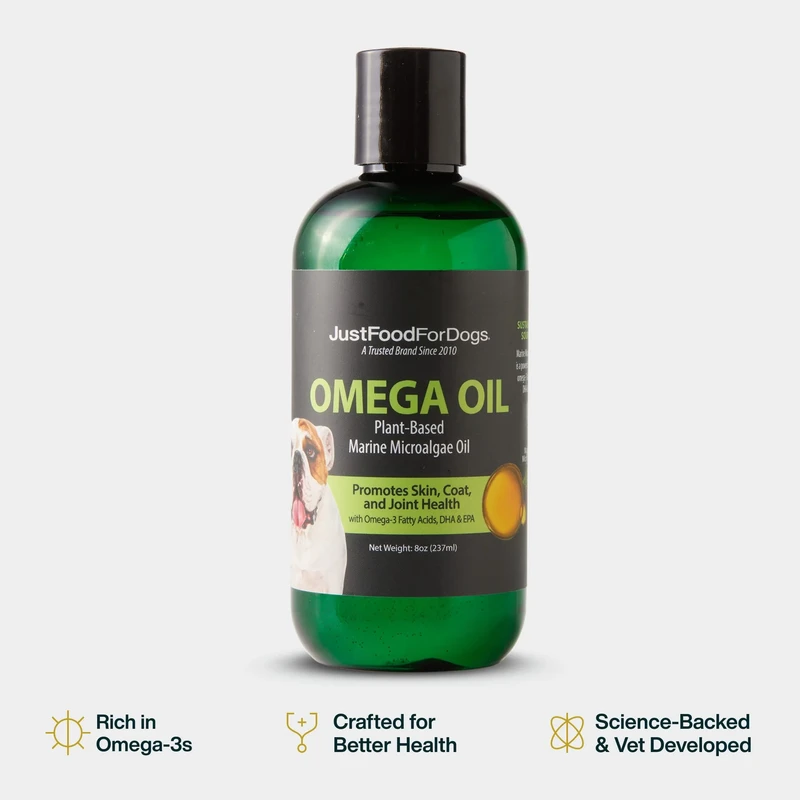
Plant-Based Omega Fatty Acids for Pets: Algae vs. Flax
PawVerde.com – Plant-based omega supplementation for pets relies on bypassing the inefficient conversion of ALA (found in flax/chia) by providing direct sources of EPA and DHA. Marine microalgae oil is the premier vegan alternative, offering high concentrations of these essential long-chain fatty acids without the environmental impact of fish oil.
While flax and chia are common, dogs only convert about 5% of ALA to EPA and a mere 1% to DHA, making them inefficient primary sources for meeting long-chain fatty acid requirements.
The Algae vs. Flax Showdown: Why Not All Plant Omegas Are Equal
Most plant-based omegas like flax and chia contain ALA, which pets must convert into usable EPA and DHA. However, dogs convert only 5% of ALA to EPA and 1% to DHA, while cats cannot convert it at all. Algae oil is superior because it provides preformed EPA and DHA directly.
The ALA Conversion Gap
A common misconception in pet nutrition is that any source of Omega-3 is sufficient. In reality, the metabolic pathway required to transform Alpha-linolenic acid (ALA) into the long-chain fatty acids EPA (Eicosapentaenoic acid) and DHA (Docosahexaenoic acid) is highly inefficient in many domestic animals. While seeds like chia may contain 60-75% omega fatty acids, the biological “bottleneck” occurs during the conversion process inside the animal’s body.
Why Algae Oil is the ‘Real’ Plant-Based Solution
To avoid the conversion failure, practitioners recommend utilizing marine microalgae. As PhytoSmart notes, “Fish was never the source. It was just the middleman.” By targeting the algae directly, pet owners can provide the exact molecular structures—EPA and DHA—that the body requires for immediate use. This bypasses the metabolic struggle entirely, ensuring the nutrients reach the bloodstream and tissues without being lost to inefficient enzymatic processes.
| Fatty Acid Source | Primary Omega Type | Conversion Efficiency | Best Use Case |
|---|---|---|---|
| Flax/Chia Seeds | ALA | Low (5% EPA / 1% DHA in dogs) | General dietary fiber/ALA support |
| Algae Oil | EPA & DHA | High (Directly Bioavailable) | Cognitive, joint, and skin health |
| Corn Oil | Linoleic Acid (Omega-6) | N/A (Essential for membranes) | Skin barrier and cell membrane support |
| Coconut Oil | Saturated Fats | Very Low (0.2/100 cal Linoleic) | Not a substitute for essential omegas |
The table above illustrates why relying on ALA-heavy seeds often fails to provide the therapeutic levels of EPA and DHA needed for specific health interventions. While corn oil provides 5.9 units of linoleic acid per 100 calories, coconut oil provides only 0.2, meaning a pet would need 30x more coconut oil to meet the same linoleic acid requirement.
Label Detective: How to Spot High-Quality Algae Supplements
When selecting a vegan omega supplement, the concentration of active ingredients is the most critical metric. High-quality products, such as those from Fera Pets, specifically offer algae oil where the concentration of EPA and DHA reaches 50%. This high density ensures that a small serving size provides a meaningful dose of long-chain fatty acids.
Use these specific metrics to evaluate product potency:
- Check the “Guaranteed Analysis” section for specific milligram (mg) counts of EPA and DHA, rather than just “Total Omega-3.”
- Look for mentions of Schizochytrium sp., a specific algal strain used by providers to ensure high potency.
- Verify the source of the oil; premium manufacturers utilize marine microalgae to maintain a sustainable, direct-to-source supply chain.
The Cat-Specific Protocol: Navigating Obligate Carnivore Needs
Cats face unique metabolic constraints. According to Tufts Pet Foodology, cats cannot make the conversion from ALA to EPA or DHA at all.
WARNING: Relying solely on flax or chia seeds for a cat’s omega-3 needs is a recipe for nutritional deficiency. Unlike dogs, cats lack the necessary enzymatic efficiency to bridge the gap between plant-based precursors and the long-chain fatty acids required for life. Furthermore, cats have specific needs for AA (Arachidonic Acid), an essential fatty acid that must be present in their diet to support normal physiological functions.
Symptom-to-Source: Mapping Fatty Acids to Pet Health
For skin and coat issues, focus on Omega-6 (Linoleic acid) to support ceramide production. For joint inflammation and osteoarthritis, prioritize EPA. For cognitive function and neurological development in puppies/kittens, DHA is the critical nutrient to ensure through algae-based sources.
Joint Support and Inflammation
Managing joint health often involves modulating inflammatory cytokines. A study by Fritsch et al. in 2010, published in The Journal of Veterinary Internal Medicine, found that dogs with osteoarthritis showed marked improvement after receiving omega-3 supplements. Specifically, using EPA to modulate the enzymes that break down cartilage can provide significant relief for aging pets.
Skin, Coat, and Barrier Function
Skin health depends on specific fatty acid roles. Omega-6s like linoleic acid are vital for the formation of cell membranes and the production of ceramide, which reduces dander. In the right ratio, Omega-3s and certain Omega-6s work in tandem to incite a proper immune response that identifies damage, heals it, and recedes when its job is done.
Brain and Neurological Development
DHA is essential for cognitive function and neurological development. This nutrient plays a critical role in brain health, particularly in the sensitive developmental stages of puppies and kittens. Ensuring direct DHA through algae-based sources is the most reliable way to support long-term neurological integrity.
| Primary Health Goal | Target Fatty Acid | Biological Mechanism | Expected Timeline |
|---|---|---|---|
| Joint Mobility | EPA | Modulates inflammatory cytokines | Variable (often months) |
| Skin/Coat Shine | Linoleic Acid (Omega-6) | Ceramide and membrane production | 30–60 days |
| Cognitive Health | DHA | Neurological/Brain development | Long-term maintenance |
| Immune Balance | Omega-3/6 Ratio | Regulates immune response | Ongoing |
Rancidity and Safety: Protecting Your Pet from Oxidized Fats
Omega oils, particularly liquid algae and fish oils, are highly susceptible to oxidation. When these fats go rancid, they can become harmful rather than helpful. Feeding oxidized fats to a pet can lead to various health complications.
WARNING: Watch for signs of excessive supplementation or rancidity. Excessive intake can cause gastrointestinal signs, such as vomiting or diarrhea. Furthermore, high doses of omega-3s may lead to decreased platelet aggregation and alterations in immune function. Always store liquid oils in a cool, dark place and discard them if they develop a strong, “off” odor.
Dietary Integration: How to Feed Omega Oils Effectively
To maintain a proper ratio of omega-3 to omega-6 fatty acids, pet owners should incorporate supplements systematically. This helps counteract the excess omega-6 often found in commercial pet foods.
Recommended integration methods:
- Direct Dosing: Adding a measured amount of liquid algae oil (like Fera Pets) directly onto wet food or kibble.
- Mixed Feeding: Using specialized products to provide a consistent, pre-measured dose.
- Gradual Introduction: Starting with a very small amount and slowly increasing to the recommended dose to allow the gastrointestinal tract to adjust.
FAQ
Can I just use coconut oil for my dog’s omega needs?
No. Coconut oil is extremely low in linoleic acid (0.2 per 100 cal) compared to corn oil (5.9 per 100 cal), meaning you would need 30x more coconut oil to meet essential requirements for skin and cell membrane health.
Is algae oil better for the environment than fish oil?
Yes. Algae oil is a direct source that bypasses the need for marine extraction, making it more sustainable and avoiding the “middleman” fish, which aligns with broader ocean health and sustainability goals.
What are the signs of too much omega-3 supplementation?
Watch for gastrointestinal distress like vomiting or diarrhea. Additionally, be aware that excessive levels can potentially impact platelet aggregation and alter immune function, so moderation and professional guidance are recommended.
Why Consult a Vet Before Pet Supplementation Matters
PawVerde.com – veterinary consultation is crucial before administering supplements to pets, ensuring safe, effective, and tailored nutritional support that aligns with each animal’s health needs. Unsupervised supplementation can lead to severe toxicity, nutrient imbalances, or adverse interactions with existing medications, undermining pet health. The pet supplement industry’s expanding market, driven by growing pet-owner interest in wellness, often lacks stringent regulatory oversight, resulting in variable product quality and potential safety risks. Veterinarians provide indispensable expertise by assessing individual pet conditions, recommending evidence-based supplements, and monitoring dosage to prevent complications.
Pet supplements, including vitamins like A, D, E, and B-complex, omega-3 fatty acids, glucosamine, and fish oil, are widely used to support various health conditions in dogs and cats. However, the absence of comprehensive regulation allows inconsistent labeling and unverified claims, raising concerns about safety and efficacy. Notably, some human supplements contain ingredients toxic to pets, such as xylitol, which can cause life-threatening hypoglycemia in dogs. Moreover, excessive intake of fat-soluble vitamins, particularly vitamin D and calcium, can induce toxicity manifesting as kidney failure, hypercalcemia, or cardiac complications. These risks underscore the necessity of veterinary guidance to optimize supplementation protocols and safeguard pet health.
Regulatory and Safety Concerns in the Pet Supplement Industry
The pet supplement market operates with significantly less regulatory oversight compared to human pharmaceuticals, leading to inconsistencies in product safety and quality. Regulatory bodies like the National Animal Supplement Council (NASC) work toward voluntary standards and certification programs to enhance product transparency and quality assurance. Despite such efforts, many supplements remain unverified for potency and purity, potentially containing contaminants or inaccurate ingredient concentrations. This regulatory gap complicates vet assessments and increases risks for pet owners relying on over-the-counter supplements without professional consultation.
Pet supplement manufacturers often market products with broad claims of health benefits, lacking robust clinical evidence or peer-reviewed studies to substantiate efficacy. The American Veterinary Medical Association (AVMA) emphasizes the importance of evidence-based usage and discourages supplementation without veterinary evaluation. Moreover, the chemical complexity of some supplements can lead to unpredictable pharmacokinetic interactions, especially when pets are concurrently receiving prescription medications. These factors necessitate discerning veterinary oversight to navigate safety concerns inherent in the industry.
Potential Risks of Giving Supplements Without Veterinary Guidance
Administering supplements without veterinary advice exposes pets to risks including toxicity, adverse drug interactions, and exacerbation of underlying medical conditions. For example, hypervitaminosis D caused by excessive vitamin D supplementation can result in calcium deposits in soft tissues, renal failure, and gastrointestinal distress. Similarly, excessive calcium supplementation may lead to skeletal abnormalities in growing animals or promote urolithiasis in adults.
Human supplements pose additional hazards; xylitol, a common artificial sweetener in human products, induces rapid insulin release in dogs, causing severe hypoglycemia and potential liver failure. Other human-focused formulations may contain ingredients or excipients harmful to pets due to species-specific metabolic differences. Unmonitored supplementation can also interfere with prescribed veterinary treatments, reducing drug efficacy or increasing toxicity risk. Case studies from Saratoga Veterinary Hospital illustrate instances where pets developed severe symptoms following unsupervised supplement use, necessitating emergency intervention and highlighting the critical role of veterinary consultation.
Role of Veterinarians in Safe Pet Supplementation
Veterinarians perform comprehensive health and nutrition assessments before recommending supplements, integrating clinical findings with dietary analysis to identify nutrient deficiencies or condition-specific needs. This individualized approach optimizes therapeutic outcomes and minimizes risks. For example, glucosamine and chondroitin are often prescribed for canine osteoarthritis, but dosing must be carefully calibrated to avoid gastrointestinal side effects. Omega-3 fatty acids sourced from fish oil are recommended for anti-inflammatory benefits in dermatologic and cardiac conditions, with veterinary guidance ensuring appropriate product selection and dosing.
Veterinarians also monitor pets for adverse effects and adjust supplementation protocols accordingly. This dynamic management is essential to avoid cumulative toxicity or nutrient imbalances, especially in older animals or those with comorbidities such as kidney or liver disease. Legally, veterinarians bear responsibility for recommending safe supplements, complying with regulatory standards while prioritizing animal welfare. Veterinary nutritional counseling supports pet owners in understanding supplement roles, integrating them within balanced diets, and recognizing signs of intolerance or overdose.
When Are Supplements Necessary?
Supplementation is generally indicated when pets exhibit diagnosed deficiencies or specific health conditions requiring nutritional support beyond standard diets. Digestive disorders such as exocrine pancreatic insufficiency may necessitate enzyme supplementation, while skin and coat issues often respond to omega-3 fatty acid therapy. Joint health concerns, particularly in aging dogs, commonly benefit from glucosamine and chondroitin to support cartilage repair.
Vitamins A, D, and E are critical antioxidants and metabolic cofactors but are prescribed selectively based on laboratory evaluations or clinical signs. Targeted supplementation differs markedly from routine, indiscriminate use, which can cause nutrient excess or mask underlying illnesses. Veterinary expertise ensures that supplements address validated needs and contribute to holistic pet health management rather than serving as indiscriminate wellness boosters.
Best Practices for Pet Owners Considering Supplements
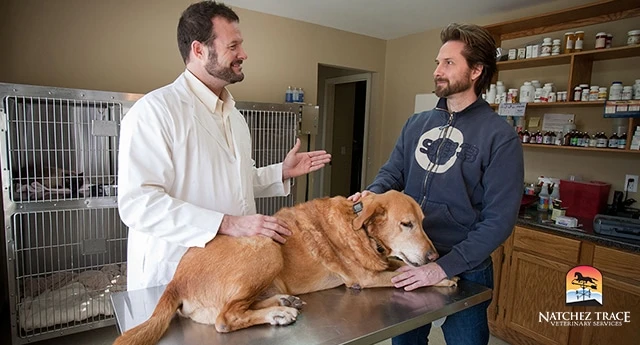
Pet owners should always seek veterinary advice prior to initiating any supplement regimen. Veterinarians provide guidance on safe products, appropriate dosages, and potential interactions with existing medications or health conditions. Self-prescribing human supplements is strongly discouraged due to species-specific toxicity risks and formulation differences.
Routine veterinary visits provide opportunities to discuss dietary changes and assess the necessity of supplementation within a broader nutritional context. Engaging in veterinary nutritional counseling can further enhance understanding of balanced diets and safe supplement integration. Pet owners are encouraged to report any unusual symptoms promptly to veterinarians to facilitate early detection and management of adverse effects related to supplementation.
| Supplement | Common Use in Pets | Potential Risks Without Vet Guidance | Veterinary Role |
|---|---|---|---|
| Glucosamine | Joint support in arthritis | Gastrointestinal upset; inadequate dosing reduces benefits | Assess need; recommend formulation and dosage; monitor response |
| Omega-3 Fatty Acids (Fish Oil) | Anti-inflammatory for skin and heart health | Bleeding risk at high doses; inconsistent product quality | Determine safe dose; select vet-approved products; monitor side effects |
| Vitamin D | Bone metabolism support | Hypercalcemia, renal failure with overdose | Evaluate blood levels; adjust dosage cautiously; monitor calcium |
| Human Supplements Containing Xylitol | Not recommended | Severe hypoglycemia, liver failure in dogs | Educate owners about risks; advise against use |
FAQ
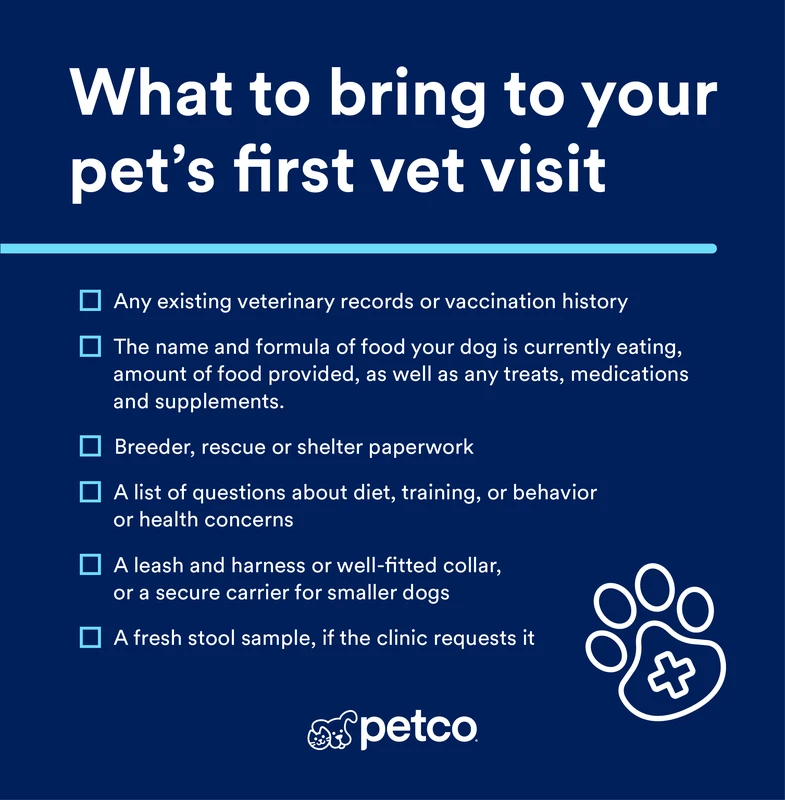
Why should I consult a veterinarian before giving my pet supplements?
Veterinarians assess your pet’s specific health status, prescribe appropriate supplements in safe doses, and monitor for adverse effects or interactions with medications, reducing risks of toxicity or ineffective treatment.
Are human vitamin supplements safe for pets?
No, many human supplements contain ingredients toxic to pets, such as xylitol, artificial sweeteners, or inappropriate vitamin concentrations, which can cause severe health issues or death in animals.
What are common signs of supplement toxicity in pets?
Symptoms vary but may include vomiting, diarrhea, lethargy, seizures, kidney failure, or cardiac abnormalities. Prompt veterinary evaluation is critical if toxicity is suspected.
Can supplements replace a balanced pet diet?
Supplements are meant to complement—not replace—a complete, balanced diet. They address specific deficiencies or health conditions and should only be used under veterinary guidance.
How can I ensure the supplements I buy for my pet are safe?
Purchase vet-approved supplements, preferably those certified by organizations like the NASC, and always discuss new supplements with your veterinarian before use.
Veterinary oversight remains the cornerstone of safe and effective pet supplementation, balancing therapeutic benefits with potential risks. As the pet supplement industry evolves, integration of rigorous regulatory standards and evidence-based veterinary guidance will be paramount in safeguarding pet health. Pet owners are encouraged to prioritize professional consultation to navigate the complex landscape of supplements, ensuring interventions that truly enhance their pets’ quality of life.
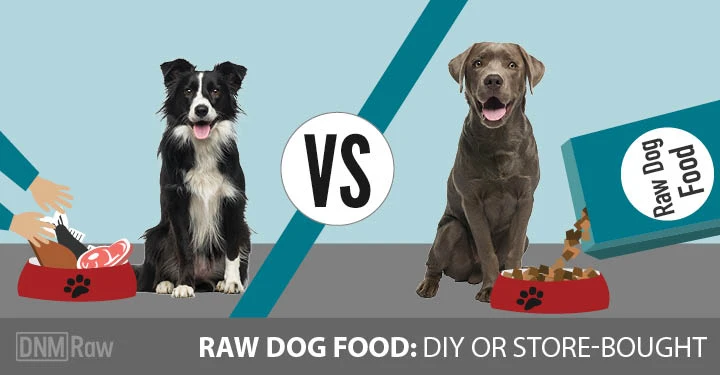
Key Differences Between DIY and Store-Bought Pet Products Explained
PawVerde.com – DIY pet products have surged in popularity as pet owners seek ingredient transparency and customization, challenging the dominance of commercial pet foods long regulated by bodies like the American Association of Feed Control Officials (AAFCO). While homemade options offer control over freshness and ingredient selection, they require precise nutrient balancing and vigilant food safety practices to avoid deficiencies and foodborne illnesses. Conversely, store-bought pet products provide convenience, consistent nutritional profiles verified by regulatory standards, and extensive safety testing, though they may sometimes contain fillers or preservatives, especially in budget brands. Navigating these choices demands an understanding of the nutritional, safety, cost, and sustainability trade-offs involved, as well as expert veterinary guidance.
Ingredient Control and Customization
DIY pet products allow pet owners to select every ingredient, a level of control absent in most commercial pet foods. This customization can cater to pets with allergies, sensitivities, or specific dietary preferences such as grain-free or limited-ingredient diets. Owners can prioritize fresh, human-grade ingredients and avoid artificial additives commonly found in some commercial brands. Arlington veterinarians often note that this control appeals to pet owners concerned about ingredient sourcing and quality transparency, aspects that commercial labels sometimes obscure due to proprietary formulas or vague ingredient descriptors.
However, the customization advantage comes with challenges. Homemade recipes may omit essential nutrients or include imbalanced macronutrients without expert formulation, risking pet health. Commercial pet food brands, particularly those certified by AAFCO as “complete and balanced,” must comply with strict ingredient thresholds and nutrient profiles, ensuring pets receive appropriate vitamins, minerals, and proteins. While commercial products limit ingredient variation, this standardization is crucial for consistent pet nutrition.
Additionally, commercial pet foods are subject to ingredient testing and recall monitoring via sources like the U.S.D.A. recall database, enhancing consumer confidence. DIY producers rely heavily on the quality and safety of purchased ingredients, often lacking third-party testing accessible to commercial manufacturers.
Nutritional Balance and Safety
Nutritional adequacy is a critical consideration distinguishing homemade from store-bought pet foods. Nutritionists emphasize that balanced diets require precise ratios of protein, fats, carbohydrates, vitamins, and minerals tailored to species, breed, age, and health status. Homemade diets not guided by veterinary or nutritionist consultation risk deficiencies, such as calcium imbalance or insufficient taurine in cats, leading to serious health consequences.
AAFCO sets the nutritional standards for commercial pet foods, mandating formulations meet minimum nutrient profiles verified through feeding trials or laboratory analysis. This regulatory oversight ensures commercial products labeled “complete and balanced” provide reliable nutrition. Pet food regulatory bodies also enforce safety protocols to minimize contamination and adulteration risks.
Homemade pet food preparation introduces food safety hazards uncommon in commercial production. Improper cooking, cross-contamination, or inadequate storage can increase foodborne illness risks from pathogens such as Salmonella or Listeria. Veterinarians in Arlington and beyond report sporadic cases linked to homemade diets, underscoring the need for safe handling, refrigeration, and timely consumption.
Moreover, homemade pet foods generally have shorter shelf lives due to the absence of preservatives, requiring frequent preparation and proper storage solutions to maintain freshness and reduce spoilage.
Convenience and Cost Comparison
The convenience of store-bought pet products represents one of their strongest advantages. Ready-to-serve kibble or canned food require minimal preparation time, fitting easily into busy lifestyles. Packaging often supports easy portion control and long-term storage, with vacuum-sealed or resealable bags improving shelf life.
In contrast, homemade pet food demands time-intensive preparation, including ingredient sourcing, cooking, portioning, and clean-up. Pet owners must dedicate significant effort to meet their pets’ daily dietary needs consistently, a commitment not feasible for all.
Cost considerations vary widely between DIY and commercial pet food. Homemade diets may be more expensive or economical depending on ingredient choices. For example, using organic meats or specialty supplements can significantly increase costs, while sourcing in-season produce and bulk staples may reduce expenses. A 2024 cost analysis by pet nutrition experts found DIY diets ranged from 10% cheaper to 35% more expensive than mid-tier commercial brands, highlighting variability.
Commercial pet food pricing tends to be stable and predictable, with premium brands commanding higher prices due to superior ingredients or certifications such as B-Corp sustainability standards. Budget options offer affordability but may compromise ingredient quality or nutritional density.
Palatability and Acceptance
Palatability plays a pivotal role in diet success, as pets may reject unfamiliar or unappealing foods. Homemade pet foods often score higher in owner-reported palatability, attributed to fresh ingredients and the absence of synthetic flavors. Pets accustomed to homemade meals may show reluctance to switch to commercial alternatives.
Commercial pet foods, however, are formulated with flavor enhancers and tested for broad acceptance across diverse pet populations. Manufacturers invest in palatability trials to balance taste, texture, and aroma, ensuring consistency and acceptance. This is particularly critical for therapeutic diets or pets with picky eating habits.
Veterinarians caution that sudden diet changes, whether from homemade to commercial or vice versa, can cause digestive upset, necessitating gradual transitions and monitoring.
Environmental and Sustainability Considerations
Sustainability concerns influence pet owners’ decisions between DIY and commercial pet products. Commercial pet foods, especially those from B-Corp certified sustainable brands, often implement eco-friendly sourcing, packaging reduction, and waste management practices. However, individual packaging units contribute to plastic waste, especially in single-serve portions.
DIY pet treats and meals can reduce packaging waste when stored in reusable containers or bulk ingredient purchases. Many pet owners incorporate natural or recycled materials in toys and accessories, aligning with broader sustainability goals. Nonetheless, homemade diets may incur higher water and energy use depending on ingredient sourcing and cooking methods.
Sustainability also intersects with ingredient choice; sourcing local, seasonal ingredients for homemade diets reduces carbon footprints compared to mass-produced commercial foods dependent on global supply chains.
Risks and Considerations
Foodborne illness remains a significant risk with homemade pet food. Pathogens such as Salmonella pose threats not only to pets but also to humans handling contaminated products. Safe food handling guidelines recommended by veterinarians include thorough cooking of proteins, sanitization of preparation surfaces, and prompt refrigeration.
Commercial pet foods undergo rigorous testing and quality control to minimize contamination. However, recalls due to ingredient contamination or labeling errors continue to affect the industry, as documented in the U.S.D.A. recall database. Pet owners should stay informed about recalls affecting brands they use.
Ingredient sourcing is another consideration; some commercial brands source ingredients globally, raising questions about traceability and ethical standards. Homemade food offers transparency but places sourcing responsibility entirely on the owner.
Expert Recommendations
Leading Arlington veterinarians and pet nutritionists recommend consulting professionals before transitioning to homemade diets. A veterinary nutritionist can formulate recipes that meet AAFCO standards and individual pet health needs, reducing risks of nutrient imbalances.
Regular health monitoring, including blood work and weight checks, helps detect nutritional deficiencies or excesses early. Gradual diet transitions mitigate gastrointestinal disturbances.
For owners prioritizing convenience and consistency, high-quality commercial pet food remains advisable. Those committed to DIY feeding should invest in education on safe preparation and balanced nutrition.
Forward-Looking Analysis and Practical Next Steps
The evolving pet product landscape suggests growing hybrid approaches, such as commercial base diets supplemented with homemade treats or fresh ingredients, combining safety and customization. Advances in pet nutrition science and regulatory oversight will further improve transparency and safety in both domains.
Pet owners can leverage technology, including smartphone apps and online veterinary consultations, to optimize homemade diet planning and monitor pet health. The rise of sustainable pet product innovations promises to address environmental concerns without compromising nutrition or safety.
Ultimately, informed decision-making grounded in veterinary expertise, reliable data, and lifestyle compatibility will empower pet owners to provide optimal care through either DIY or commercial pet products.
Frequently Asked Questions

Are homemade pet foods nutritionally complete compared to commercial brands?
Homemade pet foods can be nutritionally complete if carefully formulated by veterinary nutritionists following AAFCO guidelines. Without expert input, deficiencies or imbalances are common, risking pet health.
What are the main safety risks associated with DIY pet food?
The primary safety risks include foodborne pathogens like Salmonella and Listeria due to improper cooking or storage. Cross-contamination during preparation also poses hazards, requiring stringent hygiene practices.
How do the costs of DIY pet food compare to commercial options?
Costs vary widely; DIY can be more economical if ingredients are sourced cost-effectively but may exceed commercial prices when using premium or organic components. Commercial pet food prices are generally stable and predictable.
Can store-bought pet foods trigger allergies or sensitivities?
Some commercial pet foods contain fillers, artificial preservatives, or common allergens. Limited-ingredient or hypoallergenic commercial diets exist to address sensitivities, while DIY diets offer full control over allergens.
What sustainability benefits do homemade pet products offer?
Homemade pet food reduces packaging waste when using reusable containers and can incorporate locally sourced ingredients to lower carbon footprints. sustainable pet toys often use natural or recycled materials, complementing eco-friendly feeding practices.

How to Transition Dogs to Vegan Diets Safely with Vet Guidance
PawVerde.com – The increasing interest in vegan diets for pets, especially dogs, reflects a growing awareness of ethical, environmental, and health considerations among pet owners. Up to 44% of guardians express openness to alternative diets that exclude animal products, driven by concerns over animal welfare and the sustainability of conventional pet foods. However, transitioning carnivorous pets like dogs to vegan diets requires careful planning to ensure nutritional adequacy, avoid health risks, and maintain overall well-being. Veterinary expertise and evidence-based protocols are essential to guide this complex process safely.
Dogs require a balanced intake of proteins, amino acids, vitamins, and minerals traditionally sourced from animal products, posing challenges when replacing these with plant-based alternatives. Veterinary nutritionists emphasize that veterinary consultation is critical before initiating any dietary change, particularly to distinguish between vegetarian diets—which may include dairy or eggs—and strictly vegan diets that exclude all animal-derived ingredients. Certain veterinary therapeutic applications, such as managing liver disease, have incorporated plant-based diets under professional supervision, highlighting potential clinical benefits when carefully formulated.
Research conducted by the University of Illinois Animal Sciences Department, led by Professor Kelly Swanson, provides significant insights into the viability of vegan diets for dogs. Their studies demonstrate that well-formulated vegan diets can achieve high nutrient digestibility and favorable blood metabolite profiles, supporting maintenance of canine health. A notable case is “Bono,” a dog thriving on a vegan diet for over 12 years, which exemplifies long-term success with proper dietary management. Despite these positive findings, experts caution against unsupervised homemade diets due to potential deficiencies in essential amino acids and micronutrients.
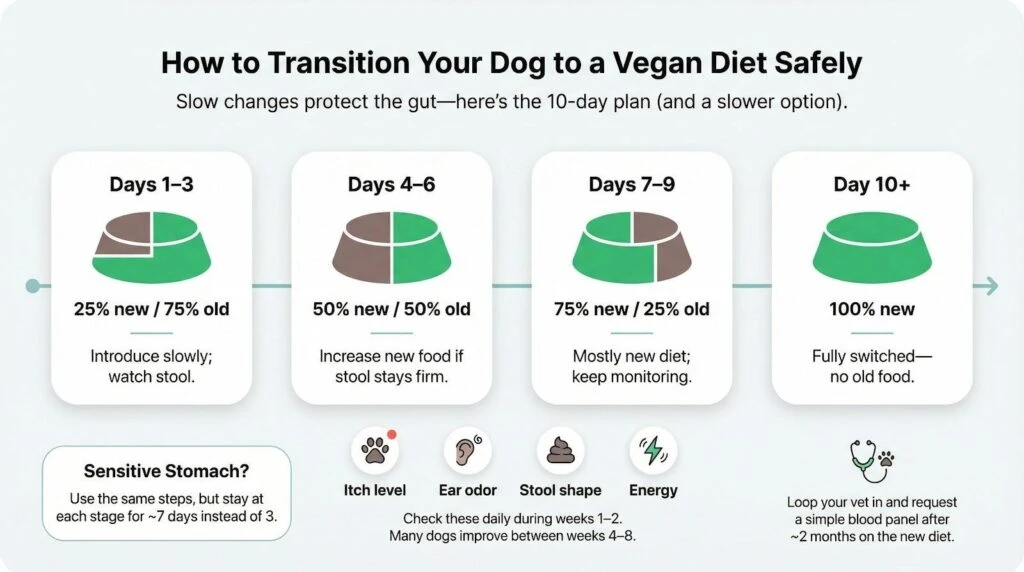
Transitioning a dog to a vegan diet should be gradual, typically spanning 7 to 10 days, to allow the pet’s gastrointestinal system to adapt and to monitor for any adverse reactions. Pet owners are advised to observe signs related to digestion, skin condition, and overall vitality, adjusting the diet in consultation with veterinary professionals. Supplementation is often necessary to provide critical nutrients such as taurine, vitamin B12, and omega-3 fatty acids, which may be insufficient in plant-based ingredients alone.
Commercial vegan pet food brands like Bramble have emerged, offering formulations tested for nutritional completeness and safety under veterinary standards. These products provide a reliable alternative to homemade recipes, which require meticulous planning and ingredient sourcing. Ethical vegan advocates such as Ruby Sandhu and organizations like PETA promote both commercial and homemade plant-based diets, emphasizing sustainability and animal welfare. However, pet owners must ensure that any homemade diet adheres to established nutritional guidelines and undergoes veterinary review.
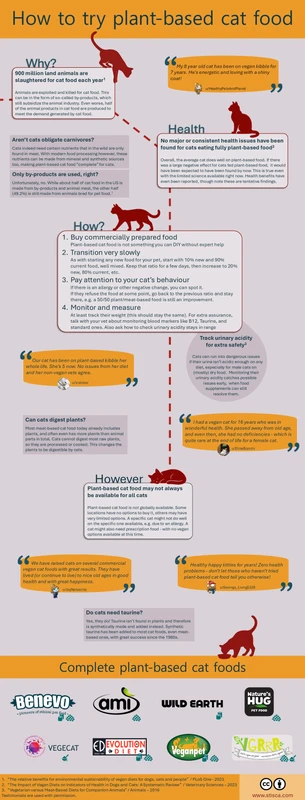
Cats, unlike dogs, are obligate carnivores and cannot safely transition to vegan diets due to their unique nutritional requirements, including taurine and arachidonic acid, which are naturally found only in animal tissues. Attempting to feed cats vegetarian or vegan diets poses significant health risks and is strongly discouraged by veterinary authorities. Pet owners also face legal and ethical responsibilities to provide nutritionally adequate diets, with failure to do so potentially resulting in animal welfare violations.
Barriers to wider adoption of vegan pet diets include limited availability of commercially validated products, skepticism among veterinary professionals, and misinformation about the health impacts of plant-based nutrition. Addressing these challenges requires ongoing research, education, and collaboration between pet owners, veterinarians, and ethical organizations to ensure that dietary changes prioritize animal health without compromising ethical values.
Nutritional Foundations and Veterinary Assessment in Vegan Pet Diets
Dogs require a complex combination of macronutrients and micronutrients to sustain metabolic functions, immune health, and tissue repair. Key amino acids such as lysine, methionine, and taurine, along with vitamins like B12 and D, are predominantly sourced from animal proteins. Plant-based diets must be carefully formulated to include bioavailable alternatives or supplements to meet these requirements. Veterinary nutritionists play a crucial role in assessing individual pets’ needs, devising balanced diets, and monitoring clinical outcomes to prevent deficiencies and associated disorders.
Distinguishing vegetarian diets, which may incorporate dairy and eggs, from strictly vegan diets is important in veterinary practice. Vegetarian diets can sometimes meet canine nutritional needs more readily due to these animal-derived supplements, whereas vegan diets demand comprehensive supplementation and ingredient selection. Veterinary therapeutic uses of plant-based diets have shown promise in managing conditions such as liver disease, highlighting their potential when applied under expert guidance.
Empirical Evidence and Case Studies on Vegan Dog Diets
The University of Illinois study led by Professor Kelly Swanson evaluated nutrient digestibility and blood metabolite markers in dogs fed a vegan diet formulated by veterinary nutritionists. Results indicated that dogs maintained stable health parameters, with no significant deficiencies detected over the study period. This aligns with anecdotal evidence from long-term cases like Bono, a dog thriving on a vegan diet for over a decade, demonstrating that with proper formulation and oversight, vegan dog diets can support health and longevity.
However, the study and case reports also emphasize the need for caution with homemade diets, which often lack rigorous nutritional balance. Inadequate supplementation or improper ingredient selection can lead to serious health risks, including malnutrition, digestive disturbances, and immune dysfunction.
Methodical Transitioning to Vegan Diets: Procedures and Monitoring
Transitioning to a vegan diet should never be abrupt; a phased approach over 7 to 10 days allows the dog’s digestive system to adjust, minimizing gastrointestinal upset. Initial steps involve mixing small proportions of the vegan diet with the current food, gradually increasing the vegan portion while decreasing the original diet. Owners must monitor stools, skin condition, energy levels, and appetite, documenting any changes to share with their veterinarian.
Veterinary feedback is essential to adapt the diet based on clinical observations and laboratory tests, including blood work assessing nutrient levels. Supplementation with amino acids such as taurine and L-carnitine, vitamins B12 and D, and omega-3 fatty acids derived from sources like algae or flaxseed oil may be necessary to ensure complete nutrition.
Commercial and Homemade Vegan Pet Food Options
The plant-based pet food market has expanded, with brands like Bramble offering products formulated in collaboration with veterinary nutritionists and tested for nutritional adequacy. Such products provide convenience and reliability for pet owners seeking vegan options. Commercial options typically undergo quality control measures and adhere to nutritional standards, reducing the risk of deficiencies.
Homemade vegan diets, endorsed by ethical vegans such as Ruby Sandhu and supported by PETA’s published recipes, emphasize natural, sustainable ingredients. However, these require precise formulation to include adequate protein sources, vitamins, and minerals. Veterinary consultation is indispensable to tailor recipes to individual pet needs and to verify nutrient sufficiency.
Health Risks, Limitations, and Ethical Responsibilities
Cats’ obligate carnivorous physiology makes vegan diets unsuitable, as essential nutrients like taurine and vitamin A cannot be obtained from plants. Feeding cats vegan diets risks severe health consequences such as retinal degeneration and cardiac disease. Dogs, though more omnivorous, still require careful nutritional planning to avoid risks of protein deficiency, gastrointestinal issues, and metabolic imbalances.
Pet owners bear legal and ethical obligations to provide diets that meet their animals’ physiological needs. Inadequate nutrition can constitute neglect under animal welfare laws. Veterinary professionals stress that ethical motivations must be balanced with scientific evidence and pet welfare to avoid unintended harm.
Barriers to adoption include veterinary skepticism due to limited large-scale studies, the cost of specialized diets, and misconceptions about plant-based nutrition’s adequacy. Overcoming these requires transparent communication, education, and further research to support evidence-based practices.
Forward-Looking Perspectives on Vegan Diets for Dogs
Advancements in veterinary nutrition continue to improve the formulation of nutritionally complete vegan diets for dogs, with ongoing research into bioavailability and long-term health impacts. Increased collaboration between veterinary clinics like Urbana Veterinary Clinic and Riverview Veterinary Hospital, academic institutions such as the University of Illinois, and ethical organizations fosters knowledge exchange and development of guidelines.
Future directions include expanding commercial offerings, refining homemade diet protocols, and integrating environmental sustainability considerations into pet nutrition. Pet owners interested in vegan diets should prioritize veterinary supervision, regular health monitoring, and flexibility to adjust diets based on evolving scientific evidence.
| Aspect | Dogs | Cats |
|---|---|---|
| Dietary Classification | Omnivorous with carnivorous preference | Obligate carnivore |
| Suitability for Vegan Diet | Possible with veterinary supervision and supplementation | Not safe; risk of severe deficiencies |
| Essential Nutrients | Protein, taurine, vitamin B12, omega-3 fatty acids | Taurine, arachidonic acid, vitamin A, vitamin B12 |
| Transition Period | 7–10 days gradual introduction | Not applicable |
| Common Risks | Digestive upset, nutritional deficiencies if unsupervised | Cardiac and retinal diseases, malnutrition |
Frequently Asked Questions
Can dogs thrive on a vegan diet long-term?
With carefully formulated diets supervised by veterinary nutritionists and appropriate supplementation, dogs can maintain health and vitality on vegan diets long-term, as demonstrated by research and case studies like Bono.
Why are vegan diets unsuitable for cats?
Cats require nutrients found only in animal tissues, such as taurine and arachidonic acid, making vegan diets nutritionally inadequate and unsafe for them.
How should I transition my dog to a vegan diet?
Transition gradually over 7 to 10 days by mixing increasing amounts of vegan food with the current diet while monitoring health and consulting a veterinarian to adjust supplementation as needed.
Are commercial vegan pet foods nutritionally complete?
Reputable commercial vegan pet foods are formulated with veterinary input and tested for nutritional adequacy, offering a safer alternative to homemade diets when used appropriately.
What are the main health risks of unsupervised vegan diets in pets?
Unsupervised vegan diets can lead to protein deficiencies, gastrointestinal issues, immune dysfunction, and in cats, life-threatening nutrient deficits affecting heart and vision health.
Pet owners considering vegan diets for dogs should engage veterinary nutritionists early, use scientifically validated diets, and maintain vigilant health monitoring to ensure pets thrive while aligning with ethical values.

Benefits of Organic Pet Food for Dogs Explained Clearly
PawVerde.com – Organic pet food for dogs has steadily gained traction among pet owners seeking to enhance their pets’ health by eliminating exposure to synthetic pesticides, artificial additives, hormones, and antibiotics common in conventional pet foods. Certified organic dog food offers nutrient-dense formulations designed to improve immune function, reduce allergy risks, and support skin and coat health. This article examines the multifaceted benefits of organic dog food, regulatory standards ensuring quality, comparison with alternative diets, and practical guidance for pet owners considering organic nutrition for their dogs.
Organic certification ensures dog food ingredients are cultivated without synthetic pesticides, genetically modified organisms (GMOs), or chemical fertilizers, aligning with USDA organic standards. These regulations differentiate organic dog food from products labeled as “natural,” which may lack strict oversight on chemical use or ingredient sourcing. Additionally, organic pet foods must satisfy the Association of American Feed Control Officials (AAFCO) nutritional profiles to guarantee balanced diets meeting canine health requirements. This dual compliance ensures organic dog foods provide complete, safe, and nutrient-rich options for dogs.
Nutritional advantages of organic dog food stem from the absence of harmful synthetic chemicals and the inclusion of higher concentrations of antioxidants, vitamins, and essential fatty acids such as omega-3s. Research indicates organic ingredients often contain elevated levels of vitamin E, polyphenols, and carotenoids, which contribute to enhanced antioxidant protection and immune system support in dogs. Organic diets also typically promote better digestion through improved nutrient bioavailability and the inclusion of probiotics, which foster a healthy gut microbiome critical for immune resilience and nutrient absorption.
Dogs with food allergies or sensitivities frequently experience relief when transitioned to organic dog food. Eliminating common allergens like corn, soy, and gluten, which are prevalent in non-organic pet foods and often treated with chemical pesticides, reduces exposure to irritants that exacerbate skin conditions and digestive disturbances. Case studies from veterinary clinics have documented reductions in pruritus (itchiness), dermatitis, and gastrointestinal upset after switching to certified organic diets. Moreover, organic dog food’s holistic approach—combining nutrient-dense whole foods with the avoidance of artificial additives—supports healthier skin and shinier coats, particularly in allergy-prone breeds.
Organic dog treats represent a growing segment catering to dogs with sensitivities or owners seeking chemical-free snack options. Brands such as Grandma Lucy’s, Plato, and Castor & Pollux offer USDA-certified organic treats formulated with ingredients like organic oats, flaxseed, and free-range chicken. These treats exclude preservatives, artificial flavors, and synthetic dyes, reducing the risk of allergic reactions and digestive upset. Their nutrient profiles complement organic main meals by providing additional antioxidants, fiber, and essential fatty acids in controlled portions.
When comparing organic dog food to homemade, raw, and natural diets, several factors emerge regarding nutrient completeness, safety, and ease of feeding. Homemade diets allow customization but often lack balanced nutrient composition without veterinary guidance, risking deficiencies or excesses. Raw diets may improve palatability and preserve nutrient integrity but carry concerns about pathogen contamination and inconsistent ingredient quality. Natural dog food, while often free from artificial colors or flavors, does not guarantee pesticide-free or hormone-free sourcing. Organic dog food offers a regulated, nutritionally complete alternative that combines chemical-free ingredients with adherence to AAFCO standards, ensuring dog health and safety.
Sustainability and ethical farming practices underpin the production of organic pet food. Organic agriculture avoids synthetic agrochemicals, promotes soil health, and encourages biodiversity, resulting in lower environmental impact. animal welfare standards in organic farming require humane treatment, reducing the use of antibiotics and hormones. These practices align with growing consumer demand for environmentally responsible pet products and contribute to a holistic approach to pet health that encompasses ecological stewardship.
Transitioning a dog to organic food requires a gradual approach to avoid digestive upset. Veterinary guidance is essential to tailor the diet to individual health needs, monitor potential allergies, and ensure nutritional adequacy. Pet owners should select certified organic products with clear labeling, verifying USDA organic seals and AAFCO compliance. Monitoring the dog’s response, including energy levels, coat condition, and gastrointestinal health, informs necessary adjustments.
What Defines Organic Dog Food?
USDA Organic certification mandates that all agricultural ingredients in pet food must be grown without synthetic pesticides, herbicides, or genetically engineered organisms. organic dog food also prohibits the use of artificial preservatives, colors, and flavors, relying instead on natural preservation methods. The distinction between “organic” and “natural” dog food is critical: while natural pet foods avoid artificial ingredients, they may still contain conventionally farmed crops treated with chemicals. Organic certification ensures a higher standard of ingredient purity and environmental responsibility.
AAFCO nutrient profiles establish minimum and maximum nutrient levels necessary for balanced canine diets, covering protein, fat, vitamins, minerals, and essential fatty acids. Certified organic dog foods must meet these profiles to label their products as complete and balanced, ensuring dogs receive all essential nutrients. This regulatory framework provides assurance to pet owners that organic dog food is not only chemical-free but also nutritionally adequate.
Nutritional Benefits of Organic Dog Food
Organic dog food eliminates synthetic pesticides and antibiotics, substances linked to disruptions in canine gut microbiomes and potential antibiotic resistance. The absence of synthetic hormones prevents interference with natural endocrine functions, which can impact metabolism and immune responses. Organic ingredients tend to have higher concentrations of antioxidants such as vitamin E and beta-carotene, which protect cells from oxidative stress and support the immune system.
Omega-3 fatty acids, often derived from organic flaxseed or fish oils, are integral to organic diets, fostering anti-inflammatory effects and maintaining skin barrier integrity. Enhanced nutrient bioavailability in organic dog food improves digestion and nutrient absorption, which is critical for older dogs or those with compromised gastrointestinal function. Probiotics included in some organic formulations further promote gut health by balancing intestinal flora and enhancing immune defenses.
Health Improvements Linked to Organic Diets
Veterinary observations confirm that dogs consuming organic diets frequently exhibit fewer skin irritations, reduced allergy flare-ups, and improved digestion. Allergies in dogs commonly manifest as itching, redness, and recurrent ear infections. Organic diets’ exclusion of synthetic pesticides and artificial additives reduces the antigenic load on the immune system, decreasing hypersensitivity reactions.
Shinier coats and healthier skin result from the inclusion of essential fatty acids and antioxidants in organic dog food. Fatty acids support the synthesis of ceramides and other lipids vital to skin barrier function. Case reports highlight dogs with atopic dermatitis showing marked improvements after transitioning to organic diets, with decreased reliance on corticosteroids or antihistamines.
Dogs with food sensitivities benefit from organic dog food’s limited ingredient formulations, which avoid common allergens such as corn, soy, and gluten. By focusing on high-quality, minimally processed proteins and organic grains, these diets reduce the likelihood of adverse reactions and improve overall tolerance.
Organic Dog Treats: Quality and Allergy-Friendly Options
USDA organic dog treats from brands like Grandma Lucy’s, Plato, and Castor & Pollux use certified organic ingredients, ensuring treats are free from chemical residues, artificial preservatives, and synthetic flavors. Ingredients such as organic oats provide dietary fiber and help regulate digestion, while flaxseed delivers omega-3 fatty acids that support skin and coat health. Organic chicken offers a high-quality protein source with lower risk of contamination from hormones or antibiotics.
These treats serve as allergy-friendly supplements to organic diets, offering snacks that minimize the risk of triggering food sensitivities or gastrointestinal upset. They also align with holistic feeding principles by contributing to balanced nutrition and avoiding synthetic additives common in conventional treats.
Comparison with Other Diet Types
Homemade dog food allows pet owners to control ingredients and avoid processed additives; however, without veterinary nutritionist involvement, these diets risk nutrient imbalances and deficiencies. Raw diets emphasize unprocessed meat and vegetables but raise concerns over bacterial contamination and inconsistent nutrient profiles, which may jeopardize canine health.
Natural dog food avoids artificial colors and flavors but does not guarantee the exclusion of pesticides or GMOs. Organic dog food offers a unique benefit by combining chemical-free certification with nutritional completeness verified by AAFCO standards. This regulated framework contrasts with the varying quality and safety profiles of homemade, raw, or natural diets.
Nutrient bioavailability and microbiome impacts differ across diet types. Organic dog food’s emphasis on antioxidants, probiotics, and omega-3 fatty acids supports a balanced gut microbiome and robust immune function more consistently than homemade or raw diets lacking supplementation. Veterinary oversight is crucial when switching diets to prevent digestive disturbances and ensure nutritional adequacy.
Sustainability and Ethical Considerations
Organic pet food production employs farming methods that promote soil health, reduce chemical runoff, and enhance biodiversity. The avoidance of synthetic pesticides and fertilizers fosters ecosystems less prone to contamination and degradation. Organic animal husbandry upholds higher welfare standards, minimizing antibiotic and hormone use, which benefits animal health and reduces resistance risks.
Environmental benefits include lower greenhouse gas emissions and improved water conservation compared to conventional farming. These sustainability factors resonate with environmentally conscious consumers seeking pet food options aligned with broader ecological values.
Practical Guidance for Pet Owners
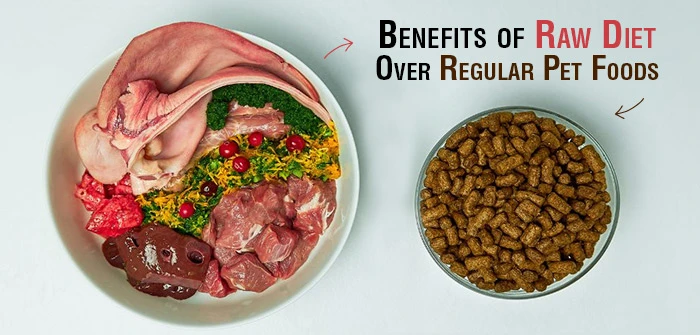
Transitioning dogs to organic diets should occur gradually over 7 to 10 days to prevent gastrointestinal upset, beginning with a small proportion of organic food mixed with the current diet and progressively increasing the ratio. Monitoring the dog’s stool quality, energy levels, and skin condition helps identify any adverse reactions or improvements.
Pet owners should prioritize products bearing USDA organic certification and verify compliance with AAFCO nutritional standards for complete and balanced diets. Reading ingredient labels carefully ensures avoidance of unwanted allergens or additives. Consulting with a veterinarian or veterinary nutritionist is essential, especially for dogs with preexisting health conditions or known food sensitivities, to customize dietary plans and monitor progress.
FAQ
What are the main benefits of feeding dogs organic pet food?
Organic pet food provides nutrient-rich ingredients free from synthetic pesticides, hormones, antibiotics, and artificial additives. This enhances immune function, supports skin and coat health, reduces allergy risks, and promotes overall well-being.
How does organic dog food help with allergies and food sensitivities?
By eliminating common allergens such as corn, soy, and gluten, and avoiding chemical residues, organic dog food reduces immune system irritants that trigger allergic reactions, leading to fewer skin irritations and digestive issues.
Is organic dog food nutritionally complete compared to homemade or raw diets?
Certified organic dog foods must meet AAFCO nutritional profiles, ensuring balanced nutrient levels. Homemade or raw diets may lack essential nutrients without veterinary guidance, making organic commercial foods a safer, regulated option.
Are organic dog treats better for dogs with sensitivities?
Yes, USDA-certified organic dog treats contain no synthetic preservatives or artificial flavors, using limited ingredients like organic oats and flaxseed, which are less likely to provoke allergies or digestive upset.
What should pet owners consider when switching to organic dog food?
Gradual diet transition is key to avoid digestive upset. Owners should choose certified products, read labels carefully, and consult veterinarians to tailor the diet to their dog’s specific health needs and monitor improvements.
—
Organic dog food represents a scientifically backed, regulated approach to canine nutrition that emphasizes health benefits through chemical-free, nutrient-rich ingredients. Its role in managing allergies, supporting skin and coat vitality, and enhancing immune function makes it a compelling choice for pet owners prioritizing holistic health. Sustainability and ethical farming further bolster its appeal, positioning organic dog food as a forward-thinking option in pet nutrition. Continued research and veterinary collaboration will refine best practices, ensuring optimal outcomes for dogs transitioning to organic diets.