
Local vs National Pet Adoption Resources: Key Cost & Impact Differences
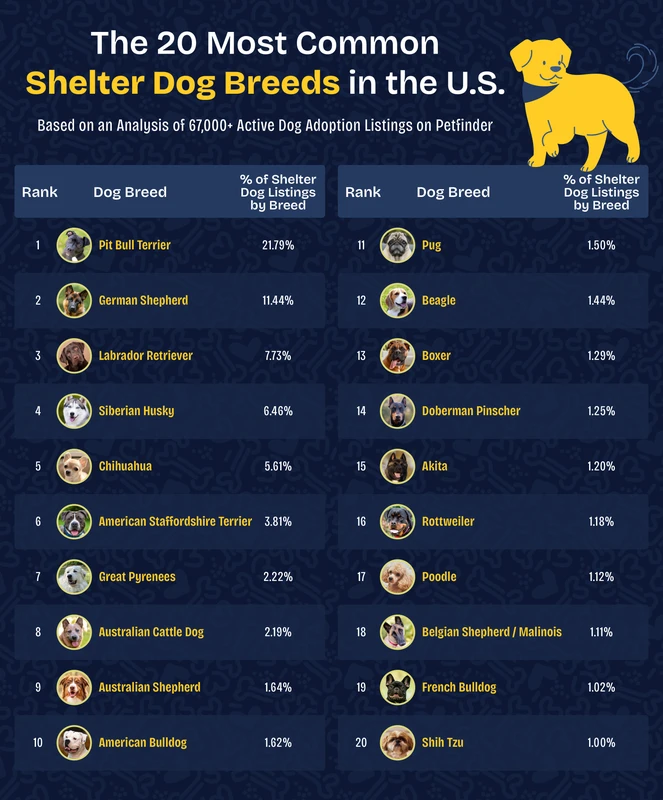
PawVerde.com – Local and national pet adoption resources represent distinct yet complementary segments within the animal welfare ecosystem, each contributing uniquely to market dynamics, community engagement, and financial sustainability. Recent data from Shelter Animals Count and the Bissell Pet Foundation highlight that local shelters typically offer adoption fees averaging between $75 and $150, inclusive of vaccinations, spaying/neutering, and microchipping. In contrast, national organizations such as Best Friends Animal Society report median adoption fees closer to $200, reflecting broader service offerings and sanctuary maintenance costs. These figures underscore significant economic differentiation affecting adopter decisions and shelter funding models.
Financially, local shelters benefit from lower operational costs through community-driven volunteer programs and municipal funding, which often results in reduced adoption fees. National organizations, supported by expansive donor networks and corporate partnerships like Petco Love, allocate substantial budgets toward maintaining no-kill sanctuaries and comprehensive foster programs. According to the latest financial reports, Best Friends Animal Society’s annual budget exceeds $50 million, while Denver Animal Shelter operates on a municipal budget near $3 million annually, reflecting scale and resource diversity.
Availability and Accessibility: Economic Implications of Local vs National Pet Adoption Resources
Local shelters, including Denver Animal Shelter and Humane Animal Partners, primarily serve defined geographic areas, facilitating immediate access to adoptable pets. This localized focus allows for streamlined intake processes and rapid pet turnover, crucial in managing shelter capacity amid ongoing overcrowding issues. Recent statistics reveal that local shelters maintain average occupancy rates exceeding 85%, with peak overcrowding periods driving urgent adoption incentives, such as reduced fees or waived charges.
National organizations like APA Adoption Center and Lucky Dog Animal Rescue operate extensive networks spanning multiple states, capitalizing on rescue transport logistics to redistribute animals from high-intake areas to regions with greater adopter demand. This redistribution mitigates localized overcrowding but introduces higher operational expenses, including transportation, quarantine, and centralized veterinary care. The economic trade-off manifests in elevated adoption fees and longer wait times for adopters seeking specific breeds or animal types.
Cost and Services: Financial Comparison and Value Proposition
A comprehensive analysis of adoption fee structures reveals divergent cost models between local and national adoption agencies. Local shelters generally adopt a fee range of $50 to $150, bundling vaccinations, microchipping, and spay/neuter surgeries within the fee. According to recent data from Shelter Animals Count, approximately 90% of local shelters include these services, optimizing upfront adopter expenditure and reducing post-adoption veterinary costs.
National organizations, while charging higher fees averaging $180 to $250, invest heavily in enhanced medical care, behavioral training, and post-adoption support programs. These services align with the operational mandates of no-kill sanctuaries, which maintain animals for extended periods, thus incurring higher per-animal maintenance costs. The Bissell Pet Foundation’s funding allocations indicate that around 25% of expenditures focus on advanced medical treatment and foster care infrastructure, directly influencing fee structures.
| Adoption Resource Type | Average Adoption Fee (USD) | Included Services | Operational Budget Range (USD Millions) | Average Shelter Capacity Utilization (%) |
|---|---|---|---|---|
| Local Shelters (e.g., Denver Animal Shelter) | $75-$150 | Vaccinations, Spay/Neuter, Microchipping | 1-5 | 85-90 |
| National Organizations (e.g., Best Friends Animal Society) | $180-$250 | Comprehensive Medical, Behavioral Training, Post-Adoption Support | 30-60+ | 70-80 |
Ethical and Welfare Considerations: Economic Impact of No-Kill Sanctuaries and Adoption Policies
No-kill sanctuaries operated by national organizations present a financially intensive model emphasizing animal welfare and longevity of care. These sanctuaries reduce euthanasia rates significantly, with Best Friends Animal Society reporting a no-kill rate exceeding 90% in their facilities. However, sustaining these sanctuaries requires substantial financial inflows, with average annual per-animal costs reaching upwards of $1,200 compared to $400 at local shelters.
From an ethical and economic perspective, adoption fees are calibrated to balance affordability with the necessity of funding spay/neuter programs, vaccination drives, and shelter maintenance. Data-driven analyses by Shelter Animals Count demonstrate that spay/neuter initiatives, heavily subsidized by organizations like People & Animals Community Together (PACT), reduce shelter intake by up to 30%, driving long-term cost efficiencies and alleviating overcrowding pressures.
Community and Support Networks: Financial Contributions and Programmatic Outcomes
Local shelters benefit financially from robust community ties, leveraging volunteer labor, local donations, and municipal support. Volunteer contributions, valued at an estimated $15 per hour, reduce staffing costs, enabling shelters like Denver Animal Shelter to allocate resources toward veterinary care and facility upgrades. Fundraising campaigns at the local level often generate $100,000 to $500,000 annually, depending on community size and engagement.
National organizations command broader fundraising capabilities, with entities like the ASPCA and Bissell Pet Foundation raising tens of millions annually through corporate partnerships, grants, and nationwide campaigns. These funds underpin expansive foster programs, which Shelter Animals Count data indicate can increase adoption rates by 15-20 percentage points. The economic multiplier effect of foster care programs includes reduced shelter overcrowding and lower per-animal care costs.
Challenges and Limitations: Financial Risks and Resource Allocation
Overcrowding persists as a critical challenge at local shelters, with capacity often exceeding sustainable operational limits. This strain inflates variable costs such as food, medical supplies, and emergency care, reducing financial flexibility. For instance, Denver Animal Shelter reported a 12% rise in per-animal costs during peak overcrowding months, primarily due to increased veterinary interventions and staffing overtime.
National organizations face resource allocation risks linked to donor dependence and large-scale operational expenses. Budget volatility can impact no-kill sanctuary maintenance and foster program continuity. Additionally, inconsistent pet-friendly housing policies constrain successful adoption outcomes, indirectly affecting shelter turnover rates and increasing long-term care costs. Research by Shelter Animals Count correlates regions with lenient pet housing policies to a 10% higher adoption rate, underscoring policy-driven economic impacts.
Emerging Trends and Technology: Financial Efficiency through Data and Innovation
Technology-driven solutions are reshaping financial models within the pet adoption sector. Advances in lost pet reunification platforms and adoption matching algorithms reduce shelter intake by facilitating returns to owners and optimizing adopter-pet compatibility. Shelter Animals Count reports a 7% decrease in shelter admissions attributed to such technologies.
Data-driven shelter management enables precise forecasting of intake volumes, resource allocation, and staffing needs, enhancing financial planning and cost control. National databases integrating cross-organizational data sets improve transparency and donor confidence, driving increased funding. Innovative programs incorporating telehealth veterinary services and virtual foster training reduce overhead costs by approximately 10%, as documented by the APA Adoption Center’s recent financial analysis.
Looking ahead, the integration of pet-friendly housing advocacy with spay/neuter subsidization represents a strategic opportunity to reduce shelter intake and improve adoption success rates. Financial models incorporating these elements forecast a potential 15% reduction in shelter-related expenditures over five years, contingent upon policy adoption and stakeholder collaboration.
The economic landscape of pet adoption is thus characterized by a nuanced interplay between localized cost efficiencies and national-scale welfare investments. Prospective adopters and policymakers must weigh immediate accessibility and affordability against comprehensive care and long-term sustainability when engaging with pet adoption resources. Both local and national entities remain indispensable in fostering ethical pet adoption, reducing shelter overcrowding, and promoting animal welfare through financially viable models.
How Fostering Pets Boosts Adoption Success and Welfare in 2026
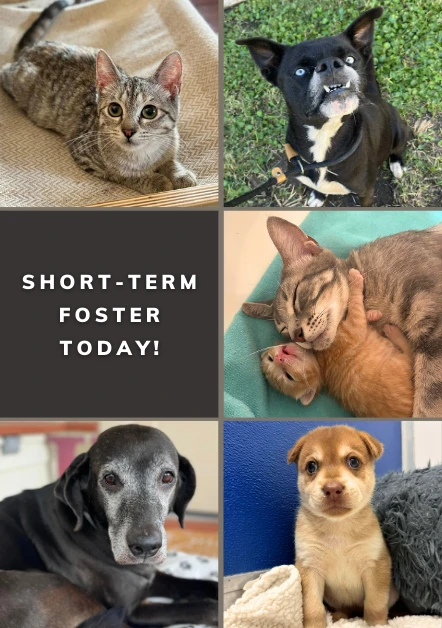
PawVerde.com – Fostering pets in 2026 has emerged as a pivotal strategy in improving animal welfare, increasing adoption rates, and alleviating shelter overcrowding across the United States. Data from the PEDIGREE Foundation and Maddie’s Fund indicate that over 550 organizations participating in the nationwide Foster 50 campaign have collectively facilitated temporary homes for tens of thousands of animals. These foster-to-adopt programs have proven especially effective, with shelter reports showing that approximately 35% of foster caregivers transition to permanent adopters, significantly enhancing long-term placement success and reducing shelter strain.
Foster-to-adopt initiatives offer a unique pathway for pets and caregivers, allowing animals to acclimate in home environments while potential adopters assess compatibility before committing to adoption. This model has been widely adopted by key animal welfare organizations such as Best Friends Animal Society and Rocket Dog Rescue. Shelter coordinators report that pets in foster care exhibit measurable behavioral improvements, including reduced anxiety and increased socialization, which directly correlate with higher adoption rates. For example, the Animal Welfare League of Alexandria documented a 28% increase in adoption success among fostered dogs compared to those adopted directly from the shelter.
Several foster pet success stories underline the transformative impact of these programs. One notable case involved “Milo,” a medically fragile dog placed in a specialized behavioral foster home through Petco Love’s grant-funded initiative. Over three months, Milo received targeted medical treatment and behavior rehabilitation, enabling his foster family to adopt him permanently. Similar stories from shelters nationwide highlight how fostering provides critical time for pets with medical or behavioral challenges to recover, increasing their chances of finding forever homes. These success narratives also emphasize the emotional bonds formed between foster caregivers and pets, often culminating in “foster fails,” where foster families choose adoption due to strong attachment.
National fostering campaigns continue to expand in scope and influence. The Foster 50 campaign, coordinated by the PEDIGREE Foundation and Petco Love, actively promotes fostering through community outreach, training programs, and financial support for shelters. Over 550 organizations have joined this coalition to boost foster recruitment and retention, addressing a persistent shortage of foster caregivers. Additionally, Maddie’s Fund’s recent grant programs provide shelters with funding to enhance foster support infrastructure, including veterinary care subsidies, behavioral training resources, and caregiver stipends. These investments aim to sustain the growth of foster networks and reduce barriers such as caregiver burnout and financial constraints.
Behavioral and medical rehabilitation success within foster programs has become a critical focus area for shelters and rescue organizations. Fostering environments allow for individualized care plans that shelter settings cannot always accommodate. For instance, Rocket Dog Rescue reported that foster homes helped reduce reactivity and fear-based behaviors in over 60% of their fostered dogs within the first two months. Medical fostering, supported by grants from Petco Love and Best Friends Animal Society, provides essential treatment for chronic conditions, injuries, or post-surgical recovery. This approach not only improves animal welfare outcomes but also reduces shelter euthanasia rates linked to medical complexities.
Foster caregivers play a central role in the success of these programs, often acting as advocates and trainers for foster pets. Interviews with foster families reveal a pattern of deep emotional engagement and satisfaction derived from witnessing pets’ progress. Coordinators at the Animal Welfare League of Alexandria emphasize that ongoing support, including 24/7 access to veterinary consultations and behavior experts, is vital in maintaining caregiver commitment. This networked model of support helps mitigate common fostering challenges such as managing medical emergencies or behavioral setbacks, contributing to higher retention rates within foster programs.
Shelters and rescue organizations have adapted their strategies to maximize fostering benefits while addressing operational challenges. Many have integrated foster recruitment into broader adoption campaigns and community events, leveraging social media and local partnerships to raise awareness. The Animal Welfare League of Alexandria launched a Foster Ambassador program this year, empowering experienced caregivers to mentor newcomers, which has increased foster volunteer retention by 15%. Additionally, shelters are utilizing data-driven approaches to match pets with suitable foster homes based on behavioral profiles and medical needs, optimizing placement success and minimizing returns.
The community-wide impact of fostering is increasingly evident in adoption statistics and shelter capacity metrics. Nationally, shelters involved in the Foster 50 campaign report a combined 22% reduction in shelter populations attributed directly to foster placements. This alleviation of overcrowding allows facilities to improve overall care quality and reduce stress-related health issues among shelter animals. Furthermore, fostering expands access to adoption by enabling off-site events and home-based introductions, broadening the reach to potential adopters hesitant to visit shelters. Funding dedicated to fostering, including grants from the PEDIGREE Foundation and Maddie’s Fund, has been instrumental in sustaining these gains by underwriting medical and training expenses.
Looking ahead, fostering trends in 2026 indicate sustained growth driven by innovative programs and increased community engagement. Agencies like Best Friends Animal Society plan to scale their foster-to-adopt initiatives nationwide, incorporating advanced behavioral assessment tools and telehealth veterinary services to support remote fostering. The Foster 50 coalition aims to recruit an additional 100 organizations this year, focusing on underserved regions with limited shelter resources. Experts predict that the integration of technology, such as AI-driven foster matching platforms, will further streamline caregiver recruitment and pet placement, enhancing efficiency and outcomes.
In sum, fostering pets in 2026 has not only generated numerous success stories but also reshaped shelter operations and adoption frameworks across the U.S. By providing temporary homes that address medical and behavioral needs, fostering improves animal welfare while enabling caregivers to form lasting bonds, often resulting in adoption. National campaigns and grant programs continue to underpin this ecosystem, ensuring that fostering remains a cornerstone of modern animal welfare efforts with measurable benefits for pets, caregivers, and communities alike.
How to Collaborate with Animal Shelters for Advocacy Success
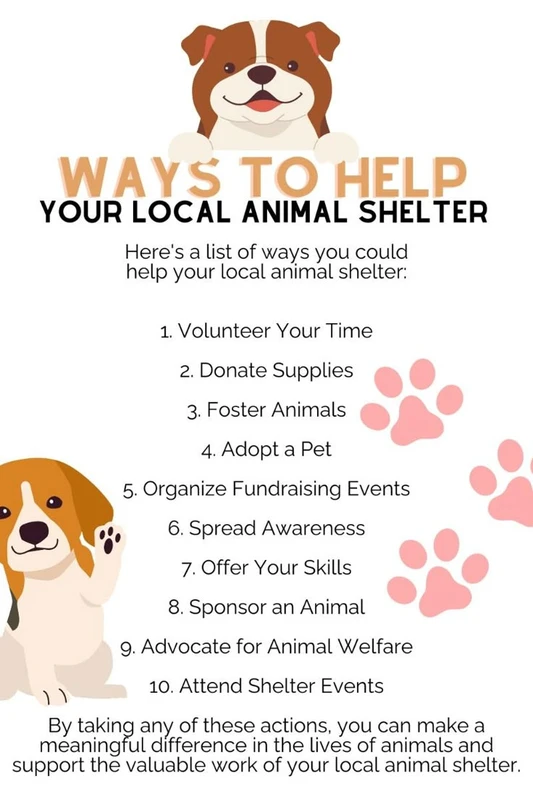
PawVerde.com – Collaboration between animal shelters and a wide range of stakeholders enhances animal welfare advocacy by combining resources, expertise, and community reach. Animal shelters serve as critical frontline entities providing shelter, medical care, and rehoming services for vulnerable animals. Effective partnerships with local businesses, corporate sponsors, media outlets, community advocates, and other welfare organizations amplify shelter impact, drive adoption rates, and advance no-kill policies. This article explores practical, actionable strategies for individuals and organizations seeking to collaborate with animal shelters, backed by expert insights and data from leading entities such as the ASPCA, Best Friends Animal Society, and Humane World for Animals.
Animal shelters benefit significantly from multi-sector collaboration that leverages complementary strengths. For instance, cross-promotion with local businesses and engagement with micro-influencers can exponentially increase public awareness and turnout at adoption drives. Corporate sponsorships not only provide essential funding but also enable employee volunteer programs that support shelter operations. Additionally, resource sharing among shelters and sanctuaries fosters no-kill advocacy by optimizing care capacity and transportation logistics. Coordinated grassroots efforts with advocacy coalitions help influence pet-friendly legislation and improve shelter medicine practices. Together, these partnerships create a robust ecosystem advancing animal welfare objectives.
Partnering with Local Businesses and Community Organizations
Local businesses provide crucial platforms for animal shelters to extend visibility and community engagement. Cross-promotion strategies such as hosting adoption events in office buildings or retail spaces have proven effective in attracting new adopters. For example, puppy yoga classes co-hosted by animal shelters and neighborhood yoga studios have emerged as innovative outreach events that combine wellness trends with animal advocacy, boosting both participant engagement and adoption inquiries. Donation displays featured in local shops also facilitate community contributions, increasing material and financial support.
Neighborhood groups and micro-influencers amplify shelter messaging through trusted networks and social media channels. Engaging lifestyle creators and pet care experts within the community fosters organic storytelling that resonates authentically with local audiences. This grassroots approach complements traditional marketing by generating word-of-mouth advocacy and enhancing shelter credibility. Local radio and TV stations often partner with shelters to promote upcoming adoption drives, increasing event attendance and media coverage.
Corporate Sponsorship and Volunteer Programs
Corporations play a vital role in animal welfare advocacy by aligning their corporate social responsibility (CSR) initiatives with shelter missions. Sponsorships from businesses provide stable funding for shelter infrastructure, medical supplies, and program development. Many corporations also establish employee volunteer programs, where staff participate in shelter activities such as dog walking, animal socialization, and event coordination. These programs strengthen community ties and foster a culture of philanthropy within the corporate sector.
Marketing campaigns that highlight corporate partnerships with shelters offer branding opportunities that enhance company reputation and customer loyalty. For instance, co-branded social media campaigns showcasing adoption success stories or shelter improvements funded by corporate grants create positive visibility for both entities. Data from the Best Friends Animal Society indicates that shelters with strong corporate partnerships experience a measurable increase in adoption rates and volunteer retention.
Collaborations Among Shelters, Sanctuaries, and Rescue Groups
Inter-shelter collaboration optimizes resources and expertise to advance no-kill advocacy. Many shelters partner with sanctuaries and rescue groups to transfer animals requiring specialized care or longer rehabilitation, thereby maximizing shelter capacity for urgent intakes. Coordinated animal transport networks facilitate these transfers, reducing euthanasia rates and improving placement success.
Open communication and trust-building are essential to overcoming challenges posed by differing shelter histories and operational models. Joint training programs and shelter medicine collaborations improve care standards across organizations. For example, ASPCA Shelter Medicine Services provides technical assistance and veterinary expertise to participating shelters, enhancing animal health outcomes and reducing disease transmission.
Sharing resources such as food supplies, medical equipment, and volunteer pools further strengthens the collective ability to support animals in need. This cooperative model aligns with grassroots advocacy efforts that emphasize humane treatment and sustainable sheltering practices.
Innovative Outreach and Marketing Strategies
Shelters increasingly leverage digital platforms and storytelling techniques to broaden their outreach. Social media campaigns featuring compelling narratives and high-quality visuals engage potential adopters and donors. Interactive content such as virtual tours, live Q&A sessions with shelter staff, and behind-the-scenes videos foster transparency and community connection.
Hosting community events beyond traditional adoption drives—such as pet care workshops, charity runs, and themed fundraisers—diversifies shelter engagement and attracts varied demographics. Tailoring campaigns to local cultural preferences and leveraging micro-influencers enhances relevance and participation.
Data analytics tools help shelters identify peak engagement periods and optimize content delivery. For example, targeted ads during weekends or holidays coincide with higher adoption inquiries. Integration of user-generated content further boosts campaign authenticity and reach.
Grassroots Advocacy and Policy Collaboration
Effective animal welfare advocacy extends beyond shelter walls through grassroots organizing and legislative engagement. Animal shelters often collaborate with advocacy coalitions to promote pet-friendly laws, anti-cruelty ordinances, and funding for shelter medicine programs. Coordinated campaigns utilize advocacy toolkits developed by organizations such as the Best Friends Action Team and Humane World for Animals to mobilize community members.
Community advocates organize letter-writing campaigns, public forums, and social media awareness drives to influence policymakers. Shelter participation in these efforts lends credibility and facilitates access to expert testimony and data. Recent successes in several states demonstrate the impact of unified shelter-advocate partnerships in passing no-kill legislation and improving animal control policies.
Shelter Medicine Collaboration and Expert Support
Advancements in shelter medicine contribute significantly to animal welfare by reducing disease, improving recovery, and enhancing overall care quality. Collaboration with expert programs such as ASPCA Shelter Medicine Services provides shelters with access to veterinary consultations, staff training, and evidence-based protocols.
These partnerships enable shelters to implement preventive health measures, including vaccination schedules, parasite control, and behavioral assessments. Enhanced medical care improves adoption readiness and reduces length of stay, a key metric in no-kill shelter success.
Moreover, shelter medicine collaborations support research initiatives that inform best practices and policy recommendations. This scientific approach underpins advocacy efforts by providing data-driven evidence of effective sheltering methods.
Future Directions in Shelter Collaboration for Advocacy
Sustaining impactful partnerships requires ongoing innovation, transparency, and adaptability. Expanding collaboration to include emerging stakeholders such as social service providers and lifestyle creators can broaden the advocacy base. Investment in technology platforms for resource sharing and coordinated event management will enhance operational efficiency.
Continued emphasis on no-kill initiatives and legislative advocacy remains critical. Shelters and partners must balance immediate animal care needs with long-term systemic change through policy reform and public education. Data integration and impact measurement tools will support accountability and guide strategic planning.
Collective responsibility among animal welfare organizations, corporate partners, community advocates, and media will drive the next phase of shelter advocacy. By sharing expertise, resources, and platforms, these stakeholders can create resilient networks that improve animal outcomes and foster compassionate communities.
Frequently Asked Questions
How can local businesses effectively support animal shelters?
Local businesses can support shelters by hosting adoption events, displaying donation drives, sponsoring community outreach activities, and collaborating on unique events such as puppy yoga classes. They can also promote shelter missions via social media and provide in-kind support like space or services.
What role do corporate sponsors play in animal shelter advocacy?
Corporate sponsors provide financial support, volunteer staff, and marketing resources. They align CSR initiatives with shelter goals, sponsor events, and help amplify outreach campaigns, which enhances shelter capacity and public visibility.
Why is collaboration among shelters and sanctuaries important?
Collaboration enables sharing of resources, expertise, and animal transfers, supporting no-kill policies and improving care. It helps shelters manage capacity, provide specialized treatment, and coordinate rescue efforts more effectively.
How do grassroots advocacy efforts complement shelter work?
Grassroots advocacy mobilizes community support for humane legislation, raises awareness, and pressures policymakers. When combined with shelter expertise and data, these efforts drive systemic changes that benefit animal welfare.
What benefits do shelter medicine collaborations offer?
Shelter medicine partnerships improve animal health through expert veterinary care and training. They reduce disease and stress in shelter animals, enhance adoption readiness, and support research that informs best practices and policy advocacy.
—
By integrating local business partnerships, corporate sponsorships, inter-organizational collaboration, innovative marketing, grassroots advocacy, and expert shelter medicine support, animal shelters can significantly enhance their advocacy impact. These comprehensive strategies foster community engagement, increase adoption rates, and advance no-kill objectives, ultimately transforming animal welfare landscapes.

How Pet Adoption Supports Responsible Communities and Saves Lives
PawVerde.com – Pet adoption stands as a pivotal practice that directly supports responsible communities by reducing euthanasia rates, enforcing essential health protocols such as spaying/neutering and vaccinations, and fostering stronger social connections among residents. This multifaceted approach not only saves countless animal lives but also enhances community welfare, promotes ethical pet ownership, and drives economic benefits through sustainable pet care practices.
Adoption initiatives orchestrated by animal shelters and rescue organizations, including the Longmont Humane Society and Best Friends Animal Society, exemplify the integration of animal welfare principles with community development. These programs emphasize comprehensive veterinary care, rehabilitation, and educational outreach, thereby aligning pet ownership with public health and social responsibility goals.
Reducing Euthanasia and Saving Lives Through Adoption
animal shelters across the United States face persistent challenges with overcrowding, leading to high euthanasia rates, particularly among unadopted stray and surrendered animals. Pet adoption plays a critical role in mitigating this issue by freeing shelter capacity and providing rescued pets with permanent homes. According to data from Best Friends Animal Society, communities with robust adoption programs have witnessed euthanasia reductions exceeding 50% in recent years, illustrating the direct impact of adoption on saving animal lives.
Shelters implement strict health protocols requiring all adopted pets to undergo spaying or neutering and receive up-to-date vaccinations before transitioning to new owners. These measures serve as preventive strategies that curb pet overpopulation and reduce the spread of infectious diseases within both animal and human populations. For example, the Longmont Humane Society mandates spay/neuter surgeries and rabies vaccinations as part of its adoption agreement, ensuring that new pet owners contribute to community health standards.
Collaboration between shelters and local rescue groups enhances these efforts by facilitating transfers of animals from high-intake facilities to organizations with greater capacity or specialized rehabilitation programs. This networked approach optimizes resource allocation, reduces shelter burden, and increases the likelihood of successful adoptions.
Promoting Responsible Pet Ownership Through Adoption Processes
The adoption process itself is designed to cultivate responsible ownership by incorporating rigorous application procedures, home environment assessments, and suitability evaluations. Animal welfare organizations prioritize matching pets with owners whose lifestyles and capabilities align with the animal’s needs, thereby reducing risks of future abandonment or neglect.
Health protocols extend beyond spaying/neutering and vaccinations to include microchipping, behavioral evaluations, and veterinary wellness checks. These protocols set a standard of care that adopted pet owners are expected to maintain, supported by educational resources provided by shelters and rescue groups. For instance, foster programs often serve as transitional phases where pets receive behavioral training and medical care, while prospective owners receive guidance on long-term pet management.
Shelters actively engage adopters through post-adoption support services such as veterinary referral networks, training workshops, and community pet welfare programs. These initiatives help sustain responsible ownership, ensuring pets remain healthy and integrated within their communities.
Social and Community Benefits of Pet Adoption
Beyond the direct welfare of animals, pet adoption fosters significant social and community advantages. Companion animals act as catalysts for social interaction, encouraging neighborhood cohesion and mutual support networks. Studies have demonstrated that pet owners experience increased opportunities for socialization, which can reduce feelings of isolation and improve mental health outcomes.
Rescued pets often bring unique stories that inspire community advocacy and volunteerism. Adoption narratives shared by organizations like Best Friends Animal Society highlight how individuals and families become more engaged in local animal welfare efforts, promoting a culture of compassion and civic responsibility.
Moreover, companion animals contribute positively to mental health, providing emotional support and reducing stress levels. This aspect is particularly evident in vulnerable populations such as the elderly or individuals experiencing social anxiety, where pet adoption serves as a therapeutic intervention.
Economic and Ethical Impacts of Supporting Animal Welfare Through Adoption
Redirecting consumer focus from commercial breeders and pet stores to animal shelters shifts economic resources toward ethical and sustainable pet care models. Adoption alleviates demand for puppy mills and unethical breeding operations by offering viable alternatives that prioritize animal health and welfare.
Non-profit animal welfare organizations rely on community support and adoption fees to fund shelter operations, veterinary care, and outreach programs. This economic cycle reinforces local job creation in veterinary services, pet care industries, and shelter staffing, contributing to broader community growth.
Ethically, adoption embodies a responsible choice that aligns with societal values of animal rights and humane treatment. By choosing adoption, pet owners participate in a system that upholds transparency, accountability, and care standards, fostering trust within the community.
The Role of Fostering and Rehabilitation in Enhancing Adoption Outcomes
Fostering programs serve as critical pathways that prepare rescued animals for permanent adoption. Temporary homes offer a controlled environment for behavioral assessment, socialization, and medical rehabilitation, increasing the adoptability of shelter pets.
Rehabilitation efforts address issues such as trauma, aggression, or health complications, which might otherwise limit a pet’s chances of adoption. Animal welfare organizations deploy professional trainers, veterinary specialists, and volunteers to implement individualized care plans that maximize recovery outcomes.
Fostering also engages community members directly, creating networks of advocates and educators who promote responsible pet ownership. This involvement often leads to higher adoption rates, reduced shelter overcrowding, and stronger community ties centered around animal welfare.
FAQ
How does pet adoption reduce euthanasia rates in shelters?
Adoption decreases euthanasia by creating permanent homes for sheltered animals, freeing shelter space for new intakes, and reducing overcrowding. Shelters with active adoption programs report significant declines in euthanasia, supported by spaying/neutering requirements that prevent further overpopulation.
What responsibilities do adopters have regarding pet health and care?
Adopters are required to ensure pets receive vaccinations, spaying/neutering, microchipping, and regular veterinary care. Shelters provide education and support to help owners maintain these responsibilities, promoting long-term animal health and community safety.
In what ways does adopting a pet benefit community social dynamics?
Pets encourage social interaction among neighbors, reduce social isolation, and promote community engagement through advocacy and volunteerism. These social benefits extend to improved mental health and stronger neighborhood bonds.
Why is fostering important in the pet adoption process?
Fostering provides temporary care that allows pets to recover from medical or behavioral issues, prepares them for permanent homes, and reduces shelter overcrowding. It also educates foster families and communities about responsible pet care.
How does pet adoption impact the local economy and ethical standards?
Adoption supports ethical pet care by directing funds to shelters and rescue organizations rather than commercial breeders. This sustains local jobs in veterinary and animal welfare sectors and promotes humane treatment standards.
Pet adoption remains a cornerstone of responsible community development by integrating animal welfare with public health, ethical standards, and social cohesion. As adoption programs continue to evolve, fostering and rehabilitation efforts will play increasingly vital roles in enhancing outcomes for rescued pets and their new families. Communities benefit not only from the preservation of animal lives but also from the strengthened social fabric and economic vitality generated through compassionate pet ownership. Prospective adopters are encouraged to engage with local shelters and rescue groups to contribute meaningfully to this transformative process.

Best Practices for Fostering Pets Explained by Experts
PawVerde.com – Fostering pets serves as a critical bridge between animal shelters and permanent adoption, providing temporary care, socialization, and basic training to improve animals’ chances of finding forever homes. This practice not only supports animal welfare organizations such as Best Friends Animal Society, Muttville, and Dallas Animal Services but also alleviates overcrowding in shelters. Effective pet fostering requires structured programs, trained caregivers, and clear communication channels, ensuring foster pets receive proper medical attention, behavioral support, and socialization to thrive in adoptive environments.
The success of fostering programs hinges on a comprehensive approach that includes promoting foster opportunities, preparing caregivers, managing pet introductions, training animals, and addressing both medical and emotional needs. This article details best practices for fostering pets, drawing on expert insights and organizational guidelines to equip prospective foster parents with actionable strategies for enhancing animal welfare and adoption outcomes.
Promoting Foster Programs to Expand Caregiver Networks
animal shelters and rescue organizations increase foster participation through targeted local outreach and digital engagement. Distributing flyers and postcards at veterinary clinics, pet stores, and community centers connects with potential fosters in trusted environments. Personalized mailings encourage repeat engagement by highlighting foster success stories and outlining clear benefits of temporary pet care.
Social media platforms such as Facebook and Instagram play a pivotal role in fostering program marketing. Organizations use storytelling techniques to showcase foster pets’ transformations, creating emotional resonance that motivates volunteer recruitment. Posting videos of foster pet socialization and adoption testimonials fosters community interest and trust. Hosting informational events and meet-and-greets, either virtually or in person, provides hands-on opportunities for prospective caregivers to learn about responsibilities and meet shelter staff.
Data from Dallas Animal Services indicates that shelters leveraging multi-channel outreach experience a 30% increase in foster applications, underscoring the effectiveness of integrated promotion strategies.
Preparing Foster Caregivers Through Training and Support
Comprehensive orientation sessions are essential to equip foster parents with knowledge on animal behavior, medical care basics, and program expectations. Best Friends Animal Society emphasizes the importance of structured training that covers pet introductions, socialization techniques, and emergency protocols. New fosters receive welcome kits containing resource guides, contact lists for veterinary clinics, and behavioral support materials.
Clear communication about foster responsibilities—such as feeding schedules, medication administration, and handling behavioral challenges—reduces caregiver uncertainty and turnover. Ongoing mentorship programs, pairing new fosters with experienced volunteers or shelter staff, provide emotional support and practical advice. Muttville’s Director of Operations highlights that mentorship lowers burnout rates by 25%, improving retention in foster networks.
Shelters also facilitate regular check-ins and feedback loops, enabling foster parents to report concerns and receive timely assistance. This transparent approach builds trust and enhances program sustainability.
Managing Foster Pet Introductions and Socialization
Gradual and controlled introductions between foster pets and resident animals are critical to minimizing stress and promoting positive interactions. Shelter guidelines recommend initial meetings in neutral, enclosed spaces with both animals on leashes to maintain control. Using treats and calm verbal cues during introductions encourages cooperative behavior. For dog-to-cat introductions, shelter staff advise slow exposure over several sessions to allow adjustment.
Socialization extends beyond inter-pet interactions to include acclimating foster animals to humans and varied environments. Foster caregivers implement techniques such as gentle handling, exposure to household noises, and supervised outdoor walks to reduce anxiety and build confidence. Dallas Animal Services notes that foster pets receiving consistent socialization demonstrate 40% higher adoption rates compared to unsocialized shelter counterparts.
Training foster pets on basic commands and housebreaking also enhances their adoptability. Positive reinforcement methods, including clicker training and reward-based systems, encourage desirable behaviors while strengthening the foster pet-caregiver bond.
Training Foster Pets for Adoption Readiness
Fostering programs focus on preparing animals to transition smoothly into permanent homes by addressing behavioral and environmental adaptation. Housebreaking remains a priority, with foster parents maintaining consistent schedules and using crate training to reinforce routines. Basic obedience training covers commands such as sit, stay, and come, facilitating better control and safety in adoptive homes.
Introducing foster pets to new environments, such as car rides or other households, helps build resilience and adaptability. Best Friends Animal Society recommends gradually increasing exposure to different stimuli, paired with positive reinforcement, to prevent fear responses. Foster caregivers document behavioral progress and challenges, providing shelter staff with detailed assessments to guide adoption matches.
Behavioral support extends to managing separation anxiety and fearfulness, common issues in shelter animals. Volunteers and shelter staff collaborate to develop customized socialization plans, incorporating tools like calming pheromone diffusers and enrichment toys, to improve mental well-being.
Medical Care and Emergency Protocols in Foster Programs
Routine medical care is a foundational aspect of fostering, requiring coordination between foster caregivers, veterinary clinics, and shelters. Foster parents administer vaccinations, parasite prevention, and monitor for signs of illness in pets under their care. Rescue organizations establish clear protocols for reporting symptoms and accessing emergency veterinary services.
Special needs animals, including those recovering from surgery or chronic conditions, require tailored care plans. Foster caregivers receive specific training on medication schedules, dietary restrictions, and mobility assistance. Dallas Animal Services provides telehealth consultations to support fosters managing complex cases, ensuring timely intervention.
Documentation of medical treatments and behavioral observations is maintained meticulously, enabling shelters to track health trends and prepare accurate adoption disclosures. This transparency reinforces trust between shelters, fosters, and adopters.
Emotional Aspects and Caregiver Well-being in Fostering
The emotional journey of fostering involves forming attachments to animals while preparing for eventual separation. Foster caregivers often experience grief and stress upon returning pets to shelters or new owners. Best Friends Animal Society advises fostering individuals to develop coping strategies, such as journaling and peer support groups, to manage attachment challenges.
Burnout prevention is critical to sustaining foster engagement. Organizations recommend setting realistic expectations about time commitments and emotional investment. Providing ongoing recognition and celebrating foster successes contribute to caregiver motivation. Muttville reports that integrating wellness check-ins and resilience training into foster programs reduces turnover by 18%.
Despite challenges, fostering yields profound rewards. Caregivers witness tangible improvements in pet behavior and health, contributing directly to animal welfare. The reciprocal bond formed enhances human mental health and community connectedness.
Enhancing Adoption Success Through Foster Care Contributions
Foster caregivers play a vital role in marketing adoptable pets by sharing high-quality photos, videos, and personal stories on social media and during public outings. These authentic portrayals humanize shelter animals, increasing public interest and adoption inquiries. Rescue organizations often provide training on crafting engaging adoption profiles that highlight each foster pet’s personality and progress.
Fosters also assist shelter staff in behavioral assessments, providing insights into temperament and compatibility with different household types. This data informs tailored adoption placements, improving long-term retention rates. Best Friends Animal Society statistics reveal that foster pets are adopted 50% faster than those remaining solely in shelters.
Community engagement through foster events and volunteer involvement amplifies program reach. Animal care organizations encourage fosters to participate in educational workshops and advocacy initiatives, further integrating fostering into broader animal welfare efforts.
| Aspect | Best Practices | Impact/Outcome |
|---|---|---|
| Foster Program Promotion | Multi-channel outreach, social media storytelling, community events | 30% increase in foster applications (Dallas Animal Services) |
| Caregiver Preparation | Orientation, mentorship, resource kits, clear communication | 25% reduction in caregiver burnout (Muttville) |
| Pet Socialization | Gradual pet introductions, leash control, exposure to environments | 40% higher adoption rates for socialized pets |
| Medical Care Coordination | Routine vet visits, emergency protocols, telehealth support | Improved health outcomes, timely intervention |
| Emotional Support | Burnout prevention, peer support, resilience training | 18% decrease in foster turnover (Muttville) |
FAQ
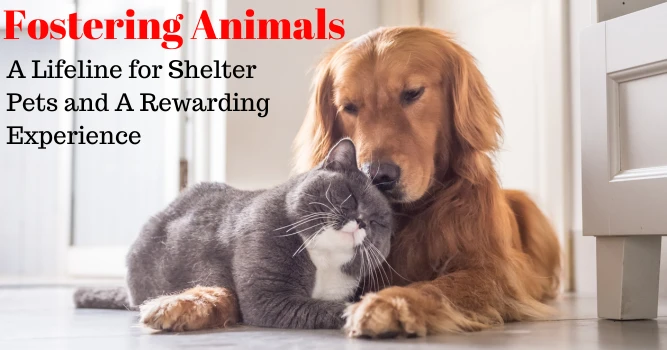
What are the essential steps to prepare for fostering a pet?
Preparing for fostering includes attending comprehensive orientation sessions, understanding medical and behavioral needs, setting up a safe home environment, and establishing clear communication with the shelter or rescue organization. Access to resource guides and ongoing mentorship also supports successful fostering.
How can foster caregivers help socialize pets effectively?
Foster caregivers should introduce pets gradually to other animals and humans, use leash control during initial meetings, and expose foster animals to varied environments to reduce anxiety. Positive reinforcement and consistent routines contribute to improved social behaviors.
What medical responsibilities do foster parents have?
Foster parents manage routine vaccinations, parasite control, medication administration, and monitor pets for signs of illness. They coordinate with veterinary clinics and shelters for emergency care and maintain detailed health records for each foster animal.
How do foster programs address caregiver burnout?
Burnout is mitigated through realistic expectations, emotional support groups, recognition of foster efforts, and access to mentorship. Regular wellness check-ins and resilience training help maintain caregiver well-being.
What role do foster pets play in adoption success?
Foster pets benefit from personalized socialization and training, enhancing their behavior and confidence. Foster caregivers provide detailed behavioral assessments and create engaging adoption profiles, which increase adoptability and reduce shelter overcrowding.
Fostering pets remains a cornerstone of effective animal welfare strategies, bridging gaps between shelter intake and permanent adoption. As fostering programs evolve, integrating advanced caregiver training, medical support, and emotional well-being resources will be pivotal in sustaining these networks. Future developments may include AI-driven behavior monitoring and expanded telehealth veterinary services, further empowering foster caregivers to enhance pet welfare and adoption outcomes.

Foster-to-Adopt Programs Boost Pet Adoption Success Rates
PawVerde.com – Foster-to-adopt programs have become pivotal in increasing permanent pet adoptions by enabling prospective caregivers to foster animals with medical or behavioral challenges while receiving comprehensive support from animal shelters. These initiatives not only address shelter overcrowding but also foster deep emotional bonds between animals and foster parents, often resulting in adoption. Data from organizations such as the ASPCA, Best Friends Animal Society, and Pedigree Foundation demonstrate that these programs improve outcomes for hard-to-place pets by combining medical care, behavioral training, and ongoing foster support.
Foster parents frequently transition to adoption due to the strong attachments formed during care, especially when managing pets with special needs. Shelters supply foster families with necessary resources including medical treatments, behavioral guidance, and supplies, alongside regular check-ins from veterinary and foster support teams. This collaborative model enhances the transition from shelter to home, particularly for senior animals or those requiring intensive care, thereby increasing successful adoption rates and reducing shelter stays.
Emotional Bonds and the Foster Fail Phenomenon
The term “foster fail,” paradoxically a positive outcome, describes foster parents who choose to adopt their foster pets after forming profound emotional connections. This phenomenon reflects the transformative impact fostering can have on both pets and caregivers. Foster parents often recount how consistent, personalized care during the trial period reveals the pet’s personality and compatibility, making adoption a natural progression.
For example, foster families within the Animal Humane Society report that nearly 40% of their foster placements culminate in adoption by the foster parent. This emotional bond is further reinforced in cases involving special needs pets, where foster caregivers witness firsthand the pet’s recovery and growth. Shelters emphasize training programs that prepare fosters for behavioral challenges, enhancing caregiver confidence and attachment. Foster fail cases underscore the dual benefit: pets gain permanent homes while fostering families experience fulfilling companionship.
Case Studies of Successful Foster Adoptions
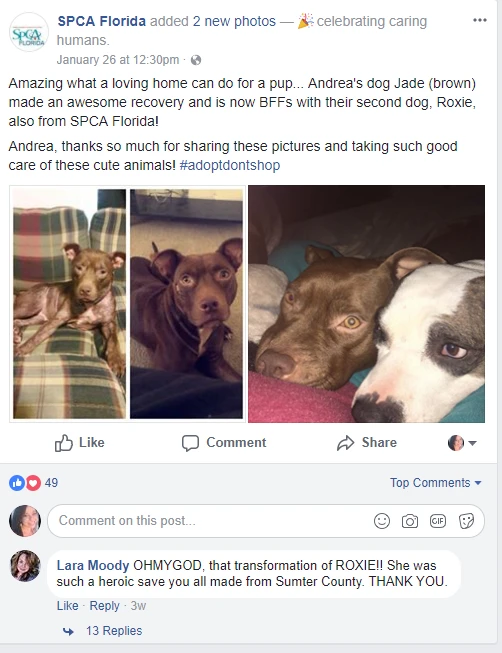
Several documented foster-to-adopt success stories illustrate the efficacy of these programs:
These cases highlight how foster programs address medical and behavioral complexities, providing individualized care that enhances adoptability.
Shelter Support Systems and Foster Care Best Practices
Effective foster programs rely on comprehensive shelter support systems that provide medical care, supplies, and education tailored to foster needs. animal shelters such as Best Friends Animal Society emphasize structured foster training, covering topics like administering medications, recognizing behavioral cues, and managing emergency situations.
Regular check-ins from shelter veterinary professionals and foster support teams ensure continuity of care and address challenges promptly. Shelters supply foster families with necessary equipment including leashes, crates, and specialized diets, reducing financial burdens and increasing foster retention. Emergency support hotlines are often available to guide fosters through unexpected health or behavior issues, reinforcing caregiver confidence.
Behavioral training for foster pets is integral, with shelters collaborating with trainers to develop customized plans. This approach is particularly critical for pets with anxiety, aggression, or socialization deficits. Best practices also include detailed record-keeping of medical histories and behavior assessments shared between shelters and foster families, facilitating informed adoption decisions.
Collaborative Adoption Initiatives and Funding Impact
Regional networks such as the Pedigree Foundation’s foster recruitment campaigns and Grapevine Animal Services’ collaborative adoption initiatives have significantly improved foster placement efficiency. These networks enable resource sharing, joint events, and centralized foster databases, which streamline matching foster families with pets based on medical and behavioral needs.
Grants and funding play a crucial role in sustaining and expanding foster programs. For example, the Pedigree Foundation allocates funds specifically for behavior-focused foster programs that include training and enrichment activities. Such funding supports adoption campaign marketing, increasing public awareness and engagement.
Financial backing also facilitates shelter veterinary care, reducing the cost barriers for foster families handling pets with complex medical conditions. This funding ecosystem contributes to lowering shelter population stress levels and accelerates the path to permanent homes.
Broader Impacts of Fostering on Animal Welfare Communities

Beyond individual adoptions, fostering serves as a catalyst for community engagement in animal welfare. Foster programs encourage social connection among volunteers, creating networks that support knowledge sharing and emotional encouragement. The social benefits extend to foster families, who often report improved well-being and satisfaction through caregiving roles.
Community outreach through foster programs raises awareness about shelter animals’ needs, thereby attracting new volunteers and donors. Programs that incorporate educational workshops and foster training sessions help demystify pet care challenges, broadening the base of potential foster caregivers.
Increasing foster recruitment is essential for addressing shelter overpopulation and improving animal welfare outcomes. Shelters employing strategic foster outreach have noted measurable increases in adoption rates and reductions in euthanasia statistics, underscoring fostering’s systemic benefits.
FAQ
What is a foster-to-adopt program?
A foster-to-adopt program allows individuals to temporarily care for a shelter pet with the option to adopt after a trial period. These programs provide medical and behavioral support to foster families and help pets transition smoothly from shelter environments to permanent homes.
How do shelters support foster families?
Shelters offer foster families supplies, veterinary care, training on medical and behavioral needs, and regular check-ins. Emergency support and educational resources help foster caregivers manage pets’ challenges effectively.
What types of pets benefit most from foster care?
Senior pets, animals with medical conditions, behavioral challenges, or those requiring socialization benefit significantly from foster care, as they receive personalized attention not always possible in shelter settings.
Why do foster parents often adopt their foster pets?
Foster parents develop strong emotional bonds during caregiving, especially when witnessing a pet’s recovery or behavioral progress. This connection often motivates them to provide permanent homes for their foster animals.
How does funding impact foster programs?
Funding supports medical care, behavioral training, foster recruitment, and adoption campaigns. It reduces financial burdens on shelters and foster families, improving program sustainability and adoption success rates.
Foster-to-adopt programs represent a transformative approach in animal welfare, combining medical care, behavioral support, and emotional bonding to increase permanent adoptions. Their success relies on extensive shelter support systems, collaborative networks, and sustained funding. As these programs evolve, they continue to enhance the lives of shelter pets and foster families alike, offering scalable solutions to challenges faced by animal shelters globally.

How Fostering Pets Boosts Adoption Rates and Reduces Shelter Strain
PawVerde.com – Fostering pets delivers crucial temporary care that enhances animals’ adoption chances by up to 1,400%, according to Best Friends Animal Society, while simultaneously alleviating shelter overcrowding and euthanasia rates. For foster caregivers, the experience offers profound emotional satisfaction, companionship, and a sense of purpose, though it also involves challenges such as grief and stress. This dual impact on both animals and humans has positioned fostering as a vital component of contemporary animal welfare strategies, supported by extensive research and the concerted efforts of rescue organizations like Humane World, LifeLine Animal Project, PAWS, and MEHS.
Pet fostering programs accommodate diverse caregiving models, from emergency short-term placements to long-term care, adapting to foster caregivers’ lifestyles and shelter needs. This flexibility allows for tailored intervention in animal rehabilitation and shelter capacity management while providing foster caregivers with structured support including training and ongoing assistance. The following analysis delves into the multifaceted impacts of fostering, integrating empirical data, caregiver experiences, and organizational insights to present a comprehensive overview of fostering’s role in advancing animal welfare and human wellbeing.
Impact of Fostering on Animals: Behavioral Development and Adoption Outcomes
Fostering significantly enhances the behavioral and social development of shelter animals. Peer-reviewed studies published by the National Institutes of Health demonstrate that animals placed in foster homes develop improved social skills and confidence compared to those confined solely to shelter environments. This behavioral enrichment directly correlates with higher live release rates, as fostered pets exhibit reduced anxiety and better adaptability when transitioning to adoptive families.
Animal welfare organizations report that fostered pets show marked decreases in stress-related behaviors such as excessive barking, aggression, and withdrawal. Shelter Animals Count data reveal that fostering reduces shelter overcrowding, enabling shelters to allocate resources more effectively and focus on long-term rehabilitation efforts. Best Friends Animal Society quantifies the impact on adoption likelihood, estimating a 500% to 1,400% increase for fostered animals compared to those housed exclusively in shelters.
The reduction in euthanasia rates is a critical outcome linked to fostering. By providing temporary homes, foster caregivers decrease the number of animals at risk due to space limitations or behavioral issues. This alleviation of shelter capacity pressures is particularly evident in organizations like MEHS and PAWS, which report that fostering programs have been instrumental in preventing euthanasia during peak intake periods.
Emotional and Psychological Effects on Foster Caregivers
Foster caregivers experience a complex emotional landscape shaped by companionship, responsibility, and occasional grief. Research conducted by Humane World indicates that 78% of foster caregivers report grief when their foster pets are adopted, yet they overwhelmingly affirm the joy and fulfillment derived from making a tangible difference in an animal’s life. This emotional duality underscores fostering as a deeply rewarding but sometimes taxing volunteer activity.
The LifeLine Animal Project’s studies show that interaction with foster pets significantly reduces stress, anxiety, and depression symptoms in caregivers, aligning with broader research on human-animal bonds. Foster caregiving promotes empathy development, especially in families with children, by exposing them to the realities of animal welfare and nurturing responsibility.
Despite these benefits, fostering also involves challenges such as caregiver stress and burnout. However, a Humane World survey indicates generally low levels of burnout among foster caregivers, attributed to robust organizational support and flexible fostering arrangements. Notably, fostering can induce stress on existing household pets and occasional property damage, which organizations like HLCR and PDSA address through targeted training and matching processes.
Organizational Support Structures for Foster Caregivers
Shelter and rescue organizations play a pivotal role in sustaining fostering programs by providing comprehensive support to foster caregivers. Training modules cover animal behavior, health monitoring, and emergency response, equipping caregivers with the skills necessary for effective pet care. Matching processes consider caregiver experience, household dynamics, and pet needs to optimize placement success and minimize conflict.
Ongoing assistance includes veterinary care coordination, behavioral consultation, and peer support networks. MEHS and PAWS emphasize flexible fostering models, allowing caregivers to choose between short-term emergency care and extended placements, accommodating diverse personal circumstances. Humane World and HLCR have developed digital platforms facilitating communication between caregivers and shelter staff, ensuring timely information exchange and emotional support.
These support mechanisms contribute to reduced caregiver stress and improved animal outcomes, fostering sustainable engagement. Rescue organizations also track fostering data to evaluate program efficacy, adapting strategies based on adoption rates, caregiver feedback, and animal health indicators.
Broader Community and Family Dynamics Influenced by Fostering
Fostering impacts household dynamics, often enriching family life by introducing new routines and responsibilities centered on animal care. Foster caregivers report increased empathy and social awareness in children, as documented by HLCR, highlighting fostering as an educational tool. However, the presence of foster pets can also create stress for resident animals, necessitating gradual introductions and behavior management strategies.
At the community level, fostering promotes volunteerism and awareness of animal welfare issues. Organizations like Best Friends Animal Society and Pedigree Foundation advocate fostering as a gateway to broader community engagement, encouraging foster caregivers to participate in outreach and advocacy. This engagement augments shelter visibility and fundraising efforts, reinforcing the human-animal bond within local contexts.
Scientific Research and Statistical Evidence on Fostering Impact
A growing body of scientific literature substantiates the benefits of fostering for both animals and humans. NIH/PMC publications document that foster pets exhibit behavioral improvements that enhance adoption success rates, corroborated by Shelter Animals Count statistics reflecting adoption increases of up to 1,400%. Mental health researchers associate fostering with reductions in caregiver anxiety and depression, supported by findings from LifeLine Animal Project.
Statistical analyses from HLCR reveal that while grief is common among caregivers post-adoption, it does not diminish overall satisfaction or willingness to foster again. Humane World’s research further indicates that structured fostering programs with training and support reduce caregiver burnout, maintaining high retention rates critical for program sustainability.
The following table summarizes key data points on fostering impacts:
| Impact Area | Key Data | Source |
|---|---|---|
| Adoption Rate Increase | 500-1,400% higher for fostered pets | Best Friends Animal Society |
| Caregiver Grief Reported | 78% experience grief post-adoption | HLCR |
| Caregiver Stress & Burnout | Generally low with organizational support | Humane World |
| Mental Health Benefits | Reduced anxiety, depression, and stress | LifeLine Animal Project |
| Behavioral Improvement in Pets | Increased social skills, confidence | NIH/PMC studies |
| Reduction in Euthanasia | Significant shelter capacity relief | MEHS, PAWS data |
Balancing Benefits and Challenges: A Nuanced Perspective on Fostering
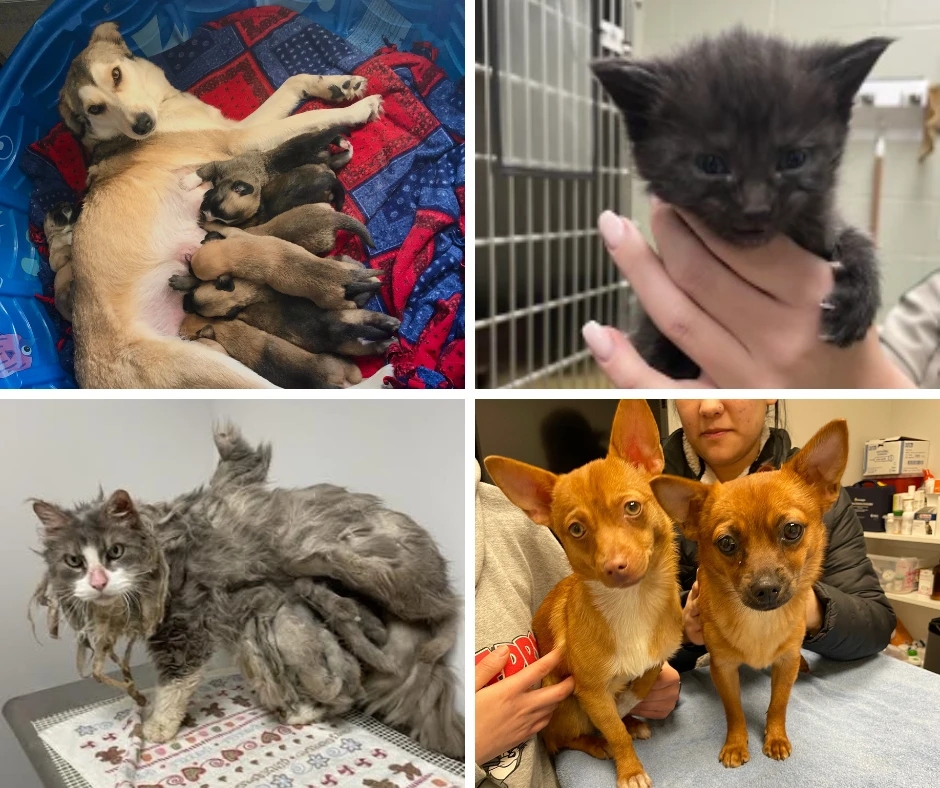
While fostering yields substantial benefits, acknowledging its challenges is essential for realistic expectations. Emotional attachment can complicate the transition when foster pets are adopted, leading to grief and a sense of loss. Caregiver stress may arise from managing behavioral issues or integrating foster pets with resident animals. Property damage, although infrequent, is another factor caregivers must consider.
However, organizations mitigate these challenges through training, support networks, and clear communication. Flexible fostering options allow caregivers to set boundaries that align with their capacities. This balance fosters sustainable caregiving, preserving the mental health of caregivers while maximizing benefits for animals.
Fostering’s role extends beyond animal welfare to encompass psychological wellbeing for humans, community cohesion, and educational opportunities. Its integration into shelter strategies reflects evolving paradigms in humane animal management and volunteer engagement.
FAQ
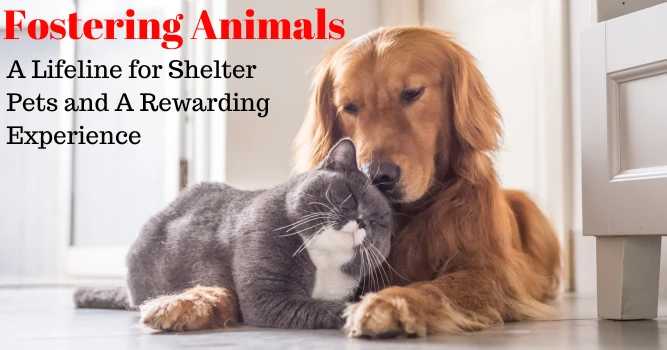
What are the primary benefits of fostering pets for animals?
Fostering improves animals’ socialization, reduces stress-related behaviors, and significantly increases their chances of adoption—by as much as 1,400%—while also alleviating shelter overcrowding and lowering euthanasia rates.
How does fostering impact the mental health of foster caregivers?
Foster caregivers often experience emotional satisfaction, reduced anxiety, and companionship benefits. However, they may also face grief when pets are adopted and occasional stress, which is generally manageable with organizational support and training.
What types of fostering programs exist?
Fostering can be short-term emergency care, long-term placements, or specialized fostering for animals with behavioral or medical needs. Programs are designed to be flexible, accommodating foster caregivers’ availability and shelter demands.
How do animal shelters support foster caregivers?
Shelters provide training, behavioral guidance, veterinary care coordination, and emotional support. They also implement matching systems to align foster pets with caregiver capacities, enhancing success and reducing burnout.
Can fostering affect existing pets in the household?
Yes, introducing foster pets can influence the behavior and stress levels of resident animals. Shelters advise gradual introductions and provide resources to manage interactions, minimizing conflicts and promoting harmonious cohabitation.
Fostering pets represents a symbiotic relationship that advances animal welfare and enriches human lives. Its continued evolution, supported by research and organizational innovation, promises to further integrate fostering as a cornerstone of humane sheltering and community engagement. Prospective foster caregivers are encouraged to consider the experience as both a compassionate act and an opportunity for personal growth, supported by the growing infrastructure of training and resources that enhance positive outcomes for all involved.