
Sustainable Pet Cleaning: How to Avoid Greenwashing
PawVerde.com – Sustainable pet cleaning has shifted from simple ‘natural’ labeling to a complex ecosystem of enzymatic breakdown, refillable concentrates, and ingredient transparency. Modern eco-friendly solutions focus on eliminating organic waste at the source while minimizing chemical exposure for pets, who are uniquely vulnerable due to their proximity to floor-level fumes and residues.
Because pets are much lower to the ground, they may face a higher exposure to chemicals and fumes than humans.
Beyond the Label: A Sustainability Audit for Pet Owners
A true sustainability audit for pet cleaning evaluates three pillars: ingredient safety (non-toxic, EWG-rated), packaging lifecycle (refillable vs. single-use), and efficacy (enzymatic vs. conventional). Look for refillable models like neat. to reduce plastic, and prioritize concentrated formulas to lower carbon footprints during shipping.
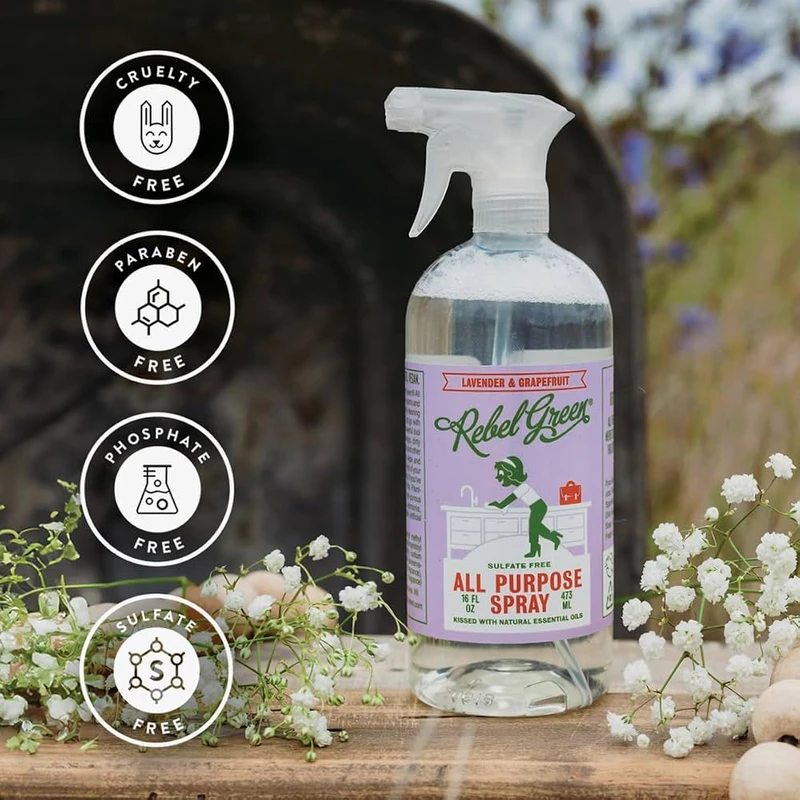
A common failure mode in eco-conscious households is the assumption that a “green” label guarantees safety. A label advertising “natural” or “green” does not automatically equal a healthier or safer product, as many brands use these terms without verifiable proof, a practice known as greenwashing.
The Refill Economy: Concentrates vs. Ready-to-Use
Reducing plastic waste requires moving away from single-use spray bottles toward refillable systems. For example, the manufacturer neat. provides plant-based, refillable cleaning products designed to be reused. To implement this, consumers can purchase a refill pack, mix it with water, and reuse the existing cleaning bottle.
Concentrated formulas are often more economical. Because they typically possess a higher concentration than other cleaners, they are generally easier on your wallet according to Rover.com.
Decoding Certifications: What the Logos Actually Mean
To avoid deceptive marketing, pet owners should look for third-party validation rather than brand-created icons. Key indicators of quality include:
- Safety Ratings: The Environmental Working Group (EWG) provides safety ratings that help identify non-toxic ingredient profiles.
- Ingredient Sourcing: Companies like Evonik act as suppliers of sustainable cleaning ingredients, ensuring the raw materials meet environmental standards.
- Efficacy Standards: Ensuring the product actually performs its intended function without relying on harsh synthetic surfactants.
Cleaning Method Primary Mechanism Best Surface/Use Sustainability Factor Enzymatic Cleaners Biological breakdown of proteins/lipids Carpets, upholstery, and hard floors High (biodegradable ingredients) BioKore™ Technology Non-enzymatic instant breakdown Multi-surface/General cleaning High (fast-acting, less waiting) DIY Vinegar/Baking Soda Acid-base reaction Light surface cleaning only Medium (low packaging, low efficacy) Refillable Plant-Based Plant-derived surfactants General household surfaces Highest (minimal plastic waste)
| Cleaning Method | Primary Mechanism | Best Surface/Use | Sustainability Factor |
|---|---|---|---|
| Enzymatic Cleaners | Biological breakdown of proteins/lipids | Carpets, upholstery, and hard floors | High (biodegradable ingredients) |
| BioKore™ Technology | Non-enzymatic instant breakdown | Multi-surface/General cleaning | High (fast-acting, less waiting) |
| DIY Vinegar/Baking Soda | Acid-base reaction | Light surface cleaning only | Medium (low packaging, low efficacy) |
| Refillable Plant-Based | Plant-derived surfactants | General household surfaces | Highest (minimal plastic waste) |
The table above illustrates that while enzymatic cleaners are effective, they require time to work. In contrast, Skout’s Honor utilizes non-enzymatic BioKore™ technology, which is designed to offer instant results. This allows pet owners to see and smell the difference immediately, removing the waiting period required by traditional enzymatic alternatives.
Why Enzymes are ‘Gold’ for Organic Waste
Elizabeth Shields, Operations Manager of Super Cleaning, highlights the value of this technology. She stated: “The absolute best tip when dealing with pet stains on any surface is to get an enzymatic cleaner. This really targets the source of the problem, not just the surface. For us in the cleaning industry, that’s gold!”
The Case for Instant Results: BioKore™ Technology
Skout’s Honor claims their products are designed to perform optimally across various environmental conditions, unlike standard enzymatic solutions. This provides more reliable cleaning regardless of the setting.
Material Compatibility Matrix: Protecting Your Home Surfaces
Using the wrong application method can lead to surface damage or ineffective cleaning. For instance, Simple Solution provides specific guidance for different environments. Users should utilize mist or stream settings for carpets and upholstery, but switch to the foam setting for hard surfaces such as bathrooms or pet crates.
Different manufacturers target specific material needs. Biokleen produces a 128 ounce liquid carpet stain and odor remover, while Nature’s Miracle offers specialized stain and odor removers. For heavily soiled areas, Nature’s Miracle suggests a specific technique: cover the soiled area with a damp cloth for 12 hours before giving it any further attention to ensure deep penetration.
| Surface Type | Recommended Setting/Product | Potential Risk |
|---|---|---|
| Hard Floors/Crates | Specific cleaning products (Foam Setting) | Residue buildup |
| Carpets/Upholstery | Specific cleaning products (Mist/Stream) | Over-saturation |
| Set-in Carpet Stains | Nature’s Miracle (Damp Cloth Method) | Extended drying time |
| General Carpet Odors | Biokleen Liquid Remover | Chemical residue if not rinsed |
Critical Pitfalls: When ‘Natural’ Cleaning Fails
Relying on common household items can sometimes exacerbate pet hygiene issues. A significant failure mode occurs with vinegar and baking soda; while these may clean a surface, they fail to neutralize the ammonia crystals found in dog urine, which can lead to repeat accidents.
Furthermore, there are physical risks to pets when using DIY methods. Utilizing abrasive pastes made from baking soda can physically micro-tear the delicate interdigital webbing of a dog’s paws and rapidly strip away natural oils. This can lead to inflammation that may require 1 to 2 full weeks to restore the heavily damaged lipid barrier.
WARNING: Enzymes are cleaners, not disinfectants. While they effectively break down organic stains, they won’t kill off viruses or bacteria.
Market Analysis: Cost-Per-Use and Leading Eco-Brands
The following data shows the price spectrum for various pet cleaning products.
| Brand/Product | Approximate Price | Primary Use Case |
|---|---|---|
| Ecos for Pets! | $4.69 | Stain and odor spray |
| KisClean | $8.40 | Natural pet cleaning |
| Nature’s Miracle | $12.70 | Urine destruction |
| Rocco & Roxie | $19.94 | Stain and odor elimination |
| Biokleen | $28.98 | Carpet stain/odor removal |
When evaluating these costs, pet owners should consider the concentration of the product. As noted by Rover.com, enzymatic cleaners are often more economical in the long run because their higher concentration allows for more uses per bottle compared to diluted, conventional alternatives.
FAQ
Can I use vinegar and baking soda for pet urine?
No. These products cannot cut down the ammonia crystals found in dog urine, which may lead to repeat accidents.
Are enzymatic cleaners safe for all surfaces?
Application methods vary by surface. Simple Solution, for example, recommends foam settings for hard surfaces like pet crates and mist or stream settings for carpets and upholstery.
Do enzymes kill bacteria?
Not necessarily. While they break down organic stains, enzymes alone are cleaners but not disinfectants and won’t kill off viruses or bacteria.
Eco-Friendly Pet Cleaning: Mechanical vs. Enzymatic Tools
PawVerde.com – In 2024, the ASPCA reported that 6.5% of pet poison calls were directly linked to exposure to household cleaning products. As pet owners shift toward eco-friendly alternatives, understanding the distinction between mechanical tools and non-toxic chemical solutions is critical to preventing accidental ingestion, inhalation, or skin contact.
The Mechanical vs. Chemical Decision Matrix for Pet Messes
To manage pet messes effectively, use mechanical tools (like rubber brushes or wool dryer balls) for hair and dander removal, and enzymatic natural solutions (like Puracy or Bean & Lily) for organic stains and odors. Mechanical tools physically lift debris, while enzymatic cleaners chemically break down proteins in urine.
When to use physical tools
Mechanical intervention is the primary defense against physical debris. For instance, using 100% wool dryer balls in the laundry can knock pet hair loose through a constant bouncing action. This method is highly efficient, capable of reducing drying time by up to 25% while remaining reusable for over 1,000 loads. A common failure mode in laundry management is relying solely on liquid detergents; without the physical agitation of dryer balls, hair often remains trapped in fabric fibers.
When to use enzymatic solutions
Organic messes require a different biological approach. According to EcoPro Carpet & Upholstery Cleaning, Inc., it is necessary to use enzymatic cleaners to target and hydrolyze specific stain molecules like proteins or fats. This is particularly vital for urine, as these cleaners contain enzymes that neutralize odors at the molecular level rather than masking them. Using a standard soap instead of an enzyme-based solution can actually result in a failure to remove the source of the scent, leading to repeat accidents.
| Cleaning Method | Best For | Eco-Friendly Tool/Solution Example | Key Advantage |
|---|---|---|---|
| Mechanical | Hair, dander, and lint | Smart Sheep Wool Dryer Balls | Reduces drying time and physical debris |
| Enzymatic | Urine and organic stains | Puracy Carpet and Upholstery Shampoo | Breaks down proteins at a molecular level |
| Natural Surfactant | General floor cleaning | Bean & Lily Pet-Safe Floor Cleaner | Non-toxic residue for paw safety |
| Physical Agitation | Surface hair removal | O-Cedar Fur & Dust Mop | High-speed hair collection |
Effective maintenance requires matching the tool to the mess type. As shown in the table, Smart Sheep Wool Dryer Balls handle physical debris, while Puracy Carpet and Upholstery Shampoo ($15.99) targets biological proteins.
High-Shedding Protocol: Integrating Tools for Maximum Allergen Removal
Mt. Airy notes that “the most effective pet hair management combines regular grooming of your pets with consistent home cleaning using appropriate tools.” This multi-stage approach helps manage high-shedding breeds more effectively.
To maximize the removal of allergens and fur, practitioners follow a specific hierarchy of tools:
- High-Suction Vacuuming: Utilizing pet-focused vacuum cleaners, such as those manufactured by Dyson, to extract embedded hair from carpets.
- Surface Sweeping: Employing specialized tools like the O-Cedar Fur & Dust Mop, which offers a 3x multiplier for pet hair removal capability compared to standard mops.
- Laundry Integration: Adding wool dryer balls to every load of pet bedding to ensure loose hair is separated from the fabric.
Vacuuming alone may not suffice for heavy shedders. To prevent hair from remaining trapped in textiles, one should use the O-Cedar Fur & Dust Mop or 100% wool dryer balls to provide necessary mechanical agitation.
The Residue Factor: Protecting Paw Health and Respiratory Systems
Traditional cleaning products often leave behind chemical traces that pose significant biological risks. Green Llama reports that pets are particularly vulnerable because they spend so much time on the floor and are highly sensitive to strong synthetic fragrances. Because pets have faster respiratory rates and thinner skin than humans, they are more susceptible to chemical residues left behind by traditional cleaners.
The presence of Volatile Organic Compounds (VOCs) in many household cleaners is a primary concern for indoor air quality. According to hyveclean.com, these compounds can lead to headaches, dizziness, and respiratory issues in sensitive individuals, including pets. When cleaning floors, it is essential to ensure that products like Bean & Lily Pet-Safe Floor Cleaner ($6.99) or Dr. Bronner’s Sal Suds ($14.99) are used to avoid the buildup of toxic films that pets may ingest through grooming.
Surface-Specific Safety: Avoiding Accidental Damage
Using the wrong cleaning agent can result in permanent structural or aesthetic damage to the home. For example, Green Llama warns that using vinegar on natural stone or electronic screens can cause significant damage. Furthermore, Marathon Carpet Cleaning highlights a critical behavioral risk: using ammonia-based cleaners can encourage cats to mark areas with urine again, as ammonia is a component of cat urine.
| Surface Type | Risk Factor | Avoid This Product | Recommended Approach |
|---|---|---|---|
| Natural Stone | Acid erosion | Vinegar-based solutions | pH-neutral cleaners |
| Upholstery/Carpet | Stain setting | Incorrect chemical agents | Enzymatic cleaners (e.g., Puracy) |
| Cat Litter Areas | Behavioral marking | Ammonia-based cleaners | Enzymatic protein breakdown |
| Electronics | Corrosion/Streaking | Vinegar or harsh sprays | Dry microfiber or specialized wipes |
Avoid common mistakes that lead to permanent damage. Marathon Carpet Cleaning warns that using incorrect cleaning products can actually set the stain rather than remove it.

Eco-Friendly Dog Toys: Why Sustainable Materials Are Safer
PawVerde.com – Eco-friendly dog toys prioritize material safety and environmental impact by using renewable resources like natural rubber, hemp, and organic cotton. Unlike traditional plastic toys that can splinter and cause internal injuries, sustainable options often feature fewer chemical additives and higher durability for various chewing styles.
Current market trends indicate that 29% of eco-conscious pet parents now actively prefer biodegradable options for their dogs. This shift reflects a growing awareness of how pet products impact both the household environment and the long-term health of animals.
The hidden dangers of traditional plastic toys
Plastic toys may appear durable, but they present significant physiological risks to pets. When these items are chewed down, they can splinter into sharp fragments. If a dog ingests these shards, they can cause severe internal injuries or life-threatening blockages within the digestive tract.
The splintering risk
The mechanical failure of hard plastics often results in jagged edges. Unlike flexible materials, rigid plastic does not deform under pressure; it fractures. This failure mode is a primary driver behind the move toward more resilient, sustainable alternatives.
Chemical leaching vs. material purity
Beyond physical injury, the composition of the material itself is a concern. It is noted that many dog owners focus on durability or price when choosing toys. However, material safety often matters far more. Traditional plastics may contain additives that are not present in high-quality, renewable materials used in eco-friendly manufacturing.
How to verify eco-friendly claims and avoid greenwashing
To avoid greenwashing, look for specific third-party certifications such as USDA Organic, OEKO-TEX, or BPI Compostable. Ensure the product is truly made from renewable materials like bamboo or hemp rather than being labeled ‘eco-friendly’ while containing toxic dyes or mixed plastics.
Greenwashing occurs when products are marketed as environmentally friendly but are actually composed of mixed plastics or treated with toxic dyes. To ensure you are purchasing a truly sustainable product, follow these verification steps:
- Check for official certification logos on the packaging or product description.
- Verify if the materials are renewable, such as bamboo or hemp.
- Confirm if the product is biodegradable or made from recycled textiles.
- Inquire about the manufacturing process to ensure it avoids harmful chemical additives.
The best sustainable materials for different chewing styles
Selecting the right toy depends on your dog’s chewing category: Light chewers benefit from soft rubber or organic cotton; Moderate chewers need dense rubber or reinforced fibers; Aggressive chewers require thick, heavy-duty natural rubber that bends rather than breaks.
While many assume all “tough” toys are equal, a material mismatch can lead to rapid product failure. For example, a toy that is too soft for an aggressive chewer will be destroyed in minutes, while a toy that is too hard for a light chewer may cause dental discomfort.
| Material | Best For | Eco-Benefit | Safety Profile |
|---|---|---|---|
| Natural Rubber | Aggressive/Teething | Renewable & Biodegradable | High (Bends instead of breaking) |
| Hemp | Moderate | Pest-resistant & Biodegradable | High (Chemical-free) |
| Organic Cotton | Light | No toxic dyes/pesticides | High (Gentle on skin/teeth) |
| Plastic | N/A | Low (Non-renewable) | Low (Risk of splintering) |
The table above illustrates how material selection should align with both the environmental goal and the specific physical needs of the dog.
Natural Rubber: The heavy-duty champion
Natural rubber is the optimal choice for teething puppies and heavy chewers. According to Ecofurball, “Natural rubber, by contrast, tends to be safer for heavy chewers. It bends rather than breaks.” This elasticity prevents the sharp splintering seen in traditional plastic alternatives.
Hemp and Bamboo: Chemical-free alternatives
Hemp serves as a highly sustainable option because it is naturally pest-resistant and grows without the need for pesticides. Because it is biodegradable, it provides a closed-loop lifecycle that traditional synthetics cannot match. Bamboo is similarly recognized as a renewable, chemical-free alternative to plastic.
Organic Cotton: Best for sensitive skin
For dogs with sensitive skin, organic cotton toys offer a soft, non-irritating option. These toys are manufactured without the heavy chemical loads often found in standard textile products, making them a safer choice for gentle play.
Top manufacturers leading the sustainable pet revolution
Several companies have established themselves as leaders in the transition toward sustainable pet supplies. These brands focus on material integrity and, in some cases, circular economy models.
- KONG
- West Paw
- Beco
- Planet Dog
- Zogoflex
- VEKEN
- Rocket & Rex
- USA-K9
- BetterBone
- Cycle Dog
- Multipet
- The Kind Pet Marketplace
Some manufacturers have gone further by implementing recycling programs. For instance, certain products are 100% recyclable through specific recycling programs, ensuring that once a toy reaches the end of its life, it does not contribute to landfill waste.
Maintenance and long-term value
While sustainable products can have higher upfront costs, they often provide better long-term value through durability and safety. A high-quality natural rubber toy may cost more initially than a cheap plastic one, but its resistance to breaking reduces the frequency of replacement.
Cleaning natural rubber
Maintaining the hygiene of eco-friendly toys is straightforward. Most natural rubber items can be cleaned with hot water and a bit of gentle soap. Some specific models are even dishwasher safe, which helps prevent the bacteria buildup that can occur in more porous materials.
Shortcut: To extend the life of rubber toys, avoid leaving them in direct sunlight for prolonged periods, as UV exposure can accelerate material degradation.
The cost-per-use calculation
When evaluating a purchase, consider the cost-per-use rather than the initial price tag. A $15 natural rubber toy that lasts six months is more economical and safer than a $5 plastic toy that must be replaced every two weeks due to splintering or breakage.
FAQ
Are natural rubber toys better than plastic?
Yes, natural rubber is a renewable resource that bends rather than splintering. Unlike porous plastic, rubber resists bacteria buildup and odor, making it more hygienic for long-term use.
How can I tell if a dog toy is actually eco-friendly?
Look for certifications like USDA Organic, OEKO-TEX, or BPI Compostable. Avoid products that use vague “green” marketing without specifying if materials are renewable, biodegradable, or recycled.
Is hemp safe for dogs to chew?
Hemp is a highly sustainable, chemical-free alternative to plastic. It is naturally pest-resistant and biodegradable, making it a smart, safe choice for toys and accessories.
Best Non-Toxic Flooring for Pet Homes Balances Safety & Sustainability
PawVerde.com – Non-toxic flooring options for pet-friendly homes must balance durability, indoor air quality, and pet safety, while also addressing environmental sustainability. Key materials such as bamboo, cork, luxury vinyl plank (LVP), wool carpet, and tile flooring offer a combination of low VOC emissions, scratch and stain resistance, and comfort, aligning with eco-conscious home building standards. Proper installation techniques, including acclimation of bamboo and use of low-VOC adhesives, further enhance the longevity and safety of these floorings in homes with pets.
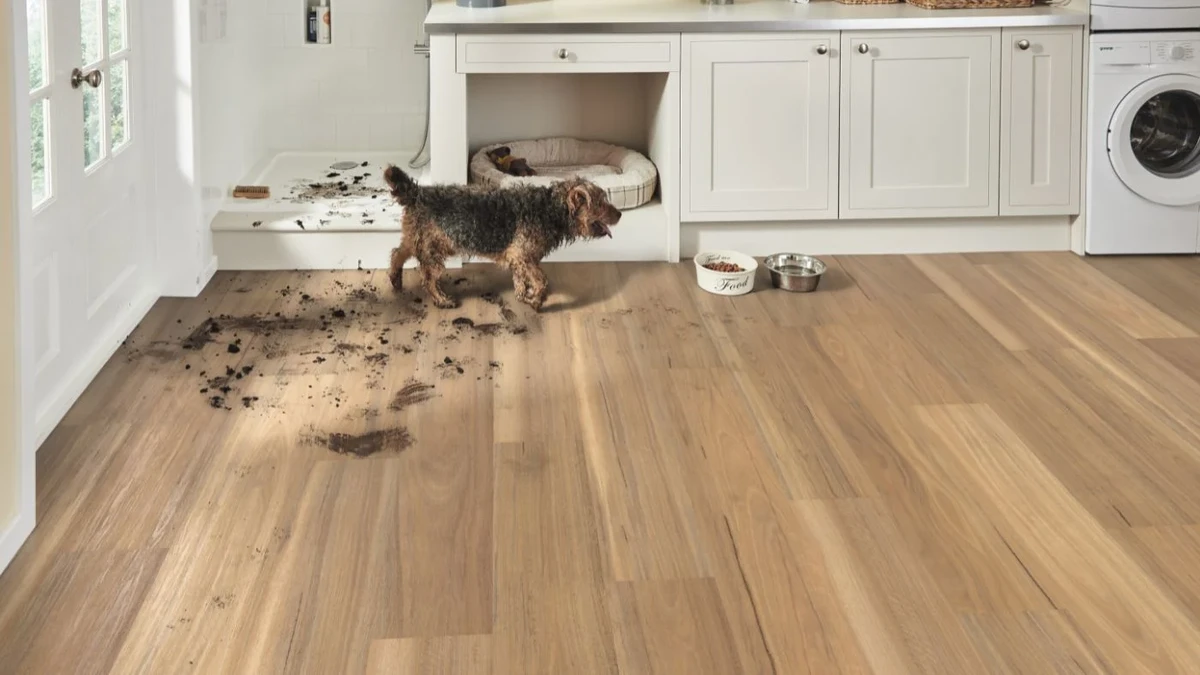
Bamboo flooring stands out due to its rapid renewability and environmental benefits. It typically matures within 5–7 years, significantly faster than traditional hardwood. Bamboo’s dense fiber structure provides natural stain and odor resistance, which is critical in pet homes where accidents or spills are common. Textured finishes on bamboo reduce slipping risks for pets, while proper acclimation before installation ensures dimensional stability. Using an appropriate underlayment enhances moisture control and sound insulation, improving overall pet comfort and floor durability.
Cork flooring offers a hypoallergenic surface that naturally resists mold and mildew, important factors in maintaining healthy indoor air quality where pets live. Harvested sustainably by removing bark without harming cork oak trees, cork is a renewable resource with a closed-cell structure that prevents allergen buildup. Its soft, cushioned surface reduces joint stress for pets, and cork’s inherent resilience helps absorb impacts from claws. Regular maintenance with gentle cleaning agents preserves its protective finish and mold-resistant properties.
Wool carpet remains a natural flooring choice that combines biodegradability with pet-friendly benefits such as flame retardancy and dust mite resistance. Wool fibers trap fewer allergens compared to synthetic carpets, though it requires more attention to stain removal and cleaning to prevent odor buildup in pet areas. Wool carpets are ideal in spaces where warmth and softness are priorities, but homeowners must weigh the higher maintenance demands and potential for damage from pet claws.
Luxury vinyl plank flooring has gained popularity for pet homes due to its waterproof qualities and high scratch resistance. Many LVP products now feature low- or zero-VOC formulations, contributing to improved indoor air quality. Its versatility in design allows for realistic wood or stone appearances without the vulnerabilities of natural materials. The ease of cleaning and resistance to stains make LVP practical in households with active pets. Hybrid flooring options, such as those combining vinyl cores with laminate surfaces (e.g., Home Depot’s LifeProof and Opti-Wood brands), offer additional durability and chemical sensitivity considerations, requiring evaluation of off-gassing potential.
Laminate and engineered hardwood floors provide a balance of aesthetic appeal and wear resistance, though scratch resistance varies by product quality and finish. Engineered hardwood, constructed with a real wood veneer over plywood layers, offers better moisture resistance than solid hardwood. However, both materials require sealing and finishing with low-VOC products to minimize chemical emissions. For pet owners concerned about allergens and off-gassing, selecting FSC-certified or VOC-free options is advisable.
Tile and porcelain flooring deliver exceptional durability and water resistance, making them well-suited for pet homes prone to moisture and spills. Their hard surfaces resist scratches and stains, but the lack of cushioning can reduce comfort for pets, which can be mitigated by strategically placing pet-safe rugs. Tile’s non-porous nature helps maintain allergen-free environments, and installation with non-toxic grout and sealants is essential to uphold indoor air quality standards.
Indoor air quality is a critical factor when selecting pet-safe flooring materials. Volatile organic compound (VOC) emissions from adhesives, finishes, and paints used in flooring installation can impact both human and pet health. Sustainable flooring materials with verified low or zero VOC profiles, combined with the use of non-toxic adhesives and paints, enhance air quality and reduce chemical exposure. Additionally, the choice of flooring can influence allergen resistance, with natural fibers and closed-cell surfaces limiting dust mite and mold proliferation.
Effective installation practices are fundamental to maximizing the performance and safety of non-toxic flooring materials in pet homes. Subfloor preparation must include moisture barriers to prevent damage and microbial growth, especially under bamboo and engineered hardwood floors. Acclimation periods for wood-based products help adjust materials to indoor humidity and temperature, reducing warping risks. Cleaning protocols that utilize natural agents such as diluted vinegar or lemon juice support stain and odor management without introducing harmful chemicals. Incorporating pet-safe area rugs can protect flooring surfaces while providing traction and comfort for pets.
| Flooring Type | Pet Safety Features | Sustainability | Durability & Maintenance | VOC Emissions |
|---|---|---|---|---|
| Bamboo Flooring | Textured finish for slip resistance; stain & odor resistant | Rapidly renewable; harvested every 5-7 years | Requires acclimation; underlayment recommended; moderate maintenance | Low VOC with proper finishes and adhesives |
| Cork Flooring | Soft, cushioned; mold & allergen resistant | Sustainably harvested bark; highly renewable | Easy cleaning; resistant to moisture and mold | Low VOC natural material |
| Wool Carpet | Dust mite resistant; natural flame retardant | Biodegradable; natural fiber | Higher maintenance; stain and odor control needed | Generally low VOC but depends on backing and treatments |
| Luxury Vinyl Plank (LVP) | Waterproof; scratch resistant; easy cleaning | Varies; some eco-friendly options available | Simple maintenance; durable against pet wear | Low or zero VOC formulations available |
| Laminate & Engineered Hardwood | Scratch resistance varies; sealing important | Engineered hardwood more sustainable than solid | Moderate maintenance; proper finishes needed | VOC content variable; select low-VOC certified products |
| Tile & Porcelain | Scratch and water resistant; non-porous | Long-lasting; low environmental impact if sourced responsibly | Easy cleaning; use pet-safe rugs for comfort | Low VOC if grout and sealants are non-toxic |
Pet owners seeking non-toxic flooring must evaluate the trade-offs between softness, durability, and maintenance complexity. Bamboo and cork provide sustainable, pet-safe alternatives with natural resistance to stains and allergens, while luxury vinyl plank and tile offer superior durability and ease of cleaning. Wool carpet remains an option where comfort is prioritized, albeit with higher upkeep demands. Across all options, installation with low-VOC adhesives and finishes, appropriate subfloor preparation, and maintenance using gentle, natural cleaning agents are essential practices to maintain indoor air quality and prolong flooring lifespan.
FAQ
What flooring is best for homes with pets and allergies?
Floors made from cork and bamboo are ideal for pet owners with allergies due to their hypoallergenic, mold-resistant properties and low VOC emissions. Tile flooring is also effective as it is non-porous and easy to clean, limiting allergen accumulation.
How do I ensure my flooring is non-toxic and safe for pets?
Select flooring materials certified for low or zero VOC emissions, use non-toxic adhesives and finishes during installation, and maintain floors with natural cleaning products. Verify certifications such as GREENGUARD or FloorScore for indoor air quality assurance.
Is luxury vinyl plank a good choice for pet owners?
Yes, luxury vinyl plank offers waterproof, scratch-resistant surfaces that are easy to maintain, with many low-VOC options available. Its design versatility and durability make it practical for homes with active pets.
Can bamboo flooring withstand pet scratches and accidents?
bamboo flooring is relatively durable and resistant to stains and odors, but its scratch resistance depends on the finish applied. Textured finishes help prevent slipping, and proper underlayment can improve resilience. Prompt cleaning of accidents is necessary to prevent damage.
What maintenance is required for wool carpets in pet homes?
Wool carpets need regular vacuuming and prompt stain treatment to manage odors and prevent damage. Using natural fiber-safe cleaning agents and professional deep cleaning periodically can maintain their hypoallergenic and flame-retardant properties.
As indoor air quality standards tighten and pet ownership continues to rise, the demand for non-toxic, sustainable flooring options will grow. Future developments may focus on enhanced hybrid materials combining natural fibers with durable, low-emission synthetics, further optimizing pet safety and environmental impact. Homeowners are encouraged to consult green building experts and flooring specialists to tailor selections to their specific pet and environmental needs, ensuring a healthy and resilient living space for both humans and animals.
How to Create a Pet-Friendly Sustainable Home with Safe Materials
PawVerde.com – Creating a pet-friendly sustainable home requires selecting durable, non-toxic materials that protect pets while minimizing environmental impact. This tutorial guides you through practical steps to integrate eco-conscious flooring, furniture, textiles, and accessories, alongside pet safety measures and DIY solutions. By following these instructions, you will design a comfortable, healthy living space that balances aesthetics with sustainability and pet welfare.
Choosing Safe and Sustainable Flooring for Pet Homes
Traditional carpets often trap pet hair, odors, and stains, making them impractical for pet owners aiming for sustainability and hygiene. Instead, consider hard flooring options that are renewable, non-toxic, and pet-friendly.
Selecting Sustainable Upholstery and Furniture
Upholstered furniture in pet homes must withstand claws and stains while aligning with eco-conscious values. Materials and brands matter significantly.
Incorporating Eco-Conscious Textiles and Bedding for Pets
Selecting the right textiles balances pet comfort with sustainability and health considerations.
Adding Pet-Safe Indoor Plants and Greenery
Indoor plants enhance air quality and aesthetics but must be safe for pets to prevent toxicity.
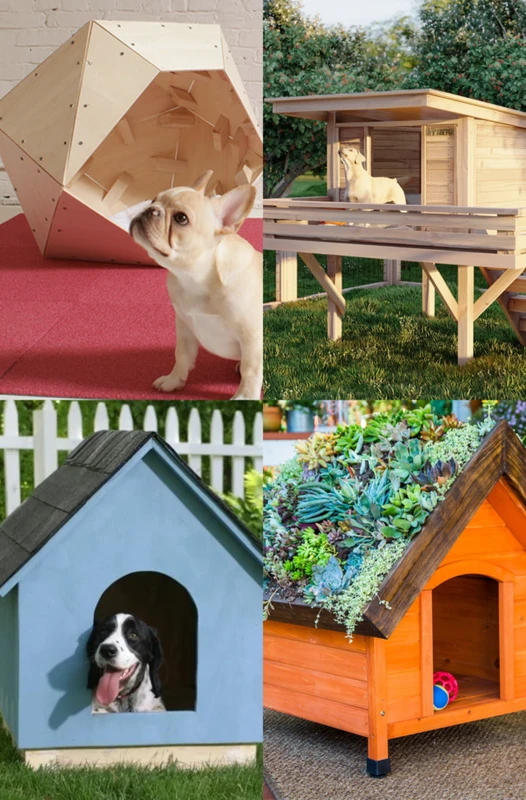
DIY Sustainable Pet Furniture Using Reclaimed Materials
Creating pet furniture from reclaimed materials reduces waste and allows customization for pet needs.
Implementing Pet Safety Measures in Eco-Conscious Spaces
pet safety is paramount in sustainable homes, requiring simple yet effective precautions.
Choosing Sustainable Pet Products to Complement Home Décor
Eco-friendly pet accessories contribute to a holistic sustainable home environment.
Starting Small: Easy Sustainable Changes for Pet Owners
Implementing sustainability need not be overwhelming; begin with manageable adjustments.
Troubleshooting Common Issues in Sustainable Pet Homes
Addressing typical challenges ensures long-term success.
Solution: Use high-quality bamboo or cork with protective sealants; trim pet nails regularly.
Solution: Opt for hypoallergenic synthetic recycled polyester or microfiber textiles.
Solution: Position plants out of reach or use hanging planters; offer pet-safe grasses as alternatives.
Solution: Wash throws and bedding frequently with eco-friendly detergents; ventilate rooms well.
Common Mistakes to Avoid When Designing Pet-Friendly Sustainable Homes
Awareness of pitfalls enhances project outcomes.
Alternative Methods for Sustainable Pet Home Design
Explore different approaches to achieve eco-conscious pet-friendly spaces.
FAQ
What flooring is best for homes with pets and sustainability goals?
Bamboo and cork flooring are top choices due to their renewability, durability, and resistance to pet damage. Recycled rubber tiles also provide cushioning and easy maintenance.
Which plants are safe to keep around cats and dogs?
Spider plants and Boston ferns are non-toxic to pets and improve indoor air quality, making them ideal for pet-friendly homes.
How can I ensure upholstery is both sustainable and pet-friendly?
Opt for fabrics like recycled polyester, hemp, or microfiber that resist stains and claws. Choose products certified by the Sustainable Furnishings Council and use organic cotton washable throws for added protection.
What certifications should I look for in sustainable pet products?
Look for GOTS certification for textiles, CertiPUR for foam products, and SFC endorsement for furniture, ensuring chemical safety and environmental responsibility.
Can I build my own sustainable pet furniture?
Yes, using reclaimed wood and organic fabrics, you can create pet houses, scratching posts, and feeding stations that are eco-friendly and customized to your pet’s needs.
—
Adopting these strategies enables you to craft a sustainable, pet-friendly home that protects your animals while reducing ecological impact. Incorporate certified materials, secure pet areas, and eco-conscious products progressively to balance comfort, safety, and environmental stewardship.
Bamboo vs Recycled Plastic Dog Toys: Key Differences Explained
PawVerde.com – Bamboo dog toys and recycled plastic dog toys have emerged as prominent alternatives to conventional plastic options, driven by growing consumer demand for sustainable, safe, and durable pet products. Bamboo, a rapidly renewable resource, offers natural biodegradability and chemical-free properties, while recycled plastic leverages post-consumer waste to reduce landfill contributions. Understanding the material characteristics, environmental impact, safety factors, and practical durability of these toy types is essential for pet owners aiming to balance pet health with ecological responsibility.
Bamboo dog toys capitalize on the plant’s fast growth without the need for fertilizers or pesticides, resulting in a resource-efficient base material. The natural hardness and fibrous structure of bamboo make it resistant to moderate chewing, while its biodegradability ensures that worn or discarded toys break down without contributing to microplastic pollution. On the other hand, recycled plastic dog toys typically derive from polyester fibers recovered from plastic bottles, repurposing waste that would otherwise burden landfills. These toys often incorporate synthetic additives to enhance durability and texture but maintain hypoallergenic and non-toxic certifications compliant with pet safety standards.
Material Profiles: Bamboo Dog Toys vs. Recycled Plastic Dog Toys
Bamboo’s rapid growth cycle—sometimes reaching maturity within three to five years—requires no pesticides or synthetic fertilizers, positioning it as a sustainable raw material in pet toy manufacturing. Its natural fibers provide a sturdy yet gentle surface for dogs to chew, minimizing tooth damage compared to harder synthetic materials. Brands such as HuggleHounds have pioneered bamboo-based dog toys, integrating natural rubber and organic cotton alongside bamboo to create biodegradable, non-toxic products that comply with OEKO-TEX and PETA cruelty-free certifications.
Recycled plastic dog toys source materials predominantly from post-consumer PET bottles, which are cleaned, processed into fibers, and woven or molded into toy structures. This process reduces virgin plastic production and diverts significant waste from landfills. Companies like Multipet, Beco Pets, and Petique have incorporated recycled polyester fabrics and plastics into their pet toy lines, emphasizing durability and environmental responsibility. However, recycled plastic fibers may contain chemical additives—including colorants and stabilizers—that require stringent safety testing to meet pet safety regulations and hypoallergenic standards.
Environmental Impact: Production Footprint and End-of-Life Considerations
Lifecycle assessments reveal that bamboo dog toys typically generate a lower carbon footprint than recycled plastic toys, primarily due to bamboo’s minimal agricultural inputs and rapid sequestration of atmospheric carbon during growth. Bamboo’s biodegradability allows discarded toys to decompose naturally within months to years, depending on environmental conditions, reducing microplastic accumulation and landfill volume.
In contrast, recycled plastic dog toys contribute positively by extending the lifecycle of plastic waste and supporting circular economy principles. Their manufacturing consumes less energy than producing virgin plastics but still involves chemical processing and the use of synthetic additives, which can complicate recycling at the product’s end of life. Despite being non-biodegradable, these toys prevent immediate environmental pollution by reusing waste streams and reducing demand for new plastic production.
Both materials significantly outperform traditional plastic dog toys in terms of resource conservation and waste reduction. However, bamboo toys offer a distinct advantage in biodegradability, whereas recycled plastic toys excel in diverting existing plastic waste from landfills.
Safety and Health Considerations for Pets
Pet safety standards emphasize the importance of non-toxic materials free from harmful chemicals such as phthalates, BPA, and heavy metals. Bamboo dog toys inherently lack synthetic chemicals, pesticides, and allergens, making them suitable for dogs with sensitive mouths or allergies. Their natural composition reduces the risk of chemical ingestion from chewing or accidental swallowing.
Recycled plastic dog toys undergo rigorous testing to ensure compliance with safety certifications like OEKO-TEX Standard 100, which screens for harmful substances. While often hypoallergenic, the presence of synthetic additives and dyes necessitates careful selection by consumers, particularly for dogs prone to allergic reactions or oral sensitivities. Manufacturers typically disclose material sourcing and additives to build trust and transparency.
Both toy types meet or exceed pet safety standards when produced by reputable eco-friendly brands, but bamboo toys provide a more natural, chemical-free profile that appeals to owners prioritizing holistic pet health.
Durability and Suitability for Different Dog Play Styles
Durability varies significantly between bamboo and recycled plastic dog toys, influenced by the dog’s chewing intensity and play behavior. Bamboo’s natural hardness offers moderate resistance to chewing, making it appropriate for gentle to moderate chewers but less ideal for power chewers who may splinter or destroy bamboo fibers. Bamboo toys’ longevity depends on maintenance and play frequency but generally require replacement more often than plastic counterparts in aggressive chewer scenarios.
Recycled plastic toys exhibit high durability and resistance to tearing, abrasion, and water exposure. Their synthetic fiber composition allows for flexibility in design, catering to various play styles, including fetch, tug, and chew. These toys often maintain structural integrity longer under heavy chewing but risk chemical degradation over extended periods or extreme conditions.
Selecting the right toy material involves matching the dog’s chewing strength and play preferences with the toy’s durability profile. Bamboo toys excel in mental stimulation and moderate chewing, while recycled plastic toys suit robust, power-chewing dogs requiring tougher playthings.
Industry Trends and Certifications Supporting Sustainable Pet Products
The pet industry increasingly embraces green manufacturing practices, including renewable energy use, waste minimization, and sustainable sourcing. Leading eco-friendly pet toy manufacturers integrate certifications such as PETA approval, OEKO-TEX Standard 100, and Global Organic Textile Standard (GOTS) to validate material safety and ethical production.
The Pet Sustainability Coalition plays a pivotal role in promoting responsible pet product development, advocating for circular economy principles, and encouraging transparency in supply chains. Their initiatives support brands adopting recycled materials, renewable resources, and biodegradable alternatives.
Emerging trends include the incorporation of hemp and jute fibers, organic cotton blends, and natural rubber components into dog toys, broadening the spectrum of sustainable materials available to consumers. These innovations aim to reduce the carbon footprint and environmental impact of pet products while enhancing pet safety and functionality.
Consumer Guidance: How to Choose Truly Sustainable Dog Toys
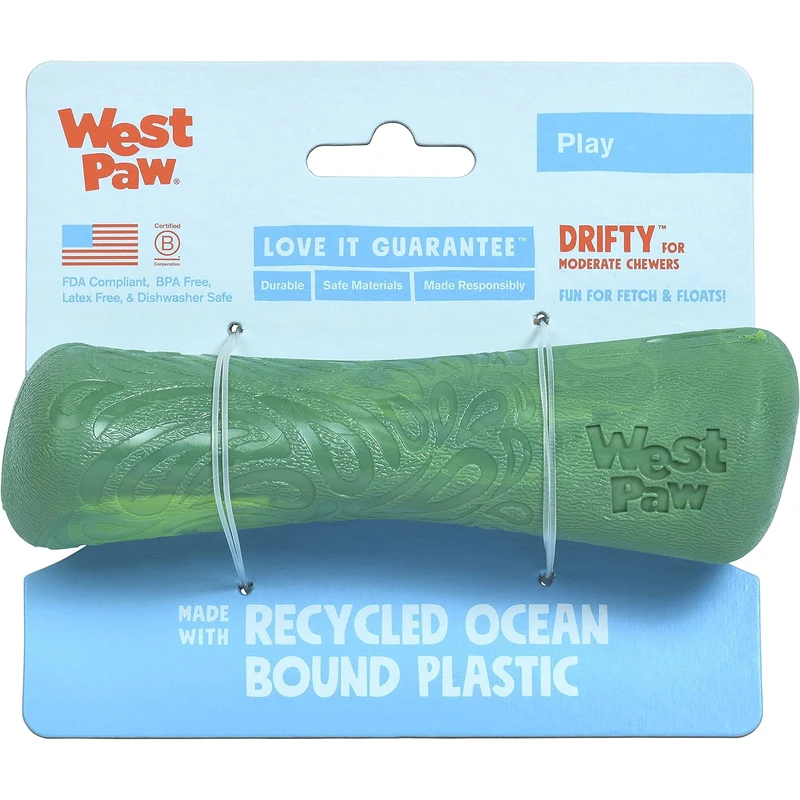
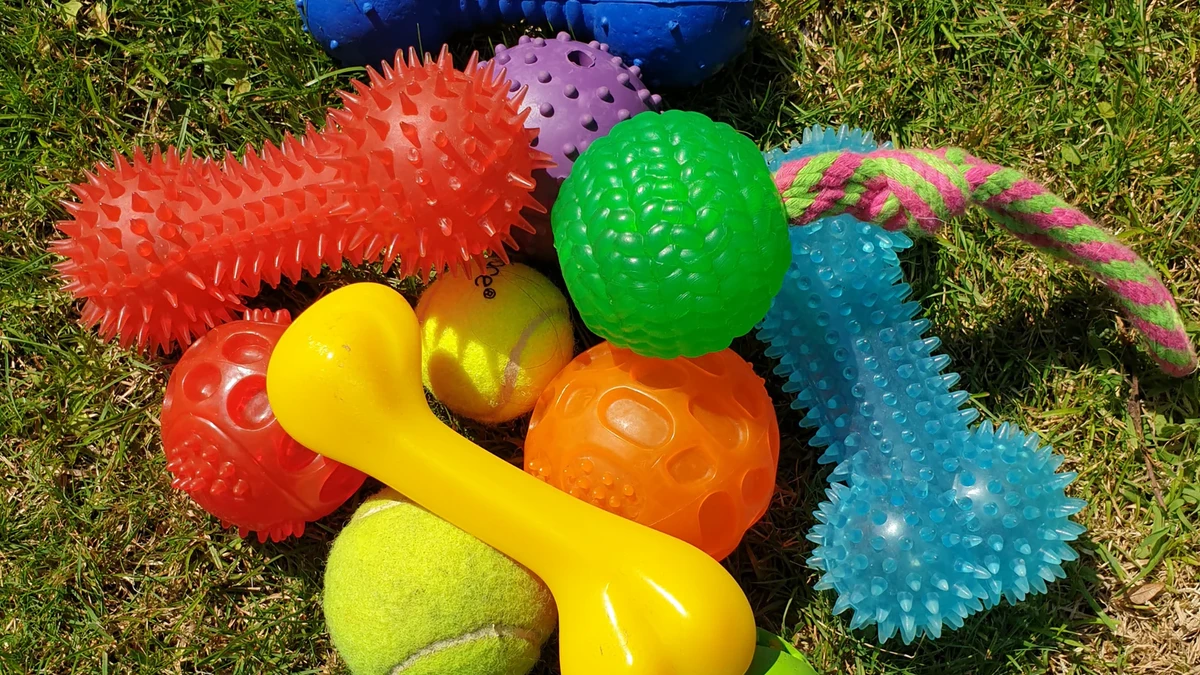
Consumers should prioritize dog toys labeled with verified eco-certifications and transparent material disclosures. Identifying bamboo toys made from 100% natural bamboo or bamboo composites without synthetic additives ensures biodegradability and chemical safety. For recycled plastic toys, verifying the use of post-consumer recycled materials and compliance with OEKO-TEX and pet safety standards is crucial.
Balancing sustainability with durability requires evaluating the dog’s chewing behavior and play style to select toys that reduce waste through longevity and safety. Consumers may also explore DIY eco-friendly dog toy options using organic cotton, hemp, or upcycled materials to customize safe and sustainable products.
Educating oneself on sustainable pet brands such as HuggleHounds, Multipet, Beco Pets, and Petique, which emphasize eco-friendly practices, empowers consumers to support industry leaders driving environmental stewardship.
FAQ

Are bamboo dog toys safe for aggressive chewers?
Bamboo dog toys are generally safe for moderate chewers but may not withstand the intense chewing of aggressive or power chewers. The natural fibers can splinter under excessive force, posing a risk of ingestion or injury. For aggressive chewers, recycled plastic toys with higher durability may be more suitable.
Do recycled plastic dog toys contain harmful chemicals?
Recycled plastic dog toys from reputable manufacturers comply with safety standards such as OEKO-TEX and are tested to be free from harmful chemicals like BPA and phthalates. However, some synthetic additives and dyes are used to improve durability and appearance, so selecting certified products is essential to ensure safety.
How do bamboo dog toys impact the environment compared to recycled plastic toys?
Bamboo dog toys offer superior environmental benefits through rapid renewability, minimal agricultural inputs, and full biodegradability, reducing landfill waste and microplastic pollution. Recycled plastic toys contribute by repurposing plastic waste, supporting circular economy efforts but are not biodegradable and may involve chemical processing.
Can dogs with allergies safely use bamboo or recycled plastic toys?
Bamboo dog toys are typically hypoallergenic and free from synthetic chemicals, making them safe for dogs with allergies or sensitive mouths. Recycled plastic toys can also be hypoallergenic if produced under strict safety standards, but synthetic additives may trigger sensitivities in some dogs.
What certifications should I look for when buying eco-friendly dog toys?
Look for certifications such as OEKO-TEX Standard 100 for chemical safety, PETA approval for cruelty-free manufacturing, and Global Organic Textile Standard (GOTS) for organic material sourcing. Brands participating in the Pet Sustainability Coalition also demonstrate commitment to sustainable and ethical practices.
As sustainability becomes a central pillar in the pet product industry, bamboo and recycled plastic dog toys represent key innovations balancing environmental stewardship with pet safety and durability. Future developments will likely expand material options and refine manufacturing processes, enhancing eco-friendly choices for conscientious pet owners.

Why Biodegradable Materials Matter for Safe, Eco-Friendly Pet Toys
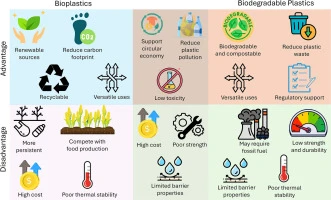
PawVerde.com – Biodegradable materials are gaining critical attention in the pet toy industry due to escalating concerns over environmental pollution and pet safety. Traditional pet toys, predominantly made from virgin plastics, contribute significantly to plastic waste accumulation, with many persisting in landfills and ecosystems for decades. According to the Environmental Protection Agency (EPA), plastic pollution not only burdens landfill capacity but also leads to chemical runoff that contaminates soil and waterways. Biodegradable pet toys offer a sustainable alternative, breaking down naturally without leaving harmful residues, thereby reducing the environmental footprint of pet ownership. Additionally, these toys often exclude toxic chemicals and synthetic dyes, minimizing health risks to pets who frequently chew and ingest toy fragments.
The environmental advantages of biodegradable materials extend beyond waste reduction. Incorporating natural fibers such as hemp, organic cotton, wool, and jute, alongside renewable resources like bamboo, cork, and sustainably harvested wood, lowers reliance on fossil fuels and virgin plastics. These materials typically require less energy to produce and decompose more rapidly, curtailing carbon emissions associated with manufacturing and disposal. A study from the David Suzuki Foundation highlights that biodegradable pet toys can reduce landfill waste by up to 40% when adopted widely, also diminishing chemical runoff linked to plastic degradation. These eco-friendly alternatives contribute to a comprehensive strategy for sustainable pet care that aligns with broader efforts to mitigate climate change and environmental degradation.
Safety and durability remain paramount considerations for pet owners selecting biodegradable pet toys. While synthetic plastics pose risks of exposing pets to toxic chemicals and brittle shards, natural fibers and renewable materials offer robust alternatives. Hemp, for instance, is celebrated for its tensile strength and resistance to wear, making it suitable for dogs with aggressive chewing habits. Organic cotton and wool provide softer textures that are less likely to cause dental trauma, addressing veterinary concerns around toy-induced dental issues such as fractured teeth or gum irritation. Incorporating renewable resources like bamboo and cork further enhances durability without compromising biodegradability. Veterinary experts caution pet owners to avoid toys containing synthetic dyes or adhesives that may release harmful substances during chewing. These insights underscore the importance of thorough product vetting to balance sustainability with pet health.
Understanding the distinction between biodegradable and compostable pet products is essential for informed purchasing decisions. Biodegradable materials break down naturally over time through microbial action, but may not fully decompose in typical home compost systems. Compostable products, conversely, require specific industrial composting conditions to degrade completely and safely. The presence of pet waste complicates composting efforts due to potential pathogens, making it impractical to compost soiled pet toys without specialized facilities. This nuance emphasizes the need for clear labeling and consumer education to prevent improper disposal. Furthermore, the industry faces challenges from greenwashing, where unverified claims of biodegradability mislead consumers. Certifications such as B Corp, Global Organic Textile Standard (GOTS), and Ecocert provide credible validation, ensuring products meet strict environmental and safety standards.
Sustainable manufacturing and packaging practices reinforce the environmental benefits of biodegradable pet toys. Manufacturers adopting low-waste production processes minimize material offcuts and energy consumption, employing non-toxic dyes and adhesives to maintain product safety. Ethical labor practices and carbon-offset initiatives contribute to reducing the overall carbon footprint of pet toy production. Packaging innovations include using recycled, recyclable, or compostable materials to complement the toys’ biodegradable nature, minimizing plastic packaging waste. These holistic approaches illustrate the growing commitment within the pet product industry to integrate environmental stewardship at every stage of the supply chain, responding to consumer demand for transparency and sustainability.
Practical guidance for pet owners highlights how to select safe and eco-certified biodegradable pet toys tailored to individual pet behavior and needs. Owners should consider the chewing intensity and size of their pets when choosing materials, opting for tougher fibers like hemp for heavy chewers or softer options like organic cotton for gentle players. DIY sustainable pet toys crafted from household natural fibers or recycled fabrics offer cost-effective and personalized alternatives while reducing environmental impact. Responsible pet waste management complements toy choices, with biodegradable or compostable waste bags and cleanup tools helping mitigate pollution. Awareness of proper disposal methods and certification labels empowers pet owners to make environmentally sound decisions that benefit both their pets and the planet.
Environmental Benefits of Biodegradable Materials in Pet Toys
The environmental impact of traditional plastic pet toys is substantial. The EPA estimates that plastics constitute a significant portion of landfill waste, persisting for hundreds of years. Chemical additives in these plastics can leach into soil and water, causing ecological harm. biodegradable pet toys, made from natural fibers and renewable materials, decompose through microbial activity, significantly reducing landfill burden. Materials like hemp and jute naturally break down within months under appropriate conditions, unlike synthetic polymers that may last centuries. Sustainable sourcing of these materials further reduces carbon emissions by avoiding extraction and processing of fossil fuels.
Renewable resources such as bamboo and cork exemplify closed-loop material cycles. Bamboo, a fast-growing grass, regenerates without replanting, requiring minimal pesticides or fertilizers. Cork harvesting involves stripping bark without cutting trees, preserving forest ecosystems. Using these materials in pet toy manufacturing not only cuts environmental impact but supports biodiversity. According to lifecycle assessments, pet toys made from bamboo generate up to 60% fewer greenhouse gas emissions compared to plastic alternatives. This underscores the role of material choice in minimizing the pet product sector’s carbon footprint.
Safety and Durability Considerations
The selection of materials for biodegradable pet toys must prioritize pet health alongside environmental benefits. Toxic substances common in conventional pet toys—such as lead-based dyes or phthalates—pose risks of poisoning or allergic reactions. natural fibers like organic cotton and wool avoid these hazards, offering chemical-free alternatives. Hemp’s strength and resistance to moisture make it ideal for durable toys that withstand chewing without splintering. Similarly, cork’s elasticity reduces the risk of dental damage while maintaining biodegradability.
Durability also affects sustainability by reducing the frequency of toy replacements, thereby limiting waste generation. Veterinary reports indicate that poorly constructed toys can cause dental fractures or gastrointestinal blockages when ingested. Biodegradable toys designed with pet safety in mind incorporate stitching techniques and fiber blends that resist shredding. Manufacturers adhering to eco-certifications often conduct rigorous safety testing to ensure materials are non-toxic and structurally sound. This dual focus on safety and durability enhances the appeal of biodegradable toys to conscientious pet owners.
Understanding Biodegradability vs Compostability in Pet Products
Biodegradability refers to the capacity of a material to be broken down by microorganisms into natural elements such as water, carbon dioxide, and biomass. Compostability is a subset of biodegradability that requires materials to decompose under specific conditions within a defined timeframe, leaving no toxic residue. Pet toys labeled as compostable must meet ASTM D6400 or equivalent standards, indicating their suitability for industrial composting facilities.
Pet waste complicates composting as it may contain pathogens like E. coli or parasites, necessitating caution when composting soiled toys. Many municipal composting programs do not accept pet waste-contaminated materials, limiting practical composting options for pet owners. Therefore, biodegradable pet toys that degrade naturally without specialized composting are often more accessible for consumers.
Greenwashing poses a significant challenge, with some manufacturers falsely advertising biodegradability to capitalize on consumer trends. Certifications such as B Corp, GOTS, and Ecocert verify environmental claims, including material sourcing, production processes, and product safety. These certifications help consumers navigate the market and support genuinely sustainable options.
Sustainable Manufacturing and Packaging Practices
Manufacturers committed to sustainability implement processes that minimize waste and energy consumption. Techniques such as zero-waste pattern cutting and using vegetable-based dyes reduce environmental impact. Adhesives and finishes free from volatile organic compounds (VOCs) further improve product safety. Ethical labor practices ensure workers’ rights and fair wages, aligning with holistic sustainability goals.
Packaging innovations include using recycled paper, biodegradable films, or reusable containers to reduce plastic packaging waste. Some brands offer minimal packaging or refill systems, reinforcing commitments to environmental responsibility. Carbon-offset programs, such as reforestation or renewable energy investments, help mitigate emissions associated with manufacturing and transportation. These efforts contribute to lowering the overall carbon footprint of biodegradable pet toys.
Practical Recommendations for Pet Owners

Pet owners seeking sustainable pet toys should prioritize products with verified eco-certifications and transparent material sourcing. Assessing pet chewing habits is crucial; heavy chewers benefit from tougher materials like hemp, while softer toys suit less aggressive players. Observing pet reactions to new materials helps ensure safety and comfort.
DIY pet toys using natural fibers or recycled fabrics offer customizable, eco-friendly alternatives. Tutorials for making braided hemp ropes or stuffed organic cotton toys provide accessible options that reduce reliance on commercial plastic products.
Responsible pet waste management complements toy sustainability. Using biodegradable waste bags and avoiding plastic litter improves environmental outcomes. Some communities offer pet waste composting programs with pathogen control, though these remain limited.
FAQ
Why are biodegradable materials important for pet toys?
Biodegradable materials reduce long-term plastic pollution by naturally decomposing without leaving harmful residues. They minimize exposure to toxic chemicals for pets and lower environmental impacts through sustainable sourcing and manufacturing, promoting safer and more responsible pet ownership.
Are biodegradable pet toys safe and durable for all pets?
Many biodegradable pet toys made from natural fibers like hemp and organic cotton are safe and durable, especially when free from toxic dyes and adhesives. However, suitability depends on the pet’s chewing behavior; aggressive chewers may require more robust materials to prevent ingestion of fragments.
What is the difference between biodegradable and compostable pet toys?
Biodegradable toys break down naturally over time but may not decompose fully in home compost systems. Compostable toys require industrial composting conditions to degrade completely and leave no toxins. Composting pet toys soiled with waste is challenging due to pathogen risks.
How can pet owners avoid greenwashing when buying eco-friendly pet toys?
Look for trusted certifications such as B Corp, GOTS, and Ecocert that verify material sourcing and environmental claims. Research brands’ manufacturing practices and review third-party assessments to ensure transparency and avoid misleading claims.
Can I make my own biodegradable pet toys at home?
Yes, DIY biodegradable pet toys can be made using natural fibers like hemp ropes, organic cotton fabrics, or recycled textiles. These homemade toys reduce plastic use and allow customization to suit pet preferences and chewing habits.
Aligning pet care with environmental stewardship requires informed choices about materials, manufacturing, and disposal. As demand for sustainable pet products grows, innovations in biodegradable materials and ethical production practices will continue to evolve, offering pet owners safer, greener options that protect both animal health and the planet’s future.

How to Make Safe Pet Toys from Recycled Materials Easily
PawVerde.com – Creating safe and engaging pet toys from recycled materials allows pet owners to provide enrichment while supporting sustainable living. Using common household waste such as old T-shirts, cardboard, and plastic bottles, you can craft durable, eco-friendly toys tailored to dogs and cats. Prioritizing pet safety and interaction, these DIY projects reduce landfill waste and offer cost-effective alternatives to commercial products.
Safe materials for homemade pet toys include sturdy cardboard boxes, egg cartons, and paper rolls; fabric items like worn T-shirts, denim jeans, and socks; and plastic bottles used with protective coverings. Natural fibers such as hemp and jute also provide durable, non-toxic options. Avoid small parts that can detach or materials treated with chemicals, following FDA guidelines to prevent hazards.
Safe Recycled Materials for Pet Toys
Choosing appropriate materials is critical for pet toy safety and longevity. Cardboard and paper products are versatile; corrugated boxes withstand biting while egg cartons create interactive treat puzzles. Toilet paper rolls offer a lightweight base for stuffing treats, fostering mental stimulation.
Old clothing provides fabric suitable for braided tug toys or chew-resistant playthings. Cotton T-shirts and sweatshirts are easy to cut and braid, while denim jeans supply tougher fibers ideal for heavy chewers. Socks become soft crinkle balls or catnip pouches, engaging cats in batting or sniffing activities.
Plastic bottles can be repurposed into treat dispensers or crinkle toys but require a fabric sleeve to prevent sharp edges and ingestion risks. Natural fibers like hemp and jute offer eco-friendly durability for ropes or shreddable toys, appealing to pets’ instinctual behaviors.
Step-by-Step DIY Pet Toy Projects
Practical crafting steps help pet owners create enriching toys tailored to their pets’ preferences and safety.
1. Egg Carton Treasure Hunt
This project uses recycled egg cartons to encourage foraging behavior in dogs and cats.
Steps:
Time: 10 minutes prep; variable playtime.
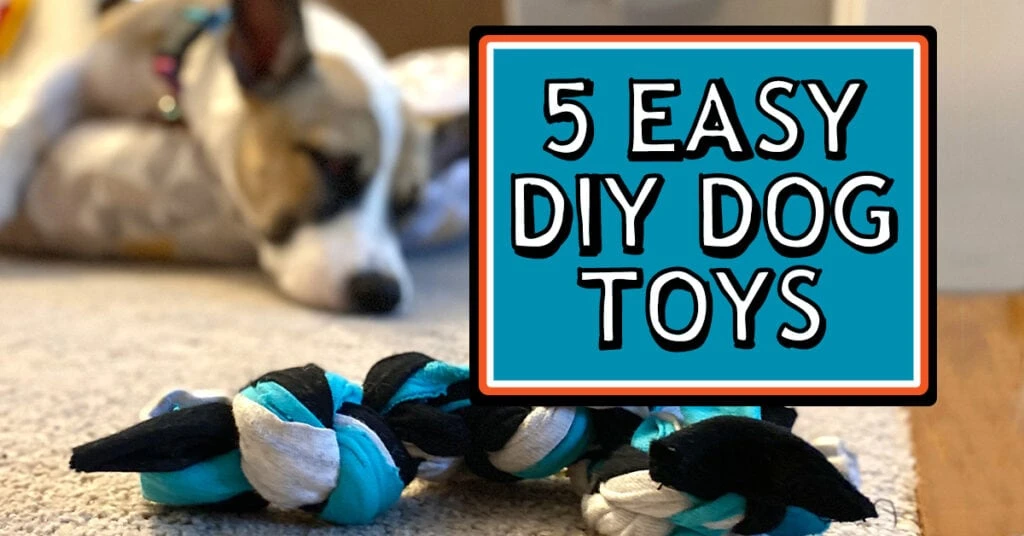
2. Braided T-shirt Tug Toy
This durable tug toy engages dogs in interactive play using recycled fabric.
Steps:
Time: 15 minutes.
3. No-Sew Denim Chew Toy
Ideal for heavy chewers, denim fabric offers toughness without sewing.
Steps:
Time: 20 minutes.
4. Treat Tube Puzzle
Encourages cognitive engagement by hiding food in a recyclable tube.
Steps:
Time: 5 minutes.
5. Crinkle Ball
A soft, noisy toy for cats and small dogs made from paper and socks.
Steps:
Time: 10 minutes.
6. Sock Ball with Catnip
A stimulating cat toy combining scent and texture.
Steps:
Time: 5 minutes.
Material Safety and Supervision Tips
Ensuring pet safety requires avoiding small detachable parts, toxic dyes, or sharp edges. Cardboard and fabric should be free from staples or plastic coatings. Plastic bottles must be encased in fabric sleeves to minimize risk of cuts or ingestion.
Supervise pets during play, especially with homemade toys, to prevent swallowing of fibers or choking on small pieces. Regularly inspect toys for wear and discard damaged items.
The FDA advises against toys containing toxic substances like lead paint or treated foam. Always use natural, untreated materials and consult veterinary resources for updated safety guidelines.
Benefits of DIY Recycled Pet Toys
Upcycling household waste into pet toys reduces landfill accumulation and environmental impact. Compared to commercial products, these DIY crafts save money while providing mental and physical stimulation that supports natural pet behaviors.
Crafting toys at home allows customization based on pet size, chewing strength, and play preferences. Interactive puzzles and tug toys promote exercise and cognitive engagement, improving overall pet wellbeing.
Creative Variations and Advanced Ideas
Enhance basic projects with creative twists to increase durability and interest. Combining natural rubber balls inside socks creates multi-textured toys appealing to dogs and cats. Fabric scraps woven into shreddable bird toys satisfy avian chewing instincts.
Incorporate puzzle elements like hidden compartments or adjustable openings to raise cognitive challenges. Use natural fibers braided with recycled fabric strips for colorful, strong ropes. These variations expand enrichment opportunities and prolong toy lifespan.
Troubleshooting Common Issues
If toys quickly fall apart, consider using sturdier fabrics like denim or natural fiber ropes. Replace fragile cardboard items with thicker corrugated boxes. For pets that ingest fabric, limit toy size and supervision time.
Chewing that damages toys rapidly indicates strong chewers may require no-sew denim or rubber-based toys. If pets show no interest, add scent attractants like catnip or food treats. Always prioritize safety over durability.
Common Mistakes to Avoid
Avoid using synthetic fabrics treated with dyes or chemicals, which may be toxic. Do not include small buttons, beads, or glued pieces that can detach. Failing to supervise can result in choking or ingestion hazards.
Improperly secured fabric ends can unravel, increasing risk of ingestion. Always knot firmly or sew edges where appropriate. Do not reuse plastics with sharp edges, and ensure all materials are clean and dry before crafting.
Alternative Methods for Pet Toy Creation
No-sew methods using fabric strips reduce complexity and sewing skill requirements. Macramé knotting techniques using hemp or jute fibers create durable, decorative toys. Recycled rubber tires, cut into safe shapes, provide chew-resistant options.
3D printing with recycled plastics is an emerging method for complex puzzle toys, though requires access to equipment. Combining multiple recycled elements enhances toy functionality and uniqueness.
FAQ
What recycled materials are safest for making pet toys?
Safe materials include untreated cardboard, cotton fabrics like old T-shirts and denim, natural fibers such as hemp and jute, and plastic bottles covered with fabric sleeves to avoid sharp edges. Avoid small parts and toxic substances.
How can I ensure the homemade pet toys are safe?
Always supervise play, inspect toys regularly for damage, avoid small detachable parts, and use non-toxic, untreated materials. Follow FDA guidance on hazardous items and discard toys at the first sign of wear.
Can I make toys that suit heavy chewers from recycled materials?
Yes, denim jeans and natural fiber ropes are durable options for heavy chewers. Incorporating rubber balls wrapped in fabric also increases longevity. Avoid easily torn fabrics like thin cotton for aggressive chewers.
Are there benefits to using recycled pet toys over commercial options?
Recycled toys reduce environmental waste and costs while allowing customized enrichment tailored to your pet’s needs. They promote mental stimulation and physical activity through interactive designs that support natural behaviors.
How do I prevent my pet from swallowing fabric fibers from homemade toys?
Choose tightly braided or woven fabrics, knot ends securely, and supervise play sessions closely. Remove toys if fraying occurs and replace with sturdier alternatives. Avoid loose threads and small fabric pieces.
—
Adopting these DIY techniques empowers pet owners to create sustainable, safe enrichment tools while reducing environmental impact. By selecting suitable recycled materials and crafting thoughtfully, you enhance your pet’s wellbeing through interactive play and mental stimulation. Continuous supervision and adherence to safety guidelines ensure that homemade toys remain a positive addition to your pet’s daily routine.