

Fostering Pets vs Adopting Pets: Key Differences in 2026
PawVerde.com – Pet fostering and adoption have become critical components in addressing the persistent challenges of animal shelter overcrowding and welfare in 2026. As shelters nationwide continue to face capacity strains due to rising intake rates, fostering serves as a vital temporary solution that alleviates pressure while enhancing the well-being of shelter pets. Adoption, by contrast, offers a permanent home and lifelong commitment, directly saving animals from potential euthanasia and contributing to the ethical rejection of puppy mills and irresponsible breeders. Both pathways provide distinct benefits and challenges for individuals and communities engaged in animal welfare.
Fostering involves providing temporary care for pets—ranging from kittens and puppies to special needs or senior animals—until they can be placed in permanent homes. This model supports shelter staff by reducing overcrowding, lowering stress-induced behaviors in animals, and enabling more personalized health and behavioral interventions. Adoption entails a permanent transfer of ownership, obligating adopters to provide ongoing medical care, food, shelter, and emotional support. Understanding these fundamental differences is crucial for prospective caregivers to make informed decisions aligned with their lifestyle and capacity.
Defining Pet Fostering vs Pet Adoption
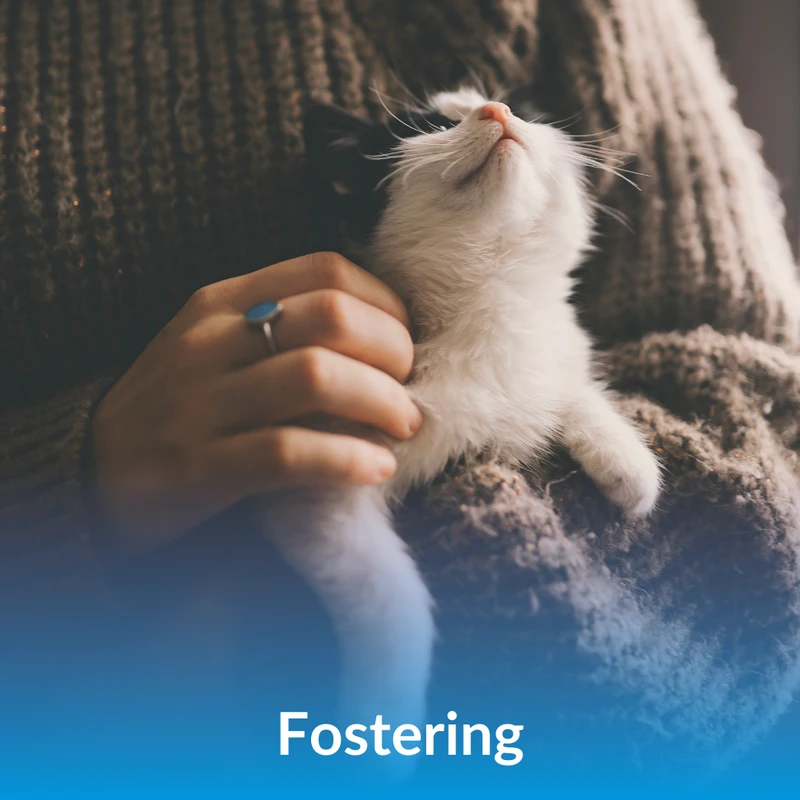
pet fostering offers temporary care without the expectation of permanent ownership. Foster families take in shelter animals for periods ranging from a few weeks to several months, providing a home environment that can be more conducive to recovery and socialization than shelter settings. This temporary nature allows fosters to support multiple animals over time and adapt their involvement based on personal circumstances. Typical fostering scenarios include neonatal kittens requiring round-the-clock care, dogs recovering from surgery, or animals with behavioral challenges needing individualized attention.
Adoption, conversely, is a permanent arrangement where the adopter assumes full responsibility for the pet’s lifetime care. This includes medical treatments such as vaccinations, spay/neuter surgery, microchipping, and ongoing wellness checks, often covered initially by adoption fees. Adoption also demands stable housing, financial resources, and emotional readiness to support the pet’s needs over years or decades. Unlike fostering, adoption creates a lifelong bond and legal ownership, positioning adopters as advocates against unethical breeding practices and puppy mills.
Benefits of Fostering Pets
Fostering directly mitigates shelter overcrowding, a persistent issue exacerbated by seasonal intake surges and community-wide crises. The Michelson Found Animals Foundation reports that fostering programs can reduce shelter populations by up to 30%, enabling facilities to allocate more resources to animals in urgent need. Importantly, fostering reduces the stress and anxiety commonly observed in shelter animals, as studies like the Lady Freethinker 2025 report indicate significantly lower cortisol levels in fostered pets compared to those housed in shelter environments.
Specialized care is a hallmark of fostering, particularly for vulnerable populations such as neonatal kittens, pregnant animals, or pets with medical or behavioral needs. Foster families provide individualized attention that shelter staff often cannot offer due to resource constraints. This targeted care improves survival rates and prepares animals for successful adoption by addressing health and socialization barriers early.
From a human perspective, fostering offers emotional rewards and community engagement opportunities without the permanence of adoption. Foster families often report a sense of fulfillment from contributing to animal welfare and local community service, aligning with programs run by organizations like Lucky Dog Animal Rescue and Best Friends Animal Society. The flexibility inherent in fostering accommodates caregivers who may not be ready for permanent pet ownership but still wish to make a meaningful impact.
Challenges and Considerations in Fostering
Despite its benefits, fostering presents emotional challenges, particularly the difficulty of forming attachments only to relinquish the pet once adoption occurs. A 2026 survey by LA Animal Services found that 68% of potential fosters expressed concerns about emotional separation, which can serve as a barrier to participation. Time, space, and resource limitations also constrain fostering capacity; caring for animals with special needs or high energy levels requires significant commitment and may not suit all households.
Health management during the foster period involves close coordination with shelter veterinarians to monitor vaccinations, parasite control, and behavioral interventions. Foster families must be prepared to handle unpredictable medical or behavioral issues, which can demand patience and specialized knowledge. Training and support from rescue organizations mitigate these challenges but require clear communication and ongoing education.
Advantages of Adopting Pets
Adoption offers permanent companionship, fostering deep emotional bonds that contribute to both human and animal well-being. The Hill’s pet nutrition Report 2024 highlights that pet adopters experience reduced stress, lower blood pressure, and increased physical activity, benefits that are amplified by the lasting nature of the relationship. Adoption also ensures a direct lifesaving impact; every adopted animal frees up shelter space for others and reduces euthanasia rates.
Adoption fees typically cover essential medical services, including spay/neuter surgery, vaccinations, and microchipping, facilitating responsible pet ownership. These fees also support shelter operations and community outreach programs combating puppy mills and unethical breeding—a critical concern given the ongoing prevalence of such practices. By choosing adoption, individuals actively reject commercial breeders, aligning with ethical standards promoted by entities like the Best Friends Animal Society.
Foster-to-Adopt Programs: Bridging the Gap
Foster-to-adopt initiatives represent an innovative compromise, allowing potential adopters to trial pet ownership within a foster framework before making permanent commitments. These programs reduce adoption returns by ensuring compatibility and readiness, benefiting both animals and adopters. For example, LA Animal Services reports a 20% decrease in adoption returns since implementing foster-to-adopt options, highlighting their effectiveness.
Such programs enable pets to transition gradually from shelter to home environments, easing behavioral adjustments and health monitoring. They also provide adopters with hands-on experience managing pet care responsibilities, facilitating informed decisions and stronger bonds.
Health and Emotional Impact on Humans and Pets
Scientific studies confirm significant health and emotional benefits arising from pet fostering and adoption. Fostered animals exhibit reduced stress markers compared to shelter counterparts, improving immune function and overall recovery. For foster families, caregiving promotes empathy, responsibility, and community engagement, with positive effects documented among children who participate in fostering activities.
Adopters benefit from increased physical activity and emotional support, with long-term pet ownership linked to lower incidences of depression and cardiovascular disease. The reciprocal nature of these relationships enhances quality of life and fosters societal awareness of animal welfare issues.
How to Get Involved: Steps to Foster or Adopt
Individuals interested in fostering or adopting should begin by researching local shelters and animal welfare organizations such as LA Animal Services, Lucky Dog Animal Rescue, and the Michelson Found Animals Foundation. These entities offer detailed guidance on eligibility, application processes, and training resources.
Assessing personal readiness involves evaluating time availability, living arrangements, financial capability, and emotional commitment. Prospective fosters should consider the specific needs of kittens versus adult cats or dogs, as care requirements vary significantly. Many organizations provide starter kits and ongoing support to ease the transition for new foster families.
Communities increasingly promote fostering through public awareness campaigns and partnerships with veterinary clinics and pet supply retailers, making it easier to access necessary resources. Adoption events and foster recruitment drives remain vital entry points for engagement.
| Aspect | Pet Fostering | Pet Adoption |
|---|---|---|
| Commitment Duration | Temporary (weeks to months) | Permanent (lifetime) |
| Emotional Attachment | High but temporary; potential separation anxiety | High and lifelong bonding |
| Impact on Shelter | Reduces overcrowding and stress | Frees shelter space permanently |
| Medical Care | Provided/supervised by shelter | Responsibility of adopter; initial fees cover basics |
| Flexibility | High; fosters can support multiple pets over time | Low; lifelong responsibility |
| Cost | Usually free; may require supplies | Adoption fees apply |
| Role in Combating Puppy Mills | Indirect support by increasing shelter capacity | Direct ethical choice against breeders |
Frequently Asked Questions
What are the main differences between fostering and adopting a pet?
Fostering provides temporary care without permanent ownership, allowing shelters to reduce overcrowding and improve animal well-being, while adoption involves a lifelong commitment, making the adopter responsible for the pet’s ongoing care and welfare.
Can fostering lead to adoption?
Yes, many organizations offer foster-to-adopt programs where fosters can trial the pet before committing to permanent adoption, helping ensure a good match and reducing adoption returns.
How does fostering help reduce shelter overcrowding?
By temporarily housing pets in foster homes, shelters lower their population density, decreasing stress for animals and enabling better resource allocation for those remaining in the facility.
Are there costs involved in fostering or adopting?
Fostering is generally free, with shelters covering medical expenses and sometimes providing supplies. Adoption typically requires fees that cover vaccinations, spay/neuter surgeries, and microchipping.
What emotional benefits do fostering and adoption provide?
Both fostering and adoption offer emotional rewards, including reduced stress, increased empathy, and stronger community connections. Adopters gain lifelong companionship, while fosters experience gratification from helping animals temporarily.
Pet fostering and adoption remain indispensable in 2026’s animal welfare ecosystem. Each pathway addresses shelter overcrowding and ethical pet ownership from complementary angles, enabling communities to support shelter pets effectively. Prospective caregivers should evaluate their capacity for commitment, emotional readiness, and lifestyle compatibility to select the option that best aligns with their goals. Continued innovation in foster-to-adopt programs and community engagement promises to enhance outcomes for animals and humans alike, advancing humane solutions amid ongoing shelter challenges.

Pet Adoption Resources in 2026: Shelters, Fees & Legal Rules
PawVerde.com – Pet adoption in 2026 encompasses a multifaceted network of local shelters, foster care programs, national online platforms, and community initiatives designed to facilitate the placement of vaccinated, spayed/neutered, and microchipped pets into permanent homes. Adoption fees generally cover essential veterinary services, including vaccinations and microchip registration, aligning with legal mandates for pet licensing and health standards. This comprehensive framework ensures that prospective adopters have access to well-supported resources for selecting pets while contributing to broader animal welfare goals.
Local animal shelters and adoption centers remain foundational to the pet adoption ecosystem. Agencies like LA Animal Services, Pinellas County Animal Services, and Tulsa Animal Services provide critical infrastructure where adoptable pets receive medical care such as core vaccinations, spay/neuter surgery, and microchipping before adoption. Adoption fees typically range between $75 and $200, with variations depending on the animal’s age, breed, and medical history. These fees usually include licensing costs required by local governments, ensuring compliance with municipal regulations. For example, Pinellas County Animal Services requires all adopted dogs and cats to be licensed within 30 days, with licensing fees bundled into the overall adoption cost. Legal requirements also mandate that shelters verify adopter eligibility, often requiring home visits or interviews to confirm preparedness for pet ownership, particularly for animals with special needs.
Foster care programs serve as a vital intermediary solution for pets awaiting permanent placement. Foster homes provide temporary environments that promote healthier socialization and reduce stress compared to shelter confinement. Organizations such as the ASPCA and Best Friends Animal Society actively maintain foster networks, enabling pets to receive individualized care, behavioral training, and medical monitoring. Foster caregivers often receive training to manage common health issues and behavioral challenges, enhancing adoptability. These programs alleviate shelter overcrowding and reduce euthanasia rates, with data from KC Pet Project indicating a 20% increase in successful adoptions attributed to foster care placements over the past two years. Access to foster pets is typically coordinated through shelter databases or rescue groups, with many online platforms now featuring filters to view foster animals available for adoption.
National and regional online platforms have expanded the accessibility of pet adoption across geographic boundaries. Services like Petfinder® and Adopt A Pet™ aggregate listings from thousands of shelters and rescues nationwide, offering searchable databases with filters for species, size, age, temperament, and medical needs. These platforms integrate advanced algorithms to match prospective adopters with suitable pets, improving placement success rates. For instance, Petfinder® reports that its database hosts over 300,000 adoptable pets at any given time, with approximately 60,000 adoptions facilitated monthly through its interface. Online applications streamline the adoption process, allowing users to submit paperwork remotely and schedule in-person visits or virtual meet-and-greets. The integration of microchip registration and veterinary records on these platforms enhances transparency and trust, contributing to informed decision-making by adopters.
Community engagement and adoption events play a strategic role in bridging pets with potential adopters. Shelters and rescue organizations frequently host adoption fairs, open houses, and promotional events that showcase available animals in accessible public venues. For example, Pet Alliance Orlando organizes seasonal adoption festivals attracting thousands of attendees, while KC Pet Project’s annual gala fundraiser supports shelter operations and new facility construction. Volunteer involvement is integral, with opportunities ranging from animal care and socialization to event coordination and administrative support. Local governments often collaborate with community foundations to fund shelter expansions, such as the recent construction of a new Maricopa County Animal Services facility equipped with enhanced veterinary suites and quarantine areas. These initiatives foster public awareness, increase adoption rates, and build sustained support networks for animal welfare.
Veterinary and health services included in adoption fees ensure that animals transition to new homes with baseline medical protection. Standard care packages often cover rabies and distemper vaccinations, flea and tick prevention, spay/neuter surgeries, and microchip implantation. Some shelters, such as Tulsa Animal Services, have partnered with local emergency responders like the Tulsa Fire Department to implement microchip scanning programs aimed at lost pet reunification. Post-adoption veterinary care options are frequently available through shelter-affiliated clinics offering discounted services for adopters, reducing barriers to ongoing animal health maintenance. Data from SPCA Tampa Bay indicates that shelters incorporating comprehensive veterinary care into their adoption packages report higher satisfaction rates among adopters and lower return rates within the first year.
Adoption promotions and incentives have become increasingly prevalent as shelters seek to expedite placements and reduce shelter populations. Many organizations offer reduced or waived fees during designated events targeting specific groups, such as senior pets or animals with longer shelter stays. Bundled benefits frequently include starter kits containing pet food, toys, collars, and first-year licenses. Promotions not only incentivize adoption but also address financial concerns of new pet owners, improving retention and care quality. For example, LA Animal Services’ monthly “Adopt-a-thon” events have successfully increased adoption volume by 15% during promotional periods. These campaigns often coincide with national awareness months or holiday seasons, leveraging public sentiment to further shelter outreach.
| Organization | Adoption Fee Range | Included Veterinary Services | Unique Features | Community Initiatives |
|---|---|---|---|---|
| LA Animal Services | $85 – $150 | Vaccinations, spay/neuter, microchipping | Monthly Adopt-a-thon events | Volunteer programs, pet licensing assistance |
| Pinellas County Animal Services | $75 – $175 | Vaccinations, spay/neuter, licensing | Mandatory pet licensing | Community outreach, foster care network |
| Tulsa Animal Services | $90 – $200 | Vaccinations, spay/neuter, microchip | Partnership with Tulsa Fire Department for microchip scanning | Volunteer engagement, lost pet reunification programs |
| Pet Alliance Orlando | $100 – $180 | Vaccinations, spay/neuter, microchipping | Seasonal adoption festivals | Facility expansion funded by community donations |
| KC Pet Project | $75 – $150 | Vaccinations, spay/neuter, microchip | Foster care emphasis, annual gala fundraiser | Shelter expansion, volunteer training programs |
The above table highlights a selection of prominent adoption centers and their key features in 2026, illustrating the integration of veterinary services, community involvement, and innovative programs designed to improve adoption outcomes.
Pet adoption resources in 2026 reflect a dynamic, interconnected system balancing medical care, legal compliance, and community engagement. Prospective adopters benefit from streamlined access to healthy, licensed pets through local shelters, foster networks, and digital platforms that facilitate informed decision-making. Meanwhile, shelters continue to evolve, investing in infrastructure improvements and outreach efforts to meet rising demand and promote animal welfare.
Frequently Asked Questions
What veterinary services are typically included in pet adoption fees?
Most adoption fees cover core vaccinations (such as rabies and distemper), spay/neuter surgery, microchipping, and initial parasite prevention. Some shelters also include licensing fees and provide discounted post-adoption veterinary care to support ongoing pet health.
How can I find foster pets available for adoption?
Foster pets are often listed on shelter websites and national platforms like Petfinder® and Adopt A Pet™ with filters to search for foster animals. Contacting local shelters or rescue groups directly can provide information on available foster pets and the fostering process.
Are adoption fees negotiable or waived during certain events?
Yes, many shelters offer reduced or waived adoption fees during special promotions, adoption fairs, and awareness months. These events aim to encourage adoption of senior pets, long-term shelter residents, or animals with special needs.
What legal requirements must be met to adopt a pet?
Adopters typically must complete an application, provide identification, and sometimes undergo a home visit or interview. Pets are required to be licensed and altered (spayed/neutered) before adoption in most jurisdictions to comply with animal welfare laws.
How do online pet adoption platforms improve the adoption process?
Online platforms aggregate listings from shelters nationwide, allowing users to filter by breed, size, age, and medical needs. They facilitate remote applications, provide detailed pet profiles with veterinary records, and often partner with shelters to streamline scheduling for meet-and-greets or adoptions.
Pet adoption in 2026 increasingly leverages technology, community resources, and comprehensive veterinary care to connect pets with suitable homes efficiently. As shelters innovate and collaborate with local governments and nonprofits, the path to pet ownership becomes more accessible and supported, benefiting animals and adopters alike.