
Top Organic Pet Foods for Sensitive Stomachs Offer Digestive Relief
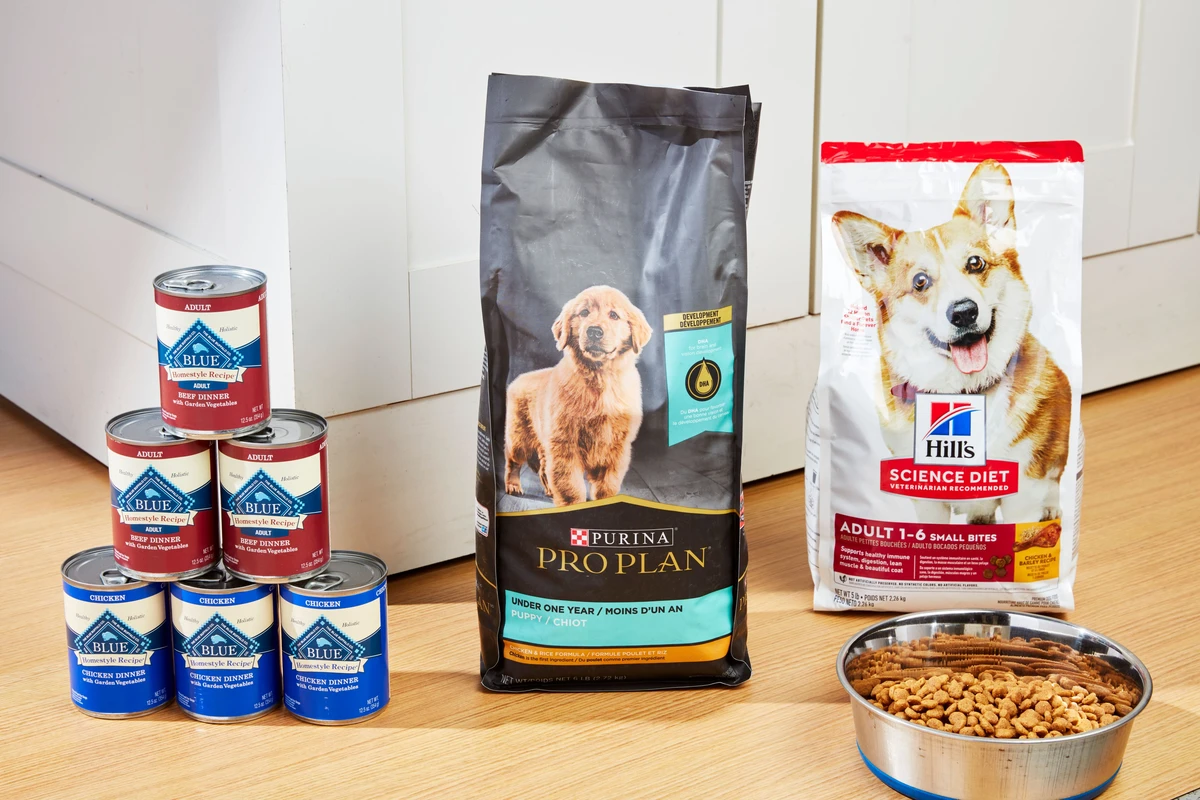
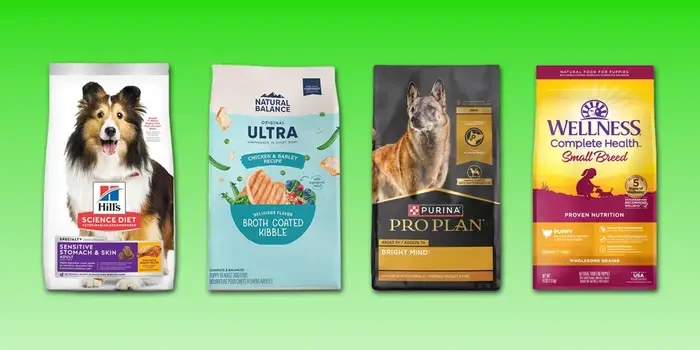
PawVerde.com – Organic pet foods formulated for sensitive stomachs in 2026 prioritize limited ingredient recipes featuring highly digestible proteins such as salmon, turkey, and chicken. These diets exclude common allergens and fillers, instead incorporating gut-supporting fibers like pumpkin and sweet potato. Enhanced with prebiotics and omega-3 fatty acids, these formulas aim to reduce digestive inflammation and promote nutrient absorption. Recognized brands including Nextrition, Dog Child, Weruva, Petcurean Go!, and California Dog Kitchen are leading this trend with vet-formulated, nutrient-retentive options, while established veterinary-recommended lines like Royal Canin and Hill’s Science Diet continue to offer balanced commercial solutions.
The growing prevalence of dietary sensitivities and digestive disorders in pets has driven demand for organic foods free from artificial additives, grains, and excessive fat. Veterinary nutritionists emphasize the importance of nutrient preservation methods such as cold pressing and gentle cooking to protect bioavailability. Novel proteins like deboned salmon and turkey reduce allergic reactions commonly associated with traditional protein sources. Fiber-rich ingredients like pumpkin and sweet potato not only support gut motility but also serve as prebiotics to foster healthy microbiota. This article explores the latest developments in organic pet food for sensitive stomachs, highlights leading products, and offers practical feeding strategies recommended by experts.
Understanding Sensitive Stomachs in Pets
Digestive sensitivity in dogs and cats manifests through symptoms such as chronic diarrhea, vomiting, flatulence, and abdominal discomfort. Common causes include food intolerances, allergies, bacterial imbalances, and underlying gastrointestinal diseases. According to veterinary studies, up to 10-15% of pets suffer from some form of dietary sensitivity, increasing the need for specialized nutrition tailored to reduce allergen exposure and improve gut health.
Diet plays a pivotal role in managing these conditions. Eliminating common allergens such as beef, dairy, and grains while introducing novel or hydrolyzed proteins can significantly reduce immune responses. Furthermore, digestibility is critical; proteins that are easier to break down lessen the digestive burden on compromised systems. veterinary nutritionists advocate for limited ingredient diets that minimize unnecessary additives and fillers, which often exacerbate gastrointestinal distress.
Key Nutritional Components for Sensitive Stomach Pet Foods
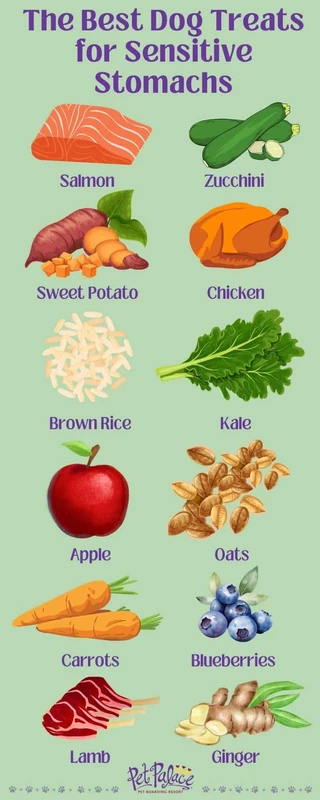
Proteins sourced from salmon, turkey, chicken, and cottage cheese rank highly for sensitive stomach formulas due to their digestibility and low allergenic potential. Deboned salmon is particularly favored for its omega-3 fatty acid content, which has anti-inflammatory properties beneficial for gut lining repair. Turkey and chicken provide lean protein options with minimal fat content, reducing digestive workload.
Fiber inclusion focuses on pumpkin and sweet potato, which not only provide soluble and insoluble fibers to regulate bowel movements but also act as prebiotics that nourish beneficial gut bacteria. Prebiotics such as fructooligosaccharides (FOS) and inulin are increasingly incorporated to promote a balanced microbiome, enhancing digestion and immune function.
Avoiding fillers like corn, wheat, soy, and artificial preservatives remains a priority. High-fat diets can worsen symptoms in sensitive pets by triggering pancreatitis or causing malabsorption. Therefore, formulations emphasize balanced macronutrient profiles with moderate fat levels and the inclusion of digestive enzymes to facilitate nutrient breakdown.
Omega-3 fatty acids from fish oils or flaxseed are standard additions, supporting anti-inflammatory pathways and skin health, which is often compromised in pets with food sensitivities.
Top Organic and Natural Pet Food Brands and Products for Sensitive Stomachs in 2026
Nextrition’s cold-pressed dog food line exemplifies nutrient preservation by using low-heat processing, maintaining the integrity of vitamins, enzymes, and antioxidants. Their formulas center on salmon and pumpkin, ensuring high digestibility and fiber content. Cold pressing reduces Maillard reaction effects, retaining amino acid availability crucial for sensitive pets.
Dog Child offers vet-formulated meal mixes designed for freshness and digestibility, focusing on turkey and chicken proteins with limited ingredient profiles. Their approach includes prebiotic fiber blends and omega-3 enrichment, aligning with veterinary recommendations for digestive health support.
Weruva’s Paw Lickin’ Chicken canned food stands out for minimal ingredients and grain-free composition, using chicken as a novel protein source with added pumpkin for fiber. The brand prioritizes human-grade ingredients and avoids artificial additives, appealing to pet owners seeking transparent sourcing.
Petcurean Go! Limited Ingredient Diet caters to feline sensitivities with turkey-based, grain-free recipes incorporating sweet potato and prebiotics. Veterinary nutritionists involved in formulation ensure balanced amino acid profiles and appropriate nutrient density for cats prone to digestive upset.
California Dog Kitchen emphasizes human-grade, vet-formulated meals that support skin and digestion through lean proteins and fiber-rich vegetables. Their meals often include novel proteins combined with pumpkin and sweet potato, plus digestive enzymes for enhanced nutrient uptake.
Veterinary-recommended commercial diets from Royal Canin and Hill’s Science Diet remain staples for sensitive stomach management. These brands utilize extensive clinical research and veterinary oversight to develop balanced formulas targeting specific digestive issues, including hydrolyzed protein options and fiber blends to reduce gut inflammation.
| Brand | Protein Source | Key Features | Vet Formulated | Digestive Support |
|---|---|---|---|---|
| Nextrition | Deboned Salmon | Cold-pressed, pumpkin fiber, prebiotics | Yes | Omega-3 fatty acids, low-fat |
| Dog Child | Turkey, Chicken | Fresh meal mixes, limited ingredients | Yes | Prebiotic fiber blends, omega-3 |
| Weruva | Chicken | Grain-free, minimal ingredients, canned | No (human-grade) | Pumpkin fiber |
| Petcurean Go! | Turkey | Limited ingredient, grain-free, cat-specific | Yes | Prebiotics, balanced amino acids |
| California Dog Kitchen | Novel Proteins | Human-grade, vet-formulated, skin & digestion focus | Yes | Digestive enzymes, fiber |
| Royal Canin | Hydrolyzed Proteins | Veterinary diets, clinical research | Yes | Fiber blends, gut health formulas |
| Hill’s Science Diet | Chicken, Turkey | Veterinary recommended, balanced nutrition | Yes | Prebiotics, antioxidants |
Homemade Diets for Sensitive Stomachs
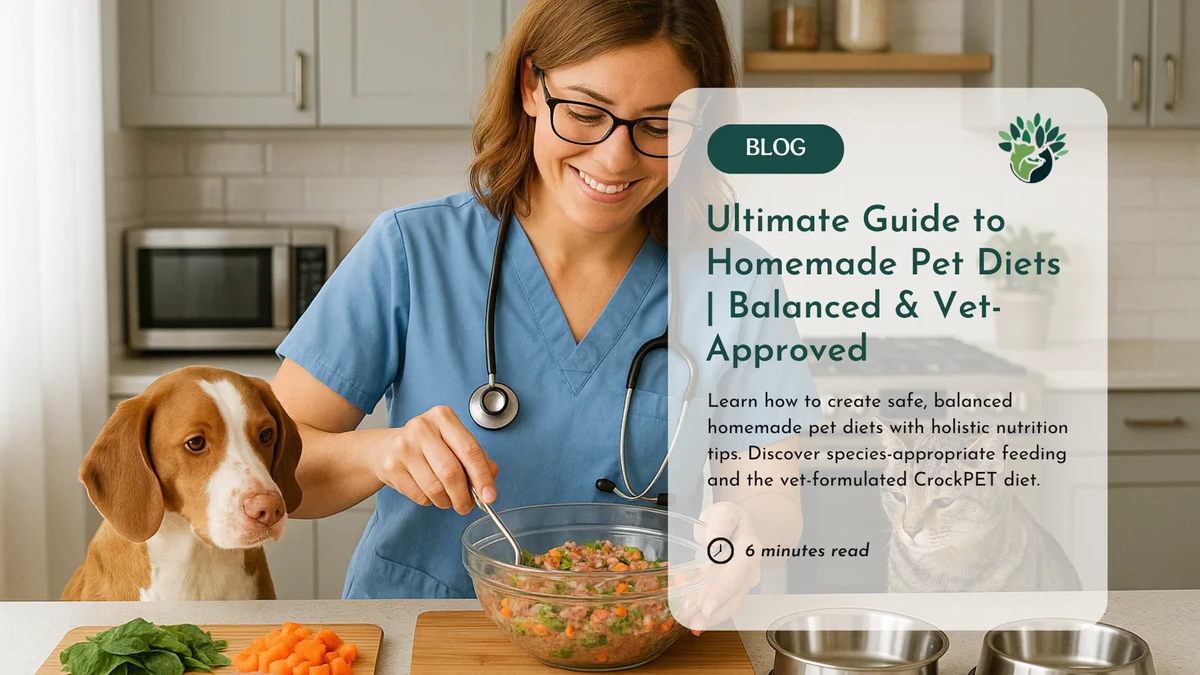
Veterinarians recommend homemade diets as an alternative or complement to commercial foods, especially when managing diagnosed food intolerances. Simple recipes often combine lean proteins such as boiled chicken or turkey with easily digestible carbohydrates like white rice or potato, supplemented with fiber sources like pumpkin puree.
A typical vet-prescribed sensitive stomach recipe might include:
veterinary consultation is essential when formulating homemade diets to ensure balanced macronutrients and micronutrients, preventing deficiencies common in unbalanced home cooking. Additionally, elimination diets conducted under vet supervision help identify specific allergens by systematically reintroducing ingredients.
Feeding Tips for Pets with Sensitive Stomachs
Transitioning pets with sensitive digestion to new diets requires a gradual approach over 7-10 days to minimize gastrointestinal upset. Mixing increasing proportions of the new food with the old diet allows adaptation of the gut microbiota.
Low-sodium bone broth is recommended to stimulate appetite and provide hydration without overwhelming sensitive digestive systems. Bone broth also supplies gelatin and amino acids that support gut lining repair.
Close monitoring for changes in stool quality, vomiting frequency, and energy levels guides necessary adjustments. If symptoms persist, veterinary evaluation is critical to rule out underlying illnesses or nutrient absorption issues.
Environmental and Health Benefits of Organic Pet Food
Organic pet foods derive ingredients from farms avoiding synthetic pesticides, herbicides, and genetically modified organisms, reducing environmental toxin load. This approach benefits not only pet health but also promotes sustainable agricultural practices.
Nutrient integrity in organic crops is often higher due to improved soil management, contributing to superior fiber and antioxidant profiles in pet foods. Avoidance of chemical residues aligns with the goal of minimizing immune triggers in sensitive pets.
Moreover, organic pet food production adheres to ethical sourcing standards, supporting animal welfare and biodiversity, which resonates with environmentally conscious consumers.
FAQ
What are the best protein sources for pets with sensitive stomachs?
The most digestible proteins include deboned salmon, turkey, and chicken, which are less likely to trigger allergic reactions. Novel proteins like duck or rabbit may also be recommended by veterinarians to reduce food sensitivities.
How do prebiotics benefit pets with digestive issues?
Prebiotics such as pumpkin fiber and inulin nourish beneficial gut bacteria, improving digestion, enhancing nutrient absorption, and reducing inflammation in the gastrointestinal tract.
Are grain-free diets better for pets with sensitive stomachs?
Grain-free diets can reduce exposure to common allergens but are not universally necessary. The key is limiting ingredients to those the pet tolerates well, whether grain-free or not, under veterinary guidance.
Can homemade diets provide complete nutrition for sensitive pets?
Homemade diets can be balanced if formulated with veterinary input to ensure proper nutrient ratios. Unsupervised homemade feeding risks deficiencies or excesses that can worsen health issues.
What role do omega-3 fatty acids play in sensitive stomach pet foods?
Omega-3 fatty acids have anti-inflammatory effects that support gut lining repair and overall digestive health, making them a valuable addition to sensitive stomach diets.
—
In 2026, owners seeking to optimize digestive health for pets with sensitive stomachs must consider organic, limited ingredient diets emphasizing digestible proteins and gut-friendly fibers. Combining commercial vet-formulated options with tailored feeding practices and, where appropriate, carefully supervised homemade diets, offers the best path to managing food sensitivities and improving quality of life. Continued innovation in nutrient preservation and ingredient transparency further empowers pet owners to make informed, health-promoting choices.
How to Ensure Balanced Nutrition in Natural Pet Diets Expert Guide
PawVerde.com – Veterinary nutritionists emphasize that balanced nutrition in natural pet diets demands meticulous formulation tailored to each animal’s specific energy and nutrient requirements. Recent surveys reveal that nearly 90% of homemade diets in the U.S. fail to meet nutritional adequacy, underscoring the critical role of expert guidance. Achieving nutritional completeness involves integrating diverse protein sources such as chicken, turkey, cod, and veal with appropriate carbohydrates like rice, pumpkin, and barley, complemented by healthy fats including salmon and sunflower seed oils. Essential vitamin-mineral supplements designed by veterinary experts, such as BalanceIT, help prevent trace nutrient deficiencies that commonly arise in homemade feeding. Fresh whole foods contribute valuable fiber, enzymes, and antioxidants, enhancing digestion and immune resilience. Veterinary nutritionists utilize advanced formulation software like PetDiet Pro to customize diets based on individual pet profiles, ensuring alignment with AAFCO guidelines and life stage nutrient needs.
Understanding Essential Nutritional Requirements for Dogs and Cats
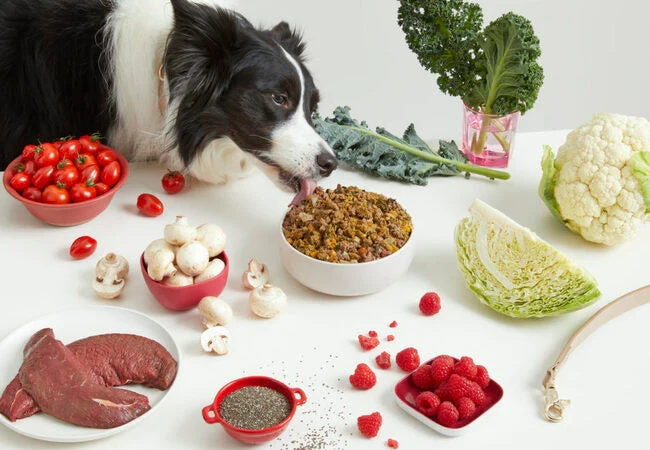
Pets require six fundamental nutrient groups for optimal health: proteins, fats, carbohydrates, vitamins, minerals, and water. Protein supplies amino acids crucial for tissue repair and immune function, with quality sources including chicken, turkey, pork, cod, and veal, each varying in digestibility and amino acid profiles. Fats, sourced from salmon oil or sunflower seed oil, provide concentrated energy and essential fatty acids like omega-3 and omega-6, instrumental in skin health and cognitive function. Carbohydrates such as rice, potatoes, barley, and pumpkin serve as energy sources and aid gastrointestinal motility. Vitamins and minerals regulate metabolic pathways and prevent deficiency syndromes; for example, calcium and phosphorus balance bone formation, while antioxidants from fresh vegetables support immune defense.
Nutrient requirements fluctuate significantly by species, life stage, activity level, and health status. Puppies and kittens have elevated demands for protein and energy to support growth, whereas senior animals may require modified nutrient profiles to manage chronic conditions. Energy needs depend on factors such as breed size and activity; active working dogs require substantially more calories than sedentary indoor pets. Veterinary nutritionists calculate these parameters to tailor diets that maintain ideal body condition and support physiological functions.
Common Ingredients and Their Nutritional Contributions
Homemade pet diets incorporate a variety of whole foods, each contributing specific nutrients essential for balance:
Selecting ingredients based on their nutrient profiles and digestibility ensures a foundation for balanced homemade formulations.
The Role of Veterinary Nutritionists and Formulation Software
Veterinary nutritionists play a pivotal role in formulating homemade diets that meet or exceed standards set by organizations such as the Association of American Feed Control Officials (AAFCO). Board-certified specialists assess pets’ medical histories, breed-specific needs, and owner preferences to design personalized diets. They employ advanced diet formulation software like PetDiet Pro, which calculates nutrient profiles by integrating ingredient nutrient databases and pet-specific parameters. This technology helps avoid common pitfalls such as imbalanced calcium-to-phosphorus ratios or insufficient levels of trace minerals.
These professionals also monitor pets longitudinally, adjusting diets in response to health changes or life stage transitions, ensuring ongoing nutritional adequacy. Collaboration between pet owners, veterinarians, and nutritionists enhances safety and efficacy in homemade feeding regimens.
Vitamin and Mineral Supplementation: Preventing Nutrient Deficiencies
Homemade diets often lack sufficient trace nutrients unless carefully supplemented. Deficiencies in minerals such as zinc, copper, or iodine can precipitate dermatological, neurological, or metabolic disorders. Vitamins A, D, E, and B-complex are critical in numerous biochemical pathways, and their absence can impair vision, bone health, and energy metabolism.
Veterinary nutritionists commonly recommend commercial supplements like BalanceIT, which are formulated to supply precise amounts of essential vitamins and minerals tailored to homemade diet compositions. Proper measurement and administration protocols are crucial to avoid toxicity or under-supplementation. For example, overdosing vitamin D can cause hypercalcemia, while insufficient calcium leads to skeletal abnormalities.
The use of scientifically grounded supplements alongside whole foods mitigates risks inherent in unbalanced homemade feeding.
Practical Guidelines for Pet Owners Formulating Homemade Diets
Pet owners are advised to avoid unsupervised ingredient substitutions, as altering protein or carbohydrate sources can disrupt the nutrient balance carefully established in veterinary-formulated recipes. Gradual diet transitions over a 7- to 14-day period reduce gastrointestinal disturbances and facilitate palatability acceptance.
Regular veterinary check-ups are essential to monitor body condition scores, blood nutrient levels, and overall health status. Diagnostic tests such as serum biochemistry and complete blood counts can detect subclinical deficiencies early, allowing timely dietary adjustments.
Owners should maintain detailed feeding logs and communicate changes in appetite, stool quality, or behavior to their veterinary team. This collaborative approach ensures pets receive optimal nutrition while minimizing risks.
Benefits of Incorporating Fresh Whole Foods into Pet Diets
Fresh whole foods contribute live enzymes that support digestive processes, antioxidants that neutralize free radicals, and dietary fiber that promotes healthy gut microbiota composition. These components collectively enhance nutrient absorption, immune competence, and gastrointestinal motility.
Examples of beneficial fresh ingredients include:
Veterinary nutritionists recommend integrating these foods within balanced formulations to leverage their health-promoting properties without risking nutrient imbalances.
Risks and Challenges Associated with Homemade Diets
Studies indicate a high prevalence of nutritional inadequacies in homemade diets, with common deficiencies in calcium, phosphorus, taurine, and vitamin D. Such imbalances can lead to metabolic bone disease, cardiomyopathies, or immune dysfunction. Excesses, particularly of fat or certain vitamins, pose risks of pancreatitis or hypervitaminosis.
Unsupervised homemade feeding may also lack pathogen control measures inherent in commercial manufacturing, increasing risks of bacterial contamination. Moreover, inadequate knowledge of pet-specific nutrient bioavailability and interactions can result in suboptimal health outcomes.
Evidence-based recipes developed by veterinary nutritionists, combined with professional oversight, are essential to mitigate these concerns.
Advancing Homemade Pet Diets: Practical Next Steps

To optimize homemade feeding practices, pet owners should prioritize veterinary collaboration and utilize formulation tools validated by scientific research. Routine assessments of nutrient status and body condition facilitate early identification of dietary gaps.
Emerging technologies integrating AI-driven nutrient analysis and personalized health data offer promising avenues for refining diet precision. Continued research on nutrient bioavailability and the long-term impacts of homemade diets will further inform best practices.
Pet owners committed to natural feeding can enhance pet wellbeing by adhering to evidence-based formulations, supplementing appropriately, and maintaining vigilant veterinary supervision.
Frequently Asked Questions
How can I ensure my homemade pet diet is nutritionally balanced?
Consulting a board-certified veterinary nutritionist is critical. They can formulate diets using software like PetDiet Pro, ensuring inclusion of essential proteins, fats, carbohydrates, vitamins, and minerals tailored to your pet’s life stage and health status.
Are vitamin-mineral supplements necessary for homemade diets?
Yes. Homemade diets often lack trace nutrients vital for health. Supplements like BalanceIT provide these in precise amounts to prevent deficiencies or toxicities, maintaining nutrient adequacy.
What are the risks of feeding homemade diets without professional guidance?
Common risks include nutritional deficiencies (e.g., calcium, taurine), nutrient excesses, gastrointestinal upset, and increased exposure to pathogens. These can lead to serious health problems such as metabolic bone disease or heart conditions.
Can fresh whole foods improve my pet’s health?
Fresh whole foods add fiber, antioxidants, and enzymes that support digestion and immune function. When integrated into balanced diets, they can enhance overall nutrient bioavailability and promote wellness.
How should I transition my pet from commercial to homemade food?
Transition gradually over one to two weeks, mixing increasing amounts of homemade food with commercial diets to minimize digestive disturbances and encourage acceptance.
—
This comprehensive overview integrates scientific insights, veterinary expertise, and practical guidance to support pet owners in safely adopting homemade natural diets. Collaborating with veterinary nutritionists and using validated tools ensures pets receive balanced nutrition vital for longevity and vitality.
Types of Dietary Supplements for Small Animals Explained
PawVerde.com – Dietary supplements for small animals encompass a varied range of products designed to address species-specific nutritional gaps, support physiological functions, and manage health conditions. Commonly used supplements include glucosamine and chondroitin for joint health, omega-3 and omega-6 fatty acids for skin and coat condition, and vitamins such as B12 and E to bolster overall wellness. However, supplementation must be carefully tailored and supervised by veterinary professionals to avoid risks associated with improper dosing, nutrient imbalances, or interactions with existing treatments.
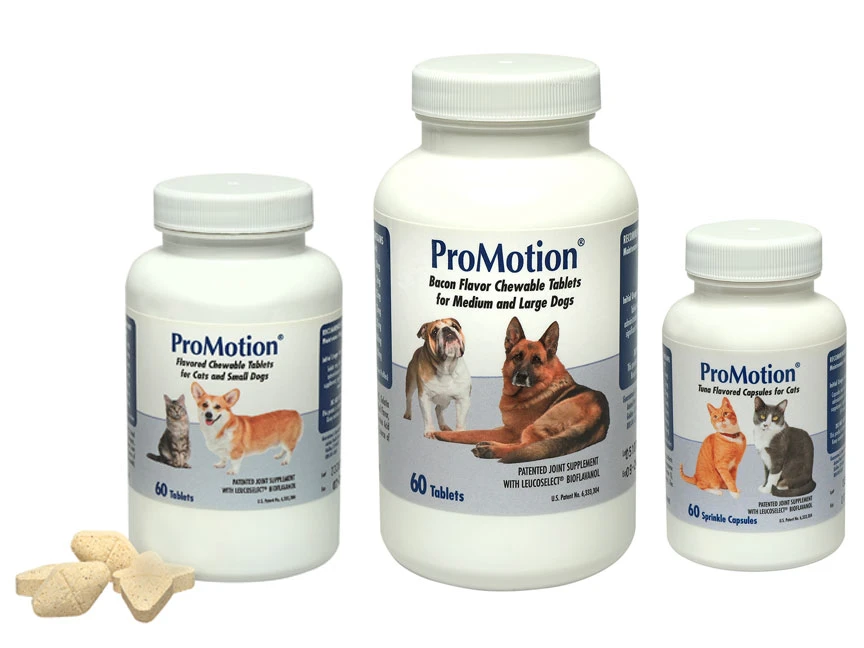
Joint health supplements such as glucosamine, chondroitin sulfate, methylsulfonylmethane (MSM), and Boswellia serrata extracts are frequently administered in cases of osteoarthritis or declining joint mobility in small animals. Glucosamine, a natural amino sugar, supports cartilage repair and maintenance, while chondroitin sulfate contributes to cartilage elasticity and inhibits enzymatic degradation. MSM acts as an anti-inflammatory agent, and Boswellia contains active compounds with analgesic and anti-inflammatory properties. Clinical evidence on their efficacy varies; some studies demonstrate symptomatic relief and improved mobility in dogs and cats, whereas others highlight the need for further robust trials. Typically, these supplements are integrated into comprehensive management plans alongside weight control and physical therapy.
Fatty acid supplementation plays a crucial role in maintaining skin integrity, coat glossiness, and modulating inflammatory responses. Omega-3 fatty acids, particularly eicosapentaenoic acid (EPA) and docosahexaenoic acid (DHA), are primarily sourced from fish oil, while alpha-linolenic acid (ALA) is derived from flaxseed oil. Omega-6 fatty acids, including linoleic acid and arachidonic acid, are abundant in plant oils and animal fats. Cats, in particular, require dietary arachidonic acid due to limited endogenous synthesis. Deficiencies in these fatty acids can manifest as dry, flaky skin, alopecia, or exacerbated inflammatory conditions such as atopic dermatitis. Supplementation with balanced omega-3 and omega-6 ratios improves skin barrier function and may reduce reliance on corticosteroids in chronic inflammatory diseases.
Vitamin and mineral supplements are essential for diverse physiological processes including growth, immune competence, reproduction, and neurological function. Vitamins B12 and E are commonly supplemented to support hematopoiesis and antioxidative defense, respectively. Vitamin D3 regulates calcium-phosphorus metabolism, critical for bone health, while zinc contributes to enzymatic reactions and skin regeneration. Products like NEKTON-MSA cater specifically to reptiles and birds, providing a calibrated blend of vitamins and minerals tailored to their metabolic needs. Over-supplementation of fat-soluble vitamins poses toxicity risks; hence, precise dosing guided by veterinary assessment is imperative.
Amino acids and their derivatives such as taurine and S-adenosyl-methionine (SAMe) address metabolic and neurological health in small animals. Taurine is an essential amino acid for cats, vital for cardiac function, retinal health, and reproduction. Deficiency can lead to dilated cardiomyopathy and retinal degeneration. SAMe is used for its hepatoprotective and neuroprotective properties, benefiting animals with liver disease or cognitive decline. The administration of these compounds should be based on clinical indications and monitored for efficacy and safety.
Probiotics and fiber supplements enhance digestive health, particularly in small mammals with sensitive gastrointestinal systems. Probiotics containing Lactobacillus and Bifidobacterium species help maintain microbial balance, reduce diarrhea incidence, and improve nutrient absorption. High-fiber diets, common in rabbits and rodents, support gut motility and prevent dysbiosis. Herbal ingredients with prebiotic effects may complement these interventions. However, the efficacy of many probiotic products varies due to strain-specific activity and viability, necessitating products with validated formulations.
Species-specific nutritional requirements dictate supplementation strategies. Dogs and cats generally receive balanced commercial diets fulfilling most nutrient needs; supplementation is reserved for targeted conditions such as joint disease or skin disorders. Ferrets often benefit from fatty acid supplementation to counter dry coat and skin problems linked to their high metabolic rates. Rabbits and rodents usually do not require additional supplements if provided with quality hay, fresh greens, and controlled pellets, but vitamin C supplementation is essential in guinea pigs due to their inability to synthesize it endogenously. Exotic pets like reptiles and birds often rely heavily on vitamin-mineral supplements to compensate for dietary limitations and environmental factors affecting nutrient availability.
Regulatory frameworks distinguish dietary supplements from veterinary drugs, prohibiting claims of disease treatment or prevention without rigorous approval. Over-supplementation can induce toxicity; for example, excess selenium causes selenosis, manifesting as alopecia, hoof deformities, and neurological signs. The lack of standardization in supplement manufacturing poses risks of contamination, inaccurate labeling, and variable potency. Veterinary professionals emphasize the use of products with certifications from independent bodies such as ConsumerLab.com or adherence to AAFCO guidelines to ensure quality and safety.
Supplementation is typically considered when clinical signs indicate nutritional insufficiency or specific health challenges arise. Indicators such as a dull coat, joint stiffness, weight loss, lethargy, or digestive disturbances warrant veterinary evaluation and potential supplementation. Life stages including growth, pregnancy, and lactation increase nutrient demands, often necessitating adjusted supplementation. Diagnostic assessments, including blood work and dietary analysis, inform personalized supplementation plans and ongoing monitoring to optimize outcomes.
ConsumerLab.com testing reveals considerable variability in pet supplement quality, with some products failing to meet declared ingredient levels or containing contaminants. Selecting supplements from reputable manufacturers with transparent sourcing, batch testing, and veterinary endorsements is essential. Veterinary supervision ensures that supplementation complements rather than replaces balanced nutrition and medical treatment, minimizing adverse effects and maximizing therapeutic benefits.
| Supplement Type | Common Ingredients | Primary Benefits | Species Considerations |
|---|---|---|---|
| Joint Health | Glucosamine, Chondroitin Sulfate, MSM, Boswellia | Supports cartilage health, reduces inflammation, improves mobility | Dogs, cats; dose adjustment based on size and condition |
| Fatty Acids | Omega-3 (EPA, DHA), Omega-6 (Linoleic Acid, Arachidonic Acid) | Enhances skin and coat condition, modulates inflammation | Cats require arachidonic acid; ferrets benefit from supplementation |
| Vitamins & Minerals | Vitamin B12, E, D3, Zinc | Supports immune function, bone health, antioxidation | Reptiles, birds require specialized blends like NEKTON-MSA |
| Amino Acids & Derivatives | Taurine, SAMe | Supports cardiac, neurological, and metabolic health | Critical for cats (taurine); used in liver support |
| Probiotics & Fiber | Lactobacillus, Bifidobacterium, dietary fiber, herbal prebiotics | Improves gut microbiota, digestive health | Small mammals; rabbits and rodents require high fiber diets |
Common dietary supplements for small animals include glucosamine and chondroitin for joint support, omega-3 and omega-6 fatty acids for skin and coat health, and vitamins such as B12 and E for overall wellness. Supplementation should be guided by a veterinarian to ensure safety and meet species-specific nutritional needs.
FAQ
What are the most important dietary supplements for joint health in small animals?
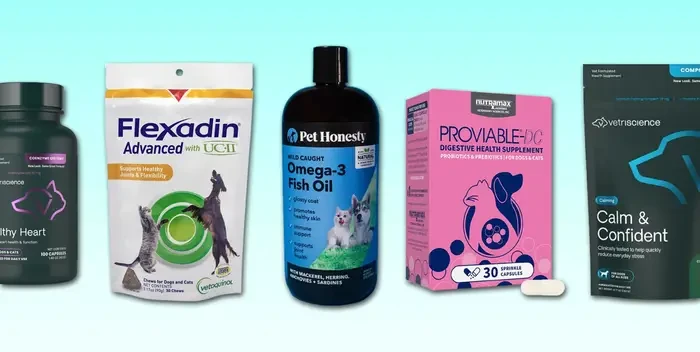
Glucosamine and chondroitin sulfate are the primary supplements for joint health, often combined with methylsulfonylmethane (MSM) and Boswellia extracts to reduce inflammation and support cartilage repair. These are most commonly used in dogs and cats with osteoarthritis or joint stiffness.
Do all small animals require fatty acid supplements?
Not all small animals require fatty acid supplements if their diet is balanced. Cats and ferrets may benefit from omega-3 and omega-6 supplementation to maintain skin and coat health, while herbivorous species like rabbits and rodents generally obtain sufficient fatty acids from their natural diets.
Can vitamin supplements replace a balanced diet for small pets?
Vitamin supplements are intended to complement, not replace, a balanced diet. Over-supplementation can cause toxicity, so vitamins should only be administered based on veterinary advice and specific nutritional needs.
Are probiotics effective for digestive health in small animals?
Probiotics containing specific bacterial strains can enhance gut health and reduce digestive disturbances in small animals. Effectiveness depends on the probiotic strain, dosage, and the animal’s health status, making veterinary guidance important when selecting products.
When should pet owners consult a veterinarian about supplements?
Veterinary consultation is essential before starting any supplement to assess the animal’s health, diagnose potential deficiencies, avoid harmful interactions, and ensure appropriate dosing. This is particularly important for animals with chronic diseases, young, pregnant, or geriatric pets.
Looking ahead, advances in veterinary nutrition and nutrigenomics are likely to refine supplement formulations tailored to individual genetic profiles and health conditions in small animals. Enhanced quality control, regulatory oversight, and evidence-based guidelines will improve supplement safety and efficacy, empowering veterinarians and pet owners to optimize nutritional support for diverse species.

How Nutritional Adjustments Manage Allergies in Cats
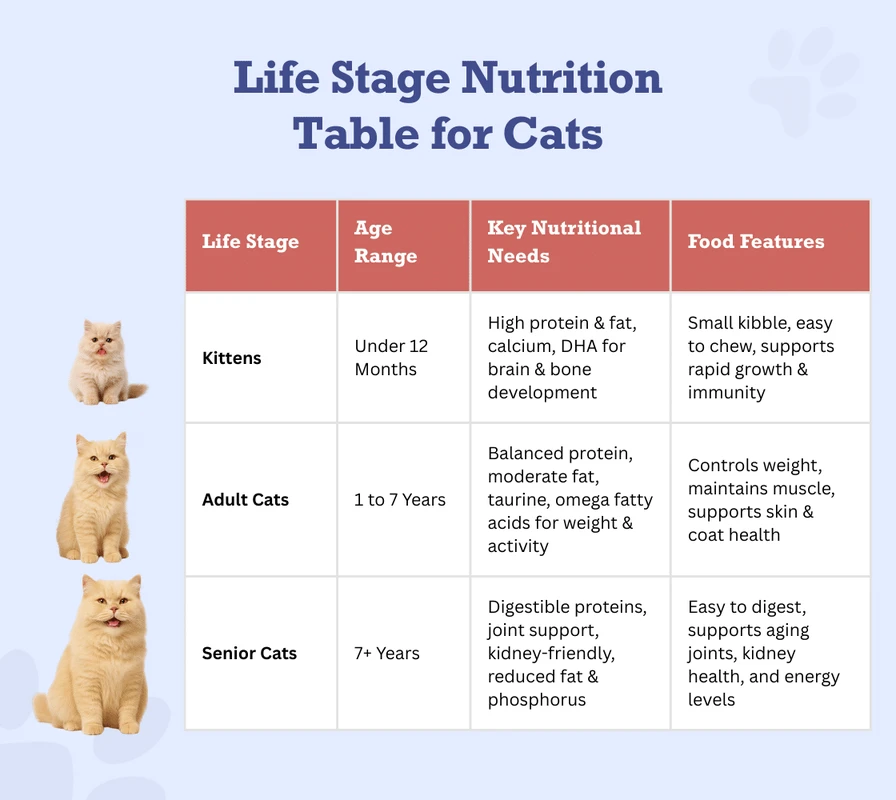
PawVerde.com – Cats affected by allergies require carefully tailored nutritional strategies to manage their symptoms effectively while ensuring balanced health. Veterinary-guided hypoallergenic diets are central to this approach, with elimination diet trials recognized as the diagnostic gold standard for feline food allergies. Hypoallergenic diets typically incorporate limited or novel protein sources, often hydrolyzed to decrease immune system recognition of allergens. Strict veterinary supervision is essential throughout diagnosis and dietary management to avoid nutritional deficiencies, misinterpretation of symptoms, and unverified treatments.
Diagnosing Food Allergies in Cats: The Role of Elimination Diet Trials
Diagnosing food allergies in cats hinges primarily on controlled elimination diet trials. Unlike blood or skin testing, which have demonstrated inconsistent reliability in identifying feline food allergens, elimination diets systematically remove all suspect ingredients to observe whether clinical symptoms improve. These trials often extend over 8 to 12 weeks to allow sufficient time for symptomatic relief and to distinguish food allergies from other dermatologic or gastrointestinal issues.
During the elimination trial, cats receive a diet comprising novel protein and carbohydrate sources not previously fed, or a hydrolyzed protein diet where proteins are enzymatically broken into smaller peptides to reduce allergenicity. Veterinary nutritionists emphasize the importance of eliminating all other food items, treats, and flavored medications to prevent cross-contamination, which can compromise trial accuracy.
Veterinary dermatologists and board-certified nutritionists collaborate to interpret results and distinguish food allergies from environmental or contact hypersensitivities. This multidisciplinary approach helps ensure that dietary trials provide valid diagnostic data, guiding subsequent nutritional management.
Hypoallergenic Diet Types for Allergic Cats
Hypoallergenic diets for allergic cats fall into three principal categories: hydrolyzed protein diets, novel protein diets, and limited-ingredient diets. Each offers distinct mechanisms to reduce immune response to dietary proteins.
Hydrolyzed protein diets chemically break down proteins into small peptides and amino acids that are less likely to trigger an immune reaction. Commercial veterinary-exclusive products, such as Royal Canin Ultamino, contain extensively hydrolyzed proteins and have demonstrated efficacy in reducing clinical signs in allergic cats. These diets meet AAFCO nutritional standards, ensuring complete and balanced nutrition during prolonged feeding trials.
Novel protein diets introduce protein sources that the cat has not previously encountered, such as venison, rabbit, or duck, paired with novel carbohydrates like peas or potatoes. Limited-ingredient diets restrict the number of protein and carbohydrate sources, minimizing allergen exposure and simplifying identification of the offending allergen.
Veterinary exclusive diets are preferred over homemade formulations due to strict quality control, balanced nutrient profiles, and avoidance of inadvertent allergens. Board-certified veterinary nutritionists caution that improperly formulated homemade diets may lack essential nutrients, risking malnutrition, especially during extended elimination trials.
Nutritional Considerations and Risks in Hypoallergenic Feeding
Ensuring nutritional adequacy during hypoallergenic diet trials is critical. Veterinary nutritionists advocate for diets that comply with AAFCO nutritional profiles or equivalent standards, providing balanced macronutrients, vitamins, and minerals to support overall health. Avoiding previously fed ingredients reduces the risk of ongoing allergen exposure, while strict avoidance of treats and flavored medications prevents cross-contamination.
Cross-contamination remains a significant concern, particularly in multi-pet households or environments where multiple foods are stored or prepared. Even trace amounts of an allergen can provoke immune responses, undermining diagnostic accuracy.
Homemade hypoallergenic diets pose additional risks of nutrient imbalances, inadequate protein quality, and inconsistent allergen exclusion. Reliable commercial veterinary diets mitigate these risks by offering controlled ingredient sourcing and nutrient fortification.
Supporting Skin and Coat Health Through Nutrition
Nutrition plays a pivotal role in maintaining skin barrier integrity and coat quality, which is especially important for cats suffering from allergic dermatitis. Supplementation with Omega-3 and omega-6 fatty acids supports anti-inflammatory pathways, reduces pruritus, and enhances skin hydration. These polyunsaturated fatty acids are incorporated into many veterinary hypoallergenic diets to complement allergen avoidance.
Wet food formulations provide additional hydration, which can help reduce skin dryness and dander production, common issues in allergic cats. Hydration also supports overall skin elasticity and repair mechanisms.
Emerging research has also explored diets formulated to neutralize Fel d 1, the primary feline allergen responsible for human allergic reactions. While these formulations primarily target allergen reduction in the environment, they may contribute indirectly to improved skin health by modulating immune responses.
Implementing and Monitoring Diet Trials: Practical Guidelines
Successful elimination diet trials require rigorous feeding protocols and meticulous symptom monitoring. Cats must be fed exclusively the prescribed hypoallergenic diet, with no access to other food sources, treats, or flavored medications. This strict regimen is necessary to avoid false-negative or false-positive results.
Symptom monitoring should include detailed records of dermatological signs such as pruritus, erythema, and alopecia, as well as gastrointestinal symptoms like vomiting or diarrhea. Regular veterinary evaluations throughout the trial allow for assessment of clinical progress and early detection of adverse effects.
Transitioning to hypoallergenic diets should be gradual over 7 to 10 days to minimize gastrointestinal upset and enhance acceptance. Veterinary nutritionists recommend mixing increasing proportions of the new diet with the previous food to facilitate adaptation.
After symptom improvement, a controlled reintroduction of original ingredients under veterinary supervision can help identify specific allergens, guiding long-term dietary management.
Complementary Strategies for Managing Allergies in Cats
Nutritional interventions function best when integrated with environmental and medical management strategies. Allergic cats often exhibit sensitivities to non-food allergens, including dust mites, pollen, and flea saliva, which require environmental control measures such as frequent cleaning and the use of hypoallergenic bedding.
Veterinary follow-ups remain essential for adjusting dietary plans, addressing secondary infections or complications, and monitoring overall health. Collaborative care involving veterinary dermatologists and nutritionists ensures comprehensive management tailored to each cat’s needs.
Future Directions in Nutritional Allergy Management for Cats
Ongoing advances in veterinary nutrition aim to refine hypoallergenic diets by identifying novel protein sources, optimizing hydrolysis techniques, and enhancing nutrient profiles to support immune modulation. Precision nutrition approaches, leveraging genetic and microbiome data, hold promise for individualized allergy management.
Further research into the immunological mechanisms underlying feline food allergies will improve diagnostic methods and therapeutic diets, reducing reliance on prolonged elimination trials. Integration of nutritional care with immunotherapy and novel pharmacologic agents may also expand treatment options.
—
| Diet Type | Main Characteristics | Advantages | Considerations |
|---|---|---|---|
| Hydrolyzed Protein Diet | Proteins enzymatically broken into small peptides | Reduces immune recognition; complete nutrition; veterinary exclusive | Costly; may require veterinary prescription |
| Novel Protein Diet | Uses proteins not previously fed to cat | Minimizes allergen exposure; palatable | Risk of cross-contamination; may not suit all cats |
| Limited-Ingredient Diet | Restricted number of protein and carbohydrate sources | Simplifies allergen identification; reduces multiple allergens | Not all formulas meet nutritional standards; risk of imbalance |
—
FAQ
What is the best diet for cats with food allergies?
Veterinary-guided hypoallergenic diets, particularly hydrolyzed protein or novel protein diets, are most effective. These diets reduce immune reactions by avoiding or breaking down allergens and must be used under veterinary supervision during elimination trials.
How long should an elimination diet trial last for cats?
Elimination diet trials typically last 8 to 12 weeks to allow sufficient time for symptom resolution and accurate diagnosis. Strict adherence to the diet during this period is critical for valid results.
Can homemade diets be used for allergic cats?
Homemade diets carry risks of nutritional imbalance and inadvertent allergen exposure. They should only be used under guidance from a board-certified veterinary nutritionist to ensure safety and adequacy.
What role do Omega fatty acids play in allergic cats?
Omega-3 and Omega-6 fatty acids help reduce inflammation, support skin barrier function, and improve coat quality, complementing allergen avoidance in managing allergic dermatitis.
Why is veterinary supervision important during allergy diet trials?
Veterinary supervision ensures appropriate diet selection, monitors for adverse effects, interprets symptom changes, and prevents nutritional deficiencies, making the diagnostic process accurate and safe.
—
Continued refinement of hypoallergenic nutritional strategies, combined with holistic allergy management, will improve quality of life for allergic cats and support pet owners in navigating complex dietary needs. Collaboration between pet owners, veterinary dermatologists, and nutritionists remains fundamental to advancing effective allergy care.
How Omega Fatty Acids Boost Pet Health with EPA & DHA Benefits
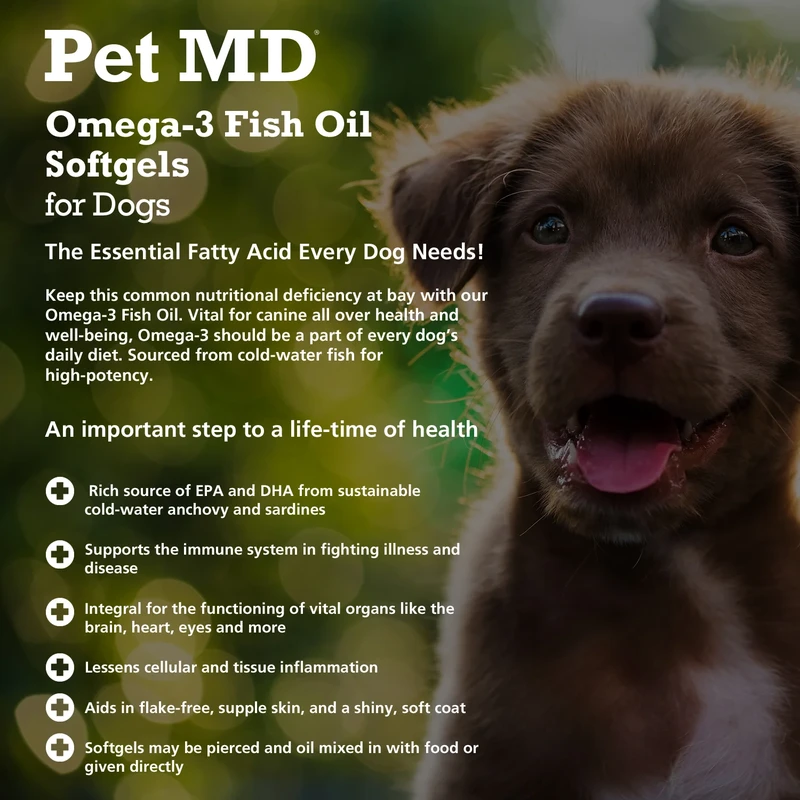
PawVerde.com – Omega fatty acids, principally EPA (eicosapentaenoic acid) and DHA (docosahexaenoic acid), have become a focal point in veterinary nutrition due to their extensive benefits in supporting pet health. These essential fatty acids, predominantly found in marine sources like fish oil, play critical roles in maintaining healthy skin, reducing inflammation, and enhancing cognitive and cardiovascular function in dogs and cats. Veterinary experts emphasize that proper supplementation, guided by dosage tailored to each pet’s needs, is vital for maximizing therapeutic outcomes while ensuring safety.
Omega-3 fatty acids, along with omega-6 and omega-9, represent distinct classes of polyunsaturated and monounsaturated fats integral to pet physiology. Omega-3s, especially EPA and DHA, exhibit potent anti-inflammatory properties that mitigate chronic conditions such as arthritis and allergic dermatitis common in companion animals. Meanwhile, omega-6 fatty acids, including linoleic acid and arachidonic acid, are essential for maintaining skin barrier integrity and cellular health. Achieving an optimal omega-3 to omega-6 ratio in a pet’s diet is critical; imbalances can exacerbate inflammatory responses or undermine immune function.
Types of Omega Fatty Acids and Their Roles in Pet Health
Omega fatty acids are categorized mainly into omega-3, omega-6, and omega-9, each contributing differently to pet health. Omega-3 fatty acids, including EPA and DHA, are long-chain polyunsaturated fatty acids derived primarily from marine sources such as fish, krill, and algae. These fatty acids are integral to anti-inflammatory pathways and cognitive function. The shorter-chain alpha-linolenic acid (ALA), a plant-based omega-3, requires conversion to EPA and DHA but does so inefficiently in pets, making marine sources more potent.
omega-6 fatty acids, such as linoleic acid and arachidonic acid, are abundant in many plant oils and animal fats. Linoleic acid is an essential fatty acid that supports skin structure and immune responses, while arachidonic acid is involved in inflammatory and cellular signaling mechanisms. Omega-9 fatty acids, like oleic acid, are non-essential as pets can synthesize them, yet they contribute to cardiovascular health and cellular energy balance.
The physiological significance of essential fatty acids (EFAs) lies in their inability to be synthesized by pets, necessitating dietary inclusion. EFAs influence membrane fluidity, eicosanoid production, and gene expression, underpinning diverse processes from skin hydration to joint lubrication.
Health Benefits of Omega Fatty Acids for Dogs and Cats
The impact of omega fatty acids on pet health encompasses multiple organ systems, with clinical evidence supporting targeted supplementation to address specific conditions.
Skin and Coat Health
Omega-3 and omega-6 fatty acids improve skin barrier function, reduce transepidermal water loss, and enhance coat glossiness. Clinical trials have documented reductions in pruritus and dermatitis severity in dogs and cats receiving EPA and DHA supplementation. Linoleic acid deficiency is linked to dry, flaky skin and poor coat condition, underscoring the necessity of balanced omega intake.
Anti-inflammatory Effects
EPA and DHA modulate inflammatory cytokines and prostaglandin pathways, providing therapeutic benefits in chronic inflammatory diseases such as osteoarthritis, allergic dermatitis, and inflammatory bowel disease. Controlled studies in canine arthritis show improved mobility and reduced joint pain following consistent omega-3 supplementation over several weeks.
Cognitive and Brain Function Support
DHA is a major structural component of neuronal membranes. Supplementation in aging pets has been correlated with enhanced cognitive function, memory retention, and reduced signs of canine cognitive dysfunction syndrome (CDS). Veterinary neurologists advocate omega-3 inclusion as part of neuroprotective dietary strategies.
Cardiovascular and Immune System Enhancement
Omega-3 fatty acids improve endothelial function and reduce arrhythmias, contributing to cardiovascular health in pets predisposed to heart disease. Additionally, they modulate immune cell activity, enhancing resistance against infections without overactivation that leads to autoimmunity.
Joint and Connective Tissue Support
By influencing the synthesis of anti-inflammatory eicosanoids and cytokines, omega-3 fatty acids support joint cartilage integrity and reduce connective tissue degradation. This effect is particularly beneficial in managing degenerative joint disease in senior dogs.
Key Omega Fatty Acids: Sources, Potency, and Bioavailability
Marine-derived omega-3s, especially EPA and DHA, demonstrate superior bioavailability and efficacy in pets compared to plant-based sources. Fish oil from cold-water species (e.g., salmon, sardines, anchovies) is rich in these long-chain fatty acids. Krill oil and algae supplements offer alternative marine sources, with algae being particularly valuable for vegetarian or fish-sensitive animals.
Plant-based omega-3s, largely in the form of ALA found in flaxseed, hemp, and pumpkin seeds, require metabolic conversion to EPA and DHA, a process limited in dogs and cats. Therefore, relying solely on plant sources may not achieve therapeutic omega-3 levels.
Omega-6 fatty acids, predominantly from vegetable oils such as sunflower and safflower oil, provide essential linoleic acid, but excessive omega-6 intake can counteract omega-3 benefits if not balanced properly. Veterinary nutritionists emphasize maintaining an omega-6 to omega-3 ratio around 5:1 or lower for optimal health outcomes.
Incorporating Omega Fatty Acids into Pet Diets
Natural dietary sources of omega fatty acids include fatty fish, eggs enriched with omega-3, and plant oils incorporated into commercial pet foods. Many premium pet food brands now fortify formulas with balanced omega fatty acids to support skin, coat, and joint health.
Supplementation is a common approach to address specific health concerns or deficiencies. Fish oil capsules, liquid oils, omega-enriched treats, and topical applications are available on the market. Veterinary consultation is paramount to determine appropriate dosage based on pet size, health status, and existing diet.
Dosage guidelines vary, but typical recommendations for omega-3 (EPA+DHA) range from 30 to 100 mg/kg body weight per day for dogs, with adjustments for cats due to differing metabolism. Over-supplementation risks include gastrointestinal upset and altered blood clotting, highlighting the necessity of professional oversight.
Safety, Quality, and Considerations for Supplementation
Quality control in omega fatty acid supplements is critical given the risk of contaminants such as heavy metals, PCBs, and oxidation products that can occur in fish oil products. Reputable manufacturers adhere to stringent purification standards and include antioxidants like vitamin E to stabilize oils and preserve efficacy.
Veterinarians recommend choosing supplements tested for purity and potency, with clear labeling of EPA and DHA content. Monitoring pets during supplementation allows timely detection of adverse effects or insufficient response.
Long-term use of omega fatty acids requires periodic evaluation of benefits versus risks. While clinical improvements may manifest after several weeks to months, sustained supplementation is often necessary to maintain health benefits, particularly in chronic conditions.
Recent Research and Clinical Insights on Omega Fatty Acids in Pets
Emerging studies continue to refine understanding of omega fatty acid roles in pet health. Recent randomized controlled trials have confirmed omega-3 supplementation’s efficacy in reducing osteoarthritis symptoms and improving skin barrier function in atopic dermatitis.
However, variability in clinical outcomes is noted, likely influenced by factors such as baseline pet health, supplement bioavailability, and dosage accuracy. Research in veterinary neurology increasingly supports DHA’s role in neuroprotection and cognitive maintenance, though large-scale longitudinal studies remain ongoing.
The integration of omega fatty acids into veterinary protocols underscores a growing consensus on their therapeutic potential, balanced by calls for further research to optimize formulations and dosing regimens tailored to individual pets.
| Omega Fatty Acid | Primary Sources | Key Benefits | Bioavailability | Typical Supplement Form |
|---|---|---|---|---|
| EPA (Eicosapentaenoic Acid) | Fish oil, krill oil, algae | Anti-inflammatory, joint support, immune modulation | High | Capsules, liquid oils |
| DHA (Docosahexaenoic Acid) | Fish oil, krill oil, algae | Brain and cognitive function, cardiovascular health | High | Capsules, liquid oils |
| Linoleic Acid (Omega-6) | Vegetable oils (sunflower, safflower), animal fats | Skin barrier maintenance, cell membrane integrity | Moderate | Dietary inclusion, enriched pet food |
| Alpha-linolenic Acid (ALA) | Flaxseed, hemp, pumpkin seeds | Precursor to EPA/DHA (limited conversion in pets) | Low | Dietary inclusion, plant-based supplements |
FAQ
What are the main benefits of omega fatty acids for pets?
Omega fatty acids, particularly EPA and DHA, support skin and coat health, reduce inflammation, enhance joint mobility, improve cognitive functions, and strengthen cardiovascular and immune systems in dogs and cats.
How do omega-3 and omega-6 fatty acids differ in their effects on pets?
Omega-3 fatty acids primarily provide anti-inflammatory benefits and cognitive support, while omega-6 fatty acids are essential for skin integrity and immune function. Maintaining a balanced ratio between these fatty acids is crucial to avoid excessive inflammation.
Can plant-based omega-3 sources replace fish oil supplements for pets?
Plant-based omega-3s like ALA have limited conversion to EPA and DHA in pets, making fish oil or marine-based supplements more effective for therapeutic outcomes.
Is it safe to give pets omega fatty acid supplements without veterinary guidance?
Veterinary consultation is essential to determine safe and effective dosages, avoid adverse effects, and select high-quality, contaminant-free products tailored to each pet’s health condition.
How long does it take to see health improvements after starting omega fatty acid supplementation?
Clinical benefits typically become apparent after several weeks to months of consistent supplementation, depending on the health issue being addressed and the pet’s overall condition.
Omega fatty acids continue to emerge as a cornerstone of veterinary nutrition, with growing evidence supporting their integration into comprehensive pet health management plans. Future research will further elucidate optimal dosing strategies and novel delivery methods, advancing the personalized care of companion animals.

How to Choose Quality Dietary Supplements for Dogs Safely
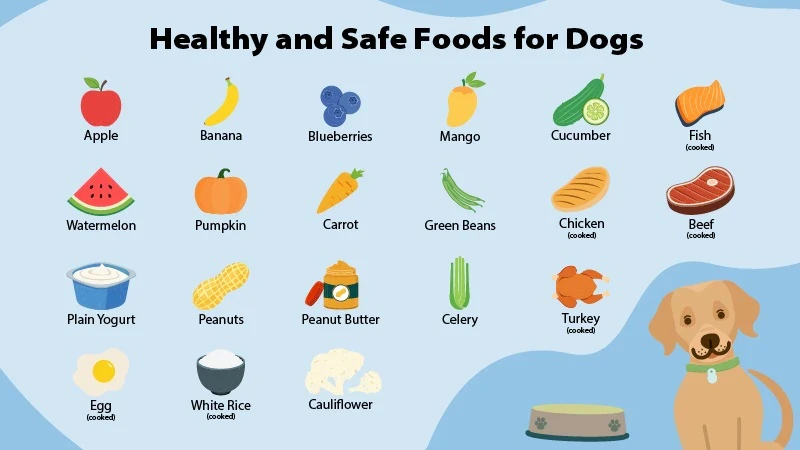
PawVerde.com – Choosing the right dietary supplements for dogs requires a nuanced understanding of pet-specific health needs, ingredient quality, and regulatory standards. Nearly half of dogs in the United States receive dietary supplements such as probiotics or fish oil to support joint health, cognitive function, or immune resilience. However, the unregulated nature of the pet supplement market poses risks including inaccurate labeling, harmful additives, and ineffective formulations. Ensuring supplement safety and efficacy involves verifying ingredient provenance, clinical testing for absorption, and selecting products certified by recognized bodies like the National Animal Supplement Council (NASC). Consulting veterinarians remains essential to tailor supplementation appropriately and avoid toxic ingredients such as xylitol.
Assessing Your Dog’s Specific Supplement Needs
Determining the appropriate dietary supplements begins with evaluating your dog’s unique health profile, including age, breed predispositions, lifestyle, and existing medical conditions. Senior dogs or breeds prone to joint disorders may benefit from glucosamine and chondroitin supplements to support cartilage health. Conversely, active working dogs might require omega-3 fatty acids and antioxidants to manage inflammation and cognitive demands. Veterinary consultation is critical in this assessment, as veterinary nutritionists can provide evidence-based recommendations aligned with your dog’s physiological and metabolic status.
Veterinarians utilize diagnostic tools and clinical history to identify nutritional gaps or chronic conditions that supplements can address effectively. For example, dogs with gastrointestinal issues may need probiotics and prebiotics to restore gut microbiota balance, while those with immune deficiencies could benefit from targeted vitamins and minerals. Without professional guidance, owners risk administering inappropriate supplements or dosages that may cause adverse effects or interact with medications.
Core Criteria for Selecting High-Quality Dog Supplements
Quality dog supplements share several identifiable characteristics that influence their safety and effectiveness. First, ingredient provenance must be transparent and rooted in natural, clinically studied substances. High-grade fish oil sourced from cold-water fatty fish like anchovies or sardines offers superior omega-3 fatty acid profiles compared to generic or synthetic alternatives. Similarly, probiotic supplements should specify the strains used and their colony-forming units (CFUs), ensuring sufficient viability to confer gut health benefits.
Clinical testing for absorption and purity is another essential benchmark. Studies verifying bioavailability demonstrate that the active compounds reach systemic circulation in effective concentrations. For example, glucosamine sulfate has documented improved absorption compared to glucosamine hydrochloride, which impacts therapeutic outcomes in arthritis management. Third-party laboratory analysis verifying absence of contaminants such as heavy metals, pesticides, or microbial pathogens further validates supplement safety.
Supplements must also be free from harmful additives. Artificial colors, flavors, and sweeteners like xylitol—a known canine toxin—are red flags indicating poor manufacturing standards. Accurate dosage information and clear administration guidelines are indispensable. Overdosing on fat-soluble vitamins or minerals can induce toxicity, while underdosing reduces efficacy. Products delivering consistent potency per serving, backed by batch testing, minimize such risks.
Recognized Certifications and Quality Seals in Pet Supplements
The NASC quality seal stands as the gold standard certification within the pet supplement industry. NASC-certified products comply with stringent quality control protocols encompassing ingredient sourcing, manufacturing practices, labeling accuracy, and adverse event reporting. This certification reassures consumers of the product’s integrity and manufacturer accountability.
Other reputable certification programs include those endorsed by the United States Pharmacopeia (USP) and ConsumerLab.com, which independently evaluate supplement purity and potency. These certifications differentiate premium pet supplements from unregulated or counterfeit products prevalent online. Research from Tufts University’s Petfoodology highlights that supplements bearing recognized seals consistently demonstrate higher compliance with ingredient claims and safety standards.
Common Dog Supplement Types and Their Health Benefits
dog dietary supplements target diverse physiological systems, with formulations tailored to specific health outcomes:
Evaluating Supplement Brands and Manufacturers
Reputable supplement manufacturers distinguish themselves through transparency, scientific backing, and rigorous quality assurance. Brands like Embark and Swedencare invest in research and development, publishing clinical data supporting their product claims. They disclose ingredient sourcing, provide Certificates of Analysis (CoAs), and actively engage veterinary professionals for product validation.
Conversely, many pet supplements on the market lack such transparency, relying on undisclosed proprietary blends that obscure ingredient quantities and quality. Consumer watchdogs and veterinary institutions like VCA Hospitals advise owners to scrutinize manufacturer credentials and seek products tested by third-party laboratories.
Safety Considerations and the Role of Veterinary Guidance
Safety risks associated with dog supplements include toxic ingredient exposure, adverse interactions with medications, and incorrect dosages. Xylitol, a sweetener common in human supplements and foods, is highly toxic to dogs, causing rapid hypoglycemia and liver failure. Avoiding human-grade supplements unless explicitly approved by veterinarians is essential.
Veterinary supervision ensures dosing aligns with your dog’s weight, age, and health status, minimizing overdose risks. Monitoring for adverse reactions—such as gastrointestinal upset, allergic responses, or behavioral changes—is vital when initiating new supplements. Ongoing veterinary evaluations can adjust supplementation regimens based on clinical response and emerging health needs.
Future Directions: Enhancing Supplement Safety and Efficacy

Industry trends point toward increasing regulatory oversight and scientific validation of pet dietary supplements. Collaborative efforts between pet nutritionists, veterinary researchers, and regulatory bodies aim to elevate product standards and consumer protection. Emerging technologies in ingredient traceability and biomarker-driven dosing personalization promise more targeted and effective supplementation strategies.
Pet owners are encouraged to maintain a proactive partnership with their veterinarians, leveraging advances in veterinary nutrition to optimize their dogs’ health across life stages.
| Supplement Type | Common Ingredients | Primary Benefits | Clinical Evidence |
|---|---|---|---|
| Joint Health | Glucosamine, Chondroitin | Cartilage repair, inflammation reduction, improved mobility | Multiple randomized controlled trials demonstrating symptom relief in canine arthritis |
| Cognitive Support | Omega-3 Fatty Acids (DHA), Antioxidants, B Vitamins | Enhanced memory, reduced oxidative stress, improved neuronal function | Clinical studies show improved cognitive scores in aging dogs |
| Immune Support | Vitamins A, C, E; Zinc; Selenium; Probiotics | Strengthened immune response, infection resistance | Research supports immune modulation via micronutrient supplementation |
| Gut Health | Probiotics, Prebiotics, Digestive Enzymes | Improved digestion, balanced microbiota, enhanced nutrient absorption | Studies confirm probiotic efficacy in managing gastrointestinal disorders |
FAQ
How can I verify if a dog supplement is safe and effective?
Look for NASC certification or third-party testing seals, check for transparent ingredient lists with clinically studied components, and consult your veterinarian to ensure the product suits your dog’s health needs.
Are fish oil supplements beneficial for all dogs?
Fish oil rich in omega-3 fatty acids supports joint, heart, and cognitive health but should be dosed carefully, especially in dogs with bleeding disorders. Veterinary guidance is recommended before starting supplementation.
Can probiotics help dogs with digestive issues?
Yes, probiotics can restore gut flora balance, improve digestion, and reduce symptoms of diarrhea or inflammatory bowel disease. The efficacy depends on strain specificity and probiotic viability.
What ingredients should I avoid in dog supplements?
Avoid supplements containing artificial colors, flavors, sweeteners like xylitol, and undisclosed proprietary blends. These can be harmful or decrease supplement reliability.
Is it safe to give human dietary supplements to dogs?
Human supplements often contain ingredients or dosages unsuitable or toxic for dogs. Always consult a veterinarian before administering human supplements to pets.
Selecting dietary supplements for dogs demands careful consideration of ingredient quality, clinical validation, and regulatory certification. By partnering with veterinary professionals and choosing products from reputable manufacturers, pet owners can enhance their dogs’ health while mitigating safety risks. Ongoing research and evolving industry standards will further improve the availability of effective, safe canine supplements in the future.