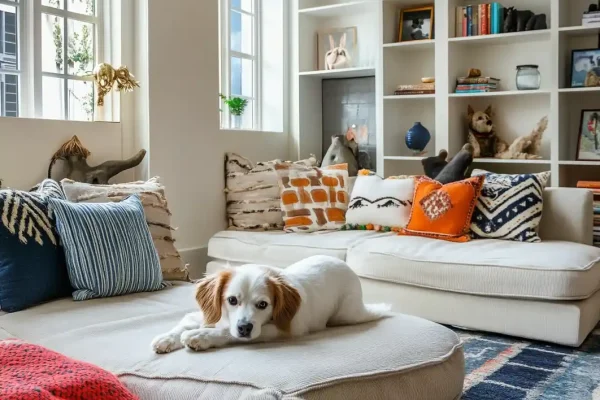
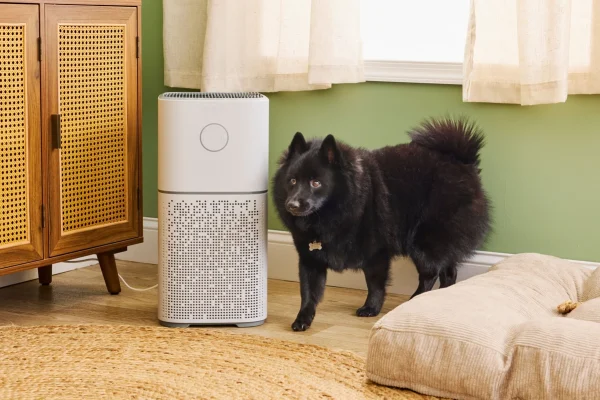
PawVerde.com – Incorporating pet needs into sustainable architecture demands a multifaceted approach that balances environmental responsibility with animal welfare. This integration involves selecting eco-friendly materials, implementing energy-efficient systems, and designing indoor and outdoor spaces that prioritize comfort, safety, and natural behaviors of pets. Key architectural features include natural shading through vegetation, vertical platforms that encourage feline exercise, water elements facilitating thermoregulation, and durable surfaces that withstand wear while minimizing environmental impact. These design strategies align closely with sustainability frameworks and animal welfare standards endorsed by global organizations.
Eco-Friendly Materials and Energy-Efficient Systems in Pet-Centric Architecture
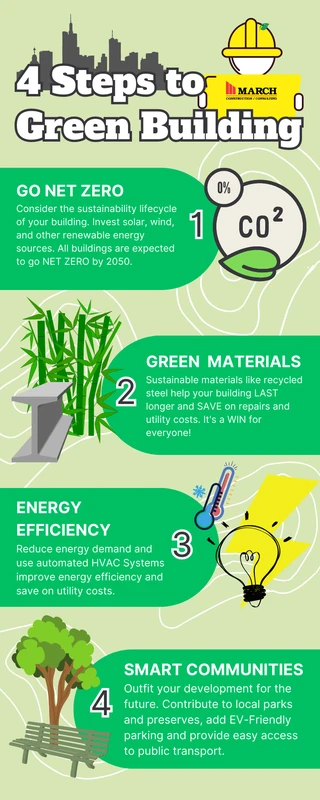
Sustainable architecture tailored for pets emphasizes the use of recycled, renewable, and non-toxic building materials that ensure safety and longevity. Materials such as reclaimed wood, bamboo, and low-VOC (volatile organic compound) paints are increasingly adopted for pet environments, reducing toxic exposure risks and environmental footprint. Architectural firms like Raulino Silva Arquitecto prioritize these materials not only for their green credentials but for their resilience against pet-related wear and tear, such as scratching or moisture exposure.
Energy efficiency is another critical aspect, particularly in pet-care facilities like shelters and hotels. Adoption of LED lighting considerably reduces energy use while providing variable light intensities conducive to animal comfort. Programmable thermostats and advanced HVAC systems enable precise climate control, maintaining optimal temperatures for species-specific thermoregulation without excessive energy consumption. For example, shaded outdoor zones cooled by large-leaved shrubs reduce reliance on mechanical cooling, directly benefiting pets like dogs and cats that are sensitive to heat stress.
Balancing energy efficiency with pet access to indoor and outdoor areas presents architectural challenges. While open transitions improve animal welfare by enabling natural behaviors, they can compromise building envelope integrity, leading to energy loss. Innovative solutions, including vestibules or airlocks with transparent glass partitions, create buffer zones that sustain energy conservation while allowing pets safe freedom of movement.
Designing Indoor and Outdoor Spaces That Enhance Pet Comfort and Welfare
Indoor pet environments incorporate vertical platforms, especially for cats, to encourage climbing and exercise, replicating natural arboreal behaviors that reduce stress and promote health. These platforms, combined with cozy resting nooks and hygienic feeding stations, create enriched environments that address physical and psychological needs. Surfaces are selected for durability and ease of cleaning, often using recycled composites or sustainably sourced tiles that resist bacterial growth and wear.
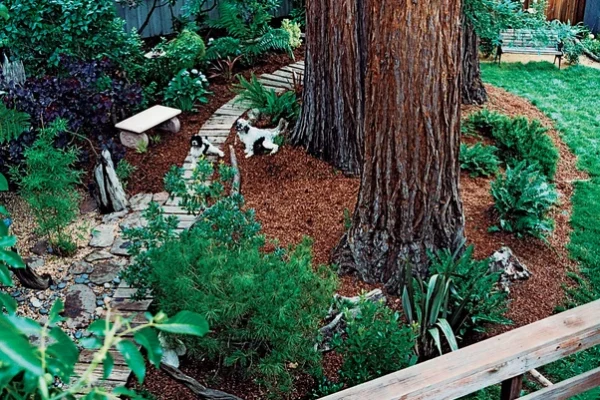
Outdoor spaces emphasize natural shading and water features to create thermally comfortable and stimulating environments. Incorporating native plantings such as large-leaved shrubs or trees provides living shade that cools play areas more effectively than artificial structures, enhancing pet hydration and reducing overheating risks. Water features serve dual purposes: offering hydration and regulating body temperature through evaporative cooling, essential for animals like hedgehogs and toads sensitive to temperature fluctuations.
Natural elements integrated into design serve aesthetic and ecological functions. For instance, deadwood sculptures and stone walls not only enrich the environment visually but support small urban wildlife, enhancing biodiversity and creating microhabitats that align with species conservation goals. These elements extend habitat connectivity within urban settings, reflecting principles advocated by the United Nations for sustainable agricultural and building practices that include animal welfare.
Spatial Planning and Zoning Strategies for Multi-Animal Environments
Effective zoning in pet facilities and multi-pet homes involves separating social, service, and medical areas to reduce stress and cross-contamination risks. Architectural designs often employ glass partitions to maintain visual connectivity and natural light penetration while delineating functional zones. This approach supports animal welfare by preserving openness and reducing feelings of confinement, important in shelters where stress can exacerbate health issues.
Pet hotels designed by firms such as Animal Arts exemplify zoning best practices by providing separate play, rest, and feeding zones tailored to species-specific needs. These spaces incorporate sound-absorbing materials and controlled lighting to minimize sensory overload. Similarly, shelters optimize layout to include quarantine areas isolated from communal zones, ensuring health safety and smooth transitions for newly admitted animals.
Spatial planning also extends to community pet spaces, where zoning facilitates coexistence among diverse species. Outdoor play areas are designed with species-specific zones, such as shaded dog runs and vertical climbing structures for cats, connected by transition zones that allow safe movement and social interaction without conflict.
Environmental Enrichment and Animal Welfare Integration in Architectural Design
Incorporating environmental enrichment into architectural design supports natural behaviors and mental well-being in pets. Climbing structures, hiding spaces, and interactive feeding stations emulate wild habitats, promoting exercise, exploration, and cognitive engagement. These features align with the Five Freedoms framework and OIE (World Organisation for Animal Health) standards, which emphasize freedom from discomfort and behavioral expression.
Pet-care facilities increasingly integrate enrichment elements such as tunnels for cats and small mammals, varied textured surfaces, and sensory gardens featuring plants safe for animal interaction. These design considerations improve quality of life and reduce behavioral problems associated with confinement and boredom.
Moreover, welfare-centric designs address species-specific needs: for instance, toads benefit from damp microhabitats with shallow water features, while hedgehogs require sheltered, low-light resting areas. By tailoring architectural elements to the biology and behavior of different animals, designers enhance both welfare and sustainability, reducing the need for energy-intensive environmental controls.
Case Studies Demonstrating Sustainable and Pet-Friendly Architectural Innovations
Raulino Silva Arquitecto’s pet hotel project exemplifies the integration of sustainability and animal welfare. The design incorporates recycled timber and green roofing to minimize heat absorption, while vertical cat platforms and shaded dog runs encourage natural behaviors. Programmable LED lighting systems adapt to circadian rhythms, enhancing animal comfort and energy savings.
Informal Design’s community pet spaces emphasize habitat restoration within urban contexts. They incorporate natural plantings and deadwood art installations, which serve as ecological corridors and urban wildlife refuges. This approach aligns with species conservation efforts while providing enriched environments for domestic pets.
Custom residential projects integrate pet-specific features such as feeding stations built into cabinetry, indoor tunnels facilitating safe movement, and shaded outdoor patios with natural ventilation. These designs demonstrate practical applications of sustainable materials and energy-efficient systems in everyday pet-friendly homes.
| Design Element | Sustainability Feature | Pet Welfare Benefit |
|---|---|---|
| Recycled timber flooring | Reduces deforestation, non-toxic finish | Safe, durable surface resistant to claws and spills |
| LED programmable lighting | Low energy consumption, customizable light cycles | Supports natural circadian rhythms and reduces stress |
| Vertical climbing platforms | Compact design reduces footprint | Encourages exercise and natural feline behaviors |
| Natural shading with native plants | Passive cooling, carbon sequestration | Prevents heat stress in outdoor play areas |
| Water features (shallow pools, fountains) | Promotes evaporative cooling | Provides hydration and thermoregulation opportunities |
Challenges and Future Directions in Sustainable Pet Architecture
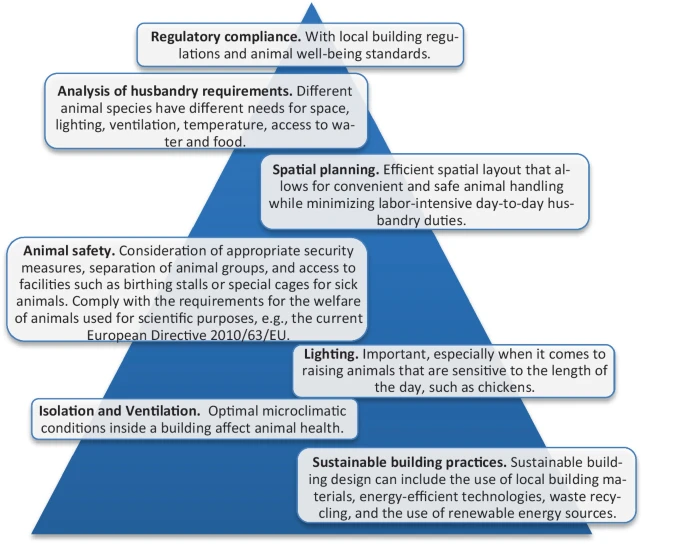
Integrating pet needs with sustainability introduces challenges, particularly regarding energy use in indoor/outdoor transitional spaces. Maintaining building envelope integrity while allowing pets free movement requires innovative solutions to avoid thermal bridges and air leaks. Future designs may incorporate advanced insulation materials and automated climate control systems responsive to animal presence and activity.
Evolving building codes increasingly address pet welfare, prompting architects to adopt standards that balance ecological impact with animal comfort. Innovations in bio-based materials, smart sensors for environmental monitoring, and modular pet furniture adaptable to various species are emerging trends shaping the future of sustainable pet architecture.
Additionally, research into species-specific architectural needs continues to expand, supporting more nuanced designs that cater to diverse pets beyond dogs and cats, including small mammals and amphibians. This evolution reflects a growing recognition of animal welfare as integral to sustainable development goals, emphasizing a holistic approach to urban living environments.
FAQ
How do eco-friendly materials contribute to pet welfare in sustainable architecture?
Eco-friendly materials like reclaimed wood, bamboo, and low-VOC paints reduce exposure to toxins and allergens, creating safer indoor environments for pets. They also offer durability against wear from claws and moisture, ensuring hygienic and long-lasting surfaces suitable for animal habitats.
What energy-efficient systems are most effective in pet-care facilities?
LED lighting with programmable controls, energy-efficient HVAC systems, and smart thermostats are effective in maintaining optimal lighting and temperature conditions tailored to animal needs while minimizing energy consumption and operating costs.
Why is natural shading important in outdoor pet areas?
Natural shading from native vegetation reduces ambient temperatures more effectively than artificial structures, preventing heat stress in pets. It also supports local biodiversity and contributes to the passive cooling of adjacent building spaces.
How can architectural design support natural behaviors in pets?
Design elements like vertical platforms for climbing, hiding nooks, and interactive feeding stations mimic natural habitats, promoting exercise, exploration, and mental stimulation. These features reduce stress and behavioral issues, enhancing overall welfare.
What are the main challenges of integrating indoor/outdoor spaces for pets in sustainable buildings?
Balancing pet access with energy conservation is challenging due to potential heat loss and air infiltration through open transitions. Solutions include vestibules, airlocks, and high-performance glazing that maintain building envelope integrity without restricting animal movement.
sustainable architecture for pets is evolving to incorporate advanced materials, energy-saving technologies, and habitat-enriching designs that support animal welfare while minimizing ecological impact. Future innovations will likely emphasize smart environmental controls and species-specific customization, positioning pet needs as central to green building practices and urban planning.