
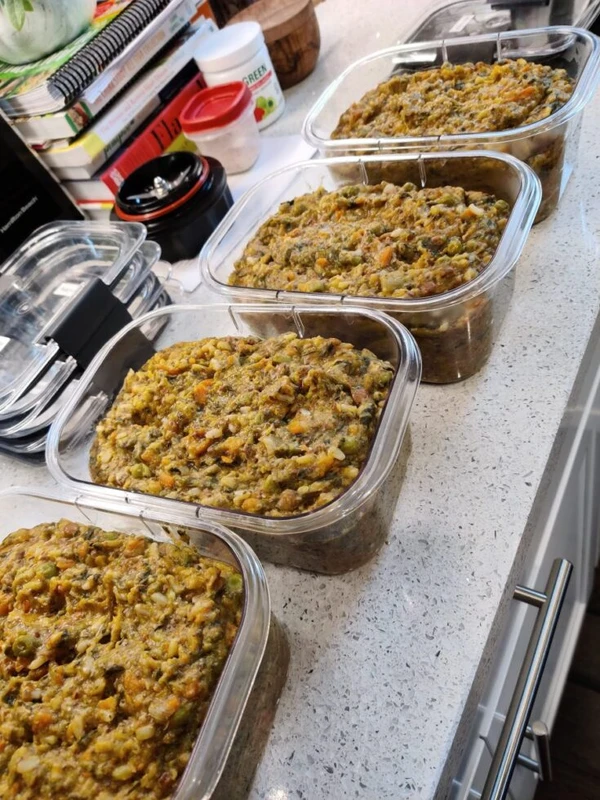
PawVerde.com – Homemade plant-based dog food can provide a nutritionally complete and safe alternative to conventional diets when carefully formulated with the right combination of grains, legumes, vegetables, and essential supplements. Meeting canine nutritional needs requires understanding protein sources, vitamin and mineral requirements, and avoiding toxic ingredients like onions and garlic. This tutorial guides dog owners through practical steps for preparing balanced vegan dog food at home, including recipe formulation, supplementation, portion sizing, and veterinary collaboration to maintain optimal health.
Understanding Nutritional Requirements for Dogs on Plant-Based Diets
Dogs require a balanced intake of macronutrients and micronutrients, including high-quality protein, essential amino acids, vitamins, and minerals, to maintain health. Key nutrients such as taurine, vitamin B12, and certain amino acids are typically abundant in animal products but scarce in plant sources. According to FEDIAF guidelines, dogs need at least 18% protein on a dry matter basis and essential amino acids like lysine and methionine in sufficient quantities.
Plant-based diets must combine complementary protein sources to supply all essential amino acids. For example, grains like brown rice lack sufficient lysine but are balanced by legumes such as lentils and peas, which provide lysine but are low in methionine. Additionally, dogs require fat for energy and fat-soluble vitamins, which can be sourced from flaxseed oil or peanut butter. Calcium and phosphorus balance is critical for bone health and often requires supplementation when feeding plant-based meals.
Veterinary nutritionists emphasize the challenge of meeting these requirements solely with unfortified homemade ingredients, highlighting the need for targeted supplementation and regular monitoring to prevent deficiencies or imbalances.
Selecting Key Ingredients for Homemade Vegan Dog Food
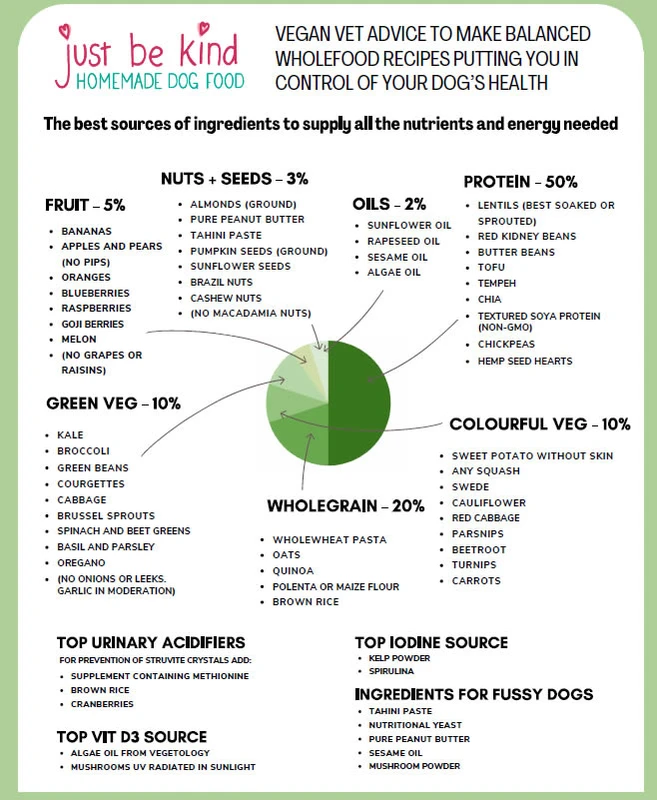
Safe, nutrient-dense ingredients form the foundation of plant-based dog diets. Common grains include brown rice and quinoa, providing digestible carbohydrates and some protein. Legumes such as lentils, peas, and chickpeas offer essential amino acids and fiber. Vegetables like sweet potatoes, kale, pumpkin, and carrots supply vitamins, minerals, and antioxidants.
Fruits such as apples (without seeds) and blueberries can be included in moderation for added micronutrients and flavonoids. Nutritional yeast is often added as a source of B vitamins and protein, while chia seeds contribute omega-3 fatty acids and fiber.
Avoid ingredients toxic to dogs, including onions, garlic, grapes, raisins, chocolate, and macadamia nuts. Dogs can be sensitive to certain legumes and grains, so gradual introduction and observation for allergies or digestive upset is recommended.
Essential Supplementation for Nutrient Completeness
Several nutrients must be supplemented to ensure a balanced homemade vegan dog diet:
Additional additives like kelp powder provide trace minerals such as iodine, while nutritional yeast enhances B-vitamin content. Koji mushroom has emerged as a novel supplement source with potential probiotic benefits but requires further research.
Consultation with a veterinary nutritionist is advised for precise supplement dosing tailored to your dog’s breed, size, and health status.
Step-by-Step Homemade Plant-Based Dog Food Recipe
This recipe combines a balanced array of plant proteins, carbohydrates, fats, vegetables, and supplements suitable for a medium-sized dog.
Ingredients:
Preparation:
Feeding Frequency: Serve twice daily, allowing gradual transition over 7-10 days to minimize digestive disturbance.
Calculating Portion Sizes and Feeding Frequency
Portion sizes depend on your dog’s weight, activity level, and metabolism. A standard guideline is feeding 10 grams of food per pound of body weight daily. For example, a 30-pound Rhodesian Ridgeback X Staffy would receive approximately 300 grams of homemade food daily, divided into two meals of 150 grams each.
Adjust portions based on body condition scoring and weight monitoring every 2-4 weeks. Dogs with higher energy demands or puppies may require more calories, while sedentary or older dogs require less.
Feeding twice daily supports digestive health and nutrient absorption. Fresh water must always be available, and treats should be plant-based and low-calorie to avoid nutritional imbalance.
Veterinary Consultation and Ongoing Monitoring
Engaging a Board-Certified Veterinary Nutritionist is essential when transitioning to or maintaining a vegan diet for dogs. Nutritionists can:
Regular veterinary check-ups every 6-12 months, or more frequently in sensitive cases, ensure diet adequacy and detect health issues early.
Environmental and Ethical Benefits of Plant-Based Dog Diets
Sustainable pet food production increasingly favors plant-based options to reduce the environmental footprint of meat production. Plant-based dog diets lower greenhouse gas emissions, land use, and water consumption compared to conventional meat-based diets.
Brands like V-dog, Benovo, Wild Earth, and Ami Pet Food have pioneered commercial vegan dog foods formulated to meet nutritional standards, making ethical feeding easier for owners concerned with animal welfare and environmental sustainability.
Homemade diets allow owners to control ingredient sources and quality, contributing to ethical feeding practices and allergy management.
Troubleshooting Common Issues When Feeding Homemade Vegan Dog Food
Common Mistakes to Avoid
Alternative Methods and Commercial Options
Some dog owners opt for commercial vegan dog foods that comply with AAFCO or FEDIAF standards. These products undergo rigorous testing to ensure nutrient completeness, offering convenience and consistency.
Alternatively, partial vegan diets incorporating some animal-derived supplements like bone broth can ease transition and improve palatability.
Frequently Asked Questions
Can homemade plant-based dog food meet all my dog’s nutritional needs?
Yes, but only if recipes are carefully formulated with complementary proteins and supplemented with key nutrients like taurine, vitamin B12, and calcium. Veterinary guidance is critical to ensure diet adequacy.
What are the safest vegetables and fruits to include in vegan dog diets?
Safe vegetables include sweet potatoes, kale, peas, pumpkin, and carrots. Safe fruits include apples (without seeds) and blueberries. Always avoid toxic foods like onions, garlic, grapes, and raisins.
How do I calculate the correct portion size for my dog?
A general guideline is feeding 10 grams of homemade food per pound of body weight per day, divided into two meals. Adjust based on activity, age, and health.
Are there any risks associated with vegan diets for dogs?
Risks include potential nutrient deficiencies if diets are not properly formulated and supplemented. Regular veterinary monitoring minimizes these risks.
Can all dog breeds thrive on a vegan diet?
Many breeds can adapt to well-balanced plant-based diets, but individual needs vary. Breeds with specific health concerns may require tailored nutrition plans developed with a veterinary nutritionist.
—
Implementing a homemade plant-based diet for dogs requires deliberate planning, supplementation, and veterinary collaboration to ensure optimal canine health. Owners committed to ethical and sustainable feeding can successfully nourish their pets with vegan recipes that meet comprehensive nutritional standards. Ongoing monitoring and adjustment remain integral to maintaining vitality and well-being on plant-based diets.