
Sustainable Pet Food: How to Identify Real Eco-Friendly Brands
PawVerde.com – Sustainable pet food focuses on three pillars: ethically sourced ingredients (like MSC-certified seafood or insect protein), regenerative agriculture, and low-impact packaging. While the market is growing—with a 57% increase in MSC-certified products in the UK—consumers must distinguish between genuine certifications and vague ‘greenwashing’ marketing terms.
The UK has seen a 57% growth in pet food products containing MSC-certified sustainable seafood over the last five years. This shift reflects a growing awareness among pet owners regarding the environmental footprint of their animals’ diets.
The Sustainability Scorecard: How to Grade Your Pet Food
To grade pet food sustainability, evaluate three criteria: 1) Certifications (look for MSC for seafood or Land to Market for regenerative farming); 2) Ingredient Source (prioritize insect protein or regenerative agriculture); and 3) Packaging (prefer mono-material construction over multilayer plastics). Avoid brands using unverified terms like ‘natural’ or ‘eco-friendly’ without third-party proof.
Evaluating a product requires looking beyond the front of the bag. Industry specialists at the Pet Sustainability Coalition (PSC) emphasize that many brands use deceptive marketing to imply environmental stewardship without actual proof. A common failure mode occurs when a brand highlights a single “green” ingredient while ignoring the massive carbon footprint of its primary protein source or its non-recyclable packaging.
The Red Flag Directory: Terms to Avoid
Consumers should remain skeptical of labels that lack standardized definitions. According to the pet sustainability Coalition (PSC), the following terms are often used as greenwashing tactics:
- “Eco-friendly”
- “Green”
- “Natural”
- “Environmentally conscious”
These terms are intentionally vague. Without a third-party verification process, such as an audit by the PSC or a specific certification, these claims do not provide actionable data for the consumer. To verify a claim, one should look for the specific accreditation details often found in the fine print or via a brand’s transparency report.
The Green Flag Directory: Certifications to Trust
Reliable sustainability is backed by rigorous, third-party oversight. When reviewing pet food, prioritize these specific markers of integrity:
- Marine Stewardship Council (MSC): Verifies that seafood ingredients are sourced from healthy, well-managed fisheries.
- Land to Market: Provides verification for regenerative farming practices that actively improve soil health.
- PSC Accreditation: Indicates that a company has met specific sustainability standards set by the Pet Sustainability Coalition.
While 77 members have achieved accreditation, many brands still rely on unverified claims. Always check for the actual logo and the certifying body’s name.
Ingredient Deep-Dive: Insect Protein vs. Regenerative Sourcing
The debate over sustainable protein often centers on the trade-off between novel sources like insects and traditional livestock managed through regenerative methods. While insect protein is frequently marketed as the ultimate solution for low-impact feeding, regenerative agriculture attempts to fix the existing livestock system by focusing on the health of the ecosystem.
Insect protein has emerged as a significant disruptor. As of 2023, there are 43 brands active globally that utilize insect-based ingredients. This sector is projected to see a massive scale-up, with an expected global volume of 500,000 MT of insect ingredients incorporated into feed and pet food by 2030. This scaling is driven by the high nutrient density of these proteins.
| Protein Source | Sustainability Driver | Key Benefit | Potential Drawback |
|---|---|---|---|
| Insect Protein | Low land/water use | 40% to 60%+ protein content | Limited long-term availability |
| Regenerative Beef/Grain | Soil carbon sequestration | Improves ecosystem health | Difficult to scale globally |
| MSC-Certified Seafood | Fishery management | Lower carbon than land meat | Risk of overfishing if unmonitored |
The table above illustrates the diverse approaches to sustainable protein. It is a common misconception that insect protein is “weak” protein; in reality, insect materials provide 40% to more than 60% protein on a dry matter basis, which meets standard nutritional requirements for most pets.
The Rise of Insect Protein (43+ Global Brands)
The shift toward insect-based diets is not merely a trend but a response to resource scarcity. Large-scale players like Mars pet nutrition are observing the industry’s movement toward diverse protein streams. Insect protein serves as a tool for lowering the carbon footprint of pet food while maintaining high palatability for dogs and cats.
Regenerative Agriculture and Soil Health
Regenerative agriculture focuses on the “foundation” of the food chain. Adam Hardie, climate and sustainable sourcing lead at Mars Pet Nutrition North America, notes: “It all starts with healthy soil. Soil is the foundation for growing high-quality ingredients for pet food.” This method involves minimal tilling and diverse crop rotations to sequester carbon.
However, a critical counterintuitive reality exists: research has indicated that regenerative agriculture practices alone cannot keep up with the massive scale of industrialized animal farming to fully offset all industry emissions. While essential, it is one part of a much larger systemic challenge.
Navigating the Packaging Paradox
The United States pet food industry produces approximately 300 million pounds of plastic every year. This massive volume of waste creates a paradox: a brand may use highly sustainable, organic ingredients, but if that food is delivered in a non-recyclable, multilayered plastic bag, the net environmental benefit is significantly diminished.
Why Mono-Material Wins Over Multilayer
Traditional pet food bags often use multilayered construction—combining different types of plastics and foils to keep food fresh. While effective for shelf life, these materials are nearly impossible to recycle. Mono-material construction solves this issue by using a single polymer type, such as polyethylene, throughout the entire package. This design simplifies the recycling process and increases the likelihood that local recycling facilities will accept the packaging.
The Reality of Compostable vs. Recyclable
For many owners, the choice between “recyclable” and “compostable” is confusing. In 2024, 56% of United States owners indicated a willingness to switch brands specifically for sustainable packaging. Companies have responded to this demand by launching recyclable packaging and upgrading their organic recipes as of October 2024. The goal is to move toward a circular economy where the packaging is as carefully managed as the ingredients inside.
Brand Spotlight: Real-World Sustainability Leaders
Identifying leaders in the space requires looking at how companies integrate sustainability into their core business model rather than treating it as a marketing add-on. Current market trends show that 27% of pet parents are actively seeking out these specific innovations.
Retail Accessibility (Aldi & Woofs)
Sustainability is becoming more accessible through mainstream retail. For example, Aldi has entered the space by offering products like Cornish sardines pet food, providing a more sustainable seafood option at a lower price point. Similarly, brands like Woofs have introduced products such as golden red fish, making specialized diets more available to the general public.
DTC and B-Corp Pioneers (Open Farm)
Direct-to-consumer (DTC) brands often lead the way in radical transparency. Open Farm Pet Food Company Inc. is a notable example, having achieved B Corp certification as of July 2024. They utilize regenerative agriculture and have implemented plastic-neutral packaging initiatives to address the waste crisis directly. Unlike massive conglomerates, these pioneers often build their entire supply chain around specific environmental metrics.
While large manufacturers are also making moves—such as their USD 30 million regenerative agriculture initiative for organic grain sourcing launched in April 2024—the scale of these operations means their impact is often spread across a much wider, more complex supply chain.
The Transition Protocol: Moving to Novel Proteins
Switching a pet to a sustainable alternative, such as insect protein, requires a methodical approach to avoid gastrointestinal distress. While insect meals are highly nutritious, the sudden change in protein structure can affect a pet’s digestion.
Shortcut: To prevent digestive upset, always use the “7-Day Gradual Mix” method. Start with 25% novel protein and 75% old food, increasing the ratio by 25% every two days until the transition is complete.
The primary concern for many owners during this transition is palatability. Fortunately, research into insect protein suggests that it maintains high palatability levels, making it an easier switch for picky eaters than many plant-based alternatives. By monitoring stool consistency and energy levels during the first 14 days, owners can ensure the new, eco-friendly diet is being well-received by their pet’s unique biology.
FAQ
Is insect-based pet food as nutritious as meat?
Insect materials provide 40% to over 60% protein on a dry matter basis. This meets standard nutritional requirements for pets while offering a significantly lower carbon footprint than traditional livestock proteins.
What is the difference between ‘eco-friendly’ and ‘certified sustainable’?
‘Eco-friendly’ is often a vague greenwashing term that lacks legal standard definitions. ‘Certified sustainable’ relies on third-party bodies like the MSC or PSC to verify specific environmental claims through rigorous auditing.
Why is mono-material packaging better for the environment?
Mono-material construction uses a single polymer type, making it significantly easier for local recycling facilities to process compared to complex multilayered plastics, which are typically destined for landfills.

Sustainable Pet Food for Travel: Weight & Eco-Friendly Tips
PawVerde.com – Sustainable pet food for travel focuses on minimizing environmental impact through ethically sourced ingredients—like insect proteins or vegetable-based options—and utilizing lightweight, shelf-stable formats like freeze-dried or air-dried foods. This approach reduces carbon footprints, optimizes packing weight, and ensures compliance with international customs regulations.
Pet meat consumption releases significant amounts of carbon dioxide annually.
The Sustainable Travel Food Math: Weight vs. Volume Optimization
To optimize travel weight, choose freeze-dried food for maximum weight reduction (2-5% moisture) or air-dried food (10-15% moisture) for a balance of weight and convenience. While freeze-dried is lighter, remember to factor in the additional weight of 2-4 parts warm water required for rehydration per part of food.
Weight management in a backpack requires accounting for hydration needs. If you carry 500g of freeze-dried food, you must also account for the 1000g to 2000g of water required for rehydration.
Calculating Rehydration Ratios
When using freeze-dried formats, the math changes based on the specific product’s moisture content. Most high-quality freeze-dried options sit at a 2-5% moisture level. To prepare a meal, practitioners follow a specific ratio: 1 part food to 2-4 parts warm water. This means your “dry weight” is deceptive; the actual weight of the meal at the moment of consumption is significantly higher.
Kibble vs. Dehydrated: The Backpack Efficiency Test
Choosing between kibble and dehydrated options requires weighing mass against volume. Consider these factors for your next trip:
- Freeze-Dried: Offers the lowest mass but requires a water source and a vessel for rehydration.
- Air-Dried: Provides a middle ground with 10-15% moisture, requiring no extra water but weighing more than freeze-dried.
- Standard Kibble: Highest volume and weight per calorie, often leading to more frequent trips to the supply store.
Customs & Compliance: Navigating International Borders Sustainably
Traveling with pet food across borders requires strict adherence to local veterinary laws to avoid the seizure of supplies. Many travelers mistakenly assume that “natural” or “organic” labels grant them passage, but customs officials prioritize biosecurity over ingredient ethics.
When entering the European Union, travelers face specific limitations. A common rule is that you are generally limited to a maximum of 2 kg of pet food. Furthermore, meat-based products often require specific veterinary sign-off to be permitted. Failure to present the correct documentation can result in the immediate disposal of your food, creating unnecessary waste.
The EU Meat Restriction Rule
The 2 kg limit is a critical threshold for those traveling into the EU. Beyond this weight, or when carrying certain meat types, the risk of inspection and seizure increases. It is often more sustainable to purchase food locally upon arrival rather than risking the environmental and financial cost of confiscated goods.
Using Insect-Based Proteins to Avoid Seizure
Insect-based proteins can lower carbon emissions and may offer a smoother path through certain customs checkpoints. According to Caring Hands Vet, these options lower carbon emissions and reduce dependence on intensive livestock farming.
Air-Dried vs. Freeze-Dried: Choosing the Right Format for Your Climate
Freeze-dried food is exceptionally lightweight and shelf-stable, rehydrating in minutes for easy feeding on hikes or while traveling, according to jackspremium.com. Air-dried food provides a convenient, ready-to-eat alternative with 10-15% moisture content.
Climate dictates the best choice for food stability. In high-altitude or cold environments, the sublimation process used in freeze-drying is highly effective. However, in humid or tropical climates, the packaging integrity becomes the most important factor in preventing spoilage.
| Feature | Freeze-Dried | Air-Dried |
|---|---|---|
| Moisture Content | 2-5% | 10-15% |
| Rehydration Needed | Yes (1:2-4 ratio) | No (Ready to eat) |
| Nutrient Retention | Very High (Sublimation) | High (Low heat) |
| Travel Convenience | Best for weight-critical hiking | Best for road trips/humidity |
| Digestive Stability | Variable | High (Steady digestion) |
The functional differences between these formats impact travel logistics. While freeze-dried food is lighter, air-dried food offers a level of convenience that can be vital during long car journeys or when water access is limited.
The Temperature & Stability Matrix
In extreme heat, air-dried food—which contains 10-15% moisture—may be more susceptible to spoilage if the seal is broken. Conversely, freeze-dried food is exceptionally lightweight and shelf-stable, but its lack of moisture means it must be rehydrated to be palatable. According to jackspremium.com, freeze-dried pet food is lightweight and shelf-stable, rehydrating in minutes for easy feeding at home, on hikes, or when traveling.
Nutrient Retention via Sublimation
The process of Freeze-Drying (Sublimation) involves freezing materials to form ice crystals and then applying low pressure in a vacuum chamber to let the ice sublimate into vapour. This method, as noted by Muenster Pet, preserves most of the original vitamins, minerals, and flavors far better than traditional processing. This makes it an ideal choice for maintaining a pet’s health during long-duration travel where fresh food is unavailable.
Reducing the Carbon Footprint of Your Pet’s Diet
Protein selection significantly impacts ecological footprints. For example, beef produces 13 times more greenhouse gases over its life cycle than vegetable proteins, according to Green America.
The Protein Impact: Beef vs. Lamb vs. Veg
Evaluate your pet’s diet based on these environmental benchmarks:
- Vegetable Proteins: Lowest carbon footprint.
- Insect Proteins: High sustainability.
- Poultry: Produces four to five times as many greenhouse gases as vegetable proteins.
- Beef and Lamb: Lamb has a 50% higher carbon footprint than vegetable proteins.
The Role of Insect-Based Alternatives
Insect-based proteins serve as a high-quality alternative. Caring Hands Vet notes that these options can lower carbon emissions and reduce dependence on intensive livestock farming.
Leave No Trace: Managing Food Waste and Packaging in the Wild
sustainable travel includes responsible waste management. Using a separate compost system for pet waste can reduce its volume by at least 50 percent, according to Green America.
Shortcut: For zero-waste packing, use reusable tubs or cloth packaging for treats and food, and always bring refillable water bottles and collapsible bowls.
Zero-Waste Packing Protocols
Minimize single-use plastics by adopting these methods:
- Transferring food into reusable tubs.
- Using cloth packaging for dry treats.
- Utilizing compostable poop bags for waste management.
Safe Composting for Pet Waste
In remote areas, the best practice is to pack out all waste. If you have access to a dedicated composting system, it can reduce waste volume by at least 50 percent.
The Stress-Diet Transition: Preventing Travel-Induced Digestive Issues
Sudden dietary shifts are a primary cause of gastrointestinal distress during travel. When a pet is already dealing with the stress of new environments, a sudden shift in food type or format can lead to issues.
To prevent diarrhea or gas, implement a structured transition. Use a gradual schedule to introduce new sustainable foods before your departure.
The 7-Day Transition Rule
A successful transition requires patience. Do not switch from kibble to freeze-dried food the morning of your trip. Instead, follow a gradual schedule:
- Days 1-2: a portion of old food mixed with a portion of new sustainable food.
- Days 3-4: an equal mix of old food and new sustainable food.
- Days 5-6: a portion of old food mixed with a larger portion of new sustainable food.
- Day 7: 100% new sustainable food.
Monitoring Stool Consistency on the Road
Monitor bowel movements closely once on the road. Muenster Pet notes that air-dried food can provide a relief for sensitive stomachs because digestion often feels slower and steadier.
FAQ
How much pet food can I bring into the EU?
When traveling into the EU, you are generally limited to a maximum of 2 kg of pet food, and you must ensure it complies with specific veterinary sign-off requirements for meat-based products to avoid seizure at the border.
Is freeze-dried food better for hiking?
Yes, freeze-dried food is exceptionally lightweight and shelf-stable, making it ideal for hiking. However, you must carry extra water to rehydrate it at a ratio of 1 part food to 2-4 parts water.
Can I switch my dog to a vegetarian diet for travel?
While dogs can eat vegetarian diets, it is critical to do so under veterinary supervision to prevent nutritional deficiencies, especially when the pet is already under the stress of travel.

Sustainable Pet Travel: 4 Pillars for Zero-Waste Trips
PawVerde.com – To build a sustainable pet travel system, you must integrate four pillars: low-impact transportation (trains or EVs), circular gear (recycled plastic crates and reusable bowls), waste management (composting or certified compostable bags), and eco-conscious nutrition. This holistic approach minimizes the 300 million pounds of plastic waste generated annually by pet products.
Pet food and treat packaging accounts for a staggering 99% of landfill waste each year. Transitioning to a sustainable system requires moving away from single-use plastics and high-emission logistics toward circular economy principles.
Evaluate every piece of equipment you intend to bring on your next trip. A common failure mode occurs when owners purchase “eco-friendly” gear that lacks durability, leading to frequent replacements that negate any initial carbon savings. Check for the following:
- Material Origin: Does the crate or carrier utilize recycled content, such as the 90% recycled plastic found in Petmate crates?
- End-of-Life Plan: Can the product be returned to the manufacturer? For example, West Paw allows users to send finished toys back to be sanitized, ground up, and recreated.
- Weight-to-Durability Ratio: Heavier gear increases fuel consumption during transit, but flimsy gear breaks easily.
Audit your waste management and feeding habits. While rePurpose Global has recovered 2,000 tons of plastic—equivalent to 111 million plastic bottles—the industry still struggles with packaging. A counterintuitive reality is that “biodegradable” labels on poop bags can be misleading; if these bags end up in a landfill, they lack the oxygen required to degrade properly. Green America notes that these labels often serve marketing purposes rather than environmental ones. Evaluate your nutrition by checking if your pet’s food relies on high-emission meat sources, as meat consumption accounts for 60% of food system greenhouse gas emissions.
Reduce your environmental footprint by selecting gear tailored to your destination. Instead of generic supplies, use collapsible silicone bowls to replace single-use plastic containers during transit.
The following table compares essential gear categories to help you build a kit that balances sustainability with practical utility.
| Trip Type | Primary Gear Focus | Sustainability Priority | Example Item |
|---|---|---|---|
| Weekend Camper | Durability & Weight | Circular materials | West Paw recycled toys |
| International Flyer | Compliance & Safety | Recycled plastic crates | Petmate 90% recycled crates |
| Urban Explorer | Portability | Zero-waste waste management | Reusable silicone bowls |
Select gear that aligns with the specific environmental demands of your travel setting.
For short trips, prioritize circularity. Instead of purchasing cheap, disposable toys that end up in the trash, invest in B Corp certified products. West Paw provides toys designed for a circular lifecycle. Pack reusable water bottles and collapsible bowls to eliminate the need for plastic water bottles, which can be heavy and wasteful.
Long-distance travel requires sturdier solutions. Use crates manufactured from high percentages of recycled content, such as the 90% recycled plastic used by Petmate. When selecting food for long flights, avoid individual single-use snack pouches. Instead, use airtight, reusable containers to portion out food from larger, more sustainable bulk packaging to minimize the 99% landfill rate reported by the Pet Sustainability Coalition.
Reducing your pet’s carbon footprint requires evaluating transit methods. According to ecofurball.com, trains and buses are far more energy efficient than driving alone.
If driving is unavoidable, consider the vehicle type. Electric vehicles (EVs) or hybrids offer a lower carbon footprint than traditional internal combustion engines. However, you must also consider the logistics of the route. Inefficient, winding routes or frequent idling in traffic can increase emissions more than a direct, planned path. Even the choice of hydration containers matters; a 360 mL PET bottle generates 41% fewer greenhouse gas emissions than a comparable glass bottle, making lightweight PET a more efficient choice for transit-heavy trips.
Shortcut: To find pet-friendly transit, check the “Accessibility” or “Pet Policy” section on most regional rail websites before booking.
To set up a pet waste composting system, drill holes in a small lidded garbage can and bury it with the lid exposed. Add pet waste, a packet of non-toxic enzymatic septic starter, and one liter of water monthly to reduce waste volume by 50%.
Sustainable waste management is critical when away from home. While you cannot use a backyard bin while traveling, you can use these steps at your home base to manage waste between trips:
- Prepare the Container: Use a small, lidded garbage can. Drill several drainage holes in the bottom and sides to allow for aeration.
- Bury the System: Dig a hole in a dedicated area of your yard and bury the can with the lid partially exposed. This facilitates the aerobic breakdown process.
- Maintain Moisture and Biology: Add one liter of water and a packet of non-toxic enzymatic septic starter every month. This helps the process along and manages odors.
- Monitor Volume: Following the instructions provided by Canada’s Office of Urban Agriculture and Green America, this method can reduce the total volume of pet waste by at least 50%.
WARNING: Improperly managed pet waste can lead to nutrient imbalances in local ecosystems. Excess nitrogen and phosphorus from waste can cause algae blooms that cloud rivers, lakes, and streams, as documented by Modern Hippie Habits.
The United States Department of Agriculture provides data supporting the efficacy of controlled composting to mitigate these environmental risks.
Greenwashing remains a significant hurdle for eco-conscious consumers. Earth.org has noted that brands often attempt to capitalize on sustainability trends without addressing the 300 million pounds of plastic waste generated by pet products in North America.
Identify these specific indicators to distinguish real impact from marketing:
- “Biodegradable” vs. “Compostable”: As noted by Green America, “biodegradable” is a broad term that can be misleading. A product that is biodegradable but requires industrial composting facilities will still end up as waste in a standard landfill.
- Material Percentages: Look for specific numbers. A product claiming to be “made with recycled plastic” is less transparent than a product like Petmate crates, which explicitly states they use 90% recycled plastic.
- Certification Marks: Seek out third-party validations, such as B Corp certification, which requires companies to meet high standards of social and environmental performance.
Greenwashing in the pet industry is a growing concern, as brands attempt to capitalize on the trend toward sustainability without addressing the 300 million pounds of plastic waste generated by pet products in North America.
CRITICAL FAILURE: Do not rely on biodegradable poop bags if you are traveling to areas where waste is collected in airtight landfills. Without oxygen, these bags will not degrade aerobically and may instead decompose slowly and odoriferously.
Systems can fail due to material limitations or improper maintenance. For example, Green America warns that biodegradable labels can be misleading if the product ends up in a landfill. Furthermore, if a composting system is not maintained correctly, it can lead to nutrient imbalances that harm the surrounding environment.
To mitigate these risks, always carry a “Plan B” that remains low-impact. This might include a small supply of highly durable, reusable silicone bags or a backup set of high-quality recycled plastic gear. Reliability is essential for both the pet’s safety and the owner’s peace of mind.
Are biodegradable poop bags actually sustainable?
It depends on the disposal method. If biodegradable bags end up in a landfill without oxygen, they won’t degrade properly and can cause odor and slow decomposition. They are most effective when processed in industrial composting facilities that provide the necessary aerobic conditions.
How much can composting pet waste actually reduce?
Using a dedicated, separate composting system can reduce the volume of your pet’s waste by at least 50%. Furthermore, a properly managed system can help kill off most of the pathogens found in the waste, making it a more manageable byproduct.
What is the most eco-friendly way to transport my pet?
In many regions, utilizing public transportation such as trains or buses is the most sustainable choice. These methods are significantly more energy efficient than driving a single vehicle alone, helping to reduce your overall carbon pawprint during travel.
Top Certifications for Eco-Friendly Pet Food Products Explained
PawVerde.com – Eco-friendly pet food certifications such as USDA Certified Organic, Regenerative Organic Certified (ROC), and the Marine Stewardship Council (MSC) blue label ensure that products adhere to stringent standards for sustainable sourcing, animal welfare, and environmental stewardship. Independent third-party audits and supply chain transparency underpin these certifications, with recent surveys showing that 76% of pet food consumers trust the MSC blue label. Leading companies like Natoo Pet Foods exemplify best practices by achieving LEED Gold certification for their solar-powered facilities and partnering with ClimatePartner to verify carbon footprints at the product level, setting new benchmarks for sustainability in the pet food industry.
Key Eco-Friendly Certifications in Pet Food
The USDA Certified Organic label remains a foundational certification for pet food ingredients, requiring compliance with federal organic standards including prohibition of synthetic pesticides, genetically modified organisms (GMOs), and synthetic fertilizers. Certification audits by USDA-accredited agents verify that ingredient sourcing, processing, and labeling meet these standards. However, organic certification alone does not address broader environmental issues such as soil health or animal welfare beyond baseline requirements.
Regenerative Organic Certified (ROC) builds upon USDA Organic criteria by incorporating rigorous standards for soil regeneration, biodiversity, and comprehensive animal welfare practices. ROC mandates no use of synthetic chemicals, promotes carbon sequestration through regenerative farming methods, and requires humane treatment verified through ongoing audits. This certification reflects a holistic approach that integrates ecological health with ethical livestock management, responding to growing consumer demand for deeper sustainability assurances.
Seafood ingredients in pet food are increasingly certified by the Marine Stewardship Council (MSC) blue label, which verifies sustainable fishing practices and robust supply chain traceability. MSC certification requires fisheries to meet strict criteria on fish stock health, ecosystem impact, and effective management. According to a GlobeScan survey, 76% of pet food buyers recognize and trust this blue label, highlighting its market influence. Complementary certifications such as Ocean Wise Seafood Program and Friend of the Sea provide additional verification of responsible seafood sourcing, focusing on environmental impact and social responsibility within marine supply chains.
Animal Welfare Certifications Relevant to Pet Food
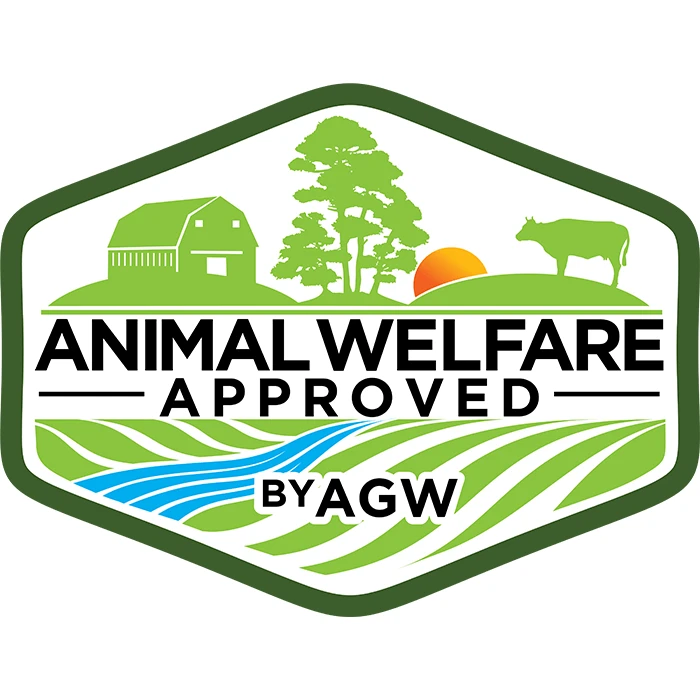
Animal welfare certifications play a critical role in ensuring ethical treatment of livestock used in pet food production. Certified Humane®, Global Animal Partnership (GAP), and Animal Welfare Approved (AWA) by A Greener World represent the most recognized standards. AWA, noted for its stringent and transparent auditing process, requires annual on-site inspections and continuous compliance monitoring. These certifications set criteria for housing, handling, transport, and slaughter practices to minimize animal stress and suffering.
Compliance with these standards involves third-party verification, often including unannounced audits and traceability protocols to ensure that welfare claims correspond with actual farming conditions. The integration of these certifications into pet food supply chains supports growing consumer awareness of animal ethics and enhances brand credibility.
Packaging and Environmental Impact Certifications
Beyond ingredients, packaging and facility operations are increasingly scrutinized for environmental impact. Certified Plastic Neutral packaging initiatives offset the plastic footprint of pet food products by funding plastic waste removal projects. Companies adopting these certifications demonstrate accountability for packaging lifecycle impacts, responding to consumer concerns over plastic pollution.
Natoo Pet Foods exemplifies leadership in sustainable manufacturing by achieving LEED Gold certification for its production facilities, reflecting energy efficiency, water conservation, and waste reduction standards. Natoo’s facilities operate on 100% solar power and collaborate with ClimatePartner to certify product-level carbon footprints, a pioneering practice in the pet food sector. This approach combines renewable energy deployment with rigorous carbon accounting verified by an independent climate action partner, enhancing transparency and driving measurable emissions reductions.
Consumer Trust and Market Impact
Consumer trust in eco-friendly pet food labels is strongly influenced by third-party certification credibility and audit transparency. The 76% trust rate in MSC’s blue label demonstrates the market value of verifiable sustainability claims. However, research highlights consumer confusion around “organic” claims on pet food, which are not uniformly regulated by the Association of American Feed Control Officials (AAFCO). This regulatory gap allows some products to market organic ingredients without comprehensive certification, challenging consumer ability to discern authentic sustainability.
Ecolabels with rigorous auditing, such as USDA Organic, ROC, and AWA, provide a clearer benchmark for consumers and retailers. Independent verification, ongoing compliance assessments, and supply chain traceability are critical to maintaining consumer confidence. Industry experts emphasize that reliance on marketing alone, without certification, risks eroding trust and undermines progress toward truly sustainable pet food systems.
Industry Trends and Future Directions
The pet food industry is accelerating adoption of sustainability certifications that extend beyond ingredients to encompass packaging, carbon footprinting, and social impact. The Pet Sustainability Coalition (PSC) accreditation offers companies a framework to demonstrate comprehensive sustainability commitments, including environmental, social, and governance (ESG) criteria. Emerging certifications like the Upcycled Certified Program validate the use of surplus or byproduct ingredients, reducing food waste in pet food supply chains.
Participation in initiatives such as 1% for the Planet integrates philanthropy with sustainability, requiring companies to donate a portion of sales to environmental causes. Recognition through awards like the Real Leaders Impact Award highlights corporate social responsibility efforts and encourages transparency.
This multifaceted approach reflects industry momentum toward full lifecycle sustainability reporting, supply chain transparency, and integration of animal welfare, environmental stewardship, and social impact metrics. As consumer demand for eco-friendly pet food grows, certifications will continue evolving to address emerging challenges and raise standards across the sector.
| Certification | Focus Area | Audit & Compliance Highlights | Consumer Trust/Recognition | Notable Industry Example |
|---|---|---|---|---|
| USDA Certified Organic | Organic ingredients, no synthetic chemicals | Third-party audits; federal organic standards | Widely recognized; regulatory oversight | Multiple pet food brands using certified organic ingredients |
| Regenerative Organic Certified (ROC) | Soil health, animal welfare, carbon sequestration | Extended audits beyond USDA Organic; soil and welfare metrics | Emerging; appeals to eco-conscious consumers | Farm-to-pet food supply chains adopting ROC |
| Marine Stewardship Council (MSC) Blue Label | Sustainable seafood sourcing and traceability | Fishery certification; supply chain audits | 76% consumer trust (GlobeScan survey) | Ocean Wise, Friend of the Sea complement MSC |
| Animal Welfare Approved (AWA) | Humane livestock treatment | Annual onsite audits; strict welfare standards | Highly rated humane label | A Greener World certified products |
| LEED Gold Certification | Facility energy and environmental performance | Third-party building certification audits | Industry standard for sustainability in facilities | Natoo Pet Foods solar-powered production plant |
| Certified Plastic Neutral Packaging | Plastic footprint offset | Verification of plastic waste removal projects | Growing consumer awareness | Selected pet food brands adopting plastic neutral packaging |
The pet food sector’s embrace of verified eco-friendly certifications enables consumers to make informed choices that align with sustainability and ethical values. Ongoing advancements in audit rigor, carbon accounting, and social impact metrics promise to further elevate industry standards, fostering transparency and trust across the pet food marketplace.