PawVerde.com – Omega fatty acids, principally EPA (eicosapentaenoic acid) and DHA (docosahexaenoic acid), have become a focal point in veterinary nutrition due to their extensive benefits in supporting pet health. These essential fatty acids, predominantly found in marine sources like fish oil, play critical roles in maintaining healthy skin, reducing inflammation, and enhancing cognitive and cardiovascular function in dogs and cats. Veterinary experts emphasize that proper supplementation, guided by dosage tailored to each pet’s needs, is vital for maximizing therapeutic outcomes while ensuring safety.
Omega-3 fatty acids, along with omega-6 and omega-9, represent distinct classes of polyunsaturated and monounsaturated fats integral to pet physiology. Omega-3s, especially EPA and DHA, exhibit potent anti-inflammatory properties that mitigate chronic conditions such as arthritis and allergic dermatitis common in companion animals. Meanwhile, omega-6 fatty acids, including linoleic acid and arachidonic acid, are essential for maintaining skin barrier integrity and cellular health. Achieving an optimal omega-3 to omega-6 ratio in a pet’s diet is critical; imbalances can exacerbate inflammatory responses or undermine immune function.
Types of Omega Fatty Acids and Their Roles in Pet Health
Omega fatty acids are categorized mainly into omega-3, omega-6, and omega-9, each contributing differently to pet health. Omega-3 fatty acids, including EPA and DHA, are long-chain polyunsaturated fatty acids derived primarily from marine sources such as fish, krill, and algae. These fatty acids are integral to anti-inflammatory pathways and cognitive function. The shorter-chain alpha-linolenic acid (ALA), a plant-based omega-3, requires conversion to EPA and DHA but does so inefficiently in pets, making marine sources more potent.
omega-6 fatty acids, such as linoleic acid and arachidonic acid, are abundant in many plant oils and animal fats. Linoleic acid is an essential fatty acid that supports skin structure and immune responses, while arachidonic acid is involved in inflammatory and cellular signaling mechanisms. Omega-9 fatty acids, like oleic acid, are non-essential as pets can synthesize them, yet they contribute to cardiovascular health and cellular energy balance.
The physiological significance of essential fatty acids (EFAs) lies in their inability to be synthesized by pets, necessitating dietary inclusion. EFAs influence membrane fluidity, eicosanoid production, and gene expression, underpinning diverse processes from skin hydration to joint lubrication.
Health Benefits of Omega Fatty Acids for Dogs and Cats
The impact of omega fatty acids on pet health encompasses multiple organ systems, with clinical evidence supporting targeted supplementation to address specific conditions.
Skin and Coat Health
Omega-3 and omega-6 fatty acids improve skin barrier function, reduce transepidermal water loss, and enhance coat glossiness. Clinical trials have documented reductions in pruritus and dermatitis severity in dogs and cats receiving EPA and DHA supplementation. Linoleic acid deficiency is linked to dry, flaky skin and poor coat condition, underscoring the necessity of balanced omega intake.
Anti-inflammatory Effects
EPA and DHA modulate inflammatory cytokines and prostaglandin pathways, providing therapeutic benefits in chronic inflammatory diseases such as osteoarthritis, allergic dermatitis, and inflammatory bowel disease. Controlled studies in canine arthritis show improved mobility and reduced joint pain following consistent omega-3 supplementation over several weeks.
Cognitive and Brain Function Support
DHA is a major structural component of neuronal membranes. Supplementation in aging pets has been correlated with enhanced cognitive function, memory retention, and reduced signs of canine cognitive dysfunction syndrome (CDS). Veterinary neurologists advocate omega-3 inclusion as part of neuroprotective dietary strategies.
Cardiovascular and Immune System Enhancement
Omega-3 fatty acids improve endothelial function and reduce arrhythmias, contributing to cardiovascular health in pets predisposed to heart disease. Additionally, they modulate immune cell activity, enhancing resistance against infections without overactivation that leads to autoimmunity.
Joint and Connective Tissue Support
By influencing the synthesis of anti-inflammatory eicosanoids and cytokines, omega-3 fatty acids support joint cartilage integrity and reduce connective tissue degradation. This effect is particularly beneficial in managing degenerative joint disease in senior dogs.
Key Omega Fatty Acids: Sources, Potency, and Bioavailability
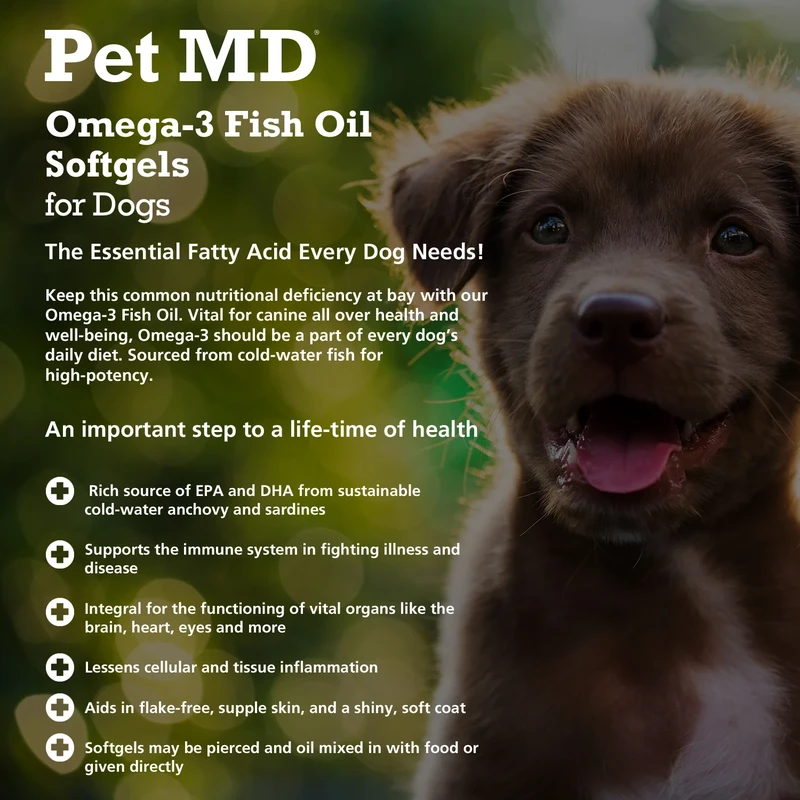
Marine-derived omega-3s, especially EPA and DHA, demonstrate superior bioavailability and efficacy in pets compared to plant-based sources. Fish oil from cold-water species (e.g., salmon, sardines, anchovies) is rich in these long-chain fatty acids. Krill oil and algae supplements offer alternative marine sources, with algae being particularly valuable for vegetarian or fish-sensitive animals.
Plant-based omega-3s, largely in the form of ALA found in flaxseed, hemp, and pumpkin seeds, require metabolic conversion to EPA and DHA, a process limited in dogs and cats. Therefore, relying solely on plant sources may not achieve therapeutic omega-3 levels.
Omega-6 fatty acids, predominantly from vegetable oils such as sunflower and safflower oil, provide essential linoleic acid, but excessive omega-6 intake can counteract omega-3 benefits if not balanced properly. Veterinary nutritionists emphasize maintaining an omega-6 to omega-3 ratio around 5:1 or lower for optimal health outcomes.
Incorporating Omega Fatty Acids into Pet Diets
Natural dietary sources of omega fatty acids include fatty fish, eggs enriched with omega-3, and plant oils incorporated into commercial pet foods. Many premium pet food brands now fortify formulas with balanced omega fatty acids to support skin, coat, and joint health.
Supplementation is a common approach to address specific health concerns or deficiencies. Fish oil capsules, liquid oils, omega-enriched treats, and topical applications are available on the market. Veterinary consultation is paramount to determine appropriate dosage based on pet size, health status, and existing diet.
Dosage guidelines vary, but typical recommendations for omega-3 (EPA+DHA) range from 30 to 100 mg/kg body weight per day for dogs, with adjustments for cats due to differing metabolism. Over-supplementation risks include gastrointestinal upset and altered blood clotting, highlighting the necessity of professional oversight.
Safety, Quality, and Considerations for Supplementation
Quality control in omega fatty acid supplements is critical given the risk of contaminants such as heavy metals, PCBs, and oxidation products that can occur in fish oil products. Reputable manufacturers adhere to stringent purification standards and include antioxidants like vitamin E to stabilize oils and preserve efficacy.
Veterinarians recommend choosing supplements tested for purity and potency, with clear labeling of EPA and DHA content. Monitoring pets during supplementation allows timely detection of adverse effects or insufficient response.
Long-term use of omega fatty acids requires periodic evaluation of benefits versus risks. While clinical improvements may manifest after several weeks to months, sustained supplementation is often necessary to maintain health benefits, particularly in chronic conditions.
Recent Research and Clinical Insights on Omega Fatty Acids in Pets
Emerging studies continue to refine understanding of omega fatty acid roles in pet health. Recent randomized controlled trials have confirmed omega-3 supplementation’s efficacy in reducing osteoarthritis symptoms and improving skin barrier function in atopic dermatitis.
However, variability in clinical outcomes is noted, likely influenced by factors such as baseline pet health, supplement bioavailability, and dosage accuracy. Research in veterinary neurology increasingly supports DHA’s role in neuroprotection and cognitive maintenance, though large-scale longitudinal studies remain ongoing.
The integration of omega fatty acids into veterinary protocols underscores a growing consensus on their therapeutic potential, balanced by calls for further research to optimize formulations and dosing regimens tailored to individual pets.
| Omega Fatty Acid | Primary Sources | Key Benefits | Bioavailability | Typical Supplement Form |
|---|---|---|---|---|
| EPA (Eicosapentaenoic Acid) | Fish oil, krill oil, algae | Anti-inflammatory, joint support, immune modulation | High | Capsules, liquid oils |
| DHA (Docosahexaenoic Acid) | Fish oil, krill oil, algae | Brain and cognitive function, cardiovascular health | High | Capsules, liquid oils |
| Linoleic Acid (Omega-6) | Vegetable oils (sunflower, safflower), animal fats | Skin barrier maintenance, cell membrane integrity | Moderate | Dietary inclusion, enriched pet food |
| Alpha-linolenic Acid (ALA) | Flaxseed, hemp, pumpkin seeds | Precursor to EPA/DHA (limited conversion in pets) | Low | Dietary inclusion, plant-based supplements |
FAQ
What are the main benefits of omega fatty acids for pets?
Omega fatty acids, particularly EPA and DHA, support skin and coat health, reduce inflammation, enhance joint mobility, improve cognitive functions, and strengthen cardiovascular and immune systems in dogs and cats.
How do omega-3 and omega-6 fatty acids differ in their effects on pets?
Omega-3 fatty acids primarily provide anti-inflammatory benefits and cognitive support, while omega-6 fatty acids are essential for skin integrity and immune function. Maintaining a balanced ratio between these fatty acids is crucial to avoid excessive inflammation.
Can plant-based omega-3 sources replace fish oil supplements for pets?
Plant-based omega-3s like ALA have limited conversion to EPA and DHA in pets, making fish oil or marine-based supplements more effective for therapeutic outcomes.
Is it safe to give pets omega fatty acid supplements without veterinary guidance?
Veterinary consultation is essential to determine safe and effective dosages, avoid adverse effects, and select high-quality, contaminant-free products tailored to each pet’s health condition.
How long does it take to see health improvements after starting omega fatty acid supplementation?
Clinical benefits typically become apparent after several weeks to months of consistent supplementation, depending on the health issue being addressed and the pet’s overall condition.
Omega fatty acids continue to emerge as a cornerstone of veterinary nutrition, with growing evidence supporting their integration into comprehensive pet health management plans. Future research will further elucidate optimal dosing strategies and novel delivery methods, advancing the personalized care of companion animals.