

Best Supplements for Dogs with Arthritis 2026: Expert Vet Picks
PawVerde.com – Arthritis affects an estimated 20% of dogs over the age of one, significantly impacting their mobility and quality of life. In 2026, veterinary orthopedic specialists emphasize that evidence-based supplementation plays a critical role in managing canine arthritis alongside medical therapies. The most effective dog joint supplements combine foundational compounds such as glucosamine, chondroitin, MSM (methylsulfonylmethane), and omega-3 fatty acids to support cartilage repair, reduce inflammation, and improve joint function. These ingredients, often formulated with adjunctive natural extracts like green-lipped mussel and Boswellia serrata, constitute the backbone of leading products recommended by veterinarians and animal nutrition experts.
Glucosamine and chondroitin remain widely used despite mixed clinical trial results, with a large proportion of veterinary practitioners observing symptomatic improvement in affected dogs. MSM contributes essential sulfur for cartilage synthesis and exhibits anti-inflammatory effects, complementing the structural support from glucosamine and chondroitin. Omega-3 fatty acids, specifically EPA and DHA derived from fish oil, have robust evidence supporting their role in reducing joint inflammation and enhancing mobility. High-quality supplements such as Dasuquin, Cosequin, and Mobility-Max™ integrate these ingredients with bioavailable formulations verified through third-party certification, which enhances clinical outcomes and dosing consistency. However, veterinary guidance remains crucial due to individual variations in dog breeds predisposed to arthritis—such as Labradors, Golden Retrievers, and German Shepherds—and potential interactions with prescribed medications.
Core Ingredients in Dog Arthritis Supplements: Mechanisms and Veterinary Insights
Glucosamine and chondroitin sulfate form the cornerstone of most canine arthritis supplements. Glucosamine serves as a precursor for glycosaminoglycans, which are vital components of cartilage matrix synthesis. Chondroitin sulfate aids cartilage elasticity and inhibits degradative enzymes. Despite these biological roles, recent meta-analyses in the Journal of Veterinary Internal Medicine indicate inconsistent clinical efficacy, which some veterinarians attribute to variations in supplement bioavailability and study designs. Nevertheless, veterinary orthopedic specialists report improved joint lubrication and pain reduction in many cases, supporting their continued use as part of a multimodal treatment approach.
MSM supplies organic sulfur, an essential element for the synthesis of proteoglycans in cartilage. Its anti-inflammatory properties have been demonstrated in several controlled trials involving canine subjects, showing reductions in joint swelling and stiffness. Veterinary practitioners often recommend MSM in combination with glucosamine and chondroitin to maximize cartilage repair and inflammation control.
Omega-3 fatty acids, primarily EPA and DHA found in fish oil, possess potent anti-inflammatory effects by modulating eicosanoid pathways and cytokine production. Dosage guidelines suggest 100-150 mg/kg body weight per day for dogs with arthritis to achieve therapeutic benefits. Clinical studies confirm improvements in joint mobility and decreased reliance on NSAIDs when omega-3 supplementation is maintained long-term. Products like Nutramax Welactin specialize in delivering concentrated, high-purity omega-3 fatty acids tailored for canine metabolism.
Additional natural compounds gaining traction include avocado and soybean unsaponifiables (ASU), which inhibit cartilage degradation and stimulate collagen synthesis, and green-lipped mussel extracts rich in glycosaminoglycans and omega-3s. Boswellia serrata extract, known for its anti-inflammatory boswellic acids, and green tea extract, with antioxidant properties, offer supplementary joint protection. These ingredients are frequently incorporated into holistic formulations to enhance efficacy.
Leading Joint Supplement Products in 2026: Formulations and Veterinary Endorsements
Mobility-Max™ Advanced Hip & Joint Support Chews are among the most comprehensive veterinary-formulated supplements available in 2026. This product combines glucosamine hydrochloride, chondroitin sulfate, MSM, ASU, and green-lipped mussel in precise dosages validated by bioavailability studies. Mobility-Max™ is manufactured under Good Manufacturing Practices (GMP) and holds certification from the National Animal Supplement Council (NASC), ensuring product quality and safety. Veterinary orthopedic experts frequently recommend Mobility-Max™ for senior dogs and breeds predisposed to osteoarthritis due to its multi-targeted approach.
Dasuquin with MSM and Cosequin remain veterinary favorites due to extensive clinical usage and research backing. Dasuquin includes ASU, which distinguishes it from traditional glucosamine/chondroitin formulations by adding cartilage-protective effects. Both brands emphasize consistent dosing schedules and have undergone third-party testing to verify ingredient concentrations. These products have demonstrated improvements in gait analysis metrics and owner-reported pain relief in controlled studies.
Nutramax Welactin focuses on delivering pure, concentrated omega-3 fish oil supplements. Its formulation targets the inflammatory cascade underlying arthritis, complementing structural support supplements. VetriScience GlycoFlex and Zesty Paws Mobility Bites offer alternative formulations combining glucosamine, chondroitin, and natural anti-inflammatories, appealing to pet owners seeking palatable options. Pooch & Mutt’s joint health chews feature a blend of MSM, glucosamine, and turmeric, reflecting a trend towards incorporating herbal anti-inflammatory agents.
Efficacy and Considerations in Supplement Use: Research and Clinical Perspectives
The evidence on glucosamine and chondroitin’s efficacy remains equivocal, with some placebo-controlled trials showing minimal benefits and others reporting significant improvements in joint function. Variability in bioavailability, product quality, and individual dog metabolism may explain divergent outcomes. Veterinary professionals stress the importance of consistent, long-term administration—often over 8-12 weeks—before assessing clinical effectiveness. Supplements with verified ingredient concentrations and third-party certifications are more likely to yield positive results.
Bioavailability plays a critical role in supplement success. For example, some glucosamine formulations use glucosamine hydrochloride, while others prefer glucosamine sulfate, with differing absorption rates. Similarly, the source and processing of omega-3 fatty acids affect their potency. Veterinary nutritionists recommend selecting products with transparent sourcing and manufacturing standards.
Combining supplements with veterinary-prescribed NSAIDs or physical therapies can enhance overall joint health management. However, the potential for drug-supplement interactions necessitates veterinary supervision. Supplementation should never replace established medical treatments but serve as an adjunct to reduce medication doses and side effects.
Safety, Dosage, and Veterinary Guidance
Improper dosing or use of human-grade supplements in dogs can lead to adverse effects, including gastrointestinal upset and toxicity. Veterinary formulations consider canine metabolism and adjust dosages accordingly. For example, glucosamine dosing typically ranges from 500 to 1500 mg per 10 kg of body weight daily, while MSM doses are commonly around 20-50 mg/kg.
Certain breeds like Labrador Retrievers, Golden Retrievers, and German Shepherds have higher arthritis susceptibility, necessitating earlier intervention and tailored dosing. Senior dogs often require adjusted dosages due to altered metabolism and concurrent health issues.
veterinary consultation is essential before initiating supplementation to evaluate the dog’s overall health status, concurrent medications, and specific joint pathology. Wellborn Road Veterinary Medical Center and similar institutions advocate for integrative management plans combining supplements, diet, exercise, and medical therapies for optimal outcomes.
Future Trends and Research Directions in Canine Joint Health Supplements
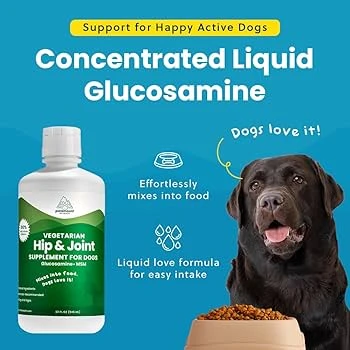
Research in 2026 is exploring novel ingredient combinations that enhance bioavailability and synergistic effects. Nanotechnology-based delivery systems aim to improve absorption of glucosamine and omega-3 fatty acids. Emerging natural compounds, such as curcumin derivatives and cannabidiol (CBD) extracts, are undergoing clinical trials to assess anti-inflammatory potentials and safety profiles.
Integrative approaches combining probiotics, tailored nutrition, and personalized supplementation regimens based on genetic predispositions are gaining interest. Veterinary institutions are increasingly incorporating joint health biomarker monitoring to evaluate supplement efficacy objectively.
Ongoing collaboration between veterinary researchers, supplement manufacturers, and regulatory bodies like NASC continues to drive innovation and quality assurance in the joint health supplement market.
Frequently Asked Questions
What are the most effective supplements for dog arthritis in 2026?
The most effective supplements combine glucosamine, chondroitin, MSM, and omega-3 fatty acids, often enhanced with avocado and soybean unsaponifiables or green-lipped mussel extract. These ingredients support cartilage repair, reduce inflammation, and improve joint mobility.
How long does it take to see benefits from joint supplements in dogs?
Clinical improvements typically require consistent supplementation for 8 to 12 weeks. Individual responses vary, and veterinary monitoring is recommended to assess efficacy.
Can joint supplements replace veterinary-prescribed arthritis medications?
No, supplements are intended as adjuncts to veterinary treatments, not replacements. They may reduce the need for NSAIDs but should be used under veterinary guidance.
Are there any risks associated with giving dogs human joint supplements?
Yes, human supplements may contain inappropriate dosages or harmful additives. Veterinary-specific formulations are safer and more effective for dogs.
What factors affect the efficacy of dog joint supplements?
Efficacy depends on ingredient bioavailability, dosage consistency, product quality, and individual dog factors such as breed, age, and arthritis severity.
—
In 2026, managing canine arthritis effectively requires a comprehensive approach that integrates high-quality joint supplements with veterinary care. The evolving landscape of joint health products emphasizes scientifically validated ingredients, rigorous manufacturing standards, and personalized dosing strategies. Pet owners and veterinary professionals alike benefit from ongoing research and clinical insights to optimize mobility, reduce pain, and enhance the quality of life for dogs suffering from arthritis.

Why Consult a Vet Before Pet Supplementation Matters
PawVerde.com – veterinary consultation is crucial before administering supplements to pets, ensuring safe, effective, and tailored nutritional support that aligns with each animal’s health needs. Unsupervised supplementation can lead to severe toxicity, nutrient imbalances, or adverse interactions with existing medications, undermining pet health. The pet supplement industry’s expanding market, driven by growing pet-owner interest in wellness, often lacks stringent regulatory oversight, resulting in variable product quality and potential safety risks. Veterinarians provide indispensable expertise by assessing individual pet conditions, recommending evidence-based supplements, and monitoring dosage to prevent complications.
Pet supplements, including vitamins like A, D, E, and B-complex, omega-3 fatty acids, glucosamine, and fish oil, are widely used to support various health conditions in dogs and cats. However, the absence of comprehensive regulation allows inconsistent labeling and unverified claims, raising concerns about safety and efficacy. Notably, some human supplements contain ingredients toxic to pets, such as xylitol, which can cause life-threatening hypoglycemia in dogs. Moreover, excessive intake of fat-soluble vitamins, particularly vitamin D and calcium, can induce toxicity manifesting as kidney failure, hypercalcemia, or cardiac complications. These risks underscore the necessity of veterinary guidance to optimize supplementation protocols and safeguard pet health.
Regulatory and Safety Concerns in the Pet Supplement Industry
The pet supplement market operates with significantly less regulatory oversight compared to human pharmaceuticals, leading to inconsistencies in product safety and quality. Regulatory bodies like the National Animal Supplement Council (NASC) work toward voluntary standards and certification programs to enhance product transparency and quality assurance. Despite such efforts, many supplements remain unverified for potency and purity, potentially containing contaminants or inaccurate ingredient concentrations. This regulatory gap complicates vet assessments and increases risks for pet owners relying on over-the-counter supplements without professional consultation.
Pet supplement manufacturers often market products with broad claims of health benefits, lacking robust clinical evidence or peer-reviewed studies to substantiate efficacy. The American Veterinary Medical Association (AVMA) emphasizes the importance of evidence-based usage and discourages supplementation without veterinary evaluation. Moreover, the chemical complexity of some supplements can lead to unpredictable pharmacokinetic interactions, especially when pets are concurrently receiving prescription medications. These factors necessitate discerning veterinary oversight to navigate safety concerns inherent in the industry.
Potential Risks of Giving Supplements Without Veterinary Guidance
Administering supplements without veterinary advice exposes pets to risks including toxicity, adverse drug interactions, and exacerbation of underlying medical conditions. For example, hypervitaminosis D caused by excessive vitamin D supplementation can result in calcium deposits in soft tissues, renal failure, and gastrointestinal distress. Similarly, excessive calcium supplementation may lead to skeletal abnormalities in growing animals or promote urolithiasis in adults.
Human supplements pose additional hazards; xylitol, a common artificial sweetener in human products, induces rapid insulin release in dogs, causing severe hypoglycemia and potential liver failure. Other human-focused formulations may contain ingredients or excipients harmful to pets due to species-specific metabolic differences. Unmonitored supplementation can also interfere with prescribed veterinary treatments, reducing drug efficacy or increasing toxicity risk. Case studies from Saratoga Veterinary Hospital illustrate instances where pets developed severe symptoms following unsupervised supplement use, necessitating emergency intervention and highlighting the critical role of veterinary consultation.
Role of Veterinarians in Safe Pet Supplementation
Veterinarians perform comprehensive health and nutrition assessments before recommending supplements, integrating clinical findings with dietary analysis to identify nutrient deficiencies or condition-specific needs. This individualized approach optimizes therapeutic outcomes and minimizes risks. For example, glucosamine and chondroitin are often prescribed for canine osteoarthritis, but dosing must be carefully calibrated to avoid gastrointestinal side effects. Omega-3 fatty acids sourced from fish oil are recommended for anti-inflammatory benefits in dermatologic and cardiac conditions, with veterinary guidance ensuring appropriate product selection and dosing.
Veterinarians also monitor pets for adverse effects and adjust supplementation protocols accordingly. This dynamic management is essential to avoid cumulative toxicity or nutrient imbalances, especially in older animals or those with comorbidities such as kidney or liver disease. Legally, veterinarians bear responsibility for recommending safe supplements, complying with regulatory standards while prioritizing animal welfare. Veterinary nutritional counseling supports pet owners in understanding supplement roles, integrating them within balanced diets, and recognizing signs of intolerance or overdose.
When Are Supplements Necessary?
Supplementation is generally indicated when pets exhibit diagnosed deficiencies or specific health conditions requiring nutritional support beyond standard diets. Digestive disorders such as exocrine pancreatic insufficiency may necessitate enzyme supplementation, while skin and coat issues often respond to omega-3 fatty acid therapy. Joint health concerns, particularly in aging dogs, commonly benefit from glucosamine and chondroitin to support cartilage repair.
Vitamins A, D, and E are critical antioxidants and metabolic cofactors but are prescribed selectively based on laboratory evaluations or clinical signs. Targeted supplementation differs markedly from routine, indiscriminate use, which can cause nutrient excess or mask underlying illnesses. Veterinary expertise ensures that supplements address validated needs and contribute to holistic pet health management rather than serving as indiscriminate wellness boosters.
Best Practices for Pet Owners Considering Supplements
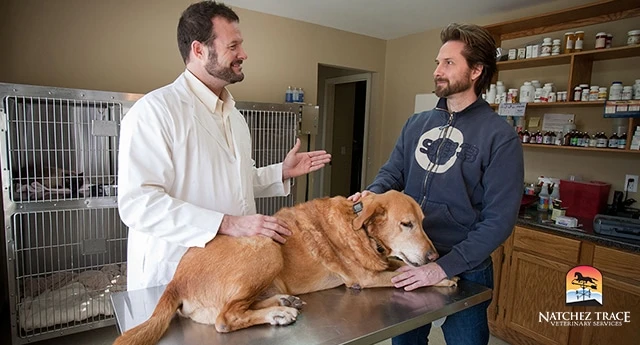
Pet owners should always seek veterinary advice prior to initiating any supplement regimen. Veterinarians provide guidance on safe products, appropriate dosages, and potential interactions with existing medications or health conditions. Self-prescribing human supplements is strongly discouraged due to species-specific toxicity risks and formulation differences.
Routine veterinary visits provide opportunities to discuss dietary changes and assess the necessity of supplementation within a broader nutritional context. Engaging in veterinary nutritional counseling can further enhance understanding of balanced diets and safe supplement integration. Pet owners are encouraged to report any unusual symptoms promptly to veterinarians to facilitate early detection and management of adverse effects related to supplementation.
| Supplement | Common Use in Pets | Potential Risks Without Vet Guidance | Veterinary Role |
|---|---|---|---|
| Glucosamine | Joint support in arthritis | Gastrointestinal upset; inadequate dosing reduces benefits | Assess need; recommend formulation and dosage; monitor response |
| Omega-3 Fatty Acids (Fish Oil) | Anti-inflammatory for skin and heart health | Bleeding risk at high doses; inconsistent product quality | Determine safe dose; select vet-approved products; monitor side effects |
| Vitamin D | Bone metabolism support | Hypercalcemia, renal failure with overdose | Evaluate blood levels; adjust dosage cautiously; monitor calcium |
| Human Supplements Containing Xylitol | Not recommended | Severe hypoglycemia, liver failure in dogs | Educate owners about risks; advise against use |
FAQ
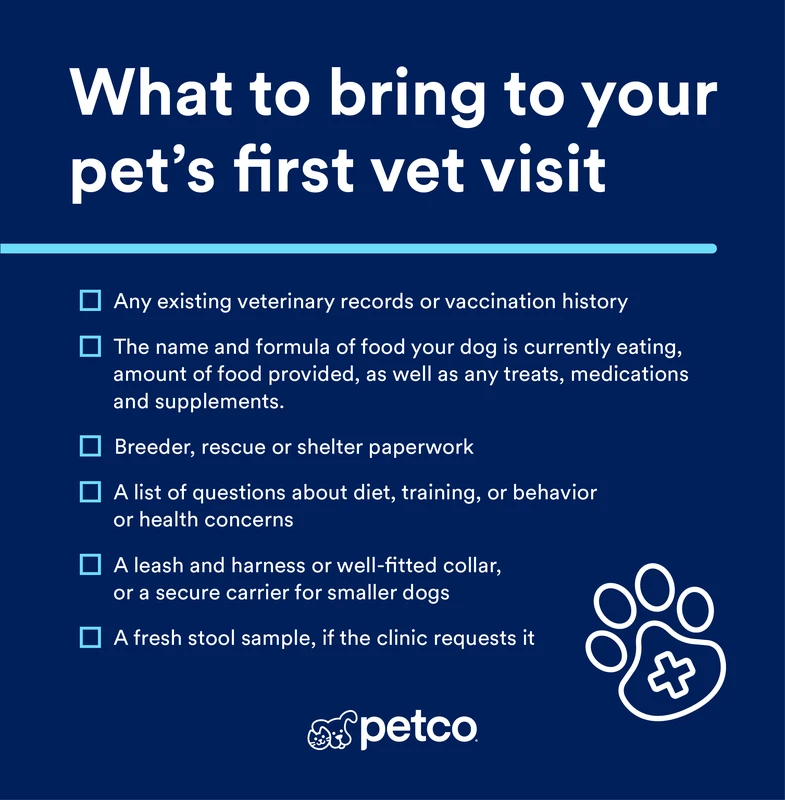
Why should I consult a veterinarian before giving my pet supplements?
Veterinarians assess your pet’s specific health status, prescribe appropriate supplements in safe doses, and monitor for adverse effects or interactions with medications, reducing risks of toxicity or ineffective treatment.
Are human vitamin supplements safe for pets?
No, many human supplements contain ingredients toxic to pets, such as xylitol, artificial sweeteners, or inappropriate vitamin concentrations, which can cause severe health issues or death in animals.
What are common signs of supplement toxicity in pets?
Symptoms vary but may include vomiting, diarrhea, lethargy, seizures, kidney failure, or cardiac abnormalities. Prompt veterinary evaluation is critical if toxicity is suspected.
Can supplements replace a balanced pet diet?
Supplements are meant to complement—not replace—a complete, balanced diet. They address specific deficiencies or health conditions and should only be used under veterinary guidance.
How can I ensure the supplements I buy for my pet are safe?
Purchase vet-approved supplements, preferably those certified by organizations like the NASC, and always discuss new supplements with your veterinarian before use.
Veterinary oversight remains the cornerstone of safe and effective pet supplementation, balancing therapeutic benefits with potential risks. As the pet supplement industry evolves, integration of rigorous regulatory standards and evidence-based veterinary guidance will be paramount in safeguarding pet health. Pet owners are encouraged to prioritize professional consultation to navigate the complex landscape of supplements, ensuring interventions that truly enhance their pets’ quality of life.
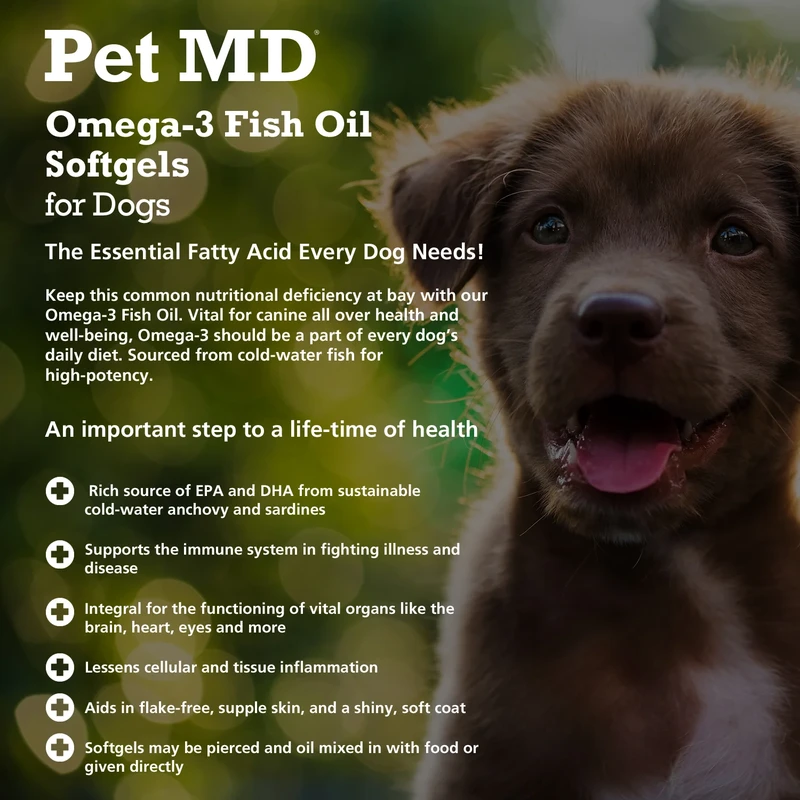
How Omega Fatty Acids Boost Pet Health with EPA & DHA Benefits
PawVerde.com – Omega fatty acids, principally EPA (eicosapentaenoic acid) and DHA (docosahexaenoic acid), have become a focal point in veterinary nutrition due to their extensive benefits in supporting pet health. These essential fatty acids, predominantly found in marine sources like fish oil, play critical roles in maintaining healthy skin, reducing inflammation, and enhancing cognitive and cardiovascular function in dogs and cats. Veterinary experts emphasize that proper supplementation, guided by dosage tailored to each pet’s needs, is vital for maximizing therapeutic outcomes while ensuring safety.
Omega-3 fatty acids, along with omega-6 and omega-9, represent distinct classes of polyunsaturated and monounsaturated fats integral to pet physiology. Omega-3s, especially EPA and DHA, exhibit potent anti-inflammatory properties that mitigate chronic conditions such as arthritis and allergic dermatitis common in companion animals. Meanwhile, omega-6 fatty acids, including linoleic acid and arachidonic acid, are essential for maintaining skin barrier integrity and cellular health. Achieving an optimal omega-3 to omega-6 ratio in a pet’s diet is critical; imbalances can exacerbate inflammatory responses or undermine immune function.
Types of Omega Fatty Acids and Their Roles in Pet Health
Omega fatty acids are categorized mainly into omega-3, omega-6, and omega-9, each contributing differently to pet health. Omega-3 fatty acids, including EPA and DHA, are long-chain polyunsaturated fatty acids derived primarily from marine sources such as fish, krill, and algae. These fatty acids are integral to anti-inflammatory pathways and cognitive function. The shorter-chain alpha-linolenic acid (ALA), a plant-based omega-3, requires conversion to EPA and DHA but does so inefficiently in pets, making marine sources more potent.
omega-6 fatty acids, such as linoleic acid and arachidonic acid, are abundant in many plant oils and animal fats. Linoleic acid is an essential fatty acid that supports skin structure and immune responses, while arachidonic acid is involved in inflammatory and cellular signaling mechanisms. Omega-9 fatty acids, like oleic acid, are non-essential as pets can synthesize them, yet they contribute to cardiovascular health and cellular energy balance.
The physiological significance of essential fatty acids (EFAs) lies in their inability to be synthesized by pets, necessitating dietary inclusion. EFAs influence membrane fluidity, eicosanoid production, and gene expression, underpinning diverse processes from skin hydration to joint lubrication.
Health Benefits of Omega Fatty Acids for Dogs and Cats
The impact of omega fatty acids on pet health encompasses multiple organ systems, with clinical evidence supporting targeted supplementation to address specific conditions.
Skin and Coat Health
Omega-3 and omega-6 fatty acids improve skin barrier function, reduce transepidermal water loss, and enhance coat glossiness. Clinical trials have documented reductions in pruritus and dermatitis severity in dogs and cats receiving EPA and DHA supplementation. Linoleic acid deficiency is linked to dry, flaky skin and poor coat condition, underscoring the necessity of balanced omega intake.
Anti-inflammatory Effects
EPA and DHA modulate inflammatory cytokines and prostaglandin pathways, providing therapeutic benefits in chronic inflammatory diseases such as osteoarthritis, allergic dermatitis, and inflammatory bowel disease. Controlled studies in canine arthritis show improved mobility and reduced joint pain following consistent omega-3 supplementation over several weeks.
Cognitive and Brain Function Support
DHA is a major structural component of neuronal membranes. Supplementation in aging pets has been correlated with enhanced cognitive function, memory retention, and reduced signs of canine cognitive dysfunction syndrome (CDS). Veterinary neurologists advocate omega-3 inclusion as part of neuroprotective dietary strategies.
Cardiovascular and Immune System Enhancement
Omega-3 fatty acids improve endothelial function and reduce arrhythmias, contributing to cardiovascular health in pets predisposed to heart disease. Additionally, they modulate immune cell activity, enhancing resistance against infections without overactivation that leads to autoimmunity.
Joint and Connective Tissue Support
By influencing the synthesis of anti-inflammatory eicosanoids and cytokines, omega-3 fatty acids support joint cartilage integrity and reduce connective tissue degradation. This effect is particularly beneficial in managing degenerative joint disease in senior dogs.
Key Omega Fatty Acids: Sources, Potency, and Bioavailability
Marine-derived omega-3s, especially EPA and DHA, demonstrate superior bioavailability and efficacy in pets compared to plant-based sources. Fish oil from cold-water species (e.g., salmon, sardines, anchovies) is rich in these long-chain fatty acids. Krill oil and algae supplements offer alternative marine sources, with algae being particularly valuable for vegetarian or fish-sensitive animals.
Plant-based omega-3s, largely in the form of ALA found in flaxseed, hemp, and pumpkin seeds, require metabolic conversion to EPA and DHA, a process limited in dogs and cats. Therefore, relying solely on plant sources may not achieve therapeutic omega-3 levels.
Omega-6 fatty acids, predominantly from vegetable oils such as sunflower and safflower oil, provide essential linoleic acid, but excessive omega-6 intake can counteract omega-3 benefits if not balanced properly. Veterinary nutritionists emphasize maintaining an omega-6 to omega-3 ratio around 5:1 or lower for optimal health outcomes.
Incorporating Omega Fatty Acids into Pet Diets
Natural dietary sources of omega fatty acids include fatty fish, eggs enriched with omega-3, and plant oils incorporated into commercial pet foods. Many premium pet food brands now fortify formulas with balanced omega fatty acids to support skin, coat, and joint health.
Supplementation is a common approach to address specific health concerns or deficiencies. Fish oil capsules, liquid oils, omega-enriched treats, and topical applications are available on the market. Veterinary consultation is paramount to determine appropriate dosage based on pet size, health status, and existing diet.
Dosage guidelines vary, but typical recommendations for omega-3 (EPA+DHA) range from 30 to 100 mg/kg body weight per day for dogs, with adjustments for cats due to differing metabolism. Over-supplementation risks include gastrointestinal upset and altered blood clotting, highlighting the necessity of professional oversight.
Safety, Quality, and Considerations for Supplementation
Quality control in omega fatty acid supplements is critical given the risk of contaminants such as heavy metals, PCBs, and oxidation products that can occur in fish oil products. Reputable manufacturers adhere to stringent purification standards and include antioxidants like vitamin E to stabilize oils and preserve efficacy.
Veterinarians recommend choosing supplements tested for purity and potency, with clear labeling of EPA and DHA content. Monitoring pets during supplementation allows timely detection of adverse effects or insufficient response.
Long-term use of omega fatty acids requires periodic evaluation of benefits versus risks. While clinical improvements may manifest after several weeks to months, sustained supplementation is often necessary to maintain health benefits, particularly in chronic conditions.
Recent Research and Clinical Insights on Omega Fatty Acids in Pets
Emerging studies continue to refine understanding of omega fatty acid roles in pet health. Recent randomized controlled trials have confirmed omega-3 supplementation’s efficacy in reducing osteoarthritis symptoms and improving skin barrier function in atopic dermatitis.
However, variability in clinical outcomes is noted, likely influenced by factors such as baseline pet health, supplement bioavailability, and dosage accuracy. Research in veterinary neurology increasingly supports DHA’s role in neuroprotection and cognitive maintenance, though large-scale longitudinal studies remain ongoing.
The integration of omega fatty acids into veterinary protocols underscores a growing consensus on their therapeutic potential, balanced by calls for further research to optimize formulations and dosing regimens tailored to individual pets.
| Omega Fatty Acid | Primary Sources | Key Benefits | Bioavailability | Typical Supplement Form |
|---|---|---|---|---|
| EPA (Eicosapentaenoic Acid) | Fish oil, krill oil, algae | Anti-inflammatory, joint support, immune modulation | High | Capsules, liquid oils |
| DHA (Docosahexaenoic Acid) | Fish oil, krill oil, algae | Brain and cognitive function, cardiovascular health | High | Capsules, liquid oils |
| Linoleic Acid (Omega-6) | Vegetable oils (sunflower, safflower), animal fats | Skin barrier maintenance, cell membrane integrity | Moderate | Dietary inclusion, enriched pet food |
| Alpha-linolenic Acid (ALA) | Flaxseed, hemp, pumpkin seeds | Precursor to EPA/DHA (limited conversion in pets) | Low | Dietary inclusion, plant-based supplements |
FAQ
What are the main benefits of omega fatty acids for pets?
Omega fatty acids, particularly EPA and DHA, support skin and coat health, reduce inflammation, enhance joint mobility, improve cognitive functions, and strengthen cardiovascular and immune systems in dogs and cats.
How do omega-3 and omega-6 fatty acids differ in their effects on pets?
Omega-3 fatty acids primarily provide anti-inflammatory benefits and cognitive support, while omega-6 fatty acids are essential for skin integrity and immune function. Maintaining a balanced ratio between these fatty acids is crucial to avoid excessive inflammation.
Can plant-based omega-3 sources replace fish oil supplements for pets?
Plant-based omega-3s like ALA have limited conversion to EPA and DHA in pets, making fish oil or marine-based supplements more effective for therapeutic outcomes.
Is it safe to give pets omega fatty acid supplements without veterinary guidance?
Veterinary consultation is essential to determine safe and effective dosages, avoid adverse effects, and select high-quality, contaminant-free products tailored to each pet’s health condition.
How long does it take to see health improvements after starting omega fatty acid supplementation?
Clinical benefits typically become apparent after several weeks to months of consistent supplementation, depending on the health issue being addressed and the pet’s overall condition.
Omega fatty acids continue to emerge as a cornerstone of veterinary nutrition, with growing evidence supporting their integration into comprehensive pet health management plans. Future research will further elucidate optimal dosing strategies and novel delivery methods, advancing the personalized care of companion animals.