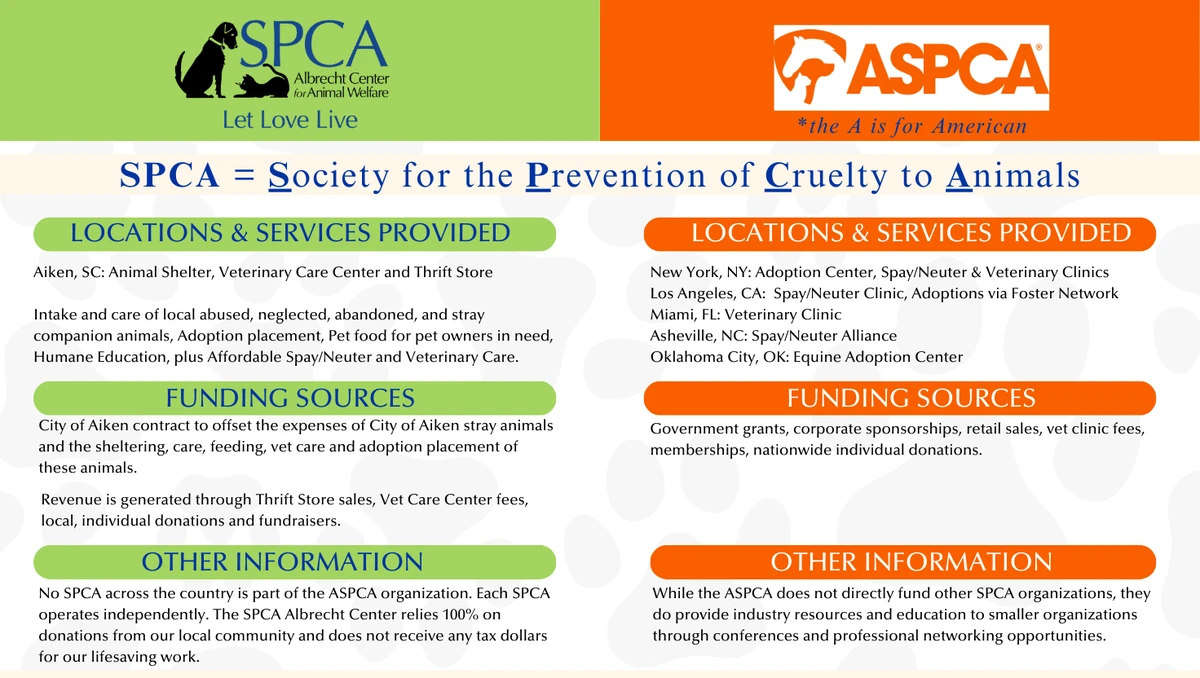
PawVerde.com – Local and national pet rescues serve distinct yet complementary roles within the broader animal welfare ecosystem. Local rescues typically concentrate their efforts on animals within a defined community or region, leveraging grassroots volunteer networks and community donations to address immediate animal welfare needs. In contrast, national pet rescues operate across multiple states or regions, harnessing broader funding sources and professional infrastructures to manage larger-scale rescue, adoption, and advocacy programs. Understanding the operational, legal, and financial differences between these entities is essential for informed engagement, whether through adoption, volunteering, or financial support.
Local pet rescues often function as the frontline responders to animal welfare concerns within their communities. Their geographic focus enables tailored interventions, including emergency sheltering, foster care placement, and community education. These organizations rely heavily on local volunteers, veterinary partnerships, and grassroots fundraising. Conversely, national rescues such as the ASPCA and Best Friends Animal Society coordinate extensive programs that encompass advocacy for animal welfare legislation, nationwide transfer networks, and large-scale foster care initiatives. Their broader reach allows for resource mobilization across state lines, addressing systemic challenges like shelter overcrowding and regional disparities in adoption rates.
Operational Scope and Geographic Reach
Local rescues concentrate on animals within a specific city, county, or region, often operating with limited staff and relying primarily on volunteers. Their intimate knowledge of local communities enables rapid response to animal cruelty cases, stray intake, and owner surrenders. These rescues frequently collaborate with municipal animal control agencies and local veterinary clinics to provide medical care and facilitate adoptions. The scope of their operations is typically constrained by funding and volunteer availability, but their agility allows them to address unique community needs effectively.
national pet rescues operate on a multi-state or national scale, managing extensive networks of shelters, foster homes, and transfer programs. Examples include organizations like Best Friends and the ASPCA, which engage in nationwide advocacy, disaster response, and legislative initiatives. These rescues often employ full-time staff, including veterinary professionals, behaviorists, and legal experts, enabling comprehensive program management. Their geographic breadth facilitates the redistribution of animals from high-intake, overcrowded shelters to areas with higher adoption demand, a critical strategy in reducing euthanasia rates nationwide.
Funding and Resource Availability
Funding models differ markedly between local and national rescues. Local rescues primarily depend on community donations, fundraising events, and small grants. Volunteer labor forms a substantial portion of their operational capacity, with many relying on foster homes to reduce sheltering costs. Limited budgets can constrain access to veterinary care, transport, and marketing for adoption outreach, impacting overall rescue effectiveness.
National rescues benefit from diversified funding streams, including corporate partnerships, large-scale fundraising campaigns, government grants, and philanthropic donations. This financial stability supports professional staff, advanced veterinary facilities, and widespread media campaigns to promote adoption and advocacy. Their infrastructure often includes centralized databases, transport logistics, and legal teams that address complex regulatory compliance across multiple jurisdictions.
Legal and Regulatory Environment
The absence of unified federal laws specifically governing pet rescues results in a fragmented regulatory landscape. Rescues must navigate a patchwork of state and local animal welfare laws, including licensing requirements, vaccination protocols, sterilization mandates, and animal transport regulations. For instance, animal importation rules vary significantly, affecting how national rescues transfer animals across state lines.
Breed-specific legislation (BSL) presents additional challenges, with some states or municipalities restricting ownership of certain dog breeds, impacting rescue intake and adoption strategies. Liability issues also arise when rescues operate without formal contracts or compliance with animal control agencies, potentially exposing organizations to legal risks.
Types of Animal Welfare Organizations
animal welfare organizations encompass government-operated shelters, private humane societies, and rescue groups with varying operational models. Government shelters typically handle animal control and law enforcement duties, funded by municipal budgets and subject to public accountability standards. Private shelters and rescues may operate as 501(c) nonprofits, relying on donations and volunteer support.
Some rescues contract with local governments to manage shelter operations or animal control services, allowing for expanded resources and formalized protocols. Non-contracted rescues often fill gaps by rescuing animals from government shelters facing overcrowding or limited euthanasia alternatives. The diversity of organizational types reflects the complexity of animal welfare needs across communities.
Impact on Animal Welfare and Community
Local rescues serve as critical pillars of animal welfare within their communities, often addressing immediate safety concerns such as animal cruelty intervention and emergency sheltering. Their presence enhances community safety by reducing stray populations and facilitating responsible pet ownership education. Case studies show that communities with active local rescues report higher adoption rates and lower euthanasia figures, attributable to targeted outreach and foster care programs.
National rescues influence animal welfare on a broader scale through legislative advocacy, public education, and large-scale rescue operations during disasters or hoarding cases. Their efforts have contributed to the advancement of animal cruelty laws and the promotion of no-kill shelter policies. By coordinating transfer programs and fostering network expansion, national rescues help alleviate shelter overcrowding in regions with high intake rates.
Adoption Trends and Challenges
Adoption remains the preferred outcome for shelter animals; however, national statistics indicate that adoption rates are insufficient to significantly reduce shelter populations. Shelter capacity issues persist, with many facilities operating near or above maximum intake limits. Length of stay for animals in shelters varies widely, influenced by factors such as breed, age, and medical condition.
No-kill initiatives, defined as maintaining a save rate of at least 90%, have gained traction among both local and national rescues. These programs emphasize community engagement, spay/neuter services, and comprehensive medical care to reduce euthanasia. Nonetheless, challenges such as limited foster homes, funding constraints, and public misconceptions about shelter animals continue to impede adoption progress.
Transfer and Foster Care Systems
Animal transfer programs play a vital role in redistributing shelter populations to balance intake and adoption demand. National rescues coordinate transfers from overcrowded shelters in high-intake areas to regions with greater adopter availability. However, the growth of these programs has plateaued due to increasing shelter overcrowding and logistical challenges.
Foster care programs are integral to both local and national rescues, providing temporary homes that reduce shelter crowding and improve animal socialization and health outcomes. Foster caregivers often receive training and veterinary support, enhancing animal welfare and adoption preparedness. Expansion of foster networks remains a strategic priority for many rescues seeking to improve save rates.
Forward-Looking Perspectives on Local and National Pet Rescues
The evolving landscape of pet rescues necessitates adaptive strategies that leverage the strengths of both local and national organizations. Enhancing collaboration between these entities can improve resource sharing, standardize best practices, and amplify advocacy efforts. Technological advancements in data management and virtual outreach offer opportunities to expand adoption visibility and volunteer engagement.
Future legal reforms aimed at harmonizing animal welfare regulations across states could streamline rescue operations and reduce compliance burdens. Increasing investment in community-based foster care and no-kill initiatives promises to elevate save rates and improve animal welfare outcomes. Individuals interested in supporting pet rescues can consider a multifaceted approach that includes donating to local organizations for immediate impact and engaging with national rescues to contribute to systemic change.
FAQ
What distinguishes local pet rescues from national pet rescues?
Local pet rescues focus on animals within a specific community or region, relying heavily on local volunteers and donations, whereas national pet rescues operate across multiple states or regions with broader funding and professional infrastructures to support large-scale rescue, adoption, and advocacy efforts.
How do legal regulations impact pet rescue operations?
Pet rescues must comply with varying state and local laws regarding licensing, animal vaccination, sterilization, transport, and breed-specific legislation. The lack of standardized federal regulations means rescues navigate a complex and fragmented legal environment that influences their operational protocols and liability.
Why are foster care programs important for pet rescues?
Foster care programs provide temporary homes for animals, reducing shelter overcrowding and improving socialization and medical outcomes. They enable rescues to save more animals, particularly those requiring special care or longer recovery periods before adoption.
What challenges do no-kill shelters face?
No-kill shelters strive for at least a 90% save rate but face challenges such as limited funding, insufficient foster homes, shelter overcrowding, and public misconceptions about shelter animals. Balancing capacity with intake and managing medical or behavioral issues remain ongoing obstacles.
How can individuals best support local and national pet rescues?
Individuals can support local rescues through volunteering, fostering, and donations that address immediate community needs. Supporting national rescues through broader advocacy, fundraising, and participation in transfer programs helps advance systemic animal welfare improvements on a larger scale.