

PawVerde.com – Foster-to-adopt programs have become pivotal in increasing permanent pet adoptions by enabling prospective caregivers to foster animals with medical or behavioral challenges while receiving comprehensive support from animal shelters. These initiatives not only address shelter overcrowding but also foster deep emotional bonds between animals and foster parents, often resulting in adoption. Data from organizations such as the ASPCA, Best Friends Animal Society, and Pedigree Foundation demonstrate that these programs improve outcomes for hard-to-place pets by combining medical care, behavioral training, and ongoing foster support.
Foster parents frequently transition to adoption due to the strong attachments formed during care, especially when managing pets with special needs. Shelters supply foster families with necessary resources including medical treatments, behavioral guidance, and supplies, alongside regular check-ins from veterinary and foster support teams. This collaborative model enhances the transition from shelter to home, particularly for senior animals or those requiring intensive care, thereby increasing successful adoption rates and reducing shelter stays.
Emotional Bonds and the Foster Fail Phenomenon
The term “foster fail,” paradoxically a positive outcome, describes foster parents who choose to adopt their foster pets after forming profound emotional connections. This phenomenon reflects the transformative impact fostering can have on both pets and caregivers. Foster parents often recount how consistent, personalized care during the trial period reveals the pet’s personality and compatibility, making adoption a natural progression.
For example, foster families within the Animal Humane Society report that nearly 40% of their foster placements culminate in adoption by the foster parent. This emotional bond is further reinforced in cases involving special needs pets, where foster caregivers witness firsthand the pet’s recovery and growth. Shelters emphasize training programs that prepare fosters for behavioral challenges, enhancing caregiver confidence and attachment. Foster fail cases underscore the dual benefit: pets gain permanent homes while fostering families experience fulfilling companionship.
Case Studies of Successful Foster Adoptions
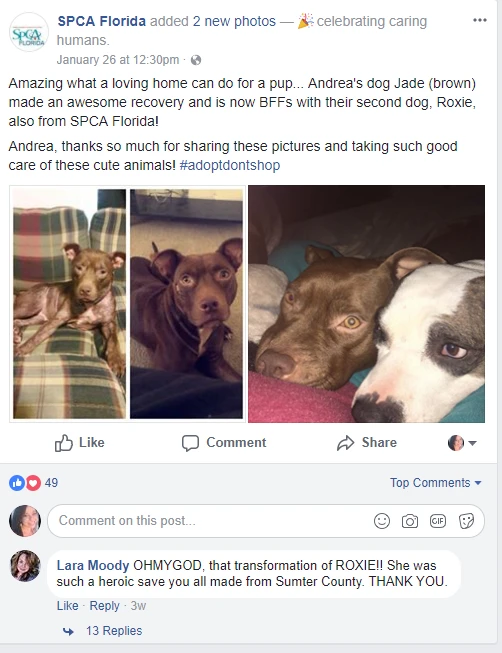
Several documented foster-to-adopt success stories illustrate the efficacy of these programs:
These cases highlight how foster programs address medical and behavioral complexities, providing individualized care that enhances adoptability.
Shelter Support Systems and Foster Care Best Practices
Effective foster programs rely on comprehensive shelter support systems that provide medical care, supplies, and education tailored to foster needs. animal shelters such as Best Friends Animal Society emphasize structured foster training, covering topics like administering medications, recognizing behavioral cues, and managing emergency situations.
Regular check-ins from shelter veterinary professionals and foster support teams ensure continuity of care and address challenges promptly. Shelters supply foster families with necessary equipment including leashes, crates, and specialized diets, reducing financial burdens and increasing foster retention. Emergency support hotlines are often available to guide fosters through unexpected health or behavior issues, reinforcing caregiver confidence.
Behavioral training for foster pets is integral, with shelters collaborating with trainers to develop customized plans. This approach is particularly critical for pets with anxiety, aggression, or socialization deficits. Best practices also include detailed record-keeping of medical histories and behavior assessments shared between shelters and foster families, facilitating informed adoption decisions.
Collaborative Adoption Initiatives and Funding Impact
Regional networks such as the Pedigree Foundation’s foster recruitment campaigns and Grapevine Animal Services’ collaborative adoption initiatives have significantly improved foster placement efficiency. These networks enable resource sharing, joint events, and centralized foster databases, which streamline matching foster families with pets based on medical and behavioral needs.
Grants and funding play a crucial role in sustaining and expanding foster programs. For example, the Pedigree Foundation allocates funds specifically for behavior-focused foster programs that include training and enrichment activities. Such funding supports adoption campaign marketing, increasing public awareness and engagement.
Financial backing also facilitates shelter veterinary care, reducing the cost barriers for foster families handling pets with complex medical conditions. This funding ecosystem contributes to lowering shelter population stress levels and accelerates the path to permanent homes.
Broader Impacts of Fostering on Animal Welfare Communities

Beyond individual adoptions, fostering serves as a catalyst for community engagement in animal welfare. Foster programs encourage social connection among volunteers, creating networks that support knowledge sharing and emotional encouragement. The social benefits extend to foster families, who often report improved well-being and satisfaction through caregiving roles.
Community outreach through foster programs raises awareness about shelter animals’ needs, thereby attracting new volunteers and donors. Programs that incorporate educational workshops and foster training sessions help demystify pet care challenges, broadening the base of potential foster caregivers.
Increasing foster recruitment is essential for addressing shelter overpopulation and improving animal welfare outcomes. Shelters employing strategic foster outreach have noted measurable increases in adoption rates and reductions in euthanasia statistics, underscoring fostering’s systemic benefits.
FAQ
What is a foster-to-adopt program?
A foster-to-adopt program allows individuals to temporarily care for a shelter pet with the option to adopt after a trial period. These programs provide medical and behavioral support to foster families and help pets transition smoothly from shelter environments to permanent homes.
How do shelters support foster families?
Shelters offer foster families supplies, veterinary care, training on medical and behavioral needs, and regular check-ins. Emergency support and educational resources help foster caregivers manage pets’ challenges effectively.
What types of pets benefit most from foster care?
Senior pets, animals with medical conditions, behavioral challenges, or those requiring socialization benefit significantly from foster care, as they receive personalized attention not always possible in shelter settings.
Why do foster parents often adopt their foster pets?
Foster parents develop strong emotional bonds during caregiving, especially when witnessing a pet’s recovery or behavioral progress. This connection often motivates them to provide permanent homes for their foster animals.
How does funding impact foster programs?
Funding supports medical care, behavioral training, foster recruitment, and adoption campaigns. It reduces financial burdens on shelters and foster families, improving program sustainability and adoption success rates.
Foster-to-adopt programs represent a transformative approach in animal welfare, combining medical care, behavioral support, and emotional bonding to increase permanent adoptions. Their success relies on extensive shelter support systems, collaborative networks, and sustained funding. As these programs evolve, they continue to enhance the lives of shelter pets and foster families alike, offering scalable solutions to challenges faced by animal shelters globally.