PawVerde.com – Pet ownership carries a significant environmental footprint, with pet food production alone accounting for roughly 25% of a pet’s total carbon emissions. Packaging waste from pet products contributes to the annual influx of about 8 million tons of plastic entering the oceans, exacerbating pollution and threatening marine ecosystems. These figures underscore the urgent need for educating pet owners about sustainability to reduce the ecological impact of pet care. Empowering owners with knowledge on eco-friendly choices and sustainable veterinary practices not only benefits animal welfare but also aligns pet care with broader environmental goals.
Veterinarians and veterinary clinics are pivotal in this educational effort, serving as trusted authorities who can integrate sustainability into their care guidelines. Research shows that 76% of veterinary staff and 65% of pet owners support prioritizing environmental sustainability within veterinary services. This alignment reflects a growing trend, particularly among younger and urban pet owners, who exhibit heightened awareness of climate change effects on pets and the environment. By embedding sustainability into veterinary education and daily practice, clinics can model green initiatives, such as waste reduction and energy-efficient operations, while guiding clients toward responsible pet care.
Environmental Impact of Pet Care
Pet food production represents the most substantial contributor to the environmental footprint of pet ownership. Studies by Kansas State University highlight that the resource-intensive nature of meat-based ingredients—water use, land degradation, and greenhouse gas emissions—accounts for approximately one quarter of a pet’s carbon footprint. This impact is amplified by global deforestation driven by agricultural expansion to meet pet food demand. Furthermore, packaging waste from pet products adds to the environmental burden; the Pet Sustainability Coalition (PSC) reports that pet product packaging contributes significantly to plastic pollution, with millions of tons of plastic entering oceans annually.
In addition to food, pet supply chains involve resource consumption and waste generation. The production of toys, bedding, and grooming supplies often relies on non-renewable materials and generates plastic waste. Environmental advocates emphasize the need for sustainable sourcing practices, such as regenerative agriculture and biodegradable materials, to mitigate these effects. Incorporating these practices within the pet care industry is critical to addressing systemic environmental challenges.
Role of Veterinarians and Veterinary Clinics in Sustainability Education
Veterinarians are uniquely positioned to influence pet owners’ sustainability choices due to their expertise and trusted relationship with clients. Organizations like Vet Sustain and the Pet Education Partnership (PEP) have been instrumental in developing educational frameworks that incorporate environmental stewardship into veterinary curricula and continuing professional development. These initiatives equip veterinary professionals with knowledge about sustainable veterinary care practices, such as environmentally conscious prescribing, waste management, and energy conservation within clinics.
Veterinary clinics are increasingly adopting green initiatives, ranging from installing solar panels to implementing comprehensive recycling programs. Some clinics promote sustainable pet food brands that emphasize low carbon footprints and ethical sourcing. These efforts demonstrate practical applications of sustainability principles in veterinary settings, reinforcing the message to pet owners that eco-friendly care benefits animal health and the environment alike.
Consumer Education and Behavior Change
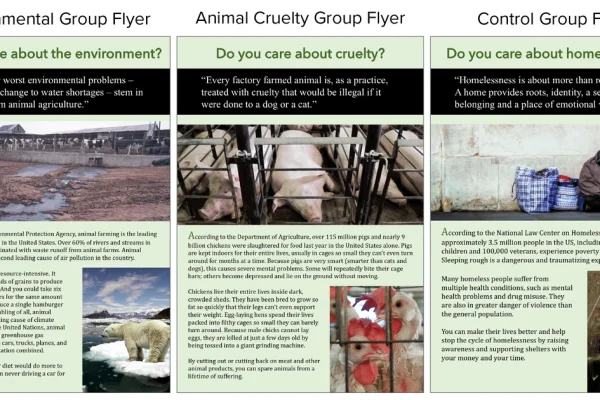
Educating pet owners is crucial to fostering behavior change toward sustainable pet care. Data indicate that consumer awareness significantly influences purchasing decisions regarding eco-friendly pet products, such as biodegradable waste bags, organic treats, and toys made from recycled materials. However, challenges remain, including cost sensitivity and skepticism about sustainability claims. Approximately 65% of pet owners express interest in sustainability but may hesitate to pay premium prices for such products.
Effective education strategies link sustainability to core pet owner values—nutrition, health, and animal welfare—to enhance engagement. For instance, highlighting how sustainable pet food sourcing reduces exposure to harmful pesticides or supports better animal welfare resonates more strongly than abstract environmental appeals alone. Community workshops, veterinary consultations, and transparent labeling with recognized sustainability certifications can further empower consumers to make informed, eco-conscious choices.
Industry and Community Collaboration
The Pet Sustainability Coalition (PSC) exemplifies industry leadership in promoting sustainability through collaboration across pet food brands, veterinary clinics, animal welfare organizations, and environmental advocates. By facilitating knowledge exchange and establishing sustainability benchmarks, PSC drives systemic change in the pet care sector. Similarly, eco-friendly pet care businesses engage communities through green initiatives and educational workshops that encourage sustainable behaviors.
Building networks of eco-conscious pet owners fosters peer influence and sustained commitment to sustainability goals. These communities often leverage social media and local events to share best practices and innovations, such as zero-waste grooming or sustainable sourcing tips. Collaborative efforts between pet product manufacturers and environmental organizations also promote the development and marketing of sustainable pet products, addressing packaging waste and carbon footprints holistically.
Practical Steps for Sustainable Pet Ownership
Pet owners can adopt various eco-friendly practices that cumulatively reduce the environmental impact of pet care. Switching to biodegradable waste bags and compostable litter options addresses plastic pollution directly. Choosing organic or sustainably sourced pet treats and food supports regenerative agriculture and lowers greenhouse gas emissions. Selecting toys and accessories made from recycled or renewable materials further minimizes resource depletion.
Daily habits such as minimizing single-use products, properly recycling pet supplies, and conserving water during grooming contribute to greener pet care. Technology also plays a role; telemedicine and online consultations can reduce travel emissions associated with veterinary visits. Some apps provide sustainability ratings for pet products, aiding consumers in making informed eco-conscious decisions.
Future Directions and Educational Resources

Educational resources on animal welfare and sustainability are expanding into school curricula and community programs, fostering early awareness of environmental stewardship in pet ownership. Universities like UCLA and Oxford University Press are spearheading research and publishing findings that inform best practices in sustainable pet care. Continued professional education for veterinarians ensures that sustainability remains integral to veterinary science and practice.
Sustained education efforts have the potential to reshape the pet care industry by driving demand for responsible products and services, incentivizing innovation in sustainable pet food sourcing, and promoting environmental accountability. As consumer values increasingly align with ecological concerns, the convergence of education, industry collaboration, and veterinary leadership will be critical in advancing sustainable pet ownership.
| Aspect | Current Impact / Statistic | Sustainability Strategy | Key Stakeholders |
|---|---|---|---|
| Pet Food Carbon Footprint | ~25% of pet’s total carbon emissions | Promote plant-based and regenerative sourced ingredients | Pet food brands, veterinarians, PSC |
| Plastic Packaging Waste | ~8 million tons plastic enter oceans annually | Shift to biodegradable packaging and recycling programs | Pet product manufacturers, environmental advocates |
| Veterinary Staff & Owner Engagement | 76% vets, 65% owners prioritize sustainability | Integrate sustainability in veterinary care and education | Veterinary clinics, Vet Sustain, PEP |
| Consumer Behavior | Higher sustainability awareness in urban, younger owners | Educational campaigns linking sustainability with pet health | Pet owners, community organizations, vet clinics |
FAQ
Why is educating pet owners about sustainability important?
Educating pet owners helps reduce the environmental impact of pet care by encouraging eco-friendly practices, sustainable product choices, and support for green veterinary care. This education benefits pet health and welfare while mitigating pollution and resource depletion associated with traditional pet care.
How do veterinarians contribute to sustainability education?
Veterinarians serve as trusted advisors who incorporate sustainability into their clinical guidance, promote eco-friendly products, and implement green initiatives within their practices. They also receive ongoing education on sustainable veterinary care to better inform clients.
What are some sustainable pet product options available?
Eco-friendly products include biodegradable waste bags, organic or plant-based pet treats, toys made from recycled materials, and products with minimal or recyclable packaging. These options help reduce waste and the carbon footprint of pet ownership.
What challenges exist in promoting sustainable pet care to consumers?
Challenges include consumer price sensitivity, skepticism about sustainability claims, and lack of awareness. Effective education that links sustainability to pet health and welfare can help overcome these barriers.
What role do industry coalitions like the Pet Sustainability Coalition play?
Industry coalitions foster collaboration among pet food brands, veterinary clinics, and environmental organizations to set sustainability standards, promote responsible sourcing, and educate both professionals and consumers to drive systemic change in the pet care sector.
—
The integration of sustainability education within pet ownership is transforming the industry by linking environmental stewardship with animal welfare. Continued collaboration among veterinarians, pet care businesses, and environmental advocates will be essential to foster sustainable habits that protect both pets and the planet. As educational resources and green initiatives proliferate, pet owners are increasingly empowered to make choices that reduce carbon footprints, minimize waste, and support the health of their animals and the environment.