

PawVerde.com – Sustainable pet toys have emerged as a crucial focus for eco-conscious pet owners seeking to balance pet health, environmental responsibility, and product durability. These toys are primarily crafted from natural or recycled materials such as hemp, organic cotton, and recycled rubber, which offer biodegradability and non-toxicity, reducing the ecological footprint commonly associated with synthetic pet products. The increasing demand for sustainable pet accessories reflects a broader awareness of the environmental impact of pet-related waste and the need for safer, longer-lasting toys that minimize landfill contributions and chemical exposure for pets.
The selection of sustainable pet toys hinges on several factors: the use of eco-friendly materials, adherence to recognized certification standards, durability to reduce frequent replacement, and packaging that aligns with environmental values. Hemp, organic cotton, and recycled rubber serve as foundational materials in this sector, each offering unique benefits. Hemp is renowned for its biodegradability and toughness, making it ideal for tug toys that withstand vigorous chewing. Organic cotton, certified under standards like the Global Organic Textile Standard (GOTS), provides soft, chemical-free fibers suitable for rope toys and plush items. Recycled rubber, exemplified by proprietary materials such as West Paw’s Zogoflex®, combines durability with recyclability, enabling closed-loop programs like Join the Loop that reclaim used toys to minimize waste.
What Defines an Eco-Friendly Pet Toy?
An eco-friendly pet toy is characterized by its sustainable origin, safety for pets, durability, and minimal environmental impact throughout its lifecycle. Sustainable materials must be renewable or recycled, free from synthetic fibers that often involve harmful chemical coatings, and preferably biodegradable to ensure reduced landfill persistence. Hemp fibers naturally resist degradation while maintaining strength, making them preferable over synthetic alternatives that introduce microplastics into the environment. Organic cotton, cultivated without pesticides or synthetic fertilizers and certified by USDA Organic or GOTS, assures pet owners of non-toxic exposure. Meanwhile, recycled rubber products like Zogoflex® are BPA-free and phthalate-free, addressing concerns about chemical leaching and pet health risks.
Packaging also plays a vital role in defining eco-friendly status. Brands committed to sustainability prioritize recyclable or compostable packaging materials certified by entities such as the Forest Stewardship Council (FSC), which ensures that paper and cardboard used come from responsibly managed forests. The integration of these criteria ensures that pet toys contribute less to environmental degradation while promoting pet safety and comfort.
Environmental and Health Benefits of Sustainable Pet Toys
Choosing sustainable pet toys offers measurable benefits across environmental and pet health domains. Environmentally, biodegradable materials like hemp and organic cotton decompose without releasing harmful residues, in stark contrast to synthetic fibers that persist for decades. The use of recycled materials such as ocean plastics and reclaimed rubber reduces raw material extraction and plastic pollution, directly mitigating the carbon footprint of pet products. According to recent studies, plastic waste from pet toys contributes significantly to microplastic contamination, making the shift to sustainable alternatives imperative.
From a pet health perspective, natural fibers reduce the risk of allergic reactions and chemical ingestion linked to synthetic coatings and dyes. Non-toxic certification standards, including USDA Organic and GOTS, provide assurance that toys are free from pesticides, heavy metals, and harmful chemicals. Durable toys also enhance safety by limiting small, breakable parts that pose choking hazards. Economically, investing in durable, multi-purpose toys reduces the frequency of replacements, lowering overall waste generation and consumer costs over time.
Certification Standards Ensuring Sustainability and Safety
Certification frameworks are critical in verifying the authenticity of sustainable claims in pet toys. The USDA Organic label guarantees that materials such as cotton have been grown without synthetic pesticides or genetically modified organisms (GMOs), ensuring chemical safety for pets. The Global Organic Textile Standard (GOTS) extends beyond raw materials, certifying that textile processing—including dyeing and manufacturing—adheres to stringent environmental and social criteria. This includes wastewater treatment and worker safety, making GOTS-certified pet toys a reliable indicator of sustainability.
The Forest Stewardship Council (FSC) certification applies to packaging materials, certifying responsible forest management practices and promoting recycling. Brands that incorporate FSC-certified paper or cardboard packaging demonstrate a commitment to reducing deforestation and supporting biodiversity. These certifications collectively provide pet owners with transparent, trustworthy benchmarks to guide eco-friendly purchasing decisions.
Leading Sustainable Materials and Innovations in Pet Toys
Hemp stands out as a natural fiber with impressive strength and biodegradability, making it a preferred material for tug and chew toys. Its cultivation requires minimal water and no pesticides, further reducing environmental impact. Organic cotton rope toys offer softness and biodegradability, providing gentle chewing experiences beneficial for dental health and mental stimulation. Recycled rubber, notably West Paw’s Zogoflex® material, combines durability with recyclability and chemical safety, being free from BPA, latex, and phthalates.
Innovations in sustainable pet toys increasingly incorporate ocean plastic reclamation, where plastics are collected from marine environments and transformed into durable toys, thus addressing both pollution and resource conservation. Programs like West Paw’s Join the Loop facilitate the recycling of worn toys, promoting circular economy principles. Sisal and coconut fiber cat toys exemplify natural scratching alternatives, providing enrichment while being biodegradable and renewable.
Market Leaders and Recommended Sustainable Pet Toys
West Paw’s Toppl toy exemplifies a durable, multi-purpose design made from Zogoflex® material, combining safety and recyclability. The brand’s Join the Loop program enables customers to return used toys for recycling, reducing landfill waste and encouraging responsible consumption. Organic cotton rope dog toys and plush hemp dog bones offer chemical-free alternatives for gentle chewers and puppies, certified under GOTS or USDA organic standards to ensure sustainability and safety.
For cats, sisal and coconut fiber toys provide natural scratching options, promoting healthy claw maintenance without synthetic materials. These products are often packaged in FSC-certified materials, reflecting the comprehensive sustainability approach embraced by eco-friendly pet brands.
Guidance for Eco-Conscious Pet Toy Shopping
Selecting sustainable pet toys requires vigilance in evaluating materials and brand transparency. Pet owners should scrutinize product descriptions to confirm the absence of synthetic fibers and harmful chemical coatings. Prioritizing durability and multi-functionality—such as toys that serve both enrichment and dental health purposes—helps reduce waste by minimizing replacement frequency. Supporting brands with clear sustainability commitments, certification labels, and eco-friendly packaging ensures alignment with environmental and pet health goals.
Consumers are encouraged to avoid toys made with synthetic fibers or unverified materials that may contain phthalates, BPA, or other endocrine disruptors. Choosing certified products backed by USDA Organic, GOTS, or FSC labels enhances confidence in eco-friendly claims.
DIY Eco-Friendly Pet Toys and Enrichment Approaches
Homemade pet toys provide an effective route to sustainability, combining environmental benefits with personalized pet engagement. Upcycling household items such as old t-shirts, towels, and cardboard can create durable tug toys, puzzle feeders, and scratching surfaces without introducing new materials into the waste stream. These DIY solutions reduce reliance on commercial plastic toys and allow pet owners to tailor toys to their pet’s preferences and chewing habits.
Research indicates that pet engagement improves with varied textures and enrichment types, making DIY toys an excellent complement to purchased sustainable products. Moreover, DIY options empower pet owners to adopt zero-waste principles and foster deeper connections with their pets through hands-on involvement.
Integrating Sustainable Pet Toys into a Holistic Eco-Conscious Routine
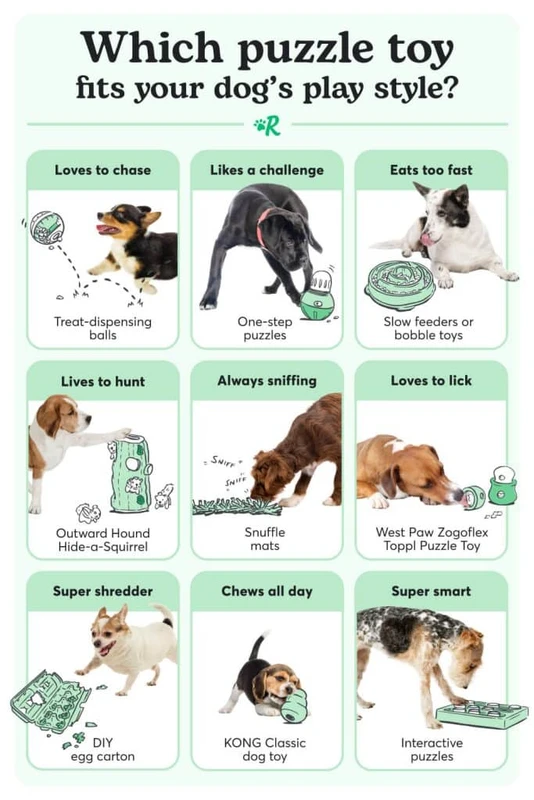
Sustainable pet toys are part of a broader eco-conscious pet care strategy that includes grooming tools, bedding, and accessories made from natural or recycled materials. Choosing biodegradable grooming brushes, organic cotton beds, and recycled packaging for pet supplies contributes to cumulative reductions in environmental impact. Consistent use of certified, durable, and recyclable products enhances the longevity of pet care items and diminishes waste.
Small daily choices, such as opting for eco-friendly toys and accessories, collectively influence the pet industry’s environmental footprint. The growing market for sustainable pet products reflects shifting consumer values and promotes innovation in material science, certification rigor, and recycling infrastructure.
| Material | Key Properties | Common Uses in Pet Toys | Certifications/Programs |
|---|---|---|---|
| Hemp | Biodegradable, durable, pest-resistant, low water use | Tug toys, chew toys | USDA Organic, GOTS |
| Organic Cotton | Soft, chemical-free, biodegradable | Rope toys, plush toys | USDA Organic, GOTS |
| Recycled Rubber (Zogoflex®) | Durable, recyclable, BPA-free, phthalate-free | Chew toys, interactive toys | Join the Loop recycling program |
| Ocean Plastic | Reclaimed, reduces marine pollution, durable | Chew toys, balls | Brand-specific reclamation efforts |
| Sisal and Coconut Fiber | Renewable, biodegradable, natural texture | Cat scratching toys | Often FSC-certified packaging |
FAQ

What materials should I avoid in pet toys to ensure sustainability?
Pet owners should avoid synthetic fibers and plastic-based materials that are non-biodegradable and often contain harmful chemical coatings such as phthalates and BPA. These materials contribute to microplastic pollution and pose risks to pet health.
How do certifications like USDA Organic and GOTS affect pet toy safety?
USDA Organic and GOTS certifications verify that materials are grown and processed without harmful pesticides, synthetic chemicals, or genetically modified organisms. These certifications ensure non-toxic, environmentally responsible products that are safer for pets.
Are recycled rubber toys as safe and durable as natural fiber toys?
Yes, recycled rubber toys made from materials like Zogoflex® are designed to be non-toxic, BPA-free, and phthalate-free while offering high durability. Additionally, they support recycling programs that reduce environmental waste, making them a sustainable choice alongside natural fibers.
Can DIY pet toys be as effective and safe as commercial sustainable toys?
DIY pet toys made from clean, natural household items can be safe and engaging if constructed properly without small parts or toxic materials. They provide environmental benefits by reducing waste and can be tailored to a pet’s preferences, but owners should monitor wear and safety closely.
How does buying sustainable pet toys impact the environment long term?
Purchasing sustainable pet toys reduces plastic waste, lowers carbon footprints associated with production, and minimizes landfill contributions. Durable toys decrease replacement frequency, further reducing resource consumption and environmental pollution over time.
Sustainable pet toys crafted from hemp, organic cotton, recycled rubber, and reclaimed ocean plastics represent a vital shift toward environmentally responsible pet care. By selecting certified, durable, and non-toxic toys, eco-conscious pet owners can safeguard pet health, reduce ecological impact, and foster a more sustainable future for the pet industry. Adopting these choices alongside DIY enrichment and sustainable grooming practices enables a comprehensive approach to eco-friendly pet lifestyles that benefits animals and the planet alike.