PawVerde.com – Transitioning your dog to an organic diet requires a carefully structured approach to minimize digestive upset and ensure nutritional balance. organic dog food, free from synthetic chemicals and rich in natural nutrients, offers digestive health benefits and enhanced coat condition, but abrupt changes can lead to gastrointestinal disturbances. This tutorial provides a detailed, step-by-step method to switch your dog’s diet safely, incorporating digestive support supplements like prebiotics and enzymes, and emphasizing veterinary consultation for optimal outcomes.
Before beginning the transition, evaluate your dog’s health status, age, and dietary sensitivities. Select an organic dog food tailored to these factors, considering protein sources, potential allergens, and activity level. Supplement the diet with prebiotics and digestive enzymes to support gut flora and aid nutrient breakdown. By following a gradual mixing schedule over 7 to 14 days or longer for sensitive dogs, you can reduce the risk of digestive upset and promote a smooth adjustment.
Preparing for the Transition to Organic Dog Food
Assessing your dog’s individual needs is essential before altering their diet. Puppies, adults, and senior dogs have different nutritional requirements; for example, puppies need higher protein and calorie intake to support growth, while older dogs may require diets that support joint health and digestion. Dogs with food allergies or sensitivities demand careful ingredient selection — single-protein and grain-free organic options can help avoid triggers. Veterinary advice is crucial in these cases to tailor your choice effectively.
When choosing an organic dog food brand, consider reputable names such as BJ’s Raw Pet Food, JustFoodForDogs, and Furchild, all known for veterinary-approved formulations emphasizing natural ingredients. Organic diets vary between raw, cooked, and kibble formats. Raw diets provide minimally processed nutrients but require stringent hygiene and gradual introduction. Cooked organic meals offer digestibility, while organic kibble delivers convenience combined with natural ingredients.
Before starting the transition, gather supplements like prebiotics, which nourish beneficial gut bacteria, and digestive enzymes including protease, amylase, lipase, and cellulase, which facilitate the breakdown of proteins, carbohydrates, fats, and fibers respectively. These supplements can reduce digestive stress during dietary changes and improve nutrient absorption.
Step-by-Step Transition Plan for Switching to Organic Dog Food
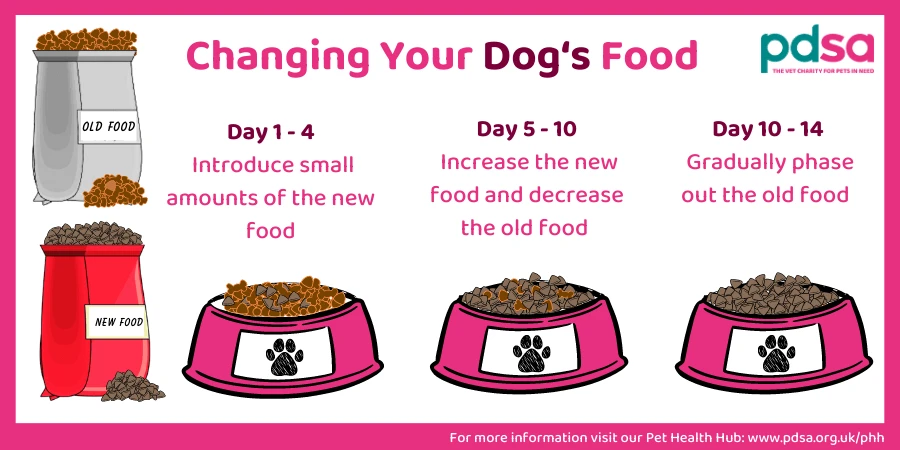
A gradual transition reduces the risk of gastrointestinal upset such as diarrhea, vomiting, or gas. The following schedule outlines the incremental increase of organic food mixed with your dog’s current diet:
- Days 1-3: Mix 25% organic food with 75% of the current food. Observe your dog’s stool consistency and behavior closely. This initial phase allows the gut microbiome to begin adjusting to new ingredients.
- Days 4-6: Increase the organic portion to 50%, equal parts with the original food. Continue monitoring for any digestive symptoms such as loose stool or flatulence.
- Days 7-9: Adjust the mix to 75% organic food and 25% original food. At this stage, many dogs show improved digestion and energy if the diet suits them.
- Day 10 and onward: Transition to 100% organic food. Maintain consistent feeding times and portions to stabilize digestion and nutrient intake.
For dogs with sensitive digestion or puppies, extend this schedule to 14-28 days to allow a gentler adaptation. Puppies transitioning from puppy-specific formulas to organic diets require extra care to maintain growth rates and immune support. Extend each phase by several days and consult a veterinarian for tailored advice.
Supporting Digestive Health During the Diet Change
Prebiotics and probiotics work synergistically to stabilize and enhance your dog’s intestinal flora during dietary transitions. Prebiotics, such as inulin and fructooligosaccharides (FOS), serve as food for native beneficial bacteria, promoting their growth. Probiotics introduce live beneficial strains like Lactobacillus and Bifidobacterium, helping to re-establish microbial balance after dietary disruption.
Digestive enzymes reduce the workload on your dog’s pancreas and intestines by pre-digesting complex nutrients. Enzymes like protease break down proteins, amylase targets starches, lipase aids fat digestion, and cellulase processes fiber. Supplementing with a balanced enzyme blend during the transition period can alleviate symptoms of indigestion, such as bloating and gas.
It is critical to avoid overfeeding during the transition. Caloric intake should remain consistent with your dog’s energy requirements to prevent weight gain or loss, which can exacerbate digestive stress. Measure portions carefully, and maintain regular feeding intervals.
Monitoring and Troubleshooting Digestive Upset
Digestive symptoms are common but manageable during food transitions. Typical signs include:
- Loose stool or diarrhea: Often indicates the gut microbiome is adapting. Maintain hydration and consider reducing the rate of change.
- Gas and bloating: Can arise from fiber shifts or enzyme insufficiency. Supplement digestive enzymes and ensure gradual increase in fiber content.
- Vomiting: May signal intolerance or food allergy. Pause the transition and consult a veterinarian promptly.
- Constipation: Can result from dehydration or low fiber intake. Increase water availability and consider adding gentle fiber sources.
If any severe or persistent symptoms arise, revert to a bland diet of boiled chicken and rice for 2-3 days and seek veterinary evaluation. Adjust the transition timeline accordingly and consider alternative organic formulations if allergies are suspected.
Special Considerations for Different Dog Populations
Puppies transitioning to organic food require nutrient-dense options rich in calcium, DHA, and protein to support growth. Transition periods should be longer, with close monitoring of energy levels and stool quality. Organic raw diets for puppies should be introduced cautiously due to immature immune systems.
Adult dogs with digestive disorders or immune dysfunction benefit from organic diets supplemented with digestive enzymes and prebiotics. Grain-free and single-protein organic foods reduce allergenic potential. Veterinary guidance is essential when managing chronic conditions during dietary changes.
Raw organic diets necessitate stricter hygiene and longer transition periods due to their unprocessed nature. Begin with cooked organic foods if your dog has a sensitive digestive system, then gradually introduce raw components. Monitor for signs of foodborne illness or digestive distress.
Final Tips to Ensure a Successful Organic Food Transition
Maintaining consistency in feeding routines and environment reduces stress during diet changes. Feed your dog at the same times daily, in the same location, to foster routine and digestion. Hydration is crucial; ensure fresh water is always available to assist fiber digestion and prevent constipation.
Patience is vital. Some dogs adapt quickly within a week, while others need several weeks to acclimate fully. Avoid rushing the process, and prioritize your dog’s comfort and health over speed.
Veterinary consultations throughout the transition provide personalized advice and early detection of issues. Regular stool monitoring, observation of coat quality, energy levels, and overall behavior offer insights into how well your dog is adjusting.
—
FAQ
How long does it usually take to switch a dog to organic food?
Most dogs adapt within 7 to 14 days following a gradual mixing schedule. Sensitive dogs or puppies may require up to 28 days to transition safely.
Can I switch my dog directly to organic raw food?
Direct switching to raw diets is not recommended due to digestive sensitivity and risk of foodborne pathogens. Start with cooked organic food and gradually introduce raw components under veterinary supervision.
What are the benefits of adding prebiotics and digestive enzymes during the transition?
Prebiotics nourish beneficial gut bacteria, improving digestion and immune function. Digestive enzymes help break down nutrients, reducing digestive upset like gas and diarrhea during the dietary change.
What signs indicate my dog is not tolerating the new organic food?
Persistent vomiting, severe diarrhea, lethargy, or allergic reactions such as itching or swelling indicate intolerance. Consult your veterinarian immediately if these occur.
Are grain-free organic diets better for dogs with allergies?
Grain-free organic diets can reduce exposure to common allergens but are not universally better. Single-protein diets tailored to your dog’s sensitivities and veterinary advice provide a safer approach.
—
Transitioning your dog to organic food enhances their nutrition and overall health when done correctly. A gradual introduction with supportive supplements and close monitoring ensures digestive comfort and maximizes the benefits of natural, chemical-free ingredients. Continued veterinary partnership and attentive observation of your dog’s response will guide a successful dietary change.