PawVerde.com – Eco-friendly pet food certifications such as USDA Certified Organic, Regenerative Organic Certified (ROC), and the Marine Stewardship Council (MSC) blue label ensure that products adhere to stringent standards for sustainable sourcing, animal welfare, and environmental stewardship. Independent third-party audits and supply chain transparency underpin these certifications, with recent surveys showing that 76% of pet food consumers trust the MSC blue label. Leading companies like Natoo Pet Foods exemplify best practices by achieving LEED Gold certification for their solar-powered facilities and partnering with ClimatePartner to verify carbon footprints at the product level, setting new benchmarks for sustainability in the pet food industry.
Key Eco-Friendly Certifications in Pet Food
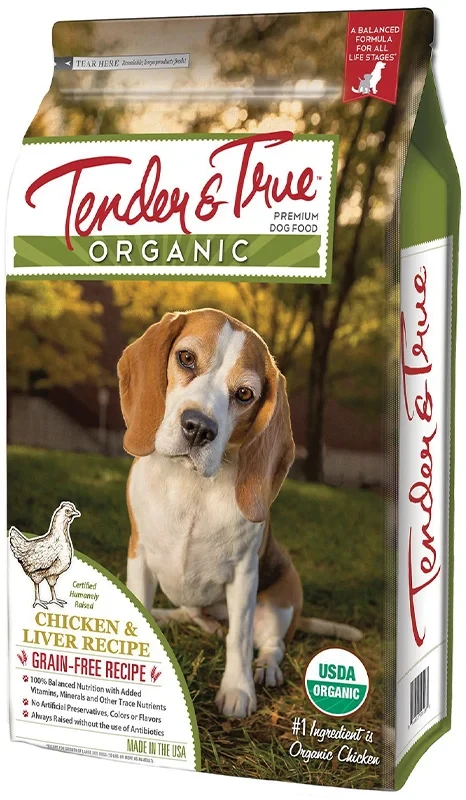
The USDA Certified Organic label remains a foundational certification for pet food ingredients, requiring compliance with federal organic standards including prohibition of synthetic pesticides, genetically modified organisms (GMOs), and synthetic fertilizers. Certification audits by USDA-accredited agents verify that ingredient sourcing, processing, and labeling meet these standards. However, organic certification alone does not address broader environmental issues such as soil health or animal welfare beyond baseline requirements.
Regenerative Organic Certified (ROC) builds upon USDA Organic criteria by incorporating rigorous standards for soil regeneration, biodiversity, and comprehensive animal welfare practices. ROC mandates no use of synthetic chemicals, promotes carbon sequestration through regenerative farming methods, and requires humane treatment verified through ongoing audits. This certification reflects a holistic approach that integrates ecological health with ethical livestock management, responding to growing consumer demand for deeper sustainability assurances.
Seafood ingredients in pet food are increasingly certified by the Marine Stewardship Council (MSC) blue label, which verifies sustainable fishing practices and robust supply chain traceability. MSC certification requires fisheries to meet strict criteria on fish stock health, ecosystem impact, and effective management. According to a GlobeScan survey, 76% of pet food buyers recognize and trust this blue label, highlighting its market influence. Complementary certifications such as Ocean Wise Seafood Program and Friend of the Sea provide additional verification of responsible seafood sourcing, focusing on environmental impact and social responsibility within marine supply chains.
Animal Welfare Certifications Relevant to Pet Food
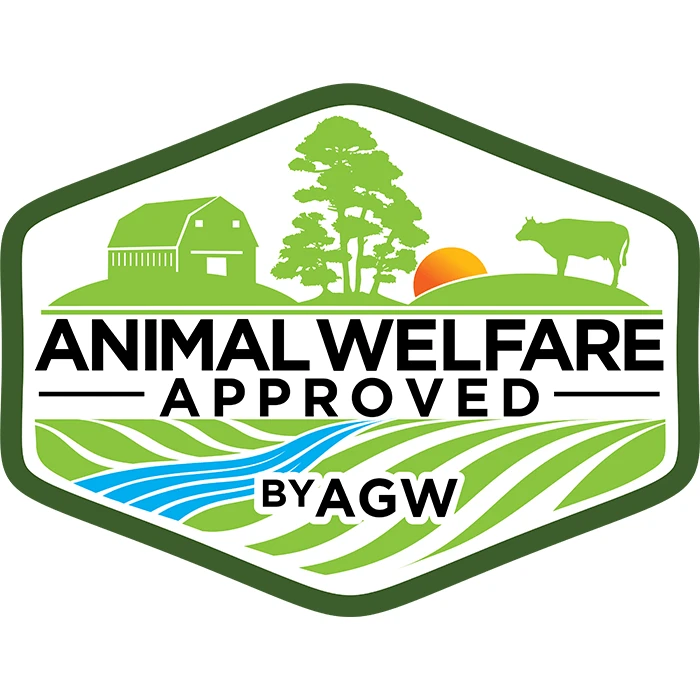
Animal welfare certifications play a critical role in ensuring ethical treatment of livestock used in pet food production. Certified Humane®, Global Animal Partnership (GAP), and Animal Welfare Approved (AWA) by A Greener World represent the most recognized standards. AWA, noted for its stringent and transparent auditing process, requires annual on-site inspections and continuous compliance monitoring. These certifications set criteria for housing, handling, transport, and slaughter practices to minimize animal stress and suffering.
Compliance with these standards involves third-party verification, often including unannounced audits and traceability protocols to ensure that welfare claims correspond with actual farming conditions. The integration of these certifications into pet food supply chains supports growing consumer awareness of animal ethics and enhances brand credibility.
Packaging and Environmental Impact Certifications
Beyond ingredients, packaging and facility operations are increasingly scrutinized for environmental impact. Certified Plastic Neutral packaging initiatives offset the plastic footprint of pet food products by funding plastic waste removal projects. Companies adopting these certifications demonstrate accountability for packaging lifecycle impacts, responding to consumer concerns over plastic pollution.
Natoo Pet Foods exemplifies leadership in sustainable manufacturing by achieving LEED Gold certification for its production facilities, reflecting energy efficiency, water conservation, and waste reduction standards. Natoo’s facilities operate on 100% solar power and collaborate with ClimatePartner to certify product-level carbon footprints, a pioneering practice in the pet food sector. This approach combines renewable energy deployment with rigorous carbon accounting verified by an independent climate action partner, enhancing transparency and driving measurable emissions reductions.
Consumer Trust and Market Impact
Consumer trust in eco-friendly pet food labels is strongly influenced by third-party certification credibility and audit transparency. The 76% trust rate in MSC’s blue label demonstrates the market value of verifiable sustainability claims. However, research highlights consumer confusion around “organic” claims on pet food, which are not uniformly regulated by the Association of American Feed Control Officials (AAFCO). This regulatory gap allows some products to market organic ingredients without comprehensive certification, challenging consumer ability to discern authentic sustainability.
Ecolabels with rigorous auditing, such as USDA Organic, ROC, and AWA, provide a clearer benchmark for consumers and retailers. Independent verification, ongoing compliance assessments, and supply chain traceability are critical to maintaining consumer confidence. Industry experts emphasize that reliance on marketing alone, without certification, risks eroding trust and undermines progress toward truly sustainable pet food systems.
Industry Trends and Future Directions
The pet food industry is accelerating adoption of sustainability certifications that extend beyond ingredients to encompass packaging, carbon footprinting, and social impact. The Pet Sustainability Coalition (PSC) accreditation offers companies a framework to demonstrate comprehensive sustainability commitments, including environmental, social, and governance (ESG) criteria. Emerging certifications like the Upcycled Certified Program validate the use of surplus or byproduct ingredients, reducing food waste in pet food supply chains.
Participation in initiatives such as 1% for the Planet integrates philanthropy with sustainability, requiring companies to donate a portion of sales to environmental causes. Recognition through awards like the Real Leaders Impact Award highlights corporate social responsibility efforts and encourages transparency.
This multifaceted approach reflects industry momentum toward full lifecycle sustainability reporting, supply chain transparency, and integration of animal welfare, environmental stewardship, and social impact metrics. As consumer demand for eco-friendly pet food grows, certifications will continue evolving to address emerging challenges and raise standards across the sector.
| Certification | Focus Area | Audit & Compliance Highlights | Consumer Trust/Recognition | Notable Industry Example |
|---|---|---|---|---|
| USDA Certified Organic | Organic ingredients, no synthetic chemicals | Third-party audits; federal organic standards | Widely recognized; regulatory oversight | Multiple pet food brands using certified organic ingredients |
| Regenerative Organic Certified (ROC) | Soil health, animal welfare, carbon sequestration | Extended audits beyond USDA Organic; soil and welfare metrics | Emerging; appeals to eco-conscious consumers | Farm-to-pet food supply chains adopting ROC |
| Marine Stewardship Council (MSC) Blue Label | Sustainable seafood sourcing and traceability | Fishery certification; supply chain audits | 76% consumer trust (GlobeScan survey) | Ocean Wise, Friend of the Sea complement MSC |
| Animal Welfare Approved (AWA) | Humane livestock treatment | Annual onsite audits; strict welfare standards | Highly rated humane label | A Greener World certified products |
| LEED Gold Certification | Facility energy and environmental performance | Third-party building certification audits | Industry standard for sustainability in facilities | Natoo Pet Foods solar-powered production plant |
| Certified Plastic Neutral Packaging | Plastic footprint offset | Verification of plastic waste removal projects | Growing consumer awareness | Selected pet food brands adopting plastic neutral packaging |
The pet food sector’s embrace of verified eco-friendly certifications enables consumers to make informed choices that align with sustainability and ethical values. Ongoing advancements in audit rigor, carbon accounting, and social impact metrics promise to further elevate industry standards, fostering transparency and trust across the pet food marketplace.