PawVerde.com – Fostering pets delivers crucial temporary care that enhances animals’ adoption chances by up to 1,400%, according to Best Friends Animal Society, while simultaneously alleviating shelter overcrowding and euthanasia rates. For foster caregivers, the experience offers profound emotional satisfaction, companionship, and a sense of purpose, though it also involves challenges such as grief and stress. This dual impact on both animals and humans has positioned fostering as a vital component of contemporary animal welfare strategies, supported by extensive research and the concerted efforts of rescue organizations like Humane World, LifeLine Animal Project, PAWS, and MEHS.
Pet fostering programs accommodate diverse caregiving models, from emergency short-term placements to long-term care, adapting to foster caregivers’ lifestyles and shelter needs. This flexibility allows for tailored intervention in animal rehabilitation and shelter capacity management while providing foster caregivers with structured support including training and ongoing assistance. The following analysis delves into the multifaceted impacts of fostering, integrating empirical data, caregiver experiences, and organizational insights to present a comprehensive overview of fostering’s role in advancing animal welfare and human wellbeing.
Impact of Fostering on Animals: Behavioral Development and Adoption Outcomes
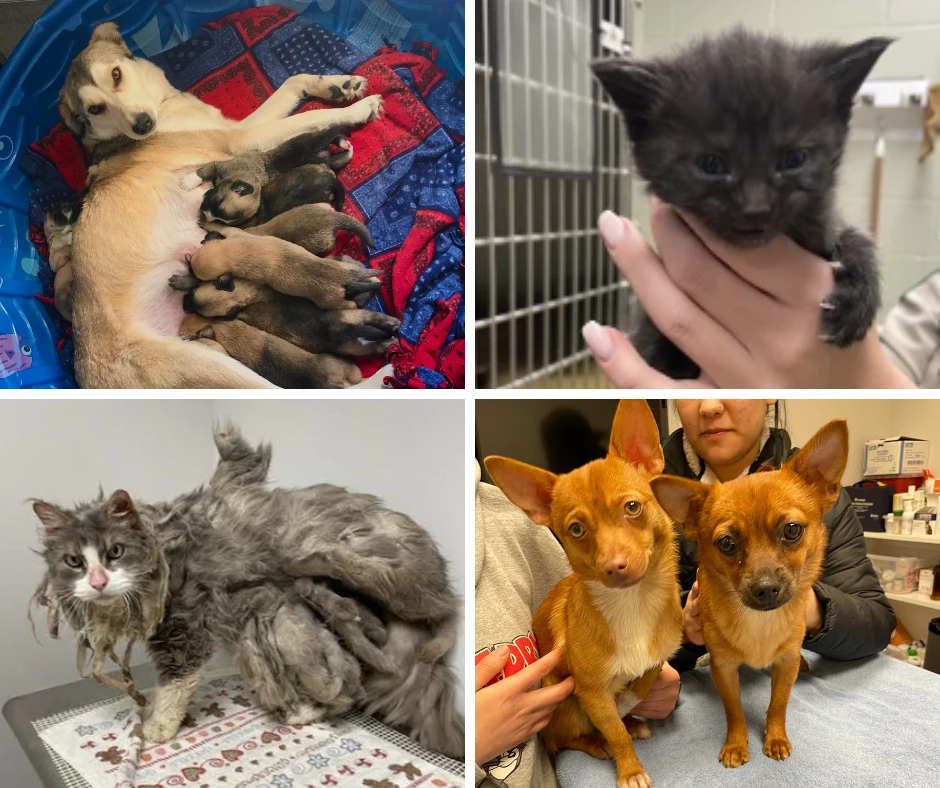
Fostering significantly enhances the behavioral and social development of shelter animals. Peer-reviewed studies published by the National Institutes of Health demonstrate that animals placed in foster homes develop improved social skills and confidence compared to those confined solely to shelter environments. This behavioral enrichment directly correlates with higher live release rates, as fostered pets exhibit reduced anxiety and better adaptability when transitioning to adoptive families.
Animal welfare organizations report that fostered pets show marked decreases in stress-related behaviors such as excessive barking, aggression, and withdrawal. Shelter Animals Count data reveal that fostering reduces shelter overcrowding, enabling shelters to allocate resources more effectively and focus on long-term rehabilitation efforts. Best Friends Animal Society quantifies the impact on adoption likelihood, estimating a 500% to 1,400% increase for fostered animals compared to those housed exclusively in shelters.
The reduction in euthanasia rates is a critical outcome linked to fostering. By providing temporary homes, foster caregivers decrease the number of animals at risk due to space limitations or behavioral issues. This alleviation of shelter capacity pressures is particularly evident in organizations like MEHS and PAWS, which report that fostering programs have been instrumental in preventing euthanasia during peak intake periods.
Emotional and Psychological Effects on Foster Caregivers
Foster caregivers experience a complex emotional landscape shaped by companionship, responsibility, and occasional grief. Research conducted by Humane World indicates that 78% of foster caregivers report grief when their foster pets are adopted, yet they overwhelmingly affirm the joy and fulfillment derived from making a tangible difference in an animal’s life. This emotional duality underscores fostering as a deeply rewarding but sometimes taxing volunteer activity.
The LifeLine Animal Project’s studies show that interaction with foster pets significantly reduces stress, anxiety, and depression symptoms in caregivers, aligning with broader research on human-animal bonds. Foster caregiving promotes empathy development, especially in families with children, by exposing them to the realities of animal welfare and nurturing responsibility.
Despite these benefits, fostering also involves challenges such as caregiver stress and burnout. However, a Humane World survey indicates generally low levels of burnout among foster caregivers, attributed to robust organizational support and flexible fostering arrangements. Notably, fostering can induce stress on existing household pets and occasional property damage, which organizations like HLCR and PDSA address through targeted training and matching processes.
Organizational Support Structures for Foster Caregivers
Shelter and rescue organizations play a pivotal role in sustaining fostering programs by providing comprehensive support to foster caregivers. Training modules cover animal behavior, health monitoring, and emergency response, equipping caregivers with the skills necessary for effective pet care. Matching processes consider caregiver experience, household dynamics, and pet needs to optimize placement success and minimize conflict.
Ongoing assistance includes veterinary care coordination, behavioral consultation, and peer support networks. MEHS and PAWS emphasize flexible fostering models, allowing caregivers to choose between short-term emergency care and extended placements, accommodating diverse personal circumstances. Humane World and HLCR have developed digital platforms facilitating communication between caregivers and shelter staff, ensuring timely information exchange and emotional support.
These support mechanisms contribute to reduced caregiver stress and improved animal outcomes, fostering sustainable engagement. Rescue organizations also track fostering data to evaluate program efficacy, adapting strategies based on adoption rates, caregiver feedback, and animal health indicators.
Broader Community and Family Dynamics Influenced by Fostering
Fostering impacts household dynamics, often enriching family life by introducing new routines and responsibilities centered on animal care. Foster caregivers report increased empathy and social awareness in children, as documented by HLCR, highlighting fostering as an educational tool. However, the presence of foster pets can also create stress for resident animals, necessitating gradual introductions and behavior management strategies.
At the community level, fostering promotes volunteerism and awareness of animal welfare issues. Organizations like Best Friends Animal Society and Pedigree Foundation advocate fostering as a gateway to broader community engagement, encouraging foster caregivers to participate in outreach and advocacy. This engagement augments shelter visibility and fundraising efforts, reinforcing the human-animal bond within local contexts.
Scientific Research and Statistical Evidence on Fostering Impact
A growing body of scientific literature substantiates the benefits of fostering for both animals and humans. NIH/PMC publications document that foster pets exhibit behavioral improvements that enhance adoption success rates, corroborated by Shelter Animals Count statistics reflecting adoption increases of up to 1,400%. Mental health researchers associate fostering with reductions in caregiver anxiety and depression, supported by findings from LifeLine Animal Project.
Statistical analyses from HLCR reveal that while grief is common among caregivers post-adoption, it does not diminish overall satisfaction or willingness to foster again. Humane World’s research further indicates that structured fostering programs with training and support reduce caregiver burnout, maintaining high retention rates critical for program sustainability.
The following table summarizes key data points on fostering impacts:
| Impact Area | Key Data | Source |
|---|---|---|
| Adoption Rate Increase | 500-1,400% higher for fostered pets | Best Friends Animal Society |
| Caregiver Grief Reported | 78% experience grief post-adoption | HLCR |
| Caregiver Stress & Burnout | Generally low with organizational support | Humane World |
| Mental Health Benefits | Reduced anxiety, depression, and stress | LifeLine Animal Project |
| Behavioral Improvement in Pets | Increased social skills, confidence | NIH/PMC studies |
| Reduction in Euthanasia | Significant shelter capacity relief | MEHS, PAWS data |
Balancing Benefits and Challenges: A Nuanced Perspective on Fostering
While fostering yields substantial benefits, acknowledging its challenges is essential for realistic expectations. Emotional attachment can complicate the transition when foster pets are adopted, leading to grief and a sense of loss. Caregiver stress may arise from managing behavioral issues or integrating foster pets with resident animals. Property damage, although infrequent, is another factor caregivers must consider.
However, organizations mitigate these challenges through training, support networks, and clear communication. Flexible fostering options allow caregivers to set boundaries that align with their capacities. This balance fosters sustainable caregiving, preserving the mental health of caregivers while maximizing benefits for animals.
Fostering’s role extends beyond animal welfare to encompass psychological wellbeing for humans, community cohesion, and educational opportunities. Its integration into shelter strategies reflects evolving paradigms in humane animal management and volunteer engagement.
FAQ
What are the primary benefits of fostering pets for animals?
Fostering improves animals’ socialization, reduces stress-related behaviors, and significantly increases their chances of adoption—by as much as 1,400%—while also alleviating shelter overcrowding and lowering euthanasia rates.
How does fostering impact the mental health of foster caregivers?
Foster caregivers often experience emotional satisfaction, reduced anxiety, and companionship benefits. However, they may also face grief when pets are adopted and occasional stress, which is generally manageable with organizational support and training.
What types of fostering programs exist?
Fostering can be short-term emergency care, long-term placements, or specialized fostering for animals with behavioral or medical needs. Programs are designed to be flexible, accommodating foster caregivers’ availability and shelter demands.
How do animal shelters support foster caregivers?
Shelters provide training, behavioral guidance, veterinary care coordination, and emotional support. They also implement matching systems to align foster pets with caregiver capacities, enhancing success and reducing burnout.
Can fostering affect existing pets in the household?
Yes, introducing foster pets can influence the behavior and stress levels of resident animals. Shelters advise gradual introductions and provide resources to manage interactions, minimizing conflicts and promoting harmonious cohabitation.
Fostering pets represents a symbiotic relationship that advances animal welfare and enriches human lives. Its continued evolution, supported by research and organizational innovation, promises to further integrate fostering as a cornerstone of humane sheltering and community engagement. Prospective foster caregivers are encouraged to consider the experience as both a compassionate act and an opportunity for personal growth, supported by the growing infrastructure of training and resources that enhance positive outcomes for all involved.