

PawVerde.com – Travel contributes significantly to global carbon emissions, with aviation alone responsible for approximately 2.5% of worldwide CO₂ emissions. For instance, a typical U.S. round-trip flight generates about 2 tons of CO₂ per passenger, equating to roughly 10% of the average American’s annual carbon footprint. As climate change concerns intensify, travelers face increasing pressure to adopt sustainable practices that mitigate environmental impact. Minimizing the carbon footprint during travel involves strategic choices across transportation, lodging, food consumption, resource use, and pet care—each area presenting opportunities for measurable emissions reductions.
sustainable travel methods not only reduce greenhouse gas emissions but also promote long-term ecological balance and support local economies. This article delves into actionable strategies grounded in expert data and real-world examples, offering a comprehensive guide for environmentally conscious travelers seeking to lessen their climate impact while on the move.
Choosing Sustainable Transportation
Transportation accounts for a substantial portion of travel-related carbon emissions. Avoiding air travel when feasible significantly reduces your carbon footprint; alternatives such as trains and electric-powered buses emit between 75% to 90% less CO₂ per passenger mile compared to flying. The International Civil Aviation Organization (ICAO) quantifies that nonstop flights consume less fuel per mile due to reduced takeoff and landing cycles, making direct routes preferable when flying is unavoidable.
At travel destinations, public transportation systems powered by renewable energy, such as electric buses and subways, offer low-emission mobility options. For example, cities investing in electric public transit report up to 40% reductions in urban travel emissions. Cycling and walking remain the lowest-impact modes, producing virtually zero emissions while providing health benefits.
Renting electric vehicles (EVs) for local travel further curtails carbon output. Modern EVs emit zero tailpipe emissions, and when charged from renewable sources, their lifecycle emissions drop dramatically. AAA reports a growing network of EV charging stations in metropolitan and rural areas, facilitating longer trips. Planning EV rentals involves mapping charging infrastructure and optimizing routes to maximize range efficiency, ensuring seamless sustainable mobility.
Staying in Eco-Friendly Accommodations
Accommodation choices significantly influence overall travel emissions, with hotels accounting for approximately 21% of tourism’s carbon footprint. Opting for eco-certified lodging, such as LEED-certified hotels, ensures adherence to rigorous sustainability standards encompassing energy efficiency, water conservation, waste reduction, and indoor environmental quality. LEED-certified properties typically incorporate solar panels, advanced HVAC systems, and greywater recycling to minimize resource use.
Hotels adopting beyondGREEN or Sierra Club’s green lodging criteria emphasize plastic reduction initiatives, using biodegradable amenities and eliminating single-use plastics. Direct communication with hotel management about green policies can reveal additional sustainable practices, such as linen reuse programs, energy monitoring, and sourcing renewable energy contracts.
Studies indicate that guests staying in eco-friendly accommodations reduce their lodging emissions by up to 30%, contributing significantly to travel sustainability goals. Moreover, these hotels often support local suppliers, further embedding sustainability within the hospitality supply chain.
Supporting Local and Organic Food Sources
Food consumption during travel presents another critical vector for carbon reduction. Supporting local businesses that prioritize organic farming decreases transportation emissions and fosters regional economic resilience. Organic farming practices enhance soil carbon sequestration and reduce reliance on synthetic fertilizers, which are major contributors to nitrous oxide emissions, a potent greenhouse gas.
Travelers who choose seasonal produce participate in a circular food economy, benefiting biodiversity and reducing the energy intensity of food preservation and transport. The American Pet Products Association notes that pet food, often overlooked, contributes substantially to carbon emissions; similarly, human travel diets high in red meat elevate a trip’s carbon footprint.
Reducing meat consumption while traveling, especially beef, in favor of plant-based options or lower-impact proteins such as turkey or seafood, lowers dietary carbon intensity. Metro Paws and the Pet Sustainability Coalition advocate for sustainable pet diets, which align with broader travel sustainability goals.
Minimizing Resource Use During Travel
Resource conservation during travel extends beyond transportation and accommodation. Travelers can significantly reduce environmental impact through mindful water and energy use. Reusing towels and linens, taking shorter showers, and turning off lights and heating or cooling systems when rooms are unoccupied help conserve hotel resources. A typical hotel guest uses about 50 gallons of water daily; reducing this by even 20% accumulates substantial savings across millions of travelers.
Participation in local recycling programs is vital. Many hotels and tourist destinations have implemented comprehensive waste management systems, separating recyclables and compostables to divert waste from landfills. Carrying reusable water bottles, containers, and utensils reduces single-use plastic waste, which remains a pervasive environmental challenge despite global recycling efforts like those led by Texas Recycling.
Water conservation also involves avoiding bottled water purchases when safe tap water is available, further reducing plastic production emissions. Such behavioral changes, although incremental, compound to meaningfully lower travel’s ecological footprint.
Managing Pet-Related Carbon Footprint on the Road
Pet owners traveling face unique sustainability challenges. The carbon pawprint includes emissions from pet food production, transportation, and waste management. Pet food, particularly beef-based products, generates significant greenhouse gases during production and processing. Selecting less carbon-intensive proteins, such as turkey or seafood, reduces this impact, aligning with recommendations from the Pet Sustainability Coalition.
Using biodegradable waste bags and sustainable pet care products minimizes plastic waste associated with pet travel. Public transportation or carpooling options for pet travel decrease emissions compared to solo car trips. Additionally, choosing eco-friendly accommodations that permit pets avoids the need for additional travel arrangements that increase carbon output.
Organizations like Metro Paws promote awareness of pet travel sustainability, encouraging owners to integrate environmental responsibility into pet care while on the road.
Broader Impact and Collective Responsibility
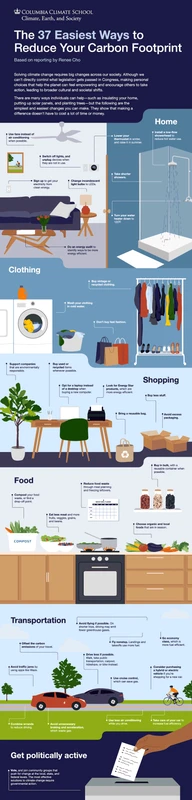
Individual actions in sustainable travel contribute to cumulative environmental benefits and signal demand for greener infrastructure and policies. Travelers opting for low-emission transportation, eco-friendly lodging, and sustainable consumption patterns drive market shifts toward renewable energy adoption and local economic support.
Cities and tourism sectors increasingly recognize the necessity of green certification programs and sustainable urban planning that prioritize walkability, public transit, and waste reduction. The Sierra Club and WeForest initiatives emphasize the role of tourism in conservation and reforestation efforts, linking travel behavior with global climate mitigation.
Collective responsibility among travelers, service providers, and policymakers is essential to embed sustainability within tourism’s future. Increased awareness, education, and transparent reporting on carbon footprints facilitate informed choices and accountability.
Frequently Asked Questions

What are the best alternatives to flying to reduce travel carbon emissions?
Trains and electric buses powered by renewable energy are the most effective alternatives to flying, reducing CO₂ emissions by up to 90% per passenger mile. For shorter distances, biking and walking produce no emissions and improve health.
How do LEED-certified hotels contribute to sustainable travel?
LEED-certified hotels implement energy-efficient systems, water conservation technologies, and waste reduction practices. These measures reduce the environmental impact of lodging by optimizing resource use and supporting renewable energy integration.
Can eating local and organic food while traveling significantly lower my carbon footprint?
Yes. Local food reduces emissions from transportation and storage, while organic farming enhances soil carbon capture and limits synthetic fertilizer use. Eating seasonal produce further lowers energy requirements associated with preservation.
How can I reduce my pet’s carbon footprint during travel?
Feed pets lower-carbon protein diets, use biodegradable waste bags, choose public transport or carpooling for pet travel, and stay at eco-friendly pet accommodations to minimize emissions and waste.
What simple daily habits help minimize resource use when traveling?
Reusing towels and linens, taking shorter showers, turning off unused lights and electronics, using reusable water bottles, and participating in local recycling programs help conserve water, energy, and reduce waste.
—
Travelers aiming to reduce their carbon footprint must adopt a multifaceted approach encompassing transportation, lodging, dietary choices, resource use, and pet care. As infrastructure and technology evolve, future travel can increasingly align with climate goals. Practical next steps include prioritizing journeys via low-emission modes, selecting certified eco-accommodations, supporting organic and local food systems, conserving resources onsite, and integrating sustainable pet travel practices. Collectively, these actions empower travelers to contribute meaningfully to global sustainability efforts while enjoying the benefits of exploration.