

PawVerde.com – Fostering pets serves as a critical bridge between animal shelters and permanent adoption, providing temporary care, socialization, and basic training to improve animals’ chances of finding forever homes. This practice not only supports animal welfare organizations such as Best Friends Animal Society, Muttville, and Dallas Animal Services but also alleviates overcrowding in shelters. Effective pet fostering requires structured programs, trained caregivers, and clear communication channels, ensuring foster pets receive proper medical attention, behavioral support, and socialization to thrive in adoptive environments.
The success of fostering programs hinges on a comprehensive approach that includes promoting foster opportunities, preparing caregivers, managing pet introductions, training animals, and addressing both medical and emotional needs. This article details best practices for fostering pets, drawing on expert insights and organizational guidelines to equip prospective foster parents with actionable strategies for enhancing animal welfare and adoption outcomes.
Promoting Foster Programs to Expand Caregiver Networks
animal shelters and rescue organizations increase foster participation through targeted local outreach and digital engagement. Distributing flyers and postcards at veterinary clinics, pet stores, and community centers connects with potential fosters in trusted environments. Personalized mailings encourage repeat engagement by highlighting foster success stories and outlining clear benefits of temporary pet care.
Social media platforms such as Facebook and Instagram play a pivotal role in fostering program marketing. Organizations use storytelling techniques to showcase foster pets’ transformations, creating emotional resonance that motivates volunteer recruitment. Posting videos of foster pet socialization and adoption testimonials fosters community interest and trust. Hosting informational events and meet-and-greets, either virtually or in person, provides hands-on opportunities for prospective caregivers to learn about responsibilities and meet shelter staff.
Data from Dallas Animal Services indicates that shelters leveraging multi-channel outreach experience a 30% increase in foster applications, underscoring the effectiveness of integrated promotion strategies.
Preparing Foster Caregivers Through Training and Support
Comprehensive orientation sessions are essential to equip foster parents with knowledge on animal behavior, medical care basics, and program expectations. Best Friends Animal Society emphasizes the importance of structured training that covers pet introductions, socialization techniques, and emergency protocols. New fosters receive welcome kits containing resource guides, contact lists for veterinary clinics, and behavioral support materials.
Clear communication about foster responsibilities—such as feeding schedules, medication administration, and handling behavioral challenges—reduces caregiver uncertainty and turnover. Ongoing mentorship programs, pairing new fosters with experienced volunteers or shelter staff, provide emotional support and practical advice. Muttville’s Director of Operations highlights that mentorship lowers burnout rates by 25%, improving retention in foster networks.
Shelters also facilitate regular check-ins and feedback loops, enabling foster parents to report concerns and receive timely assistance. This transparent approach builds trust and enhances program sustainability.
Managing Foster Pet Introductions and Socialization
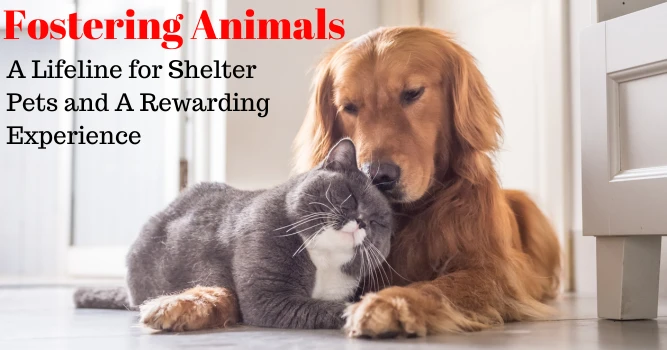
Gradual and controlled introductions between foster pets and resident animals are critical to minimizing stress and promoting positive interactions. Shelter guidelines recommend initial meetings in neutral, enclosed spaces with both animals on leashes to maintain control. Using treats and calm verbal cues during introductions encourages cooperative behavior. For dog-to-cat introductions, shelter staff advise slow exposure over several sessions to allow adjustment.
Socialization extends beyond inter-pet interactions to include acclimating foster animals to humans and varied environments. Foster caregivers implement techniques such as gentle handling, exposure to household noises, and supervised outdoor walks to reduce anxiety and build confidence. Dallas Animal Services notes that foster pets receiving consistent socialization demonstrate 40% higher adoption rates compared to unsocialized shelter counterparts.
Training foster pets on basic commands and housebreaking also enhances their adoptability. Positive reinforcement methods, including clicker training and reward-based systems, encourage desirable behaviors while strengthening the foster pet-caregiver bond.
Training Foster Pets for Adoption Readiness
Fostering programs focus on preparing animals to transition smoothly into permanent homes by addressing behavioral and environmental adaptation. Housebreaking remains a priority, with foster parents maintaining consistent schedules and using crate training to reinforce routines. Basic obedience training covers commands such as sit, stay, and come, facilitating better control and safety in adoptive homes.
Introducing foster pets to new environments, such as car rides or other households, helps build resilience and adaptability. Best Friends Animal Society recommends gradually increasing exposure to different stimuli, paired with positive reinforcement, to prevent fear responses. Foster caregivers document behavioral progress and challenges, providing shelter staff with detailed assessments to guide adoption matches.
Behavioral support extends to managing separation anxiety and fearfulness, common issues in shelter animals. Volunteers and shelter staff collaborate to develop customized socialization plans, incorporating tools like calming pheromone diffusers and enrichment toys, to improve mental well-being.
Medical Care and Emergency Protocols in Foster Programs
Routine medical care is a foundational aspect of fostering, requiring coordination between foster caregivers, veterinary clinics, and shelters. Foster parents administer vaccinations, parasite prevention, and monitor for signs of illness in pets under their care. Rescue organizations establish clear protocols for reporting symptoms and accessing emergency veterinary services.
Special needs animals, including those recovering from surgery or chronic conditions, require tailored care plans. Foster caregivers receive specific training on medication schedules, dietary restrictions, and mobility assistance. Dallas Animal Services provides telehealth consultations to support fosters managing complex cases, ensuring timely intervention.
Documentation of medical treatments and behavioral observations is maintained meticulously, enabling shelters to track health trends and prepare accurate adoption disclosures. This transparency reinforces trust between shelters, fosters, and adopters.
Emotional Aspects and Caregiver Well-being in Fostering
The emotional journey of fostering involves forming attachments to animals while preparing for eventual separation. Foster caregivers often experience grief and stress upon returning pets to shelters or new owners. Best Friends Animal Society advises fostering individuals to develop coping strategies, such as journaling and peer support groups, to manage attachment challenges.
Burnout prevention is critical to sustaining foster engagement. Organizations recommend setting realistic expectations about time commitments and emotional investment. Providing ongoing recognition and celebrating foster successes contribute to caregiver motivation. Muttville reports that integrating wellness check-ins and resilience training into foster programs reduces turnover by 18%.
Despite challenges, fostering yields profound rewards. Caregivers witness tangible improvements in pet behavior and health, contributing directly to animal welfare. The reciprocal bond formed enhances human mental health and community connectedness.
Enhancing Adoption Success Through Foster Care Contributions
Foster caregivers play a vital role in marketing adoptable pets by sharing high-quality photos, videos, and personal stories on social media and during public outings. These authentic portrayals humanize shelter animals, increasing public interest and adoption inquiries. Rescue organizations often provide training on crafting engaging adoption profiles that highlight each foster pet’s personality and progress.
Fosters also assist shelter staff in behavioral assessments, providing insights into temperament and compatibility with different household types. This data informs tailored adoption placements, improving long-term retention rates. Best Friends Animal Society statistics reveal that foster pets are adopted 50% faster than those remaining solely in shelters.
Community engagement through foster events and volunteer involvement amplifies program reach. Animal care organizations encourage fosters to participate in educational workshops and advocacy initiatives, further integrating fostering into broader animal welfare efforts.
| Aspect | Best Practices | Impact/Outcome |
|---|---|---|
| Foster Program Promotion | Multi-channel outreach, social media storytelling, community events | 30% increase in foster applications (Dallas Animal Services) |
| Caregiver Preparation | Orientation, mentorship, resource kits, clear communication | 25% reduction in caregiver burnout (Muttville) |
| Pet Socialization | Gradual pet introductions, leash control, exposure to environments | 40% higher adoption rates for socialized pets |
| Medical Care Coordination | Routine vet visits, emergency protocols, telehealth support | Improved health outcomes, timely intervention |
| Emotional Support | Burnout prevention, peer support, resilience training | 18% decrease in foster turnover (Muttville) |
FAQ
What are the essential steps to prepare for fostering a pet?
Preparing for fostering includes attending comprehensive orientation sessions, understanding medical and behavioral needs, setting up a safe home environment, and establishing clear communication with the shelter or rescue organization. Access to resource guides and ongoing mentorship also supports successful fostering.
How can foster caregivers help socialize pets effectively?
Foster caregivers should introduce pets gradually to other animals and humans, use leash control during initial meetings, and expose foster animals to varied environments to reduce anxiety. Positive reinforcement and consistent routines contribute to improved social behaviors.
What medical responsibilities do foster parents have?
Foster parents manage routine vaccinations, parasite control, medication administration, and monitor pets for signs of illness. They coordinate with veterinary clinics and shelters for emergency care and maintain detailed health records for each foster animal.
How do foster programs address caregiver burnout?
Burnout is mitigated through realistic expectations, emotional support groups, recognition of foster efforts, and access to mentorship. Regular wellness check-ins and resilience training help maintain caregiver well-being.
What role do foster pets play in adoption success?
Foster pets benefit from personalized socialization and training, enhancing their behavior and confidence. Foster caregivers provide detailed behavioral assessments and create engaging adoption profiles, which increase adoptability and reduce shelter overcrowding.
Fostering pets remains a cornerstone of effective animal welfare strategies, bridging gaps between shelter intake and permanent adoption. As fostering programs evolve, integrating advanced caregiver training, medical support, and emotional well-being resources will be pivotal in sustaining these networks. Future developments may include AI-driven behavior monitoring and expanded telehealth veterinary services, further empowering foster caregivers to enhance pet welfare and adoption outcomes.