
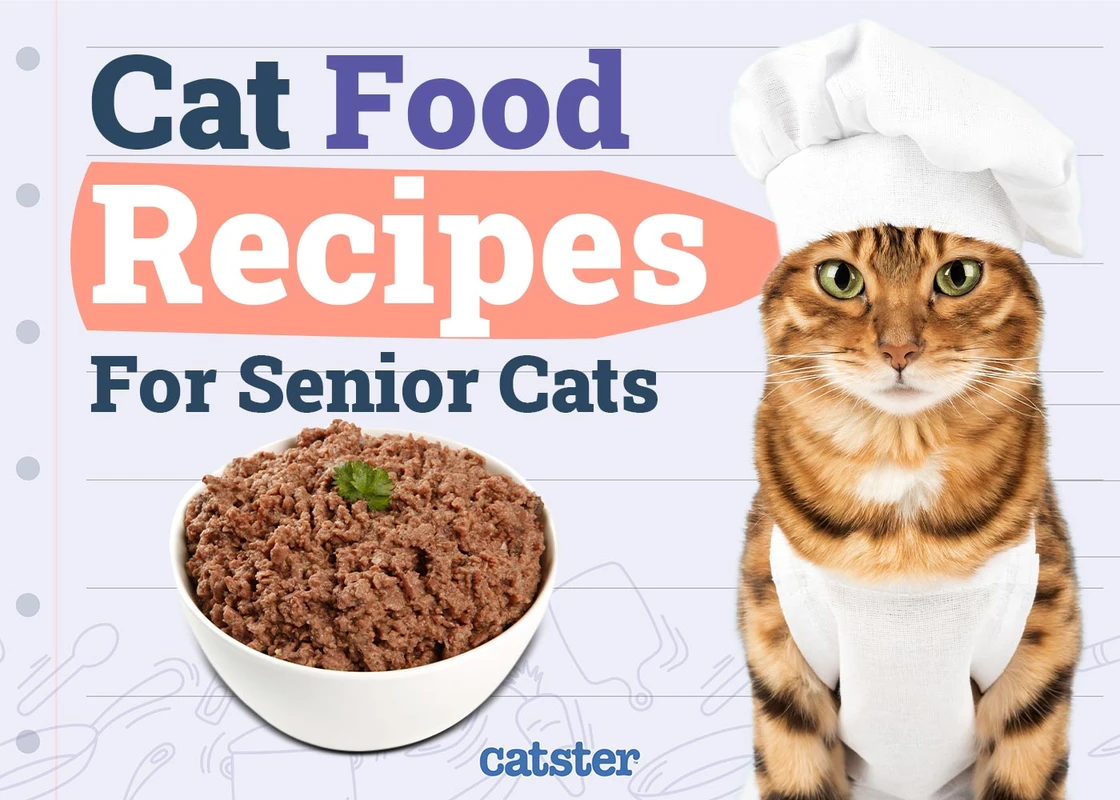
PawVerde.com – Homemade vegan cat food recipes in 2026 necessitate precise nutritional balancing to compensate for cats’ obligate carnivore physiology, which demands nutrients absent or scarce in plant-derived ingredients. Key deficiencies in vegan diets include taurine, vitamin D2, and arachidonic acid—nutrients vital for feline cardiac, ocular, and immune health. Incorporating vetted plant-based supplements such as VegeCat™, alongside carefully formulated recipes, remains essential to ensure safe and nutritionally complete homemade vegan meals for domestic cats. Minimal inclusion of vegetables (typically under 10% of the diet) helps preserve protein density crucial for feline metabolism.
Essential Nutrients Absent from Plant-Based Cat Diets
Cats require specific nutrients that plant proteins cannot adequately provide. Taurine, an amino sulfonic acid, is critical for preventing dilated cardiomyopathy and retinal degeneration; it is naturally found only in animal tissues. Vitamin D2, a plant-derived form of vitamin D, is less bioavailable to cats compared to vitamin D3, which they normally obtain from animal sources. Arachidonic acid, an omega-6 fatty acid, is indispensable for inflammatory regulation and skin health, and is similarly absent in plants. Without supplementation, vegan diets risk serious deficiencies leading to irreversible health damage.
Veterinary nutritionists emphasize that supplementing homemade vegan cat food with synthetic or algal-derived taurine, vitamin D2, and arachidonic acid is non-negotiable. Products like VegeCat™, developed specifically for vegan feline nutrition, provide these nutrients in bioavailable forms and have undergone clinical validation. Failure to include such supplements can result in chronic deficiency syndromes, underscoring the importance of veterinary oversight.
Vet-Reviewed Homemade Vegan Cat Food Recipes and Supplement Integration
The Vegan Gourmet Raw Recipe Resource (VGRRR) and Compassion Circle offer rigorously tested recipes vetted by veterinary nutritionists. These recipes balance plant proteins, fats, and supplemented micronutrients to replicate the nutritional profile of conventional cat food. Core protein sources include seitan and textured soy protein, which provide the essential amino acid framework once supplemented with taurine and arachidonic acid.
Inclusion of VegeCat™ or equivalent supplements ensures adequate delivery of synthetic taurine and arachidonic acid, alongside vitamin D2, bone meal for calcium, and ground eggshells as bioavailable mineral sources. Recipes explicitly exclude high-oxalate vegetables such as spinach and beet greens, which may induce kidney stress, and caution against untreated eggshells to prevent contamination. This vet-reviewed approach reduces risks associated with unbalanced homemade diets, which can otherwise lead to nutrient imbalances and clinical illness.
Practical Ingredients in Homemade Vegan Cat Food
Successful homemade vegan cat food bases its nutritional adequacy on a curated selection of plant proteins and micronutrient-rich ingredients. Seitan and textured soy protein serve as primary protein sources due to their amino acid completeness and digestibility. Hemp hearts contribute essential fatty acids, including alpha-linolenic acid, supporting skin and coat health.
Squash and other low-oxalate vegetables are included sparingly (≤10% of total volume) to maintain carbohydrate balance without displacing protein content. Algae and nori flakes supplement trace minerals and provide antioxidants, with algae offering an additional source of omega-3 fatty acids. Nutritional yeast is often used to add B-complex vitamins, while corn starch acts as a binder in canned or paté-style preparations.
Egg replacers like Ener-G Egg Replacer enable the creation of vegan cat treats and lickables that mimic textural properties of eggs without animal derivatives. Catnip is commonly used to enhance palatability and stimulate appetite, which can be a challenge when transitioning cats to vegan diets.
Homemade Vegan Cat Treats and Lickables
Beyond core meals, vegan cat treats can be crafted using chickpea flour, wheat flour, and plant-based milks such as oat or almond milk, fortified with catnip and nutritional supplements. Egg replacers like Ener-G are essential to bind ingredients and replicate the consistency of traditional treats. Recipes often incorporate minimal vegetable purees to maintain moisture and flavor.
Palatability remains a critical consideration; many cats exhibit initial reluctance toward vegan formulations due to flavor and texture differences compared to meat-based treats. Gradual introduction combined with aromatic additives like catnip and small amounts of fermented soybean products can improve acceptance. Proper storage in airtight containers preserves freshness and nutrient integrity.
Safety, Nutritional Monitoring, and Veterinary Guidance
veterinary consultation is imperative when feeding homemade vegan diets to cats. Close monitoring for clinical signs of nutrient deficiency—such as lethargy, weight loss, or coat deterioration—is essential. Regular blood panels assessing taurine levels, vitamin D status, and overall metabolic health guide timely dietary adjustments.
Studies involving case series and anecdotal reports from veterinary nutritionists indicate that with appropriate supplementation and balanced recipes, cats can maintain health on vegan diets. However, risks persist, particularly in the absence of professional oversight. Owners are advised to avoid unverified recipes or sole reliance on commercial plant-based cat foods without supplementation.
Comparing Homemade Vegan Diets with Raw and Meat-Based Diets
Raw meat diets, often promoted for their alignment with cats’ natural carnivorous habits, differ fundamentally from vegan diets in nutrient composition and sourcing. Raw diets inherently provide taurine, vitamin D3, and arachidonic acid but carry risks of bacterial contamination and require precise nutrient balancing to avoid excesses or deficiencies.
Conversely, homemade vegan diets eliminate all animal products and depend entirely on synthetic or plant-derived supplements to fulfill essential nutrient requirements. The necessity for supplementation is more acute in vegan regimens due to the absence of bioavailable animal nutrients. While raw diets emphasize freshness and bioavailability of nutrients from animal tissues, vegan diets prioritize ethical considerations and environmental sustainability but demand rigorous formulation and monitoring to prevent malnutrition.
Resources and Brands Supporting Vegan Cat Diets in 2026
Brands such as VGRRR and Compassion Circle lead the field in providing comprehensive vegan cat food recipes and supplementation guidelines reviewed by veterinary nutritionists. VegeCat™, a pioneering plant-based supplement, remains widely recommended for ensuring nutrient sufficiency in vegan feline diets.
Numerous online platforms offer downloadable guides detailing step-by-step preparation of nutritionally balanced vegan cat meals, including ingredient sourcing and supplement dosing. These resources emphasize collaboration with veterinary professionals and discourage unsupervised diet experimentation.
The Amazon Zoup brand has also introduced vegan cat treats incorporating nori flakes and algal oils, expanding commercial options for plant-based feline snacks. Such products complement homemade meals and provide convenient supplementation avenues.
FAQ
Can cats thrive on a homemade vegan diet?
With stringent supplementation of taurine, vitamin D2, and arachidonic acid, alongside vet-reviewed recipes and close health monitoring, cats can maintain wellness on a homemade vegan diet. However, the diet requires expert formulation to prevent nutrient deficiencies.
What are the essential supplements for vegan cat food?
Taurine, vitamin D2, and arachidonic acid are indispensable supplements in vegan cat diets. Additional supplements may include calcium sources like bone meal or ground eggshells and B vitamins from nutritional yeast or algae.
Are homemade vegan cat treats safe and nutritious?
Homemade vegan cat treats can be safe if formulated with appropriate binders, supplements, and palatability enhancers like catnip. They should complement a balanced diet but not replace core meals due to limited nutrient density.
How does VegeCat™ supplement support vegan cat diets?
VegeCat™ provides synthetic taurine, arachidonic acid, vitamin D2, and other essential nutrients in bioavailable forms designed specifically for plant-based feline diets, bridging nutritional gaps inherent in vegan recipes.
Why is veterinary guidance critical for vegan cat food preparation?
Veterinary oversight ensures recipes meet all feline nutritional needs, monitors for deficiency symptoms, and adjusts supplementation as needed, safeguarding cats from health risks linked to improper vegan diet formulation.
—
The evolving landscape of vegan cat nutrition in 2026 underscores the necessity of combining scientifically validated supplements such as VegeCat™ with veterinary-reviewed homemade recipes to meet obligate carnivore requirements. While ethical motivations drive interest in plant-based feline diets, the complexity of nutritional balancing demands expert input to maintain cat health. As research advances and more plant-based supplements become available, owners committed to veganism can better navigate these challenges with informed, cautious approaches grounded in veterinary science.