

Buy Biodegradable Pet Waste Bags Online with Eco-Friendly Brands
PawVerde.com – biodegradable pet waste bags have become essential tools for environmentally responsible dog owners seeking effective waste disposal solutions. These bags, primarily composed of plant-based materials such as cornstarch and certified biobased polymers, deliver durability and leak-proof performance while significantly reducing plastic pollution. Leading brands like PET N PET and Eco Poop Bags offer products designed to fully break down within 90 days under composting conditions. Available widely online, these biodegradable dog poop bags cater to growing consumer demand for sustainable pet care options in 2026.
The evolution of pet waste bags now emphasizes eco-friendly materials combined with practical features such as thickness exceeding traditional plastic bags by over 20%, and packaging innovations facilitating ease of use with dog poop bag dispensers. Environmental certifications like USDA biobased labeling and third-party compostability testing provide transparency and assurance regarding product claims. This article examines the top biodegradable pet waste bag brands and product features, material compositions, environmental impacts, practical buying considerations, and the future outlook for sustainable pet waste disposal.
Leading Brands and Product Options in Biodegradable Pet Waste Bags
PET N PET stands out with its extensive product offerings that balance high-count packaging and plant-based composition. Their dog waste bags often come in boxes containing 360 to 1080 bags, supporting long-term use for active dog owners. These bags feature increased thickness for puncture resistance, with many products blending cornstarch materials and biobased polymers to ensure compostability while maintaining durability. PET N PET’s packaging typically includes rolls with perforated edges and cardboard cores compatible with standard dog poop bag dispensers.
ZPAW focuses on corn starch-derived biodegradable bags, emphasizing coreless rolls that reduce packaging waste. These bags are marketed as fully compostable in both home and industrial settings, breaking down without leaving microplastic residues. Customers frequently note their ease of tearing at perforations and reliable leak-proof performance, reflecting rigorous product testing by the brand.
Eco Poop Bags offers a home compostable product line that meets ASTM D6400 standards, guaranteeing disintegration within 90 days in compost environments. Their bags are unscented, thick, and designed for both single and multi-dog households. Eco Poop Bags also supply dog waste dispensers designed to integrate seamlessly with their packaging, enhancing user convenience.
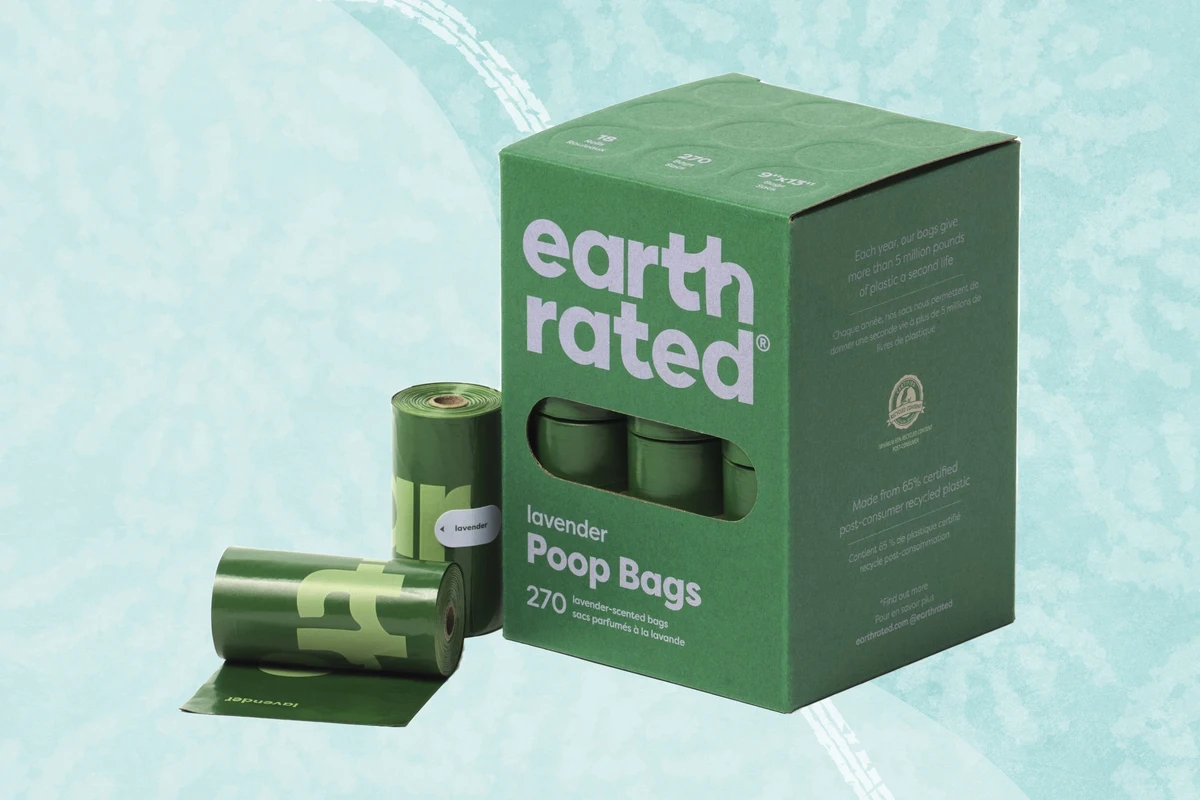
Earth Rated incorporates 65% post-consumer recycled plastic in their biodegradable dog poop bags, combining sustainability with robustness. These bags are notably thick and leak-proof, addressing common user concerns about bag integrity during use. Earth Rated’s packaging features eco-friendly materials, including cardboard cores and recyclable box designs, aligning with their environmental mission.
The Good Fill distinguishes itself by providing USDA certified biobased bags that meet strict environmental criteria. Their bags contain plant-based polymers sourced from renewable resources and are packaged using sustainable materials. The Good Fill emphasizes transparency in material sourcing and environmental impact, appealing to consumers prioritizing verified sustainability credentials.
Material Composition and Environmental Impact of Biodegradable Pet Waste Bags
Biodegradable pet waste bags predominantly utilize cornstarch and biobased polymers derived from renewable plant sources. Cornstarch offers a natural polymer base that decomposes efficiently in composting environments. Biobased polymers, often certified by USDA biobased standards, ensure that a significant percentage of the bag’s mass originates from renewable biomass rather than fossil fuels.
Oxo-biodegradable plastics, which contain additives that facilitate oxidation and fragmentation under specific conditions, remain controversial. While they degrade faster than conventional plastics, they may not fully mineralize into harmless compounds and can leave microplastic residues. This contrasts with compostable plastics certified to break down entirely into water, carbon dioxide, and biomass, meeting ASTM or EN compostability standards.
Post-consumer recycled plastic blends, as used by brands like Earth Rated, contribute to circular economy principles by repurposing existing plastic waste. These blends increase the eco-friendliness of pet waste bags by reducing virgin plastic consumption, although they may not be compostable. The environmental impact of these bags depends heavily on proper disposal methods and local waste processing infrastructure.
Composting conditions vary significantly. Industrial composting facilities maintain high temperatures (above 55°C) and controlled humidity, enabling rapid breakdown of certified compostable bags within 90 days. Home composting offers lower temperatures and longer timescales, with some bags specifically designed to degrade in this environment. Consumers must verify product certifications to ensure compatibility with their local composting options.
Practical Considerations for Buyers of Biodegradable Dog Poop Bags
Thickness and leak-proof performance are critical factors for consumer satisfaction. Independent product tests show that leading biodegradable bags often exceed the thickness of conventional plastic bags by 20-30%, ensuring resistance to punctures and leaks during typical dog waste collection. Many brands incorporate multi-layer film technology to balance strength and biodegradability.
Packaging formats vary between rolls and boxed counts. Rolls are favored for their dispenser compatibility; perforated edges allow easy bag separation, and cardboard cores fit most standard dog waste dispensers. Boxed sets containing hundreds of bags provide value and reduce packaging waste compared to individually wrapped bags. Consumers should assess their usage frequency to select appropriate pack sizes and formats.
Scented versus unscented options remain a personal preference. Most biodegradable pet waste bags are unscented to avoid potential chemical additives that could compromise biodegradability or trigger pet sensitivities. Some brands offer lightly scented variants with natural fragrances, but these are less common due to environmental considerations.
Pricing for biodegradable dog poop bags typically ranges from $0.02 to $0.05 per bag depending on brand, material composition, pack size, and certifications. Bulk purchases from brands like PET N PET and Earth Rated often deliver better value per unit. Buyers should weigh cost against durability, compostability certification, and environmental impact to make informed decisions.
Where to Buy Biodegradable Pet Waste Bags Online in 2026
Amazon remains the dominant online marketplace for biodegradable pet waste bags, offering a wide selection from all major brands. Consumers benefit from user reviews, detailed product descriptions, and competitive pricing. Amazon’s subscription services provide convenience for repeat buyers, ensuring steady supply with scheduled deliveries.
Brand websites such as PET N PET and Eco Poop Bags present direct-to-consumer options with exclusive product bundles and access to customer support. These sites often provide detailed information on material sourcing, certifications, and product testing, enhancing buyer confidence.
Price ranges on online platforms vary from approximately $15 for 300-bag packs to over $50 for large-count boxes exceeding 1000 bags. Shipping costs and delivery times fluctuate based on location and retailer policies. Some brands offer free shipping promotions or discounted rates for subscription orders, improving overall affordability.
Future Trends in Biodegradable Pet Waste Disposal
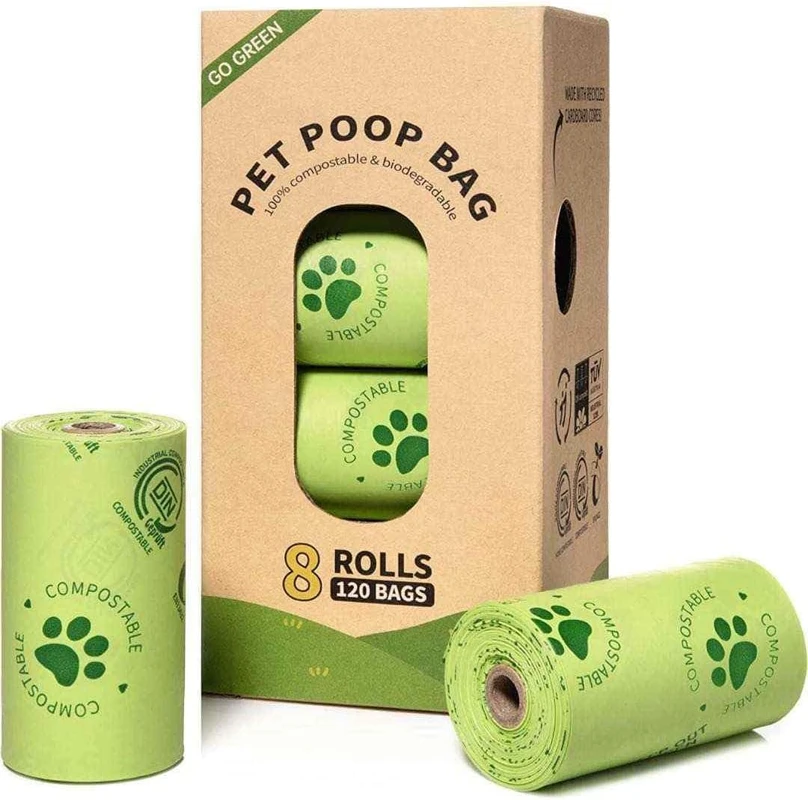
Material science innovations are driving the development of new biopolymers with enhanced compostability and mechanical strength. Research into algae-based polymers and advanced plant fiber composites aims to reduce reliance on cornstarch, which competes with food crops. These next-generation materials promise faster degradation rates and improved environmental footprints.
Consumer demand for sustainable pet products continues to grow, pressuring manufacturers to improve transparency and adopt circular economy principles. Increasing awareness of microplastic pollution and climate impacts influences purchasing decisions, encouraging brands to obtain recognized certifications and provide verifiable lifecycle assessments.
Regulatory environments may tighten, with potential bans on oxo-biodegradable plastics and mandates for compostable labeling. Governments and environmental agencies are expected to establish clearer standards for biodegradable pet waste bags, fostering innovation and consumer protection. Pet owners should anticipate evolving product landscapes shaped by legislation and sustainability trends.
FAQ
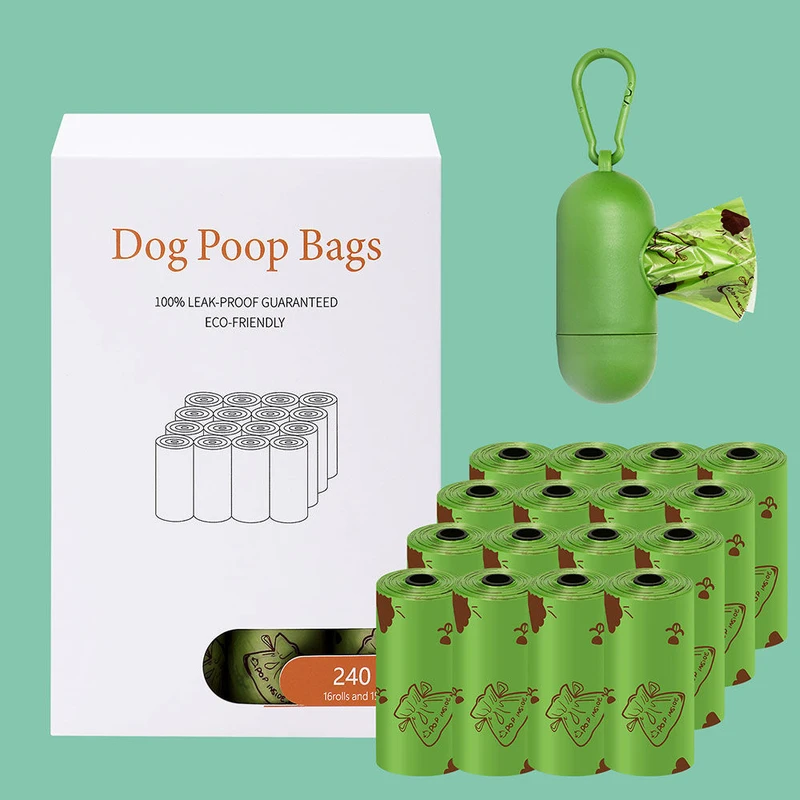
What materials are biodegradable pet waste bags made from?
Biodegradable pet waste bags are primarily made from plant-based materials such as cornstarch and biobased polymers. Some brands incorporate post-consumer recycled plastics, while others use fully compostable materials certified by standards like ASTM D6400 and USDA biobased certification.
How long do biodegradable dog poop bags take to break down?
Under proper composting conditions, biodegradable dog poop bags typically break down within 90 days. Industrial composting facilities achieve faster degradation due to high temperatures and humidity, whereas home composting may take longer depending on environmental factors.
Are oxo-biodegradable bags environmentally safe?
Oxo-biodegradable bags degrade faster than conventional plastics but can leave microplastic residues and do not fully mineralize. This raises environmental concerns compared to compostable bags, which break down completely into harmless compounds under certified composting conditions.
Can biodegradable pet waste bags be used with standard dog poop bag dispensers?
Yes, most biodegradable pet waste bags are designed to fit standard dog waste dispensers. Packaging formats, such as perforated rolls with cardboard cores, ensure compatibility with common dispenser models.
Where is the best place to buy biodegradable pet waste bags online?
Amazon offers a broad selection of biodegradable pet waste bags from leading brands with user reviews and competitive pricing. Brand websites like PET N PET and Eco Poop Bags also provide direct purchasing options, often with exclusive bundles and detailed product information.
—
As the pet care market evolves, biodegradable pet waste bags reflect a convergence of environmental consciousness and user-centric design. Pet owners in 2026 can access durable, leak-proof, and certified compostable products that fit seamlessly into sustainable lifestyles. Continued innovation and expanding regulatory frameworks are set to enhance product performance and environmental outcomes, making eco-friendly pet waste disposal not only feasible but increasingly mainstream.
Top Biodegradable Pet Waste Bags Reviewed with Certifications
PawVerde.com – biodegradable pet waste bags in 2026 have evolved into sophisticated eco-friendly solutions that address environmental concerns without compromising performance. Leading brands such as Tuff Pets, ZOMISIA, and Earth Rated now offer bags that combine certified compostable materials with enhanced thickness and odor control, meeting the rising demand for sustainable pet waste disposal. These bags demonstrate significant improvements in durability, leak-proof capability, and cost efficiency, especially when purchased in bulk, making them practical choices for environmentally conscious pet owners.
Certification standards play a crucial role in validating the ecological claims of these products, ensuring compliance with stringent environmental policies and consumer trust. This article provides a detailed, data-backed review of top biodegradable pet waste bags in 2026, comparing their certifications, material composition, usability, pricing, and environmental impact.
Certification Standards and Environmental Impact
The environmental credibility of biodegradable pet waste bags depends heavily on certifications that verify their compostability and biodegradability under specific conditions. The Biodegradable Products Institute (BPI) certification, aligned with ASTM D6400 standards, confirms that bags break down in industrial composting facilities within 90 to 180 days without leaving toxic residues. Meanwhile, AS 5810 certification caters to home composting environments, ensuring bags decompose effectively at lower temperatures over a longer period.
Additional certifications like TÜV OK Compost Home and Industrial, DIN CERTCO, and the USDA BioPreferred Program provide further assurance of biobased content and compostability. These certifications help differentiate compostable bags, which completely degrade into non-toxic components, from biodegradable bags that may fragment but not fully mineralize, potentially contributing to microplastic pollution.
Most leading brands such as ZOMISIA and Earth Rated maintain compliance with BPI (ASTM D6400) and TÜV standards, reinforcing their commitment to environmental responsibility. For example, ZOMISIA’s bags have achieved BPI certification, confirming they decompose within 90 days in industrial composting conditions, while Earth Rated bags combine vegetable starch and PBAT (polybutylene adipate terephthalate) to meet both compostability and leak-proof standards.
The distinction between biodegradable and compostable bags is critical for consumers. Compostable bags meet stricter environmental criteria and support circular waste management by converting organic waste into nutrient-rich compost. Biodegradable bags, including some oxo-biodegradable plastics, may degrade physically but often lack certification and can persist as microplastics, undermining their ecological benefits.
Product Performance and Usability Review
Durability and leak resistance are paramount for pet waste bags, and recent testing methods involve water balloon simulations to assess tear resistance and sealing efficacy. Tuff Pets bags, for instance, exhibit superior thickness at approximately 22 microns, which translates into robust puncture resistance and reduced risk of leaks during usage. In contrast, ZOMISIA bags maintain a thickness near 20 microns, balancing sturdiness with cost-effectiveness.
Earth Rated’s bags stand out with a 100% leak-proof guarantee, achieved through a proprietary blend of vegetable starch and PBAT, which enhances flexibility without compromising compostability. These bags performed reliably in tests simulating waste from various dog breeds, including larger Labradors and smaller Corgis, demonstrating versatility across waste volumes.
Odor control is another critical factor for practical use. Tuff Pets incorporates natural odor-masking scents such as lavender and sandalwood, which significantly reduce unpleasant smells during storage and disposal. User feedback highlights the effectiveness of these scents without overwhelming sensitivity, making them suitable for households with scent sensitivities.
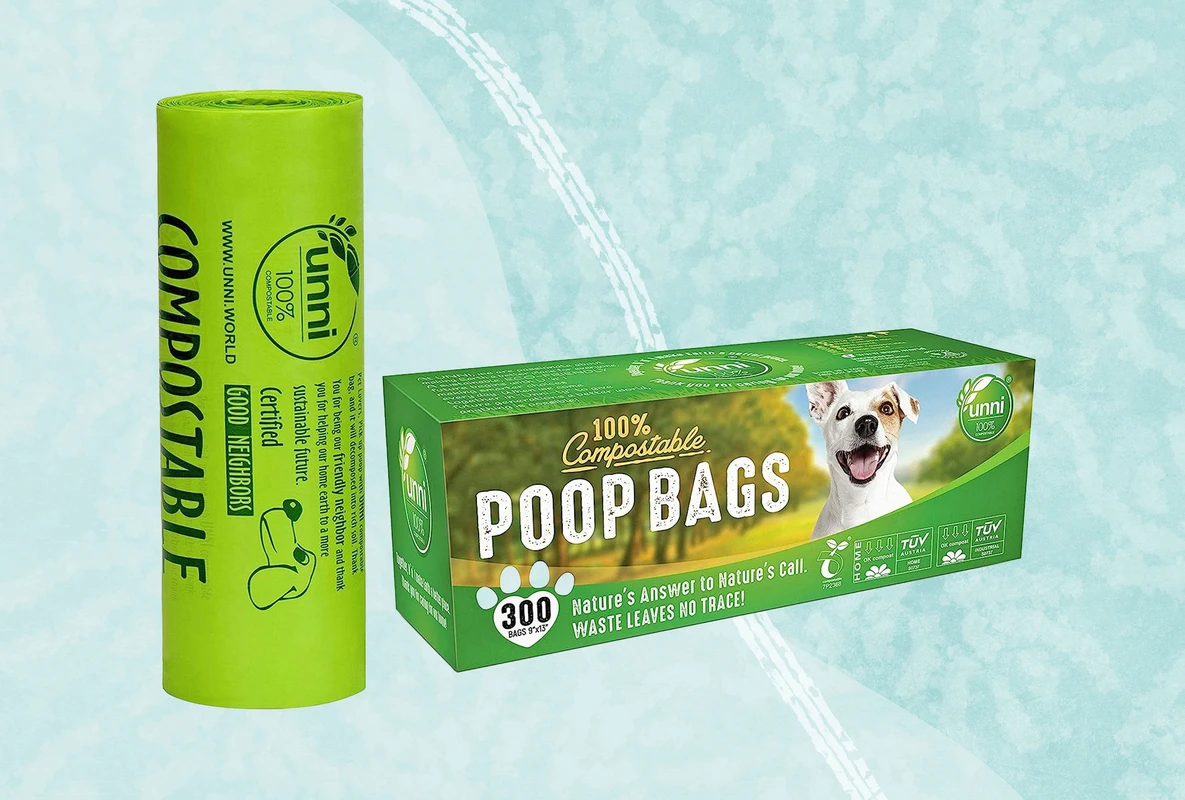
Ease of use involves factors like bag opening, tying off, and dispenser compatibility. UNNI bags, known for their larger size (up to 1.5 liters), feature a smooth, easy-tear perforation and a non-slip texture, facilitating swift waste collection. Most tested brands, including BioBag and Pogi’s, are compatible with standard dispenser rolls and bag holders, although certain thicker bags may require dispensers with wider openings.
Pricing and Bulk Purchase Analysis
Cost efficiency is a decisive factor for many consumers, especially those owning multiple pets or managing commercial pet care facilities. Bulk purchasing offers substantial savings, with ZOMISIA bags priced between $0.05 and $0.06 per bag at the 540-count tier, representing a significant discount compared to retail packs of 60 or 120 bags that often exceed $0.10 per bag.
Storage and shelf life considerations are vital for maintaining bag integrity. Plant-starch-based bags such as those from BioBag have a recommended shelf life of approximately two years when stored in cool, dry conditions to prevent premature degradation. Exposure to heat and humidity accelerates breakdown, potentially causing brittleness or leaks before use.
Earth Rated and Tuff Pets bags, utilizing PBAT blends, generally exhibit longer shelf life and greater resilience under variable storage conditions. However, regardless of brand, users are advised to rotate stock regularly and avoid prolonged storage in direct sunlight or humid environments.
Brand Highlights and Recommendations
Tuff Pets offers a compelling combination of strength and odor control at a slightly lower price point than fully certified compostable bags. Their thicker design reduces tearing risk, though they may not always carry BPI certification, positioning them as a highly functional biodegradable option.
ZOMISIA’s certified compostable bags provide an optimal balance of environmental compliance, thickness, and cost-efficiency. Their 1.5-liter capacity suits larger dogs and multiple waste pickups, making them ideal for households with active breeds like French Bulldogs or Labradors.
Earth Rated distinguishes itself with a 100% leak-proof guarantee, supported by rigorous third-party testing involving diverse dog breeds. Their bags’ vegetable starch and PBAT composition ensure flexibility and compostability, with multiple scent options including apple cinnamon and vanilla.
UNNI’s large-sized bags emphasize ease of use and industrial compostability, decomposing within 90 days under certified conditions. Their smooth texture and reliable sealing make them suitable for commercial pet care and municipal waste programs.
BioBag and Pogi’s focus on eco-conscious consumers with fully compostable materials and smaller packaging options. While their bags may have slightly thinner walls (around 15-18 microns), they cater to pet owners prioritizing certified biodegradability over maximum durability.
Consumer Considerations and Practical Advice
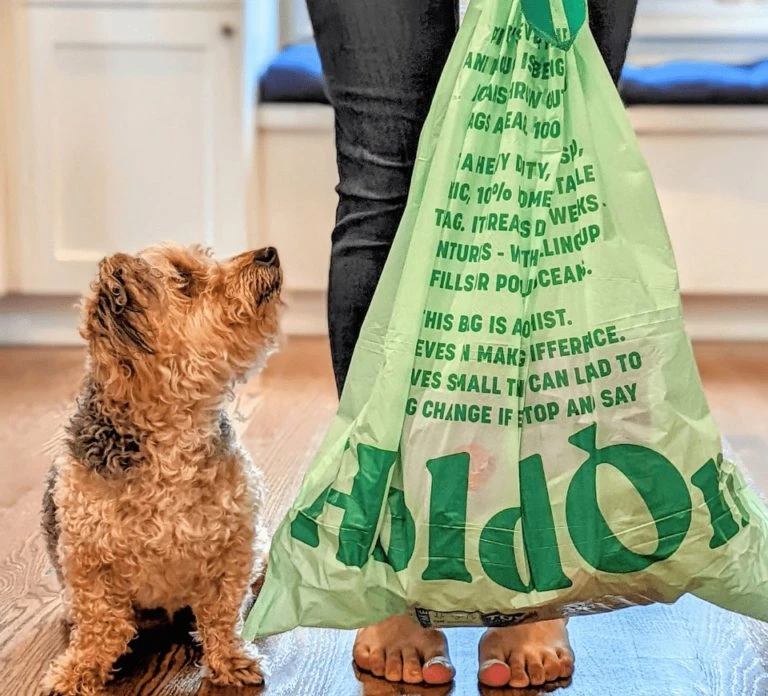
Selecting between biodegradable and compostable bags depends largely on local waste disposal infrastructure. Compostable bags require access to industrial or home composting facilities to fulfill their environmental promise. In regions lacking such options, biodegradable bags may offer limited benefit, as they risk persisting in landfills or contaminating recycling streams.
Scent preferences should factor in potential allergies or sensitivities. Natural essential oil-based scents tend to be less irritating than synthetic fragrances, but consumers should test small quantities before committing to large purchases.
Storage conditions directly affect bag performance. To maximize shelf life, bags should be stored away from heat, moisture, and direct sunlight. Using airtight containers or resealable bags for rolls can prolong usability beyond the average two-year lifespan of plant-starch bags.
Pet size and waste volume also guide product choice. Larger breeds generate more waste requiring bigger capacity bags (1.5 liters or more), while small breeds or frequent short walks may be adequately served by standard 0.75-liter bags. Bulk purchasing is advisable for multi-pet households, offering cost savings and ensuring consistent supply.
FAQ
What certifications ensure biodegradable pet waste bags are truly compostable?
Certifications such as BPI (ASTM D6400), AS 5810 for home composting, TÜV OK Compost Home/Industrial, and DIN CERTCO validate that pet waste bags meet strict biodegradability and compostability standards. These certifications guarantee that bags break down within specified time frames without harmful residues.
How do biodegradable pet waste bags differ from compostable bags?
Compostable bags fully degrade into non-toxic components under industrial or home composting conditions, supported by certification. biodegradable bags may break down physically but often lack certification and can leave microplastics, reducing their environmental benefit.
Are scented biodegradable pet waste bags safe for pets and humans?
Most scented bags use natural essential oils like lavender or apple cinnamon, which are generally safe and mask odors effectively. However, individuals with sensitivities should test small amounts first, as reactions vary.
What is the typical shelf life of plant-starch biodegradable pet waste bags?
Plant-starch bags usually maintain optimal performance for up to two years when stored in cool, dry, and dark conditions. Exposure to heat or humidity reduces shelf life by accelerating material degradation.
Can biodegradable pet waste bags be used with standard dispensers?
Most biodegradable bags are designed to fit standard dispensers and bag holders. However, thicker bags might require wider dispenser openings. Checking manufacturer compatibility is recommended before purchase.
This comprehensive analysis underscores the importance of selecting biodegradable pet waste bags that combine environmental certifications, durability, and cost-effectiveness. Brands like Tuff Pets, ZOMISIA, and Earth Rated lead the market in 2026 by offering products that meet rigorous compostability standards while addressing practical usability needs. Pet owners are encouraged to consider local composting options, storage practices, and pet size to optimize their choice of sustainable waste disposal solutions.
Top Eco-Friendly Pet Products for DIY Projects in 2026
PawVerde.com – Eco-friendly pet products in 2026 have evolved significantly, reflecting growing consumer demand for sustainability and environmental responsibility in pet care. Biodegradable waste bags, recycled material toys, and sustainable grooming supplies now dominate the market, supported by certifications such as GOTS, FSC, and OEKO-TEX that guarantee eco-conscious manufacturing practices. Leading brands like Spunky Pup, Earth Rated, Blue Toby, PAWTY, Be More Bob, and Weruva have integrated circular economy principles, emphasizing product life cycles that minimize waste and environmental impact. This shift aligns with the priorities of eco-conscious pet owners who seek durable, non-toxic, and environmentally safer options for their pets.
Biodegradable pet waste bags have become a cornerstone of sustainable pet ownership, offering an effective solution to reduce plastic pollution. Unlike conventional plastic bags that persist in landfills for centuries, biodegradable bags decompose within months under proper conditions, often certified to meet ASTM D6400 or EN 13432 standards. For instance, Earth Rated’s biodegradable waste bags utilize plant-based materials that break down efficiently while maintaining strength during use. These bags often feature certifications from organizations verifying their compostability and environmental safety, providing transparency and building trust with consumers. Transitioning to such bags reduces landfill waste and mitigates the harmful effects of plastic micro-particles on ecosystems frequented by pets.
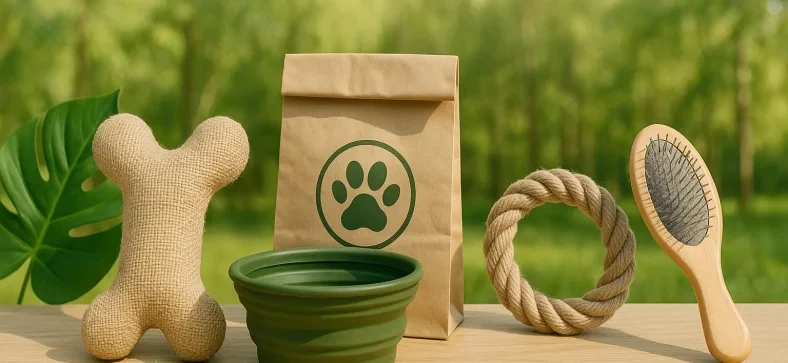
sustainable pet toys have witnessed remarkable innovation, combining recycled plastics, organic cotton, natural rubber, and plant-based dyes to create products that are both pet-safe and eco-friendly. Spunky Pup’s Clean Earth Collection exemplifies this trend by using post-consumer recycled plastics in durable dog toys, while PAWTY’s Avocado Plush Toy incorporates organic cotton and natural dyes, appealing to pet owners who prioritize toxin-free materials. Additionally, brands like Be More Bob have introduced toys made from ocean plastics, supporting marine conservation efforts by repurposing collected waste into functional pet products. The durability of these materials ensures longevity, reducing the frequency of replacement and overall environmental footprint. The use of upcycled textiles and natural rubber also enhances biodegradability, contributing further to zero waste pet care.
Eco-friendly grooming supplies have progressed beyond basic natural ingredients to include products certified free from harmful chemicals such as sulfates, parabens, and synthetic fragrances. Brands like Weruva and Blue Toby offer shampoos, conditioners, and grooming sprays formulated with organic cottonseed oil, hemp extracts, and plant-based surfactants. Packaging innovations include recyclable aluminum bottles and refillable containers that reduce plastic consumption. Certifications including OEKO-TEX Standard 100 and GOTS ensure the absence of toxic residues, promoting safer grooming for pets with sensitive skin while mitigating environmental contamination from conventional grooming chemicals. These products align with zero waste principles by emphasizing biodegradable formulations and sustainable sourcing.
DIY eco-friendly pet projects have surged in popularity, driven by pet owners’ desire to reduce costs and waste while engaging creatively with sustainable practices. Simple projects such as braided t-shirt ropes, cardboard box mazes, and wool pom-poms utilize recycled household materials, diverting waste from landfills and avoiding new resource consumption. For example, upcycling old cotton t-shirts into durable tug toys offers a zero waste alternative with the added benefit of customization. Cardboard maze toys stimulate pet mental health and are fully recyclable after use. Wool scraps fashioned into pom-poms provide natural texture and biodegradability. These DIY approaches support circular economy concepts by extending material lifecycles and promoting responsible pet care.
Sustainable pet accessories and bedding increasingly incorporate organic cotton, hemp, and recycled textiles to provide environmentally responsible comfort and functionality. Blue Toby’s dog beds, for instance, are crafted using recycled polyester fibers combined with organic cotton covers, supporting both waste reduction and renewable agriculture. Hemp’s natural durability and low water usage make it a preferred material for collars and leashes, while recycled textiles reduce reliance on virgin fibers. Circular economy initiatives from these brands include take-back programs where worn products are refurbished or recycled, minimizing landfill contributions. Such approaches demonstrate scalable models for sustainability in pet accessories, combining quality with ecological responsibility.
Certifications play a crucial role in validating eco-friendly claims and guiding consumers toward genuinely sustainable products. The Global Organic Textile Standard (GOTS) ensures organic fiber content along with environmentally and socially responsible manufacturing conditions. The Forest Stewardship Council (FSC) certifies sustainable sourcing of wood-based materials such as cardboard packaging. OEKO-TEX Standard 100 verifies the absence of harmful substances in textiles, including pet bedding and toys. Transparency in sourcing and manufacturing is increasingly demanded by consumers, with brands disclosing supply chain audits and environmental impact assessments. These certifications help differentiate authentic sustainable products from greenwashing, fostering trust and accountability.
The environmental and pet health impacts of eco-friendly pet products are multi-faceted. By adopting biodegradable waste bags, pet owners significantly reduce plastic accumulation in landfills and waterways, curbing microplastic contamination that affects wildlife and aquatic ecosystems. Sustainable toys made from recycled plastics and organic fibers prevent the extraction of virgin fossil fuels and reduce carbon emissions associated with production. Grooming products free from synthetic chemicals protect sensitive pet skin and reduce the introduction of harmful substances into water systems through runoff. Moreover, embracing circular economy principles extends product lifespans and promotes resource efficiency, aligning pet care with broader environmental goals. These benefits underscore the interconnectedness of pet health, owner responsibility, and planetary well-being.
Biodegradable Pet Waste Bags: Reducing Plastic Pollution
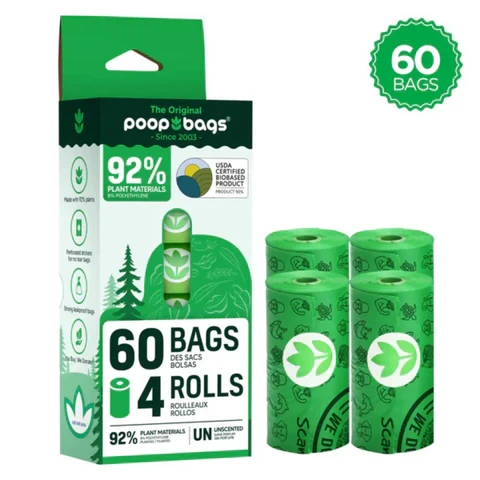
biodegradable pet waste bags represent a significant advance in mitigating the environmental damage caused by traditional plastic bags. Conventional plastic waste bags, often made from polyethylene, can take up to 500 years to decompose, fragmenting into microplastics that contaminate soil and water. In contrast, biodegradable bags are engineered to break down rapidly under composting conditions, typically within 6 to 12 months. Brands such as Earth Rated offer certified compostable bags made from plant-based materials like cornstarch and vegetable oils, meeting rigorous standards such as ASTM D6400. These bags retain strength and leak resistance comparable to plastic, addressing common usability concerns while ensuring environmental safety.
Certification bodies play a pivotal role in verifying the biodegradability and compostability of these products. ASTM International and European Norm EN 13432 define testing protocols that measure biodegradation rates, disintegration, and ecotoxicity. Certified products often display logos indicating compliance, providing consumers with confidence in environmental claims. Additionally, some manufacturers incorporate carbon offset programs to counterbalance greenhouse gas emissions from production and distribution. This holistic approach enhances the environmental credibility of biodegradable waste bags and encourages their adoption by eco-conscious pet owners seeking to minimize their ecological footprint.
Sustainable Pet Toys: Materials and Innovations
Sustainable pet toys utilize a variety of eco-friendly materials that balance durability, safety, and environmental impact. Recycled plastics, often sourced from post-consumer bottles, undergo processes that remove contaminants and reconstitute fibers suitable for toy manufacturing. Spunky Pup’s Clean Earth Collection exemplifies this approach by creating chew toys that withstand aggressive use while reducing plastic waste. Organic cotton and natural rubber are favored for their biodegradability and non-toxic properties, making them suitable for pets with sensitive mouths and skin. PAWTY’s Avocado Plush Toy incorporates these materials alongside plant-based dyes to avoid synthetic chemicals.
Innovations extend to the use of ocean plastics collected through environmental programs, which brands like Be More Bob transform into pet toys. This initiative not only diverts marine debris but also raises awareness about ocean pollution. Upcycled textiles, including denim and cotton scraps, are repurposed into tug toys and puzzle feeders, supporting zero waste principles. The durability of these materials is critical, as longer-lasting toys reduce consumption frequency and landfill contributions. Testing for pet safety includes assessments of chew resistance, non-toxicity, and allergenic potential, ensuring products meet both environmental and animal welfare standards.
Eco-Friendly Grooming Supplies: Natural Ingredients and Packaging
Eco-friendly grooming products emphasize formulations free from sulfates, parabens, synthetic fragrances, and other potentially harmful chemicals. These substances can irritate pet skin, disrupt microbiomes, and introduce pollutants into aquatic environments through rinse-off. Brands such as Weruva and Blue Toby have developed shampoos and conditioners using natural surfactants derived from coconut and corn, enriched with organic plant extracts like aloe vera and chamomile for soothing effects. Hemp seed oil contributes moisturizing properties, supporting healthy skin and coat.
Sustainable packaging innovations complement these formulations by reducing plastic waste. Refillable aluminum bottles and biodegradable containers made from sugarcane fiber or bamboo pulp are increasingly utilized. Some brands implement subscription refill services that encourage reuse and minimize single-use packaging. Certification under OEKO-TEX ensures these products meet stringent safety criteria, providing transparency about ingredient sourcing and manufacturing processes. This integration of green chemistry and packaging advances represents a comprehensive strategy to reduce environmental impact in pet grooming.
DIY Eco-Friendly Pet Projects: Practical Sustainability at Home
DIY pet projects offer eco-conscious owners an accessible means to engage in sustainable pet care while reducing waste and costs. Repurposing old t-shirts into braided tug toys creates durable, washable, and zero waste playthings that extend textile lifecycles. Cardboard boxes transformed into interactive mazes stimulate canine cognitive function and can be recycled after use, minimizing landfill contributions. Wool scrap pom-poms provide natural texture and biodegradability, avoiding synthetic alternatives.
Engaging in these projects supports circular economy concepts by diverting materials from disposal and fostering creativity in resource reuse. Furthermore, DIY activities enhance owner-pet bonding and offer customizable options tailored to pet preferences and needs. Practical insights from eco-conscious pet owners highlight the importance of selecting non-toxic materials and ensuring structural safety to prevent choking hazards. These projects demonstrate how sustainability can be integrated into everyday pet care beyond commercial products.
Sustainable Pet Accessories and Bedding: Circular Economy in Action
Sustainable pet accessories and bedding increasingly incorporate renewable and recycled materials to reduce environmental footprints. Blue Toby’s dog beds utilize recycled polyester fibers sourced from plastic bottles combined with organic cotton covers grown without synthetic pesticides or fertilizers. Hemp, known for its durability and minimal water requirements, is used in collars, leashes, and harnesses, offering strong and biodegradable alternatives to synthetic textiles.
Circular economy initiatives in this sector include take-back and refurbishment programs that extend product lifespans and reduce waste. Some brands offer repair services or repurpose worn accessories into new products, closing material loops. These practices demonstrate scalable sustainability models that align with consumer demand for transparency and responsibility. The integration of upcycled materials and renewable fibers ensures that pet comfort does not come at the expense of environmental health.
Certifications: Validating Genuine Eco-Friendly Claims
Certifications are essential tools for distinguishing authentic eco-friendly pet products from those engaging in greenwashing. The Global Organic Textile Standard (GOTS) certifies organic fiber content alongside strict environmental and social criteria throughout textile processing, ensuring products like pet bedding and toys meet high sustainability standards. The Forest Stewardship Council (FSC) verifies that wood-derived packaging materials originate from responsibly managed forests, reducing deforestation impacts.
OEKO-TEX Standard 100 focuses on chemical safety in textiles, certifying products free from harmful substances that could affect pet health. These certifications require rigorous third-party audits and transparency in supply chains, promoting accountability among manufacturers. Brands that openly disclose certification details and environmental impact data foster greater consumer trust. Awareness of these standards empowers pet owners to make informed purchasing decisions that align with their sustainability values.
Environmental and Pet Health Impacts of Sustainable Pet Products
The adoption of eco-friendly pet products leads to measurable reductions in landfill waste, plastic pollution, and chemical contamination. Biodegradable waste bags can reduce plastic bag waste by millions of pounds annually when widely adopted. Toys made from recycled plastics and organic fibers decrease reliance on virgin fossil fuels and diminish greenhouse gas emissions associated with production. Grooming products free from sulfates and parabens improve pet skin health and reduce the release of harmful substances into waterways, protecting aquatic life.
Moreover, sustainable pet products promote safer environments within households by minimizing exposure to synthetic chemicals, which can cause allergies or long-term health issues in pets. Embracing circular economy principles extends product lifespans and encourages recycling, further reducing environmental burdens. These benefits highlight the synergy between pet well-being and ecological stewardship, supporting a future where pet care products contribute positively to planetary health.
FAQ

What materials are best for eco-friendly pet toys?
eco-friendly pet toys commonly use recycled plastics, organic cotton, natural rubber, and plant-based dyes. These materials provide durability, non-toxicity, and biodegradability, making them safe for pets and environmentally sustainable. Brands like Spunky Pup and PAWTY lead in using these materials.
Are biodegradable pet waste bags truly compostable?
Certified biodegradable pet waste bags meeting ASTM D6400 or EN 13432 standards are designed to break down in commercial composting environments within 6 to 12 months. However, they require proper disposal conditions to compost effectively and should not be discarded in regular landfill waste.
How do eco-friendly grooming products benefit pets?
Eco-friendly grooming products avoid harmful chemicals such as sulfates, parabens, and synthetic fragrances, reducing the risk of skin irritation and allergies. Natural ingredients like hemp oil and organic extracts promote healthier skin and coat while minimizing environmental pollution from rinse-off chemicals.
Can I make effective DIY pet toys using recycled materials?
Yes, DIY pet toys made from braided t-shirts, cardboard, and wool scraps offer durable, safe, and zero waste alternatives to commercial products. These projects support sustainability by repurposing household waste and can be customized to pet preferences.
What certifications should I look for to verify sustainable pet products?
Look for certifications such as GOTS for organic textiles, FSC for responsibly sourced packaging materials, and OEKO-TEX for chemical safety in textiles. These certifications indicate compliance with rigorous environmental and social standards.
The expansion of eco-friendly pet products in 2026 reflects an industry-wide commitment to sustainability, animal welfare, and environmental stewardship. Pet owners can now choose from a diverse range of biodegradable waste bags, recycled and organic pet toys, natural grooming supplies, and sustainable accessories that align with circular economy principles. By embracing certified products and engaging in DIY projects, consumers contribute to reducing pollution, conserving resources, and promoting healthier environments for pets and people alike. Looking ahead, continued innovation and transparent manufacturing practices will further solidify the role of sustainable pet care in global ecological resilience.
Eco-Friendly Pet Waste Disposal Methods Reducing Plastic Pollution
PawVerde.com – Biodegradable and compostable pet waste disposal methods are gaining traction as environmentally responsible alternatives to traditional plastic bags and clay litters. These sustainable options align with growing concerns over plastic pollution and landfill overflow, offering pet owners practical solutions that minimize ecological footprints. Certified biodegradable bags, home composting systems, and natural cat litters reduce reliance on non-renewable materials while addressing health and sanitation issues associated with pet waste. Additionally, flushable dog poop bags designed for municipal water treatment systems present innovative disposal routes, albeit with regulatory caveats. This article presents a detailed examination of eco-friendly pet waste disposal practices, analyzing materials, certifications, regulatory frameworks, and emerging technologies that define the current landscape.
Environmental Impact of Traditional Pet Waste Disposal
Conventional pet waste disposal predominantly relies on single-use plastic bags and clay-based cat litter, both contributing significantly to environmental degradation. Plastic bags used for dog waste can persist in landfills for centuries, fragmenting into microplastics that contaminate soil and waterways. According to the environmental protection Agency (EPA), millions of tons of plastic waste enter the environment each year, with pet waste bags representing a non-negligible portion of this pollution. Meanwhile, clay litters, primarily composed of non-renewable bentonite clay, require strip mining, which disrupts ecosystems and consumes substantial energy. These litters also do not biodegrade efficiently, exacerbating landfill volume.
Flushing pet waste is occasionally encouraged as an alternative; however, limitations exist. Municipal water treatment plants are generally capable of processing pet waste pathogens, but flushing is discouraged in areas with septic systems due to the risk of contamination and system overload. The EPA highlights that improper disposal can introduce harmful bacteria and parasites into water sources, emphasizing the need for localized compliance and careful method selection.
Biodegradable and Compostable Bags: Standards and Benefits
Biodegradable and compostable bags have emerged as primary alternatives to traditional plastic dog waste bags. These products are typically certified under rigorous composting standards such as ASTM D6400 in the United States and EN13432 in Europe. These certifications verify that materials will biodegrade within a specified timeframe under industrial composting conditions, ensuring minimal residual contamination.
biodegradable bags are commonly made from plant-based polymers like polylactic acid (PLA) or starch blends, which break down into water, carbon dioxide, and biomass without leaving harmful microplastics. Compostable bags, a subset of biodegradable bags, must disintegrate completely within 90 to 180 days in composting environments, as per ASTM D6400 and EN13432. These standards require testing for biodegradation, disintegration, heavy metals, and eco-toxicity.
Products like Bombs Away! offer certified compostable dog waste bags that reduce landfill burden and plastic pollution. Such bags retain the convenience and hygiene of plastic bags but degrade safely in composting facilities. Practical use involves collecting pet waste promptly and depositing bags in home compost systems or municipal organic waste streams where accepted.
Home Pet Waste Composting Systems: Setup and Safety
Home composting of pet waste presents a sustainable approach to transforming organic waste into valuable fertilizer, provided safety protocols are observed. pet waste composting requires containment systems that maintain elevated temperatures (above 140°F or 60°C) to effectively eliminate pathogens such as E. coli, Salmonella, and parasites.
Setting up a pet waste compost bin involves selecting a secure, ventilated container separate from food composts to prevent cross-contamination. Many pet owners use in-ground composters or tumblers designed specifically for pet waste. Regular turning and moisture monitoring are essential to sustain aerobic conditions and optimize decomposition.
The composting timeline typically spans 9 to 12 months, reflecting the time needed for pathogen breakdown and organic matter stabilization. Resultant compost should only be applied to non-edible plants such as ornamental gardens or lawns, as residual pathogens may persist despite treatment. Compliance with local regulations is vital since some jurisdictions prohibit home pet waste composting due to health concerns.
Eco-Friendly Cat Litter Alternatives: Materials and Benefits
Natural cat litters derived from biodegradable materials offer an effective substitute for conventional clay litters, combining environmental sustainability with odor control. Common biodegradable litter bases include pine, wheat, corn, paper, walnut shells, and tofu-based formulations.
Pine litter leverages wood fibers’ natural absorbency and antimicrobial properties, reducing odor without chemical additives. Wheat and corn litters use agricultural byproducts that biodegrade rapidly and clump naturally, facilitating easy cleanup. Paper-based litters, made from recycled paper, are dust-free and lightweight, appealing to cats with respiratory sensitivities. Walnut shell litter offers fine granules with excellent odor absorption, while tofu-based litters provide compostability and minimal dust.
These materials decompose faster than clay and require less energy for production. They also mitigate landfill volume and reduce the ecological footprint of cat care. Pairing biodegradable litters with stainless steel or recycled plastic litter boxes enhances hygiene and durability, supporting sustainable pet ownership.
Flushable Dog Poop Bags and Compatibility with Water Treatment
Flushable dog poop bags, primarily made from polyvinyl alcohol (PVA), dissolve in water, enabling pet owners to dispose of waste directly via plumbing systems. The EPA acknowledges that municipal wastewater treatment plants can generally process pet waste pathogens, provided that the bags and waste are compatible with treatment protocols.
PVA bags disintegrate quickly in water, reducing plastic littering. However, flushable bags are unsuitable for households using septic systems due to limited microbial activity and risk of clogs. Additionally, some municipal authorities discourage flushing pet waste owing to potential environmental contamination and infrastructure concerns.
While flushable bags present a convenient and eco-conscious option, pet owners must verify local regulations and infrastructure compatibility before adoption. Environmental benefits include reduced plastic waste and minimized landfill contributions, but care is necessary to avoid unintended sanitation issues.
Alternative Disposal Methods and Reusable Solutions
Beyond certified biodegradable products, pet owners often consider reusing household items to minimize waste. Bread bags, newspaper sleeves, and recycled paper bags can serve as temporary waste containers. However, these alternatives lack compostability certifications and may not be suitable for direct composting or flushing.
Commercial pet waste disposal services, such as Bombs Away!, provide scheduled collection and eco-conscious processing of pet waste using composting or energy recovery methods. These services relieve pet owners from disposal burdens while ensuring compliance with local environmental standards.
Notably, natural decomposition of pet waste in public areas is discouraged due to pathogen transmission risks, potential water contamination, and community health concerns. Responsible disposal practices, whether via composting, certified biodegradable bags, or services, remain fundamental to sustainable pet waste management.
Regulatory Considerations and Best Practices
Pet waste disposal is subject to diverse local and regional regulations that reflect environmental, public health, and sanitation priorities. Municipal codes often mandate the use of sealed bags for pet waste collection and restrict flushing or composting in certain zones.
Unused biodegradable litter packaging should be disposed of according to manufacturer instructions, with recycling options considered when available. Pet owners are encouraged to remain informed about evolving regulations, particularly regarding composting permissions and waste stream classifications.
Community engagement and education about sustainable pet waste disposal contribute to public health and environmental quality. Best practices include prompt waste collection, use of certified eco-friendly products, and adherence to disposal guidelines to minimize pathogen spread and pollution.
Innovations and Future Directions in Eco-Friendly Pet Waste Management
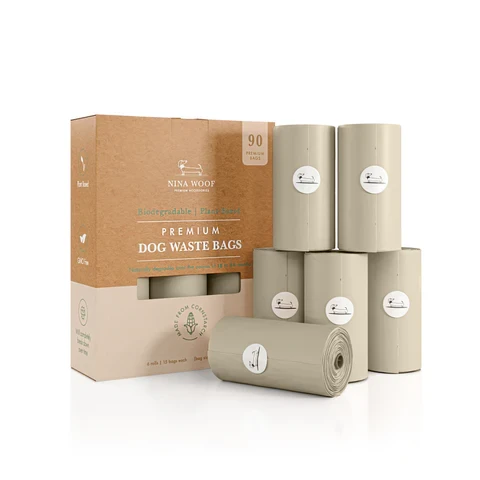
Emerging technologies in pet waste management focus on enhancing composting efficiency, expanding biodegradable product lines, and integrating smart waste disposal systems. Innovations include enzymatic treatments that accelerate decomposition, antimicrobial additives that reduce odors, and sensor-equipped composters that optimize environmental conditions.
Product development trends emphasize biodegradable bags with improved strength and disintegration profiles, flushable bags with broader septic compatibility, and natural litters incorporating novel biomass sources like algae and mushroom fibers.
Wider adoption of these innovations depends on consumer education, regulatory adaptations, and infrastructure expansion, such as municipal organic waste programs accepting pet waste. The potential environmental impact reduction is significant, addressing plastic pollution, pathogen contamination, and landfill overload through scalable, sustainable solutions.
| Disposal Method | Material/Technology | Certification/Standard | Environmental Benefits | Limitations |
|---|---|---|---|---|
| Biodegradable Bags | PLA, Starch Blends | ASTM D6400, EN13432 | Reduces plastic pollution, compostable | Require industrial composting; cost higher than plastic |
| Home Composting | Pet waste in controlled bins | Local health regulations apply | Converts waste to fertilizer; reduces landfill | Long decomposition time; pathogen risk if mishandled |
| Eco-Friendly Cat Litters | Pine, Wheat, Corn, Paper, Walnut Shells, Tofu | Varies by product | Biodegradable; natural odor control; reduces mining | May cost more; some cats resist change |
| Flushable Dog Poop Bags | PVA-based polymers | EPA guidance on flushing | Dissolves in water; reduces landfill plastic | Not septic-safe; limited by local regulations |
| Reusable Household Bags | Bread bags, Newspapers | None | Reduces new plastic use | Not compostable or flushable; hygiene concerns |
| Pet Waste Disposal Services | Collection and composting/processing | Regulatory compliance | Convenient; environmentally managed | Cost; availability varies by location |
FAQ
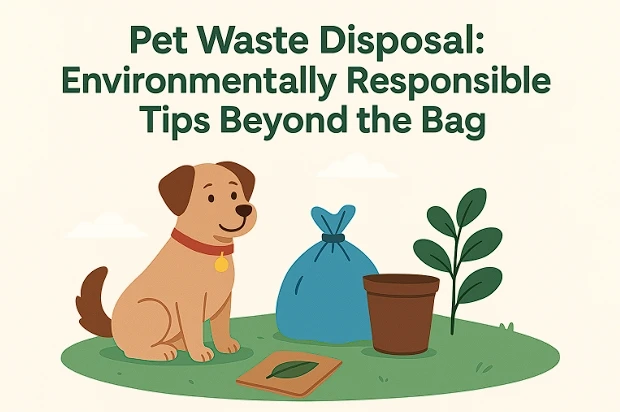
What standards certify biodegradable and compostable pet waste bags?
Biodegradable and compostable pet waste bags are commonly certified under ASTM D6400 (US) and EN13432 (Europe). These standards ensure bags break down within defined timeframes in industrial composting environments without leaving toxic residues.
Can I compost pet waste safely at home?
Yes, with proper setup and management. Home composting of pet waste requires a dedicated bin that reaches pathogen-killing temperatures and sufficient time (typically 9-12 months) before use. Compost should only be applied to non-edible plants to avoid health risks.
Are flushable dog poop bags safe for all septic systems?
No. Flushable bags made from PVA dissolve in water but are not suitable for septic systems, which lack the treatment capacity of municipal plants. Using them in septic setups can cause clogs and contamination.
What are the best eco-friendly cat litter options?
Natural litters made from pine, wheat, corn, recycled paper, walnut shells, and tofu-based materials offer biodegradable, odor-controlling alternatives to clay litter. Selection depends on cat preference and specific environmental priorities.
How do local regulations affect pet waste disposal choices?
Local laws may restrict flushing, composting, or types of bags used for pet waste. Compliance ensures public health safety and environmental protection. Pet owners should consult municipal guidelines to choose permissible disposal methods.
—
As eco-conscious pet ownership grows, the integration of certified biodegradable bags, home compost systems, and natural litter materials will become increasingly standard. Innovations in flushable bags and waste services complement these methods, forming a comprehensive framework for sustainable pet waste management. Pet owners and communities alike benefit from understanding and adopting these practices, fostering healthier environments and reducing plastic pollution. Future developments should prioritize expanding accessibility, improving composting technologies, and harmonizing regulations to facilitate broader eco-friendly adoption.
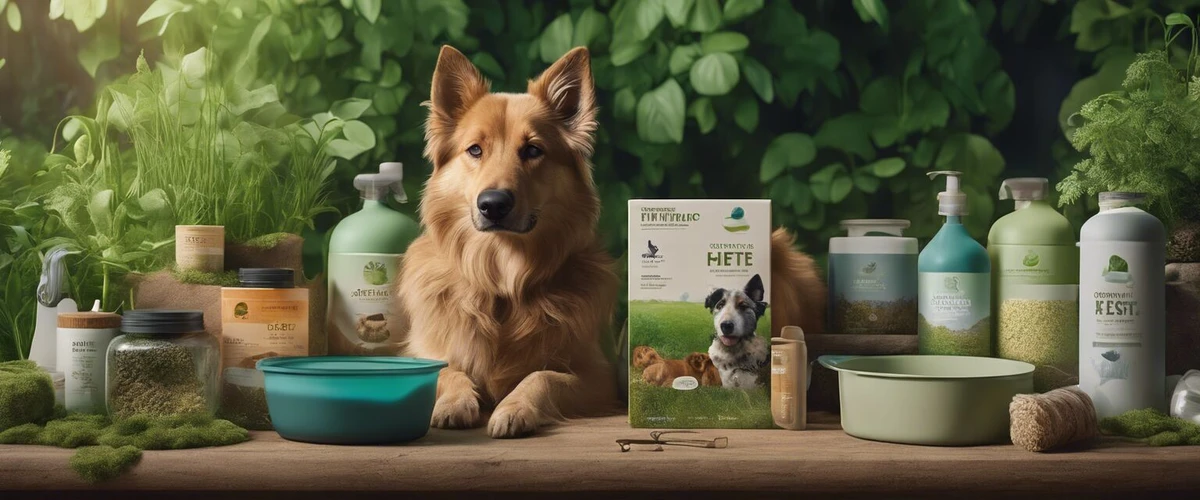
How DIY Eco-Friendly Pet Supplies Benefit Sustainability
PawVerde.com – DIY eco-friendly pet supplies are increasingly recognized for their multifaceted benefits that extend beyond simple cost savings. By repurposing household items or sourcing natural materials such as hemp, organic cotton, and recycled fabrics, pet owners can significantly reduce environmental waste linked to synthetic pet products. These sustainable alternatives not only lower the carbon footprint associated with manufacturing and disposal but also minimize pets’ exposure to harmful chemicals often found in commercial plastic toys and grooming products. The growing popularity of eco-conscious pet care reflects a broader shift toward zero-waste lifestyles, where biodegradable pet waste bags and compostable litter complement homemade accessories to create a holistic, sustainable pet ownership model.
Environmental benefits constitute a core advantage of adopting DIY eco-friendly pet supplies. Manufacturing conventional pet products typically involves extensive use of plastics and non-renewable resources, contributing to pollution and landfill accumulation. Utilizing recycled pet accessories or creating toys from repurposed textiles mitigates this impact by diverting materials from waste streams. For instance, crafting braided tug ropes from old T-shirts or converting shredded newspaper into cat litter exemplifies zero-waste principles in practice. These actions collectively reduce demand for virgin materials and decrease greenhouse gas emissions tied to production and transportation. Research indicates that pet-related plastic waste accounts for a significant portion of domestic refuse in many regions, underscoring the urgent need for sustainable alternatives. Moreover, biodegradable components in groomings supplies and waste bags ensure that discarded products decompose naturally, further alleviating environmental strain.
Pet health benefits also arise from the use of natural, non-toxic materials in DIY pet supplies. Veterinary experts increasingly warn against the long-term exposure of pets to synthetic chemicals, including phthalates and BPA, commonly present in commercial pet toys and grooming products. Natural fibers such as organic cotton and hemp not only eliminate these risks but offer enhanced durability and comfort during pet interaction. For example, eco-friendly grooming products made from plant-based ingredients reduce the likelihood of skin irritations and allergic reactions, a frequent concern with chemical-laden formulations. Additionally, homemade toys designed with pet safety in mind prevent ingestion of hazardous components and promote healthier chewing behaviors. Such measures align with holistic pet care strategies that prioritize both environmental sustainability and animal welfare, reinforcing the importance of material safety in product selection.
Economic advantages reinforce the appeal of DIY eco-friendly pet supplies by offering cost-effective alternatives to high-priced commercial items. Many sustainable pet products can be fashioned from readily available household materials, thus lowering upfront expenses. The longevity of durable, natural materials further reduces the frequency of replacements, generating long-term savings. Unlike mass-produced plastic toys prone to breakage, DIY accessories made from recycled fabrics withstand wear and tear more effectively. Moreover, personalization options allow pet owners to tailor products specifically to their pets’ preferences and needs, enhancing utility and satisfaction. These economic incentives are particularly relevant for budget-conscious households seeking to balance quality pet care with environmental responsibility. However, it is essential to weigh these benefits against potential accessibility challenges, as some sustainable materials require sourcing knowledge and initial investment.
Practical DIY projects exemplify the tangible application of sustainable pet ownership principles. Crafting braided tug ropes from old T-shirts involves cutting the fabric into strips, knotting securely, and braiding to create a durable toy that doubles as an interactive play tool. Homemade grooming products can be formulated using kitchen waste such as coconut oil and baking soda, producing gentle shampoos or conditioners free from synthetic additives. For cats, shredded newspaper or wood pellets serve as biodegradable litter alternatives, reducing plastic pellet waste substantially. Guidance on selecting safe materials includes avoiding toxic dyes, sharp edges, or small detachable parts that could harm pets. These projects also foster family engagement, encouraging children and adults alike to participate creatively in pet care, thereby promoting environmental awareness and shared responsibility.
Beyond DIY efforts, sustainable pet ownership encompasses broader practices that amplify environmental benefits. Donating gently used pet supplies to local shelters prevents unnecessary waste and supports animal welfare organizations. Opting for eco-friendly pet food brands that utilize sustainably sourced ingredients complements the overall green lifestyle. Employing biodegradable waste bags and reusable pet gear further reduces landfill contributions. Additionally, green travel practices, such as using solar-powered pet gadgets or eco-conscious pet carriers, minimize the carbon footprint associated with pet transportation. Collectively, these actions integrate into a comprehensive zero-waste pet care strategy that aligns with contemporary environmental ethics and consumer trends.
Challenges to widespread adoption of DIY eco-friendly pet supplies primarily involve accessibility and convenience. Some pet owners may face difficulties sourcing organic or recycled materials due to geographical or economic constraints. Balancing the time investment required for DIY projects with busy lifestyles can also deter participation. Additionally, ensuring that homemade products meet safety and health standards necessitates consultation with veterinary professionals, especially when altering pet diets or introducing new grooming substances. Awareness campaigns and educational resources from authoritative sources can mitigate these barriers by providing reliable guidance and fostering community support networks.
Looking forward, the role of DIY eco-friendly pet supplies in promoting sustainable living is poised to expand as environmental concerns intensify globally. Incremental lifestyle changes by individual pet owners contribute cumulatively to significant reductions in plastic waste and chemical exposure. Innovations in recycled materials and biodegradable technologies promise to enhance the durability and safety of eco-conscious pet products. Furthermore, collaborations between veterinary experts, environmental scientists, and ethical pet brands can accelerate the development of standardized sustainable pet care protocols. For pet owners, embracing these practices not only benefits their animals’ health but also aligns with broader societal goals of environmental stewardship and responsible consumption.
Introduction to DIY Eco-Friendly Pet Supplies
DIY eco-friendly pet supplies refer to pet accessories and grooming products created using sustainable, non-toxic, and often repurposed materials. These include items made from hemp, organic cotton, recycled fabrics, and biodegradable substances. The significance of these supplies lies in their ability to minimize environmental harm while enhancing pet well-being. Recently, sustainability has become a central theme in pet care, driven by rising awareness of the environmental footprint associated with conventional pet products. Pet owners increasingly seek alternatives that align with zero-waste principles and ethical consumption, stimulating growth in DIY projects and eco-conscious brands.
Environmental Benefits of DIY Eco-Friendly Pet Supplies
Repurposing household textiles and recycled materials into pet toys and accessories significantly reduces plastic and synthetic waste. For example, transforming old T-shirts into braided tug toys diverts fabric from landfills and reduces reliance on plastic-based commercial toys. The production of such DIY items generally entails a lower carbon footprint due to decreased manufacturing energy and transportation emissions compared to mass-produced products. Moreover, biodegradable pet waste bags and grooming products contribute to landfill diversion by decomposing naturally, unlike conventional plastic bags that persist for decades. Studies show that pet-related plastic consumption comprises a measurable share of urban waste streams, making sustainable alternatives a necessary intervention in waste management.
Health Advantages for Pets
Many commercially available pet products contain phthalates, BPA, and synthetic dyes linked to health risks such as endocrine disruption and allergic reactions. DIY pet supplies made from organic cotton or hemp fibers eliminate these concerns by using natural, untreated materials. Veterinary professionals recommend using non-toxic grooming products formulated with plant-based ingredients to prevent skin irritations and promote coat health. Durable natural toys also reduce the risk of ingestion of microplastics or chemical residues during chewing. These health advantages underscore the importance of material selection in pet product safety, positioning DIY eco-friendly supplies as a superior choice for responsible pet care.
Economic Benefits of DIY Approaches
Cost efficiency remains a compelling reason for adopting DIY eco-friendly pet supplies. Using recycled fabrics or household items minimizes expenses, especially when compared to premium commercial sustainable pet products which can be costly. The enhanced durability of natural materials extends product life, reducing replacement frequency and overall spending. Additionally, creating personalized toys or grooming items tailored to specific pet needs increases functional value, often unattainable with mass-market products. Despite potential upfront investments in sourcing organic materials, the long-term economic benefits and environmental savings present a strong case for DIY adoption among eco-conscious pet owners.
Practical DIY Projects for Sustainable Pet Supplies
Simple DIY projects effectively demonstrate sustainable pet care principles. Braided tug ropes made from old T-shirts require no specialized tools and provide engaging, durable toys suitable for dogs. Homemade grooming products utilizing kitchen staples such as coconut oil and baking soda offer chemical-free alternatives to commercial shampoos. For cats, shredded newspaper or wood pellets replace plastic-based litter, aligning with zero-waste goals. Ensuring the safety of these products involves selecting natural dyes, avoiding small detachable parts, and consulting with veterinarians when incorporating new grooming substances or dietary components. These activities also encourage family participation, fostering environmental awareness and creativity.
Supporting Sustainable Pet Ownership Beyond DIY
sustainable pet ownership extends beyond homemade products. Donating gently used pet supplies to shelters reduces waste and supports animals in need. Choosing pet food brands committed to sustainable ingredient sourcing promotes environmental responsibility throughout the supply chain. Using biodegradable waste bags and reusable gear decreases plastic pollution and landfill mass. Green travel practices, such as employing solar-powered pet products or eco-friendly carriers, further reduce environmental impact. These collective efforts integrate into comprehensive sustainable pet care, offering a model for eco-conscious consumers.
Challenges and Considerations
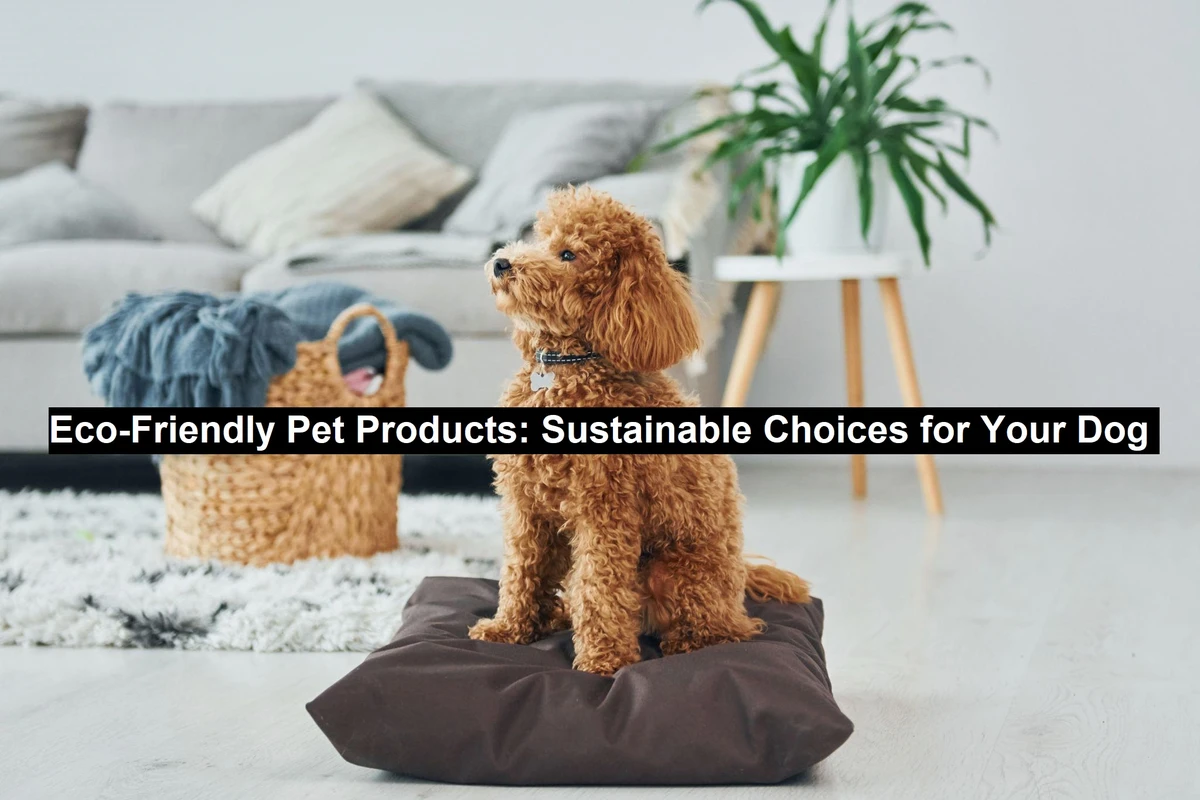
Despite clear benefits, challenges remain in adopting DIY eco-friendly pet supplies universally. Accessibility to organic and recycled materials varies by region and economic status, potentially limiting participation. Time constraints and convenience factors may discourage busy pet owners from engaging in DIY projects. Additionally, ensuring product safety, particularly regarding pet health and nutrition, requires consultation with veterinary professionals. Balancing sustainability with practicality necessitates informed decision-making and realistic expectations. Educational initiatives and community support can help mitigate these challenges by providing guidance and resources.
FAQ
What materials are safest for making DIY pet toys?
natural fibers such as hemp, organic cotton, and recycled fabrics are safest, as they are non-toxic and durable. Avoid synthetic dyes and small parts that could be ingested.
How do DIY eco-friendly pet supplies benefit the environment?
They reduce plastic and synthetic waste by repurposing materials, lower production-related carbon emissions, and often include biodegradable components that minimize landfill impact.
Can homemade grooming products be as effective as commercial ones?
Yes, when made with safe plant-based ingredients like coconut oil and baking soda, homemade grooming products can clean and condition pet coats without harmful chemicals.
Are DIY pet supplies cost-effective compared to store-bought eco-friendly products?
Generally, yes. DIY supplies use household or recycled materials, reducing costs, and their durability means fewer replacements, leading to long-term savings.
How can I ensure DIY pet products are safe for my pet?
Use non-toxic natural materials, avoid small detachable parts, and consult a veterinarian before introducing new grooming products or dietary changes.
—
The increasing integration of DIY eco-friendly pet supplies into mainstream pet care reflects a broader commitment to sustainability, animal health, and economic prudence. As materials science advances and consumer awareness grows, these practices will evolve, offering ever more effective and accessible solutions. Pet owners who adopt incremental changes contribute not only to their pets’ well-being but also to global efforts in reducing environmental waste and fostering responsible consumption. Continued collaboration among veterinarians, environmental experts, and ethical brands will be essential to mainstreaming sustainable pet care in the years ahead.