
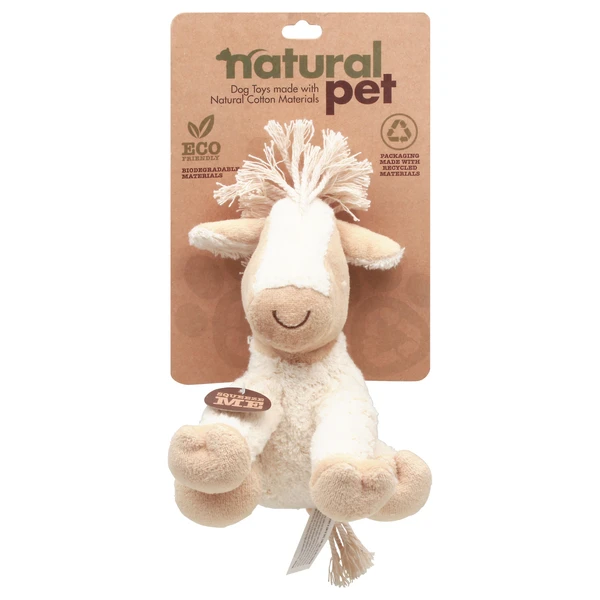
Natural Eco-Friendly Dog Toys: How to Spot Greenwashing
PawVerde.com – eco-friendly dog toys prioritize non-toxic, biodegradable, or recycled materials like natural rubber, hemp, and organic cotton to reduce landfill waste and chemical exposure. While traditional toys often contain hazardous substances, sustainable options focus on durability and material transparency to ensure both environmental health and canine safety. This shift in consumer behavior is critical, as 45% of tested pet products contained detectable levels of at least one hazardous chemical.
The Greenwashing Detection Guide: Spotting Fake ‘Natural’ Claims
To detect greenwashing, look beyond vague marketing terms like ‘natural.’ Verify specific certifications such as GOTS for cotton, Oeko-Tex for textiles, or MadeSafe for non-toxicity. Always check the material composition list to ensure ‘natural’ isn’t just a scent or a small percentage of a synthetic blend.
Vague terminology vs. Certified standards
The term ‘natural’ isn’t legally defined. This regulatory gap means a manufacturer can label a product “natural” even if it contains a high percentage of synthetic binders or chemical dyes. Relying on a label alone is a common failure mode for pet owners seeking safety. Instead, prioritize specific, verifiable standards:
- GOTS (Global Organic Textile Standard): Ensures organic status for cotton-based toys.
- Oeko-Tex: Certifies that textiles are free from harmful substances.
- MadeSafe: A rigorous non-toxicity certification that screens for thousands of hidden chemicals.
Experts note that no material name guarantees a dog toy is safe; factors like construction and how your dog plays are equally vital.
The recycled plastic transparency trap
While recycling is a core pillar of sustainability, recycled plastics can be risky if not tested. Some manufacturers use recycled materials without providing documentation regarding the original source or the presence of legacy toxins. A common mistake is assuming a “recycled” label automatically equals “non-toxic.” Without third-party verification, these plastics may contain additives that were present in the original waste material, potentially posing risks to your pet.
Disposal & End-of-Life Matrix: Where Do Your Toys Go?
Reducing pet industry waste requires choosing materials with clear lifecycles. Sustainable alternatives prioritize long-lasting or biodegradable options to minimize the volume of products ending up in landfills.
| Material Type | Disposal Method | Environmental Impact | End-of-Life Note |
|---|---|---|---|
| Natural Rubber (e.g., Hevea) | Biodegradable | Low | 100% biodegradable products reduce landfill reliance. |
| Organic Cotton | Compostable | Very Low | Ensure no synthetic thread or dyes are present. |
| Recycled Plastic | Recycling Bin | Medium | Effectiveness depends on local municipal capabilities. |
| Hemp Fiber | Compostable | Low | Excellent for reducing microplastic accumulation. |
The disposal path depends heavily on the specific material composition. For example, Hevea products are 100% biodegradable, making them an ideal choice for owners who want to minimize long-term environmental footprints. However, a common pitfall is attempting to backyard compost toys that require industrial composting conditions to break down effectively. Always verify if a “compostable” claim refers to home-compostable or industrial-only processes.
Backyard composting vs. Industrial requirements
Not all organic materials break down at the same rate. While organic cotton rope is a great choice, it may require the higher heat of an industrial facility to decompose fully. On the other hand, pure natural rubber or hemp may integrate more easily into natural cycles. If a toy contains even a small amount of synthetic glue, it will fail to decompose in a backyard bin, leaving behind non-organic residue.
Brand take-back programs
circular economy solutions help manage end-of-life stages. By participating in manufacturer programs, consumers can ensure worn-out items are processed through responsible recycling or repurposing rather than entering a landfill.
Material vs. Play Style: Finding the Perfect Match
Match materials to chewing intensity: use natural rubber for power chewers because it flexes under pressure to protect teeth; choose organic cotton or plush for gentle mouthers; and utilize hemp or olive wood for moderate chewers seeking antimicrobial or low-splintering options.
| Material | Best For | Eco-Benefit | Safety Note |
|---|---|---|---|
| Natural Rubber | Power Chewers / Puppies | Biodegradable | Flexes to protect teeth and gums. |
| Hemp | Moderate Chewers | Antimicrobial | Extremely strong and durable. |
| Organic Cotton | Gentle Mouthers | Biodegradable | Ideal for pets with sensitive skin. |
| Olive/Coffee Wood | Moderate Chewers | Natural Resource | Splinters less than traditional sticks. |
Selecting the wrong material can lead to immediate physical issues. For instance, using hard nylon for a dog that requires more flexibility can result in injuries to the teeth or gums. Conversely, giving a heavy power chewer a soft plush toy often leads to rapid destruction and the ingestion of small parts.
The Power Chewer’s Defense: Why Flexibility Matters
For power chewers, natural rubber is often considered safer than hard nylon because it flexes under pressure rather than transferring force directly onto teeth. This flexibility is particularly beneficial for teething puppies, as natural rubber remains gentle on developing gums while still providing enough resistance for vigorous play. Harder, non-flexible materials can cause micro-fractures in the teeth over time due to the direct impact of the bite.
Sensitive Skin & Gentle Mouthers
Organic cotton is a suitable choice for pets with sensitive skin. These toys are known to be soft and biodegradable, which helps reduce the risk of irritation. Because organic cotton is free from the heavy chemical load found in conventional textiles, it provides a safer tactile experience for sensitive animals.
The Hidden Risks: Toxins and Microplastics
As long as animal companions aren’t protected by robust legislation and regulation, it is up to owners to minimize their exposure to toxic chemicals.
WARNING: Testing has shown that 48% of tennis balls contain lead, posing significant toxicity risks.
Heavy Metal Hazards in Common Toys
Testing has revealed alarming levels of heavy metals in standard pet items. For example, 48% of tennis balls contain lead. In one specific instance, the lead levels in the lettering of a dog ball reached 2,696 ppm, while arsenic levels reached 262 ppm. These high concentrations of toxins can be ingested through licking or chewing, posing a direct threat to canine health.
The Microplastic Shedding Reality
Recycled plastics can pose environmental risks through microplastic shedding. During heavy chewing, these materials may release tiny particles that, unlike biodegradable hemp or natural rubber, do not break down into organic matter and can enter the local ecosystem.
Cost-Per-Use: Why Sustainable Toys Save Money
While the initial price of eco-friendly toys may appear higher than mass-produced synthetic alternatives, the “cost-per-use” often tells a different story. A high-quality, durable toy that lasts several months is more economical than replacing cheap, flimsy toys every week.
- KONG Classic Natural Rubber: Starting at approximately $8.46, these provide long-term durability for heavy chewers.
- P.L.A.Y. Garden Fresh Collection: Starting at approximately $7.50, these offer safe, plush alternatives for gentle play.
- From the Field Tug-A-Hemp: Starting at approximately $5.84, these hemp-based toys offer extreme strength for tugging.
Investing in quality means fewer replacements and less frequent trips to the pet store. By selecting materials like natural rubber or hemp that withstand vigorous play, owners reduce the total number of toys purchased over the life of the pet, effectively lowering both the financial and environmental cost.
FAQ
Is natural rubber actually safer for my dog’s teeth?
Natural rubber is considered a safer option for power chewers because it flexes under pressure. This flexibility helps mitigate the direct force transferred to the teeth and gums compared to unyielding, hard synthetic materials.
How can I tell if a toy is truly non-toxic?
Verify products using third-party certifications such as GOTS for organic textiles or MadeSafe. To ensure high safety standards, owners should also look for the absence of synthetic glues and azo-free dyes.
Are hemp dog toys durable enough?
Hemp is incredibly strong and naturally antimicrobial. These properties make it a highly durable choice for braided chews and tug toys.
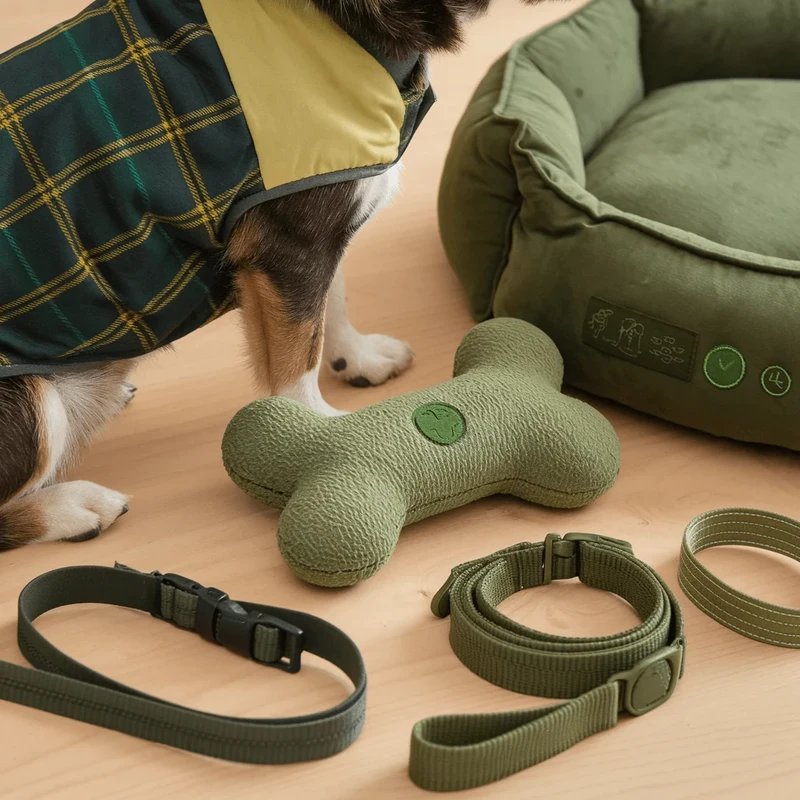
Eco-Friendly Pet Products for Dogs: A Sustainable Guide
PawVerde.com – Eco-friendly pet products are items designed to minimize environmental impact through sustainable materials like hemp, bamboo, and natural rubber, while ensuring non-toxic safety for your dog. True sustainability means choosing products that improve your pet’s life without making the planet’s future worse. The global market for sustainable pet products has reached an estimated $35 billion.
How to Spot Greenwashing in Pet Marketing
To detect greenwashing, look beyond ‘earth-inspired’ marketing. Verify claims by checking for specific certifications like GOTS for textiles, FSC for wood, or TÜV OK Compost for waste bags. Avoid products that use recyclable packaging to mask poor materials, short lifespans, or unethical production methods.
A common failure mode in pet shopping is the confusion between bio-based and truly compostable materials. Bio-based plastics can be non-compostable, such as bio-PET (polyethylene terephthalate), which is derived from biological sources but behaves like traditional plastic in the environment. In contrast, materials like PLA (polylactic acid) and PHA (polyhydroxyalkanoates) are designed to be compostable. Relying on the term “bio-based” without verifying the specific polymer type can lead to accidental plastic accumulation.
The Lifecycle Comparison: Standard Plastic vs. Sustainable Materials
The environmental footprint of pet ownership is heavily influenced by the sheer volume of single-use items. In the United States alone, an estimated 5 billion plastic dog waste bags are used annually. These traditional plastics can leach toxins into the soil and are notorious for their longevity, often sticking around for centuries in landfills.
Sustainable alternatives, such as those produced by Hevea, offer a different trajectory. Hevea products are 100% biodegradable, meaning they return to the earth rather than persisting as microplastics. The difference begins at the extraction phase and ends with the biological breakdown of the material.
| Material | Sustainability Benefit | Durability Score | End-of-Life |
|---|---|---|---|
| Hemp | Low water usage; renewable | High | Biodegradable |
| Cotton (Organic) | Reduced chemical pesticides | Medium | Biodegradable |
| Natural Rubber | Non-toxic; renewable source | Very High | Biodegradable |
| Bamboo | Rapidly renewable; lightweight | Medium | Compostable |
| Stainless Steel | Zero leaching; extremely long-lived | Extreme | Infinitely Recyclable |
Material selection dictates whether waste is avoided through longevity or managed through biological breakdown. For example, stainless steel offers extreme durability to prevent waste, while hemp and natural rubber are designed to return to the earth.
Top Sustainable Materials for Dog Gear
Selecting materials like natural rubber for toys, hemp for textiles, or stainless steel for feeding stations helps reduce a pet’s chemical load. These options aim to minimize long-term environmental waste.
“These things are nearly indestructible… These immediately became my dogs favorite and after several months the pups remain as happy and interested as when the toys first came out of the…” Such durability is essential to prevent the waste generated by broken, cheap plastic toys.
Stainless steel is a highly sustainable choice for feeding stations because it does not leach chemicals and can last for years. This durability effectively removes the item from the waste stream for a long duration.
The Reality of Compostable Poo Bags
The effectiveness of “green” waste management depends heavily on disposal methods. Many products marketed as eco-friendly fail to meet their potential if they are not processed correctly.
Warning: Research indicates that compostable poo bags must reach the correct environment to be effective. If these bags end up in a standard landfill, they may not break down as intended.
The Landfill Problem: Why ‘compostable’ isn’t enough
A significant gap exists between product design and consumer behavior. Research indicates that only 5% of dog owners compost their compostable poo bags at home. Furthermore, it is estimated that only 3% of compostable plastic is actually fully composted. When these bags are sent to a landfill, the lack of oxygen prevents the biological breakdown required for them to be truly sustainable.
Industrial vs. Home Composting
Many bags require the high-heat conditions of an industrial composting facility to degrade. Without access to these facilities, a “compostable” bag functions similarly to a traditional plastic bag in a landfill setting. Owners should check for specific certifications, such as those distinguishing between “Home Compostable” and “Industrial Compostable,” to ensure the product matches their local waste management capabilities.
Budget-Friendly Eco-Swaps and DIY Solutions
sustainable pet care can be achieved through mindful habits. Many owners find success by prioritizing durability and reducing the frequency of new purchases.
- Walk Smart: Carry a reusable water bottle and use biodegradable waste bags to reduce single-use plastic waste during daily outings.
- Prioritize Durability: Choose high-quality gear over “fast-fashion” pet accessories. Investing in one durable item is more cost-effective and sustainable than buying multiple cheap replacements.
- Upcycle and Reuse: Instead of discarding old items, find ways to repurpose them.
Upcycling: Turning old T-shirts into tug toys
One of the simplest DIY solutions is upcycling old cotton clothing. Strips of durable T-shirt fabric can be braided tightly to create effective tug toys for dogs. This method diverts textile waste from landfills and provides a zero-cost toy for your pet.
The Cost-Per-Use Advantage: Investing in durability
While some eco-friendly products have a higher initial price, long-lasting gear reduces the need for frequent replacements. For example, investing in a durable toy can be more economical over the pet’s lifetime than repeatedly buying low-quality alternatives.
FAQ
Are compostable poo bags actually better for the environment?
Only if they are sent to an industrial composting facility. If they end up in a landfill, they may not break down as intended and can still contribute to environmental issues, effectively negating their intended benefits.
Is ‘BPA-free’ the same as eco-friendly?
No. While BPA-free means the product lacks a specific harmful chemical, it does not guarantee the material is sustainable or biodegradable. Always check the base material, such as comparing bamboo to traditional plastic, to understand the full environmental impact.
How can I tell if a pet brand is truly sustainable?
Look for specific certifications like GOTS, FSC, or B-Corp. Additionally, check if the brand offers recycling programs for old products, such as the recycling initiative offered by West Paw, to ensure a circular product lifecycle.
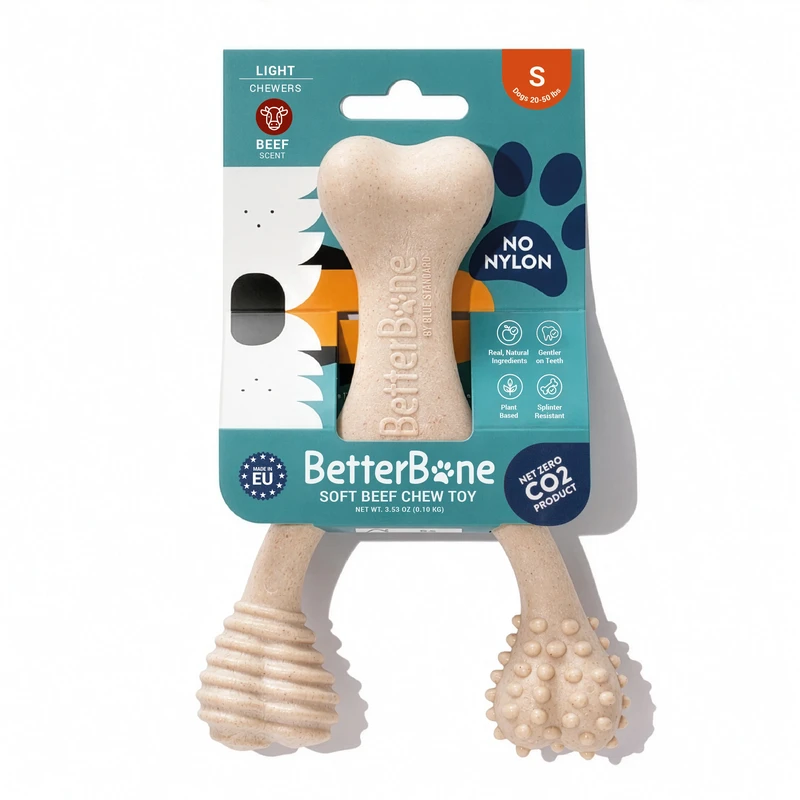
Eco-Friendly Dog Chew Toys: How to Choose Safe Materials
PawVerde.com – Eco-friendly dog chew toys prioritize renewable materials like natural rubber, hemp, and cellulose fiber over traditional petroleum-based plastics. Choosing sustainable options reduces microplastic shedding and chemical leaching, offering a safer, biodegradable alternative that supports both your pet’s dental health and the planet’s long-term ecological stability.
Natural rubber is a renewable, plant-based material sourced by tapping Hevea brasiliensis trees to collect milky latex.
How to Spot Greenwashing in Pet Toy Packaging
To detect greenwashing, look beyond vague ‘natural’ labels. Check for specific certifications regarding BPA-free, latex-free, and phthalate-free status. Verify if materials like ‘natural rubber’ are actually 100% latex or if they contain synthetic fillers, and ensure ‘recyclable’ claims are backed by specific programs like West Paw’s Loop®.
Red Flags: Vague Terminology
Many products use “eco-friendly” or “green” as marketing buzzwords without providing technical substantiation. Industry analysts suggest that a lack of specific chemical disclosures often hides the presence of harmful additives. For instance, while some brands claim sustainability, they may fail to mention if their products contain phthalates. A more reliable standard is found in products from Project Hive, which explicitly states they are BPA-free, latex-free, and phthalates-free.
A common failure mode occurs when a toy is labeled as “natural rubber” but contains significant synthetic fillers to reduce costs. Newtop notes that some rubber toys may claim to be natural, but true 100% natural latex content is a specific distinction that separates high-quality sustainable toys from hybrid synthetics. If a package does not specify the exact percentage of natural latex, proceed with caution.
The Truth About ‘Recyclable’ Labels
The term “recyclable” is often used loosely, leading consumers to believe any plastic-like toy can be processed by standard curbside programs. This is a misconception. True circularity requires specific infrastructure. For example, West Paw offers the Loop® program, which allows owners to join a dedicated recycling initiative for their toys rather than relying on general municipal waste streams.
To ensure genuine sustainability, verify that products meet specific standards, such as Project Hive’s certification of being BPA-free and phthalate-free, or the presence of 100% natural latex in rubber items.
- Explicit certification of being BPA-free and phthalate-free (as seen with Project Hive).
- Verification of 100% natural latex content in rubber-based products.
- Participation in closed-loop recycling programs like West Paw’s Loop®.
- Clear documentation regarding the absence of synthetic dyes in fiber-based toys.
The Durability vs. Sustainability Paradox
A significant tension exists between a toy’s ability to withstand aggressive chewing and its ability to break down in the environment. natural rubber is a primary solution to this paradox, as it provides a tough yet flexible chew that can withstand gnawing without splintering, according to Newtop. However, this durability comes with a biological timeline; natural rubber typically has a biodegradability duration of 1 to 5 years.
While natural rubber is incredibly resilient, it introduces different physical properties compared to synthetic alternatives. For example, Soda Pup natural rubber flying discs are heavier than standard plastic versions. This increased density can affect flight distance during play, a trade-off for choosing a plant-based material over lightweight petroleum plastics. While a plastic disc might fly further, it will persist in the environment for centuries, whereas the natural rubber version will eventually degrade.
Material Tier List: Matching Eco-Toys to Chewing Styles
Match your dog’s chewing style to the material: ‘Destroyers’ should opt for natural rubber (like Soda Pup or Newtop) for its toughness without splintering; ‘Nuzzlers’ benefit from hemp or coconut ropes (Freya & Dax) that fray safely; and ‘Gentle Chewers’ can enjoy cellulose fiber (BetterBone) or yak milk (Himalayan) chews.
| Material Type | Best For (Chewing Style) | Sustainability Profile | Primary Safety Benefit |
|---|---|---|---|
| Natural Rubber | Destroyers | Renewable/Biodegradable | Won’t splinter like hard plastic |
| Hemp Rope | Nuzzlers | Low water/pesticide use | Frays instead of breaking |
| Coconut Fiber | Nuzzlers | Highly renewable | Shorter fibers reduce ingestion risk |
| Cellulose Fiber | Gentle Chewers | Plant-based/Biodegradable | Easier on teeth |
| Yak Milk | Gentle/Moderate | Natural/Edible | Non-toxic edible byproduct |
This guide compares materials like Freya & Dax coconut fibers, which are shorter and less likely to cause intestinal issues, against traditional options.
Heavy Duty: The Strength of Natural Rubber
For dogs that treat toys as a job, natural rubber is the superior choice. Newtop distinguishes natural rubber from silicone by noting that rubber is specifically utilized for its strength and toughness. While silicone is often used for design details or safety, natural rubber provides the structural integrity required for heavy gnawing. This makes it a much more viable option for “Destroyer” type dogs than softer, plant-based fibers.
Safe Fraying: Why Hemp and Coconut Beat Cotton
Traditional cotton rope toys can be dangerous if they break into large, swallowable chunks. In contrast, hemp is a highly sustainable crop that requires less water and fewer pesticides than cotton. Sparkly Tails reports that “Hemp rope toy frays instead of breaking, making it a safer choice for your dog.” This fraying mechanism ensures that the toy wears down gradually rather than snapping suddenly. Similarly, Freya & Dax utilizes coconut fibers, which are shorter and significantly less likely to cause intestinal issues than long-strand cotton ropes.
Plant-Based Alternatives: Cellulose and Yak Milk
For dogs that prefer a slower, more methodical chew, cellulose and yak milk offer excellent alternatives. BetterBone produces cellulose fiber chews, which are plant-based materials that are easier on both the dog’s teeth and the environment. For an edible option, Himalayan yak milk chews provide a natural, non-toxic way to satisfy chewing urges. These options avoid the microplastic shedding associated with synthetic chew bones.
Safety Risks: From Intestinal Tangling to Dental Damage
Owners must account for unique physical risks when moving away from plastic, such as the tendency for long rope fibers to tangle in intestines or the potential for hard yak milk chews to damage teeth if used without supervision.
One critical pitfall involves the physical structure of fiber toys. Long rope fibers from traditional or poorly constructed sustainable ropes can tangle in a dog’s intestines. Additionally, while hemp is generally safer because it frays, some dogs may experience allergic reactions to hemp fibers, leading to skin irritation or stomach distress. Owners should monitor for these signs immediately after introducing a new material.
Hardness levels also pose a risk. While natural rubber is flexible, extremely hard products like yak milk chews can potentially damage teeth if a dog chews with excessive force without supervision. Conversely, while avoiding the chemical risks of plastic, owners must remain vigilant that traditional plastic toys do not pose immediate choking hazards if they shatter into sharp pieces.
The Economics of Eco-Friendly Play
While the upfront cost of a $19.99 Project Hive toy is higher than a generic plastic alternative, a durable natural rubber toy may lower the total cost of ownership by replacing multiple cheap versions that break quickly.
Market pricing for these specialized materials includes:
- Soda Pup (Natural Rubber): Starting at $7.50
- Freya & Dax (Coconut Rope): $15.99
- Himalayan (Yak Milk): $16.79
- Project Hive (Recyclable/BPA-free): $19.99
- BetterBone (Cellulose Fiber): $19.99
While the $19.99 price point for a Project Hive toy is higher than a generic plastic toy, the environmental benefits and the reduction in frequent replacements provide a different value proposition for the conscious consumer.
FAQ
Is hemp safer than cotton for dog toys?
Yes, hemp rope is more sustainable as it requires less water and pesticides. Crucially, hemp rope tends to fray instead of breaking, which reduces the risk of a dog swallowing large, dangerous pieces compared to cotton.
Can I compost my dog’s eco-friendly toys?
It depends on the material. While natural fibers like hemp or coconut may be compostable, you must ensure no synthetic dyes or plastic binders are present. Always check if the manufacturer specifies home vs. industrial composting.
Why is natural rubber heavier than plastic toys?
Natural rubber is a dense, plant-based material. This added weight can make flying discs (like those from Soda Pup) fly shorter distances compared to lightweight synthetic alternatives.

Eco-Friendly Dog Toys: Why Sustainable Materials Are Safer
PawVerde.com – Eco-friendly dog toys prioritize material safety and environmental impact by using renewable resources like natural rubber, hemp, and organic cotton. Unlike traditional plastic toys that can splinter and cause internal injuries, sustainable options often feature fewer chemical additives and higher durability for various chewing styles.
Current market trends indicate that 29% of eco-conscious pet parents now actively prefer biodegradable options for their dogs. This shift reflects a growing awareness of how pet products impact both the household environment and the long-term health of animals.
The hidden dangers of traditional plastic toys
Plastic toys may appear durable, but they present significant physiological risks to pets. When these items are chewed down, they can splinter into sharp fragments. If a dog ingests these shards, they can cause severe internal injuries or life-threatening blockages within the digestive tract.
The splintering risk
The mechanical failure of hard plastics often results in jagged edges. Unlike flexible materials, rigid plastic does not deform under pressure; it fractures. This failure mode is a primary driver behind the move toward more resilient, sustainable alternatives.
Chemical leaching vs. material purity
Beyond physical injury, the composition of the material itself is a concern. It is noted that many dog owners focus on durability or price when choosing toys. However, material safety often matters far more. Traditional plastics may contain additives that are not present in high-quality, renewable materials used in eco-friendly manufacturing.
How to verify eco-friendly claims and avoid greenwashing
To avoid greenwashing, look for specific third-party certifications such as USDA Organic, OEKO-TEX, or BPI Compostable. Ensure the product is truly made from renewable materials like bamboo or hemp rather than being labeled ‘eco-friendly’ while containing toxic dyes or mixed plastics.
Greenwashing occurs when products are marketed as environmentally friendly but are actually composed of mixed plastics or treated with toxic dyes. To ensure you are purchasing a truly sustainable product, follow these verification steps:
- Check for official certification logos on the packaging or product description.
- Verify if the materials are renewable, such as bamboo or hemp.
- Confirm if the product is biodegradable or made from recycled textiles.
- Inquire about the manufacturing process to ensure it avoids harmful chemical additives.
The best sustainable materials for different chewing styles
Selecting the right toy depends on your dog’s chewing category: Light chewers benefit from soft rubber or organic cotton; Moderate chewers need dense rubber or reinforced fibers; Aggressive chewers require thick, heavy-duty natural rubber that bends rather than breaks.
While many assume all “tough” toys are equal, a material mismatch can lead to rapid product failure. For example, a toy that is too soft for an aggressive chewer will be destroyed in minutes, while a toy that is too hard for a light chewer may cause dental discomfort.
| Material | Best For | Eco-Benefit | Safety Profile |
|---|---|---|---|
| Natural Rubber | Aggressive/Teething | Renewable & Biodegradable | High (Bends instead of breaking) |
| Hemp | Moderate | Pest-resistant & Biodegradable | High (Chemical-free) |
| Organic Cotton | Light | No toxic dyes/pesticides | High (Gentle on skin/teeth) |
| Plastic | N/A | Low (Non-renewable) | Low (Risk of splintering) |
The table above illustrates how material selection should align with both the environmental goal and the specific physical needs of the dog.
Natural Rubber: The heavy-duty champion
Natural rubber is the optimal choice for teething puppies and heavy chewers. According to Ecofurball, “Natural rubber, by contrast, tends to be safer for heavy chewers. It bends rather than breaks.” This elasticity prevents the sharp splintering seen in traditional plastic alternatives.
Hemp and Bamboo: Chemical-free alternatives
Hemp serves as a highly sustainable option because it is naturally pest-resistant and grows without the need for pesticides. Because it is biodegradable, it provides a closed-loop lifecycle that traditional synthetics cannot match. Bamboo is similarly recognized as a renewable, chemical-free alternative to plastic.
Organic Cotton: Best for sensitive skin
For dogs with sensitive skin, organic cotton toys offer a soft, non-irritating option. These toys are manufactured without the heavy chemical loads often found in standard textile products, making them a safer choice for gentle play.
Top manufacturers leading the sustainable pet revolution
Several companies have established themselves as leaders in the transition toward sustainable pet supplies. These brands focus on material integrity and, in some cases, circular economy models.
- KONG
- West Paw
- Beco
- Planet Dog
- Zogoflex
- VEKEN
- Rocket & Rex
- USA-K9
- BetterBone
- Cycle Dog
- Multipet
- The Kind Pet Marketplace
Some manufacturers have gone further by implementing recycling programs. For instance, certain products are 100% recyclable through specific recycling programs, ensuring that once a toy reaches the end of its life, it does not contribute to landfill waste.
Maintenance and long-term value
While sustainable products can have higher upfront costs, they often provide better long-term value through durability and safety. A high-quality natural rubber toy may cost more initially than a cheap plastic one, but its resistance to breaking reduces the frequency of replacement.
Cleaning natural rubber
Maintaining the hygiene of eco-friendly toys is straightforward. Most natural rubber items can be cleaned with hot water and a bit of gentle soap. Some specific models are even dishwasher safe, which helps prevent the bacteria buildup that can occur in more porous materials.
Shortcut: To extend the life of rubber toys, avoid leaving them in direct sunlight for prolonged periods, as UV exposure can accelerate material degradation.
The cost-per-use calculation
When evaluating a purchase, consider the cost-per-use rather than the initial price tag. A $15 natural rubber toy that lasts six months is more economical and safer than a $5 plastic toy that must be replaced every two weeks due to splintering or breakage.
FAQ
Are natural rubber toys better than plastic?
Yes, natural rubber is a renewable resource that bends rather than splintering. Unlike porous plastic, rubber resists bacteria buildup and odor, making it more hygienic for long-term use.
How can I tell if a dog toy is actually eco-friendly?
Look for certifications like USDA Organic, OEKO-TEX, or BPI Compostable. Avoid products that use vague “green” marketing without specifying if materials are renewable, biodegradable, or recycled.
Is hemp safe for dogs to chew?
Hemp is a highly sustainable, chemical-free alternative to plastic. It is naturally pest-resistant and biodegradable, making it a smart, safe choice for toys and accessories.
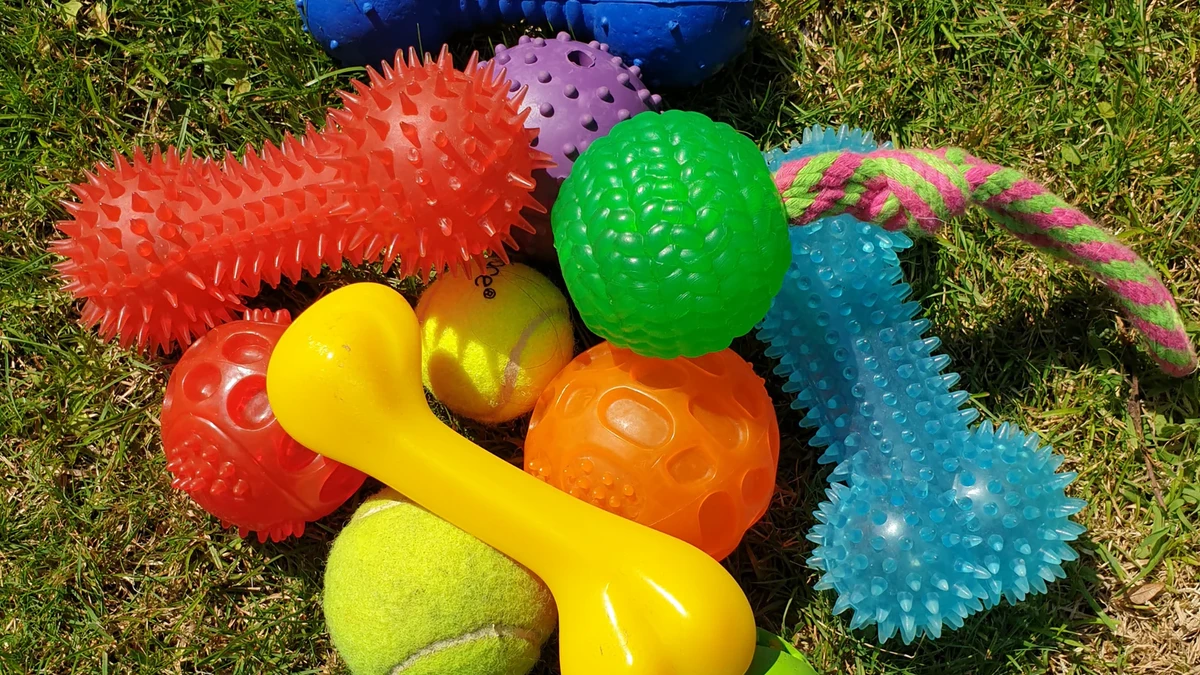
Bamboo vs Recycled Plastic Dog Toys: Key Differences Explained
PawVerde.com – Bamboo dog toys and recycled plastic dog toys have emerged as prominent alternatives to conventional plastic options, driven by growing consumer demand for sustainable, safe, and durable pet products. Bamboo, a rapidly renewable resource, offers natural biodegradability and chemical-free properties, while recycled plastic leverages post-consumer waste to reduce landfill contributions. Understanding the material characteristics, environmental impact, safety factors, and practical durability of these toy types is essential for pet owners aiming to balance pet health with ecological responsibility.
Bamboo dog toys capitalize on the plant’s fast growth without the need for fertilizers or pesticides, resulting in a resource-efficient base material. The natural hardness and fibrous structure of bamboo make it resistant to moderate chewing, while its biodegradability ensures that worn or discarded toys break down without contributing to microplastic pollution. On the other hand, recycled plastic dog toys typically derive from polyester fibers recovered from plastic bottles, repurposing waste that would otherwise burden landfills. These toys often incorporate synthetic additives to enhance durability and texture but maintain hypoallergenic and non-toxic certifications compliant with pet safety standards.
Material Profiles: Bamboo Dog Toys vs. Recycled Plastic Dog Toys
Bamboo’s rapid growth cycle—sometimes reaching maturity within three to five years—requires no pesticides or synthetic fertilizers, positioning it as a sustainable raw material in pet toy manufacturing. Its natural fibers provide a sturdy yet gentle surface for dogs to chew, minimizing tooth damage compared to harder synthetic materials. Brands such as HuggleHounds have pioneered bamboo-based dog toys, integrating natural rubber and organic cotton alongside bamboo to create biodegradable, non-toxic products that comply with OEKO-TEX and PETA cruelty-free certifications.
Recycled plastic dog toys source materials predominantly from post-consumer PET bottles, which are cleaned, processed into fibers, and woven or molded into toy structures. This process reduces virgin plastic production and diverts significant waste from landfills. Companies like Multipet, Beco Pets, and Petique have incorporated recycled polyester fabrics and plastics into their pet toy lines, emphasizing durability and environmental responsibility. However, recycled plastic fibers may contain chemical additives—including colorants and stabilizers—that require stringent safety testing to meet pet safety regulations and hypoallergenic standards.
Environmental Impact: Production Footprint and End-of-Life Considerations
Lifecycle assessments reveal that bamboo dog toys typically generate a lower carbon footprint than recycled plastic toys, primarily due to bamboo’s minimal agricultural inputs and rapid sequestration of atmospheric carbon during growth. Bamboo’s biodegradability allows discarded toys to decompose naturally within months to years, depending on environmental conditions, reducing microplastic accumulation and landfill volume.
In contrast, recycled plastic dog toys contribute positively by extending the lifecycle of plastic waste and supporting circular economy principles. Their manufacturing consumes less energy than producing virgin plastics but still involves chemical processing and the use of synthetic additives, which can complicate recycling at the product’s end of life. Despite being non-biodegradable, these toys prevent immediate environmental pollution by reusing waste streams and reducing demand for new plastic production.
Both materials significantly outperform traditional plastic dog toys in terms of resource conservation and waste reduction. However, bamboo toys offer a distinct advantage in biodegradability, whereas recycled plastic toys excel in diverting existing plastic waste from landfills.
Safety and Health Considerations for Pets
Pet safety standards emphasize the importance of non-toxic materials free from harmful chemicals such as phthalates, BPA, and heavy metals. Bamboo dog toys inherently lack synthetic chemicals, pesticides, and allergens, making them suitable for dogs with sensitive mouths or allergies. Their natural composition reduces the risk of chemical ingestion from chewing or accidental swallowing.
Recycled plastic dog toys undergo rigorous testing to ensure compliance with safety certifications like OEKO-TEX Standard 100, which screens for harmful substances. While often hypoallergenic, the presence of synthetic additives and dyes necessitates careful selection by consumers, particularly for dogs prone to allergic reactions or oral sensitivities. Manufacturers typically disclose material sourcing and additives to build trust and transparency.
Both toy types meet or exceed pet safety standards when produced by reputable eco-friendly brands, but bamboo toys provide a more natural, chemical-free profile that appeals to owners prioritizing holistic pet health.
Durability and Suitability for Different Dog Play Styles
Durability varies significantly between bamboo and recycled plastic dog toys, influenced by the dog’s chewing intensity and play behavior. Bamboo’s natural hardness offers moderate resistance to chewing, making it appropriate for gentle to moderate chewers but less ideal for power chewers who may splinter or destroy bamboo fibers. Bamboo toys’ longevity depends on maintenance and play frequency but generally require replacement more often than plastic counterparts in aggressive chewer scenarios.
Recycled plastic toys exhibit high durability and resistance to tearing, abrasion, and water exposure. Their synthetic fiber composition allows for flexibility in design, catering to various play styles, including fetch, tug, and chew. These toys often maintain structural integrity longer under heavy chewing but risk chemical degradation over extended periods or extreme conditions.
Selecting the right toy material involves matching the dog’s chewing strength and play preferences with the toy’s durability profile. Bamboo toys excel in mental stimulation and moderate chewing, while recycled plastic toys suit robust, power-chewing dogs requiring tougher playthings.
Industry Trends and Certifications Supporting Sustainable Pet Products
The pet industry increasingly embraces green manufacturing practices, including renewable energy use, waste minimization, and sustainable sourcing. Leading eco-friendly pet toy manufacturers integrate certifications such as PETA approval, OEKO-TEX Standard 100, and Global Organic Textile Standard (GOTS) to validate material safety and ethical production.
The Pet Sustainability Coalition plays a pivotal role in promoting responsible pet product development, advocating for circular economy principles, and encouraging transparency in supply chains. Their initiatives support brands adopting recycled materials, renewable resources, and biodegradable alternatives.
Emerging trends include the incorporation of hemp and jute fibers, organic cotton blends, and natural rubber components into dog toys, broadening the spectrum of sustainable materials available to consumers. These innovations aim to reduce the carbon footprint and environmental impact of pet products while enhancing pet safety and functionality.
Consumer Guidance: How to Choose Truly Sustainable Dog Toys
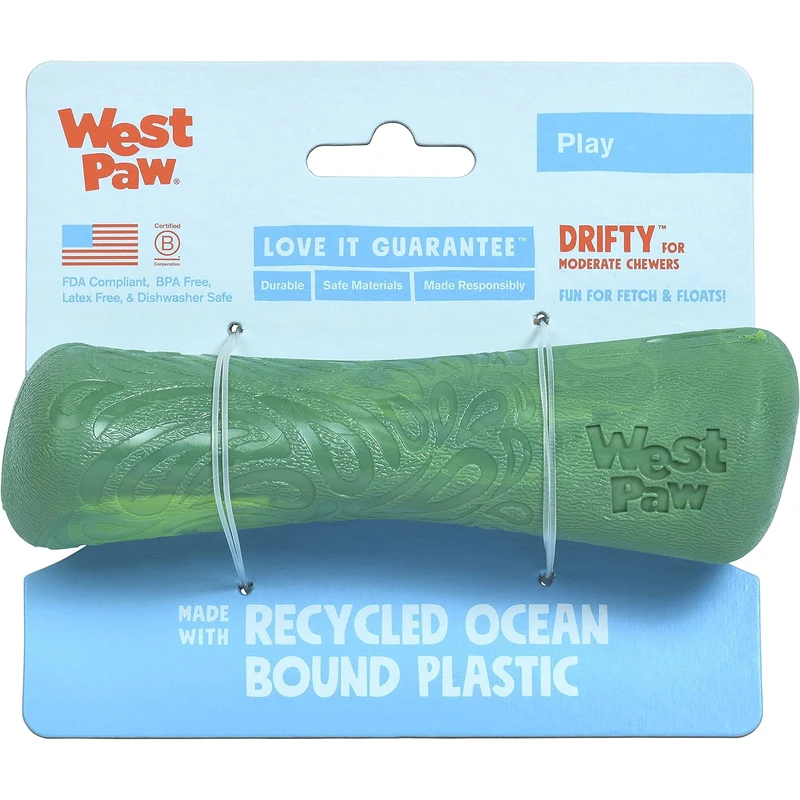
Consumers should prioritize dog toys labeled with verified eco-certifications and transparent material disclosures. Identifying bamboo toys made from 100% natural bamboo or bamboo composites without synthetic additives ensures biodegradability and chemical safety. For recycled plastic toys, verifying the use of post-consumer recycled materials and compliance with OEKO-TEX and pet safety standards is crucial.
Balancing sustainability with durability requires evaluating the dog’s chewing behavior and play style to select toys that reduce waste through longevity and safety. Consumers may also explore DIY eco-friendly dog toy options using organic cotton, hemp, or upcycled materials to customize safe and sustainable products.
Educating oneself on sustainable pet brands such as HuggleHounds, Multipet, Beco Pets, and Petique, which emphasize eco-friendly practices, empowers consumers to support industry leaders driving environmental stewardship.
FAQ

Are bamboo dog toys safe for aggressive chewers?
Bamboo dog toys are generally safe for moderate chewers but may not withstand the intense chewing of aggressive or power chewers. The natural fibers can splinter under excessive force, posing a risk of ingestion or injury. For aggressive chewers, recycled plastic toys with higher durability may be more suitable.
Do recycled plastic dog toys contain harmful chemicals?
Recycled plastic dog toys from reputable manufacturers comply with safety standards such as OEKO-TEX and are tested to be free from harmful chemicals like BPA and phthalates. However, some synthetic additives and dyes are used to improve durability and appearance, so selecting certified products is essential to ensure safety.
How do bamboo dog toys impact the environment compared to recycled plastic toys?
Bamboo dog toys offer superior environmental benefits through rapid renewability, minimal agricultural inputs, and full biodegradability, reducing landfill waste and microplastic pollution. Recycled plastic toys contribute by repurposing plastic waste, supporting circular economy efforts but are not biodegradable and may involve chemical processing.
Can dogs with allergies safely use bamboo or recycled plastic toys?
Bamboo dog toys are typically hypoallergenic and free from synthetic chemicals, making them safe for dogs with allergies or sensitive mouths. Recycled plastic toys can also be hypoallergenic if produced under strict safety standards, but synthetic additives may trigger sensitivities in some dogs.
What certifications should I look for when buying eco-friendly dog toys?
Look for certifications such as OEKO-TEX Standard 100 for chemical safety, PETA approval for cruelty-free manufacturing, and Global Organic Textile Standard (GOTS) for organic material sourcing. Brands participating in the Pet Sustainability Coalition also demonstrate commitment to sustainable and ethical practices.
As sustainability becomes a central pillar in the pet product industry, bamboo and recycled plastic dog toys represent key innovations balancing environmental stewardship with pet safety and durability. Future developments will likely expand material options and refine manufacturing processes, enhancing eco-friendly choices for conscientious pet owners.