

Biodegradable Pet Food Bowls: Are They Truly Sustainable?
PawVerde.com – Biodegradable pet bowls are designed to break down via microorganisms, but true sustainability depends on whether they are home or industrially compostable. While bamboo is a renewable favorite, many “bamboo” products are actually melamine-plastic composites that fail to degrade safely and may pose ingestion risks.
Biodegradable materials must achieve at least 90% degradation in aerobic conditions within 12 months to meet standard compostability benchmarks.
The Biodegradable Reality Check: Moisture, Warping, and Lifespan
Plant-based materials face a durability trade-off compared to stainless steel. Because they are engineered to break down, high-moisture environments like wet food feeding can accelerate material degradation, potentially leading to structural failure or microplastic leaching.
The moisture-degradation paradox is a significant hurdle for eco-friendly petware. Materials designed to be broken down by microorganisms are inherently susceptible to water absorption. When a bowl is used for wet food or water, the constant presence of liquid can trigger the very breakdown process the material was designed for. This can result in several failure modes:
- Structural Softening: The bowl loses its rigidity, making it difficult for the pet to eat without the sides collapsing.
- Warping: Uneven drying or prolonged moisture exposure causes the base to become uneven, leading to instability on flat surfaces.
- Surface Pitting: Microscopic cracks form on the surface, creating ideal breeding grounds for bacteria.
Jake Thomas notes that “biodegradable simply means that a material can break down over time with the help of microorganisms.” While this is excellent for the environment, it creates a durability gap. For a bowl to be functional, it must maintain its integrity for months or years, not just weeks. Testing for structural integrity requires observing how the material reacts to the specific pH levels of pet saliva and the constant humidity of a feeding station.
The Compostability Audit: Home vs. Industrial Facilities
Disposal responsibility requires distinguishing between degradation and compostability. A material might degrade, but if it does not meet specific timeframe requirements, it may simply fragment into microplastics rather than returning to the earth as nutrient-rich compost.
Standardized testing often relies on a 180-day disintegration window in controlled composting environments. To be considered truly compostable under many frameworks, a material must achieve 90% degradation within a specific timeframe. If a pet bowl is labeled as “industrially compostable,” it cannot be tossed into a backyard compost pile; it requires the high-heat, high-moisture environment of a professional facility to break down. If placed in a home compost, it may fail to disintegrate, effectively becoming permanent waste.
The regulatory landscape is also shifting. As of 2026-02-12, the European Commission has signaled intent to request standardization organizations to create harmonized home compostability standards. This move aims to reduce consumer confusion caused by varying international definitions of what constitutes “eco-friendly” waste.
Hidden Plastic: The Bamboo and Melamine Trap
Misleading green claims often mask the use of synthetic binders in products marketed as natural. Many consumers purchase bamboo bowls under the impression they are buying a 100% natural, biodegradable product, unaware of these hidden composites.
Industry research indicates that bamboo bowls may contain melamine or other binders to provide the necessary strength and water resistance. Most adhesives used for bamboo dishware contain a chemical called melamine. When these bowls are subjected to heat or mechanical stress, they do not degrade; instead, they can leach chemicals or break into non-biodegradable fragments. This makes the “biodegradable” label on these specific products factually incorrect and environmentally harmful.
Safety for Aggressive Chewers: Ingestion and Breakdown Risks
Material choice is a critical safety factor for owners of “power chewers.” When a pet chews on the rim of a bowl, they are interacting with the material’s structural core.
Jake Thomas has highlighted the risks associated with material failure, specifically noting that bamboo bowls are prone to cracking or chipping if chewed or dropped. Unlike stainless steel, which is virtually indestructible, plant-based composites can splinter. If a pet ingests these small, sharp fragments, it poses a risk of gastrointestinal irritation or obstruction. Consequently, the “breakdown” of a biodegradable bowl is not just an end-of-life process; it is a potential mid-life failure mode that can impact pet health.
Lifecycle Carbon Comparison: Biodegradable vs. Stainless Steel
Evaluating petware requires comparing renewable materials against highly durable options. While biodegradable materials offer a lower initial carbon footprint due to rapid regrowth, their shorter lifespan may necessitate more frequent replacements.
| Material | Sustainability Type | Durability | End-of-Life |
|---|---|---|---|
| Stainless Steel | Recyclable / Non-renewable | Extremely High | Recycle |
| Pure Bamboo | Renewable / Biodegradable | Moderate | Compost |
| Bamboo-Melamine | Non-renewable Composite | Moderate | Landfill |
The comparison highlights a fundamental tension in sustainable shopping. Stainless steel is not renewable, but it can be long-lasting, often lasting for decades. For example, high-grade options like the 18/8 grade used in YETI products or the 304 grade used by Gorilla Grip are designed for extreme longevity. This supports a “buy once” philosophy that reduces the total volume of waste produced over a pet’s lifetime.
Conversely, bamboo is a fast-growing and renewable material, making it an excellent choice for reducing the immediate demand for fossil-fuel-based plastics. However, the environmental benefit of bamboo is only realized if the bowl is pure and actually reaches a composting facility at the end of its life.
Hygiene and Maintenance: Keeping Eco-Bowls Clean
Hygiene is the most critical factor in preventing pet illness. Biological contaminants can persist on feeding surfaces longer than most owners realize.
Data shows that viruses can live for 3 days on bowls. This makes a consistent cleaning routine mandatory to prevent the spread of pathogens between pets or within a household. When managing biodegradable or bamboo-based bowls, the maintenance protocol must be more delicate than with metal:
- Hand washing bamboo: Wash by hand with mild soap and avoid harsh detergents or dishwashers, which can cause the material to crack.
- Sanitizing bowls: Rinse and dry after every meal; once a week, use a steam mop attachment or hot soapy water to sanitize and disinfect.
- Temperature control: For certain specialized bowls, such as Magisso models, you can soak or run the bowl under cold water for 45 seconds to utilize cooling technology.
To prevent premature structural failure, avoid placing bamboo bowls in high-heat dishwashers. Using harsh detergents or excessive heat can accelerate material degradation and cause cracking.
FAQ
Is a bamboo bowl actually biodegradable?
Only if it is pure bamboo. Many bamboo bowls are actually composites held together by melamine-based adhesives, which are not biodegradable and can pose health risks if chewed.
How long do viruses live on pet bowls?
Viruses can survive on pet food bowls for up to 3 days, making regular sanitization essential regardless of the material used.
Can I put biodegradable bowls in the dishwasher?
Generally, no. Most biodegradable or bamboo-based bowls should be hand-washed with mild soap to prevent cracking or premature degradation from high heat.
Sustainable Pet Product Lifecycle: Circular Economy Guide
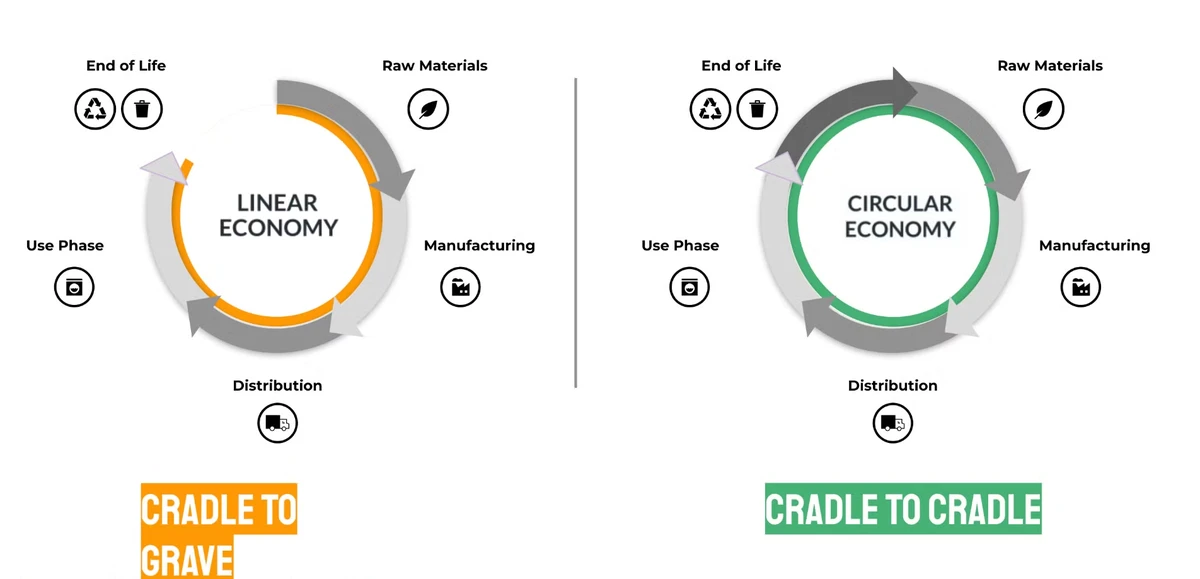
PawVerde.com – A sustainable pet product lifecycle shifts from a ‘take-make-waste’ model to a circular economy where materials like PET are continuously repurposed. This approach minimizes environmental harm by prioritizing product durability, mono-material construction, and closed-loop recycling systems to reduce the 300 million pounds of plastic waste generated annually by the U.S. pet food industry.
The environmental impact is immense. In the U.S., 91% of the 300 million pounds of plastic waste generated annually by the pet food industry ends up in nature, oceans, or disposal areas.
The Sustainability Paradox: Durability vs. Biodegradability
The sustainability paradox in pet products involves balancing a toy’s durability for heavy chewers against its end-of-life biodegradability. While biodegradable materials reduce landfill waste, they may lack the toughness required to prevent microplastic shedding, whereas durable recycled plastics like PET offer longevity but require robust recycling infrastructure to remain truly circular.
Sustainability rewards durability. According to ecofurball.com, if a product breaks easily, it fails the test of what makes a pet product sustainable, regardless of how green it appears. This creates a counterintuitive reality where a “less eco-friendly” material like high-density plastic may actually be more sustainable than a biodegradable alternative if the latter requires replacement every few weeks.
The Carbon Cost of Frequent Replacement
A common failure mode in sustainable pet ownership is the assumption that “natural” always equals “better.” However, the Pet Sustainability Coalition notes that what makes a pet product sustainable is its ability to minimise environmental harm across its entire lifecycle. If a consumer replaces a soft, biodegradable toy every month due to rapid wear, the cumulative carbon footprint of manufacturing, shipping, and disposing of those items often exceeds the footprint of a single, long-lasting recycled plastic toy.
Sustainable products can cost more upfront, but according to ecofurball.com, they often last longer and save money over time. This longevity is a critical component of reducing the total volume of waste entering the ecosystem.
The Microplastic Dilemma in Biodegradable Toys
A hidden risk exists when materials marketed as biodegradable lack the structural integrity to withstand heavy chewing. If these materials fragment, they can lead to the ingestion of microplastics by pets or the leakage of synthetic residues into the soil, complicating the lifecycle benefits they were intended to provide.
Material Safety vs. Circularity: A Decision Matrix
Choosing the right material requires weighing environmental cultivation costs against physical safety. As reported by growthmarketreports.com, the pet toys segment is experiencing rapid growth, driven by consumer concerns over plastic waste and chemical leaching from conventional toys.
| Material | Energy Intensity | Primary Circular Benefit | Main Sustainability Trade-off |
|---|---|---|---|
| PET (Recycled) | Low (70% reduction) | Closed-loop recycling | Requires specific recycling streams |
| Aluminum | High | Infinite recyclability | High initial energy cost |
| Glass | Very High | Non-toxic/Inert | Heavy weight/High breakage risk |
| Hemp | Low | Low water/High durability | Limited material versatility |
| Cotton | Medium | Biodegradable | High water use/Lower durability |
Deciding between fibers requires looking at resource use. While cotton is widely available, hemp often presents a more sustainable profile in terms of resource consumption and long-term toughness.
The PET Advantage in Circular Packaging
PET is a cornerstone of the circular economy because recycling it uses up to 70% less energy than producing virgin PET. Furthermore, recycling PET can save 6 tons of oil resources for every 1 ton processed, making it more environmentally efficient than glass, aluminum, or carton alternatives in many lifecycle assessments.
Husky Injection Molding Systems reports that PET produces lower greenhouse gas emissions, consumes less energy, and generates less waste compared to commonly used alternatives. These efficiency metrics are significant:
- The recycling of PET bottles helps divert 138 million bags of trash from landfills in the United States.
- PET-related water savings account for 4.4 billion litres annually in the U.S.
- These water savings are equivalent to the reduction in emissions from 688,000 gas-powered cars.
Closed-loop ‘bottle-to-bottle’ mechanics
A true circular economy relies on closed-loop “bottle-to-bottle” recycling. This process, as detailed by Aceretech, involves transforming used PET bottles into new, food-grade bottles through a systematic cycle of shredding, washing, and pelletizing. This ensures that the material does not degrade in quality but remains a high-value resource within the supply chain.
Solid State Polymerization (SSP) for food-grade safety
To maintain safety standards, particularly for pet food packaging, manufacturers utilize Solid State Polymerization (SSP). This technical process is essential to ensure that recycled PET (rPET) meets strict standards for food-grade use, stripping away impurities and restoring the polymer’s molecular weight so it is safe for contact with nutrition products.
Closing the Loop: Technical Strategies for Manufacturers
For manufacturers to move beyond simple recycling and toward a truly circular model, specific design choices must be implemented at the production stage. One of the most effective methods is mono-material construction, which uses a single polymer type throughout the entire package. As noted by plastekgroup.com, mono-material designs simplify the recycling process and increase the likelihood that local recycling facilities will accept the packaging.
Effective technical strategies include:
- Implementing Mono-Material Construction to avoid the complexities of separating multi-layer plastics.
- Adopting Closed-loop ‘bottle-to-bottle’ systems to keep high-quality PET in the production cycle.
- Designing for disassembly in durable goods like pet beds or crates.
A significant failure mode in manufacturing occurs when companies use multi-material laminates (such as plastic bonded to foil). While these may provide excellent moisture barriers for pet food, they are notoriously difficult to recycle and often end up in landfills, breaking the circular loop.
Market Dynamics and the Rise of the Eco-Conscious Pet Owner
The economic landscape is shifting rapidly to accommodate these sustainable practices. In 2024, the sustainable pet products market value reached USD 35,045 million. This sector is projected to grow at a CAGR of 7.4% during its forecast period, according to credenceresearch.com.
This growth is fueled by a massive influx of new consumers. Data from dataintelo.com indicates that 3.4 million new pet-owning households were formed across North America and Western Europe in 2024. As these new owners enter the market, there is an increasing demand for products that align with environmental values, driving investment in both compliance and innovation.
Avoiding the Greenwashing Trap
As sustainability becomes a primary marketing driver, the risk of “greenwashing” increases. Consumers must remain vigilant against products that use misleading environmental claims. According to ecofurball.com, sustainability marketing spin is a major pitfall when companies fail to provide verifiable data to back up their “eco-friendly” labels.
Systemic risks include non-compliance with global legislative efforts and a lack of source-level traceability to the waste-picker level.
To accurately judge a product, consumers can look toward Life Cycle Assessments (LCA). As noted by Uekert et al 2022, no LCA is perfect the first time, as reviewing results may require shifting the scope to fully capture all important environmental impacts.
FAQ
How can I ensure my pet’s recycled plastic toys don’t contaminate the recycling stream?
Focus on cleaning food residue and saliva from hard plastics like bowls or heavy-duty toys before disposal to prevent batch contamination. Ensuring materials are free of organic matter helps maintain the integrity of the recycling process.
What is the benefit of mono-material packaging for pet food?
Mono-material construction uses a single polymer type, which simplifies the recycling process and increases the likelihood that local facilities will accept the packaging. This reduces the chance of the material being diverted to a landfill.
Is it better to buy durable plastic or biodegradable pet products?
Durability prevents frequent replacement and waste. For items that cannot be easily recovered, biodegradability is an option, provided the material does not fragment into microplastics.
How to Audit Eco-Friendly Pet Supplies & Avoid Greenwashing
PawVerde.com – eco-friendly pet supplies focus on reducing the environmental footprint of pet ownership through sustainable materials like bamboo and natural rubber, ethically sourced nutrition, and waste reduction. While the global market is projected to reach $34.6 billion by 2034, true sustainability requires looking beyond labels to avoid greenwashing and ensure product end-of-life circularity.
Consumer expectations are shifting rapidly. According to Faunalytics, 84% of companion animal guardians now hold companies responsible for addressing climate change.
The Greenwashing Decoder: How to Audit Your Pet Product Labels
To audit a pet product, look for specific certifications rather than vague buzzwords. Avoid products claiming to be ”recyclable’ if they use multi-layer films, and be wary of ‘eco-friendly’ waste bags that lack industrial compostability proof. Always check if the brand provides transparent sourcing data to back up their environmental assertions.
The pet care industry faces significant scrutiny regarding deceptive marketing. Reports from Doglyness highlight widespread greenwashing in the pet care sector, where brands often use misleading imagery to imply sustainability. This skepticism is shared by a large portion of the population; Woola notes that 52% of people globally have encountered false or misleading information regarding a brand’s sustainability actions. In Europe, data indicates that 42% of green claims were found to be exaggerated, false, or deceptive in 2021.
Red Flags: Vague Buzzwords vs. Certifications
When auditing a product, distinguish between marketing fluff and verifiable standards. The following list identifies common pitfalls for pet owners:
The Multi-Layer Film Trap
A critical misconception involves the ease of recycling pet food packaging. Many bags utilize a combination of plastic and foil to maintain freshness. However, these composite materials are rarely accepted by municipal recycling streams. This creates a significant volume of non-recyclable waste, despite the “recyclable” label appearing on the back of the bag.
The Lifecycle Audit: Biodegradable vs. Compostable vs. Recyclable
Understanding the end-of-life stage of pet products is essential to prevent unintended environmental harm. While “biodegradable” sounds inherently positive, the term is often used loosely in the pet industry.
The reality of waste management is that many “biodegradable” products fail to break down effectively in standard landfills. Without specific oxygen and microbial conditions, these items may sit for decades. Furthermore, Clarkston Consulting reports that incorrect labeling has already led to significant legal consequences, noting $1.7 million in filings involving incorrect labeling of pet waste bags as “eco-friendly” in early 2021.
To ensure a product truly follows a circular lifecycle, verify if the packaging is certified for industrial composting. This distinction is vital for reducing the volume of pet-related waste that ends up in landfills, where it can contribute to greenhouse gas emissions.
Material Safety & Toxicity Matrix for Eco-Materials
When choosing eco-materials, balance sustainability with pet safety. Bamboo is a highly sustainable carbon absorber, but ensure it is processed without toxic glues. Natural rubber is excellent for durability without deforestation, while hemp and organic cotton offer low-impact alternatives for bedding and toys that minimize skin irritation.
Sustainability must never compromise the biological safety of the animal. For example, the Best Friends Animal Society warns that eco-friendly cat litters should avoid containing clay or sodium bentonite, as these ingredients can potentially sicken or poison pets. Instead, look for plant-based alternatives that offer safety and performance.
| Material | Sustainability Benefit | Pet Safety Consideration | Best Use Case |
|---|---|---|---|
| Bamboo | High CO2 absorption; prevents deforestation | Check for non-toxic resins/glues | Bedding, toys, and bowls |
| Natural Rubber | No deforestation in production | Ensure no synthetic additives | Durable chew toys |
| Hemp | Low water usage; high durability | Generally hypoallergenic | Bedding and rope toys |
| Recycled Plastic | Reduces landfill volume | Check for microplastic shedding | Heavy-duty crates or bowls |
The selection of materials often involves a trade-off between durability and impact. For instance, Clarkston Consulting notes that natural rubber is highly sustainable because production relies on rubber tree sap rather than deforestation. However, for bedding, organic cotton or hemp remains the gold standard for minimizing skin irritation in sensitive animals.
A Tiered Roadmap for a Budget-Friendly Eco-Transition
Transitioning to a sustainable pet lifestyle does not require an immediate, total overhaul. Caring Hands Vet suggests that sustainability is about progress, not perfection. Consumers can approach the change through a tiered strategy to manage costs effectively.
Faunalytics research indicates that 62% of companion animal guardians bought an environmentally friendly product in the past month. Sustainability becomes a decisive factor for consumers once their price expectations are met.
By following this roadmap, owners can avoid the “all-or-nothing” trap. Even small changes, like choosing products from vetted brands on EarthHero or Green Pet, contribute to a larger shift in the industry.
The Hidden Cost of Microplastics and Shipping
Even when products are made from sustainable materials, the logistics and maintenance of those products can introduce new environmental costs.
One significant concern is the shedding of microplastics from synthetic or recycled polyester pet bedding. When these items are washed, they release tiny plastic fibers into the water system. To mitigate this, owners can use specialized washing bags designed to catch microfibers. Additionally, consider the carbon footprint of the delivery itself. For example, EarthHero offers free carbon-neutral shipping on orders over $75. This is a crucial consideration because a “sustainable” product shipped halfway across the world may have a higher carbon footprint than a conventional product manufactured locally.
The manufacturing of plastic packaging also carries a heavy environmental weight. As noted by Doglyness, the process of creating plastic packaging is devastating to the environment, regardless of how “recyclable” the final product claims to be.
FAQ
Is bamboo safe for dogs and cats?
Bamboo is a highly sustainable resource that acts as a carbon absorber. To ensure safety, verify that products are processed without toxic resins or glues.
How can I tell if pet waste bags are actually eco-friendly?
Avoid bags that only claim to be ‘biodegradable.’ Look for certified compostable labels and check if they meet state regulations to avoid the $1.7 million greenwashing trend in waste bags.
Can I make my own eco-friendly pet toys?
Yes, you can upcycle old t-shirts, towels, or cardboard boxes into enrichment items. Using old socks with water bottles is a simple, zero-waste way to create a puzzle toy.
Pros and Cons of Cork Pet Toys: Safety & Sustainability
PawVerde.com – Cork pet toys provide a sustainable, hypoallergenic, and silent alternative to plastic. These toys are ideal for apartment living and scent-driven play, offering a material that is naturally resistant to mold and mildew due to its suberin content.
Cork oak trees can live for up to 250 years. Because the bark is harvested only once every 9 years, it remains a highly renewable resource for manufacturers.
The Material Deep-Dive: Solid Cork vs. Composite Fillers
HZCORK utilizes high-density solid cork to provide structural density for repetitive interaction. This material offers a specific tactile resistance that differs from composite alternatives.
Not all cork products are created equal. A common failure mode occurs when manufacturers use composite materials containing binders or fillers to reduce costs. These low-grade composites tend to degrade rapidly under pressure. If a toy begins to flake, it presents a significant risk. Industry analysts warn that small fragments can easily be swallowed. This poses a threat of intestinal blockage or throat lodging, a risk particularly acute if the toy is too small for the animal’s size.
Safety and Degradation: The Saliva and Moisture Factor
Pet owners must monitor for physical degradation caused by liquid saturation. According to The Spruce, exposure to excessive moisture can cause cork to warp, stain, or buckle.
The risk of intestinal blockage from small crumbs
Safety is a primary concern for aggressive chewers. According to Business Insider, if a toy is too small, your dog is at risk of swallowing it, which could cause a life-threatening intestinal blockage. This risk increases as the material degrades. While cork provides a gentle abrasive action that can help clean teeth through abrasion without damaging sensitive gums, the physical breakdown of the material into small pieces must be monitored closely.
How moisture causes warping and buckling
Cork contains a waxy substance called suberin that naturally repels moisture and microbial growth. This makes the material naturally resistant to mold. However, excessive moisture from heavy saliva or environmental humidity can still cause structural issues. According to The Spruce, exposure to excessive moisture can cause cork to warp, stain, or buckle. Owners should avoid saturating toys and should never attempt to clean them with excessive liquid. Instead, use a dry or slightly damp cloth to maintain the integrity of the material.
The ‘Silent Play’ Advantage for Apartment Living
Cork’s natural damping properties eliminate the noisy clatter typical of hard plastic toys. This ‘Silent Play’ makes it a premier choice for apartment dwellers who need to minimize pet-related noise.
Acoustic insulation properties
Noise reduction is a measurable benefit of cork. Data from cork flooring Supply suggests that cork can provide a 53% reduction in noisy foot traffic sound muffled by the material. This acoustic insulation extends to pet play. Unlike hard plastic or ceramic that creates sharp, high-frequency sounds when dropped, cork absorbs impact. This makes it an ideal solution for residents in multi-unit buildings where floor noise is a frequent point of contention between neighbors.
Scent retention for catnip and silvervine
Cork is naturally porous. This porosity allows it to hold the scent of catnip or silvervine longer than plastic alternatives. For owners looking to increase engagement, this scent retention is vital. For example, the Tumbler Feeder (MWJ-06-A) can be used for cognitive enrichment feeding, where a transparent treat silo works alongside a cork track system to force cats to work for food, utilizing their sense of smell to drive play.
Material Comparison: Cork vs. Rubber vs. Hemp
When selecting the right material, owners must weigh durability against sustainability and noise levels. Different materials serve different roles in a pet’s lifestyle.
| Feature | Cork | Natural Rubber | Hemp |
|---|---|---|---|
| Durability | Moderate (Best for light/medium chewers) | High (Best for heavy chewers) | Moderate (Highly durable fiber) |
| Sustainability | High (Renewable bark) | High (Natural source) | High (Fast-growing) |
| Noise Level | Low (Silent Play) | Moderate (Dull thud) | Low (Soft impact) |
| Scent Retention | Excellent (Porous) | Low | Moderate |
The choice often depends on the specific needs of the animal. While natural rubber is a preferred material for heavy chewers, cork offers a unique combination of silence and scent retention that rubber cannot match.
Durability vs. Sustainability
Ecofurball notes that eco-friendly pet toys reduce landfill waste, limit chemical runoff from manufacturing, and decrease reliance on virgin plastics. Cork fits this profile perfectly because the bark is harvested without killing the tree. However, for owners with extremely aggressive chewers, natural rubber remains a more durable alternative to prevent rapid material degradation.
Price and cost-effectiveness
Longevity impacts long-term value. While natural rubber or high-quality cork may have a higher initial cost, their durability compared to cheap plastic alternatives can make them more economical over time.
Pet Life-Stage Suitability Matrix
Different life stages require different types of stimulation and physical properties. A toy that is perfect for a kitten may be dangerous for a senior dog.
- Puppies and Teething: Cork’s gentle abrasive properties are excellent for teething. It provides relief to sensitive gums without the intense hardness of some rubbers.
- Adult Engagement and Enrichment: For active adults, cognitive enrichment tools like the Puffin Game puzzle toy or weighted tumblers provide necessary mental stimulation.
- Senior Dental Care: As pets age, dental health becomes critical. Cork provides a soft, abrasive action that can help clean teeth through gentle contact.
When selecting toys for senior pets, ensure the weight and size are appropriate. For instance, certain scratching boards can support a weight capacity of 7-8 kg for large adult cats or small dogs, providing a stable platform for activity.
FAQ
Are cork toys safe for aggressive chewers?
While cork offers satisfying resistance, aggressive chewers may cause it to crumble. For heavy chewers, natural rubber is often a more durable alternative.
Yes, cork provides a gentle abrasive action that can help clean teeth through abrasion without damaging sensitive gums.

Best Biodegradable Pet Mats: How to Avoid Hybrid Waste
PawVerde.com – Choosing a biodegradable pet mat for your living room requires balancing eco-friendly materials like wool or jute with the practical need for durability. While natural fibers are compostable, you must verify that the mat’s backing and adhesives are also biodegradable to avoid creating a hybrid waste item.
All compostable plastics are biodegradable, but not all biodegradable plastics are compostable, according to BioPoly Lab. This distinction is critical when evaluating home textiles, as a product marketed as “green” may still contain non-compostable components that prevent full environmental breakdown.
The Biodegradability Paradox: Verifying True Compostability
To ensure a mat is truly biodegradable, inspect it for synthetic adhesives, plastic backings, or chemical coatings. According to the Phu Hao Group, even a small amount of synthetic binder can prevent an item from being compostable.
The hidden danger of synthetic adhesives
A common failure mode in eco-friendly home goods is the “hybrid waste” trap. A manufacturer might use 100% jute for the surface layer but secure it to a non-biodegradable latex or PVC backing using industrial-strength synthetic glues. When this mat reaches the end of its life, the organic fibers cannot be composted because they are chemically bonded to a permanent plastic structure. This creates a situation where the consumer believes they are making a sustainable choice, yet the item will ultimately persist in a landfill for decades.
How to read material labels for end-of-life disposal
Consumers should look beyond the primary material description. Instead of just searching for “jute mat,” inspect the secondary components listed in the product specifications. If a label mentions “synthetic backing,” “polyurethane coating,” or “acrylic adhesive,” the item is not fully compostable. A truly biodegradable mat must have a 100% organic composition, including the structural elements that hold the fibers together. For instance, a mat might be labeled as 95% natural fiber, but that remaining 5% of synthetic binder is enough to disqualify it from home composting systems.
Performance vs. Sustainability: The Material Matrix
FibreGuard notes that synthetic fibres tend to outperform natural ones in pet environments because they’re engineered for durability. These materials combine higher tensile strength with natural moisture resistance, making them less likely to absorb liquid accidents or suffer from structural breakdown.
FibreGuard notes that synthetic fibres tend to outperform natural ones in pet environments because they’re engineered for durability. These materials combine higher tensile strength with natural moisture resistance, making them less likely to absorb liquid accidents or suffer from structural breakdown. Conversely, LeafScore points out that while natural materials are better for indoor use, synthetics are often treated with various chemicals or flame retardants that may impact indoor air quality.
| Material Type | Biodegradability | Durability (Pet Use) | Cleaning Ease |
|---|---|---|---|
| Wool | High | Moderate | Moderate |
| Jute/Sisal | High | High | Low |
| Coir | High | Very High | Moderate |
| Synthetic Polyester | None | Very High | High |
This comparison highlights that while synthetics win on pure longevity, they fail the sustainability test. Selecting a mat involves deciding whether to prioritize a product that lasts longer or one that leaves no trace once it is discarded.
Top Biodegradable Material Options for Living Rooms
The best biodegradable materials for pet mats include wool (renewable and biodegradable), jute/sisal (natural and safe), and coir (chemical-free and safe for children). These materials offer a sustainable alternative to synthetic polyester mats that shed microplastics into your living environment.
Wool: Temperature control and softness
Wool is a renewable and biodegradable material, according to The Rug Decor. It provides a unique benefit for pet owners: natural temperature regulation. Wool fibers can help keep a pet cool in the summer and warm in the winter, making it an excellent choice for a living room lounge area. However, because it is a natural protein fiber, it requires more careful cleaning to prevent odors from settling deep within the pile.
Jute and Sisal: Durable natural textures
Jute and sisal are heavy-duty options that provide significant texture and strength. These plant-based fibers are highly resistant to the repetitive friction of pets walking or lying down. While they are incredibly durable, they are often less soft than wool, making them better suited for high-traffic entryways or the edges of a living room rather than a primary sleeping spot for a small pet.
Coir: The chemical-free option
Natural coir, derived from coconut husks, is safe for pets and family members, as noted by the Phu Hao Group. One of its primary advantages is that it typically contains no harmful chemicals, making it a safe choice for households with young children or sensitive animals. Coir mats are particularly effective at scratching and can withstand significant wear, though they may have a coarser texture than other options.
- Wool: Renewable, soft, and temperature-regulating.
- Jute/Sisal: High durability and excellent for high-traffic areas.
- Coir: Chemical-free, pet-safe, and highly resistant to abrasion.
Avoiding Common Pitfalls in Pet Mat Maintenance
Selecting the right material is only half the battle; choosing a texture that can survive a pet’s natural behaviors is the other. Many “natural” looking mats fail because their physical structure is incompatible with claws and fur.
The Sofa Cover Crafter warns that cotton and linen are poor choices for homes with dogs due to their porous nature. These fabrics act like a sponge, absorbing stains and odors that become difficult to extract. Additionally, Chenille and Velvet loops create a landscape for claws, leading to frequent snags and pulls that can ruin the mat’s appearance in a single afternoon. For cat owners, Catenary Home notes that silk is highly delicate and prone to damage, as even a soft paw swipe can cause irreversible snags.
The Scent-Trap Problem: Managing odors in natural fibers
Because natural fibers like cotton or linen are highly porous, they can trap organic matter deep within the weave. If a pet has an accident, the odor can become embedded, requiring more than just a surface wipe. This is a significant failure mode for owners who prioritize a fresh-smelling living room.
The Claw Factor: Why texture matters
Texture dictates the lifespan of your mat. A smooth, tightly woven surface is generally more “claw-proof” than a loose, loopy weave. When selecting a biodegradable option, consider the density of the fiber; a denser weave will resist the mechanical damage caused by digging or scratching behaviors.
Cleaning Protocols for Eco-Friendly Mats
Maintaining a biodegradable mat requires a shift away from harsh, synthetic-based detergents that could potentially damage the natural fibers or leave chemical residues. Instead, focus on methods that work with the material’s biology.
For organic messes, The Sofa Cover Crafter recommends using an enzymatic cleaner to actively break down organic matter. This is essential for pet owners, as enzymes specifically target the proteins in urine or saliva. When using a washing machine for smaller mats, a wash cycle temperature of 40°C is often the safest balance between cleaning efficiency and fiber preservation.
To manage general odors and freshen the room, follow these steps:
- Sprinkle baking soda generously over the surface of the mat.
- Let the baking soda sit for a few hours or overnight to absorb moisture and odors.
- Vacuum the mat thoroughly to remove the powder and the lifted debris.
Regular vacuuming is the most effective preventative measure. By removing loose fur and dander before they settle into the fiber core, you reduce the frequency of deep cleaning required for your eco-friendly mats.
FAQ
Is a recycled polyester mat truly eco-friendly?
recycled polyester (R-PET) reduces fossil fuel consumption during production, but it is not biodegradable. Over time, these mats can contribute to microplastic shedding in your living room, meaning they do not offer the same end-of-life benefits as truly compostable natural fibers.
Natural materials like coir are generally safe and durable for cats, according to the Phu Hao Group. However, you should avoid delicate fabrics like silk or textures with prominent loops (such as certain chenille weaves), as these are easily snagged and damaged by cat claws during play or grooming.
Best Plastic-Free Pet Grooming Tools: A Sustainability Guide
PawVerde.com – The best plastic-free pet grooming tools prioritize high-quality materials like stainless steel for infinite recyclability and bamboo for lightweight durability. To achieve a truly zero-waste routine, transition from liquid shampoos to vegan shampoo bars and swap disposable wipes for washable cloths to eliminate microplastic shedding and single-use waste.
Searches for “eco-friendly pet products” have grown by 30% in the last two years, signaling a massive shift in pet care priorities.
The Sustainability Audit: Identifying Hidden Plastics in Your Grooming Kit
To identify hidden plastics, inspect your “eco-friendly” tools for synthetic bristles (nylon/polyester) on bamboo handles, plastic components inside nail grinders, and toxic dyes in “natural” products. A truly plastic-free tool should consist of metal, wood, bamboo, or natural rubber without synthetic adhesives or composite parts.
Greenwashing occurs when products are labeled “eco-friendly” or “natural” but contain hidden synthetic materials or toxic dyes. A common failure mode involves bamboo handles that are bonded to plastic bases using non-recyclable adhesives. If a tool cannot be separated into pure material streams, it fails the sustainability audit.
The Bristle Trap
Many brushes marketed as sustainable feature bamboo or wood handles but utilize nylon or polyester bristles. These synthetic filaments shed microplastics during use. Practitioners recommend checking the bristle composition before purchase. True zero-waste alternatives rely on natural fibers or high-grade metal pins.
The Glue and Dye Dilemma
Even if the primary material is bamboo or hemp, manufacturers often use synthetic glues to secure metal components. Bamboo and hemp are chemical-free alternatives to plastics, but only if the entire assembly avoids composite parts. Additionally, ensure that “natural” products do not rely on synthetic dyes that can leach into a pet’s coat.
Material Durability vs. Eco-Impact Matrix
Selecting tools requires weighing longevity against immediate environmental footprint. While bamboo offers immediate renewability, stainless steel provides a lifecycle that spans decades through infinite recyclability.
| Material | Durability | Recyclability | Best For |
|---|---|---|---|
| Stainless Steel | High | Infinite | Dematting, Combs, Professional tools |
| Bamboo | Moderate | Compostable* | Lightweight brushes, Handles |
| Plastic | Low | Limited | Not recommended for zero-waste |
Stainless steel stands as the gold standard for sustainable grooming tools due to its exceptional durability, resistance to rust and corrosion, and infinite recyclability.
Stainless Steel: The Infinite Recyclable
Stainless steel is an ideal choice for high-friction tools like combs and deshedding implements. Unlike plastic, which degrades and becomes ineffective quickly, metal maintains its structural integrity over years of use. This longevity prevents the constant replacement cycle that drives landfill waste.
Bamboo: The Lightweight Renewable
Bamboo brushes are a fantastic alternative to plastic because bamboo is a renewable resource that is both durable and lightweight. It provides a tactile, natural feel that avoids the static electricity common with synthetic handles. However, users must ensure the brush is 100% bamboo to ensure it is truly compostable at end-of-life.
Top Sustainable Grooming Tools by Category
Matching material properties to specific grooming needs is essential for reducing environmental impact while maintaining professional results.
Professional-Grade Metal Tools
- Mars Coat King: This dematting undercoat rake is a heavy-duty metal option. It is highly efficient, removing 90% of loose hair with each grooming motion.
- Andis Deshedding Tool: Featuring a head width of 4.5 inches, this tool is a staple for managing thick coats. It is priced at approximately $26 at Chewy.
- Safari Self-Cleaning Slicker Brush: A reliable metal and wood option for daily maintenance, available for about $18 at Chewy.
Zero-Waste Bathing Essentials
- Stuck Soap Vegan Shampoo Bars: These bars are a high-impact change for zero-waste routines. One bar replaces multiple plastic bottles and lasts for months.
- Washable Cloths: Instead of using Earthbath or other disposable wipes, use old towels cut into small squares for paw cleaning.
Sustainable Brushes and Combs
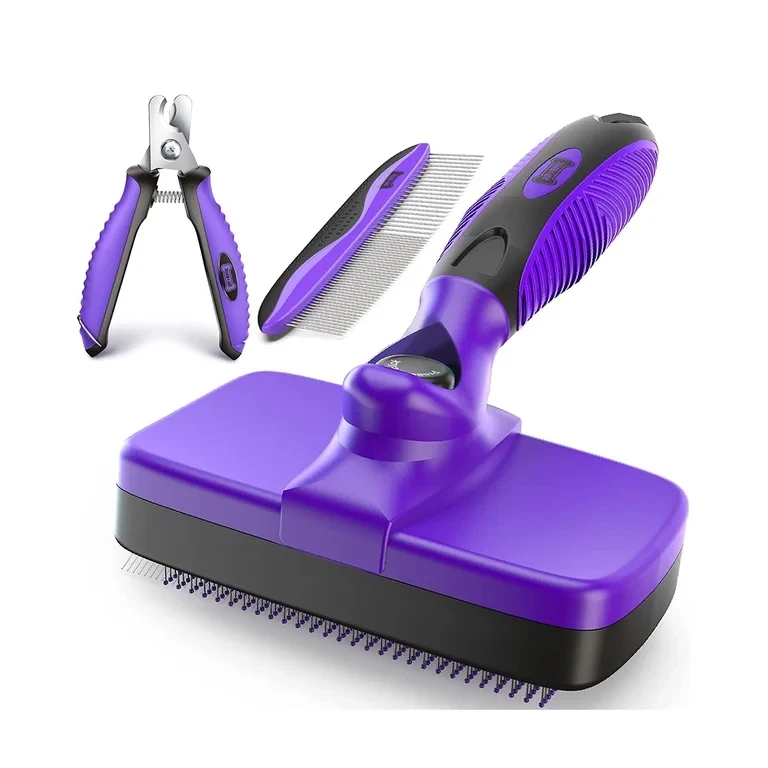
- Uproot Pet Grooming Kit: This kit contains 7 different tools, providing a comprehensive solution for various coat types.
- FOUR PAWS Curry Brush: A durable option for skin stimulation and hair removal.
Coat-Specific Material Guide: Matching Tool to Texture
The texture of a pet’s coat dictates whether a tool should be heavy-duty metal or a lighter natural material. Using the wrong tool can lead to breakage or ineffective grooming.
Double-Coated Breeds
For breeds with dense undercoats, metal combs and deshedding tools are long-lasting options. These tools must be sturdy enough to penetrate the coat without bending. Stainless steel is essential here to withstand the pressure required to reach the undercoat.
Short and Smooth Coats
Short-haired pets benefit from tools that minimize static. Wooden handles are naturally less static-inducing than plastic, which is a big win for long-haired breeds or pets sensitive to electrical discharge. For smooth coats, a simple metal comb is often sufficient and will last a lifetime.
Maintenance and Disposal: The End-of-Life Roadmap
Even the most durable tools require upkeep to ensure they remain effective and safe for the pet.
Extending Tool Lifespan
To maintain metal combs, use DIY Comb Maintenance techniques. You can lightly run a piece of very fine-grit sandpaper or an emery board over the tips of the teeth to smooth them out. This prevents the metal from scratching the pet’s skin.
Warning: Stainless steel tines can break if the brush is dropped. Handle metal tools with care to prevent bending or snapping the teeth.
Composting and Recycling Guide
- Compostable: 100% bamboo handles or wooden handles (without synthetic glues) can be composted.
- Recyclable: Stainless steel tools and metal pins should be separated from handles and sent to metal recycling.
- Repurposing: Instead of tossing shed fur in the trash, add it to your compost bin. Dog hair is rich in nitrogen and breaks down naturally, contributing valuable nutrients to your garden soil.
Common Misconceptions About Eco-Friendly Pet Care
While “natural” does not always guarantee sustainability, vegan dog shampoos offer environmental benefits. According to Stuck Soap, vegan shampoos avoid animal-derived ingredients, reducing demand on animal agriculture—a major contributor to greenhouse gas emissions, land use, and water consumption.
FAQ
Can I compost a bamboo brush?
Only if it is 100% bamboo without metal pins or plastic glues. If it contains metal tines, you must separate the metal for recycling and compost the handle separately.
Are vegan shampoos actually better for my pet?
Yes, vegan shampoos avoid animal-derived ingredients and reduce the environmental footprint of animal agriculture, which is a major contributor to greenhouse gas emissions, land use, and water consumption.
How do I prevent rust on metal grooming tools?
Always dry stainless steel tools thoroughly after use. While stainless steel is highly resistant to corrosion, leaving them damp in a humid bathroom can eventually lead to oxidation.
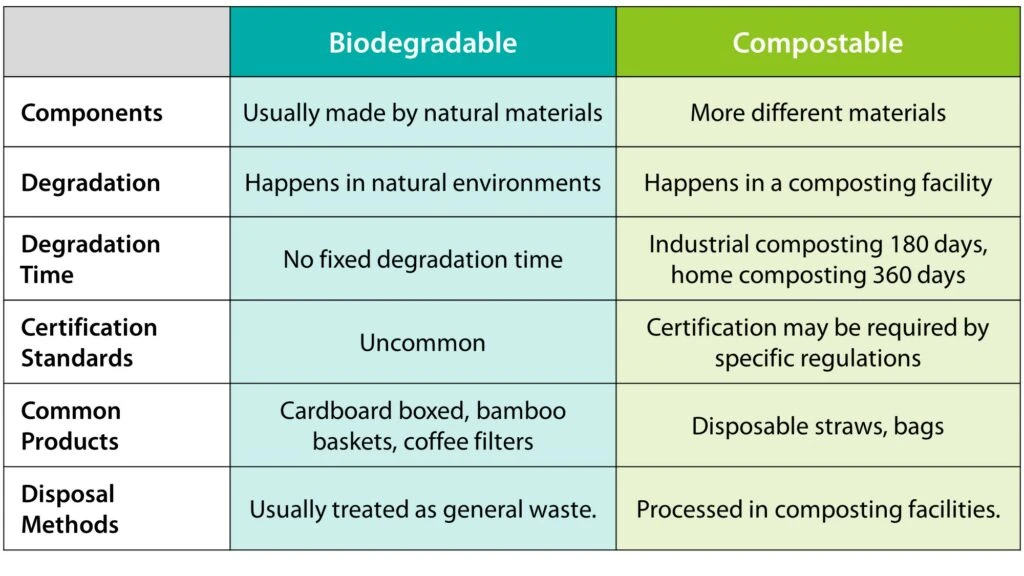
Biodegradable vs Compostable: Key Differences for Pet Owners
PawVerde.com – While all compostable products are biodegradable, not all biodegradable products are compostable. Compostable bags are highly regulated and break down into nutrient-rich humus within 90-180 days in industrial facilities, whereas biodegradable bags often lack strict regulation and can leave harmful microplastics behind in the environment.
With 500 million plastic poop bags used globally every year, the distinction between “biodegradable” and “compostable” is a critical environmental decision.
The Greenwashing Red Flag: Identifying Vague Marketing Claims
The term “biodegradable” isn’t tightly regulated, so it can be applied to a wide range of products. This lack of oversight allows manufacturers to use environmentally friendly language without meeting specific decomposition benchmarks. According to PoopBags.com, this regulatory gap is a primary reason why consumers struggle to differentiate between truly sustainable options and those that merely change form.
Meaningless vs. Meaningful Terminology
EcoFurball notes that compostable products undergo testing and certification standards, while biodegradable products often rely on vague or unregulated claims. This distinction is vital for ecosystem health.
A common failure mode occurs when a product is labeled as “earth-friendly” but lacks a clear breakdown timeline. To avoid these traps, check for the following indicators:
- Specific certification marks (such as ASTM D6400 or EN 13432).
- A defined decomposition timeframe (e.g., 90-180 days).
- Explicit instructions for disposal (e.g., “Industrial Compost Only”).
How to spot ‘Earth-Friendly’ traps
Consumers often fall into the trap of assuming any bag that mentions “nature” is safe for the soil. However, if a bag is labeled as “biodegradable” without a certification, it might simply be a plastic bag with additives designed to fragment. This process does not result in organic matter but instead creates a persistent environmental presence. Practitioners report that relying on these unregulated claims can lead to unintended pollution in local waste streams.
The Microplastic Leakage: Why ‘Biodegradable’ Can Be Worse for Oceans
biodegradable bags pose a significant risk of ‘leakage’ because they often break down into tiny fragments rather than fully decomposing. In marine or landfill environments, these materials can shed microplastics that persist for decades, whereas certified compostable materials are designed to return to organic matter without leaving synthetic residues.
Oxo-degradable products represent a specific category of concern. These materials are designed to break into tiny fragments—commonly known as microplastics—but they never fully decompose. This fragmentation process is often mistaken for biodegradation, but it actually accelerates the distribution of plastic particles throughout the food chain. ECOLipak research suggests that these materials fail to provide the circularity promised by true composting.
The environmental impact of these fragments is substantial. While a compostable bag aims to become part of the soil, a poorly regulated biodegradable bag may simply become invisible plastic. This creates a deceptive sense of sustainability while the actual material remains in the environment for years. The failure to fully disappear means the “biodegradable” claim functions more as a change in visibility than a true biological reintegration.
Head-to-Head: Environmental Impact Metrics
Compostable bags are the clear winner in resource efficiency, requiring only 0.6L of water and producing 2.0g of CO2e per bag. In comparison, biodegradable bags use 0.8L of water and 4.1g of CO2e, while traditional plastic bags consume 1.2L of water and generate 6.2g of CO2e.
The following table provides a detailed comparison of the environmental footprint associated with each bag type based on production metrics.
| Metric (Per Bag) | Regular Plastic | Biodegradable | Compostable |
|---|---|---|---|
| CO2 equivalent (g) | 6.2g | 4.1g | 2.0g |
| Water consumption (L) | 1.2L | 0.8L | 0.6L |
| Energy consumption (kWh) | 0.05 kWh | 0.04 kWh | 0.03 kWh |
Based on the data, compostable bags require only 0.03 kWh of energy per unit. This makes them more efficient than biodegradable options (0.04 kWh) and regular plastic (0.05 kWh).
The Pathogen Paradox: Can You Actually Compost Pet Waste?
EcoFurball points out that even when pet waste bags claim compostability, the waste inside them often disqualifies the entire item from composting. While compostable products produce humus, upon degradation, which is the richest and most important part of all soils, the presence of biological pathogens in pet waste changes the safety profile of the final compost.
The Backyard Composter’s Risk
Home composting setups often lack the precise thermal control required to neutralize harmful bacteria. As EcoFurball highlights, the waste inside the bag can contaminate the entire batch. If you use a backyard bin, it is safer to use the bag as a liner for a dedicated waste stream rather than mixing it with garden compost intended for food crops.
Industrial vs. Home Composting Realities
Industrial facilities utilize specialized machinery and high-heat aerobic processes to ensure complete breakdown and pathogen destruction. This is where compostable bags are designed to function. In these controlled environments, the bag breaks down within 90 to 180 days, turning into organic matter. Home composting, by contrast, is much more variable and often fails to achieve the necessary biological stability for pet-related waste.
Disposal Decision Tree: Which Bag Fits Your Lifestyle?
Your choice should align with your local waste management infrastructure. The most sustainable option is whichever bag reaches its intended end-of-life destination.
To determine your best option, consider these three primary disposal paths:
- If you have access to a municipal green bin: Certified compostable bags are the superior choice. They are designed to decompose within 90 to 180 days in commercial facilities.
- If you use standard trash collection and a landfill: A recycled plastic bag is likely the more sensible choice. Since neither type of bag will biodegrade effectively in the anaerobic (oxygen-starved) conditions of a landfill, using a bag that minimizes production harm is more practical.
- If you use a home compost bin: Avoid using pet waste in this bin, regardless of the bag type. Instead, use bags that are certified for home use only for yard waste or food scraps.
Note that biodegradable plastics typically require 3 to 6 months to break down, but this timeline is often contingent on environmental conditions that are rarely met in standard trash bags. If you cannot guarantee the bag will reach a composting facility, the environmental benefit of “biodegradable” labels is significantly diminished.
FAQ
Is every biodegradable bag compostable?
No. As stated by Good Start Packaging, while all compostable products are biodegradable, “biodegradable” does not always mean compostable, and these products may leave microplastics behind.
What happens if I put a compostable bag in a landfill?
Compostable bags are designed for aerobic environments like industrial composting facilities. In the anaerobic (oxygen-starved) conditions of a landfill, they fail to decompose as intended.
Can I put dog poop in my backyard compost bin?
Even if the bag is “home compostable,” the pathogens in pet waste often disqualify the entire item from standard composting processes due to health and safety risks.
Sustainable Pet Cleaning: How to Avoid Greenwashing
PawVerde.com – Sustainable pet cleaning has shifted from simple ‘natural’ labeling to a complex ecosystem of enzymatic breakdown, refillable concentrates, and ingredient transparency. Modern eco-friendly solutions focus on eliminating organic waste at the source while minimizing chemical exposure for pets, who are uniquely vulnerable due to their proximity to floor-level fumes and residues.
Because pets are much lower to the ground, they may face a higher exposure to chemicals and fumes than humans.
Beyond the Label: A Sustainability Audit for Pet Owners
A true sustainability audit for pet cleaning evaluates three pillars: ingredient safety (non-toxic, EWG-rated), packaging lifecycle (refillable vs. single-use), and efficacy (enzymatic vs. conventional). Look for refillable models like neat. to reduce plastic, and prioritize concentrated formulas to lower carbon footprints during shipping.
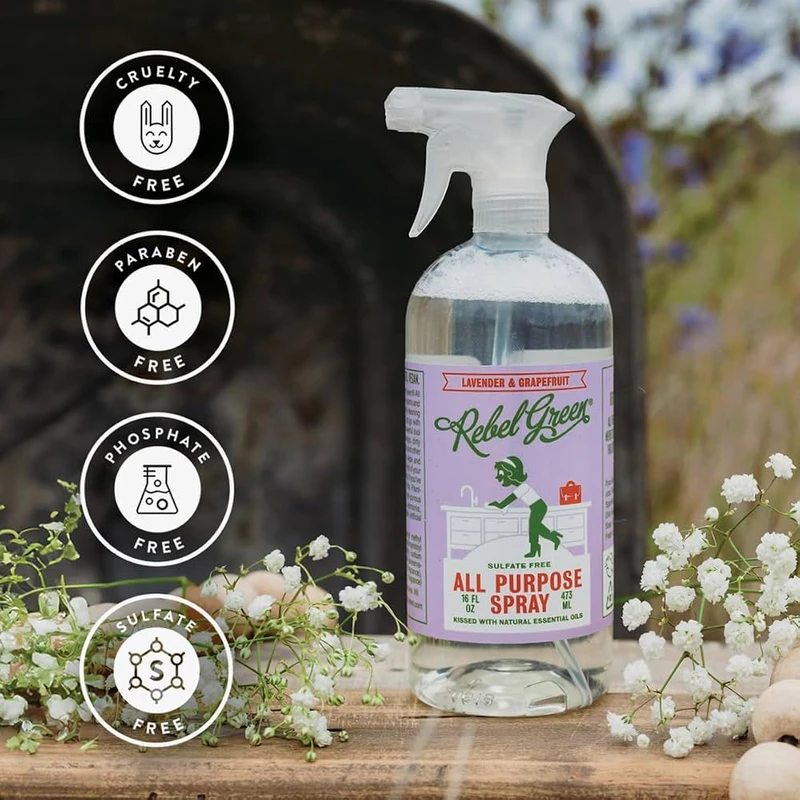
A common failure mode in eco-conscious households is the assumption that a “green” label guarantees safety. A label advertising “natural” or “green” does not automatically equal a healthier or safer product, as many brands use these terms without verifiable proof, a practice known as greenwashing.
The Refill Economy: Concentrates vs. Ready-to-Use
Reducing plastic waste requires moving away from single-use spray bottles toward refillable systems. For example, the manufacturer neat. provides plant-based, refillable cleaning products designed to be reused. To implement this, consumers can purchase a refill pack, mix it with water, and reuse the existing cleaning bottle.
Concentrated formulas are often more economical. Because they typically possess a higher concentration than other cleaners, they are generally easier on your wallet according to Rover.com.
Decoding Certifications: What the Logos Actually Mean
To avoid deceptive marketing, pet owners should look for third-party validation rather than brand-created icons. Key indicators of quality include:
- Safety Ratings: The Environmental Working Group (EWG) provides safety ratings that help identify non-toxic ingredient profiles.
- Ingredient Sourcing: Companies like Evonik act as suppliers of sustainable cleaning ingredients, ensuring the raw materials meet environmental standards.
- Efficacy Standards: Ensuring the product actually performs its intended function without relying on harsh synthetic surfactants.
Cleaning Method Primary Mechanism Best Surface/Use Sustainability Factor Enzymatic Cleaners Biological breakdown of proteins/lipids Carpets, upholstery, and hard floors High (biodegradable ingredients) BioKore™ Technology Non-enzymatic instant breakdown Multi-surface/General cleaning High (fast-acting, less waiting) DIY Vinegar/Baking Soda Acid-base reaction Light surface cleaning only Medium (low packaging, low efficacy) Refillable Plant-Based Plant-derived surfactants General household surfaces Highest (minimal plastic waste)
| Cleaning Method | Primary Mechanism | Best Surface/Use | Sustainability Factor |
|---|---|---|---|
| Enzymatic Cleaners | Biological breakdown of proteins/lipids | Carpets, upholstery, and hard floors | High (biodegradable ingredients) |
| BioKore™ Technology | Non-enzymatic instant breakdown | Multi-surface/General cleaning | High (fast-acting, less waiting) |
| DIY Vinegar/Baking Soda | Acid-base reaction | Light surface cleaning only | Medium (low packaging, low efficacy) |
| Refillable Plant-Based | Plant-derived surfactants | General household surfaces | Highest (minimal plastic waste) |
The table above illustrates that while enzymatic cleaners are effective, they require time to work. In contrast, Skout’s Honor utilizes non-enzymatic BioKore™ technology, which is designed to offer instant results. This allows pet owners to see and smell the difference immediately, removing the waiting period required by traditional enzymatic alternatives.
Why Enzymes are ‘Gold’ for Organic Waste
Elizabeth Shields, Operations Manager of Super Cleaning, highlights the value of this technology. She stated: “The absolute best tip when dealing with pet stains on any surface is to get an enzymatic cleaner. This really targets the source of the problem, not just the surface. For us in the cleaning industry, that’s gold!”
The Case for Instant Results: BioKore™ Technology
Skout’s Honor claims their products are designed to perform optimally across various environmental conditions, unlike standard enzymatic solutions. This provides more reliable cleaning regardless of the setting.
Material Compatibility Matrix: Protecting Your Home Surfaces
Using the wrong application method can lead to surface damage or ineffective cleaning. For instance, Simple Solution provides specific guidance for different environments. Users should utilize mist or stream settings for carpets and upholstery, but switch to the foam setting for hard surfaces such as bathrooms or pet crates.
Different manufacturers target specific material needs. Biokleen produces a 128 ounce liquid carpet stain and odor remover, while Nature’s Miracle offers specialized stain and odor removers. For heavily soiled areas, Nature’s Miracle suggests a specific technique: cover the soiled area with a damp cloth for 12 hours before giving it any further attention to ensure deep penetration.
| Surface Type | Recommended Setting/Product | Potential Risk |
|---|---|---|
| Hard Floors/Crates | Specific cleaning products (Foam Setting) | Residue buildup |
| Carpets/Upholstery | Specific cleaning products (Mist/Stream) | Over-saturation |
| Set-in Carpet Stains | Nature’s Miracle (Damp Cloth Method) | Extended drying time |
| General Carpet Odors | Biokleen Liquid Remover | Chemical residue if not rinsed |
Critical Pitfalls: When ‘Natural’ Cleaning Fails
Relying on common household items can sometimes exacerbate pet hygiene issues. A significant failure mode occurs with vinegar and baking soda; while these may clean a surface, they fail to neutralize the ammonia crystals found in dog urine, which can lead to repeat accidents.
Furthermore, there are physical risks to pets when using DIY methods. Utilizing abrasive pastes made from baking soda can physically micro-tear the delicate interdigital webbing of a dog’s paws and rapidly strip away natural oils. This can lead to inflammation that may require 1 to 2 full weeks to restore the heavily damaged lipid barrier.
WARNING: Enzymes are cleaners, not disinfectants. While they effectively break down organic stains, they won’t kill off viruses or bacteria.
Market Analysis: Cost-Per-Use and Leading Eco-Brands
The following data shows the price spectrum for various pet cleaning products.
| Brand/Product | Approximate Price | Primary Use Case |
|---|---|---|
| Ecos for Pets! | $4.69 | Stain and odor spray |
| KisClean | $8.40 | Natural pet cleaning |
| Nature’s Miracle | $12.70 | Urine destruction |
| Rocco & Roxie | $19.94 | Stain and odor elimination |
| Biokleen | $28.98 | Carpet stain/odor removal |
When evaluating these costs, pet owners should consider the concentration of the product. As noted by Rover.com, enzymatic cleaners are often more economical in the long run because their higher concentration allows for more uses per bottle compared to diluted, conventional alternatives.
FAQ
Can I use vinegar and baking soda for pet urine?
No. These products cannot cut down the ammonia crystals found in dog urine, which may lead to repeat accidents.
Are enzymatic cleaners safe for all surfaces?
Application methods vary by surface. Simple Solution, for example, recommends foam settings for hard surfaces like pet crates and mist or stream settings for carpets and upholstery.
Do enzymes kill bacteria?
Not necessarily. While they break down organic stains, enzymes alone are cleaners but not disinfectants and won’t kill off viruses or bacteria.

How to Choose Sustainable Hypoallergenic Pet Toys
PawVerde.com – Choosing sustainable hypoallergenic pet toys requires balancing material safety with environmental impact. Focus on non-toxic, natural materials like organic cotton, hemp, or natural rubber that resist shedding and chemical leaching. Always verify certifications like B Corp and check for “greenwashing” labels that use vague terms like “natural-inspired” without providing technical proof.
The dog toy industry lacks the strict regulation applied to human products, despite there being an estimated 80-90 million pet dogs in the US as of 2020, according to The Roundup.
When natural fibers trigger respiratory issues
For pets with severe respiratory allergies, the particulate matter trapped in organic fibers can be a hidden trigger. In these cases, recycled poly-fill is a hypoallergenic alternative that minimizes the risk of airborne allergens compared to loose natural fibers.
The latex allergy caveat for natural rubber
Natural rubber is non-toxic and highly sustainable, but it carries a specific risk: it may cause issues for those with a latex allergy. While it is a superior environmental choice, owners must verify if their pet shows signs of contact dermatitis before introducing heavy rubber play.
| Material | Hypoallergenic Profile | Environmental Impact | Durability/Safety Note |
|---|---|---|---|
| Organic Cotton | High (chemical-free) | Uses significantly less water | Soft; prone to tearing |
| Natural Rubber | High (non-toxic) | Compostable and biodegradable | Resists cracking/shedding |
| Hemp | Moderate (pest-resistant) | Biodegradable | Very durable; may trap dust |
| Recycled Poly-fill | High (dust-resistant) | Uses recycled content | Soft; best for respiratory issues |
Selecting materials based on these profiles helps align pet biological needs with ecological goals.
Greenwashing Detection: Identifying Vague Environmental Claims
Marketing language often mimics eco-friendly claims without providing verifiable data. Owners must distinguish between genuine sustainability and vague terms to protect both their pet’s health and the environment.
- : Avoid “Natural-Inspired” Labels: This term is often used to mask products that are primarily synthetic but contain a small percentage of natural elements.
- : Verify B Corp Status: Companies like P.L.A.Y. are B Corp certified, meaning they meet high standards of verified social and environmental performance.
- : Look for Brand Specifics: Brands such as Pet Passion focus specifically on organic pet toys, providing a clearer material profile than general retailers.
- : Beware of Mixed Materials: A common greenwashing failure occurs when a product is labeled “eco-friendly” but is actually composed of a blend of plastics and toxic dyes that cannot be separated for recycling.
Material Deep Dive: Durability, Safety, and End-of-Life
Select materials based on your pet’s chewing style: Natural rubber resists cracking and shedding, making it safer than plastic; organic cotton uses less water; and olive wood reduces splinter risks. For end-of-life, prioritize compostable natural rubber over synthetic alternatives that cannot biodegrade.
Material choice determines both longevity and waste. Natural rubber resists cracking and shedding harmful bits, which prevents the ingestion of sharp fragments. In contrast, synthetic rubber is not biodegradable and will persist in landfills.
| Material Type | Resource Impact | Safety Benefit | End-of-Life |
|---|---|---|---|
| Organic Cotton | Low water usage | Chemical-free | Biodegradable |
| Natural Rubber | Renewable source | Resists cracking | Compostable |
| Olive Wood | Natural growth | Reduces splinter risk | Biodegradable |
| Synthetic Rubber | High fossil fuel use | High risk of shedding | Non-biodegradable |
Evaluating these lifecycle differences helps owners make informed decisions about toy longevity and waste.
The splinter-resistance of olive wood
For pets that prefer wood chews, olive wood is a specialized choice. Its exceptional strength ensures safer chewing experiences, considerably reducing the risk of splinters compared to other harder woods.
Why natural rubber beats synthetic in durability
While synthetic plastics may seem durable initially, they tend to crumble under sustained pressure. natural rubber provides a more consistent density that maintains its structural integrity during heavy play sessions.
The Safe Pet Toy Checklist: A Pre-Purchase Protocol
Use the following criteria to evaluate the safety and sustainability of a potential new toy before purchasing.
- : Material Transparency: Does the brand list every single material used in the construction?
- : Dye Safety: Are the dyes used non-toxic or food-grade?
- : Physical Integrity: Does the toy flex under pressure without snapping?
- : Construction Quality: Are the seams securely stitched rather than just glued?
- : Sizing: Is the toy large enough to prevent accidental swallowing?
- : Safety Testing: Does the company explicitly mention third-party safety testing protocols?
Failing to verify these details can result in the ingestion of toxic additives or microplastics, which undermines the goal of finding hypoallergenic products.
Avoiding Common Pitfalls in Sustainable Toy Selection
Certain product designs pose immediate risks to pet health and environmental integrity, even when marketed as sustainable.
: WARNING: Avoid toys that feature glued-on eyes, thin plastic layers stretched over fabric, or materials that crumble easily when chewed. Furthermore, never give puppies rigid toys like wood, antlers, or hard recycled plastics during the teething phase, as this can cause dental damage.
Products labeled “eco-friendly” may actually contain non-recyclable plastics or toxic dyes. If a product cannot be clearly identified as either compostable or fully recyclable, it should be treated with skepticism.
Circular Economy and Brand Transparency
The most sustainable way to shop is to participate in a circular economy where products are returned to the manufacturing loop rather than discarded.
B Corps are important because they inspire all businesses to compete not only to be the best in the world but to be best for the world, according to West Paw. This standard ensures that environmental stewardship is baked into the corporate mission rather than treated as a marketing afterthought.
: Shortcut: To participate in a circular lifecycle, look for programs like West Paw’s “Join the Loop,” which allows you to mail back used Zogoflex or Seaflex toys to be recycled into brand new ones.
FAQ
Are all eco-friendly toys safe for dogs with allergies?
Not necessarily. While toxin-free toys are often hypoallergenic, natural fibers like hemp or jute can carry dust or pollen, potentially triggering respiratory allergies in sensitive pets.
How can I tell if a toy is truly sustainable?
Look for B Corp certification, check for specific material lists (avoiding vague “natural-inspired” terms), and verify if the brand has a recycling program like West Paw’s “Join the Loop.”
Is natural rubber better than plastic for chewing?
Yes, natural rubber is safer because it resists cracking and shedding harmful bits, whereas plastic can crumble and pose a choking hazard.

Recycled Plastic Pet Toys: Safety and Sustainability Guide
PawVerde.com – Recycled plastic pet toys are a sustainable alternative to traditional plastics, but their safety depends on material quality. While brands like West Paw and Cycle Dog offer durable, non-toxic options, owners must distinguish between food-grade recycled materials and low-quality plastics that may leach chemicals or shed harmful microplastics.
An estimated 634 million dog toys end up in U.S. landfills every year, contributing to a massive 40,500-ton plastic waste problem.
The Greenwashing Detection Checklist: Is Your Toy Truly Sustainable?
To avoid greenwashing, check if a toy is ‘made from 100% recycled material’ versus merely ‘containing recycled content.’ Look for food-grade certifications to ensure recycled plastics aren’t industrial waste, and verify if the brand offers a take-back program or uses materials that are actually curbside recyclable.
Consumers must look beyond marketing to find real environmental impact. For example, using recycled materials in pet products can cut manufacturing-related emissions by up to 50%. Evaluate products by checking if a brand relies on a small amount of recycled content or if they utilize significant quantities, such as the 16 million bottles recycled into IntelliLoft® fiber and fill.
- Material Percentage: Distinguish between products made from 100% recycled materials and those that merely incorporate a fraction of recycled content.
- Grade of Plastic: Verify if the manufacturer uses food-grade recycled plastics rather than industrial-grade waste, which may carry higher chemical risks.
- End-of-Life Capability: Determine if the toy uses materials like the No. 7 plastic utilized by Project Hive, which is recyclable, or if it requires specialized disposal.
- Certification and Transparency: Look for brands that provide specific data on their manufacturing-related emission reductions, which can reach up to 50% when using recycled materials.
Food-grade vs. Industrial-grade plastics
The distinction between these two categories is a critical safety factor. Industrial-grade recycled plastics are often sourced from manufacturing scraps and may contain residues from the original production process. Conversely, food-grade plastics are processed to meet strict safety standards, ensuring they are safe for contact with living beings. Using poorly processed recycled plastics can lead to structural failure under heavy chewing, creating immediate choking hazards.
The Bioplastic Trap
Many bioplastic items contain the same harmful chemicals as conventional plastics and require industrial composting to break down. Because most municipal waste systems cannot handle these materials, bioplastic toys often end up in landfills despite their “natural” marketing.
Durability Tier List: Best Recycled Brands for Every Chewer
Selecting a toy requires matching the material’s physical properties to the pet’s chewing habits. Manufacturers like West Paw have demonstrated significant scale in this sector, having recycled 140,000 pounds (about $187.2 thousand) of Zogoflex material as of 2020.
| Brand | Primary Material | Chew Intensity | End-of-Life Path |
|---|---|---|---|
| West Paw | Zogoflex | Heavy Duty | Brand Take-Back (Join the Loop) |
| Cycle Dog | Upcycled Textiles/Bottles | Moderate | Landfill/Recycling Dependent |
| Beco Pets | Bamboo & Recycled Plastic | Light/Moderate | Compostable/Recyclable |
| Project Hive | No. 7 Recyclable Plastic | Moderate | Curbside Recyclable |
The table above compares the primary durability and disposal methods for leading sustainable pet brands.
Heavy Duty: The Zogoflex Advantage
For power chewers, West Paw’s Zogoflex is a leading choice. Each Zogoflex dog toy contains 19% recycled content, providing a balance between environmental responsibility and extreme durability. This material is specifically engineered to withstand intense pressure without the rapid degradation seen in cheaper alternatives.
Moderate Chewers: Upcycled Textiles
Cycle Dog focuses on transforming waste into functional products. Most Cycle Dog toys are filled with upcycled materials, specifically recycled plastic water bottles. These products offer a middle ground for dogs that prefer soft or textured play rather than hard biting. You can see how Cycle Dog transforms waste into fun by visiting their official website.
Light Play: Bamboo and Soft Recycled Fill
Beco Pets utilizes bamboo byproducts alongside recycled plastics to create lighter, more tactile toys. These are ideal for smaller breeds or older dogs. Additionally, manufacturers like Multipet provide various recycled options that cater to a wide range of play styles, from soft squeakers to textured chewers.
Microplastic Risk Assessment: Material Safety Breakdown
Microplastic risk varies by material: Natural rubber is the safest as it is biodegradable. Recycled molded plastics (like Zogoflex) have lower shedding risks than recycled synthetic textiles (polyester/nylon), which can shed microfibers that pets may inhale during play.
A UK study noted that 70% of mass-produced dog toys contain harmful microplastics. This poses a significant health concern, particularly regarding inhalation and ingestion. The risk profile changes depending on whether the toy is a solid molded object or a fabric-based item.
| Material Type | Microplastic Risk | Primary Concern |
|---|---|---|
| Natural Rubber | Very Low | Biodegradable and non-toxic |
| Molded Recycled Plastic | Low | Structural shedding if damaged |
| Recycled Polyester/Nylon | High | Inhalation of microfibers |
| Synthetic Acrylics | High | Fiber shedding and inhalation |
Artificial fibers, including polyester, nylon, and acrylics, pose specific health risks. As these materials wear down, they shed microfibers that pets may inhale. To mitigate this, owners should prioritize natural fibers like cotton, wool, or hemp, which are gentler and avoid the inhalation risks associated with synthetics.
The End-of-Life Plan: Where Does the Toy Go Next?
Sustainability is defined by the ultimate destination of the product. A toy that is “recyclable” but ends up in a landfill because no facility accepts it does little to solve the 40,500-ton waste problem.
To ensure a purchase contributes to a circular economy, owners should select specific disposal pathways. These include participating in brand-led initiatives or using materials compatible with existing infrastructure.
- Closed-Loop Programs: West Paw offers the “Join the Loop” program, where customers can mail back used toys to be recycled into brand new ones.
- Curbside Recyclable: Products like those from Project Hive use No. 7 plastic, which is designed to be compatible with certain recycling streams.
- Industrial Composting: Some bioplastics require specific industrial composting facilities to break down effectively.
- Repurposing (DIY): If a toy is still structurally sound but no longer “fun,” it can be repurposed. For example, you can turn worn-out socks into tug toys, provided they are washed thoroughly first.
Maintenance & Hygiene: Cleaning Your Eco-Friendly Toys
Proper cleaning is essential to prevent material degradation while maintaining hygiene. For example, Honest Pet Products uses azo-free dyes to ensure safety, but the choice of cleaning agent can still impact the longevity of the polymer or fabric.
Warning: Avoid using strong detergents, bleach, or highly acidic cleaners on upcycled or DIY toys. These substances can degrade the material or leave behind chemical residues that are harmful if ingested or inhaled.
For molded plastics, a simple wash with mild, non-toxic soap and warm water is typically sufficient. For textile-based toys, such as those using eco-fiberfill, ensure they are dried completely to prevent mold growth within the recycled stuffing.
FAQ
Are recycled plastic toys safe for heavy chewers?
Safety depends on the polymer. Molded recycled plastics like Zogoflex are designed for durability, but poorly processed recycled plastics can break under heavy chewing, creating choking hazards. Always inspect toys for cracks or small pieces that may have broken off during play.
Can I recycle a recycled pet toy in my home bin?
Not always. While some materials like No. 7 plastic are recyclable, many eco-toys (especially bioplastics) require industrial composting or brand-specific take-back programs like West Paw’s Join the Loop. Check the specific material type before placing it in your curbside bin.
What is the safest material for a teething puppy?
Sustainably harvested rubber offers a durable, non-toxic, and biodegradable alternative to synthetic plastics. This material helps avoid the risks of leaching chemicals like BPA or phthalates.
Conversions use a rate of 1 GBP = $1.34 as of July 9, 2026; rates may change.