
Sustainable Pet Travel: How to Reduce Your Carbon Pawprint
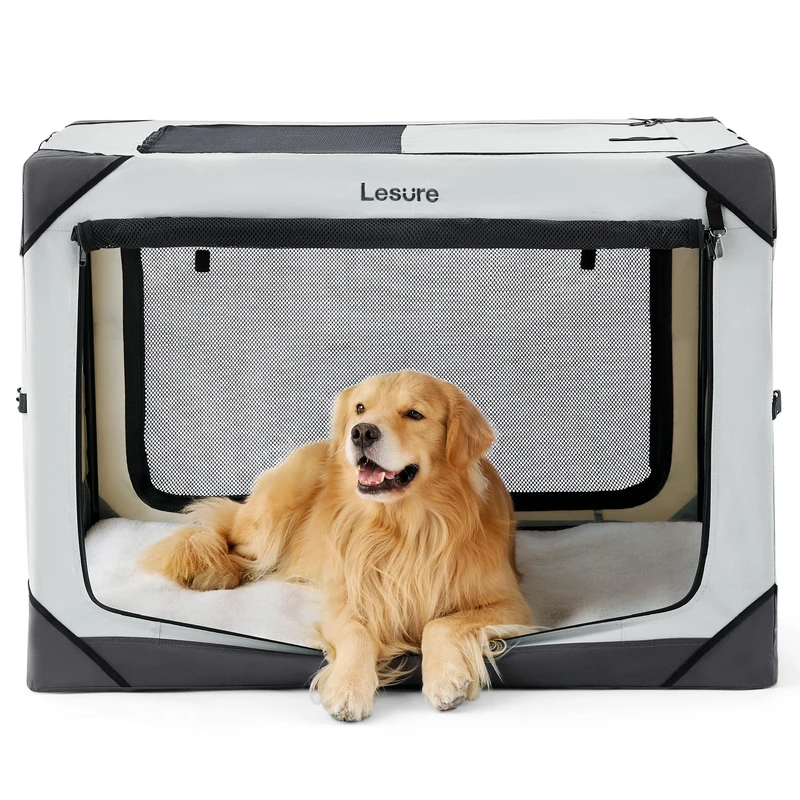
PawVerde.com – Sustainable pet travel is evolving as owners face new 2024 US importation rules and rising awareness of pet-related emissions. From choosing long-haul flights over short hops to swapping plastic waste bags for compostable alternatives, travelers can significantly reduce their ‘carbon pawprint’ while maintaining pet safety and regulatory compliance.
An average-sized dog generates approximately 770 kilogrammes of carbon dioxide annually, according to the Natural History Museum.
Material Science: Why Silicone and Hemp Win
To reduce environmental impact, owners can select products made from natural or renewable materials. Effective alternatives include:
- Toys manufactured from hemp or organic cotton.
- Durable leads and collars designed for longevity.
- Collapsible silicone bowls for Sustainable Travel Packing.
Environmental impact can be minimized by choosing specific materials. For example, switching to lower-carbon protein sources like chicken or fish can significantly cut emissions compared to beef or lamb, as noted by scientist Natalie Cooper.
The Dangers of Disposable Hygiene Products
Disposable hygiene products contribute to non-biodegradable waste during transit. Travelers can mitigate this by replacing single-use items with durable versions, such as using cloth wipes instead of disposable ones.
New 2024 Regulations and Compliance for US Travel
New importation rules for dogs entering or returning to the U.S. became effective in August 2024. These regulations require strict adherence to the standards set by the USDA Animal and Plant Health Inspection Service.
One critical requirement is the minimum age for dogs; animals must be at least 6 months old to enter or return to the United States. Failure to meet these age requirements or documentation standards can result in significant delays or denied entry at the border. Travelers should verify all health certifications through official USDA channels to ensure seamless compliance with these updated mandates.
Comparing Carbon Intensity: Flight vs. Rail vs. Road
For the lowest carbon footprint, international rail (Eurostar) emits only 6g of CO2 per passenger km, far outperforming driving alone or short hops. While long flights (150g CO2/km) are more efficient than short flights (255g CO2/km) due to take-off energy, carpooling remains a vital way to halve driving emissions.
Take-off uses much more energy than the ‘cruise’ phase of a flight. This makes short-range flights more carbon-intensive than long-haul options.
| Transport Mode | CO2e per Passenger km | Sustainability Winner |
|---|---|---|
| Eurostar (International Rail) | 6g | Primary Winner |
| Long Flight | 150g | Secondary Option |
| Medium Gasoline Car | 192g | Requires Carpooling |
| Short Flight | 255g | Least Efficient |
The data shows that choosing rail at 6g of CO2e per passenger km over a short flight at 255g provides a substantial reduction in emissions.
The Sustainability vs. Convenience Decision Matrix
Driving alone is one of the most carbon-intensive travel methods. However, adding just one passenger to a vehicle can cut the per-person emissions in half through carpooling.
While rail offers the lowest emissions, pet owners may need to consider travel needs such as the recommendation for car rides to include breaks every 2 to 3 hours. In these instances, a medium gasoline car with carpooling provides a different balance of utility and emissions.
Avoiding Common Travel Pitfalls for Pet Wellbeing
Travelers must account for biological needs to prevent physical distress. Mismanaging energy or nutrition can lead to stress during the journey.
Dr. Shecter notes that “one common misconception is that the best way to prepare a dog for travel is to completely exhaust them beforehand.” Furthermore, full days of sightseeing, including crowded restaurants and hot pavement, can be physically and mentally exhausting for pets. To ensure comfort, practitioners recommend Strategic Meal Timing: feed pets once they arrive at their destination rather than right before travel to prevent nausea and motion sickness.
FAQ
As of August 1, 2024, new importation rules are in effect. Ensure dogs are at least 6 months old and comply with USDA Animal and Plant Health Inspection Service requirements.

Eco-Friendly Pet Travel: How to Reduce Your Pet’s Carbon Footprint
PawVerde.com – Eco-friendly pet travel is shifting from simple biodegradable waste bags to a holistic ‘zero-waste’ approach. This involves selecting low-carbon transportation like electric vehicles or trains, utilizing circular gear such as recycled-material carriers, and vetting accommodations to ensure they meet genuine sustainability standards rather than mere greenwashing.
The shift toward sustainable pet travel now includes technical considerations like ‘Dog Mode’ in EVs and carbon footprint calculations for professional relocation services.
The Green Travel Audit: Scoring Your Pet’s Carbon Footprint
A Green Travel Audit evaluates your pet’s trip across three pillars: transportation (CO2 impact), gear (durability and material origin), and waste (biodegradability). Use this to score your setup against sustainability benchmarks, focusing on minimizing ‘food miles’ and selecting circular, long-lasting equipment over disposable plastic alternatives.
Conducting a formal audit requires analyzing the specific logistics of a journey to identify hidden environmental costs. Travelers often overlook the impact of pet-specific logistics, such as the carbon footprint of specialized pet transport services or the cumulative emissions from high-frequency, short-distance pet food deliveries during long trips.
Calculating Food Miles
Logistics play a critical role in the environmental impact of pet nutrition. To minimize the footprint of a trip, owners must consider the carbon footprint of pet food logistics. Choosing brands that minimize ‘food miles’—the distance food travels from source to consumer—is a primary strategy for reducing travel-related emissions. A common failure mode occurs when travelers rely on heavy, multi-ingredient canned foods shipped across continents, which significantly increases the weight of the cargo and the associated transport emissions.
Transportation CO2 Benchmarks
A thorough audit must account for the direct carbon footprint calculation for pet transport services. When evaluating a trip, travelers should prioritize the following metrics:
- Weight-to-Emission Ratio: Assessing how the additional weight of pet carriers and supplies affects vehicle efficiency.
- Logistical Frequency: The number of individual shipments required for pet supplies during a journey.
- Route Optimization: Selecting paths that allow for continuous movement rather than frequent, high-emission stops.
Counterintuitively, even “eco-friendly” pet food can have a massive footprint if the supply chain relies on air freight rather than ground transport. A failure to audit these logistics can result in a travel plan that is carbon-intensive despite the use of electric vehicles.
How to spot greenwashing in pet gear and carriers
Identifying genuine sustainability in pet products requires looking past marketing terminology and verifying third-party certifications. A primary tool for travelers is to use detection methods for pet gear, which involves checking for specific industry standards such as recycled content certifications on carrier fabrics and toy components.
Many products claim to be “natural” or “eco-friendly” without providing verifiable data. To avoid these pitfalls, focus on the following criteria:
- Certification Verification: Look for the GRS label to ensure recycled content is actually present in the textile.
- Material Composition: Verify if “biodegradable” plastics are truly compostable in home environments or only in industrial facilities.
- Durability Metrics: Prioritize gear that resists the “buy-break-toss” cycle. A carrier that lasts 5 years is more sustainable than a “recycled” carrier that fails in 6 months.
A common failure mode in pet gear selection is purchasing “eco” toys made of synthetic blends that are impossible to recycle. Instead, seek out mono-materials like natural rubber or hemp. True sustainability is measured by the product’s lifecycle, not just its initial material origin.
Comparing transportation modes: The carbon cost matrix
Choosing the right transport is critical: Electric Vehicles (EVs) with ‘Dog Mode’ offer low-emission local travel, while trains provide a significantly lower CO2 impact per mile than planes. For urban travel, micro-mobility like pet-friendly e-bikes is the most sustainable option for short distances.
| Travel Mode | Carbon Impact | Pet Comfort Level | Sustainability Key |
|---|---|---|---|
| Electric Vehicle (EV) | Low | High | ‘Dog Mode’ & Climate Control |
| Hybrid Vehicle | Medium | High | Internal Combustion dependency |
| Train | Low | Medium | High capacity/Low CO2 per mile |
| Plane | High | Low | Significant emissions per pet |
| E-Bike/Micro-mobility | Very Low | Low/Medium | Ideal for urban short distances |
The selection of a vehicle involves balancing environmental impact with technical functionality. For example, specific Electric Vehicle (EV) models are increasingly incorporating technical pet features like ‘Dog Mode’ and remote climate pre-conditioning. This allows owners to maintain a safe temperature inside the cabin via a smartphone app while the vehicle is parked, preventing heatstroke without idling a combustion engine.
For urban environments, micro-mobility options such as pet-friendly e-bikes or electric scooters offer the lowest carbon cost for short-distance transit. While these modes may offer lower comfort levels for larger animals, they represent the pinnacle of sustainable urban pet travel.
The Zero-Waste Pet Travel Kit Blueprint
A zero-waste itinerary relies on a transition from disposable convenience to durable, circular equipment. The following blueprint categorizes items to ensure all gear aligns with sustainability principles.
Essential Gear
- Reusable Travel Bowls: Opt for food-grade silicone or stainless steel to replace single-use plastic bowls.
- Sustainable Food Storage: Use reusable, airtight containers instead of transporting multiple plastic bags.
- Biodegradable Waste Bags: Ensure bags are certified compostable to prevent long-term landfill accumulation.
Comfort & Play
- eco-friendly pet toys: Select items made from natural rubber, hemp, or high-quality wood.
- Circular Bedding: Use removable, washable covers made from organic cotton or recycled fibers.
Emergency & Hygiene
- Sustainable Grooming: Carry biodegradable grooming wipes to manage messes without chemical runoff.
- Compostable Hygiene: For cat owners, utilize sustainable litter alternatives such as wheat, corn, or coconut husk.
One counterintuitive aspect of the zero-waste kit is that “natural” materials like hemp or wood can sometimes require more maintenance than synthetics. However, the trade-off in reduced microplastic shedding makes them a superior choice for the environmentally conscious traveler.
Managing hygiene and waste in eco-lodges
Managing the “messy” side of travel requires proactive steps to ensure that pet presence does not degrade the local ecosystem of an eco-lodge or rental. This involves using biodegradable grooming wipes and specialized cleaning methods to prevent chemical contamination of the environment.
When traveling to eco-lodges, travelers must handle pet hygiene with precision to avoid leaving a footprint. A common pitfall is using standard household cleaners to remove pet stains, which often contain harsh, non-biodegradable chemicals that can leach into local water systems.
Warning: Avoid using ammonia-based or bleach-based cleaners in eco-sensitive areas. These substances can disrupt local soil microbiomes and aquatic life.
To manage hygiene sustainably, implement the following protocols:
- On-the-go Cleaning: Use plant-based, enzyme-driven cleaners for spills and accidents.
- Waste Management: Follow local guidelines for pet waste disposal; in many eco-lodges, certain biodegradable waste must be placed in specific composting bins rather than standard trash.
- Litter Alternatives: If traveling with cats, use wheat or coconut husk litters, which are easier to compost than traditional clay-based litters.
Effective hygiene management ensures that the traveler remains a guest rather than an environmental burden.
FAQ
How can I verify if a pet-friendly hotel is actually eco-friendly?
Use a sustainable accommodation vetting checklist to look beyond ‘green’ labels. Check for specific amenities like biodegradable cleaning supplies and verify their waste management policies regarding pet waste to ensure they align with genuine sustainability standards.
What are the best biodegradable alternatives for a pet first aid kit?
Look for bamboo-based bandages, compostable antiseptic wipes, and non-toxic, plant-based ointments to ensure your emergency kit aligns with zero-waste principles and avoids introducing synthetic chemicals into the environment during an emergency.
Is it better to use reusable or biodegradable waste bags?
While biodegradable bags are a step up from plastic, reusable silicone or hemp-based waste systems are superior for a truly zero-waste itinerary, provided they are cleaned properly and used to collect waste for appropriate disposal.
Sustainable Pet Travel Gear Checklist: Eco-Friendly Essentials
PawVerde.com – To pack a sustainable pet travel kit, prioritize high-durability items like stainless steel bowls and recycled plastic crates, use compostable waste bags, and select gear made from organic hemp or recycled synthetics. This approach minimizes the 300 million pounds of pet supplies that enter landfills annually while ensuring your pet’s comfort.
Pet meat consumption alone is responsible for up to 64 million tons of CO2 release annually. Reducing the environmental footprint of your travels requires a shift from disposable, low-quality goods toward a curated selection of long-lasting, ethically manufactured gear.
How to Verify Sustainable Gear: Avoiding the Greenwashing Trap
To avoid greenwashing, verify if ‘biodegradable’ bags are home or industrial compostable by checking packaging labels. For gear, look for specific certifications like B Corp (e.g., West Paw) or high recycled content (e.g., 90% in Petmate crates) rather than vague ‘eco-friendly’ claims.
Home vs. Industrial Compostability
Many travelers fall into the trap of purchasing “biodegradable” waste bags that only break down in high-heat industrial facilities. If your eco-lodging does not provide industrial composting access, these bags may still persist in landfills. Practitioners suggest verifying if a product is specifically labeled “home compostable” to ensure it can be processed in standard backyard bins. A common failure mode occurs when users assume a “green” bag will vanish in a standard trash receptacle, which is rarely the case.
Decoding Recycled Content Percentages
Vague marketing terms often mask low-impact products. Instead of trusting the term “eco-friendly,” look for specific numeric data. For example, Petmate manufactures dog and cat crates using 90% recycled plastic. Similarly, identifying a certified B Corp, such as West Paw, provides a higher level of assurance regarding the company’s social and environmental performance. Relying on specific percentages rather than adjectives prevents the purchase of “greenwashed” items that contain only a negligible amount of recycled material.
The Weight vs. Impact Matrix: Choosing Your Travel Materials
Material selection involves balancing pack weight against long-term impact. While heavier materials like 18/8 stainless steel offer extreme durability, lightweight synthetics or bamboo are often necessary for trekking.
| Material Type | Sustainability Benefit | Weight Profile | Durability |
|---|---|---|---|
| Stainless Steel | Infinite recyclability; extremely long lifespan | Heavy | Very High |
| Bamboo | Rapidly renewable resource | Medium | Medium |
| Recycled Plastic | Diverts waste from landfills | Light to Medium | High |
| Hemp/Organic Cotton | Low pesticide use; biodegradable | Light | Medium |
The material choices in the table above impact both mobility and ecological footprint.
Heavy-Duty Durability: Stainless Steel & Wood
For travelers prioritizing longevity, stainless steel is the gold standard. Yeti produces dog bowls using 18/8 stainless steel, a grade known for its resistance to rust and extreme durability. While this adds significant weight to a travel bag, the lifetime utility reduces the need for frequent replacements. Tall Tails offers an alternative by manufacturing wooden dog bowls that feature stainless steel inserts, combining natural aesthetics with the hygienic benefits of metal.
Ultra-Lightweight: Recycled Synthetics & Bamboo
If weight is your primary constraint, look toward bamboo or recycled synthetics. Beco manufactures bamboo bowls that are lighter than metal alternatives, making them ideal for hiking. For hydration on the move, Mighty Paw offers collapsible travel dog bowl sets that minimize bulk. However, travelers should note that ultra-lightweight items can sometimes lack the ruggedness required for high-impact play, potentially leading to more frequent replacements if not handled carefully.
Essential Sustainable Travel Gear Checklist
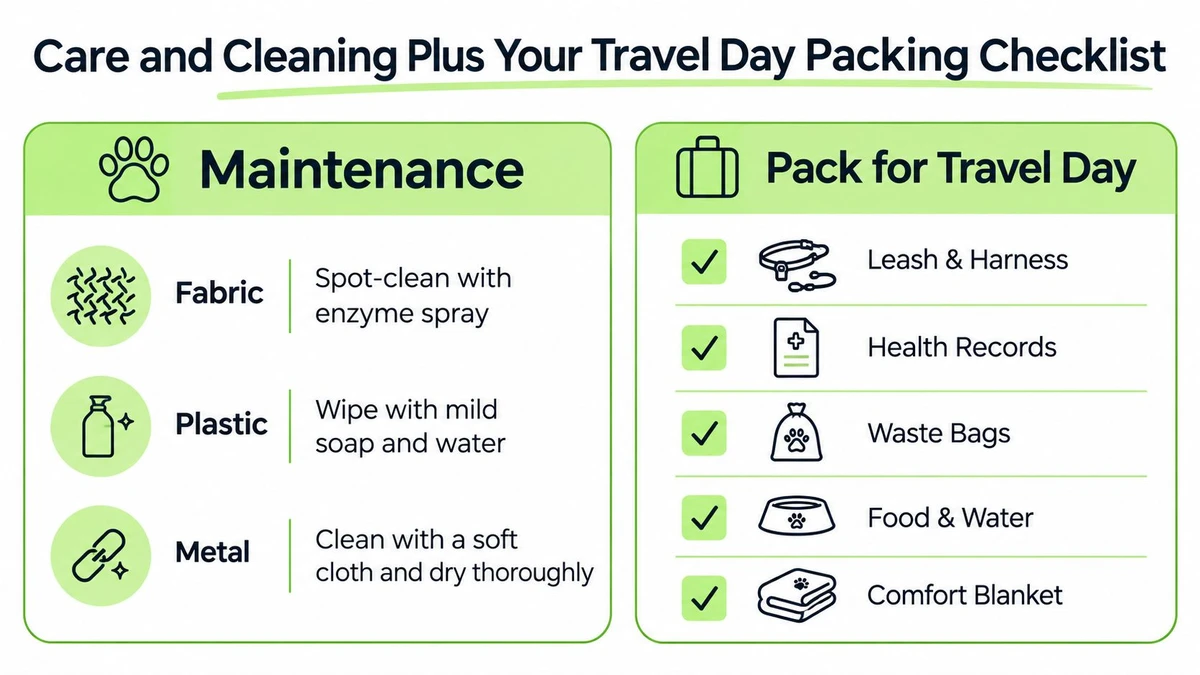
A complete sustainable pet travel kit includes: 1. Reusable stainless steel or bamboo bowls (e.g., Yeti or Beco); 2. Recycled plastic crates (e.g., Petmate); 3. Organic hemp/cotton collars (e.g., The Good Dog Company); 4. compostable waste bags; and 5. Durable, recycled toys (e.g., West Paw).
Feeding & Hydration
- Reusable Bowls: Avoid single-use plastic containers for snacks or water. Opt for Yeti’s 18/8 stainless steel or Beco’s bamboo options.
- Refillable Systems: Use refillable bowls, such as those made from sugarcane fiber, to eliminate the need for disposable service ware.
- On-the-go Hydration: Mighty Paw collapsible bowls are effective for reducing the weight of your gear while maintaining utility.
Containment & Safety
- Sustainable Crates: When traveling by car, use Petmate crates, which utilize 90% recycled plastic.
- Eco-Friendly Collars: The Good Dog Company provides collars, leashes, and harnesses made from organic cotton and hemp.
- Secure Carriers: For cats or small dogs, Petique manufactures pet carriers designed to keep animals stable and safe during transit.
Walking & Waste Management
- Recycled Leashes: United by Blue produces leashes made from recycled plastic, helping to divert ocean waste.
- Waste Bag Dispensers: Use a dispenser from United by Blue to keep compostable bags organized and accessible.
- Durable Toys: Instead of cheap squeaky toys that break quickly and end up in landfills, choose West Paw toys made from recycled materials. Timberdog notes that “Comfort + durability = fewer replacements over your dog’s lifetime, which means fewer harnesses end up in landfills.”
Zero-Waste Cleanup: Managing Messes in Eco-Lodgings
To maintain a clean environment in eco-lodgings, use targeted solutions rather than harsh chemicals. Kinn Inc. promotes a philosophy of “Travel Light. Travel Clean. Travel Klean.” to assist travelers in staying sustainable.
When managing pet accidents, avoid single-use plastic containers. Instead, utilize refillable systems like Kinn Inc. Kleanbowl refills, which allow for serving food or water without the waste associated with traditional single-use methods.
Eco-Friendly Enzyme Cleaners
When accidents occur, enzyme-based cleaners are the most effective way to break down organic matter without heavy synthetic scents. Retailers like Tomlinson’s emphasize the importance of sustainable practices, suggesting that pet parents prioritize products that do not contribute to the 300 million pounds of pet supplies entering landfills annually.
The Refillable Advantage
Carry concentrated refills to reduce your kit’s weight and plastic packaging. Using reusable cloths instead of paper towels significantly decreases your trip’s total waste output.
Mitigating Travel Stress and Environmental Footprint
Sustainability involves both your gear and your preparation. As recommended by SPCA BC, using the Pet Carrier Acclimation technique—using short trips and positive reinforcement—can prevent accidents and reduce the need for emergency supplies.
Transportation Choices
The method of transport impacts your carbon footprint. Using an EV or hybrid car can significantly cut emissions. If you are driving, remember that most pets will likely need a stop every 6 hours to maintain comfort and health.
For those purchasing new travel gear, Eagle Creek offers a 60-Day return period, allowing you to ensure the equipment meets your pet’s specific needs before committing to it long-term. This prevents the waste caused by returning items after they have been used or damaged.
FAQ
How do I know if a pet toy is truly sustainable?
Look for B Corp certification or materials like natural rubber or recycled fabric. Avoid cheap squeaky toys that break quickly, as they contribute to landfill waste. Durable, eco-friendly toys hold up better and reduce the overall frequency of replacements.
Is it better to drive or take a train with my pet?
Public transport and trains are generally more efficient and have a lower carbon footprint than driving. Even when considering the emissions from pet-related meat consumption, rail travel remains a more environmentally conscious choice for many travelers.
Can I recycle my old pet gear?
Yes, some retailers offer recycling programs. For instance, Wagging Green Pet Shop provides a recycling program for collars and leashes that can offer a discount of up to 25% for reusing hardware from your old equipment.

Sustainable Pet Travel: Essential Eco-Friendly Tips
PawVerde.com – Sustainable pet travel requires a dual focus on animal safety and environmental impact. To travel responsibly, owners should prioritize compostable waste bags over biodegradable ones, utilize recycled materials like RPET for gear, and ensure strict adherence to vehicle safety to prevent fatal heatstroke within just 15 minutes.
A single dog can generate 270 non-biodegradable waste bags annually using conventional plastic.
The Sustainable Gear Checklist: Beyond Just Waste Bags
A sustainable pet travel kit should prioritize high-durability, low-impact materials. Key items include gear made from RPET (recycled PET bottles), hemp leashes, and bamboo accessories. For feeding, use collapsible silicone bowls and reusable containers to avoid the single-use plastic waste common in travel-sized pet food pouches.
The Rise of RPET in Travel Gear
Modern pet equipment is shifting toward circular economy models to reduce landfill contributions. CarbonLITE Industries specializes in the recycling of PET bottles, providing the raw material necessary for sustainable textile production. This process allows manufacturers like Nomipets to transform plastic waste into high-performance travel gear, including harnesses and leashes. While Nomipets maintains a Minimum Order Quantity (MOQ) of 20-50 sets for B2B transactions, the availability of RPET for consumer-grade goods is expanding rapidly.
One common failure mode in eco-friendly gear is the sacrifice of durability for sustainability. However, RPET is specifically engineered to withstand the rigors of outdoor travel. A counterintuitive reality is that recycled polyester can often outperform virgin plastic in tensile strength, making it a reliable choice for high-stress items like leashes.
Zero-Waste Feeding Strategies
Reducing the environmental footprint of pet nutrition during transit requires moving away from convenience-based packaging. Instead of relying on single-use plastic food pouches, travelers can utilize the following:
- Reusable airtight containers for bulk dry food.
- Collapsible silicone bowls to reduce luggage volume and eliminate plastic waste.
- Bamboo-based accessories for lightweight, biodegradable utility.
When selecting gear, check for specific material certifications to ensure you are not inadvertently purchasing products that will fail during high-intensity use. For instance, ensuring a leash has a high micron-thickness rating prevents the tearing common in lower-quality eco-alternatives.
Navigating the Compostable Bag Paradox
The distinction between “biodegradable” and “compostable” is often blurred by marketing, but the environmental implications are significant. While many products claim to be eco-friendly, they may actually contribute to long-term ecological damage through microplastic accumulation.
Why ‘Biodegradable’ Can Be a Greenwashing Trap
A significant risk in the pet industry is the prevalence of oxo-degradable or EPI-technology bags. According to information from Beco Pets and Pawtria, these bags are often just conventional plastics with additives that cause them to fragment into microplastics more quickly. This does not eliminate the plastic; it simply makes it invisible to the naked eye while leaving toxins in the soil. Pawtria emphasizes that true compostable bags contain absolutely no plastics and do not break down into these harmful particles.
Furthermore, Anipro notes that while biodegradable options exist, they often lack the structural integrity required for heavy-duty use. For effective waste management, bags should meet specific thickness thresholds: 15 microns to prevent easy tearing, and 20 microns for handling large or soft waste without leaking.
Technical Standards: EN13432 vs. ASTM D6400
To avoid greenwashing, owners must look for verified certification marks such as those provided by TÜV AUSTRIA. These certifications ensure that a product will actually break down in a controlled environment. The following table compares the primary waste management options available to pet owners:
| Bag Type | Environmental Impact | Degradation Timeline | Key Risk |
|---|---|---|---|
| Compostable | Low (No microplastics) | 3-12 months | Requires specific composting infrastructure |
| Biodegradable | Moderate to High | Variable | May leave microplastics and toxins |
| Conventional Plastic | High | Hundreds of years | Permanent environmental pollution |
Pooch Paper offers an alternative in the form of paper waste sheets, with 50 small sheets priced at $13 and 50 large sheets at $13.50. While paper breaks down faster than plastic, it must still be managed according to local disposal regulations.
Critical Safety Protocols for Road Travel
Safe pet travel demands constant vigilance regarding temperature and restraint. Pets must always be restrained during car transit to prevent injury. Most importantly, never leave a pet alone in a vehicle; on a hot day, fatal heatstroke can occur in as little as 15 minutes, even with windows cracked.
The American Kennel Club emphasizes that restraint is not optional. Pets riding loose in a vehicle are at extreme risk during sudden stops or collisions. Bernal highlights the extreme speed of thermal injury in animals:
“On a hot summer’s day, it can take just 15 minutes for a dog to suffer from potentially fatal heat stroke in a hot car, as they can overheat very quickly and struggle to cool themselves down, even when a window has been left open or water has been left in the car.”
Safety also involves psychological preparation. Brandi Hunter Munden, VP of PR and communications at the American Kennel Club, notes that sudden changes in environment can cause significant stress:
“they may throw a full-fledged tantrum because they don’t understand that the crate is a safe space”
. This highlights the necessity of gradual acclimation rather than using a crate for the first time on the day of departure.
Logistics and Compliance: Preparing for the Journey
Successful travel requires strict adherence to administrative and health protocols to avoid delays at borders or veterinary checkpoints. The American Veterinary Medical Association provides guidelines for ensuring all medical requirements are met before departure.
Health Certificate Validity
When traveling, especially for military moves or interstate transit, documentation is paramount. According to data from navyfederal.org, health certificates often have a strict validity period, sometimes as short as 10-30 days. Failure to verify these dates can result in being denied boarding or entry into new territories. Additionally, for small pets traveling in a cabin, there is often a weight threshold, such as 20 pounds (about $27), that must be strictly observed.
Crate Acclimation Techniques
To prevent travel anxiety, owners should utilize the Crate Acclimation technique. This involves a gradual introduction process:
- Introduce the crate in the home environment weeks before travel.
- Use positive reinforcement by feeding meals inside the crate.
- Allow the pet to sleep in the crate to establish it as a “safe space.”
As Walther observes, maintaining continuity is key:
“The familiar smells from the items will help your pet feel secure both on the road and at your destination.”
Using familiar blankets or toys can mitigate the stress of new environments.
Waste Disposal: Urban vs. Wilderness Ethics
The method of waste disposal must change depending on whether you are in a municipal area or a natural ecosystem. Improper disposal in either setting carries significant ecological risks.
In urban environments, the primary concern is infrastructure. While compostable bags are ideal, they should only be disposed of in facilities capable of processing them. As noted by smartbark.co.uk, it is not permitted to flush dog feces down the toilet because water treatment processes are often unable to eradicate the high levels of bacteria found in dog waste. This can lead to contamination of local water supplies.
When hiking or in wilderness areas, if you lack proper waste bags, emergency alternatives can be used. According to woofpanion.com, large fallen leaves, newspapers, or even junk mail can serve as temporary, biodegradable substitutes. However, the most sustainable practice remains carrying out all waste in a sealed, high-integrity bag to prevent any contact with the local environment.
FAQ
Is it okay to flush dog poop down the toilet?
No, it is not permitted because water treatment processes cannot eradicate the high levels of bacteria found in dog waste, which can lead to environmental contamination.
How long do compostable poop bags take to break down?
A realistic timeframe for the complete degradation of certified compostable bags is between 3 and 12 months, depending on the composting environment.
What is the difference between compostable and biodegradable bags?
Compostable bags are preferred because they contain no plastics and do not break down into harmful microplastics, unlike many biodegradable or oxo-degradable options that leave residues in the soil.
Conversions use a rate of 1 GBP = $1.33 as of July 26, 2026; rates may change.

Sustainable Pet Travel: 4 Pillars for Zero-Waste Trips
PawVerde.com – To build a sustainable pet travel system, you must integrate four pillars: low-impact transportation (trains or EVs), circular gear (recycled plastic crates and reusable bowls), waste management (composting or certified compostable bags), and eco-conscious nutrition. This holistic approach minimizes the 300 million pounds of plastic waste generated annually by pet products.
Pet food and treat packaging accounts for a staggering 99% of landfill waste each year. Transitioning to a sustainable system requires moving away from single-use plastics and high-emission logistics toward circular economy principles.
Evaluate every piece of equipment you intend to bring on your next trip. A common failure mode occurs when owners purchase “eco-friendly” gear that lacks durability, leading to frequent replacements that negate any initial carbon savings. Check for the following:
- Material Origin: Does the crate or carrier utilize recycled content, such as the 90% recycled plastic found in Petmate crates?
- End-of-Life Plan: Can the product be returned to the manufacturer? For example, West Paw allows users to send finished toys back to be sanitized, ground up, and recreated.
- Weight-to-Durability Ratio: Heavier gear increases fuel consumption during transit, but flimsy gear breaks easily.
Audit your waste management and feeding habits. While rePurpose Global has recovered 2,000 tons of plastic—equivalent to 111 million plastic bottles—the industry still struggles with packaging. A counterintuitive reality is that “biodegradable” labels on poop bags can be misleading; if these bags end up in a landfill, they lack the oxygen required to degrade properly. Green America notes that these labels often serve marketing purposes rather than environmental ones. Evaluate your nutrition by checking if your pet’s food relies on high-emission meat sources, as meat consumption accounts for 60% of food system greenhouse gas emissions.
Reduce your environmental footprint by selecting gear tailored to your destination. Instead of generic supplies, use collapsible silicone bowls to replace single-use plastic containers during transit.
The following table compares essential gear categories to help you build a kit that balances sustainability with practical utility.
| Trip Type | Primary Gear Focus | Sustainability Priority | Example Item |
|---|---|---|---|
| Weekend Camper | Durability & Weight | Circular materials | West Paw recycled toys |
| International Flyer | Compliance & Safety | Recycled plastic crates | Petmate 90% recycled crates |
| Urban Explorer | Portability | Zero-waste waste management | Reusable silicone bowls |
Select gear that aligns with the specific environmental demands of your travel setting.
For short trips, prioritize circularity. Instead of purchasing cheap, disposable toys that end up in the trash, invest in B Corp certified products. West Paw provides toys designed for a circular lifecycle. Pack reusable water bottles and collapsible bowls to eliminate the need for plastic water bottles, which can be heavy and wasteful.
Long-distance travel requires sturdier solutions. Use crates manufactured from high percentages of recycled content, such as the 90% recycled plastic used by Petmate. When selecting food for long flights, avoid individual single-use snack pouches. Instead, use airtight, reusable containers to portion out food from larger, more sustainable bulk packaging to minimize the 99% landfill rate reported by the Pet Sustainability Coalition.
Reducing your pet’s carbon footprint requires evaluating transit methods. According to ecofurball.com, trains and buses are far more energy efficient than driving alone.
If driving is unavoidable, consider the vehicle type. Electric vehicles (EVs) or hybrids offer a lower carbon footprint than traditional internal combustion engines. However, you must also consider the logistics of the route. Inefficient, winding routes or frequent idling in traffic can increase emissions more than a direct, planned path. Even the choice of hydration containers matters; a 360 mL PET bottle generates 41% fewer greenhouse gas emissions than a comparable glass bottle, making lightweight PET a more efficient choice for transit-heavy trips.
Shortcut: To find pet-friendly transit, check the “Accessibility” or “Pet Policy” section on most regional rail websites before booking.
To set up a pet waste composting system, drill holes in a small lidded garbage can and bury it with the lid exposed. Add pet waste, a packet of non-toxic enzymatic septic starter, and one liter of water monthly to reduce waste volume by 50%.
Sustainable waste management is critical when away from home. While you cannot use a backyard bin while traveling, you can use these steps at your home base to manage waste between trips:
- Prepare the Container: Use a small, lidded garbage can. Drill several drainage holes in the bottom and sides to allow for aeration.
- Bury the System: Dig a hole in a dedicated area of your yard and bury the can with the lid partially exposed. This facilitates the aerobic breakdown process.
- Maintain Moisture and Biology: Add one liter of water and a packet of non-toxic enzymatic septic starter every month. This helps the process along and manages odors.
- Monitor Volume: Following the instructions provided by Canada’s Office of Urban Agriculture and Green America, this method can reduce the total volume of pet waste by at least 50%.
WARNING: Improperly managed pet waste can lead to nutrient imbalances in local ecosystems. Excess nitrogen and phosphorus from waste can cause algae blooms that cloud rivers, lakes, and streams, as documented by Modern Hippie Habits.
The United States Department of Agriculture provides data supporting the efficacy of controlled composting to mitigate these environmental risks.
Greenwashing remains a significant hurdle for eco-conscious consumers. Earth.org has noted that brands often attempt to capitalize on sustainability trends without addressing the 300 million pounds of plastic waste generated by pet products in North America.
Identify these specific indicators to distinguish real impact from marketing:
- “Biodegradable” vs. “Compostable”: As noted by Green America, “biodegradable” is a broad term that can be misleading. A product that is biodegradable but requires industrial composting facilities will still end up as waste in a standard landfill.
- Material Percentages: Look for specific numbers. A product claiming to be “made with recycled plastic” is less transparent than a product like Petmate crates, which explicitly states they use 90% recycled plastic.
- Certification Marks: Seek out third-party validations, such as B Corp certification, which requires companies to meet high standards of social and environmental performance.
Greenwashing in the pet industry is a growing concern, as brands attempt to capitalize on the trend toward sustainability without addressing the 300 million pounds of plastic waste generated by pet products in North America.
CRITICAL FAILURE: Do not rely on biodegradable poop bags if you are traveling to areas where waste is collected in airtight landfills. Without oxygen, these bags will not degrade aerobically and may instead decompose slowly and odoriferously.
Systems can fail due to material limitations or improper maintenance. For example, Green America warns that biodegradable labels can be misleading if the product ends up in a landfill. Furthermore, if a composting system is not maintained correctly, it can lead to nutrient imbalances that harm the surrounding environment.
To mitigate these risks, always carry a “Plan B” that remains low-impact. This might include a small supply of highly durable, reusable silicone bags or a backup set of high-quality recycled plastic gear. Reliability is essential for both the pet’s safety and the owner’s peace of mind.
Are biodegradable poop bags actually sustainable?
It depends on the disposal method. If biodegradable bags end up in a landfill without oxygen, they won’t degrade properly and can cause odor and slow decomposition. They are most effective when processed in industrial composting facilities that provide the necessary aerobic conditions.
How much can composting pet waste actually reduce?
Using a dedicated, separate composting system can reduce the volume of your pet’s waste by at least 50%. Furthermore, a properly managed system can help kill off most of the pathogens found in the waste, making it a more manageable byproduct.
What is the most eco-friendly way to transport my pet?
In many regions, utilizing public transportation such as trains or buses is the most sustainable choice. These methods are significantly more energy efficient than driving a single vehicle alone, helping to reduce your overall carbon pawprint during travel.

How to Travel Sustainably with Pets: Step-by-Step Guide
PawVerde.com – Traveling with pets sustainably requires deliberate choices to reduce environmental impact while maintaining pet comfort and safety. This tutorial guides eco-conscious pet owners through selecting sustainable gear, grooming on the go, waste reduction, green accommodations, low-carbon transportation, and natural health management. Applying these practical steps ensures your pet travels with minimal ecological footprint.
Selecting Sustainable Travel Gear for Your Pet
Choosing the right travel gear forms the foundation of eco-friendly pet travel. Begin by prioritizing durability and non-toxic materials to reduce waste and exposure to harmful chemicals.
Natural rubber and hemp toys offer longevity and biodegradability, reducing plastic waste common in synthetic products. Brands using these materials often avoid harmful dyes and additives, promoting safer play during travel.
Select pet carriers composed of recycled plastics or fabrics certified for environmental standards. These carriers reduce resource consumption and often feature breathable, lightweight designs that improve pet comfort without sacrificing sustainability.
Bring collapsible bowls made from silicone or stainless steel for water and food. For waste disposal, biodegradable poop bags made from plant-based polymers break down faster than conventional plastic, minimizing landfill contribution.
Choose items like durable leashes and harnesses made from recycled nylon or organic cotton that withstand repeated use. Multi-functional gear reduces the need to carry excess items, cutting down travel weight and waste.
Eco-Friendly Pet Grooming While Traveling
Maintaining pet hygiene sustainably on the road prevents environmental contamination and promotes pet health without harsh chemicals.
Before departure, bathe your pet with biodegradable, plant-based shampoos free from sulfates and parabens. These products rinse cleanly, reducing the risk of waterway pollution during subsequent outdoor activities.
Carry biodegradable grooming wipes infused with natural oils to clean dirt and allergens without water. Use brushes made from sustainably sourced wood or recycled plastics to remove loose fur and maintain coat health.
After travel, groom your pet thoroughly to remove any stuck debris and reduce allergen buildup, which can affect pet and owner health. Use natural conditioners and detanglers that avoid synthetic fragrances and chemicals.
Packing Smart: Reducing Waste and Stress
Efficient packing reduces environmental impact and eases travel logistics for you and your pet.
Replace disposable plastic bags and wraps with reusable fabric pouches or beeswax wraps for organizing pet essentials. These materials are washable and compostable, decreasing single-use waste.
Hydration supplies should minimize disposable plastic use. Collapsible silicone bowls and stainless steel water bottles are lightweight, durable, and easy to clean, making them ideal for travel.
Pack all-purpose eco-friendly pet-safe cleaners made from natural ingredients such as vinegar and essential oils. These reduce chemical exposure and allow quick cleanup without harming the environment.
Choosing Green and Pet-Friendly Accommodations
Selecting lodging that aligns with sustainable values enhances a responsible travel experience for you and your pet.
Look for accommodations with recognized environmental certifications such as LEED, Green Key, or EarthCheck that also welcome pets. These hotels demonstrate commitment to energy efficiency, waste reduction, and eco-friendly operations.
Crystalbrook Albion in Sydney exemplifies a pet-friendly hotel with sustainability initiatives including carbon footprint offsets, water-saving technologies, and waste diversion programs. Copenhagen offers several eco-conscious hotels combining pet amenities with green practices.
Green accommodations often provide amenities like pet waste stations with biodegradable bags, natural landscaping free of pesticides, and access to walking trails, improving both pet wellbeing and owner satisfaction.
Sustainable Transportation Options
Transportation choices heavily influence overall travel emissions. Incorporate low-carbon options wherever possible.
Walking and cycling emit zero carbon and offer exercise benefits for pets. Train travel reduces carbon emissions by approximately 66-75% compared to cars or planes, making it a superior sustainable choice when accessible.
| Transport Mode | Average CO₂ Emissions (kg per passenger km) | Pet Accessibility |
|---|---|---|
| Walking | 0 | High |
| Cycling | 0 | Moderate (depends on pet size) |
| Train | 0.014 | High (often pet-friendly carriages) |
| Car | 0.192 | High |
| Airplane | 0.254 | Limited (restricted pet policies) |
Map out travel itineraries that prioritize public transit and pedestrian pathways. Avoid peak traffic times to reduce emissions and stress for your pet. Reserve pet-friendly train compartments or buses in advance to ensure compliance.
Natural Health and Allergy Management on the Go
Managing pet health sustainably during travel reduces reliance on synthetic medications and minimizes environmental contamination.
Employ natural anti-inflammatory supplements such as omega-3 fatty acids, quercetin, or local honey to alleviate allergies. Consult veterinary guidance to integrate these safely.
Ensure balanced diets with organic or sustainably sourced pet food. Use herbal flea and tick repellents instead of chemical pesticides. Regular hydration and exercise during travel support overall wellbeing.
Supporting Eco-Friendly Pet Ownership Beyond Travel
Sustainability extends beyond travel to daily pet care practices and community engagement.
Adopting pets reduces demand for breeding operations, lowering environmental costs associated with pet production. Many shelters promote eco-friendly pet care education.
Incorporate biodegradable waste bags, natural grooming products, and durable toys made from recycled or natural materials into daily routines. These choices cumulatively reduce ecological footprints.
Participate in local pet waste clean-up initiatives and advocate for green pet policies. Sharing sustainable travel experiences can inspire others to adopt eco-conscious habits.
Common Mistakes and Troubleshooting in Eco-Friendly Pet Travel
Avoid bringing excess disposable items that increase waste. Focus on multi-use, durable products to streamline packing.
Research pet policies for public transit and accommodations beforehand to prevent last-minute issues or forced car travel.
Choose certified natural grooming supplies to avoid polluting waterways during outdoor cleaning.
Balance eco-friendliness with your pet’s safety and comfort; for example, ensure carriers meet size and ventilation standards.
Alternative Methods for Sustainable Pet Travel
If traditional eco-friendly gear or accommodations are unavailable, consider:
FAQ

What are the best sustainable materials for pet travel gear?
Natural rubber, hemp, recycled nylon, and organic cotton are top sustainable choices due to their durability, biodegradability, and low environmental impact.
How can I minimize pet travel emissions if I must use a car?
Optimize your route to reduce driving distance, carpool when possible, use fuel-efficient vehicles, and combine errands to limit trips.
Are biodegradable poop bags truly better for the environment?
Yes, biodegradable bags made from plant-based materials break down faster in composting or landfill conditions, reducing plastic pollution compared to conventional bags.
Can pets stay in any eco-certified hotel?
Only those hotels that explicitly allow pets and hold eco-certifications can be considered green pet accommodations. Verify pet policies before booking.
How do I manage pet allergies naturally during travel?
Use veterinarian-approved natural supplements like omega-3 fatty acids and herbal remedies, maintain a clean environment, and avoid known allergens.
Traveling sustainably with your pet demands thoughtful preparation and adopting eco-conscious products, grooming, accommodations, and transportation. As environmental awareness grows, these practices will help reduce your pet’s carbon footprint while ensuring enjoyable and safe travel experiences.

Sustainable Pet Travel in 2026: How to Reduce Your Carbon Pawprint
PawVerde.com – Sustainable travel with pets in 2026 integrates environmental responsibility and animal welfare into the expanding trend of pet-inclusive journeys. With rising pet ownership worldwide and increasing demand for travel options that accommodate animals, pet owners face the challenge of reducing their carbon footprint while ensuring their pets’ safety and comfort. This evolution reflects broader shifts in tourism and transportation sectors prioritizing sustainability, regulatory compliance, and ethical treatment of animals during transit.
The adoption of eco-friendly airlines, electric vehicles, and reusable pet travel gear exemplifies how pet owners can balance environmental concerns with practical travel needs. Airlines now emphasize in-cabin pet policies over cargo transport due to welfare considerations, while electric vehicles (EVs) offer reduced emissions and advanced climate controls tailored for animals. Furthermore, supporting local pet services and selecting green accommodations contribute to a comprehensive sustainable travel experience for pets and their owners.
Choosing Eco-Friendly Transportation Options for Pet Travel
The airline industry in 2026 increasingly prioritizes sustainability through modern fleets, carbon offset programs, and transparent environmental commitments. Airlines such as Delta and Alaska Airlines have implemented policies favoring in-cabin transport for small pets, acknowledging that cargo travel poses heightened risks including stress and health complications. Cargo pet transport is now heavily restricted, with airlines and regulatory bodies like the CDC enforcing stricter guidelines to protect animal welfare.
Electric vehicles have emerged as an optimal choice for pet owners who prioritize sustainable ground travel. EVs produce zero tailpipe emissions, significantly reducing the carbon footprint of road trips compared to traditional combustion engines. Advanced climate control systems in EVs enable owners to maintain consistent temperatures tailored to pets’ needs, mitigating risks of heat stress or cold exposure during transit. Additionally, EVs operate with quieter engines, minimizing noise pollution that can distress animals.
Public transportation options, including pet-friendly trains and buses, have expanded in urban and suburban areas, providing accessible alternatives to car travel. Walking remains an eco-conscious choice at destinations, benefiting pet health and reducing dependency on motorized transport. Safe pedestrian infrastructure and pet travel etiquette have become focal points in urban planning to support these modes.
Sustainable Travel Gear and Preparation for Pets
Reusable pet travel gear reduces waste generated during trips and supports sustainability goals. Collapsible water bottles and bowls made from BPA-free, recycled plastics or silicone are widely recommended for maintaining hydration without disposable products. Bedding crafted from organic cotton or bamboo fabrics offers durability and biodegradability, while stainless steel food containers replace single-use packaging.
Selecting pet carriers that comply with airline size and weight restrictions while being made from eco-friendly materials is critical. Brands increasingly offer carriers constructed from recycled fabrics and sustainable polymers, combining durability with environmental responsibility. Lightweight yet sturdy carriers facilitate in-cabin travel, alleviating stress for both pets and owners.
Packing strategies emphasize minimizing single-use items. Owners are encouraged to bring refillable waste bags, natural fiber leashes, and compact grooming kits. Reducing plastic consumption aligns with broader conservation efforts, especially in sensitive natural habitats where pets may accompany their owners.
Navigating Regulations and Documentation for Pet Travel
Compliance with governmental and airline-specific regulations is essential to ensure legal and safe travel with pets. The Centers for Disease Control and Prevention (CDC) mandates a Dog Import Form for dogs entering the United States, verifying vaccination status and health information to prevent disease transmission. This form is a prerequisite for air travel into the U.S. and must be submitted in advance.
Airlines vary in their pet travel policies, with some requiring advance booking for in-cabin pets due to limited capacity. Understanding these policies, including carrier dimensions, weight limits, and prohibited breeds, helps owners secure appropriate arrangements. PetAirways, Animal Air Cargo, and Happy Tails Travel exemplify specialized pet transport companies that manage documentation, compliance, and logistics, often providing veterinary oversight and real-time GPS tracking to ensure animal welfare throughout the journey.
Quarantine compliance remains strict for international travel, with some countries imposing mandatory isolation periods for pets arriving from regions with specific disease risks. Travelers should consult official resources and engage professional pet transport services to navigate these complex requirements effectively.
Supporting Local Communities and Ethical Pet Services
sustainable pet travel extends beyond transportation, encompassing responsible engagement with local pet ecosystems. Travelers are encouraged to utilize veterinary clinics, shelters, and pet service providers that adhere to ethical standards and contribute positively to their communities. Avoiding mass-breeding facilities, puppy mills, and tourist attractions that exploit animals aligns with sustainable tourism principles.
Participation in local conservation initiatives, such as wildlife habitat protection and community education programs, fosters respect for native ecosystems. Pet owners can support these efforts by adhering to leash laws, preventing wildlife disturbance, and choosing eco-conscious pet activities. This approach enhances the overall sustainability of trips and reinforces animal welfare commitments.
Staying in Eco-Friendly, Pet-Friendly Accommodations
Pet-friendly accommodations have increasingly incorporated green initiatives to appeal to eco-conscious travelers. Hotels like Staybridge Suites offer apartment-style accommodations that facilitate pet care routines, reducing the need for disposable products and promoting comfort. These establishments implement energy-efficient systems, water conservation measures, and waste reduction programs, aligning hospitality with sustainability goals.
Amenities such as pet waste stations, designated exercise areas, and partnerships with local pet service providers enhance the travel experience while supporting environmental stewardship. Choosing accommodations certified by recognized green building programs ensures adherence to sustainable practices without compromising pets’ needs.
Ensuring Pet Welfare and Safety During Travel
Managing pet stress and comfort remains paramount in sustainable travel planning. In-cabin travel is preferred due to reduced exposure to extreme temperatures and handling risks associated with cargo transport. Frequent rest stops during road trips allow pets to exercise and hydrate, mitigating anxiety and physical discomfort.
Avoiding heat-related dangers, such as leaving pets unattended in vehicles, is critical. Electric vehicles’ remote climate controls provide additional safeguards by enabling owners to monitor and adjust cabin temperatures via smartphone applications. Selecting calming pet wellness products approved by veterinarians can further ease travel-related stress.
The Future of Sustainable Pet Travel
Emerging technologies promise to refine sustainable pet travel practices. Smart tracking devices integrated with biometric sensors provide real-time health monitoring, enabling prompt intervention during transit. No-sedation policies enforced by airlines and transport companies reflect growing awareness of pet welfare and safety.
Market trends indicate robust growth in eco-conscious pet travel services, driven by increased pet ownership and environmental awareness. Regulatory frameworks continue evolving to balance public health, animal welfare, and sustainability objectives, fostering innovation in pet transportation logistics and infrastructure.
Frequently Asked Questions
What are the current airline policies for traveling with pets in 2026?
Most airlines prioritize in-cabin pet travel for small animals, imposing strict size and weight limits for carriers. Cargo pet transport is highly restricted due to welfare concerns. Advance booking is typically required, and documentation such as vaccination records and health certificates must be provided. Airlines also enforce breed-specific restrictions and may require compliance with CDC import regulations.
How do electric vehicles benefit pet owners during travel?
Electric vehicles reduce carbon emissions and noise pollution, creating a quieter and cleaner environment for pets. Advanced climate control systems allow owners to remotely monitor and adjust the cabin temperature, ensuring consistent comfort. EVs contribute to a lower overall travel carbon footprint compared to combustion-engine vehicles.
What sustainable pet travel gear is recommended for eco-conscious travelers?
Reusable accessories such as collapsible water bottles and bowls made from recycled or silicone materials, organic cotton or bamboo bedding, and stainless steel feeding containers are recommended. Durable carriers constructed from recycled fabrics that meet airline specifications are preferred. Packing refillable waste bags and natural fiber leashes further reduces environmental impact.
How can pet owners ensure compliance with travel regulations when moving pets internationally?
Owners should secure necessary documentation, including the CDC Dog Import Form for U.S. entry, health certificates, and vaccination records. Consulting airline-specific pet policies and engaging professional pet transport companies can streamline compliance. Awareness of quarantine requirements for destination countries is essential to avoid delays or penalties.
What role do local pet services play in sustainable travel?
Ethical local pet services, including veterinary clinics and shelters, contribute to animal welfare and community well-being. Utilizing these services supports local economies and prevents exploitation associated with unethical breeding or animal tourism. Engaging with conservation initiatives and respecting local wildlife further reinforces sustainable travel ethics.
Sustainable pet travel in 2026 demands an integrated approach combining eco-conscious transportation choices, durable and reusable gear, regulatory compliance, engagement with ethical local services, and accommodations that support green initiatives. By adopting these practices, pet owners can significantly reduce the environmental impact of their journeys while ensuring their pets’ health and safety. The ongoing evolution of technology and regulations will continue to shape this dynamic landscape, encouraging further innovation and responsible travel behaviors.