

Eco-Friendly Pet Products for Dogs: A Sustainable Guide
PawVerde.com – Eco-friendly pet products are items designed to minimize environmental impact through sustainable materials like hemp, bamboo, and natural rubber, while ensuring non-toxic safety for your dog. True sustainability means choosing products that improve your pet’s life without making the planet’s future worse. The global market for sustainable pet products has reached an estimated $35 billion.
How to Spot Greenwashing in Pet Marketing
To detect greenwashing, look beyond ‘earth-inspired’ marketing. Verify claims by checking for specific certifications like GOTS for textiles, FSC for wood, or TÜV OK Compost for waste bags. Avoid products that use recyclable packaging to mask poor materials, short lifespans, or unethical production methods.
A common failure mode in pet shopping is the confusion between bio-based and truly compostable materials. Bio-based plastics can be non-compostable, such as bio-PET (polyethylene terephthalate), which is derived from biological sources but behaves like traditional plastic in the environment. In contrast, materials like PLA (polylactic acid) and PHA (polyhydroxyalkanoates) are designed to be compostable. Relying on the term “bio-based” without verifying the specific polymer type can lead to accidental plastic accumulation.
The Lifecycle Comparison: Standard Plastic vs. Sustainable Materials
The environmental footprint of pet ownership is heavily influenced by the sheer volume of single-use items. In the United States alone, an estimated 5 billion plastic dog waste bags are used annually. These traditional plastics can leach toxins into the soil and are notorious for their longevity, often sticking around for centuries in landfills.
Sustainable alternatives, such as those produced by Hevea, offer a different trajectory. Hevea products are 100% biodegradable, meaning they return to the earth rather than persisting as microplastics. The difference begins at the extraction phase and ends with the biological breakdown of the material.
| Material | Sustainability Benefit | Durability Score | End-of-Life |
|---|---|---|---|
| Hemp | Low water usage; renewable | High | Biodegradable |
| Cotton (Organic) | Reduced chemical pesticides | Medium | Biodegradable |
| Natural Rubber | Non-toxic; renewable source | Very High | Biodegradable |
| Bamboo | Rapidly renewable; lightweight | Medium | Compostable |
| Stainless Steel | Zero leaching; extremely long-lived | Extreme | Infinitely Recyclable |
Material selection dictates whether waste is avoided through longevity or managed through biological breakdown. For example, stainless steel offers extreme durability to prevent waste, while hemp and natural rubber are designed to return to the earth.
Top Sustainable Materials for Dog Gear
Selecting materials like natural rubber for toys, hemp for textiles, or stainless steel for feeding stations helps reduce a pet’s chemical load. These options aim to minimize long-term environmental waste.
“These things are nearly indestructible… These immediately became my dogs favorite and after several months the pups remain as happy and interested as when the toys first came out of the…” Such durability is essential to prevent the waste generated by broken, cheap plastic toys.
Stainless steel is a highly sustainable choice for feeding stations because it does not leach chemicals and can last for years. This durability effectively removes the item from the waste stream for a long duration.
The Reality of Compostable Poo Bags
The effectiveness of “green” waste management depends heavily on disposal methods. Many products marketed as eco-friendly fail to meet their potential if they are not processed correctly.
Warning: Research indicates that compostable poo bags must reach the correct environment to be effective. If these bags end up in a standard landfill, they may not break down as intended.
The Landfill Problem: Why ‘compostable’ isn’t enough
A significant gap exists between product design and consumer behavior. Research indicates that only 5% of dog owners compost their compostable poo bags at home. Furthermore, it is estimated that only 3% of compostable plastic is actually fully composted. When these bags are sent to a landfill, the lack of oxygen prevents the biological breakdown required for them to be truly sustainable.
Industrial vs. Home Composting
Many bags require the high-heat conditions of an industrial composting facility to degrade. Without access to these facilities, a “compostable” bag functions similarly to a traditional plastic bag in a landfill setting. Owners should check for specific certifications, such as those distinguishing between “Home Compostable” and “Industrial Compostable,” to ensure the product matches their local waste management capabilities.
Budget-Friendly Eco-Swaps and DIY Solutions
sustainable pet care can be achieved through mindful habits. Many owners find success by prioritizing durability and reducing the frequency of new purchases.
- Walk Smart: Carry a reusable water bottle and use biodegradable waste bags to reduce single-use plastic waste during daily outings.
- Prioritize Durability: Choose high-quality gear over “fast-fashion” pet accessories. Investing in one durable item is more cost-effective and sustainable than buying multiple cheap replacements.
- Upcycle and Reuse: Instead of discarding old items, find ways to repurpose them.
Upcycling: Turning old T-shirts into tug toys
One of the simplest DIY solutions is upcycling old cotton clothing. Strips of durable T-shirt fabric can be braided tightly to create effective tug toys for dogs. This method diverts textile waste from landfills and provides a zero-cost toy for your pet.
The Cost-Per-Use Advantage: Investing in durability
While some eco-friendly products have a higher initial price, long-lasting gear reduces the need for frequent replacements. For example, investing in a durable toy can be more economical over the pet’s lifetime than repeatedly buying low-quality alternatives.
FAQ
Are compostable poo bags actually better for the environment?
Only if they are sent to an industrial composting facility. If they end up in a landfill, they may not break down as intended and can still contribute to environmental issues, effectively negating their intended benefits.
Is ‘BPA-free’ the same as eco-friendly?
No. While BPA-free means the product lacks a specific harmful chemical, it does not guarantee the material is sustainable or biodegradable. Always check the base material, such as comparing bamboo to traditional plastic, to understand the full environmental impact.
How can I tell if a pet brand is truly sustainable?
Look for specific certifications like GOTS, FSC, or B-Corp. Additionally, check if the brand offers recycling programs for old products, such as the recycling initiative offered by West Paw, to ensure a circular product lifecycle.
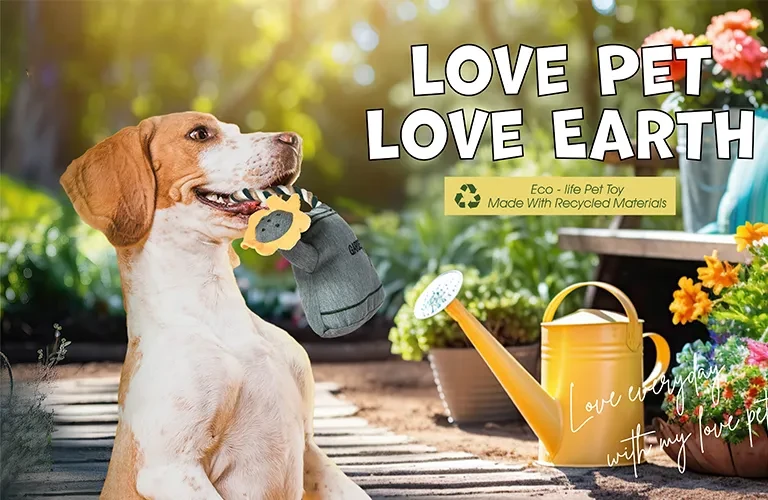
How to Audit Eco-Friendly Pet Supplies & Avoid Greenwashing
PawVerde.com – eco-friendly pet supplies focus on reducing the environmental footprint of pet ownership through sustainable materials like bamboo and natural rubber, ethically sourced nutrition, and waste reduction. While the global market is projected to reach $34.6 billion by 2034, true sustainability requires looking beyond labels to avoid greenwashing and ensure product end-of-life circularity.
Consumer expectations are shifting rapidly. According to Faunalytics, 84% of companion animal guardians now hold companies responsible for addressing climate change.
The Greenwashing Decoder: How to Audit Your Pet Product Labels
To audit a pet product, look for specific certifications rather than vague buzzwords. Avoid products claiming to be ”recyclable’ if they use multi-layer films, and be wary of ‘eco-friendly’ waste bags that lack industrial compostability proof. Always check if the brand provides transparent sourcing data to back up their environmental assertions.
The pet care industry faces significant scrutiny regarding deceptive marketing. Reports from Doglyness highlight widespread greenwashing in the pet care sector, where brands often use misleading imagery to imply sustainability. This skepticism is shared by a large portion of the population; Woola notes that 52% of people globally have encountered false or misleading information regarding a brand’s sustainability actions. In Europe, data indicates that 42% of green claims were found to be exaggerated, false, or deceptive in 2021.
Red Flags: Vague Buzzwords vs. Certifications
When auditing a product, distinguish between marketing fluff and verifiable standards. The following list identifies common pitfalls for pet owners:
The Multi-Layer Film Trap
A critical misconception involves the ease of recycling pet food packaging. Many bags utilize a combination of plastic and foil to maintain freshness. However, these composite materials are rarely accepted by municipal recycling streams. This creates a significant volume of non-recyclable waste, despite the “recyclable” label appearing on the back of the bag.
The Lifecycle Audit: Biodegradable vs. Compostable vs. Recyclable
Understanding the end-of-life stage of pet products is essential to prevent unintended environmental harm. While “biodegradable” sounds inherently positive, the term is often used loosely in the pet industry.
The reality of waste management is that many “biodegradable” products fail to break down effectively in standard landfills. Without specific oxygen and microbial conditions, these items may sit for decades. Furthermore, Clarkston Consulting reports that incorrect labeling has already led to significant legal consequences, noting $1.7 million in filings involving incorrect labeling of pet waste bags as “eco-friendly” in early 2021.
To ensure a product truly follows a circular lifecycle, verify if the packaging is certified for industrial composting. This distinction is vital for reducing the volume of pet-related waste that ends up in landfills, where it can contribute to greenhouse gas emissions.
Material Safety & Toxicity Matrix for Eco-Materials
When choosing eco-materials, balance sustainability with pet safety. Bamboo is a highly sustainable carbon absorber, but ensure it is processed without toxic glues. Natural rubber is excellent for durability without deforestation, while hemp and organic cotton offer low-impact alternatives for bedding and toys that minimize skin irritation.
Sustainability must never compromise the biological safety of the animal. For example, the Best Friends Animal Society warns that eco-friendly cat litters should avoid containing clay or sodium bentonite, as these ingredients can potentially sicken or poison pets. Instead, look for plant-based alternatives that offer safety and performance.
| Material | Sustainability Benefit | Pet Safety Consideration | Best Use Case |
|---|---|---|---|
| Bamboo | High CO2 absorption; prevents deforestation | Check for non-toxic resins/glues | Bedding, toys, and bowls |
| Natural Rubber | No deforestation in production | Ensure no synthetic additives | Durable chew toys |
| Hemp | Low water usage; high durability | Generally hypoallergenic | Bedding and rope toys |
| Recycled Plastic | Reduces landfill volume | Check for microplastic shedding | Heavy-duty crates or bowls |
The selection of materials often involves a trade-off between durability and impact. For instance, Clarkston Consulting notes that natural rubber is highly sustainable because production relies on rubber tree sap rather than deforestation. However, for bedding, organic cotton or hemp remains the gold standard for minimizing skin irritation in sensitive animals.
A Tiered Roadmap for a Budget-Friendly Eco-Transition
Transitioning to a sustainable pet lifestyle does not require an immediate, total overhaul. Caring Hands Vet suggests that sustainability is about progress, not perfection. Consumers can approach the change through a tiered strategy to manage costs effectively.
Faunalytics research indicates that 62% of companion animal guardians bought an environmentally friendly product in the past month. Sustainability becomes a decisive factor for consumers once their price expectations are met.
By following this roadmap, owners can avoid the “all-or-nothing” trap. Even small changes, like choosing products from vetted brands on EarthHero or Green Pet, contribute to a larger shift in the industry.
The Hidden Cost of Microplastics and Shipping
Even when products are made from sustainable materials, the logistics and maintenance of those products can introduce new environmental costs.
One significant concern is the shedding of microplastics from synthetic or recycled polyester pet bedding. When these items are washed, they release tiny plastic fibers into the water system. To mitigate this, owners can use specialized washing bags designed to catch microfibers. Additionally, consider the carbon footprint of the delivery itself. For example, EarthHero offers free carbon-neutral shipping on orders over $75. This is a crucial consideration because a “sustainable” product shipped halfway across the world may have a higher carbon footprint than a conventional product manufactured locally.
The manufacturing of plastic packaging also carries a heavy environmental weight. As noted by Doglyness, the process of creating plastic packaging is devastating to the environment, regardless of how “recyclable” the final product claims to be.
FAQ
Is bamboo safe for dogs and cats?
Bamboo is a highly sustainable resource that acts as a carbon absorber. To ensure safety, verify that products are processed without toxic resins or glues.
How can I tell if pet waste bags are actually eco-friendly?
Avoid bags that only claim to be ‘biodegradable.’ Look for certified compostable labels and check if they meet state regulations to avoid the $1.7 million greenwashing trend in waste bags.
Can I make my own eco-friendly pet toys?
Yes, you can upcycle old t-shirts, towels, or cardboard boxes into enrichment items. Using old socks with water bottles is a simple, zero-waste way to create a puzzle toy.
Eco-Friendly Dog Food: How to Spot Greenwashing in 2026
PawVerde.com – eco-friendly dog food minimizes environmental, animal, and human impact by utilizing sustainable protein sources like insects or algae, reducing livestock-related carbon emissions, and prioritizing ethical sourcing and recyclable packaging. It moves away from carbon-intensive meat-based diets toward alternatives that require significantly less land, water, and feed.
The global pet food market is projected to reach $160.8 billion by 2032, making the shift toward sustainability a massive economic and environmental necessity.
How to Spot Greenwashing: A Red Flag Guide for Pet Food Labels
Greenwashing occurs when sustainability claims are marketing-driven rather than factual. Brands may use aesthetic cues to imply stewardship without providing the verifiable data necessary to establish environmental credentials.
Vague terminology vs. Certified standards
Consumers often encounter terms that lack legal definitions in the pet food industry. To avoid being misled, distinguish between these categories:
- Marketing Buzzwords: Terms like “eco-conscious,” “green,” or “earth-friendly” are frequently used without any underlying metric or regulatory oversight.
- Vague Sourcing: Claims of “sustainably sourced” may sound impressive but often lack specific details regarding the Life Cycle Assessment (LCA) used to verify the claim.
- Certified Standards: Look for specific, verifiable designations. While “organic” carries weight, it is a much higher bar than simply being “natural.”
The ‘Natural’ trap
A product can be labeled as natural while still relying on carbon-intensive ingredients. Because meat-based pet food is especially carbon-intensive due to emissions linked to livestock farming, a “natural” beef-based kibble may have a higher carbon footprint than an insect-based alternative.
The Carbon Footprint Comparison: Protein Source vs. Processing Method
The true environmental winner is insect-based protein, which requires significantly less land, feed, and water than livestock. While meat-based food is highly carbon-intensive due to livestock emissions, insect protein offers a high-protein alternative (35-60% dry weight) with a much lower ecological footprint.
Meat-based pet food is especially carbon-intensive because of the emissions linked to livestock farming. In contrast, insects are being touted as an environmentally friendly solution for dog and cat food due to their efficiency. The protein density of edible insects is remarkably high, ranging from 35% to 60% on a dry weight basis, whereas fresh weight yields between 10% and 25%.
| Protein Source | Environmental Impact | Protein Density | Primary Benefit |
|---|---|---|---|
| Insect Protein | Low (Minimal land/water) | 35% – 60% (Dry) | High efficiency & low emissions |
| Livestock (Beef/Chicken) | High (High GHG emissions) | Variable | Traditional familiarity |
| Plant-based | Moderate | Lower than insects | Low direct animal impact |
Insects offer a high-efficiency alternative to traditional livestock. They provide a higher protein content than many plant sources like cereal grains or soybeans.
Why insects outperform beef and soy
Insects require less land, feed, and water than traditional livestock breeding. This efficiency makes them a cornerstone of sustainable pet nutrition. Furthermore, insects often provide a higher protein content than many plant sources like cereal grains or soybeans, making them a nutrient-dense choice for growing dogs.
The energy cost of freeze-drying vs. extrusion
The method of processing also dictates the ecological footprint. While extrusion is a standard for kibble, specialized methods like freeze-drying or high-pressure processing can change the energy profile of the food. It is a common misconception that all “natural” foods are low-impact; a freeze-dried insect meal might require more energy during production than an extruded plant-based kibble, though the protein efficiency of the insect often offsets this in a full Life Cycle Assessment.
The Insect Revolution: Nutritional Benefits and the Allergy Paradox
Insect-based diets can reduce harmful bacteria in the canine’s gut, such as Turicibacter. Additionally, insect protein can serve as a hypoallergenic protein source, providing a novel alternative for dogs that react to common proteins like beef or chicken.
This is particularly relevant given that 3% to 15% of dogs are affected by atopic dermatitis. For these animals, traditional protein sources can trigger inflammatory responses. Insect protein offers a way to maintain high nutritional standards without the typical allergenic load.
Using insects as a protein source must be undertaken with caution. There is a risk of cross-reactivity for dogs with existing environmental allergies, particularly those sensitive to arthropods such as dust mites.
Gut health and Turicibacter reduction
Research indicates that insect-based diets can positively influence the microbiome. Specifically, these diets can reduce the amounts of bacteria that are harmful to the canine’s gut, such as Turicibacter. Furthermore, additives like spirulina algae powder—which can contain up to 70% protein—can serve as a functional additive that supports intestinal health in dogs.
The risk of cross-reactivity with dust mites
While insect protein is often considered hypoallergenic, it is not a universal solution. Because insects are arthropods, dogs with severe atopic dermatitis may experience cross-reactivity. To mitigate this, manufacturers may use thermal and high pressure processing or hydrolysis to reduce allergenicity and cross-reactivity in the protein molecules.
Beyond the Bowl: Packaging Reality and Waste Management
sustainable pet food must address the lifecycle of its container. For example, Inspired Pet Nutrition has achieved 98% recyclable packaging.
Avoid “wish cycling.” This occurs when owners recycle items incorrectly, such as placing multi-layer pouches into bins that cannot process them. If a package is not clean and dry, or if it belongs in a specialized facility, it often ends up in a landfill regardless of the “recyclable” label.
Recyclable vs. Widely Recycled
A material may be technically “recyclable,” but it is not necessarily “widely recycled.” If your local municipal facility lacks the infrastructure to handle specific pet food bags, the material becomes waste.
How to handle multi-layer pouches
Many premium pet foods use multi-layer pouches to maintain freshness. These are notoriously difficult to recycle because they combine different materials (like plastic and foil). Unless the brand specifically provides a take-back program or the packaging is certified for curbside recycling, these items often require specialized disposal to avoid environmental contamination.
The Eco-Transition Protocol: Switching Diets Safely
Transitioning a dog from a meat-heavy diet to insect-based or plant-based options requires a structured approach. Sudden changes in protein structure or fiber content can lead to gastrointestinal upset.
Owners should follow a gradual integration process to prevent the digestive system from being overwhelmed by new nutrient profiles.
- Days 1-2: Mix 75% old food with 25% new eco-friendly food.
- Days 3-4: Mix 50% old food with 50% new food.
- Days 5-6: Mix 25% old food with 75% new food.
- Day 7: Transition to 100% new food.
Shortcut: If your dog has a sensitive stomach, use the “Small Batch Method”—adding only one tablespoon of the new food per meal to monitor for immediate reactions.
Monitoring for digestive upset
During the transition, watch for changes in stool consistency or energy levels. While insect protein is generally well-tolerated, the introduction of new fibers or microalgae (often included at levels of 0.5% to 4%) may cause temporary changes. If vomiting or severe diarrhea occurs, revert to the previous diet and consult a veterinarian.
Leading Sustainable Brands to Watch
Several companies prioritize different aspects of sustainability, ranging from ethical sourcing to novel protein innovation. The following table compares notable brands and their primary focuses.
| Brand | Primary Sustainability Focus |
|---|---|
| Insect-based protein | Insect-based protein with no palm oil policy |
| Ethically sourced ingredients | Ethically raised and transparently sourced ingredients |
| Benevo | Vegan and organic formulations |
| Newman’s Own | Sustainability with 100% of profits donated to charity |
| Chippin | Sustainable sourcing and eco-conscious operations |
| Mars, Incorporated | Large-scale manufacturer of insect-based lines |
| Natural ingredient profiles | Natural ingredient profiles |
| Orijen | Natural, high-protein formulations |
| Conscientiously sourced ingredients | Conscientiously sourced ingredients |
Prioritize your choice based on specific goals, such as carbon reduction via insect protein, ethical transparency, or social impact through profit donation.
FAQ
Is insect-based dog food actually hypoallergenic?
Insect protein is often used as a hypoallergenic alternative. However, caution is needed for dogs with existing atopic dermatitis due to potential cross-reactivity with arthropods like dust mites. Always monitor for skin irritation during the transition.
Why is organic fish not always the most sustainable choice?
Organic fish can be resource-intensive. According to the Ethical Consumer Guide, “Organic fish has to be fed with sustainably caught, non-organic fish. Around 3-4 kg of sustainable fish is needed to raise 1 kg of organic fish.”
What is Life Cycle Assessment (LCA) in pet food?
LCA is a scientific method used to examine ingredients by considering their total carbon cost, energy demand, land use, and freshwater consumption from the initial production stage through to final disposal.
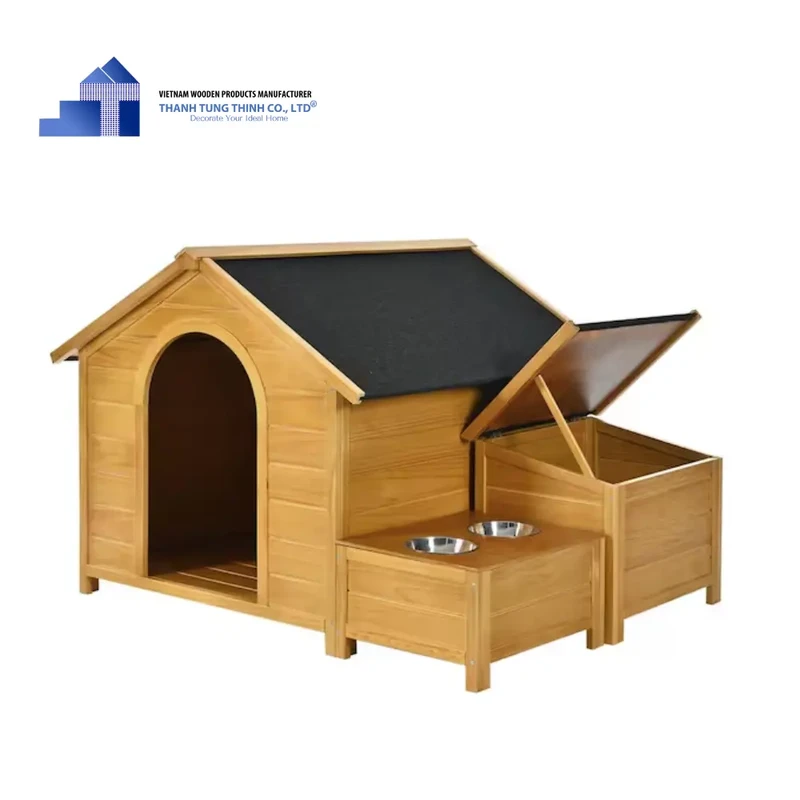
Eco-Friendly Pet Home Design: Sustainable Living Guide
PawVerde.com – Eco-friendly pet home design focuses on creating living spaces using durable, responsibly sourced, and circular materials that minimize environmental impact. This approach prioritizes non-toxic textiles, upcycled bedding, and energy-efficient technology to ensure that a pet’s comfort does not come at the cost of the planet’s future. The online eco-pet product market is projected to reach a massive $7.18 billion in revenue by 2025, with online stores accounting for 42.7% of global eco-pet revenues.
The Circular Pet Home Lifecycle: Beyond Just ‘Green’ Labels
A circular pet home lifecycle involves selecting products that are not only sustainably produced but also designed for end-of-life recovery. This means prioritizing items that are either fully compostable, such as plant-based litters, or infinitely recyclable, like West Paw toys that can be returned to be ground up and recreated.
True sustainability requires moving past the “buy and discard” model. As ecofurball.com notes, “Eco-friendly doesn’t just mean biodegradable. It also means durable, reusable, and responsibly sourced.” If a product is biodegradable but breaks after two weeks of heavy chewing, it fails the circularity test by creating frequent replacement waste.
Upcycling existing textiles
One effective method to reduce landfill contributions is upcycling. For example, the Molly Mutt concept demonstrates how to create high-quality pet bedding by using a 100% cotton duvet cover and stuffing it with old, unwanted pillows, towels, or clothes. This method keeps textiles out of the waste stream while providing a customized, soft environment for pets.
Closing the loop with manufacturer take-back programs
A common failure mode in eco-conscious shopping is purchasing “green” products that eventually become non-recyclable waste. To avoid this, consumers should look for manufacturers that manage the entire lifecycle of their goods. West Paw, a Certified B Corp, facilitates this by offering toys that can be returned to the manufacturer to be sanitized, ground up, and recreated into new products. This ensures that the material remains in a closed loop rather than entering a landfill.
- Prioritize products with take-back instructions in the packaging.
- Select items made from mono-materials (single types of plastic or fabric) to simplify recycling.
- Avoid “hybrid” materials that bond different substances together, as these are often impossible to separate for recycling.
Sustainable Smart-Pet Integration: Low-Energy IoT and Biophilia
Integrating technology into a pet’s habitat requires a balance between convenience and energy consumption. While smart feeders and automated water fountains offer precision, they contribute to the growing issue of e-waste if not selected carefully.
Smart technology from a bio-friendly perspective mimics the functions of nature or promotes natural processes, contributing to improving the quality of the environment and preserving the indigenous ecosystem. This means choosing devices that support natural rhythms rather than disrupting them with constant, high-energy signals.
Mitigating anxiety through biophilic design
Biophilic design—the practice of incorporating natural elements into indoor spaces—can significantly reduce pet stress. Environments that lack natural elements can negatively impact well-being. For instance, biophilia can mitigate health issues caused by a lack of nature, which in humans can manifest as fatigue or hypertension, and similarly, helps pets feel more secure in their domestic territory.
Energy-efficient lighting for pet habitats
Lighting plays a critical role in maintaining a pet’s circadian rhythm. When selecting lighting for pet enclosures or indoor habitats, efficiency is paramount. Switching from fluorescent lights to LED bulbs can result in a 90% energy reduction. This transition not only lowers the carbon footprint of the home but also provides a more stable, flicker-free light source that is easier on sensitive animal eyes.
Shortcut: To find energy-efficient lighting options on major retail sites, use the “Filter” menu > “Technical Specifications” > “Bulb Type” and select “LED”.
Material Durability vs. Toxicity: A Technical Comparison
When designing pet homes, the best materials balance durability with chemical safety. While recycled polyester offers high stain resistance and durability similar to virgin polyester, users must avoid plastics that leach BPA and ensure small animal bedding avoids cedar or pine phenols which cause respiratory and liver issues.
Selecting the wrong material can lead to immediate health risks. For example, Millamore warns that using cedar or pine shavings for small animal bedding is a significant mistake because these materials contain phenols. These chemicals can cause serious respiratory problems and liver damage in small animals. Furthermore, using abrasive bedding like corn cob can lead to skin irritation.
| Material/Product Type | Environmental Impact | Pet Safety/Durability | Best Use Case |
|---|---|---|---|
| Recycled Polyester | Low (Reduces virgin plastic use) | High (Stain resistant & durable) | High-traffic pet furniture |
| Traditional Plastics | High (Non-biodegradable; leaches BPA) | Moderate (Durability vs toxicity risk) | Avoid for food/water contact |
| Aspen Bedding | Low (Natural & compostable) | High (Safe for respiratory health) | Small animal habitats |
| LED Lighting | Low (90% energy reduction) | High (Stable light output) | Indoor pet habitats |
| Silica Gel Litter | High (Mining intensive; non-compostable) | Moderate | Avoid for eco-conscious homes |
The table above illustrates the trade-offs between traditional materials and sustainable alternatives. While traditional plastics may be cheap, their long-term environmental and health costs are significant.
Textiles for high-traffic pet areas
For furniture that undergoes constant contact with claws and fur, Slashop suggests prioritizing sustainable, pet-resistant materials. recycled polyester is a standout option here; it offers the same performance benefits as virgin polyester—such as stain resistance and easy cleaning—but with a significantly reduced carbon footprint. When selecting textiles, look for tightly woven fabrics like bamboo or eucalyptus that are easier to maintain.
Safe bedding for small animals
Small animal owners must be particularly vigilant regarding bedding toxicity. Beyond the dangers of cedar and pine, avoid silica gel (crystal) cat litters, as these are often procured through mining processes with detrimental environmental effects and are not biodegradable. Instead, opt for plant-based litters or natural aspen bedding to ensure a safe, compostable environment.
Navigating the Online Marketplace: Avoiding Greenwashing
As the demand for eco-friendly pet products grows, so does the prevalence of deceptive marketing. Many products on massive platforms like Amazon or Chewy may use vague terms like “natural” or “green” without providing verifiable evidence of their sustainability claims.
Greenwashing occurs when products are labeled as eco-friendly but actually contain toxic dyes or are composed of mixed plastics that cannot be recycled. To avoid this, consumers should look for specific, third-party certifications such as B Corp, OEKO-TEX, or FSC. For instance, Hevea is a B Corp Certified brand that uses natural rubber for its products, providing a verifiable standard of social and environmental performance.
Identifying true B Corp certifications
A B Corp certification is one of the most reliable indicators of a company’s commitment to sustainability. Brands like West Paw and Hevea have undergone rigorous assessments to prove their impact. When browsing online, check the “About Us” or “Sustainability” sections of a brand’s website to verify these credentials.
The hidden waste of online shipping
Even if a product is sustainable, the way it reaches your door matters. The massive scale of online shopping can lead to excessive packaging waste. Look for direct-to-consumer brands like Beco Pets that may offer more streamlined, plastic-free, or carbon-neutral shipping options compared to traditional big-box retailers.
The Economic Reality: The ‘Green Premium’ vs. Long-term Value
There is a common misconception that eco-friendly design is always more expensive. While some products may have a higher upfront cost—often called the “green premium”—the long-term value often outweighs the initial investment.
Current data shows that 54% of buyers in developed markets prioritize eco-conscious products. This shift is driving an 11.8% CAGR for the online eco-pet market. This growth suggests that sustainable options are becoming more accessible and mainstream.
Cost-per-use analysis of durable goods
When evaluating a purchase, consider the cost-per-use. A cheap, non-durable pet bed might need replacing every six months due to wear or staining. In contrast, a high-quality, recycled polyester bed from a brand like Slashop is designed for durability. Over two years, the more expensive, durable bed often costs less than buying multiple low-quality replacements.
The value of refurbished commercial-grade furniture
One of the most effective ways to achieve net-zero is through the use of refurbished, recycled, or “pre-loved” furniture. Companies like Saxen specialize in supplying refurbished commercial-grade furniture. Integrating refurbished pieces into a pet-centric home design is a highly sustainable strategy that provides professional-grade durability at a fraction of the cost of new, high-end furniture.
FAQ
Is recycled polyester as good as regular polyester for pet furniture?
Yes, recycled polyester offers the same performance benefits as virgin polyester, including stain resistance, durability, and easy cleaning, but with a significantly lower carbon footprint, making it an ideal choice for pet-resistant home textiles.
Why should I avoid cedar or pine bedding for small pets?
Cedar and pine shavings contain phenols that can cause serious respiratory problems and liver damage in small animals. For a safer alternative, use natural aspen bedding, which is non-toxic and compostable.
How can I tell if a pet product is actually eco-friendly?
Look for third-party certifications like B Corp, OEKO-TEX, or FSC. Be wary of “greenwashing” where products are labeled eco-friendly but contain toxic dyes or mixed plastics that are difficult to recycle.

Eco-Friendly Pet Services: How to Choose Sustainable Care
PawVerde.com – Eco-friendly pet services prioritize sustainability through biodegradable products, reduced carbon footprints via mobile grooming, and ethical sourcing of nutrition. Transitioning to green pet care involves auditing service providers for greenwashing, choosing long-lasting gear, and opting for services that minimize waste and chemical runoff to protect both your pet and the planet.
“Incorporating eco-friendly practices into pet care is not just a trend; it’s a responsibility we owe to our pets, our planet, and future generations,” notes Sameera Satija.
How to spot greenwashing in pet services
To detect greenwashing, check if a provider uses single-use plastic packaging while claiming to be ‘eco-friendly.’ Verify third-party certifications and look for transparency in ingredient sourcing. Avoid brands that rely on vague buzzwords without providing evidence of biodegradable components or ethical supply chains.
The ‘Single-Use Plastic’ Red Flag
Brand credibility is compromised when a company pushes an eco-friendly image while simultaneously stocking items wrapped in single-use plastic. This contradiction serves as a primary failure mode for businesses attempting to capitalize on the green movement without altering their supply chain. For instance, a service might claim to use organic shampoos but deliver them in non-recyclable bottles that contribute to landfill waste.
Decoding Marketing Buzzwords vs. Real Certifications
Consumers often fall victim to vague marketing language that lacks empirical backing. To avoid this, practitioners recommend looking for specific evidence rather than broad claims. A reliable audit of a pet service provider should include the following checks:
- Verify third-party certifications to ensure claims are independently validated.
- Investigate the transparency of ingredient sourcing for all consumable products.
- Check for the presence of 100% biodegradable components in physical goods, such as those produced by Honest Pet Products.
- Cross-reference marketing claims with actual packaging materials to identify discrepancies.
A product labeled “natural” is not always sustainable. It can still be packaged in ways that harm the environment or sourced through unethical labor. True sustainability requires a holistic approach that covers both the product chemistry and the lifecycle of its packaging.
The Cost-Benefit Matrix: Traditional vs. Sustainable Pet Care
Adopting sustainable pet care involves a shift from low upfront costs to long-term utility. While conventional products may seem cheaper initially, they frequently require more frequent replacements due to lower durability.
| Criterion | Conventional Services/Products | Sustainable Alternatives |
|---|---|---|
| Ingredients and Packaging | Heavily processed ingredients; non-recyclable packaging | Ethically sourced ingredients; recyclable materials |
| Gear Longevity | Lower durability; high replacement frequency | Long-lasting, washable gear; minimized replacement frequency |
| Grooming Approach | Standard chemical-based formulas | Natural, biodegradable formulas |
| Resource Usage | Standard water and energy consumption | Water-saving technologies and energy efficiency |
Sustainable choices impact a pet owner’s budget by trading immediate savings for long-term resource efficiency.
Long-term savings through durability
Choosing long-lasting, washable gear minimizes replacement frequency, which directly cuts down on both waste and long-term costs. For example, instead of purchasing multiple low-quality plastic toys, investing in durable, biodegradable options provides better value over the lifespan of the pet. This reduction in consumption prevents the “buy-and-toss” cycle common with conventional pet accessories.
Utility cost reductions in green facilities
For pet business owners, implementing water-saving technologies can lead to significant cost savings. As noted by industry research, reduced water consumption results in lower utility bills over time. These efficiencies allow green facilities to remain competitive while maintaining a smaller environmental footprint.
Green Grooming: Health benefits and carbon footprint reduction
eco-friendly grooming utilizes natural, biodegradable shampoos and water-saving techniques to reduce environmental impact. Mobile grooming services further lower emissions by eliminating the need for owners to drive to salons, while natural formulas prevent skin irritation caused by harsh conventional chemicals.
Why natural formulas matter for sensitive skin
Traditional grooming products can contain harsh chemicals that irritate skin or trigger allergies in sensitive animals. Natural formulas are gentler and safer for the pet’s biological barrier. This shift toward plant-based surfactants helps protect the water table by ensuring that runoff from baths does not introduce toxic synthetic substances into local ecosystems.
The emissions advantage of mobile services like Puppy Luv Pet Services
Mobile grooming provides a dual benefit: convenience for the owner and a reduction in transportation emissions. Because providers like Puppy Luv Pet Services come directly to the pet owner, the need for extra car trips to a centralized salon is eliminated. This localized service model is a key component of reducing the overall carbon footprint associated with pet maintenance.
Specific advantages of green grooming include:
- Use of natural, biodegradable shampoos to prevent chemical runoff.
- Implementation of water-saving techniques during the bathing process.
- Reduced transportation-related CO2 emissions via mobile service models.
- Prevention of skin irritation through the avoidance of harsh synthetic additives.
Sustainable Nutrition: Transitioning without digestive distress
Switching to sustainable pet food—such as options using locally sourced, organic, or insect-based proteins—can lower carbon emissions. However, the method of transition is just as critical as the ingredients themselves to ensure the pet’s health remains intact.
Warning: To avoid digestive system failure, do not switch dog food brands or formulas overnight.
The 10-day transition roadmap
To prevent digestive issues, owners should follow a technique known as the Gradual Dog Food Transition. This process typically spans a 7-10 day period to allow the pet’s gut microbiome to adjust to the new nutrient profile. A standard roadmap includes:
- Days 1-2: Mix 75% of the old food with 25% of the new food.
- Days 3-4: Mix 50% of the old food with 50% of the new food.
- Days 5-6: Mix 25% of the old food with 75% of the new food.
- Days 7-10: Feed 100% of the new food.
Avoiding nutritional imbalances
Owners must not assume that higher meat content or marketing buzzwords automatically equate to better nutrition. It is essential to ensure that any new food meets the nutritional standards set by AAFCO (Association of American Feed Control Officials). Relying solely on “green” labels without checking for AAFCO compliance can lead to long-term nutritional imbalances.
Operational Sustainability for Pet Businesses
Sustainability for pet professionals involves managing internal facility operations alongside product selection. Adopting green habits can improve a business’s reputation while simultaneously reducing overhead costs.
Digitizing records to eliminate paper waste
Modern pet businesses can significantly reduce their reliance on paper by adopting specialized software. Using dog boarding software allows for the digitization of client records, appointment scheduling, and financial transactions. Moving these processes to a digital format eliminates the need for physical filing systems and reduces the waste generated by printing daily schedules or invoices.
Waste management: From composting to recycling
Implementing Sustainable Waste Management is a cornerstone of an eco-conscious facility. Businesses can adopt several strategies to manage their environmental impact:
- Set up clearly labeled bins for different types of recycling.
- Compost biodegradable pet waste where local regulations and facilities allow.
- Donate excess or near-expiry supplies to local shelters rather than discarding them.
By integrating these practices, pet businesses can build a more resilient and reputable brand that appeals to the growing demographic of environmentally conscious pet owners.
FAQ
Is eco-friendly pet care more expensive?
While initial costs might be higher, sustainable gear lasts longer, which reduces replacement frequency. Additionally, water-saving technologies used in green grooming or boarding facilities can lead to lower utility costs over time, offsetting the initial investment.
How can I tell if a pet food brand is truly sustainable?
Look for brands that utilize ethically sourced, organic, or insect-based proteins and offer recyclable packaging. Most importantly, always verify that the product meets AAFCO nutritional standards to ensure it is a complete and balanced diet.
Does mobile grooming actually help the environment?
Yes, mobile grooming services reduce transportation emissions. By coming directly to the pet owner’s location, these services eliminate the need for the owner to make extra car trips to a traditional grooming salon, thereby lowering the total carbon footprint of the service.
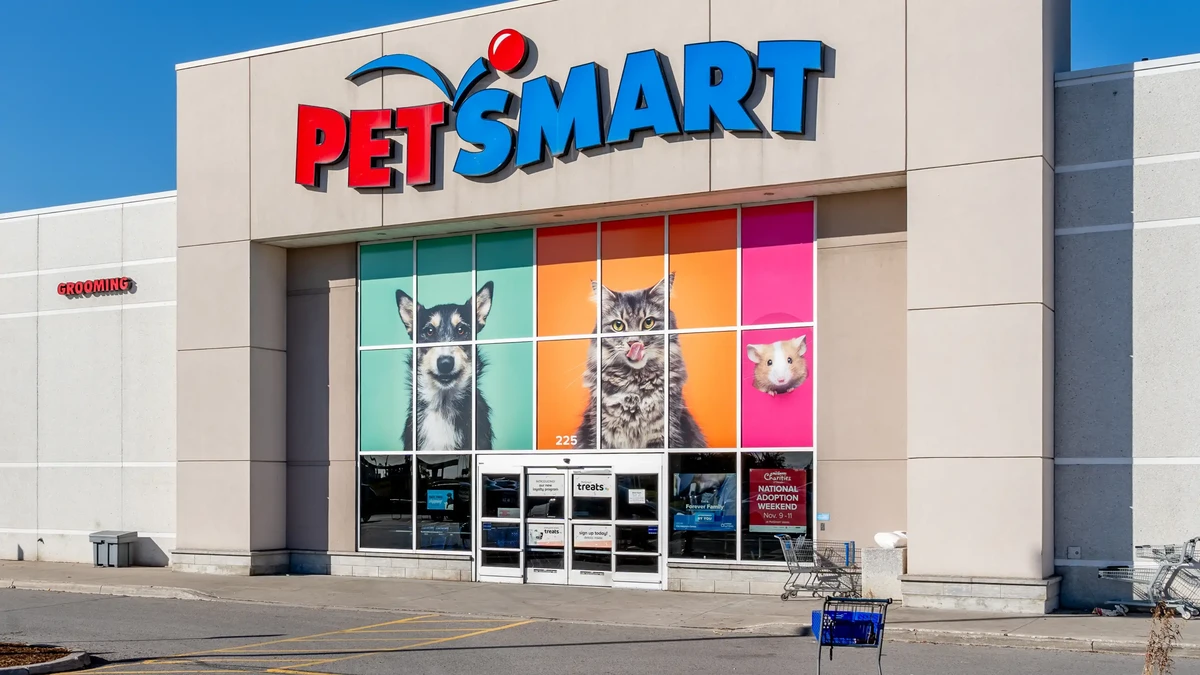
Eco Friendly Pet Shop Guide: Spotting Greenwashing in 2026
PawVerde.com – An eco-friendly pet shop focuses on providing sustainable, non-toxic, and low-impact supplies that reduce the 300 million pounds of pet product plastic waste generated annually. These retailers prioritize renewable materials like bamboo, recycled fabrics, and organic food to ensure both planetary health and pet safety.
The Greenwashing Red Flag Guide: Spotting Fake Eco-Claims
To spot greenwashing in pet products, look past vague labels like ‘natural’ or ‘green.’ Check for specific certifications (like PETA-approved vegan), verify if materials are truly renewable (like bamboo) rather than just recycled-looking plastics, and ensure the brand addresses end-of-life disposal rather than just using recyclable packaging.
The ‘Natural’ Trap
Marketing-led materials often masquerade as sustainable under vague descriptors. EcoFurball notes that when plastics or blended fibers appear under these ambiguous labels, it represents a significant failure in transparency. Consumers should avoid products that claim to be “green” without providing verifiable data or third-party certifications to back the assertion.
A common failure mode occurs when brands use “natural” to describe products that still contain synthetic binders or harmful additives. For instance, a toy might be marketed as natural but actually contain non-biodegradable glues. Always verify the specific material composition before purchasing.
Packaging vs. Product Longevity
EcoFurball identifies a “packaging distraction” where brands emphasize recyclable cardboard boxes to mask a short product lifespan or the use of toxic materials. True sustainability requires looking at the entire lifecycle, as minimal packaging often represents the most sustainable option.
A Lifecycle Guide: From Purchase to Compost
According to EcoFurball, “Sustainable pet products prioritise materials that regenerate, recycle, or biodegrade without releasing harmful residues.” Understanding this movement from retail shelf to final destination is essential for minimizing environmental impact.
Compostable vs. Recyclable Materials
The distinction between material types is critical to prevent waste stream contamination. While some items are designed for industrial recycling, others are intended for home composting.
- Compostable: Materials like organic hemp or bamboo that can return nutrients to the soil.
- Recyclable: Items like rPET (recycled polyethylene terephthalate) that require industrial processing.
- Upcycled: Materials repurposed from existing waste to extend their utility.
Circular Economy: The rePAWpose Model
The circular economy aims to eliminate waste by keeping materials in use for as long as possible. Awoo Pets facilitates this through their “rePAWpose” program. This initiative allows customers to send in pre-loved items to be repurposed, providing a $5 credit per product to the owner. This model reduces the need for new raw materials and prevents functional items from entering landfills.
High-Impact Swaps: A Budget-Friendly Transition Roadmap
Start your eco-transition with high-impact, low-cost swaps: replace traditional clay litter with plant-based alternatives to avoid sodium bentonite, switch to biodegradable poop bags, and move toward non-toxic, botanical-based grooming products. These changes address immediate waste and toxicity issues before investing in premium sustainable accessories.
Phase 1: Waste & Hygiene
The most immediate impact on a household’s carbon footprint often comes from daily waste management. Best Friends Animal Society suggests that switching to biodegradable or compostable poop bags made from recycled paper or plants is a primary step in reducing plastic in landfills. Additionally, replacing traditional clay cat litters is vital. These clay litters are resource-intensive because they are mined from the earth and are slow to biodegrade. Furthermore, eco-friendly alternatives can be safer for pets by avoiding sodium bentonite, which can potentially sicken or poison animals.
Phase 2: Nutrition & Grooming
Once waste management is addressed, owners can shift focus to chemical exposure. Conventional grooming products may contain harmful chemicals like parabens, phthalates, and petroleum. Best Friends Animal Society recommends using nontoxic and eco-friendly grooming and cleaning products to improve pet health. Fetch The Sun also notes that using natural cleaners may help reduce asthma and allergy symptoms in people with sensitive respiratory systems.
The Science of Sustainable Materials
Selecting materials based on their regenerative capacity and durability ensures that “green” choices are not just ethical, but functional.
Why Bamboo Wins
The Green Pet Shop notes that bamboo is a highly sustainable resource that helps combat climate change by reducing deforestation. It regenerates much more rapidly than traditional trees, making it an ideal feedstock for pet products.
The Durability Advantage
Pet Magasin highlights that eco-friendly supplies are often designed for increased durability compared to conventional options. Many standard products are optimized for lower price points and shorter lifespans, leading to increased waste.
| Criterion | Eco-Friendly Supplies | Conventional Supplies |
|---|---|---|
| Material Source | Renewable (bamboo, hemp), recycled (rPET), or upcycled. | Virgin, petroleum-based plastics and synthetic fabrics. |
| Pet Safety | Non-toxic; free of BPA and phthalates. | May contain questionable dyes or plastics. |
| Durability | Designed for longevity and repeated use. | Often designed for lower price and shorter lifespan. |
The table above illustrates the fundamental differences in how materials are sourced and managed between sustainable and standard pet supplies.
Top Eco-Friendly Retailers and Brands to Watch
As the market evolves, several key players have emerged to cater to the growing demand for planet-conscious pet care. In 2025, global eco-pet revenues from online stores reached $7.18 billion, representing 42.7% of the total market.
Online Giants
For those seeking a wide variety of vetted goods, EarthHero is a prominent retailer specializing in sustainable pet supplies. They offer various incentives, such as a 20% discount using the code PFJ20 and free carbon-neutral shipping on orders over $75. This makes large-scale sustainable shopping more accessible to a broader demographic.
Specialized Sustainable Brands
Niche brands currently lead several specific categories of the eco-pet market:
- Nina Woof: A PETA-approved vegan and cruelty-free brand focusing on dog accessories.
- Awoo Pets: Known for using eco-friendly materials and circular economy programs.
- WildOne: A direct-to-consumer brand specializing in modern, eco-conscious pet accessories.
Local vs. Online: Minimizing Your Carbon Pawprint
The method of delivery impacts the total environmental cost of pet care. While online stores are the fastest-growing distribution channel for eco-friendly pet products, choosing between local and digital options involves different ecological trade-offs.
The Case for Local Shops
Sourcing supplies from local retailers can significantly reduce the “last mile” delivery emissions. In regions like San Diego, specialized local shops provide holistic and natural options. Examples include Howlistic, which focuses on holistic care, Earthwise Pet, a family-owned shop, and Noah’s Natural Pet Market, which specializes in raw food. Shopping locally often supports the community and reduces the carbon footprint associated with long-distance shipping.
Optimizing Online Shipping
To minimize the environmental impact of digital shopping, consumers can adopt several strategies:
- Bulk Ordering: Reducing the frequency of shipments lowers the cumulative transportation energy.
- Consolidated Shipping: Choosing options that group items together rather than shipping them individually.
- Carbon-Neutral Options: Utilizing retailers that offer carbon-neutral shipping services.
DIY Sustainable Pet Care at Home
Repurposing existing household items is often the most eco-friendly way to care for pets, as it directly reduces waste and saves money.
Upcycled Toys
Best Friends Animal Society suggests several creative ways to make toys from household items:
- Rope Toys: Use old fabric strips braided together.
- Treat Puzzles: Repurpose PVC pipes to create interactive feeding games.
- Water Bottle Toys: Use old socks to encase a plastic bottle for a crinkle effect.
Zero-Electricity Cooling
During warm seasons, pet comfort can be maintained without increasing electricity consumption. The Green Pet Shop offers pressure-activated cooling mats. These mats require no refrigeration or electricity; instead, they activate via pressure to provide a cooling effect that can last for up to 3 hours after a 15-minute recharge period. This technology provides a sustainable way to manage pet heat stress.
FAQ
Is bamboo safe for pet feeding products?
Experts confirm bamboo is a sustainable resource, but owners should ensure feeding products are not combined with unsafe materials during manufacturing to avoid toxicity.
How can I tell if a pet toy is non-toxic?
According to EcoFurball, sustainable pet toys are safer if chewed because they contain no toxic dyes or plastics.
Why is clay cat litter considered less eco-friendly?
EcoFurball states that traditional clay cat litters are resource-intensive because they are mined from the earth and are slow to biodegrade.
Eco-Friendly Pet Supplies: How to Spot Greenwashing
PawVerde.com – Eco-friendly pet supplies prioritize materials like bamboo, hemp, and natural rubber that minimize environmental impact. To shop effectively, look beyond ‘natural’ labels by verifying third-party certifications like Ecogea and distinguishing between ‘biodegradable’—which simply means an item gets smaller—and ‘compostable,’ which ensures the product breaks down into nutrient-rich organic matter.
The shift toward sustainability is no longer a niche preference. According to Faunalytics, 84% of companion animal guardians now hold companies responsible for addressing climate change. This expectation has transformed how brands approach product development and ingredient transparency.
The Greenwashing Red Flag Checklist: Spotting Fake Sustainability
To avoid greenwashing, ignore vague terms like ‘natural’ or ‘organic’ unless they are backed by third-party certifications like Ecogea. Always check the full INCI ingredient list for hidden synthetics and ensure plastic packaging is free of residue, as any contaminated plastic is effectively non-recyclable.
The ‘Natural’ Label Trap
Marketing teams often use “botanical” or “natural” to imply safety, but these terms lack strict legal definitions in many jurisdictions. Doglyway notes that greenwashing is frequently used to attract customers through these misleading terms. A common failure mode occurs when a brand highlights a single plant extract while the majority of the formula consists of synthetic fillers. To verify authenticity, consumers should search for the full INCI (International Nomenclature of Cosmetic Ingredients) list. If a product claims to be organic but lacks a recognized certification such as Ecogea, the “natural” claim should be treated with skepticism.
The Packaging Paradox
A product’s contents may be sustainable, but the container can negate those benefits. Doglyway reports that if a product is packaged in plastic, it is almost certainly not recyclable, regardless of the claims made on the front of the box. This is a critical distinction for eco-conscious shoppers. Even if the product inside is biodegradable, a non-recyclable plastic bottle destined for a landfill creates a net-negative environmental impact. Always look for brands that utilize glass, aluminum, or certified compostable packaging to ensure the entire lifecycle of the purchase aligns with sustainability goals.
- Check for third-party seals like Ecogea rather than relying on text-only “natural” claims.
- Inspect the INCI list for hidden synthetics or unsustainable palm oil.
- Evaluate the packaging material; if it is plastic, confirm its specific recyclability in your local municipality.
- Avoid brands that do not provide transparent sourcing information for their “botanical” ingredients.
Compostability Reality Guide: Home vs. Industrial Breakdown
Understanding the difference between degradation types is essential to prevent accidental pollution. Piggyback Treats explains that seeing the phrase “biodegradable” on a package really doesn’t tell us much other than it will break down over time. This is an ambiguous word that, unless paired with the word compostable, simply means “this item will get smaller.”
When shopping for waste management, the distinction between home and industrial composting is a frequent point of failure. Many “compostable” bags require the high-heat environments found in industrial facilities to actually break down. If these bags end up in a backyard compost bin or a standard landfill, they may persist for years. For high-quality waste management, look for products that meet specific thickness standards; for instance, gogostik.com identifies a 15-20 micron minimum thickness as a benchmark for quality eco-friendly pet waste bags.
Furthermore, Sir Waggingtons highlights that pet waste can introduce harmful bacteria and parasites into ecosystems, pollute waterways, and contribute to the spread of diseases if not managed correctly. Using the wrong type of bag can lead to improper decomposition, which fails to mitigate these biological risks.
Lifecycle Cost Calculator: Upfront Investment vs. Long-Term Value
Sustainable pet ownership requires evaluating the total lifespan of a product. While initial costs vary, durable materials often provide better value over time.
The Pet Sustainability Coalition notes that environmental responsibility has shifted from a niche marketing trend to a structural necessity. This shift is reflected in the move toward durable, long-lasting goods. For example, the Ecofurball.com framework suggests that while a stainless steel bowl might cost more than a plastic one, it can last a lifetime, whereas plastic bowls often require frequent replacement due to cracking or bacterial buildup in scratches.
| Material/Product | Eco-Benefit | Longevity/Durability | Cost Profile |
|---|---|---|---|
| Stainless Steel | Highly recyclable; no microplastics | Extreme; lasts a lifetime | Higher upfront; lowest long-term |
| Bamboo | Rapidly renewable; low water use | Moderate; better than single-use | Mid-range |
| Hemp | Biodegradable; pest-resistant | High; resistant to heavy pulling | Mid-to-high |
| Natural Rubber | Non-toxic; biodegradable | High; tough for heavy chewers | Mid-range |
| Traditional Plastic | High environmental footprint | Low; prone to degradation/cracking | Lowest upfront; high replacement cost |
Choosing materials like hemp or stainless steel minimizes the frequency of replacement. This approach reduces cumulative spending and environmental waste.
Material Deep Dive: Bamboo, Hemp, and Natural Rubber
The Pet Sustainability Coalition defines eco-friendly materials as anything that makes a pet’s life better without making the planet’s future worse. Different materials provide unique functional advantages.
Rapidly Regenerating Bamboo
Bamboo is a highly sustainable resource that can help combat climate change. According to the green pet industry, it reduces deforestation because it regenerates much more rapidly than traditional hardwood trees.
The Strength of Hemp Gear
Hemp is a strong, natural choice for high-stress accessories. It is naturally pest-resistant and biodegradable, making it an ideal material for leashes, collars, and toys that must handle heavy pulling.
Natural Rubber vs. Microplastics
natural rubber serves as a non-toxic and biodegradable alternative to synthetic plastics. It provides a tough, flexible option for heavy chewers that avoids the microplastic problem associated with traditional plastic toys.
Practical Implementation: DIY Composting and Eco-Grooming
Caring Hands Vet provides several strategies for integrating sustainability into daily pet care routines.
One method for managing organic waste is the creation of a DIY poop digester.
Shortcut: To start a DIY poop digester, gather a 20-30 gallon container, a drill, a shovel, gravel, and carbon-rich materials like leaves or sawdust.
Follow these steps for effective decomposition:
- Prepare a 20-30 gallon container by drilling aeration holes.
- Layer gravel at the bottom for drainage.
- Add pet waste separately from carbon-rich materials (leaves, straw, or sawdust).
- Monitor moisture levels and turn the pile regularly to ensure aerobic decomposition.
In addition to waste management, grooming routines can be optimized for lower impact. Caring Hands Vet recommends switching to biodegradable, cruelty-free, and non-toxic shampoos. To further reduce your footprint, consider using concentrated formulas; Essencera notes that by prioritizing concentrated paste formulas, you are actively reducing water waste and carbon emissions. You can also implement low-impact habits like using reusable metal combs or bamboo brushes and simply turning off the tap between rinses to conserve water.
FAQ
Is ‘biodegradable’ the same as ‘compostable’ for dog poop bags?
No. Piggyback Treats explains that “biodegradable” is an ambiguous term that simply means an item will get smaller over time. In contrast, compostable items break down into organic matter.
How can I tell if a pet shampoo is actually eco-friendly?
Prioritize concentrated paste formulas to reduce water waste and verify ingredients with Ecogea certifications. This helps avoid products that hide harsh synthetics behind “botanical” claims.
Are eco-friendly pet products more expensive in the long run?
While items like stainless steel bowls may have a higher upfront cost, they are designed to last a lifetime, offering better value than plastic alternatives.

Sustainable Pet Food: How to Audit Brands and Avoid Greenwashing
PawVerde.com – The pet food industry is transitioning toward sustainability by utilizing high-quality ingredients from the human food chain. By upcycling co-products and optimizing logistics through carbon-conscious shipping—which improves delivery routes and trailer capacities—manufacturers aim to reduce the sector’s environmental footprint.
The United States pet food industry produces 300 million pounds of plastic every year. This volume of waste presents a significant challenge for pet owners attempting to align their purchasing habits with environmental conservation goals.
How to Audit a Brand: The Sustainability Scorecard
To audit a pet food brand’s sustainability, evaluate three pillars: Ingredient Sourcing (look for upcycled co-products or MSC-certified fish), Packaging (check for 100% recyclable or compostable claims), and Certifications (verify ISO or GMP+ standards). Avoid brands using vague ‘green’ terms without third-party substantiation to prevent greenwashing.
Identifying Greenwashing Red Flags
Greenwashing occurs when companies use terms like “green” or “eco-friendly” as marketing tools without providing third-party definitions or demonstrating a genuine commitment to the environment. Industry analysts note that misleading sustainability claims in advertising often target consumers through specific PPC ads that use the word “sustainable” without any accompanying substantiation. This failure mode makes it difficult for pet parents to distinguish between actual ecological progress and mere branding exercises.
To avoid being misled, pet owners should prioritize transparency. While 35% of pet owners have chosen more eco-friendly pet products, many still struggle to identify authentic claims. Instead of relying on adjectives, look for verifiable data regarding supply chain management and carbon reduction metrics.
Reliable sustainability is often backed by rigorous industrial standards. When auditing a brand, check for the following certifications to ensure they meet international quality and environmental management benchmarks:
- ISO 9001:2015: This standard focuses on quality management systems.
- ISO 14001:2015: This standard specifies requirements for an effective environmental management system.
- GMP+ certifications: These are essential for ensuring safety and quality in the feed supply chain.
A “natural” label does not guarantee environmental safety. A brand may use natural ingredients while maintaining inefficient production processes. True sustainability requires a holistic view that includes verified management standards to ensure long-term resource availability.
The Upcycling Revolution: Turning Food Waste into Pet Nutrition
Using by-products from the human food chain prevents the disposal of healthy ingredients that would otherwise contribute to landfill waste. This process, known as upcycling food co-products, transforms leftovers from human food production—such as cheese, bacon fat, or yeast—into nutritious, high-quality ingredients for animal consumption.
From Cheese and Bacon Fat to Palatants
Upcycling represents a shift toward a circular economy within the pet nutrition sector. Rather than treating non-human-grade components as waste, manufacturers utilize them as functional ingredients. For example, fats derived from the cheese or meat industries can be processed into highly palatable ingredients that enhance the flavor profile of kibble. This method ensures that all protein sources of the fish or meat are used, which is an environmentally and socially responsible practice that avoids competing with the human food supply.
The Role of Ingredient Suppliers like MBP Solutions
Specialized suppliers play a critical role in making upcycling commercially viable at scale. MBP Solutions, for instance, sources 100% of its ingredients from the food industry to ensure they are high-quality and sustainable. Other organizations, such as Green Field Solutions (GFS) and IIC, provide the necessary infrastructure to convert food production co-products into standardized pet food ingredients. By working with these specialized suppliers, pet food manufacturers can meet their sustainability goals while maintaining strict nutritional consistency.
Protein Alternatives: Comparing Carbon Footprints
Life-cycle analysis indicates that plant-origin ingredients tend to have a lower carbon footprint than animal-origin proteins. Emerging alternatives like algae protein are highly efficient, growing ten times faster than terrestrial plants and absorbing CO2, while insect proteins provide a high-density nutritional profile with minimal land use requirements.
| Protein Source | Carbon Footprint | Growth/Resource Speed | Sustainability Note |
|---|---|---|---|
| Plant-origin | Lower | Variable | Highly efficient land use |
| Animal-origin | Higher | Slower | Requires significant land/water |
| Algae-based | Low (Absorbs CO2) | 10x faster than terrestrial plants | High sustainability potential |
The data shows the environmental efficiency of different protein sources. While animal-origin proteins remain common, the transition toward plant and algae-based options is driven by the need to reduce total emissions.
The Efficiency of Algae and Insects
Algae protein stands out due to its unique biological advantages. It has almost double the protein content of beef and possesses the ability to absorb CO2 during its growth cycle. This makes it a highly efficient alternative to traditional livestock. Similarly, insect proteins offer a high-density nutritional profile while requiring minimal land and water compared to cattle or poultry production.
The Plant-Based vs. Animal-Based Trade-off
Life-cycle analysis indicates that plant-origin ingredients tend to have a lower carbon footprint than animal-origin ingredients. However, consumers must balance these benefits against nutritional requirements. While plant proteins reduce land-use pressure, ensuring a complete amino acid profile is essential for pet health. This trade-off is the central challenge for manufacturers developing the next generation of eco-friendly kibble.
The Packaging Reality Check: Beyond the ‘Eco-Friendly’ Label
The pet food industry faces immense pressure to reduce its reliance on single-use plastics. While many brands promote “eco-friendly” packaging, the actual environmental impact depends heavily on local infrastructure and the specific materials used.
| Manufacturer/Brand | Sustainability Metric |
|---|---|
| Nestlé Purina PetCare | 80% of current packaging by weight is recyclable |
| Earthborn Holistic | 40% plant-based content in PlantBag |
The data shows that while progress is being made, the industry is still in a transitional phase. Major players like Nestlé Purina PetCare and Mars Petcare are actively working on material science to improve recyclability.
Recyclability vs. Compostability
Consumers must distinguish between different end-of-life treatments. For biodegradable Paper/PLA and PLA boxes, composting stands out as the most eco-friendly alternative. However, many “compostable” plastics require industrial composting facilities to break down; if they end up in a standard landfill, they may not degrade as intended. Conversely, for plastic-based bags, consumers must verify if their local municipality supports specific recycling streams for multi-layer materials.
Warning: Beware of “eco-friendly” plastic bowls or toys that lack durability. When these products crack or degrade quickly, they immediately become non-recyclable waste, negating their initial environmental benefits.
The 2025 Goal for Reusable Packaging
Industry leaders are setting firm deadlines to move away from traditional waste models. Nestlé Purina PetCare, for example, has set a goal to reach 100% reusable or recyclable packaging by 2025. This target forces a shift in how packaging is designed, moving away from complex multi-layer laminates that are nearly impossible to process in standard recycling centers.
Economic and Environmental Impact: The Big Picture
Sustainability in the pet food sector is not just an environmental necessity but an economic opportunity. Over the last decade, there has been a 14% reduction in CO2 emissions within the industry, a change that is equivalent to sequestering 20,991 acres of forest.
The Cost-Benefit of Sustainable Sourcing
Sustainable ingredients like upcycled by-products can cost less per pound than standard meat cuts. This allows manufacturers to offer highly nutritious meat and protein ingredients at a lower price point than traditional premium cuts, potentially making eco-friendly options more affordable for the average consumer.
Measuring Success via Carbon Sequestration
The success of these initiatives is measured through complex metrics, including total carbon reduction and land preservation. Interestingly, while pet food waste is less than 1% of total consumer food waste, the environmental footprint of the production stage remains high. By optimizing logistics—such as through carbon-conscious shipping that optimizes delivery routes and trailer capacities—companies can continue to lower their overall impact. As National Geographic defines sustainability, it is “the practice of using natural resources responsibly today, so they are available for future generations tomorrow.”
FAQ
Is sustainable pet food more expensive?
Not necessarily; sustainable ingredients like upcycled by-products can cost less per pound than standard meat cuts, potentially making eco-friendly options more affordable for many pet owners.
How can I tell if a brand is greenwashing?
Watch for vague marketing terms like “natural” or “eco-friendly” without specific third-party certifications or detailed ingredient sourcing data to back them up. Look for ISO or GMP+ standards instead.
What is the most eco-friendly way to dispose of pet food bags?
For biodegradable Paper/PLA boxes, composting is the best option. For plastic-based bags, check if your local municipality supports specific recycling streams for multi-layer materials to ensure they are processed correctly.