

Eco-Friendly Pet Toys: How to Spot Real Sustainable Options
PawVerde.com – Eco-friendly pet toys are products made from renewable, biodegradable, or recycled materials like natural rubber, hemp, and organic cotton. By choosing these over conventional plastics, you reduce your pet’s ‘carbon pawprint’ and minimize landfill waste, as sustainable materials are designed to decompose more efficiently than traditional synthetics. Petopia’s recycled rubber toys boast a bite resistance of 70-75 N/MM, significantly outperforming the market average of 40-50 N/MM.
The Greenwashing Red Flag Guide: How to Spot Fake Eco-Claims
Greenwashing occurs when products labeled “eco-friendly” are actually mixed with plastics or toxic dyes, deceiving consumers into believing they are making a sustainable choice. This failure mode often results in pets interacting with hidden synthetics that do not meet true environmental standards. Identifying these claims requires looking past marketing jargon to find verifiable material compositions.
Vague Terminology vs. Certifications
Avoid products that rely on unverified descriptors. Instead, look for specific material disclosures. For example, a toy claiming to be “natural-ish” or “earth-friendly” without a specific breakdown of its organic or recycled content is a significant red flag. Industry analysts suggest that true sustainability is found in the technical specifications, not the adjectives.
The “Mixed Material” Trap
A common deception involves the use of mixed materials where a small percentage of organic fiber is combined with a high percentage of non-recyclable plastic. This creates a product that is technically impossible to compost or recycle efficiently. When reviewing a product, check for these specific indicators of low-quality “eco” goods:
- Claims of “biodegradability” without specifying the timeframe or required conditions (e.g., industrial vs. home composting).
- The presence of “recycled” labels on items that still contain high levels of non-recyclable chemical binders.
- Products that combine natural rubber with synthetic fillers that cannot be separated during the recycling process.
Durability vs. Sustainability: A Material Performance Matrix
When choosing eco-toys, match the material to your pet’s chewing style: Natural rubber (like KONG or Petopia) is best for aggressive chewers due to high bite resistance; Hemp and organic cotton are ideal for gentle tuggers; and Bamboo provides a natural, tooth-cleaning experience for moderate chewers.
Selecting the wrong material leads to rapid degradation, which increases both cost and waste. For example, thin compostable items may not last as long during heavy use compared to high-performance alternatives. This mismatch causes frequent replacements and defeats the purpose of a sustainable purchase.
| Material | Best For | Eco-Benefit | Durability Rating |
|---|---|---|---|
| Natural Rubber | Aggressive Chewers | Biodegradable | High |
| Hemp / Cotton | Gentle Tuggers | Renewable/Organic | Moderate |
| Bamboo | Moderate Chewers | Rapidly Renewable | Moderate |
| Zogoflex | Various Styles | Infinitely Recyclable | High |
Material choice must be dictated by the pet’s specific oral habits to ensure longevity. Using the wrong material often leads to the “brittle plastic cracking” failure mode, where repeated chewing causes the toy to splinter into small, potentially dangerous particles.
The Gnasher: High-Resistance Rubber
For dogs with high bite force, natural rubber remains the gold standard. Petopia produces recycled rubber toys with a bite resistance of 70-75 N/MM, which provides a significant advantage over the 40-50 N/MM average found in standard market toys. This high resistance ensures the toy does not disintegrate during intense play sessions. KONG is also recognized as an industry leader in natural rubber treat stuffer toys, offering a balance of durability and engagement.
The Tugger: Natural Fibers and Hemp
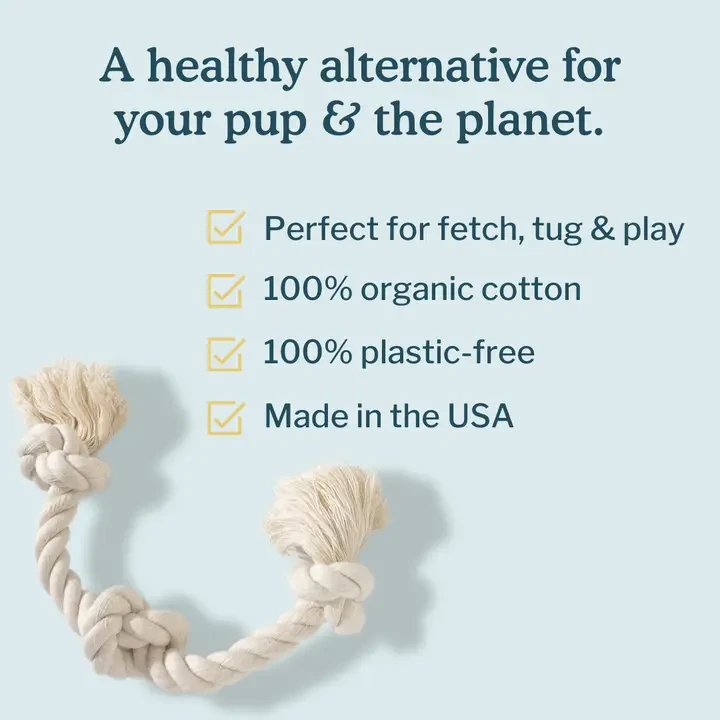
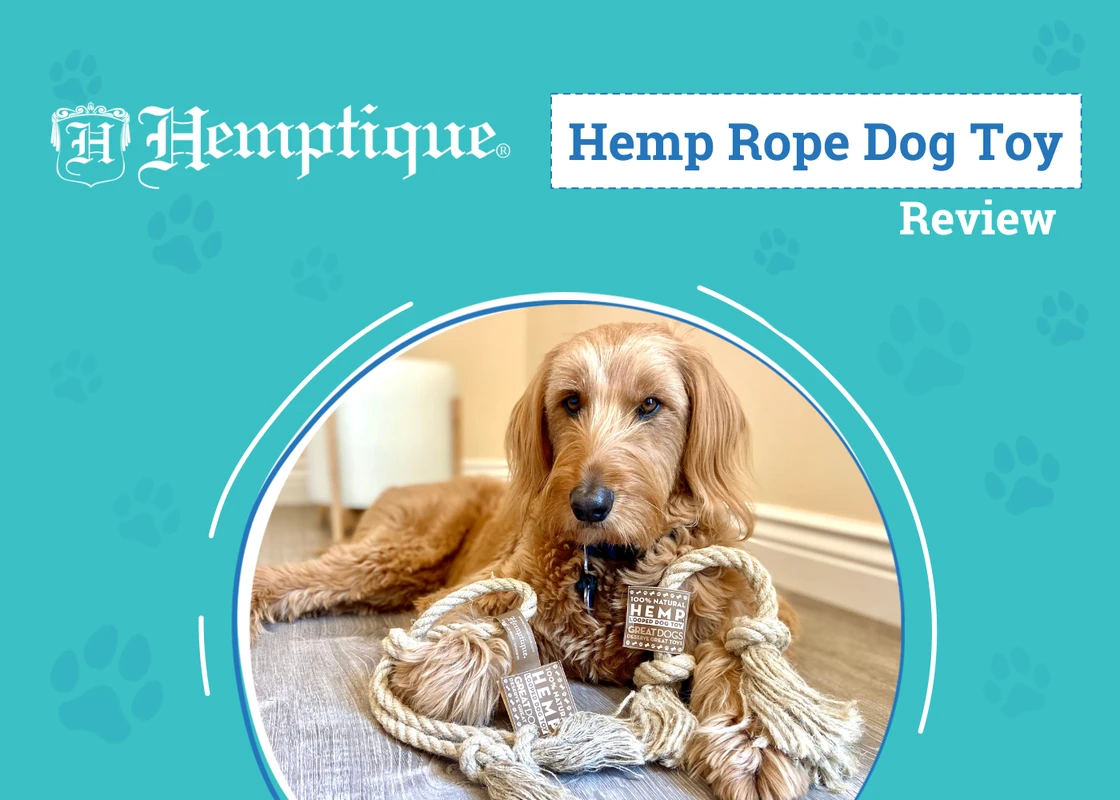
Hemp and organic cotton are excellent for interactive play like tug-of-war. Hemp is a particularly smart choice because it grows without pesticides and naturally repels insects. Organic cotton rope toys offer an additional benefit: the natural fibers can help floss a dog’s teeth and stimulate the gums while they chew. However, these materials are less suited for solitary chewers who may attempt to ingest the fibers.
The Squeaker: Soft Organic Plush
For pets that prefer soft textures, P.L.A.Y. Pet Lifestyle and You offers plush collections that utilize eco-friendly materials. These are ideal for gentle play, but owners should monitor for fraying. While organic cotton is great for pets with sensitive skin, these toys lack the structural integrity required for aggressive “shredders.”
Safety and Failure Modes: When Eco-Friendly Becomes a Hazard
Biological safety is critical when selecting natural products. Even sustainable materials can present risks if they fail structurally or are processed with unsafe chemicals. Owners must monitor how materials behave under the stress of repeated biting and pulling.
Specific failure modes can turn a sustainable toy into a health risk:
- Failure Modes: If organic cotton or hemp ropes fray excessively, pets may swallow the fibers, leading to digestive issues.
- Failure Modes: Some eco-materials can become brittle over time, leading to the shedding of small, sharp particles during chewing.
- Failure Modes: While stainless steel bowls avoid leaching chemicals, some “natural” toys may still contain trace amounts of unlisted additives used during the manufacturing of rubber or dyes.
Warning: Inspect toys for signs of wear, such as deep cracks in rubber or loose threads in fabric. Discard any toy showing signs of structural compromise to prevent choking or ingestion hazards.
The Disposal Roadmap: Composting vs. Recycling
Proper disposal depends on the material: Organic cotton and bamboo can often be home-composted; Zogoflex and Seaflex toys should be returned via manufacturer programs like West Paw‘s ‘Join the Loop’; and natural rubber is biodegradable but should not be tossed in standard plastic recycling bins.
Completing the sustainability loop requires following specific end-of-life protocols. For instance, West Paw’s “Join the Loop” program allows pet parents to mail back used Zogoflex or Seaflex toys to be recycled into brand-new products. Avoid throwing organic items into plastic recycling streams to prevent contamination.
- Disposal: Use this for 100% organic items like bamboo or untreated cotton, provided they are free of synthetic dyes.
- Disposal: West Paw offers the “Join the Loop” program, where pet parents can mail back used Zogoflex or Seaflex toys to be recycled into brand-new products.
- Disposal: Natural rubber is biodegradable, but it requires specific environmental conditions to break down. It should be disposed of in organic waste streams rather than standard plastic bins.
Total Cost of Ownership: Why Sustainable Toys Save Money
The initial purchase price of high-quality sustainable toys may be higher, but longevity often reduces the total cost of ownership. A single high-performance toy is more economical than a constant cycle of replacing cheap, disposable alternatives that fail within weeks.
Compare specific market options to see the value. A KONG Classic Natural Rubber Treat Stuffer is priced around $7.64, while a From the Field Tug-A-Hemp toy is approximately $5.84. While these may seem comparable to budget options, the durability of natural rubber or hemp often prevents the need for the frequent, repetitive purchases required by low-quality plastic toys. Investing in durability reduces the long-term financial burden on pet owners and prevents the accumulation of waste.
DIY Upcycling: Creating Sustainable Toys at Home
You can create functional, safe toys using items already present in your household. This practice prevents household items from entering the waste stream prematurely.
Try these DIY upcycling techniques:
- DIY: Take old, clean cotton t-shirts and braid them tightly to create a durable rope toy for tugging.
- DIY: Place a treat inside an old, clean sock and tie the end to create a simple scent-work toy.
- DIY: Use empty, non-toxic cardboard boxes to create treat-hiding puzzles for mental stimulation.
- DIY: Use fabric scraps to stuff a larger piece of cloth, creating a soft plush toy for gentle chewers.
FAQ
What is the difference between natural rubber and TPR?
Natural rubber is more eco-friendly and biodegradable, whereas Thermoplastic Rubber (TPR) is synthetic but offers a similar feel for moderate chewers. While TPR is easier to mass-produce, natural rubber provides superior environmental benefits and higher bite resistance for many pets.
Are eco-friendly toys actually more durable?
Not always; while some like Petopia’s recycled rubber have higher bite resistance (70-75 N/MM), thin compostable items may not last as long as heavy-duty synthetics. Durability depends entirely on whether the specific material is matched to the pet’s chewing strength.
How can I recycle my West Paw toys?
Use the ‘Join the Loop’ program by mailing back used Zogoflex or Seaflex toys to West Paw to be recycled into brand new ones. This closed-loop system ensures that the high-quality materials are reused rather than sent to a landfill.

How to Choose Sustainable Hypoallergenic Pet Toys
PawVerde.com – Choosing sustainable hypoallergenic pet toys requires balancing material safety with environmental impact. Focus on non-toxic, natural materials like organic cotton, hemp, or natural rubber that resist shedding and chemical leaching. Always verify certifications like B Corp and check for “greenwashing” labels that use vague terms like “natural-inspired” without providing technical proof.
The dog toy industry lacks the strict regulation applied to human products, despite there being an estimated 80-90 million pet dogs in the US as of 2020, according to The Roundup.
When natural fibers trigger respiratory issues
For pets with severe respiratory allergies, the particulate matter trapped in organic fibers can be a hidden trigger. In these cases, recycled poly-fill is a hypoallergenic alternative that minimizes the risk of airborne allergens compared to loose natural fibers.
The latex allergy caveat for natural rubber
Natural rubber is non-toxic and highly sustainable, but it carries a specific risk: it may cause issues for those with a latex allergy. While it is a superior environmental choice, owners must verify if their pet shows signs of contact dermatitis before introducing heavy rubber play.
| Material | Hypoallergenic Profile | Environmental Impact | Durability/Safety Note |
|---|---|---|---|
| Organic Cotton | High (chemical-free) | Uses significantly less water | Soft; prone to tearing |
| Natural Rubber | High (non-toxic) | Compostable and biodegradable | Resists cracking/shedding |
| Hemp | Moderate (pest-resistant) | Biodegradable | Very durable; may trap dust |
| Recycled Poly-fill | High (dust-resistant) | Uses recycled content | Soft; best for respiratory issues |
Selecting materials based on these profiles helps align pet biological needs with ecological goals.
Greenwashing Detection: Identifying Vague Environmental Claims
Marketing language often mimics eco-friendly claims without providing verifiable data. Owners must distinguish between genuine sustainability and vague terms to protect both their pet’s health and the environment.
- : Avoid “Natural-Inspired” Labels: This term is often used to mask products that are primarily synthetic but contain a small percentage of natural elements.
- : Verify B Corp Status: Companies like P.L.A.Y. are B Corp certified, meaning they meet high standards of verified social and environmental performance.
- : Look for Brand Specifics: Brands such as Pet Passion focus specifically on organic pet toys, providing a clearer material profile than general retailers.
- : Beware of Mixed Materials: A common greenwashing failure occurs when a product is labeled “eco-friendly” but is actually composed of a blend of plastics and toxic dyes that cannot be separated for recycling.
Material Deep Dive: Durability, Safety, and End-of-Life
Select materials based on your pet’s chewing style: Natural rubber resists cracking and shedding, making it safer than plastic; organic cotton uses less water; and olive wood reduces splinter risks. For end-of-life, prioritize compostable natural rubber over synthetic alternatives that cannot biodegrade.
Material choice determines both longevity and waste. Natural rubber resists cracking and shedding harmful bits, which prevents the ingestion of sharp fragments. In contrast, synthetic rubber is not biodegradable and will persist in landfills.
| Material Type | Resource Impact | Safety Benefit | End-of-Life |
|---|---|---|---|
| Organic Cotton | Low water usage | Chemical-free | Biodegradable |
| Natural Rubber | Renewable source | Resists cracking | Compostable |
| Olive Wood | Natural growth | Reduces splinter risk | Biodegradable |
| Synthetic Rubber | High fossil fuel use | High risk of shedding | Non-biodegradable |
Evaluating these lifecycle differences helps owners make informed decisions about toy longevity and waste.
The splinter-resistance of olive wood
For pets that prefer wood chews, olive wood is a specialized choice. Its exceptional strength ensures safer chewing experiences, considerably reducing the risk of splinters compared to other harder woods.
Why natural rubber beats synthetic in durability
While synthetic plastics may seem durable initially, they tend to crumble under sustained pressure. natural rubber provides a more consistent density that maintains its structural integrity during heavy play sessions.
The Safe Pet Toy Checklist: A Pre-Purchase Protocol
Use the following criteria to evaluate the safety and sustainability of a potential new toy before purchasing.
- : Material Transparency: Does the brand list every single material used in the construction?
- : Dye Safety: Are the dyes used non-toxic or food-grade?
- : Physical Integrity: Does the toy flex under pressure without snapping?
- : Construction Quality: Are the seams securely stitched rather than just glued?
- : Sizing: Is the toy large enough to prevent accidental swallowing?
- : Safety Testing: Does the company explicitly mention third-party safety testing protocols?
Failing to verify these details can result in the ingestion of toxic additives or microplastics, which undermines the goal of finding hypoallergenic products.
Avoiding Common Pitfalls in Sustainable Toy Selection
Certain product designs pose immediate risks to pet health and environmental integrity, even when marketed as sustainable.
: WARNING: Avoid toys that feature glued-on eyes, thin plastic layers stretched over fabric, or materials that crumble easily when chewed. Furthermore, never give puppies rigid toys like wood, antlers, or hard recycled plastics during the teething phase, as this can cause dental damage.
Products labeled “eco-friendly” may actually contain non-recyclable plastics or toxic dyes. If a product cannot be clearly identified as either compostable or fully recyclable, it should be treated with skepticism.
Circular Economy and Brand Transparency
The most sustainable way to shop is to participate in a circular economy where products are returned to the manufacturing loop rather than discarded.
B Corps are important because they inspire all businesses to compete not only to be the best in the world but to be best for the world, according to West Paw. This standard ensures that environmental stewardship is baked into the corporate mission rather than treated as a marketing afterthought.
: Shortcut: To participate in a circular lifecycle, look for programs like West Paw’s “Join the Loop,” which allows you to mail back used Zogoflex or Seaflex toys to be recycled into brand new ones.
FAQ
Are all eco-friendly toys safe for dogs with allergies?
Not necessarily. While toxin-free toys are often hypoallergenic, natural fibers like hemp or jute can carry dust or pollen, potentially triggering respiratory allergies in sensitive pets.
How can I tell if a toy is truly sustainable?
Look for B Corp certification, check for specific material lists (avoiding vague “natural-inspired” terms), and verify if the brand has a recycling program like West Paw’s “Join the Loop.”
Is natural rubber better than plastic for chewing?
Yes, natural rubber is safer because it resists cracking and shedding harmful bits, whereas plastic can crumble and pose a choking hazard.

Eco-Friendly Dog Toys: Why Sustainable Materials Are Safer
PawVerde.com – Eco-friendly dog toys prioritize material safety and environmental impact by using renewable resources like natural rubber, hemp, and organic cotton. Unlike traditional plastic toys that can splinter and cause internal injuries, sustainable options often feature fewer chemical additives and higher durability for various chewing styles.
Current market trends indicate that 29% of eco-conscious pet parents now actively prefer biodegradable options for their dogs. This shift reflects a growing awareness of how pet products impact both the household environment and the long-term health of animals.
The hidden dangers of traditional plastic toys
Plastic toys may appear durable, but they present significant physiological risks to pets. When these items are chewed down, they can splinter into sharp fragments. If a dog ingests these shards, they can cause severe internal injuries or life-threatening blockages within the digestive tract.
The splintering risk
The mechanical failure of hard plastics often results in jagged edges. Unlike flexible materials, rigid plastic does not deform under pressure; it fractures. This failure mode is a primary driver behind the move toward more resilient, sustainable alternatives.
Chemical leaching vs. material purity
Beyond physical injury, the composition of the material itself is a concern. It is noted that many dog owners focus on durability or price when choosing toys. However, material safety often matters far more. Traditional plastics may contain additives that are not present in high-quality, renewable materials used in eco-friendly manufacturing.
How to verify eco-friendly claims and avoid greenwashing
To avoid greenwashing, look for specific third-party certifications such as USDA Organic, OEKO-TEX, or BPI Compostable. Ensure the product is truly made from renewable materials like bamboo or hemp rather than being labeled ‘eco-friendly’ while containing toxic dyes or mixed plastics.
Greenwashing occurs when products are marketed as environmentally friendly but are actually composed of mixed plastics or treated with toxic dyes. To ensure you are purchasing a truly sustainable product, follow these verification steps:
- Check for official certification logos on the packaging or product description.
- Verify if the materials are renewable, such as bamboo or hemp.
- Confirm if the product is biodegradable or made from recycled textiles.
- Inquire about the manufacturing process to ensure it avoids harmful chemical additives.
The best sustainable materials for different chewing styles
Selecting the right toy depends on your dog’s chewing category: Light chewers benefit from soft rubber or organic cotton; Moderate chewers need dense rubber or reinforced fibers; Aggressive chewers require thick, heavy-duty natural rubber that bends rather than breaks.
While many assume all “tough” toys are equal, a material mismatch can lead to rapid product failure. For example, a toy that is too soft for an aggressive chewer will be destroyed in minutes, while a toy that is too hard for a light chewer may cause dental discomfort.
| Material | Best For | Eco-Benefit | Safety Profile |
|---|---|---|---|
| Natural Rubber | Aggressive/Teething | Renewable & Biodegradable | High (Bends instead of breaking) |
| Hemp | Moderate | Pest-resistant & Biodegradable | High (Chemical-free) |
| Organic Cotton | Light | No toxic dyes/pesticides | High (Gentle on skin/teeth) |
| Plastic | N/A | Low (Non-renewable) | Low (Risk of splintering) |
The table above illustrates how material selection should align with both the environmental goal and the specific physical needs of the dog.
Natural Rubber: The heavy-duty champion
Natural rubber is the optimal choice for teething puppies and heavy chewers. According to Ecofurball, “Natural rubber, by contrast, tends to be safer for heavy chewers. It bends rather than breaks.” This elasticity prevents the sharp splintering seen in traditional plastic alternatives.
Hemp and Bamboo: Chemical-free alternatives
Hemp serves as a highly sustainable option because it is naturally pest-resistant and grows without the need for pesticides. Because it is biodegradable, it provides a closed-loop lifecycle that traditional synthetics cannot match. Bamboo is similarly recognized as a renewable, chemical-free alternative to plastic.
Organic Cotton: Best for sensitive skin
For dogs with sensitive skin, organic cotton toys offer a soft, non-irritating option. These toys are manufactured without the heavy chemical loads often found in standard textile products, making them a safer choice for gentle play.
Top manufacturers leading the sustainable pet revolution
Several companies have established themselves as leaders in the transition toward sustainable pet supplies. These brands focus on material integrity and, in some cases, circular economy models.
- KONG
- West Paw
- Beco
- Planet Dog
- Zogoflex
- VEKEN
- Rocket & Rex
- USA-K9
- BetterBone
- Cycle Dog
- Multipet
- The Kind Pet Marketplace
Some manufacturers have gone further by implementing recycling programs. For instance, certain products are 100% recyclable through specific recycling programs, ensuring that once a toy reaches the end of its life, it does not contribute to landfill waste.
Maintenance and long-term value
While sustainable products can have higher upfront costs, they often provide better long-term value through durability and safety. A high-quality natural rubber toy may cost more initially than a cheap plastic one, but its resistance to breaking reduces the frequency of replacement.
Cleaning natural rubber
Maintaining the hygiene of eco-friendly toys is straightforward. Most natural rubber items can be cleaned with hot water and a bit of gentle soap. Some specific models are even dishwasher safe, which helps prevent the bacteria buildup that can occur in more porous materials.
Shortcut: To extend the life of rubber toys, avoid leaving them in direct sunlight for prolonged periods, as UV exposure can accelerate material degradation.
The cost-per-use calculation
When evaluating a purchase, consider the cost-per-use rather than the initial price tag. A $15 natural rubber toy that lasts six months is more economical and safer than a $5 plastic toy that must be replaced every two weeks due to splintering or breakage.
FAQ
Are natural rubber toys better than plastic?
Yes, natural rubber is a renewable resource that bends rather than splintering. Unlike porous plastic, rubber resists bacteria buildup and odor, making it more hygienic for long-term use.
How can I tell if a dog toy is actually eco-friendly?
Look for certifications like USDA Organic, OEKO-TEX, or BPI Compostable. Avoid products that use vague “green” marketing without specifying if materials are renewable, biodegradable, or recycled.
Is hemp safe for dogs to chew?
Hemp is a highly sustainable, chemical-free alternative to plastic. It is naturally pest-resistant and biodegradable, making it a smart, safe choice for toys and accessories.
Eco-Friendly Pet Toys Use Natural Materials for Safe Play
PawVerde.com – Eco-friendly pet toys have gained significant traction as consumers increasingly prioritize sustainability, safety, and ethical production in pet care products. Unlike conventional pet toys, which predominantly rely on plastics, nylon, and polyester—materials that contribute substantially to environmental pollution—eco-friendly options utilize natural, biodegradable, and recycled materials. Leading brands such as Only Natural Pet and Awoo Pets have pioneered the market by offering certified, ethically produced toys made from bamboo, organic cotton, recycled fabrics, hemp, wool, and jute fibers. These materials not only reduce the environmental footprint but also ensure non-toxic, safe play experiences for pets. Furthermore, many of these brands implement innovative practices like plastic-free packaging and takeback recycling programs, enhancing their sustainability credentials.
Consumers seeking to purchase eco-friendly pet toys online benefit from the convenience of accessing a broad selection of certified products that meet stringent health and safety standards. Certifications such as the Global Organic Textile Standard (GOTS), Responsible Wool Standard (RWS), and GoodWeave verify ethical sourcing, organic production, and fair labor practices, helping buyers make informed decisions. This article explores the sustainable materials used in pet toys, profiles key brands and retailers, examines the benefits of eco-friendly pet toys, and offers practical insights into DIY options and ethical manufacturing certifications.
Sustainable Materials Used in Eco-Friendly Pet Toys
Bamboo stands out as a highly sustainable raw material in pet toy manufacturing due to its rapid renewability and durability. As a fast-growing grass, bamboo regenerates without the need for pesticides or fertilizers, making it an environmentally superior alternative to conventional timber or synthetic fibers. Bamboo fibers used in pet toys are naturally antimicrobial and resilient, offering chew-resistant properties ideal for dogs. In addition, bamboo’s biodegradability ensures that once discarded, bamboo-based toys decompose without releasing harmful microplastics into ecosystems.
organic cotton and recycled fabrics also play a crucial role in eco-friendly pet toys. Organic cotton is cultivated without synthetic pesticides or genetically modified organisms, reducing soil degradation and water contamination. When combined with recycled fabrics—often sourced from post-consumer plastic bottles or textile waste—these materials diminish landfill accumulation and reduce reliance on virgin resources. Recycled polyester and nylon blends are increasingly used in durable dog toys, especially by brands like Zogoflex, which transform recycled plastics into tough, non-toxic chew toys.
Natural fibers such as hemp, wool, and jute contribute additional sustainability benefits. Hemp requires minimal water and no chemical treatments, and its coarse texture appeals to dogs’ chewing instincts. Wool, particularly certified under the Responsible Wool Standard, ensures animal welfare and environmental stewardship in sheep farming. Jute fibers, derived from plants, offer biodegradability and strength, useful in rope and tug toys. These fibers provide alternatives that balance durability with environmental responsibility.
Leading Brands and Online Retailers Offering Eco-Friendly Pet Toys
Only Natural Pet is a prominent leader in the eco-friendly pet toy market, offering a wide range of products made from organic cotton, recycled fabrics, and natural fibers. Their commitment to sustainability is reflected in their use of GOTS-certified textiles and plastic-free packaging. Only Natural Pet’s product lines include chew toys, fetch toys, and plush options designed to be safe and non-toxic, supporting pet health while minimizing environmental impact.
Awoo Pets further distinguishes itself through its rePAWpose takeback program, which encourages customers to return worn-out toys for recycling and refurbishment. This circular approach aligns with their mission of reducing landfill waste and promoting ethical production. Awoo’s toys are made from natural rubber and recycled materials, certified by various sustainability standards, and packaged using biodegradable materials.
Pata Pal focuses on durable cotton canvas pet toys that avoid synthetic dyes and harmful chemicals. Their products feature reinforced stitching and natural fibers that withstand aggressive play while maintaining biodegradability. Meanwhile, Zogoflex is renowned for producing tough dog toys from 100% recycled plastics, combining durability with sustainability. Other notable brands in this sector include West Paw, RuffWear, Planet Dog, Pets of the Earth, and Jojomodernpets, each integrating recycled or natural materials and ethical manufacturing practices.
Retailers such as Chewy, Amazon, and specialized local boutiques provide broad access to these sustainable pet toys, often featuring filters for certifications and material types. These platforms facilitate consumer choices by offering extensive product information, customer reviews, and transparent sourcing disclosures.
Benefits of Purchasing Eco-Friendly Pet Toys Online
Buying eco-friendly pet toys online offers consumers unparalleled convenience and access to a diverse product range that physical stores may lack. Online platforms curate certified and ethically produced toys, enabling shoppers to verify sustainability credentials such as GOTS, RWS, and GoodWeave certifications directly through brand websites or retailer listings. This transparency supports informed purchasing decisions based on material safety, environmental impact, and social responsibility.
Moreover, many eco-friendly pet toy brands emphasize plastic-free, compostable packaging and partner with logistics providers committed to reducing carbon emissions. These efforts extend the sustainability chain beyond manufacturing to the delivery process, aligning with the values of environmentally conscious consumers. Online retailers often provide educational content on material benefits, cleaning instructions, and product lifecycles, further enhancing user experience and trustworthiness.
DIY Eco-Friendly Pet Toy Materials and Cleaning Tips
For pet owners interested in sustainable alternatives, DIY eco-friendly pet toys present a practical option. Household materials such as untreated cardboard, wool scraps, felt, and natural cotton yarn can be repurposed into safe, biodegradable toys. For example, braided hemp ropes or felted wool balls offer interactive, chewable toys without synthetic additives. These homemade options reduce waste, encourage creativity, and allow for customization based on pet size and preferences.
Maintaining eco-friendly pet toys requires gentle cleaning methods to preserve natural fibers and avoid chemical residues. Hand washing with mild, biodegradable detergents and air drying are recommended to prolong toy lifespan and prevent mold growth. Avoiding bleach or harsh chemicals ensures the non-toxic integrity of materials like organic cotton and bamboo. Regular inspection for wear and tear supports safe play and timely replacement, further contributing to sustainability by preventing ingestion hazards.
Certifications and Ethical Manufacturing in Eco Pet Toys
Certifications play a critical role in validating the sustainability and ethical claims of eco-friendly pet toy brands. The Global Organic Textile Standard (GOTS) certifies that textiles meet rigorous environmental and social criteria throughout the supply chain, including prohibition of toxic chemicals and assurance of fair labor practices. GOTS certification provides consumers with confidence that organic cotton pet toys are genuinely sustainable and ethically produced.
The Responsible Wool Standard (RWS) ensures animal welfare and environmental stewardship in wool production, requiring farms to maintain high standards of sheep care and land management. This certification is essential for wool-based pet toys, guaranteeing that the raw materials do not contribute to animal cruelty or ecological degradation.
GoodWeave certification addresses labor rights, particularly the elimination of child labor in textile supply chains. Brands carrying GoodWeave labels demonstrate commitment to ethical manufacturing and social responsibility. These certifications collectively ensure that eco-friendly pet toys are produced under conditions that respect human and animal welfare while minimizing environmental harm.
Environmental and Health Impact of Choosing Eco-Friendly Pet Toys
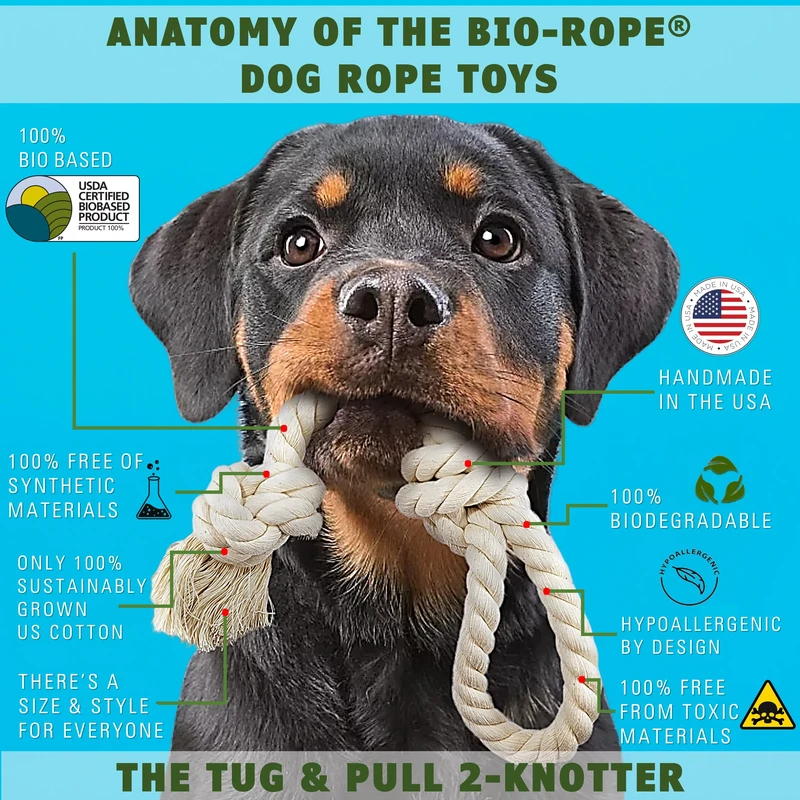
Switching to eco-friendly pet toys significantly reduces landfill waste and environmental pollution associated with conventional plastic toys. Plastics used in typical pet toys often do not biodegrade, fragmenting into microplastics that contaminate soil and waterways. By contrast, biodegradable materials such as bamboo, organic cotton, and natural fibers decompose naturally, closing the loop on product life cycles.
From a health perspective, eco-friendly toys avoid harmful additives like phthalates, lead-based dyes, and synthetic chemicals often present in mass-produced toys. These toxins pose ingestion risks and can trigger allergies or toxicity in pets. Natural and certified materials ensure that toys are safe for chewing, fetching, and interactive play without exposing pets to hazardous substances.
Environmentally conscious consumers also contribute to broader sustainability goals by supporting brands that prioritize renewable resources, ethical labor, and reduced carbon footprints. This alignment fosters a market shift toward responsible pet product manufacturing and encourages innovation in sustainable materials and circular economy initiatives.
FAQ: Eco-Friendly Pet Toys
What materials are commonly used in eco-friendly pet toys?
Eco-friendly pet toys typically utilize natural and recycled materials such as bamboo, organic cotton, hemp, wool, jute fibers, and recycled plastics. These materials are biodegradable, non-toxic, and sourced to minimize environmental impact.
Which certifications should I look for when buying sustainable pet toys?
Key certifications include the Global Organic Textile Standard (GOTS) for organic fabrics, the Responsible Wool Standard (RWS) for ethical wool sourcing, and GoodWeave certification for fair labor practices. These validate environmental and social responsibility in production.
Are eco-friendly pet toys safer for my pet compared to conventional toys?
Yes, eco-friendly pet toys avoid harmful chemicals and synthetic additives, reducing risks of toxicity and allergic reactions. Natural materials are generally safer for chewing and prolonged play.
Where can I buy certified eco-friendly pet toys online?
Certified eco-friendly pet toys are available through brand websites such as Only Natural Pet and Awoo Pets, as well as online retailers like Chewy and Amazon that offer detailed product information and sustainability filters.
Can I make my own eco-friendly pet toys at home?
DIY eco-friendly pet toys can be made using household items like untreated cardboard, wool scraps, cotton yarn, and hemp rope. These materials are safe, biodegradable, and customizable to your pet’s needs.
As demand for sustainable pet products grows, consumers can drive positive change by prioritizing eco-friendly pet toys made from renewable, certified materials. Continued innovation in natural fibers and recycled content, paired with ethical manufacturing and transparent certifications, will expand the availability and quality of sustainable pet toys. Pet owners and retailers alike are encouraged to support circular programs and plastic-free initiatives to reduce environmental impact and promote a healthier future for pets and the planet.
Are Organic Cotton Pet Toys Worth It for Dogs? Key Benefits Explained
PawVerde.com – Organic cotton pet toys have gained prominence as safer, chemical-free alternatives to conventional dog toys, appealing to pet owners who prioritize health and environmental responsibility. These toys, crafted from cotton grown without synthetic pesticides or fertilizers, minimize chemical exposure risks for dogs, particularly those with allergies or sensitive skin. While organic cotton toys tend to be softer and better suited for gentle chewers, their eco-friendly production methods and certifications such as GOTS (Global Organic Textile Standard) reinforce their sustainability credentials. Despite a higher price point, the combination of health benefits and environmental impact reduction positions organic cotton pet toys as a valuable investment for conscientious dog owners.
Safety and Health Benefits of Organic Cotton Pet Toys
Conventional pet toys often expose dogs to harmful chemicals including pesticide residues, synthetic dyes, and toxic additives that may cause skin irritation, digestive issues, or allergies. Organic cotton pet toys eliminate these risks by utilizing fibers cultivated through sustainable farming practices that avoid hazardous chemical inputs. The absence of synthetic fertilizers and pesticides in organic cotton reduces the likelihood of chemical residues lingering on toys, which can otherwise be ingested or absorbed through a dog’s skin.
For dogs with sensitivities or allergies, organic cotton toys offer non-toxic alternatives that help alleviate symptoms. The natural fibers are breathable and soft, reducing friction and irritation on sensitive skin. Additionally, many organic cotton toys incorporate natural filling materials such as coconut fiber or wool, which further reduce exposure to synthetic materials that could trigger allergic reactions. Brands like Aurora Paws and EcoFurBall emphasize chemical-free manufacturing processes, catering to pets with heightened health concerns.
Environmental Impact and Sustainability of Organic Cotton Pet Toys
Organic cotton farming significantly lowers environmental footprint compared to conventional cotton agriculture, which relies heavily on water, pesticides, and synthetic fertilizers. Organic cultivation uses crop rotation, natural pest management, and non-GMO seeds, sustaining soil health and biodiversity while conserving water resources. This approach contrasts with the intensive resource consumption and pollution associated with standard cotton farming.
When compared to alternative materials like hemp and natural rubber, organic cotton offers certain sustainability advantages but also limitations. Hemp requires less water and grows faster, making it more durable and eco-friendly for heavy chewers, while natural rubber is biodegradable but can involve complex extraction processes. However, organic cotton’s softness and renewable nature make it a preferred material for gentle play and mental stimulation toys.
Certification schemes such as GOTS and OEKO-TEX provide rigorous validation of organic cotton’s sustainable production, ensuring compliance with environmental and social standards. Brands such as West Paw, P.L.A.Y., and The Kind Pet Marketplace leverage these certifications to demonstrate their commitment to eco-conscious pet product manufacturing. These certifications also prohibit the use of toxic dyes and chemical finishes, reinforcing the safety profile of organic cotton toys.
Durability and Suitability for Different Chewing Behaviors
The durability of organic cotton pet toys varies widely depending on toy construction and the individual dog’s chewing habits. Organic cotton fibers are naturally softer and less abrasion-resistant than hemp or synthetic materials, making them optimal for gentle chewers and dogs that favor mental stimulation over aggressive biting. However, power chewers may cause rapid fraying and destruction of organic cotton rope toys, potentially leading to ingestion of loose fibers.
Hemp toys, by comparison, offer superior tensile strength and resistance to wear, suitable for dogs that exhibit destructive chewing behavior. Natural rubber chew toys provide another durable option, combining toughness with biodegradability. Pet owners should assess their dog’s chewing style when selecting toys, balancing safety with longevity.
Experts advise regular inspection of organic cotton toys to monitor wear and tear, emphasizing timely removal of damaged toys to prevent ingestion hazards. Some brands integrate reinforced stitching and natural fiber blends to enhance durability without compromising eco-friendly attributes. For example, Planet Dog and Goughnuts produce hybrid toys that merge organic cotton with tougher materials for extended lifespan.
Practical Considerations and Maintenance of Organic Cotton Dog Toys
Maintaining organic cotton pet toys requires consistent cleaning and care to prolong usability and prevent bacterial buildup. Most organic cotton toys are machine washable or can be hand-cleaned with mild, non-toxic detergents. Avoiding harsh chemicals during cleaning preserves the natural fibers and reduces irritation risks for pets.
Rotation of toys and regular inspection are critical for managing wear and maintaining safety. Organic cotton toys should be replaced promptly upon signs of excessive fraying or damage. Though initial costs for organic cotton toys tend to be higher than conventional options, their durability with proper care and enhanced safety profile offer long-term value.
Cost considerations also include the environmental benefits, as eco-friendly manufacturing reduces waste and resource depletion. Brands like SodaPup and PetAssure provide a range of organic cotton toys with varied price points, making sustainable pet toy ownership accessible to a broader audience.
Market Availability and Brand Examples of Organic Cotton Pet Toys
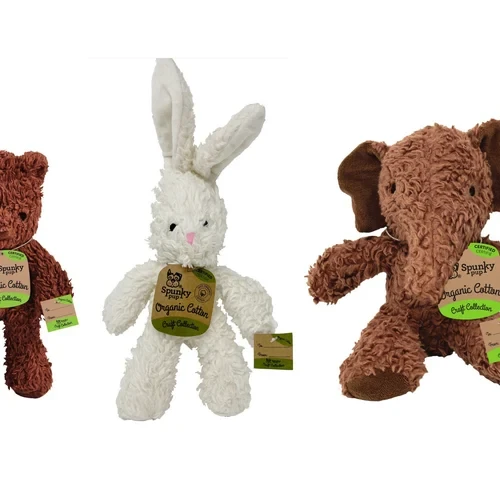
Several reputable brands have established themselves in the organic cotton pet toy market, offering a diverse array of products including plush toys, ropes, and chewables. Our Green House and EcoFurBall specialize in chemical-free plush toys made from certified organic cotton, while Aurora Paws focuses on eco-friendly ropes and interactive toys.
Innovations in this sector include treat-dispensing and puzzle toys designed to stimulate dogs mentally while adhering to eco-conscious principles. For example, P.L.A.Y. and West Paw incorporate organic cotton in their interactive toy lines, combining sustainability with functional enrichment.
The market also features hybrid toys that merge organic cotton with hemp or natural rubber, addressing durability concerns for more aggressive chewers. Brands such as Goughnuts and Planet Dog excel in this niche, promoting safety with chemically inert materials and durable construction.
| Material | Durability | Environmental Impact | Suitability | Certification Availability |
|---|---|---|---|---|
| Organic Cotton | Moderate (best for gentle chewers) | Low (sustainable farming, water-saving) | Sensitive dogs, soft toys | GOTS, OEKO-TEX |
| Hemp | High (resistant to heavy chewing) | Very Low (fast-growing, low water use) | Power chewers, durable toys | GOTS (less common) |
| Natural Rubber | High (durable, tough) | Moderate (biodegradable but extraction impact) | Chewers, chew toys | Varies by brand |
FAQ
FAQ
Are organic cotton pet toys safer for dogs with allergies?
organic cotton pet toys reduce exposure to pesticides, synthetic dyes, and toxic additives, making them safer for dogs with allergies or sensitive skin. Their natural fibers and chemical-free fillings minimize irritation and allergic reactions.
How do organic cotton toys compare in durability to hemp or rubber toys?
organic cotton toys are softer and less durable than hemp and natural rubber, making them ideal for gentle chewers. Hemp toys offer greater resistance to heavy chewing, while rubber toys provide toughness and longevity.
What certifications ensure the sustainability of organic cotton pet toys?
The Global Organic Textile Standard (GOTS) and OEKO-TEX certifications verify sustainable farming practices, chemical-free processing, and social compliance in organic cotton pet toys.
How should I clean and maintain organic cotton dog toys?
Organic cotton toys should be washed regularly with mild, non-toxic detergents, either by hand or machine. Regular inspection and prompt replacement of damaged toys are essential to maintain safety and hygiene.
Are organic cotton pet toys worth the higher cost?
While organic cotton toys often cost more upfront, their health benefits, reduced environmental impact, and suitability for sensitive dogs justify the investment for responsible pet owners prioritizing safety and sustainability.
Organic cotton pet toys represent a meaningful advancement in pet care, merging health-conscious design with environmental stewardship. As demand for sustainable pet products grows, innovations in material blends and certifications will likely enhance durability and accessibility, offering dog owners more options to align playtime with ethical values. Careful selection based on chewing behavior and maintenance practices will maximize the benefits of these eco-friendly options, shaping the future of responsible pet ownership.
Top Sustainable Pet Toys Using Recycled Rubber & Organic Cotton
PawVerde.com – sustainable pet toys are increasingly gaining traction among environmentally conscious consumers seeking safe, durable, and eco-friendly options for their pets. Leading pet brands such as West Paw and Tug & Go have pioneered the use of recycled rubber, organic cotton, and biodegradable plastics in their product lines, integrating sustainability with pet safety and long-lasting performance. Certifications like Organic and Fair Trade support their environmental claims and provide transparency to consumers concerned about the ecological footprint of pet products. This article explores the landscape of sustainable pet toys, analyzing materials, brands, certifications, and design innovations that define this growing market.
Materials Used in Sustainable Pet Toys
Sustainable pet toys rely primarily on materials that minimize environmental impact while maintaining durability and pet safety. Recycled rubber is a cornerstone material widely used by brands such as West Paw. This material not only diverts waste from landfills but also offers high resilience against chewing, reducing the frequency of replacements and thus overall consumption. Natural rubber, derived from rubber trees, complements recycled rubber by providing a biodegradable alternative with elastic properties ideal for interactive toys.
Organic cotton is favored for soft toys due to its non-toxic nature and lower pesticide use compared to conventional cotton. When combined with hemp rope, another natural fiber known for its strength and resistance to mold, these materials form durable, eco-conscious options that avoid synthetic chemicals harmful to pets. These fibers are also biodegradable, further reducing disposal impact.
Biodegradable plastics, increasingly developed from plant-based sources like cornstarch or sugarcane, offer alternatives to traditional petroleum-based plastics. Brands like Beco Pets and Puurfect Play incorporate these bioplastics to create toys that break down under industrial composting conditions, reducing persistent plastic pollution. Bamboo fibers, appreciated for rapid renewability and natural antibacterial properties, also appear in pet toy textiles, enhancing sustainability.
Innovations in material sourcing include ocean plastic reclamation, where discarded marine plastics are collected and repurposed into pet products. Cycle Dog exemplifies this approach by transforming ocean-bound plastics into tough dog toys, simultaneously addressing marine pollution and pet product waste. Upcycled textiles, often post-consumer fabrics diverted from landfill, further broaden the material spectrum, supporting circular economy principles within pet care.
Leading Brands Committed to Sustainability
West Paw and Tug & Go stand out for their transparent sustainability initiatives and eco-friendly manufacturing processes. West Paw’s Zogoflex® material, made from non-toxic, recyclable, and durable recycled plastics, is designed to withstand aggressive chewing while being safe for pets. The company operates a zero-waste-to-landfill facility and offsets carbon emissions, emphasizing environmental stewardship alongside product quality.
Tug & Go focuses on natural materials like organic cotton and hemp, combining handcrafted quality with Fair Trade certification to support ethical labor practices. Their product lines emphasize biodegradability and minimal chemical use, appealing to pet owners prioritizing health and sustainability.
The Kind Pet, Beco Pets, Puurfect Play, and Honest Pet Products also contribute varied sustainable offerings. Beco Pets integrates bamboo fibers and recycled plastic bottles into their toys, while Puurfect Play employs organic cotton and natural rubber. Honest Pet Products markets biodegradable and compostable toys, raising consumer awareness about ecological impacts.
Brands such as TuTu’s Green World and Outward Hound extend sustainability beyond toys into pet accessories, incorporating recycled fabrics and sustainable manufacturing standards. Wild One and FunnyFuzzy emphasize design innovation with sustainable materials, blending aesthetics and eco-consciousness, while Cycle Dog combines rugged durability with ocean plastic reclamation.
Many of these brands publish detailed sustainability reports outlining carbon footprint reduction, waste diversion, and supply chain transparency, reinforcing their commitment to environmental responsibility and building consumer trust.
Certifications and Standards Validating Sustainability
Certifications play a pivotal role in assuring consumers of the authenticity and safety of sustainable pet toys. Organic certification, typically issued by entities like the Global Organic Textile Standard (GOTS), verifies that materials such as cotton and hemp are grown without synthetic pesticides or fertilizers, ensuring non-toxicity for pets and lower environmental impact.
Fair Trade certification focuses on ethical labor practices, guaranteeing that workers involved in material harvesting and manufacturing receive fair wages and safe working conditions. This certification aligns with consumers’ ethical concerns about social sustainability alongside environmental stewardship.
Biodegradability standards, often validated through ASTM or ISO testing, confirm that pet toys made from biodegradable plastics or natural fibers degrade within specified timeframes under industrial composting or natural conditions. These certifications help differentiate genuine eco-friendly products from greenwashed alternatives.
Recyclability certifications and third-party verifications of recycled content provide additional assurance regarding the circularity of materials used. Brands like West Paw emphasize the recyclability of their Zogoflex® toys and offer take-back programs to close the product lifecycle loop.
Benefits of Sustainable Pet Toys for Pets and the Planet
Sustainable pet toys contribute significantly to reducing environmental burdens in the pet care industry. By utilizing recycled rubber and upcycled plastics, these products divert waste from landfills and oceans, mitigating plastic pollution. Biodegradable fibers and plastics reduce the persistence of waste in ecosystems, promoting healthier habitats.
For pets, non-toxic materials such as organic cotton and natural rubber minimize exposure to harmful chemicals and synthetic dyes often found in conventional toys. This reduces risks of allergic reactions or ingestion of toxic substances, enhancing pet safety.
Durability is a critical benefit; materials like recycled rubber resist wear and tear better than many traditional plastics, extending product life and lowering replacement frequency. This durability also translates into economic savings for pet owners, balancing upfront costs with long-term value.
Additionally, sustainable pet toys often feature hypoallergenic properties, important for pets with sensitivities. The environmental ethos behind these products fosters consumer awareness about responsible pet ownership and encourages broader adoption of green pet care practices.
Innovative Approaches in Sustainable Pet Toy Design
Beyond materials, innovation in design shapes the sustainable pet toy market. Cycle Dog’s integration of reclaimed ocean plastics into tough, chew-resistant toys exemplifies creative material reuse addressing dual environmental challenges: marine debris and pet product waste.
Some brands incorporate modular design principles, enabling toy parts to be replaced or repaired instead of discarding the entire product. This extends usability and aligns with circular economy models.
Aesthetic appeal merges with eco-consciousness as brands like Wild One and FunnyFuzzy use natural dyes and minimal packaging to reduce environmental impact. Upcycled fabrics sourced from post-consumer textiles are creatively integrated into plush toys or interactive play items, enhancing uniqueness while preventing textile waste.
Manufacturers increasingly employ life cycle assessments (LCA) to optimize product design, minimizing carbon footprints through material selection, transport efficiency, and end-of-life considerations. Such data-driven innovation ensures that sustainability claims are substantiated by measurable environmental benefits.
DIY and At-Home Sustainable Pet Toy Alternatives
For pet owners seeking hands-on involvement, DIY sustainable pet toys offer practical, eco-friendly options using household materials. Repurposing old t-shirts or towels into braided tug toys utilizes natural fibers and diverts textiles from landfill. Cardboard boxes or paper tubes can be transformed into stimulating puzzle toys, encouraging mental engagement without plastic waste.
Safety considerations are paramount; materials should be non-toxic, free from sharp edges or small parts that pose choking hazards. Natural fibers and untreated fabrics are preferred, and any adhesive or dye used must be pet-safe.
Homemade toys afford customization to suit individual pet preferences and play styles while fostering sustainable consumption habits. Resources and tutorials from eco-conscious pet organizations provide guidance on best practices and creative designs.
How to Choose the Right Sustainable Pet Toy

Selecting sustainable pet toys requires balancing material safety, durability, certifications, and pet-specific needs. Consumers should prioritize toys made from certified organic or recycled materials, verified by recognized standards to ensure environmental and health claims.
Durability testing and brand transparency regarding manufacturing processes offer insight into product longevity and ethical sourcing. Matching toy types (chew toys, plush, interactive) to a pet’s size, breed, and play behavior prevents premature destruction and waste.
Evaluating environmental policies and sustainability reports of brands provides additional context about corporate responsibility. Consumers may also consider end-of-life options such as recyclability or take-back programs to maximize sustainability impact.
Ultimately, informed choices contribute to reducing the pet industry’s ecological footprint while maintaining pet well-being and owner satisfaction.
FAQ

What materials are safest and most sustainable for pet toys?
Recycled rubber, organic cotton, natural rubber, hemp rope, biodegradable plastics, and bamboo are among the safest and most sustainable materials. These materials avoid toxic chemicals, are durable, and reduce environmental impact through biodegradability or recyclability.
Which brands are recognized for producing eco-friendly pet toys?
West Paw, Tug & Go, The Kind Pet, Beco Pets, Puurfect Play, and Cycle Dog are notable for their commitment to sustainability, employing recycled and natural materials, ethical manufacturing, and transparency through certifications and sustainability reporting.
How do certifications like Organic and Fair Trade benefit pet toy buyers?
These certifications verify that materials are sourced without harmful chemicals and that labor practices meet ethical standards. They assure consumers of product safety for pets and support environmental and social responsibility throughout the supply chain.
Are biodegradable pet toys safe for aggressive chewers?
Biodegradable toys made from natural rubber or certain bioplastics can be durable but may not withstand extreme chewing as well as recycled rubber toys. Pet owners should assess their pet’s chewing behavior and select appropriate toys to ensure safety and longevity.
Can I make my own sustainable pet toys at home?
Yes, using household materials like old cotton t-shirts, towels, and cardboard, owners can craft safe, engaging toys. It is important to avoid toxic substances, sharp edges, and small parts that could pose hazards. DIY toys promote sustainability and customization.
Sustainable pet toys represent a vital shift in the pet care industry toward reducing environmental impacts and enhancing pet health. By understanding materials, brand commitments, and certifications, consumers can make informed decisions that align with eco-conscious values. The future of pet toys will likely see further innovation in closed-loop manufacturing, upcycled materials, and digital tools to educate consumers, consolidating sustainability as a core criterion in pet product selection.
Top Eco-Friendly Pet Toy Brands Reviewed for Safety & Sustainability
PawVerde.com – Consumer demand for eco-friendly pet toys has surged significantly in 2026, driven by heightened awareness of environmental sustainability and pet health safety. The market now features an array of products crafted from sustainable materials such as recycled plastics, organic cotton, natural rubber, and hemp fibers. Leading brands emphasize durability, non-toxicity, and comprehensive certifications to assure pet owners that their purchases minimize ecological impact while safeguarding animal wellbeing. This review examines the foremost eco-friendly pet toy brands, their material innovations, and how their products align with evolving standards in sustainability and safety.
Leading Eco-Friendly Pet Toy Brands and Their Sustainable Offerings
West Paw stands at the forefront of sustainable pet toy manufacturing with its proprietary Zogoflex material, an infinitely recyclable plastic that combines resilience with environmental responsibility. Their IntelliLoft® fiber used in pet beds derives from recycled plastic bottles, reducing landfill waste and promoting circular economy principles. West Paw holds B-Corp certification, underscoring its commitment to rigorous social and environmental performance standards. User reviews highlight superior durability, with toys enduring aggressive chewers without breaking down or releasing microplastics.
Nina Woof specializes in organic cotton squeaky toys, designed primarily for small to medium-sized dogs. Their products are manufactured in the USA, ensuring stringent quality control and labor standards. The use of GOTS-certified organic cotton guarantees the absence of harmful pesticides and synthetic fertilizers, contributing to safer play experiences for pets and reduced environmental toxins. Pet owners report high satisfaction with softness and non-toxicity, affirming Nina Woof’s reputation for combining safety with sustainability.
Rocket & Rex offers rope dog toys crafted from natural cotton and fabric blends that support dental hygiene. The intertwined cotton fibers act as floss, reducing plaque buildup during chewing sessions. Their range includes durable cotton ropes and natural fabric toys free from synthetic dyes, appealing to pet owners seeking chemical-free options. The company emphasizes oral health benefits alongside eco-conscious sourcing, a dual advantage in the sustainable pet toy market.
Beco Pets integrates natural rubber and bamboo into their toys and pet bowls, with many products being fully compostable. Natural rubber sourced sustainably provides elasticity and robustness without the environmental burden of synthetic polymers. Bamboo, a fast-growing renewable resource, is incorporated in chew toys and bowls for its biodegradability and antimicrobial properties. Beco Pets also incorporates plant-based dyes, avoiding harmful chemical colorants, and holds certifications for cruelty-free production.
Harry Barker exemplifies luxury sustainability with organic pet beds made from GOTS-certified cotton and hemp fibers. Their hemp materials are pesticide-free and require minimal irrigation, reducing the environmental footprint compared to conventional cotton. These beds combine comfort with rigorous organic standards, appealing to environmentally conscious pet owners who prioritize premium quality. Harry Barker’s products undergo strict certification processes to ensure adherence to organic textile regulations.
Materials and Sustainability Features Driving the Market
The use of recycled plastics, including PET bottles, underpins the circular economy approach embraced by brands like West Paw. Their infinite recycling program enables consumers to return worn-out toys for reprocessing, reducing landfill contributions and resource consumption. This closed-loop system exemplifies innovation in sustainable product lifecycle management.
Organic cotton and hemp fibers present notable advantages in durability and environmental impact. Organic cotton cultivation avoids synthetic pesticides and fertilizers, reducing soil and water contamination. Hemp, valued for its rapid growth and low resource needs, offers a biodegradable alternative to synthetic fibers without compromising strength. Both materials are increasingly favored in plush toys, beds, and rope products.
Natural rubber serves as a non-toxic, plant-based alternative to synthetic elastomers. Sourced from rubber trees cultivated with sustainable forestry practices, this material ensures biodegradability while maintaining chew resistance. It also circumvents the release of harmful microplastics common with petroleum-based rubbers.
Plant-based dyes and biodegradable stuffing materials such as coconut fiber and organic catnip enhance the environmental profile of pet toys. These natural components avoid synthetic chemical residues that can be harmful to pets and ecosystems. Biodegradable stuffing also facilitates composting at the end of the product lifecycle.
Certifications play a critical role in validating sustainability claims. B-Corp certification mandates transparent supply chains and measurable environmental impact reductions. GOTS Organic certification verifies adherence to stringent organic textile processing standards. FDA compliance ensures pet products meet safety criteria, particularly relevant for chew toys and ingestible components.
Durability and Safety Considerations in Eco-Friendly Pet Toys
Durability ratings are essential for assessing the suitability of eco-friendly toys for various pet sizes and chewing intensities. West Paw’s Zogoflex products consistently receive high marks for resistance to tearing and puncturing, making them appropriate for heavy chewers. Conversely, organic cotton toys from Nina Woof, while less durable for aggressive chewers, excel in softness and safety for moderate play.
Non-toxic materials free from BPA, phthalates, and harmful dyes are standard across leading brands. These substances have been linked to health risks in pets, including hormonal disruptions and allergic reactions. Brands like Beco Pets and Rocket & Rex emphasize the exclusion of these chemicals, enhancing pet safety.
Environmental impact reduction extends beyond material choice to production processes and end-of-life considerations. Compostable toys and recyclable materials reduce waste accumulation. Brands offering take-back or recycling programs, such as West Paw, demonstrate leadership in mitigating ecological footprints.
Emerging Trends in 2026 Eco-Friendly Pet Toys
Transparency in material sourcing and manufacturing has become a defining trend. Consumers increasingly demand detailed information on origin, processing methods, and labor conditions. Brands respond by publishing sustainability reports and engaging in third-party audits.
Multi-functional toy designs that provide mental stimulation alongside physical activity are gaining traction. For example, toys incorporating puzzle elements or interactive features crafted from hemp and organic cotton enhance pet engagement while maintaining sustainability.
Customization and adjustability in pet toys address diverse breed sizes and play styles. Adjustable rope lengths or modular toy components extend product usability, reducing the need for frequent replacements.
Industry leaders and emerging manufacturers alike invest in research and development to incorporate innovative materials such as biodegradable polymers derived from plant sources. These developments promise further reductions in environmental impact without sacrificing durability.
Consumer Guidance for Selecting Eco-Friendly Pet Toys
Pet owners should prioritize brands with verified certifications like B-Corp and GOTS Organic to ensure authentic sustainability claims. Transparency in supply chain and material sourcing is a strong indicator of brand reliability.
Durability assessment should consider the pet’s size and chewing habits. Heavy chewers benefit from toys made of Zogoflex or natural rubber, while gentler chewers may prefer organic cotton or hemp-based options.
Evaluating eco-features such as biodegradability and recyclability is crucial. Compostable toys or those accepted in take-back programs offer advantages in responsible disposal.
Price considerations must balance immediate cost against long-term benefits, including reduced replacement frequency and environmental impact. Investing in certified durable toys often results in lower lifetime costs and ecological footprint.
FAQ
What materials are safest and most sustainable for pet toys in 2026?
The safest and most sustainable materials include recycled plastics like Zogoflex, GOTS-certified organic cotton, natural rubber from sustainable sources, and hemp fibers. These materials are non-toxic, durable, and biodegradable or infinitely recyclable, minimizing environmental and health risks.
Are eco-friendly pet toys durable enough for aggressive chewers?
Yes, brands such as West Paw use Zogoflex, a tough, recyclable plastic, that withstands heavy chewing. Natural rubber toys from Beco Pets also provide strong resistance. However, plush toys made from organic cotton or hemp are better suited for light to moderate chewers.
How do certifications like B-Corp and GOTS Organic impact pet toy quality?
B-Corp certification ensures a company meets rigorous social and environmental standards, including transparency and ethical manufacturing. GOTS Organic certification verifies organic textile processing free of harmful chemicals. Both certifications indicate higher quality, safety, and sustainability in pet toys.
Can eco-friendly pet toys help improve pet health?
Yes, toys made from natural fibers like cotton and hemp can reduce exposure to harmful chemicals. Rope toys promoting dental hygiene help maintain oral health. Additionally, mentally stimulating designs support cognitive well-being, contributing to overall pet health.
What are the environmental benefits of choosing biodegradable or recyclable pet toys?
Biodegradable toys break down naturally, reducing landfill waste and pollution. Recyclable toys can be reprocessed into new products, conserving resources and lowering carbon emissions. Both approaches reduce the environmental footprint of pet ownership.
—
The pet toy industry in 2026 demonstrates a robust commitment to sustainability through innovative materials, transparent practices, and durable, safe designs. Brands like West Paw, Nina Woof, and Rocket & Rex lead the market by integrating certifications such as B-Corp and GOTS Organic with cutting-edge recycling and composting initiatives. As consumers increasingly prioritize environmental and pet health considerations, selecting eco-friendly toys becomes both a responsible and practical choice. Looking forward, advancements in biodegradable polymers and customizable designs promise to further enhance the intersection of sustainability and pet wellbeing.

How to Choose Eco-Friendly Pet Toys for Health & Sustainability
PawVerde.com – Choosing eco-friendly pet toys that prioritize your pet’s health while minimizing environmental impact requires understanding sustainable materials, certifications, and brand practices. This tutorial provides detailed, step-by-step guidance for selecting, maintaining, and even creating eco-friendly toys for dogs and cats, ensuring responsible consumer choices aligned with current sustainability standards.
Eco-friendly pet toys utilize organic cotton, recycled polyester, bamboo, natural rubber, hemp, and wool—materials known for biodegradability, low toxicity, and circular economy compatibility. Trusted certifications such as USDA Organic and other eco-labels verify product claims, while minimal and recyclable packaging further reduces waste. Sustainable brands like West Paw, Simply Fido, ModernBeast, and The Kind Pet lead in transparent, low-impact manufacturing and circular reuse of materials. Beyond purchasing, making DIY toys from recycled household items offers economical and eco-conscious alternatives.
This guide will help you identify safe and sustainable pet toys, detail material benefits, introduce reputable brands, explain DIY options, and provide maintenance tips to extend toy lifespan. By following these steps, you reduce your pet’s carbon paw print and support sustainable pet product economies.
Key Criteria for Selecting Eco-Friendly Pet Toys
Selecting safe, sustainable pet toys begins with evaluating materials, certifications, and packaging. Follow these criteria to ensure your choices align with environmental and pet health priorities.
- Prefer toys made from organic cotton, hemp, bamboo, natural rubber, recycled polyester, and wool. These materials are biodegradable or recyclable and avoid synthetic fibers linked to environmental harm.
- Organic cotton and hemp are pesticide-free, reducing chemical exposure for pets and ecosystems.
- Bamboo and sustainably harvested wood provide durable, renewable chew toys that support dental health.
- Recycled polyester, such as IntelliLoft® stuffing made from plastic bottles, diverts plastic waste from landfills.
- Avoid toys with chemical coatings, synthetic dyes, or plasticizers that may harm pets or the environment.
- Certifications like USDA Organic confirm that materials meet stringent organic farming and processing standards.
- Additional eco-certifications to watch for include Global Organic Textile Standard (GOTS), Oeko-Tex Standard 100 (for non-toxic textiles), and FSC (Forest Stewardship Council) certification for wood products.
- Brands providing transparent information on sourcing, manufacturing, and packaging improve trustworthiness.
- Sustainable pet toy packaging avoids plastic wrapping and uses recyclable or compostable materials such as recycled cardboard or paper.
- Minimalist packaging reduces waste volume and environmental footprint during transportation.
- Brands committed to zero-waste packaging often highlight this in product descriptions.
- Steer clear of toys containing PVC, BPA, phthalates, or non-food-grade plastics. These substances can leach toxins affecting pet health.
- Non-toxic, natural dyes derived from plants or minerals are preferable to synthetic chemical dyes.
Popular Sustainable Materials and Their Benefits
Understanding the properties of common eco-friendly materials helps you make informed choices aligned with sustainability and pet safety.
- IntelliLoft® is a proprietary recycled polyester insulation made from post-consumer plastic bottles.
- Using this stuffing diverts plastic waste from landfills and reduces virgin polyester production energy use by approximately 70%.
- Toys stuffed with IntelliLoft® maintain softness and durability while supporting circular economy principles.
- Bamboo grows rapidly without pesticides or herbicides, making it a highly renewable resource.
- Wood toys crafted from FSC-certified forests ensure responsible forestry practices.
- Both materials provide natural textures beneficial for chewing and dental hygiene.
- They biodegrade at end-of-life, unlike plastic alternatives.
- Organic cotton avoids synthetic pesticides and fertilizers, reducing soil and water contamination.
- Hemp is a highly sustainable crop requiring minimal water and replenishing soil nutrients.
- Both fibers biodegrade naturally and are gentle on sensitive pet skin.
- Wool used in pet toys often comes from offcuts or recycled sources, reducing waste.
- Naturally fire-resistant and moisture-wicking, wool toys provide durability and comfort.
- Wool biodegrades readily and requires no chemical treatments when certified organic.
Trusted Eco-Friendly Pet Toy Brands and Their Sustainable Practices
Choosing reputable brands ensures your pet toys meet eco-friendly and safety standards. Below are examples of leading sustainable pet toy manufacturers.
- Uses recycled materials such as plastic bottles and post-industrial scraps.
- Implements circular economy by accepting used toys back for recycling into new products.
- Manufactures in the USA with strict non-toxic standards and minimal waste policies.
- Focuses on low-impact dyeing processes using natural cotton and recycled polyester blends.
- Supports sustainable packaging and transparent ingredient disclosure.
- Offers a range of toys certified free from harmful chemicals.
- Operates a zero-waste manufacturing process, repurposing discards into new toys.
- Functions as a nonprofit, donating proceeds to animal welfare organizations.
- Emphasizes sustainable sourcing and community impact.
- Committed to plastic-free, zero waste toy packaging.
- Uses carbon-neutral shipping methods to reduce environmental impact.
- Selects sustainable fibers and supports fair labor practices.
DIY Eco-Friendly Pet Toys: Step-by-Step Instructions
Making your own pet toys from recycled or natural materials reduces waste and allows customization to your pet’s preferences. Follow these step-by-step tutorials for simple, sustainable DIY toys.
_Materials:_ Strips of durable cotton fabric or old T-shirts; scissors
_Steps:_
1. Cut fabric into 1-inch wide strips, approximately 12-18 inches long.
2. Gather three strips and knot one end tightly.
3. Braid strips together firmly to create a sturdy rope.
4. Tie a knot at the opposite end to secure the braid.
5. Trim excess fabric for a clean finish.
_Time:_ 15-20 minutes
_Materials:_ Clean PVC pipe (3-4 inches diameter), end caps, drill, pet-safe paint (optional)
_Steps:_
1. Drill several holes sized for treats to fall through but not all at once.
2. Cap one end securely, leaving the other open for treats.
3. Paint with non-toxic paint if desired; allow to dry completely.
4. Insert treats and close the pipe.
5. Supervise pet during play.
_Time:_ 30-40 minutes plus drying
_Materials:_ Empty plastic water bottle, old sock
_Steps:_
1. Remove cap and plastic ring from the bottle.
2. Insert bottle into sock, leaving the bottle base near the sock opening.
3. Tie a secure knot at the sock opening.
4. Supervise pet during play to avoid ingestion of plastic pieces.
_Time:_ 5 minutes
_Materials:_ Clean cardboard boxes, scissors, non-toxic markers or paint
_Steps:_
1. Cut holes and flaps in boxes to create tunnels and hiding spots.
2. Decorate with pet-safe colors if desired.
3. Stack or arrange boxes to form a play structure.
_Time:_ 30 minutes
DIY toys provide environmental benefits by reusing materials and avoiding new resource consumption. Always monitor for wear and replace when damaged to prevent hazards.
Caring for and Maintaining Eco-Friendly Pet Toys
Proper cleaning and maintenance extend the life of sustainable toys, reducing waste and ensuring pet safety.
- Wash organic cotton, hemp, or wool toys in cold water with pet-safe detergent to avoid chemical residues.
- Spot clean bamboo and wood toys with mild soap and water; avoid soaking to prevent warping.
- Machine wash recycled polyester toys on gentle cycles, air drying to maintain stuffing integrity.
- Regularly inspect toys for wear, tears, or loose parts to prevent choking hazards.
- Avoid harsh chemical cleaners or bleach that can leave toxic residues.
- Use natural disinfectants like diluted vinegar for odor control without compromising safety.
- Dry toys thoroughly before returning them to pets to prevent mold growth.
- Rotate toys to prevent overuse of a single item.
- Repair minor damage promptly using pet-safe threads or glue.
- Recycle or donate toys that are still usable but no longer suitable for your pet.
Environmental and Health Impacts of Choosing Eco-Friendly Pet Toys
Selecting sustainable pet toys contributes positively to environmental and animal welfare goals.
Eco-friendly materials require less energy and water in production and reduce landfill waste, lowering carbon emissions linked to pet product manufacturing.
Brands implementing take-back or recycling programs keep materials in use longer, minimizing resource extraction and pollution.
Non-toxic, natural materials reduce exposure to harmful chemicals linked to allergies, skin irritations, and ingestion risks.
Demand for sustainable pet products is growing, encouraging industry-wide improvements in material sourcing and ethical manufacturing.
These impacts illustrate the broader benefits of eco-conscious pet toy purchasing decisions beyond individual pet care.
Troubleshooting Common Issues with Eco-Friendly Pet Toys
- Ensure toys are appropriate for your pet’s size and chewing strength.
- Consider tougher natural materials like hemp or rubber for heavy chewers.
- Check for organic certifications to avoid pesticide residues.
- Introduce new toys gradually and monitor for skin irritation or behavioral changes.
- Search for brands with transparent sourcing and manufacturing details.
- Contact customer service to verify certifications and materials.
- Avoid small detachable parts that pets could swallow.
- Use only clean, non-toxic materials and supervise playtime.
Common Mistakes to Avoid When Choosing Eco-Friendly Pet Toys
Always verify material sources and certifications rather than assuming a product is sustainable based on marketing claims.
Eco-friendly toys with excessive plastic packaging negate environmental benefits.
A sustainable toy must also be safe and suitable for your pet’s size, chewing habits, and play style.
Failing to clean and inspect toys regularly reduces lifespan and can pose health risks.
Alternative Methods for Sustainable Pet Play
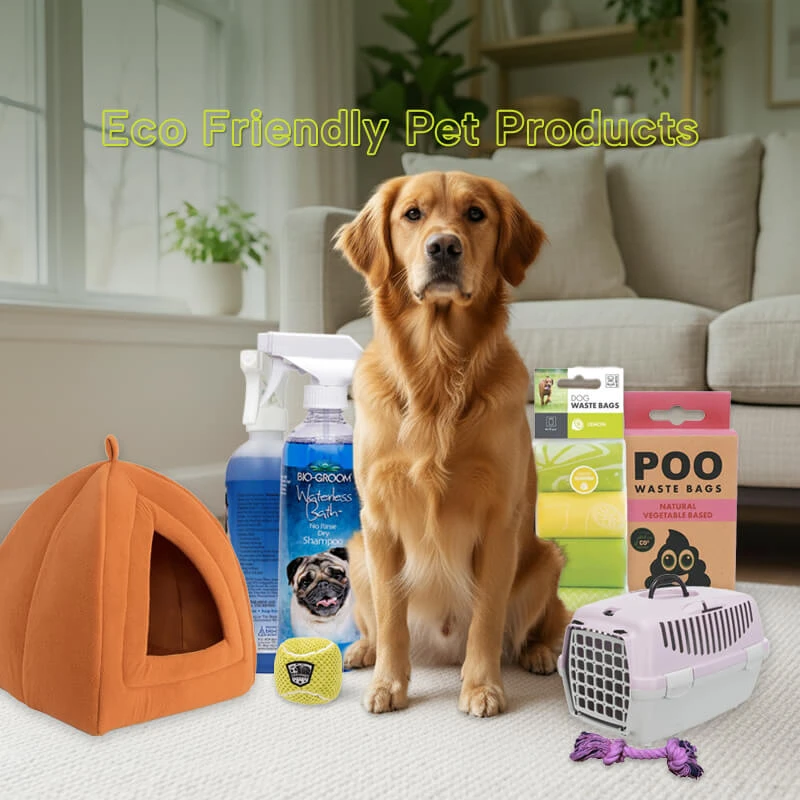
Complement sustainable toys with grooming items made from natural fibers and biodegradable ingredients.
Integrate a holistic eco-conscious pet care approach by selecting organic or sustainably sourced pet foods.
Some brands offer eco-friendly pet toy subscription boxes that rotate toys made from recycled or natural materials.
These alternatives enhance overall pet health and environmental responsibility.
FAQ
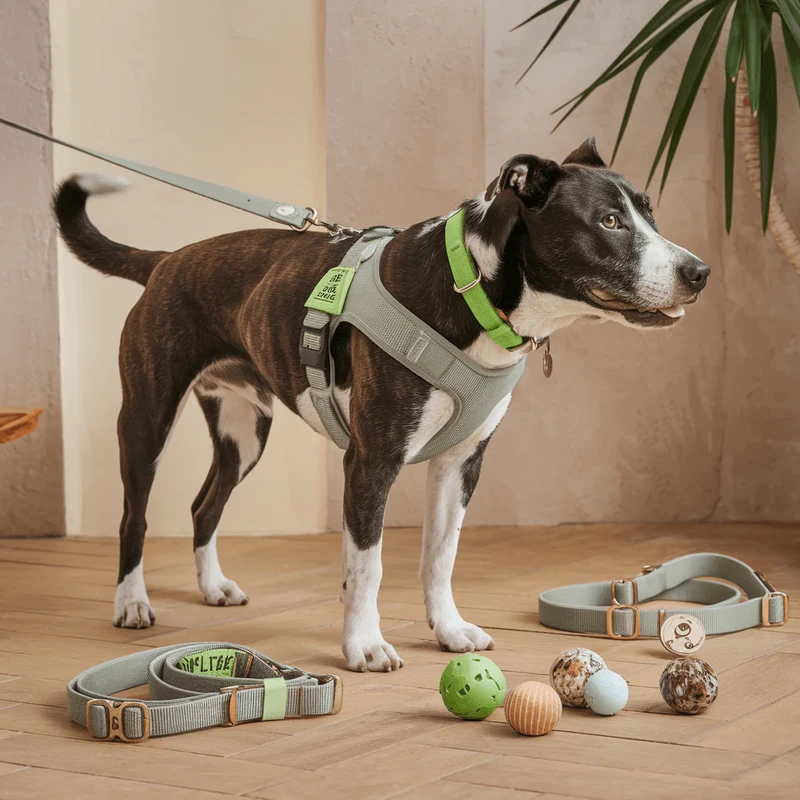
What materials should I avoid when buying pet toys?
Avoid PVC, BPA, phthalates, synthetic fibers, and toys with chemical coatings or toxic dyes, as these can harm your pet and the environment.
How do I verify if a pet toy is truly eco-friendly?
Look for certifications like USDA Organic, GOTS, FSC, and transparent brand information on sourcing and manufacturing. Minimal, recyclable packaging is also an indicator.
Can I safely make my own eco-friendly pet toys at home?
Yes, using clean, non-toxic materials such as old cotton fabrics, cardboard, and untreated wood. Always supervise your pet to avoid choking hazards.
How often should I clean and replace eco-friendly pet toys?
Clean toys regularly according to material guidelines, and replace them when signs of damage or wear appear to maintain safety.
Are bamboo and wood toys safe for aggressive chewers?
They can be suitable for moderate chewers, but very aggressive chewers may break pieces off, posing risks. Choose tougher materials like natural rubber for heavy chewers.
—
Adopting eco-friendly pet toys requires attention to materials, certifications, and brand ethics. By applying the steps and knowledge in this tutorial, pet owners can ensure safer playtime for their animals while actively contributing to environmental sustainability. Continuing to support circular economy initiatives and embracing DIY alternatives further enhance responsible pet care in 2026 and beyond.