
How to Gather Inspiration for Eco-Friendly Pet Projects Easily
PawVerde.com – Pet owners seeking to reduce their environmental footprint can find ample inspiration by integrating eco-friendly pet projects into their routine. Upcycling common household items like old t-shirts and cardboard into toys and accessories not only diverts waste from landfills but also provides engaging enrichment for pets. Homemade treats crafted from natural ingredients eliminate the need for plastic packaging and avoid environmentally harmful additives such as palm oil. Selecting sustainable pet food brands and grooming products that prioritize organic certifications and non-toxic ingredients further supports both animal health and ecological preservation. These strategies align with best practices recommended by environmental groups and veterinary authorities, highlighting the importance of conscious consumer choices in the pet care sector.
The Environmental Impact of Conventional Pet Products and Benefits of Sustainable Pet Care
Traditional pet products contribute significantly to environmental degradation through plastic packaging, non-biodegradable materials, and chemical formulations that can harm ecosystems. According to data from Sierra Club and Greener Ideal, plastic waste from pet food packaging alone generates thousands of tons of landfill volume annually. Additionally, many commercial pet products contain synthetic chemicals such as parabens and phthalates, which pose risks not only to pets but also to aquatic and terrestrial wildlife when residues enter waterways.
Adopting sustainable pet care practices reduces these negative impacts. Biodegradable pet products and green grooming supplies minimize chemical runoff and waste accumulation. Organizations like VCA Hospitals emphasize that pets benefit directly from natural grooming products, which reduce skin irritation and exposure to toxins. Moreover, sustainable pet food brands such as Weruva and Breeders Choice Cats utilize ethically sourced, organic ingredients that lower carbon footprints and support regenerative agriculture. These benefits extend beyond the individual pet to foster healthier ecosystems, demonstrating why eco-friendly pet projects are critical in modern pet ownership.
Upcycling Household Items into Eco-Friendly Pet Toys and Accessories
Upcycling transforms discarded materials into functional, engaging pet accessories, reducing demand for new resources. Common DIY projects include fabric balls made from braided old t-shirts, which provide durable and soft chew toys for dogs. Cardboard can be repurposed into agility tunnels or scratching pads for cats, combining enrichment with waste reduction. Wildlifetrusts.org recommends selecting materials free from toxic dyes or chemicals to ensure pet safety.
Project Hive Pet Company offers detailed guides on crafting rope toys from reclaimed cotton fabrics, emphasizing knot techniques that prevent choking hazards. Homemade toys encourage mental and physical stimulation, which is essential for animal welfare. Such projects also foster a circular economy by extending the lifecycle of household items. Safety considerations include avoiding small detachable parts and ensuring materials are washable to prevent bacterial buildup.
Homemade Eco-Friendly Pet Treats: Recipes and Environmental Benefits
Homemade pet treats allow control over ingredient quality while eliminating excessive packaging waste. Recipes typically combine natural protein sources like chicken or salmon with vegetables such as pumpkin or sweet potato, offering balanced nutrition. Avoiding palm oil, commonly found in commercial treats, mitigates deforestation-related emissions, as noted by The Good Boutique’s sustainability reports.
Storage solutions involving reusable silicone bags or glass containers extend shelf life without single-use plastics. Animal Wellness Magazine highlights that homemade treats reduce exposure to preservatives and additives harmful to pet health. Additionally, crafting treats at home reduces reliance on industrial food production, which often involves energy-intensive processing and significant carbon emissions. Pet owners can experiment with baking or dehydrating techniques to customize textures that suit individual pets’ needs.
Selecting Sustainable Pet Food and Grooming Products
The pet product market increasingly features natural and organic certified options designed to minimize environmental harm. Sustainable pet food brands prioritize locally sourced ingredients, transparency in supply chains, and limited use of synthetic additives. For example, Weruva’s product lines emphasize responsibly harvested seafood and non-GMO vegetables, reducing ecological strain.
Conventional grooming products often contain petroleum-based compounds, parabens, and phthalates linked to endocrine disruption and environmental persistence. The Good Boutique and Tails We Win advocate for plant-based shampoos and conditioners free from sulfates and artificial fragrances. Identifying eco-friendly brands involves scrutinizing labels for certifications such as USDA Organic, Cruelty-Free, and biodegradable packaging seals. Choosing these products supports pet health while fostering broader environmental stewardship.
Pet Enrichment Activities Using Recycled Materials
Enhancing pets’ mental and physical well-being through enrichment activities can be achieved sustainably using recycled household items. For instance, scent work games utilizing crumpled kitchen towels with hidden treats engage dogs’ olfactory senses and reduce waste. Muffin tins repurposed as food puzzles challenge pets to retrieve kibble, providing cognitive stimulation without purchasing expensive toys.
Sierra Club reports that such low-cost enrichment activities reduce consumption and waste generation within the pet care industry. Encouraging DIY enrichment promotes owner-pet bonding while lowering environmental impact. These activities also offer accessible options for pet owners on a budget, aligning with circular economy principles by reusing materials creatively.
Responsible Management of Pet Waste and Environmental Considerations
Managing pet waste sustainably is critical to protecting local ecosystems. Biodegradable dog waste bags made from plant-based materials decompose faster than conventional plastic, reducing landfill accumulation. Cat litter options derived from corn, wheat, or recycled paper offer less environmental toxicity compared to clay-based litters, which require strip mining.
Environmental organizations warn that pesticide-laden flea and tick treatments can contaminate waterways, adversely affecting aquatic life. VCA Hospitals recommend avoiding topical flea treatments before outdoor excursions near rivers or lakes. Best practices include using environmentally safe pest control methods and cleaning up waste promptly during outdoor exercise to prevent nutrient pollution and wildlife disturbance.
Integrating Circular Economy Principles in Pet Product Consumption
The pet industry is beginning to adopt circular economy models by recycling packaging and repurposing materials into public goods. Brands like Breeders Choice Cats incorporate recyclable packaging that consumers can return for reuse or conversion into new products. Such initiatives reduce raw material extraction and waste production.
Consumer choices influence supply chains by driving demand for sustainable materials and transparent production practices. Organizations like Greener Ideal emphasize that widespread adoption of recyclable pet products can significantly lower the sector’s carbon footprint. Educating pet owners about recycling programs and sustainable purchasing empowers them to participate actively in environmental preservation.
Forward-Looking Perspectives on Eco-Friendly Pet Projects
As environmental awareness grows, pet owners are positioned to become change agents by adopting and sharing sustainable pet care practices. Gradually integrating upcycled toys, homemade treats, and eco-conscious products fosters a culture of responsible consumption. Industry trends suggest that future pet product innovations will prioritize biodegradability, renewable materials, and circular lifecycle designs.
Supporting green pet businesses and community DIY initiatives can amplify impact while enhancing pet welfare. Platforms like Best Friends Animal Society and Wildlifetrusts.org provide resources and inspiration for continuous learning. Ultimately, embracing sustainable pet projects contributes to a healthier planet and sets a precedent for future generations of pet lovers.
FAQ

What are some safe materials for upcycling into pet toys?
Safe upcycling materials include natural fibers like cotton from old t-shirts, untreated cardboard, and scrap fabric free from toxic dyes or chemicals. Avoid small parts that pets can swallow and ensure all items are washable to maintain hygiene.
How can homemade pet treats be stored to reduce waste?
Storing homemade treats in reusable silicone bags or airtight glass containers extends freshness and eliminates the need for single-use plastic packaging. Refrigeration or freezing can further preserve treats without preservatives.
Which ingredients should be avoided in eco-friendly pet treats?
Avoid ingredients such as palm oil due to its environmental impact, artificial preservatives, and fillers like corn syrup. Opt for natural proteins, vegetables, and whole grains to promote health and sustainability.
How do biodegradable dog waste bags compare to regular plastic bags?
Biodegradable waste bags break down more quickly in composting environments, reducing landfill volume and environmental pollution. However, proper disposal in compost or landfill facilities is necessary to ensure effective degradation.
What certifications indicate a sustainable pet grooming product?
Look for certifications like USDA Organic, Cruelty-Free, and labels indicating biodegradable packaging. Ingredients lists that exclude parabens, phthalates, sulfates, and synthetic fragrances also signal eco-friendly formulations.
—
By combining practical DIY methods with informed product choices, pet owners can significantly reduce their ecological impact. Exploring innovative upcycling projects, homemade treat recipes, and sustainable product options offers a comprehensive approach to eco-conscious pet care. Engaging with trusted environmental and veterinary sources ensures these practices support pet health and environmental integrity in tandem.
Difference Between Biodegradable and Regular Bags Explained
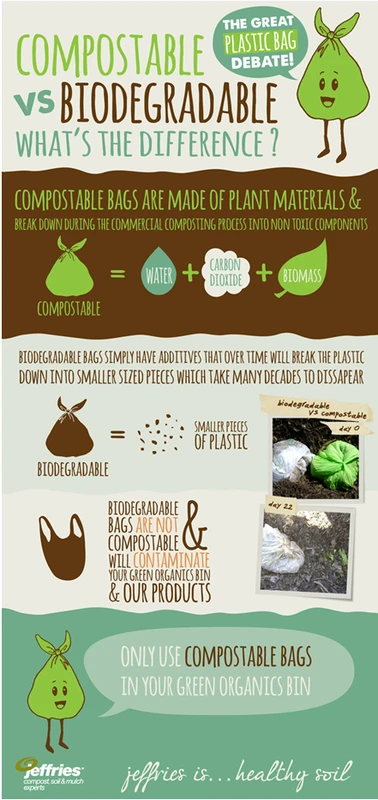
PawVerde.com – Biodegradable bags have gained increasing attention as consumers seek environmentally responsible alternatives to conventional plastic bags. Unlike regular plastic bags, which persist in the environment for centuries, biodegradable variants are designed to break down over months to years. However, not all biodegradable bags are created equal, and distinctions between biodegradable, compostable, and conventional plastic bags bear significant implications for environmental impact and proper disposal. This analysis unpacks these differences, explores the regulatory landscape, and examines practical usage and disposal recommendations based on current scientific understanding and authoritative standards.
Biodegradable bags typically incorporate plant-based polymers such as polylactic acid (PLA) or starch blends, often enhanced with additives to accelerate microbial degradation. These materials contrast sharply with regular plastic bags, which are predominantly made from petrochemical-derived polymers like polyethylene (PE) or polypropylene (PP). While biodegradable bags fragment through microbial activity, their degradation time spans a wide range—commonly six to twenty-four months—depending on environmental conditions such as temperature, moisture, and oxygen availability. Compostable bags represent a subset of biodegradable products engineered to meet stringent standards like EN13432 or AS4736, enabling them to fully metabolize into nutrient-rich compost in industrial composting facilities within prescribed timeframes.
Regular plastic bags resist natural breakdown, persisting as environmental pollutants for hundreds of years and contributing significantly to plastic pollution and microplastic contamination. In contrast, biodegradable bags can reduce such persistence but do not guarantee complete decomposition under landfill conditions, where oxygen is limited and microbial populations may be insufficient. Compostable bags require thermophilic composting environments—typically maintained at 55-60°C—to achieve full degradation, a process not replicable in standard home compost setups. This distinction underscores the importance of understanding disposal pathways to maximize environmental benefits.
The Federal Trade Commission (FTC) enforces the Green Guides, which regulate marketing claims related to biodegradability and compostability to prevent consumer deception. The FTC mandates that claims of biodegradability must be backed by scientific evidence demonstrating complete degradation within a reasonable timeframe under customary disposal conditions. Oxo-degradable plastics, which fragment into microplastics rather than fully mineralizing, have faced increasing regulatory scrutiny and bans, such as South Australia’s Single-use Plastic Act. Certification schemes, including the OK Compost Home, Seedling Logo, and AS5810 standard for home compostability, provide consumers with verified assurances of product claims, helping distinguish truly compostable bags from misleading biodegradable labels.
Usage guidelines emphasize the importance of aligning bag types with appropriate waste streams. Compostable bags are recommended exclusively for organic waste destined for industrial composting facilities, where controlled aerobic conditions enable complete breakdown. Biodegradable bags may be used for general waste but should not be considered a solution for landfill environments due to their limited degradation potential there. Regular plastic bags remain unsuitable for compost or organic waste, as they impede compost quality and contribute to microplastic pollution. Consumers seeking home composting options should look for bags certified under home composting standards, although availability remains limited.
Market trends indicate a growing demand for eco-friendly waste bags, driven by increasing regulatory restrictions on single-use plastics and heightened consumer environmental awareness. Manufacturers like Torise Biomaterials and platforms such as BinBags.com offer customizable biodegradable and compostable options certified to international standards. Innovations in plant-based polymers and biopolymer blends aim to improve performance and reduce environmental footprints, while transparency in certification and labeling remains a critical factor for market growth.
The distinction between biodegradable, compostable, and regular plastic bags hinges on material composition, degradation mechanisms, environmental conditions required for breakdown, and regulatory frameworks. Informed consumer choices, supported by accurate certification and proper disposal infrastructure, are essential for realizing the environmental benefits these products promise. Moving forward, expanding industrial composting capacity and enhancing public understanding of disposal practices will be vital to advancing sustainable waste management.
Material Composition and Manufacturing Differences
Biodegradable bags predominantly consist of plant-based polymers derived from renewable resources such as corn starch, sugarcane, or cellulose. Polylactic acid (PLA) is a common polymer used due to its ability to polymerize from lactic acid sourced via fermentation of plant sugars. These bags often incorporate additives that catalyze microbial degradation by enhancing oxygen permeability or initiating hydrolysis. Variants may also include blends with polybutylene adipate terephthalate (PBAT) to improve flexibility and strength. In contrast, regular plastic bags are formulated primarily from polyethylene (PE) or polypropylene (PP), petrochemical polymers synthesized from fossil fuel derivatives through polymerization processes. These materials are highly durable, chemically inert, and resistant to microbial attack.
Compostable bags differ in that their material composition must comply with certification standards like EN13432 (European) or AS4736 (Australian), ensuring they disintegrate and biodegrade fully under industrial composting conditions within specified timeframes—commonly 90 days. These bags often use certified biopolymers and avoid additives that could hinder microbial breakdown or leave toxic residues. The manufacturing process for compostable bags includes quality controls to verify material purity and performance characteristics that facilitate rapid composting.
Oxo-degradable plastics, once marketed as biodegradable alternatives, are conventional petrochemical plastics embedded with pro-oxidant additives that cause fragmentation under UV exposure or heat. However, these materials do not mineralize completely and instead produce microplastic fragments, posing environmental risks. Due to these concerns, regions like South Australia have legislated bans on oxo-degradable plastics, aligning with global trends toward stricter regulation.
Decomposition Processes and Environmental Impact
biodegradable bags undergo decomposition primarily through microbial enzymatic activity that breaks down polymer chains into smaller molecules such as water, carbon dioxide, and biomass. This process requires adequate oxygen, moisture, and temperature conditions, with degradation times varying significantly based on environmental factors. Laboratory studies indicate that under optimal aerobic conditions, some biodegradable bags can degrade within six months; however, in less favorable environments, degradation may extend beyond two years. Importantly, in anaerobic landfill conditions, biodegradation rates decline sharply, often resulting in persistence comparable to regular plastics.
Regular plastic bags, dominated by polyethylene and polypropylene, resist microbial degradation due to their chemical structure and hydrophobicity. Studies reveal these bags can persist for upwards of 400 years, fragmenting into microplastic particles that contaminate soils, waterways, and marine ecosystems. The environmental burden of these plastics includes physical hazards to wildlife, chemical leaching, and bioaccumulation of toxic additives.
Compostable bags require thermophilic composting environments maintained between 55°C and 60°C, where specialized microorganisms metabolize the polymers efficiently. Certification standards mandate that compostable bags must disintegrate physically and biodegrade by at least 90% within 90 days in industrial composting facilities. These facilities provide controlled conditions not replicable in home composting or landfill sites, making industrial composting infrastructure critical for effective waste management.
Oxo-degradable plastics pose unique environmental risks as their fragmentation into microplastics increases the load of persistent pollutants. Scientific consensus discourages their use, leading to regulatory bans and calls for better alternatives.
Regulatory Standards and Certification
The Federal Trade Commission’s (FTC) Green Guides set forth guidelines to prevent deceptive marketing claims related to environmental benefits of products, including biodegradable and compostable bags. The FTC requires substantiation that such products will fully degrade within a reasonable timeframe under customary disposal conditions. Failure to meet these standards can result in enforcement actions against manufacturers or retailers making unsubstantiated claims.
Certification bodies provide third-party verification to help consumers and waste managers identify legitimate biodegradable and compostable products. The OK Compost certification, managed by TÜV Austria, certifies products for industrial composting (OK Compost Industrial) or home composting conditions (OK Compost Home). The Seedling Logo, issued by the European Bioplastics association, indicates compliance with EN13432 standards. Similarly, Australian standards AS4736 and AS5810 specify requirements for industrial and home compostable bags, respectively. These certifications assess parameters such as biodegradation rate, disintegration, absence of heavy metals, and ecotoxicity.
Regional regulations increasingly mandate the reduction or elimination of single-use plastic bags, including bans on oxo-degradable plastics. South Australia’s Single-use Plastic Act explicitly prohibits oxo-degradable plastic products, reflecting growing legislative recognition of their environmental hazards.
Usage and Disposal Guidelines
Proper disposal of biodegradable and compostable bags is essential to maximize environmental benefits. Compostable bags should be reserved for organic waste streams destined for industrial composting facilities. These facilities maintain the high temperatures and microbial populations necessary for complete decomposition, producing nutrient-rich compost suitable for agricultural and horticultural use.
Biodegradable bags, while more environmentally friendly than conventional plastics, may not decompose effectively in landfill conditions due to oxygen scarcity and lower microbial activity. Therefore, they are better suited for waste streams where aerobic degradation is possible or where waste sorting allows compostable waste diversion.
Regular plastic bags should be avoided for organic waste disposal as they hinder composting processes and contribute to contamination. Consumers are advised to select bags with recognized certifications matching their intended disposal method—home compostable bags for backyard composters, industrial compostable bags for municipal organic waste programs, and conventional plastics only where recycling facilities exist.
Home composting of biodegradable bags remains limited by the lack of certification for many products and the inability of typical home compost setups to reach thermophilic temperatures or maintain consistent moisture levels. Consumers should verify product certifications and local composting infrastructure capabilities before use.
Market Trends and Manufacturer Initiatives
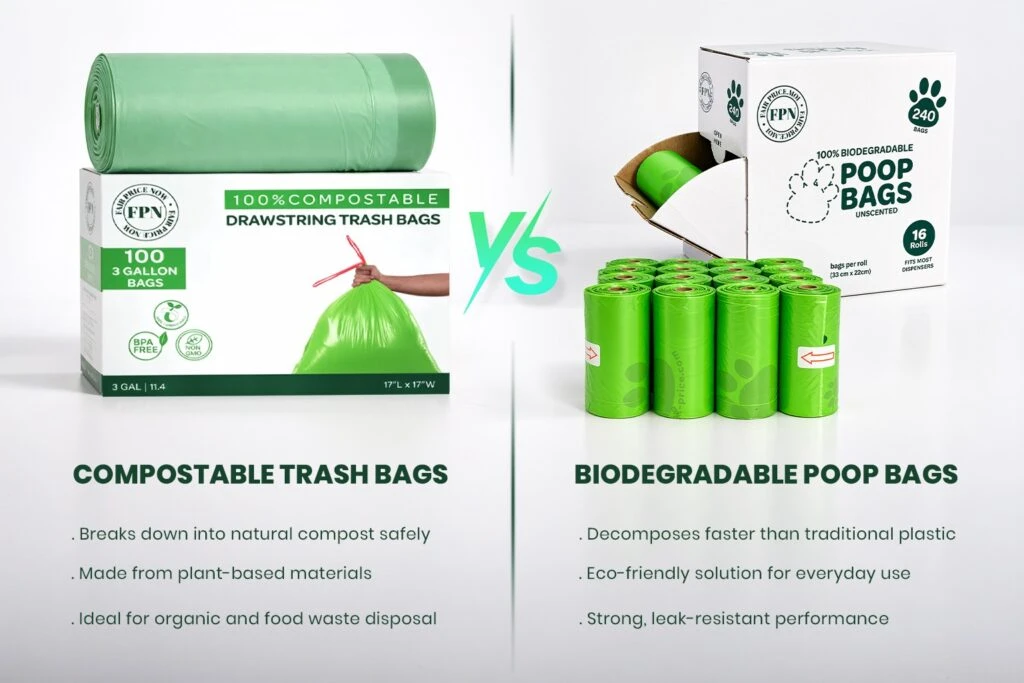
The market for biodegradable and compostable bags has experienced robust growth driven by regulatory pressures, consumer demand for sustainable products, and technological advancements in biopolymer development. Industry leaders such as Torise Biomaterials specialize in producing certified biodegradable and compostable bags utilizing plant-based polymers and advanced additive technologies to enhance performance and compliance.
Retailers like BinBags.com offer customizable eco-friendly waste bags certified to international standards, catering to both commercial and residential consumers. Innovations focus on improving bag strength, shelf life, and degradation profiles while minimizing costs to compete with traditional plastics.
Environmental benefits, including reduced plastic pollution and lower carbon footprints, underpin consumer interest. However, challenges remain in ensuring appropriate infrastructure for industrial composting and public education on proper disposal to prevent contamination of waste streams.
| Bag Type | Material Composition | Degradation Environment | Typical Decomposition Time | Certification Standards |
|---|---|---|---|---|
| Regular Plastic Bags | Polyethylene (PE), Polypropylene (PP) from petrochemicals | Landfill or environment; minimal biodegradation | Centuries (up to 400+ years) | None (non-biodegradable) |
| Biodegradable Bags | Plant-based polymers (PLA, starch blends) with additives | Aerobic, moist environments; variable | 6–24 months (varies with conditions) | Limited; variable certification |
| Compostable Bags | Certified biopolymers designed for composting | Industrial composting facilities (55–60°C) | ≤90 days (per standards) | EN13432, AS4736, OK Compost, Seedling Logo |
| Oxo-Degradable Plastics | Petrochemical plastics with pro-oxidant additives | Fragment under UV/heat; produce microplastics | Fragmentation in months; no full degradation | Banned in some regions (e.g., South Australia) |
FAQ
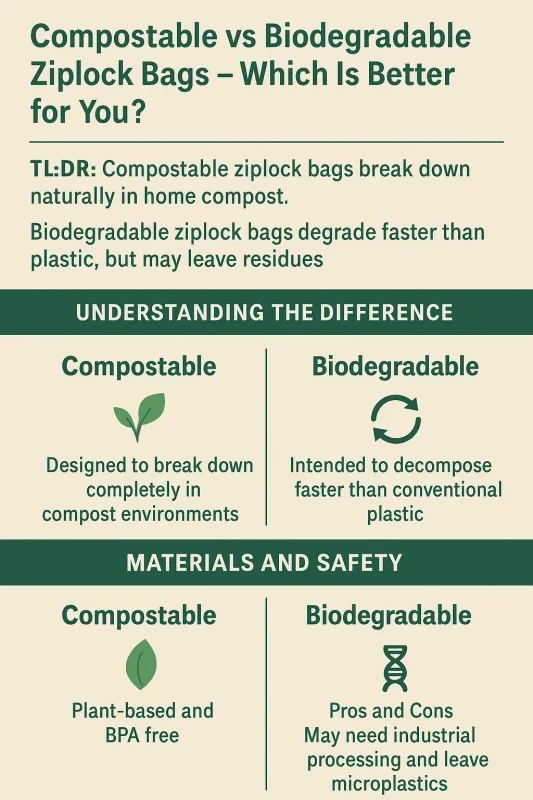
What is the main difference between biodegradable and compostable bags?
Biodegradable bags break down into smaller pieces through microbial activity over months to years but may not fully mineralize, especially in landfills. Compostable bags are engineered to completely degrade into non-toxic compost within a specific timeframe under industrial composting conditions.
Can biodegradable bags decompose in landfill environments?
Generally, no. Landfills are anaerobic with limited oxygen and microbial activity, slowing or preventing biodegradation. Biodegradable bags may persist similarly to conventional plastics if disposed of in landfills.
Are oxo-degradable plastics environmentally safe?
No. Oxo-degradable plastics fragment into microplastics instead of fully degrading, contributing to environmental pollution. Many jurisdictions have banned their use due to these risks.
How can consumers ensure they buy genuinely compostable bags?
Consumers should look for certifications such as OK Compost, Seedling Logo, EN13432, or AS4736 on packaging, indicating compliance with recognized composting standards.
Is home composting suitable for all compostable bags?
No. Only bags certified for home composting (e.g., under AS5810 or OK Compost Home) are suitable for backyard composting. Industrial compostable bags require high-temperature composting not achievable at home.
Biodegradable and compostable bags present promising alternatives to traditional plastic waste bags by offering reduced environmental persistence and pollution. However, their effectiveness depends critically on material composition, degradation environments, and adherence to regulatory standards. Consumers and waste managers must recognize these distinctions to optimize waste disposal practices and support sustainable waste management infrastructure. Expanding industrial composting facilities and improving product transparency will be essential steps toward widespread adoption and environmental benefit.
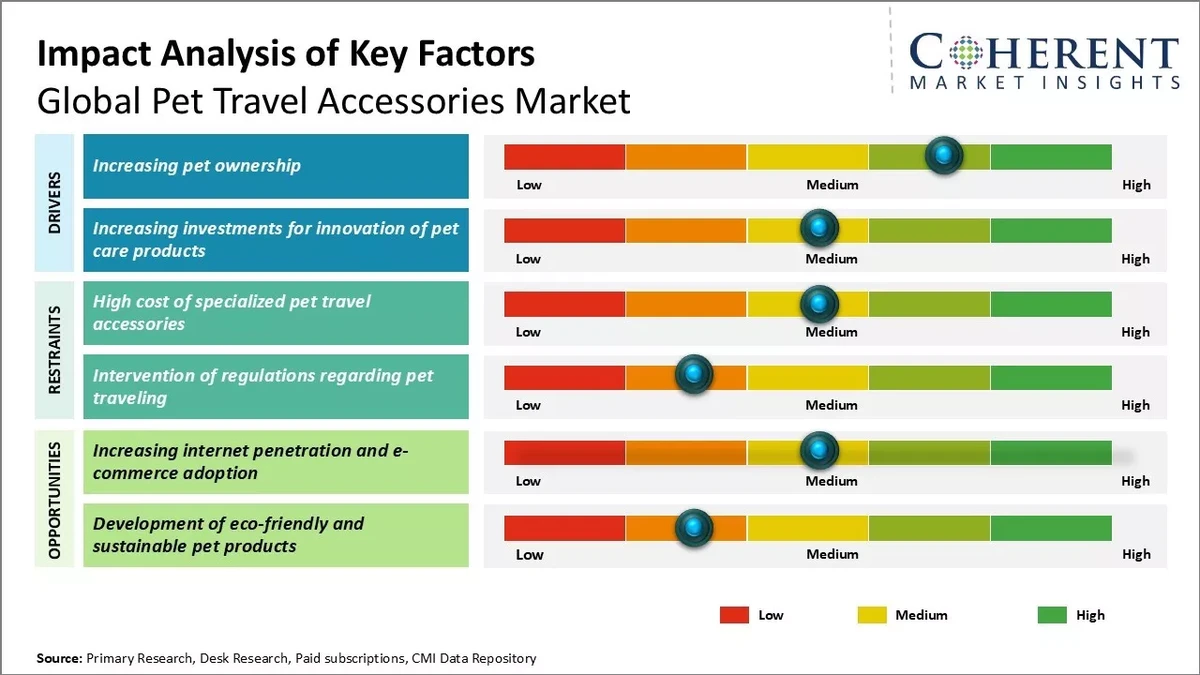
Is Eco-Conscious Pet Travel Worth It? Sustainable Tips for 2026
PawVerde.com – Eco-conscious pet travel in 2026 is increasingly recognized not only as a responsible choice but also as a practical approach that balances environmental sustainability with pet comfort. This trend reflects a broader shift in consumer behavior, with approximately 40% of travelers actively seeking sustainable travel options, including those involving their pets. By adopting sustainable transport methods such as private ground vehicles and integrating biodegradable pet products, pet owners can significantly reduce the carbon footprint associated with pet travel while supporting ethical pet care practices. The growing availability of eco-friendly pet carriers, vegan resorts, and private pet transport services underscores the feasibility and expanding market for sustainable pet travel.
Sustainable pet travel extends beyond transport to encompass a holistic approach that includes eco-conscious accommodations, biodegradable waste solutions, and ethical manufacturing of pet gear. Brands like TLK Pet Transport and Pet Releaf exemplify industry leaders driving this transformation through innovative products and services that prioritize sustainability without compromising on pet welfare. The rise of vegan hotels and resorts catering to pet owners further enhances the appeal of eco-conscious pet travel, creating experiences that align with environmentally aware lifestyles and support local conservation efforts.
Sustainable Transportation Options for Pets
Private ground transport has emerged as a preferred sustainable alternative to commercial flights for pet travel in 2026. Unlike air travel, which contributes significantly to carbon emissions, ground transport options such as electric or hybrid vehicles offer a lower environmental impact while providing door-to-door service. Companies specializing in private pet transport services deliver tailored travel experiences that prioritize pet comfort and safety, reducing stress and exposure to the broader logistical challenges of commercial airline pet travel.
Walking and local eco-friendly travel methods also contribute to sustainable pet transport, especially for short distances or urban environments. Encouraging walking or using public transit with pet-friendly policies can reduce reliance on carbon-intensive vehicles. Moreover, combining these methods with reusable travel gear and carriers made from recycled materials exemplifies integrated eco-conscious pet travel practices.
The environmental benefits of private pet transport extend beyond emissions reduction. By minimizing handling and transit time, these services reduce the risk of injury and disease transmission, improving overall animal welfare. This approach aligns with ethical standards increasingly demanded by consumers and advocates, demonstrating how sustainability and humane treatment intersect in modern pet travel.
Eco-Friendly Pet Travel Products and Gear
Investing in durable, recyclable pet carriers and travel accessories is a cornerstone of sustainable pet travel in 2026. Products crafted from recycled plastics or natural fibers like hemp and organic cotton reduce waste and reliance on virgin materials. Airlines increasingly approve such carriers, encouraging widespread adoption and reducing single-use plastic consumption associated with traditional pet travel gear.
Biodegradable poop bags and flushable cat litter have become standard for eco-conscious pet owners, mitigating the environmental harm caused by conventional plastic waste and chemical-laden litter products. Brands offering these products often emphasize natural ingredients and compostable materials, aligning with broader trends in sustainable pet parenting.
Non-toxic, long-lasting toys and beds made from natural rubber or recycled fabrics further support environmental goals while ensuring pet safety. For example, Pet Releaf’s natural rubber toys combine durability with biodegradability, reducing landfill contributions. These products exemplify ethical manufacturing practices that prioritize animal welfare alongside environmental responsibility.
The shift to reusable pet travel gear also minimizes resource consumption. Collapsible water bowls, washable bedding, and multipurpose carriers exemplify innovations that reduce waste and enhance convenience, underscoring the practicality of sustainable pet travel.
Eco-Conscious Accommodations and Destinations
Sustainable pet travel increasingly includes eco-conscious accommodations such as vegan resorts and green-friendly hotels that accommodate pets. These establishments adopt environmentally responsible practices including energy efficiency, waste reduction, and sourcing local, organic food options for both humans and pets. Salty Dog Vacations, for instance, offers pet-friendly travel packages that prioritize sustainable lodging and activities, supporting local conservation efforts while providing high-quality experiences.
Luxury eco-conscious travel experiences inclusive of pets are growing in availability. Resorts featuring green building certifications, solar power, and water conservation measures cater to discerning travelers seeking minimal environmental impact. These destinations often incorporate educational programs about local ecosystems, fostering awareness and engagement among guests.
Supporting local conservation and community-focused travel providers amplifies the positive environmental and social impact of pet travel. By choosing accommodations that contribute to habitat preservation or community development, pet owners align their travel choices with broader sustainability goals, enhancing the overall value of eco-conscious pet travel.
Environmental Impact and Ethical Considerations
Quantifying the carbon footprint of pet travel reveals significant opportunities for reduction through sustainable choices. Studies indicate that commercial pet air travel contributes disproportionately to individual travel emissions, whereas private ground transport and local travel alternatives can lower carbon output by up to 60%. The adoption of biodegradable pet products further mitigates pollution by reducing non-degradable waste accumulation.
Ethical manufacturing practices in pet product brands have advanced, with many companies adhering to strict sustainability certifications and animal welfare standards. These practices encompass the use of renewable raw materials, fair labor conditions, and transparent supply chains. Consumer demand for ethical products has incentivized brands to innovate in sustainable packaging and ingredient sourcing, fostering industry-wide shifts.
Consumer choice plays a pivotal role in driving sustainability in the pet travel industry. By prioritizing eco-friendly options, pet owners influence market trends and encourage broader adoption of green practices. This dynamic underscores the interconnection between individual responsibility and systemic change within the pet care sector.
Practical Tips for Pet Owners Considering Eco-Conscious Travel
Adopting sustainable pet travel practices requires a stepwise approach that balances environmental responsibility with pet comfort. Starting with simple measures such as selecting recyclable carriers and using biodegradable waste bags can make immediate impacts. Gradually incorporating private transport services and choosing eco-friendly accommodations further enhances sustainability.
Pet owners should evaluate travel gear based on durability, non-toxicity, and environmental certifications, avoiding disposable or synthetic products with high ecological costs. Researching and booking accommodations with verified green credentials ensures alignment with sustainability goals.
Staying informed about emerging sustainable pet care options, including plant-based pet food alternatives and natural health supplements, supports holistic eco-conscious pet parenting. Engaging with reputable sources such as PawVortex and PetMagasin provides ongoing education and practical insights.
Balancing pet comfort involves ensuring that sustainable products and services meet safety and welfare standards. Consulting with veterinarians and pet travel experts can help owners make informed choices that prioritize animal well-being alongside environmental concerns.
Future Outlook: The Growing Movement Towards Sustainable Pet Travel

Innovation continues to drive advances in sustainable pet travel, with emerging technologies such as electric pet transport vehicles and smart carriers designed to monitor pet health and comfort. These developments promise to reduce environmental impact while enhancing the travel experience.
Consumer behavior forecasts indicate increasing demand for eco-conscious pet travel options, with market research projecting a substantial growth in sustainable pet transport services and green product sales throughout the decade. Industry leaders anticipate broader integration of sustainability metrics in pet travel regulations and certification programs.
The ongoing expansion of vegan resorts and ethical pet brands reflects a mainstreaming of sustainable pet parenting, emphasizing progress and practical implementation over perfection. Collaborative efforts between pet care companies, conservation organizations, and travel providers are likely to accelerate the adoption of comprehensive sustainability standards.
As environmental concerns intensify globally, eco-conscious pet travel in 2026 represents a pragmatic and responsible approach that aligns with evolving consumer values and industry innovations, offering tangible benefits for pets, owners, and the planet.
Frequently Asked Questions

Is eco-conscious pet travel more expensive than traditional methods?
While some sustainable pet travel options such as private ground transport may have higher upfront costs compared to commercial flights, they often offer better value through enhanced pet safety, reduced stress, and environmental benefits. Investments in durable, recyclable gear also reduce long-term expenses by minimizing replacements.
Are biodegradable pet products as effective as conventional ones?
Yes, many biodegradable pet products, including poop bags and flushable litter, perform comparably to traditional items while offering superior environmental profiles. Advances in materials science have improved durability and usability, making them practical for everyday use.
How can I find eco-friendly pet accommodations?
Researching accommodations with recognized green certifications or sustainability commitments is essential. Platforms specializing in eco-conscious travel or pet-friendly vegan resorts can help identify suitable options. Reading reviews and verifying environmental claims ensures authenticity.
What are the main environmental benefits of private pet transport?
Private pet transport reduces carbon emissions by utilizing efficient ground vehicles and minimizing handling-related delays that often increase resource use. It also lowers the risk of injury and stress for pets, contributing to humane and sustainable travel practices.
Can sustainable pet travel practices be adopted for all types of pets?
Most sustainable pet travel practices are adaptable to various pet species, though specific needs vary. Consulting with veterinarians and specialized transport services can help tailor eco-conscious travel approaches to the requirements of different animals.
Eco-conscious pet travel in 2026 represents a mature and accessible option that addresses the environmental impact of pet ownership while enhancing animal welfare and owner satisfaction. As sustainable innovations proliferate and consumer awareness deepens, eco-friendly pet travel is poised to become a standard practice within the pet care and travel industries.
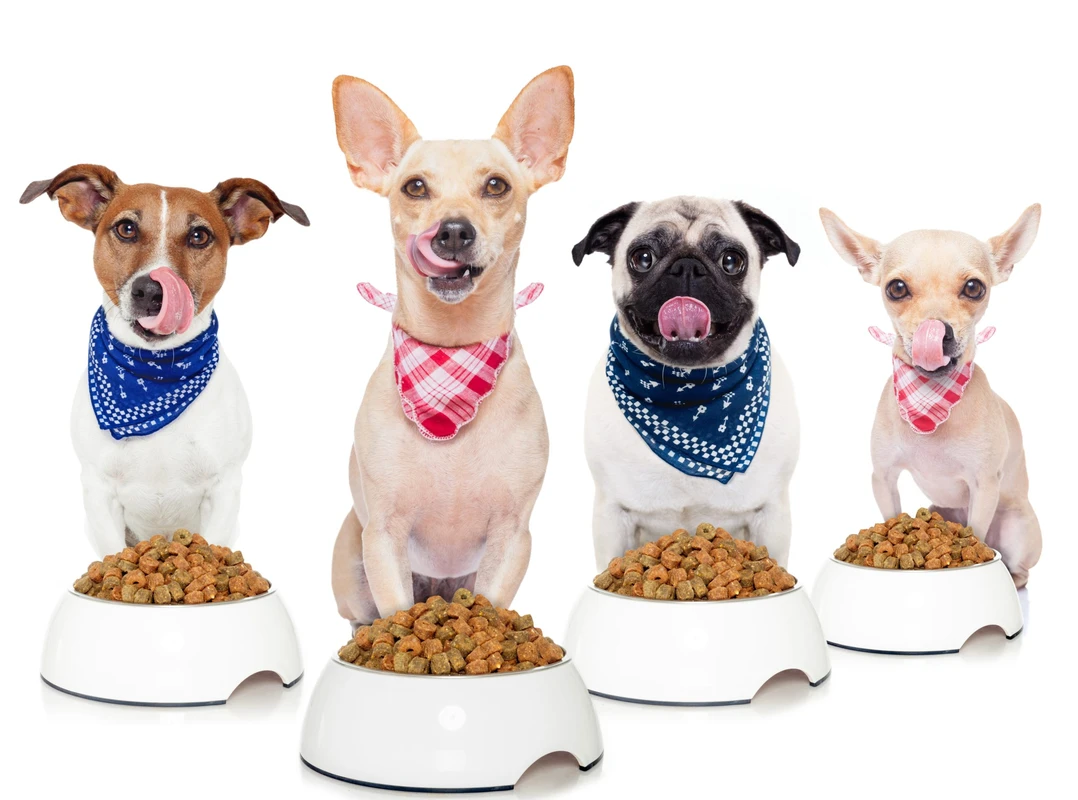
Top Allergy-Friendly Dog Foods Reviewed for 2026
PawVerde.com – Dog food allergies affect approximately 10% of the canine population, presenting a significant challenge for pet owners and veterinary professionals alike. In 2026, the market for allergy-friendly dog foods has expanded dramatically, driven by advances in nutritional science, veterinary research, and consumer demand for transparency and efficacy. Leading brands such as Spot & Tango, ACANA, Hill’s Prescription Diet, and Royal Canin have introduced innovative formulas designed specifically to alleviate food sensitivities with limited-ingredient, novel protein, and veterinary-supervised diets. These products emphasize fresh and gently cooked ingredients, hypoallergenic profiles, and compliance with standards set by the Association of American Feed Control Officials (AAFCO).
Proteins such as chicken and beef remain the primary allergens responsible for canine food sensitivities, with dairy products and common carbohydrate fillers like wheat, soy, and corn often exacerbating symptoms. Artificial preservatives and coloring agents further complicate allergic reactions by triggering immune responses or gastrointestinal distress. Consequently, manufacturers are increasingly focusing on limited-ingredient recipes that exclude these known allergens, carefully balancing nutrient density and palatability to support optimal digestive and skin health in sensitive dogs.
Common Dog Food Allergens and Allergy Triggers
Chicken and beef are identified as the most frequent protein allergens in dogs, accounting for a majority of reported cases of food allergies and intolerances. These proteins, when repeatedly introduced in a dog’s diet, can lead to hypersensitivity reactions manifesting as pruritus, chronic ear infections, or gastrointestinal upset. Dairy allergens, particularly lactose and milk proteins, also contribute significantly to food sensitivities, often causing diarrheal episodes and bloating.
Carbohydrate sources such as wheat, soy, and corn have been implicated as secondary allergens or irritants. These ingredients, commonly used as fillers or binders in commercial dog foods, can provoke immune reactions or worsen existing gastrointestinal inflammation. Artificial preservatives like BHA, BHT, and ethoxyquin, as well as synthetic coloring agents, are increasingly scrutinized due to their potential to induce allergic or toxic responses in susceptible animals.
Veterinary nutritionists emphasize the importance of identifying specific allergen triggers through elimination diets conducted under professional supervision. This approach involves restricting the dog’s diet to novel proteins and carbohydrate sources not previously consumed, thereby reducing immune system activation and allowing for accurate diagnosis.
Top Dog Food Types for Allergies in 2026
The dog food industry in 2026 offers a diverse range of allergy-friendly options tailored to the specific needs of dogs with food sensitivities. Fresh, limited-ingredient dog foods have emerged as a leading category, with brands like Spot & Tango and JustFoodForDogs offering gently cooked recipes that exclude common allergens while preserving nutrient integrity. Spot & Tango’s UnKibble, for example, combines fresh proteins such as turkey or lamb with carefully selected vegetables, avoiding grains, artificial additives, and typical protein allergens.
Limited-ingredient dry kibble remains popular among pet owners seeking convenience without compromising allergy management. ACANA’s Singles line and Nulo Freestyle provide grain-free, single-protein formulas that simplify ingredient profiles and reduce the risk of allergen exposure. These products emphasize high-quality animal proteins and minimal use of fillers, aligning with veterinary recommendations for dogs with food sensitivities.
Hypoallergenic wet foods are a critical option for dogs with sensitive stomachs or those requiring enhanced hydration. Hill’s Prescription Diet z/d and Royal Canin Ultamino represent veterinary-formulated solutions clinically tested to reduce allergic reactions through hydrolyzed proteins and novel carbohydrate sources. These diets are often prescribed by veterinarians as part of elimination trials or long-term management of food allergies and atopic dermatitis.
Freeze-dried and raw food options such as Maxbone and Vital Essentials provide alternative feeding methods that retain natural enzyme activity and bioavailable nutrients. These products utilize minimal processing and novel protein sources to minimize allergenicity while supporting gut health.
Novel Protein Options for Dogs with Complex Allergies
Dogs with complex or multiple allergies often benefit from diets incorporating novel proteins that have limited cross-reactivity with traditional allergens. Camel, goat, rabbit, and venison are among the less common protein sources gaining traction in 2026 formulations. These proteins are less likely to induce immune responses due to their rarity in standard pet diets and their distinct amino acid profiles.
Cross-reactivity remains a concern, particularly among poultry species. For instance, dogs allergic to chicken may also react to turkey or duck, necessitating careful selection of protein sources. Veterinary nutritionists recommend introducing novel proteins gradually and monitoring for adverse reactions to mitigate this risk.
The increasing availability of these novel protein diets supports more individualized allergy management, enabling veterinarians to tailor feeding plans based on each dog’s allergen profile and clinical history.
Role of Prescription and Veterinary-Formulated Diets
Veterinary supervision is crucial for diagnosing and managing food allergies in dogs. Prescription diets from manufacturers like Hill’s, Royal Canin, and Purina Pro Plan are formulated with hydrolyzed or novel proteins and undergo rigorous testing for efficacy and safety. These diets meet AAFCO nutritional standards while targeting specific clinical needs such as skin barrier repair, inflammation reduction, and digestive tolerance.
Independence Veterinary Clinic and other specialist practices emphasize the integration of board-certified veterinary nutritionists in allergy management protocols. These professionals guide elimination diet trials, interpret diagnostic results, and recommend appropriate commercial or home-cooked diets that align with individual patient requirements.
Such diets are often combined with pharmacological interventions and environmental allergen control to provide comprehensive care for allergic dogs.
Feeding Strategies and Allergy Management Tips
Effective management of canine food allergies extends beyond product selection to include precise feeding strategies. Gradual diet transitions over 7-14 days are recommended to minimize gastrointestinal upset and allow the dog’s microbiome to adapt to new ingredients. Symptom tracking, including monitoring skin condition, stool quality, and behavioral changes, is essential for assessing diet effectiveness.
Portion control ensures balanced nutrient intake and prevents obesity, which can exacerbate inflammatory responses. Consistency in feeding schedules and avoiding cross-contact with other pet foods or treats reduces the risk of inadvertent allergen exposure.
Veterinary nutritionists advise maintaining detailed feeding logs and collaborating closely with veterinarians to adjust diets based on clinical outcomes. Avoiding homemade recipes with unverified nutrient profiles without expert guidance is critical to prevent nutritional deficiencies or imbalances.
Emerging Trends and Market Insights
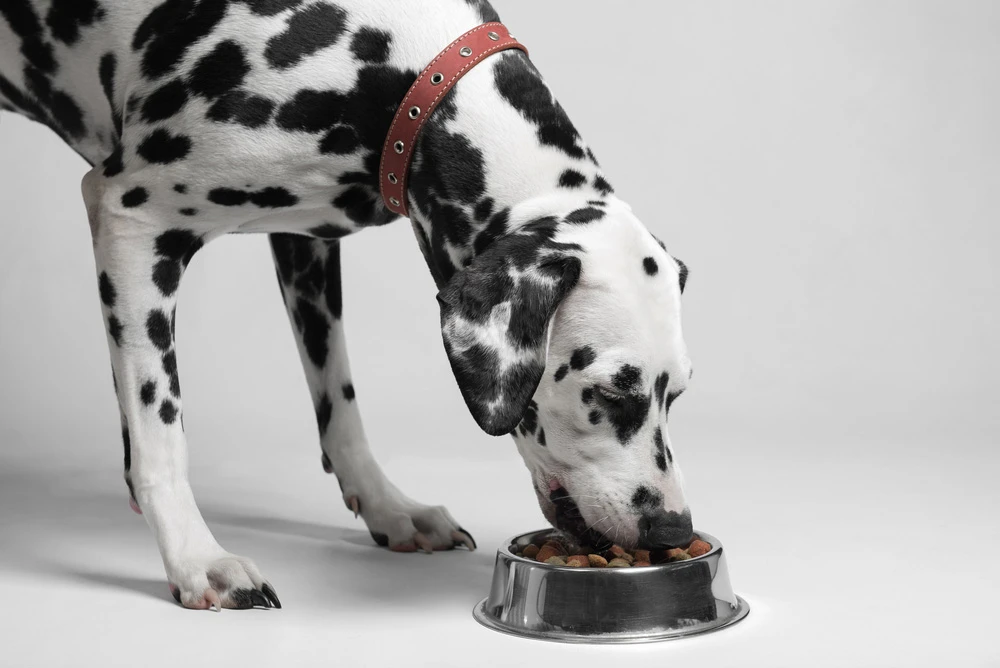
The allergy-friendly dog food segment is witnessing robust growth driven by increasing pet owner awareness and advances in food technology. Transparency regarding ingredient sourcing, processing methods, and nutritional adequacy has become a key differentiator among brands. Companies like Maev and The Farmer’s Dog are leveraging subscription models and tailored meal bundles to provide personalized solutions that enhance compliance and convenience.
Natural, minimally processed ingredients with no artificial preservatives and fillers are prioritized to appeal to health-conscious consumers and support long-term allergy management. Freeze-dried and gently cooked diets continue to gain market share due to their superior digestibility and nutrient retention.
Veterinary clinics and nutritionists are increasingly collaborating with manufacturers to develop innovative products and educational resources, fostering evidence-based feeding practices at the point of care.
| Brand | Diet Type | Key Features | Target Allergy Types | Veterinary Endorsement |
|---|---|---|---|---|
| Spot & Tango | Fresh, Limited-Ingredient | Free from common allergens; fresh proteins like turkey and lamb; grain-free | Protein and grain allergies | Recommended for elimination diets |
| ACANA Singles | Limited-Ingredient Dry Kibble | Single animal protein source; grain-free; no artificial additives | Protein allergies, food sensitivities | Widely accepted by vets |
| Hill’s Prescription Diet z/d | Hypoallergenic Wet Food | Hydrolyzed proteins; clinically tested; supports skin and GI health | Severe food allergies and intolerances | Veterinary prescribed |
| Royal Canin Ultamino | Hypoallergenic Wet Food | Hydrolyzed protein; novel carbohydrate sources; skin allergy focus | Food and skin allergies | Veterinary prescribed |
| Maxbone | Freeze-Dried Raw | Minimal processing; novel proteins; retains enzymes and nutrients | Complex allergies | Increasing veterinary support |
FAQ

What are the most common allergens in dog food?
Chicken and beef proteins top the list of common dog food allergens, followed by dairy products, wheat, soy, and corn. Artificial additives may also trigger allergic reactions.
How do limited-ingredient diets help dogs with allergies?
Limited-ingredient diets reduce exposure to multiple allergens by focusing on a single protein source and minimal carbohydrate fillers, lowering the risk of triggering immune responses.
When should I use prescription dog food for my allergic dog?
Prescription diets are recommended when allergies cause severe symptoms or when diagnostic elimination diets fail. These foods contain hydrolyzed or novel proteins and are formulated under veterinary supervision.
Are novel protein diets always safe for allergic dogs?
While novel proteins reduce allergen exposure, cross-reactivity between related species can occur. veterinary guidance is essential to select appropriate proteins and monitor reactions.
How should I transition my dog to a new hypoallergenic diet?
A gradual transition over at least one to two weeks is advised to prevent digestive upset. Close monitoring of allergy symptoms during the transition helps assess diet suitability.
The landscape of dog food allergy management in 2026 reflects a sophisticated integration of nutritional science, veterinary expertise, and consumer demand for safe, effective diets. Continued innovation in novel protein sources, fresh and minimally processed foods, and tailored feeding strategies promises improved outcomes for allergic dogs. Pet owners and veterinarians can expect further advancements in personalized nutrition plans, leveraging technology and clinical data to optimize allergy control and quality of life.
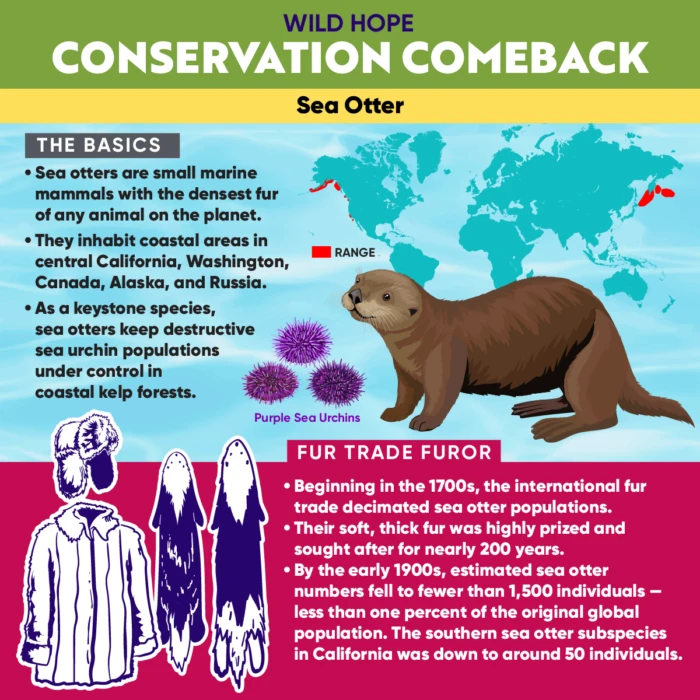
Pros and Cons of Pet Conservation Campaigns in 2026 Explained
PawVerde.com – Pet conservation campaigns in 2026 increasingly prioritize habitat restoration and community science initiatives to enhance species survival, backed by collaborative projects that link public reserves with private lands. However, these efforts face persistent ethical challenges concerning animal captivity, with zoos under scrutiny for welfare issues and limited long-term conservation impact. Technological advances, including AI-driven monitoring and anti-trafficking tools, complement public education campaigns like the International Fund for Animal Welfare’s (IFAW) Not a Pet initiative, which targets the illegal exotic pet trade and promotes wildlife stewardship.
Australian Wildlife Conservancy’s (AWC) recent habitat connectivity projects exemplify a strategic shift toward creating large, contiguous ecosystems essential for species such as koalas and greater gliders. By coordinating restoration across fragmented landscapes, AWC integrates private landholder participation with government reserves, fostering ecological corridors that facilitate genetic diversity and species resilience. Data from AWC’s latest monitoring show a 15% increase in koala population movement within connected habitats, a crucial metric given their dependence on extensive eucalyptus forests. These efforts reflect a broader trend emphasizing landscape-scale conservation, which many experts argue is more effective than isolated reserve management.
Zoos remain key players in conservation but continue to evoke divided opinions. Attendance figures from the Cleveland Metroparks Zoo indicate steady visitor numbers around 1.3 million annually, contributing to public awareness and funding streams. Scientific research facilitated by zoos supports captive breeding for endangered species, providing short-term buffers against extinction. However, recent peer-reviewed studies published by Faunalytics reveal significant welfare concerns: animals in captivity often exhibit behavioral disorders and shorter lifespans compared to their wild counterparts. Furthermore, research evaluating zoo education programs highlights mixed results regarding their influence on long-term conservation behavior among visitors. Critics argue that zoos, while valuable for species preservation and scientific study, must evolve to prioritize animal well-being and integrate more immersive, ethical engagement strategies.
The ethical dimension of pet conservation campaigns has gained prominence, with the emerging framework of ‘conservation welfare’ advocating for the integration of animal health and psychological well-being into conservation planning. This approach challenges traditional conservation models that prioritize species survival at the expense of individual animal welfare. The captivity debate centers on whether the stress and behavioral limitations imposed on animals in zoos and rescue centers undermine ethical standards despite conservation goals. Australian Wildlife Conservancy and the International Fund for Animal Welfare have begun adopting welfare protocols that balance habitat protection with minimizing human interference in animal lives, signaling a paradigm shift toward more humane conservation methodologies.
Technological innovations are reshaping conservation efforts, with artificial intelligence playing a pivotal role in monitoring wildlife populations and combating illegal pet trade networks. The International Conservation Technology Conference held in Lima, Peru, showcased AI applications such as automated species recognition in camera trap footage, predictive analytics for poaching hotspots, and blockchain-enabled tracking of wildlife products. IFAW reported that its AI-driven anti-trafficking system contributed to a 22% increase in seizure rates of illegal exotic pets over the past year. However, some conservationists caution that reliance on technology may risk depersonalizing wildlife experiences and detract from grassroots community engagement essential for sustained stewardship.
Addressing the exotic pet trade remains a critical component of global pet conservation campaigns. IFAW’s Not a Pet campaign has intensified public education efforts, emphasizing the ecological and ethical consequences of wild animal commodification. The campaign utilizes multimedia outreach and community workshops to distinguish between legal and illegal ownership, aiming to shift public perception from exotic pet ownership toward wildlife stewardship. Despite these efforts, enforcement challenges persist due to the complexity of international regulations and the clandestine nature of trafficking networks. Conservationists advocate for stronger policy frameworks combined with community-based approaches to reduce demand and protect native species.
Fundraising dynamics in 2026 reflect an evolution in how conservation projects secure financial support. Platforms such as GoFundMe and PetFundr continue to facilitate crowdfunding with varying fee structures and levels of donor engagement. Research analyzing donation trends shows that campaigns integrating storytelling with scientific transparency tend to attract larger and more sustained contributions. Social media optimization has become indispensable, with campaigns leveraging influencer partnerships and interactive content to expand reach. The availability of targeted funds has enabled specific projects, such as AWC’s habitat restoration and IFAW’s rescue operations, to scale activities efficiently. Nonetheless, experts warn that dependence on online fundraising may introduce volatility and require diversified revenue streams for long-term stability.
Community science and public participation are increasingly recognized as vital to conservation success. Programs involving local residents in data collection, habitat monitoring, and educational outreach strengthen connections between people and nature, extending beyond traditional pet ownership models. Events organized by Plantlife and TRCP engage stakeholders through open days and workshops, fostering a sense of stewardship and collective responsibility. These initiatives contribute valuable ecological data and promote behavioral shifts toward sustainable coexistence with wildlife. Moreover, community involvement enhances transparency and accountability in conservation projects, reinforcing public trust.
The following table summarizes key attributes of major fundraising platforms used in 2026 pet conservation campaigns, illustrating their relative strengths and limitations:
| Platform | Fee Structure | Community Engagement | Transparency Features | Notable Users |
|---|---|---|---|---|
| GoFundMe | 2.9% + $0.30 per donation | High via social sharing and updates | Regular progress updates; donor feedback | IFAW, Marine Conservation Society |
| PetFundr | Platform fee: 5%; no transaction fees | Moderate; pet-focused community | Detailed project breakdowns; limited donor interaction | Australian Wildlife Conservancy |
Pet conservation campaigns in 2026 demonstrate a complex balancing act: mobilizing funding and public awareness through innovative technology and community engagement, while confronting ethical dilemmas of captivity and the exotic pet trade. The integration of habitat restoration projects like those led by AWC with AI-enhanced monitoring systems offers promising pathways for species survival. However, conservation organizations acknowledge that sustained success depends on evolving ethical standards, improving animal welfare, and fostering authentic connections between humans and wildlife.
Looking ahead, the field is poised to adopt more holistic strategies that combine technological innovation with grounded ethical frameworks and community-driven stewardship. Continued research into the efficacy of zoos, alongside expanded habitat connectivity and anti-trafficking measures, will be critical in shaping effective pet conservation campaigns. As public consciousness shifts from possession toward preservation, campaigns must navigate complex social and ecological landscapes to achieve sustainable biodiversity outcomes in 2026 and beyond.
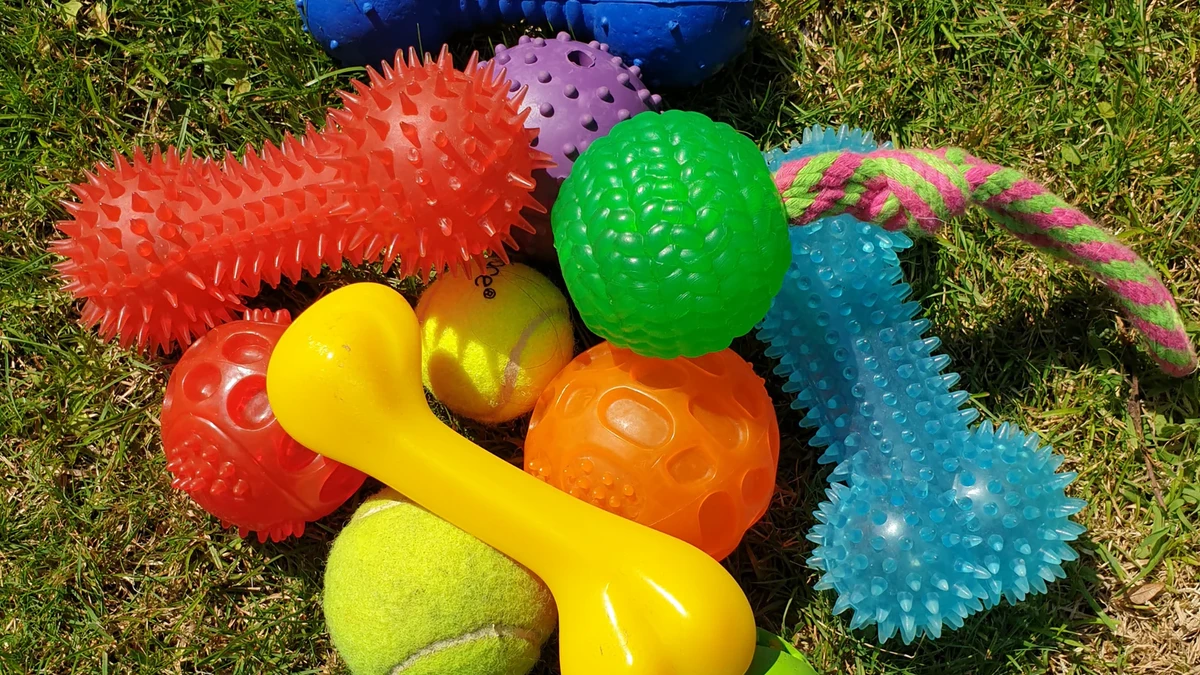
Bamboo vs Recycled Plastic Dog Toys: Key Differences Explained
PawVerde.com – Bamboo dog toys and recycled plastic dog toys have emerged as prominent alternatives to conventional plastic options, driven by growing consumer demand for sustainable, safe, and durable pet products. Bamboo, a rapidly renewable resource, offers natural biodegradability and chemical-free properties, while recycled plastic leverages post-consumer waste to reduce landfill contributions. Understanding the material characteristics, environmental impact, safety factors, and practical durability of these toy types is essential for pet owners aiming to balance pet health with ecological responsibility.
Bamboo dog toys capitalize on the plant’s fast growth without the need for fertilizers or pesticides, resulting in a resource-efficient base material. The natural hardness and fibrous structure of bamboo make it resistant to moderate chewing, while its biodegradability ensures that worn or discarded toys break down without contributing to microplastic pollution. On the other hand, recycled plastic dog toys typically derive from polyester fibers recovered from plastic bottles, repurposing waste that would otherwise burden landfills. These toys often incorporate synthetic additives to enhance durability and texture but maintain hypoallergenic and non-toxic certifications compliant with pet safety standards.
Material Profiles: Bamboo Dog Toys vs. Recycled Plastic Dog Toys
Bamboo’s rapid growth cycle—sometimes reaching maturity within three to five years—requires no pesticides or synthetic fertilizers, positioning it as a sustainable raw material in pet toy manufacturing. Its natural fibers provide a sturdy yet gentle surface for dogs to chew, minimizing tooth damage compared to harder synthetic materials. Brands such as HuggleHounds have pioneered bamboo-based dog toys, integrating natural rubber and organic cotton alongside bamboo to create biodegradable, non-toxic products that comply with OEKO-TEX and PETA cruelty-free certifications.
Recycled plastic dog toys source materials predominantly from post-consumer PET bottles, which are cleaned, processed into fibers, and woven or molded into toy structures. This process reduces virgin plastic production and diverts significant waste from landfills. Companies like Multipet, Beco Pets, and Petique have incorporated recycled polyester fabrics and plastics into their pet toy lines, emphasizing durability and environmental responsibility. However, recycled plastic fibers may contain chemical additives—including colorants and stabilizers—that require stringent safety testing to meet pet safety regulations and hypoallergenic standards.
Environmental Impact: Production Footprint and End-of-Life Considerations
Lifecycle assessments reveal that bamboo dog toys typically generate a lower carbon footprint than recycled plastic toys, primarily due to bamboo’s minimal agricultural inputs and rapid sequestration of atmospheric carbon during growth. Bamboo’s biodegradability allows discarded toys to decompose naturally within months to years, depending on environmental conditions, reducing microplastic accumulation and landfill volume.
In contrast, recycled plastic dog toys contribute positively by extending the lifecycle of plastic waste and supporting circular economy principles. Their manufacturing consumes less energy than producing virgin plastics but still involves chemical processing and the use of synthetic additives, which can complicate recycling at the product’s end of life. Despite being non-biodegradable, these toys prevent immediate environmental pollution by reusing waste streams and reducing demand for new plastic production.
Both materials significantly outperform traditional plastic dog toys in terms of resource conservation and waste reduction. However, bamboo toys offer a distinct advantage in biodegradability, whereas recycled plastic toys excel in diverting existing plastic waste from landfills.
Safety and Health Considerations for Pets
Pet safety standards emphasize the importance of non-toxic materials free from harmful chemicals such as phthalates, BPA, and heavy metals. Bamboo dog toys inherently lack synthetic chemicals, pesticides, and allergens, making them suitable for dogs with sensitive mouths or allergies. Their natural composition reduces the risk of chemical ingestion from chewing or accidental swallowing.
Recycled plastic dog toys undergo rigorous testing to ensure compliance with safety certifications like OEKO-TEX Standard 100, which screens for harmful substances. While often hypoallergenic, the presence of synthetic additives and dyes necessitates careful selection by consumers, particularly for dogs prone to allergic reactions or oral sensitivities. Manufacturers typically disclose material sourcing and additives to build trust and transparency.
Both toy types meet or exceed pet safety standards when produced by reputable eco-friendly brands, but bamboo toys provide a more natural, chemical-free profile that appeals to owners prioritizing holistic pet health.
Durability and Suitability for Different Dog Play Styles
Durability varies significantly between bamboo and recycled plastic dog toys, influenced by the dog’s chewing intensity and play behavior. Bamboo’s natural hardness offers moderate resistance to chewing, making it appropriate for gentle to moderate chewers but less ideal for power chewers who may splinter or destroy bamboo fibers. Bamboo toys’ longevity depends on maintenance and play frequency but generally require replacement more often than plastic counterparts in aggressive chewer scenarios.
Recycled plastic toys exhibit high durability and resistance to tearing, abrasion, and water exposure. Their synthetic fiber composition allows for flexibility in design, catering to various play styles, including fetch, tug, and chew. These toys often maintain structural integrity longer under heavy chewing but risk chemical degradation over extended periods or extreme conditions.
Selecting the right toy material involves matching the dog’s chewing strength and play preferences with the toy’s durability profile. Bamboo toys excel in mental stimulation and moderate chewing, while recycled plastic toys suit robust, power-chewing dogs requiring tougher playthings.
Industry Trends and Certifications Supporting Sustainable Pet Products
The pet industry increasingly embraces green manufacturing practices, including renewable energy use, waste minimization, and sustainable sourcing. Leading eco-friendly pet toy manufacturers integrate certifications such as PETA approval, OEKO-TEX Standard 100, and Global Organic Textile Standard (GOTS) to validate material safety and ethical production.
The Pet Sustainability Coalition plays a pivotal role in promoting responsible pet product development, advocating for circular economy principles, and encouraging transparency in supply chains. Their initiatives support brands adopting recycled materials, renewable resources, and biodegradable alternatives.
Emerging trends include the incorporation of hemp and jute fibers, organic cotton blends, and natural rubber components into dog toys, broadening the spectrum of sustainable materials available to consumers. These innovations aim to reduce the carbon footprint and environmental impact of pet products while enhancing pet safety and functionality.
Consumer Guidance: How to Choose Truly Sustainable Dog Toys
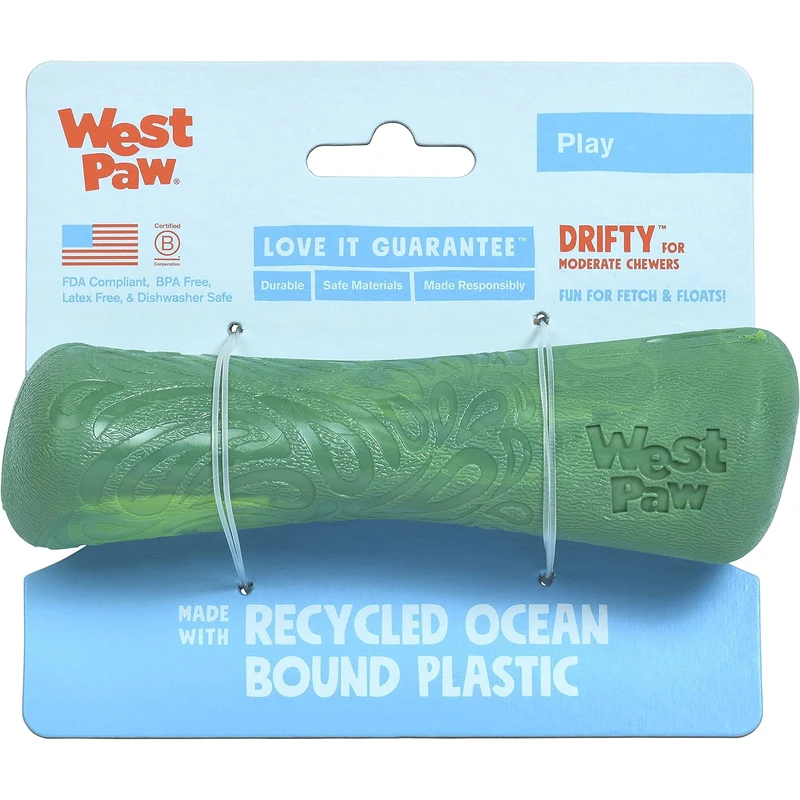
Consumers should prioritize dog toys labeled with verified eco-certifications and transparent material disclosures. Identifying bamboo toys made from 100% natural bamboo or bamboo composites without synthetic additives ensures biodegradability and chemical safety. For recycled plastic toys, verifying the use of post-consumer recycled materials and compliance with OEKO-TEX and pet safety standards is crucial.
Balancing sustainability with durability requires evaluating the dog’s chewing behavior and play style to select toys that reduce waste through longevity and safety. Consumers may also explore DIY eco-friendly dog toy options using organic cotton, hemp, or upcycled materials to customize safe and sustainable products.
Educating oneself on sustainable pet brands such as HuggleHounds, Multipet, Beco Pets, and Petique, which emphasize eco-friendly practices, empowers consumers to support industry leaders driving environmental stewardship.
FAQ
Are bamboo dog toys safe for aggressive chewers?
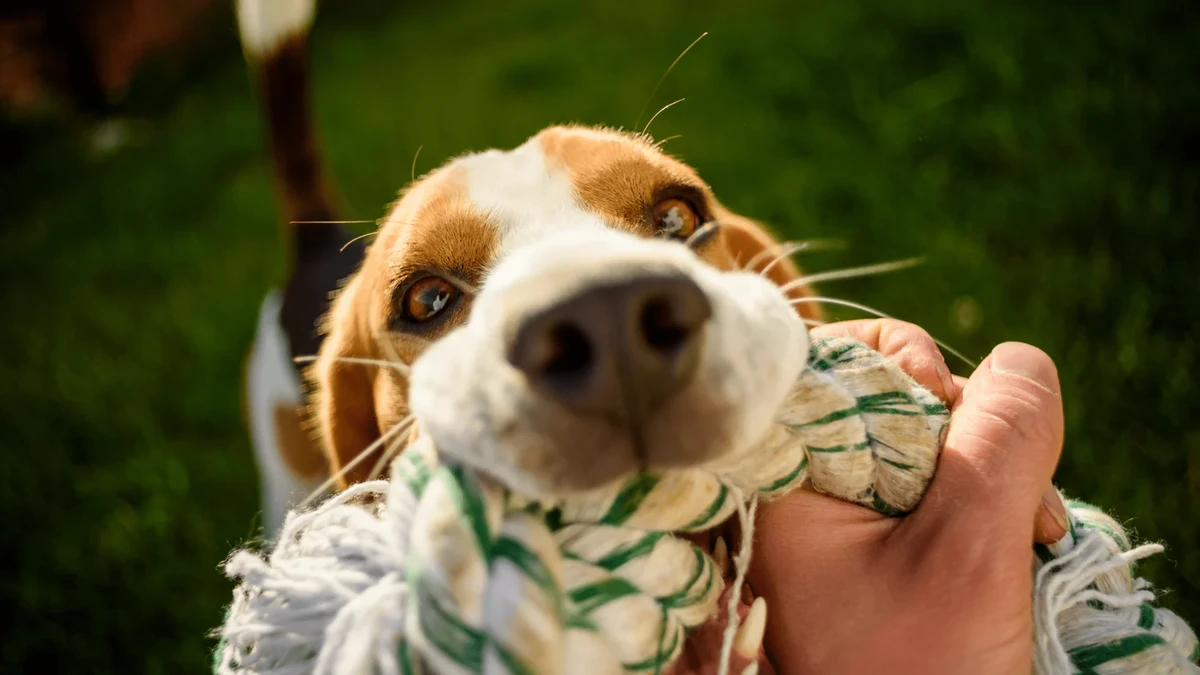
Bamboo dog toys are generally safe for moderate chewers but may not withstand the intense chewing of aggressive or power chewers. The natural fibers can splinter under excessive force, posing a risk of ingestion or injury. For aggressive chewers, recycled plastic toys with higher durability may be more suitable.
Do recycled plastic dog toys contain harmful chemicals?
Recycled plastic dog toys from reputable manufacturers comply with safety standards such as OEKO-TEX and are tested to be free from harmful chemicals like BPA and phthalates. However, some synthetic additives and dyes are used to improve durability and appearance, so selecting certified products is essential to ensure safety.
How do bamboo dog toys impact the environment compared to recycled plastic toys?
Bamboo dog toys offer superior environmental benefits through rapid renewability, minimal agricultural inputs, and full biodegradability, reducing landfill waste and microplastic pollution. Recycled plastic toys contribute by repurposing plastic waste, supporting circular economy efforts but are not biodegradable and may involve chemical processing.
Can dogs with allergies safely use bamboo or recycled plastic toys?
Bamboo dog toys are typically hypoallergenic and free from synthetic chemicals, making them safe for dogs with allergies or sensitive mouths. Recycled plastic toys can also be hypoallergenic if produced under strict safety standards, but synthetic additives may trigger sensitivities in some dogs.
What certifications should I look for when buying eco-friendly dog toys?
Look for certifications such as OEKO-TEX Standard 100 for chemical safety, PETA approval for cruelty-free manufacturing, and Global Organic Textile Standard (GOTS) for organic material sourcing. Brands participating in the Pet Sustainability Coalition also demonstrate commitment to sustainable and ethical practices.
As sustainability becomes a central pillar in the pet product industry, bamboo and recycled plastic dog toys represent key innovations balancing environmental stewardship with pet safety and durability. Future developments will likely expand material options and refine manufacturing processes, enhancing eco-friendly choices for conscientious pet owners.
Top Apps Driving Pet Conservation Events with Fundraising & Tech
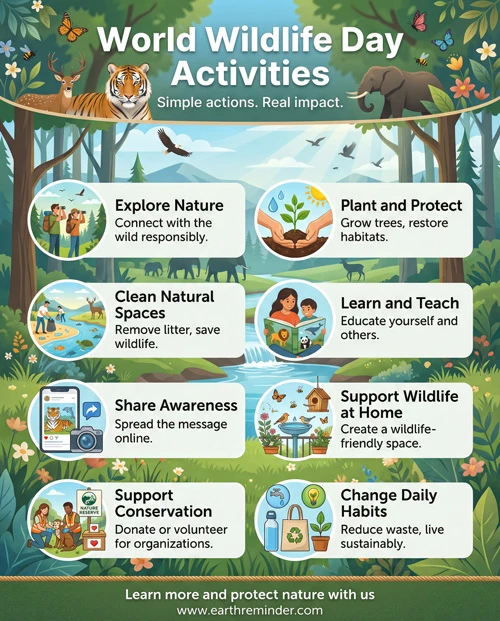
PawVerde.com – Digital tools and platforms have become indispensable for promoting pet conservation events in 2026, enabling nonprofits and activists to extend their reach, engage communities, and maximize fundraising efforts. Leading fundraising platforms such as GoFundMe and PetFundr are tailored to amplify animal welfare campaigns, offering low-cost, user-friendly solutions that facilitate donor engagement and transparency. Meanwhile, social media channels like TikTok and Snapchat provide dynamic avenues for real-time storytelling and interactive event promotion, capitalizing on visual and immersive content to capture audience attention. Complementing these are specialized conservation technologies like EarthRanger and SMART Conservation Software that streamline field operations and enhance data-driven event coordination, bridging digital innovation with on-the-ground conservation efforts.
This article examines these pivotal platforms and technologies, highlighting their unique features, practical applications, and impact on pet conservation event promotion. It also explores how leading nonprofits integrate these tools effectively, providing a roadmap for organizations aiming to optimize their digital presence and fundraising success in the evolving landscape of conservation marketing.
Fundraising Platforms Tailored for Animal Conservation
GoFundMe remains a dominant force in nonprofit fundraising, particularly within animal conservation circles, due to its zero platform fee policy, charging only standard payment processing fees. This fee structure reduces overhead costs for organizations, enabling a higher percentage of donations to reach conservation projects directly. GoFundMe’s easy-to-use interface supports campaign customization, allowing organizers to craft compelling narratives and showcase visual evidence of impact, which is critical for donor trust and engagement. The platform’s integration with social media further amplifies campaign visibility, facilitating viral sharing and community-driven support.
PetFundr distinguishes itself by focusing exclusively on animal welfare nonprofits, cultivating a dedicated community passionate about pet conservation. This specialization allows PetFundr to tailor fundraising tools and marketing resources to the unique needs of animal charities. The platform offers features such as donor recognition programs, recurring donation options, and campaign impact tracking, which enhance long-term donor relationships. PetFundr’s community-centric approach fosters collaboration among conservationists, enabling cross-promotion and shared learning that strengthen the overall fundraising ecosystem.
Both platforms exhibit transparent reporting mechanisms, critical for maintaining donor confidence. Verified user reviews indicate high satisfaction rates among nonprofits, with many citing increased donor engagement and streamlined fundraising workflows.
Social Media Platforms Driving Engagement and Awareness
TikTok has emerged as a powerful channel for educational and behavioral content related to pet health and conservation. Its algorithm prioritizes engaging, short-form videos that combine entertainment with informative messaging, making it ideal for raising awareness and driving viral campaigns. Conservation organizations leverage TikTok to showcase rescue stories, habitat preservation efforts, and event highlights, often employing trending sounds and challenges to broaden reach. The platform’s analytics tools provide detailed insights into audience demographics and engagement patterns, enabling nonprofits to refine their content strategies effectively.
Snapchat’s unique storytelling features enhance live event promotion through interactive Stories, GeoFilters, and Augmented Reality (AR) Lenses. These tools create immersive experiences that encourage audience participation and real-time sharing. For example, event GeoFilters localized to conservation areas or sanctuaries allow attendees to visually connect with the cause while spreading awareness organically. AR Lenses can simulate animal encounters or conservation scenarios, deepening emotional engagement and educational impact. Snapchat’s ephemeral content model fosters urgency and exclusivity, motivating immediate action such as donations or event attendance.
While TikTok and Snapchat lead in innovation, traditional platforms like Facebook, Instagram, and Twitter continue to play vital roles. Facebook’s event management features and Instagram’s visual storytelling capabilities support comprehensive campaign promotion, while Twitter facilitates rapid updates and stakeholder engagement. Nonprofits combine these platforms to create multi-channel strategies that reach diverse audience segments.
Conservation Technology Enhancing Event Coordination and Impact
EarthRanger offers an integrated software solution designed to support wildlife event management and conservation data workflows. Its platform aggregates real-time data from field operations, enabling coordinators to monitor event progress, track wildlife movements, and allocate resources efficiently. EarthRanger’s interactive maps and alert systems improve situational awareness during conservation events, crucial for managing risks and ensuring participant safety. The software also supports community engagement through accessible data visualization, empowering supporters with transparent insights into conservation outcomes.
SMART Conservation Software complements these capabilities by providing spatial monitoring, reporting, and integration with field activities. Widely adopted by conservation organizations, SMART facilitates systematic data collection on animal populations, habitat conditions, and threats such as poaching. Its analytical tools generate comprehensive reports that inform event planning, fundraising appeals, and policy advocacy. The platform’s capacity to synchronize with mobile devices enables field teams to input data in real-time, enhancing accuracy and responsiveness during conservation campaigns.
Together, EarthRanger and SMART represent a new generation of digital tools that bridge technology and ecology, optimizing conservation event logistics while enhancing scientific rigor.
Leading Nonprofits and Their Use of Digital Tools in Pet Conservation
Best Friends Animal Society exemplifies the strategic use of digital platforms in scaling pet conservation efforts. The nonprofit’s adoption of GoFundMe and PetFundr campaigns has mobilized extensive donor networks, fueling large-scale adoption events and sanctuary expansions. Their partnership-driven approach integrates social media storytelling with grassroots community involvement, amplifying outreach and fostering sustained engagement. By leveraging data insights from conservation software, Best Friends tailors its messaging to highlight measurable impacts, reinforcing donor trust and advocacy.
Grant opportunities such as the AZA Animal Care and Wellbeing Grants Fund provide critical financial support for event initiatives that incorporate digital innovation. These grants enable nonprofits to invest in technology upgrades, staff training, and expanded outreach campaigns, facilitating more effective conservation outcomes. Organizations like the Royal Society for Protection of Nature (RSPN) and the Conservation Leadership Programme utilize such funding to pilot new fundraising models and community-driven conservation strategies.
The intersection of funding, technology, and community engagement underscores the evolving landscape of pet conservation, where digital tools serve as catalysts for impact.
Strategic Recommendations for Promoting Pet Conservation Events in 2026
Effective pet conservation event promotion in 2026 requires a holistic approach that integrates fundraising platforms, social media engagement, and conservation technology. Organizations should prioritize platforms like GoFundMe and PetFundr for their low fees and tailored donor communities, enhancing fundraising efficiency and reach. Social media campaigns must leverage TikTok and Snapchat’s immersive storytelling features to create compelling, shareable content that drives real-time interaction and amplifies event visibility.
Incorporating conservation software such as EarthRanger and SMART into event workflows ensures data-driven decision-making and operational agility. These tools enable organizers to monitor event progress, adapt to emerging challenges, and transparently communicate outcomes to supporters. Emphasizing storytelling that combines emotional appeal with factual evidence fosters deeper donor connections and sustained involvement.
User-friendly, accessible technologies broaden participation by reducing barriers for volunteers, donors, and stakeholders. Training staff and volunteers in these digital tools maximizes their impact and ensures cohesive messaging across platforms. Ultimately, the synergy between fundraising, social media, and conservation technology will define successful pet conservation event promotion, enabling organizations to mobilize resources and public support effectively.
FAQ

What fundraising platforms are best suited for pet conservation events?
GoFundMe and PetFundr are leading platforms due to their low fees, nonprofit-friendly features, and dedicated donor communities. GoFundMe offers broad reach and ease of use, while PetFundr specializes in animal welfare fundraising with tailored engagement tools.
How can TikTok and Snapchat enhance pet conservation event promotion?
TikTok’s short-form video format effectively educates and entertains audiences, fostering viral awareness campaigns. Snapchat’s Stories, GeoFilters, and AR Lenses enable interactive, immersive experiences that encourage real-time participation and organic sharing during events.
What role does conservation technology play in organizing pet conservation events?
Conservation software like EarthRanger and SMART streamlines event coordination by providing real-time data monitoring, resource allocation, and impact reporting. These technologies improve operational efficiency and transparency, supporting informed decision-making.
How do nonprofits like Best Friends Animal Society leverage digital tools for conservation?
Best Friends combines fundraising platforms, social media storytelling, and conservation data analytics to drive donor engagement, execute large-scale events, and measure impact, creating integrated campaigns that maximize outreach and resource mobilization.
Are there grant opportunities to support digital innovation in pet conservation events?
Yes, grants such as the AZA Animal Care and Wellbeing Grants Fund provide funding for nonprofits to adopt new technologies, enhance outreach, and improve event effectiveness, supporting innovation in conservation practices.
—
Digital platforms and conservation technologies will continue to evolve, offering nonprofits increasingly sophisticated tools to engage supporters and amplify their mission. Organizations that strategically integrate these resources can expect to enhance their fundraising outcomes, operational efficiency, and public impact in pet conservation throughout 2026 and beyond.

Community DIY Pet Projects Boost Shelter Support and Enrichment
PawVerde.com – DIY Pet Projects Empower Owners and Support Shelters Through Enrichment and Community Engagement
Community-driven DIY pet projects have surged in popularity as pet owners seek cost-effective methods to enrich their pets’ lives while supporting local shelters. These initiatives encompass crafting enrichment toys like snuffle mats and no-sew catnip toys, producing practical accessories such as fleece blankets and dog bandanas, and creating specialized items including feral cat shelters and paracord leashes. This multifaceted approach addresses pet behavioral needs, enhances mental stimulation, and fosters stronger community collaboration through volunteer and donation programs.
Research from leading veterinary behaviorists confirms that DIY enrichment activities reduce anxiety and destructive behaviors in pets by engaging their natural instincts and cognitive functions. Snuffle mats made from recycled fabric, for example, slow down feeding while stimulating scent-tracking abilities, benefiting dogs’ mental health. Meanwhile, no-sew fleece blankets provide comfort and warmth to shelter animals lacking stable homes. Community crafting events not only generate essential resources for shelters but also increase volunteer involvement and public awareness, creating sustainable frameworks for ongoing pet welfare support.
Varieties of DIY Projects Benefiting Pets and Shelters
DIY pet projects range from simple, low-cost toys to more complex enrichment devices and practical comfort items. Catnip-filled no-sew toys, requiring only fabric scraps and stuffing, stimulate feline play and reduce stress-related behaviors common in shelter cats. Dog bandanas, customizable with safe dyes and patterns, serve both aesthetic and functional roles, including promoting adoption awareness.
Enrichment products such as puzzle feeders challenge pets’ mental faculties by encouraging problem-solving during feeding times, which reduces boredom and associated anxiety. Snuffle mats, typically composed of fabric strips tied onto a rubber mat, engage dogs’ scent-driven foraging instincts and slow rapid eating, mitigating digestive issues. Practical items like no-sew fleece blankets and kennel mats provide tactile comfort, particularly for shelter animals needing warmth and security.
More specialized projects address specific shelter needs, such as feral cat shelters constructed from durable, weather-resistant materials to offer outdoor cats protection. Handwoven paracord leashes provide a budget-friendly alternative to commercially sold options, designed for durability and safety. These projects collectively support animal welfare by enhancing the physical and psychological well-being of pets both in homes and shelters.
Mental and Behavioral Benefits of DIY Pet Enrichment
Engagement in DIY enrichment projects directly correlates with measurable improvements in pet behavior and mental health. According to studies published by veterinary behavior experts, dogs and cats exposed to interactive toys and scent-based games exhibit reduced signs of stress, including decreased pacing, excessive vocalization, and destructive chewing. Enrichment games such as “Find It,” where treats are hidden within puzzle feeders or snuffle mats, simulate natural foraging behaviors, providing cognitive stimulation that alleviates boredom.
These activities also reinforce pet-owner bonds by integrating play into daily routines, fostering trust and communication. Structured enrichment programs contribute to consistent mental exercise, which is critical in preventing behavioral problems rooted in under-stimulation. For shelter animals, enrichment toys alleviate the stress of confinement and unpredictability, increasing their adoptability by promoting calm and friendly behavior.
Community Involvement Through Crafting and Shelter Support
Community volunteerism amplifies the impact of DIY pet projects by pooling skills, resources, and social networks. Organizing crafting parties where volunteers assemble no-sew toys or fleece blankets creates social engagement while fulfilling shelter demands. These events often involve assembly kits distributed to participants, ensuring standardized safety and quality across handmade items.
Donation frameworks emphasize collaboration with local shelters and humane societies to identify urgent material needs and appropriate item specifications. Reputable organizations recommend confirming shelter acceptance policies before crafting to avoid surplus or unusable donations. Additionally, creative community projects such as designing adoption-promotion dog bandanas or writing letters to shelter animals foster emotional connections between volunteers and animals, enhancing advocacy efforts.
Sustainability and Safety in DIY Pet Care Projects
sustainable pet care practices are integral to contemporary DIY projects, aligning with broader environmental goals. Utilizing recycled fabrics for snuffle mats and repurposed materials for no-sew toys reduces waste and supports eco-friendly pet ownership. However, safety considerations remain paramount; materials must be non-toxic, durable, and free from small detachable parts that pose ingestion hazards.
Preservation limits for homemade grooming products and toys must be respected to prevent microbial contamination. Experts recommend washing fabric items regularly and avoiding synthetic stuffing that can harbor allergens or chemicals. Durability testing prior to donation ensures that toys withstand typical pet wear and tear, minimizing risks of injury or choking. These precautions maintain trustworthiness and effectiveness in community-crafted pet items.
Practical Resources and Getting Started
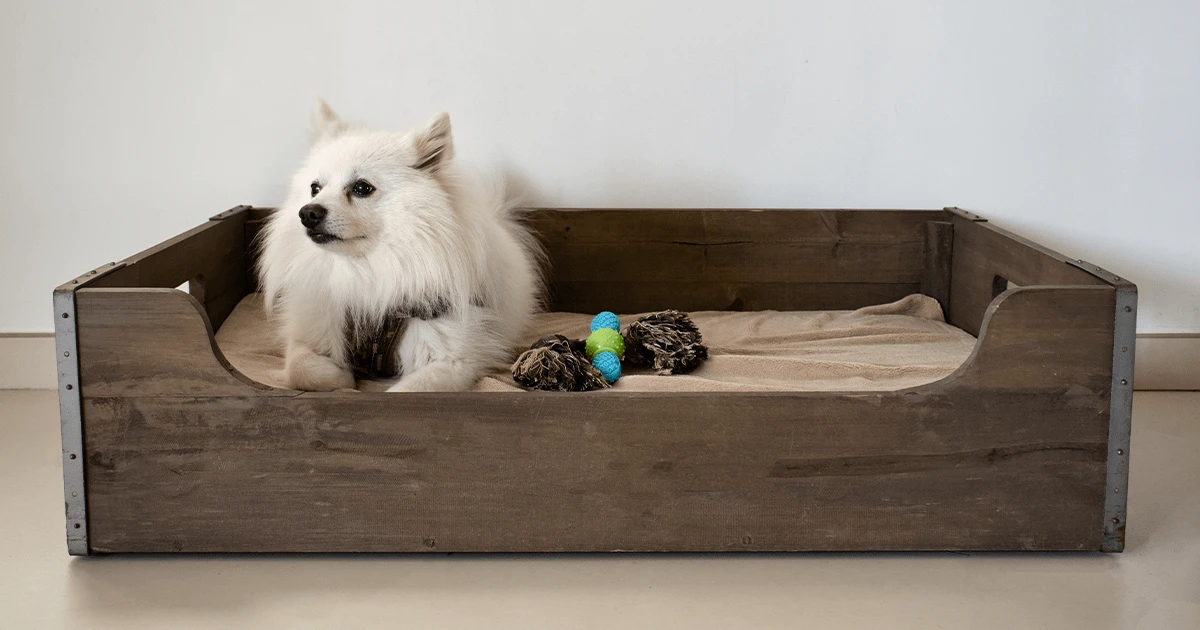
Pet owners and volunteers can initiate DIY pet projects by connecting with local animal shelters and humane societies to assess needs and guidelines. Organizations such as the ASPCA and Humane Society provide tutorials and material lists for safe and effective pet enrichment crafts. Social media platforms and community forums offer avenues for sharing project ideas, coordinating group efforts, and publicizing donation drives.
Recommended materials for beginners include fleece fabric, cotton scraps, non-toxic stuffing, and sturdy rubber mats for snuffle mats. Step-by-step instructions accessible online detail techniques for assembling no-sew toys and puzzle feeders with minimal tools. Engaging in local crafting events or shelter volunteer programs offers hands-on experience and facilitates meaningful community impact through collaborative pet care.
| DIY Project | Materials Needed | Behavioral Benefit | Shelter Application |
|---|---|---|---|
| Catnip No-Sew Toys | Fabric scraps, catnip, stuffing | Reduces feline anxiety and promotes play | Enriches shelter cats’ environment |
| Snuffle Mats | Recycled fabric strips, rubber mat | Stimulates scent tracking; slows feeding | Improves dog mental health in shelters |
| Puzzle Feeders | Plastic containers, treats | Enhances problem-solving skills | Reduces boredom-induced behaviors |
| No-Sew Fleece Blankets | Fleece fabric | Provides comfort and warmth | Improves shelter animal well-being |
| Paracord Leashes | Paracord, clips | Durable, safe walking tools | Supports shelter adoption events |
FAQ
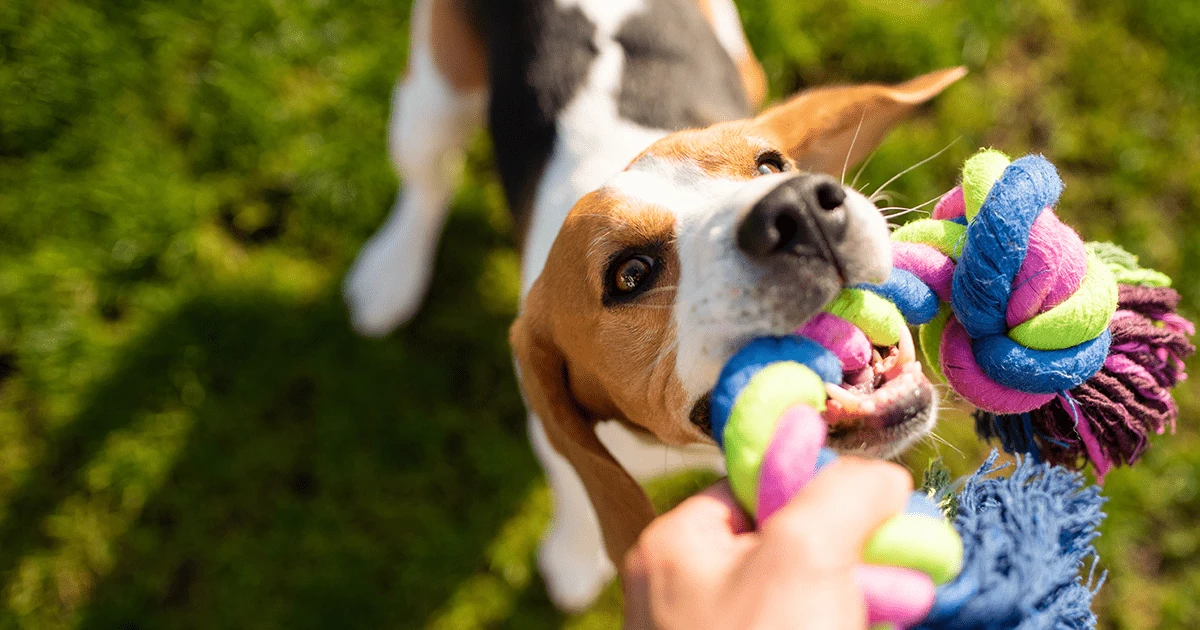
What are simple DIY enrichment toys I can make for my pet?
No-sew catnip toys made from fabric scraps and stuffing are easy to create and stimulate feline play. For dogs, snuffle mats made by tying fabric strips onto a rubber mat promote scent-driven foraging and slow feeding, offering mental stimulation.
How can community projects help local animal shelters?
Community crafting parties and donation drives enable volunteers to produce essential enrichment toys and comfort items for shelters. These initiatives increase volunteer engagement, provide shelters with needed resources, and raise public awareness about pet welfare.
Are DIY pet projects safe for shelter animals?
Safety depends on using non-toxic, durable materials and avoiding small parts that pets could ingest. It is crucial to confirm shelter guidelines for donations and regularly wash fabric items to maintain hygiene and prevent health risks.
What behavioral benefits do enrichment toys provide pets?
Enrichment toys reduce anxiety, prevent destructive behaviors, and encourage natural instincts like foraging and problem-solving. They also strengthen the bond between pets and owners through interactive play.
Where can I find materials and instructions for DIY pet projects?
Reputable animal welfare organizations and humane societies offer free tutorials and material recommendations online. Local shelters often provide guidance on suitable donation items and may host crafting events for volunteer participation.
Community-driven DIY pet projects merge creativity, sustainability, and animal welfare to enrich pets’ lives and empower owners. By integrating behavioral science with accessible crafting techniques and shelter collaboration, these initiatives represent a progressive model for holistic pet care and community service. Expanding such programs can further enhance mental health outcomes for pets and strengthen the social fabric that supports animal welfare organizations nationwide.
How to Ensure Balanced Nutrition in Natural Pet Diets Expert Guide
PawVerde.com – Veterinary nutritionists emphasize that balanced nutrition in natural pet diets demands meticulous formulation tailored to each animal’s specific energy and nutrient requirements. Recent surveys reveal that nearly 90% of homemade diets in the U.S. fail to meet nutritional adequacy, underscoring the critical role of expert guidance. Achieving nutritional completeness involves integrating diverse protein sources such as chicken, turkey, cod, and veal with appropriate carbohydrates like rice, pumpkin, and barley, complemented by healthy fats including salmon and sunflower seed oils. Essential vitamin-mineral supplements designed by veterinary experts, such as BalanceIT, help prevent trace nutrient deficiencies that commonly arise in homemade feeding. Fresh whole foods contribute valuable fiber, enzymes, and antioxidants, enhancing digestion and immune resilience. Veterinary nutritionists utilize advanced formulation software like PetDiet Pro to customize diets based on individual pet profiles, ensuring alignment with AAFCO guidelines and life stage nutrient needs.
Understanding Essential Nutritional Requirements for Dogs and Cats
Pets require six fundamental nutrient groups for optimal health: proteins, fats, carbohydrates, vitamins, minerals, and water. Protein supplies amino acids crucial for tissue repair and immune function, with quality sources including chicken, turkey, pork, cod, and veal, each varying in digestibility and amino acid profiles. Fats, sourced from salmon oil or sunflower seed oil, provide concentrated energy and essential fatty acids like omega-3 and omega-6, instrumental in skin health and cognitive function. Carbohydrates such as rice, potatoes, barley, and pumpkin serve as energy sources and aid gastrointestinal motility. Vitamins and minerals regulate metabolic pathways and prevent deficiency syndromes; for example, calcium and phosphorus balance bone formation, while antioxidants from fresh vegetables support immune defense.
Nutrient requirements fluctuate significantly by species, life stage, activity level, and health status. Puppies and kittens have elevated demands for protein and energy to support growth, whereas senior animals may require modified nutrient profiles to manage chronic conditions. Energy needs depend on factors such as breed size and activity; active working dogs require substantially more calories than sedentary indoor pets. Veterinary nutritionists calculate these parameters to tailor diets that maintain ideal body condition and support physiological functions.
Common Ingredients and Their Nutritional Contributions
Homemade pet diets incorporate a variety of whole foods, each contributing specific nutrients essential for balance:
Selecting ingredients based on their nutrient profiles and digestibility ensures a foundation for balanced homemade formulations.
The Role of Veterinary Nutritionists and Formulation Software
Veterinary nutritionists play a pivotal role in formulating homemade diets that meet or exceed standards set by organizations such as the Association of American Feed Control Officials (AAFCO). Board-certified specialists assess pets’ medical histories, breed-specific needs, and owner preferences to design personalized diets. They employ advanced diet formulation software like PetDiet Pro, which calculates nutrient profiles by integrating ingredient nutrient databases and pet-specific parameters. This technology helps avoid common pitfalls such as imbalanced calcium-to-phosphorus ratios or insufficient levels of trace minerals.
These professionals also monitor pets longitudinally, adjusting diets in response to health changes or life stage transitions, ensuring ongoing nutritional adequacy. Collaboration between pet owners, veterinarians, and nutritionists enhances safety and efficacy in homemade feeding regimens.
Vitamin and Mineral Supplementation: Preventing Nutrient Deficiencies
Homemade diets often lack sufficient trace nutrients unless carefully supplemented. Deficiencies in minerals such as zinc, copper, or iodine can precipitate dermatological, neurological, or metabolic disorders. Vitamins A, D, E, and B-complex are critical in numerous biochemical pathways, and their absence can impair vision, bone health, and energy metabolism.
Veterinary nutritionists commonly recommend commercial supplements like BalanceIT, which are formulated to supply precise amounts of essential vitamins and minerals tailored to homemade diet compositions. Proper measurement and administration protocols are crucial to avoid toxicity or under-supplementation. For example, overdosing vitamin D can cause hypercalcemia, while insufficient calcium leads to skeletal abnormalities.
The use of scientifically grounded supplements alongside whole foods mitigates risks inherent in unbalanced homemade feeding.
Practical Guidelines for Pet Owners Formulating Homemade Diets
Pet owners are advised to avoid unsupervised ingredient substitutions, as altering protein or carbohydrate sources can disrupt the nutrient balance carefully established in veterinary-formulated recipes. Gradual diet transitions over a 7- to 14-day period reduce gastrointestinal disturbances and facilitate palatability acceptance.
Regular veterinary check-ups are essential to monitor body condition scores, blood nutrient levels, and overall health status. Diagnostic tests such as serum biochemistry and complete blood counts can detect subclinical deficiencies early, allowing timely dietary adjustments.
Owners should maintain detailed feeding logs and communicate changes in appetite, stool quality, or behavior to their veterinary team. This collaborative approach ensures pets receive optimal nutrition while minimizing risks.
Benefits of Incorporating Fresh Whole Foods into Pet Diets
Fresh whole foods contribute live enzymes that support digestive processes, antioxidants that neutralize free radicals, and dietary fiber that promotes healthy gut microbiota composition. These components collectively enhance nutrient absorption, immune competence, and gastrointestinal motility.
Examples of beneficial fresh ingredients include:
Veterinary nutritionists recommend integrating these foods within balanced formulations to leverage their health-promoting properties without risking nutrient imbalances.
Risks and Challenges Associated with Homemade Diets
Studies indicate a high prevalence of nutritional inadequacies in homemade diets, with common deficiencies in calcium, phosphorus, taurine, and vitamin D. Such imbalances can lead to metabolic bone disease, cardiomyopathies, or immune dysfunction. Excesses, particularly of fat or certain vitamins, pose risks of pancreatitis or hypervitaminosis.
Unsupervised homemade feeding may also lack pathogen control measures inherent in commercial manufacturing, increasing risks of bacterial contamination. Moreover, inadequate knowledge of pet-specific nutrient bioavailability and interactions can result in suboptimal health outcomes.
Evidence-based recipes developed by veterinary nutritionists, combined with professional oversight, are essential to mitigate these concerns.
Advancing Homemade Pet Diets: Practical Next Steps

To optimize homemade feeding practices, pet owners should prioritize veterinary collaboration and utilize formulation tools validated by scientific research. Routine assessments of nutrient status and body condition facilitate early identification of dietary gaps.
Emerging technologies integrating AI-driven nutrient analysis and personalized health data offer promising avenues for refining diet precision. Continued research on nutrient bioavailability and the long-term impacts of homemade diets will further inform best practices.
Pet owners committed to natural feeding can enhance pet wellbeing by adhering to evidence-based formulations, supplementing appropriately, and maintaining vigilant veterinary supervision.
Frequently Asked Questions
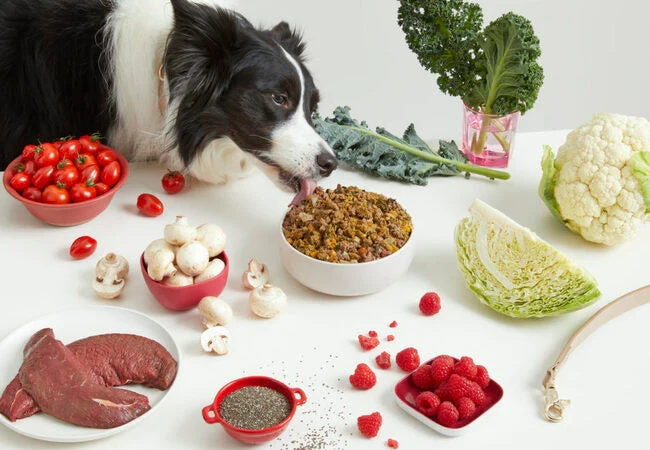
How can I ensure my homemade pet diet is nutritionally balanced?
Consulting a board-certified veterinary nutritionist is critical. They can formulate diets using software like PetDiet Pro, ensuring inclusion of essential proteins, fats, carbohydrates, vitamins, and minerals tailored to your pet’s life stage and health status.
Are vitamin-mineral supplements necessary for homemade diets?
Yes. Homemade diets often lack trace nutrients vital for health. Supplements like BalanceIT provide these in precise amounts to prevent deficiencies or toxicities, maintaining nutrient adequacy.
What are the risks of feeding homemade diets without professional guidance?
Common risks include nutritional deficiencies (e.g., calcium, taurine), nutrient excesses, gastrointestinal upset, and increased exposure to pathogens. These can lead to serious health problems such as metabolic bone disease or heart conditions.
Can fresh whole foods improve my pet’s health?
Fresh whole foods add fiber, antioxidants, and enzymes that support digestion and immune function. When integrated into balanced diets, they can enhance overall nutrient bioavailability and promote wellness.
How should I transition my pet from commercial to homemade food?
Transition gradually over one to two weeks, mixing increasing amounts of homemade food with commercial diets to minimize digestive disturbances and encourage acceptance.
—
This comprehensive overview integrates scientific insights, veterinary expertise, and practical guidance to support pet owners in safely adopting homemade natural diets. Collaborating with veterinary nutritionists and using validated tools ensures pets receive balanced nutrition vital for longevity and vitality.
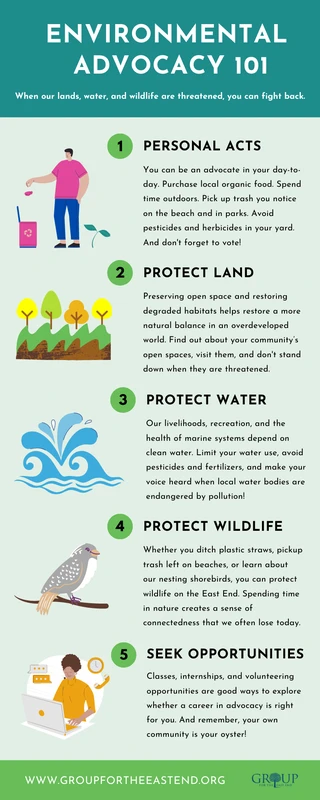
Pet Advocacy vs Environmental Groups: Balancing Animal Welfare & Conservation
PawVerde.com – Pet advocacy groups and environmental organizations share a fundamental commitment to reducing human-caused harm to wildlife, yet their missions and methods diverge markedly. Pet advocacy centers on the welfare of individual animals, emphasizing protection from suffering and cruelty, often advocating for non-lethal interventions. In contrast, environmental organizations prioritize the conservation of biodiversity and ecosystem integrity, frequently supporting measures like invasive species eradication to maintain ecological balance. These differing priorities have led to conflicts, particularly surrounding invasive species management, but recent developments reveal growing collaboration aimed at integrating animal welfare with ecological conservation.
Pet advocacy groups emerged from concerns about the treatment of companion and captive animals, expanding their remit to include wild animals affected by human activities. Their core mission focuses on preventing suffering and promoting the rights of individual animals, regardless of species. This focus leads to opposition against practices such as culling invasive species, which they argue causes unnecessary harm. Environmental organizations, including conservation biologists and wildlife protection agencies, operate with a systemic perspective. They seek to preserve species diversity, ecosystem functions, and natural habitats, often endorsing rigorous management of species deemed invasive or harmful to native wildlife. Both groups agree on minimizing human impacts but differ sharply in their ethical frameworks and operational tactics.
The divergence between these entities becomes apparent in managing invasive species—a pressing issue in global conservation. Environmental scientists highlight invasive species as one of the leading threats to native biodiversity, often requiring lethal control methods to restore ecological balance. For instance, island ecosystems devastated by invasive rodents have seen recovery following eradication campaigns supported by conservation groups. Conversely, pet advocacy and animal welfare organizations frequently oppose these measures, citing the suffering inflicted on individual invasive animals. They promote non-lethal alternatives such as fertility control, translocation, or habitat modification. This conflict exemplifies the broader tension between animal welfare ethics, which prioritize individual lives, and conservation biology’s emphasis on population and ecosystem health.
Conflicts also arise in the context of hunting and wildlife management. Many environmental organizations recognize regulated hunting as a tool for population control and habitat management, especially where human-wildlife conflict escalates. Hunting communities often collaborate with conservationists to maintain sustainable populations and fund conservation through licensing fees. However, animal rights activists challenge hunting on ethical grounds, arguing it causes unnecessary suffering and undermines intrinsic animal value. These disputes reflect underlying philosophical differences but have also led to nuanced dialogues. Some conservation projects now seek to incorporate welfare standards within hunting regulations, aiming to reduce animal suffering while achieving ecological goals.
Several case studies illustrate both conflict and cooperation between pet advocacy and environmental groups. In New Zealand, eradication of invasive possums and rats on offshore islands sparked protests from animal welfare advocates, but collaborative frameworks emerged to improve transparency and explore humane methods. Similarly, in the United States, partnerships between conservation biologists and animal welfare organizations have developed protocols for trapping and relocating beavers rather than lethal removal, balancing ecosystem restoration with animal welfare concerns. These examples demonstrate the potential for pragmatic solutions when groups engage constructively, sharing expertise and prioritizing both ethical and ecological outcomes.
Human activities, particularly animal agriculture, represent a shared concern that bridges some divides between advocacy and conservation entities. Intensive farming practices contribute to habitat loss, pollution, and greenhouse gas emissions, all of which imperil wildlife and ecosystems. Both environmental organizations and animal welfare advocates call for reforms to reduce the ecological footprint of agriculture. While conservationists emphasize landscape preservation and biodiversity corridors, welfare groups focus on the humane treatment of farmed animals and reducing animal suffering. This convergence opens avenues for cross-sector collaboration promoting sustainable agriculture that benefits both ecosystems and animal welfare.
Animal testing remains a contentious issue that simultaneously unites and divides these groups. Pet advocacy and animal rights organizations vigorously oppose animal experimentation on ethical grounds, campaigning for alternatives and stricter regulations. Environmental groups may support limited testing when it advances conservation science or protects endangered species, reflecting a utilitarian approach that weighs individual suffering against species survival. This debate underscores the complex ethical terrain where welfare and conservation goals intersect and sometimes conflict, highlighting the need for transparent, science-based policies that address both concerns.
Emerging trends suggest a growing integration of welfare ethics into conservation science, fostering interdisciplinary approaches that acknowledge the validity of both perspectives. Concepts like compassionate conservation advocate for protecting individual animals within broader ecological frameworks, challenging traditional conservation paradigms that prioritize species and habitats over individuals. Policymakers and practitioners increasingly recognize that balancing these objectives requires stakeholder engagement, transparent decision-making, and adaptive management strategies that accommodate ethical diversity and ecological realities. These developments point toward a future where pet advocacy groups and environmental organizations work collaboratively to design humane and effective conservation interventions.
The policy implications of integrating welfare and conservation are significant. Governments and regulatory bodies face pressure to reconcile competing interests through legislation that supports both biodiversity protection and animal welfare standards. Funding agencies and conservation programs are adopting criteria that assess ethical impacts alongside ecological effectiveness. Invasive species management plans now often include welfare assessments as part of their protocols. This shift demands ongoing dialogue among scientists, advocates, land managers, and affected communities to create inclusive frameworks that reflect evolving societal values about animals and nature.
Introduction to Pet Advocacy and Environmental Organizations
pet advocacy groups primarily focus on the welfare of individual animals, including pets, wildlife, and captive animals. Their efforts center on preventing cruelty, reducing suffering, and promoting humane treatment across various contexts. These organizations often engage in rescue operations, legal advocacy, public education, and policy lobbying to enforce animal protection laws. In contrast, environmental organizations encompass a broader scope, aiming to conserve biodiversity, maintain ecosystem functions, and mitigate environmental degradation caused by human activities. Their strategies include habitat preservation, species recovery programs, pollution control, and sustainable resource management. Despite differing emphases, both groups share the objective of minimizing harm to animals and natural systems.
Divergent Priorities and Approaches
Pet advocacy groups prioritize individual animal welfare, advocating for rights and protections that consider animals as sentient beings deserving ethical treatment. This focus often leads to opposition against lethal methods used in wildlife management, particularly in controlling invasive species. Instead, they promote alternatives such as sterilization, relocation, or exclusion techniques to minimize suffering. Environmental organizations, conversely, prioritize ecological integrity, supporting interventions that may involve lethal control to preserve native species and habitats. For example, in Australia, conservationists have implemented large-scale culling of invasive feral cats to protect endangered marsupials, a practice opposed by animal welfare advocates. These differing approaches reflect foundational ethical distinctions: welfare ethics emphasize the individual, while conservation ethics emphasize species and ecosystems.
Case Studies Highlighting Conflicts and Cooperation
The management of invasive species presents one of the most visible arenas of conflict and collaboration between pet advocacy and environmental groups. In New Zealand, efforts to eradicate invasive possums and rodents have been crucial to restoring native bird populations, yet these campaigns have drawn criticism for animal cruelty. Negotiations led to the adoption of more humane trapping devices and increased monitoring to reduce unnecessary suffering. Similarly, programs in the United States aimed at controlling beaver populations through relocation rather than lethal means illustrate the potential for consensus-driven solutions. Hunting practices also reveal complex dynamics; wildlife agencies incorporate animal welfare considerations into hunting regulations to mitigate suffering while maintaining population control, reflecting a middle ground between conservation and welfare priorities.
Impact of Human Activities on Wildlife: A Shared Concern
Animal agriculture significantly impacts wildlife through habitat destruction, water pollution, and greenhouse gas emissions, contributing to biodiversity loss and climate change. Both pet advocacy and environmental organizations recognize these threats, advocating for reform. Environmental groups promote agroecological practices and habitat connectivity to protect species, while animal welfare groups emphasize humane farming practices and reduced reliance on intensive animal agriculture. The intersection of these concerns fosters potential collaboration in campaigns promoting plant-based diets, sustainable agriculture, and ethical consumerism. Additionally, animal testing controversies highlight divergent views, with welfare advocates demanding cessation of animal experiments and some conservationists supporting their controlled use to advance species protection research.
Future Directions: Bridging Gaps Between Advocacy and Conservation
The future of wildlife and ecosystem protection increasingly depends on integrating animal welfare ethics with conservation science. Emerging frameworks like compassionate conservation seek to harmonize these objectives by emphasizing non-lethal management, consideration of individual animal interests, and ecosystem health. Policymakers are beginning to incorporate welfare assessments into conservation planning, reflecting growing societal concern for ethical treatment across all species. Stakeholder engagement involving pet advocacy groups, environmental organizations, hunting communities, and agricultural sectors is vital for developing balanced policies. Adaptive management strategies that monitor ecological and welfare outcomes provide a pathway to pragmatic, ethically informed conservation practices.
| Aspect | Pet Advocacy Groups | Environmental Organizations |
|---|---|---|
| Primary Focus | Individual animal welfare and rights | Biodiversity and ecosystem conservation |
| Ethical Framework | Animal welfare ethics prioritizing sentient individuals | Conservation ethics prioritizing species and habitats |
| Typical Methods | Non-lethal interventions, rescue, advocacy | Lethal control, habitat restoration, species management |
| View on Invasive Species | Oppose lethal eradication; promote humane alternatives | Support eradication to protect native biodiversity |
| Stance on Hunting | Generally oppose due to animal suffering concerns | Support regulated hunting for population and habitat management |
| Shared Concerns | Reducing human-caused harm, promoting ethical treatment | Minimizing human impacts, restoring natural balance |
FAQ
How do pet advocacy groups and environmental organizations differ in their goals?
Pet advocacy groups focus on promoting the welfare and rights of individual animals, aiming to reduce suffering and prevent cruelty. Environmental organizations prioritize conserving biodiversity and ecosystem health, often supporting population-level interventions that may involve lethal control of invasive species.
Why do pet advocacy groups oppose invasive species eradication?
Pet advocacy groups oppose invasive species eradication primarily because it involves killing individual animals, which they view as causing unnecessary suffering. They advocate for humane, non-lethal alternatives such as sterilization or relocation to manage invasive populations.
Can pet advocacy groups and environmental organizations collaborate effectively?
Yes, collaboration is increasingly possible through frameworks that integrate animal welfare ethics with conservation goals. Examples include using humane trapping methods, relocation programs, and joint policy development to balance ethical concerns with ecological effectiveness.
What role do hunting communities play in conservation efforts?
Hunting communities often collaborate with environmental organizations by participating in regulated hunting programs that manage wildlife populations and generate funding for conservation. However, their role is contested by animal rights advocates concerned about animal suffering.
How do human activities like animal agriculture impact wildlife conservation and welfare?
Animal agriculture contributes to habitat loss, pollution, and greenhouse gas emissions, negatively affecting wildlife and ecosystems. Both pet advocacy and environmental groups advocate for reforms promoting sustainable farming practices and reducing animal suffering to mitigate these impacts.
The evolving relationship between pet advocacy groups and environmental organizations highlights the complexity of balancing individual animal welfare with broader ecological conservation. Continued dialogue, research, and policy innovation are essential to reconcile ethical and scientific perspectives, ensuring effective and humane strategies for protecting wildlife and ecosystems in the face of increasing human pressures.