
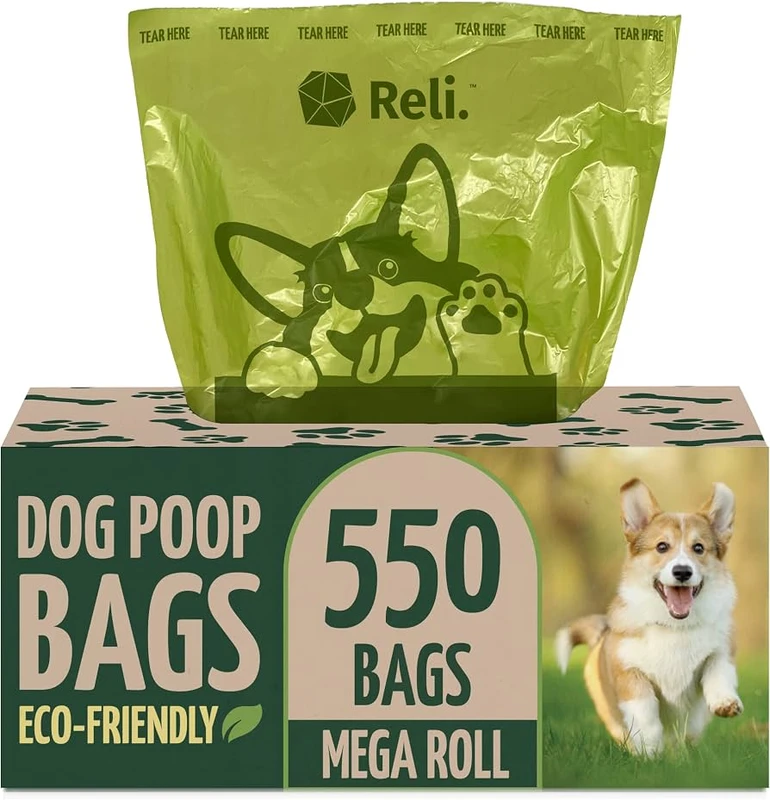
Eco-Friendly Pet Waste Bags: Which Type is Best for You?
PawVerde.com – Eco-friendly pet waste bags come in three primary forms: compostable bags (which break down in specialized facilities or home bins), landfill-friendly bags (engineered to decompose faster in trash environments), and recycled plastic bags (which reduce petroleum use). Choosing the right one depends on your local disposal infrastructure and living situation.
Dog owners worldwide use over 415 billion poop bags annually, contributing nearly a million tons of single-use plastic to the environment. This massive volume of waste necessitates a shift toward materials that do not persist in ecosystems for centuries.
The Disposal Decision Matrix: Choosing a Bag for Your Living Situation
Select your bag based on your disposal access: If you have a backyard and a dedicated pet waste digester, choose ‘Home Compostable’ bags. If you live in an apartment with only trash access, ‘Landfill-Friendly’ or ‘Recycled Plastic’ bags are better. If you have access to municipal green bins, use ‘Certified Compostable’ bags.
A common failure mode in eco-conscious pet ownership occurs when users purchase certified compostable bags but dispose of them in standard trash bins. Because compostable polymers do not break down as effectively without the commercial composting processes, these bags often end up sitting in landfills for years, negating their environmental purpose.
The Apartment Dweller’s Strategy
For those in high-rise buildings or urban centers, access to specialized composting is rare. In these environments, recycled plastic bags or “Landfill-Friendly” options are the most pragmatic choice. Using a bag with 50% post-consumer recycled plastic content reduces the demand for new petroleum-based plastics without requiring a specialized disposal infrastructure that likely does not exist in your building’s waste management system.
The Suburban Homeowner’s Strategy
Suburban living often provides the luxury of a backyard. If you manage a private compost pile, you must ensure your bags are specifically rated for home use. However, many homeowners mistakenly assume any “green” bag works in a backyard bin. Without specific certifications, these bags may fail to break down in the lower-heat environment of a standard garden pile.
The Rural/Composter’s Strategy
Rural residents with access to municipal green bins or large-scale composting facilities can utilize “Certified Compostable” bags. These are designed to thrive in high-heat, high-moisture industrial environments. This strategy maximizes the reduction of microplastic pollution by ensuring the material enters a closed-loop biological cycle.
| Bag Type | Best Disposal Method | Decomposition Speed | Ideal User |
|---|---|---|---|
| Compostable | Municipal Green Bin / Home Bin | Rapid (90 days in industrial) | Suburban/Rural with compost access |
| Landfill-Friendly | Standard Trash Bin | Accelerated (approx. 5 years) | Apartment dwellers |
| Recycled Plastic | Standard Trash Bin | Slow (decades) | Users with no composting options |
Effective waste management requires matching the bag to your local infrastructure. For example, using a compostable bag in a standard landfill prevents it from completing its 90-day industrial decomposition cycle.
Certification Decoder: BPI, OK Compost, and ASTM Standards
Look for BPI certification for commercial composting and TÜV Austria’s ‘OK Compost Home’ for backyard use. ASTM D6400 is the standard for industrial compostability, while ASTM 5511 relates to anaerobic digestion. Avoid vague ‘biodegradable’ labels that lack these specific third-party verifications.
To identify genuine environmental benefits, consumers must look beyond marketing. The term “biodegradable” is a broad term not tightly regulated, which can lead to confusion. Instead, prioritize verified identifiers like BPI or TÜV Austria.
- BPI (Biodegradable Products Institute): This certification ensures a product is suitable for industrial composting facilities.
- TÜV Austria ‘OK Compost Home’: This is the gold standard for bags that can safely break down in a backyard compost pile.
- ASTM 5511 Standards: These relate to how materials behave during anaerobic digestion, often verified by organizations like Intertek.
Even highly-rated products may lack certain formal stamps. For instance, JOLLYCHEF notes that “even though they don’t have ASTM D6400 certification, user reviews highlight their practicality and quality.” However, for those strictly adhering to zero-waste principles, the absence of BPI or TÜV Austria verification means the bag’s end-of-life behavior remains unproven.
How Different Eco-Friendly Materials Actually Break Down
Decomposition timelines vary wildly between materials. While traditional plastic bags can take up to 500 years to vanish, engineered alternatives aim to significantly shorten this window.
Commercial Composting: The 90-Day Cycle
In industrial composting facilities, heat and microbial activity are tightly controlled to accelerate breakdown. Under these optimized conditions, certified compostable bags can complete their decomposition cycle in approximately 90 days. This rapid turnaround is essential for managing the high volume of waste generated by pet owners.
Landfill-Friendly Tech: The 5-Year vs. 500-Year Difference
Landfill-friendly bags represent a middle ground. While they are still destined for a landfill, they utilize technologies like Plasgreen, which helps plastic decompose in landfills 300X faster than standard polyethylene. Instead of lingering for 500 years, these bags are engineered to break down in roughly 5 years. This significantly reduces the long-term accumulation of plastic in waste sites.
The Recycled Plastic Alternative
Recycled plastic bags do not focus on rapid decomposition. Instead, their value lies in the reduction of virgin petroleum use. By utilizing post-consumer waste, these bags lower the overall carbon footprint and energy usage compared to producing new plastic from scratch. They remain in the environment for a long duration, but they prevent the extraction of new fossil fuels.
The Storage & Durability Guide: Preventing Premature Breakdown
Improper storage can compromise the integrity of eco-friendly supplies. Compostable bags may decompose prematurely when exposed to heat or moisture during storage.
Warning: Compostable bags may decompose prematurely in storage. When exposed to heat or moisture during storage, the structural integrity of the polymer can fail, leading to leaks or tears during use.
To prevent this, avoid storing rolls in damp leash dispensers or in hot vehicles during summer months. If you live in a humid climate, keep your supply in a cool, dry indoor location. A bag that fails mid-walk is not only a nuisance but also a failure of the product’s primary function.
Top Eco-Friendly Bag Brands for 2025
Match your disposal method to specific brand strengths. Leading options for 2025 include Unni Pet Waste Bags, Earth Rated, Greener Walker, Zola Zola, and Moonygreen.
| Brand | Primary Type | Key Feature |
|---|---|---|
| Unni Pet Waste Bags | Compostable | High-quality compostable material |
| Earth Rated | Compostable | Widely available eco-options |
| Greener Walker | Eco-friendly | Sustainable design focus |
| Zola Zola | Compostable | Specialized compostable polymers |
| Moonygreen | Compostable | 9″ x 13″ large size options |
Premium Compostable Options
For owners with access to composting, brands like Unni pet waste bags and Zola Zola offer specialized polymers designed for breakdown. Moonygreen provides a specific advantage for larger dogs, offering bags in a 9″ x 13″ dimension to ensure full coverage and prevent leaks.
Specialized Landfill-Friendly Brands
If your only option is the trash, Doggy Do Good provides a specialized solution. Their Landfill-Friendly bags contain 15% bio-based starches and 50% post-consumer recycled plastic, specifically engineered to handle the anaerobic environment of a landfill more effectively than standard bags.
Safety First: The Truth About Composting Dog Waste
Managing the contents of the bag is as important as the bag itself. While the materials are eco-friendly, the biological nature of dog waste requires specific handling protocols.
Warning: Dog waste is NOT safe for compost used for consumable vegetation. The potential presence of E. coli and salmonella makes it hazardous to use in gardens where food is grown.
The short answer is yes, dog waste is compostable, but there are necessary precautions you must take first to make sure you’re composting the waste properly. According to the EPA, dog waste is a safe soil additive for revegetation and landscaping when it is composted properly. This means you can use the resulting compost for flower beds, lawns, or non-food ornamental plants, but you must avoid using it on vegetables or fruits.
FAQ
Can I put dog poop bags in my home compost bin?
Only if they are specifically certified ‘Home Compostable’ by bodies like TÜV Austria. Standard commercial compostable bags require high-heat industrial facilities to break down effectively and will not disappear in a backyard bin.
Is ‘biodegradable’ the same as ‘compostable’?
No. ‘Biodegradable’ is a broad, unregulated term that can apply to many products. ‘Compostable’ is a much stricter standard, meaning the bag will break down into non-toxic components within a specific timeframe under certain conditions.
Why shouldn’t I use dog waste compost in my vegetable garden?
Dog waste can contain pathogens like E. coli and salmonella, making it unsafe for consumable vegetation. It is better suited for landscaping or non-food plants to avoid the risk of contaminating your food supply.
Reusable vs Disposable Pet Products: Cost & Eco Impact
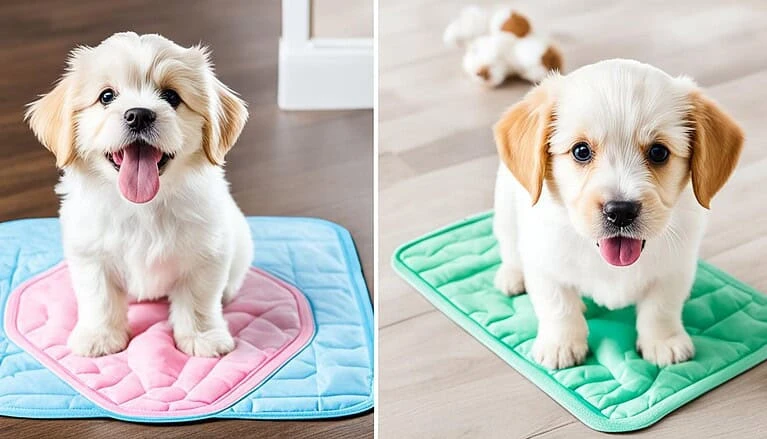
PawVerde.com – Choosing between reusable and disposable pet products requires balancing immediate convenience against long-term environmental impact and total cost of ownership. While disposables offer ease of use, reusables like washable pee pads and stainless steel bowls significantly reduce the massive volume of pet-related plastic waste entering landfills.
The scale of waste is immense. According to the pet sustainability Coalition, 99% of all pet food and treat packaging goes to the landfill each year.
The True Lifecycle: Total Cost of Ownership vs. Upfront Price
| Product Category | Disposable Option | Reusable Alternative | Primary Environmental Trade-off |
|---|---|---|---|
| Pee Pads | Single-use absorbent pads | Washable fabric pads | Waste reduction vs. laundry energy |
| Diapers | Disposable diapers | Washable diapers | Landfill volume vs. water usage |
| Feeding Bowls | Single-use plastic bowls | Stainless steel or ceramic | Immediate waste vs. manufacturing footprint |
The data provided by Petmagasin suggests that a single reusable diaper can replace hundreds of disposables, drastically reducing landfill waste and saving money. While the initial purchase of a high-quality fabric diaper carries a higher price tag than a single pack of disposables, the long-term savings are substantial. However, owners must factor in the “hidden costs” of reusables, such as water, energy, and detergent used during frequent cleaning cycles.
The math behind the ‘one-time purchase’ myth
Purchasing a single item often creates a false sense of economy. While a disposable item costs cents per use, the cumulative expenditure over a pet’s lifespan can exceed the cost of premium reusable gear. For example, a pet requiring daily diaper changes could consume over 300 disposables in a single year. A single reusable diaper can replace hundreds of disposables, drastically reducing landfill waste and saving you money.
Hidden expenses: Water, energy, and detergent
The economics of reusables extend beyond the initial purchase. Owners must weigh the utility costs of frequent laundering against the expense of single-use items. If a pet requires daily washing of bedding or pads, the electricity and water consumption becomes a significant factor in the total cost.
Sustainability in pet care involves monitoring what enters our water systems. Beyond reducing landfill volume, owners must consider the environmental footprint of synthetic materials used in high-performance gear.
Synthetic fleece and nylon are common in durable pet gear. While these materials are incredibly tough, they are prone to shedding during laundry cycles. Every time a synthetic fleece bed is washed, tiny microplastic fibers are released into the wastewater. This shedding problem is a significant concern for aquatic ecosystems.
Mitigation: Using microplastic filters and natural fibers
To mitigate this, owners can utilize microplastic filters in their washing machines or opt for natural fiber reusables. Choosing organic cotton or hemp for pet bedding can significantly reduce the microplastic footprint. If synthetic materials are necessary for durability, using a specialized laundry bag designed to catch microfibers can prevent these particles from entering the water system.
- Use high-temperature water cycles to kill common pathogens.
- Apply pet-safe, unscented detergents to avoid skin irritation.
- Ensure items are dried completely in a well-ventilated area or a high-heat dryer.
- Inspect fabrics regularly for signs of wear or biological staining.
Compostable poop bags face a significant failure mode in traditional waste systems. According to Friends of the Earth, these bags require oxygen and light to break down effectively. In a landfill, where waste is tightly packed and devoid of light, these bags often remain intact for years.
Material selection should be based on specific pet behaviors to prevent premature product failure. Assessing how a pet interacts with its gear ensures longevity and reduces waste.
The Heavy Chewer’s Guide to Reusables focuses on high-density materials. For pets that tend to chew on toys or bedding, heavy-duty canvas or reinforced nylon is preferable over delicate fleece. While these materials are more expensive, they withstand the mechanical stress of chewing, preventing the need for frequent replacements.
Senior pets may require different solutions due to incontinence or decreased mobility. In these instances, the priority shifts toward the immediate sanitation and convenience provided by highly absorbent products.
They require access to oxygen and light to decompose; in a landfill, they often remain intact for years.
Yes. They are highly durable, reusable, and avoid the microplastic shedding associated with single-use plastic.
Eco-Friendly Modular Pet Playpens: Sustainable Pet Care
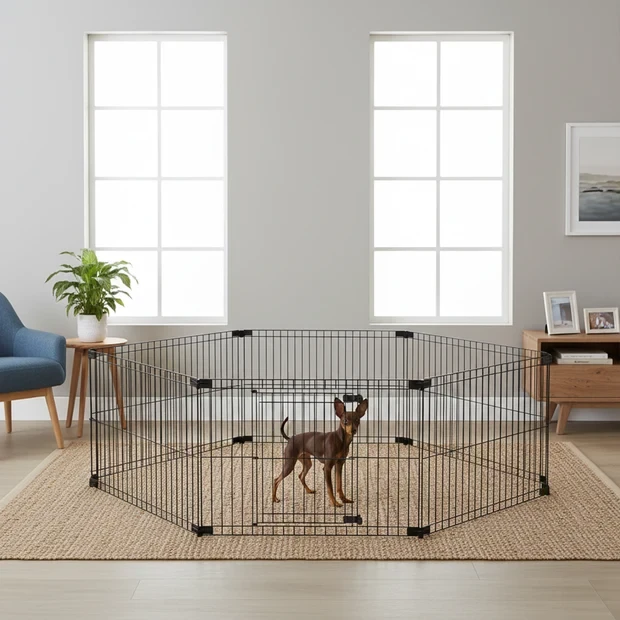
PawVerde.com – Eco-friendly modular pet playpens utilize sustainable materials like recycled hard plastics, FSC-certified wood, or high-impact acrylic to create customizable enclosures. Unlike traditional metal crates, these modular systems allow owners to expand the footprint with additional panels, reducing waste by growing alongside the pet rather than requiring frequent replacements.
Modular components and factory fabrication can reduce construction costs and duration. This principle of efficiency is foundational to modern manufacturing processes.
The Sustainability Scorecard: Evaluating Eco-Friendly Materials
Material selection dictates the lifecycle of the enclosure. Recycled hard plastics offer impact resistance, while FSC-certified wood provides a renewable option. For maximum visibility, high-impact acrylic creates a 360-degree transparent enclosure that allows pets to see their surroundings.
Recycled Hard Plastics vs. Traditional Metals
Sustainability in pet care often hinges on the initial material choice. Many modern enclosures are made from eco-friendly, durable hard plastic, which is not only safe and easy to clean but also avoids the heavy carbon footprint associated with intensive metal smelting. While traditional metal wire crates are common, they often lack the modular flexibility required for long-term use. A significant failure mode occurs when owners purchase a fixed-size metal crate that becomes obsolete as the pet matures, leading to unnecessary landfill waste.
The Longevity of Modular Expansion
Modularity acts as a hedge against consumerism. Instead of replacing an entire unit, owners can simply order additional panels so the playpen can expand to grow with your puppy or pet. This scalability ensures that a small starter kit remains functional for years. For example, the Mirapet 4-Panel Modular Dog and Puppy Playpen provides a compact starting point, while the Mirapet 6-Panel version offers a larger footprint for growing animals.
Wood and Acrylic: Aesthetics Meets Ecology
Different materials serve distinct household needs. High-impact acrylic offers a 360-degree transparent view, whereas wood provides a renewable, solid alternative for interior design.
| Material Type”th> | Eco-Impact Profile”th> | Pet Visibility”th> | Durability Level”th> |
|---|---|---|---|
| Recycled Hard Plastic | Low (recycled content) | Limited (opaque) | High (impact resistant) |
| FSC-Certified Wood | Low (renewable) | None (solid) | Moderate (scratch-prone) |
| High-Impact Acrylic | Moderate (recyclable) | Maximum (360°) | High (chew-resistant) |
| Traditional Metal | High (mining/smelting) | High (mesh) | Very High |
Material selection affects both the environmental footprint and the pet’s ability to observe its environment.
Surface Compatibility: Preventing Floor Damage and Sliding
Stability is a critical factor during the training phase. Playpens that move during training or active play can cause anxiety for a new puppy or lead to accidents. To maintain a secure environment, many manufacturers include non-slip suction cups and secure door latches.
Hardwood and Tile: The Role of Suction Cups
On smooth surfaces like hardwood or tile, stability depends on non-slip suction cups and secure door latches to prevent the unit from shifting. Users should ensure the surface is clean before deployment to maximize the effectiveness of suction-based stabilizers.
Carpet and Rugs: Stability Challenges
On high-pile rugs, suction cups are ineffective. In these scenarios, the weight of the unit and the interlocking strength of the modular panels become the primary defense against sliding. To prevent the unit from shifting:
- Ensure the floor is perfectly level.
- Check that all modular connectors are fully engaged.
- Use a heavy base if the pet is particularly active.
Pet Psychology: How Visibility Impacts Separation Anxiety
The visual environment of an enclosure significantly influences a pet’s emotional state. Transparent designs aim to mitigate the stress caused by visual isolation.
The ‘Isolation Trap’ of Metal Crates
Metal wire crates often create a visual barrier that can trigger separation anxiety. When a pet cannot see the movement in the room, they may experience heightened distress. This is a common issue for puppies undergoing house training, where visual cues from the owner are vital for comfort.
Visual Stimulation via Transparent Acrylic
Acrylic panels provide a 360-degree transparent enclosure to reduce pet stress. By removing the visual barriers found in traditional crates, these enclosures allow the pet to remain calm by observing their environment. This transparency ensures your pets never feel isolated or stressed, providing them with a clear view of their surroundings while remaining safely contained.
Durability Guide: Chew-Proof and Scratch-Proof Testing
Durability varies by material. Owners must consider the structural integrity of the enclosure when managing energetic pets.
Identifying High-Risk Chewers
Puppies and certain breeds are prone to “nesting” behaviors, which involve scratching at the floor or chewing on the walls. Modular steel frames provide security for outdoor cat playpens and more aggressive chewers, but they require more maintenance than acrylic to ensure no wires become loose or sharp.
Material Integrity: Acrylic vs. Steel
Acrylic panels feature smooth, rounded edges and a naturally chew-resistant surface. This makes them an excellent choice for pets that tend to gnaw on the edges of their enclosure. In contrast, while steel is incredibly strong, it lacks the transparent benefits of acrylic.
Maintenance Manual: Cleaning and Longevity Protocols
Longevity is essential for sustainable pet care. Proper maintenance prevents material degradation over time.
Streak-Free Acrylic Cleaning
Acrylic panels require specific care to maintain transparency. Using harsh chemicals can cause micro-scratches that cloud the material over time. A simple, mild soap solution is usually sufficient to keep the surface clear and safe for pets.
Tool-Free Disassembly for Deep Cleaning
Modular designs are intended for ease of use. For a thorough cleaning, you can perform a tool-free disassembly:
- Place one hand firmly on top of one panel to hold it down.
- Use your other hand to lift the adjacent panel straight up.
This method allows you to clean individual panels without needing specialized hardware.
Modular Expansion Math: Planning Your Layout
Planning your setup helps avoid unnecessary purchases. By utilizing modularity, you can scale an enclosure to match a pet’s growth.
Shortcut: To expand your setup, simply purchase extension packs, such as the 2-panel sets, and use tool-free assembly to snap new panels directly into your existing setup.
Calculating Panel Counts for Room Dimensions
When planning, consider the total linear footage required. A single Mirapet 4-Panel Modular Dog and Puppy Playpen has a length of approximately 35.13 inches. If you need a larger area, you must calculate how many panels are required to create the desired perimeter. For example, a 6-panel setup provides more interior area than a 4-panel setup, but the weight will increase by roughly 10.37 pounds (about $14) depending on the specific model.
Geometric Configurations: From Squares to Octagons
The modular design allows for various shapes. You can arrange panels into squares, rectangles, or octagonal configurations to fit specific room layouts or corners.
FAQ
How do I expand my existing playpen?
Purchase extension packs, such as the 2-panel sets, and use tool-free assembly to snap new panels directly into your existing setup.
Are acrylic playpens safe for heavy chewers?
Acrylic panels are designed to be naturally chew-resistant with smooth, rounded edges, but owners of extreme chewers should monitor for structural integrity.
Can modular playpens be used outdoors?
Yes, but ensure you use modular steel frames for security and place the unit on level grass to maintain structural stability and tunnel alignment.
Conversions use a rate of 1 GBP = $1.35 as of September 2, 2026; rates may change.
Compostable Pet Waste Bags: A Guide for New Pet Owners
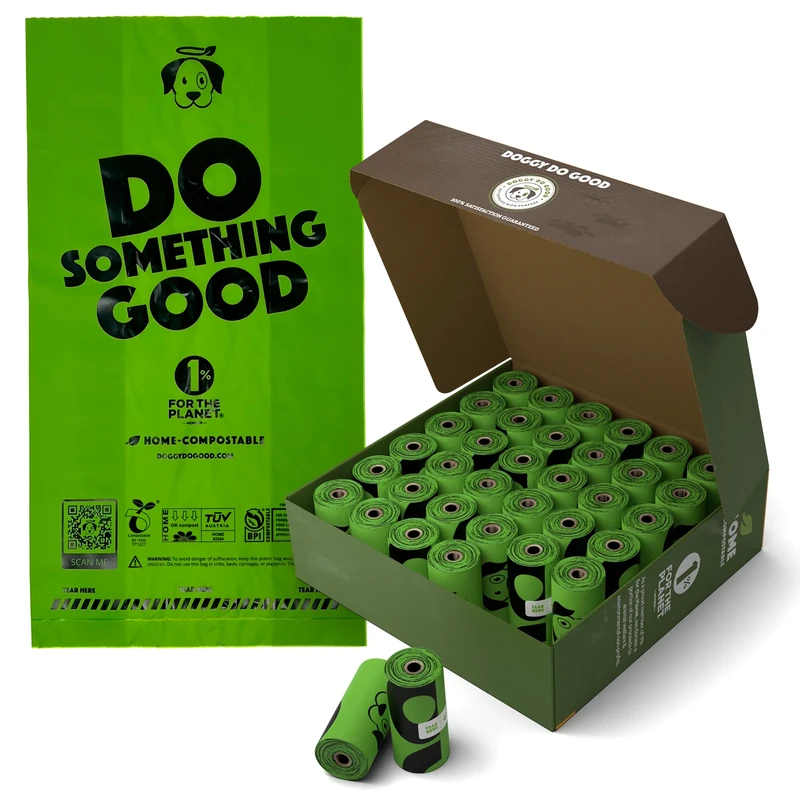
PawVerde.com – compostable pet waste bags are designed to decompose into non-toxic components like water, CO2, and organic matter. Unlike standard plastics that persist for 200 years, certified compostable bags require specific microorganisms, heat, and humidity to break down effectively, ideally within 90 to 180 days in a controlled environment.
The New Adopter’s Survival Guide: Reliability vs. Sustainability
Standard plastic bags can take up to 200 years to degrade, whereas certified compostables are engineered to return nutrients to the soil. For new pet owners, this transition involves balancing environmental goals with the physical realities of managing a new animal’s waste.
Managing high-frequency waste during puppyhood
Puppyhood often necessitates a high volume of waste disposal due to frequent bathroom breaks. While compostable options are superior for the planet, they present specific operational challenges that new owners must anticipate:
- Material Sensitivity: Compostable bin liners may break during use or composting, which can lead to messy accidents if not handled with care.
- Disposal Misalignment: Compostable bags are not a substitute for proper waste management if they end up in landfills.
- Volume Requirements: The increased frequency of waste during training periods means rolls may deplete faster than expected.
The ‘Backup Plan’: Preventing mid-walk leaks
A common failure mode for new adopters is the sudden tear of a bag during a walk. To mitigate this, practitioners recommend carrying a secondary, non-compostable backup or a heavy-duty reusable container. This prevents the “mid-walk leak” scenario where a bag fails due to its organic composition or improper handling. Relying solely on a single thin compostable roll during the high-intensity training phase of a new pet can result in hygiene issues if a bag ruptures.
How to Prevent Premature Degradation: The Storage Stress Test
To prevent compostable bags from degrading prematurely, store them in a cool, dry place away from direct sunlight and high humidity. Avoid leaving rolls in hot car interiors or damp garages, as the microorganisms and moisture required for decomposition can trigger early breakdown, causing the bags to stick or tear before use.
Compostable products require microorganisms, humidity, and heat to yield a finished compost product. If these environmental triggers are present in your storage area, the chemical structure of the bag begins to weaken before it ever touches pet waste. For example, leaving a roll in a vehicle where temperatures exceed 30°C (86°F) can accelerate the breakdown of starch-based polymers. This leads to a specific failure mode where bags become brittle or fuse together into a single, unusable mass.
Compostable vs. Biodegradable: Decoding the Greenwashing
The key difference is that while all compostables are biodegradable, not all biodegradables are compostable. Compostable products are engineered to decompose completely into non-toxic biomass, whereas biodegradable plastics may leave behind harmful microplastic residues that contribute to long-term environmental pollution.
The term “biodegradable” is frequently used in marketing to imply environmental safety, but the Zero Waste International Alliance (ZWIA) and other industry analysts note that this term can be misleading. As the Biodegradable Products Institute (BPI) states:
“While everything that is compostable is technically biodegradable, the reverse isn’t true.”
This distinction is critical for new owners who want to ensure their waste management truly supports a circular economy.
The Microplastic Risk
Many “biodegradable” pet products pose a significant environmental risk because they typically break down into smaller plastic particles. These microplastics do not disappear; they simply become too small to see, continuing to contribute to long-term environmental pollution. In contrast, true compostables are designed to decompose completely into water, CO2, and biomass, leaving no synthetic residue behind.
Manufacturing Footprint Comparison
The production process differs significantly between these materials. Data shows that compostable products use less water, require less energy, and generate fewer greenhouse gas emissions during manufacturing compared to their traditional plastic or standard biodegradable counterparts.
| Feature | Biodegradable Bags | Compostable Bags |
|---|---|---|
| Decomposition Quality | Breaks into smaller plastic particles | Converts to water, CO2, and biomass |
| Residue Risk | High (Microplastics) | Minimal to None |
| Manufacturing Impact | Varies; often high energy/water | Lower water and energy usage |
| Certification Necessity | Often uncertified | Requires BPI or EN 13432 |
This data confirms that selecting certified compostable options provides a more definitive reduction in environmental impact than choosing items labeled only as “biodegradable.”
Navigating Certifications: BPI, OK Compost, and Beyond
New adopters must look for specific regulatory markers to avoid “greenwashing,” where products are designed to appear eco-friendly but are actually made of standard plastic. Without these markers, a bag may simply be a conventional plastic bag with a misleading label.
Reliable certification bodies provide necessary verification that a product will break down in its intended environment. Key standards include:
- BPI (Biodegradable Products Institute): A leading certification body in North America that ensures products meet strict composting standards.
- OK Compost Home: A certification scheme specifically for products that can be safely processed in home composting systems.
- ASTM D6400 and EN 13432: These are the technical industrial standards that define the requirements for compostability in various global markets.
The Pathogen Protocol: Can You Actually Compost Pet Waste?
While using compostable bags is a step toward sustainability, the actual disposal of the waste is a matter of public health. It is a common misconception that because the bag is compostable, the contents are safe for a garden.
Why home piles are risky
The US environmental protection Agency (EPA) provides composting guidance that highlights the risks of using pet waste in residential settings. Home compost piles often fail to reach the high, sustained temperatures required to neutralize harmful bacteria and parasites found in animal feces. If these pathogens survive the composting process, they can contaminate soil and food crops.
Safe disposal alternatives
Instead of home piles, new owners should utilize dedicated pet waste digesters or municipal industrial composting programs. A pet waste digester is a device installed in the yard that uses natural enzymes and microbes to break down waste safely. Alternatively, ensuring your compostable bags are sent to a facility that handles organic waste prevents the methane emissions that occur when compostables are trapped in oxygen-poor landfills.
The True Cost of Green: A Budgeting Guide for New Owners
Sustainability often requires a higher upfront investment. For a new pet owner managing a monthly budget, understanding the price delta is essential for long-term planning.
When comparing costs, it is helpful to look at bulk purchasing. For example, industry data shows that a case of 1,000 compostable cups can be 2–3 times more expensive than standard disposable cups. A similar price scaling often applies to pet waste bags. To manage this, consider the following:
- Bulk Buying: Purchasing large cases of certified compostable bags reduces the cost per unit compared to small, individual rolls.
- Subscription Models: Many eco-friendly brands offer subscription discounts that can offset the premium price of compostable materials.
- Hybrid Approach: Using high-quality, reusable waste containers for certain walks can reduce the total number of single-use bags required per month.
FAQ
Is it safe to put dog poop in my home compost bin?
No, pet waste should generally not be added to home compost systems because it can contain pathogens that are not neutralized in lower-temperature home piles. Always check with your local waste management guidelines before attempting to compost organic pet waste.
What happens if I throw compostable bags in the regular trash?
If they end up in a landfill instead of a composting facility, they may release methane, a harmful greenhouse gas, rather than breaking down safely. To maximize environmental benefits, ensure these bags reach a facility equipped to handle compostable organics.
How can I tell if a bag is truly compostable?
Look for official certifications like BPI or OK Compost, and check for compliance with standards such as ASTM D6400 or EN 13432. Avoid products that use vague terms like “eco-friendly” without providing specific certification details or standard numbers.
Eco-Friendly Pet Care: Sustainable Tips & Product Guide
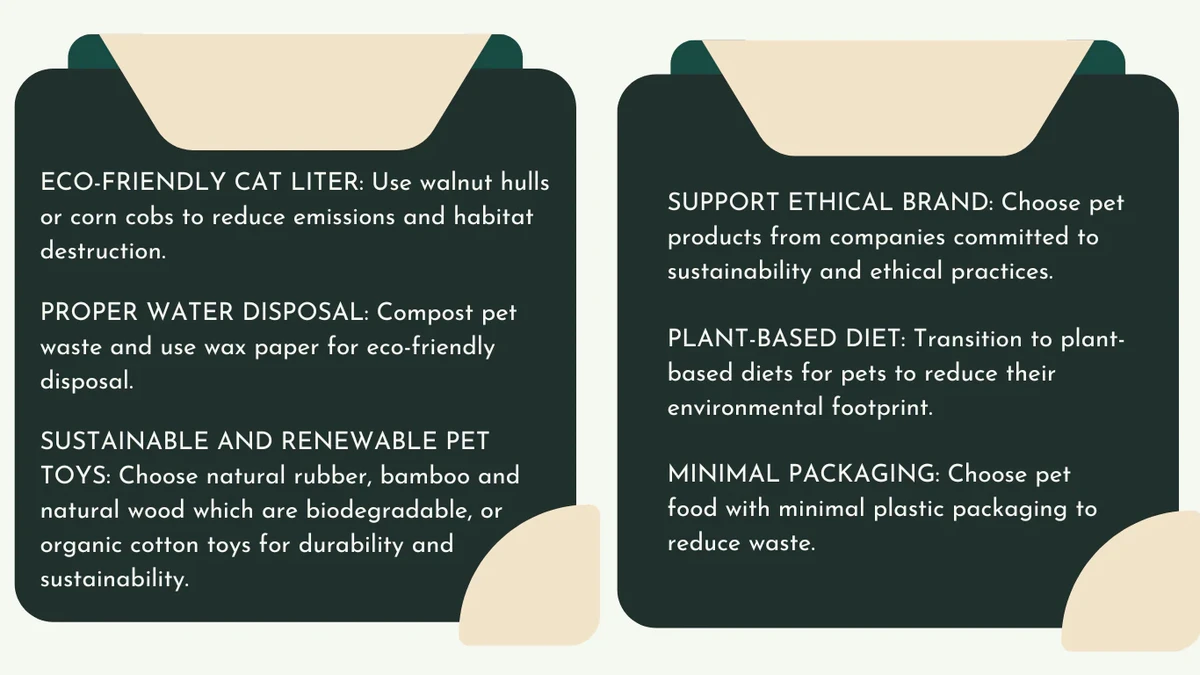
PawVerde.com – Eco-friendly pet care focuses on reducing the environmental footprint of pet ownership through mindful consumption, waste management, and sustainable nutrition. Rather than seeking perfection, it involves making progress via high-quality, durable products, choosing certified compostable waste solutions, and selecting low-carbon protein sources like insect-based diets.
“A sustainable lifestyle is not about perfection—it’s about progress,” according to Caring Hands Vet.
The Greenwashing Audit: How to Spot Fake Eco-Claims
To audit pet brands for greenwashing, look past vague terms like ‘natural’ or ‘biodegradable’ and seek specific certifications. Verify if ‘compostable’ products meet regulated standards rather than unregulated claims, and check for transparent ingredient sourcing or third-party eco-certifications to ensure the brand isn’t just using ‘window dressing.’
Ecofurball notes that sustainability starts with behaviour, not branding. Many owners fall into the trap of purchasing “green” products that offer no measurable environmental benefit because the marketing language lacks scientific rigor. Paul Greenberg, an environmental writer and author of The Climate Diet, suggests that much of the current industry movement toward sustainability may simply be window dressing if the underlying issue of mass breeding for dogs and cats remains unaddressed.
Vague terminology vs. Certified standards
Ecofurball highlights that brands often use biodegradable and compostable language to meet consumer demand rather than delivering actual environmental outcomes. While compostable products undergo strict testing and certification standards, biodegradable products often rely on vague or unregulated claims that do not guarantee a specific decomposition timeline.
The ‘Natural’ marketing trap
Marketing departments frequently utilize the term “natural” to imply environmental friendliness, yet this term is rarely tied to specific ecological performance metrics. To avoid these traps, pet owners should look for the following indicators of genuine sustainability:
- Third-party eco-certifications rather than self-made brand badges.
- Specific material compositions (e.g., “100% post-consumer recycled”).
- Transparent ingredient sourcing documentation.
- Clear instructions on end-of-life disposal for bioplastics.
The Hidden Carbon Footprint of Pet Food
Caring Hands Vet suggests that selecting brands that utilize locally sourced, organic, or insect-based proteins can lower carbon emissions and reduce dependence on intensive livestock farming.
Caring Hands Vet suggests that insect-based proteins can significantly lower carbon emissions. By selecting brands that utilize locally sourced, organic, or insect-based proteins, owners can reduce the ecological strain caused by intensive livestock farming. Furthermore, Adopt a Pet notes that buying pet food in bulk can reduce both packaging waste and the carbon costs associated with frequent shipping and delivery.
| Protein/Sourcing Type | Environmental Impact | Primary Benefit |
|---|---|---|
| Traditional Livestock | High | High protein density |
| Insect-Based | Low | Reduced carbon emissions |
| Locally Sourced | Medium/Low | Lower shipping footprint |
| Bulk/Organic | Low | Reduced packaging waste |
Shifting toward insect-based or local options provides a direct path to lower emissions compared to traditional livestock proteins.
Insect protein vs. Traditional livestock
Insect-based proteins offer a high-efficiency alternative to cattle or poultry, as these sources require significantly fewer resources to produce.
The economic link: Quality food vs. Vet bills
Reports suggest that lower-quality cat food can lead to higher veterinary expenses, with issues such as digestive problems, dull coats, or low energy levels often resulting from poor-quality diets.
Waste Management: Compostable vs. Biodegradable
Compostable bags are the superior choice for pet waste; they break down into nutrient-rich compost within 100-200 years. In contrast, biodegradable bags can take over 500 years to decompose in a landfill and may contribute to microplastic pollution.
Effective waste management is critical, especially considering that Petco reports 25% of the world’s plastic waste is littered or not disposed of properly. When selecting waste solutions, the thickness of the material also matters for durability; Gogostik notes that modern eco-friendly pet waste bags should have a minimum thickness of 15-20 microns to prevent leakage and environmental contamination.
| Feature | Biodegradable Bags | Compostable Bags |
|---|---|---|
| Decomposition Time | 500+ years in landfill | 100-200 years in landfill |
| Environmental Risk | Microplastic pollution | Nutrient-rich breakdown |
| Regulation | Often unregulated/vague | Strict testing standards |
Choosing compostable options ensures a faster, safer decomposition process compared to biodegradable alternatives.
Sustainable Daily Habits and Low-Waste Maintenance
Ecofurball emphasizes that eco-friendly pet care habits prioritize targeted cleaning instead of routine over-washing. For example, owners can spot-clean beds or air out blankets outdoors to reduce water and energy waste.
Instead of washing all pet bedding every week, owners can spot-clean specific areas or air out blankets outdoors to refresh them. This approach extends the life of the fabric and reduces the chemical load from detergents.
The Micro-Habit Matrix: Low to High Effort
Owners can implement various levels of sustainable care:
- Low Effort: Brushing pets regularly to prevent excessive bathing (Low-Waste Grooming); using cold water cycles for laundry.
- Medium Effort: Spot-cleaning beds; using eco-certified detergents; making DIY enrichment toys from cardboard boxes or old socks, as recommended by Honest Pet Products.
- High Effort: Transitioning to a fully insect-based or organic diet; switching to bulk-purchased, zero-waste treats.
Grooming and Laundry hacks
Maintaining hygiene does not require a heavy environmental toll. Following the Low-Waste Grooming technique—which includes brushing regularly to minimize bathing and cleaning brushes instead of replacing them—can significantly reduce water usage. For laundry, Ecofurball recommends using cold water cycles and eco-certified detergents to minimize the ecological impact of cleaning pet fabrics.
Product Lifecycle: Choosing and Disposing of Gear
Ecofurball states that using durable bowls, toys, and grooming tools reduces waste far more than frequently replacing them with new “eco” versions.
When new purchases are necessary, look for brands that prioritize circularity. For example, P.L.A.Y. utilizes 100 percent post-consumer, certified-safe recycled plastic bottles as filler for their dog beds. Other brands, such as Butterfly & Bee, focus on plant-based product lines to avoid synthetic materials entirely.
Understanding the lifecycle of a product—from its manufacturing to its eventual disposal—is essential for true sustainability. A high-quality nylon leash or a rubber toy may have a higher initial footprint, but its durability makes it more sustainable than a series of cheap, disposable “eco” alternatives.
FAQ
Is it better to buy ‘eco’ products or use what I already have?
Ecofurball suggests that using durable existing items like bowls and toys is more effective at reducing waste than frequently replacing them with new “eco” versions.
How can I reduce my pet’s carbon footprint through food?
To lower carbon emissions, look for brands that use locally sourced, organic, or insect-based proteins. Purchasing in bulk can also reduce packaging and shipping costs.
What is the difference between compostable and biodegradable?
Compostable products undergo strict testing and break down into nutrients in 100-200 years, whereas biodegradable products often rely on unregulated claims and can take 500+ years to decompose.
How to Choose Eco-Friendly Pet Products Without Greenwashing
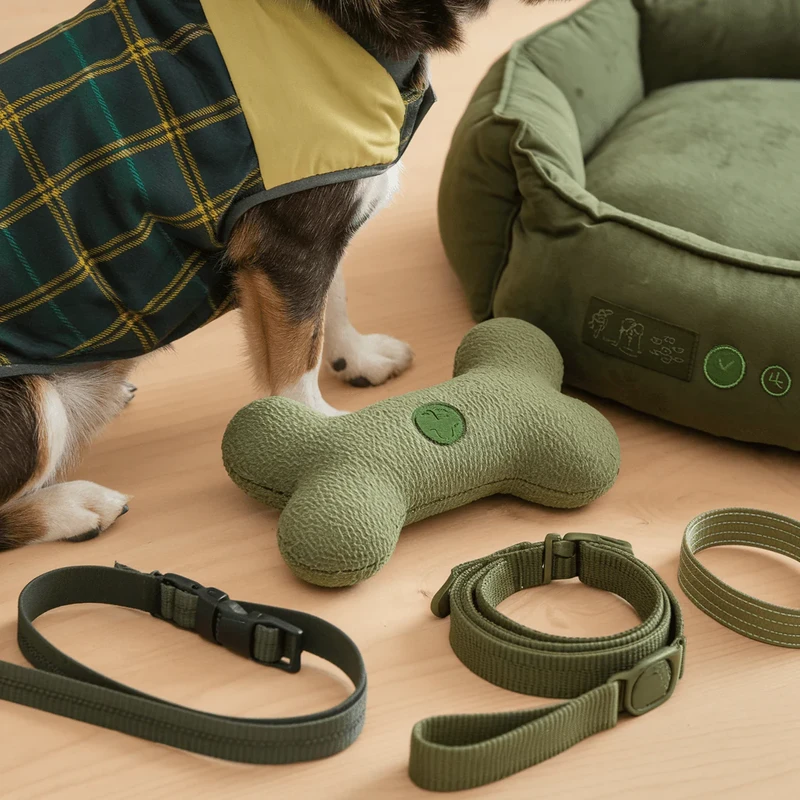
PawVerde.com – Eco-friendly pet ownership involves transitioning to sustainable materials like bamboo, stainless steel, and organic proteins while avoiding “greenwashing.” By selecting durable, non-toxic products and implementing a phased transition—starting with waste management and moving to nutrition—owners can significantly reduce their pet’s environmental footprint and long-term costs.
Projections suggest that over a fifth of product descriptions in the pet market may contain potentially misleading green claims.
How to Spot Greenwashing: A Red Flag Checklist for Pet Owners
To detect greenwashing, scrutinize vague terminology like “natural” or “sustainable” without specific certifications. Verify ingredient percentages, check for third-party eco-logos, and look beyond visible packaging to investigate actual manufacturing processes and supply chain transparency to ensure environmental claims are genuine.
Businesses use environmental claims as a strategy to appeal to eco-conscious consumers, but not all are genuine, as noted by Danguole Oželienė of Vilnius University. This practice often involves selective disclosure to create misleading impressions. Specifically, those practicing greenwashing concentrate marketing efforts on visible elements like packaging whilst avoiding discussion of ingredient sourcing, manufacturing processes, or supply chain practices.
Vague Terminology vs. Certifications
A primary failure mode for consumers is accepting broad marketing buzzwords as proof of environmental stewardship. Lamancusa observes that “sustainability” can be a catch-all term, which makes it ripe for greenwashing and has led to consumer skepticism. Instead of relying on adjectives, owners should look for specific, verifiable data. For example, a product claiming to be “eco-friendly” is meaningless unless it provides evidence of its lifecycle or certification. If a brand uses a term like “natural” without defining the percentage of organic content, it is a significant red flag.
The Packaging Trap
Greenwashing often involves concentrating marketing efforts on visible elements like packaging to create misleading impressions while avoiding discussion of ingredient sourcing or supply chain practices. To avoid this, use the following checklist when evaluating a new purchase:
- Verify Certifications: Look for recognized third-party eco-logos rather than self-made “green” icons.
- Analyze Ingredients: Scrutinize the actual ingredient percentages and their origins.
- Check the Supply Chain: Investigate whether the manufacturer discusses their production methods.
- Look Beyond the Box: Ensure the product inside is as sustainable as the cardboard it arrives in.
The Lifecycle Guide: Ensuring Your “Eco” Products Don’t End Up in Landfills
A product’s impact is defined by its end-of-life stage. If a product is manufactured using sustainable methods but is not designed for a specific disposal method, it may create unexpected waste. For instance, Smart Bark reports that compostable poop bags are failing to decompose when they are placed in a landfill instead of a proper composter.
A common misconception is that all “compostable” items are inherently better for the planet. However, Smart Bark reports that compostable poop bags are failing to decompose when they are placed in a landfill instead of a proper composter. If these bags do not reach a high-heat industrial composting environment, they may not break down as intended, contributing to long-term waste issues.
The Compostable Bag Reality Check
When deciding between waste management options, consider the disposal infrastructure available to you. Smart Bark notes that if you are able to compost bags at home, as intended, then they are definitely the preferred option. However, if you lack access to home or industrial composting, the carbon footprint of producing these renewable materials might actually be higher than that of recycled plastic alternatives. Recycled plastic has a lower carbon footprint and is easier to dispose of, though it will not decompose.
End-of-Life for Bamboo and Metal
For durable goods like bamboo brushes or stainless steel bowls, the lifecycle is much longer. These items are designed to resist the cracked plastic issues that occur when using low-durability materials. Because they last for years, they prevent the “buy-and-toss” cycle that fuels landfill growth.
Material Deep Dive: Choosing Safe and Sustainable Essentials
For long-lasting and safe pet essentials, prioritize stainless steel for bowls to prevent chemical leaching, bamboo for feeding items due to its rapid regeneration and lack of harmful chemicals, and non-clay litters to avoid sodium bentonite risks.
Selecting the right material requires balancing environmental impact with biological safety. For instance, many conventional pet grooming products contain toxic and potentially harmful chemicals, such as parabens, phthalates, and petroleum, which can cause unwanted side effects or diseases, according to Best Friends Animal Society. Moving toward safer materials is a dual benefit for both the planet and the pet.
| Material/Product | Eco-Benefit | Primary Safety/Usage Advantage | Disposal Note |
|---|---|---|---|
| Bamboo | Rapidly regenerates; reduces deforestation | Does not contain harmful chemicals | Biodegradable/Compostable |
| Stainless Steel | Highly durable; lasts for years | Does not leach chemicals | Fully Recyclable |
| Compostable Bags | Made from renewable resources | Reduces plastic waste | Requires composting facility |
| Recycled Plastic | Lower carbon footprint than compostable | Easy to dispose of in current systems | Recyclable (if infrastructure exists) |
When evaluating products, consider that recycled plastic offers a lower carbon footprint and easier disposal in current systems, whereas compostable options require specific infrastructure to be effective.
Feeding: Bamboo vs. Stainless Steel
When choosing feeding vessels, both bamboo and stainless steel are excellent, but for different reasons. Green Pet states: “Bamboo products don’t contain any harmful chemicals, which is especially important for products that pets use to eat or drink from.” This makes bamboo a safe, natural choice. Conversely, Ecofurball notes that stainless steel is a superior eco-friendly material because it doesn’t leach chemicals and lasts for years, making it a highly durable option for heavy users.
Hygiene: The Safety of Non-Clay Litters
Hygiene products are often overlooked in the sustainability conversation. Best Friends Animal Society points out that eco-friendly cat litters do not contain clay or sodium bentonite. These conventional ingredients can be harmful and potentially sicken or poison pets. Transitioning to non-clay alternatives provides a safer environment for your pet while reducing the mining impact associated with traditional clay litters.
The Economic Argument: Upfront Costs vs. Long-Term Durability
While sustainable products can cost more upfront, Ecofurball explains that they often last longer and save money over time. For example, specialized durable goods like the Cool Pet Pad, priced at $24.99, or the Crazy Warm Pet Bed, priced at $39.99, represent investments in longevity that can offset the frequent replacement of cheaper, low-durability items.
Consider the difference between disposable and durable items. A low-cost pet bed might cost significantly less initially, but if it degrades within months, the replacement cycle becomes expensive. For example, while a standard item might be priced lower, specialized durable goods—such as those seen in collections where items like the Cool Pet Pad are priced at $24.99 or the Crazy Warm Pet Bed is priced at $39.99—represent investments in longevity. By avoiding the constant replacement of cracked or worn-out plastic items, owners realize long-term savings.
A Step-by-Step Transition Roadmap for Eco-Conscious Owners
Caring Hands Vet suggests a phased approach to ensure the transition to a greener lifestyle is manageable. Rather than changing everything at once, owners can move through distinct stages of adoption.
Follow this roadmap to gradually reduce your pet’s environmental footprint:
- Phase 1: Waste Management: Start with the easiest switch. Replace plastic poop bags with recycled plastic or, if you have a composter, compostable versions.
- Phase 2: Durable Essentials: Replace worn-out plastic bowls or toys with stainless steel or bamboo alternatives.
- Phase 3: Sustainable Nutrition Transition: As recommended by Caring Hands Vet, start small by experimenting with eco-conscious brands. Look for food that utilizes locally sourced, organic, or insect-based proteins to lower carbon emissions.
- Phase 4: Lifestyle & Adoption: Consider long-term shifts, such as adopting from a shelter, which Caring Hands Vet notes reduces the demand for resource-heavy mass breeding facilities.
Budget-Friendly Sustainability: DIY and Upcycling
Best Friends Animal Society provides several methods for DIY recycled pet toys that are both economical and eco-friendly. You can utilize household items to create enrichment without purchasing new plastic goods.
- Fabric Rope Toys: Use old fabric strips to braid a sturdy tug toy.
- Treat Puzzles: Repurpose a clean PVC pipe to create a food-dispensing puzzle.
- Water Bottle Toys: Place an old sock over a plastic bottle to create a crinkle toy.
- Cardboard Exploration: Use empty boxes to create hiding spots or enrichment environments.
FAQ
Are compostable poop bags better than recycled plastic ones?
It depends on your disposal method. Recycled plastic has a lower carbon footprint and is easier to dispose of in current systems, while compostable bags are made from renewable resources but require a home or industrial composter to avoid becoming landfill waste.
Why is bamboo considered a sustainable choice for pet bowls?
Bamboo is a highly sustainable resource because it regenerates rapidly compared to trees, which helps reduce deforestation. Additionally, as noted by Green Pet, bamboo products do not contain harmful chemicals, making them safe for pets to eat or drink from.
How can I reduce my pet’s carbon footprint through nutrition?
You can transition to sustainable pet food that utilizes locally sourced, organic, or insect-based proteins. This approach helps lower the overall carbon emissions associated with traditional meat-heavy pet diets.

How to Prepare Your Home for a Rescue Pet Sustainably
PawVerde.com – Preparing your home for a rescue pet sustainably means prioritizing a circular economy approach: sourcing second-hand gear first, upcycling household items into toys, and selecting durable, non-toxic materials like bamboo or stainless steel to minimize long-term waste and environmental impact.
With 6.5 million animals admitted to shelters and rescues in 2023, adopting a pet is a powerful way to reduce the resource-heavy demand of mass breeding facilities.
If you cannot find the perfect second-hand item, look to your recycling bin or closet. Upcycling transforms potential waste into functional pet supplies. For example, you can braid old T-shirts into durable rope tug toys or use empty cardboard tubes to create enrichment activities for cats. This approach prevents textile and paper waste from entering landfills while providing immediate mental stimulation for your new companion.A successful transition for a rescue animal requires a space that minimizes sensory overload. Creating a decompression zone involves more than just a quiet room; it requires an environment that supports the animal’s biological needs without relying on heavy electronic intervention.
Decluttering your living space is a fundamental step in this process. As noted in research regarding shelter pet transitions, decluttering helps create a peaceful atmosphere in your home. This simplicity helps prevent the stress and anxiety often seen in new pets when they move from a shelter or foster environment to a permanent home.
Tri-Valley Animal Rescue notes that pets are amazingly sensitive and read body language. If a new owner appears frazzled or overwhelmed by a disorganized environment, the pet may mirror that tension. A calm, organized space serves as a physical anchor for the animal’s emotional stability.
Managing Pet Sensitivity through Environment
Pawsnickety Pets emphasizes that a safe and happy environment is built on predictability. For a rescue animal, a dedicated “safe zone” should be established. This area should be separate from high-traffic zones of the house. By setting up a separate room or a partitioned corner, you allow the pet to observe the household from a distance before engaging. This gradual introduction is essential for multi-pet households to prevent territorial conflicts.
Natural Temperature Regulation
Rather than relying solely on high-energy electric heaters or air conditioning to manage a pet’s comfort, utilize natural ventilation and sustainable materials. Organic hemp mats or cotton blankets provide breathable insulation that helps regulate body temperature naturally. Using these materials reduces the carbon footprint of your home’s climate control systems while offering a non-toxic resting surface.
Pet-proofing traditionally involves a heavy reliance on synthetic sprays and plastic barriers. The Pet Sustainability Coalition defines eco-friendly pet material as any material that makes a pet’s life better without making the planet’s future worse.
The Pet Sustainability Coalition defines eco-friendly pet material as any material that makes a pet’s life better without making the planet’s future worse. This means looking beyond “natural-looking” products to verify the actual chemical composition of your household items.
| Hazard Category | Traditional Method | Sustainable Alternative | Benefit |
|---|---|---|---|
| Cleaning | Synthetic chemical sprays | Vinegar/Baking soda or biodegradable soaps | Non-toxic for paws and noses |
| Feeding | Disposable plastic bowls | Stainless steel or ceramic | Highly durable and non-leaching |
| Toys | Cheap plastic chew toys | Hemp rope or natural rubber | Biodegradable and safer for teeth |
| Grooming | Plastic brushes/combs | Bamboo or metal tools | Lasts for years; reduces plastic waste |
The table above provides a comparison of common household hazards and eco-friendly, non-toxic alternatives to ensure your pet-proofing efforts do not introduce harmful substances into your home’s ecosystem.
Eliminate single-use plastic packaging by making homemade treats using whole foods like pumpkin and wholemeal flour. Bake at 180ºC (375ºF) for 35-40 minutes with a dough thickness of 0.5 cm to ensure even cooking and zero-waste nutrition.
Sustainable Jungle highlights that homemade treats allow you to control exactly what goes into your pet’s body while completely bypassing the plastic waste generated by commercial treat bags. This method also allows for much more cost-effective nutrition.
To minimize packaging, consider purchasing staple foods in bulk. Using reusable containers to transport food from bulk bins significantly lowers the environmental impact of your pet’s daily nutrition.
Shortcut: To save time, prepare a large batch of treats once a month and store them in airtight glass jars to maintain freshness without using plastic zip-locks.
Creating nutritious treats is straightforward. Follow these specific measurements to ensure a successful bake:- 250g pumpkin (pureed)
- 250g wholemeal flour
- Preheat oven to 180ºC (375ºF)
- Roll dough to exactly 0.5 cm thickness
- Bake for 35 – 40 minutes
A common failure mode in treat making is uneven cooking. If the dough is thicker than 0.5 cm, the center may remain soft while the edges burn, potentially leading to digestive issues if the ingredients are not fully processed by the heat.
Transitioning to sustainable habits in grooming and waste management can reduce your household’s water and waste footprint.
Sustainable grooming begins with the tools you select. Metal combs or bamboo brushes are superior to plastic versions because they offer higher durability and do not contribute to the growing problem of microplastic shedding. Additionally, using biodegradable shampoos prevents harmful surfactants from entering the water system during every bath.
Water conservation is a critical component of eco-friendly pet care. During bathing, avoid leaving the tap running continuously. Instead, use a bucket to hold water or utilize a handheld showerhead. A highly effective technique is to turn off the water entirely while you are lathering the pet’s coat, only turning it back on for the final rinse.Managing pet waste sustainably requires a nuanced approach. While many owners focus on the waste itself, pet hair can also be repurposed. Some organizations collect pet fur for environmental projects, such as oil spill cleanups, where it is used to absorb pollutants. At home, pet hair can be added to a compost pile, provided it is not matted into thick clumps. To prevent a compost pile from retaining extra water, mix the hair and organic waste with bulky wooden materials to ensure proper air flow and moisture balance.Moving toward a zero-waste pet lifestyle is a process of progress rather than perfection. As Caring Hands Vet states, “A sustainable lifestyle is not about perfection—it’s about progress.”
Warning: Ensure your compost is not contaminated. Avoid adding hair collected from a vacuum cleaner that may contain non-compostable materials like synthetic carpet fibers or microplastics.
Moving toward a zero-waste pet lifestyle is a process of progress rather than perfection. As Caring Hands Vet states, “A sustainable lifestyle is not about perfection—it’s about progress.”
Warning: Ensure your compost is not contaminated. Avoid adding hair collected from a vacuum cleaner that may contain non-compostable materials like synthetic carpet fibers or microplastics.
If you encounter issues with your compost pile, such as it retaining too much water, it is likely due to adding hair in large, dense mats. Breaking up the hair before adding it will restore the necessary aeration. Similarly, if you notice your pet is struggling with the new environment, remember that the decompression phase is a biological necessity, not a failure of your preparation.
Is buying second-hand pet gear safe?
Yes, provided you inspect for pests and allergens. Focus on hard goods like crates or stainless steel bowls, which are easily sanitized with hot water and biodegradable soap to ensure they are safe for your new pet.
Why is adoption considered more sustainable?
Adoption reduces the demand for mass breeding facilities that consume significant natural resources. By helping to prevent animal overpopulation, adoption also helps to reduce carbon dioxide emissions associated with large-scale commercial breeding operations.
How can I reduce plastic in pet feeding?
Switch to bulk buying to reduce packaging and consider making homemade treats with whole foods. This eliminates single-use plastics entirely, as the food you prepare goes straight from your kitchen to your pet’s bowl.

How Pets Drive Environmental Advocacy and Sustainability Efforts
PawVerde.com – Pets increasingly influence environmental advocacy through their direct and indirect impacts on ecosystems, resource consumption, and conservation efforts. As the global pet population grows, so does the ecological footprint of pet food production, waste generation, and daily care practices. Simultaneously, innovative approaches in sustainable pet ownership and the specialized role of conservation detection dogs bolster biodiversity protection and environmental monitoring. Understanding how pets intersect with sustainability requires examining their resource demands, the environmental ramifications of livestock linked to pet food supply chains, and emerging practices that mitigate negative effects while promoting ecological stewardship.
Environmental Impact of Pets
The pet food industry significantly contributes to resource consumption and greenhouse gas emissions, with meat-based diets for dogs and cats accounting for a notable share of environmental burdens. Research estimates that pet food production generates approximately 1.1 to 1.7 million tonnes of greenhouse gases annually, largely due to the reliance on animal protein sources. Overfeeding pets exacerbates this footprint by increasing demand for raw materials and waste output. Typical household pets require substantial water, land, and energy inputs, indirectly influencing agricultural emissions, deforestation, and biodiversity loss.
Waste management presents additional challenges. Non-biodegradable pet waste bags contribute to plastic pollution, while pet feces improperly disposed of can contaminate waterways with pathogens and nutrients that disrupt aquatic ecosystems. Studies quantify that pet waste accounts for a significant fraction of urban nitrogen and phosphorus pollution, intensifying eutrophication risks. Carbon footprints for common pets vary widely; for example, an average dog’s annual emissions may reach the equivalent of 400 to 800 kilograms of CO2, depending on diet and care routines.
Sustainable Pet Ownership Practices
Mitigating environmental impacts begins with responsible feeding strategies. Transitioning to lower-meat or plant-based pet diets where nutritionally feasible reduces reliance on high-emission livestock products. Portion control prevents resource waste and obesity-related health issues. Sustainable pet food brands increasingly utilize insect protein, by-products, and regenerative agriculture ingredients to lower carbon and water footprints.
Eco-friendly pet products further diminish environmental strain. Biodegradable waste bags derived from plant materials dissolve more rapidly in landfills and reduce microplastic accumulation. Organic grooming supplies minimize chemical runoff into waterways and avoid synthetic additives harmful to aquatic life. Water conservation in pet care is enhanced through low-flow bathing systems and mindful cleaning practices.
Pet care services embracing green principles apply water-efficient equipment, use non-toxic cleaning agents, and implement waste recycling programs. Such practices collectively reduce chemical runoff, energy consumption, and landfill contributions, aligning pet ownership with broader environmental goals.
Conservation Detection Dogs in Environmental Advocacy
Conservation detection dogs represent an innovative intersection of pet roles and environmental stewardship. Trained to locate specific wildlife species, invasive plants, or hazardous contaminants by scent, these dogs provide invaluable data for biodiversity monitoring and habitat protection. Their heightened olfactory capabilities enable detection of elusive or cryptic species, facilitating more accurate population assessments and early intervention in ecosystem threats.
Case studies illustrate conservation detection dogs’ success in identifying rare amphibians in wetlands, detecting invasive insects threatening crops, and locating toxic pollutants such as heavy metals or pesticides. Training programs emphasize positive reinforcement and species-specific scent imprinting, ensuring dogs remain motivated and effective in field conditions. Organizations like K9 Conservationists have documented improved survey efficiency and reduced human disturbance thanks to canine involvement.
The integration of conservation detection dogs into environmental projects exemplifies how companion animals extend their impact beyond households into global sustainability initiatives, bridging pet care and conservation science.
Animal Health and Sustainability in Livestock
Animal health directly influences environmental sustainability in livestock farming, a critical component of the pet food supply chain. Healthier animals convert feed more efficiently, reducing methane emissions per unit of product and lowering overall resource use. Innovations in veterinary vaccines against diseases such as bovine respiratory infections and parasitic infestations enhance productivity and animal welfare simultaneously.
Feed supplements designed to decrease enteric methane production have shown promising results in trials. For instance, additives like 3-nitrooxypropanol (3-NOP) inhibit methanogenesis in ruminants, potentially cutting emissions by up to 30%. Sustainable livestock management practices, including rotational grazing and integrated crop-livestock systems, support soil health and carbon sequestration, mitigating agriculture’s environmental footprint.
The World Bank’s climate-smart livestock projects focus on these innovations, promoting renewable energy usage, improved animal genetics, and waste-to-energy technologies to optimize emissions reduction. Such initiatives underscore the interconnectedness of animal health, environmental performance, and food security.
Industry and Global Initiatives
The global pet food and care industry is progressively adopting sustainable manufacturing and supply chain practices. Major corporations invest in sourcing certified sustainable ingredients, reducing packaging waste, and minimizing energy consumption in production facilities. The rise of eco-labeled pet products reflects consumer demand for transparency and environmental responsibility.
International organizations collaborate on frameworks that emphasize animal welfare as a component of sustainability. Improved welfare standards correlate with resource efficiency, as stress and illness increase feed conversion inefficiencies and emissions. Policies incentivize adoption of biodegradable materials, renewable energy, and circular economy principles within the pet product sector.
Global entities like the World Bank facilitate knowledge transfer and financial support for climate-smart livestock systems, integrating sustainability into agricultural development plans. These coordinated efforts aim to balance economic growth, environmental protection, and social welfare in animal-related industries.
Future Directions and Implications
Emerging trends indicate a growing convergence of pet ownership, conservation science, and sustainable agriculture. Advancements in alternative protein sources, such as cultured meat and insect-based pet foods, promise to further reduce environmental impacts. Enhanced training methodologies for detection dogs and broader deployment in ecological monitoring could amplify conservation outcomes.
Pet owners’ increasing environmental awareness is driving demand for green pet care services and products, pressuring industries to innovate responsibly. Policymakers face opportunities to support sustainable pet ownership through regulations incentivizing eco-friendly practices and funding research on environmental impacts.
The integration of animal welfare, health, and sustainability presents a holistic framework for reducing the ecological footprint of pets and livestock alike. Collaborative efforts among pet owners, researchers, industry stakeholders, and global organizations will be essential to achieving meaningful progress in environmental advocacy through responsible pet care.
| Aspect | Environmental Challenge | Sustainable Solutions |
|---|---|---|
| Pet Food Production | High greenhouse gas emissions, resource-intensive animal protein use | Lower-meat diets, insect protein, regenerative agriculture sourcing |
| Pet Waste Management | Plastic pollution, nutrient runoff, pathogen contamination | Biodegradable waste bags, composting, responsible disposal |
| Livestock Farming | Methane emissions, inefficient feed conversion, disease impacts | Vaccines, methane inhibitors, rotational grazing, renewable energy |
| Pet Care Services | Water use, chemical runoff, energy consumption | Water-efficient equipment, organic products, waste recycling |
| Conservation Detection Dogs | Limited biodiversity data, invasive species, pollutant detection | Specialized training, field deployment, biodiversity monitoring |
FAQ
How do pets contribute to environmental sustainability?
Pets contribute through responsible feeding practices, use of eco-friendly products, and participation in conservation efforts such as detection dogs aiding biodiversity monitoring.
What is the environmental impact of pet food?
Pet food, especially meat-based diets, accounts for significant greenhouse gas emissions and resource consumption, with overfeeding exacerbating these effects.
What role do conservation detection dogs play in environmental advocacy?
conservation detection dogs locate wildlife, invasive species, and environmental contaminants, providing critical data for biodiversity protection and ecosystem health.
How does animal health in livestock farming affect sustainability?
Improved animal health enhances feed efficiency and productivity, reducing methane emissions and resource use, thereby lowering the environmental footprint of livestock.
What are some sustainable pet ownership practices?
Feeding appropriate portions, choosing lower-impact diets, using biodegradable waste bags, selecting organic grooming products, and supporting green pet care services reduce ecological impacts.