
Best Biodegradable Waste Bags for Hiking: 2026 Guide
PawVerde.com – The best biodegradable waste bags for hiking are specialized compostable WAG bags (Waste Aggregation and Gelling) designed for human waste, such as Reliance Double Doodie or Nice Climbs El Crap. For dog owners, durable compostable options are preferred over paper to prevent leakage during long treks.
A Moosejaw survey of 25,000 outdoor enthusiasts revealed that 72% of hikers are caught unprepared for waste management. This lack of preparation often leads to environmental degradation in sensitive wilderness areas.
A common misconception among hikers is that burying a biodegradable bag or a wipe in the soil constitutes responsible waste management. This is a violation of Leave No Trace principles. Even if a bag is labeled as biodegradable, it is not designed to disappear quickly in a wilderness setting. Leaving these items in the ground can leave lasting traces of human presence and waste.To prevent odor and leakage, follow this two-stage containment hierarchy:
- Primary Containment: Use a specialized WAG bag or a compostable bag to encapsulate the waste.
- Secondary Containment: Place the primary bag inside a heavy-duty, non-permeable “stink bag” or a dedicated dry bag.
- Final Disposal: Transport all contained waste to a proper municipal disposal facility or a designated waste receptacle.
CRITICAL WARNING: Never place compostable bags in general waste bins or plastic recycling streams. In a landfill environment, they will not compost effectively, and in recycling streams, they contaminate the plastic recovery process.Environmental conditions dictate how bioplastic materials behave. A bag that performs well in a temperate forest may fail in an alpine or desert environment.
In high-altitude environments, extreme cold can cause many bioplastic-based bags to become brittle. This brittleness increases the risk of the bag splitting when being handled or packed tightly. When temperatures drop significantly, the material loses its flexibility, creating a failure mode where the bag cracks under minimal pressure.Conversely, intense desert heat accelerates the chemical breakdown of many compostable materials. This can lead to premature breakdown, where the bag loses its structural strength before it is even used. Furthermore, bioplastic bags can produce methane gases as they begin to decompose, which can cause the bag to bloat or leak odors if not managed correctly. There is also a significant risk to local fauna; animals may consume smaller pieces of plastic that have begun to disintegrate, which is highly problematic for wildlife health.For human waste, the best options are Reliance Double Doodie for reliability and Nice Climbs El Crap for high-capacity needs (up to 5 gallons). These are essential in regulated zones like Mt. Whitney where WAG bags are mandatory.
Conversely, intense desert heat accelerates the chemical breakdown of many compostable materials. This can lead to premature breakdown, where the bag loses its structural strength before it is even used. Furthermore, bioplastic bags can produce methane gases as they begin to decompose, which can cause the bag to bloat or leak odors if not managed correctly. There is also a significant risk to local fauna; animals may consume smaller pieces of plastic that have begun to disintegrate, which is highly problematic for wildlife health.For human waste, the best options are Reliance Double Doodie for reliability and Nice Climbs El Crap for high-capacity needs (up to 5 gallons). These are essential in regulated zones like Mt. Whitney where WAG bags are mandatory.
In the Mt. Whitney Zone, the use of WAG bags is a mandatory requirement for all visitors. Choosing your kit depends on your specific trip duration and gear requirements.
Nice Climbs offers the El Crap, which stands out due to its massive 5 gallons of capacity. This makes it an ideal choice for expeditions where waste accumulation is high or for groups needing a single, large-capacity solution. It is specifically engineered to handle significant volume without the risk of structural failure seen in smaller, thinner alternatives.Reliance is a staple in the backpacking community, primarily due to the reliability of the Double Doodie system. These kits are designed to provide a secure, odor-controlled solution that minimizes the risk of leaks during transport. For most hikers, the reliability of the seal is more critical than maximum volume.For those prioritizing pack weight, Green Elephant provides compostable toilet bags that are significantly lighter than high-capacity alternatives. A single Green Elephant bag weighs approximately 340 g, making it a viable option for lightweight backpackers who need to balance environmental responsibility with strict weight limits.Product Name Primary Use Key Spec/Capacity Best For Nice Climbs El Crap Human Waste 5 gallons High-capacity/Groups Reliance Double Doodie Human Waste Standard Kit Reliability/General Use Green Elephant Human Waste 340 g Lightweight Backpacking PoopShark Dog Waste Paper-based Short/Local Walks
For those prioritizing pack weight, Green Elephant provides compostable toilet bags that are significantly lighter than high-capacity alternatives. A single Green Elephant bag weighs approximately 340 g, making it a viable option for lightweight backpackers who need to balance environmental responsibility with strict weight limits.Product Name Primary Use Key Spec/Capacity Best For Nice Climbs El Crap Human Waste 5 gallons High-capacity/Groups Reliance Double Doodie Human Waste Standard Kit Reliability/General Use Green Elephant Human Waste 340 g Lightweight Backpacking PoopShark Dog Waste Paper-based Short/Local Walks
| Product Name | Primary Use | Key Spec/Capacity | Best For |
|---|---|---|---|
| Nice Climbs El Crap | Human Waste | 5 gallons | High-capacity/Groups |
| Reliance Double Doodie | Human Waste | Standard Kit | Reliability/General Use |
| Green Elephant | Human Waste | 340 g | Lightweight Backpacking |
| PoopShark | Dog Waste | Paper-based | Short/Local Walks |
Use the comparison above to match waste management products to your specific capacity needs.
Note that capacity should always be balanced against the total weight added to your pack for long-distance treks.
When hiking with pets, managing high nitrogen and phosphate levels is essential for ecosystem stability.
While products like PoopShark or Pooch Paper offer paper-based solutions, they are generally unsuitable for long-distance hiking. The paper used in these products is often thin and uncoated. Consequently, these bags are not designed to encapsulate a wet turd for more than 15 or 20 minutes before the material wets through and begins to leak. For any trek exceeding a short walk, paper alternatives represent a high risk of contamination.Proper disposal is not just about cleanliness; it is about ecosystem stability. As noted by Seemann, “The excess nitrogen and phosphates in domestic dog waste throw the local ecosystem out of whack.” These nutrients can cause algae blooms in nearby water sources and alter the soil chemistry of sensitive alpine meadows.
ECOLOGICAL WARNING: Dog waste should not be treated as fertilizer. If you are not packing it out, it must be buried at least six inches deep, away from water sources and trails, and ideally nested in “browns” like leaves to assist decomposition.To ensure environmental compliance, verify that your waste bags carry specific third-party certifications.
The Biodegradable Products Institute (BPI) provides certification that ensures products can be composted in commercially run composting facilities. This is a critical distinction for hikers. If a bag is only BPI certified, it may require the high heat of an industrial facility to break down. If you are looking for a bag that can break down in a backyard setting, you must specifically look for “Home Compostable” certifications, often verified by organizations like TUV.There is a significant risk of “greenwashing” in the waste bag market. Many products labeled as “degradable” are actually problematic. As Lyall Mabin observed, “These degrade into microplastics faster, so it’s really just greenwashing.” According to the Burnside Fact Sheet, “Degradable bags are made from plastic with other chemicals added (including heavy metals) that cause the plastic to break down and disintegrate over time when exposed to sunlight and heat.” This process does not eliminate the plastic; it simply turns it into microscopic particles that are easily consumed by animals and enter the food chain.A complete kit helps you maintain hygiene and environmental standards during any biological emergency.
To ensure environmental compliance, verify that your waste bags carry specific third-party certifications.
The Biodegradable Products Institute (BPI) provides certification that ensures products can be composted in commercially run composting facilities. This is a critical distinction for hikers. If a bag is only BPI certified, it may require the high heat of an industrial facility to break down. If you are looking for a bag that can break down in a backyard setting, you must specifically look for “Home Compostable” certifications, often verified by organizations like TUV.There is a significant risk of “greenwashing” in the waste bag market. Many products labeled as “degradable” are actually problematic. As Lyall Mabin observed, “These degrade into microplastics faster, so it’s really just greenwashing.” According to the Burnside Fact Sheet, “Degradable bags are made from plastic with other chemicals added (including heavy metals) that cause the plastic to break down and disintegrate over time when exposed to sunlight and heat.” This process does not eliminate the plastic; it simply turns it into microscopic particles that are easily consumed by animals and enter the food chain.A complete kit helps you maintain hygiene and environmental standards during any biological emergency.
A complete kit helps you maintain hygiene and environmental standards during any biological emergency.
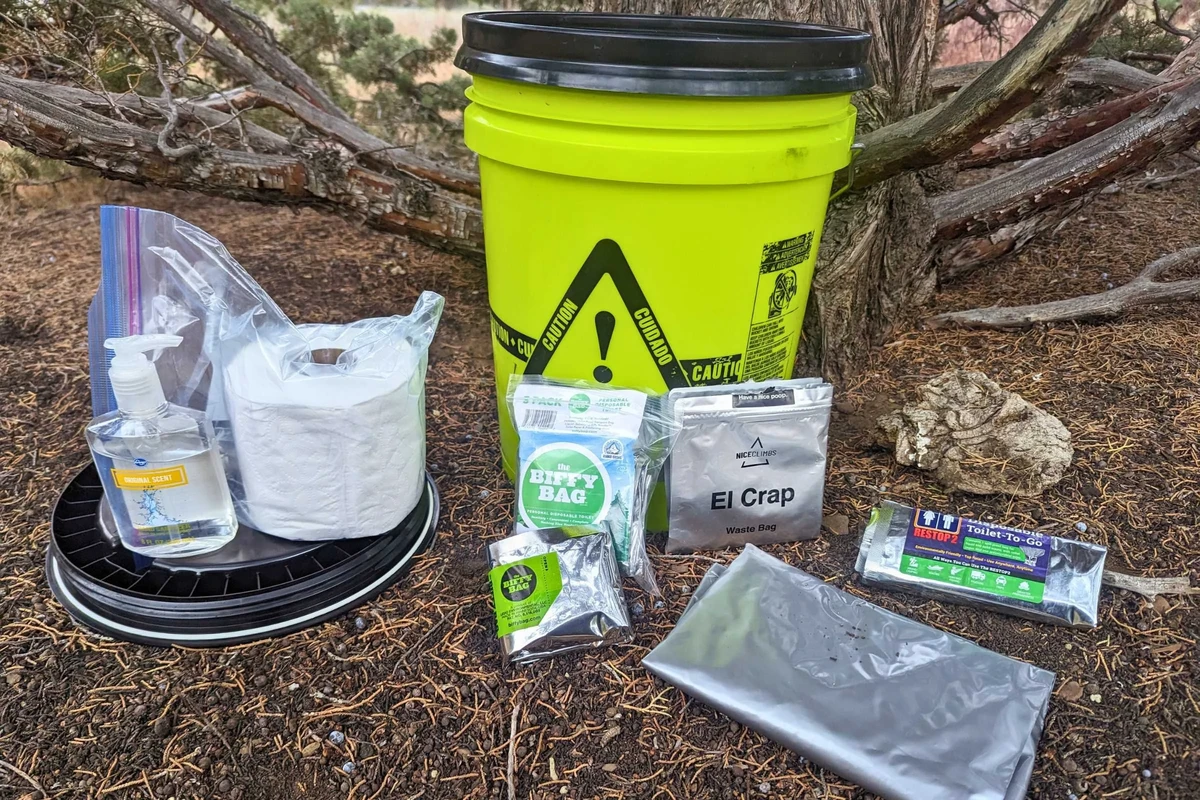
Follow these steps to assemble your gear:
- Sanitization: Include a small bottle of hand sanitizer for post-use hygiene.
- Wiping: Pack toilet paper or biodegradable wipes (note that PACT Wipes, for example, are designed for 100% decomposition within 95 days).
- Containment: Include a dedicated WAG bag or a heavy-duty compostable bag.
- Cleanup: Pack a separate, small bag specifically for used toilet paper to ensure it is also packed out.
- Tools: Carry a lightweight trowel if you are in areas where burying is permitted.
Paper bags from manufacturers like PoopShark or Pooch Paper are often thin and uncoated. They are not designed to encapsulate a wet turd for more than 15 or 20 minutes before leaking.

Best Natural Pet Food Guide: Top Brands & Safe Transition
PawVerde.com – The best natural pet foods prioritize named animal proteins as the first ingredient and meet AAFCO nutritional standards without artificial preservatives. Top-tier options include fresh subscription services like Ollie and The Farmer’s Dog, high-meat raw formulas like Carna4, and nutrient-dense freeze-dried or gently cooked options that emphasize ingredient traceability. Carna4 formulas consist of 95% raw meat and organs.
The Natural Food Transition Protocol: Avoiding GI Upset
To safely transition your dog to natural food, use a 7-day gradual mixing method: Days 1-2 (75% old/25% new), Days 3-4 (50% old/50% new), Days 5-6 (25% old/75% new), and Day 7 (100% new). This prevents diarrhea and digestive distress caused by sudden changes in fiber or protein density.
Why sudden changes cause diarrhea
Switching abruptly from processed kibble to a nutrient-dense natural diet can overwhelm the gastrointestinal tract. This sudden shift in protein and fiber levels frequently results in acute diarrhea or vomiting.
The 7-Day Mixing Schedule
Follow this specific sequence to minimize the risk of GI upset:
- Days 1-2: Mix 75% of the current food with 25% of the new natural food.
- Days 3-4: Increase the ratio to 50% old food and 50% new food.
- Days 5-6: Move to 25% old food and 75% new food.
- Day 7: Transition to 100% the new natural food.
If any digestive distress occurs during this period, practitioners recommend reverting to the previous successful ratio and slowing the transition further.
Label Decoder: Spotting Marketing Hype vs. Nutrient Density
Ideally, the first ingredient should be a named animal protein, such as chicken, beef, lamb, or salmon. Consumers must distinguish between high-quality meat sources and vague descriptors that mask lower-quality fillers.
Named Proteins vs. Anonymous ‘Meals’
Nutritional completeness is the priority. While “chicken meal” is a concentrated protein, it lacks the transparency of specific, named sources like chicken, lamb, salmon, turkey, or beef. High-quality brands use these specific animal proteins to support lean muscle, tissue repair, and lasting energy.
The Superfood Fallacy: Function over Hype
AvoDerm notes that “natural does not automatically mean better in every case,” emphasizing the need to look past trendy additives. Blueberries are a nice bonus, not the reason to choose a food by themselves. If a formula is weak on protein quality or fat balance, a handful of trendy fruits will not compensate for the nutritional deficit. One smart rule: choose function over hype.
Top-Rated Natural Pet Food Brands for 2026
The following brands represent the leading edge of natural pet nutrition, categorized by their specific processing methods and nutritional advantages.
| Brand | Primary Format | Key Nutritional Highlight | Best For |
|---|---|---|---|
| Ollie | Fresh Subscription | Customized meal plans | Convenience & Freshness |
| Carna4 | Raw | 95% meat and organs | High-meat enthusiasts |
| The Honest Kitchen | Dehydrated | High digestibility | Budget-conscious natural feeding |
| a fresh subscription service | Fresh Subscription | 39% protein (Beef Recipe) | Weight & Muscle management |
| Stella & Chewy’s | Freeze-Dried | Raw nutrition in dry form | Transitioning from kibble |
Review these options to find a match for your pet’s needs, such as the 39% protein content found in specific beef recipes or the 95% meat and organ density of Carna4.
Best Fresh Subscriptions (Ollie, PetPlate)
Fresh food subscriptions offer the highest moisture content and minimal processing. The Farmer’s Dog Beef Recipe provides a significant nutritional profile with 39% protein, 29% fat, and 24% carbohydrates on a dry matter basis. These services are designed for owners who want the benefits of human-grade food without the labor of meal prep. PetPlate provides a similar convenience, though it requires strict adherence to storage protocols to maintain freshness.
Best Raw & Freeze-Dried (Carna4, Stella & Chewy’s)
For those seeking the most concentrated animal nutrition, Carna4 stands out with formulas consisting of 95% raw meat and organs. This provides an extremely high nutrient density. Stella & Chewy’s offers an alternative via freeze-drying, a process where ingredients are frozen and then dried using a vacuum to remove moisture while preserving raw nutrition. This method allows for raw-style feeding without the constant need for refrigeration.
Best Dehydrated/Kibble Alternatives (The Honest Kitchen)
The Honest Kitchen specializes in dehydrated formats that rehydrate with water before serving. This method is highly effective for maintaining nutrient integrity while offering better shelf stability than frozen options. Customers have reported an 80% improvement in digestion and a 77% improvement in wellbeing and energy levels when switching to these nutrient-dense alternatives.
Safety & Spoilage: Managing Preservative-Free Diets
Natural foods often lack synthetic preservatives, increasing the risk of spoilage. Proper handling is essential for safety.
Safety Note: To prevent cross-contamination, always wash hands and utensils thoroughly after contact with raw protein.
Storage requirements vary drastically by format. For example, PetPlate frozen meals can be stored for 5 days in the fridge or up to 1 year in the freezer. Managing these diets requires dedicated freezer space and careful handling to avoid the “thaw-refreeze” cycle, which can compromise the texture and safety of the food. Unlike traditional kibble, which can sit in a bowl for hours, natural fresh foods should be consumed shortly after serving to prevent spoilage.
The Real Cost of Natural Feeding
Natural diets involve different financial considerations. While upfront costs may be higher, subscription services like Ollie offer customized plans starting as low as $1.57 per meal.
Subscription services like Ollie offer customized meal plans with starting prices as low as $1.57 per meal. While this may seem higher than bulk kibble, The Honest Kitchen offers subscription savings of 25%, making dehydrated options more accessible. It is a counterintuitive but documented reality that raw food can be a cost-effective choice in the long run due to lower vet bills resulting from improved overall health and better disease prevention.
FAQ
Is ‘natural’ the same as ‘organic’?
No. Organic follows strict USDA standards for sourcing and growing. “Natural” means the food is made without artificial preservatives, colors, or flavors.
Are grain-free diets healthier for dogs?
Not inherently. While useful for specific sensitivities, whole grains like oats or brown rice can be excellent sources of nutrition and energy for most dogs.
How do I know if a natural food is nutritionally complete?
Look for the AAFCO statement on the packaging, which confirms the food meets established nutritional profiles for your pet’s specific life stage.

Best Ethical Hypoallergenic Pet Care Brands for 2026
PawVerde.com – The best ethical brands for hypoallergenic pet care prioritize ingredient transparency and rigorous ethical standards over unregulated marketing terms. Top-tier options include EcoSource, which holds a perfect 100 ethical score, and Pet Impact, a leader in GSG ethical rankings, alongside innovators like WildWash and HOWND that specialize in skin-safe, environmentally conscious grooming.
The global pet grooming market for shampoos and conditioners is valued at $5.59 billion USD. As this sector expands, consumers face a significant challenge in distinguishing between genuine dermatological safety and aggressive marketing tactics.
The Red Flag vs. Green Flag Ingredient Glossary
To identify truly hypoallergenic products, look for ‘Green Flags’ like pH-balanced formulas and full ingredient disclosure. Avoid ‘Red Flags’ such as artificial dyes, parabens, alcohol, and unregulated terms like ‘natural plant extracts’ or ‘itch-free,’ which lack federal standards and can mask skin irritants.
Decoding the INCI List
The International Nomenclature of Cosmetic Ingredients (INCI) serves as the standardized language for product safety. When performing Label Reading for Safety, practitioners suggest looking beyond the front label. A common failure mode occurs when a brand highlights “aloe vera” on the packaging while burying harsh sulfates in the fine print. Truly ethical brands provide full disclosure of every component used in their formulation.
Commonly Hidden Irritants
Marketing terminology often exploits a lack of oversight. According to The Good Shopping Guide, several terms are completely unregulated in the pet grooming industry. Identifying these requires a disciplined approach to ingredient auditing. A counterintuitive reality is that “natural” does not equate to “safe.” For example, animal- or insect-derived ingredients, including materials like hydrolyzed silk, can raise ethical concerns and may trigger sensitivities in some pets. Practitioners recommend checking for these specific markers:
- Red Flag: Artificial Dyes – These colorants can contribute to itchiness or allergic reactions in sensitive pets.
- Red Flag: Unregulated Claims – Terms like “itch-free,” “green,” or “natural plant extracts” lack federal standards.
- Red Flag: Harsh Chemicals – Avoid parabens, alcohol, sulfates, coal tar, mineral oil, and zinc pyrithione.
- Green Flag: pH-Balanced Formulas – Essential for maintaining the integrity of the skin barrier.
- Green Flag: Full Disclosure – Transparency regarding the exact source and type of every ingredient.
The Holistic Allergy Protocol: Syncing External and Internal Care
Skin health management must account for the fact that every dog possesses a unique skin microbiome. Because any product has the potential to cause a reaction regardless of how pure the ingredients are, owners should look beyond surface-level grooming. Relying solely on topical applications without addressing individual sensitivities often leads to ineffective care cycles.
The Rebound Itching Loop
When a pet experiences a flare-up, the instinct is often to apply more topical treatments. However, if the topical product itself contains a hidden irritant, it can exacerbate the condition. This creates a loop where the pet is constantly being washed with products that promise relief but actually contribute to skin sensitization. Skin sensitization testing is a critical scientific process used to identify the potential for a substance to cause allergic contact dermatitis, a detail often omitted by mainstream brands.
Managing the Skin Microbiome
Maintaining a healthy microbiome involves minimizing unnecessary chemical interference. While some animal- or insect-derived ingredients may seem harmless, they can disrupt the delicate balance of a sensitive pet’s skin. Effective care protocols prioritize stability over rapid, aggressive cleaning. Because no product can be guaranteed “itch-free,” the goal is to reduce the total chemical load on the skin through consistent, high-quality, and transparently formulated products.
Top Ethical Brands for Hypoallergenic Pet Care
The highest-rated ethical brands include EcoSource (scoring 100 on ethical metrics), Pet Impact (top-ranking GSG score), and ‘Ethical Innovators’ WildWash and HOWND. For brands with significant social impact, TropiClean provides high-quality grooming while contributing to 250,000+ annual meals through its purchases.
Selection is based on The Good Shopping Guide’s research methodology, which utilizes 13 specific criteria to evaluate brands. These criteria include environmental reporting, animal welfare commitments, organic certification, and the scrutiny of irresponsible marketing practices.
| Brand Name | Ethical Status | Hypoallergenic Focus | Social/Eco Impact |
|---|---|---|---|
| EcoSource | Ethical Innovator | High (Transparent) | High |
| Pet Impact | Top GSG Score | High | High |
| WildWash | Ethical Innovator | Specialized | High |
| HOWND | Ethical Innovator | Specialized | High |
| TropiClean | High Social Impact | High (Dye/Paraben Free) | 250,000+ Meals/3,900+ Medical Visits |
This comparison highlights industry leaders based on verified ethical standing and their specific focus on skin sensitivity.
The Ethical Innovators: WildWash & HOWND
WildWash and HOWND have earned “Ethical Innovator” status through rigorous adherence to transparency. These brands are specifically noted for their ability to provide effective grooming solutions without relying on the unregulated marketing language that characterizes much of the $5.59 billion market. They focus on specialized formulations that respect the physiological needs of sensitive animals.
The High-Score Leaders: EcoSource & Pet Impact
EcoSource stands at the top of the industry with a perfect score of 100 on ethical metrics. This score reflects a complete alignment with environmental and welfare standards. Pet Impact follows closely, maintaining a top-ranking GSG score. For pet owners, these brands represent the lowest risk regarding greenwashing, as their claims are backed by documented research and ethical auditing.
The Social Impact Giant: TropiClean
TropiClean has scaled its operations to include significant social responsibility. Beyond their product line, their consumer purchases contribute to 250,000+ annual meals and 3,900+ annual medical visits. From a manufacturing standpoint, 95% of TropiClean products are manufactured in the U.S. For owners of younger animals, it is a critical safety note that TropiClean shampoos are suitable for puppies starting at a minimum age of 12 weeks.
Product Failure Guide: What to Do During a Reaction
Even when using highly rated products, a reaction can occur because “Hypoallergenic does not mean allergy-proof,” as noted by Doglyness. Recognizing the difference between a minor irritation and a medical emergency is vital for responsible pet ownership.
WARNING: Some essential oils can be toxic to pets, particularly cats. Always verify the safety profile of botanical extracts before application.
Immediate Rinsing Protocols
If a pet shows signs of immediate skin redness or discomfort after a bath, use lukewarm water to thoroughly rinse the coat. Ensure no residue remains in skin folds. To prevent further irritation, avoid using human shampoos, as they lack the specific pH requirements necessary for canine or feline skin.
When to Seek Veterinary Triage
If the reaction involves any of the following, contact a veterinarian immediately:
- Visible swelling of the face, muzzle, or paws.
- Difficulty breathing or lethargy.
- Vomiting or extreme gastrointestinal distress following topical application.
- Widespread hives or intense, uncontrollable scratching.
Sustainability vs. Sensitivity: A Value Matrix
Pet owners often weigh the environmental benefits of eco-friendly packaging against the necessity of skin-safe ingredients. While natural formulas may avoid sulfates and parabens, the total impact involves both chemical safety and packaging lifecycles.
| Priority Factor | Sensitivity Focus | Sustainability Focus |
|---|---|---|
| Key Metric | Ingredient Purity | Packaging Lifecycle |
| Common Goal | Avoidance of Irritants | Reduction of Waste |
| Potential Conflict | Complex formulas may use more preservatives | Eco-packaging may lack airtight seals |
The matrix compares how different brand priorities impact both the pet’s skin and environmental sustainability.
Packaging Lifecycle Ethics
A brand may offer hypoallergenic formulas but use non-recyclable multi-layer plastics. Truly ethical brands look to close the loop by using post-consumer recycled (PCR) materials. However, owners should be aware that some eco-friendly packaging can be less durable, potentially leading to product spoilage if not stored correctly.
Cost-Per-Wash Analysis
Ethical, high-concentration shampoos often carry a higher upfront price tag. However, a cost-per-wash analysis frequently reveals that these products are more economical. Because they do not rely on cheap “fillers” like water or heavy detergents, a smaller amount of product is required per application to achieve a clean, safe result.
Choosing Between Hypoallergenic and Medicated Solutions
Selecting the correct product depends on the severity of the skin condition. For mild sensitivities, hypoallergenic formulas may be sufficient for daily maintenance. However, according to TropiClean, more acute skin conditions might benefit from medicated options. Always consult a professional to determine if a pet requires active treatment or gentle hypoallergenic care.
FAQ
Is ‘hypoallergenic’ a regulated term for pet products?
No. There are no federal standards to define the term hypoallergenic for pet products, meaning it can be used by any brand to mean whatever they want. This lack of regulation makes reading the full ingredient list critical for safety.
Can natural shampoos still cause skin reactions?
Yes. As noted by Doglyness, any product has the potential to cause a reaction because every dog has a unique skin microbiome. Even pure ingredients, such as certain essential oils or insect-derived proteins, can trigger sensitivities in specific animals.
How can I tell if a brand is greenwashing?
Watch for vague, unregulated marketing phrases like ‘green,’ ‘natural plant extracts,’ or ‘itch-free.’ Truly ethical brands provide full ingredient disclosure and can be verified through rigorous research bodies like The Good Shopping Guide.
Auditing Sustainable Pet Health and Nutrition Reports
PawVerde.com – Sustainable pet nutrition is a full-lifecycle challenge that balances environmental impact with biological necessity. While pet food accounts for 25-30% of the environmental impact of meat consumption in the US, true sustainability requires optimizing nutrient density and digestibility to ensure that reducing carbon footprints does not compromise pet health or increase waste. The environmental impact of pet food production is equivalent to the annual driving emissions of 13.6 million cars.
The Sustainability Report Auditor’s Checklist: Beyond the ‘Eco-Friendly’ Label
To audit a pet food sustainability report, look for specific metrics on water usage, carbon sequestration, and ingredient traceability rather than vague terms like ‘natural.’ A credible report must detail life-cycle analysis (LCA) data, provide evidence of ingredient sourcing transparency, and demonstrate how they manage nutrient density to minimize fecal waste.
Relying on marketing adjectives often leads to a failure in assessing actual ecological footprints. Industry analysts note that a common failure mode occurs when brands claim “sustainability” based on a single ingredient while ignoring the carbon-intensive logistics of their entire supply chain. To avoid this, consumers should look for data-backed disclosures similar to those provided by leaders such as The Honest Kitchen or Only Natural Pet.
Identifying Greenwashing Red Flags
Many products use the “natural” label to imply environmental stewardship, but this term lacks a strict regulatory definition in many contexts. A significant red flag is the absence of specific numbers regarding resource consumption. If a report does not mention water usage or CO2e (carbon dioxide equivalent) per kilogram of food, the claims remain unsubstantiated. Practitioners suggest checking if a brand provides a clear menu path for transparency, such as navigating through a website’s “Sustainability” > “Sourcing” > “Impact Report” section to find raw data.
Key Metrics for Real Impact
To conduct a rigorous assessment, auditors should prioritize these specific indicators:
- Life-cycle analysis (LCA) data covering production to disposal.
- Specific metrics on water footprint per ton of protein.
- Traceability percentages for primary protein sources.
- Nutrient digestibility rates to ensure minimal waste.
A counterintuitive reality is that simply choosing “eco-friendly” packaging may not yield significant benefits if the food inside is highly processed. Excessive temperature, pressure, or processing time during manufacturing can decrease protein and amino acid digestibility, which actually increases the environmental load by requiring more food to meet nutritional needs.
Nutrient Density vs. Carbon Footprint: A Comparative Protein Matrix
Life-cycle analysis indicates that protein selection is the primary driver of a pet food’s ecological footprint. Plant-origin ingredients tend to have a lower carbon footprint compared with animal-origin ingredients.
| Protein Source | Carbon Footprint Rank | Nutritional Profile Note | Consumer Acceptance |
|---|---|---|---|
| Plant-origin | Lowest | Requires amino acid balancing | Moderate |
| Insect-based | Low | High digestibility/protein | Growing |
| Poultry/Fish | Moderate | High bioavailability | Very High |
| Large Ruminants | Highest | Complete amino acid profiles | High |
The data presented above highlights the necessary trade-offs between environmental footprint and traditional nutritional profiles.
The Rise of Insect-Based Nutrition
Insect and plant-based proteins offer dramatic reductions in land, water, and greenhouse gas footprints compared to conventional animal proteins. Research indicates that 44% of European pet owners would consider feeding their pets insect-based food by 2025. This shift is driven by the ability of insect proteins to provide high nutrient density without the massive land-use requirements of cattle ranching.
The Hybrid Formulation Bridge
A common misconception is that a pet must eat 100% plant-based or 100% meat-based food to be sustainable. In reality, hybrid formulations—combining animal-origin ingredients with insect or plant-based proteins—can optimize both the carbon footprint and the essential amino acid profile. This approach addresses the risk where excluding fiber solely to improve dry matter digestibility could negatively impact overall nutritional sustainability.
The Climate-Pet Health Feedback Loop
According to Royal Canin, environmental shifts directly influence biological risks. Changing precipitation patterns and warmer temperatures have expanded the habitats of disease vectors.
How Warming Habitats Expand Disease Vectors
Warmer temperatures and changing precipitation patterns have expanded the habitats of disease vectors. According to Royal Canin, this increases the potential for problems such as Lyme disease and heartworm. As these vectors move into new geographic regions, veterinarians must adapt to a landscape where climate-driven shifts dictate the prevalence of infectious diseases.
Preventative Care as an Eco-Friendly Habit
Proactive health management serves as a form of environmental conservation. By reducing the need for intensive treatments, emergency travel, and disposable medical supplies, preventative care mitigates the resource-intensive requirements of treating advanced chronic conditions.
Navigating the Regulatory Landscape: Labeling and Compliance
Regulatory bodies like the FDA and AAFCO set the baseline for safety, but sustainability labeling often falls into a complex intersection of international standards. Understanding these rules is essential to distinguish between verified organic products and mere marketing claims.
Warning: Manufacturers must adhere to evolving standards to avoid significant risks. Failure to comply with regulatory updates can lead to costly reprints, distribution delays, or product recalls.
The 95% Rule for EU Organic Certification
In the European Union, specific thresholds dictate the use of official symbols. As of May 1, 2024, new organic labeling rules require 95% organic ingredients to display the EU organic logo. This prevents companies from using the logo on products that contain only trace amounts of organic components, providing a clearer standard for consumers seeking high-integrity products.
Avoiding Compliance Pitfalls
In the United States, the FDA and AAFCO govern much of the labeling landscape. A common pitfall for brands is failing to align their “sustainable” claims with the actual nutrient profiles required by these agencies. If a brand claims a product is “complete and balanced” while using unconventional proteins, they must provide rigorous evidence that the formulation meets the specific nutritional profiles mandated by AAFCO.
The Economic Reality: Value vs. Values in Pet Nutrition
Market adoption faces a tension between consumer values and household budgets. While interest in sustainability is rising, price sensitivity remains a primary driver for many purchasers.
Mintel maintains that the key to growth for sustainable pet food sales is convincing pet owners that sustainable pet food can deliver superior nutrition at an affordable price. Currently, 27% of pet food purchasers say they would like to see more sustainably sourced pet foods, yet price sensitivity remains a primary driver of purchasing decisions.
The Affordability Barrier
Sourcing and life-cycle management often result in a price premium for sustainable products. This creates a conflict for consumers attempting to balance their environmental footprint with monthly expenses.
Market Projections for 2034
Despite current economic hurdles, the trajectory for alternative pet nutrition is upward. The global vegan pet food market, valued at $27 billion in 2024, is projected to reach $57 billion by 2034. This represents a compound growth rate of 7.8%, signaling that as production scales and efficiencies improve, the cost of sustainable nutrition is expected to become more competitive with traditional meat-based diets.
FAQ
Pet food accounts for 25-30% of the environmental impact of meat consumption in the US. This impact is massive, with annual emissions comparable to the driving emissions of 13.6 million cars.
Sustainable Pet Travel: Essential Eco-Friendly Tips
PawVerde.com – Sustainable pet travel requires a dual focus on animal safety and environmental impact. To travel responsibly, owners should prioritize compostable waste bags over biodegradable ones, utilize recycled materials like RPET for gear, and ensure strict adherence to vehicle safety to prevent fatal heatstroke within just 15 minutes.
A single dog can generate 270 non-biodegradable waste bags annually using conventional plastic.
The Sustainable Gear Checklist: Beyond Just Waste Bags
A sustainable pet travel kit should prioritize high-durability, low-impact materials. Key items include gear made from RPET (recycled PET bottles), hemp leashes, and bamboo accessories. For feeding, use collapsible silicone bowls and reusable containers to avoid the single-use plastic waste common in travel-sized pet food pouches.
The Rise of RPET in Travel Gear
Modern pet equipment is shifting toward circular economy models to reduce landfill contributions. CarbonLITE Industries specializes in the recycling of PET bottles, providing the raw material necessary for sustainable textile production. This process allows manufacturers like Nomipets to transform plastic waste into high-performance travel gear, including harnesses and leashes. While Nomipets maintains a Minimum Order Quantity (MOQ) of 20-50 sets for B2B transactions, the availability of RPET for consumer-grade goods is expanding rapidly.
One common failure mode in eco-friendly gear is the sacrifice of durability for sustainability. However, RPET is specifically engineered to withstand the rigors of outdoor travel. A counterintuitive reality is that recycled polyester can often outperform virgin plastic in tensile strength, making it a reliable choice for high-stress items like leashes.
Zero-Waste Feeding Strategies
Reducing the environmental footprint of pet nutrition during transit requires moving away from convenience-based packaging. Instead of relying on single-use plastic food pouches, travelers can utilize the following:
- Reusable airtight containers for bulk dry food.
- Collapsible silicone bowls to reduce luggage volume and eliminate plastic waste.
- Bamboo-based accessories for lightweight, biodegradable utility.
When selecting gear, check for specific material certifications to ensure you are not inadvertently purchasing products that will fail during high-intensity use. For instance, ensuring a leash has a high micron-thickness rating prevents the tearing common in lower-quality eco-alternatives.
Navigating the Compostable Bag Paradox
The distinction between “biodegradable” and “compostable” is often blurred by marketing, but the environmental implications are significant. While many products claim to be eco-friendly, they may actually contribute to long-term ecological damage through microplastic accumulation.
Why ‘Biodegradable’ Can Be a Greenwashing Trap
A significant risk in the pet industry is the prevalence of oxo-degradable or EPI-technology bags. According to information from Beco Pets and Pawtria, these bags are often just conventional plastics with additives that cause them to fragment into microplastics more quickly. This does not eliminate the plastic; it simply makes it invisible to the naked eye while leaving toxins in the soil. Pawtria emphasizes that true compostable bags contain absolutely no plastics and do not break down into these harmful particles.
Furthermore, Anipro notes that while biodegradable options exist, they often lack the structural integrity required for heavy-duty use. For effective waste management, bags should meet specific thickness thresholds: 15 microns to prevent easy tearing, and 20 microns for handling large or soft waste without leaking.
Technical Standards: EN13432 vs. ASTM D6400
To avoid greenwashing, owners must look for verified certification marks such as those provided by TÜV AUSTRIA. These certifications ensure that a product will actually break down in a controlled environment. The following table compares the primary waste management options available to pet owners:
| Bag Type | Environmental Impact | Degradation Timeline | Key Risk |
|---|---|---|---|
| Compostable | Low (No microplastics) | 3-12 months | Requires specific composting infrastructure |
| Biodegradable | Moderate to High | Variable | May leave microplastics and toxins |
| Conventional Plastic | High | Hundreds of years | Permanent environmental pollution |
Pooch Paper offers an alternative in the form of paper waste sheets, with 50 small sheets priced at $13 and 50 large sheets at $13.50. While paper breaks down faster than plastic, it must still be managed according to local disposal regulations.
Critical Safety Protocols for Road Travel
Safe pet travel demands constant vigilance regarding temperature and restraint. Pets must always be restrained during car transit to prevent injury. Most importantly, never leave a pet alone in a vehicle; on a hot day, fatal heatstroke can occur in as little as 15 minutes, even with windows cracked.
The American Kennel Club emphasizes that restraint is not optional. Pets riding loose in a vehicle are at extreme risk during sudden stops or collisions. Bernal highlights the extreme speed of thermal injury in animals:
“On a hot summer’s day, it can take just 15 minutes for a dog to suffer from potentially fatal heat stroke in a hot car, as they can overheat very quickly and struggle to cool themselves down, even when a window has been left open or water has been left in the car.”
Safety also involves psychological preparation. Brandi Hunter Munden, VP of PR and communications at the American Kennel Club, notes that sudden changes in environment can cause significant stress:
“they may throw a full-fledged tantrum because they don’t understand that the crate is a safe space”
. This highlights the necessity of gradual acclimation rather than using a crate for the first time on the day of departure.
Logistics and Compliance: Preparing for the Journey
Successful travel requires strict adherence to administrative and health protocols to avoid delays at borders or veterinary checkpoints. The American Veterinary Medical Association provides guidelines for ensuring all medical requirements are met before departure.
Health Certificate Validity
When traveling, especially for military moves or interstate transit, documentation is paramount. According to data from navyfederal.org, health certificates often have a strict validity period, sometimes as short as 10-30 days. Failure to verify these dates can result in being denied boarding or entry into new territories. Additionally, for small pets traveling in a cabin, there is often a weight threshold, such as 20 pounds (about $27), that must be strictly observed.
Crate Acclimation Techniques
To prevent travel anxiety, owners should utilize the Crate Acclimation technique. This involves a gradual introduction process:
- Introduce the crate in the home environment weeks before travel.
- Use positive reinforcement by feeding meals inside the crate.
- Allow the pet to sleep in the crate to establish it as a “safe space.”
As Walther observes, maintaining continuity is key:
“The familiar smells from the items will help your pet feel secure both on the road and at your destination.”
Using familiar blankets or toys can mitigate the stress of new environments.
Waste Disposal: Urban vs. Wilderness Ethics
The method of waste disposal must change depending on whether you are in a municipal area or a natural ecosystem. Improper disposal in either setting carries significant ecological risks.
In urban environments, the primary concern is infrastructure. While compostable bags are ideal, they should only be disposed of in facilities capable of processing them. As noted by smartbark.co.uk, it is not permitted to flush dog feces down the toilet because water treatment processes are often unable to eradicate the high levels of bacteria found in dog waste. This can lead to contamination of local water supplies.
When hiking or in wilderness areas, if you lack proper waste bags, emergency alternatives can be used. According to woofpanion.com, large fallen leaves, newspapers, or even junk mail can serve as temporary, biodegradable substitutes. However, the most sustainable practice remains carrying out all waste in a sealed, high-integrity bag to prevent any contact with the local environment.
FAQ
Is it okay to flush dog poop down the toilet?
No, it is not permitted because water treatment processes cannot eradicate the high levels of bacteria found in dog waste, which can lead to environmental contamination.
How long do compostable poop bags take to break down?
A realistic timeframe for the complete degradation of certified compostable bags is between 3 and 12 months, depending on the composting environment.
What is the difference between compostable and biodegradable bags?
Compostable bags are preferred because they contain no plastics and do not break down into harmful microplastics, unlike many biodegradable or oxo-degradable options that leave residues in the soil.
Conversions use a rate of 1 GBP = $1.33 as of July 26, 2026; rates may change.

Eco-Friendly Pet Dental Care: Sustainable Oral Health Tips
PawVerde.com – Eco-friendly pet dental care focuses on reducing environmental impact through biodegradable tools, sustainable packaging, and non-toxic ingredients while maintaining clinical efficacy. To achieve a truly green routine, owners should transition from disposable plastic wipes to reusable silicone brushes and bamboo tools, ensuring products are free from harmful synthetics and greenwashed marketing. Over 80% of dogs over age 3 suffer from active dental disease, making effective oral hygiene a critical health necessity.
How to Spot Greenwashing in Pet Dental Products
To avoid greenwashing, look beyond vague ‘natural’ or ‘plant-based’ labels. Check for specific certifications like Leaping Bunny or USDA Organic, and scrutinize ingredient lists for hidden petrochemicals. A truly eco-friendly product will clearly list its biodegradable components rather than using ‘green’ imagery to mask synthetic ingredients.
The ‘Natural’ Label Trap
It is easy to fall for greenwashed marketing. 4-Legger notes that when only two or three natural ingredients are featured, but the rest are petrochemical-based, it is not truly green. It is simply deceptive marketing.
Red Flag Ingredients to Avoid
True sustainability requires looking past the front of the packaging and into the chemical composition. When auditing a product, watch for these specific failure modes:
- Vague “plant-based” claims that do not specify the source or percentage of botanical content.
- The presence of hidden petrochemicals used as binders or surfactants in toothpaste.
- Excessive use of single-use plastics in secondary packaging, even if the primary product is “natural.”
- Products that claim to be “eco-friendly” but lack third-party certifications to verify their claims.
The Zero-Waste Dental Routine: From Plastic to Circular
Moving toward a sustainable routine involves replacing single-use items with durable alternatives. A circular approach prioritizes tools that can be reused, composted, or recycled indefinitely.
Replacing Disposable Wipes
Dental wipes are not eco-friendly because they are disposable. It has been noted that “While any dental care is better than no dental care, it’s best to use wipes as a supplement to brushing.” These single-use items should not replace more robust cleaning methods.
The Lifecycle of Bamboo Brushes
Bamboo has become a staple in sustainable oral care due to its rapid regrowth and biodegradability. Unlike plastic toothbrushes that persist in landfills for centuries, bamboo handles can often be composted. However, users must ensure the bristles are removable or made of bio-based materials to avoid leaving nylon behind.
Compostable vs. Recyclable Options
When evaluating waste management, consider these specific tool types:
- Silicone Finger Brushes: These are highly reusable and dishwasher safe, making them a superior earth-friendly alternative to disposable wipes.
- Water Additives: These provide a low-waste way to supplement cleaning without the need for constant plastic tube replenishment.
- Certified Packaging: Brands with certified eco-friendly packaging have seen 12% higher repeat purchase rates, indicating a growing consumer preference for responsible waste management.
Clinical Efficacy vs. Environmental Impact
Mechanical brushing remains the primary method for effective hygiene. While bamboo brushes and water additives reduce waste, cleaning must reach the subgingival space—the area beneath the gumline—to be effective.
The Subgingival Gap Problem
Hard kibble or certain chew toys are insufficient for comprehensive hygiene. While certain textures can provide mild mechanical scraping, they rarely reach the subgingival space where the most destructive bacteria reside.
Mechanical Scraping vs. Chemical Cleaning
The following table compares the most common dental care methods used by pet owners today.
| Method | Environmental Impact | Cleaning Efficacy | Best Use Case |
|---|---|---|---|
| Dental Wipes | High (Single-use plastic) | Low (Surface only) | Quick touch-ups |
| Silicone Finger Brush | Low (Reusable) | Moderate (Good tactile control) | Daily maintenance |
| Traditional Toothbrush | Moderate (Plastic waste) | High (Mechanical precision) | Deep cleaning |
| Water Additives | Low (Concentrated) | Low to Moderate (Chemical/Enzymatic) | Supplementing brushing |
The environmental impact of pet dental care depends heavily on whether the chosen tool is a single-use disposable or a reusable device.
The Science of the Oral Microbiome: Probiotics and Prebiotics
Modern dental science focuses on managing the oral microbiome rather than simply eliminating all bacteria. This approach aims to support a resilient environment within the mouth.
Nourishing Good Bacteria
Prebiotics act as a food source for existing beneficial bacteria. Strengthening these levels of good bacteria makes it harder for cavity-causing bacteria to thrive.
Adding Probiotic Solutions
Probiotics introduce beneficial bacterial strains directly into the oral cavity to balance the microbiome. While prebiotics provide the “fuel,” probiotics add the “workers,” such as those found in certain probiotic solutions.
- Probiotics: Introduce beneficial live bacteria.
- Prebiotics: Provide nourishment for existing good bacteria (e.g., Revitin).
Practical Application: The 5-Second Tooth Cleaning Technique
Efficient dental care can be achieved through specific, timed techniques. Proper application ensures biofilm removal without unnecessary stress.
Shortcut: For a quick and effective application, use the “pea-sized” rule. Squeeze an amount of toothpaste the size of a pea (adjusting slightly for larger pets) directly onto a silicone finger brush or a soft toothbrush.
Step-by-Step Brushing Guide
- Apply a pea-sized amount of pet-safe, fluoride-free toothpaste to your tool.
- Gently lift the lip to expose the teeth and gums.
- Clean each tooth and the gumline using small, circular motions.
- Spend approximately 5-10 seconds scrubbing each individual tooth to ensure biofilm removal.
- Allow the pet to lick off any remaining paste once finished.
The Systemic Connection: Why Dental Care Matters for Longevity
Oral health is a gateway to overall systemic health. Because the gums are highly vascularized, bacteria from the mouth can enter the bloodstream. This can lead to the seeding of bacteria in critical organs, including the liver, kidneys, or heart valves. Following the guidelines and product standards set by organizations like the Veterinary Oral Health Council (VOHC) can help ensure that the products you choose are clinically effective at reducing plaque and tartar.
Future Trends: AI and Digital Dental Monitoring
The landscape of pet healthcare is rapidly digitizing. As of May 2025, advancements in AI-powered health tracking are becoming more accessible to the average consumer. For example, Mars, Incorporated has developed suites of AI-powered digital solutions to help pet owners monitor various aspects of pet health, including dental hygiene. One emerging trend involves using smartphone-based applications to take photographs of a pet’s teeth and gums. These images can then be processed by AI models—trained on datasets containing upwards of 53,000 photographs—to provide a preliminary dental assessment, allowing owners to catch issues before they require invasive veterinary intervention.
FAQ
Are dental wipes eco-friendly?
No. Oxyfresh notes that because they are disposable, they contribute to single-use plastic waste. Reusable silicone finger brushes are a more sustainable alternative.
Can I just use hard kibble for dental cleaning?
Kibble provides only mild mechanical scraping. It rarely reaches the subgingival space—the area beneath the gumline where the most destructive bacteria reside.
What is the difference between oral probiotics and prebiotics?
Probiotics introduce beneficial bacteria directly to the mouth. Prebiotics provide the nourishment needed for existing good bacteria to thrive.
Eco Friendly Pet Shop Guide: Spotting Greenwashing in 2026
PawVerde.com – An eco-friendly pet shop focuses on providing sustainable, non-toxic, and low-impact supplies that reduce the 300 million pounds of pet product plastic waste generated annually. These retailers prioritize renewable materials like bamboo, recycled fabrics, and organic food to ensure both planetary health and pet safety.
The Greenwashing Red Flag Guide: Spotting Fake Eco-Claims
To spot greenwashing in pet products, look past vague labels like ‘natural’ or ‘green.’ Check for specific certifications (like PETA-approved vegan), verify if materials are truly renewable (like bamboo) rather than just recycled-looking plastics, and ensure the brand addresses end-of-life disposal rather than just using recyclable packaging.
The ‘Natural’ Trap
Marketing-led materials often masquerade as sustainable under vague descriptors. EcoFurball notes that when plastics or blended fibers appear under these ambiguous labels, it represents a significant failure in transparency. Consumers should avoid products that claim to be “green” without providing verifiable data or third-party certifications to back the assertion.
A common failure mode occurs when brands use “natural” to describe products that still contain synthetic binders or harmful additives. For instance, a toy might be marketed as natural but actually contain non-biodegradable glues. Always verify the specific material composition before purchasing.
Packaging vs. Product Longevity
EcoFurball identifies a “packaging distraction” where brands emphasize recyclable cardboard boxes to mask a short product lifespan or the use of toxic materials. True sustainability requires looking at the entire lifecycle, as minimal packaging often represents the most sustainable option.
A Lifecycle Guide: From Purchase to Compost
According to EcoFurball, “Sustainable pet products prioritise materials that regenerate, recycle, or biodegrade without releasing harmful residues.” Understanding this movement from retail shelf to final destination is essential for minimizing environmental impact.
Compostable vs. Recyclable Materials
The distinction between material types is critical to prevent waste stream contamination. While some items are designed for industrial recycling, others are intended for home composting.
- Compostable: Materials like organic hemp or bamboo that can return nutrients to the soil.
- Recyclable: Items like rPET (recycled polyethylene terephthalate) that require industrial processing.
- Upcycled: Materials repurposed from existing waste to extend their utility.
Circular Economy: The rePAWpose Model
The circular economy aims to eliminate waste by keeping materials in use for as long as possible. Awoo Pets facilitates this through their “rePAWpose” program. This initiative allows customers to send in pre-loved items to be repurposed, providing a $5 credit per product to the owner. This model reduces the need for new raw materials and prevents functional items from entering landfills.
High-Impact Swaps: A Budget-Friendly Transition Roadmap
Start your eco-transition with high-impact, low-cost swaps: replace traditional clay litter with plant-based alternatives to avoid sodium bentonite, switch to biodegradable poop bags, and move toward non-toxic, botanical-based grooming products. These changes address immediate waste and toxicity issues before investing in premium sustainable accessories.
Phase 1: Waste & Hygiene
The most immediate impact on a household’s carbon footprint often comes from daily waste management. Best Friends Animal Society suggests that switching to biodegradable or compostable poop bags made from recycled paper or plants is a primary step in reducing plastic in landfills. Additionally, replacing traditional clay cat litters is vital. These clay litters are resource-intensive because they are mined from the earth and are slow to biodegrade. Furthermore, eco-friendly alternatives can be safer for pets by avoiding sodium bentonite, which can potentially sicken or poison animals.
Phase 2: Nutrition & Grooming
Once waste management is addressed, owners can shift focus to chemical exposure. Conventional grooming products may contain harmful chemicals like parabens, phthalates, and petroleum. Best Friends Animal Society recommends using nontoxic and eco-friendly grooming and cleaning products to improve pet health. Fetch The Sun also notes that using natural cleaners may help reduce asthma and allergy symptoms in people with sensitive respiratory systems.
The Science of Sustainable Materials
Selecting materials based on their regenerative capacity and durability ensures that “green” choices are not just ethical, but functional.
Why Bamboo Wins
The Green Pet Shop notes that bamboo is a highly sustainable resource that helps combat climate change by reducing deforestation. It regenerates much more rapidly than traditional trees, making it an ideal feedstock for pet products.
The Durability Advantage
Pet Magasin highlights that eco-friendly supplies are often designed for increased durability compared to conventional options. Many standard products are optimized for lower price points and shorter lifespans, leading to increased waste.
| Criterion | Eco-Friendly Supplies | Conventional Supplies |
|---|---|---|
| Material Source | Renewable (bamboo, hemp), recycled (rPET), or upcycled. | Virgin, petroleum-based plastics and synthetic fabrics. |
| Pet Safety | Non-toxic; free of BPA and phthalates. | May contain questionable dyes or plastics. |
| Durability | Designed for longevity and repeated use. | Often designed for lower price and shorter lifespan. |
The table above illustrates the fundamental differences in how materials are sourced and managed between sustainable and standard pet supplies.
Top Eco-Friendly Retailers and Brands to Watch
As the market evolves, several key players have emerged to cater to the growing demand for planet-conscious pet care. In 2025, global eco-pet revenues from online stores reached $7.18 billion, representing 42.7% of the total market.
Online Giants
For those seeking a wide variety of vetted goods, EarthHero is a prominent retailer specializing in sustainable pet supplies. They offer various incentives, such as a 20% discount using the code PFJ20 and free carbon-neutral shipping on orders over $75. This makes large-scale sustainable shopping more accessible to a broader demographic.
Specialized Sustainable Brands
Niche brands currently lead several specific categories of the eco-pet market:
- Nina Woof: A PETA-approved vegan and cruelty-free brand focusing on dog accessories.
- Awoo Pets: Known for using eco-friendly materials and circular economy programs.
- WildOne: A direct-to-consumer brand specializing in modern, eco-conscious pet accessories.
Local vs. Online: Minimizing Your Carbon Pawprint
The method of delivery impacts the total environmental cost of pet care. While online stores are the fastest-growing distribution channel for eco-friendly pet products, choosing between local and digital options involves different ecological trade-offs.
The Case for Local Shops
Sourcing supplies from local retailers can significantly reduce the “last mile” delivery emissions. In regions like San Diego, specialized local shops provide holistic and natural options. Examples include Howlistic, which focuses on holistic care, Earthwise Pet, a family-owned shop, and Noah’s Natural Pet Market, which specializes in raw food. Shopping locally often supports the community and reduces the carbon footprint associated with long-distance shipping.
Optimizing Online Shipping
To minimize the environmental impact of digital shopping, consumers can adopt several strategies:
- Bulk Ordering: Reducing the frequency of shipments lowers the cumulative transportation energy.
- Consolidated Shipping: Choosing options that group items together rather than shipping them individually.
- Carbon-Neutral Options: Utilizing retailers that offer carbon-neutral shipping services.
DIY Sustainable Pet Care at Home
Repurposing existing household items is often the most eco-friendly way to care for pets, as it directly reduces waste and saves money.
Upcycled Toys
Best Friends Animal Society suggests several creative ways to make toys from household items:
- Rope Toys: Use old fabric strips braided together.
- Treat Puzzles: Repurpose PVC pipes to create interactive feeding games.
- Water Bottle Toys: Use old socks to encase a plastic bottle for a crinkle effect.
Zero-Electricity Cooling
During warm seasons, pet comfort can be maintained without increasing electricity consumption. The Green Pet Shop offers pressure-activated cooling mats. These mats require no refrigeration or electricity; instead, they activate via pressure to provide a cooling effect that can last for up to 3 hours after a 15-minute recharge period. This technology provides a sustainable way to manage pet heat stress.
FAQ
Is bamboo safe for pet feeding products?
Experts confirm bamboo is a sustainable resource, but owners should ensure feeding products are not combined with unsafe materials during manufacturing to avoid toxicity.
How can I tell if a pet toy is non-toxic?
According to EcoFurball, sustainable pet toys are safer if chewed because they contain no toxic dyes or plastics.
Why is clay cat litter considered less eco-friendly?
EcoFurball states that traditional clay cat litters are resource-intensive because they are mined from the earth and are slow to biodegrade.

Best Compostable Dog Poop Bags: Home vs. Industrial Guide
PawVerde.com – The best compostable dog poop bags are those certified for ‘Home Compostability’ (such as TÜV Austria OK compost HOME), as most industrial-grade compostable bags require 55-60°C temperatures to break down—heat levels rarely achieved in backyard bins. For urban owners, high-quality PCR (post-consumer recycled) bags often offer a more reliable environmental middle ground.
A single Earth Rated bag can help divert up to 5 million pounds of landfill-bound plastic every year through its use of post-consumer recycled materials.
A common misconception among pet owners is that any bag labeled “compostable” can be tossed into a garden compost heap. This is a significant error. Bags meeting the ASTM D6400 standard are engineered to undergo complete biodegradation within 180 days, but they strictly require the sustained high-heat conditions of a professional facility. Without these specific thermal triggers, the material may persist for years without breaking down.
Residential compost piles rarely maintain the consistent 55-60°C temperatures necessary for industrial-grade bioplastics. If you use ASTM D6400 bags in a backyard bin, you face a specific failure mode: the bag remains intact, essentially acting as a plastic liner that prevents organic matter from decomposing. For true residential success, look for the TÜV Austria OK compost HOME certification, which ensures the bag will fully biodegrade within 12 months in lower-temperature environments.
Compare these leading brands to find a balance between material composition and environmental impact. Options range from 100% home compostable certifications to high-content PCR plastics.
| Brand | Primary Material | Certification Type | Est. Cost per Bag |
|---|---|---|---|
| Give A Shit | Plant-based | 100% Home Compostable | Premium |
| Earth Rated | 65% PCR Plastic | Recycled Content | Mid-range |
| Pet N Pet | Plant-based Blend | 38% Minimum Plant Content | Mid-range |
| Cool Poo Bags | Compostable Blend | Compostable | 12 cents a bag |
This selection includes brands like Give A Shit, which offers 100% home compostability, and Earth Rated, which utilizes 65% post-consumer recycled plastic.
Give A Shit stands out for users who want to ensure their waste returns to the earth via backyard bins. These bags carry a 100% certification for home compostability, meaning they do not rely on the high-heat infrastructure of municipal plants. They are the premier choice for the zero-waste enthusiast.
For owners who need reliability in large quantities, Earth Rated offers a highly effective alternative to traditional plastics. Rather than relying solely on bioplastics, they utilize 65% certified post-consumer recycled (PCR) plastic. This approach uses up to 88% less energy and cuts emissions by up to 70% compared to virgin plastic. A standard 270 pack provides significant value for daily walkers.
Budget-conscious owners can find a reliable middle ground with Cool Poo Bags. At approximately 12 cents a bag, they provide an accessible entry point for those transitioning away from standard plastic. They offer a balance of eco-friendly materials without the high premium often found in the boutique compostable market.
PET N PET provides a specialized option for those seeking a plant-heavy composition. These bags feature a minimum of 38% plant-based content, offering a hybrid approach to waste management. They serve as a functional bridge for owners who want to reduce fossil-fuel reliance while maintaining bag integrity.
Micron thickness determines how a bag handles physical stress. For example, Earth Rated PCR bags typically measure 15 microns, while their compostable line reaches 18 microns.
| Thickness (Microns) | Typical Performance | Best Use Case |
|---|---|---|
| 12 microns | High risk of tearing | Dry, smooth surfaces only |
| 15 microns | Standard PCR thickness | General urban sidewalks |
| 18 microns | High durability | Earth Rated compostable line |
| 20 microns | Heavy-duty | Rough or jagged terrain |
The thickness of a bag directly impacts its performance on various surfaces. While some plant-based bags average only 12 microns, thicker options like the 18-micron Earth Rated compostable line offer increased resilience.
When walking on concrete or asphalt, the friction of the bag against the ground can cause micro-tears. A poop bag that won’t leak, break, or disintegrate is a primary defense against this minor but thoroughly gross catastrophe, according to experts. If a bag is too thin, a simple scrape against a curb can result in a catastrophic failure.
Some plant-based bags average only 12 microns in thickness. While this is environmentally efficient, it makes them highly prone to tearing when encountering gravel or jagged pavement. For owners who frequent parks with unpaved trails, opting for a bag in the 18 to 20 micron range is a necessary precaution to avoid mid-walk messes.
Moisture is the enemy of many compostable materials. In their testing, Wirecutter utilized miso paste tests to evaluate how bags handle liquid and heavy loads. These tests reveal that certain plant-based materials can lose structural integrity when exposed to high moisture levels, a common occurrence with fresh pet waste.
Warning: Paper-based bags may break down in as little as 2-4 weeks in home compost. Use them only in dry environments to prevent disintegration before disposal.
Even if you purchase the highest-quality compostable bags, you may encounter a roadblock at the curb. Many owners assume “compostable” means “ready for the green bin,” but this is often incorrect.
- Check Municipal Guidelines: Most US municipal programs exclude pet waste because it can contain pathogens as well as the residues from antiparasitic medications.
- Avoid Contamination: Even if your bag is compostable, adding pet waste to a municipal stream can contaminate the final compost product intended for agriculture.
- Use Dedicated Bins: If your city rejects pet waste, the most responsible route is a dedicated pet waste composting system or a landfill-bound disposal that utilizes PCR-heavy bags to minimize the carbon footprint.
Mel Plaut, Wirecutter’s senior staff writer of pets coverage, notes that most municipal composting programs in the US don’t accept pet waste because it can contain pathogens and residues from antiparasitic medications. This means your eco-friendly choice must still align with local waste management infrastructure to be truly effective.
Generally, no. ‘Biodegradable’ is often an unregulated term that can lead to microplastic shedding. ‘Compostable’ implies a specific standard of complete decomposition within a set timeframe.
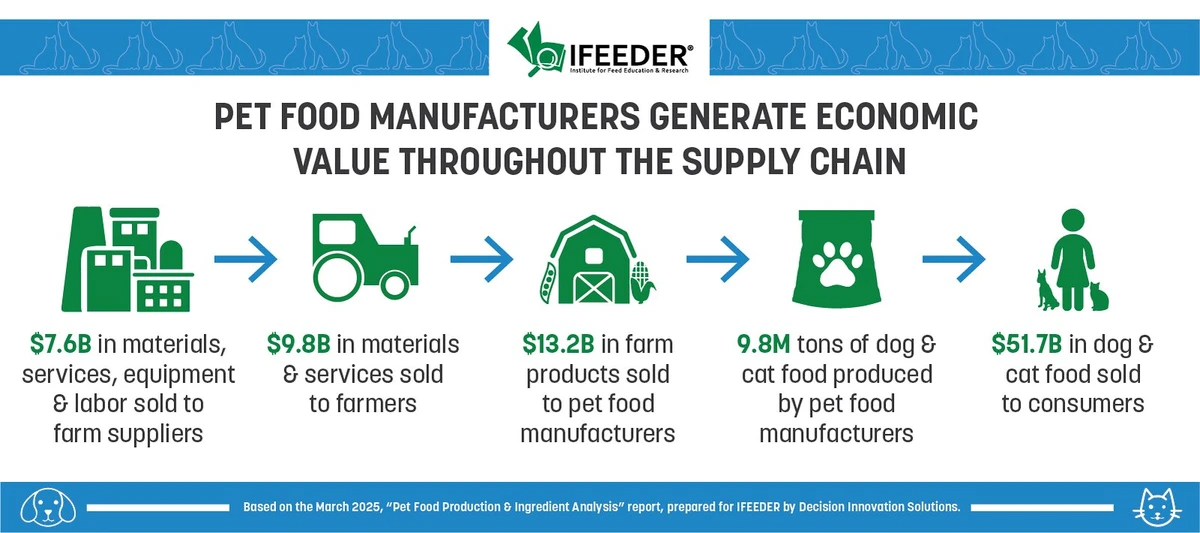
Sustainable Pet Food: Solving the Protein Paradox
PawVerde.com – The global pet food market is projected to reach $160.8 billion by 2032, forcing a massive industry pivot toward sustainable protein sourcing. As animal farming currently utilizes 83% of global agricultural land, manufacturers are racing to integrate insect proteins, cellular agriculture, and plant-based alternatives to mitigate environmental impact.
The Protein Paradox: Balancing Nutritional Density with Carbon Footprints
The ‘Nutritional Density vs. Carbon’ paradox refers to the tension between providing high-bioavailability animal proteins required for pet health and the high land/water costs of traditional livestock. While plant-based diets can reduce land use by 76%, manufacturers must ensure sustainable alternatives like insect protein provide equivalent amino acid profiles to avoid nutritional inadequacy.
The land-use efficiency of plant vs. animal protein
Current agricultural models face extreme pressure from the scale of pet food requirements. Animal farming accounts for 83% of global agricultural land, creating a significant resource bottleneck. Transitioning toward plant-based diets offers a potential 76% reduction in land use, yet the industry must balance this efficiency against the biological needs of carnivores and omnivores.
The risk of nutritional inadequacy in ‘eco’ diets
A primary failure mode in the transition to green pet food is the sacrifice of biological value for environmental metrics. If manufacturers prioritize land savings without maintaining essential amino acid profiles, they risk long-term pet health issues. Nick Sterling, an expert on supply chain sustainability, emphasizes this critical intersection: “If we’re not providing adequate nutrition, then really nothing about our food system would be sustainable.”
- High land-use requirements of traditional livestock.
- Potential nutrient gaps in unoptimized plant-based formulations.
- The necessity of maintaining high bioavailability in alternative proteins.
Emerging Protein Frontiers: From Insects to Cellular Agriculture
Insects appear almost as a proverbial “silver bullet”, providing an environmentally sustainable alternative for greening the supply of animal-source protein, according to PMC6961468. Specifically, Black soldier fly larvae meal has been identified as a highly suitable sustainable protein source. Research into the digestibility of this larvae meal in dog food has shown nutrient digestibility values similar to those found in meat-based diets.
The logistical advantages of insect production are substantial. Unlike traditional livestock, insects can be reared in vertically stacked containers, which drastically reduces the physical land footprint required for production. However, the industry is not yet seeing a total shift toward lab-grown options. Nick Sterling notes that there are significant cost barriers for cellular agriculture, suggesting it could be another decade before the technology is fully commercially viable.
The Packaging Reality Check: Mechanical and Logistical Hurdles
Sustainability efforts often extend beyond the ingredients to the physical delivery of the product. However, a critical technical failure occurs when manufacturers transition to eco-friendly materials without updating their hardware. sustainable packaging materials can be damaged by conventional palletizers during the shipping process.
This damage typically occurs due to friction caused by the sliding or pushing of bags during the stacking process. To mitigate these mechanical failures, companies are looking toward specialized equipment like the Symach Mach-Series Palletizing. This system utilizes a dual-axis gantry-style robotic arm to eliminate damaging friction, ensuring that fragile, sustainable packaging remains intact through the supply chain.
Regulatory Landscapes and Food Safety Compliance
As new protein sources enter the market, regulatory scrutiny intensifies. In the United States, the FDA serves as the primary regulatory authority for animal food businesses. Manufacturers must ensure that any shift in protein—particularly toward insect-based or upcycled ingredients—meets strict safety standards to prevent foodborne illnesses.
In Europe, the EFSA Scientific Committee acts as the regulatory body regarding edible insect rearing on waste streams. This oversight is vital because the use of agricultural by-products for insect feed must be strictly controlled to avoid contamination. Manufacturers face a severe operational risk: an exemption withdrawal can occur if a product is under investigation for a foodborne illness linked to the production facility.
Comparative Environmental Impact of Protein Sources
Understanding the environmental footprint of pet food requires looking at both the protein source and the physical format of the food. Life-cycle analysis indicates that the most significant impact category is climate change, measured in kg CO2 eq. Notably, wet foods tend to have a greater environmental impact than dry foods due to moisture content and processing requirements.
| Protein/Food Type | Primary Environmental Metric | Sustainability Nuance |
|---|---|---|
| Animal Farming | Land Use | Utilizes 83% of global agricultural land. |
| Plant-Based Diets | Land Use | Can achieve a 76% reduction in land use. |
| Wet Pet Food | Climate Change (CO2 eq) | Tends to have a higher impact than dry foods. |
| Insect Protein | Land Footprint | Highly efficient via vertical rearing methods. |
The data suggests that while plant-based shifts offer the largest land-use savings, the choice between wet and dry formats also dictates the total carbon footprint of the product.

Eco-Friendly Dog Waste Disposal: Best Sustainable Methods
PawVerde.com – The most sustainable way to dispose of dog waste is to flush it down the toilet using water-soluble bags, provided you are on a municipal sewer system. However, for those with septic tanks or yards, composting or using in-ground digesters offers a way to divert organic waste from landfills and reduce methane emissions.
The scale of the plastic crisis is massive; in 2010 alone, 192 coastal countries generated 275 million metric tons of plastic waste, with 12.7 million metric tons entering ocean ecosystems. For pet owners, this reality necessitates a shift in how daily waste is managed to avoid contributing to long-term environmental degradation.
The Greenwashing Decoder: How to Spot Real Compostable Bags
To identify truly eco-friendly bags, ignore vague terms like ‘biodegradable’ or ‘degradable.’ Instead, look for official certifications from organizations like BPI or BioCycle. Real compostable bags are designed to break down in specific environments, whereas ‘degradable’ plastics often simply fragment into microplastics that persist in the environment.
Doggy Do Good and other manufacturers have noted that pet waste bag producers frequently use misleading claims on packaging. Terms such as “dissolves” or “biodegradable” are often used to imply environmental safety without meeting rigorous industrial composting standards. This creates a failure mode where a consumer believes they are helping the planet, but is actually purchasing a product that merely fragments into smaller plastic pieces.
Red Flags in Packaging
Avoid products that rely on the following unsupported descriptors:
- “Biodegradable” (often lacks a specific timeframe or environment for breakdown)
- “Degradable” (can refer to simple fragmentation into microplastics)
- “Eco-friendly” (a generic term with no legal or scientific definition)
- “Dissolvable” (does not necessarily mean the material is compostable)
Certifications that Matter
True sustainability is verified by third-party testing. For example, Doggy Do Good produces bags with 38% vegetable-based content, while 62% of the remaining content must meet specific standards to be considered truly compostable. To ensure you are purchasing the right product, look for these specific markers:
- BPI Certification: Indicates the product meets ASTM D6400 or D6868 standards for industrial composting.
- BioCycle Guidance: Ensures the material is recognized by professional composting industry standards.
A Decision Matrix for Dog Owner: Choosing Your Method
The EPA states that “the most sustainable way to dispose of dog poop is to flush it down the toilet,” but your specific choice depends on whether you use a municipal sewer or a private septic tank.
| Disposal Method | Best For | Primary Eco-Benefit | Major Risk/Constraint |
|---|---|---|---|
| Composting | Suburban homeowners with yards | Reduces methane by diverting waste from landfills | Requires strict temperature control (140°F) |
| Flushing (Sewer) | Apartment dwellers / City residents | Uses existing municipal wastewater treatment | Risky for private septic systems |
| In-Ground Digestion | Residential yards with space | Natural breakdown in a controlled site | Requires specific commercial digester units |
| Flushing (Septic) | Not Recommended | None | High risk of septic tank failure |
Use the table above to navigate the trade-offs between different waste management strategies. Selecting an inappropriate method can result in physical blockages or infrastructure failure.
The Apartment Dweller’s Strategy
For those living in high-density urban areas, the primary goal is efficient waste removal within municipal limits. Using water-soluble bags, such as those produced by Flush Puppies, allows for direct disposal via the toilet. This method relies on the municipal sewer system to process the organic matter safely.
The Suburban Backyard Approach
Homeowners with access to land have more diverse options. They can utilize in-ground digestion systems, such as those manufactured by Doggie Doolie, or manage a dedicated composting pile. While these methods offer the highest level of diversion from landfills, they require more active management to remain safe and effective.
Safety First: The Science of Pathogen-Free Composting
To safely compost dog waste, you must reach a ‘magic number’ of 140 degrees F to kill harmful bacteria and viruses. This thermophilic process, combined with a proper carbon-to-nitrogen ratio, ensures the resulting material is safe for non-food plants like shrubs and flower beds.
The University of Florida, Institute of Food and Agricultural Sciences (UF/IFAS) emphasizes that dog waste is filled with bacteria, viruses, and nutrients that pose significant human and water quality health risks. Without reaching the necessary thermal threshold, the compost remains a biological hazard.
The 140-Degree Rule
Effective composting is a biological process that requires heat. According to the dog waste composting Recipe, owners should follow these specific steps:
- Collect ingredients and mix well with a carbon source, such as sawdust.
- Monitor the pile to ensure it reaches at least 140 degrees F.
- Turn the pile at least once a week to maintain aeration.
- Allow the process to run for 4-8 weeks until a crumbly, dirt-like mixture is achieved.
Warning: If the temperature fails to hit the 140-degree threshold, the pathogens present in the waste may survive, rendering the compost dangerous for use.
Where to Use Your Finished Compost
Even when successful, the resulting material should be handled with caution. UF/IFAS recommends using the finished compost exclusively on non-food plantings, such as flower beds and shrubs. It should never be applied to vegetable gardens or any area where food is grown, due to the inherent risk of pathogen persistence.
The Septic vs. Sewer Technicality
While flushing is a sustainable option for city residents, it is a significant risk for those on private systems. Avoid this method if your home relies on a septic tank.
Warning: To prevent septic system failure, do not flush dog waste or use “flushable” bags. This practice can disrupt the biological balance or cause physical blockages in the tank and drainage field.
The EPA suggests that septic users should keep all pet waste out of the toilet entirely. Instead, these users should look toward in-ground digesters or traditional waste collection services.
Environmental Impact: From Landfills to Oceans
Improper disposal creates long-term ecological issues. For example, diverting organic waste from landfills can specifically help cut down on planet-warming methane emissions.
The Methane Problem
Landfills are major sources of greenhouse gases. By diverting dog waste from these sites and into controlled composting environments, owners contribute to a reduction in the overall carbon footprint of pet ownership. This is a proactive way to manage the biological byproduct of domestic animals.
The Marine Ecology Risk
There is a common misconception that all “compostable” bags are safe for the water. However, research from the Plymouth Marine Laboratory indicates that these bags may not break down effectively in ocean environments. If a bag escapes the waste stream and enters a waterway, it can act similarly to traditional plastic, potentially contributing to the 12.7 million metric tons of plastic waste that enter ocean ecosystems annually.
Uncollected waste also creates safety and health hazards. According to the Penn State Extension, when rain or snow hits uncollected waste, it can carry bacteria and nutrients into storm drains and groundwater, leading to widespread contamination.
FAQ
Can I use dog waste compost in my vegetable garden?
No. Due to the risk of pathogens, UF/IFAS recommends using dog waste compost only on non-food plantings like shrubs and flower beds. The potential for bacterial or viral survival makes it unsuitable for edible crops.
Are ‘biodegradable’ bags actually better for the ocean?
Not necessarily. Research from Plymouth Marine Laboratory suggests these bags may not break down effectively in ocean environments, potentially contributing to plastic pollution rather than solving it.
How long does it take to make dog waste compost?
With proper management and temperature control, you can achieve a crumbly, dirt-like mixture in approximately 4 to 8 weeks.