

Biodegradable Pet Food Bowls: Are They Truly Sustainable?
PawVerde.com – Biodegradable pet bowls are designed to break down via microorganisms, but true sustainability depends on whether they are home or industrially compostable. While bamboo is a renewable favorite, many “bamboo” products are actually melamine-plastic composites that fail to degrade safely and may pose ingestion risks.
Biodegradable materials must achieve at least 90% degradation in aerobic conditions within 12 months to meet standard compostability benchmarks.
The Biodegradable Reality Check: Moisture, Warping, and Lifespan
Plant-based materials face a durability trade-off compared to stainless steel. Because they are engineered to break down, high-moisture environments like wet food feeding can accelerate material degradation, potentially leading to structural failure or microplastic leaching.
The moisture-degradation paradox is a significant hurdle for eco-friendly petware. Materials designed to be broken down by microorganisms are inherently susceptible to water absorption. When a bowl is used for wet food or water, the constant presence of liquid can trigger the very breakdown process the material was designed for. This can result in several failure modes:
- Structural Softening: The bowl loses its rigidity, making it difficult for the pet to eat without the sides collapsing.
- Warping: Uneven drying or prolonged moisture exposure causes the base to become uneven, leading to instability on flat surfaces.
- Surface Pitting: Microscopic cracks form on the surface, creating ideal breeding grounds for bacteria.
Jake Thomas notes that “biodegradable simply means that a material can break down over time with the help of microorganisms.” While this is excellent for the environment, it creates a durability gap. For a bowl to be functional, it must maintain its integrity for months or years, not just weeks. Testing for structural integrity requires observing how the material reacts to the specific pH levels of pet saliva and the constant humidity of a feeding station.
The Compostability Audit: Home vs. Industrial Facilities
Disposal responsibility requires distinguishing between degradation and compostability. A material might degrade, but if it does not meet specific timeframe requirements, it may simply fragment into microplastics rather than returning to the earth as nutrient-rich compost.
Standardized testing often relies on a 180-day disintegration window in controlled composting environments. To be considered truly compostable under many frameworks, a material must achieve 90% degradation within a specific timeframe. If a pet bowl is labeled as “industrially compostable,” it cannot be tossed into a backyard compost pile; it requires the high-heat, high-moisture environment of a professional facility to break down. If placed in a home compost, it may fail to disintegrate, effectively becoming permanent waste.
The regulatory landscape is also shifting. As of 2026-02-12, the European Commission has signaled intent to request standardization organizations to create harmonized home compostability standards. This move aims to reduce consumer confusion caused by varying international definitions of what constitutes “eco-friendly” waste.
Hidden Plastic: The Bamboo and Melamine Trap
Misleading green claims often mask the use of synthetic binders in products marketed as natural. Many consumers purchase bamboo bowls under the impression they are buying a 100% natural, biodegradable product, unaware of these hidden composites.
Industry research indicates that bamboo bowls may contain melamine or other binders to provide the necessary strength and water resistance. Most adhesives used for bamboo dishware contain a chemical called melamine. When these bowls are subjected to heat or mechanical stress, they do not degrade; instead, they can leach chemicals or break into non-biodegradable fragments. This makes the “biodegradable” label on these specific products factually incorrect and environmentally harmful.
Safety for Aggressive Chewers: Ingestion and Breakdown Risks
Material choice is a critical safety factor for owners of “power chewers.” When a pet chews on the rim of a bowl, they are interacting with the material’s structural core.
Jake Thomas has highlighted the risks associated with material failure, specifically noting that bamboo bowls are prone to cracking or chipping if chewed or dropped. Unlike stainless steel, which is virtually indestructible, plant-based composites can splinter. If a pet ingests these small, sharp fragments, it poses a risk of gastrointestinal irritation or obstruction. Consequently, the “breakdown” of a biodegradable bowl is not just an end-of-life process; it is a potential mid-life failure mode that can impact pet health.
Lifecycle Carbon Comparison: Biodegradable vs. Stainless Steel
Evaluating petware requires comparing renewable materials against highly durable options. While biodegradable materials offer a lower initial carbon footprint due to rapid regrowth, their shorter lifespan may necessitate more frequent replacements.
| Material | Sustainability Type | Durability | End-of-Life |
|---|---|---|---|
| Stainless Steel | Recyclable / Non-renewable | Extremely High | Recycle |
| Pure Bamboo | Renewable / Biodegradable | Moderate | Compost |
| Bamboo-Melamine | Non-renewable Composite | Moderate | Landfill |
The comparison highlights a fundamental tension in sustainable shopping. Stainless steel is not renewable, but it can be long-lasting, often lasting for decades. For example, high-grade options like the 18/8 grade used in YETI products or the 304 grade used by Gorilla Grip are designed for extreme longevity. This supports a “buy once” philosophy that reduces the total volume of waste produced over a pet’s lifetime.
Conversely, bamboo is a fast-growing and renewable material, making it an excellent choice for reducing the immediate demand for fossil-fuel-based plastics. However, the environmental benefit of bamboo is only realized if the bowl is pure and actually reaches a composting facility at the end of its life.
Hygiene and Maintenance: Keeping Eco-Bowls Clean
Hygiene is the most critical factor in preventing pet illness. Biological contaminants can persist on feeding surfaces longer than most owners realize.
Data shows that viruses can live for 3 days on bowls. This makes a consistent cleaning routine mandatory to prevent the spread of pathogens between pets or within a household. When managing biodegradable or bamboo-based bowls, the maintenance protocol must be more delicate than with metal:
- Hand washing bamboo: Wash by hand with mild soap and avoid harsh detergents or dishwashers, which can cause the material to crack.
- Sanitizing bowls: Rinse and dry after every meal; once a week, use a steam mop attachment or hot soapy water to sanitize and disinfect.
- Temperature control: For certain specialized bowls, such as Magisso models, you can soak or run the bowl under cold water for 45 seconds to utilize cooling technology.
To prevent premature structural failure, avoid placing bamboo bowls in high-heat dishwashers. Using harsh detergents or excessive heat can accelerate material degradation and cause cracking.
FAQ
Is a bamboo bowl actually biodegradable?
Only if it is pure bamboo. Many bamboo bowls are actually composites held together by melamine-based adhesives, which are not biodegradable and can pose health risks if chewed.
How long do viruses live on pet bowls?
Viruses can survive on pet food bowls for up to 3 days, making regular sanitization essential regardless of the material used.
Can I put biodegradable bowls in the dishwasher?
Generally, no. Most biodegradable or bamboo-based bowls should be hand-washed with mild soap to prevent cracking or premature degradation from high heat.
Plant-Based Omega Fatty Acids for Pets: Algae vs. Flax
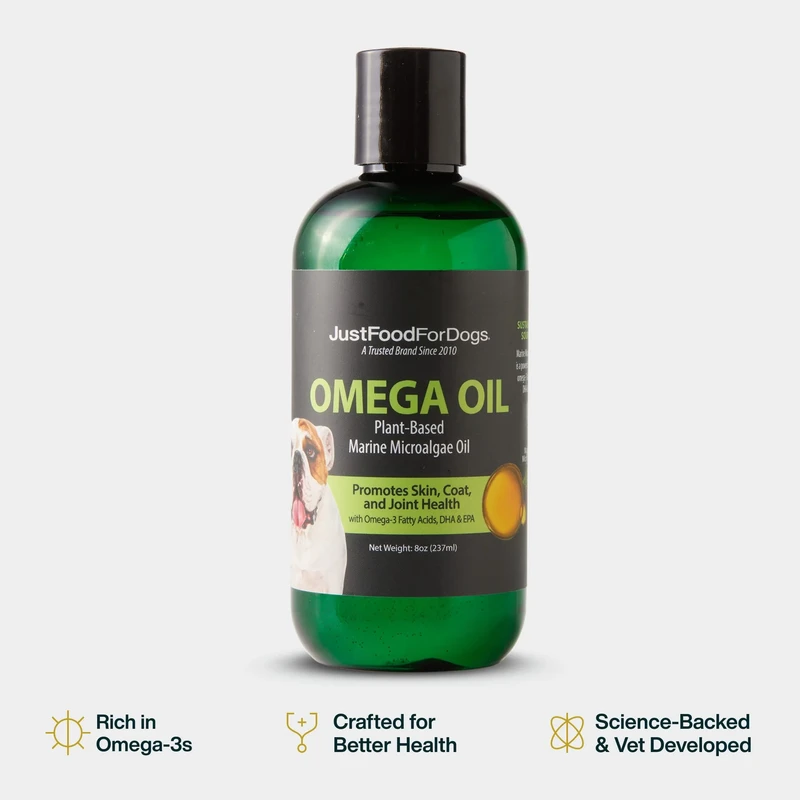
PawVerde.com – Plant-based omega supplementation for pets relies on bypassing the inefficient conversion of ALA (found in flax/chia) by providing direct sources of EPA and DHA. Marine microalgae oil is the premier vegan alternative, offering high concentrations of these essential long-chain fatty acids without the environmental impact of fish oil.
While flax and chia are common, dogs only convert about 5% of ALA to EPA and a mere 1% to DHA, making them inefficient primary sources for meeting long-chain fatty acid requirements.
The Algae vs. Flax Showdown: Why Not All Plant Omegas Are Equal
Most plant-based omegas like flax and chia contain ALA, which pets must convert into usable EPA and DHA. However, dogs convert only 5% of ALA to EPA and 1% to DHA, while cats cannot convert it at all. Algae oil is superior because it provides preformed EPA and DHA directly.
The ALA Conversion Gap
A common misconception in pet nutrition is that any source of Omega-3 is sufficient. In reality, the metabolic pathway required to transform Alpha-linolenic acid (ALA) into the long-chain fatty acids EPA (Eicosapentaenoic acid) and DHA (Docosahexaenoic acid) is highly inefficient in many domestic animals. While seeds like chia may contain 60-75% omega fatty acids, the biological “bottleneck” occurs during the conversion process inside the animal’s body.
Why Algae Oil is the ‘Real’ Plant-Based Solution
To avoid the conversion failure, practitioners recommend utilizing marine microalgae. As PhytoSmart notes, “Fish was never the source. It was just the middleman.” By targeting the algae directly, pet owners can provide the exact molecular structures—EPA and DHA—that the body requires for immediate use. This bypasses the metabolic struggle entirely, ensuring the nutrients reach the bloodstream and tissues without being lost to inefficient enzymatic processes.
| Fatty Acid Source | Primary Omega Type | Conversion Efficiency | Best Use Case |
|---|---|---|---|
| Flax/Chia Seeds | ALA | Low (5% EPA / 1% DHA in dogs) | General dietary fiber/ALA support |
| Algae Oil | EPA & DHA | High (Directly Bioavailable) | Cognitive, joint, and skin health |
| Corn Oil | Linoleic Acid (Omega-6) | N/A (Essential for membranes) | Skin barrier and cell membrane support |
| Coconut Oil | Saturated Fats | Very Low (0.2/100 cal Linoleic) | Not a substitute for essential omegas |
The table above illustrates why relying on ALA-heavy seeds often fails to provide the therapeutic levels of EPA and DHA needed for specific health interventions. While corn oil provides 5.9 units of linoleic acid per 100 calories, coconut oil provides only 0.2, meaning a pet would need 30x more coconut oil to meet the same linoleic acid requirement.
Label Detective: How to Spot High-Quality Algae Supplements
When selecting a vegan omega supplement, the concentration of active ingredients is the most critical metric. High-quality products, such as those from Fera Pets, specifically offer algae oil where the concentration of EPA and DHA reaches 50%. This high density ensures that a small serving size provides a meaningful dose of long-chain fatty acids.
Use these specific metrics to evaluate product potency:
- Check the “Guaranteed Analysis” section for specific milligram (mg) counts of EPA and DHA, rather than just “Total Omega-3.”
- Look for mentions of Schizochytrium sp., a specific algal strain used by providers to ensure high potency.
- Verify the source of the oil; premium manufacturers utilize marine microalgae to maintain a sustainable, direct-to-source supply chain.
The Cat-Specific Protocol: Navigating Obligate Carnivore Needs
Cats face unique metabolic constraints. According to Tufts Pet Foodology, cats cannot make the conversion from ALA to EPA or DHA at all.
WARNING: Relying solely on flax or chia seeds for a cat’s omega-3 needs is a recipe for nutritional deficiency. Unlike dogs, cats lack the necessary enzymatic efficiency to bridge the gap between plant-based precursors and the long-chain fatty acids required for life. Furthermore, cats have specific needs for AA (Arachidonic Acid), an essential fatty acid that must be present in their diet to support normal physiological functions.
Symptom-to-Source: Mapping Fatty Acids to Pet Health
For skin and coat issues, focus on Omega-6 (Linoleic acid) to support ceramide production. For joint inflammation and osteoarthritis, prioritize EPA. For cognitive function and neurological development in puppies/kittens, DHA is the critical nutrient to ensure through algae-based sources.
Joint Support and Inflammation
Managing joint health often involves modulating inflammatory cytokines. A study by Fritsch et al. in 2010, published in The Journal of Veterinary Internal Medicine, found that dogs with osteoarthritis showed marked improvement after receiving omega-3 supplements. Specifically, using EPA to modulate the enzymes that break down cartilage can provide significant relief for aging pets.
Skin, Coat, and Barrier Function
Skin health depends on specific fatty acid roles. Omega-6s like linoleic acid are vital for the formation of cell membranes and the production of ceramide, which reduces dander. In the right ratio, Omega-3s and certain Omega-6s work in tandem to incite a proper immune response that identifies damage, heals it, and recedes when its job is done.
Brain and Neurological Development
DHA is essential for cognitive function and neurological development. This nutrient plays a critical role in brain health, particularly in the sensitive developmental stages of puppies and kittens. Ensuring direct DHA through algae-based sources is the most reliable way to support long-term neurological integrity.
| Primary Health Goal | Target Fatty Acid | Biological Mechanism | Expected Timeline |
|---|---|---|---|
| Joint Mobility | EPA | Modulates inflammatory cytokines | Variable (often months) |
| Skin/Coat Shine | Linoleic Acid (Omega-6) | Ceramide and membrane production | 30–60 days |
| Cognitive Health | DHA | Neurological/Brain development | Long-term maintenance |
| Immune Balance | Omega-3/6 Ratio | Regulates immune response | Ongoing |
Rancidity and Safety: Protecting Your Pet from Oxidized Fats
Omega oils, particularly liquid algae and fish oils, are highly susceptible to oxidation. When these fats go rancid, they can become harmful rather than helpful. Feeding oxidized fats to a pet can lead to various health complications.
WARNING: Watch for signs of excessive supplementation or rancidity. Excessive intake can cause gastrointestinal signs, such as vomiting or diarrhea. Furthermore, high doses of omega-3s may lead to decreased platelet aggregation and alterations in immune function. Always store liquid oils in a cool, dark place and discard them if they develop a strong, “off” odor.
Dietary Integration: How to Feed Omega Oils Effectively
To maintain a proper ratio of omega-3 to omega-6 fatty acids, pet owners should incorporate supplements systematically. This helps counteract the excess omega-6 often found in commercial pet foods.
Recommended integration methods:
- Direct Dosing: Adding a measured amount of liquid algae oil (like Fera Pets) directly onto wet food or kibble.
- Mixed Feeding: Using specialized products to provide a consistent, pre-measured dose.
- Gradual Introduction: Starting with a very small amount and slowly increasing to the recommended dose to allow the gastrointestinal tract to adjust.
FAQ
Can I just use coconut oil for my dog’s omega needs?
No. Coconut oil is extremely low in linoleic acid (0.2 per 100 cal) compared to corn oil (5.9 per 100 cal), meaning you would need 30x more coconut oil to meet essential requirements for skin and cell membrane health.
Is algae oil better for the environment than fish oil?
Yes. Algae oil is a direct source that bypasses the need for marine extraction, making it more sustainable and avoiding the “middleman” fish, which aligns with broader ocean health and sustainability goals.
What are the signs of too much omega-3 supplementation?
Watch for gastrointestinal distress like vomiting or diarrhea. Additionally, be aware that excessive levels can potentially impact platelet aggregation and alter immune function, so moderation and professional guidance are recommended.
Sustainable Pet Travel: How to Reduce Your Carbon Pawprint
PawVerde.com – Sustainable pet travel is evolving as owners face new 2024 US importation rules and rising awareness of pet-related emissions. From choosing long-haul flights over short hops to swapping plastic waste bags for compostable alternatives, travelers can significantly reduce their ‘carbon pawprint’ while maintaining pet safety and regulatory compliance.
An average-sized dog generates approximately 770 kilogrammes of carbon dioxide annually, according to the Natural History Museum.
Material Science: Why Silicone and Hemp Win
To reduce environmental impact, owners can select products made from natural or renewable materials. Effective alternatives include:
- Toys manufactured from hemp or organic cotton.
- Durable leads and collars designed for longevity.
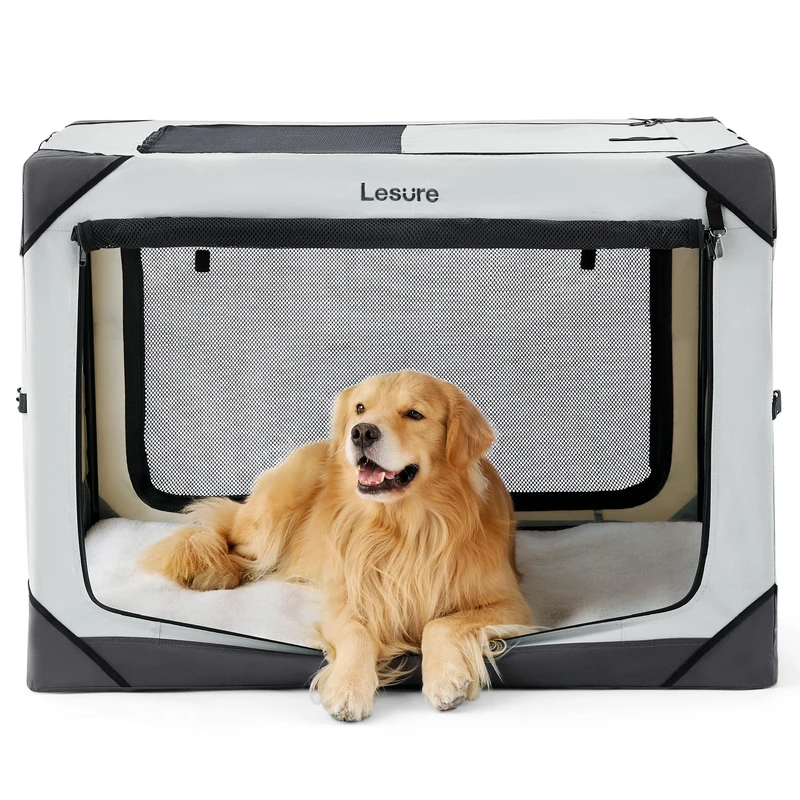
- Collapsible silicone bowls for Sustainable Travel Packing.
Environmental impact can be minimized by choosing specific materials. For example, switching to lower-carbon protein sources like chicken or fish can significantly cut emissions compared to beef or lamb, as noted by scientist Natalie Cooper.
The Dangers of Disposable Hygiene Products
Disposable hygiene products contribute to non-biodegradable waste during transit. Travelers can mitigate this by replacing single-use items with durable versions, such as using cloth wipes instead of disposable ones.
New 2024 Regulations and Compliance for US Travel
New importation rules for dogs entering or returning to the U.S. became effective in August 2024. These regulations require strict adherence to the standards set by the USDA Animal and Plant Health Inspection Service.
One critical requirement is the minimum age for dogs; animals must be at least 6 months old to enter or return to the United States. Failure to meet these age requirements or documentation standards can result in significant delays or denied entry at the border. Travelers should verify all health certifications through official USDA channels to ensure seamless compliance with these updated mandates.
Comparing Carbon Intensity: Flight vs. Rail vs. Road
For the lowest carbon footprint, international rail (Eurostar) emits only 6g of CO2 per passenger km, far outperforming driving alone or short hops. While long flights (150g CO2/km) are more efficient than short flights (255g CO2/km) due to take-off energy, carpooling remains a vital way to halve driving emissions.
Take-off uses much more energy than the ‘cruise’ phase of a flight. This makes short-range flights more carbon-intensive than long-haul options.
| Transport Mode | CO2e per Passenger km | Sustainability Winner |
|---|---|---|
| Eurostar (International Rail) | 6g | Primary Winner |
| Long Flight | 150g | Secondary Option |
| Medium Gasoline Car | 192g | Requires Carpooling |
| Short Flight | 255g | Least Efficient |
The data shows that choosing rail at 6g of CO2e per passenger km over a short flight at 255g provides a substantial reduction in emissions.
The Sustainability vs. Convenience Decision Matrix
Driving alone is one of the most carbon-intensive travel methods. However, adding just one passenger to a vehicle can cut the per-person emissions in half through carpooling.
While rail offers the lowest emissions, pet owners may need to consider travel needs such as the recommendation for car rides to include breaks every 2 to 3 hours. In these instances, a medium gasoline car with carpooling provides a different balance of utility and emissions.
Avoiding Common Travel Pitfalls for Pet Wellbeing
Travelers must account for biological needs to prevent physical distress. Mismanaging energy or nutrition can lead to stress during the journey.
Dr. Shecter notes that “one common misconception is that the best way to prepare a dog for travel is to completely exhaust them beforehand.” Furthermore, full days of sightseeing, including crowded restaurants and hot pavement, can be physically and mentally exhausting for pets. To ensure comfort, practitioners recommend Strategic Meal Timing: feed pets once they arrive at their destination rather than right before travel to prevent nausea and motion sickness.
FAQ
As of August 1, 2024, new importation rules are in effect. Ensure dogs are at least 6 months old and comply with USDA Animal and Plant Health Inspection Service requirements.
Natural Eco-Friendly Dog Toys: How to Spot Greenwashing
PawVerde.com – eco-friendly dog toys prioritize non-toxic, biodegradable, or recycled materials like natural rubber, hemp, and organic cotton to reduce landfill waste and chemical exposure. While traditional toys often contain hazardous substances, sustainable options focus on durability and material transparency to ensure both environmental health and canine safety. This shift in consumer behavior is critical, as 45% of tested pet products contained detectable levels of at least one hazardous chemical.
The Greenwashing Detection Guide: Spotting Fake ‘Natural’ Claims
To detect greenwashing, look beyond vague marketing terms like ‘natural.’ Verify specific certifications such as GOTS for cotton, Oeko-Tex for textiles, or MadeSafe for non-toxicity. Always check the material composition list to ensure ‘natural’ isn’t just a scent or a small percentage of a synthetic blend.
Vague terminology vs. Certified standards
The term ‘natural’ isn’t legally defined. This regulatory gap means a manufacturer can label a product “natural” even if it contains a high percentage of synthetic binders or chemical dyes. Relying on a label alone is a common failure mode for pet owners seeking safety. Instead, prioritize specific, verifiable standards:
- GOTS (Global Organic Textile Standard): Ensures organic status for cotton-based toys.
- Oeko-Tex: Certifies that textiles are free from harmful substances.
- MadeSafe: A rigorous non-toxicity certification that screens for thousands of hidden chemicals.
Experts note that no material name guarantees a dog toy is safe; factors like construction and how your dog plays are equally vital.
The recycled plastic transparency trap
While recycling is a core pillar of sustainability, recycled plastics can be risky if not tested. Some manufacturers use recycled materials without providing documentation regarding the original source or the presence of legacy toxins. A common mistake is assuming a “recycled” label automatically equals “non-toxic.” Without third-party verification, these plastics may contain additives that were present in the original waste material, potentially posing risks to your pet.
Disposal & End-of-Life Matrix: Where Do Your Toys Go?
Reducing pet industry waste requires choosing materials with clear lifecycles. Sustainable alternatives prioritize long-lasting or biodegradable options to minimize the volume of products ending up in landfills.
| Material Type | Disposal Method | Environmental Impact | End-of-Life Note |
|---|---|---|---|
| Natural Rubber (e.g., Hevea) | Biodegradable | Low | 100% biodegradable products reduce landfill reliance. |
| Organic Cotton | Compostable | Very Low | Ensure no synthetic thread or dyes are present. |
| Recycled Plastic | Recycling Bin | Medium | Effectiveness depends on local municipal capabilities. |
| Hemp Fiber | Compostable | Low | Excellent for reducing microplastic accumulation. |
The disposal path depends heavily on the specific material composition. For example, Hevea products are 100% biodegradable, making them an ideal choice for owners who want to minimize long-term environmental footprints. However, a common pitfall is attempting to backyard compost toys that require industrial composting conditions to break down effectively. Always verify if a “compostable” claim refers to home-compostable or industrial-only processes.
Backyard composting vs. Industrial requirements
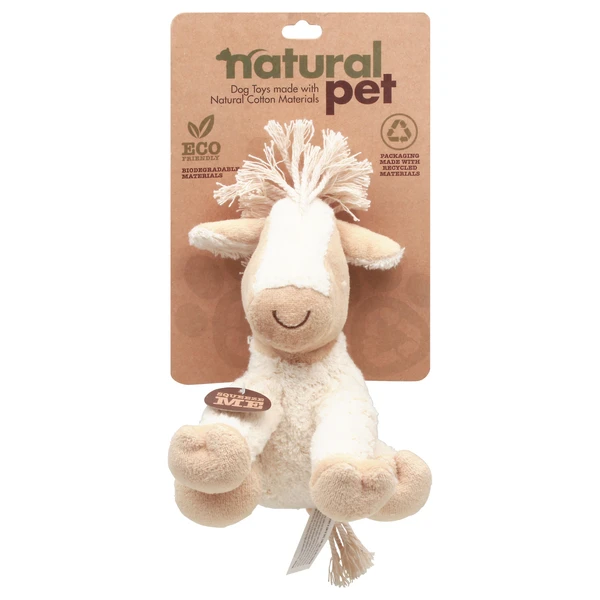
Not all organic materials break down at the same rate. While organic cotton rope is a great choice, it may require the higher heat of an industrial facility to decompose fully. On the other hand, pure natural rubber or hemp may integrate more easily into natural cycles. If a toy contains even a small amount of synthetic glue, it will fail to decompose in a backyard bin, leaving behind non-organic residue.
Brand take-back programs
circular economy solutions help manage end-of-life stages. By participating in manufacturer programs, consumers can ensure worn-out items are processed through responsible recycling or repurposing rather than entering a landfill.
Material vs. Play Style: Finding the Perfect Match
Match materials to chewing intensity: use natural rubber for power chewers because it flexes under pressure to protect teeth; choose organic cotton or plush for gentle mouthers; and utilize hemp or olive wood for moderate chewers seeking antimicrobial or low-splintering options.
| Material | Best For | Eco-Benefit | Safety Note |
|---|---|---|---|
| Natural Rubber | Power Chewers / Puppies | Biodegradable | Flexes to protect teeth and gums. |
| Hemp | Moderate Chewers | Antimicrobial | Extremely strong and durable. |
| Organic Cotton | Gentle Mouthers | Biodegradable | Ideal for pets with sensitive skin. |
| Olive/Coffee Wood | Moderate Chewers | Natural Resource | Splinters less than traditional sticks. |
Selecting the wrong material can lead to immediate physical issues. For instance, using hard nylon for a dog that requires more flexibility can result in injuries to the teeth or gums. Conversely, giving a heavy power chewer a soft plush toy often leads to rapid destruction and the ingestion of small parts.
The Power Chewer’s Defense: Why Flexibility Matters
For power chewers, natural rubber is often considered safer than hard nylon because it flexes under pressure rather than transferring force directly onto teeth. This flexibility is particularly beneficial for teething puppies, as natural rubber remains gentle on developing gums while still providing enough resistance for vigorous play. Harder, non-flexible materials can cause micro-fractures in the teeth over time due to the direct impact of the bite.
Sensitive Skin & Gentle Mouthers
Organic cotton is a suitable choice for pets with sensitive skin. These toys are known to be soft and biodegradable, which helps reduce the risk of irritation. Because organic cotton is free from the heavy chemical load found in conventional textiles, it provides a safer tactile experience for sensitive animals.
The Hidden Risks: Toxins and Microplastics
As long as animal companions aren’t protected by robust legislation and regulation, it is up to owners to minimize their exposure to toxic chemicals.
WARNING: Testing has shown that 48% of tennis balls contain lead, posing significant toxicity risks.
Heavy Metal Hazards in Common Toys
Testing has revealed alarming levels of heavy metals in standard pet items. For example, 48% of tennis balls contain lead. In one specific instance, the lead levels in the lettering of a dog ball reached 2,696 ppm, while arsenic levels reached 262 ppm. These high concentrations of toxins can be ingested through licking or chewing, posing a direct threat to canine health.
The Microplastic Shedding Reality
Recycled plastics can pose environmental risks through microplastic shedding. During heavy chewing, these materials may release tiny particles that, unlike biodegradable hemp or natural rubber, do not break down into organic matter and can enter the local ecosystem.
Cost-Per-Use: Why Sustainable Toys Save Money
While the initial price of eco-friendly toys may appear higher than mass-produced synthetic alternatives, the “cost-per-use” often tells a different story. A high-quality, durable toy that lasts several months is more economical than replacing cheap, flimsy toys every week.
- KONG Classic Natural Rubber: Starting at approximately $8.46, these provide long-term durability for heavy chewers.
- P.L.A.Y. Garden Fresh Collection: Starting at approximately $7.50, these offer safe, plush alternatives for gentle play.
- From the Field Tug-A-Hemp: Starting at approximately $5.84, these hemp-based toys offer extreme strength for tugging.
Investing in quality means fewer replacements and less frequent trips to the pet store. By selecting materials like natural rubber or hemp that withstand vigorous play, owners reduce the total number of toys purchased over the life of the pet, effectively lowering both the financial and environmental cost.
FAQ
Is natural rubber actually safer for my dog’s teeth?
Natural rubber is considered a safer option for power chewers because it flexes under pressure. This flexibility helps mitigate the direct force transferred to the teeth and gums compared to unyielding, hard synthetic materials.
How can I tell if a toy is truly non-toxic?
Verify products using third-party certifications such as GOTS for organic textiles or MadeSafe. To ensure high safety standards, owners should also look for the absence of synthetic glues and azo-free dyes.
Are hemp dog toys durable enough?
Hemp is incredibly strong and naturally antimicrobial. These properties make it a highly durable choice for braided chews and tug toys.