
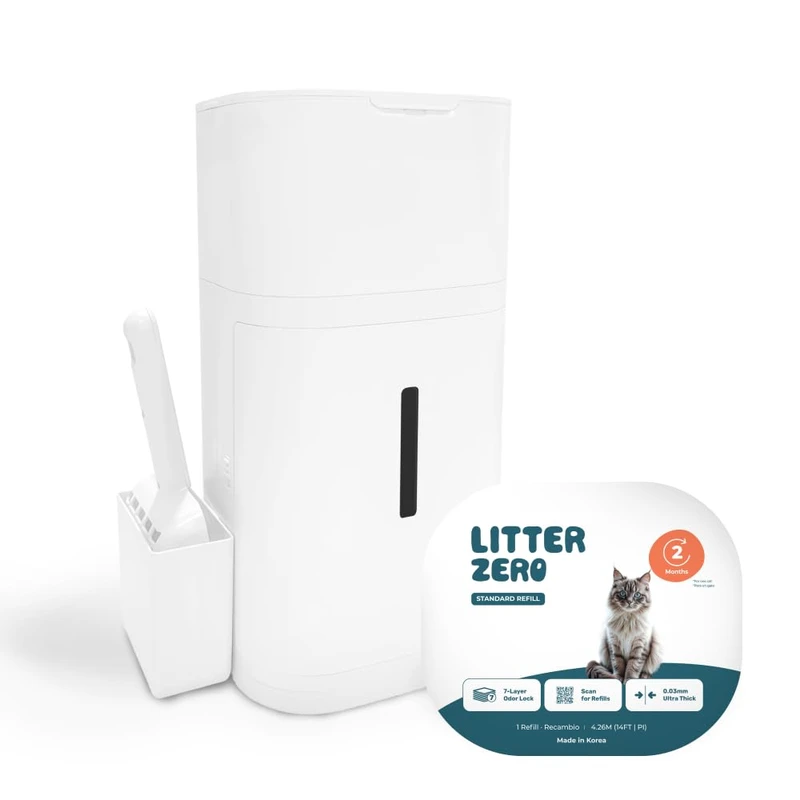
Best Zero Waste Cat Litter: Eco-Friendly Substrate Guide
PawVerde.com – The best zero-waste cat litter options prioritize biodegradable materials like pine, corn, or walnut shells that decompose in months rather than the 500+ years required by traditional clay. To achieve true zero-waste, pair these substrates with stainless steel litter boxes and compostable disposal methods to minimize plastic and carbon footprints.
Clay litter generates 3x more emissions than biodegradable alternatives according to a 2022 study. While traditional clay remains a market staple, its environmental footprint is massive due to mining requirements and the 500+ years it takes for these materials to decompose in a landfill.
The Zero-Waste Lifecycle Audit: Beyond Just Biodegradability
A true zero-waste litter strategy evaluates the entire lifecycle: from the packaging (paper vs. plastic) to the substrate (biodegradable vs. clay) and the final disposal (compost vs. landfill). To minimize waste, choose paper-packaged litters and use compostable bags for disposal to avoid the microplastics often found in ‘compostable’ additives.
Achieving sustainability requires looking past the “natural” label on the front of a bag. A common failure mode occurs when a consumer buys a biodegradable corn-based litter but stores it in a single-use plastic bin and disposes of it in a standard plastic trash bag. This creates a cycle where the substrate is eco-friendly, but the secondary waste remains permanent.
The Packaging Trap
Many brands market themselves as eco-friendly while still utilizing heavy-duty plastic multi-layer bags that are non-recyclable. To move toward a zero-waste goal, prioritize brands that utilize paper-based packaging or offer bulk refill options. If a brand uses plastic, consider a Zero-Waste Organization method, such as using cotton canvas bag holders to store compostable litter bags for easier handling.
The Disposal Reality Check
- Substrate Type: Ensure the material is truly plant-based (pine, corn, wheat, walnut, or tofu).
- Packaging: Opt for paper over plastic.
- Disposal Method: Match the material to a composting or deep-burial protocol.
- Hardware: Use non-plastic containers to prevent microplastic shedding.
Top-Rated Eco-Friendly Litter Options by Material Type
The best eco-friendly litters include pine pellets (2-3 month decomposition), corn-based (3-4 months), and walnut shells (6-12 months). Selection depends on your cat’s needs: corn offers superior clumping, while pine is ideal for seniors with arthritis due to its firm, easy-to-navigate texture.
| Material Type | Decomposition Time | Best For | Est. Monthly Cost |
|---|---|---|---|
| Pine Pellets | 2-3 months | Seniors / Arthritis | $18-$25 |
| Corn-Based | 3-4 months | Superior Clumping | $15-$22 |
| Wheat-Based | Variable | Multi-cat Households | $20-$30 |
| Walnut Shells | 6-12 months | pH Balancing | $25-$35 |
| Tofu | Variable | Lightweight Use | $22-$32 |
This data highlights the monthly price range for biodegradable substrates, such as corn litter at $15-$22 and walnut shells at $25-$35. Choosing a material requires balancing decomposition speed with your specific household budget.
Wood & Pine: The Durable Choice
Feline Pine is a prominent example of wood-based litter that utilizes natural wood fibers. These fibers are biodegradable and naturally fresh, which helps keep the smell of ammonia and cat urine at bay. A specific advantage of pine pellets is their texture; seniors often prefer pine pellets’ firm texture that’s easier on arthritic paws. For maintenance, a Sifting Method works best here, as pellets maintain their shape until they become fully saturated.
Grain-Based: Clumping & Odor Control
Corn-based litter stands out for its superior clumping ability and natural odor control. The starches in corn create tight clumps that make scooping easier. However, a notable pitfall is that some cats may attempt eating the litter due to its food-like origin. Wheat-based litter is another grain alternative, and it is particularly effective for multi-cat households where odor control is a top priority.
Walnut & Specialty: The pH Balancers
Walnut shell litter offers unique pH-balancing properties that help control odors naturally. While it has a longer decomposition window of 6-12 months, it is often at the higher end of the price spectrum. Other specialty options include tofu litter, which serves as an ultra-lightweight option for owners who struggle with heavy bags.
Paper: The Allergy-Friendly Alternative
Recycled paper litter is an ideal choice for households with allergy sufferers because it produces zero dust. While it is highly biodegradable, with a decomposition time of 1-2 months, it typically lacks the clumping strength of corn or walnut varieties. This can lead to a failure mode where the litter sticks to the bottom of the box if not scooped frequently.
The ‘Flushable’ Myth and Plumbing Safety
Many consumers assume that because a litter is plant-based, it is safe to flush down the toilet. This is a dangerous misconception. Even though recycled paper litter has a 1-2 month decomposition time, the fibers can swell and cause significant blockages in both septic systems and municipal sewage lines.
WARNING: Never flush any form of cat litter, regardless of its “biodegradable” or “flushable” label. The risk of plumbing failure and expensive repairs far outweighs the convenience of disposal. Always use a designated disposal method such as a compost bin or a trash receptacle.
Pathogen-Safe Composting: Avoiding the Food Garden Risk
The Sustainable Disposal technique involves composting plant-based substrates in yard compost piles. However, this must be done with extreme caution to prevent the spread of pathogens.
WARNING: Do not use cat waste in compost piles intended for edible food gardens. Pathogens like Toxoplasma gondii can persist in the soil and contaminate crops.
To manage waste safely, follow these guidelines:
- Deep Burial: Bury waste deep in non-edible garden areas to ensure complete breakdown.
- Municipal Green Bins: Use city-provided organic waste services if they accept pet waste.
- Separation: Keep cat-related compost strictly separate from vegetable and fruit compost.
The True Cost: Monthly Expense vs. Environmental Impact
Selecting an eco-friendly option often involves a shift in how you view your budget. While the upfront price per bag might seem higher than a standard clay option, the “true cost” is found in the monthly usage and the reduction in environmental damage.
| Litter Type | Estimated Monthly Cost (USD) |
|---|---|
| Pine Pellets | $18-$25 |
| Corn Litter | $15-$22 |
| Wheat-Based | $20-$30 |
| Walnut Shells | $25-$35 |
| Tofu Litter | $22-$32 |
As shown in the data, corn litter is often the most cost-effective biodegradable option at $15-$22 per month, whereas walnut shells represent a premium investment at $25-$35 per month. When calculating your budget, consider that some litters may require more frequent full-box changes than others.
Hardware Compatibility: Automatic Boxes and Stainless Steel
Transitioning to a stainless steel box can change your maintenance routine entirely. These containers resist bacteria and odors 10x better than plastic alternatives.
| Hardware Type | Key Advantage | Maintenance Note |
|---|---|---|
| Stainless Steel Box | Resists bacteria 10x better | Easy to sanitize |
| CATLINK (Automatic) | High-tech automation | Requires specific litter types |
| Furrbby (Eco-friendly) | Sustainable design | Compatible with natural litters |
Stainless steel boxes resist bacteria and odors 10x better than plastic. This durability means you won’t need to replace the box as often, reducing long-term plastic waste. Additionally, certain materials like pine pellets allow for a 3-second cleanout when used with a stainless steel sifter, making daily maintenance significantly faster.
For owners of high-tech automatic boxes like CATLINK, be aware that certain eco-litters can cause sensor errors or mechanical jams if they do not clump predictably. Always check the manufacturer’s compatibility list before switching to a new substrate.
FAQ
Can I compost my cat litter in my backyard?
Only if you follow strict protocols to avoid contaminating food gardens with pathogens like Toxoplasma gondii. It is safer to use municipal green bins or deep burial methods in areas where you do not grow food.
Is eco-friendly litter actually more expensive?
While the price per bag may be higher, calculating the “true cost” involves looking at monthly usage. For example, corn litter ($15-$22/mo) may be more cost-effective than walnut shells ($25-$35/mo).
Will my cat refuse to use biodegradable litter?
Yes, cats are creatures of habit. Use a “Gradual Transition” technique by mixing a small amount of new litter with the old to prevent behavioral issues and ensure they accept the new texture.
Low Carbon Dog Diets: How to Switch to Sustainable Protein
PawVerde.com – Reducing a dog’s carbon footprint involves transitioning from high-impact proteins like beef to lower-emission alternatives like pea protein, insect-based ingredients, or plant-based formulas. While beef produces 35.0 kg CO2eq per 100g, pea protein produces just 0.4 kg, offering a massive reduction in environmental pressure.
A global shift to vegan dog food alone could eliminate more greenhouse gas emissions than the total annual emissions from the United Kingdom and New Zealand combined, according to industry reports.
A successful transition relies on a controlled ratio increase. Practitioners suggest the following schedule to mitigate the risk of digestive upset:- 75% current diet + 25% new low-carbon protein.
- 50% current diet + 50% new low-carbon protein.
- 25% current diet + 75% new low-carbon protein.
- 100% new low-carbon protein.
When implementing Alternative Protein Integration, owners should monitor stool consistency daily. If a dog shows signs of sensitivity, the transition should be paused at the current ratio before proceeding. Sustainable Ingredient Selection also involves looking for non-synthetic, GMO-free, and locally sourced components, a practice recommended by Nature’s Logic to reduce individual environmental footprints.
While daily meals receive the most attention, the carbon cost of high-protein treats is disproportionately high. A single 100g portion of beef protein generates 35.0 kg CO2eq, whereas 100g of pea protein generates only 0.4 kg CO2eq. This massive discrepancy means that replacing a beef-based jerky treat with a vegetable or pea-based alternative can slash the “pawprint” of a single snack session by nearly 90%.
Small, frequent rewards can accumulate a significant environmental debt. To perform a treat audit, check ingredient labels for beef, lamb, or venison and swap them for plant-based or insect-derived options.
Plant-based diets are significantly more efficient than meat-based diets. For every 1,000 kcal, plant-based diets require only 2.73 square meters of land, whereas beef-based diets require 102.15 square meters and lamb-based diets require 111.47 square meters.
Resource requirements vary widely by protein source. The following data illustrates the divergence in land use and emissions between common dietary archetypes.
| Diet Type | Land Use (m² / 1,000 kcal) | GHG Emissions (kg CO2eq / 1,000 kcal) |
|---|---|---|
| Plant-based | 2.73 | 2.82 |
| Poultry-based | Not specified | 4.68 |
| Beef-based | 102.15 | 31.47 |
| Lamb-based | 111.47 | 12.85 |
This comparison highlights why moving away from ruminant animals is the most effective lever for pet owners. The data shows that a beef-based diet requires over 37 times more land than a plant-based diet to provide the same caloric energy.
The physical form of pet food significantly influences its total carbon impact. Research indicates that dry pet foods generally have a lower environmental impact per 1,000 kcal compared to their wet counterparts. Specifically, wet food can reach emission rates of 33.56 kg CO2eq/1,000 kcal, while dry food sits much lower at 4.25 kg CO2eq/1,000 kcal.
Wet food emissions are significantly higher than dry food, which sits at 4.25 kg CO2eq/1,000 kcal. This gap exists because wet food reaches rates as high as 33.56 kg CO2eq/1,000 kcal.
Nutritional balance is the primary concern for long-term health. While shifting to lower-impact proteins is beneficial, biological requirements must be met.
WARNING: Transitioning to a vegan or highly alternative diet without professional guidance can lead to nutritional imbalances. Always consult a veterinarian before making radical dietary changes, especially for dogs with existing medical conditions.
For dogs managing chronic conditions like kidney disease, protein quality and phosphorus levels are critical. While meat-based diets are traditional, the focus should be on highly digestible proteins that minimize metabolic waste. In these cases, the goal is not just “low carbon” but “low metabolic stress.”
Insects can serve as a sustainable novel protein source. To ensure a low-carbon profile, these ingredients should be raised on waste-based or low-impact organic matter rather than conventional grain.Reducing waste is a core pillar of a circular economy in pet nutrition. The “Whole-Animal Feeding” method involves incorporating bones, connective tissue, and organs—often referred to as companion-grade ingredients—to maximize the utility of each animal. This approach mirrors natural prey models and reduces the waste associated with only using muscle meat.
Manufacturers can utilize animal by-products (ABP) to create more sustainable foods. Using by-products that lack other alternative uses helps maximize the utility of each animal.
FAQ
While plant-based diets can be nutritious, they must be specifically formulated to avoid nutritional imbalances. Some research has highlighted the importance of using veterinarian-formulated products like Petaluma to prevent health disorders.
Insects are a sustainable novel protein source. Their impact is optimized when they are raised on waste-based or low-impact organic matter rather than conventional grain.
Yes. Larger breeds require more calories to maintain weight, leading to higher total emissions. Owners of large dogs can mitigate this by focusing on high-calorie density, low-impact foods and strict portion control.

How to Prepare Your Home for a Rescue Pet Sustainably
PawVerde.com – Preparing your home for a rescue pet sustainably means prioritizing a circular economy approach: sourcing second-hand gear first, upcycling household items into toys, and selecting durable, non-toxic materials like bamboo or stainless steel to minimize long-term waste and environmental impact.
With 6.5 million animals admitted to shelters and rescues in 2023, adopting a pet is a powerful way to reduce the resource-heavy demand of mass breeding facilities.
If you cannot find the perfect second-hand item, look to your recycling bin or closet. Upcycling transforms potential waste into functional pet supplies. For example, you can braid old T-shirts into durable rope tug toys or use empty cardboard tubes to create enrichment activities for cats. This approach prevents textile and paper waste from entering landfills while providing immediate mental stimulation for your new companion.A successful transition for a rescue animal requires a space that minimizes sensory overload. Creating a decompression zone involves more than just a quiet room; it requires an environment that supports the animal’s biological needs without relying on heavy electronic intervention.
Decluttering your living space is a fundamental step in this process. As noted in research regarding shelter pet transitions, decluttering helps create a peaceful atmosphere in your home. This simplicity helps prevent the stress and anxiety often seen in new pets when they move from a shelter or foster environment to a permanent home.
Tri-Valley Animal Rescue notes that pets are amazingly sensitive and read body language. If a new owner appears frazzled or overwhelmed by a disorganized environment, the pet may mirror that tension. A calm, organized space serves as a physical anchor for the animal’s emotional stability.
Managing Pet Sensitivity through Environment
Pawsnickety Pets emphasizes that a safe and happy environment is built on predictability. For a rescue animal, a dedicated “safe zone” should be established. This area should be separate from high-traffic zones of the house. By setting up a separate room or a partitioned corner, you allow the pet to observe the household from a distance before engaging. This gradual introduction is essential for multi-pet households to prevent territorial conflicts.
Natural Temperature Regulation
Rather than relying solely on high-energy electric heaters or air conditioning to manage a pet’s comfort, utilize natural ventilation and sustainable materials. Organic hemp mats or cotton blankets provide breathable insulation that helps regulate body temperature naturally. Using these materials reduces the carbon footprint of your home’s climate control systems while offering a non-toxic resting surface.
Pet-proofing traditionally involves a heavy reliance on synthetic sprays and plastic barriers. The Pet Sustainability Coalition defines eco-friendly pet material as any material that makes a pet’s life better without making the planet’s future worse.
The Pet Sustainability Coalition defines eco-friendly pet material as any material that makes a pet’s life better without making the planet’s future worse. This means looking beyond “natural-looking” products to verify the actual chemical composition of your household items.
| Hazard Category | Traditional Method | Sustainable Alternative | Benefit |
|---|---|---|---|
| Cleaning | Synthetic chemical sprays | Vinegar/Baking soda or biodegradable soaps | Non-toxic for paws and noses |
| Feeding | Disposable plastic bowls | Stainless steel or ceramic | Highly durable and non-leaching |
| Toys | Cheap plastic chew toys | Hemp rope or natural rubber | Biodegradable and safer for teeth |
| Grooming | Plastic brushes/combs | Bamboo or metal tools | Lasts for years; reduces plastic waste |
The table above provides a comparison of common household hazards and eco-friendly, non-toxic alternatives to ensure your pet-proofing efforts do not introduce harmful substances into your home’s ecosystem.
Eliminate single-use plastic packaging by making homemade treats using whole foods like pumpkin and wholemeal flour. Bake at 180ºC (375ºF) for 35-40 minutes with a dough thickness of 0.5 cm to ensure even cooking and zero-waste nutrition.
Sustainable Jungle highlights that homemade treats allow you to control exactly what goes into your pet’s body while completely bypassing the plastic waste generated by commercial treat bags. This method also allows for much more cost-effective nutrition.
To minimize packaging, consider purchasing staple foods in bulk. Using reusable containers to transport food from bulk bins significantly lowers the environmental impact of your pet’s daily nutrition.
Shortcut: To save time, prepare a large batch of treats once a month and store them in airtight glass jars to maintain freshness without using plastic zip-locks.
Creating nutritious treats is straightforward. Follow these specific measurements to ensure a successful bake:- 250g pumpkin (pureed)
- 250g wholemeal flour
- Preheat oven to 180ºC (375ºF)
- Roll dough to exactly 0.5 cm thickness
- Bake for 35 – 40 minutes
A common failure mode in treat making is uneven cooking. If the dough is thicker than 0.5 cm, the center may remain soft while the edges burn, potentially leading to digestive issues if the ingredients are not fully processed by the heat.
Transitioning to sustainable habits in grooming and waste management can reduce your household’s water and waste footprint.
Sustainable grooming begins with the tools you select. Metal combs or bamboo brushes are superior to plastic versions because they offer higher durability and do not contribute to the growing problem of microplastic shedding. Additionally, using biodegradable shampoos prevents harmful surfactants from entering the water system during every bath.
Water conservation is a critical component of eco-friendly pet care. During bathing, avoid leaving the tap running continuously. Instead, use a bucket to hold water or utilize a handheld showerhead. A highly effective technique is to turn off the water entirely while you are lathering the pet’s coat, only turning it back on for the final rinse.Managing pet waste sustainably requires a nuanced approach. While many owners focus on the waste itself, pet hair can also be repurposed. Some organizations collect pet fur for environmental projects, such as oil spill cleanups, where it is used to absorb pollutants. At home, pet hair can be added to a compost pile, provided it is not matted into thick clumps. To prevent a compost pile from retaining extra water, mix the hair and organic waste with bulky wooden materials to ensure proper air flow and moisture balance.Moving toward a zero-waste pet lifestyle is a process of progress rather than perfection. As Caring Hands Vet states, “A sustainable lifestyle is not about perfection—it’s about progress.”
Warning: Ensure your compost is not contaminated. Avoid adding hair collected from a vacuum cleaner that may contain non-compostable materials like synthetic carpet fibers or microplastics.
Moving toward a zero-waste pet lifestyle is a process of progress rather than perfection. As Caring Hands Vet states, “A sustainable lifestyle is not about perfection—it’s about progress.”
Warning: Ensure your compost is not contaminated. Avoid adding hair collected from a vacuum cleaner that may contain non-compostable materials like synthetic carpet fibers or microplastics.
If you encounter issues with your compost pile, such as it retaining too much water, it is likely due to adding hair in large, dense mats. Breaking up the hair before adding it will restore the necessary aeration. Similarly, if you notice your pet is struggling with the new environment, remember that the decompression phase is a biological necessity, not a failure of your preparation.
Is buying second-hand pet gear safe?
Yes, provided you inspect for pests and allergens. Focus on hard goods like crates or stainless steel bowls, which are easily sanitized with hot water and biodegradable soap to ensure they are safe for your new pet.
Why is adoption considered more sustainable?
Adoption reduces the demand for mass breeding facilities that consume significant natural resources. By helping to prevent animal overpopulation, adoption also helps to reduce carbon dioxide emissions associated with large-scale commercial breeding operations.
How can I reduce plastic in pet feeding?
Switch to bulk buying to reduce packaging and consider making homemade treats with whole foods. This eliminates single-use plastics entirely, as the food you prepare goes straight from your kitchen to your pet’s bowl.
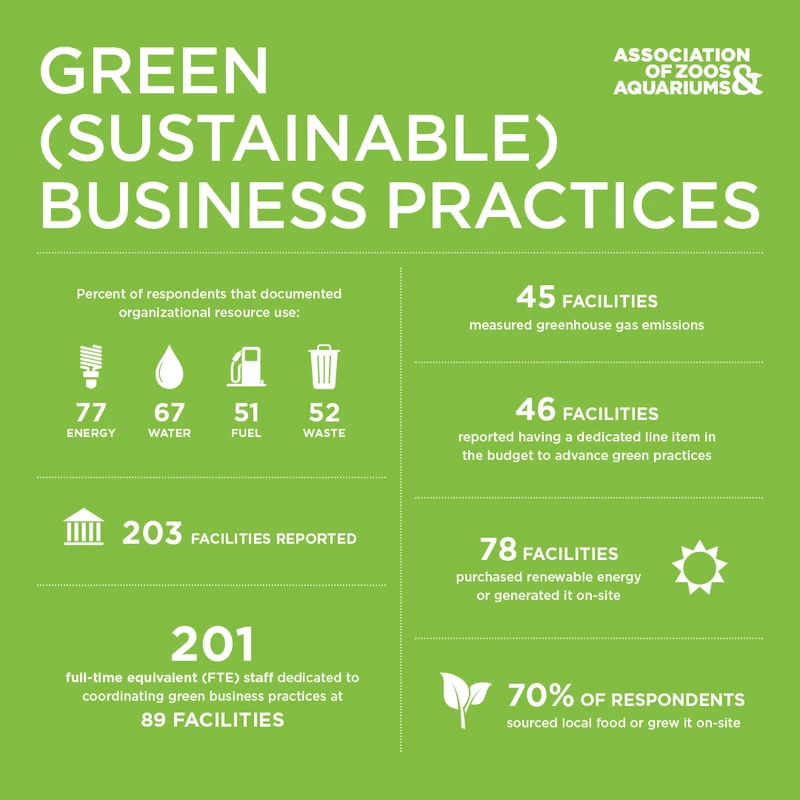
Eco-Friendly Pet Conservation: A Guide to Sustainable Care
PawVerde.com – To transition to eco-friendly pet conservation, owners must implement a multi-layered approach: switching to sustainable nutrition (lower-impact meats), adopting responsible waste management (compostable bags and proper disposal), choosing biodegradable grooming products, and auditing pet gear to avoid greenwashed plastics. This reduces your pet’s carbon footprint and protects local water quality.
North America alone generates 300 million pounds of plastic waste from pet products annually. This massive volume of waste contributes to long-term environmental degradation, necessitating a shift in how pet owners select and discard supplies.
Biodegradable vs. Compostable: The Technical Difference
A critical distinction exists between these two terms. According to the David Suzuki Foundation, compostable products must break down within a defined timeframe and under specific conditions, leaving behind non-toxic material. In contrast, biodegradable products often rely on vague or unregulated claims that do not guarantee a specific rate of decomposition. A failure to distinguish between them often leads to “wish-cycling,” where owners attempt to compost items that actually require industrial processing to break down.
Red Flags in Pet Product Labeling
Evaluate labels by looking for specific indicators of deceptive marketing. Use these metrics to determine if a product’s claims are substantiated:
- Vague Terminology: Avoid products that use words like “natural” or “eco-friendly” without supporting third-party certifications.
- Missing Timeframes: If a product claims to be biodegradable but does not state how long it takes to decompose, treat the claim with skepticism.
- Hidden Ingredients: Check for unsustainable components like palm oil in grooming products, which contributes to deforestation.
- Lack of Certification: Look for specific logos from recognized bodies rather than generic leaf icons.
Safety-First Sustainability: Balancing Eco-Materials with Pet Toxicity
While transitioning to sustainable materials can reduce environmental impact, pet safety is the primary priority. For example, topical flea treatments act as pesticides that can leach into water and harm aquatic wildlife if a dog enters a river shortly after application.
Eco-Friendly Pet Treat Recipes: Upcycle Scraps for Nutrition
PawVerde.com – To make eco-friendly pet treats, focus on three pillars: using upcycled ingredients (like nut milk pulp or veggie scraps), selecting low-impact proteins (such as insect protein), and utilizing energy-efficient dehydration methods. This approach reduces your pet’s carbon footprint while ensuring a preservative-free, nutritious snack. Buying local ingredients can reduce your pet’s carbon footprint by up to 10%.
The Zero-Waste Kitchen: Upcycling Scraps into Nutritious Treats
Upcycling for pet treats involves using food by-products that would otherwise be wasted, such as nut milk pulp for granola, broccoli stems, or bruised fruits. To qualify as an ‘Upcycled Certified Product,’ ingredients must meet a minimum of 10% upcycled content, helping to create a circular food economy in your home.
The Food Revolution Network highlights that upcycled foods turn potential waste into high-value nutrition. Instead of discarding the fibrous remains of homemade almond or soy milk, these scraps serve as a functional base for pet snacks. This method prevents organic matter from entering landfills, where it would contribute to methane emissions.
Turning Nut Milk Pulp into Granola
Nut Milk Pulp Granola is a no-waste recipe designed to utilize leftover pulp from nut milk production. This ingredient provides significant fiber. A common mistake occurs when the pulp is too wet, leading to a mushy texture rather than a crunchy snack. Ensure the pulp is squeezed dry before mixing with binders like mashed banana or coconut oil.
Using Bruised Fruits and Veggie Ends
Households often discard bruised fruits, but these segments remain nutrient-dense. For example, apples can help clean residue off dogs’ teeth and freshen their breath. Incorporating veggie ends like broccoli stems can also increase the fiber content of homemade biscuits.
- Nut Milk Pulp: High in fiber and perfect for granola-style treats.
- Bruised Bananas: Acts as a natural sweetener and binder.
- Vegetable Stems: Provides structural bulk for crunchy biscuits.
- Fruit Scraps: Adds vitamins and natural moisture.
Sustainability Scorecard: Choosing Low-Impact Proteins
Selecting alternative protein sources is a key way to manage environmental impact. While traditional meat-heavy diets require vast amounts of land and water, options like insect protein offer a lighter ecological footprint.
Grub Club has demonstrated that insect protein is a sustainable and nutritious alternative to traditional meat. Insects require a fraction of the resources needed for bovine or avian protein production. This shift in ingredient sourcing addresses the growing demand for high-quality pet nutrition without the heavy ecological toll of industrial livestock farming.
| Protein/Ingredient Type | Environmental Impact | Nutritional Benefit |
|---|---|---|
| Traditional Meat (Beef/Lamb) | High (Land/Water Intensive) | High Protein/Fat |
| Insect Protein | Low (Highly Sustainable) | High Protein/Nutrient Dense |
| Plant-Based (Pumpkin/Oats) | Very Low | High Fiber/Beta-Carotene |
Grub Club uses insect protein to create treats that serve as a sustainable alternative to traditional meat-based options.
The Case for Insect Protein
Insect protein is becoming a mainstream solution for eco-conscious owners. Unlike traditional livestock, insect farming can often be done vertically, saving space. This makes it a highly efficient protein source for manufacturing treats that aim for a low carbon footprint.
Comparing Meat-Heavy vs. Plant-Based Impact
Resource requirements vary significantly between protein types. While meat-heavy recipes are calorie-dense, they contribute more to land degradation compared to plant-based or insect-based alternatives. Using insect protein can provide high-quality nutrition while addressing the ecological toll associated with industrial livestock farming.
Step-by-Step: Three Eco-Friendly Recipes
Follow these three methods for eco-friendly treats: 1. Frozen Apple Treats (blend apples, yogurt, and water, then freeze in silicone trays); 2. Peanut Butter Pumpkin Treats (mash banana, combine with pumpkin, roll to 1/4 inch, and bake at 350°F); 3. Grain-Free Treats (mix tapioca and coconut flour, press to 1/4 inch, and bake at 400°F).
Recipe 1: Frozen Apple & Yogurt Bites
Based on techniques from Irresistible Pets, these bites are ideal for summer cooling. Apples clean residue off dogs’ teeth and freshen breath, providing a dual benefit of snack and dental aid.
- Slice fresh apples, ensuring all cores and seeds are removed.
- Place apple slices in a blender with plain yogurt and a splash of water.
- Blend until the mixture reaches a liquid consistency.
- Pour the liquid into a silicone ice tray.
- Freeze until solid.
Recipe 2: Peanut Butter Pumpkin Biscuits
This recipe, sourced from Desserts With Benefits, utilizes canned pumpkin to assist with canine digestion. Pumpkin is high in fiber and beta-carotene, making it a functional ingredient.
- Preheat your oven to 350°F.
- In a large mixing bowl, mash one ripe banana until smooth.
- Combine the mashed banana with canned pumpkin and peanut butter.
- Roll the dough on a lightly floured surface to a thickness of 1/4 inch.
- Cut into shapes and bake for 15-20 minutes.
Recipe 3: Grain-Free Coconut & Tapioca Crunch
For pets with sensitivities, the Primally Inspired method offers a grain-free alternative. This recipe yields approximately 50 two-inch treats.
- Boil chicken broth and a small amount of oil/fat.
- In a separate bowl, mix dry ingredients: tapioca flour, coconut flour, salt, yeast, and flax.
- Slowly combine the wet broth mixture with the dry ingredients.
- Press the dough into a flat layer, exactly 1/4 inch thick.
- Bake at 400°F for 15 minutes until firm.
Mastering Texture: The Eco-Flour Substitution Matrix
When moving away from wheat, the chemistry of your dough changes. Using alternative flours requires an understanding of how they interact with moisture to avoid a failed batch.
Coconut flour is known for its high absorbency. If a recipe calls for coconut flour and you do not adjust the liquid, the dough will become crumbly and impossible to shape. This is a frequent failure mode for home bakers attempting eco-friendly substitutions.
| Flour Type | Absorbency Level | Substitution Action |
|---|---|---|
| Wheat Flour | Standard | Baseline |
| Coconut Flour | Very High | Add extra liquid (water/egg) |
| Tapioca Flour | Low | Use for binding/crunch |
Use the flour types and substitution actions listed above to balance your dry-to-wet ratio for a workable dough.
Fixing Dry Dough with Extra Liquid
If your dough feels like sand, it lacks sufficient hydration. Adding small increments of water, unsweetened nut milk, or even pureed pumpkin can resolve the issue. Do not add too much at once; add one tablespoon at a time until the dough holds its shape when pressed.
Swapping Wheat for Upcycled Oats
Upcycled oats can replace wheat flour to reduce environmental impact. While oats provide a similar texture, they may require a slightly different binding agent, such as an extra egg or a bit more moisture, to prevent the treats from falling apart during baking.
Preserving Without Chemicals: Natural Shelf-Life Methods
Because homemade treats lack the industrial preservatives found in brands like Milk-Bone, they require careful storage to prevent spoilage. Managing moisture is the key to longevity.
Microwave dehydration is an effective method for extending shelf life. This process uses less energy and water than traditional freeze drying, making it a more sustainable choice for the home kitchen. By removing moisture, you inhibit the growth of bacteria and mold.
Shortcut: For quick drying of thin slices, use the lowest setting on your oven or a dedicated food dehydrator to maintain nutrient integrity.
Warning: Do not freeze homemade treats that are made from canned food, as this can alter the texture and nutritional stability of the ingredients.
According to Hill’s Pet, homemade treats typically have a 5-7 days shelf life when stored in the refrigerator. For longer storage, consider air-tight glass containers or vacuum sealing to protect against humidity.
Safety First: Avoiding Toxic Ingredients and Overfeeding
Always prioritize safety by checking ingredients against lists from the ASPCA or Pet MD.
CRITICAL SAFETY WARNING: Never substitute cinnamon with nutmeg. Nutmeg is toxic to dogs in large quantities and can cause serious health issues. Always verify ingredients against safety lists from organizations like the ASPCA or Pet MD.
Hill’s Pet notes that homemade treats should not exceed 10% of your pet’s total daily intake. Exceeding this limit can lead to obesity and nutritional imbalances because heat alters the nutritional characteristics of the food. Monitoring portions ensures that treats remain a healthy supplement rather than a dietary disruption.
FAQ
How long do homemade dog treats last?
Homemade treats typically have a shelf life of 5-7 days when stored in the refrigerator. For longer storage, ensure they are fully dehydrated and kept in airtight containers to prevent moisture absorption.
Can I use nutmeg in dog treat recipes?
No, nutmeg is toxic to dogs in large quantities and should never be used as a substitute for cinnamon. Always check ingredient safety through reliable sources like the ASPCA before baking.
How much of these treats can my dog eat daily?
Homemade treats should not exceed 10% of your pet’s total daily caloric intake. This limit helps maintain proper nutritional balance and prevents excessive calorie consumption from supplemental snacks.