
Eco-Friendly Pet Services: How to Avoid Greenwashing
PawVerde.com – Eco-friendly pet services prioritize sustainability through low-emission mobile grooming, insect-based proteins, and biodegradable waste management. By choosing services that utilize solar-powered transport, compostable materials, and ethically sourced nutrition, pet owners can significantly reduce their animal’s carbon footprint and avoid the toxic chemicals often found in conventional pet care products.
The scale of the environmental challenge is immense. American dogs create an estimated 10 million tons of poop each year, creating a massive waste management challenge that requires more than just standard plastic disposal solutions.
The Greenwashing Detector: How to Audit Your Pet Service Provider
To detect greenwashing, avoid providers using vague terms like ‘natural’ or ‘green’ without specific proof. Look for concrete certifications and avoid ‘unrelated labels’—such as ‘CFC-free’—which are marketing tactics used to appear eco-friendly without providing actual environmental value or substance.
Greenwashing often manifests through deceptive labeling in the pet food and supply sectors. Industry analysts have identified 10 common greenwashing practices used to mislead consumers. Within the food and beverage industry specifically, 5 of these practices are highly prevalent, often involving claims that lack verifiable data or third-party oversight.
Red Flag Phrases to Watch For
A primary failure mode for eco-conscious consumers is falling for “Greenwashing via Vague Assertions.” This occurs when a brand uses terms like “eco-friendly,” “natural,” or “green” as catch-all descriptors without providing specific proof descriptors or ingredient details. If a service provider claims to be “environmentally friendly” but cannot list the specific biodegradable certifications of their shampoos, the claim is likely unsubstantiated.
Another deceptive tactic is “Greenwashing via Unrelated Labels.” Some producers highlight irrelevant properties to create a halo effect of sustainability. For example, a company might advertise “CFC-free packaging.” Because CFCs (chlorofluorocarbons) were banned long ago, this label provides zero actual environmental value to a modern consumer; it is simply a marketing tactic designed to appear environmentally conscious.
Verifying Claims with Data Mining
To move beyond marketing fluff, practitioners suggest a more rigorous approach to vetting. One method involves “Data Mining for Greenwashing Detection,” where consumers can run definitions of common greenwashing practices through tools like the WORDITOUT application to highlight and identify negative or deceptive linguistic patterns. Instead of trusting a label, look for specific, measurable data points regarding carbon offsets or ingredient sourcing.
A Step-by-Step Transition Roadmap for Eco-Conscious Owners
Transitioning to a sustainable lifestyle does not require an immediate, total overhaul of your pet care routine. Research indicates that 3/4 of 1,000 surveyed pet owners are interested in learning how to live more sustainably with their pets, suggesting a significant movement toward intentional consumption.
This structured transition helps manage potential pet health sensitivities. Owners can monitor reactions to new ingredients or hygiene products during each phase.
- Phase 1: Low-Stakes Swaps (Waste & Toys): Begin by replacing high-impact disposables. Swap traditional plastic waste bags for compostable alternatives or renewable plant-material options. This stage focuses on items that do not directly impact the pet’s internal biology, making it a safe starting point for testing new brands.
- Phase 2: Dietary Shifts (Proteins & Ingredients): Once waste management is stabilized, address nutrition. Utilize the “Sustainable Nutrition Transition” technique by switching to organic ingredients, locally sourced proteins, or insect-based proteins. It is vital to monitor for digestive changes when introducing new protein sources.
- Phase 3: Professional Service Audits: The final stage involves auditing your service providers. Evaluate grooming salons and veterinary services based on their use of biodegradable formulas and their energy consumption models.
Sustainability can offer financial benefits for retailers. According to industry data, retailers can lower operating costs by reducing waste and conserving energy, which may help mitigate the “green premium” for consumers.
Revolutionizing Pet Hygiene: From Solar Vans to Natural Formulas
Mobile grooming services reduce environmental impact by lowering transportation emissions. Providers like Puppy Luv Pet Services in the DMV area utilize direct-to-home models to minimize the carbon footprint of each visit.
The shift toward mobile, eco-conscious grooming is driven by both environmental necessity and pet wellness. Providers like Puppy Luv Pet Services in the DMV area emphasize that mobile grooming reduces the carbon footprint by lowering transportation emissions through direct-to-home service. Furthermore, as Puppy Luv Pet Services notes, “As we move deeper into 2025, pet parents aren’t just looking for clean dogs—they want clean consciences too.”
Product composition is a critical factor in pet wellness. Traditional grooming products can contain harsh chemicals that irritate skin or trigger allergies. Natural formulas are often gentler, particularly for animals with sensitive skin or existing medical conditions.
Innovation in this sector has reached the level of hardware. For instance, in February 2023, Sundance Pet Grooming introduced a Mercedes Benz clean diesel Sprinter van equipped with rooftop solar panels in the Lake Norman region. This integration of renewable energy directly into the service delivery model represents the high end of sustainable pet hygiene.
The Science of Sustainable Nutrition: Insect Protein and Carbon Goals
Sustainable pet food options can significantly lower carbon emissions. By utilizing organic, locally sourced, or insect-based proteins, brands can reduce their dependence on intensive livestock farming.
The most significant breakthrough in sustainable pet nutrition is the adoption of insect protein. Insect protein is demonstrably better for the environment due to superior land usage, significantly lower water consumption, and almost negligible greenhouse gas emissions compared to traditional beef or poultry. Brands such as Jiminy’s have pioneered the use of these proteins to create high-quality, low-impact meals.
| Feature | Conventional Services/Food | Eco-Friendly Services/Food |
|---|---|---|
| Primary Protein Source | High-impact livestock (Beef/Chicken) | Insect protein or locally sourced organic |
| Packaging Type | Non-recyclable multi-layer plastics | Recyclable or compostable materials |
| Cat Litter Composition | Clay or sodium bentonite | Recycled wood, wheat, or corn |
| Environmental Focus | Mass production efficiency | Carbon footprint reduction (e.g., Open Farm’s 42% goal) |
The data highlights the shift from mass production efficiency to long-term ecological stability. While conventional methods focus on immediate cost, sustainable alternatives prioritize measurable goals like Open Farm’s 42% carbon footprint reduction target.
Corporate accountability is also evolving. Open Farm has established a specific 42% carbon footprint reduction goal to be met by 2030, demonstrating that sustainability is being integrated into long-term business strategy rather than treated as a temporary marketing trend. Furthermore, suppliers like Kemin Nutrisurance are playing a critical role by providing the plant-based ingredients necessary to support these global sustainability strategies in the pet food market.
Managing the Mess: The Lifecycle of Pet Waste
Managing pet excrement is a vital part of environmental stewardship. Proper handling is required to prevent the contamination of soil and water systems.
The “Waste Management – Composting” technique offers a specialized solution. Pet N Pet recommends using specialized composting systems that utilize aerobic digestion and enzyme-based treatments to process waste safely.
When selecting products for waste disposal, the distinction between “biodegradable” and “compostable” is vital. Many products claim to be eco-friendly but fail to reach the necessary environments to actually decompose.
Warning: Many “biodegradable” bags require industrial composting facilities to break down effectively. If these bags are sent to a standard landfill, they may remain intact for years, failing to provide the environmental benefit promised by the manufacturer.
To ensure genuine sustainability, look for manufacturers like MyEcoPet, which produces GMO-free renewable plant material waste bags, or Pet N Pet, which focuses on the future of sustainable waste management. For those looking to transition, Pet N Pet currently offers a 20% discount on first orders to lower the barrier to entry for eco-conscious waste management.
FAQ
Is eco-friendly pet food actually safer for my pet?
Yes, natural formulas and organic ingredients help avoid harsh chemicals like parabens or phthalates that can trigger allergies or skin irritation. This makes them a preferred choice for pets with sensitive skin or specific medical conditions.
How can I tell if a pet brand is greenwashing?
Watch for vague claims like “all-natural” without specific details and avoid brands that highlight irrelevant certifications like “CFC-free.” Real sustainability is backed by specific data, such as carbon reduction percentages or verifiable ingredient sourcing.
Are compostable poop bags truly better for the environment?
They reduce plastic waste, but their effectiveness depends on whether they reach industrial composting facilities rather than standard landfills. Without proper processing, even compostable materials may not decompose as intended.
Pet Food’s Impact on Biodiversity and Global Deforestation
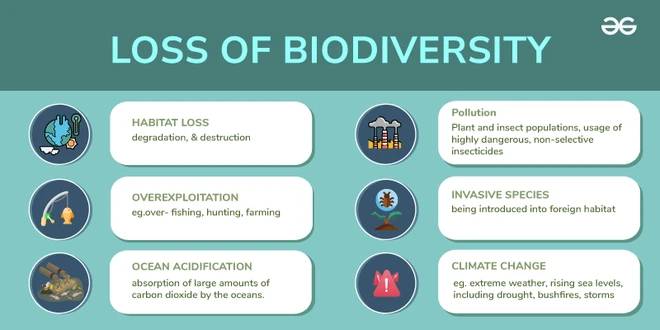
PawVerde.com – Pet food impacts biodiversity primarily through agricultural expansion, which drives 90% of global deforestation, and through high-emission protein sources like red meat. While often excluded from sustainability talks, the pet food industry’s demand for land and resources contributes significantly to habitat loss for thousands of species.
If the pet population in the US comprised a separate country, that nation would rank fifth in global meat consumption, according to Gregory Okin.
Ruminant animals represent the most intensive pressure on planetary boundaries. Producing a single kilogram of red meat, such as beef or lamb, can emit between 50 to 750 kilograms of carbon. This massive emission profile is a primary driver of climate instability, which indirectly destabilizes ecosystems and accelerates species extinction.Agriculture is the primary engine of habitat destruction. Between 2000 and 2018, agriculture was responsible for approximately 90% of global deforestation. This land conversion is a catastrophic failure for wildlife, as 88% of terrestrial vertebrate species are projected to lose at least some habitat to agricultural expansion by 2050. In the pet food supply chain, this often manifests as the cultivation of soy and palm oil to provide calories and fats, frequently at the expense of tropical rainforests.While fish-based proteins offer a lower carbon profile than beef, they introduce a different set of ecological risks. Catching a single kilogram of fish emits between 1 to 5 kilograms of carbon. However, the risk here is not just atmospheric; it is biological. Intensive fishing for pet food ingredients can deplete wild populations, disrupting the food webs that sustain marine biodiversity.Protein Source Carbon Footprint (per kg) Biodiversity Risk Level Primary Driver Red Meat (Beef/Lamb) 50–750 kg Critical Methane & Land Use Fish 1–5 kg High Overfishing/Habitat Loss Insect Protein Low Low to Moderate Feedstock Type Plant-Based Very Low Moderate Monoculture Expansion
While fish-based proteins offer a lower carbon profile than beef, they introduce a different set of ecological risks. Catching a single kilogram of fish emits between 1 to 5 kilograms of carbon. However, the risk here is not just atmospheric; it is biological. Intensive fishing for pet food ingredients can deplete wild populations, disrupting the food webs that sustain marine biodiversity.Protein Source Carbon Footprint (per kg) Biodiversity Risk Level Primary Driver Red Meat (Beef/Lamb) 50–750 kg Critical Methane & Land Use Fish 1–5 kg High Overfishing/Habitat Loss Insect Protein Low Low to Moderate Feedstock Type Plant-Based Very Low Moderate Monoculture Expansion
| Protein Source | Carbon Footprint (per kg) | Biodiversity Risk Level | Primary Driver |
|---|---|---|---|
| Red Meat (Beef/Lamb) | 50–750 kg | Critical | Methane & Land Use |
| Fish | 1–5 kg | High | Overfishing/Habitat Loss |
| Insect Protein | Low | Low to Moderate | Feedstock Type |
| Plant-Based | Very Low | Moderate | Monoculture Expansion |
The data shows significant variation in environmental impact. While carbon emissions differ, the risk to biodiversity includes both atmospheric changes and direct habitat destruction.
The environmental footprint of pet ownership extends into the local water cycle. Nitrogen found in faeces can wash into lakes or rivers, fueling the growth of invasive algae. This process, known as eutrophication, creates “dead zones” where oxygen levels are too low to support fish and other vital organisms.
The US Environmental Protection Agency (EPA) categorizes pet faeces as a significant pollutant in many urban and suburban environments. When nitrogen and phosphorus from waste enter waterways, they act as unintended fertilizers for algae. This sudden nutrient surge causes massive algal blooms that block sunlight and deplete oxygen, effectively suffocating the very biodiversity they were meant to nourish.
As invasive algae proliferate, they consume available oxygen and block sunlight. This biological shift can transform a diverse stream into a stagnant environment within a single season. Such nutrient surges disrupt the life cycles of native aquatic species.Concentrated nitrogen from pet waste in high-density areas provides a constant stimulus to aquatic flora. This prevents the natural seasonal fluctuations that many species rely on for breeding and survival.
A tension exists between consumer perceptions and ecological realities. While some argue the sector merely “recycles” unwanted animal byproducts, the carbon footprint is often obscured by these narratives. Many premium products prioritize high-value muscle meats over more efficient, lower-impact components.The “humanization” of pets has led to a trend of “premiumisation.” These foods, particularly where they contain more meat, increase the resources used to produce them. When manufacturers prioritize “human-grade” cuts, they are essentially diverting high-quality protein away from more efficient uses, increasing the total land and water required to feed a single animal.Utilizing animal by-products that lack other alternative uses supports a circular economy. By incorporating these parts into pet food, the industry can reduce total agricultural demand. Misconceptions regarding these ingredients can inadvertently drive the demand for more intensive, high-impact meat production.
Insect farming is a leading contender for sustainable nutrition. Research has revealed that insect farming possesses a smaller ecological footprint compared with traditional livestock farming, as it requires fewer resources and produces fewer emissions.Insects can be raised in vertical systems, requiring significantly less land than cattle. This efficiency makes them a tool for reducing pressure on terrestrial habitats. When integrated into urban or peri-urban agriculture, insect farming can even help recycle organic waste into high-quality protein.
The biodiversity benefit of insect protein is dependent on feedstock. If insect farms rely on massive monocultures of soy or corn—crops that are themselves drivers of deforestation—the environmental gains are significantly neutralized. To be truly sustainable, insect protein must be paired with non-commodity or upcycled feedstocks.
The scale of the pet industry makes even small changes in ingredient selection highly impactful. In 2023, there were an estimated 840 million cats and dogs worldwide. This massive population requires a staggering amount of resources to maintain.Metric Value Global Cats & Dogs 840 million US Pet Food Spending $58.1 billion Annual CO2-equivalent (US) 64 ± 16 million tons US Pet Industry Total $95.7 billion
The “humanization” of pets has led to a trend of “premiumisation.” These foods, particularly where they contain more meat, increase the resources used to produce them. When manufacturers prioritize “human-grade” cuts, they are essentially diverting high-quality protein away from more efficient uses, increasing the total land and water required to feed a single animal.Utilizing animal by-products that lack other alternative uses supports a circular economy. By incorporating these parts into pet food, the industry can reduce total agricultural demand. Misconceptions regarding these ingredients can inadvertently drive the demand for more intensive, high-impact meat production.
Insect farming is a leading contender for sustainable nutrition. Research has revealed that insect farming possesses a smaller ecological footprint compared with traditional livestock farming, as it requires fewer resources and produces fewer emissions.Insects can be raised in vertical systems, requiring significantly less land than cattle. This efficiency makes them a tool for reducing pressure on terrestrial habitats. When integrated into urban or peri-urban agriculture, insect farming can even help recycle organic waste into high-quality protein.
The biodiversity benefit of insect protein is dependent on feedstock. If insect farms rely on massive monocultures of soy or corn—crops that are themselves drivers of deforestation—the environmental gains are significantly neutralized. To be truly sustainable, insect protein must be paired with non-commodity or upcycled feedstocks.
The scale of the pet industry makes even small changes in ingredient selection highly impactful. In 2023, there were an estimated 840 million cats and dogs worldwide. This massive population requires a staggering amount of resources to maintain.Metric Value Global Cats & Dogs 840 million US Pet Food Spending $58.1 billion Annual CO2-equivalent (US) 64 ± 16 million tons US Pet Industry Total $95.7 billion
Insects can be raised in vertical systems, requiring significantly less land than cattle. This efficiency makes them a tool for reducing pressure on terrestrial habitats. When integrated into urban or peri-urban agriculture, insect farming can even help recycle organic waste into high-quality protein.
The biodiversity benefit of insect protein is dependent on feedstock. If insect farms rely on massive monocultures of soy or corn—crops that are themselves drivers of deforestation—the environmental gains are significantly neutralized. To be truly sustainable, insect protein must be paired with non-commodity or upcycled feedstocks.
The scale of the pet industry makes even small changes in ingredient selection highly impactful. In 2023, there were an estimated 840 million cats and dogs worldwide. This massive population requires a staggering amount of resources to maintain.Metric Value Global Cats & Dogs 840 million US Pet Food Spending $58.1 billion Annual CO2-equivalent (US) 64 ± 16 million tons US Pet Industry Total $95.7 billion
| Metric | Value |
|---|---|
| Global Cats & Dogs | 840 million |
| US Pet Food Spending | $58.1 billion |
| Annual CO2-equivalent (US) | 64 ± 16 million tons |
| US Pet Industry Total | $95.7 billion |
The 64 ± 16 million tons of CO2-equivalent released from dog and cat animal product consumption highlights the atmospheric weight of this sector. Furthermore, the economic scale is immense; in the US alone, pet food and treats accounted for 38% of the $95.7 billion industry expenditures in 2019.
To choose biodiversity-friendly pet food, look for: 1. MSC certification for seafood ingredients; 2. Transparency in insect protein feedstock; 3. Labels supporting regenerative agriculture; and 4. Avoidance of high-impact commodities like uncertified palm oil or soy. Prioritize brands that utilize animal by-products to support a circular economy.Grain-free diets often replace grains with higher-impact animal proteins or legumes like peas and lentils. These ingredients are frequently linked to intensive monoculture farming. A balanced approach that includes sustainable grains may actually have a lower ecological footprint.
Reducing your pet’s environmental impact involves specific dietary and ownership actions:- Optimize Portion Control: Ensure pets are not overfed. The Association for Pet Obesity Prevention notes high obesity rates (59% for dogs and 61% for cats in 2022), and overfeeding wastes resources and drives unnecessary production demand.
- Prioritize Sourcing: Look for commodities with lower footprints and increase the use of plant-based ingredients where appropriate.
- Packaging Awareness: Be mindful that 99% of all pet food and treat packaging goes to the landfill each year, according to the Pet Sustainability Coalition. Invest in recyclable or sustainable packaging options.
- Home Preparation: Making food at home can offer more control over ingredient transparency and resource use.
- Optimize Portion Control: Ensure pets are not overfed. The Association for Pet Obesity Prevention notes high obesity rates (59% for dogs and 61% for cats in 2022), and overfeeding wastes resources and drives unnecessary production demand.
- Prioritize Sourcing: Look for commodities with lower footprints and increase the use of plant-based ingredients where appropriate.
- Packaging Awareness: Be mindful that 99% of all pet food and treat packaging goes to the landfill each year, according to the Pet Sustainability Coalition. Invest in recyclable or sustainable packaging options.
- Home Preparation: Making food at home can offer more control over ingredient transparency and resource use.
Shortcut: When reading labels, look past the “human-grade” marketing and check the specific protein source and feedstock transparency to ensure they aren’t driving deforestation.
FAQ
Does feeding my pet insects help the environment?
Research indicates that insect farming generally has a smaller ecological footprint than traditional livestock. However, the total benefit depends on whether the insects are fed sustainable substrates or high-impact monoculture crops.
Is ‘human-grade’ pet food better for the planet?
Not necessarily. The “premiumisation” trend can increase resource use and land demand. High-value muscle meats require more resources than utilizing the whole animal through efficient by-products.
How does pet obesity affect the environment?
Overfeeding leads to wasted resources and higher production demands. According to the Association for Pet Obesity Prevention, with 59% of dogs and 61% of cats reported as overweight or obese in 2022, managing pet weight is a direct way to reduce their environmental footprint.

How to Promote Green Pet Fostering: Sustainable Guide
PawVerde.com – To promote green pet fostering, you must combine high-impact digital storytelling with low-impact sustainable practices. This involves using the ’10-10-10′ hashtag strategy to increase visibility while implementing zero-cost eco-friendly habits, such as DIY toy creation and water-saving laundry routines, to ensure your fostering journey is as environmentally conscious as it is effective. Implementing sustainable pet care can actually boost interest by up to 30% in pet-related services.
The Low-Cost Green Fostering Toolkit
A low-cost green fostering toolkit focuses on repurposing existing household items to reduce waste and expense. Key components include creating DIY rope toys from old t-shirts, using stainless steel bowls to prevent bacterial buildup, and implementing water-saving laundry habits, such as running only full loads of pet bedding to save up to 3,400 gallons of water annually.
Sustainable pet care is achievable without increasing overall spending. According to eco-friendly pet care resources, zero-cost or low-cost changes—including home grooming, DIY treats, and repurposed fabric toys—collectively reduce both environmental impact and household expenses.
Zero-Cost Enrichment
Providing mental stimulation for a foster pet does not require a trip to a retail store. You can create engaging enrichment tools in as little as 15 minutes using items destined for the bin. For example, cutting old t-shirts or towels into long strips and braiding them creates durable rope toys that many dogs prefer over store-bought plastic alternatives.
Sustainable Sanitation
Hygiene is a critical component of fostering, yet it often generates significant waste. One of the most impactful changes involves how you manage laundry. By ensuring you only run washing machines with full loads of pet bedding and towels, you can save up to 3,400 gallons of water per year. Furthermore, switching from plastic to stainless steel bowls provides a more hygienic solution. While plastic can develop scratches and crevices where bacteria accumulate, stainless steel is non-porous and easy to sanitize.
Shortcut: To maximize hygiene, always inspect stainless steel bowls for any structural damage and wash them in high-temperature cycles to ensure all pathogens are neutralized.
Mastering the 10-10-10 Hashtag Strategy
Social media is the primary engine for pet adoption, yet many fosters struggle with visibility. On certain platforms, organic posts reaching an audience can be as low as 2%. To bypass this limitation, you must move beyond generic tags and implement a structured approach to discoverability.
The 10-10-10 hashtag distribution rule provides a balanced framework to capture different segments of search traffic. Instead of using 30 identical tags, divide your efforts into three distinct groups:
- 10 Long-tail hashtags: These are broader, high-volume terms like #kittensofinstagram.
- 10 Medium-reach hashtags: These target specific communities, such as #fosterkittens.
- 10 Specific hashtags: These describe the unique traits of the animal, such as #tortitude.
Avoid “tag stuffing” by posting dozens of irrelevant tags, which can trigger spam filters. Instead, prioritize engagement. As noted in social media guides, the more you engage with your followers, the more likely the platform will show your organic posts in their feeds.
Eco-Storytelling: Marketing the Sustainable Pet
Effective marketing connects a pet’s personality with a narrative of stewardship. By highlighting eco-friendly habits, you appeal to a growing demographic of consumers interested in sustainable lifestyles.
The ‘Foster Diary’ Method
One of the most effective ways to build an audience is through consistent, episodic content. Foster With Aly, a social media professional and kitten foster volunteer, uses a method that prioritizes daily connection. As she describes her process:
“My way is to keep my foster journey like a diary. I write out the highlights of my kitten’s day and upload them with videos daily.”
This “Foster Diary” method, utilized by social media professionals, builds an emotional connection. Sharing daily video highlights creates a consistent narrative that encourages followers to share your posts when the pet is ready for adoption.
Visual Contrast and Human Connection
The quality of your imagery dictates the first impression. Muddy Paws Rescue emphasizes that human interaction shots are highly engaging for pet marketing. Rather than just photographing a pet sitting alone in a kennel, include shots of hands petting the animal or a person interacting during play. This helps potential adopters visualize the pet in their own lives. Additionally, use visual contrast to make the pet “pop”—for instance, placing a dark-furred dog against a light-colored wall or using bright window light to highlight their eyes.
Implementing a Gradual Sustainability Framework
To avoid the pitfall of unsustainable short-term enthusiasm, adopt a phased approach. Adding only one new sustainable pet care practice each month prevents the burnout that occurs when too much change is attempted at once.
In month one, you might focus solely on switching to stainless steel feeding ware. In month two, you could transition to DIY toy creation. This gentle progression builds genuine, lasting habits rather than a sudden surge of effort that is impossible to maintain long-term.
Technical Execution: Boosting Your Reach
If organic reach is challenging, use platform-specific tools to bridge the gap. Targeted boosting can ensure high-priority pets or specific adoption events receive the necessary visibility.
For those using Facebook, follow this specific path to increase visibility for an adoption event:
- Navigate to your Facebook page.
- Click ‘Promote’.
- Select ‘Boost an event’.
Once you have initiated a boost, refine your visuals using this menu path: Go to Edit options > Choose image / Choose video > Upload new > Crop image. High-quality video clips from your “Foster Diary” combined with precise cropping can maximize your promotional results.
Comparing Sustainable Fostering Essentials
Use the following data to prioritize your transition to eco-friendly pet care items.
| Item Category | Traditional Option | Green Alternative | Primary Benefit |
|---|---|---|---|
| Feeding | Plastic bowls | Stainless steel bowls | Higher hygiene; non-porous |
| Enrichment | Store-bought toys | DIY rope toys | Zero waste; cost-effective |
| Laundry | Frequent small loads | Full loads only | Saves up to 3,400 gallons/year |
| Marketing | Generic posts | 10-10-10 Strategy | Higher organic reach |
Transitioning to stainless steel feeding ware and DIY enrichment offers significant advantages. These choices improve hygiene and reduce waste compared to traditional plastic and store-bought alternatives.
FAQ
How can I make green fostering affordable?
Focus on zero-cost changes like DIY rope toys from old textiles and ensuring laundry is only run with full loads to save water and money. Sustainable pet care is achievable without increasing overall spending by prioritizing repurposing over purchasing new products.
Why is my social media reach so low?
Organic reach can be as low as 2%. To combat this, use the 10-10-10 hashtag rule and actively engage with followers to signal the algorithm. High engagement tells the platform that your content is valuable, increasing the likelihood of organic distribution.
Is stainless steel really better for pets?
Yes, stainless steel is non-porous and does not harbor bacteria in scratches like plastic bowls do, making it more hygienic and durable. This reduces the risk of bacterial accumulation that occurs in the crevices of worn plastic containers.

How to Vet Pet Adoption and Animal Rescue Groups
PawVerde.com – The animal rescue landscape is shifting as organizations face increased regulatory scrutiny and complex behavioral challenges. From the ASPCA’s recent rescue of nearly 200 animals from a Texas dogfighting operation to new Massachusetts licensing mandates, the industry is moving toward higher standards of transparency and specialized rehabilitation.
Vetting your rescue: A due diligence framework for adopters
To vet a rescue group, verify their 501(c) non-profit status, check for state-specific licensing (such as MDAR in Massachusetts), and demand full transparency regarding medical history and behavioral records. Avoid organizations that use guilt to pressure owners into unsuited matches or fail to disclose known issues.
The Transparency Checklist
Prospective owners should utilize platforms like Adopt a Pet to research various organizations, but digital presence alone does not guarantee operational legitimacy. Rigorous due diligence requires verifying that a group adheres to regional regulatory standards, such as those enforced by MDAR in Massachusetts. A legitimate organization should provide clear documentation regarding an animal’s health. For instance, if an animal requires prescription medication, the transfer process must be handled correctly, either through a Veterinary-Client-Patient Relationship (VCPR) established by the adopter or via a formal foster-to-adopt agreement where the organization retains technical ownership until the medication course is complete.
Verify these specific requirements:
- Verified 501(c) non-profit status for tax and transparency purposes.
- Compliance with state licensing requirements, including the submission of a $100 license application fee where applicable.
- Comprehensive medical records that detail past treatments and current medication needs.
- Detailed behavioral assessments that move beyond vague descriptions.
Red Flags in the Adoption Process
Adoption pitfalls often manifest when organizations prioritize placement speed over compatibility. Some groups may use emotional manipulation or guilt to pressure inexperienced owners into accepting animals that do not suit their lifestyle. Another critical red flag is the lack of disclosure regarding known behavioral or medical issues. If a rescue cannot provide a clear history of the animal, they may be attempting to bypass the complexities of specialized rehabilitation.
Navigating the ‘failure to thrive’ period: The 3-3-3 rule
The 3-3-3 rule is a behavioral timeline for new dog owners: the first 3 days focus on decompression, the first 3 weeks involve learning routines, and the first 3 months are for building lasting trust and confidence. Understanding this prevents common mistakes like expecting immediate obedience.
According to Olde Towne Animal Hospital, “The 3-3-3 rule helps new dog owners understand what to expect during the first few days, weeks, and months after adoption.” This framework breaks down the adjustment into three distinct phases:
- The first 3 days: The focus is on decompression. The dog may be overwhelmed, refuse to eat, or hide.
- The first 3 weeks: The animal begins learning the household routines and starts to settle into a predictable schedule.
- The first 3 months: This is the period for building lasting trust and confidence as the dog’s true personality emerges.
New owners often struggle with the adjustment period. Common mistakes include expecting immediate obedience or introducing a dog to high-stimulation environments, such as busy dog parks, too early in the process.
Legal realities and ownership contracts
Adoption is not merely a physical transfer of an animal but a legal transition governed by specific contracts. Many organizations, such as the Next Chapter Animal Rescue League, require adopters to sign formal agreements that dictate the terms of care and ownership. One must understand that these documents are legally binding.
“If you choose to surrender your animal, you’ll be asked to complete a surrender contract. Your signature on this contract represents a permanent decision on your part.”
As stated by the Next Chapter Animal Rescue League, signing a surrender or adoption contract constitutes a permanent legal decision. In some jurisdictions, regulatory bodies like MDAR require that organizations maintain detailed records for 24 months following an adoption, transfer, or euthanasia event. Failure to adhere to these record-keeping mandates can result in licensing complications for the rescue group.
Understanding shelter classifications and intake models
Structural mandates vary by organization. The way an entity accepts animals is dictated by specific operational frameworks and legal requirements.
| Intake Model | Requirement to Accept Animals | Primary Driver |
|---|---|---|
| Open Intake (Open Admission) | Must accept most or all animals from a specific service area. | Government contracts or municipal mandates. |
| Limited Intake (Limited Admission) | Can choose which animals to accept based on capacity or expertise. | Organizational capacity and specialized mission. |
Data from Shelter Animals Count indicates that there are approximately 9,514 animal rescues operating in the United States. While open intake models provide a critical safety net for the community, some analysts suggest that rigid “no-kill” policies may not always optimize animal welfare if a facility lacks the physical space to manage the influx of animals effectively.
The operational cost of rescue and licensing
Rescue operations must manage several specific financial and regulatory burdens to remain compliant. These include the $100 MDAR license application fee and the administrative necessity of maintaining all records for 24 months following an adoption or euthanasia event.
At organizations like the Animal Humane Society, the adoption process is structured to manage these resources efficiently. For example, they may allow adoption processing up to 30 minutes before closing, and they provide a 60-day window for receiving a full adoption fee credit if a pet must be returned.

Eco-Friendly Pet Supplements: A Sustainability Guide
PawVerde.com – Eco-friendly pet supplements prioritize sustainable ingredient sourcing, such as upcycled nutrients and plant-based actives, while utilizing low-impact packaging like compostable pouches or glass. To ensure true sustainability, pet parents should look for verified certifications and avoid “greenwashing” by checking for specific ingredient origins and manufacturing transparency.
The environmental impact of pet care is substantial, with the US pet food industry producing approximately 300 million pounds of plastic waste every year. This massive output highlights the urgent need for more circular approaches to pet nutrition and supplementation.
The Supplement Sustainability Scorecard: 4 Pillars of Evaluation
Evaluate eco-friendly supplements using four pillars: 1. Ingredient Origin (upcycled or organic), 2. Manufacturing Energy (local sourcing), 3. Packaging Lifecycle (compostable vs. recyclable), and 4. Bioavailability (ensuring nutrient stability despite eco-friendly delivery methods).
Applying a structured framework allows pet owners to move beyond vague marketing claims. Industry experts and groups like the pet sustainability Coalition emphasize that true sustainability must be measured across the entire lifecycle of the product, from the farm to the waste bin.
Ingredient Origin: Beyond “Natural”
The term “natural” lacks a legal definition in many supplement contexts, making it a common site for consumer confusion. A truly sustainable supplement focuses on ingredient sourcing that minimizes ecological disruption. This includes utilizing organic materials or, more innovatively, upcycled ingredients. Upcycling involves transforming byproducts or surplus materials from the human food industry into valuable actives, ensuring efficient resource use and promoting environmental responsibility.
Manufacturing & Logistics: The Carbon Footprint of Transport
Even if ingredients are organic, a supplement’s carbon footprint can spike if those ingredients are shipped globally. Local sourcing is a primary strategy to reduce the emissions caused by transporting materials across large distances. Manufacturers focusing on sustainability often prioritize regional supply chains to keep their logistics-related emissions low.
Packaging Lifecycle: The Compostable vs. Recyclable Debate
Packaging choice is a critical decision point for the eco-conscious consumer. Ecofurball notes that “it’s any material that makes your pet’s life better without making the planet’s future worse.” However, the effectiveness of these materials depends on local infrastructure. A product is technically recyclable only if there is a collection system, a materials recovery facility, and an end market in the region where it is sold. If a consumer uses a compostable pouch but lacks access to industrial composting, the material may fail to break down properly.
Bioavailability: Does Sustainability Compromise Potency?
A common misconception is that eco-friendly delivery methods inherently reduce the effectiveness of a supplement. While some bioplastics or paper-based containers might offer less moisture protection than traditional plastics, modern science is bridging this gap. One potential failure mode occurs when eco-friendly packaging fails to protect sensitive vitamins from oxidation, leading to reduced potency. Consumers must ensure that the chosen sustainable format maintains the stability of the active nutrients.
Solving the Omega-3 Dilemma: Sustainable Fish Oil Alternatives
Omega-3 fatty acids are essential for pet health, yet traditional fish oil supplementation often relies on wild-caught fish, which can contribute to ocean depletion. Hill’s Pet Nutrition points out that sustainability in pet food involves more than just meat reduction; it requires examining how we source these critical nutrients.
To avoid depleting marine ecosystems, pet parents can look for alternatives such as algae-based oils. Algae provides a direct source of EPA and DHA without the need to harvest entire fish populations. Additionally, sourcing fish oil from MSC-certified fisheries ensures that the catch is managed according to strict environmental standards. This approach addresses the core tension between providing high-quality nutrition and maintaining healthy ocean biodiversity.
Upcycling and Plant-Based Actives: The New Frontier of Nutrition
The industry is shifting toward “circular nutrition,” where waste from one process becomes the fuel for another. This method significantly reduces the environmental load of supplement production.
The Power of Upcycled Eggshell Membranes
Eggnovo is at the forefront of this movement through the development of upcycled ingredients. One notable example is Ovopet®, a branded ingredient derived from upcycled eggshell membranes. By capturing what would otherwise be a byproduct of the human food industry, manufacturers can provide high-value nutritional support for joint and skin health while promoting environmental responsibility.
Plant-Based Gut Health: Oregano and Garlic Benefits
Research published in Springer indicates that certain plant-based supplements can offer significant health benefits without the environmental cost of animal-derived ingredients. Specifically, supplements containing oregano oil, rock samphire oil, garlic, and false flax have shown the ability to improve gut health by reducing harmful bacteria like E. coli. Crucially, these plant-based interventions did not negatively affect growth rates in subjects, proving that botanical actives can be both sustainable and effective.
How to Spot Supplement Greenwashing
Greenwashing occurs when companies use “frou-frou buzz words” like “sustainably made” or “eco-friendly” without providing clear business practices or data to back them up. This can mislead even the most well-intentioned pet owners.
One specific failure mode is the use of “material mix” greenwashing, where a product is labeled as eco-friendly but is actually composed of complex mixtures of plastics and toxic dyes that make it impossible to recycle or compost. Another pitfall is the reliance on meaningless recyclable claims for products that have no viable end-market in the consumer’s region.
Warning: Always verify claims. If a brand claims a product is “all-natural” or “green,” look for specific certifications or a detailed list of ingredient origins. If they cannot explain where their ingredients come from or how their packaging is processed, treat the claim with skepticism.
Regulatory Realities: Organic vs. Natural Labels
Organic pet supplements must adhere to strict USDA standards, prohibiting artificial ingredients, pesticides, or GE components. In contrast, “natural” labels are largely unregulated, meaning they do not require adherence to specific nutritional or environmental standards.
Understanding these distinctions is vital for making informed purchasing decisions. The following table compares the two most common labeling terms found in the supplement market.
| Criterion | Organic Supplements | Natural Supplements |
|---|---|---|
| Regulatory Oversight | Strict (USDA Standards) | Unregulated |
| Pesticide/Chemical Use | Prohibited | Not strictly regulated |
| GMO/GE Ingredients | Prohibited | May be present |
| Labeling Requirements | Highly standardized | Varies by manufacturer |
While “natural” might sound appealing, it does not guarantee the same level of environmental or chemical scrutiny as the “organic” designation. For pet parents prioritizing maximum environmental safety, organic remains the gold standard for regulatory certainty.
FAQ
Is compostable supplement packaging always better than recyclable?
It depends on local infrastructure. Compostable is better for reducing persistent plastic, but only if you have access to industrial composting facilities; otherwise, it may fail to break down properly and end up in a landfill like traditional plastic.
What are upcycled ingredients in pet supplements?
Upcycled ingredients are valuable actives derived from byproducts or surplus materials from the human food industry, such as Ovopet® from eggshell membranes, which promotes environmental responsibility by turning waste into nutrition.
Can plant-based supplements affect my pet’s growth?
Research indicates that certain plant-based supplements, like those containing oregano or garlic oil, can improve gut health and reduce harmful bacteria like E. coli without negatively affecting growth rates in pets.
Hypoallergenic Pet Grooming: What Owners Must Know
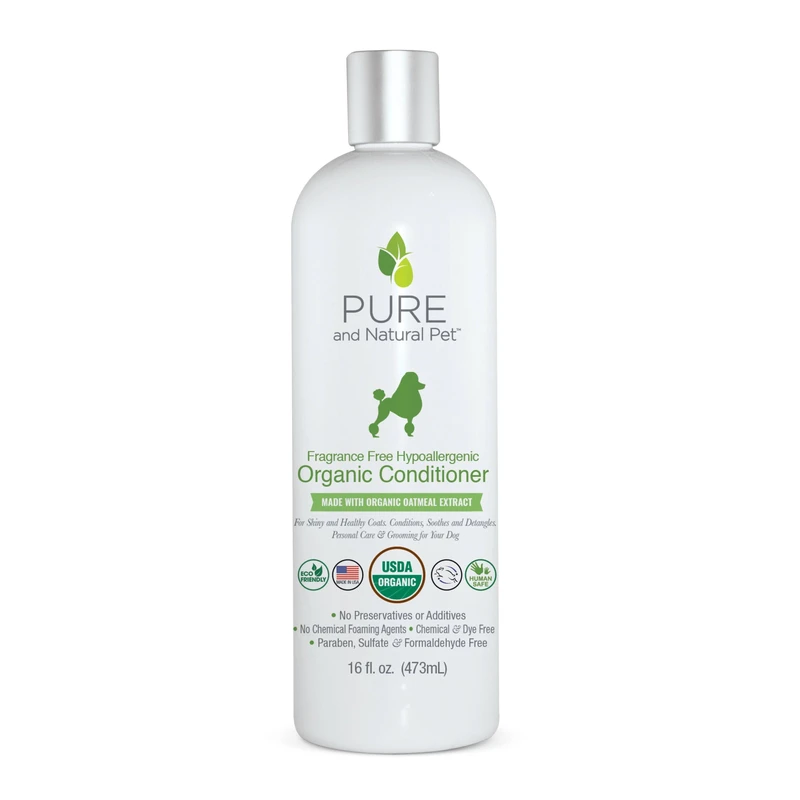
PawVerde.com – Hypoallergenic pet grooming products are formulated with fewer known allergens to minimize skin irritation, but the term has no legal regulatory definition. To ensure safety, owners should prioritize soap-free, pH-balanced, and organic-certified formulas that avoid harsh sulfates, parabens, and synthetic fragrances.
The term “hypoallergenic” has no legal or regulatory definition in the pet care industry, meaning any manufacturer can use it without meeting specific criteria.
The Terminology Trap: Decoding Organic, Natural, and Hypoallergenic
In pet care, “Organic” and “USDA Certified” imply strict ingredient standards, whereas “Hypoallergenic” is an unregulated marketing term. A truly safe product for sensitive pets should be soap-free, pH-balanced for canine skin, and free from parabens, harsh sulfates, and synthetic fragrances.
Why “Hypoallergenic” isn’t a guarantee
A common failure mode for pet owners is assuming a “hypoallergenic” label provides a safety shield against all reactions. Because no regulatory body governs this specific word, a product could technically claim to be hypoallergenic while still containing high concentrations of irritating botanical extracts. To mitigate this risk, industry analysts suggest looking for specific structural qualities: a quality hypoallergenic dog shampoo should be soap-free and pH-balanced to maintain the integrity of the skin’s acid mantle.
The weight of USDA Organic certification
Unlike the vague “hypoallergenic” claim, “organic” or “USDA certified” terms carry significant regulatory weight. While a brand might use “natural” loosely, organic certification requires adherence to specific farming and processing standards. For example, 4-Legger produces pet grooming products that avoid synthetic ingredients, a notable distinction in an unregulated industry. When selecting products, prioritize those that move beyond marketing adjectives and provide verifiable certification or transparent, non-synthetic ingredient lists.
Species-Specific Safety: Why Dog-Safe Organics Can Harm Cats
Hypoallergenic pet shampoo is formulated to minimize the risk of triggering allergic reactions. However, a product’s safety profile changes drastically depending on the species being groomed due to different metabolic pathways and skin sensitivities.
Metabolic differences in feline vs canine skin
While many organic dog grooming supplies are made with all-natural ingredients and are safe for dogs of all ages, these same ingredients can be hazardous to cats. Cats possess unique liver enzymes that make them significantly more sensitive to certain botanical compounds. A shampoo designed to soothe a dog’s itchy skin might contain essential oils that are safe for canine metabolism but toxic if a cat licks its fur after a bath.
| Ingredient Category | Typical Use in Dogs | Risk Level for Cats | Reasoning |
|---|---|---|---|
| Tea Tree Oil | Antiseptic/Anti-itch | High Risk | Can cause toxicity if ingested or absorbed. |
| Coconut Oil | Moisturizer | Low Risk | Generally safe for both species. |
| Lavender | Calming agent | Moderate Risk | Potential for neurological sensitivity in felines. |
| Aloe Vera | Soothing agent | Low Risk | Safe for topical application in most cases. |
Always verify the specific botanical profile before applying a “natural” product to a feline companion. A product that is excellent for a Golden Retriever may be entirely inappropriate for a Persian cat.
The danger of essential oils in cat grooming
The concentration of essential oils in organic products is a critical variable. While these oils provide the “natural” scent owners desire, they represent a high-risk category for cats. Even if a product is labeled hypoallergenic, the presence of certain concentrated oils can trigger adverse reactions in cats due to their inability to process specific phenols and terpenes efficiently.
How to Spot Greenwashing: The Ingredient Decoder
Greenwashing occurs when a manufacturer uses marketing imagery—such as leaves, earth tones, or the word “natural”—to imply a product is eco-friendly or safe when the chemical composition suggests otherwise. To avoid this, owners must look past the packaging and analyze the actual ingredient deck.
Reading the label: The 50% rule
A fundamental principle of ingredient analysis is that the top half of an ingredient list determines if a product is truly natural. If the top half of the ingredient list doesn’t contain natural ingredients, it’s likely the product isn’t really that natural after all. Manufacturers list ingredients in descending order of concentration; therefore, if synthetic surfactants or petroleum derivatives appear in the first five entries, the “organic” or “natural” claims on the front of the bottle are functionally misleading.
Hidden synthetics to watch for
To effectively decode a label, look for these specific categories that often hide behind “natural” branding:
- Synthetic Fragrances: Often listed simply as “Parfum,” these can contain hundreds of undisclosed chemicals.
- Harsh Sulfates: Ingredients like Sodium Lauryl Sulfate (SLS) provide lather but can strip the skin of essential oils.
- Parabens: Used as preservatives, these are frequently found in products that claim to be “natural” but lack true organic certification.
- Phthalates: Often used to stabilize scents, these are common culprits in skin irritation.
The Grooming Transition Protocol: Preventing Skin Barrier Disruption
To switch to organic products without a flare-up, implement a gradual transition. Avoid over-cleansing which strips natural oils, and allow 4-6 weeks for the pet’s skin cycle to stabilize under the new routine to see true results.
A sudden shift from a high-sulfate conventional shampoo to a highly concentrated organic formula can shock the skin’s microbiome. Because a full skin cycle lasts between 4-6 weeks, you cannot judge the success or failure of a new product after a single bath.
Warning: Over-cleansing the skin by bathing too frequently can strip away natural oils, leading to secondary irritation regardless of how “organic” the product is.
Step 1: The gradual introduction
Do not replace the entire grooming regimen overnight. Instead, introduce the organic product for one specific area or use it every other wash. This allows the skin to adjust to the new pH balance and botanical concentrations without a massive inflammatory response.
Step 2: The Rinse-Audit (Double-Rinse Method)
Organic products often contain more botanical residue than synthetic ones. To ensure no residue remains to cause secondary irritation, use the Double-Rinse Method:
- Perform a standard rinse after the initial shampoo application.
- Perform a second, thorough rinse with lukewarm water to ensure all botanical actives are removed from the coat.
This step is vital for pets with extreme sensitivities where even trace amounts of organic oils could cause discomfort.
Top Rated Organic & Hypoallergenic Brands
Selecting a brand requires matching their specialty to your pet’s specific dermatological needs. The following brands are recognized for their focus on natural and hypoallergenic formulations.
| Brand | Specialty | Key Feature | Starting Price (Est.) |
|---|---|---|---|
| a certified organic brand | USDA Certified Organic | Avoids synthetic ingredients | $15.00+ |
| Earthbath | Natural Pet Care | Natural formulas | $17.99 |
| Only Natural Pet | Itch Relief | Specialized sensitive skin lines | $10.99 |
| Ark Naturals | Dental & Hygiene | Natural dental chews | $7.59 |
| TropiClean | General Grooming | High consumer rating (4.3 stars) | $12.00+ |
The table above provides a comparison of leading pet brands based on their organic and hypoallergenic offerings. Prices are estimated and subject to change based on retailer.
Best for USDA Certified Organic: 4-Legger
For owners who demand the highest level of ingredient purity, 4-Legger is a primary choice. Their products do not use synthetic ingredients, which is a significant advantage in the largely unregulated pet grooming industry. This makes them a top recommendation for pets with severe chemical sensitivities.
Best for Dental Hygiene: TropiClean & Ark Naturals
Grooming extends beyond the coat. TropiClean offers a wide range of dental products, including oral care water additives in 16 oz sizes. For a more chewable approach, Ark Naturals provides Brushless Toothpaste Dental Chews starting at $7.59, offering a natural way to manage oral hygiene.
Best for Itch Relief: Only Natural Pet
When a pet is already experiencing discomfort, Only Natural Pet offers specialized solutions such as their Itch Relief Shampoo, priced at approximately $16.99. These products are designed to soothe existing irritation while adhering to all-natural ingredient standards.
FAQ
How long does it take to see results from organic grooming products?
It typically takes 3-4 weeks of a consistent routine to see visible results, as a full skin cycle lasts between 4-6 weeks. Patience is required to allow the skin barrier to stabilize.
Is ‘natural’ the same as ‘organic’ in pet shampoo?
No. “Organic” often refers to specific certification standards like USDA, while “natural” is an unregulated term that can be used loosely by manufacturers to describe products that may still contain synthetics.
Can I use organic shampoos on a pet with severe dermatitis?
While organic products are gentler, severe conditions may require medical-grade or vet-prescribed medicated shampoos rather than just organic alternatives. Always consult a professional for clinical dermatological issues.
Eco-Friendly Pet Waste Disposal: Avoiding the Microplastic Trap
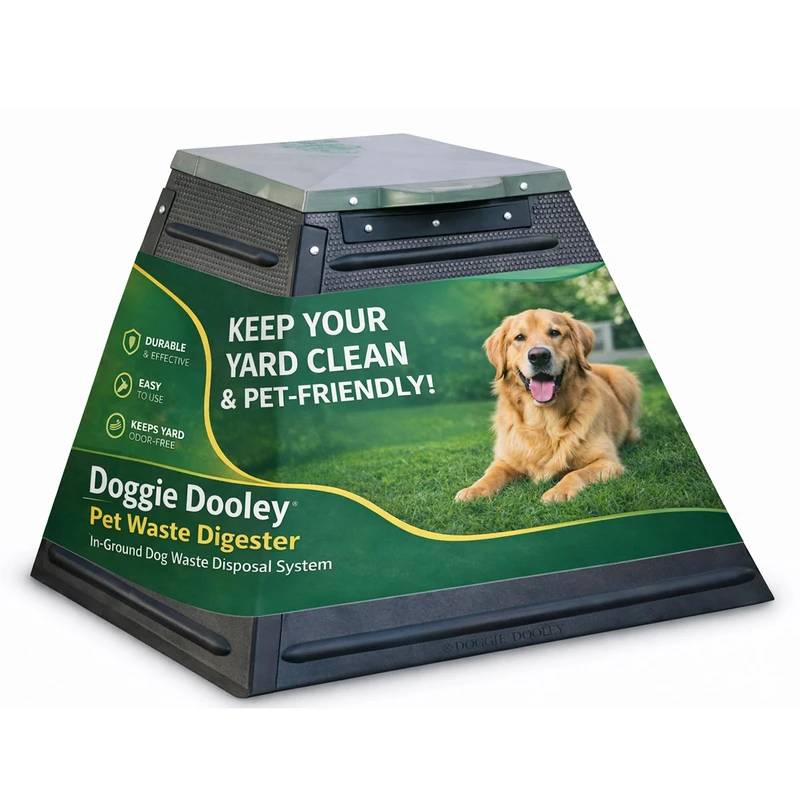
PawVerde.com – Eco-friendly pet waste disposal involves choosing methods that prevent nitrogen and phosphorus from polluting water sources and minimize plastic waste. Effective strategies include using certified compostable bags (not just biodegradable), utilizing municipal sewage via flushing, or employing specialized in-ground digester systems that use enzymes to neutralize waste.
With an estimated 900 million dogs worldwide, the sheer volume of pet waste is a significant, yet preventable, water pollutant, as noted by Hall.
The Microplastic Trap: Oxo-degradable vs. True Biopolymers
A common failure mode for eco-conscious owners is purchasing bags labeled “oxo-biodegradable” under the impression they are environmentally safe. Nina Woof reports that oxo-biodegradable bags actually contribute to environmental pollution because they release microplastics during their decomposition process. These tiny particles persist in the soil and water long after the bag appears to have vanished. In contrast, RemieDog notes that compostable bags are made from plant-based materials rather than petroleum, ensuring they do not leave behind these toxic residues.
Reading the Fine Print: Certifications to Trust
To select a sustainable product, distinguish between material behaviors. Focus on these specific classifications:
- Compostable: Certified to break down into natural, non-toxic materials within specific timeframes.
- Biodegradable: A vague term that may still involve long-term fragmentation into microplastics.
- Oxo-biodegradable: A petroleum-based product designed to fragment, often resulting in microplastic pollution.
Even if a bag ends up in a landfill, RemieDog points out that compostable options remain superior to traditional plastic because they utilize plant-based sources and avoid the microplastic issue. This is a counterintuitive reality for many who assume “landfill” and “compostable” are mutually exclusive terms in terms of material benefit.
Disposal Decision Matrix: Choosing a Method for Your Living Situation
Effective disposal depends on whether you have access to a municipal sewer or manage a private property. The following matrix outlines how different methods interact with local infrastructure.
| Method | Infrastructure Required | Primary Benefit | Potential Risk |
|---|---|---|---|
| Flushing | Municipal Sewer | High neutralization rate | Septic system damage |
| Bagging & Trashing | Municipal Trash | Simplicity | Methane production |
| In-ground Digester | Private Land | On-site neutralization | Installation cost |
| Composting | Managed Facility | Circular nutrient return | Pathogen risk |
The table above provides a high-level overview of how different disposal techniques align with various living environments. Selecting a method requires balancing convenience with the technical limitations of your waste management system.
Apartment Dwellers: Flushing and Municipal Sewers
For those living in high-density housing, flushing is often the most efficient route. According to PoopBags, flushing is an excellent disposal method because modern wastewater treatment plants are equipped to handle and neutralize pet feces. This prevents waste from sitting in landfills where it can contribute to greenhouse gas emissions.
Suburban Homeowners: Septic vs. Municipal Sewer Risks
Homeowners with private septic systems must exercise extreme caution. The Penn State Extension warns that improper disposal, such as flushing kitty litter, can cause significant septic system failure. While municipal sewers can handle pet waste, private septic tanks have limited capacity and specific biological requirements that can be disrupted by excessive waste volume.
Rural Property Owners: Managing Watershed Impact
In rural settings, the USDA Natural Resources Conservation Service (NRCS) highlights the utility of in-ground digester systems. These systems act like miniature septic tanks, utilizing enzymes and bacteria to convert dog waste into a harmless, ground-absorbed liquid. This method is particularly effective for protecting local watersheds from the nitrogen and phosphorus runoff that can deplete oxygen levels necessary for aquatic life.
The Environmental Cost of a Lifetime of Poop
The cumulative impact of pet ownership is often underestimated by the average consumer. Leashless Lab calculates that a single dog can consume 1,095 plastic bags per year. Over a lifetime, this adds up to approximately 7,000 bags per dog.
The environmental consequences of this waste extend beyond plastic consumption. When pet waste is sent to a landfill, it is buried in anaerobic conditions where it decomposes extremely slowly. The Enviro Pet Waste Network (EPWN) notes that this process creates methane, a harmful greenhouse gas. Furthermore, the USDA reports that dog waste contains nitrogen and phosphorus, which can deplete the oxygen that fish and other water-based life need to survive if these nutrients leach into water sources.
Technical Specs: What Makes a High-Quality Eco-Bag?
Quality eco-friendly pet waste bags should have a minimum thickness of 15-20 microns to prevent leaks and premature degradation. This thickness is critical for ensuring the bag remains intact during the collection and transport process.
When evaluating products, consumers should look for specific material compositions and breakdown timelines. RemieDog indicates that high-quality compostable bags typically follow a breakdown timeframe of 90–180 days in managed environments. To ensure durability, avoid bags that feel overly thin or brittle, as these are prone to failure during use. As PoopBags notes, prioritizing plant-based materials like cornstarch or sugarcane over petroleum-based plastics is essential for reducing the overall carbon footprint of your pet care routine.
Critical Pitfalls: When ‘Eco-Friendly’ Goes Wrong
Environmental harm occurs when users ignore the technical requirements of their waste stream, such as the risk of contaminating recycling systems. As noted by PMC, biodegradable plastics must never be discarded with recyclable plastics, as they can ruin entire batches of polymers.
The Pathogen Paradox in Home Composting
While the idea of a circular nutrient cycle is appealing, PetMD warns that at-home composting methods are generally not strong enough to kill all the pathogens found in dog poop. This creates a significant health risk if the resulting compost is used in gardens. For those seeking to compost, it is safer to use specialized pet waste composting systems designed to reach the necessary thermal thresholds.
Contaminating the Recycling Stream
Another significant pitfall involves the improper sorting of materials. Research cited by PMC emphasizes that biodegradable plastics cannot be discarded together with recyclable plastics. If these materials enter the standard recycling stream, they can contaminate entire batches of recyclable polymers, rendering them useless and increasing overall waste.
The Cat Waste Blind Spot
While much of the conversation focuses on dogs, the impact of feline waste is equally substantial. The Enviro Pet Waste Network (EPWN) estimates there are 700 million cats worldwide, representing a massive, often overlooked source of waste. Similar to dog waste, cat waste contributes to nutrient loading in water systems. Additionally, the Penn State Extension highlights that the disposal of kitty litter poses specific risks to septic systems, making it vital for cat owners to choose disposal methods that align with their local infrastructure.
FAQ
Is it safe to flush dog poop?
Flushing is an excellent method as modern wastewater plants can neutralize feces, but avoid flushing kitty litter which can damage septic systems (PoopBags; Penn State Extension).
Can I compost my dog’s waste in my backyard?
PetMD advises against this practice because standard backyard piles lack the strength to kill the dangerous pathogens present in dog waste.
What is the difference between biodegradable and compostable?
Compostable bags are certified to break down into natural materials, while biodegradable bags may simply fragment into microplastics (RemieDog; Nina Woof).
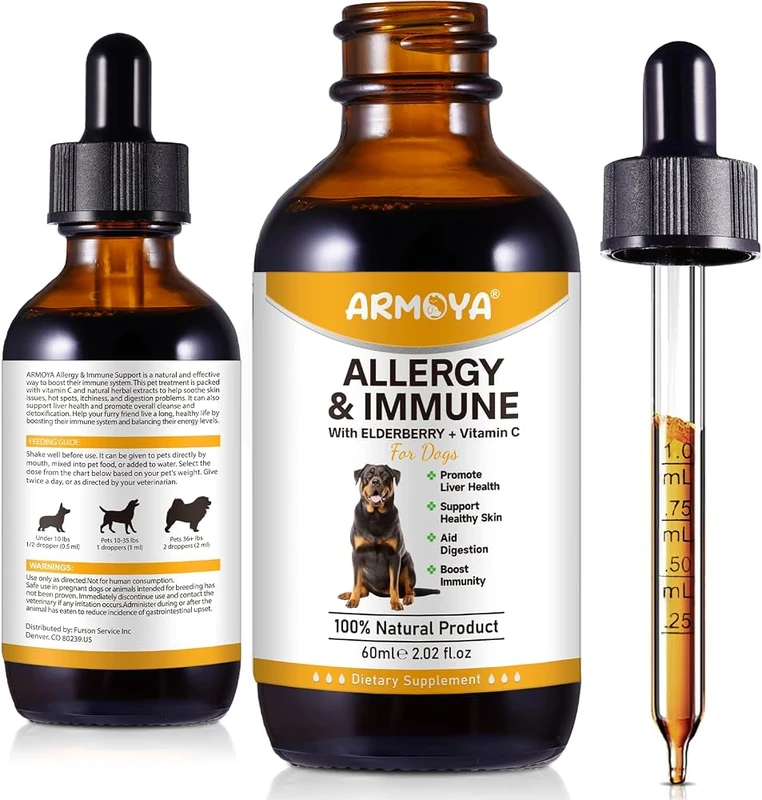
Natural Dog Allergy Solutions: A Step-by-Step Relief Protocol
PawVerde.com – Natural allergy solutions for dogs focus on soothing inflammation and managing triggers through topical remedies like colloidal oatmeal, dietary shifts, and herbal supports. While effective for mild symptoms, these holistic approaches should be integrated carefully with veterinary guidance to avoid skin irritation or toxicity from improper ingredient use.
Colloidal oatmeal remains the gold standard for relieving itchy skin naturally, according to Borash Vet.
The Natural Allergy Protocol: A Timeline for Relief
Manage dog allergies using a tiered timeline: Day 1-3 focus on immediate soothing via oatmeal baths or chamomile compresses; Weeks 1-4 involve environmental audits and potential dietary elimination trials; Months 2-3 focus on long-term maintenance through Omega-3s and probiotics. If symptoms do not improve within one week, consult a veterinarian.
Successful management relies on timing. Owners often struggle when they expect immediate results from an Elimination Diet Trial, which requires a strict 8 to 12 weeks of feeding a hypoallergenic diet to observe changes.
Immediate Soothing (Days 1-3)
The first priority is reducing the acute itch-scratch cycle. During the first 72 hours, topical applications like oatmeal baths or chamomile tea compresses provide the fastest relief for inflamed skin. These methods do not address the underlying cause but serve to calm the surface irritation immediately.
The Dietary Transition (Weeks 8-12)
If the cause is suspected to be food-based, an Elimination Diet Trial is necessary. This process requires feeding a hypoallergenic diet for 8 to 12 weeks to observe changes. It is a common misconception that a few days of specialized food will solve the problem; however, it can take up to 12 weeks for symptoms to fully resolve after a successful dietary shift. During this window, the dog must not consume any treats, table scraps, or other supplements that could interfere with the trial results.
When to Pivot to Medical Intervention
Holistic treatments work better for milder cases of allergies. If a dog’s skin shows signs of infection or if symptoms do not show improvement within one week, professional consultation is necessary. Relying solely on home remedies when a condition is progressing can lead to secondary bacterial infections that require pharmaceutical intervention.
Natural Remedy Safety Matrix: Safe vs. Toxic Ingredients
Applying certain botanical substances can lead to significant health risks. While many plants offer therapeutic benefits, specific essential oils are contraindicated for canine use.
| Ingredient | Safety Category | Risk/Benefit |
|---|---|---|
| Lavender | Safe/Caution | Used for calming; use diluted. |
| Tea Tree | Toxic | Can cause skin irritation or systemic toxicity. |
| Wintergreen | Toxic | Highly dangerous if ingested or applied improperly. |
| Pennyroyal | Toxic | Contains compounds that can be harmful to pets. |
Avoid using essential oils like tea tree, wintergreen, or pennyroyal. These substances can cause irritation or systemic toxicity if applied to a pet.
Topical Solutions for Itch and Inflammation
Relieve canine skin irritation using three primary natural methods: 1) Colloidal oatmeal baths (soak for 10-15 minutes) to soothe inflammation; 2) A 50/50 apple cider vinegar and water spray to combat yeast/bacteria; and 3) Chamomile tea compresses to reduce localized redness and swelling.
The Gold Standard: Oatmeal Bath Technique
To perform an Oatmeal Bath, grind plain, unsweetened oatmeal into a fine powder and mix it into lukewarm bath water. The dog should soak in this mixture for 10-15 minutes. During the soak, gently massage the mixture into the most affected areas before rinsing thoroughly and patting the skin dry. This method provides a physical barrier that helps soothe the skin surface.
Antimicrobial Support: The ACV Dilution Rule
Apple cider vinegar (ACV) has antimicrobial properties that can help combat the bacteria and fungi that often accompany allergic reactions. To use this safely, create an Apple Cider Vinegar Spray by mixing the vinegar with water in a 50/50 ratio. Apply this to itchy spots using a spray bottle, but avoid any areas where the skin is broken, raw, or visibly inflamed, as the acidity will cause significant pain.
Dietary and Internal Support Strategies
Long-term defense involves addressing the gut microbiome and the lipid barrier. These internal factors are critical for managing atopic dermatitis.
The Role of Gut Health and Probiotics
Probiotics have been used to improve gut dysbiosis in dogs with atopic dermatitis. Effective probiotic preparations often contain high concentrations of beneficial bacteria, such as 5 X 10^7 colony-forming units per gram. Key strains to look for include Bifidobacterium bifidum, Lactobacillus acidophilus, and E. faecium. Maintaining a healthy gut environment helps regulate the immune response, potentially reducing the severity of allergic reactions.
Omega-3s: Strengthening the Skin Barrier
fish oil supplements can strengthen skin barriers and reduce inflammatory responses internally. By reinforcing the lipid layer of the skin, these fatty acids help prevent moisture loss and make it more difficult for allergens to penetrate the dermal layers. This internal support works in tandem with topical treatments to provide a multi-layered defense.
Troubleshooting and Avoiding Common Pitfalls
Owners should monitor for adverse reactions. Common errors include applying ACV to open wounds or ingesting excessive amounts of topical coconut oil, which can cause gastrointestinal upset.
- Using human anti-itch creams: Never apply human medications without direct veterinary approval.
- Over-bathing: Bathing too frequently can strip the skin of essential oils, worsening dryness.
- Applying ACV to open wounds: This causes intense irritation and can damage raw tissue.
- Excessive coconut oil ingestion: If applied topically, ensure the dog does not lick it off in large quantities, as this can lead to gastrointestinal upset.
A common error is the belief that “more is better.” For instance, increasing the frequency of baths beyond the recommended 4–6 weeks for vet-approved shampoos can actually disrupt the skin’s natural pH and microbiome.
Holistic vs. Traditional: Choosing the Right Path
The choice between natural remedies and pharmaceutical interventions depends on the severity of symptoms. While holistic methods are effective for management, they may not suffice during acute flare-ups.
| Treatment Type | Best For | Primary Mechanism |
|---|---|---|
| Holistic/Natural | Mild itching and maintenance | Soothing inflammation and gut support |
| Traditional (e.g., Apoquel, Zenrelia) | Moderate to severe itching | Targeting specific itch pathways (Oclacitinib) |
| Injectables (e.g., Cytopoint, Lokivetmab) | Intense, recurring itching | Neutralizing itch-related proteins |
Traditional therapies like Apoquel or the once-daily oral tablet Zenrelia are designed specifically to control allergic itch in dogs over 12 months of age. For more severe bacterial complications, a veterinarian may prescribe an antibiotic injection like Convenia. As noted by PetMD, holistic treatments work better for milder cases, whereas traditional therapies are preferred if dogs have moderate to severe allergy symptoms.
FAQ
How long does a hypoallergenic diet take to work?
An elimination diet trial typically requires 8 to 12 weeks of strict adherence to see if symptoms resolve. During this period, the dog must not consume any other foods, treats, or supplements that could contaminate the results.
Can I use human anti-itch creams on my dog?
No. Using human medications without veterinary approval is a major pitfall. Always consult a professional before applying non-canine formulations to your pet.
When should I stop natural remedies and see a vet?
If your dog’s symptoms do not show improvement within one week of starting natural treatments, professional consultation is necessary. Persistent itching can lead to skin infections that require medical intervention.

Sustainable Pet Food: How to Audit Brands and Avoid Greenwashing
PawVerde.com – The pet food industry is transitioning toward sustainability by utilizing high-quality ingredients from the human food chain. By upcycling co-products and optimizing logistics through carbon-conscious shipping—which improves delivery routes and trailer capacities—manufacturers aim to reduce the sector’s environmental footprint.
The United States pet food industry produces 300 million pounds of plastic every year. This volume of waste presents a significant challenge for pet owners attempting to align their purchasing habits with environmental conservation goals.
How to Audit a Brand: The Sustainability Scorecard
To audit a pet food brand’s sustainability, evaluate three pillars: Ingredient Sourcing (look for upcycled co-products or MSC-certified fish), Packaging (check for 100% recyclable or compostable claims), and Certifications (verify ISO or GMP+ standards). Avoid brands using vague ‘green’ terms without third-party substantiation to prevent greenwashing.
Identifying Greenwashing Red Flags
Greenwashing occurs when companies use terms like “green” or “eco-friendly” as marketing tools without providing third-party definitions or demonstrating a genuine commitment to the environment. Industry analysts note that misleading sustainability claims in advertising often target consumers through specific PPC ads that use the word “sustainable” without any accompanying substantiation. This failure mode makes it difficult for pet parents to distinguish between actual ecological progress and mere branding exercises.
To avoid being misled, pet owners should prioritize transparency. While 35% of pet owners have chosen more eco-friendly pet products, many still struggle to identify authentic claims. Instead of relying on adjectives, look for verifiable data regarding supply chain management and carbon reduction metrics.
Reliable sustainability is often backed by rigorous industrial standards. When auditing a brand, check for the following certifications to ensure they meet international quality and environmental management benchmarks:
- ISO 9001:2015: This standard focuses on quality management systems.
- ISO 14001:2015: This standard specifies requirements for an effective environmental management system.
- GMP+ certifications: These are essential for ensuring safety and quality in the feed supply chain.
A “natural” label does not guarantee environmental safety. A brand may use natural ingredients while maintaining inefficient production processes. True sustainability requires a holistic view that includes verified management standards to ensure long-term resource availability.
The Upcycling Revolution: Turning Food Waste into Pet Nutrition
Using by-products from the human food chain prevents the disposal of healthy ingredients that would otherwise contribute to landfill waste. This process, known as upcycling food co-products, transforms leftovers from human food production—such as cheese, bacon fat, or yeast—into nutritious, high-quality ingredients for animal consumption.
From Cheese and Bacon Fat to Palatants
Upcycling represents a shift toward a circular economy within the pet nutrition sector. Rather than treating non-human-grade components as waste, manufacturers utilize them as functional ingredients. For example, fats derived from the cheese or meat industries can be processed into highly palatable ingredients that enhance the flavor profile of kibble. This method ensures that all protein sources of the fish or meat are used, which is an environmentally and socially responsible practice that avoids competing with the human food supply.
The Role of Ingredient Suppliers like MBP Solutions
Specialized suppliers play a critical role in making upcycling commercially viable at scale. MBP Solutions, for instance, sources 100% of its ingredients from the food industry to ensure they are high-quality and sustainable. Other organizations, such as Green Field Solutions (GFS) and IIC, provide the necessary infrastructure to convert food production co-products into standardized pet food ingredients. By working with these specialized suppliers, pet food manufacturers can meet their sustainability goals while maintaining strict nutritional consistency.
Protein Alternatives: Comparing Carbon Footprints
Life-cycle analysis indicates that plant-origin ingredients tend to have a lower carbon footprint than animal-origin proteins. Emerging alternatives like algae protein are highly efficient, growing ten times faster than terrestrial plants and absorbing CO2, while insect proteins provide a high-density nutritional profile with minimal land use requirements.
| Protein Source | Carbon Footprint | Growth/Resource Speed | Sustainability Note |
|---|---|---|---|
| Plant-origin | Lower | Variable | Highly efficient land use |
| Animal-origin | Higher | Slower | Requires significant land/water |
| Algae-based | Low (Absorbs CO2) | 10x faster than terrestrial plants | High sustainability potential |
The data shows the environmental efficiency of different protein sources. While animal-origin proteins remain common, the transition toward plant and algae-based options is driven by the need to reduce total emissions.
The Efficiency of Algae and Insects
Algae protein stands out due to its unique biological advantages. It has almost double the protein content of beef and possesses the ability to absorb CO2 during its growth cycle. This makes it a highly efficient alternative to traditional livestock. Similarly, insect proteins offer a high-density nutritional profile while requiring minimal land and water compared to cattle or poultry production.
The Plant-Based vs. Animal-Based Trade-off
Life-cycle analysis indicates that plant-origin ingredients tend to have a lower carbon footprint than animal-origin ingredients. However, consumers must balance these benefits against nutritional requirements. While plant proteins reduce land-use pressure, ensuring a complete amino acid profile is essential for pet health. This trade-off is the central challenge for manufacturers developing the next generation of eco-friendly kibble.
The Packaging Reality Check: Beyond the ‘Eco-Friendly’ Label
The pet food industry faces immense pressure to reduce its reliance on single-use plastics. While many brands promote “eco-friendly” packaging, the actual environmental impact depends heavily on local infrastructure and the specific materials used.
| Manufacturer/Brand | Sustainability Metric |
|---|---|
| Nestlé Purina PetCare | 80% of current packaging by weight is recyclable |
| Earthborn Holistic | 40% plant-based content in PlantBag |
The data shows that while progress is being made, the industry is still in a transitional phase. Major players like Nestlé Purina PetCare and Mars Petcare are actively working on material science to improve recyclability.
Recyclability vs. Compostability
Consumers must distinguish between different end-of-life treatments. For biodegradable Paper/PLA and PLA boxes, composting stands out as the most eco-friendly alternative. However, many “compostable” plastics require industrial composting facilities to break down; if they end up in a standard landfill, they may not degrade as intended. Conversely, for plastic-based bags, consumers must verify if their local municipality supports specific recycling streams for multi-layer materials.
Warning: Beware of “eco-friendly” plastic bowls or toys that lack durability. When these products crack or degrade quickly, they immediately become non-recyclable waste, negating their initial environmental benefits.
The 2025 Goal for Reusable Packaging
Industry leaders are setting firm deadlines to move away from traditional waste models. Nestlé Purina PetCare, for example, has set a goal to reach 100% reusable or recyclable packaging by 2025. This target forces a shift in how packaging is designed, moving away from complex multi-layer laminates that are nearly impossible to process in standard recycling centers.
Economic and Environmental Impact: The Big Picture
Sustainability in the pet food sector is not just an environmental necessity but an economic opportunity. Over the last decade, there has been a 14% reduction in CO2 emissions within the industry, a change that is equivalent to sequestering 20,991 acres of forest.
The Cost-Benefit of Sustainable Sourcing
Sustainable ingredients like upcycled by-products can cost less per pound than standard meat cuts. This allows manufacturers to offer highly nutritious meat and protein ingredients at a lower price point than traditional premium cuts, potentially making eco-friendly options more affordable for the average consumer.
Measuring Success via Carbon Sequestration
The success of these initiatives is measured through complex metrics, including total carbon reduction and land preservation. Interestingly, while pet food waste is less than 1% of total consumer food waste, the environmental footprint of the production stage remains high. By optimizing logistics—such as through carbon-conscious shipping that optimizes delivery routes and trailer capacities—companies can continue to lower their overall impact. As National Geographic defines sustainability, it is “the practice of using natural resources responsibly today, so they are available for future generations tomorrow.”
FAQ
Is sustainable pet food more expensive?
Not necessarily; sustainable ingredients like upcycled by-products can cost less per pound than standard meat cuts, potentially making eco-friendly options more affordable for many pet owners.
How can I tell if a brand is greenwashing?
Watch for vague marketing terms like “natural” or “eco-friendly” without specific third-party certifications or detailed ingredient sourcing data to back them up. Look for ISO or GMP+ standards instead.
What is the most eco-friendly way to dispose of pet food bags?
For biodegradable Paper/PLA boxes, composting is the best option. For plastic-based bags, check if your local municipality supports specific recycling streams for multi-layer materials to ensure they are processed correctly.
Sustainable Pet Care: How to Avoid Greenwashing Tactics
PawVerde.com – With 94 million U.S. families owning pets, a new wave of sustainable pet care is emerging to tackle the environmental impact of pet food and waste. From insect-based proteins to certified compostable waste management, owners are increasingly adopting eco-friendly routines to reduce their pets’ carbon footprints.
How to spot greenwashing in pet product marketing
To avoid greenwashing, pet owners should look beyond vague terms like ‘natural’ or ‘eco-friendly.’ Instead, verify products using specific certifications like ASTM D6400 for compostability, check for BPA-free labels on plastic items, and prioritize brands that provide transparent ingredient sourcing and sustainable packaging details.
A common failure mode in the pet industry occurs when manufacturers market cheap bags using vague environmental terminology without providing technical proof. It is noted that the distinction between “biodegradable” and “compostable” is a critical factor for planetary health. While many products claim to be eco-friendly, they may lack the necessary certifications to ensure they actually break down in controlled environments.
- Technical Certifications: Look for the ASTM D6400 standard to confirm true compostability.
- Chemical Safety: Prioritize BPA-free labels to prevent harmful chemical leaching into ecosystems.
- Material Integrity: Seek out durable, natural materials such as hemp for collars and leashes, which requires zero pesticides to grow.
- Packaging Transparency: Verify if the brand provides specific details regarding their sustainable packaging lifecycle.
Interestingly, while 80 percent of young adults in the U.S. express a willingness to pay more for environmentally conscious products, many still fall victim to misleading labels. Reports suggest that choosing hemp or stainless steel over plastic can significantly reduce long-term waste.
The hidden environmental cost of pet food and nutrition
Pet food manufacturing is a major environmental driver, accounting for approximately 60% of a pet’s annual greenhouse gas emissions. Reducing this impact involves choosing brands that utilize locally sourced, organic, or insect-based proteins to decrease reliance on intensive livestock farming.
The Royal Canin Academy notes that pet food manufacturing is responsible for nearly 60 percent of a pet’s annual emissions. This high percentage highlights how dietary choices directly influence a pet’s total carbon footprint.
To mitigate this, experts suggest looking for specific nutritional alternatives. Transitioning to insect-based proteins or locally sourced organic ingredients can lower carbon emissions by reducing the necessity of intensive livestock farming. Science-led nutrition also emphasizes the importance of aligning with sustainability goals.
It is suggested that owners can implement a sustainable routine by making gradual changes, such as one ingredient shift at a time. This approach allows owners to assess both nutritional quality and ecological impact while moving away from high-emission industrial farming models.
Managing pet waste to prevent methane emissions
When pet waste decomposes in landfills, it produces methane, a harmful greenhouse gas that contributes to climate change. Specialized disposal methods are essential to prevent this specific environmental pressure.
Effective waste management requires moving away from standard plastic bags. PET N PET offers alternatives, such as their plant-based poop bags which feature 92 percent biobased content. For those looking for comprehensive kits, the Pet N Pet Walk Kit is priced at $55.99, while their Lavender-Scented Colorful Poop Bags (720 count) are available for $8.99. For larger needs, the Plant-based Poop Bags (1080 count) retail for $39.99.
Warning: Improper waste management can lead to environmental health issues. Bombs Away underscores the importance of using specialized systems rather than letting waste impact local water quality through runoff, noting that your furry friend depends on you and so does the planet.
Lil’ Archie’s advises that owners should “Always opt for certified compostable over biodegradable bags.” This distinction ensures that the waste can be processed through aerobic digestion or enzyme-based treatments rather than simply breaking down into microplastics in a landfill. Bombs Away emphasizes that “Your furry friend depends on you—and so does the planet,” highlighting the responsibility of using specialized composting systems.
Sustainable grooming and household product alternatives
It is suggested that using reusable towels for grooming is a vital step to prevent microplastic release into the environment. Transitioning to durable, natural materials helps mitigate waste and reduce landfill volume.
In the grooming sector, practitioners recommend using reusable metal or bamboo tools and biodegradable, non-toxic shampoos. To conserve water, owners can install a pet shower sprayer with a shut-off nozzle or bathe pets in a lawn area that requires watering. It is highlighted that using reusable towels for grooming is a vital step to prevent microplastic release into the environment.
| Product Category | Conventional Option | Sustainable Alternative | Key Benefit |
|---|---|---|---|
| Waste Management | Plastic bags | Certified compostable bags | Reduces landfill methane |
| Feeding | Plastic bowls | Bamboo or stainless steel | Non-toxic and recyclable |
| Accessories | Synthetic nylon | Hemp or wool | Low water/pesticide use |
| Grooming | Single-use wipes | Reusable/Biobased wipes | Reduces plastic waste |
The table above details common transitions, such as replacing plastic with bamboo—a material that can be harvested within 4 years—to create a more circular product lifecycle.