
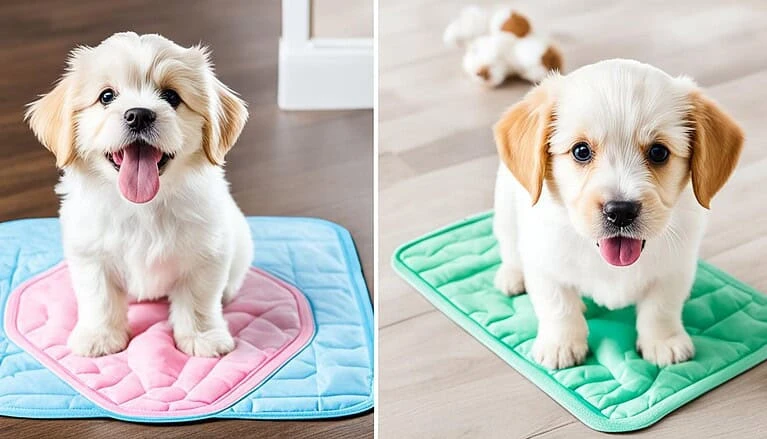
Reusable vs Disposable Pet Products: Cost & Eco Impact
PawVerde.com – Choosing between reusable and disposable pet products requires balancing immediate convenience against long-term environmental impact and total cost of ownership. While disposables offer ease of use, reusables like washable pee pads and stainless steel bowls significantly reduce the massive volume of pet-related plastic waste entering landfills.
The scale of waste is immense. According to the pet sustainability Coalition, 99% of all pet food and treat packaging goes to the landfill each year.
The True Lifecycle: Total Cost of Ownership vs. Upfront Price
| Product Category | Disposable Option | Reusable Alternative | Primary Environmental Trade-off |
|---|---|---|---|
| Pee Pads | Single-use absorbent pads | Washable fabric pads | Waste reduction vs. laundry energy |
| Diapers | Disposable diapers | Washable diapers | Landfill volume vs. water usage |
| Feeding Bowls | Single-use plastic bowls | Stainless steel or ceramic | Immediate waste vs. manufacturing footprint |
The data provided by Petmagasin suggests that a single reusable diaper can replace hundreds of disposables, drastically reducing landfill waste and saving money. While the initial purchase of a high-quality fabric diaper carries a higher price tag than a single pack of disposables, the long-term savings are substantial. However, owners must factor in the “hidden costs” of reusables, such as water, energy, and detergent used during frequent cleaning cycles.
The math behind the ‘one-time purchase’ myth
Purchasing a single item often creates a false sense of economy. While a disposable item costs cents per use, the cumulative expenditure over a pet’s lifespan can exceed the cost of premium reusable gear. For example, a pet requiring daily diaper changes could consume over 300 disposables in a single year. A single reusable diaper can replace hundreds of disposables, drastically reducing landfill waste and saving you money.
Hidden expenses: Water, energy, and detergent
The economics of reusables extend beyond the initial purchase. Owners must weigh the utility costs of frequent laundering against the expense of single-use items. If a pet requires daily washing of bedding or pads, the electricity and water consumption becomes a significant factor in the total cost.
Sustainability in pet care involves monitoring what enters our water systems. Beyond reducing landfill volume, owners must consider the environmental footprint of synthetic materials used in high-performance gear.
Synthetic fleece and nylon are common in durable pet gear. While these materials are incredibly tough, they are prone to shedding during laundry cycles. Every time a synthetic fleece bed is washed, tiny microplastic fibers are released into the wastewater. This shedding problem is a significant concern for aquatic ecosystems.
Mitigation: Using microplastic filters and natural fibers
To mitigate this, owners can utilize microplastic filters in their washing machines or opt for natural fiber reusables. Choosing organic cotton or hemp for pet bedding can significantly reduce the microplastic footprint. If synthetic materials are necessary for durability, using a specialized laundry bag designed to catch microfibers can prevent these particles from entering the water system.
- Use high-temperature water cycles to kill common pathogens.
- Apply pet-safe, unscented detergents to avoid skin irritation.
- Ensure items are dried completely in a well-ventilated area or a high-heat dryer.
- Inspect fabrics regularly for signs of wear or biological staining.
Compostable poop bags face a significant failure mode in traditional waste systems. According to Friends of the Earth, these bags require oxygen and light to break down effectively. In a landfill, where waste is tightly packed and devoid of light, these bags often remain intact for years.
Material selection should be based on specific pet behaviors to prevent premature product failure. Assessing how a pet interacts with its gear ensures longevity and reduces waste.
The Heavy Chewer’s Guide to Reusables focuses on high-density materials. For pets that tend to chew on toys or bedding, heavy-duty canvas or reinforced nylon is preferable over delicate fleece. While these materials are more expensive, they withstand the mechanical stress of chewing, preventing the need for frequent replacements.
Senior pets may require different solutions due to incontinence or decreased mobility. In these instances, the priority shifts toward the immediate sanitation and convenience provided by highly absorbent products.
They require access to oxygen and light to decompose; in a landfill, they often remain intact for years.
Yes. They are highly durable, reusable, and avoid the microplastic shedding associated with single-use plastic.

Eco-Friendly Pet Toy Manufacturing: Materials & Greenwashing
PawVerde.com – Eco-friendly pet toy manufacturing focuses on utilizing natural, biodegradable, or recycled materials like natural rubber, hemp, and organic cotton to reduce environmental impact. True sustainability in this sector requires a balance of non-toxic material safety, high durability to prevent frequent replacement, and circular manufacturing processes like recycling programs.
The production model diverts 7 Up bottles from landfills for every pound of high-loft fiber produced. This approach highlights how manufacturing can transition from a linear “take-make-waste” model to a circular system.
The Greenwashing Red Flag Checklist for Pet Parents
To spot greenwashing, avoid brands using vague terms like ‘eco-plastic’ or ‘green polymer’ without certification. Check if ‘plant-based’ products are actually biodegradable or just mixed with conventional plastics. Always verify if ‘ecycled’ claims are backed by specific programs, such as West Paw’s Join the Loop® system.
A 2024-05-27 MirrorMePR article on spotting sustainable pet brands warns that marketing often outpaces actual ecological performance. Consumers frequently encounter products labeled as “green” that still rely on toxic dyes or non-recyclable composites. This creates a significant failure mode where a pet owner believes they are reducing their carbon footprint while actually increasing microplastic exposure.
Decoding ‘Plant-Based’ vs. Bio-plastic
A common misconception is that “plant-based” automatically implies “biodegradable.” While some manufacturers use plant-derived polymers, they may be blended with conventional plastics to maintain structural integrity, which can prevent effective recycling.
The Danger of Mixed-Material Labels
EcoFurball warns that sustainability fails if a product is impossible to disassemble. When a toy combines natural hemp with synthetic polyester threads, it cannot be composted or recycled. This creates a paradox where the “natural” component is rendered useless by the “synthetic” reinforcement.
| Material Type | Sustainability Profile | Durability Factor | Key Example |
|---|---|---|---|
| Natural Rubber | High (Biodegradable) | High (Resists Cracking) | Kong Classic |
| Hemp | High (Natural/No Pesticides) | High (Resists Fraying) | The Good Dog Company |
| Recycled Plastic (TPR) | Medium (Recycled Content) | Medium (Synthetic) | West Paw |
| Organic Cotton | High (Biodegradable) | Low (High Fraying) | Lil’ Archies |
Material selection impacts a toy’s lifecycle, as seen in the varying chemical compositions and physical resilience of the options listed above.
Material Science: Natural Rubber vs. Synthetic Alternatives
natural rubber is a popular choice because it is non-toxic, biodegradable, and resists cracking better than synthetic TPR. While Thermoplastic Rubber (TPR) is widely used, it is a synthetic material that lacks the same level of environmental friendliness as natural rubber.
Newtop identifies that natural rubber is safe, non-toxic, and biodegradable, making it a preferred choice for heavy chewers. Unlike synthetic alternatives, natural rubber resists cracking and does not shed harmful bits during intense play. This physical resilience prevents the ingestion of microplastic fragments by the pet.
Why Natural Rubber Resists Cracking
Synthetic materials often rely on chemical additives to achieve flexibility. Over time, these additives can leach or cause the material to become brittle. Natural rubber, as noted by Newtop, maintains a more consistent molecular structure, which reduces the risk of sudden structural failure during play.
The TPR Sustainability Gap
Thermoplastic Rubber (TPR) remains a dominant material in the industry due to its low cost and ease of molding. However, it is a synthetic material that lacks the same level of environmental friendliness as natural rubber. While it can be recycled, it does not offer the same end-of-life biodegradability.
Durability vs. Degradation: The Sustainability Paradox
Sustainability rewards durability. EcoFurball states that if a product breaks easily, it fails the test of what makes a pet product sustainable, regardless of how green it appears.
A major pitfall in eco-friendly toy production is the trade-off between environmental impact and longevity. If a consumer replaces a “green” hemp rope every two weeks due to fraying, the total carbon footprint of those replacements exceeds that of a single, long-lasting synthetic toy. This creates a counterintuitive result where the most “eco-friendly” choice is actually the one that lasts the longest, even if it is not 100% natural.
The Cost of Low-Durability ‘Green’ Toys
Low-durability toys lead to increased landfill waste, even if the material is organic. When a toy loses its structural integrity, it becomes a choking hazard. This failure mode is particularly common in plush toys made with 100% organic cotton stuffing if the outer shell is not sufficiently reinforced.
Saliva and Moisture: How Natural Fibers Degrade
natural fibers like hemp and cotton are highly absorbent. While this provides a satisfying texture for many dogs, constant exposure to saliva and moisture can accelerate the breakdown of the fibers. This degradation is a natural process, but it requires owners to monitor toys closely for fraying.
Circular Manufacturing and End-of-Life Strategies
Modern manufacturers are moving away from linear production toward circular models. This involves designing products that can be returned, remolded, or composted at the end of their life.
The West Paw Join the Loop® program is a primary example of this strategy. Consumers send in or drop off chewed up, loved-to-near-death dog toys to be washed, chipped into little bits, and remolded into new products. This process achieves 100% recyclability for West Paw products through this dedicated system.
How the Join the Loop® Program Works
The mechanism follows a specific cycle:
- Collection: Used toys are gathered via the Join the Loop® program.
- Processing: Toys are cleaned and chipped into small granules.
- Remolding: The granules are used as raw material for new products.
Localizing the Supply Chain
Reducing the distance between manufacturing and the consumer is another way to lower the carbon footprint. Blue Toby sustainable pet products operates within a 100-mile manufacturing and shipping radius. This localization minimizes the emissions associated with long-haul logistics and supports local economies.
Leading Manufacturers in the Sustainable Pet Space
Several companies have established themselves as leaders by prioritizing material integrity and circularity. These brands focus on specific niches, from recycled plastics to natural rubber.
West Paw has been a significant player in the space since its founding in 1996 in Montana. Their focus on plastic-free, chemical-free designs has set a standard for the industry. Similarly, brands like Cycle Dog and Planet Dog specialize in utilizing recycled materials to give waste a second life.
| Brand | Specialization | Sustainability Focus |
|---|---|---|
| West Paw | Recycled Gear | Join the Loop® Program |
| Kong | Natural Rubber | Non-toxic durability |
| BetterBone | Chew Toys | Carbon-neutral production |
| Lil’ Archies | Accessories | Organic cotton & recycled fiber |
| ModernBeast | Circular Economy | Waste diversion & animal welfare |
Choosing between these brands often depends on whether the pet requires high-durability rubber or soft, organic textures.
Consumer Guide: Choosing the Right Eco-Toy
When selecting a toy, prioritize materials like hemp for durability and natural rubber for safety. For soft toys, look for 100% organic cotton stuffing. Always check for specific recycling programs to ensure the toy does not end up in a landfill after its use.
FAQ
Is hemp better than cotton for dog toys?
Yes, hemp fibers generally last longer and resist fraying better than cotton. Additionally, VEKEN notes that hemp naturally repels insects and grows without pesticides, making it a smart choice for dog toys.
How can I tell if a pet toy is truly non-toxic?
Look for food-grade certifications and materials like natural rubber or BPA-free plastics. Avoid toys that smell strongly of chemicals or use non-food-grade synthetic dyes.
What should I do with a worn-out eco-friendly toy?
Check if the brand has a take-back program like West Paw’s Join the Loop®. If not, natural rubber and hemp may be compostable, but you must check for synthetic blends first to avoid contamination.
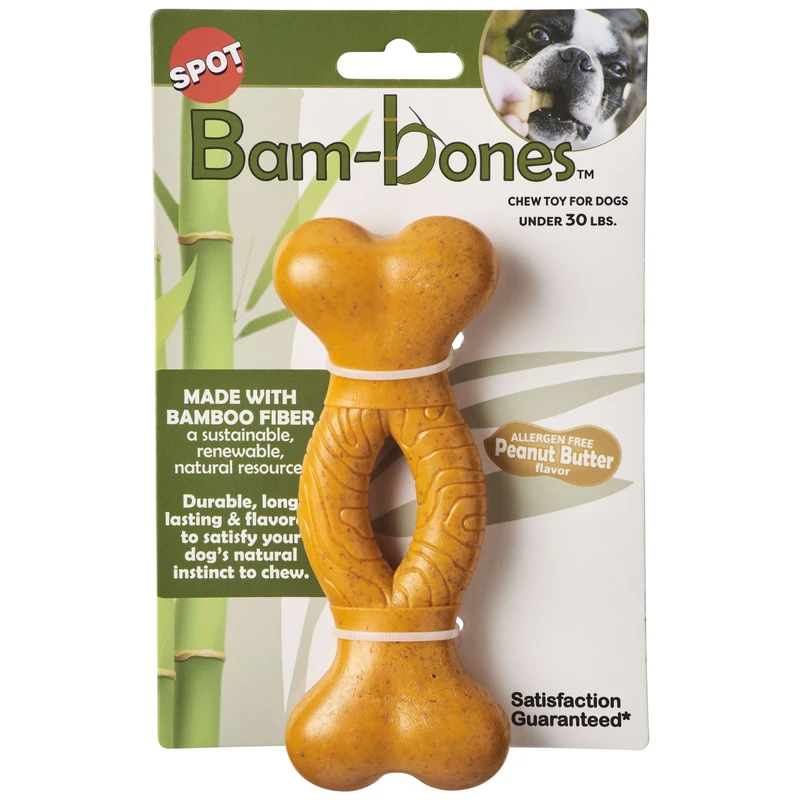
Sustainable Bamboo Pet Toys: How to Avoid Greenwashing
PawVerde.com – Sustainable bamboo pet toys offer a highly renewable, biodegradable alternative to plastic, providing natural antibacterial properties and dental health benefits. However, the best choice depends on whether you are buying solid bamboo or bamboo-fiber composites, as the latter may contain non-biodegradable binders that negate the eco-friendly benefits.
Bamboo can grow up to 91 centimeters in a single day, making it one of the fastest-growing renewable resources on Earth, according to agood company.
The Material Integrity Guide: Solid Bamboo vs. Bamboo Composites
To ensure true sustainability, distinguish between solid bamboo (fully biodegradable) and bamboo-fiber composites. While bamboo fiber is renewable, many composites use synthetic binders or resins that prevent the toy from being compostable. Always check labels for ‘100% natural’ or ‘BPA-free’ to avoid bamboo-reinforced plastics that contribute to landfill waste.
PetAssure notes that consumers should review product labels specifically for material types to avoid “greenwashing.” A common failure mode occurs when a product is marketed as “bamboo” but is actually a bamboo-plastic composite. These hybrid materials often use synthetic resins that make the item impossible to compost, effectively turning a sustainable choice into a long-term landfill resident.
Identifying ‘Fake’ Bamboo-Plastic Composites
EcoFurball reports that low-quality bamboo products, such as bowls, can sometimes contain harmful binders that compromise safety. When shopping, practitioners recommend looking for specific certifications. If a product label does not explicitly state “100% natural” or “BPA-free,” it may contain the very synthetic additives that negate the environmental benefits of the bamboo fiber itself.
The Role of PF Adhesive in Bamboo Fiber Manufacturing
The industrial production of bamboo composites involves complex chemical processes. According to manufacturing data, bamboo fiber mats are often steeped in a PF adhesive solution with a 10% solid content for 3 minutes. This is followed by drying to a 9% moisture level and hot pressing at 20 MPa of pressure at temperatures ranging from 150-200 °C. While this creates a durable product, the presence of these adhesives is what prevents the material from being truly biodegradable.
Splinter & Safety Risk Matrix for Different Chewers
Safety profiles vary significantly based on how the bamboo is processed. While agood company states that “Bamboo has no grain, which means it can be easily cut and shaped without the risk of splitting or cracking,” this advantage primarily applies to high-quality, solid bamboo. Low-quality bamboo can still crack, according to EcoFurball, potentially creating sharp edges.
| Chewer Type | Recommended Material | Risk Level | Safety Note |
|---|---|---|---|
| Light Chewer | Solid Bamboo | Low | Minimal risk of structural failure. |
| Aggressive Chewer | Hardened Bamboo/Nylon Hybrid | Medium | Watch for wear and tear that affects efficacy, as noted by Mars Build. |
| Teething Puppy | Soft Bamboo Fiber | Medium | Monitor for small pieces of resin-bound fiber. |
| Power Chewer | Traditional Rubber | Low | Bamboo may crack under extreme pressure if low-quality. |
Mars Build indicates that ongoing wear and tear can eventually affect the efficacy and safety of the material. Periodic replacement is necessary to prevent structural issues like splintering.
Why Bamboo Wins: Environmental and Health Benefits
Bamboo provides a biological advantage that traditional plastics cannot match. Ever Bamboo reports that bamboo actually absorbs twice as much carbon dioxide as trees, making it a superior carbon sink. This rapid growth cycle, often reaching full size in under 4 months, allows for frequent harvesting without destroying ecosystems.
The Carbon Sink Advantage
Magic Bambu notes that bamboo plants can thrive in a variety of climates without the need for pesticides or chemical fertilizers. This minimizes chemical dependency and helps preserve local soil and water health.
Natural Antibacterial and Hypoallergenic Properties
Beyond the planet, bamboo offers direct health benefits to pets. Mars Build states that “Bamboo is known for its antibacterial properties, which can reduce the risk of infections.” Furthermore, the material is naturally hypoallergenic, providing a safer alternative to synthetic materials for pets with sensitive skin. PetAssure adds that bamboo chew toys can specifically help clean and strengthen a pet’s teeth and gums through the natural texture of the plant.
Top Sustainable Manufacturers to Watch
Select brands that demonstrate commitment to eco-friendly standards, such as VEKEN, a prominent sustainable dog toy manufacturer.
- VEKEN: Recognized as a prominent sustainable dog toy manufacturer.
- BetterBone: Distinguishes itself by using food-grade ingredients and maintaining carbon-neutral production processes.
- Petique: A leader in the green revolution, focusing on highly sustainable pet product lifecycles.
While prices vary, even specialized sustainable items remain accessible. For example, KwikPets lists various pet products, such as the JW Pet Good Cuz Dog Toy Assorted Medium at $8.38, or the Petsport USA Giant Tuff Ball Dog Toy at $6.57, allowing consumers to balance budget with environmental goals.
The Deep-Clean Protocol: Maintaining Bamboo Integrity
Natural organic materials like bamboo react differently to moisture than plastic or silicone. To maintain structural integrity, users should follow specific hygiene steps.
Shortcut: Use hot, soapy water for cleaning and dry the item immediately to prevent moisture absorption.
To sanitize, use hot, soapy water after each use and ensure the item is thoroughly dried. You may periodically use a diluted vinegar solution for surface sanitization, but avoid harsh chemical cleaners that can penetrate the plant fibers.
Warning: Never soak bamboo items in water for extended periods. As documented by bamboowood.art, soaking can cause significant swelling and warping, which can permanently ruin the toy’s shape and safety.
Lifecycle Reality Check: Is it Truly Carbon Neutral?
The true environmental value of bamboo is found in its ability to mitigate emissions. Research published in ScienceDirect analyzed 60 bamboo products from cradle to grave, finding a carbon footprint range of -0.55 to 4.02 kg CO 2 e/kg. While the production process does require energy, the net benefit is substantial.
Data shows that between 2007 and 2022, bamboo products mitigated 280 Mt. CO 2 e emissions by serving as substitutes for carbon-intensive materials like plastic and steel. In fact, the ratio of climate benefits to operational emissions stands at 3.9 times. This suggests that while the manufacturing “hotspots” exist, the massive carbon sequestration capacity of the plant ensures a net-positive environmental impact.
FAQ
Are bamboo pet toys safe for teething puppies?
To minimize splintering risks, prioritize solid bamboo over composites to prevent puppies from ingesting small pieces of resin-bound fiber.
How can I tell if a bamboo toy is actually compostable?
To confirm compostability, check for the absence of metal squeakers, synthetic dyes, and non-organic glues. A truly compostable toy should be 100% natural bamboo without the chemical binders found in bamboo-fiber composites.
Can I put bamboo pet bowls in the dishwasher?
Avoid dishwasher cycles and soaking, as these can cause the bamboo to swell, warp, or crack. Instead, hand-wash items with hot, soapy water and dry them immediately.

Eco-Friendly Pet Services: How to Choose Sustainable Care
PawVerde.com – Eco-friendly pet services prioritize sustainability through biodegradable products, reduced carbon footprints via mobile grooming, and ethical sourcing of nutrition. Transitioning to green pet care involves auditing service providers for greenwashing, choosing long-lasting gear, and opting for services that minimize waste and chemical runoff to protect both your pet and the planet.
“Incorporating eco-friendly practices into pet care is not just a trend; it’s a responsibility we owe to our pets, our planet, and future generations,” notes Sameera Satija.
How to spot greenwashing in pet services
To detect greenwashing, check if a provider uses single-use plastic packaging while claiming to be ‘eco-friendly.’ Verify third-party certifications and look for transparency in ingredient sourcing. Avoid brands that rely on vague buzzwords without providing evidence of biodegradable components or ethical supply chains.
The ‘Single-Use Plastic’ Red Flag
Brand credibility is compromised when a company pushes an eco-friendly image while simultaneously stocking items wrapped in single-use plastic. This contradiction serves as a primary failure mode for businesses attempting to capitalize on the green movement without altering their supply chain. For instance, a service might claim to use organic shampoos but deliver them in non-recyclable bottles that contribute to landfill waste.
Decoding Marketing Buzzwords vs. Real Certifications
Consumers often fall victim to vague marketing language that lacks empirical backing. To avoid this, practitioners recommend looking for specific evidence rather than broad claims. A reliable audit of a pet service provider should include the following checks:
- Verify third-party certifications to ensure claims are independently validated.
- Investigate the transparency of ingredient sourcing for all consumable products.
- Check for the presence of 100% biodegradable components in physical goods, such as those produced by Honest Pet Products.
- Cross-reference marketing claims with actual packaging materials to identify discrepancies.
A product labeled “natural” is not always sustainable. It can still be packaged in ways that harm the environment or sourced through unethical labor. True sustainability requires a holistic approach that covers both the product chemistry and the lifecycle of its packaging.
The Cost-Benefit Matrix: Traditional vs. Sustainable Pet Care
Adopting sustainable pet care involves a shift from low upfront costs to long-term utility. While conventional products may seem cheaper initially, they frequently require more frequent replacements due to lower durability.
| Criterion | Conventional Services/Products | Sustainable Alternatives |
|---|---|---|
| Ingredients and Packaging | Heavily processed ingredients; non-recyclable packaging | Ethically sourced ingredients; recyclable materials |
| Gear Longevity | Lower durability; high replacement frequency | Long-lasting, washable gear; minimized replacement frequency |
| Grooming Approach | Standard chemical-based formulas | Natural, biodegradable formulas |
| Resource Usage | Standard water and energy consumption | Water-saving technologies and energy efficiency |
Sustainable choices impact a pet owner’s budget by trading immediate savings for long-term resource efficiency.
Long-term savings through durability
Choosing long-lasting, washable gear minimizes replacement frequency, which directly cuts down on both waste and long-term costs. For example, instead of purchasing multiple low-quality plastic toys, investing in durable, biodegradable options provides better value over the lifespan of the pet. This reduction in consumption prevents the “buy-and-toss” cycle common with conventional pet accessories.
Utility cost reductions in green facilities
For pet business owners, implementing water-saving technologies can lead to significant cost savings. As noted by industry research, reduced water consumption results in lower utility bills over time. These efficiencies allow green facilities to remain competitive while maintaining a smaller environmental footprint.
Green Grooming: Health benefits and carbon footprint reduction
eco-friendly grooming utilizes natural, biodegradable shampoos and water-saving techniques to reduce environmental impact. Mobile grooming services further lower emissions by eliminating the need for owners to drive to salons, while natural formulas prevent skin irritation caused by harsh conventional chemicals.
Why natural formulas matter for sensitive skin
Traditional grooming products can contain harsh chemicals that irritate skin or trigger allergies in sensitive animals. Natural formulas are gentler and safer for the pet’s biological barrier. This shift toward plant-based surfactants helps protect the water table by ensuring that runoff from baths does not introduce toxic synthetic substances into local ecosystems.
The emissions advantage of mobile services like Puppy Luv Pet Services
Mobile grooming provides a dual benefit: convenience for the owner and a reduction in transportation emissions. Because providers like Puppy Luv Pet Services come directly to the pet owner, the need for extra car trips to a centralized salon is eliminated. This localized service model is a key component of reducing the overall carbon footprint associated with pet maintenance.
Specific advantages of green grooming include:
- Use of natural, biodegradable shampoos to prevent chemical runoff.
- Implementation of water-saving techniques during the bathing process.
- Reduced transportation-related CO2 emissions via mobile service models.
- Prevention of skin irritation through the avoidance of harsh synthetic additives.
Sustainable Nutrition: Transitioning without digestive distress
Switching to sustainable pet food—such as options using locally sourced, organic, or insect-based proteins—can lower carbon emissions. However, the method of transition is just as critical as the ingredients themselves to ensure the pet’s health remains intact.
Warning: To avoid digestive system failure, do not switch dog food brands or formulas overnight.
The 10-day transition roadmap
To prevent digestive issues, owners should follow a technique known as the Gradual Dog Food Transition. This process typically spans a 7-10 day period to allow the pet’s gut microbiome to adjust to the new nutrient profile. A standard roadmap includes:
- Days 1-2: Mix 75% of the old food with 25% of the new food.
- Days 3-4: Mix 50% of the old food with 50% of the new food.
- Days 5-6: Mix 25% of the old food with 75% of the new food.
- Days 7-10: Feed 100% of the new food.
Avoiding nutritional imbalances
Owners must not assume that higher meat content or marketing buzzwords automatically equate to better nutrition. It is essential to ensure that any new food meets the nutritional standards set by AAFCO (Association of American Feed Control Officials). Relying solely on “green” labels without checking for AAFCO compliance can lead to long-term nutritional imbalances.
Operational Sustainability for Pet Businesses
Sustainability for pet professionals involves managing internal facility operations alongside product selection. Adopting green habits can improve a business’s reputation while simultaneously reducing overhead costs.
Digitizing records to eliminate paper waste
Modern pet businesses can significantly reduce their reliance on paper by adopting specialized software. Using dog boarding software allows for the digitization of client records, appointment scheduling, and financial transactions. Moving these processes to a digital format eliminates the need for physical filing systems and reduces the waste generated by printing daily schedules or invoices.
Waste management: From composting to recycling
Implementing Sustainable Waste Management is a cornerstone of an eco-conscious facility. Businesses can adopt several strategies to manage their environmental impact:
- Set up clearly labeled bins for different types of recycling.
- Compost biodegradable pet waste where local regulations and facilities allow.
- Donate excess or near-expiry supplies to local shelters rather than discarding them.
By integrating these practices, pet businesses can build a more resilient and reputable brand that appeals to the growing demographic of environmentally conscious pet owners.
FAQ
Is eco-friendly pet care more expensive?
While initial costs might be higher, sustainable gear lasts longer, which reduces replacement frequency. Additionally, water-saving technologies used in green grooming or boarding facilities can lead to lower utility costs over time, offsetting the initial investment.
How can I tell if a pet food brand is truly sustainable?
Look for brands that utilize ethically sourced, organic, or insect-based proteins and offer recyclable packaging. Most importantly, always verify that the product meets AAFCO nutritional standards to ensure it is a complete and balanced diet.
Does mobile grooming actually help the environment?
Yes, mobile grooming services reduce transportation emissions. By coming directly to the pet owner’s location, these services eliminate the need for the owner to make extra car trips to a traditional grooming salon, thereby lowering the total carbon footprint of the service.

How to Make Eco-Friendly Pet Cleaning Products Safely
PawVerde.com – To make eco-friendly pet cleaning products, combine household staples like distilled white vinegar, baking soda, and hydrogen peroxide into targeted recipes. Focus on small-batch production to ensure freshness, use distilled water to prevent mineral buildup, and prioritize mechanical cleaning over essential oils to avoid toxicity in sensitive cats and dogs.
Even “all-natural” products carry risks; for instance, tea tree oil toxicosis accounted for 443 cases in dogs and cats between 2002 and 2012, according to the Merck Veterinary Manual.
The Surface Compatibility Matrix: Where Not to Use DIY Cleaners
Never use vinegar or lemon-based cleaners on marble, granite, limestone, or natural stone, as the acetic acid can permanently etch and damage the surface. Additionally, avoid using hydrogen peroxide on dark carpets without a spot test to prevent bleaching, and never mix hydrogen peroxide with vinegar, which creates dangerous peracetic acid.
Acidic vs. Alkaline surfaces
The 5% acetic acid concentration found in standard distilled white vinegar makes it a powerful cleanser, as noted by the AKC, but this acidity is a double-edged sword. While it excels at cutting through mineral deposits on glass or stainless steel, it will chemically react with calcium carbonate in natural stones. Using an acidic solution on a granite countertop can result in permanent dull spots that require professional resurfacing.
| Cleaning Target | Primary DIY Ingredient | Action/Method | Safety Note |
|---|---|---|---|
| All-Purpose Surfaces | Vinegar & Water | Spray and wipe | Avoid marble/granite |
| Carpet Odors | Baking Soda | Sprinkle and vacuum | Wait 10–20 minutes |
| Bathroom Grime | Hydrogen Peroxide | Apply 3% solution | Test dark carpets |
| Toilet/Drains | Baking Soda & Vinegar | “Volcano” reaction | Use boiling water rinse |
Use the table above to match your 5% acetic acid or 3% hydrogen peroxide solutions to the correct household surfaces to prevent permanent damage.
The Peracetic Acid Danger
A critical safety failure occurs when users attempt to “boost” vinegar by adding hydrogen peroxide directly to the bottle. This combination produces peracetic acid. Exposure to this compound can potentially harm the eyes, skin, nose, throat, and lungs, according to preventivevet.com.
Mastering the Botanical Infusion: Scenting Without Essential Oils
Relying on essential oils for scent introduces significant veterinary risks, particularly for feline households. Because cats are deficient in the enzyme glucuronyl transferase, they cannot process certain compounds like phenols, making them highly susceptible to toxicity. Practitioners at the Pet Poison Helpline note that this metabolic deficiency makes cats far more sensitive to essential oils than dogs.
The Zero-Scent Protocol for Cats
To protect birds and cats, prioritize mechanical cleaning over aromatic additives. Instead of using oils, use absorbent baking soda to physically lift odors from fibers. This approach avoids the metabolic risks associated with essential oil exposure in sensitive species.
How to Cold-Infuse Citrus Peels
Create a natural scent by steeping fruit peels to avoid the volatile compounds found in concentrated oils. This method uses the natural essence of citrus without the risk of toxicity:
- Collect fresh orange or lemon peels.
- Place the peels in a glass jar and cover completely with distilled white vinegar.
- Seal the jar and allow it to sit for a minimum of 24 hours.
- Strain the liquid through a fine mesh sieve or cheesecloth before adding it to your spray bottle.
This infusion method provides a citrus aroma while adhering to safety standards for sensitive respiratory systems. It is a safer alternative to using a diffuser for essential oils.
Essential Supplies and Ingredient Selection
To align with environmentally friendly practices advocated by the David Suzuki Foundation, prioritize biodegradable, non-toxic staples. The specific ingredients you select determine the safety and longevity of your solutions.
When selecting liquids, the choice between tap water and distilled water is vital. While using hard tap water is possible, the AKC suggests that distilled or filtered water is superior because it prevents mineral deposits from forming on surfaces after cleaning. Hard water minerals can leave a cloudy film on glass or shiny countertops, undermining the purpose of the clean.
Gather these specific items for your cleaning pantry:
- Distilled white vinegar (standard 5% acetic acid).
- Baking soda (sodium bicarbonate) for abrasion and odor absorption.
- 3% hydrogen peroxide solution for disinfecting.
- Distilled water to prevent mineral buildup.
- Liquid laundry soap (such as Dr. Bronner’s Sal Suds) for heavy-duty degreasing.
Note that while washing soda is a common ingredient in some recipes, it must be handled with caution; it can irritate skin and lungs if inhaled without proper protection.
Step-by-Step: Creating Your Cleaning Arsenal
Follow these three core methods: 1. For all-purpose cleaning, mix equal parts water and vinegar. 2. For carpet odors, sprinkle baking soda and let sit for 10-20 minutes before vacuuming. 3. For tough bathroom grime, apply vinegar for 5 minutes, then follow with 3% hydrogen peroxide for 10 minutes.
The All-Purpose Spray
Use this mixture for sinks, countertops, and cabinets. To create it, combine equal parts distilled water and distilled white vinegar in a spray bottle. Shake well before each use. If you require a slightly more degreasing version, you can add a small amount of liquid soap, but ensure it is thoroughly rinsed to avoid slippery residue.
Carpet Odor Neutralization
Address lingering scents from pet accidents by using baking soda. To ensure effective absorption, follow these steps:
- Ensure the area is dry.
- Sprinkle a generous layer of baking soda over the affected area.
- Allow the powder to sit for 10 to 20 minutes to ensure it absorbs the odors.
- Vacuum the area thoroughly.
For deeper stains, you may use a combination of vinegar and baking soda, but be prepared for a bubbling reaction as the acid and base interact.
The Bathroom Deep-Clean Method
To tackle grime in bathrooms without harsh commercial chemicals, use a two-stage application. This method uses the acidity of vinegar to break down scale, followed by the oxidative power of peroxide.
- Spray the surface (such as a sink or tub) with vinegar and let it sit for 5 minutes.
- Wipe away the initial residue.
- Respray the area with a 3% hydrogen peroxide solution.
- Let the peroxide sit for 10 minutes to disinfect.
- Wipe clean with a damp cloth.
Shortcut: For a quick carpet stain spot-treatment, add 1 tablespoon of hydrogen peroxide to your all-purpose vinegar spray, apply to the stain, and blot with a clean T-shirt or paper towel.
Preventing Spoilage: The DIY Preservation Guide
Because homemade cleaners lack the synthetic preservatives found in commercial products, they are more susceptible to bacterial growth and ingredient degradation. Water-based solutions, in particular, can become breeding grounds for microbes if left at room temperature for extended periods.
A significant factor in ingredient failure is light exposure. According to the AKC, hydrogen peroxide loses its effectiveness when exposed to light, as it breaks down into water and oxygen. To prevent this, always store peroxide-based cleaners in opaque, dark-colored bottles.
Emergency Protocol: What to do if Ingestion Occurs
Even with non-toxic ingredients, high-concentration exposure or accidental ingestion requires immediate attention. If you suspect a pet has consumed a cleaner, act quickly to mitigate potential harm.
Shortcut: If a pet ingests a cleaner, immediately contact the Pet Poison Helpline or your local emergency veterinarian. Do not induce vomiting unless specifically instructed to do so by a medical professional.
Keep a list of your homemade ingredients and their concentrations (e.g., 5% vinegar, 3% peroxide) ready to provide to veterinary staff. Medical authorities like the Merck Veterinary Manual emphasize that rapid identification of the substance is the most critical factor in successful treatment.
FAQ
Why are cats more sensitive to my cleaning products?
Cats are deficient in the enzyme glucuronyl transferase, which is necessary to process certain compounds like phenols found in many essential oils, making them highly susceptible to toxicity. This metabolic limitation means even small amounts of certain scents can lead to serious health issues.
Can I use tap water in my homemade cleaners?
While possible, using distilled or filtered water is superior because it prevents mineral deposits from forming on surfaces after cleaning. Hard tap water contains minerals that can leave a cloudy residue or buildup on glass and stainless steel surfaces.
How long do homemade cleaners last?
Because they lack commercial preservatives, water-based DIY cleaners should be made in small batches and stored in cool, dark places to prevent bacterial growth. Using opaque containers is especially important for solutions containing hydrogen peroxide to maintain potency.
Sustainable Pet Ownership: 4 Pillars to Reduce Footprint
PawVerde.com – To practice sustainable pet ownership, focus on four key pillars: optimizing pet nutrition to reduce meat-heavy footprints, transitioning to biodegradable waste management, selecting long-lasting or natural materials for gear, and adopting pets from shelters to reduce breeding demand. Small, progressive changes in these areas significantly lower your pet’s ecological paw print.
An average-sized dog generates approximately 770 kg of CO2e, while larger dogs can reach up to 2,500 kg of CO2e. This environmental footprint is a direct consequence of the resources required for nutrition, waste, and lifecycle management.
How to Conduct a Sustainable Pet Care Routine Assessment
To assess your pet’s environmental impact, evaluate four specific categories: Food (protein sources and sourcing), Waste (disposal methods and bag biodegradability), Gear (material longevity and plastic use), and Energy (consumption of smart pet tech). Start by auditing your current purchases to identify high-impact areas like beef-based proteins or single-use plastics.
Pet food production alone accounts for an estimated 25 to 30 percent of the environmental impact associated with pet ownership. Because food is the largest single driver of emissions, an audit must prioritize the protein source. A common failure mode in sustainability planning is focusing exclusively on plastic toys while ignoring the massive carbon cost of a beef-heavy diet.
The Four Pillars of the Sustainability Audit
Implementing the sustainable pet care Routine Assessment involves four specific steps: assess your current routine, make gradual changes, educate yourself, and support eco-friendly brands. This systematic review requires categorizing every recurring expenditure for the animal into distinct segments.
- Nutrition: Analyze the primary protein source and the frequency of meat consumption.
- Waste Management: Evaluate the biodegradability of poop bags and the type of cat litter used.
- Gear and Accessories: Audit the materials of bowls, brushes, and beds for longevity and plastic content.
- Hygiene: Review the chemical composition of shampoos and the waste generated by grooming wipes.
Smart pet feeders can inadvertently increase a pet’s footprint through energy consumption and electronic waste. An audit must look beyond the immediate product to the energy required to maintain high-tech pet gadgets.
Tiered Approach: Low-Cost DIY vs. Premium Certified
Owners can manage costs by choosing between two implementation paths. You might opt for DIY methods or invest in certified products.
- Low-Cost DIY: This involves repurposing household items, such as turning old socks into toys or using bamboo brushes instead of plastic ones. It focuses on extending the lifecycle of existing goods.
- Premium Certified: This involves purchasing products with high-level third-party certifications, such as those from the Marine Stewardship Council, to ensure sourcing standards are met.
Spotting Greenwashing in Pet Product Labeling
Companies may use “biodegradable” labels for marketing purposes to entice consumers to purchase products that do not actually break down in standard landfill conditions. This practice, known as greenwashing, makes it difficult for owners to make truly informed decisions.
To avoid being misled, look for specific, verifiable certifications rather than vague adjectives like “natural” or “eco-friendly.” For seafood-based pet foods, the Marine Stewardship Council (MSC) and the Aquaculture Stewardship Council (ASC) provide reliable verification of sustainable sourcing. Without these specific markers, a “green” label may simply be a cosmetic addition to a standard plastic product.
Optimizing Pet Nutrition and Reducing the Carbon Pawprint
Reduce your pet’s carbon footprint by choosing proteins with lower resource requirements, such as poultry or fish, over beef, which requires one order of magnitude more resources. For cats, ensure meat-based proteins are maintained as they are obligate carnivores, while dogs can often thrive on well-balanced plant-based alternatives.
Meat consumption is a primary driver of climate change, with 60% of total food system emissions accounted for by meat consumption alone. In the context of pet care, beef has the largest environmental impact among animal proteins. Choosing alternative proteins can drastically shift a pet’s ecological footprint without compromising health.
The Beef vs. Alternative Protein Impact
The resource intensity of a diet is dictated by the protein choice. Beef requires one order of magnitude more resources than dairy, poultry, pork, or eggs.
| Material/Protein Type | Environmental Impact | Sustainability Winner |
|---|---|---|
| Beef-based Protein | Highest (One order of magnitude more resources) | Alternative Proteins |
| Poultry/Fish Protein | Moderate | Poultry/Fish |
| Clay-based Litter | High (Mining intensive) | Natural Litters (Corn/Wheat) |
| Plastic Grooming Tools | High (Non-biodegradable) | Bamboo Brushes |
| Plastic Pet Bowls | Moderate (Single-use/Low durability) | Stainless Steel/Ceramic |
The table above highlights the critical shifts needed to move from high-impact materials to sustainable alternatives.
Navigating Seafood Certifications (MSC & ASC)
If choosing fish-based proteins, verifying the source is essential to prevent contributing to overfishing. In the US, there has been a 614% increase in pet food products with sustainable seafood verified by the MSC over the last five years. In the UK, this increase stands at 57%. Always check the packaging for the MSC or ASC logos to ensure the seafood is harvested responsibly.
Implementing Eco-Friendly Waste and Hygiene Management
Reduce environmental impact by transitioning from clay litters to biological options. For cat owners, switching to corn, wheat, coconut husk, or recycled paper litter provides a biodegradable alternative.
Sustainable grooming can be achieved through specific product swaps. Practitioners recommend the following:
- Replace plastic brushes with durable bamboo alternatives.
- Switch from chemical-heavy shampoos to those using natural, plant-based ingredients.
- Use biodegradable wipes instead of standard plastic-based wet wipes.
Managing the Lifecycle of Pet Gear and Toys
To avoid the “buy, break, and discard” cycle, owners should prioritize durability and upcycling.
Upcycling: Turning Old Socks into Toys
One of the most effective ways to manage pet gear is through DIY methods. Instead of purchasing new plastic toys, you can repurpose household items. For example, tying old, clean socks into knots or stuffing them into cardboard boxes creates engaging play items that would otherwise end up in the trash.
Durability over Replacement: The Case for Stainless Steel
Material choice determines replacement frequency. While plastic bowls are prone to scratching, stainless steel or ceramic options offer much longer service lives.
Preventing Overpopulation and Habitat Disturbance
sustainable pet ownership extends beyond the home to the broader ecosystem. Managing the population and behavior of domestic animals is critical for protecting local biodiversity.
Key strategies for ecological protection include:
- Spaying and Neutering: This is the number one solution to prevent pet overpopulation, which reduces the strain on local resources and shelters.
- Adoption: Choosing to adopt from a shelter rather than purchasing from a breeder reduces the demand for mass breeding facilities that consume massive amounts of resources.
- Containment: Restricting cats from roaming free outdoors can significantly reduce their predation on small mammals, reptiles, amphibians, and birds.
FAQ
Can I switch my dog to a vegetarian diet?
Dogs can thrive on a well-balanced plant-based diet. However, unlike cats, they are not obligate carnivores. Always consult a vet to ensure all essential nutrients are present to prevent health complications.
Are ‘biodegradable’ poop bags actually eco-friendly?
Not always. Companies may use “biodegradable” labels for greenwashing. For these bags to be effective, they must be disposed of in ways that allow for decomposition rather than in oxygen-deprived landfills.
How much does pet food impact the environment?
Pet food production is estimated to account for 25% to 30% of the total environmental impact associated with pet ownership.
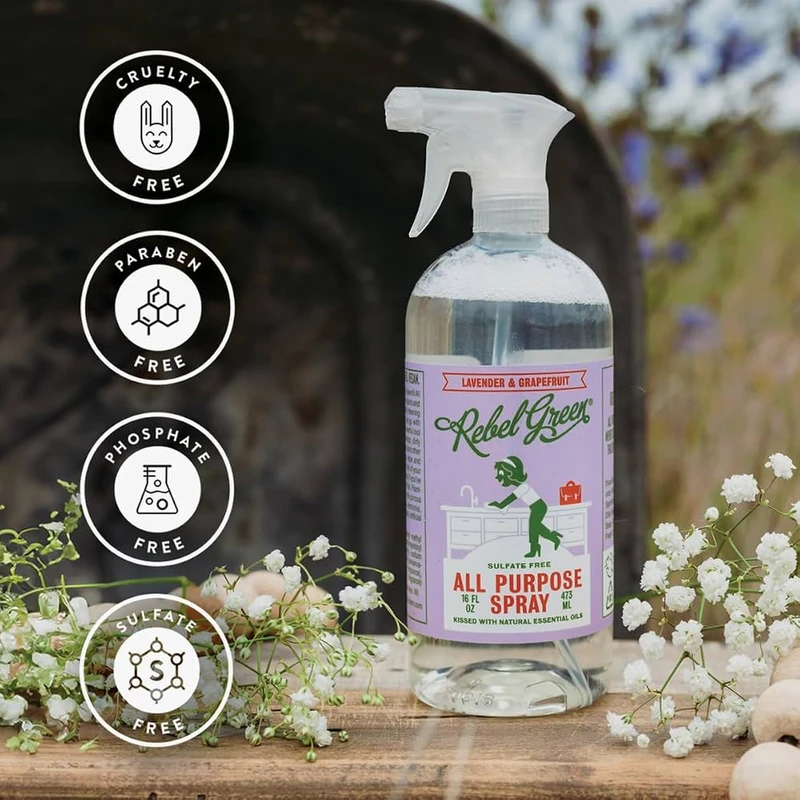
Eco-Friendly Pet-Safe Cleaning: Avoiding Toxic Residues
PawVerde.com – Eco-friendly pet-safe cleaning requires more than just ‘natural’ labels; it demands products free from glycol ethers, ammonia, and bleach. To ensure safety, prioritize brands with third-party certifications (EWG/EPA) and always allow surfaces to dry completely to prevent chemical absorption through a pet’s sensitive paw pads.
The global pet-safe cleaners market is projected to surge from $6,492.1 million in 2025 to $8,310.5 million by 2035. As pet ownership rises, the demand for non-toxic household maintenance grows alongside it.
The Paw-Pad Absorption Guide: Why ‘Natural’ Isn’t Always Safe
Because they walk on cleaned floors, lick their paws, and sleep with their faces on treated surfaces, dogs and cats face higher exposure to cleaning residues than humans. This grooming cycle facilitates the ingestion of substances. Always ensure surfaces are dry to prevent chemical transfer.
The Science of Paw-Pad Absorption
Dogs and cats face higher exposure than humans because of their grooming habits. They walk on cleaned floors, lick their paws, groom themselves, and often sleep with their faces directly on treated surfaces. This creates a continuous cycle of contact and ingestion.
Chemical composition matters immensely. Glycol ethers, such as 2-butoxyethanol and related compounds, are associated with blood disorders, kidney and liver damage, and reproductive toxicity. Even if a product is labeled “natural,” the presence of these specific compounds poses a significant physiological risk.
The ‘Dry-Time’ Checklist for High-Traffic Zones
To mitigate the risk of pets entering freshly treated areas, implement these specific safety protocols:
- Hardwood and Tile: Wait until the surface is completely matte and dry to the touch to prevent residue transfer to paw pads.
- Carpets and Rugs: Ensure deep-seated moisture from enzymatic cleaners has evaporated; residual dampness can facilitate chemical absorption.
- High-Traffic Thresholds: Use physical barriers or baby gates to prevent pets from entering a room during the active drying phase.
Spotting Greenwashing: The Transparency Audit Framework
The term ‘non-toxic’ does not necessarily imply a product is non-irritating to humans. Many products marketed as “green” focus on environmental friendliness but fail to address skin or respiratory irritation. Furthermore, experts note that just because a product says pet-safe or natural doesn’t mean it’s truly pet-safe or poses no risk to pets.
A critical counterintuitive claim is that cleaning products labeled safe for use around infants or children are not automatically safe around pets. Pets have different metabolic pathways and grooming behaviors that can lead to toxicity from substances that might be considered negligible for human toddlers. Always cross-reference ingredients with the Environmental Working Group (EWG) or the EPA to verify safety claims.
Commercial vs. DIY: The Efficacy Battle
While DIY solutions like vinegar and baking soda are excellent for light maintenance, commercial enzymatic cleaners are superior for organic pet messes. Enzymes actively break down urine proteins, whereas natural acids like vinegar may struggle with older, more stubborn stains and odors.
| Cleaning Method | Best Use Case | Efficacy Level | Safety Note |
|---|---|---|---|
| Vinegar & Baking Soda | Light maintenance/Glass | Low to Moderate | Generally safe; avoid mixing in closed containers. |
| Enzymatic Cleaners | Urine and organic stains | High | Ensure full drying to prevent ingestion. |
| Non-Enzymatic Plant-Based | Daily surface wiping | Moderate | Check for essential oil content. |
Use the following comparison to select a cleaning method based on the specific type of organic stain or surface being treated.
When to use Vinegar and Baking Soda
Vinegar and baking soda are highly effective for non-organic messes, such as hard water stains or general surface grime. For example, a mixture of 2 Cups vinegar, 2 Cups lukewarm water, and 4 Tbsp baking soda can serve as a versatile household cleaner. However, these solutions may fail when dealing with the complex proteins found in dried pet urine.
The Power of Plant-Powered Non-Enzymatic Solutions
Some manufacturers have moved away from traditional enzyme-based models. Skout’s Honor, for instance, offers immediate cleanup without the wait or uncertainty of enzymes. These plant-powered solutions target odors through different chemical pathways, providing a faster response for owners who cannot wait for enzymatic breakdown.
Top-Rated Eco-Friendly Pet Cleaners by Market Category
The market is divided among several specialized providers. For instance, The Honest Company, Inc. holds an 18-22% market share, while Seventh Generation, Inc. captures 14-18% of the industry.
| Brand/Company | Primary Specialization | Market Context |
|---|---|---|
| The Honest Company, Inc. | General Pet-Safe Cleaning | 18-22% Market Share |
| Seventh Generation, Inc. | Eco-Conscious Home Care | 14-18% Market Share |
| Puracy | Biodegradable Solutions | 12-16% Market Share |
| ECOS (Earth Friendly Products) | Vegan-Certified Non-Toxic | 10-14% Market Share |
| Nature’s Miracle (Spectrum Brands) | Odor and Stain Removal | 8-12% Market Share |
| Rocco & Roxie Supply Co. | Enzymatic Odor Removal | Specialist |
| Skout’s Honor | Plant-Powered Non-Enzymatic | Specialist |
| Tersano Inc | Stabilized Aqueous Ozone (SAO) | Specialist |
This data highlights a diverse landscape where companies like Puracy (12-16% share) compete alongside specialists like Rocco & Roxie Supply Co.
Market Leaders for General Home Cleaning
For daily household tasks, ECOS (Earth Friendly Products) provides vegan-certified options, with an all-purpose cleaner priced at approximately $7 USD for a 22 oz bottle. Puracy also maintains high standards, with products like their Natural Carpet Spot Remover containing 99.51% natural content. These brands are suitable for routine dusting, floor wiping, and general surface maintenance.
Specialists in Odor and Stain Removal
When dealing with accidents, specialized formulas are required. Nature’s Miracle (Spectrum Brands) is a recognized name in the stain and odor category. For those seeking high-concentration natural ingredients, Puracy offers a Carpet & Upholstery Shampoo with 99.36% natural content. If you require immediate action without the biological delay of enzymes, Skout’s Honor provides a plant-powered alternative.
Safe DIY Recipes for the Eco-Conscious Pet Parent
Homemade solutions can minimize exposure to synthetic fragrances. To maintain efficacy, follow specific ratios, such as using 2 Cups of vinegar and 4 Tbsp of baking soda for general surface cleaning.
The Ultimate Pet Stain Remover Recipe
For targeted stain removal, follow this protocol: Add one tablespoon of hydrogen peroxide to an all-purpose cleaner; spray on the stain; blot with a T-shirt or paper towel. For urine-specific issues, let the solution sit for a few minutes before repeating the process. Once the area is clean, dry it thoroughly and sprinkle with baking soda for 10-20 minutes before vacuuming to absorb any remaining odors.
Another effective combination involves mixing ½ Cup of hydrogen peroxide with ½ Cup of dish soap for heavy-duty spot cleaning.
Scenting Your Home Safely with Citrus
Avoid using concentrated essential oils, which can be problematic for pets. Instead, use a gentle infusion method. Steep orange or lemon peel in vinegar for at least 24 hours, then strain the liquid before adding it to a spray bottle. This provides a natural citrus scent without the risks associated with undiluted essential oils.
- General Surface Mix: 2 Cups vinegar, 2 Cups lukewarm water, and 4 Tbsp baking soda.
- Glass/Mirror Mix: Equal parts water and vinegar or lemon juice.
- Drain Maintenance: Pour ½ Cup baking soda into the drain, follow with 1 Cup vinegar, let sit for 10 minutes, then rinse with boiling water.
FAQ
Are ‘natural’ cleaners always safe for cats?
Not necessarily. Some natural scents like certain essential oils can be neurotoxic to cats, and some ‘natural’ products may still release formaldehyde vapors when combined with ambient air, such as those containing citrus and pine-based ingredients.
How do I know if a cleaner is truly non-toxic?
Look for third-party certifications from the Environmental Working Group (EWG) or the EPA. Avoid products that use “proprietary blends” to hide ingredients like glycol ethers or ammonia, as these can be hazardous to pets.
Can I use hydrogen peroxide on my carpets to clean pet stains?
To avoid fabric damage, always test a small, inconspicuous area first. If you proceed, remember to blot rather than scrub to prevent the stain from spreading deeper into the fibers.
How to Make DIY Eco-Friendly Cat Litter: A Simple Guide
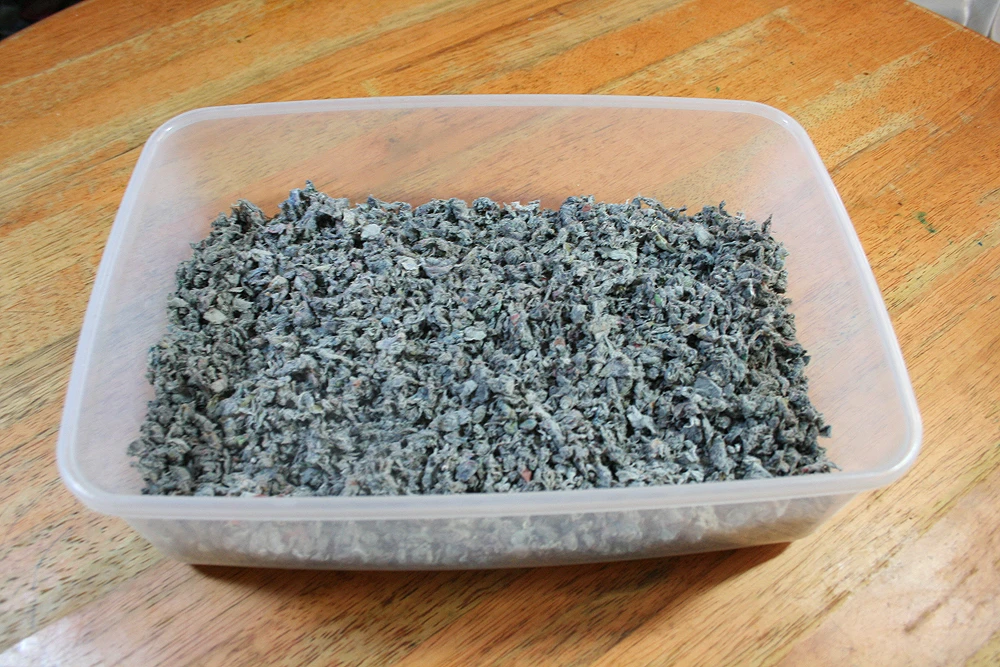
PawVerde.com – To make DIY eco-friendly cat litter, combine absorbent organic materials like kiln-dried pine pellets, shredded paper, or ground wheat with natural odor neutralizers like baking soda. For best results, use a sifting method to manage moisture and ensure a gradual transition for your cat to prevent box aversion.
Since the 1940s, clay-based litter has dominated the market, but switching to compostable or biodegradable natural litters can significantly lower your pet’s environmental footprint.
The DIY Litter Formula Matrix: Choosing Your Base
Select your DIY base based on your priority: Use kiln-dried pine pellets for the ‘Budget King’ option, ground wheat or corn for ‘Odor Destruction’ (with careful moisture monitoring), and shredded paper or soft fibers for ‘Sensitive Paws’ to minimize dust and irritation.
Choosing a base involves comparing absorption to maintenance. While many commercial litters are almost entirely sodium bentonite clay, DIY options use different materials to manage waste.
Corn-based litter clumps well, making it a strong contender for those used to traditional clumping varieties. However, grain-based mixes require environmental monitoring because wheat products can mold in humid conditions.
| Base Material | Primary Benefit | Clumping Ability | Risk Factor |
|---|---|---|---|
| Pine Pellets | High affordability | Low (Non-clumping) | Requires sifting |
| Wheat/Corn | Strong clumping | High | Mold/Pests |
| Shredded Paper | Low dust/Gentle | Very Low | Poor odor control |
| Sand/Wood Shavings | Natural availability | Minimal | High mess potential |
Select a material that matches your maintenance capacity, as no single DIY option covers all needs.
Step-by-Step: Batch Production of Natural Litter
To maintain a consistent batch, follow these steps for preparing a month’s supply of litter.
- Preparing your raw materials: Gather your chosen base, such as 40lbs of pine pellets or finely ground wheat. If using wood, ensure it is kiln-dried to avoid releasing harmful oils.
- Mixing in natural odor neutralizers: Once your base is measured, add a natural neutralizing agent. A highly effective method involves sprinkling baking soda into the litter box after scooping to neutralize any odor. You may also incorporate natural additives like diatomaceous earth or dried herbs such as lemongrass, lavender, or mint to enhance the scent profile.
- Storage for freshness and pest prevention: Store your bulk DIY mixture in an airtight container. This is critical for grain-based litters to prevent moisture absorption from the air and to keep pests away.
To avoid uneven treatment, sprinkle baking soda into the box after scooping, a method that works great for natural odor neutralization.
Engineering the Clump: Why DIY Often Fails
One of the most significant hurdles in DIY litter production is the lack of engineered clumping. Commercial clumping litters are designed to swell up to 12 times their original size when exposed to water, creating a solid mass that is easy to remove. DIY litters made from shredded newspaper, wood shavings, or sand rarely match commercial eco-litters for odor control because they lack this rapid-expansion mechanism.
Without rapid encapsulation, moisture can seep through the bottom of the litter layer. This can lead to hygiene issues as the liquid sits in the box.
Safety Audit: Materials to Avoid
Prioritize kiln-dried products to ensure safety. Raw softwoods can release natural oils that are harmful to cats if inhaled or ingested.
Grain-based litters introduce specific biological risks. Wheat products can mold in humid conditions, and corn litter can attract pests if not stored in airtight environments.
To prevent box aversion, experts recommend a gradual transition that can take up to 12 weeks.
Shortcut: To manage pine pellets effectively, use a sifting litter box so damp shavings fall into a bottom tray, leaving fresh pellets on top.
If you introduce a completely new texture or scent overnight, your cat may reject the box entirely. Start by mixing 25% of the new DIY litter with 75% of the old litter, gradually increasing the ratio over several weeks. Additionally, avoid using an excessive amount of litter; doing so often results in cats scratching and kicking litter outside the box, creating a mess that is difficult to contain.
While DIY approaches aim to save money, costs vary based on maintenance needs and equipment.
| Metric | DIY Pine Pellets | Commercial Eco-Brand |
|---|---|---|
| Upfront Cost (approx.) | $8 per 40lbs | Variable (Higher) |
| Duration (2 cats) | 5-8 weeks | Varies by brand |
| Maintenance Effort | High (Sifting required) | Low (Standard scoop) |
The $8 price point for 40lbs of pine pellets makes it a highly competitive option for budget-conscious households, provided you have the tools to manage the non-clumping nature of the material.
Use a gradual transition over 12 weeks, slowly mixing the new DIY material with their old, familiar litter to prevent box aversion. This allows the cat to adjust to the new scent and texture without feeling the need to seek alternative bathroom locations.
Tags: biodegradable pet supplies, composting cat litter, DIY cat litter, eco-friendly pet care, natural odor neutralizers, pet waste management, pine pellet litter, sustainable cat litter recipes
How to Minimize Your Pet’s Carbon Footprint: 4 Key Steps
PawVerde.com – Minimizing your pet’s carbon footprint requires a multi-pronged approach: transitioning to lower-impact proteins (like fish or insect-based diets), choosing durable gear over disposable items, and managing waste through compostable materials. Addressing these key areas can significantly reduce the 64 million tons of CO2 emissions generated annually by pet meat consumption in the US.
If America’s 163 million dogs and cats were a separate country, they would rank fifth in global meat consumption, according to Gregory Okin. This massive scale of consumption drives a significant portion of the environmental impact associated with pet ownership.
The Pet Sustainability Audit: Assessing Your ‘Pawprint’
To audit your pet’s carbon footprint, evaluate four key pillars: Diet (protein source and portion control), Waste (litter type and bag biodegradability), Gear (durability vs. disposability), and Medical/Maintenance (grooming water use and dental care). Scoring these areas helps identify whether your impact stems from high-emission meats or high-waste lifestyle habits.
A thorough audit prevents the failure mode of “performative sustainability,” where an owner buys expensive organic toys while maintaining a diet heavy in high-emission red meats. For a large dog, the emissions can reach as high as 2,500 kg of CO2e, whereas an average-sized dog generates approximately 770 kg of CO2e. Understanding these baseline numbers is the first step toward meaningful reduction.
The Four Pillars of Pet Impact
- Diet: Analyzing the protein source (beef vs. fish vs. insect) and checking for overfeeding, which increases both cost and emissions.
- Waste: Evaluating the carbon intensity of litter types and the biodegradability of waste bags.
- Gear: Assessing the lifecycle of products, specifically whether a “biodegradable” item lasts long enough to outperform a durable one.
- Maintenance: Measuring resource use during grooming and the frequency of veterinary interventions.
Dietary Shifts: From Red Meat to Sustainable Proteins
The most effective way to reduce pet emissions is switching from red meat to fish or insect-based proteins. Producing 1kg of red meat generates 50-750kg of CO2, whereas catching 1kg of fish produces only 1-5kg. Additionally, plant-based diets can reduce pet allergies while lowering the environmental load.
Research from the Institute for Marine and Antarctic Studies at the University of Tasmania highlights the stark contrast between terrestrial livestock and marine protein sources. While beef and lamb are highly carbon-intensive, shifting toward marine-based proteins or alternative sources like those developed by Wild Earth can drastically lower a pet’s individual footprint.
| Protein Source | CO2e per kg (approx) | Sustainability Rank |
|---|---|---|
| Red Meat (Beef/Lamb) | 50 – 750 kg | Low |
| Fish | 1 – 5 kg | High |
| Insects | Minimal | Very High |
The protein data shows that while producing a kilogram of red meat can release up to 750 kg of CO2, catching a kilogram of fish emits as little as 1 kg. This disparity makes protein selection a primary lever for reducing emissions.
The Protein Hierarchy
Owners should prioritize proteins with the lowest lifecycle emissions. Insect-based pet food is a rapidly growing sector because the overall carbon footprint is much smaller than that of traditional livestock. Furthermore, utilizing by-products from the human food chain can prevent the disposal of healthy ingredients, making the entire food system more efficient.
The Overfeeding Trap
A common misconception is that more food equals a healthier pet. In reality, many pets are overfed, which is not only unhealthy for the animal but also increases food waste, costs, and total emissions. Precise portion control is a direct way to minimize the environmental load without changing the specific brand of food used.
Decoding the Greenwashing Trap in Pet Supplies
Marketing often highlights “organic cotton” because studies show it is less water- and energy-intensive than conventional cotton. However, a single product choice does not guarantee total sustainability.
Warning: Avoid the trap of prioritizing “biodegradable” labels on high-use items. A durable product, such as a high-quality rubber toy, used for several years may be significantly more sustainable than multiple biodegradable replacements that break down too quickly and require frequent repurchasing.
The European Commission has worked on initiatives like “Building the Single Market for Green Products” to address these complexities, but consumers must remain vigilant. The goal should be longevity; a product that stays out of a landfill for five years is often better than a “green” product that ends up there in five months.
Waste Management: The Hidden Cost of Litter and Poop Bags
Cat owners face a significant choice in waste materials. Silica-gel-based litter has an exceptionally high carbon footprint because manufacturing just one ton of silica gel requires approximately 5 tons of coal.
Warning: Silica-gel litter can exert ten times the carbon dioxide pressure of other litter types. Switching to more natural alternatives is a high-impact change for cat owners.
Reducing environmental impact also involves managing dog waste. Moving toward compostable options helps mitigate the long-term presence of single-use plastics in the environment.
Home and Grooming: Protecting Resources and Longevity
Pet maintenance directly affects household resource use. For example, failing to manage dog nails can lead to the need for refinishing hardwood floors every 3 to 5 years, a process that can cost upwards of $4,500.
To minimize the impact of grooming, consider these methods:
- Water Conservation during Grooming: Install a pet shower sprayer with a shut-off nozzle to prevent continuous water flow.
- Alternative Bathing: Use animal-safe dry shampoos to reduce water usage between full baths.
- Outdoor Bathing: If appropriate, bathe pets in lawn areas that already require watering to combine resource uses.
The Medical and Socialization Paradox
Effective pet care requires balancing environmental concerns with essential health needs. Veterinary professionals emphasize that certain preventative measures are non-negotiable for long-term animal wellness.
Warning: Do not skip essential veterinary care in the name of sustainability. For example, dental health is critical; Dr. Osborne notes that “chewing bones does not keep your pet’s teeth clean. There are different products that they cleverly market as chews, but they don’t work.” Neglecting professional dental cleanings, which may be needed 1 to 2 times per year, can lead to more intensive medical issues later.
Socialization is another area where timing is critical for the pet’s well-being. Experts suggest that the window for effective socialization is between 3 and 12 weeks of age. While the medical and social needs of a pet are paramount, being an informed owner means understanding how to manage these needs with the least possible environmental friction.
FAQ
Is plant-based pet food safe?
Plant-based foods, such as those using yeast and chickpeas, can be highly successful in reducing pet allergies and lowering environmental impact, though owners should consult a vet for nutritional balance.
Why is silica-gel litter bad for the environment?
Silica-gel-based litter has a high carbon footprint because manufacturing just one ton of silica gel requires approximately five tons of coal.
Should I buy biodegradable toys?
Durability is a key factor in sustainability. A high-quality rubber toy used for several years often prevents more waste than frequent replacements of biodegradable items that break down too quickly.

Top Green Grooming Brands for Pets Leading in 2026
PawVerde.com – Leading the pet grooming industry in 2026, brands like WildWash, Earthbath, and Burt’s Bees exemplify the convergence of sustainability, ethical certification, and advanced skin-specific care. These companies have elevated eco-friendly pet grooming through products that blend plant-based, cruelty-free ingredients with innovative biodegradable packaging. Their commitment to transparency and efficacy addresses the growing demand for premium pet care that supports both animal wellness and environmental responsibility.
WildWash stands out as a B-Corp Certified brand recognized for its Ethical Innovator status, highlighting rigorous social and environmental standards alongside product performance. Its shampoos and conditioners incorporate soothing aloe vera and evening primrose oil, targeting sensitive and allergy-prone pet skin with pH-balanced, botanical formulations. Earthbath complements this approach with plant-based shampoos enriched with colloidal oatmeal and USDA Organic aloe, specifically recommended by veterinarians for pets suffering from dry, itchy skin and dermatitis. Burt’s Bees further distinguishes itself by offering comprehensive grooming kits that integrate eco-conscious materials and packaging, appealing to pet owners seeking sustainability without compromising convenience or quality.
Leading Green Grooming Brands in 2026
WildWash’s B-Corp certification reflects its dedication to responsible sourcing, cruelty-free testing, and community engagement. The brand’s product line emphasizes skinification—a trend adapted from human skincare that focuses on ingredient-led formulations targeting specific skin concerns in pets. Its use of evening primrose oil and aloe vera delivers anti-inflammatory and moisturizing benefits, making it effective for dogs with eczema or hotspot-prone skin conditions. WildWash also pioneers biodegradable packaging solutions that reduce plastic waste, aligning with industry efforts to curb environmental impact.
Earthbath’s reputation is built on its commitment to plant-based, biodegradable shampoos that avoid harsh sulfates and artificial fragrances. Their colloidal oatmeal formulations soothe irritated skin, while USDA Organic aloe vera enhances skin barrier repair. Veterinarians frequently recommend Earthbath products for sensitive or allergy-prone animals, reflecting strong clinical endorsement. The brand’s packaging utilizes recyclable materials and minimal plastic, supporting sustainable consumption patterns.
Burt’s Bees, a longtime leader in natural personal care, extends its eco-friendly ethos to pet grooming with full kits containing shampoos, conditioners, brushes, and grooming accessories. These kits incorporate renewable resources and post-consumer recycled packaging. Burt’s Bees emphasizes cruelty-free certification and plant-derived ingredients such as shea butter and honey, which nourish coat health while minimizing environmental harm. Its market positioning balances premium quality with accessible pricing, broadening consumer adoption of sustainable pet care.
Other emerging brands like 4-Legger, Puracy, Sunny Side Up, and Stuck Soap contribute to the green grooming landscape by offering specialized natural formulas and biodegradable grooming tools. For instance, 4-Legger focuses on USDA Organic certified products with essential oils and botanical extracts, while Sunny Side Up introduces K-beauty-inspired pet skincare using fermented ingredients. These brands diversify the market by integrating global innovations and ethical certifications into their product development.
Key Product Features Driving Eco-Friendly Grooming
Central to the success of these green grooming brands is their reliance on natural, skin-specific ingredients that promote pet dermatological health. Colloidal oatmeal, aloe vera, botanical oils like evening primrose and chamomile, and plant-derived surfactants create gentle, effective cleansing with anti-inflammatory and moisturizing properties. These ingredients cater to common pet conditions including dry skin, itchiness, and allergies, thereby positioning products within the growing skinification trend.
Cruelty-free and vegan certifications are standard among leading brands, ensuring no animal testing and exclusion of animal-derived components. This ethical stance resonates with environmentally conscious consumers and aligns with global regulatory shifts toward banning animal testing in cosmetics. Brands typically display recognized certification logos from organizations such as Leaping Bunny or PETA to enhance trust.
Packaging innovation plays a critical role in sustainability. Companies increasingly adopt biodegradable, compostable, and recyclable materials to tackle plastic waste generated by pet grooming products. Some brands utilize post-consumer recycled plastics, plant-based bioplastics, or paper-based containers with water-based inks. These measures address environmental impact while maintaining product integrity and shelf life.
USDA Organic certification guarantees that botanical ingredients meet strict agricultural standards free from synthetic pesticides and fertilizers, reinforcing product safety and environmental stewardship. Meanwhile, Ethical Innovator awards recognize brands that demonstrate leadership in social responsibility and sustainable business practices, providing consumers with reliable markers of authenticity.
Emerging Trends Shaping the Market
The skinification trend, originally popularized by human skincare, has transformed pet grooming formulations into targeted, ingredient-focused solutions. This approach emphasizes understanding pet skin biology and tailoring products to address specific dermatological needs rather than generic cleansing. As a result, formulations often include antioxidants, probiotics, and barrier-repair agents to enhance skin resilience and coat condition.
Korean beauty (K-beauty) influences have permeated the pet care industry through the introduction of fermented ingredients and mushroom-derived actives known for their antioxidant and anti-inflammatory properties. Brands like Sunny Side Up incorporate these innovations to deliver advanced benefits such as improved skin microbiome balance and enhanced moisture retention, reflecting a fusion of global beauty science with pet wellness.
Multi-functional grooming tools are gaining traction, combining sustainability with ease of use. For example, biodegradable brushes made from bamboo or recycled plastics integrate ergonomic design with environmental benefits. Some tools incorporate antimicrobial coatings or skin-soothing materials to complement topical products, fostering comprehensive grooming routines that minimize ecological footprint.
Environmental Impact and Ethical Considerations
The carbon footprint associated with pet grooming products includes factors such as raw material extraction, manufacturing, packaging, and transportation. Brands adopting plant-based ingredients generally achieve lower greenhouse gas emissions compared to petrochemical-derived alternatives. Additionally, biodegradable packaging reduces landfill burden and microplastic pollution in aquatic ecosystems.
Nonetheless, the industry faces challenges related to greenwashing—misleading claims about sustainability or ethical practices. Consumers must scrutinize certification authenticity, ingredient transparency, and supply chain accountability. Genuine eco-friendly brands provide detailed disclosures and third-party validations, distinguishing themselves from opportunistic marketing tactics.
Leading companies support environmental initiatives such as reforestation programs, plastic waste reduction campaigns, and renewable energy adoption in production facilities. These efforts contribute to corporate social responsibility beyond product formulation, signaling holistic commitment to planetary health.
Practical Tips for Choosing Green Pet Grooming Products

Pet owners seeking eco-friendly grooming options should carefully audit ingredient lists to avoid sulfates, parabens, artificial fragrances, and synthetic dyes known to irritate sensitive skin. Prioritizing pH-balanced formulas tailored to species-specific skin physiology ensures optimal safety and efficacy.
Selecting products certified cruelty-free, USDA Organic, or B-Corp provides assurance of ethical and environmental standards. Consumers should favor brands that openly communicate sourcing, manufacturing, and packaging practices.
Matching product choice to pet-specific skin and coat conditions enhances outcomes—oatmeal-based shampoos for itch relief, aloe-enriched conditioners for hydration, or botanical oil formulations for restoring coat shine. Integrating sustainable grooming tools complements topical care and minimizes environmental impact.
Supporting brands with transparent ethical commitments helps drive industry-wide improvements and reinforces consumer influence on corporate behavior.
FAQ

What certifications should I look for in eco-friendly pet grooming products?
Look for B-Corp certification, USDA Organic, cruelty-free (e.g., Leaping Bunny), and Ethical Innovator awards. These certifications indicate verified commitments to sustainability, ethical sourcing, and animal welfare.
How do plant-based ingredients benefit pet skin and coat health?
Plant-based ingredients like aloe vera, colloidal oatmeal, and botanical oils provide natural anti-inflammatory, moisturizing, and protective effects. They reduce irritation and support skin barrier repair without harsh chemicals.
Are biodegradable pet grooming products as effective as conventional ones?
Yes, many biodegradable shampoos and conditioners match or exceed conventional efficacy when formulated with advanced botanical actives and skin-specific ingredients, though natural lather and texture may differ slightly.
What are emerging trends in pet grooming product formulations?
Key trends include skinification with targeted ingredients, K-beauty influences introducing fermented and mushroom-derived actives, and multifunctional grooming tools that combine sustainability with usability.
How can consumers avoid greenwashing in pet grooming products?
Consumers should verify certifications, seek transparent ingredient and packaging disclosures, and research brand environmental initiatives. Avoid vague marketing claims lacking third-party validation.
The future of sustainable pet grooming hinges on continuous innovation integrating ethical standards with effective skin and coat care. As consumer awareness rises, brands that authentically combine natural formulations, certified eco-friendly practices, and transparent sourcing will lead the market. Pet owners adopting such products contribute not only to their animals’ health but also to broader environmental preservation efforts.