
Natural Eco-Friendly Dog Toys: How to Spot Greenwashing
PawVerde.com – eco-friendly dog toys prioritize non-toxic, biodegradable, or recycled materials like natural rubber, hemp, and organic cotton to reduce landfill waste and chemical exposure. While traditional toys often contain hazardous substances, sustainable options focus on durability and material transparency to ensure both environmental health and canine safety. This shift in consumer behavior is critical, as 45% of tested pet products contained detectable levels of at least one hazardous chemical.
The Greenwashing Detection Guide: Spotting Fake ‘Natural’ Claims
To detect greenwashing, look beyond vague marketing terms like ‘natural.’ Verify specific certifications such as GOTS for cotton, Oeko-Tex for textiles, or MadeSafe for non-toxicity. Always check the material composition list to ensure ‘natural’ isn’t just a scent or a small percentage of a synthetic blend.
Vague terminology vs. Certified standards
The term ‘natural’ isn’t legally defined. This regulatory gap means a manufacturer can label a product “natural” even if it contains a high percentage of synthetic binders or chemical dyes. Relying on a label alone is a common failure mode for pet owners seeking safety. Instead, prioritize specific, verifiable standards:
- GOTS (Global Organic Textile Standard): Ensures organic status for cotton-based toys.
- Oeko-Tex: Certifies that textiles are free from harmful substances.
- MadeSafe: A rigorous non-toxicity certification that screens for thousands of hidden chemicals.
Experts note that no material name guarantees a dog toy is safe; factors like construction and how your dog plays are equally vital.
The recycled plastic transparency trap
While recycling is a core pillar of sustainability, recycled plastics can be risky if not tested. Some manufacturers use recycled materials without providing documentation regarding the original source or the presence of legacy toxins. A common mistake is assuming a “recycled” label automatically equals “non-toxic.” Without third-party verification, these plastics may contain additives that were present in the original waste material, potentially posing risks to your pet.
Disposal & End-of-Life Matrix: Where Do Your Toys Go?
Reducing pet industry waste requires choosing materials with clear lifecycles. Sustainable alternatives prioritize long-lasting or biodegradable options to minimize the volume of products ending up in landfills.
| Material Type | Disposal Method | Environmental Impact | End-of-Life Note |
|---|---|---|---|
| Natural Rubber (e.g., Hevea) | Biodegradable | Low | 100% biodegradable products reduce landfill reliance. |
| Organic Cotton | Compostable | Very Low | Ensure no synthetic thread or dyes are present. |
| Recycled Plastic | Recycling Bin | Medium | Effectiveness depends on local municipal capabilities. |
| Hemp Fiber | Compostable | Low | Excellent for reducing microplastic accumulation. |
The disposal path depends heavily on the specific material composition. For example, Hevea products are 100% biodegradable, making them an ideal choice for owners who want to minimize long-term environmental footprints. However, a common pitfall is attempting to backyard compost toys that require industrial composting conditions to break down effectively. Always verify if a “compostable” claim refers to home-compostable or industrial-only processes.
Backyard composting vs. Industrial requirements
Not all organic materials break down at the same rate. While organic cotton rope is a great choice, it may require the higher heat of an industrial facility to decompose fully. On the other hand, pure natural rubber or hemp may integrate more easily into natural cycles. If a toy contains even a small amount of synthetic glue, it will fail to decompose in a backyard bin, leaving behind non-organic residue.
Brand take-back programs
circular economy solutions help manage end-of-life stages. By participating in manufacturer programs, consumers can ensure worn-out items are processed through responsible recycling or repurposing rather than entering a landfill.
Material vs. Play Style: Finding the Perfect Match
Match materials to chewing intensity: use natural rubber for power chewers because it flexes under pressure to protect teeth; choose organic cotton or plush for gentle mouthers; and utilize hemp or olive wood for moderate chewers seeking antimicrobial or low-splintering options.
| Material | Best For | Eco-Benefit | Safety Note |
|---|---|---|---|
| Natural Rubber | Power Chewers / Puppies | Biodegradable | Flexes to protect teeth and gums. |
| Hemp | Moderate Chewers | Antimicrobial | Extremely strong and durable. |
| Organic Cotton | Gentle Mouthers | Biodegradable | Ideal for pets with sensitive skin. |
| Olive/Coffee Wood | Moderate Chewers | Natural Resource | Splinters less than traditional sticks. |
Selecting the wrong material can lead to immediate physical issues. For instance, using hard nylon for a dog that requires more flexibility can result in injuries to the teeth or gums. Conversely, giving a heavy power chewer a soft plush toy often leads to rapid destruction and the ingestion of small parts.
The Power Chewer’s Defense: Why Flexibility Matters
For power chewers, natural rubber is often considered safer than hard nylon because it flexes under pressure rather than transferring force directly onto teeth. This flexibility is particularly beneficial for teething puppies, as natural rubber remains gentle on developing gums while still providing enough resistance for vigorous play. Harder, non-flexible materials can cause micro-fractures in the teeth over time due to the direct impact of the bite.
Sensitive Skin & Gentle Mouthers
Organic cotton is a suitable choice for pets with sensitive skin. These toys are known to be soft and biodegradable, which helps reduce the risk of irritation. Because organic cotton is free from the heavy chemical load found in conventional textiles, it provides a safer tactile experience for sensitive animals.
The Hidden Risks: Toxins and Microplastics
As long as animal companions aren’t protected by robust legislation and regulation, it is up to owners to minimize their exposure to toxic chemicals.
WARNING: Testing has shown that 48% of tennis balls contain lead, posing significant toxicity risks.
Heavy Metal Hazards in Common Toys
Testing has revealed alarming levels of heavy metals in standard pet items. For example, 48% of tennis balls contain lead. In one specific instance, the lead levels in the lettering of a dog ball reached 2,696 ppm, while arsenic levels reached 262 ppm. These high concentrations of toxins can be ingested through licking or chewing, posing a direct threat to canine health.
The Microplastic Shedding Reality
Recycled plastics can pose environmental risks through microplastic shedding. During heavy chewing, these materials may release tiny particles that, unlike biodegradable hemp or natural rubber, do not break down into organic matter and can enter the local ecosystem.
Cost-Per-Use: Why Sustainable Toys Save Money
While the initial price of eco-friendly toys may appear higher than mass-produced synthetic alternatives, the “cost-per-use” often tells a different story. A high-quality, durable toy that lasts several months is more economical than replacing cheap, flimsy toys every week.
- KONG Classic Natural Rubber: Starting at approximately $8.46, these provide long-term durability for heavy chewers.
- P.L.A.Y. Garden Fresh Collection: Starting at approximately $7.50, these offer safe, plush alternatives for gentle play.
- From the Field Tug-A-Hemp: Starting at approximately $5.84, these hemp-based toys offer extreme strength for tugging.
Investing in quality means fewer replacements and less frequent trips to the pet store. By selecting materials like natural rubber or hemp that withstand vigorous play, owners reduce the total number of toys purchased over the life of the pet, effectively lowering both the financial and environmental cost.
FAQ
Is natural rubber actually safer for my dog’s teeth?
Natural rubber is considered a safer option for power chewers because it flexes under pressure. This flexibility helps mitigate the direct force transferred to the teeth and gums compared to unyielding, hard synthetic materials.
How can I tell if a toy is truly non-toxic?
Verify products using third-party certifications such as GOTS for organic textiles or MadeSafe. To ensure high safety standards, owners should also look for the absence of synthetic glues and azo-free dyes.
Are hemp dog toys durable enough?
Hemp is incredibly strong and naturally antimicrobial. These properties make it a highly durable choice for braided chews and tug toys.

Eco-Friendly Pet Toys: How to Spot Real Sustainable Options
PawVerde.com – Eco-friendly pet toys are products made from renewable, biodegradable, or recycled materials like natural rubber, hemp, and organic cotton. By choosing these over conventional plastics, you reduce your pet’s ‘carbon pawprint’ and minimize landfill waste, as sustainable materials are designed to decompose more efficiently than traditional synthetics. Petopia’s recycled rubber toys boast a bite resistance of 70-75 N/MM, significantly outperforming the market average of 40-50 N/MM.
The Greenwashing Red Flag Guide: How to Spot Fake Eco-Claims
Greenwashing occurs when products labeled “eco-friendly” are actually mixed with plastics or toxic dyes, deceiving consumers into believing they are making a sustainable choice. This failure mode often results in pets interacting with hidden synthetics that do not meet true environmental standards. Identifying these claims requires looking past marketing jargon to find verifiable material compositions.
Vague Terminology vs. Certifications
Avoid products that rely on unverified descriptors. Instead, look for specific material disclosures. For example, a toy claiming to be “natural-ish” or “earth-friendly” without a specific breakdown of its organic or recycled content is a significant red flag. Industry analysts suggest that true sustainability is found in the technical specifications, not the adjectives.
The “Mixed Material” Trap
A common deception involves the use of mixed materials where a small percentage of organic fiber is combined with a high percentage of non-recyclable plastic. This creates a product that is technically impossible to compost or recycle efficiently. When reviewing a product, check for these specific indicators of low-quality “eco” goods:
- Claims of “biodegradability” without specifying the timeframe or required conditions (e.g., industrial vs. home composting).
- The presence of “recycled” labels on items that still contain high levels of non-recyclable chemical binders.
- Products that combine natural rubber with synthetic fillers that cannot be separated during the recycling process.
Durability vs. Sustainability: A Material Performance Matrix
When choosing eco-toys, match the material to your pet’s chewing style: Natural rubber (like KONG or Petopia) is best for aggressive chewers due to high bite resistance; Hemp and organic cotton are ideal for gentle tuggers; and Bamboo provides a natural, tooth-cleaning experience for moderate chewers.
Selecting the wrong material leads to rapid degradation, which increases both cost and waste. For example, thin compostable items may not last as long during heavy use compared to high-performance alternatives. This mismatch causes frequent replacements and defeats the purpose of a sustainable purchase.
| Material | Best For | Eco-Benefit | Durability Rating |
|---|---|---|---|
| Natural Rubber | Aggressive Chewers | Biodegradable | High |
| Hemp / Cotton | Gentle Tuggers | Renewable/Organic | Moderate |
| Bamboo | Moderate Chewers | Rapidly Renewable | Moderate |
| Zogoflex | Various Styles | Infinitely Recyclable | High |
Material choice must be dictated by the pet’s specific oral habits to ensure longevity. Using the wrong material often leads to the “brittle plastic cracking” failure mode, where repeated chewing causes the toy to splinter into small, potentially dangerous particles.
The Gnasher: High-Resistance Rubber
For dogs with high bite force, natural rubber remains the gold standard. Petopia produces recycled rubber toys with a bite resistance of 70-75 N/MM, which provides a significant advantage over the 40-50 N/MM average found in standard market toys. This high resistance ensures the toy does not disintegrate during intense play sessions. KONG is also recognized as an industry leader in natural rubber treat stuffer toys, offering a balance of durability and engagement.
The Tugger: Natural Fibers and Hemp
Hemp and organic cotton are excellent for interactive play like tug-of-war. Hemp is a particularly smart choice because it grows without pesticides and naturally repels insects. Organic cotton rope toys offer an additional benefit: the natural fibers can help floss a dog’s teeth and stimulate the gums while they chew. However, these materials are less suited for solitary chewers who may attempt to ingest the fibers.
The Squeaker: Soft Organic Plush
For pets that prefer soft textures, P.L.A.Y. Pet Lifestyle and You offers plush collections that utilize eco-friendly materials. These are ideal for gentle play, but owners should monitor for fraying. While organic cotton is great for pets with sensitive skin, these toys lack the structural integrity required for aggressive “shredders.”
Safety and Failure Modes: When Eco-Friendly Becomes a Hazard
Biological safety is critical when selecting natural products. Even sustainable materials can present risks if they fail structurally or are processed with unsafe chemicals. Owners must monitor how materials behave under the stress of repeated biting and pulling.
Specific failure modes can turn a sustainable toy into a health risk:
- Failure Modes: If organic cotton or hemp ropes fray excessively, pets may swallow the fibers, leading to digestive issues.
- Failure Modes: Some eco-materials can become brittle over time, leading to the shedding of small, sharp particles during chewing.
- Failure Modes: While stainless steel bowls avoid leaching chemicals, some “natural” toys may still contain trace amounts of unlisted additives used during the manufacturing of rubber or dyes.
Warning: Inspect toys for signs of wear, such as deep cracks in rubber or loose threads in fabric. Discard any toy showing signs of structural compromise to prevent choking or ingestion hazards.
The Disposal Roadmap: Composting vs. Recycling
Proper disposal depends on the material: Organic cotton and bamboo can often be home-composted; Zogoflex and Seaflex toys should be returned via manufacturer programs like West Paw‘s ‘Join the Loop’; and natural rubber is biodegradable but should not be tossed in standard plastic recycling bins.
Completing the sustainability loop requires following specific end-of-life protocols. For instance, West Paw’s “Join the Loop” program allows pet parents to mail back used Zogoflex or Seaflex toys to be recycled into brand-new products. Avoid throwing organic items into plastic recycling streams to prevent contamination.
- Disposal: Use this for 100% organic items like bamboo or untreated cotton, provided they are free of synthetic dyes.
- Disposal: West Paw offers the “Join the Loop” program, where pet parents can mail back used Zogoflex or Seaflex toys to be recycled into brand-new products.
- Disposal: Natural rubber is biodegradable, but it requires specific environmental conditions to break down. It should be disposed of in organic waste streams rather than standard plastic bins.
Total Cost of Ownership: Why Sustainable Toys Save Money
The initial purchase price of high-quality sustainable toys may be higher, but longevity often reduces the total cost of ownership. A single high-performance toy is more economical than a constant cycle of replacing cheap, disposable alternatives that fail within weeks.
Compare specific market options to see the value. A KONG Classic Natural Rubber Treat Stuffer is priced around $7.64, while a From the Field Tug-A-Hemp toy is approximately $5.84. While these may seem comparable to budget options, the durability of natural rubber or hemp often prevents the need for the frequent, repetitive purchases required by low-quality plastic toys. Investing in durability reduces the long-term financial burden on pet owners and prevents the accumulation of waste.
DIY Upcycling: Creating Sustainable Toys at Home
You can create functional, safe toys using items already present in your household. This practice prevents household items from entering the waste stream prematurely.
Try these DIY upcycling techniques:
- DIY: Take old, clean cotton t-shirts and braid them tightly to create a durable rope toy for tugging.
- DIY: Place a treat inside an old, clean sock and tie the end to create a simple scent-work toy.
- DIY: Use empty, non-toxic cardboard boxes to create treat-hiding puzzles for mental stimulation.
- DIY: Use fabric scraps to stuff a larger piece of cloth, creating a soft plush toy for gentle chewers.
FAQ
What is the difference between natural rubber and TPR?
Natural rubber is more eco-friendly and biodegradable, whereas Thermoplastic Rubber (TPR) is synthetic but offers a similar feel for moderate chewers. While TPR is easier to mass-produce, natural rubber provides superior environmental benefits and higher bite resistance for many pets.
Are eco-friendly toys actually more durable?
Not always; while some like Petopia’s recycled rubber have higher bite resistance (70-75 N/MM), thin compostable items may not last as long as heavy-duty synthetics. Durability depends entirely on whether the specific material is matched to the pet’s chewing strength.
How can I recycle my West Paw toys?
Use the ‘Join the Loop’ program by mailing back used Zogoflex or Seaflex toys to West Paw to be recycled into brand new ones. This closed-loop system ensures that the high-quality materials are reused rather than sent to a landfill.
Recycled Materials for Pet Toys: A Guide to Eco-Friendly Safety
PawVerde.com – recycled pet toys utilize post-consumer waste—like ocean plastics, bicycle inner tubes, or recycled PET bottles—to create durable enrichment tools. While they significantly reduce carbon pawprints, choosing them requires verifying non-toxic certifications to avoid chemical leaching from phthalates or BPA, especially in heavy chewers.
Market shifts are accelerating as 67% of millennial and Gen Z pet owners in North America and Western Europe actively seek eco-certified or sustainably packaged products.
The Greenwashing Detection Guide: Verifying Recycled Claims
To avoid greenwashing, look for specific third-party certifications like the Global Recycled Standard (GRS) or OEKO-TEX. Avoid brands that claim to be ‘eco-friendly’ without specifying the exact percentage of recycled content or the source of the material (e.g., post-consumer vs. post-industrial waste).
Deceptive labeling occurs when “eco-friendly” products are blended with virgin polymers or toxic dyes. For example, a brand might claim a toy is “made with recycled materials” while providing no specific percentage of actual waste content.
Red Flags in Product Labeling
- Vague Terminology: Using terms like “earth-friendly” or “natural” without providing a breakdown of material composition.
- Lack of Percentage Data: Failing to state whether a product contains 10%, 50%, or 100% recycled content.
- Undefined Sources: Not distinguishing between post-consumer waste (items used by consumers and then recycled) and post-industrial waste (factory scraps).
Certifications to Trust
Reliable manufacturers provide documentation that transcends marketing slogans. When browsing an online shop, users should check the “Product Details” or “Sustainability” tab—often found via Product Page > Specifications > Certifications—to verify third-party validation. Ecoternatives, for example, offers 100% recycled dog plush toys, providing a clear benchmark for total material repurposing. A single 100% recycled plush toy is priced at 11.35 USD, demonstrating that high-recycled content can remain accessible.
Material Durability Matrix: Comparing Recycled Textures
Selecting the correct material requires balancing environmental impact against the specific chewing habits of a pet. A mismatch can lead to rapid degradation or, more dangerously, the ingestion of shredded fragments.
| Material Type | Chew Strength | Environmental Benefit | Cleaning Ease |
|---|---|---|---|
| Hemp | High | Very High (Renewable) | Moderate (Machine Wash) |
| Cotton | Moderate | High (Biodegradable) | Easy (Machine Wash) |
| Natural Rubber | Very High | High (Renewable) | Easy (Hand Wash) |
| TPR (Synthetic) | High | Moderate (Recyclable) | Easy (Wipe Clean) |
Material selection determines both the toy’s lifespan and its ecological footprint. While manufacturers like West Paw utilize Zogoflex® and recycled fiber stuffing to achieve 90-100% recycled content, natural fibers often provide a different structural advantage.
Natural Fibers vs. Synthetics
Hemp dog toys tend to last longer, resist fraying better, and create fewer long-term waste issues than cotton alternatives. While cotton is highly biodegradable, its tendency to fray under heavy tension can lead to faster disposal cycles. For owners prioritizing longevity, hemp offers a structural advantage that reduces the frequency of replacement.
Rubber Alternatives for Heavy Chewers
natural rubber is more eco-friendly than synthetic counterparts. Thermoplastic Rubber (TPR) is a synthetic alternative that offers a similar feel for moderate chewers but lacks the renewable origin of natural latex. For pets with extreme jaw pressure, natural rubber remains the preferred choice for durability.
Microplastic Safety and Chemical Risks
Recycled plastic toys can expose pets to microplastics and chemicals like phthalates or BPA. To minimize risk, prioritize silicone over plastic for durability and less leaching, or choose non-synthetic recycled materials like hemp and wool which are gentler on a pet’s mouth and stomach.
Recent independent research published in the Pets vs. Plastics report by EarthDay.org explores how plastic toys—even recycled ones—can expose pets to harmful chemicals like phthalates and BPA, as well as microplastics. This risk is heightened in toys that undergo significant mechanical wear during play.
To mitigate these risks, consider the biological impact of material choice. As EcoFurball notes:
Recycled doesn’t always mean synthetic. You can find recycled cotton, wool, or hemp toys, which tend to be gentler on your pet’s mouth and stomach.
This highlights a critical distinction: recycling a natural fiber is fundamentally different from recycling a polymer. Silicone serves as a safer alternative to many plastics because it is more durable and less prone to degradation and leaching.
Commercial Leaders in Circular Manufacturing
Industry leaders are currently scaling the use of second- and third-generation recycled polymers to create high-performance pet products.
The Rise of Post-Consumer Plastics
Companies are increasingly moving away from virgin plastics to meet sustainability goals. Petmate, for instance, has incorporated recycled ocean plastics and post-industrial waste into its manufacturing lines. Similarly, Betty & Butch utilizes recycled PET fabric and stuffing, repurposing 4 to 7 plastic bottles for their Sea Turtle Puppy Toy, while their dog beds can utilize up to 52 bottles.
Closed-Loop Manufacturing Examples
Moderna has demonstrated a significant commitment to this transition. Their data shows a steady increase in the use of recycled content: from 5.4% in 2020 to 10% in 2021, reaching 20% in 2022. Currently, Moderna’s annual raw material volume from recycled materials stands at 38%. West Paw also leads the sector by manufacturing Zogoflex® toys and utilizing recycled fiber stuffing, proving that 90-100% recycled content can be achieved without compromising the structural integrity required for performance-grade chew toys.
DIY Sustainability: Upcycling Household Waste
Customizing toys from existing household items provides a cost-effective way to prevent functional materials from entering landfills.
Fabric Upcycling
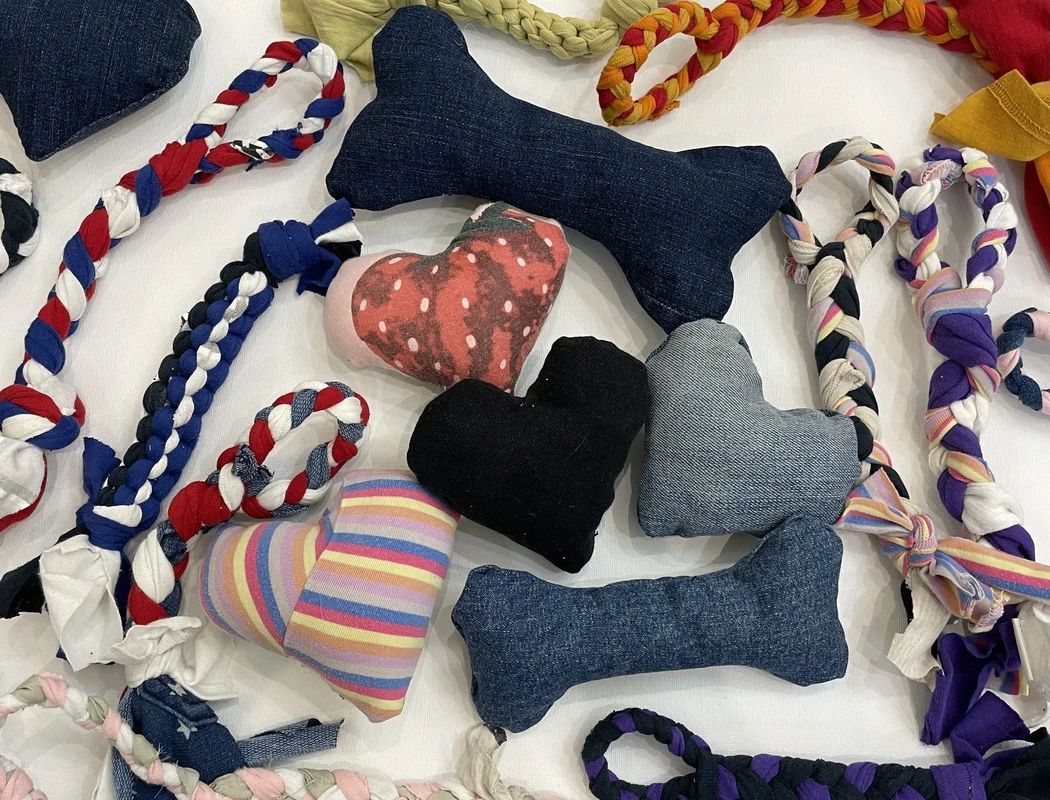
One of the simplest methods is the Braided T-Shirt Rope Toy. To make this, cut old t-shirts into 2-inch strips, tie a knot at one end, braid the strips tightly, and tie another knot at the opposite end to secure the structure.
Edible and Puzzle Alternatives
- Sweet Potato Chew Toy: Wash and peel a sweet potato, slice it into 0.5-inch sections, remove the centers with a cookie cutter, and bake at 250 degrees for 2.5 hours.
- PVC Pipe Treat Puzzle: Drill 8-10 holes in a PVC pipe, ensuring there are at least 5 holes per inch, to allow treats to roll out during play.
Safety is paramount during DIY projects. For instance, using plastic bottles carries the risk of the pet ingesting sharp fragments if the material cracks during use.
The Lifecycle Audit: From Ocean Plastic to Landfill
Sustainability requires evaluating the end-of-life potential for every product purchased.
When a toy from a brand like Petmate—which uses recycled ocean plastics—eventually reaches the end of its functional life, its ability to be repurposed depends on its material purity. If a toy is a “mono-material” (made of only one substance), it is much easier to reintegrate into the circular economy. However, most consumer toys are blends, which complicates the recycling process and often results in the product being sent to a landfill regardless of its origin.
FAQ
Are recycled plastic toys safe for heavy chewers?
Reputable brands can manufacture safe options using tested, non-toxic materials. However, owners must monitor for microplastic shedding and chemical leaching from phthalates or BPA as the toy wears down.
How many plastic bottles are saved by buying recycled toys?
The impact varies by product. For example, the Betty & Butch Sea Turtle Puppy Toy repurposes 4 to 7 plastic bottles, whereas their larger dog beds can utilize up to 52 bottles to create the necessary stuffing and fabric.
Can I recycle a pet toy once it is destroyed?
Recyclability depends on the material. Composite items, such as those combining recycled fabric with plastic stuffing, are often difficult to process, whereas mono-materials are better suited for recycling programs.

Recycled Plastic Pet Toys: Safety and Sustainability Guide
PawVerde.com – Recycled plastic pet toys are a sustainable alternative to traditional plastics, but their safety depends on material quality. While brands like West Paw and Cycle Dog offer durable, non-toxic options, owners must distinguish between food-grade recycled materials and low-quality plastics that may leach chemicals or shed harmful microplastics.
An estimated 634 million dog toys end up in U.S. landfills every year, contributing to a massive 40,500-ton plastic waste problem.
The Greenwashing Detection Checklist: Is Your Toy Truly Sustainable?
To avoid greenwashing, check if a toy is ‘made from 100% recycled material’ versus merely ‘containing recycled content.’ Look for food-grade certifications to ensure recycled plastics aren’t industrial waste, and verify if the brand offers a take-back program or uses materials that are actually curbside recyclable.
Consumers must look beyond marketing to find real environmental impact. For example, using recycled materials in pet products can cut manufacturing-related emissions by up to 50%. Evaluate products by checking if a brand relies on a small amount of recycled content or if they utilize significant quantities, such as the 16 million bottles recycled into IntelliLoft® fiber and fill.
- Material Percentage: Distinguish between products made from 100% recycled materials and those that merely incorporate a fraction of recycled content.
- Grade of Plastic: Verify if the manufacturer uses food-grade recycled plastics rather than industrial-grade waste, which may carry higher chemical risks.
- End-of-Life Capability: Determine if the toy uses materials like the No. 7 plastic utilized by Project Hive, which is recyclable, or if it requires specialized disposal.
- Certification and Transparency: Look for brands that provide specific data on their manufacturing-related emission reductions, which can reach up to 50% when using recycled materials.
Food-grade vs. Industrial-grade plastics
The distinction between these two categories is a critical safety factor. Industrial-grade recycled plastics are often sourced from manufacturing scraps and may contain residues from the original production process. Conversely, food-grade plastics are processed to meet strict safety standards, ensuring they are safe for contact with living beings. Using poorly processed recycled plastics can lead to structural failure under heavy chewing, creating immediate choking hazards.
The Bioplastic Trap
Many bioplastic items contain the same harmful chemicals as conventional plastics and require industrial composting to break down. Because most municipal waste systems cannot handle these materials, bioplastic toys often end up in landfills despite their “natural” marketing.
Durability Tier List: Best Recycled Brands for Every Chewer
Selecting a toy requires matching the material’s physical properties to the pet’s chewing habits. Manufacturers like West Paw have demonstrated significant scale in this sector, having recycled 140,000 pounds (about $187.2 thousand) of Zogoflex material as of 2020.
| Brand | Primary Material | Chew Intensity | End-of-Life Path |
|---|---|---|---|
| West Paw | Zogoflex | Heavy Duty | Brand Take-Back (Join the Loop) |
| Cycle Dog | Upcycled Textiles/Bottles | Moderate | Landfill/Recycling Dependent |
| Beco Pets | Bamboo & Recycled Plastic | Light/Moderate | Compostable/Recyclable |
| Project Hive | No. 7 Recyclable Plastic | Moderate | Curbside Recyclable |
The table above compares the primary durability and disposal methods for leading sustainable pet brands.
Heavy Duty: The Zogoflex Advantage
For power chewers, West Paw’s Zogoflex is a leading choice. Each Zogoflex dog toy contains 19% recycled content, providing a balance between environmental responsibility and extreme durability. This material is specifically engineered to withstand intense pressure without the rapid degradation seen in cheaper alternatives.
Moderate Chewers: Upcycled Textiles
Cycle Dog focuses on transforming waste into functional products. Most Cycle Dog toys are filled with upcycled materials, specifically recycled plastic water bottles. These products offer a middle ground for dogs that prefer soft or textured play rather than hard biting. You can see how Cycle Dog transforms waste into fun by visiting their official website.
Light Play: Bamboo and Soft Recycled Fill
Beco Pets utilizes bamboo byproducts alongside recycled plastics to create lighter, more tactile toys. These are ideal for smaller breeds or older dogs. Additionally, manufacturers like Multipet provide various recycled options that cater to a wide range of play styles, from soft squeakers to textured chewers.
Microplastic Risk Assessment: Material Safety Breakdown
Microplastic risk varies by material: Natural rubber is the safest as it is biodegradable. Recycled molded plastics (like Zogoflex) have lower shedding risks than recycled synthetic textiles (polyester/nylon), which can shed microfibers that pets may inhale during play.
A UK study noted that 70% of mass-produced dog toys contain harmful microplastics. This poses a significant health concern, particularly regarding inhalation and ingestion. The risk profile changes depending on whether the toy is a solid molded object or a fabric-based item.
| Material Type | Microplastic Risk | Primary Concern |
|---|---|---|
| Natural Rubber | Very Low | Biodegradable and non-toxic |
| Molded Recycled Plastic | Low | Structural shedding if damaged |
| Recycled Polyester/Nylon | High | Inhalation of microfibers |
| Synthetic Acrylics | High | Fiber shedding and inhalation |
Artificial fibers, including polyester, nylon, and acrylics, pose specific health risks. As these materials wear down, they shed microfibers that pets may inhale. To mitigate this, owners should prioritize natural fibers like cotton, wool, or hemp, which are gentler and avoid the inhalation risks associated with synthetics.
The End-of-Life Plan: Where Does the Toy Go Next?
Sustainability is defined by the ultimate destination of the product. A toy that is “recyclable” but ends up in a landfill because no facility accepts it does little to solve the 40,500-ton waste problem.
To ensure a purchase contributes to a circular economy, owners should select specific disposal pathways. These include participating in brand-led initiatives or using materials compatible with existing infrastructure.
- Closed-Loop Programs: West Paw offers the “Join the Loop” program, where customers can mail back used toys to be recycled into brand new ones.
- Curbside Recyclable: Products like those from Project Hive use No. 7 plastic, which is designed to be compatible with certain recycling streams.
- Industrial Composting: Some bioplastics require specific industrial composting facilities to break down effectively.
- Repurposing (DIY): If a toy is still structurally sound but no longer “fun,” it can be repurposed. For example, you can turn worn-out socks into tug toys, provided they are washed thoroughly first.
Maintenance & Hygiene: Cleaning Your Eco-Friendly Toys
Proper cleaning is essential to prevent material degradation while maintaining hygiene. For example, Honest Pet Products uses azo-free dyes to ensure safety, but the choice of cleaning agent can still impact the longevity of the polymer or fabric.
Warning: Avoid using strong detergents, bleach, or highly acidic cleaners on upcycled or DIY toys. These substances can degrade the material or leave behind chemical residues that are harmful if ingested or inhaled.
For molded plastics, a simple wash with mild, non-toxic soap and warm water is typically sufficient. For textile-based toys, such as those using eco-fiberfill, ensure they are dried completely to prevent mold growth within the recycled stuffing.
FAQ
Are recycled plastic toys safe for heavy chewers?
Safety depends on the polymer. Molded recycled plastics like Zogoflex are designed for durability, but poorly processed recycled plastics can break under heavy chewing, creating choking hazards. Always inspect toys for cracks or small pieces that may have broken off during play.
Can I recycle a recycled pet toy in my home bin?
Not always. While some materials like No. 7 plastic are recyclable, many eco-toys (especially bioplastics) require industrial composting or brand-specific take-back programs like West Paw’s Join the Loop. Check the specific material type before placing it in your curbside bin.
What is the safest material for a teething puppy?
Sustainably harvested rubber offers a durable, non-toxic, and biodegradable alternative to synthetic plastics. This material helps avoid the risks of leaching chemicals like BPA or phthalates.
Conversions use a rate of 1 GBP = $1.34 as of July 9, 2026; rates may change.
Eco-Friendly Pet Supplies: How to Spot Greenwashing
PawVerde.com – Eco-friendly pet supplies prioritize materials like bamboo, hemp, and natural rubber that minimize environmental impact. To shop effectively, look beyond ‘natural’ labels by verifying third-party certifications like Ecogea and distinguishing between ‘biodegradable’—which simply means an item gets smaller—and ‘compostable,’ which ensures the product breaks down into nutrient-rich organic matter.
The shift toward sustainability is no longer a niche preference. According to Faunalytics, 84% of companion animal guardians now hold companies responsible for addressing climate change. This expectation has transformed how brands approach product development and ingredient transparency.
The Greenwashing Red Flag Checklist: Spotting Fake Sustainability
To avoid greenwashing, ignore vague terms like ‘natural’ or ‘organic’ unless they are backed by third-party certifications like Ecogea. Always check the full INCI ingredient list for hidden synthetics and ensure plastic packaging is free of residue, as any contaminated plastic is effectively non-recyclable.
The ‘Natural’ Label Trap
Marketing teams often use “botanical” or “natural” to imply safety, but these terms lack strict legal definitions in many jurisdictions. Doglyway notes that greenwashing is frequently used to attract customers through these misleading terms. A common failure mode occurs when a brand highlights a single plant extract while the majority of the formula consists of synthetic fillers. To verify authenticity, consumers should search for the full INCI (International Nomenclature of Cosmetic Ingredients) list. If a product claims to be organic but lacks a recognized certification such as Ecogea, the “natural” claim should be treated with skepticism.
The Packaging Paradox
A product’s contents may be sustainable, but the container can negate those benefits. Doglyway reports that if a product is packaged in plastic, it is almost certainly not recyclable, regardless of the claims made on the front of the box. This is a critical distinction for eco-conscious shoppers. Even if the product inside is biodegradable, a non-recyclable plastic bottle destined for a landfill creates a net-negative environmental impact. Always look for brands that utilize glass, aluminum, or certified compostable packaging to ensure the entire lifecycle of the purchase aligns with sustainability goals.
- Check for third-party seals like Ecogea rather than relying on text-only “natural” claims.
- Inspect the INCI list for hidden synthetics or unsustainable palm oil.
- Evaluate the packaging material; if it is plastic, confirm its specific recyclability in your local municipality.
- Avoid brands that do not provide transparent sourcing information for their “botanical” ingredients.
Compostability Reality Guide: Home vs. Industrial Breakdown
Understanding the difference between degradation types is essential to prevent accidental pollution. Piggyback Treats explains that seeing the phrase “biodegradable” on a package really doesn’t tell us much other than it will break down over time. This is an ambiguous word that, unless paired with the word compostable, simply means “this item will get smaller.”
When shopping for waste management, the distinction between home and industrial composting is a frequent point of failure. Many “compostable” bags require the high-heat environments found in industrial facilities to actually break down. If these bags end up in a backyard compost bin or a standard landfill, they may persist for years. For high-quality waste management, look for products that meet specific thickness standards; for instance, gogostik.com identifies a 15-20 micron minimum thickness as a benchmark for quality eco-friendly pet waste bags.
Furthermore, Sir Waggingtons highlights that pet waste can introduce harmful bacteria and parasites into ecosystems, pollute waterways, and contribute to the spread of diseases if not managed correctly. Using the wrong type of bag can lead to improper decomposition, which fails to mitigate these biological risks.
Lifecycle Cost Calculator: Upfront Investment vs. Long-Term Value
Sustainable pet ownership requires evaluating the total lifespan of a product. While initial costs vary, durable materials often provide better value over time.
The Pet Sustainability Coalition notes that environmental responsibility has shifted from a niche marketing trend to a structural necessity. This shift is reflected in the move toward durable, long-lasting goods. For example, the Ecofurball.com framework suggests that while a stainless steel bowl might cost more than a plastic one, it can last a lifetime, whereas plastic bowls often require frequent replacement due to cracking or bacterial buildup in scratches.
| Material/Product | Eco-Benefit | Longevity/Durability | Cost Profile |
|---|---|---|---|
| Stainless Steel | Highly recyclable; no microplastics | Extreme; lasts a lifetime | Higher upfront; lowest long-term |
| Bamboo | Rapidly renewable; low water use | Moderate; better than single-use | Mid-range |
| Hemp | Biodegradable; pest-resistant | High; resistant to heavy pulling | Mid-to-high |
| Natural Rubber | Non-toxic; biodegradable | High; tough for heavy chewers | Mid-range |
| Traditional Plastic | High environmental footprint | Low; prone to degradation/cracking | Lowest upfront; high replacement cost |
Choosing materials like hemp or stainless steel minimizes the frequency of replacement. This approach reduces cumulative spending and environmental waste.
Material Deep Dive: Bamboo, Hemp, and Natural Rubber
The Pet Sustainability Coalition defines eco-friendly materials as anything that makes a pet’s life better without making the planet’s future worse. Different materials provide unique functional advantages.
Rapidly Regenerating Bamboo
Bamboo is a highly sustainable resource that can help combat climate change. According to the green pet industry, it reduces deforestation because it regenerates much more rapidly than traditional hardwood trees.
The Strength of Hemp Gear
Hemp is a strong, natural choice for high-stress accessories. It is naturally pest-resistant and biodegradable, making it an ideal material for leashes, collars, and toys that must handle heavy pulling.
Natural Rubber vs. Microplastics
natural rubber serves as a non-toxic and biodegradable alternative to synthetic plastics. It provides a tough, flexible option for heavy chewers that avoids the microplastic problem associated with traditional plastic toys.
Practical Implementation: DIY Composting and Eco-Grooming
Caring Hands Vet provides several strategies for integrating sustainability into daily pet care routines.
One method for managing organic waste is the creation of a DIY poop digester.
Shortcut: To start a DIY poop digester, gather a 20-30 gallon container, a drill, a shovel, gravel, and carbon-rich materials like leaves or sawdust.
Follow these steps for effective decomposition:
- Prepare a 20-30 gallon container by drilling aeration holes.
- Layer gravel at the bottom for drainage.
- Add pet waste separately from carbon-rich materials (leaves, straw, or sawdust).
- Monitor moisture levels and turn the pile regularly to ensure aerobic decomposition.
In addition to waste management, grooming routines can be optimized for lower impact. Caring Hands Vet recommends switching to biodegradable, cruelty-free, and non-toxic shampoos. To further reduce your footprint, consider using concentrated formulas; Essencera notes that by prioritizing concentrated paste formulas, you are actively reducing water waste and carbon emissions. You can also implement low-impact habits like using reusable metal combs or bamboo brushes and simply turning off the tap between rinses to conserve water.
FAQ
Is ‘biodegradable’ the same as ‘compostable’ for dog poop bags?
No. Piggyback Treats explains that “biodegradable” is an ambiguous term that simply means an item will get smaller over time. In contrast, compostable items break down into organic matter.
How can I tell if a pet shampoo is actually eco-friendly?
Prioritize concentrated paste formulas to reduce water waste and verify ingredients with Ecogea certifications. This helps avoid products that hide harsh synthetics behind “botanical” claims.
Are eco-friendly pet products more expensive in the long run?
While items like stainless steel bowls may have a higher upfront cost, they are designed to last a lifetime, offering better value than plastic alternatives.
Eco-Friendly Pet Conservation: A Guide to Sustainable Care
PawVerde.com – To transition to eco-friendly pet conservation, owners must implement a multi-layered approach: switching to sustainable nutrition (lower-impact meats), adopting responsible waste management (compostable bags and proper disposal), choosing biodegradable grooming products, and auditing pet gear to avoid greenwashed plastics. This reduces your pet’s carbon footprint and protects local water quality.
North America alone generates 300 million pounds of plastic waste from pet products annually. This massive volume of waste contributes to long-term environmental degradation, necessitating a shift in how pet owners select and discard supplies.
Biodegradable vs. Compostable: The Technical Difference
A critical distinction exists between these two terms. According to the David Suzuki Foundation, compostable products must break down within a defined timeframe and under specific conditions, leaving behind non-toxic material. In contrast, biodegradable products often rely on vague or unregulated claims that do not guarantee a specific rate of decomposition. A failure to distinguish between them often leads to “wish-cycling,” where owners attempt to compost items that actually require industrial processing to break down.
Red Flags in Pet Product Labeling
Evaluate labels by looking for specific indicators of deceptive marketing. Use these metrics to determine if a product’s claims are substantiated:
- Vague Terminology: Avoid products that use words like “natural” or “eco-friendly” without supporting third-party certifications.
- Missing Timeframes: If a product claims to be biodegradable but does not state how long it takes to decompose, treat the claim with skepticism.
- Hidden Ingredients: Check for unsustainable components like palm oil in grooming products, which contributes to deforestation.
- Lack of Certification: Look for specific logos from recognized bodies rather than generic leaf icons.
Safety-First Sustainability: Balancing Eco-Materials with Pet Toxicity
While transitioning to sustainable materials can reduce environmental impact, pet safety is the primary priority. For example, topical flea treatments act as pesticides that can leach into water and harm aquatic wildlife if a dog enters a river shortly after application.
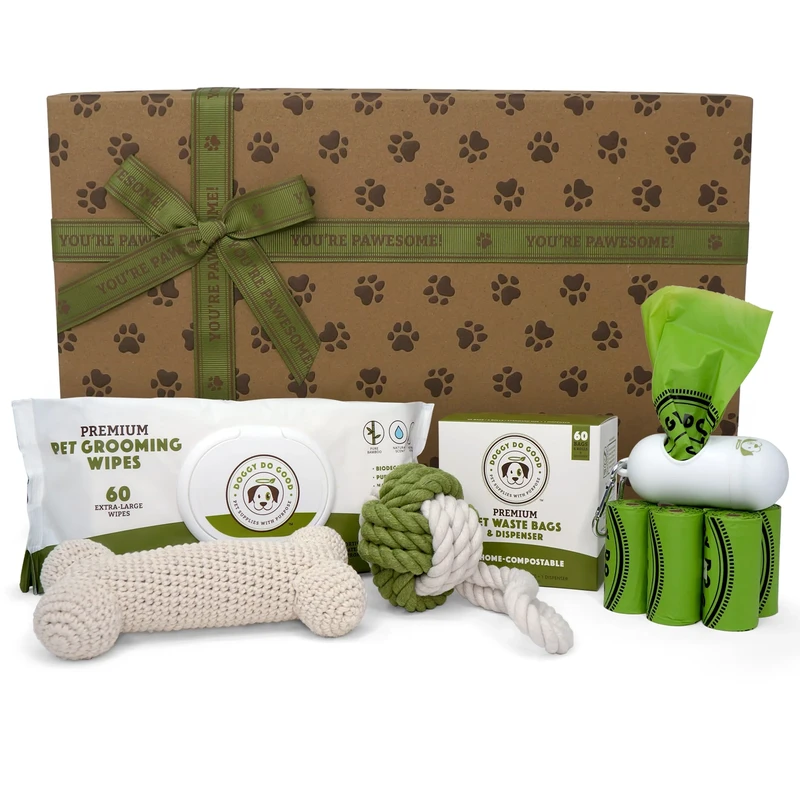
Eco-Friendly Pet Shop Guide: How to Spot Greenwashing
PawVerde.com – An eco-friendly pet shop focuses on providing sustainable, non-toxic, and ethically sourced supplies—ranging from biodegradable waste bags and bamboo accessories to insect-based proteins—to reduce a pet’s environmental footprint while ensuring animal safety through certified, green-labeled products.
The idea that going green isn’t just for people is a sentiment shared by the Best Friends Animal Society.
How to Spot Greenwashing in Pet Products
To detect greenwashing, look for specific certifications rather than vague terms like ‘eco-friendly’ or ‘natural.’ Avoid brands that fail to clarify if ‘compostable’ items require industrial facilities. Genuine sustainability is backed by proof, such as recycled material percentages or third-party environmental audits, rather than just marketing claims.
The ‘Vague Term’ Red Flags
Misleading claims undermine trust in genuine environmental initiatives and deter progress, as noted by Danguole Oželienė of Vilnius University. Many retailers use the term “eco-friendly” as a broad label without providing any underlying data or third-party verification to support the assertion. This lack of transparency makes it difficult for consumers to distinguish between a brand that has invested in sustainable supply chains and one that is simply using marketing buzzwords.
When evaluating a product, check for these specific indicators of potential greenwashing:
- The use of “natural” or “green” without defining specific ingredient standards.
- Claims of being “eco-friendly” that lack a percentage of recycled or organic content.
- Vague environmental promises that do not mention specific manufacturing or sourcing improvements.
The Compostability Trap
A common failure mode in sustainable pet shopping is the assumption that all “compostable” products can be disposed of in a backyard bin. The term “compostable” often lacks clarity regarding industrial requirements. Many items labeled as compostable actually require the high-heat, controlled environments of industrial composting facilities to break down effectively. If a biodegradable waste bag is tossed into a standard landfill, it may fail to decompose as intended, contributing to the very environmental issues it claims to solve.
The Lifecycle Audit: Beyond the Purchase
Sustainability extends far beyond the moment a transaction is completed at a retail checkout. A true lifecycle audit considers the entire existence of a product, from the extraction of raw materials to its eventual disposal or reuse.
Circular Economy Models
Modern sustainable brands are increasingly adopting circular economy models to prevent products from entering landfills. Instead of a linear “take-make-waste” approach, these companies design systems where materials are continuously cycled back into production. Awoo Pets utilizes this strategy through its rePAWpose program, which allows for the circulation of goods. This program provides an exchange value of $5 for pre-loved Awoo items, encouraging owners to pass on functional gear rather than discarding it.
End-of-Life Disposal Strategies
Understanding how a product leaves your home is critical for reducing a pet’s environmental impact. Retailers are now focusing on packaging and material recovery to close the loop. For example, Nina Woof utilizes 100% recyclable packaging for its products. This ensures that once the consumer has used the accessory, the outer casing can be processed through standard recycling streams rather than becoming permanent waste.
| Brand Name | Core Eco-Focus | Key Sustainability Stat |
|---|---|---|
| Nina Woof | Vegan & Recycled Materials | 50% minimum recycled materials |
| Awoo Pets | Circular Economy | $5 exchange via rePAWpose |
| The Green Pet Shop | Sustainable Gear | Founded in 2010 |
| Wild One | Social Impact | Supports animal rescues |
The table above highlights how different brands prioritize various aspects of the sustainability spectrum, from material composition to circularity programs.
Top Eco-Friendly Pet Brands and Retailers
Leading sustainable pet retailers include The Green Pet Shop (founded 2010), Organic Pet Boutique (since 2009), and Nina Woof, which uses at least 50% recycled materials. Other notable brands include Awoo Pets, known for its rePAWpose program, and Wild One, which supports animal rescues.
Choosing a retailer often depends on whether you are seeking specialized organic goods or general sustainable gear. Organic Pet Boutique has been providing curated organic and eco-friendly products since 2009, catering to owners who prioritize ingredient purity. For those looking for specialized gear, The Green Pet Shop, established in 2010, offers a variety of items including the Cool Pet Pad, which carries a 4.85/5.0 review rating and provides cooling effects for up to 3 hours after a 15-minute recharge.
For budget-conscious shoppers, some sustainable options offer competitive pricing. FunnyFuzzy manufactures toys starting at $8 and human-grade dog beds for up to $484. Similarly, Cycle Dog offers toys starting at $8, with a free shipping threshold of $50. Specialized retailers like Sustainable Pet Supply Co also provide incentives, such as a 10% discount on first orders, to make the transition to green products more accessible.
Sustainable Nutrition: The Rise of Alternative Proteins
Dietary choices significantly influence the environmental footprint of pet ownership. Many owners are looking for ways to mitigate the impact of traditional livestock farming.
Insect-based vs. Traditional Protein
Insect-based foods are emerging as nutritious options with minimal environmental impact. Unlike traditional meat production, which involves high methane emissions and massive resource consumption, insect protein can be produced in a highly controlled, efficient manner. This shift represents a significant opportunity to reduce the carbon footprint of pet diets without sacrificing nutritional density.
The Carbon Footprint of Pet Diets
While many owners focus on organic ingredients, the method of protein sourcing is often more impactful for the planet. Moving toward alternative proteins or highly efficient ingredient streams can mitigate the environmental strain caused by mass-scale livestock farming. However, practitioners suggest that any significant change to a pet’s diet should be managed carefully to maintain nutritional balance.
Avoiding Toxic Chemicals in Pet Care
Sustainability is not solely about carbon footprints; it is also about the chemical safety of the products entering your home and touching your pet’s skin.
WARNING: Many conventional grooming products contain toxic and potentially harmful chemicals, such as parabens, phthalates, and petroleum. These substances can have unwanted side effects and may contribute to various health issues in pets.
Beyond grooming, even common household items like cat litter require scrutiny. Eco-friendly cat litters should not contain clay or sodium bentonite. According to the Best Friends Animal Society, these traditional ingredients can be harmful and potentially sicken or poison pets. Instead, look for litter alternatives that avoid these heavy minerals to ensure a safer environment for your cat.
FAQ
Is bamboo safe for pet consumption?
Bamboo is recognized as a highly sustainable resource that helps combat climate change by reducing deforestation. When used in pet gear, such as bowls or accessories, it serves as a durable and eco-friendly alternative to plastic, provided the manufacturer ensures the product is free from toxic additives.
What are the risks of conventional cat litter?
Conventional cat litters often contain clay or sodium bentonite. These ingredients are considered harmful because they can potentially sicken or poison pets. Opting for eco-friendly alternatives avoids these specific mineral risks while reducing the environmental impact of mining.
How can I reduce my pet’s carbon paw print?
You can reduce your pet’s environmental impact by adopting from shelters, which reduces demand for resource-heavy mass breeding. Additionally, using biodegradable waste bags, choosing insect-based proteins, and selecting products made from recycled materials are effective ways to lower your pet’s footprint.

Eco-Friendly Pet Shop Guide: Spotting Greenwashing Claims
PawVerde.com – An eco-friendly pet shop focuses on reducing the environmental impact of pet ownership through circular economy products, non-toxic materials, and sustainable supply chains. Key indicators include brands using recycled fibers, upcycled food waste for treats, and products certified by organizations like GOTS or PETA to ensure both planetary and pet health.
The environmental footprint of pet care is substantial, with the pet food industry in the United States alone producing an estimated 300 million pounds of plastic annually.
The Greenwashing Detection Guide: How to Spot Fake Eco-Claims
To detect greenwashing, look beyond vague buzzwords and demand data. Verify claims using third-party certifications like GOTS (Global Organic Textile Standard), GoodWeave, or PETA-approved vegan labels. A truly sustainable brand will provide specific details on material composition, such as “50% recycled materials,” rather than just using the term “green” or “natural”.
Red Flags in Marketing
Greenwashing often manifests through the liberal use of sustainability buzzwords in SEO, where brands target trending keywords to appear environmentally conscious without substantive changes to their operations. Printful notes that “green” terminology is just a bunch of vague statements unless you have the data to back them up. A common failure mode occurs when a company highlights a single “natural” ingredient while ignoring a supply chain built on heavy plastic use or high-emission transport.
To verify a brand’s authenticity, evaluate these specific metrics:
- Vague terminology: Terms like “eco-conscious” or “earth-friendly” used without specific metrics.
- Lack of transparency: Brands that do not disclose the exact percentage of recycled content.
- Missing certifications: Claims of being “cruelty-free” without recognizable third-party verification.
The Power of Third-Party Certifications
Reliable pet brands rely on rigorous external audits to validate their claims. For example, some brands utilize certified products to ensure ethical textile production. Similarly, certain brands maintain approved vegan and cruelty-free status, providing a verifiable standard for animal welfare. If a brand claims sustainability but cannot point to a specific certification or a breakdown of material composition, such as a 50% recycled materials composition, the claim should be treated with skepticism.
Material Science Cheat Sheet: Hemp, Bamboo, and Recycled Fibers
Selecting pet accessories requires comparing raw materials like organic cotton and recycled fibers to determine their environmental impact. Lil’ Archies, for example, utilizes these materials to create durable gear.
Why Bamboo Outperforms Traditional Timber
The Green Pet Shop identifies bamboo as a highly sustainable resource that helps combat deforestation. Because bamboo regenerates much more rapidly than traditional timber, it provides a renewable alternative for pet products without the long wait times associated with hardwood forests. This rapid growth cycle makes it a primary candidate for eco-conscious pet gear.
The Durability of Recycled Synthetics
Recycled fibers are no longer just a secondary option; they are becoming a standard for high-performance pet gear. Lil’ Archies, for instance, utilizes recycled fiber and organic cotton to create accessories that meet both aesthetic and environmental standards. The following table compares the lifecycle and impact of common materials found in eco-friendly pet shops.
| Material Type | Degradation Speed | Environmental Residue | Best Use Case |
|---|---|---|---|
| Compostable | 90% in 180 days | Nutrient-rich humus | Waste bags and treats |
| Biodegradable | 3 to 6 months | Potential marine harm | Single-use items |
| Petroleum-based | 200 to 500 years | Microplastics | Long-term heavy duty gear |
Material choice directly affects long-term waste. While petroleum-based plastics persist for 200 to 500 years, compostable products undergo 90% degradation in 180 days and return nutrients to the soil as humus.
The Circular Economy in Action: From Food Waste to Pet Beds
circular economy production involves closed-loop manufacturing where waste becomes a resource. Examples include ModernBeast repurposing wool discards into hats, and The Conscious Pet upcycling surplus food waste for treats, effectively diverting waste from landfills and reducing the need for virgin raw materials.
Upcycling Manufacturing Excess
ModernBeast demonstrates the circular model by ensuring that every part of their production process serves a purpose. Their felt cat toys are dye-cut from wool, and instead of discarding the leftovers, those discards are repurposed into the brand’s signature felt hats. This method significantly reduces landfill contributions; in fact, ModernBeast reports that 7 Up bottles are diverted from landfills for every pound of stuffing used in their products. Furthermore, the brand maintains a social commitment by donating 100% of its profits to animal welfare organizations.
The Impact of Local Sourcing on Carbon Pawprints
Reducing the distance a product travels is a key pillar of sustainability. The Conscious Pet utilizes surplus food from local restaurants to create pet treats, a process that minimizes the carbon emissions typically associated with long-distance food logistics. This localized approach prevents food waste from entering landfills where it would otherwise contribute to methane emissions.
- Resource Recovery: Converting manufacturing offcuts into new product lines.
- Waste Diversion: Using surplus food scraps as a primary ingredient.
- Energy Efficiency: Utilizing renewable energy for dehydration processes.
Compostable vs. Biodegradable: Navigating Waste Management
Distinguishing between compostable and biodegradable materials is vital for ecosystem protection. According to Ocean Watch, compostable products produce humus upon degradation, whereas biodegradable plastics can pose risks during their breakdown.
Warning: Never place compostable bags in a standard recycling bin, as they can contaminate the recycling stream for traditional plastics.
The Microplastic Problem
Biodegradable plastics present a specific risk to aquatic environments. Ocean Watch notes that while these plastics may break down, they can be harmful to marine animals during the degradation process. In contrast, Lil’ Archies highlights that compostable bags decompose faster and do not leave microplastics behind, preventing the long-term accumulation of synthetic particles in the food chain.
The Humus Advantage
The primary benefit of true compostable products is their ability to return nutrients to the earth. According to Ocean Watch, compostable products produce humus upon degradation, which is the most important part of all soils. This high level of microbial activity helps boost the health of the soil, turning waste into a biological asset rather than a pollutant.
Protecting Your Pet: Avoiding Toxic Chemical Loads
Biological safety is a core component of sustainability. Best Friends Animal Society warns that many conventional products contain toxic and potentially harmful chemicals, such as parabens, phthalates, and petroleum, which may cause diseases.
Warning: Many conventional grooming and household products contain parabens, phthalates, and petroleum, which are linked to various health issues.
Pet Magasin suggests that selecting supplies free from BPA and phthalates actively reduces a pet’s chemical load. Furthermore, Hill’s Pet emphasizes the importance of sustainable nutrition, as the ingredients used in pet food directly impact both the animal’s health and the broader environmental footprint of the pet care industry.
Budgeting for Sustainability: Price Per Use vs. Upfront Cost
While initial costs for sustainable gear may differ from mass-produced plastic, long-term value is found in durability. For instance, Blue Toby sustainable pet products, founded by animal behavior scientist Linda Brent, focuses on a 100-mile manufacturing radius to ensure quality control and localized production efficiency.
Some brands have implemented programs to make sustainability more accessible. Awoo Pets offers a rePAWpose program that provides a $5 per product exchange value, encouraging consumers to participate in a circular lifecycle rather than discarding old gear. Additionally, brands like Blue Toby Sustainable Pet Products focus on a 100-mile manufacturing radius. This localized production ensures higher quality control and reduces the environmental costs of shipping, which can be factored into the long-term value of the product.
FAQ
Can I compost dog waste at home?
Home composting systems may struggle with the pathogens found in pet waste. To manage waste safely, utilize certified compostable bags in industrial facilities.
How do I know if a pet brand is actually eco-friendly?
Look for specific data and third-party certifications like GOTS or PETA, rather than vague terms like “natural” or “green.” A credible brand will provide exact percentages of recycled or organic content in their product descriptions.
What is the benefit of upcycled pet treats?
Upcycled treats, like those from The Conscious Pet, use surplus food that would otherwise go to waste. This process reduces landfill contributions and helps lower methane emissions, making it a more sustainable choice for pet nutrition.

Eco-Friendly Pet Products: How to Spot Greenwashing
PawVerde.com – Eco-friendly pet ownership involves transitioning to products made from sustainable materials like bamboo, organic cotton, and recycled plastics, while prioritizing non-toxic, biodegradable grooming and waste solutions. By choosing ethically sourced nutrition and durable gear, pet parents reduce their animals’ exposure to harmful chemicals and minimize their overall environmental footprint. Studies confirm pets face higher health risks from household chemicals and fragrances than humans, according to SeaYu founder Sydney Yu.
The Greenwashing Red Flag Checklist: How to Spot Fake Eco-Claims
To identify greenwashing in pet products, look for brands like Beco Pets that manufacture specific eco-friendly designs rather than relying on vague terms. Verify if “eco-friendly” packaging actually uses recyclable materials or if the brand provides transparency regarding their supply chain and meaningful environmental actions to avoid misleading marketing.
Claiming sustainability without meaningful action or transparency can backfire, leading to consumer skepticism and reputational damage. Industry analysts note that greenwashing can damage brand reputation significantly when companies use vague language to mask standard manufacturing processes. When shopping on retail platforms, avoid brands that rely solely on aesthetic “green” imagery without providing technical data on material sourcing or lifecycle impacts.
Vague Terminology vs. Certified Standards
Many products use the term “natural” to imply safety, but this lacks a legal or scientific threshold. Instead, look for specific markers of sustainability. For example, a product claiming to be “eco-friendly” is less reliable than one that specifies the use of recycled content or adheres to organic standards. If a brand cannot explain its supply chain, it is a red flag.
The Packaging Paradox
A common failure mode occurs when a brand markets a “sustainable” product inside non-recyclable, multi-layer plastic film. A product might be made of organic cotton, but if the packaging is a composite material that cannot be processed by municipal recycling facilities, the net environmental benefit is diminished. Always check if the packaging is explicitly labeled as recyclable or compostable.
- Check for specific material percentages (e.g., “80% recycled polyester”).
- Verify if “biodegradable” claims include a timeframe or specific environment (e.g., “home compostable”).
- Look for transparency in the brand’s “About Us” or “Sustainability” menu paths.
- Avoid “all-natural” labels that lack third-party certification.
A Lifecycle Guide to Sustainable Pet Gear
Managing the end-of-life for pet products requires knowing their material properties: bamboo dishes (like EcoWare) are biodegradable, hemp beds may be compostable, and recycled plastic toys should be diverted to specialized recycling streams. Always check if a product is truly compostable or merely biodegradable to ensure proper disposal.
Understanding the distinction between “biodegradable” and “compostable” is critical for preventing landfill buildup. According to Woofpanion, biodegradable poop bags may take between 3 and 6 months to decompose, but they must be managed correctly to ensure they don’t simply fragment into microplastics in the wild. This is a vital distinction when selecting waste solutions.
| Material/Product Type | Eco-Benefit | End-of-Life Method | Potential Pitfall |
|---|---|---|---|
| Bamboo (e.g., EcoWare) | Rapidly renewable resource | Biodegradable/Compostable | May require specific soil conditions |
| Recycled Plastic | Lower carbon/water usage | Specialized Recycling | Microplastic shedding risk |
| Hemp/Organic Cotton | Low pesticide/water use | Compostable | Durability issues with heavy chewers |
| Natural Rubber | Non-toxic/Biodegradable | Landfill or Compost | Higher initial cost |
The table above outlines how different materials behave once they are no longer useful. Choosing the right material depends on both the pet’s behavior and your local waste management capabilities.
Compostable vs. Biodegradable: The Critical Distinction
A common misconception is that these terms are interchangeable. Biodegradable products will eventually break down, but the process can take much longer than a human lifetime. Compostable products are specifically engineered to break down in a controlled composting environment without leaving harmful residues behind. This distinction is vital when selecting waste solutions like poop bags.
Disposing of Durable Gear
Durable items like beds from Naturepedic or gear from Wild One often have longer lifespans, which is inherently more sustainable. When these items finally reach the end of their life, they should not be tossed into general waste if they contain mixed materials. Check the manufacturer’s website for take-back programs or specific recycling instructions.
Budgeting for Sustainability: The Real Cost of Going Green
While eco-friendly gear can require a higher upfront investment, long-term costs are often lower due to increased durability. Choosing long-lasting gear minimizes replacement frequency and prevents the “buy-break-replace” cycle of cheap plastic goods.
| Product Item | Estimated Price (USD) | Sustainability Factor | Financial Context |
|---|---|---|---|
| Cycle Dog Toys | $8.00 | Handmade/Durable | Starting price point |
| EcoWare Bamboo Dish | $5.99 | Biodegradable | Low-cost entry point |
| Earth Rated Flyer Toy | $11.99 | Recycled materials | Standard replacement cost |
| Gunni’s Chewy Sticks | $12.99 | Natural ingredients | Consumable item |
| Lord Jameson Treats | $13.99 | Ethically sourced | Premium consumable |
| Cycle Dog XL Bed | $160.00 | High durability | Long-term investment |
The data shows a wide range of price points, from $8.00 for handmade toys to $160.00 for heavy-duty beds. While the $160.00 investment seems high, a bed that lasts five years is more cost-effective than buying a $30.00 synthetic bed every six months.
Sustainable Nutrition and Waste Management
Sustainable nutrition focuses on ethically sourced ingredients, recyclable materials, and balanced nutrition that supports animal welfare and the environment. Reducing the environmental impact of pet food involves looking beyond the label to the actual protein source and the packaging used to deliver it.
Low-Carbon Protein Sources
The environmental cost of traditional livestock farming is high. To mitigate this, pet owners can look for brands that utilize alternative proteins. Insect-based proteins can lower carbon emissions and reduce dependence on intensive livestock farming. Brands like The Honest Kitchen and Gunni’s emphasize ingredient integrity, which is a core component of sustainable feeding.
The Truth About Poop Bag Decomposition
Waste management is one of the most visible aspects of pet ownership. Traditional plastic dog waste bags take hundreds of years to decompose. While some biodegradable options exist, they can be misleading. According to Woofpanion, biodegradable poop bags may take between 3 and 6 months to decompose, but they must be managed correctly to ensure they don’t simply fragment into microplastics in the wild.
- Prioritize compostable bags over standard biodegradable ones for cleaner breakdown.
- Look for cat litters made from recycled wood, wheat, corn, or newspaper.
- Avoid litters containing clay or sodium bentonite, which can be harmful to pets.
- Consider the carbon footprint of shipping heavy food bags by choosing local or concentrated options.
FAQ
Are compostable poop bags better than biodegradable ones?
Yes. According to Woofpanion, biodegradable poop bags may take 3 to 6 months to decompose, but compostable alternatives are specifically engineered to break down in controlled environments without leaving harmful residues.
How can I tell if my pet’s food is truly sustainable?
Look for brands like The Honest Kitchen that focus on ingredient integrity, or brands like Gunni’s that utilize natural ingredients and ethical sourcing to support animal welfare.
Is recycled plastic safe for dogs that chew heavily?
While recycled plastic uses less carbon and water, heavy chewers may face microplastic risks; natural rubber or hemp may be safer alternatives for high-intensity play.